Sacramento, California’s sprawling capital, is a city that blends suburban neighborhoods with an expanding urban core.
For daily commuters, the city presents a mix of highway driving on Interstate 80 and surface street navigation through traffic-heavy corridors like Capitol Mall and Folsom Boulevard.
Choosing the right car for Sacramento isn’t just about aesthetics or performance it’s about efficiency, reliability, and long-term affordability.
Some cars handle this balance perfectly, while others may look appealing initially but drain your wallet over time due to high maintenance costs, fuel consumption, or depreciation.
When it comes to commuting in Sacramento, compactness, fuel efficiency, and comfort during stop-and-go traffic are key. Let’s start with five practical cars that fit the city’s commuting needs without breaking the bank.
1. Toyota Corolla
The Toyota Corolla has long been a benchmark for commuter-friendly cars. Its small footprint makes navigating Sacramento’s downtown streets easy, and its efficient 1.8- to 2.0-liter four-cylinder engines ensure excellent fuel economy, often exceeding 30 mpg in combined driving.
Beyond fuel savings, the Corolla offers reliability that keeps repair costs low, and Toyota’s reputation for durability means owners can easily hit 200,000 miles with routine maintenance.
Advanced safety features like adaptive cruise control, lane-keeping assist, and automatic emergency braking further enhance peace of mind for daily commuters tackling heavy traffic on I-80 or Highway 50.
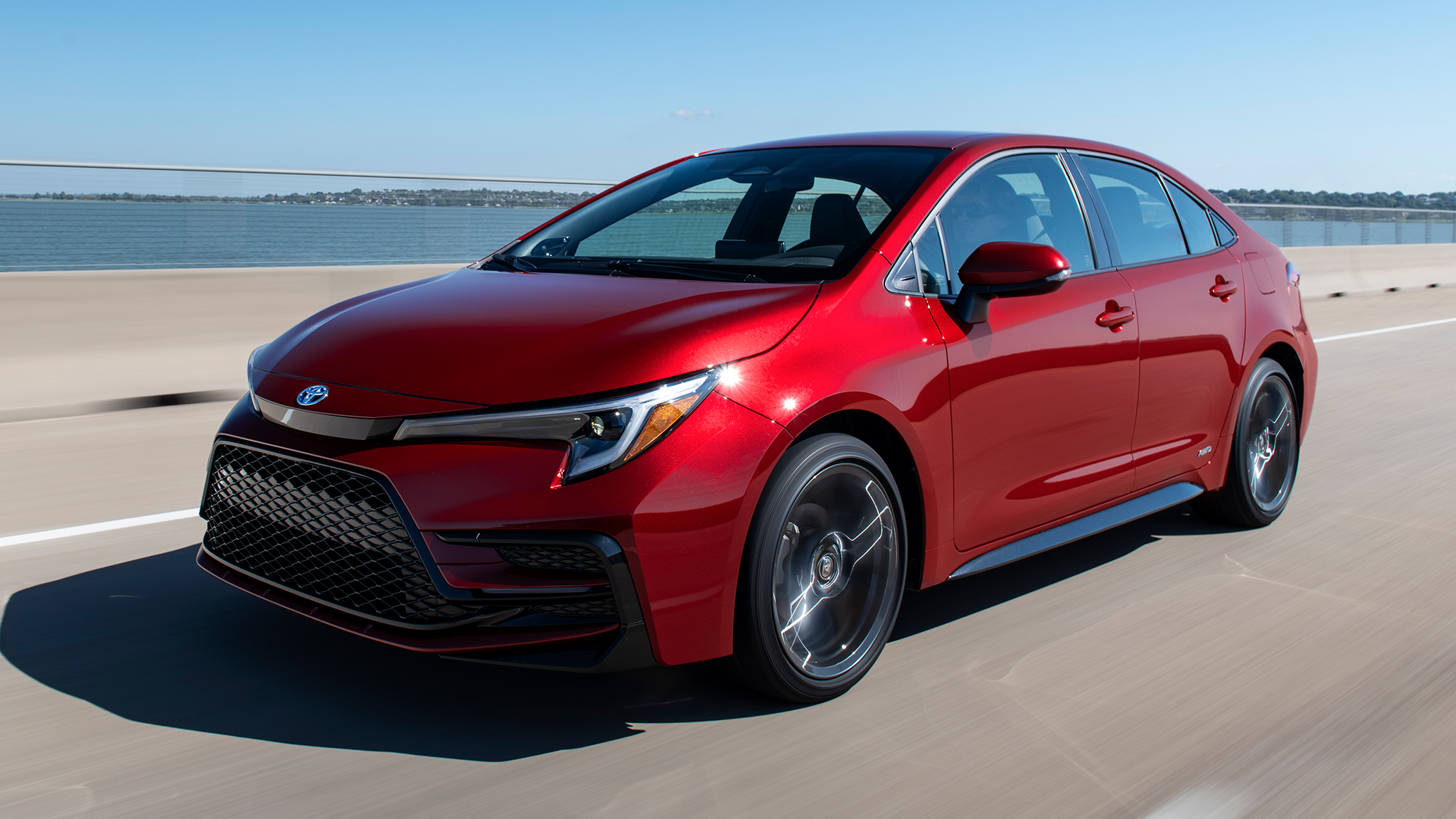
The Corolla’s interior benefits from a simple, easy-to-use layout. The controls are right where you want them and are logically grouped. The number of buttons is sensible, with just enough to be useful but not so many that it looks cluttered.
It’s also easy to get in and out of the car. Front passengers have plenty of room, and the driver has clear sight lines to both the front and rear. Seating for rear passengers is tighter, especially with regard to headroom. Adult occupants’ heads might be close to the roof. The Honda Civic is better in this respect.
2. Honda Civic
Another perennial favorite is the Honda Civic, a vehicle that balances efficiency, style, and a surprisingly spacious cabin.
With engines ranging from economical naturally aspirated options to turbocharged variants, the Civic is versatile for both city commuting and occasional highway bursts.
Its suspension is well-tuned for comfort, which is a bonus for Sacramento’s pothole-laden surface streets. Like the Corolla, the Civic enjoys a reputation for longevity and strong resale value, making it an ideal choice for a commuter car that won’t become a money pit.
Honda’s best-selling Civic gets a significant makeover for the 2022 model year, debuting a more mature exterior, updated interior, and a suite of new features that help it earn a spot.
The compact car continues to offer a selection of four-cylinder engines, including a turbocharged 1.5-liter, while front-wheel drive remains standard, Honda has no plans to offer all-wheel drive. Updated technology, such as a larger infotainment display, wireless smartphone connectivity, and enhanced driver-assistance features, ensures the Civic remains competitive against rivals like the Hyundai Elantra, Mazda 3, and Toyota Corolla.
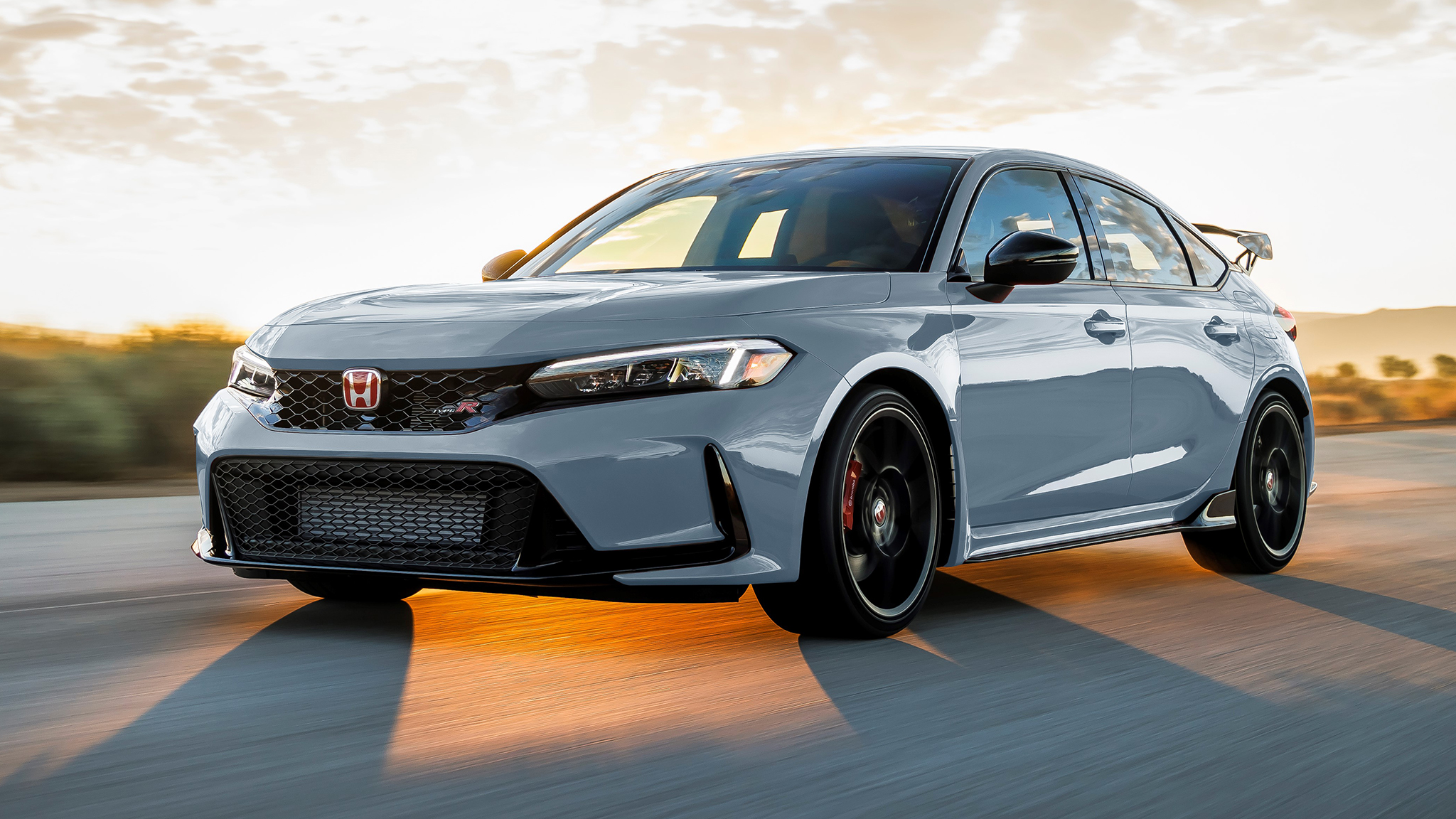
The 2022 Civic is an all-new model, featuring a redesigned body and updated interior, and it continues to be available in both sedan and hatchback styles. Pricing ranges from $23,645 for the base LX up to $31,145 for the top Sport Touring trim.
For the sedan, we recommend the EX trim, which offers a host of useful features such as blind-spot monitoring, a power sunroof, dual-zone automatic climate control, heated mirrors, heated front seats, and the more potent 180-hp turbocharged four-cylinder engine. For the hatchback, the EX-L provides similar equipment and adds leather upholstery.
Despite the redesign, Honda has retained the previous-generation powertrains. Base models use a 158-hp 2.0-liter four-cylinder, while the turbocharged 1.5-liter four-cylinder now produces 180 hp. Front-wheel drive is standard, and the sedan relies solely on a continuously variable automatic transmission (CVT), as the manual option has been discontinued.
The hatchback still offers a six-speed manual. At our test track, the turbocharged Touring sedan achieved 0–60 mph in 7.5 seconds, slightly slower than the prior generation, while a manual Sport Touring hatchback did 7.3 seconds.
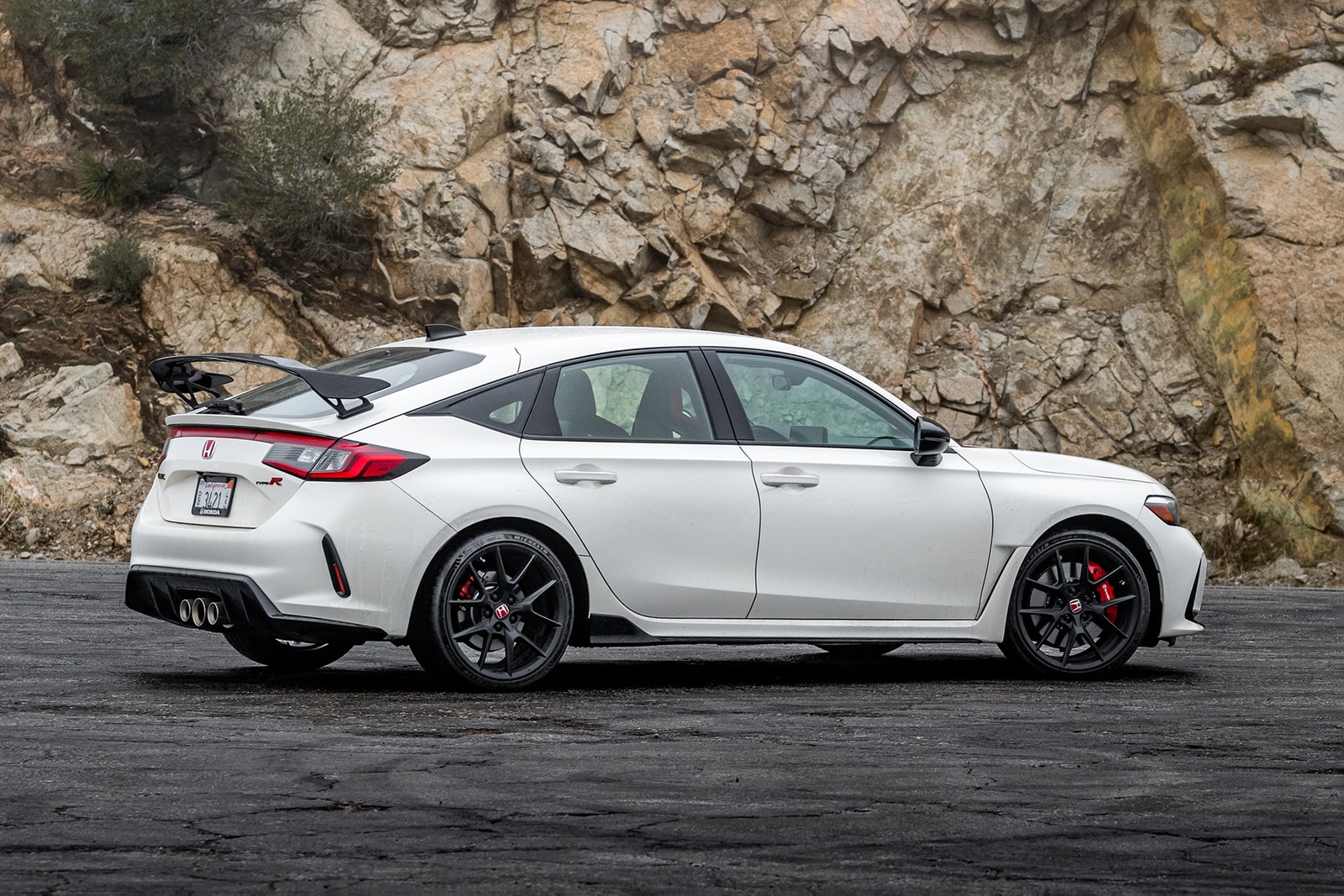
Handling remains sharp, steering communicative, and ride quality well-balanced, just as it was in the previous generation. Sporty Si and high-performance Type R variants are also available, both offering manual transmissions.
Also Read: Top 10 Used Aston Martins Available for Under $30,000
3. Mazda3
For drivers who want a bit more engagement behind the wheel, the Mazda3 is a standout. This compact sedan or hatchback, for those who need cargo space offers precise steering and a refined interior without sacrificing fuel efficiency.
The Mazda3 achieves around 28–30 mpg combined, depending on engine choice, and features a minimalist, driver-focused cockpit.
Mazda’s attention to design and reliability also ensures that maintenance costs remain reasonable, positioning this car as a commuter-friendly option that doesn’t feel mundane.
Both the standard 2.5-liter four-cylinder engine and the optional, more potent turbocharged powerplant in the Mazda 3 deliver smooth, responsive performance. During testing at our track, the turbocharged Mazda 3 sprinted to 60 mph in just 6.5 seconds, ranking it among the quickest compact cars available.
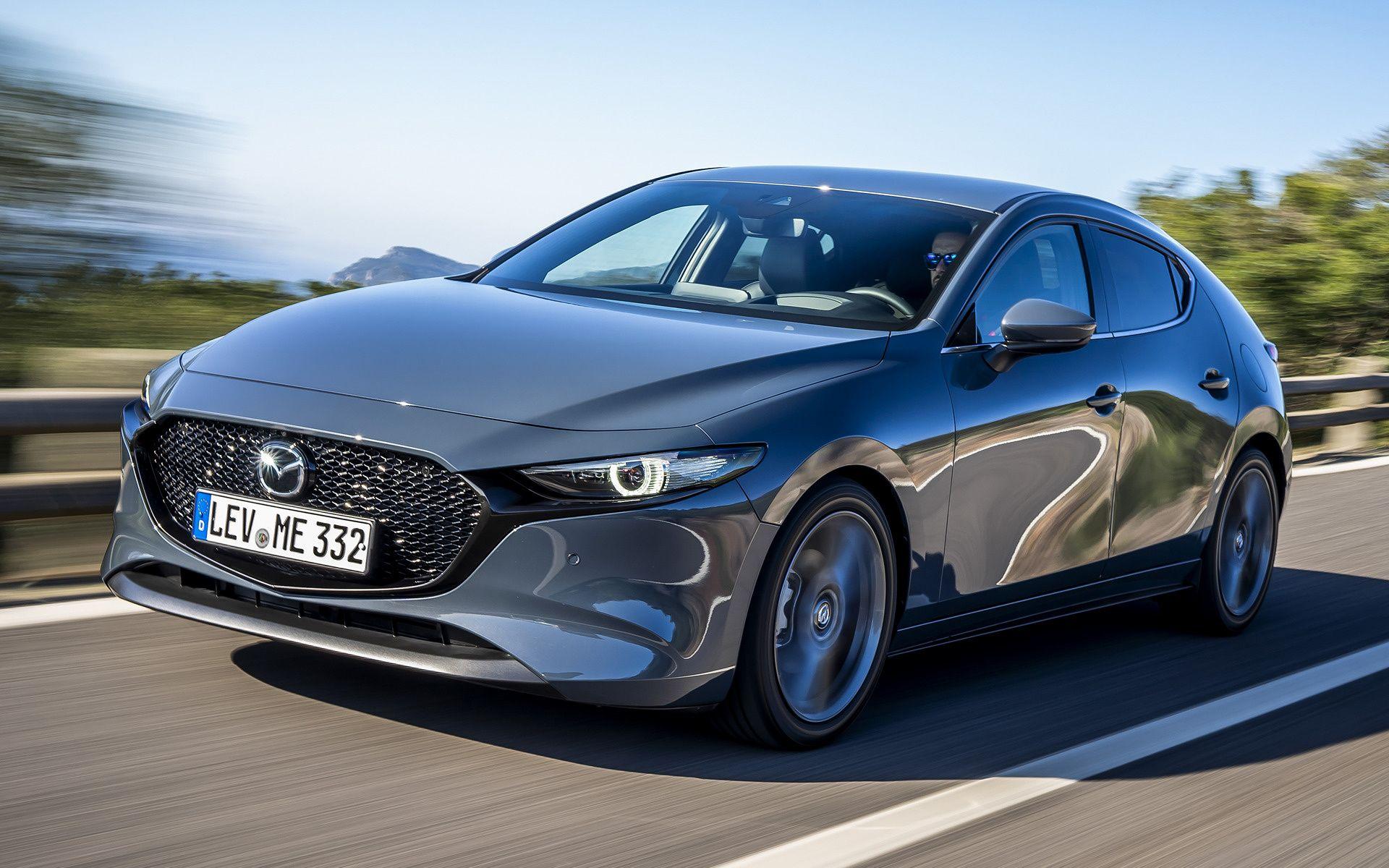
Both the manual and automatic transmissions shift fluidly, and the car’s ride quality is impressively composed. The suspension absorbs larger bumps on the highway with ease, and the Mazda 3 feels stable and confident at higher speeds.
That said, there are some drawbacks. Rear visibility is limited due to the hatchback’s small rear window and substantial roof pillars, and certain advanced driver-assistance features, like the lane-keeping system, aren’t as intuitive or effective as those found on rivals such as the Honda Civic.
The Mazda 3 offers a more refined, powerful, and upscale driving experience, but it comes at a cost. Its starting price is higher than entry-level options from the Honda Civic and Hyundai Elantra, and a fully equipped model can approach $40,000.
Still, the fit and finish are excellent, and the cabin’s design and materials make the car feel special and worth the investment. Some desirable features, however, are reserved for the higher-priced trims.
Warranty coverage is typical for a mainstream vehicle, with three years/36,000 miles of bumper-to-bumper protection and five years/60,000 miles for the powertrain.
4. Hyundai Elantra
The Hyundai Elantra has surged in popularity thanks to its combination of affordability, tech-rich interior, and strong warranty coverage.
Sacramento commuters can appreciate the Elantra’s smooth ride over rougher streets, while standard features like Apple CarPlay, Android Auto, and advanced driver-assistance systems enhance daily driving.
Its turbocharged 1.6-liter engine strikes a balance between spirited performance and efficient fuel consumption, and Hyundai’s 10-year/100,000-mile powertrain warranty reduces concerns over long-term ownership costs.
The standard nonhybrid Hyundai Elantra is equipped with a 147-hp four-cylinder engine, paired with front-wheel drive and a continuously variable transmission (CVT). The hybrid variant swaps in a 1.6-liter four-cylinder combined with an electric motor, producing 139 horsepower.
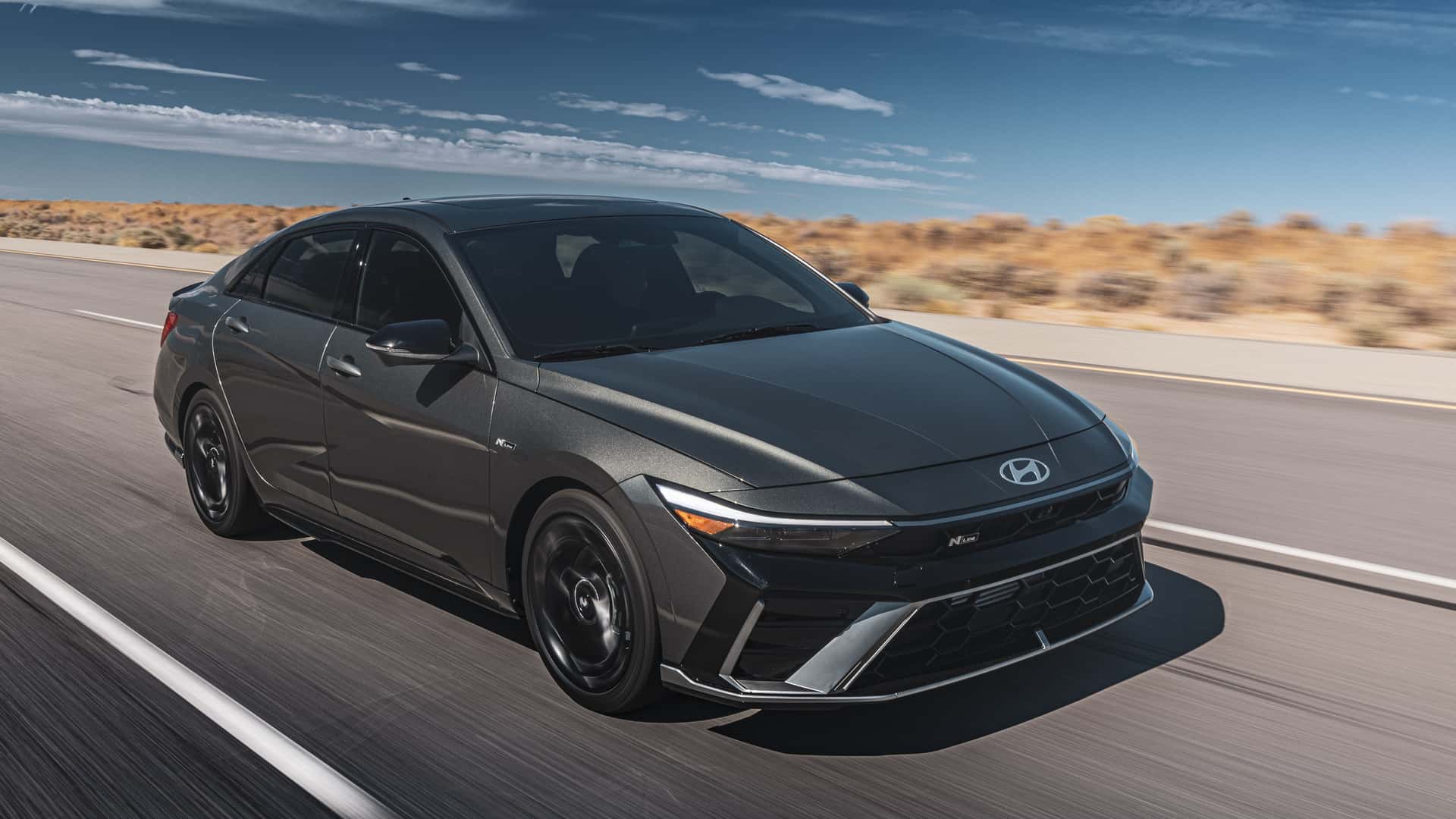
The hybrid’s power delivery is managed by a six-speed automatic transmission. Neither powertrain delivers thrilling acceleration, but during our test drive of a nonhybrid model, we found the ride quality comfortable and the engine sufficiently lively for typical city and highway driving.
For those seeking more excitement, the performance-oriented Elantra N is the standout, though its higher price may not suit every buyer. A more approachable alternative is the N Line, which uses a turbocharged 1.6-liter four-cylinder engine paired with either a six-speed manual or a seven-speed dual-clutch automatic.
In our brief evaluation, the N Line impressed with its snappier acceleration and nimble handling, providing enhanced athleticism without sacrificing ride comfort or becoming overly stiff.
5. Toyota Prius
For commuters particularly concerned about fuel costs, the Toyota Prius remains a top choice. While hybrid vehicles can come with a higher initial purchase price, the Prius delivers unmatched fuel efficiency in urban settings, often surpassing 50 mpg combined.
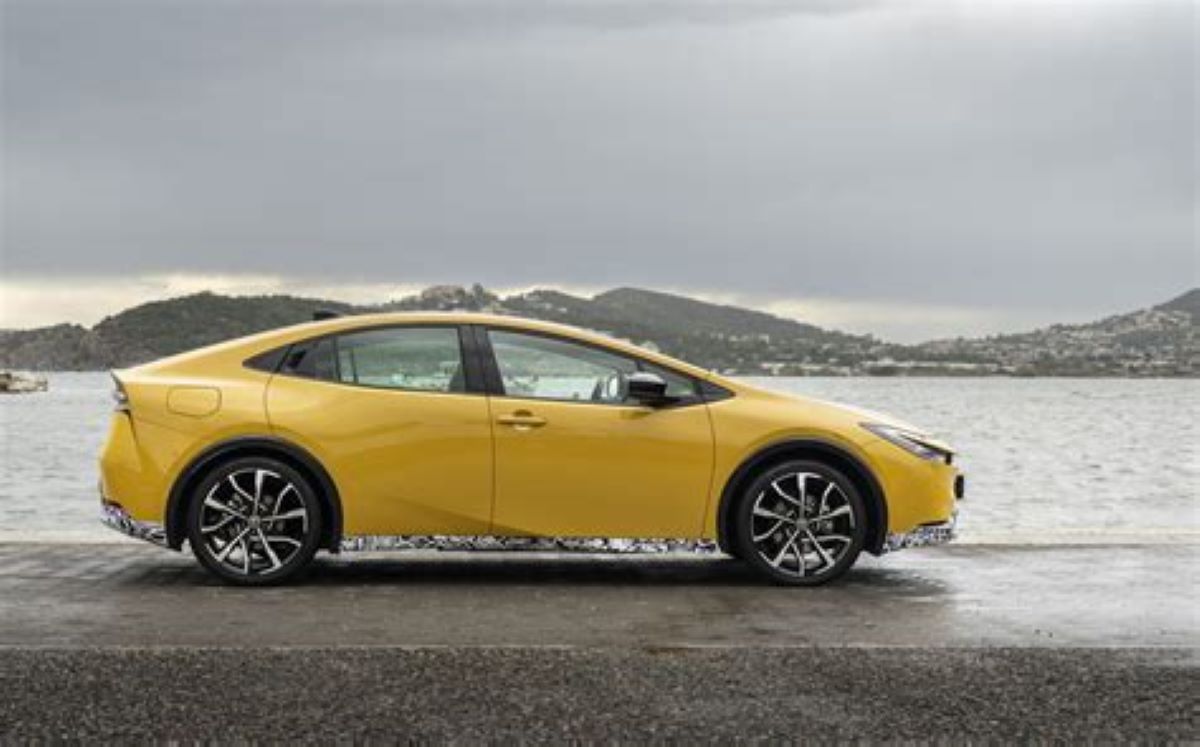
Sacramento drivers can also take advantage of HOV lane access, reducing commuting time during peak hours.
Maintenance costs are relatively low compared to other hybrids, and Toyota’s proven hybrid technology ensures the car remains reliable for many years, making it an excellent long-term investment despite a slightly higher upfront cost.
Also Read: 10 SUVs That Rarely Need Engine Work After Long Term Use
Cars That Cost More Long-Term: The Trade-Offs
Some cars make a great first impression with flashy styling, premium interiors, or impressive performance, but behind the scenes, their long-term costs tell a different story. Whether it’s complex engineering, pricey specialty parts, or maintenance schedules that demand frequent shop visits, certain models end up costing far more over time than buyers expect.
These vehicles often deliver standout features or driving experiences, but those perks come with financial trade-offs that can stretch well beyond the initial purchase. In this article, we explore the cars that hit the hardest long-term and break down why the ownership experience can be both rewarding and expensive.
1. BMW 3 Series
The BMW 3 Series is a dream car for many, offering sporty handling, a premium interior, and a range of turbocharged engines. However, the costs of ownership can escalate quickly.
Routine maintenance, such as brake pad replacements and oil changes, are far more expensive than mainstream brands.
Additionally, German luxury cars tend to depreciate faster in the first five years, meaning your car loses value quicker than it would with a Toyota or Honda. For a commuter who drives 30–50 miles daily, these costs add up fast.
The 2022 BMW 3-series remains a benchmark in the compact luxury sedan segment, delivering a driving experience that is both engaging and refined. Regardless of which of its smooth powertrains is in play, the 3-series impresses with composed handling, strong brakes, and a comfortable ride suitable for daily driving.
Its cabin is roomy and upscale, and the trunk is generous for the class. While competitors such as the Genesis G70 offer compelling value and the Alfa Romeo Giulia exudes sex appeal, few rivals match the 3-series’ versatility.
Powertrain choices include a turbocharged four-cylinder in the 330i, a plug-in hybrid 330e with up to 23 miles of all-electric range, and a potent 382-hp turbocharged inline-six in the M340i. All engines are paired with an excellent eight-speed automatic transmission, with rear-wheel drive standard and all-wheel drive available for an additional cost.
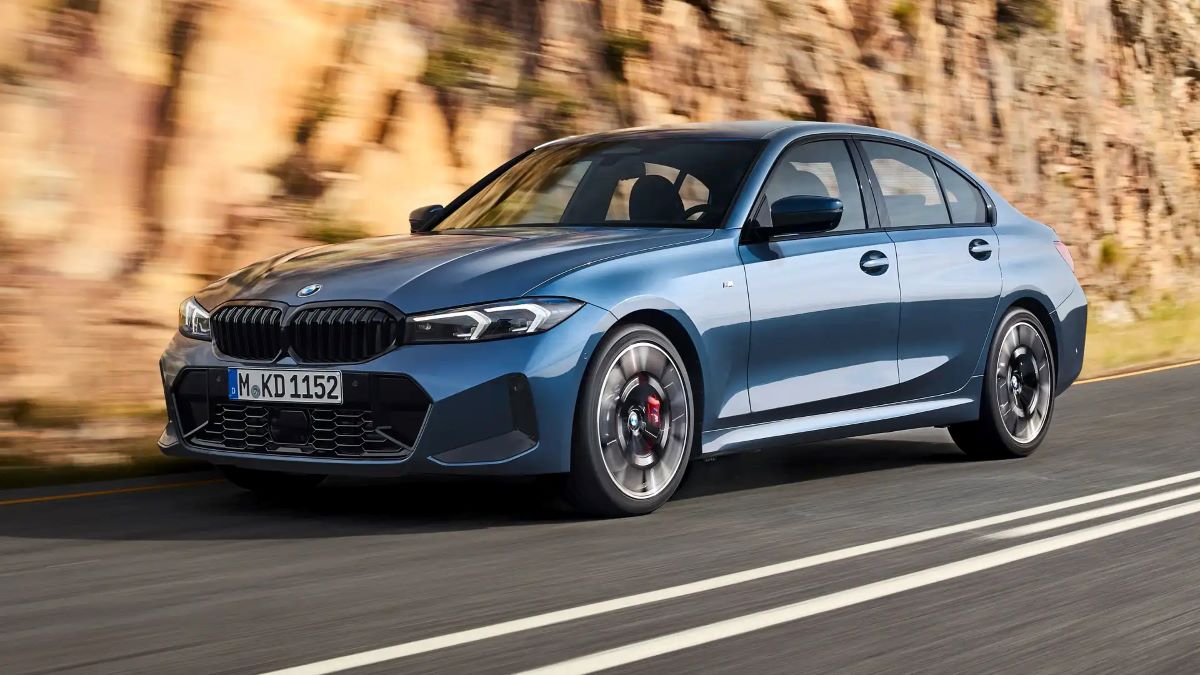
Pricing for the 3-series starts at $42,445 and climbs to $57,695 for the M340i xDrive. Our recommended choice is the 330i for its balanced combination of power and agility.
Adding the M Sport package enhances handling and styling, while the Premium package introduces features such as blind-spot monitoring, a head-up display, a heated steering wheel, and a larger touchscreen. The Dynamic Handling package further sharpens driving dynamics through adaptive dampers and upgraded brakes.
The turbocharged 2.0-liter four-cylinder in the 330i produces 255 hp and 295 lb-ft of torque, while the M340i’s turbocharged 3.0-liter inline-six with a 48-volt hybrid system delivers 382 hp and 369 lb-ft.
The 330e plug-in hybrid combines a 2.0-liter turbo engine with an electric motor for a total of 288 hp and 310 lb-ft, with the new Xtraboost function providing an exhilarating power surge. Steering feel has improved over previous generations, offering more road feedback and variable effort, though it still falls short of the iconic early 3-series models.
In testing, the 330i proved its prowess, transitioning seamlessly from refined cruising to playful handling, outperforming competitors like the Alfa Romeo Giulia, while the long-term M340i confirmed the series’ return to form with its impressive six-cylinder performance and excellent body control.
2. Audi A4
Similar to BMW, the Audi A4 delivers excellent performance, quattro all-wheel-drive traction, and a modern cabin.
Yet, maintenance costs including oil changes, brake work, and transmission service can be significantly higher than non-luxury vehicles.
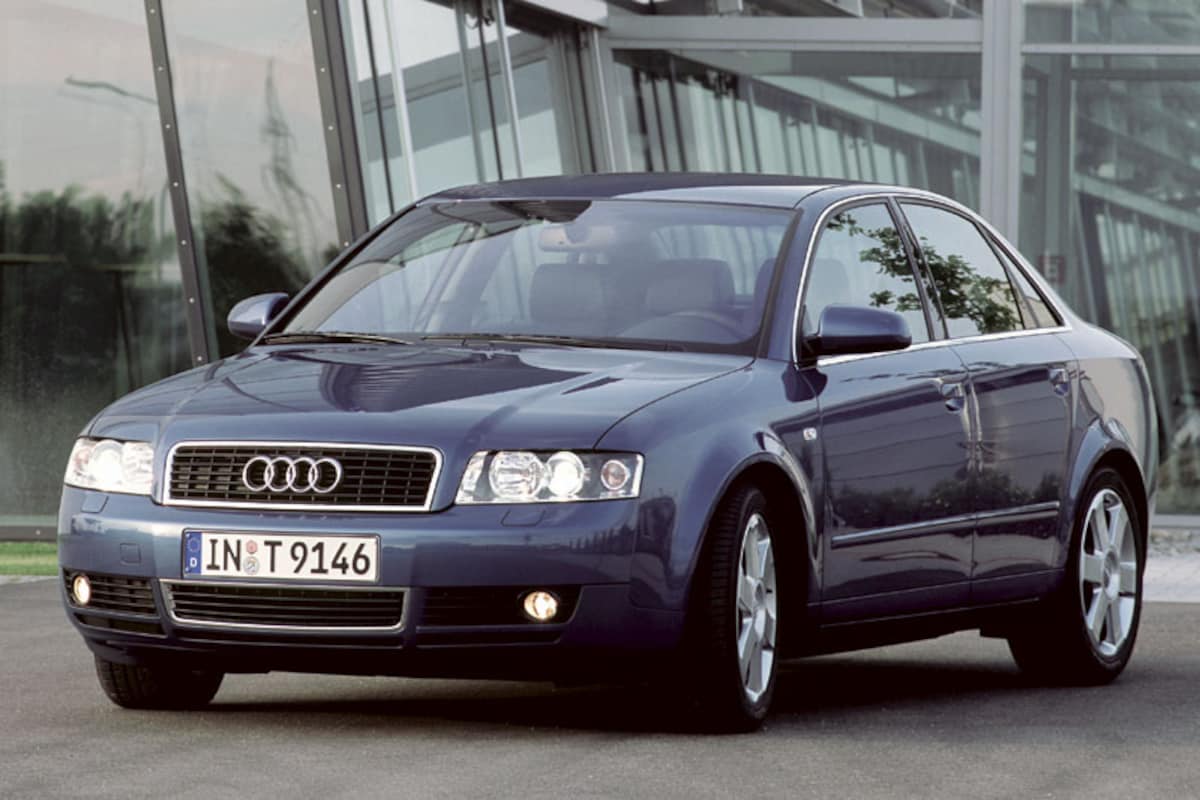
Repairs for European components often require dealership service or specialist shops, which drives up long-term costs.
While an Audi offers a refined commuting experience, it’s a choice that demands financial readiness for potential surprises.
3. Land Rover Discovery Sport
If you want a luxury SUV for commuting in Sacramento, the Land Rover Discovery Sport might catch your eye. It boasts off-road capabilities, a plush interior, and a commanding view of the road.
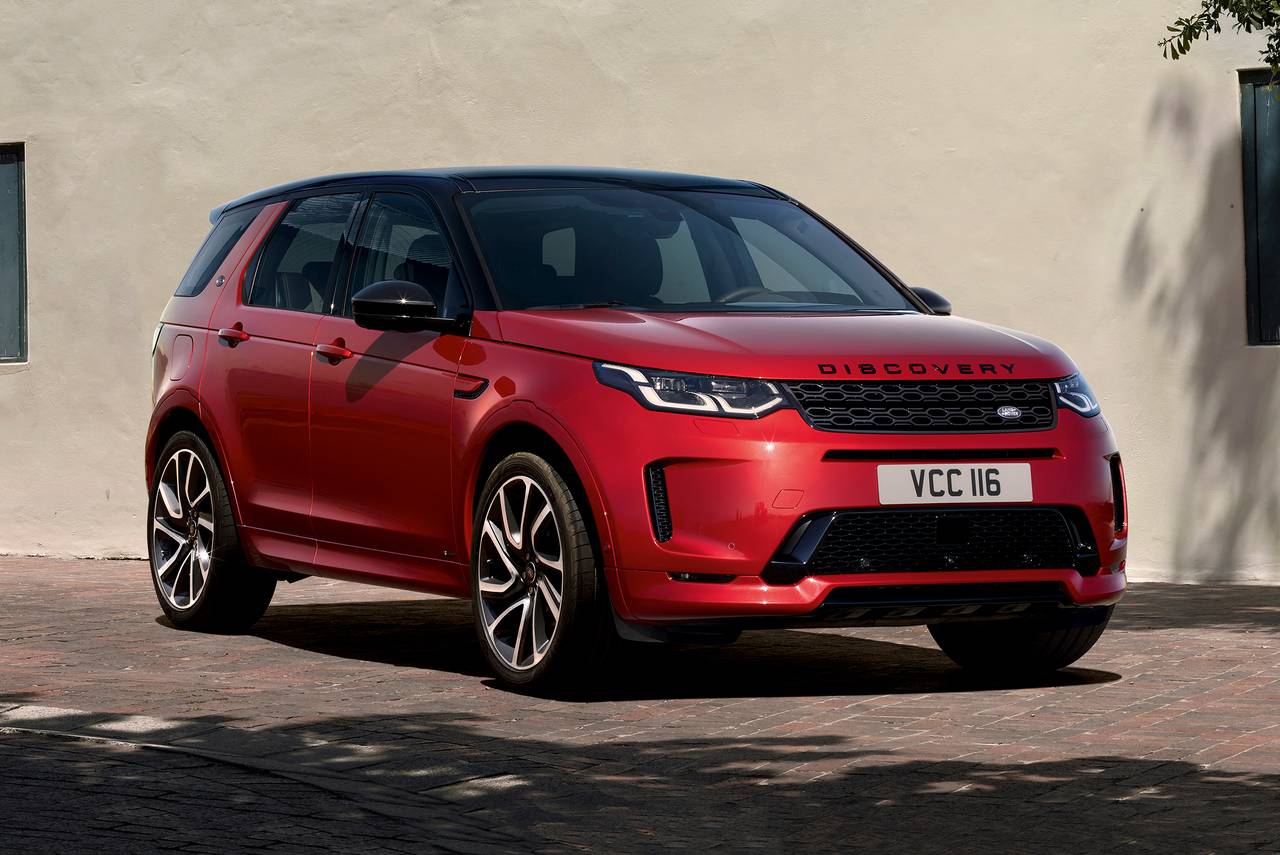
However, Land Rover is notorious for high repair and maintenance costs, and reliability ratings tend to be lower than mainstream competitors. For a commuter car, this translates to frequent service visits and expensive parts, making it a less practical choice for daily drives around the city.
The 2024 Land Rover Discovery Sport is the brand’s most affordable SUV, slotting in just above the Range Rover Evoque as the smallest model in the lineup. Although it hasn’t received a full redesign in nearly a decade, the 2024 updates bring some welcome improvements.
Inside, the cabin looks more modern thanks to an 11.4-inch touchscreen, a digital instrument cluster, and a refreshed center console with a new toggle-style gear shifter. Additional upgrades include a fixed panoramic sunroof and a Meridian sound system, now standard across the range.
While the 2024 updates are meaningful, they aren’t enough to fully modernize the Discovery Sport in a highly competitive small luxury SUV segment. Many rivals have seen full redesigns since the Discovery Sport’s last overhaul in 2015, and some have been updated twice.
These newer competitors offer more refined comfort, advanced technology, and contemporary styling. That said, the Discovery Sport still offers plenty of practical advantages: generous cargo space behind the second row, a spacious cabin with an optional third row, and solid off-road capability. Test-driving alternatives is highly recommended before committing.
Top small luxury SUV rivals include the Genesis GV70, Mercedes-Benz GLC, and Acura RDX. Other strong alternatives are the Audi Q5, BMW X3, and Lexus NX 350.
For all-electric options, consider the Audi Q4 e-tron, Genesis GV60, and Tesla Model Y. While some of these electric and gas-powered competitors have higher starting prices, they typically offer more modern features and comfort than the Discovery Sport.
The 2024 Discovery Sport comes in two trims: S and Dynamic SE, seating five passengers as standard or seven with the optional third row. Power comes from a single turbocharged 2.0-liter four-cylinder producing 246 hp and 269 lb-ft of torque, paired with a nine-speed automatic transmission. Standard equipment across the lineup includes the updated touchscreen, digital cluster, panoramic sunroof, and Meridian audio.
4. Jaguar XE
Jaguar’s XE sedan is sleek and stylish, with sharp handling and a performance-oriented powertrain. While it feels sporty on winding roads and highways, the reality for daily commuting in Sacramento is different.
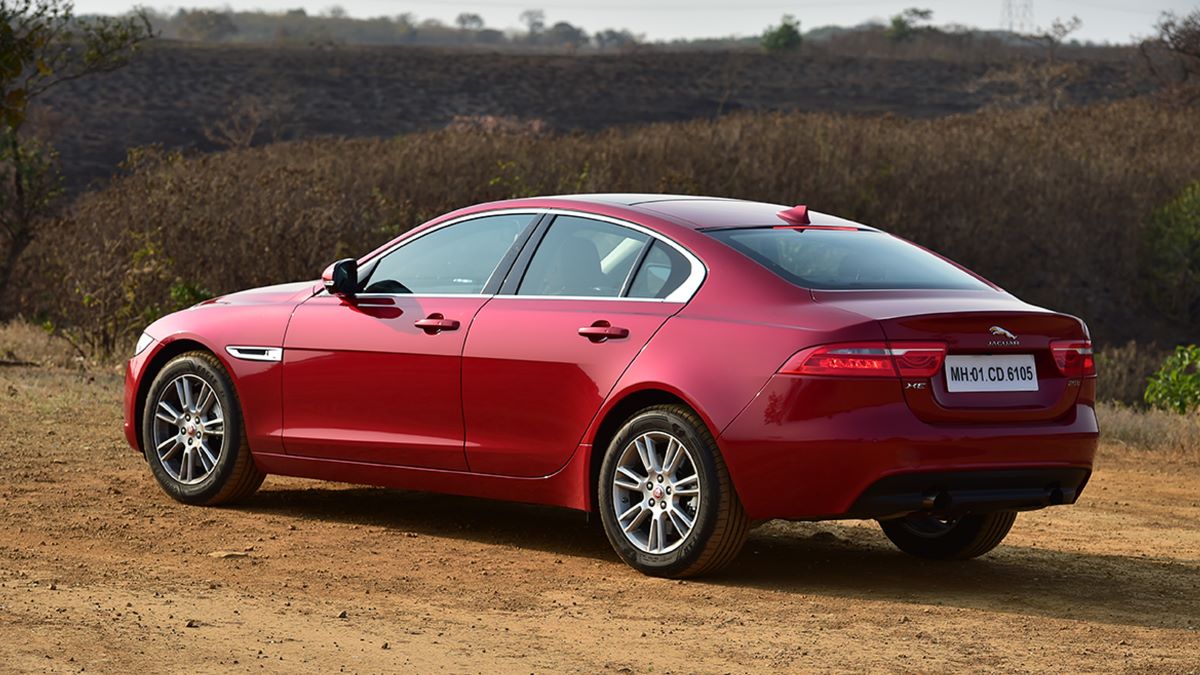
Jaguars often have higher-than-average repair bills, and finding replacement parts can be costly. Depreciation is also steep, which can make ownership a financial burden if you plan to keep the car beyond a few years.
In 2015, Jaguar broke away from the conservative approach of most German automakers and introduced the XE as a bold, fresh addition to its lineup.
The British marque was entering a phase of evolution. After discarding its older design language with the launch of the XF, Jaguar continued its reinvention with the XJ and followed up with the XE, simultaneously ending the X-Type lineup.
The new model was aimed at younger buyers who valued brand identity, preferred a more dynamic design than the sober looks of German competitors, and embraced modern technology, and Jaguar delivered on all fronts.
Stylistically, the XE impressed with its aggressive front fascia, narrowed toward the center, giving the car a striking, “angry” appearance for its time. The main grille featured a mesh pattern, while the lower bumper included an expanded cooling area and additional air intakes flanked by scoops directing airflow to the front rotors.
From the side, the ascending beltline culminated in a short rear deck. The short greenhouse contributed to its sporty proportions, though it also impacted interior space.
Headroom for rear passengers was limited due to the low roof, while front occupants enjoyed ample space. Standard safety features included automatic emergency braking and lane-change assistance. Inside, the instrument cluster combined analog dials with a central TFT display, creating a modern look. A standout feature was Jaguar’s rising rotary gear selector, a unique touch in the segment.
Under the hood, the XE offered a range of diesel and gasoline engines producing between 163 and 340 PS (160–335 hp), paired with either rear-wheel or all-wheel drive, providing buyers with both efficiency and performance options.
5. Tesla Model S
Tesla vehicles, particularly the Model S, offer cutting-edge technology, electric performance, and zero gas costs. On paper, they seem perfect for commuting, but the reality is nuanced.
Repair and replacement costs for battery packs, suspension components, and touchscreen systems can be significant once the warranty expires.
Insurance premiums for a high-value EV are higher than average, and despite low fuel costs, overall ownership can surpass more modest sedans over a 5–10 year horizon.
For Sacramento commuters looking for efficiency and reliability, a smaller, more affordable EV like the Chevrolet Bolt or Nissan Leaf may be a smarter choice.
For those navigating Sacramento’s mix of urban streets, highway traffic, and suburban roads, selecting the right car can significantly impact both daily convenience and long-term finances.
Back in 2012, the electric-vehicle market was a completely different landscape. Range was limited, charging infrastructure was scarce, and options were few and far between. Then Tesla changed the game with the Model S: an all-electric sedan offering blistering acceleration, sleek styling, and more than double the range of any competitor at the time.
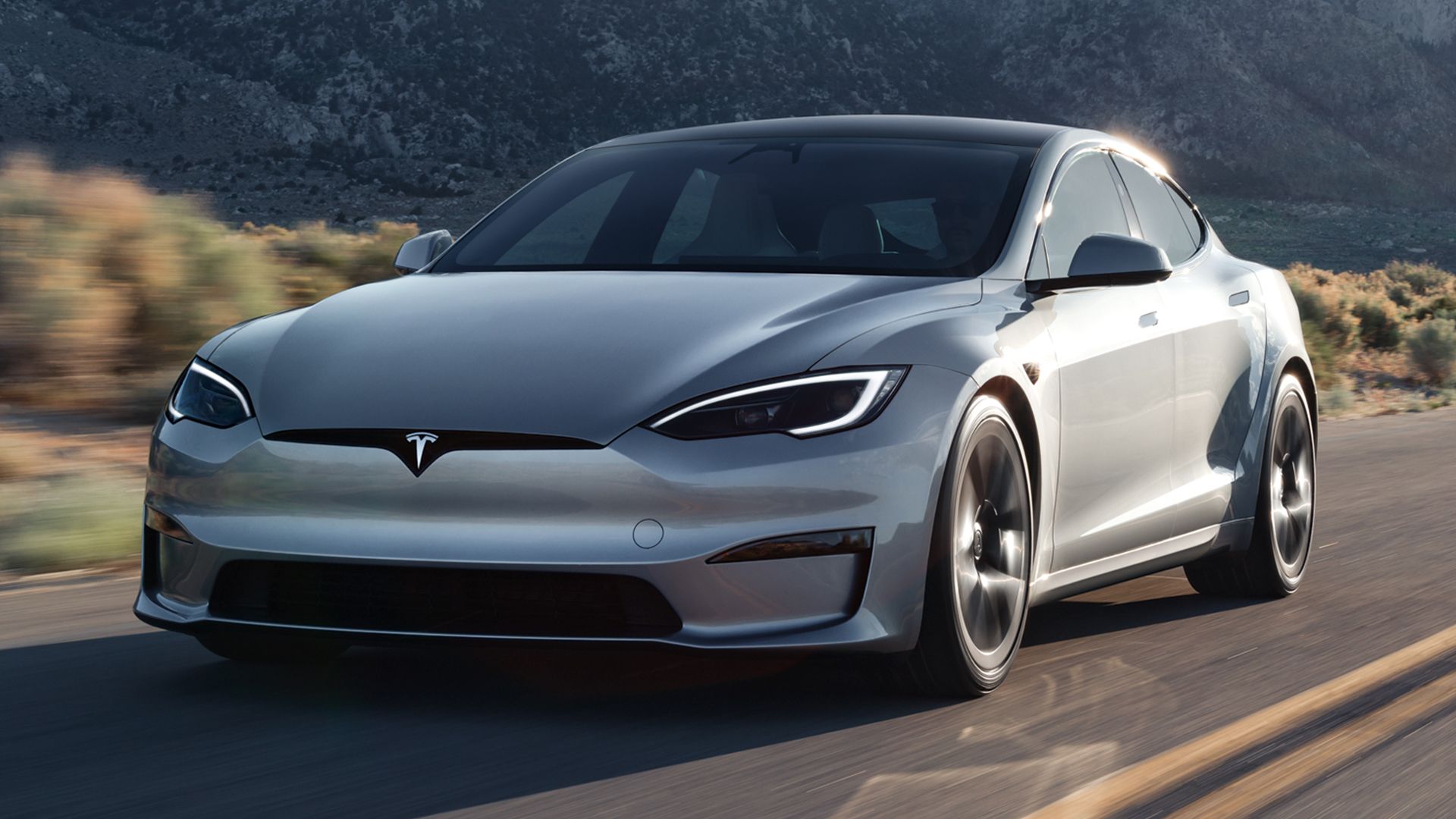
Thirteen years later, the EV industry has evolved dramatically, though the Model S has remained largely the same. That stability has allowed other automakers to catch up, and in some areas, surpass the aging Tesla.
The Lucid Air, for instance, boasts an astounding 512 miles of EPA-estimated range, performance that rivals the fastest cars on the planet, and an interior that reaches luxury levels. The BMW i5 and Mercedes-Benz EQE also offer more refined interiors than the Model S, though their ranges hover around the 300-mile mark. Meanwhile, the standard Model S still leads with an EPA-estimated 402 miles of range.
For those chasing extreme performance, the 1020-hp Model S Plaid delivers an experience akin to being launched from an aircraft carrier in an F-18. While the Model S may no longer dominate the EV luxury-sedan segment as it once did, its head start was so significant that it remains a relevant and competitive choice even today.
Practical, reliable vehicles like the Toyota Corolla, Honda Civic, Mazda3, Hyundai Elantra, and Toyota Prius provide efficiency, comfort, and lower maintenance costs, making them ideal for daily commuting.
On the other hand, luxury or performance-oriented vehicles such as the BMW 3 Series, Audi A4, Land Rover Discovery Sport, Jaguar XE, and Tesla Model S may deliver excitement and prestige but come with higher long-term ownership costs.
Ultimately, Sacramento commuters must weigh upfront appeal against ongoing expenses. A smart commuter car doesn’t just look good or accelerate quickly it saves money, reduces stress, and makes city driving manageable.
By prioritizing efficiency, reliability, and moderate maintenance costs, drivers can enjoy their daily commute without the financial headaches that accompany high-end or maintenance-heavy vehicles.
Making the right choice now ensures years of smooth, affordable driving in the heart of California’s capital.