
Miami is a city known for sunshine, beaches, and vibrant culture, but it also presents unique challenges for car owners.
The combination of intense heat, high humidity, and salty ocean air can be brutal on vehicles, accelerating rust, corrosion, and wear on both mechanical and electronic systems.
For anyone buying a car in South Florida, knowing which vehicles thrive in this environment and which ones struggle can save you thousands in repairs over time. Below, we explore five cars built to endure Miami’s climate and five that are prone to corrosion and failure.
Cars Built for Miami Heat and Salt Air
Owning a car in Miami means dealing with challenges most drivers never have to think about. The city’s relentless heat, year-round humidity, and salty coastal air can wear down paint, corrode metal, and strain cooling systems faster than you’d expect.
Not every vehicle is built to handle this tropical punishment, which is why Miami drivers need models designed with durability, rust resistance, and reliable climate performance in mind.
In this article, we highlight the cars that thrive in Miami’s unique environment, vehicles engineered to stay cool, resist corrosion, and deliver dependable performance even when the sun is scorching and the sea breeze carries salt.
1. Ford Maverick
The Ford Maverick is a compact pickup with modern corrosion resistance and a practical design for urban and coastal driving. Its unibody construction, combined with factory-applied rustproofing, helps it endure salty roads without developing major corrosion issues.
With a hybrid option that minimizes heat-generating engine strain and excellent fuel economy, the Maverick is ideal for city streets, Miami traffic, and occasional weekend adventures along the coast.
Ford’s core strength has always been trucks, and in 2022, the automaker unveiled its first new pickup in years: the Maverick. Smaller and more affordable than the Ranger or F-150, the Maverick stands out with a standard hybrid powertrain, making it the most fuel-efficient pickup available.
Unlike its larger siblings, the Maverick shares its platform with Ford’s compact SUVs, the Escape and Bronco Sport. Its main competition includes the only other compact truck on the market, the Hyundai Santa Cruz, as well as capable small SUVs like the Subaru Crosstrek and entry-level midsize pickups, including Ford’s own Ranger.
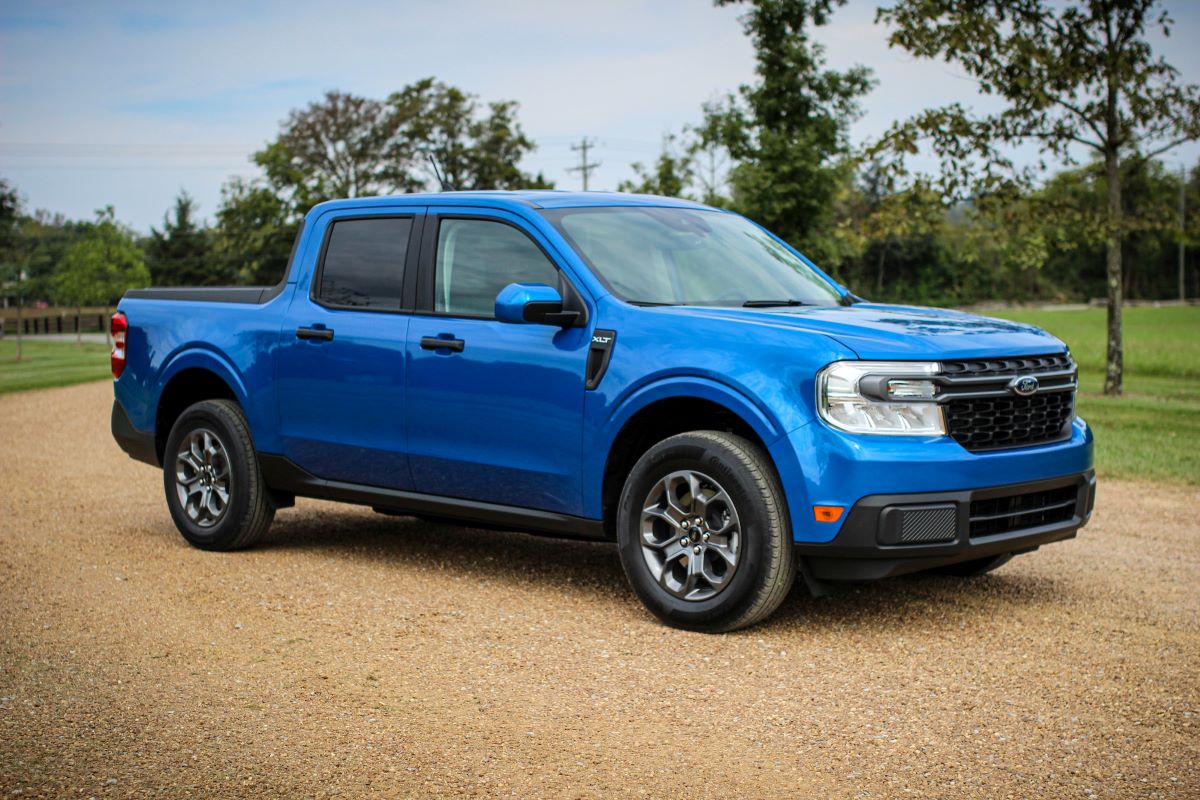
For 2023, Ford adds a new off-road-focused Tremor package. While not confirmed, there’s also speculation that the hybrid Maverick could gain optional all-wheel drive. The Maverick is a remarkably well-executed small truck, proving you don’t need a massive 6,000-pound vehicle to get work done.
Fuel economy is impressive with the standard hybrid powertrain, which is now part of our long-term test fleet, and we’ve noticed little difference in day-to-day performance between the hybrid and the more powerful, though less efficient, turbo-four engine. The Maverick’s compliant suspension and surprisingly engaging handling further enhance its appeal.
There are reasons to choose the larger engine, however. For the 2022 model year, it’s the only way to access the FX4 off-road package, the 4K Towing package, and independent rear suspension.
The Maverick’s cabin deserves special recognition. Thoughtful storage solutions abound, and the combination of materials, textures, and shapes creates an interior that feels far more upscale than its price suggests. That said, seat support is modest, and the rear seating will be snug for taller passengers.
The Maverick successfully reestablishes the compact pickup as a viable choice for buyers seeking the practicality of an open bed without the fuel-sipping compromises, sluggish handling, or high prices of larger trucks. A very strong effort from Ford.
Also Read: 5 Cars Best for Austin’s Stop-and-Start Traffic vs 5 That Drain Your Wallet
2. Acura RDX
The Acura RDX is a luxury crossover designed with heat-resistant electronics and premium corrosion-resistant coatings on body panels. Its turbocharged engine remains reliable even under extreme summer temperatures, and the cabin is insulated from humidity effects.
Acura’s reputation for long-term reliability makes the RDX a smart choice for Miami residents who want style, comfort, and durability near the ocean.
The 2022 Acura RDX delivers a compelling mix of performance, tech, and practicality for buyers seeking a compact luxury SUV without paying Porsche Macan or Mercedes-Benz GLC-class prices.
While it doesn’t have the prestige of those German rivals, the RDX’s turbocharged four-cylinder provides lively performance, and its cabin is loaded with high-tech features. Some minor drawbacks include a less upscale cabin finish and a 10-speed automatic that can be sluggish to downshift, but overall, it’s a well-rounded, fun-to-drive, and spacious SUV.
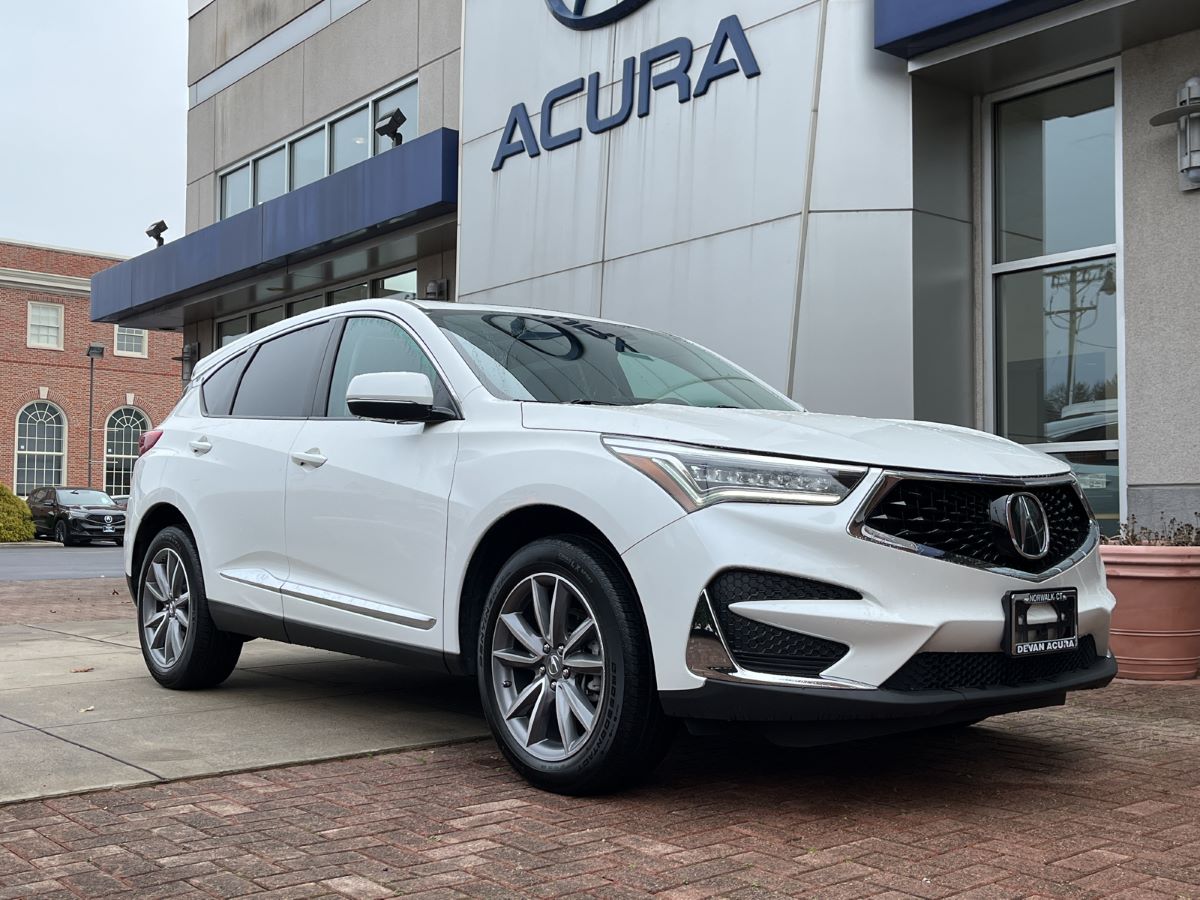
All RDX models come with a 272-hp turbocharged 2.0-liter four-cylinder paired with a 10-speed automatic transmission and either front-wheel drive or Acura’s torque-vectoring SH-AWD all-wheel-drive system.
Our test A-Spec hit 60 mph in 6.2 seconds, placing it mid-pack among compact luxury SUVs. The engine delivers responsive low-speed throttle and plenty of pep for daily driving, though the transmission could react faster when using the paddle shifters.
Hard acceleration produces a high-pitched engine note reminiscent of an NSX, though much of the sound is artificially piped into the cabin through the audio system.
Equipped with 20-inch wheels and optional adaptive dampers, our test RDX allowed adjustments to the ride quality. While rough roads weren’t perfectly smoothed out, the suspension remained comfortable and composed.
The SH-AWD system worked seamlessly with precise steering to give the RDX a balanced feel, leaning minimally during spirited cornering. One minor issue was the brake pedal, which lacked consistent firmness and responsiveness, slightly detracting from the otherwise engaging driving experience.
The Acura RDX is a practical, enjoyable, and tech-forward compact luxury SUV that competes well against pricier rivals, making it a smart choice for those seeking performance and refinement without the high cost.
3. Hyundai Palisade
The Hyundai Palisade is a full-size SUV that combines style, space, and coastal resilience. Hyundai applies advanced anti-corrosion measures to the underbody and wheel wells, making the Palisade ideal for salty coastal roads.
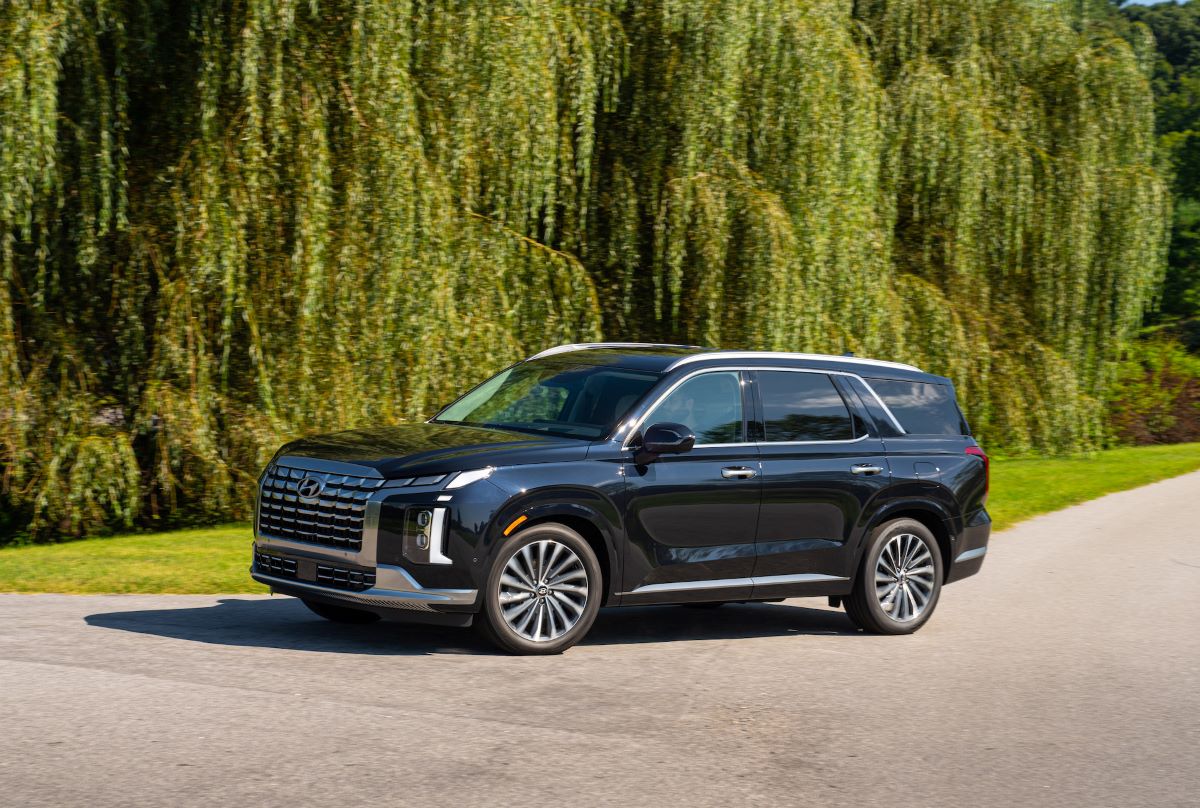
Its cooling system is robust, capable of handling Miami’s heat without engine strain, and the interior materials resist fading and moisture-related damage, keeping the cabin fresh year after year.
4. Kia Telluride
The Kia Telluride continues to impress with its rust-resistant build and durable chassis. Its high-strength steel panels withstand the effects of humidity and salt air, while the ride quality is smooth enough for both city streets and longer drives along Miami’s coastal highways.
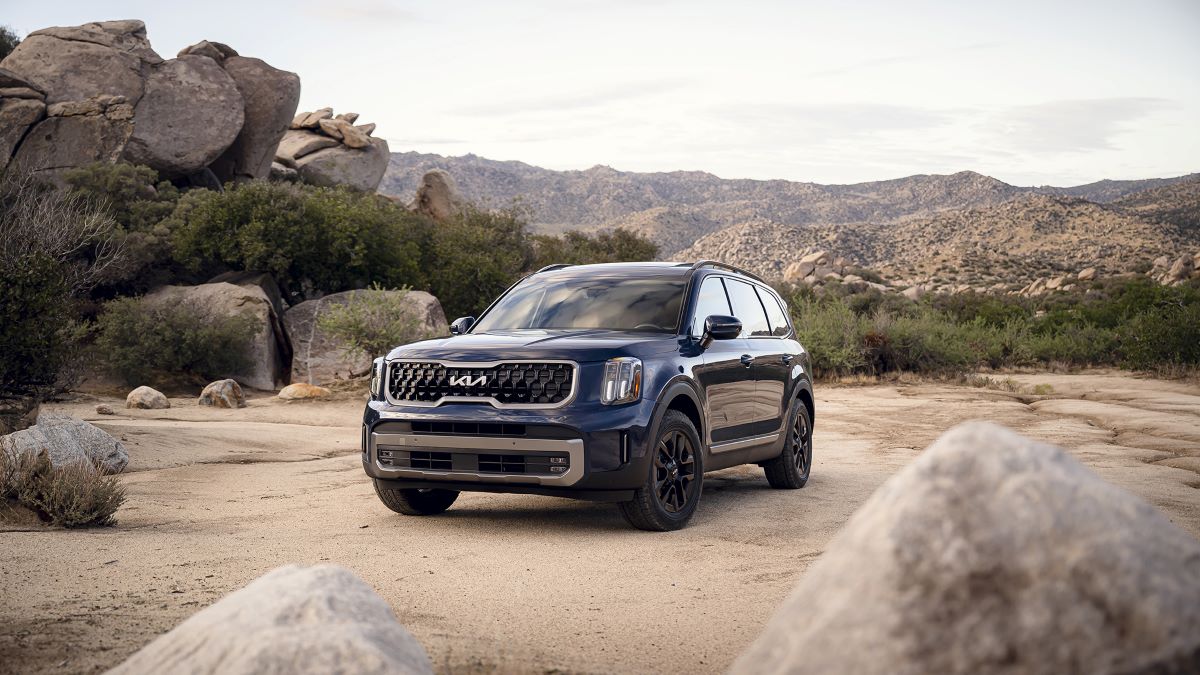
With modern tech features sealed against moisture, the Telluride offers peace of mind for drivers worried about electronics failing in humid conditions.
5. GMC Canyon
The GMC Canyon is a mid-size pickup that balances toughness with corrosion resistance. With underbody rust-proof coatings and well-protected suspension components, the Canyon handles salty, wet roads better than many competitors.
It also features straightforward mechanical systems, reducing the likelihood of electrical failures caused by high humidity a critical advantage for Miami’s climate.
The GMC Canyon is powered across the lineup by a 310-hp turbocharged 2.7-liter inline-four engine producing 430 lb-ft of torque. It comes standard with an eight-speed automatic transmission and rear-wheel drive, while four-wheel drive is available and strongly recommended for versatility.
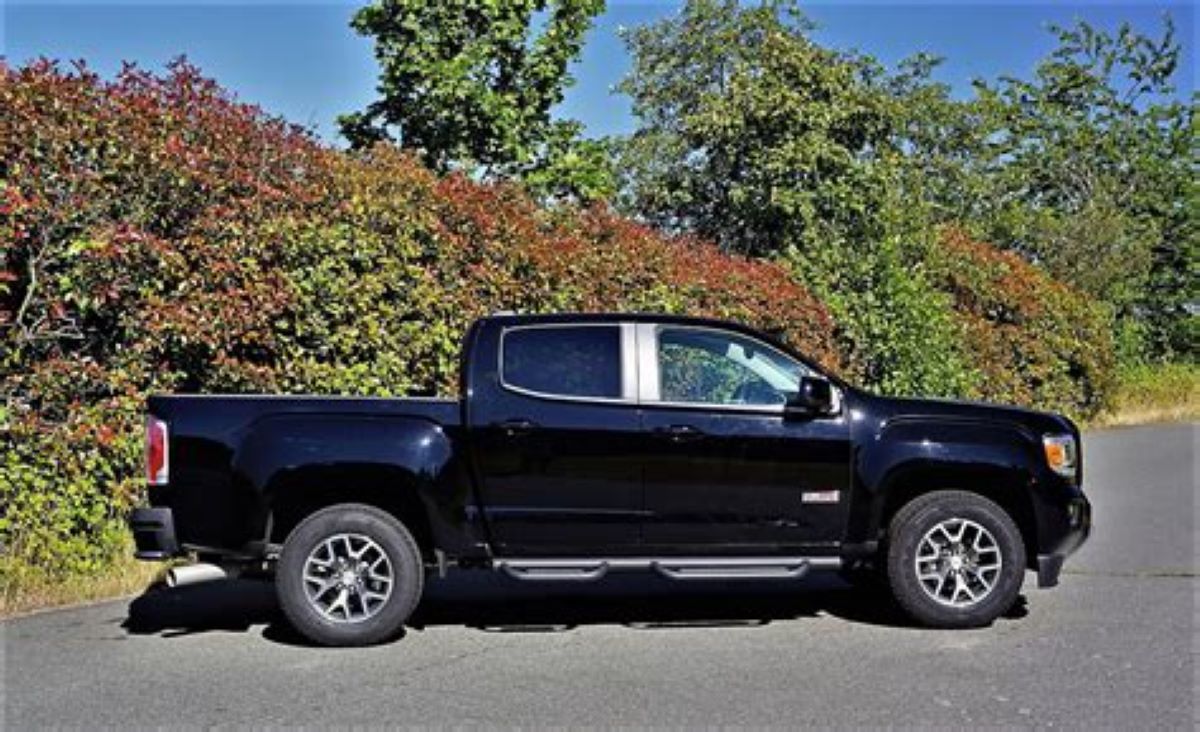
Compared with the Chevy Colorado ZR2, the Canyon has the same horsepower but 39 lb-ft more torque, giving both GM mid-size pickups a clear edge over rivals like the Honda Ridgeline, Jeep Gladiator, and Toyota Tacoma.
While the Duramax diesel option is no longer offered, the Canyon still impresses with nicely weighted steering and a firm brake pedal that complement its solid-feeling chassis.
The previous generation earned accolades as “the best-driving body-on-frame vehicle on sale” in 2019, and the new model refines that formula even further. Though we haven’t yet tested its performance, estimates suggest the Canyon should reach 60 mph in just over six seconds.
Also Read: 10 Crossovers That Actually Deserve Their Popularity
Cars That Corrode and Fail in Miami
Miami’s sun-soaked streets may look like paradise, but for many cars, the city’s climate is anything but forgiving. Constant humidity, salty coastal air, and sudden downpours create the perfect recipe for rust, corrosion, and premature mechanical failure.
Some models simply aren’t built to withstand this kind of tropical punishment, and owners quickly learn the hard way when paint begins to blister, electronics misbehave, and metal components start deteriorating far earlier than expected.
In this article, we break down the cars that struggle most in Miami’s harsh environment, vehicles known to corrode, falter, and cost their owners far more in repairs than drivers in other regions ever face.
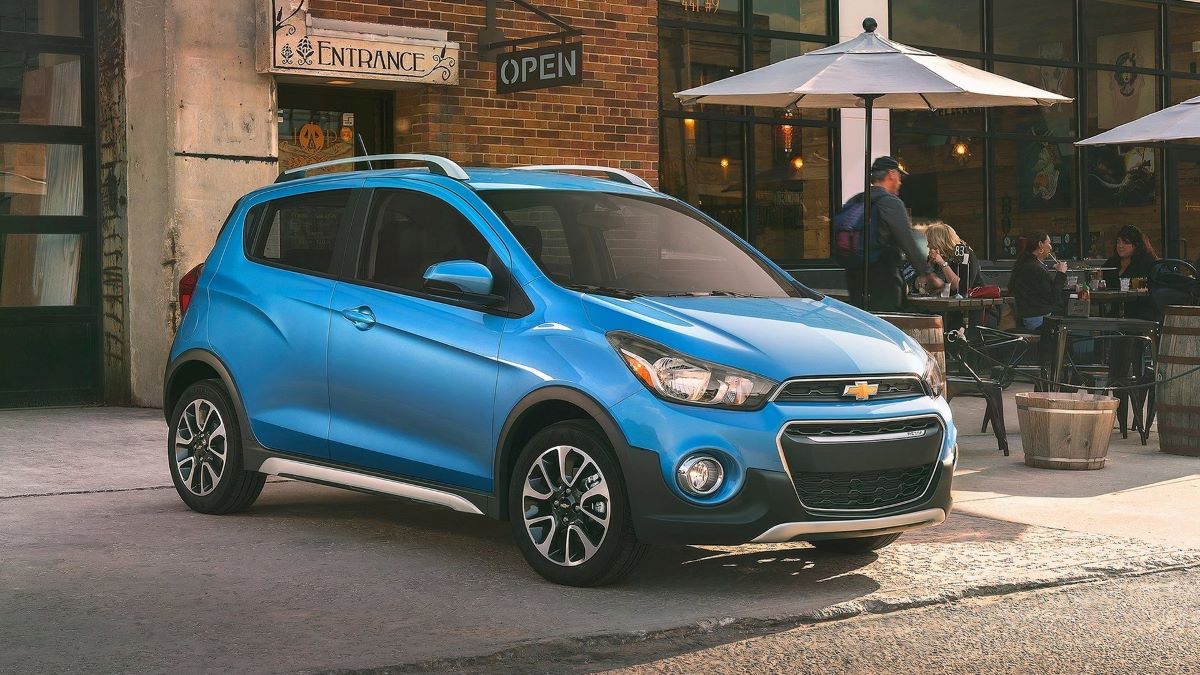
1. Chevrolet Spark
The Chevrolet Spark is a tiny, budget-friendly city car, but its exposed wheel arches and thin steel panels make it highly susceptible to rust in humid, salty environments.
Miami heat also accelerates wear on the engine and interior plastics. Electrical gremlins can appear over time, and parts are often less robust than those on larger, more durable vehicles. For long-term ownership near the coast, the Spark is a risky choice.
The 2018 Chevrolet Spark is a practical and budget-friendly subcompact hatchback, ideal for city driving thanks to its small footprint and easy maneuverability.
Even in its base LS trim, the Spark offers a surprising array of features, including a fold-down rear bench seat for added versatility and standard smartphone integration with Android Auto and Apple CarPlay. Its nimble handling makes it well-suited for tight urban streets, and the ride remains comfortable enough for longer trips.
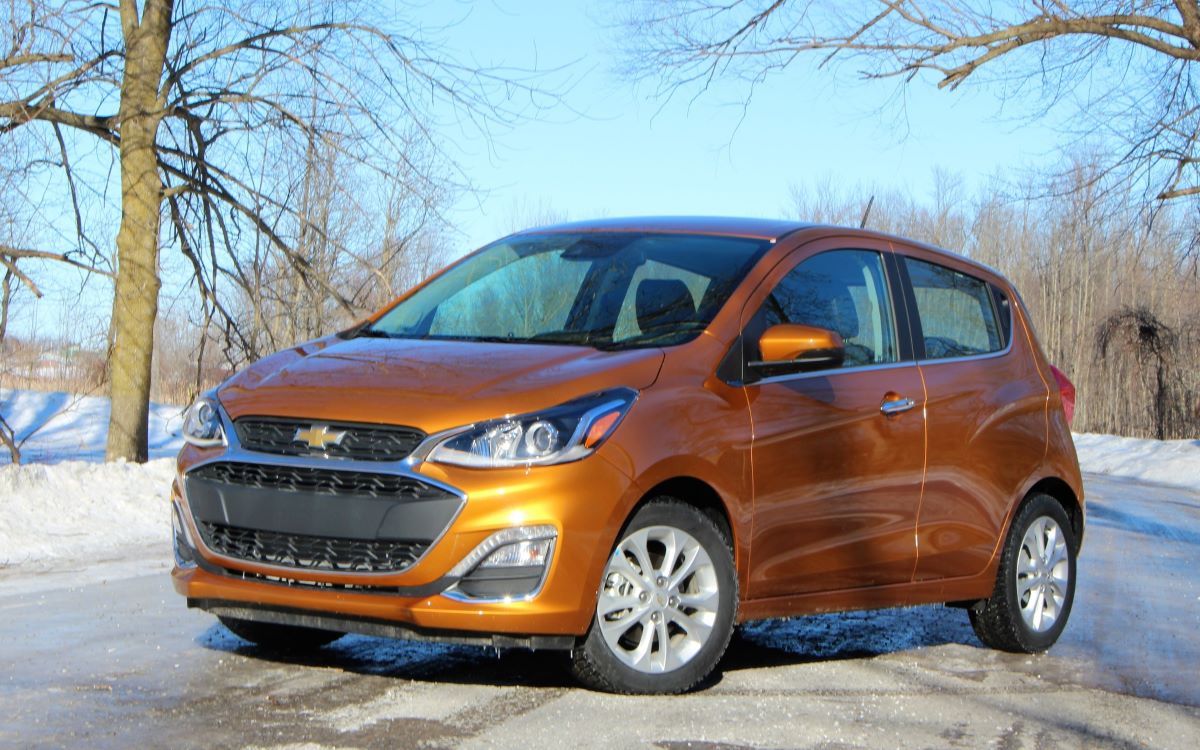
On the downside, the Spark’s 1.4-liter four-cylinder engine, producing 98 hp and 94 lb-ft of torque, is best suited for city use. Equipped with a CVT, it takes over 11 seconds to reach 60 mph, so highway merging requires a bit of planning.
Cargo space is limited with all seats in use, and taller passengers in the rear may feel cramped under the roofline. Despite these compromises, the interior remains functional, with a high roofline that aids visibility and access.
Technology is a strong point for the Spark. The MyLink infotainment system features an intuitive touchscreen with multi-gesture control, sharp graphics, and support for Apple CarPlay and Android Auto. Standard OnStar 4G LTE adds modern connectivity features.
Trim-wise, the LS is a solid entry-level choice, but the 1LT strikes a nice balance by adding essentials like power windows, locks, and cruise control without significantly increasing cost.
Higher trims, 2LT and Activ, add convenience, driver-assist features, and, in the case of the Activ, increased ground clearance and roof rails. The 2018 Spark delivers an affordable, well-equipped, and city-friendly package for buyers seeking subcompact practicality.
2. Fiat 500
The Fiat 500’s compact charm hides its vulnerability to Miami’s climate. Older models are particularly prone to rust along the underbody and around door seams.
Heat can degrade interior plastics and leather, while humidity accelerates electrical failures. While it’s fun to drive in the city, this tiny Italian car struggles to survive prolonged exposure to coastal elements.
The 2015 Fiat 500 facelift carried forward the charm and success of Fiat’s tiny 500 model while introducing subtle design updates, improved technology, and Euro 6-compliant engines. Building on the model’s popularity since its 2007 revival, Fiat refreshed the 500 to meet stricter emissions standards and to keep the car competitive in the A-segment across Europe and beyond.
The 500 retained its friendly, unmistakable front fascia but added modern touches like poly-elliptical headlights with integrated daytime running lights and chrome accents. The lower front bumper received a contoured grille with a three-dimensional mesh pattern, improving both visibility and pedestrian safety.
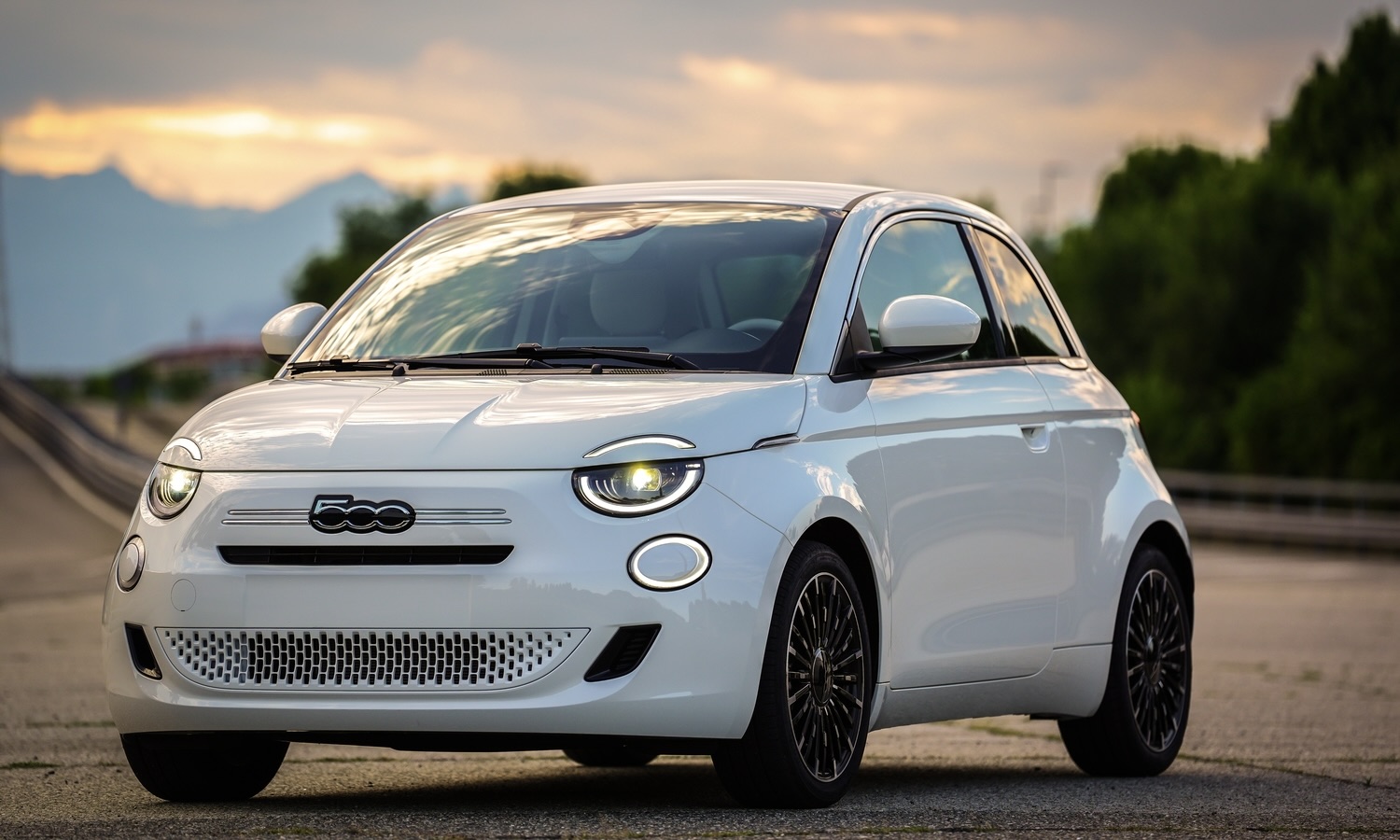
Its iconic rounded silhouette remained, with short overhangs and a creased ascending waistline connecting the headlights to the taillights. Depending on the trim, buyers could opt for chromed mirror caps and new 15- or 16-inch alloy wheels. Fiat’s “Second Skin” customization program allowed for patterned graphics and two-tone paint schemes, giving the car a fashion-forward, personalized flair.
At the rear, ring-shaped LED “empty” taillights created a unique “light-tattoo” effect, while a chrome tailgate handle echoed the original 1957 Cinquecento. The lower bumper featured a refined grille finished in chrome or black, depending on trim.
Inside, Fiat preserved the signature concentric-circle instrument panel but offered a seven-inch TFT display for enhanced trip and media information. A five-inch Uconnect touchscreen came standard on most grades, featuring Bluetooth, USB, and AUX connectivity. Body-colored lower dashboard panels added an upscale feel while paying homage to the 1957 original.
The facelifted 500 offered a range of Euro 6-compliant engines. The base model used a 1.2-liter naturally aspirated gasoline engine, while a turbocharged two-cylinder gasoline option was available for those seeking more performance.
Diesel enthusiasts could choose the 1.3-liter MultiJet II turbodiesel, renowned for its fuel efficiency. Transmission options included a five-speed manual or Fiat’s Dualogic automated manual.
Overall, the 2015 Fiat 500 facelift successfully blended heritage, style, and modern technology, keeping its playful Italian personality intact while meeting contemporary performance and emissions standards.
3. Mitsubishi Mirage
The Mitsubishi Mirage is another subcompact with corrosion issues. The lightweight construction and unprotected undercarriage make it prone to rust when driven near the ocean.
Its minimal insulation against heat also leads to faster wear on engine components, and electronic components can fail in high humidity. It’s cheap to buy but often expensive to maintain in Miami.
The 2024 Mitsubishi Mirage remains one of the most affordable new cars on the market, making it an option for buyers on a tight budget. However, its appeal comes with notable compromises.
Its underpowered 1.2-liter three-cylinder engine produces just 76 horsepower and 74 lb-ft of torque, struggling to keep pace with traffic, while the continuously variable automatic transmission (CVT) can feel strained and noisy. Inside, the cabin is basic, allowing in excessive road noise, and materials are minimal.
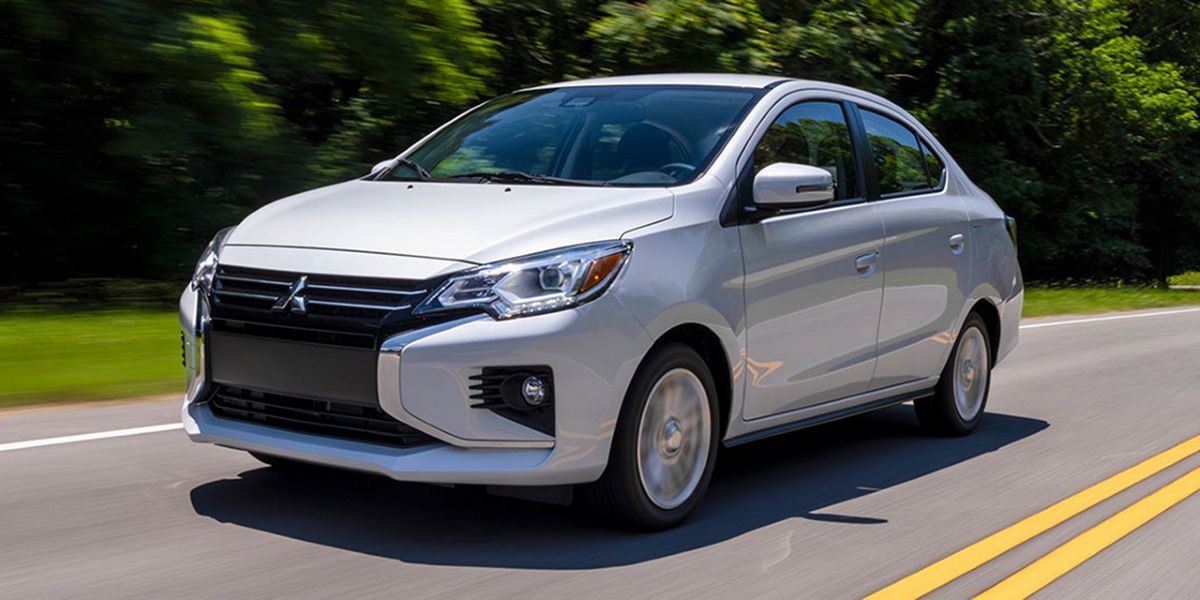
Where the Mirage shines is fuel economy. It delivers an impressive 39 mpg combined and 43 mpg on the highway, rivaling some hybrid models. The small hatchback also features Apple CarPlay, Android Auto, and automatic emergency braking.
The mid-tier LE trim adds conveniences such as automatic headlights, rain-sensing wipers, and a driver’s armrest, keeping the price around $18,500. Despite these benefits, the Mirage’s compromises in performance, refinement, and interior quality mean that stretching the budget for a competitor, or considering a used car, may offer a better overall experience.
With the Kia Rio discontinued, the Nissan Versa remains the closest affordable alternative. While the Versa lacks a hatchback option and isn’t as fuel-efficient, it offers a more powerful engine, a slightly more refined interior, and additional driver-assistance features. For more comfort and quality, a used Honda Civic or Toyota Corolla could also be a sensible choice.
The Mirage is offered in four trims: ES, LE, Black Edition, and SE, all powered by the same three-cylinder engine with front-wheel drive.
4. Dodge Challenger (Older Models)
The Dodge Challenger is a muscle car with style and power, but older models have notorious rust-prone frames and suspension components. Salt air accelerates corrosion, especially on wheel arches, exhaust systems, and underbody panels.
Electrical and climate-control issues can also appear faster than on more modern, rust-resistant vehicles. For Miami drivers, owning an older Challenger requires constant maintenance to keep it roadworthy.
The 2023 Dodge Challenger continues to celebrate classic American muscle-car vibes, prioritizing straight-line performance and nostalgic charm over sharp handling. While the base V-6 engine is adequate for casual driving, the real excitement comes from Dodge’s naturally aspirated Hemi V-8 options.
These range from a 375-hp 5.7-liter to a 485-hp 6.4-liter, with the SRT Hellcat offering even more extreme performance, though we review that separately. Unlike modern rivals like the Chevrolet Camaro and Ford Mustang, which excel on twisty roads, the Challenger leans into its old-school burble, relaxed ride, and classic pony-car personality.
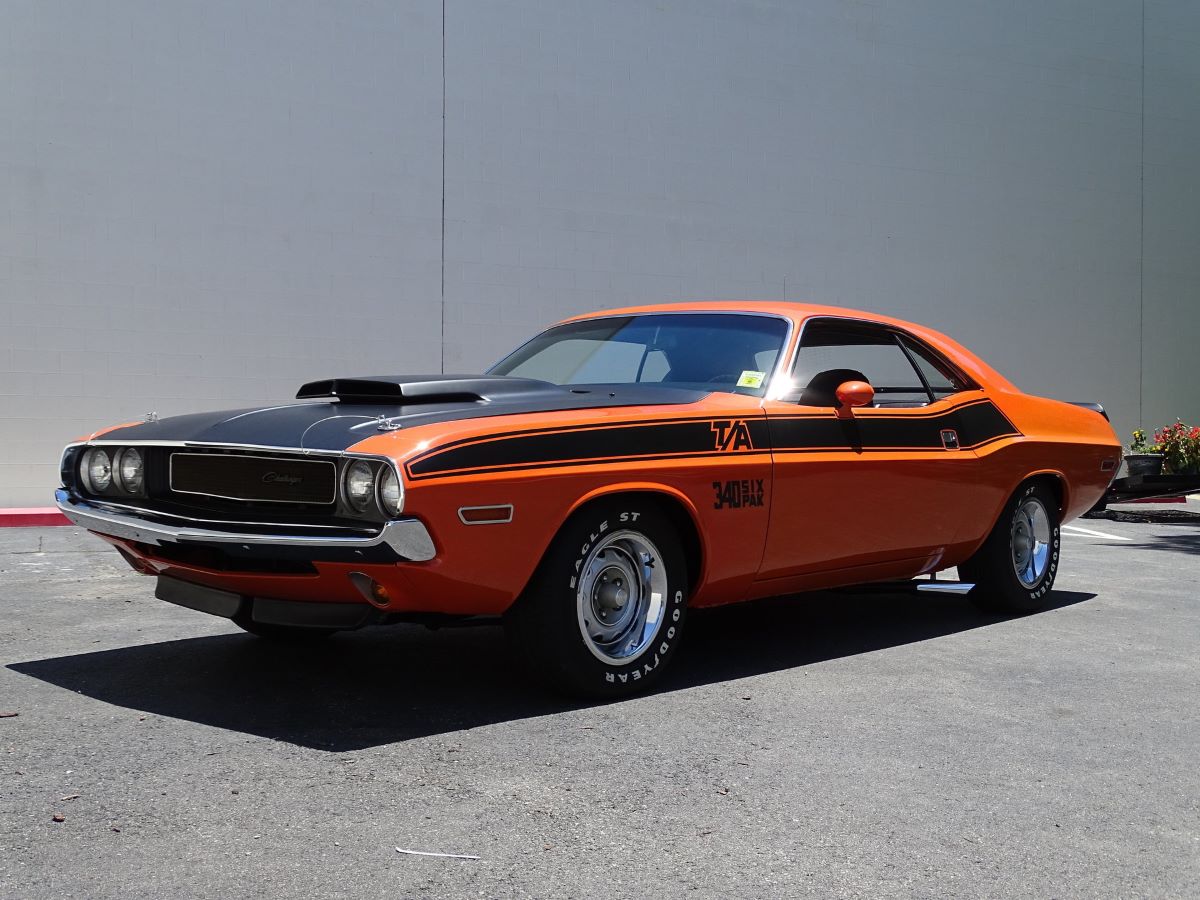
This year marks the final chapter for the current-generation Challenger before a likely next-gen model with an electric powertrain. Dodge commemorates this with special edition Shakedown models, limited to 1,000 units, featuring nostalgic colors like Plum Crazy, B5 Blue, and Sublime Green. All R/T trims receive a new “345” badge honoring the Hemi V-8 under the long, vented hood.
The 2023 Challenger ranges from $34,395 for the base SXT to $58,855 for the R/T Scat Pack Widebody. Our pick is the R/T Scat Pack for its 485-hp 6.4-liter V-8. While a manual transmission is traditional muscle-car fare, the eight-speed automatic impresses with quick, responsive shifts.
Optional features we’d add include adaptive dampers for adjustable ride quality, the Dynamics package with wide 20-inch wheels, six-piston Brembo brakes, and a leather-wrapped steering wheel, plus the Plus package for interior upgrades like ambient lighting and faux-suede seat inserts.
The base 305-hp V-6 is adequate for casual driving but feels underwhelming in the heavy Challenger. In contrast, the Hemi V-8 engines deliver robust acceleration and thrilling exhaust notes. The 6.4-liter 485-hp V-8 provides 475 lb-ft of torque, offering satisfying power-on-demand and spirited powerslides.
The T/A 392 with automatic transmission impresses with its aggressive exhaust and baritone roar. Handling, however, remains the Challenger’s weaker suit: corners reveal body roll and numb steering, making it less agile than the Camaro or Mustang. The Challenger excels on streets and drag strips rather than twisty backroads, offering a compliant, comfortable ride with classic muscle-car swagger.
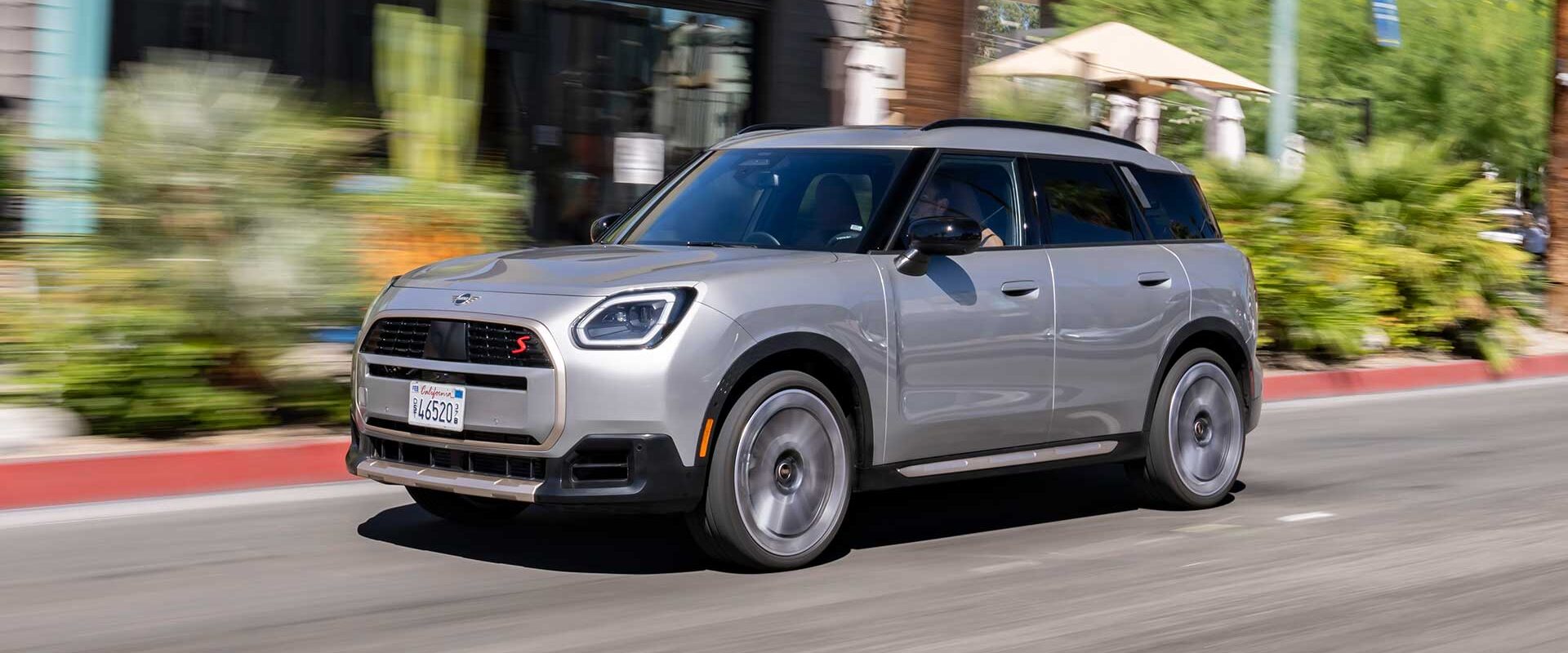
5. Mini Countryman (All Generations)
While the Mini Countryman is larger than the Cooper, it still suffers from rust problems, particularly around wheel wells and underbody panels. Miami’s salty, humid environment can exacerbate electrical failures, especially in models with advanced infotainment and climate systems.
Despite its premium appearance and nimble handling, the Countryman is prone to expensive repairs if not carefully maintained.
Miami’s climate is beautiful but brutal for cars. High heat, humidity, and salt air can quickly destroy poorly protected vehicles, leading to rust, corrosion, and electrical failures.
Choosing the right vehicle is critical for long-term ownership, reliability, and cost management. Modern pickups like the Ford Maverick and GMC Canyon, SUVs like the Hyundai Palisade, Kia Telluride, and luxury crossovers like the Acura RDX demonstrate that durability and style can coexist in coastal conditions.
On the other hand, small cars like the Chevrolet Spark, Fiat 500, and Mitsubishi Mirage, as well as older or poorly protected models like the Dodge Challenger and Mini Countryman, are much more prone to corrosion and failure.
Frequent washing, underbody treatments, and covered parking help, but starting with a vehicle engineered for heat and salt air is the best insurance for your investment.
With the right choices, Miami car owners can enjoy sunny days and beach trips without worrying about their vehicles falling apart.
