
Jacksonville commuters know the struggle well. You’re spending hours every week sitting in traffic on I-95, crawling through Beach Boulevard during rush hour, or making that long drive from the Southside to downtown every single day.
Your vehicle becomes your second home, racking up miles faster than you can track them. You need something reliable that won’t leave you stranded on the Buckman Bridge during summer heat or force you to spend weekends at repair shops instead of enjoying the beach.
Some cars handle this kind of heavy use beautifully, clocking 200,000 miles without breaking a sweat. Others start showing problems before you’ve even finished your first year of payments, developing issues that drain your bank account and test your patience.
You’ll find yourself Googling “mechanic near me” more often than you’d like, watching repair bills pile up while your car spends more time in the shop than in your driveway. Choosing the right commuter vehicle makes an enormous difference in your daily life and financial health. Fuel efficiency matters when you’re burning through tanks every week.
Comfort becomes crucial when you’re sitting for hours daily. Reliability determines whether you arrive on time or call your boss explaining why you’re stuck on the side of the road again. Air conditioning performance isn’t optional in Jacksonville’s brutal summers, and you need seats that won’t leave you aching after long drives.
This page looks into ten vehicles split into two distinct categories. First, we’ll look at five cars that excel as Jacksonville commuters, proven through years of reliable service covering serious mileage.
We’ll discuss five vehicles that develop early problems, leaving owners frustrated and financially drained. Understanding both helps you make smarter decisions when selecting your next commuter car.
5 Cars Ideal for Jacksonville Long Commutes
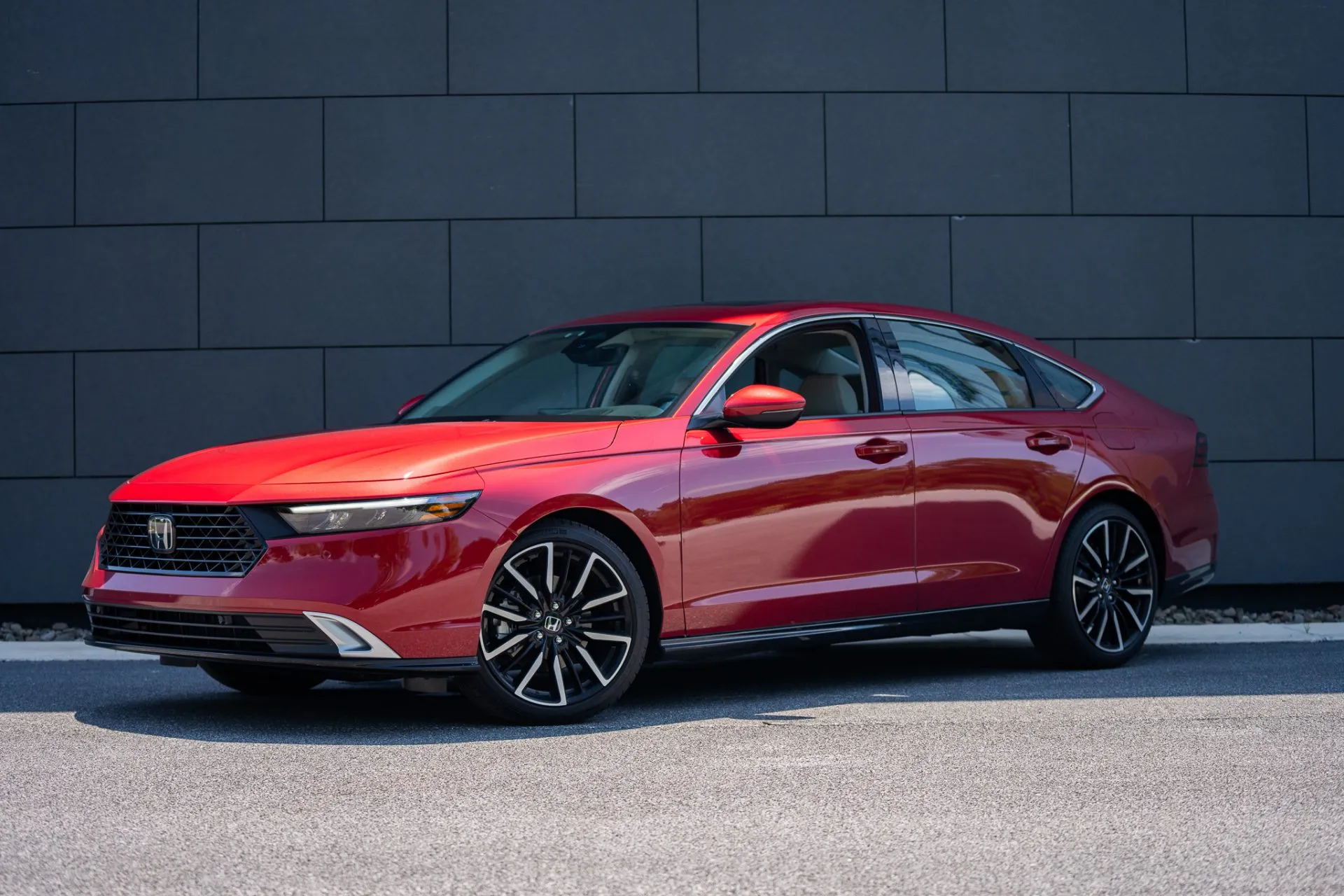
1. 2024 Honda Accord Hybrid Sport
Fuel economy becomes crucial when your daily commute eats through tank after tank, and the 2024 Honda Accord Hybrid Sport delivers exceptional efficiency without sacrificing comfort or performance. This sedan achieves remarkable fuel consumption numbers that translate into real savings when you’re covering 500 or more miles weekly.
Comfortable seating makes long hours behind the wheel more bearable. Sport trim includes supportive seats that hold you properly positioned without feeling restrictive or causing pressure points during extended sitting.
Lumbar support adjusts to match your back’s contour, reducing fatigue that builds during hour-long commutes. Seat ventilation keeps you cool during Jacksonville’s sweltering summers when you’re stuck in traffic with the sun beating through the windows. You arrive at work or home feeling less exhausted than vehicles with inferior seating.
Power delivery from the hybrid system provides smooth, adequate acceleration for merging onto highways and passing slower traffic. You’re not struggling to keep pace with traffic flow or feeling anxious about entering high-speed roadways.
Electric motor torque fills in gaps during acceleration, creating seamless power delivery without the lag some purely gasoline engines exhibit. This responsiveness makes driving in heavy traffic less stressful because you can react quickly when gaps open in adjacent lanes.
Honda’s reputation for reliability means this Accord will likely serve faithfully through years of high-mileage commuting. Owners report these hybrids lasting well beyond 200,000 miles with only routine maintenance, making them excellent long-term investments for serious commuters.
Battery warranties provide peace of mind, covering hybrid system components for extended periods that outlast typical vehicle ownership cycles. You’re not worried about expensive hybrid repairs because Honda engineered robust systems that withstand heavy use.
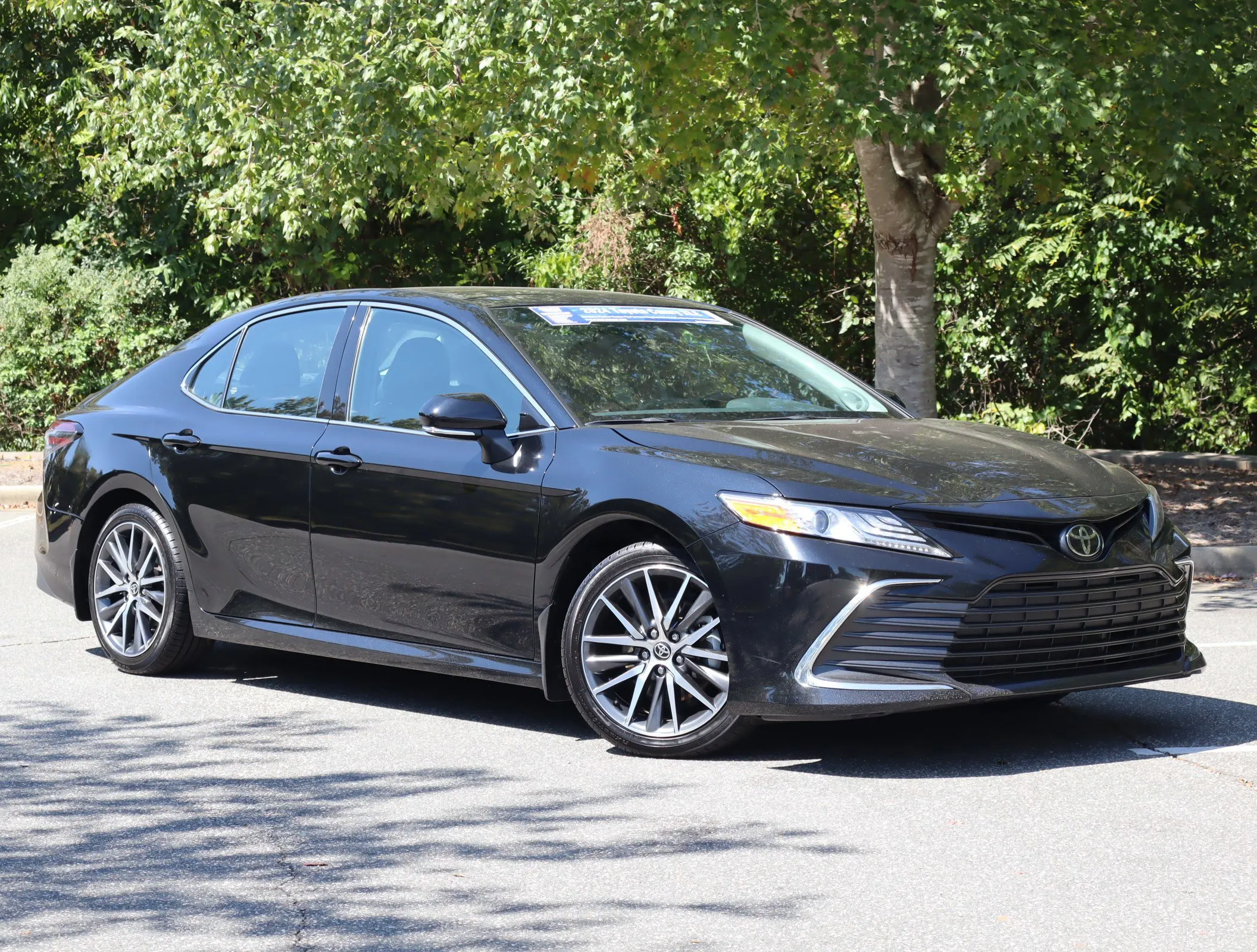
2. 2024 Toyota Camry XLE
Reliability defines Toyota’s reputation, and the 2024 Camry XLE continues this tradition while providing the comfort that Jacksonville commuters need. You’re choosing a vehicle with proven durability that handles high mileage without developing the problems that plague less reliable competitors.
Toyota engineers this sedan for longevity, using quality components and conservative engineering approaches that prioritize dependability over cutting-edge features that might fail prematurely.
Spacious interior provides room to stretch during traffic jams and comfortable seating that doesn’t cause aches during long drives. XLE trim includes leather-trimmed seats that resist the wear heavy use inflicts, maintaining appearance and comfort through years of daily commuting.
Rear seat space accommodates passengers comfortably during carpools, making this Camry practical for ride-sharing or family transportation beyond solo commuting. You’re not cramped or uncomfortable even during the longest traffic delays that Jacksonville’s rush hours create.
Fuel economy remains competitive for a non-hybrid sedan, providing acceptable consumption figures that keep fuel costs manageable. While not matching hybrid efficiency, this gasoline-only model delivers respectable miles per gallon that won’t destroy your budget during weeks when fuel prices spike.
You fill up less frequently than larger vehicles or less efficient sedans, saving time and money throughout the year. Air conditioning capacity handles Jacksonville’s extreme heat effectively, cooling the cabin quickly and maintaining comfortable temperatures even during the hottest summer days.
Heated seats provide comfort during occasional cold mornings when temperatures drop, though you’ll use cooling features far more frequently in this climate. Ventilated seats keep you from sweating through clothes during commutes in humid weather, which makes leather seats uncomfortable in vehicles lacking this feature.
Toyota Safety Sense includes features that reduce stress during repetitive commuting. Adaptive cruise control manages speed automatically during highway portions of your commute, reducing the pedal work that causes leg fatigue. Lane departure alert helps maintain lane position during moments when your attention wavers, common during familiar routes you drive daily.
Automatic emergency braking provides backup protection when traffic suddenly stops, situations that occur frequently during Jacksonville rush hours. This Camry XLE proves that boring reliability becomes exciting when it means stress-free transportation day after day, year after year, without unexpected breakdowns or expensive repairs interrupting your routine.
Also Read: 5 Cars Tough Enough for Indianapolis Roads vs 5 That Need Specialist Care
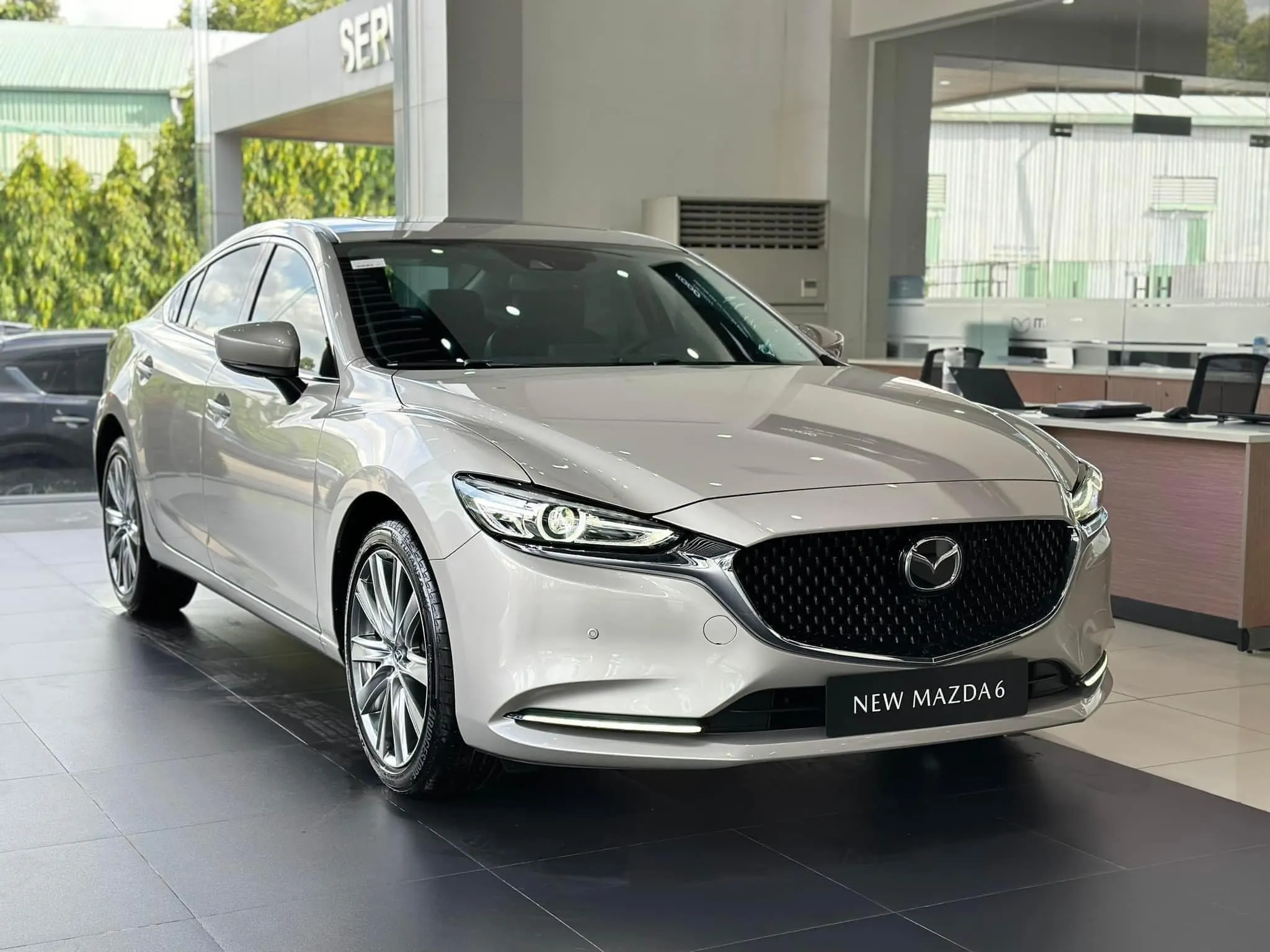
3. 2024 Mazda6 Signature
Driving engagement doesn’t need to disappear just because you’re commuting, and the 2024 Mazda6 Signature provides enjoyment during daily drives while maintaining reliability. Mazda builds this sedan for drivers who appreciate responsive handling and quality materials, creating an upscale experience that makes time spent commuting less tedious.
You’re not just enduring your commute; you’re actually enjoying portions of it when traffic flows, and you can appreciate how well this car drives. Interior quality exceeds most competitors in this price range. Signature trim includes real wood trim, Nappa leather seats, and soft-touch materials throughout the cabin.
You’re surrounded by premium materials that feel expensive and resist the wear that daily use inflicts. Dashboard layout emphasizes driver focus, with controls positioned logically and displays presenting information clearly.
This attention to detail creates an environment where you want to spend time, important when you’re logging thousands of commuting miles monthly. The turbocharged engine provides satisfying acceleration when you need to merge quickly or pass slower traffic.
Power delivery feels smooth and progressive, giving you confidence that acceleration is available when required. Fuel economy remains reasonable for a turbocharged engine, providing acceptable efficiency that won’t drastically increase your fuel costs. You’re not sacrificing too much efficiency for the extra performance this engine provides.
Climate control includes three zones that allow the driver, passenger, and rear occupants to set individual temperatures. You’re not arguing about cabin temperature because everyone can adjust their own zone.
Ventilated seats keep you cool during summer heat, while heated seats provide comfort during cooler months. Bose premium audio with 11 speakers delivers excellent sound quality that makes music and podcasts more enjoyable during commutes.
Active safety features reduce stress during daily driving. Adaptive cruise control with stop-and-go capability handles traffic jams automatically, bringing the car to complete stops and resuming when traffic moves. You’re not constantly working the pedals during stop-and-go traffic because the system manages acceleration and braking.
Lane keeping assist provides gentle steering inputs that help maintain lane position during highway driving. This Mazda6 Signature demonstrates that commuter vehicles can provide driving pleasure and quality materials while delivering the reliability Jacksonville commuters require for sustainable long-distance daily driving.
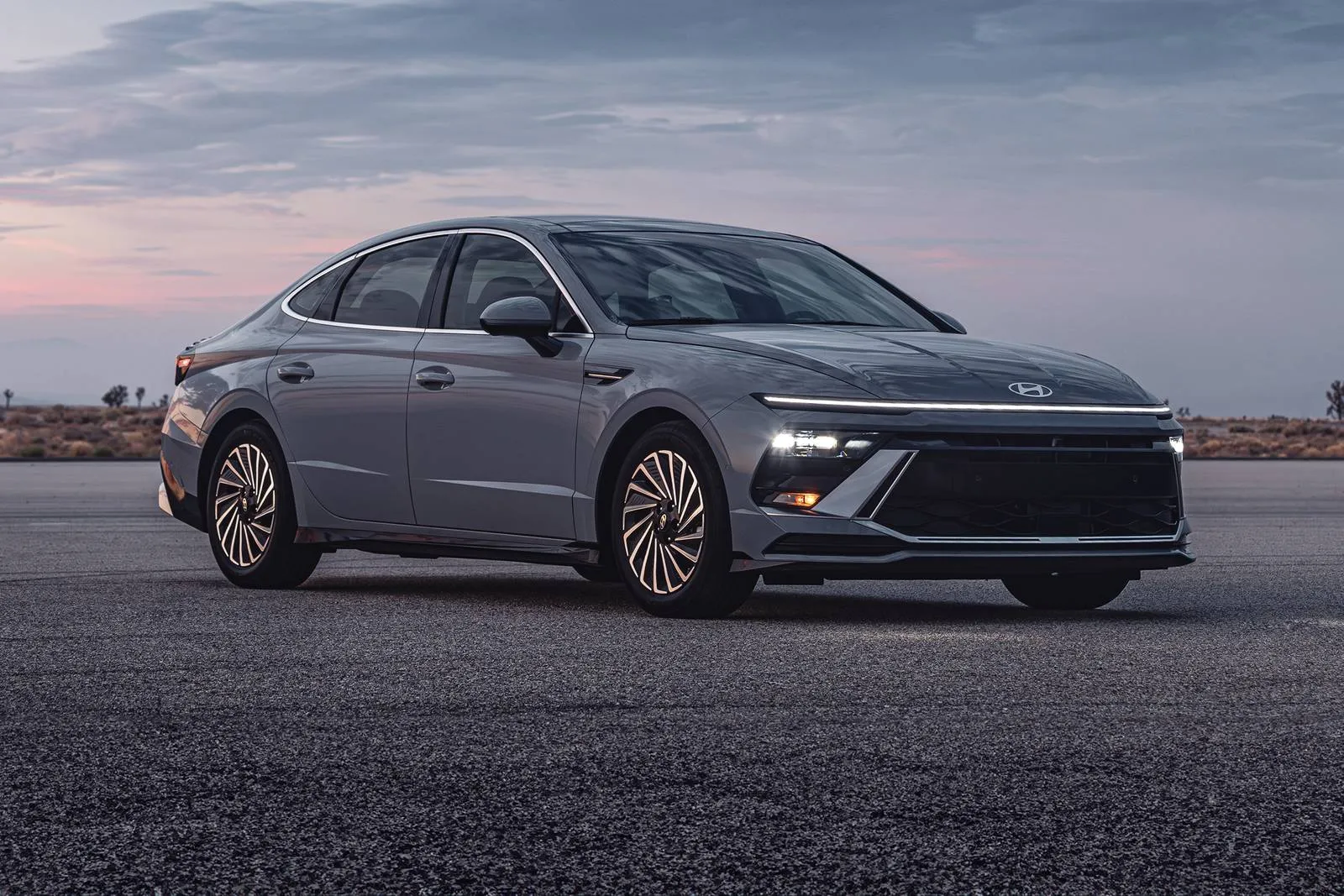
4. 2024 Hyundai Sonata Hybrid Limited
Value and efficiency combine effectively in the 2024 Hyundai Sonata Hybrid Limited, creating a commuter vehicle that delivers excellent fuel economy with generous features. Hybrid powertrain achieves impressive consumption figures that translate into substantial fuel savings when you’re covering serious mileage.
You’re filling up far less frequently than conventional gasoline vehicles, saving both time and money throughout the year. This efficiency advantage compounds when fuel prices rise, protecting your budget from volatile energy costs.
Generous equipment levels in Limited trim provide features that enhance commuting comfort. Heated and ventilated front seats, heated rear seats, and a heated steering wheel address comfort across temperature ranges, though you’ll primarily appreciate cooling features in Jacksonville’s climate.
Wireless charging keeps your phone topped up without cable clutter. Premium audio delivers quality sound that makes commutes more entertaining. Power sunroof provides natural light and fresh air when the weather permits.
Spacious interior accommodates passengers comfortably, with rear seat room that works well for carpooling or family duties beyond commuting. The trunk capacity accommodates work bags, gym equipment, and shopping without compromising space constraints. Hyundai designed this sedan with practical daily use in mind, providing storage solutions and space that support real-world needs rather than just looking good in photos.
Technology features include digital instrument cluster, large touchscreen infotainment, wireless Apple CarPlay and Android Auto, and navigation. Highway driving assist combines adaptive cruise control with lane centering, thereby reducing the driver’s workload during highway commuting.
Blind-spot view monitor displays camera feeds when you signal, showing what’s beside you. Safe exit warning alerts rear passengers if vehicles approach when they’re opening doors, helpful in parking lots.
Blue Link connected services provide remote start, vehicle finder, and stolen vehicle recovery. You can start the car from inside buildings to cool the cabin before walking to the parking lot, arriving at a comfortable interior rather than a sun-baked oven.
A remote door lock provides peace of mind if you forget whether you locked the car. This Sonata Hybrid Limited proves that commuter vehicles can combine efficiency, features, warranty protection, and comfort into packages that handle Jacksonville’s demanding commuting conditions reliably while keeping ownership costs manageable through excellent fuel economy and comprehensive coverage.
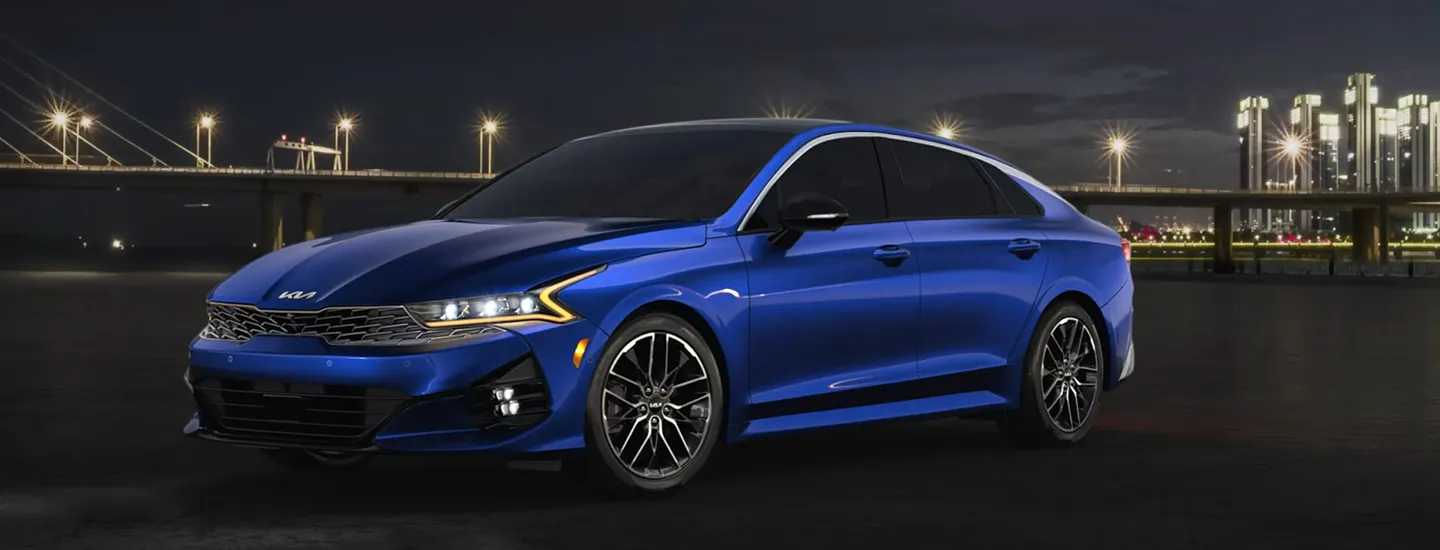
5. 2024 Kia K5 GT-Line
Stylish design doesn’t require sacrificing practicality, and the 2024 Kia K5 GT-Line provides both while handling commuting duties reliably. Attractive exterior styling makes this sedan visually interesting, standing out from bland commuter appliances that dominate parking lots. You’re driving something that looks good while serving practical transportation needs, satisfying both aesthetic preferences and functional requirements.
Comfortable seating with synthetic leather upholstery provides support during long drives while resisting the wear that daily use inflicts. GT-Line sport seats hold you properly positioned without feeling overly aggressive or uncomfortable during extended sitting.
Ventilated front seats keep you cool during Jacksonville’s oppressive summer heat, preventing the sweaty discomfort leather seats cause in humid climates. Rear seat space accommodates passengers adequately for occasional carpool duty or family transportation.
Ride quality balances comfort with handling capability. Suspension absorbs bumps adequately while maintaining composed cornering behavior. GT-Line tuning firms things up slightly compared to base models, but not to the point of harshness. You get acceptable ride comfort for commuting with slightly more engaging handling than purely comfort-focused competitors.
Kia matches Hyundai’s excellent warranty coverage, providing ten-year, 100,000-mile powertrain protection and five-year, 60,000-mile basic coverage. This extensive protection provides peace of mind for commuters who will accumulate mileage quickly. You’re not worried about expensive repairs during the critical high-mileage period because warranty coverage extends well beyond typical ownership patterns.
5 Cars That Break Down Early
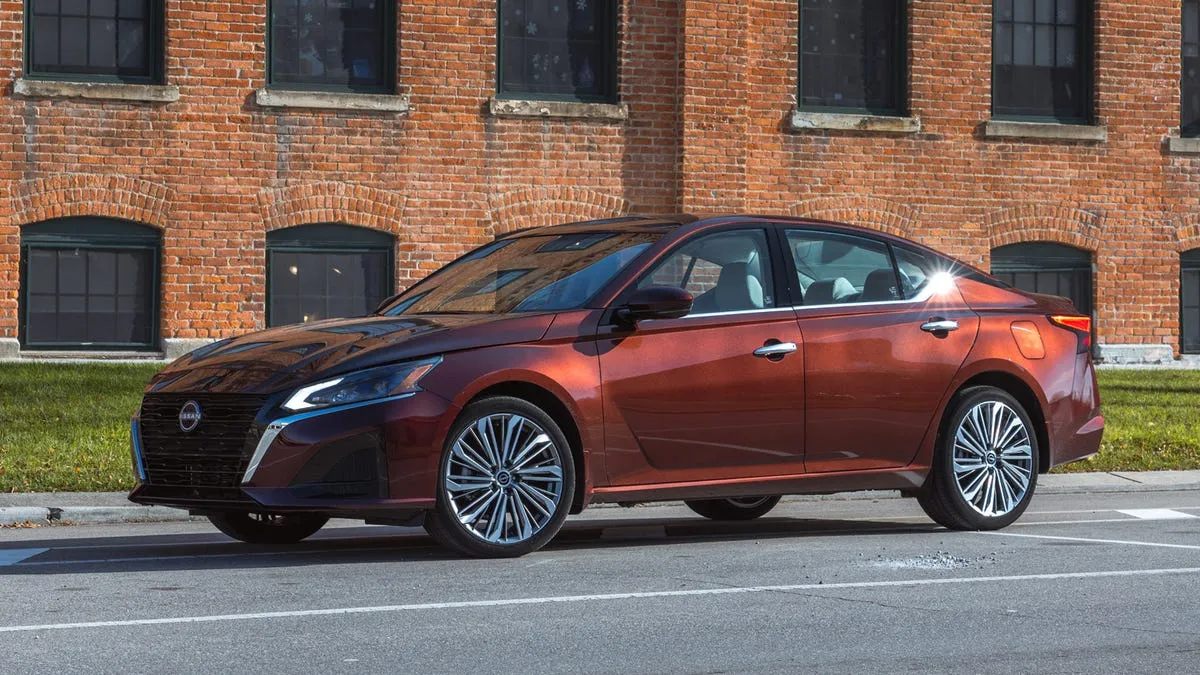
1. 2024 Nissan Altima SR
Attractive pricing draws buyers to the 2024 Nissan Altima SR, but early reliability issues quickly erase any initial savings. Continuously variable transmission develops problems that manifest disturbingly early in ownership.
Shuddering during acceleration appears within the first 20,000 miles for numerous owners, creating vibrations that feel like driving over rumble strips. This shuddering worsens progressively, eventually requiring complete transmission replacement that costs thousands of dollars.
CVT fluid overheating occurs frequently during Jacksonville’s summer heat, particularly when sitting in stop-and-go traffic during long commutes. Transmission enters protective mode, limiting power and speed until temperatures drop.
You’re stuck crawling along in traffic while other vehicles pass, creating dangerous situations and embarrassing moments. Nissan has issued multiple service bulletins addressing CVT problems, but many owners report issues persisting despite dealer interventions and software updates.
Engine performance degrades earlier than expected. Excessive oil consumption appears before 50,000 miles in many examples, requiring owners to add oil between scheduled changes. This problem stems from piston ring design that allows oil past the rings into the combustion chambers.
Ignoring oil consumption leads to engine damage, but monitoring and adding oil constantly becomes tedious and expensive. Some engines develop timing chain noise, indicating premature wear, suggesting lubrication issues or component quality problems.
Fuel economy falls short of EPA estimates during real-world commuting. Owners report consumption figures 15 to 20 percent worse than advertised, particularly during city driving that dominates Jacksonville commutes.
This discrepancy increases fuel costs substantially, negating some of the savings from lower purchase prices. You’re stopping for fuel more frequently than expected based on published specifications, spending more time and money at gas stations.
Air conditioning systems struggle to maintain comfortable temperatures during Jacksonville summers. Compressors fail prematurely, requiring expensive replacements. Some units simply don’t cool adequately even when functioning, leaving passengers sweating during commutes. Inadequate cooling becomes intolerable during the summer months when temperatures regularly exceed 90 degrees with high humidity.
Electrical problems develop frustratingly early. Batteries fail within two years despite normal use, suggesting inadequate capacity or parasitic draws. Alternators show premature wear, develop bearing noise, or have voltage regulation problems.
Infotainment systems freeze or reboot randomly, losing settings and interrupting navigation during drives. Backup cameras fail to display images or show distorted views covered in artifacts. Interior quality disappoints with materials that show wear quickly.
Cloth seats develop pilling and fading. Dashboard plastics scratch easily and develop annoying squeaks. Door panels loosen, creating rattles during driving. These quality issues combine with mechanical problems to create ownership experiences that frustrate commuters who need reliable transportation.
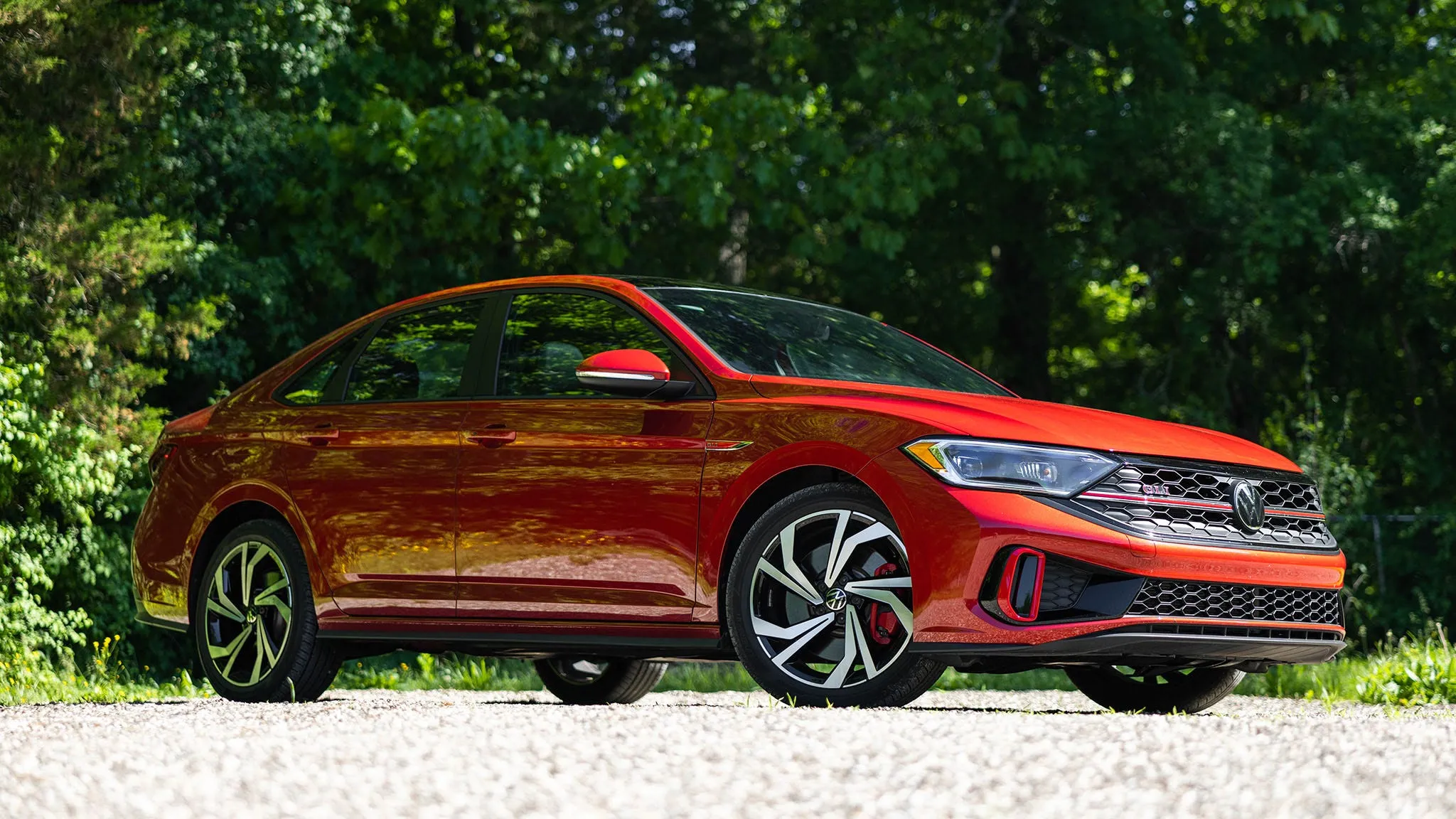
2. 2024 Volkswagen Jetta GLI
Performance appeal attracts enthusiasts to the 2024 Volkswagen Jetta GLI, but reliability problems emerge distressingly early. Turbocharged 2.0-liter engine develops issues related to carbon buildup on intake valves, a common direct-injection problem that Volkswagen hasn’t adequately addressed.
This buildup causes rough idle, hesitation during acceleration, and reduced power output. Cleaning valves requires expensive service every 30,000 to 40,000 miles, an unexpected maintenance expense that adds hundreds of dollars annually.
Turbocharger failures occur more frequently than acceptable, often before 60,000 miles. Oil feed line restrictions starve turbo bearings of lubrication, causing premature wear and eventual failure. Wastegate actuators stick or fail, triggering check engine lights and limiting boost pressure. Replacing turbos costs several thousand dollars, a devastating expense for commuters who purchased this vehicle expecting reliable transportation.
Electrical system problems frustrate owners daily. Ignition coils fail repeatedly, causing misfires and rough running. Replacing all four coils costs several hundred dollars, expenses that repeat multiple times during ownership. The infotainment system develops glitches, including frozen screens, an unresponsive touchscreen, and random reboots. Digital instrument cluster displays pixel failures or complete blackouts.
Sunroof drains clog and cause water leaks into the cabin. Moisture soaks carpets and the headliner, creating musty odors and potential electrical problems. Drain tubes crack in heat, requiring expensive replacement to prevent recurring leaks. Door seals shrink, allowing wind noise and water intrusion, which creates additional problems.
Interior materials deteriorate rapidly with daily use. Cloth seats show excessive wear, with fabric pilling and seams separating. Dashboard plastics fade and develop cracks. Soft-touch surfaces become sticky in heat. These quality issues indicate cost-cutting that prioritizes initial impressions over long-term durability.
Suspension components fail prematurely despite the sporty handling focus. Control arm bushings crack and separate. Strut mounts develop clunks. Sway bar links require frequent replacement. Wheel bearings fail earlier than expected.
These failures create safety concerns and repair bills that accumulate faster than owners anticipate, turning what seemed like a fun commute into a financial burden that drains bank accounts through constant repairs and decreasing reliability, which makes daily commuting stressful rather than enjoyable.
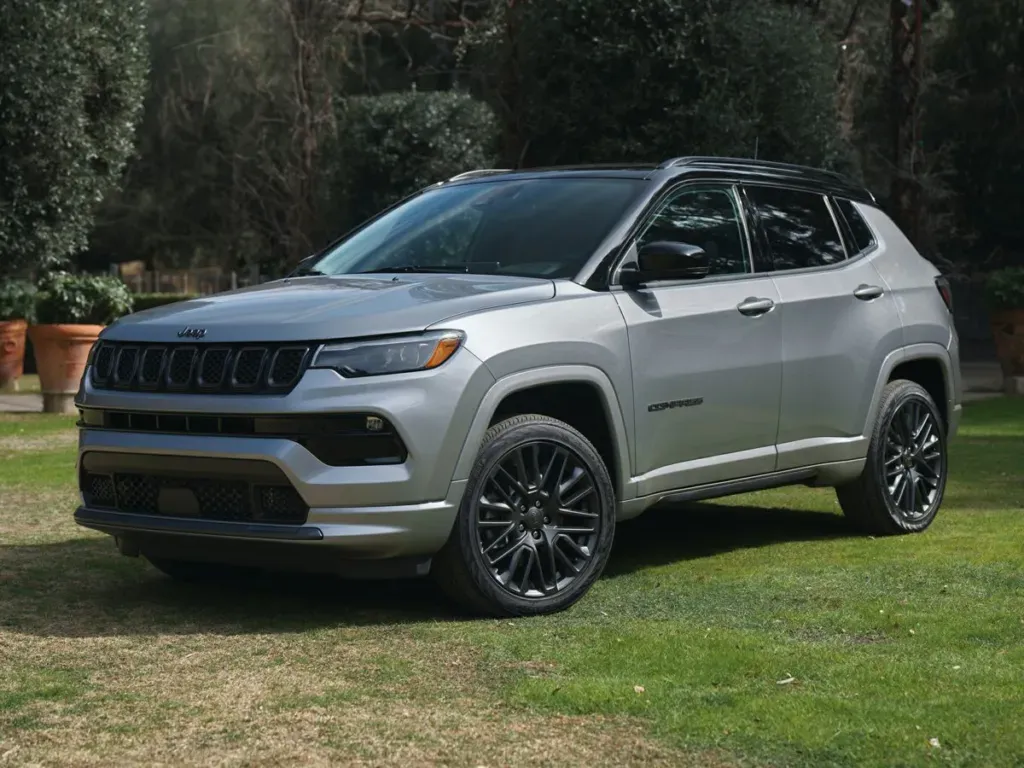
3. 2024 Jeep Compass Latitude
Compact crossover versatility appeals to commuters, but the 2024 Jeep Compass Latitude develops problems that undermine its practicality. Nine-speed automatic transmission exhibits harsh shifting, hesitation, and complete failures that occur shockingly early.
Engine performance proves disappointing with the base 2.4-liter four-cylinder. Power output feels inadequate for highway merging or passing, creating anxiety during high-speed driving situations.
Fuel economy disappoints, falling well short of EPA estimates during real-world commuting. You’re not saving money on fuel despite choosing a smaller crossover because this engine drinks gas disproportionately to its modest power output.
Oil consumption becomes excessive early in ownership. Some engines require oil additions every 1,000 miles, indicating serious internal wear or design flaws. This consumption necessitates constant monitoring and topping up, turning routine maintenance into frequent chores. Ignoring oil levels leads to engine damage, but maintaining proper levels becomes expensive and time-consuming.
Water leaks develop around doors and the rear hatch. Door seals fail to block moisture, allowing water into the cabin during rain. Drain channels for the sunroof clog and overflow, soaking the headliner and carpets. These leaks create musty odors, potential mold growth, and electrical problems when moisture reaches sensitive components.
Interior quality disappoints with cheap materials that show wear quickly. Cloth seats stain easily and develop worn areas. Dashboard plastics scratch readily and develop squeaks. Trim pieces loosen, creating rattles that worsen as the vehicle ages. Controls feel flimsy, operating with movements that lack precision or quality.
Rust appears aggressively on exhaust systems and suspension components. Mufflers perforate within three years. Brake components corrode rapidly, requiring frequent replacement. Body panels show rust around wheel openings and door edges. This premature corrosion indicates inadequate rustproofing and cost-cutting during manufacturing.
Suspension components wear prematurely despite relatively low mileage. Ball joints develop excessive play, creating clunking noises and wandering steering. Control arm bushings deteriorate, causing alignment problems and uneven tire wear.
Shock absorbers leak, requiring replacement much earlier than expected. These failures create safety concerns and repair bills that mount quickly, destroying any value this Compass Latitude initially offered commuters seeking practical crossover transportation for daily Jacksonville commuting duties.
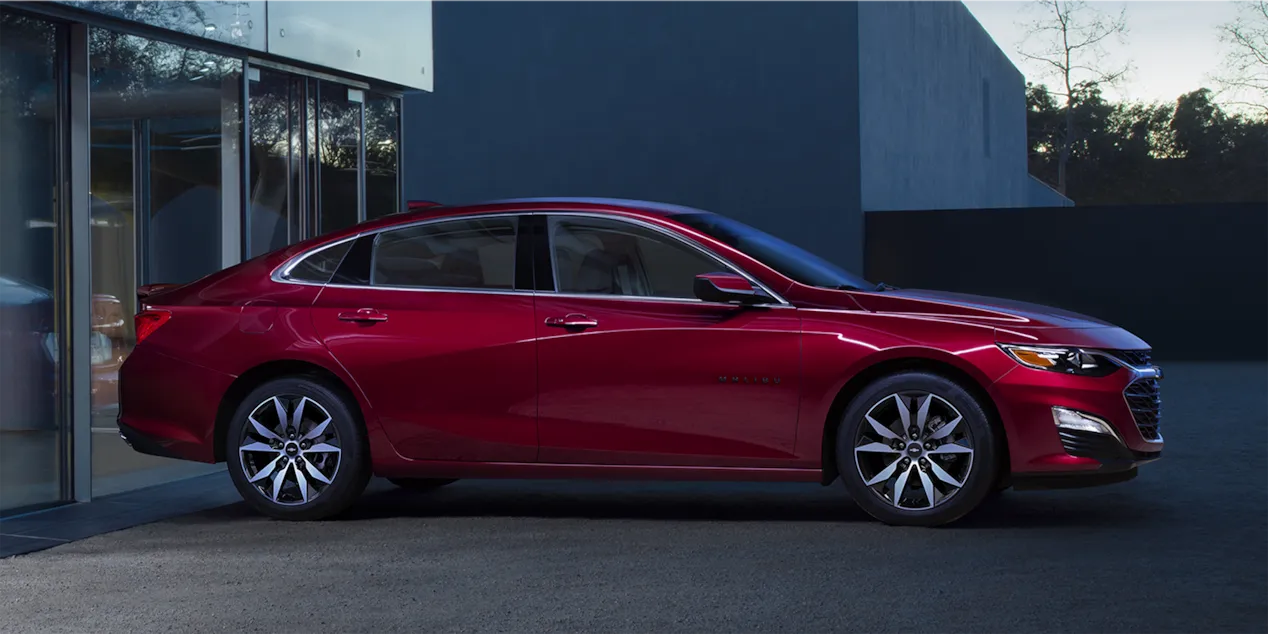
4. 2024 Chevrolet Malibu LS
Mid-size sedan affordability attracts budget-conscious commuters to the 2024 Chevrolet Malibu LS, but early problems quickly erase any initial savings. Turbocharged 1.5-liter engine develops issues, including excessive oil consumption, timing chain noise, and complete failures that occur disturbingly early.
Some engines burn through oil at rates requiring additions every 1,000 to 1,500 miles, an unacceptable consumption level that suggests serious internal problems. Timing chain premature wear creates rattling noises during cold starts, indicating inadequate lubrication or tensioner failures.
These chains can stretch or break, causing catastrophic engine damage that requires complete replacement. Repairs cost thousands of dollars, often occurring just outside warranty periods when owners must pay out-of-pocket for failures that shouldn’t happen in relatively new vehicles.
Electrical gremlins frustrate owners daily. Battery failures occur frequently, often within two years, despite normal use. Alternators fail prematurely, showing bearing wear or voltage regulator problems before 50,000 miles. Starter motors develop grinding noises or fail, leaving owners stranded.
Fuel economy disappoints, falling short of EPA estimates during real-world driving. Owners report consumption figures 10 to 15 percent worse than advertised, particularly during city driving and stop-and-go traffic. This discrepancy increases fuel costs and reduces the driving range between fill-ups, forcing more frequent gas station stops.
Interior materials show rapid deterioration. Cloth seats develop pilling and worn areas quickly. Dashboard plastics crack and warp in heat. Door panels develop squeaks and rattles. Soft-touch surfaces become sticky. These quality issues indicate cost-cutting that prioritizes low manufacturing costs over long-term durability.
Also Read: 5 Cars for Washington, D.C. Commuters vs 5 That Rack Up Bills
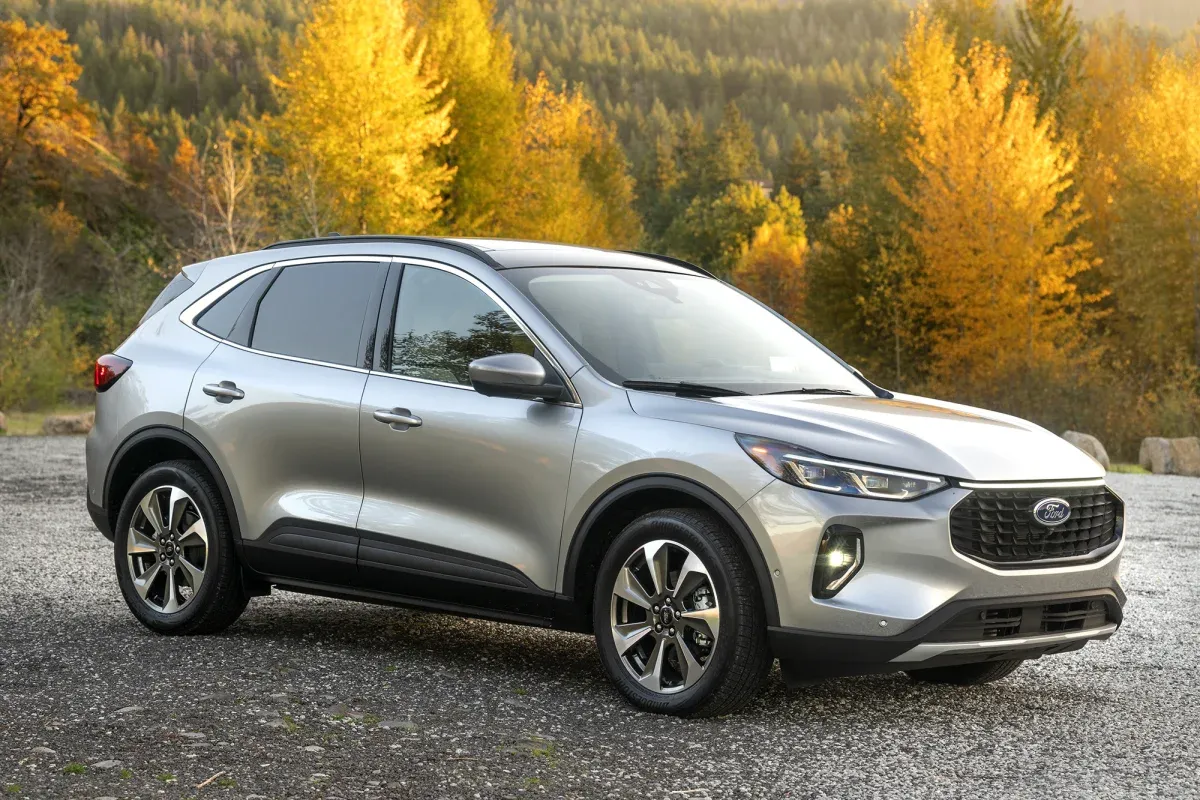
5. 2024 Ford Escape SE
Compact crossover practicality should support reliable commuting, but the 2024 Ford Escape SE develops problems that frustrate owners. The turbocharged 1.5-liter three-cylinder engine exhibits issues, including rough idle, hesitation, and coolant intrusion into cylinders through cracked cylinder heads. This latter problem represents a serious defect that can cause hydrolocking and complete engine destruction, requiring expensive replacement.
Some engines develop excessive vibration, characteristic of three-cylinder designs, but worse than acceptable levels. This vibration transmits through the chassis, creating unpleasant sensations and interior rattles. You’re constantly aware you’re driving a three-cylinder engine rather than enjoying smooth operation that makes commuting pleasant.
Electrical problems develop frequently. Battery drains occur regularly, suggesting parasitic draws or inadequate battery capacity. Start-stop system malfunctions, either failing to shut off the engine or refusing to restart smoothly. The infotainment system freezes or crashes regularly, requiring hard resets. Backup camera displays distorted images or fails to activate. These electrical gremlins create daily frustrations.
Air conditioning performance proves marginal during the Jacksonville heat. Systems struggle to cool cabins effectively, leaving passengers uncomfortable. Compressors fail prematurely, requiring expensive replacements. Some systems develop refrigerant leaks that necessitate finding leak sources before recharging, creating diagnostic expenses on top of repair costs.
Interior quality disappoints with materials that show rapid wear. Cloth seats develop pilling, stains, and worn areas. Dashboard plastics scratch easily and develop squeaks and rattles. Door panels loosen, creating annoying sounds during driving. Touchscreen responsiveness degrades, requiring multiple taps to register inputs.
Rust develops on exhaust components and suspension parts earlier than acceptable. Mufflers show perforation within three years. Brake components corrode aggressively despite frequent use, which should keep them clean. Suspension mounting points show rust, raising structural integrity concerns.
Suspension components fail prematurely. Strut mounts develop clunks. Control arm bushings crack and separate. Sway bar links require frequent replacement. These failures degrade ride quality and handling while creating mounting repair expenses.
