
Austin traffic has become legendary for all the wrong reasons, transforming what should be simple commutes into exhausting marathons of constant acceleration and braking. Anyone who has sat on I-35 during rush hour knows that sinking feeling when your fuel gauge drops visibly while barely moving forward.
Stop-and-start conditions create unique challenges that expose which vehicles handle urban gridlock efficiently and which ones hemorrhage fuel and money with every traffic light cycle. Choosing the right car for Austin’s traffic patterns means thinking beyond just highway fuel economy ratings.
City driving, particularly the constant stopping that defines Austin congestion, demands different engineering priorities. Some vehicles excel at recovering energy during braking, maintaining comfortable cabins without excessive idling, and delivering smooth acceleration from frequent stops.
Others burn fuel relentlessly while idling, offer jerky transmission behavior during crawling traffic, and create uncomfortable environments that make every commute feel twice as long as it actually is. Your wallet feels the impact of poor vehicle choice every single month through fuel bills that exceed your expectations and maintenance costs that accumulate faster in stop-and-start conditions.
Brake components wear more rapidly, transmission fluids degrade quickly, and engines suffer increased wear from constant cycling between idle and acceleration. Smart buyers research which models handle these conditions gracefully while keeping operating costs reasonable.
This guide examines ten vehicles through Austin’s traffic reality lens, identifying five that make gridlock bearable while preserving your budget, followed by five that transform every commute into an expensive ordeal.
Whether you’re shopping for something new or evaluating your current ride, this honest assessment reveals which cars match Austin’s challenging urban environment.
Cars Best for Austin’s Stop-and-Start Traffic
1. Toyota Prius LE Hybrid 2024
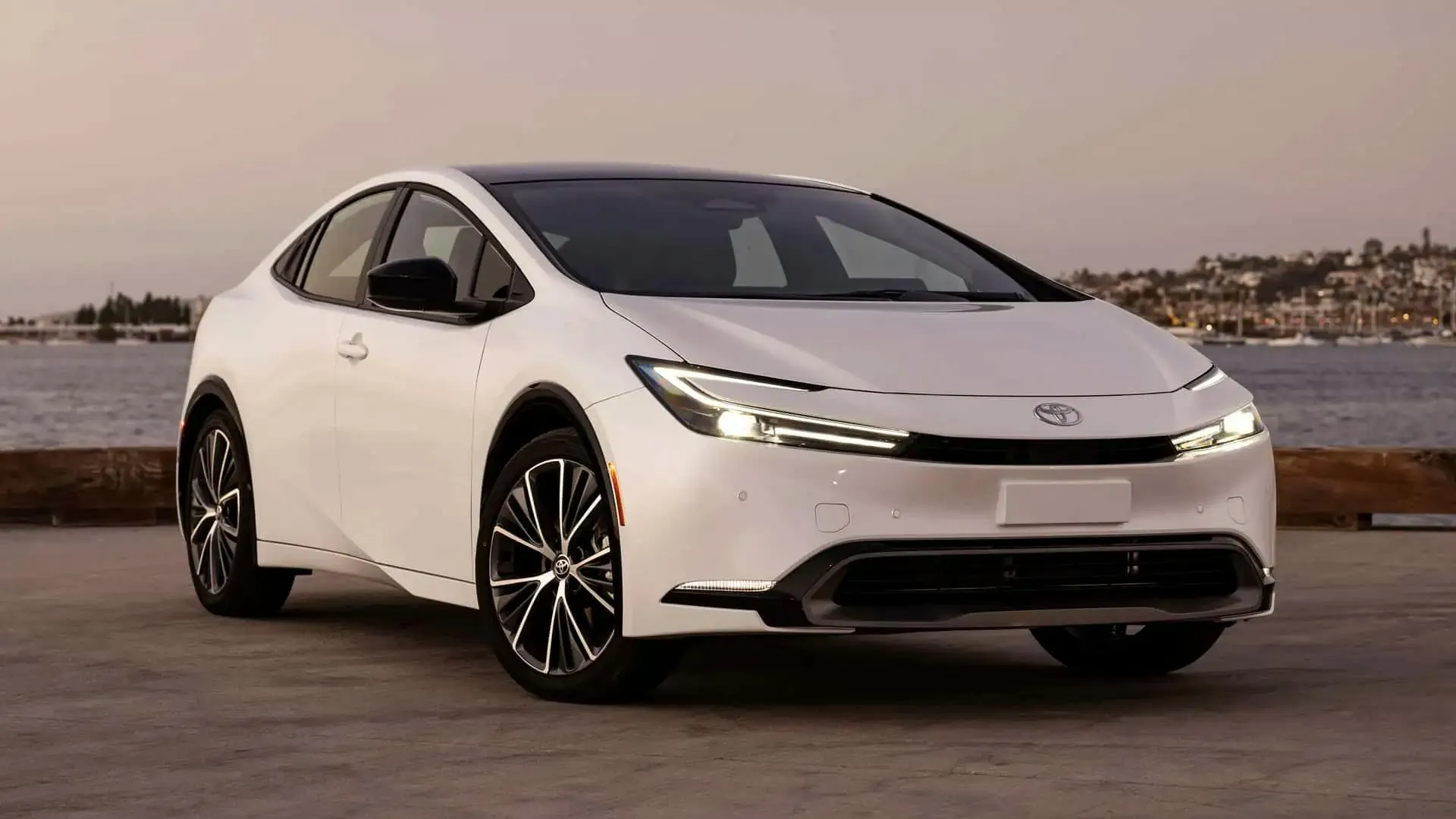
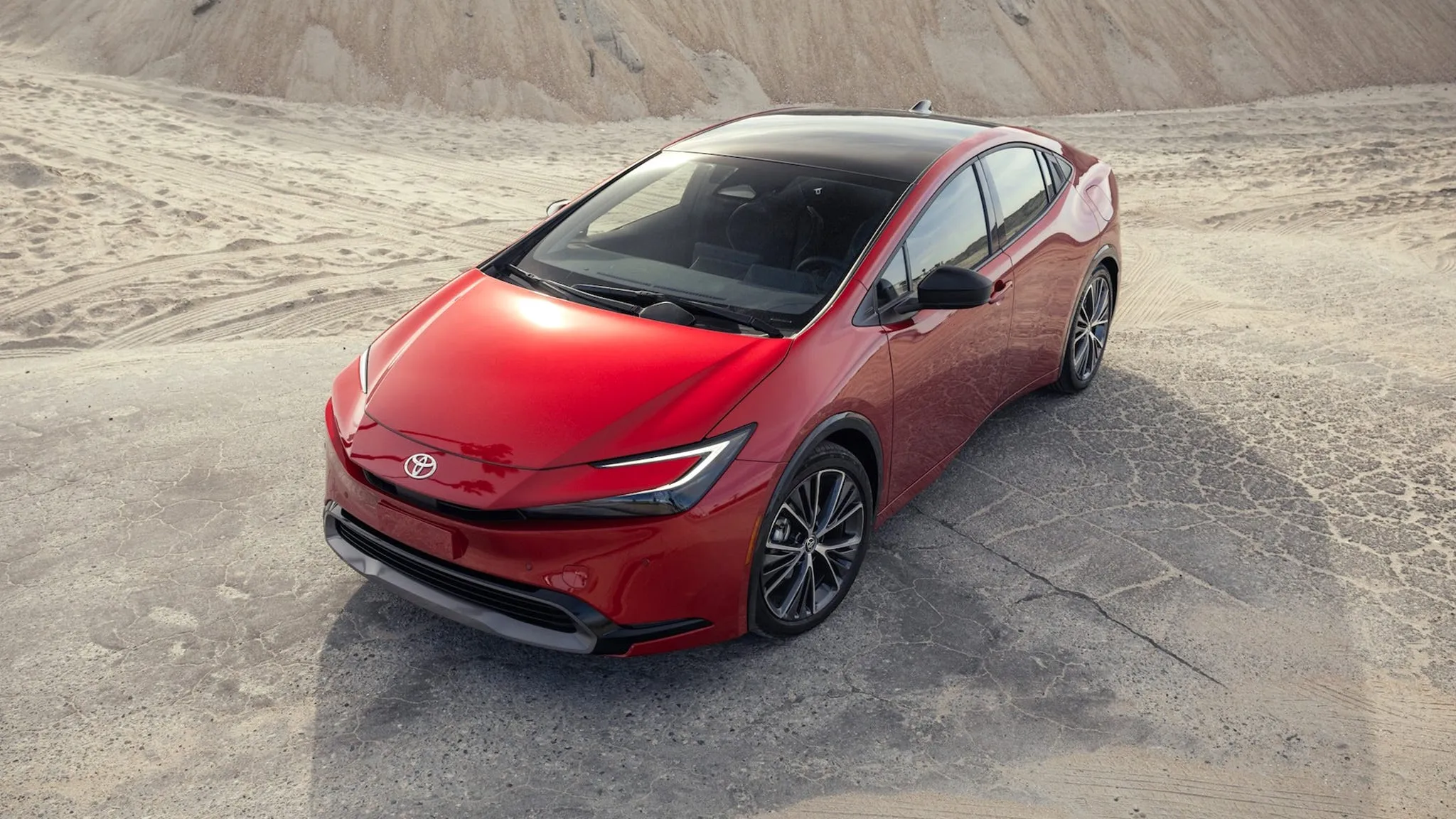
Hybrid engineering reaches its full potential in Austin’s traffic conditions with the Toyota Prius LE Hybrid 2024, where stop-and-start driving actually improves efficiency rather than destroying it. This car was literally designed for exactly the conditions Austin drivers face daily.
Electric motor handles low-speed crawling without burning any petrol, letting you sit in traffic on battery power alone. When movement resumes, the petrol engine kicks in seamlessly to recharge batteries and provide acceleration. You’ll watch your fuel economy climb during traffic jams rather than plummet like conventional vehicles.
Regenerative braking transforms wasted energy into stored electricity every time you slow down. Austin traffic requires constant braking, and the Prius converts that kinetic energy into battery charge instead of just heating brake pads.
Your brake components last substantially longer because the electric motor resistance handles much of the stopping duty. Owners report brake pads lasting 100,000 miles or more, saving hundreds in replacement costs compared to conventional cars requiring new brakes every 30,000 miles.
Fuel economy during city driving reaches 57 MPG, which seems impossible until you experience it firsthand. Your monthly fuel costs will drop dramatically compared to conventional vehicles, averaging 25 MPG in similar conditions.
This difference compounds month after month, saving thousands annually for drivers spending hours weekly in Austin traffic. When petrol prices spike, Prius owners barely notice, while conventional car drivers watch their budgets strain under fuel expense pressure.
Cabin comfort remains excellent during extended idling thanks to efficient climate control that runs on battery power. You won’t need to keep the engine running constantly just to maintain air conditioning during hot Austin summers. The electric compressor operates silently from battery reserves, keeping you cool without burning fuel or creating engine noise.
2. Hyundai Ioniq 6 SE Long Range 2024
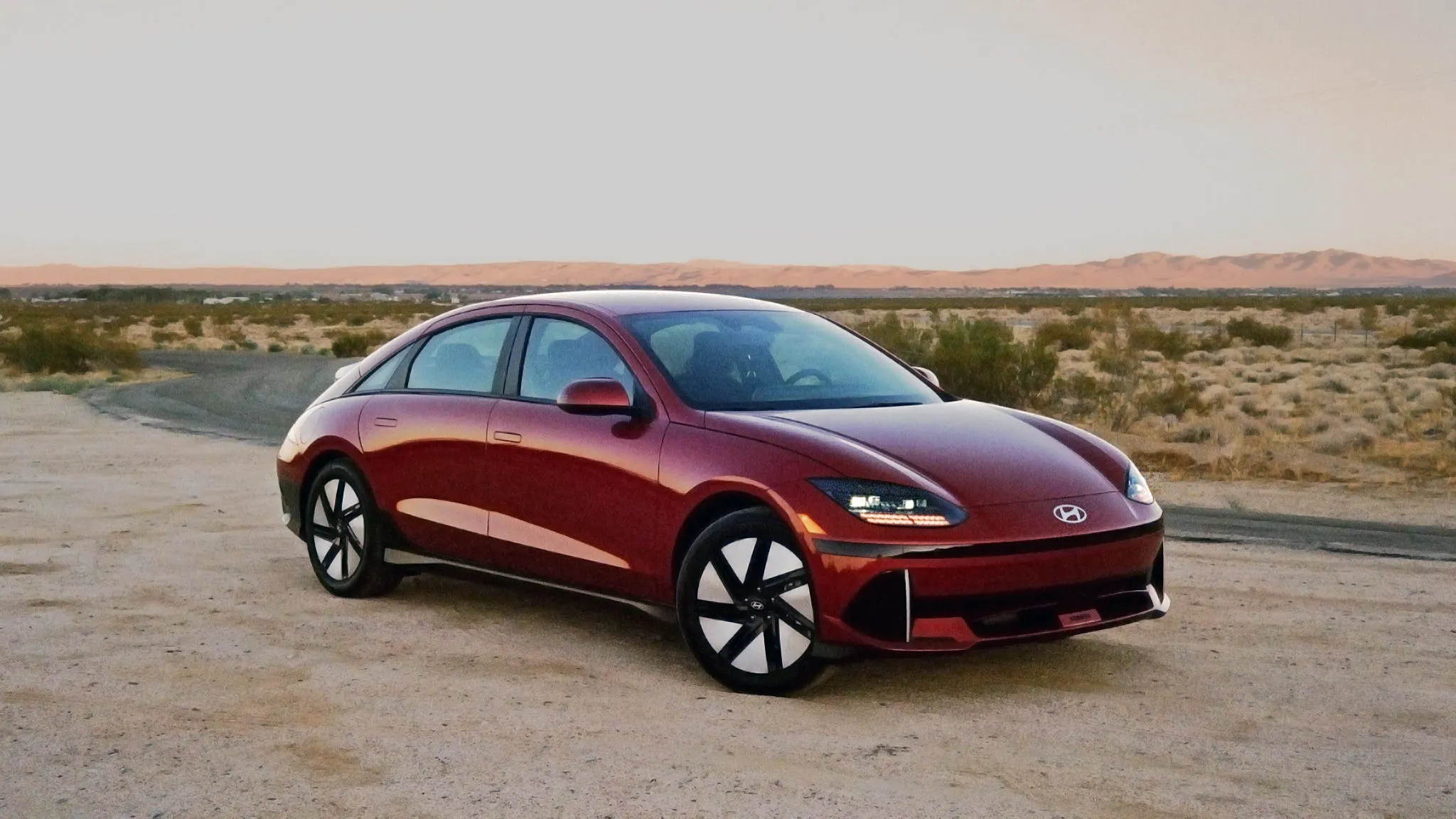
Electric vehicle advantages shine brightest during Austin traffic with the Hyundai Ioniq 6 SE Long Range 2024, eliminating fuel consumption during stop-and-start driving. You’ll sit in gridlock using zero energy because electric motors don’t idle like petrol engines.
When traffic finally moves, instant torque from electric motors provides smooth, quick acceleration without transmission delays or turbo lag. Stop-and-start becomes less frustrating when your vehicle responds immediately rather than hesitating while transmissions downshift or engines rev.
Range anxiety fears prove unfounded for Austin commuters because daily driving distances rarely exceed battery capacity. Even severe traffic delays won’t leave you stranded since you’re not burning energy while stationary. Home charging overnight ensures you start each day with a full range, eliminating gas station visits.
Your morning routine simplifies dramatically when fuel stops disappear from your schedule. Level 2 home charger replenishes batteries during cheap overnight electricity rates, costing pennies compared to petrol prices.
Austin’s growing charging infrastructure provides backup options when needed. Fast charging stations throughout the city can add 200 miles of range in thirty minutes, faster than most lunch breaks. You can shop or grab coffee while charging rather than standing at petrol pumps breathing fumes.
Public charging often costs less than home electricity, with some locations offering free charging to attract customers. Your monthly transportation fuel costs might drop to $30 or less compared to $200+ for conventional vehicles.
Climate control efficiency exceeds conventional cars because electric systems operate more effectively. You can precondition the cabin while still plugged in at home, entering a perfectly cooled vehicle without using battery charge.
Remote climate activation via smartphone means you’ll never suffer through initial heat buildup during summer afternoons. Heated seats and steering wheel provide winter warmth more efficiently than forced-air heating, using less energy while delivering better comfort.
Quiet operation creates peaceful environments during stressful traffic, as you’re not surrounded by engine noise. You can hold normal conversations or enjoy music without competing against the mechanical sounds that conventional vehicles create constantly.
Also Read: 5 Cars for Albuquerque Heat & Altitude vs 5 That Lose Power
3. Honda Accord Hybrid EX-L 2024
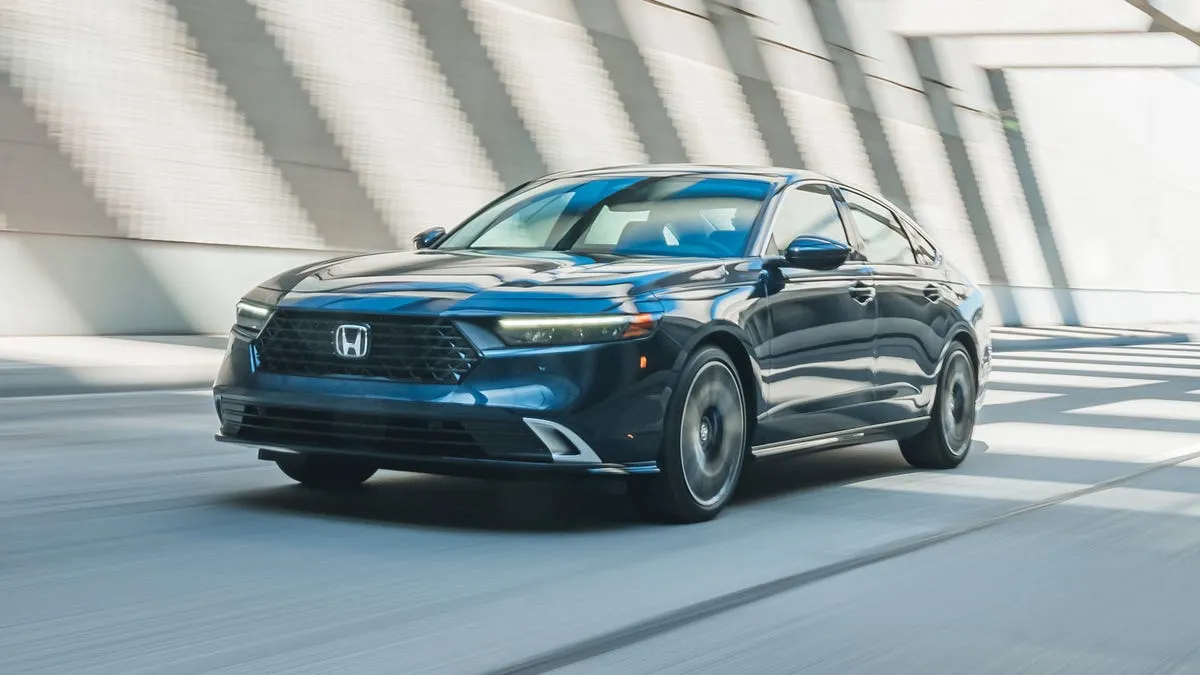
Midsize sedan practicality combines with hybrid efficiency in the Honda Accord Hybrid EX-L 2024, delivering substantial fuel savings without compromising space or comfort. This sedan handles Austin traffic beautifully through Honda’s two-motor hybrid system that operates differently from competitors.
Electric motor handles most driving directly, with the petrol engine primarily generating electricity rather than turning wheels. This approach delivers electric vehicle smoothness while eliminating range anxiety that full EVs create for some buyers.
City fuel economy reaches 48 MPG, exceptional for a vehicle this size. You’ll enjoy roomy interior space that accommodates adults comfortably in all seating positions while achieving efficiency that smaller cars struggle to match.
Austin families appreciate having adequate room for people and cargo without sacrificing fuel economy, which makes daily driving affordable. Trunk space remains generous despite hybrid battery placement, providing 16.7 cubic feet for groceries, luggage, or whatever your lifestyle requires.
Hybrid system transitions happen so smoothly that passengers rarely notice when the petrol engine starts or stops. You’ll experience seamless power delivery during acceleration from stops, with the electric motor providing instant response before the engine joins.
This eliminates the jerky behavior that plagues some hybrids during mode transitions. Sport mode sharpens responses for highway merging or overtaking, while Econ mode maximizes efficiency during typical commuting. You can adapt the vehicle’s personality to match driving conditions with simple button presses.
Brake feel remains natural despite regenerative system operation. Honda tuned pedal response to feel like conventional brakes, eliminating the weird, grabby sensation that ruins some hybrid driving experiences. You’ll modulate stopping smoothly during traffic crawling without abrupt jerks that upset passengers or spill coffee.
Paddle shifters allow manual control over regeneration strength, letting you increase energy recovery during downhill driving or approaching stops. Austin’s relatively flat topography means this feature sees less use than in hilly cities, but having control options never hurts.
Reliability reputation matches regular Accords, with hybrid components proving just as dependable as conventional powertrains while adding fuel economy benefits.
4. Kia Niro Hybrid EX 2024
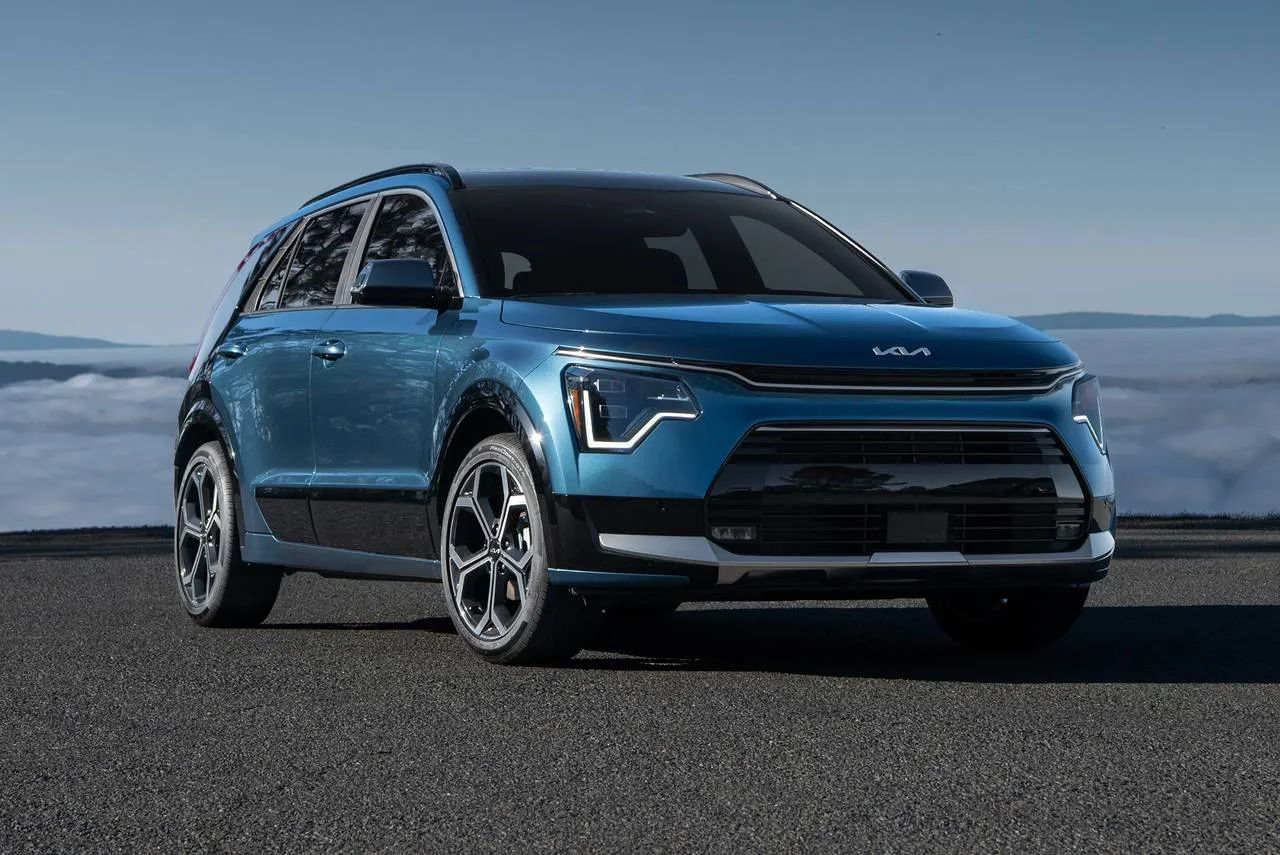
Crossover practicality meets hybrid efficiency in the Kia Niro Hybrid EX 2024, creating an ideal Austin commuter that handles both traffic and weekend adventures. Elevated seating position provides better visibility during dense traffic, helping you spot brake lights earlier and avoid sudden stops.
You’ll feel more confident during lane changes because you can see over surrounding vehicles rather than just bumpers. This visibility reduces stress during Austin’s chaotic rush hour conditions, where aggressive driving behavior tests everyone’s patience.
Fuel economy reaches 49 combined MPG, exceptional for a crossover providing this much practicality. You benefit from generous cargo space, comfortable seating, and easy entry without the fuel penalties that conventional crossovers impose.
Ground clearance handles Austin’s potholed streets better than low sedans, preventing scrapes and damage from road imperfections. You can load camping gear or sports equipment for weekend escapes while maintaining efficiency during weekday commuting.
The hybrid system uses proven technology refined through multiple generations, eliminating teething problems that plague newer designs. Kia’s dual-clutch transmission provides quicker responses than CVTs used by some competitors, delivering a more engaging driving feel during normal operation.
You’ll appreciate how confidently this Niro accelerates when traffic finally clears, providing adequate power for highway speeds without struggling. Six-speed dual-clutch also improves efficiency compared to conventional automatics by maintaining optimal engine speeds during varied driving conditions.
Technology features include smartphone integration, a decent sound system, and driver assistance systems that reduce fatigue during long traffic delays. Adaptive cruise control maintains following distances automatically, handling acceleration and braking during slow-moving traffic.
You can relax slightly rather than constantly modulating throttle and brake, reducing physical and mental fatigue. Lane-keeping assist prevents drifting when attention wanders during boring gridlock, adding safety without feeling intrusive.
These features transform traffic from exhausting ordeals into manageable inconveniences, preserving your energy for activities that actually matter after reaching your destination.
5. Mazda3 Select Sedan 2024
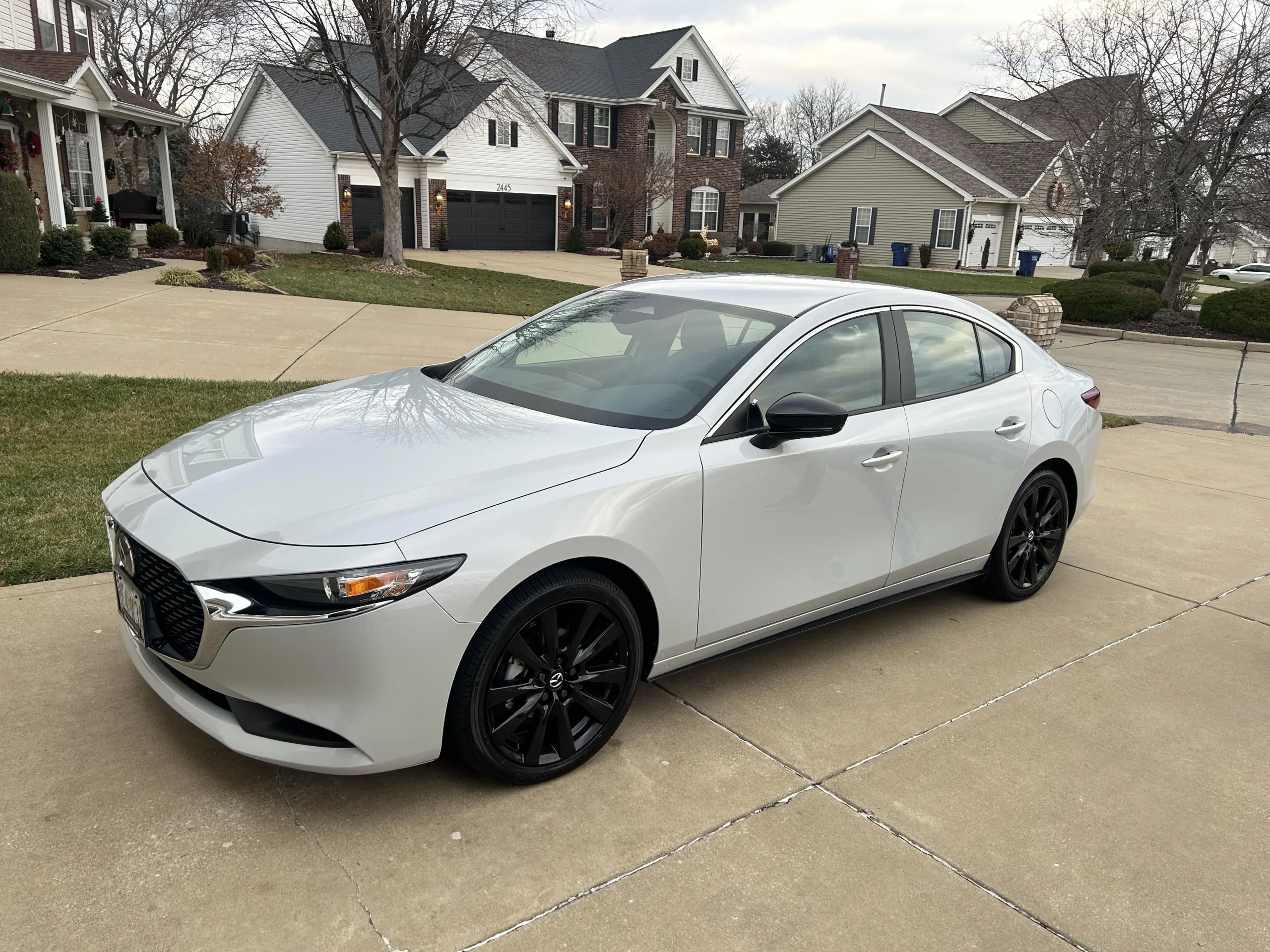
Conventional efficiency meets driving engagement in the Mazda3 Select Sedan 2024, proving hybrids aren’t the only answer for Austin traffic. Skyactiv engine technology delivers impressive fuel economy through high compression ratios and intelligent engine management.
You’ll achieve 33 combined MPG, excellent for a non-hybrid sedan providing this much driving enjoyment. Responsive handling and precise steering make even traffic-clogged commutes somewhat entertaining, as the Mazda delivers feedback and control that most competitors lack.
Compact dimensions simplify lane changes and tight maneuvering during dense traffic. You can slip into gaps that larger vehicles cannot access, potentially saving minutes during every commute. These time savings accumulate substantially across weeks and months, recovering hours of your life that traffic would otherwise steal.
A tight turning radius helps during parking lot navigation or turning around in crowded areas. Austin’s popular neighborhoods feature narrow streets where compact vehicles prove their worth repeatedly.
Build quality exceeds what most competitors offer at similar prices. Interior materials feel premium, with soft-touch surfaces replacing hard plastics throughout the cabin. This quality translates to durability, as surfaces resist wear and maintain appearance through years of use.
Austin’s intense sun and heat degrade inferior materials quickly, but Mazda’s cabin holds up well against UV exposure and temperature extremes. You’ll still have a nice interior when trade-in time arrives, rather than cracked, faded surfaces that reduce resale value.
Sound insulation keeps road noise manageable during highway driving, though tire roar increases noticeably at higher speeds. For stop-and-start traffic purposes, cabin quietness remains excellent since you’re rarely traveling fast enough for wind or tire noise to intrude.
Cars That Drain Your Wallet
1. Dodge Challenger R/T Scat Pack Widebody 2024
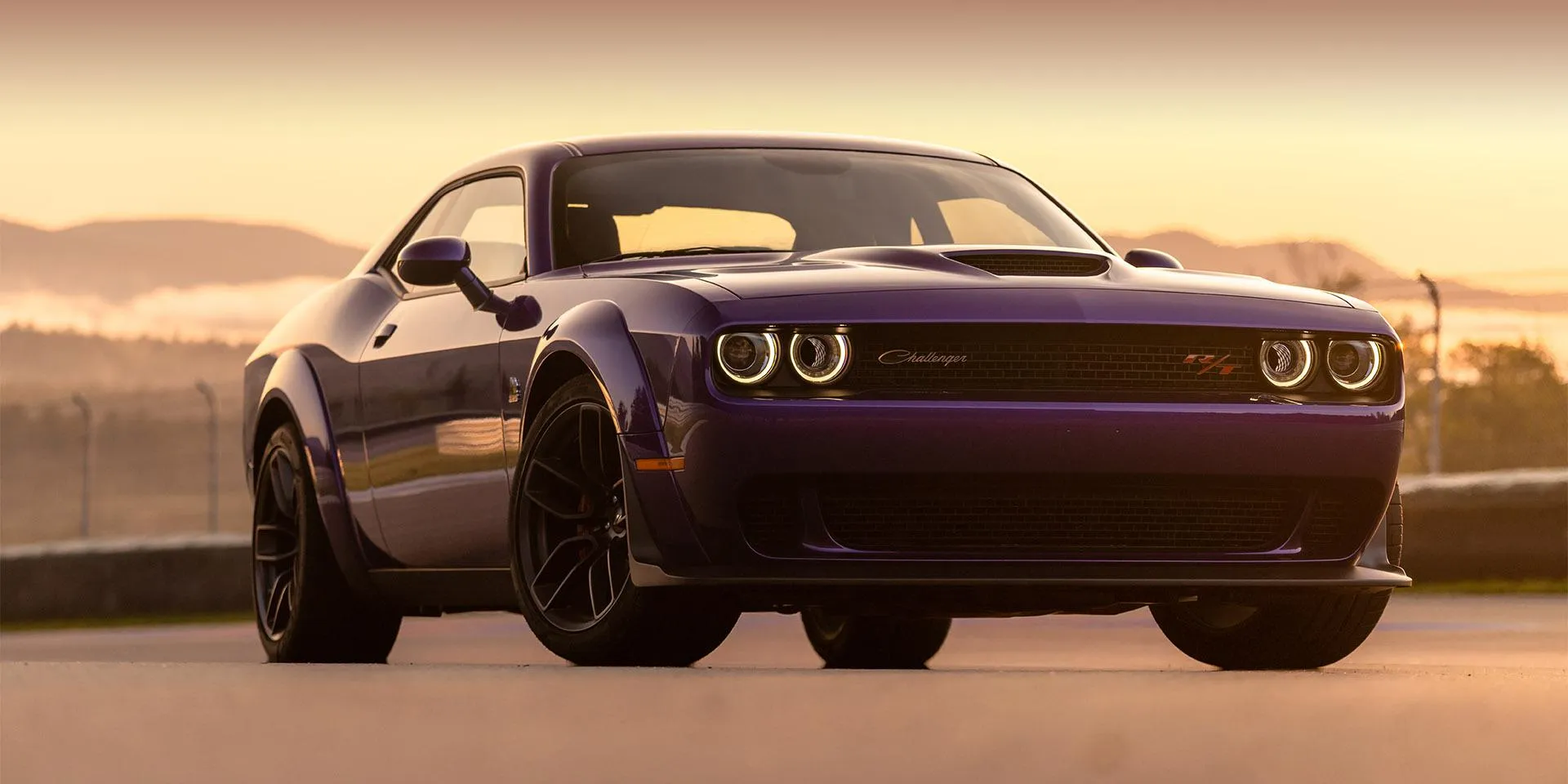
American muscle car drama creates financial nightmares during Austin traffic with the Dodge Challenger R/T Scat Pack Widebody 2024, where a 392 cubic-inch V8 transforms every commute into an expensive fuel-burning ordeal.
This engine produces 485 horsepower, which sounds thrilling until you realize Austin traffic never allows you to use that power. You’ll sit idling for hours weekly, burning premium petrol at alarming rates while going absolutely nowhere. Fuel economy during city driving barely reaches 14 MPG, meaning you’ll visit gas stations constantly while watching your budget evaporate.
Premium fuel requirement adds insult to injury, forcing you to pay extra per gallon for 91 octane that this engine demands. Austin’s summer heat makes matters worse, as the engine management system retards timing to prevent detonation, reducing power while maintaining the same terrible fuel consumption.
Weight exceeds 4,200 pounds, creating momentum during stop-and-start driving that strains brakes and transmission. You’ll accelerate slowly from stops despite massive engine power because moving this much mass requires substantial energy.
When traffic suddenly slows, heavy weight requires aggressive braking that wears components rapidly. Brake pads and rotors need replacement every 20,000 miles or less in severe traffic conditions, costing $800 or more per service. These frequent replacements add hundreds annually to ownership costs beyond already excessive fuel expenses.
Automatic transmission suffers during constant low-speed operation, with the torque converter generating heat that degrades the fluid rapidly. You’ll need transmission services every 30,000 miles rather than the 60,000+ that normal driving allows, doubling this maintenance expense.
When transmissions fail from heat stress, replacement costs exceed $4,000, creating catastrophic financial events. Air conditioning struggles to cool the massive cabin during Texas summers, running constantly and reducing fuel economy even further.
You can’t roll windows down during traffic because the Austin heat makes that unbearable, trapping you in an expensive, fuel-guzzling oven that drains your wallet while delivering nothing but frustration.
2. GMC Yukon Denali 2024
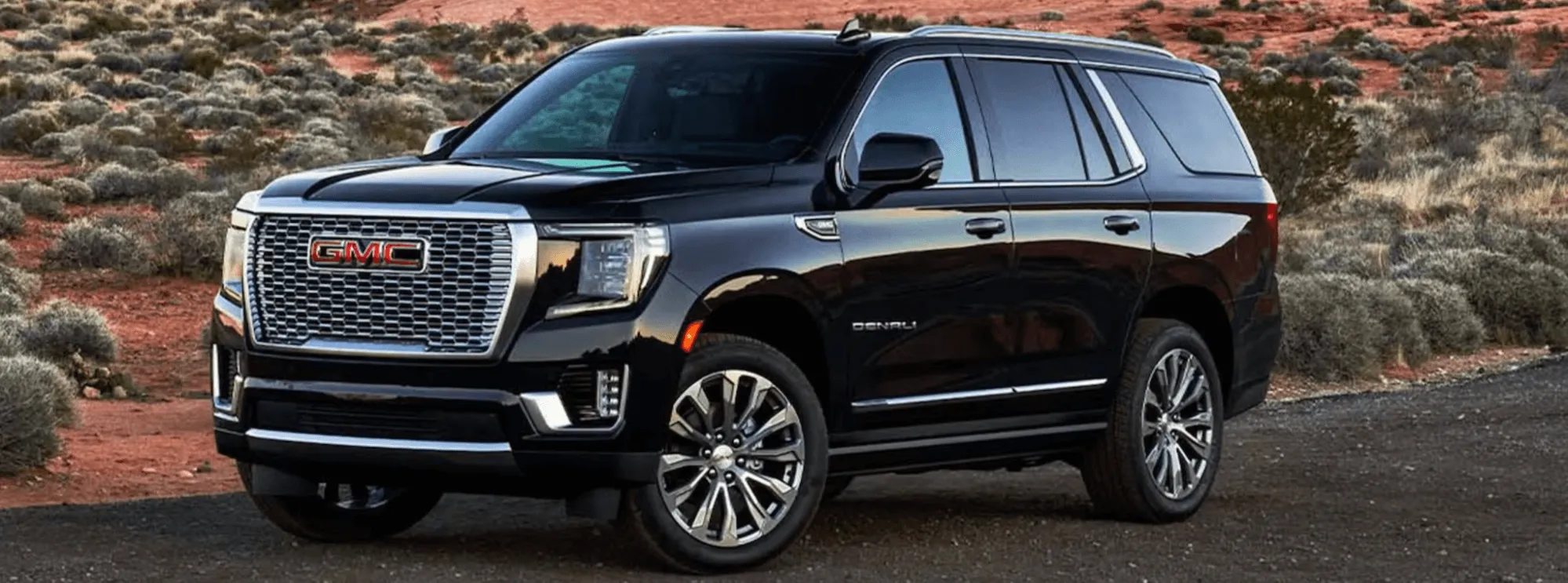
Full-size SUV excess creates traffic-induced poverty with the GMC Yukon Denali 2024, where luxury appointments cannot mask terrible efficiency. This behemoth weighs over 5,700 pounds, requiring enormous energy to accelerate from the frequent stops that Austin traffic demands.
V8 engine burns fuel relentlessly during idling, consuming petrol even when stationary. You’ll watch your fuel gauge drop visibly during extended traffic delays, creating anxiety about whether you’ll reach the next gas station or need roadside assistance.
City fuel economy struggles to reach 15 MPG, abysmal for a vehicle that rarely carries more than one or two people during typical commuting. You’re hauling three rows of empty seats and a massive cargo capacity through traffic, wasting energy moving unused space.
Monthly fuel costs approach $450 or more for drivers commuting regularly, money that could fund car payments on more efficient vehicles. Annual fuel expenses can exceed $5,000, enough to pay for a modest vacation or substantial emergency fund contribution.
Size creates maneuvering nightmares during dense traffic, requiring excessive space for lane changes that may not exist. You’ll miss opportunities to advance because gaps that accommodate normal cars prove too small for this massive SUV.
Austin’s narrow downtown streets feel claustrophobic when piloting something this large, creating stress beyond normal traffic frustration. Parking becomes an ordeal, as the Yukon barely fits standard spaces and cannot squeeze into compact spots at all. You’ll circle parking lots repeatedly, wasting time and fuel while searching for adequate space.
Brake wear accelerates dramatically during stop-and-start driving because stopping 5,700 pounds repeatedly destroys components quickly. Replacement brake services cost over $1,200 for quality parts and proper installation, required every 25,000 miles or less in severe traffic.
Tyres wear rapidly from the weight and frequent acceleration, requiring replacement every 30,000 miles at costs exceeding $1,400 for quality rubber. These consumable expenses create a relentless financial drain that budget-conscious drivers cannot sustain.
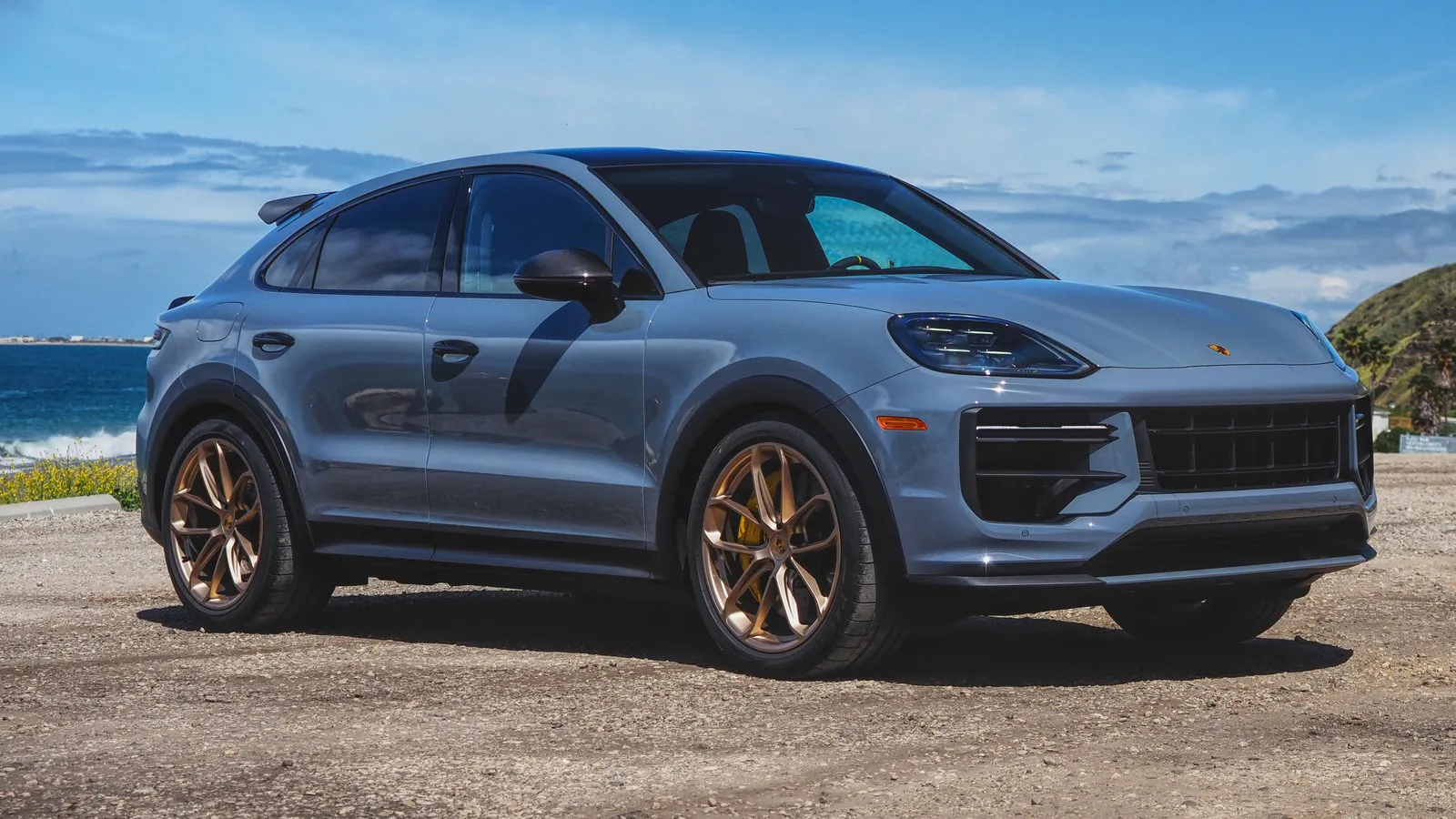
3. Porsche Cayenne Turbo 2024
German performance luxury transforms Austin traffic into wallet-draining torture with the Porsche Cayenne Turbo 2024, where twin-turbocharged V8 power proves worthless during gridlock. This engine produces 541 horsepower, which you cannot use during stop-and-start driving, serving only to consume premium fuel at shocking rates.
City fuel economy barely reaches 16 MPG, requiring premium 93 octane, costing substantially more than regular petrol. You’ll spend over $500 monthly on fuel alone during typical Austin commuting, money that delivers zero benefit beyond moving between traffic lights.
Turbocharger systems require frequent cooldown periods after driving, forcing you to idle the engine before shutting off to prevent damage. This procedure burns additional fuel while generating no movement whatsoever. Failing to follow this ritual causes premature turbocharger wear, leading to failures costing over $5,000 to repair.
You’re trapped between wasting fuel through extended idling or risking expensive component damage, neither option being financially sound. Austin’s heat accelerates turbocharger degradation, making problems appear sooner than in moderate climates.
The brake system uses carbon-ceramic rotors costing over $10,000 to replace when worn. While these exotic brakes resist fade during performance driving, they offer no advantage during traffic and wear from frequent stops, just like conventional brakes.
Tyres specify performance compounds costing $2,000 or more per set, wearing rapidly from the vehicle’s 4,800-pound weight during constant acceleration and braking. These consumables create financial bleeding that never stops throughout ownership.
Air suspension requires constant operation during traffic, cycling continuously to maintain ride height and comfort. This activity generates heat and wear that causes premature failures, costing $2,000 per corner to repair. When struts fail, you cannot drive the vehicle safely, forcing expensive towing and immediate repairs.
Electronic components throughout fail regularly from heat exposure, with Texas temperatures accelerating failure rates beyond what German testing anticipated. Door modules, climate control units, and infotainment systems all require expensive dealer repairs that independent shops cannot address.
Premium fuel, exotic brakes, expensive tyres, and constant electronic failures create ownership costs that rational people cannot justify, particularly when traffic prevents using the performance these expenses supposedly enable.
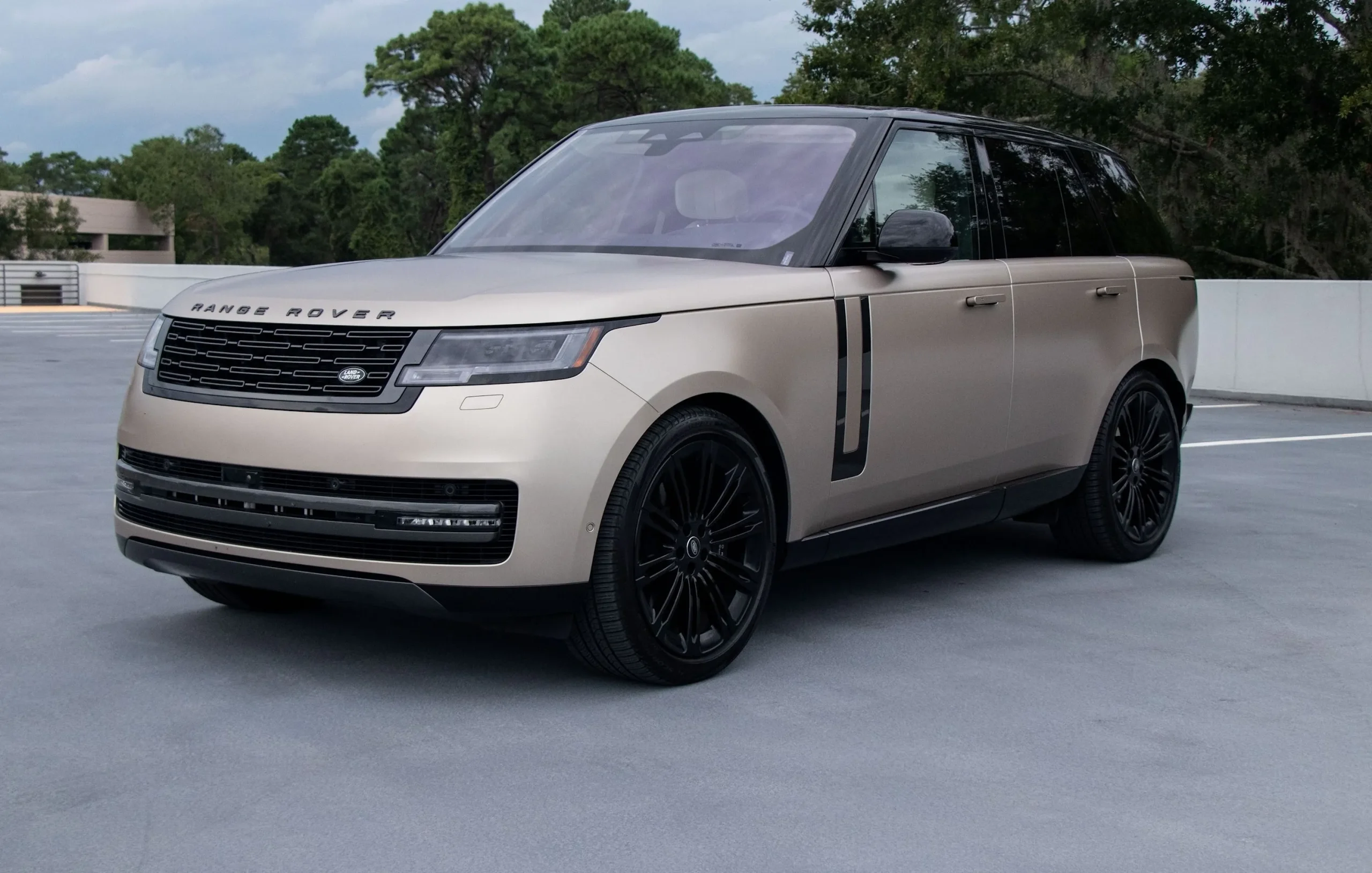
4. Range Rover Autobiography 2024
British luxury pretensions create maintenance nightmares during Austin traffic with the Range Rover Autobiography 2024, where constant breakdowns compound terrible fuel economy. Supercharged V8 engine delivers impressive power during the rare moments when traffic allows acceleration, but spends most time idling inefficiently.
City fuel economy reaches only 16 MPG using premium fuel, creating monthly costs exceeding $500 for regular commuters. You’re paying luxury car prices to sit in the same traffic that everyone else experiences, gaining nothing except empty fuel tanks and depleted bank accounts.
Reliability problems plague these Range Rovers, with multiple systems failing regularly, even during warranty periods. Electronic parking brake malfunctions leave you unable to release the brake, requiring towing to dealers.
Air suspension fails frequently, dropping the vehicle to the ground and preventing driving. Infotainment systems freeze or crash repeatedly, forcing dealer visits to reset software. Each failure wastes hours at dealerships while you arrange alternative transportation, losing productive time beyond direct repair costs. Austin’s limited Range Rover dealer network means long waits for service appointments, extending your time without reliable transportation.
Brake components wear rapidly during traffic, requiring replacement every 20,000 miles at costs exceeding $2,000 per service. Rotors warp from heat stress during repeated stops, creating vibrations that require immediate attention. Pads use expensive compounds that generate less dust but cost three times what normal pads cost.
When calipers seize from heat exposure, replacement costs approach $1,000 per wheel. These brake expenses accumulate relentlessly, creating financial strain that budget-conscious drivers cannot sustain while facing other ownership costs.
Transmission issues develop frequently, with rough shifting or complete failures requiring rebuilds costing $6,000 or more. Eight-speed automatic transmissions used in these Range Rovers suffer from heat stress during traffic, degraded fluid, and wear internal components prematurely.
Fluid changes every 30,000 miles cost $400 at dealers, doubling typical transmission service expenses. Cooling system problems plague the supercharged engine, with plastic components cracking in Texas heat and causing expensive coolant leaks.
Water pump failures occur prematurely, requiring $1,200 repairs that often happen just after warranty expiration. Such pervasive reliability problems make this Range Rover unsuitable for anyone depending on daily transportation, as constant breakdowns create chaos beyond just financial costs.
Also Read: 5 Cars for Boston’s Tight Streets vs 5 That Aren’t City-Friendly
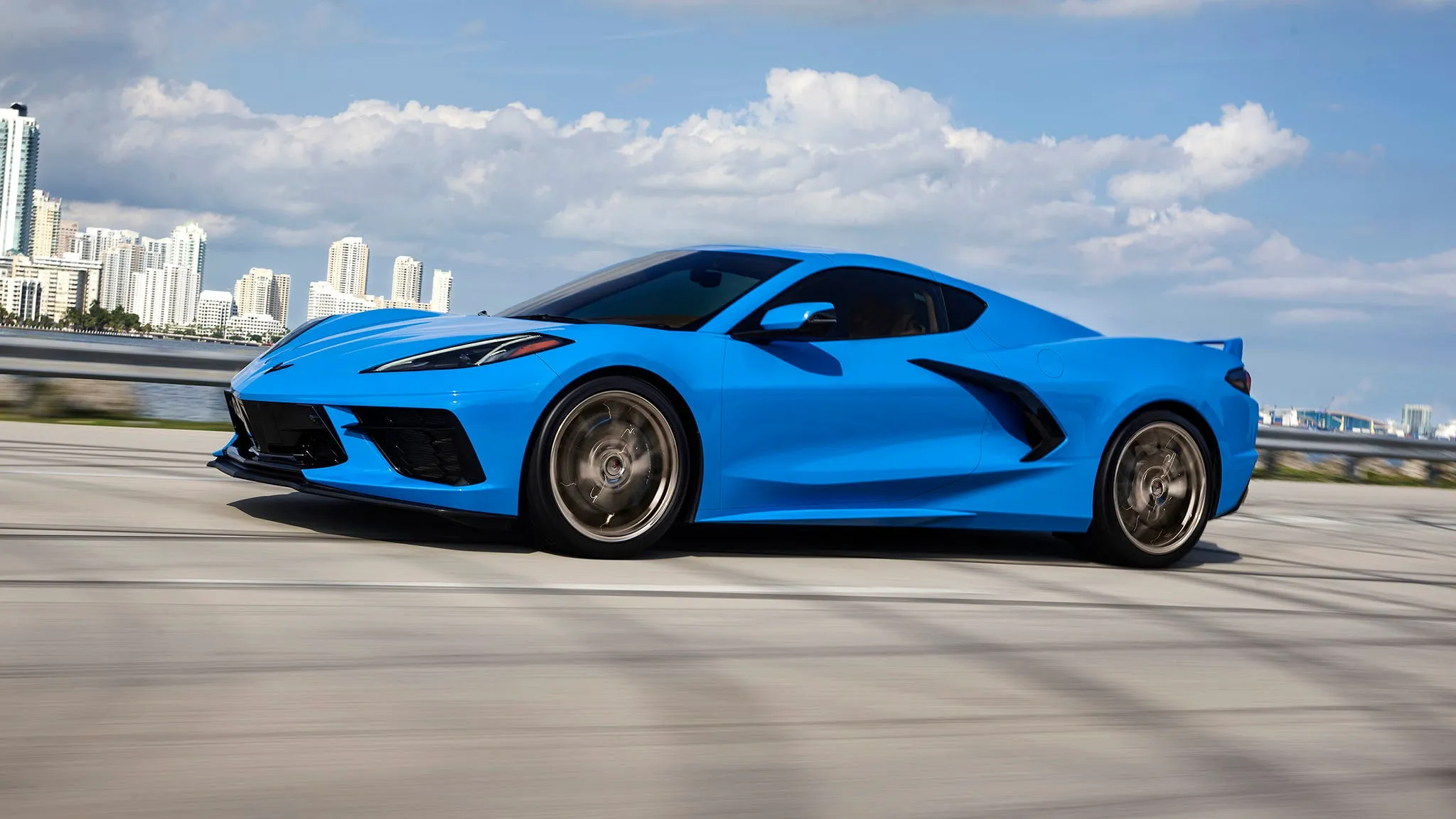
5. Chevrolet Corvette Stingray Coupe 2LT 2024
American sports car excess proves financially ruinous during Austin traffic with the Chevrolet Corvette Stingray Coupe 2LT 2024, where performance capabilities remain completely unused while fuel disappears rapidly.
Mid-engine layout and 490 horsepower create impressive track performance that traffic prevents you from ever experiencing. You’ll sit idling in gridlock, burning premium fuel while going nowhere, watching your investment depreciate without delivering any of the driving pleasure that justified purchasing a sports car initially.
City fuel economy struggles to reach 16 MPG during stop-and-start driving, requiring premium fuel that costs substantially more than regular petrol. You’ll visit gas stations twice weekly or more, spending over $450 monthly on fuel that delivers zero enjoyment.
Sports car ownership should involve spirited driving on empty roads, not sitting stationary in traffic breathing exhaust fumes. Austin’s congestion transforms the Corvette from a dream car into an expensive mistake that drains your wallet while delivering constant frustration.
Low ride height creates scraping problems on Austin’s rough streets, particularly during traffic when you cannot avoid potholes or plan routes around bad pavement. You’ll hear expensive carbon fiber scraping against concrete, cringing at repair costs for damaged front splitters and side skirts.
Replacing damaged aerodynamic components costs thousands, turning minor road imperfections into major expenses. Speed bumps become obstacles requiring careful angling and slow crawling, actions that look ridiculous in a performance car and invite mockery from other drivers.
The brake system uses performance components designed for track use, which wear rapidly during constant traffic stops. Replacement costs exceed $1,500 per axle for quality parts, required every 15,000 miles in severe stop-and-start conditions.
Performance tyres wear quickly from frequent acceleration and braking, requiring replacement every 20,000 miles at costs approaching $1,800 per set. These consumable expenses accumulate relentlessly, making the Corvette financially unsustainable for daily Austin commuting.
Harsh ride quality from firm sports suspension creates discomfort during extended traffic delays, transmitting every pavement imperfection directly into your spine. What should be an exciting ownership experience becomes expensive torture, as Austin traffic exposes how poorly sports cars match urban commuting reality.
