
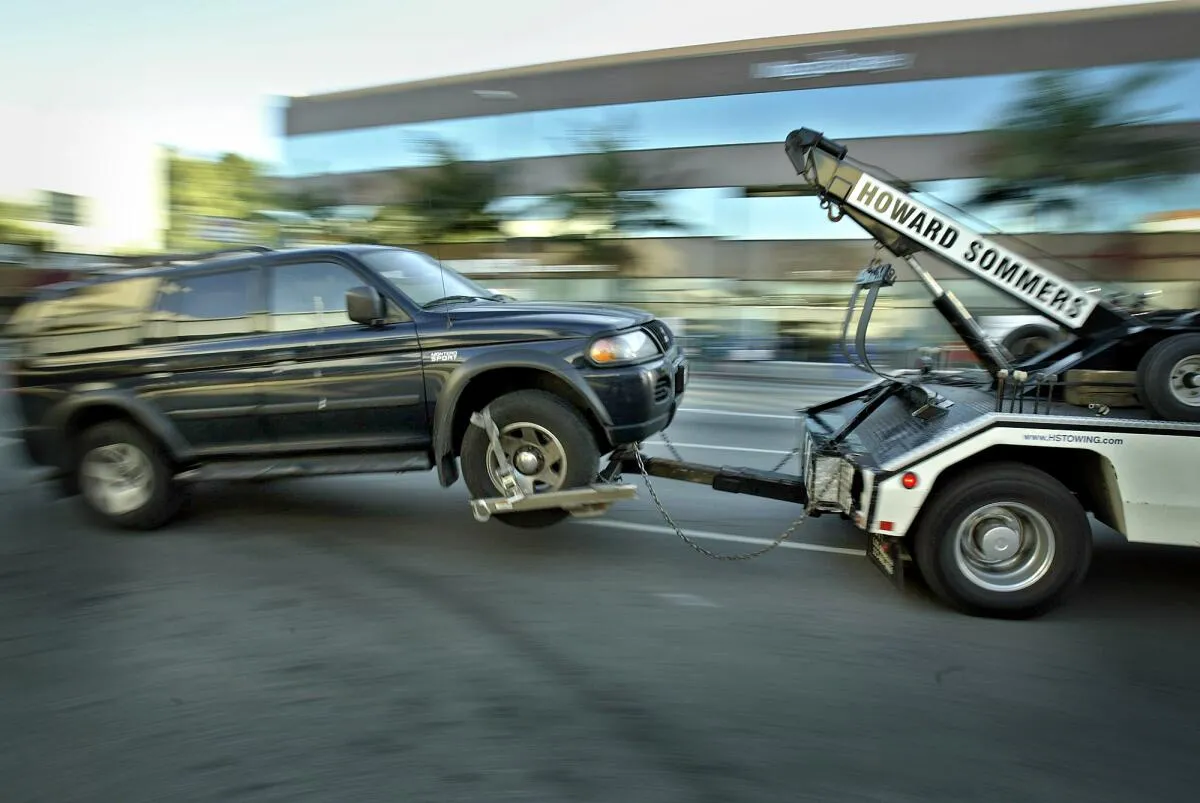
Dallas drivers face unique challenges that test vehicles in ways other cities don’t. You’re crawling through I-35E during rush hour one minute, then merging onto LBJ Freeway at 75 mph the next. Weekend plans often involve towing boats to nearby lakes or hauling trailers loaded with camping gear, motorcycles, or equipment for work.
Summer temperatures regularly exceed 100 degrees, pushing cooling systems to their limits while you sit in gridlock with the air conditioning blasting. Your vehicle needs to handle all these demands reliably without leaving you stranded on Central Expressway or struggling to pull a loaded trailer up hills.
Some vehicles excel at this combination of tasks, providing strong engines that tow confidently, transmissions that don’t overheat in traffic, and cooling systems that maintain proper temperatures during brutal Texas summers. Others look capable on paper but develop problems when subjected to real-world Dallas conditions.
Transmissions overheat during extended traffic jams. Engines struggle under towing loads. Cooling systems can’t maintain proper temperatures when you’re sitting in stop-and-go traffic with a trailer behind you. Choosing the right vehicle determines whether you spend weekends enjoying activities or dealing with breakdowns and repairs.
You need something that accelerates confidently for highway merging, stops safely with trailer weight behind you, and doesn’t develop expensive problems when used as intended. Towing capacity ratings mean nothing if transmissions fail or engines overheat regularly.
We will examine ten vehicles split into two groups. First, we’ll look at five that handle Dallas traffic and towing demands excellently, proven through real-world use. Then we’ll discuss five that develop problems when subjected to these conditions, leaving owners frustrated and facing mounting repair bills.
5 Cars Perfect for Dallas Traffic and Towing
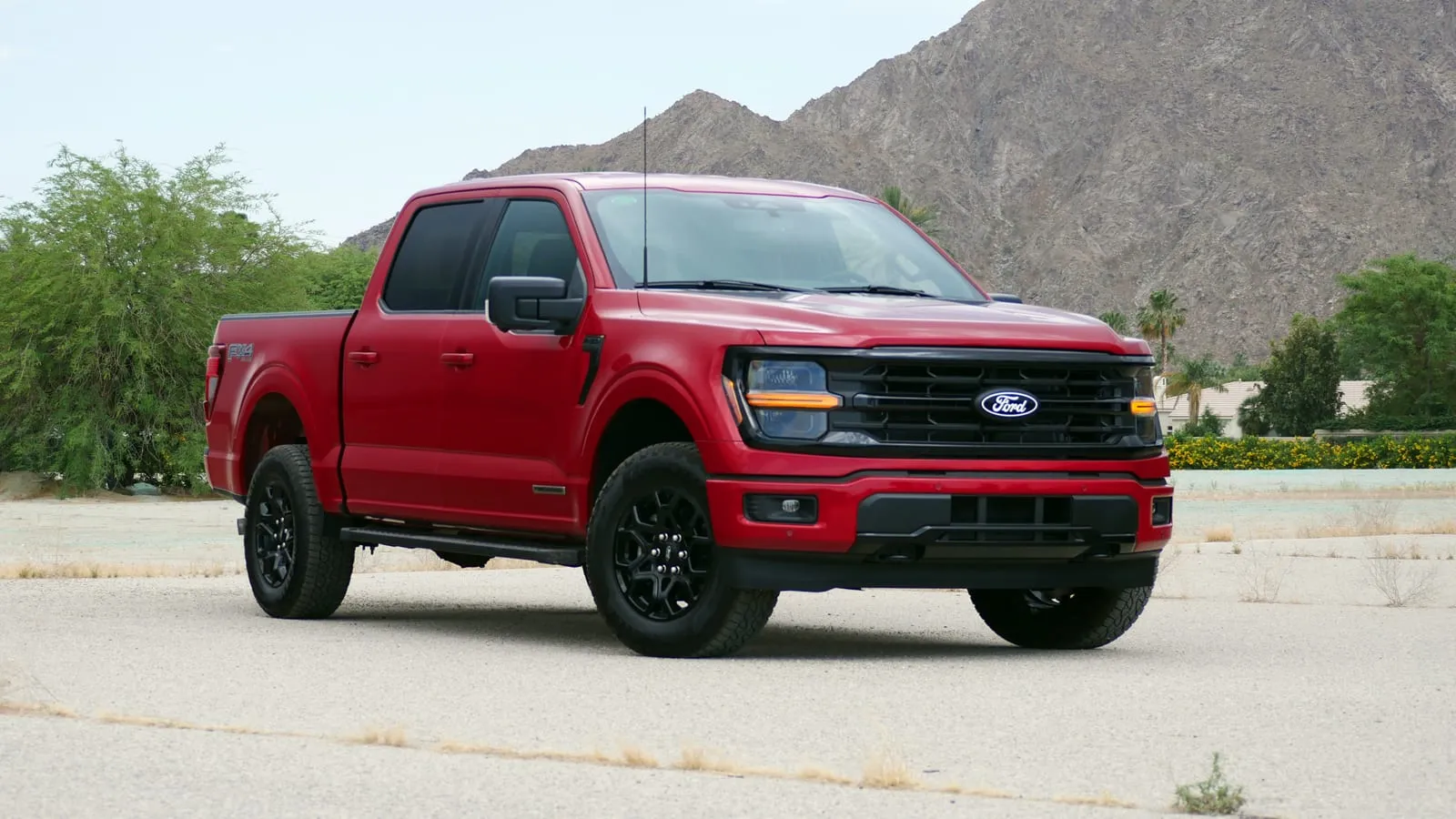
1. 2024 Ford F-150 XLT with 3.5L EcoBoost
Power meets efficiency in the 2024 Ford F-150 XLT equipped with the 3.5-liter EcoBoost V6. This twin-turbo engine generates 400 horsepower and 500 lb-ft of torque, numbers that translate into confident towing capability rated up to 14,000 pounds when properly equipped.
You’re not struggling to pull boats or trailers because this engine produces massive low-end torque that moves heavy loads smoothly. Acceleration with trailers attached feels controlled and predictable, giving you confidence during highway merging or passing slower traffic.
The ten-speed automatic transmission handles power delivery smoothly while maintaining proper temperatures during extended towing or traffic crawling. You’re not watching temperature gauges nervously or experiencing limp mode during Dallas summer traffic because cooling systems work as designed.
Integrated trailer brake controller provides smooth, predictable braking with trailers attached. You adjust gain settings easily through dashboard controls, customizing brake response for different trailer weights.
Electric trailer brakes engage progressively with your brake pedal pressure, creating seamless combined braking that doesn’t feel jerky or uncontrolled. This integration makes towing safer and less stressful, particularly during Dallas traffic, where sudden stops occur frequently.
Pro Trailer Backup Assist simplifies reversing with trailers, allowing you to steer using a knob while the truck manages steering wheel inputs automatically. This feature helps during boat ramp situations or tight camping spots where backing becomes challenging. You’re not jackknifing trailers or requiring multiple attempts because the system handles steering geometry calculations automatically.
Payload capacity accommodates heavy cargo in the bed while still allowing reasonable trailer weight, giving flexibility for various hauling tasks. You can load tools, supplies, or equipment in the bed while towing without exceeding gross combined weight ratings that create unsafe conditions or accelerated wear.
Ford builds these trucks understanding that owners will use them hard, engineering components for sustained heavy use rather than occasional light duty. This F-150 XLT proves half-ton trucks can handle serious work when properly equipped and engineered.
Also Read: 12 Cars That Keep Cabins Calm and Dim At Night
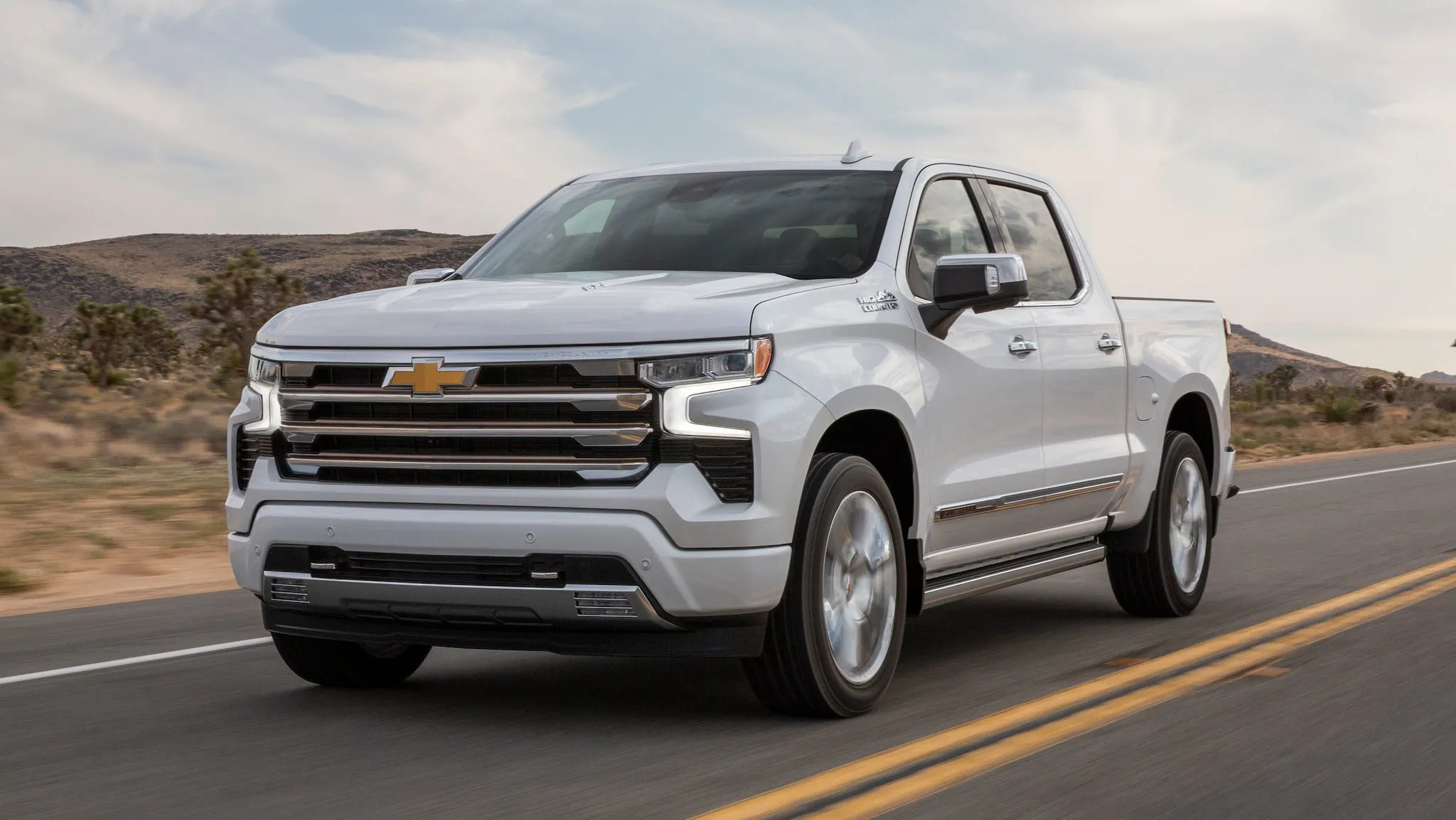
2. 2024 Chevrolet Silverado 1500 RST with 6.2L V8
Traditional V8 power delivers predictable performance in the 2024 Chevrolet Silverado 1500 RST equipped with the 6.2-liter engine. This naturally aspirated V8 produces 420 horsepower and 460 lb-ft of torque, providing strong acceleration and towing capability rated up to 13,300 pounds.
You get linear power delivery without turbo lag, creating smooth, predictable acceleration that makes driving with trailers less stressful. Engine response matches your throttle inputs directly rather than waiting for turbos to spool up.
Transmission temperature stays within normal ranges even during extended highway towing in Texas heat or slow traffic crawls with trailers attached. You’re not experiencing overheating warnings or reduced performance because Chevy engineered adequate cooling from the start.
Integrated trailer brake controller works seamlessly with truck braking systems, providing proportional brake force to trailer wheels based on your pedal input. Setup takes minutes through simple dashboard menu navigation, allowing you to input trailer weight and adjust gain for optimal braking performance.
Trailer sway control detects unstable trailer movement and applies individual wheel braking, plus reduces engine power to stabilize combinations before situations become dangerous. Dynamic fuel management shuts down cylinders during light loads to improve fuel economy, helpful during non-towing driving when you’re commuting or running errands around Dallas.
The engine transitions between 8-cylinder and 4-cylinder operation smoothly, maintaining power availability while reducing fuel consumption when full output isn’t needed. This technology helps offset the fuel costs that come with V8 power and towing capability.
The available max trailering package increases cooling capacity, adds an auxiliary transmission cooler, and includes an upgraded rear axle with a higher ratio for better towing performance. These components work together to maintain proper temperatures and provide adequate power for moving heavy loads confidently.
Bed-mounted cargo cameras show bed and trailer views, helping position trailers during hooking up or monitoring cargo during transport. This Silverado RST demonstrates that traditional V8 trucks still have advantages for towing applications where proven technology and predictable power delivery matter more than fuel economy numbers on paper.
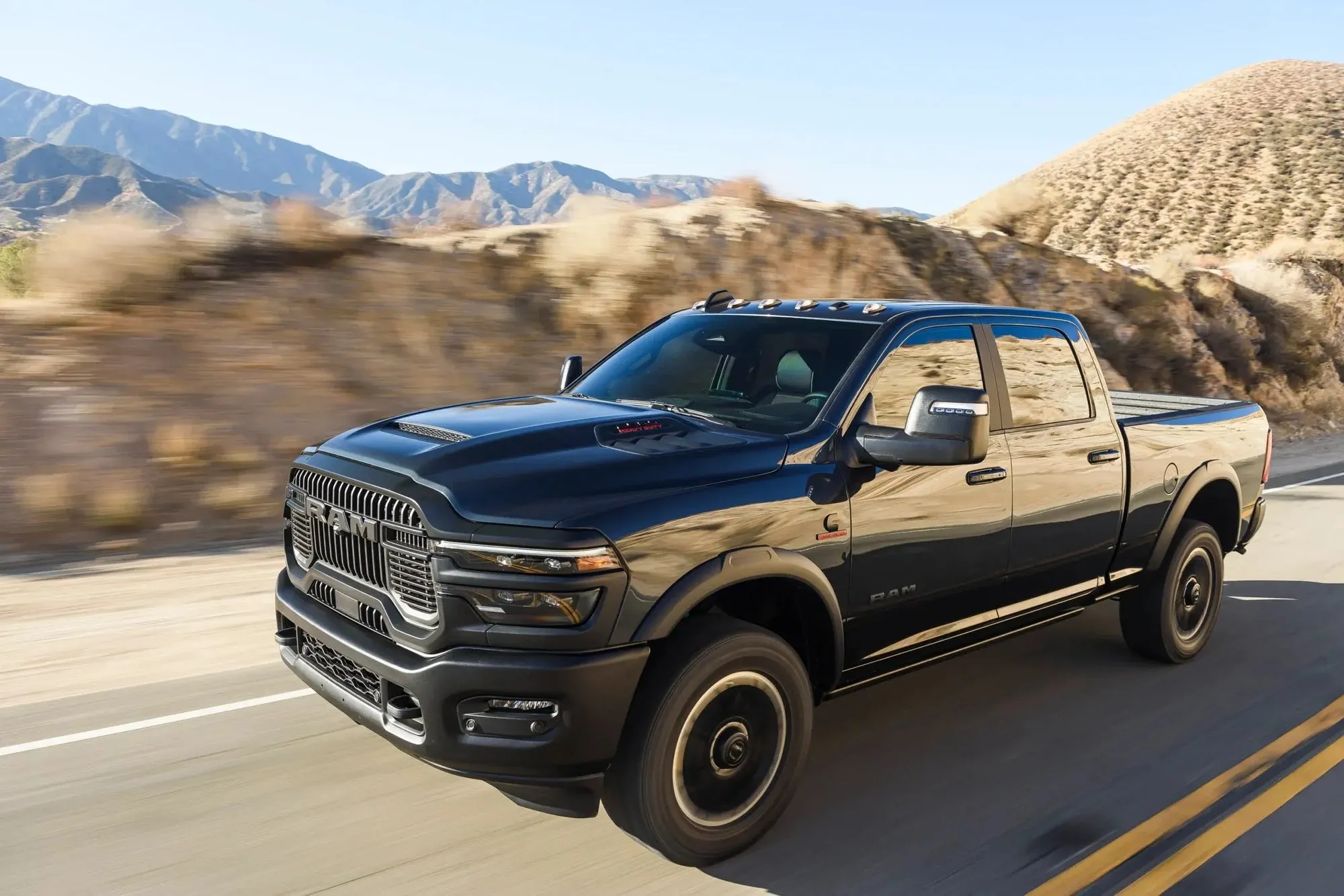
3. 2024 Ram 1500 Laramie with 3.0L EcoDiesel
Diesel efficiency combines with strong towing in the 2024 Ram 1500 Laramie equipped with the 3.0-liter EcoDiesel V6. This turbodiesel produces 260 horsepower and 480 lb-ft of torque, with that massive torque figure arriving at low engine speeds, perfect for towing.
You get diesel pulling power that moves trailers effortlessly, maintaining speed on hills and accelerating smoothly even with heavy loads attached. Towing capacity reaches 12,560 pounds when properly equipped, adequate for most recreational towing needs, including boats, campers, and enclosed trailers.
Eight-speed automatic transmission handles diesel torque smoothly while maintaining durability during sustained towing. You’re not experiencing transmission problems because Ram learned from earlier diesel truck experiences and engineered improved solutions.
Fuel economy stands out compared to gasoline truck alternatives. Highway towing returns consumption figures that gasoline engines can’t match, saving substantial money during long trips to lakes or camping destinations. Empty highway cruising delivers even more impressive efficiency, making this Ram practical for daily driving when you’re not towing.
Coil spring rear suspension provides a comfortable ride quality when empty while maintaining load capacity for cargo and towing. You’re not bouncing around on stiff leaf springs when driving without trailers because Ram uses a more sophisticated suspension design. This comfort makes the truck more pleasant for daily Dallas traffic crawling while still providing capability when needed.
Active-level four-corner air suspension available on Laramie trim adjusts ride height for different situations. Load leveling maintains proper stance when towing, preventing sagging that affects handling and headlight aim. Entry/exit mode lowers the truck for easier access.
This versatility makes one truck serve multiple purposes effectively without compromises in any area. Integrated trailer tire pressure monitoring displays trailer tire pressures on the dashboard, alerting you to problems before blowouts occur.
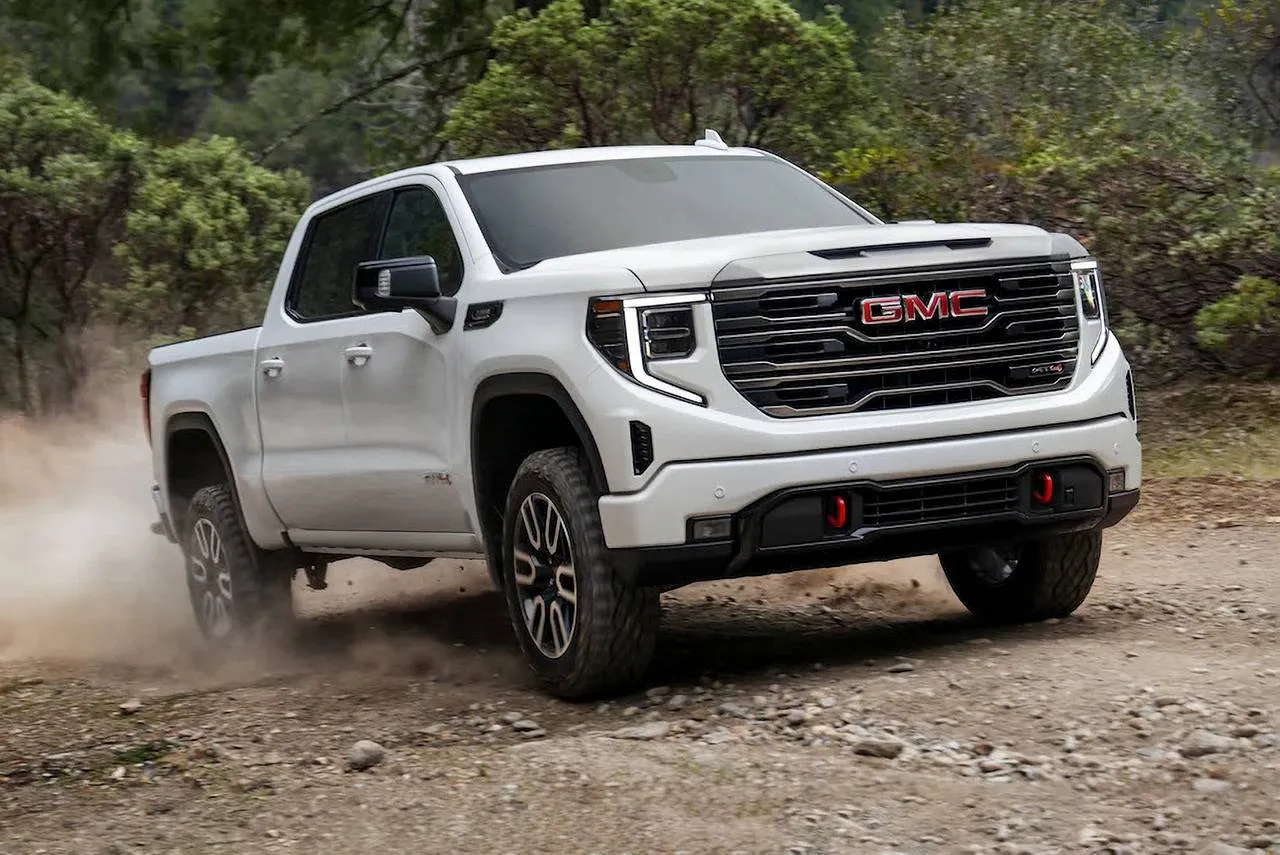
4. 2024 GMC Sierra 1500 AT4X with 6.2L V8
Off-road capability meets towing prowess in the 2024 GMC Sierra 1500 AT4X equipped with the 6.2-liter V8 engine. This powerful naturally aspirated engine delivers 420 horsepower and 460 lb-ft of torque, providing strong acceleration and towing capacity up to 10,500 pounds in this heavily equipped trim. You get V8 power that handles highway driving and towing confidently while delivering the soundtrack that truck enthusiasts appreciate.
Electronic locking front and rear differentials provide maximum traction during challenging situations. The rear locker helps during boat ramp launches on slippery surfaces or when towing through construction sites with loose dirt.
Front locker adds capability during off-road adventures, ensuring all four wheels pull together when traction becomes limited. You’re not stuck spinning wheels because this GMC provides mechanical traction aids that force power to the wheels with grip.
AT4X includes upgraded cooling for the engine, transmission, and differentials compared to standard models. These enhancements maintain proper operating temperatures during sustained heavy use, whether towing in Texas heat or crawling through off-road obstacles that generate heat through mechanical friction.
You’re not experiencing overheating problems because GMC designed adequate cooling capacity from the start. Integrated trailer brake controller, trailer sway control, and multiple camera views support safe towing. CarbonPro carbon fiber bed provides strength with reduced weight compared to steel.
This Sierra AT4X demonstrates that specialized trucks can excel at both daily towing duties and weekend adventures when properly equipped with components that support diverse use cases.
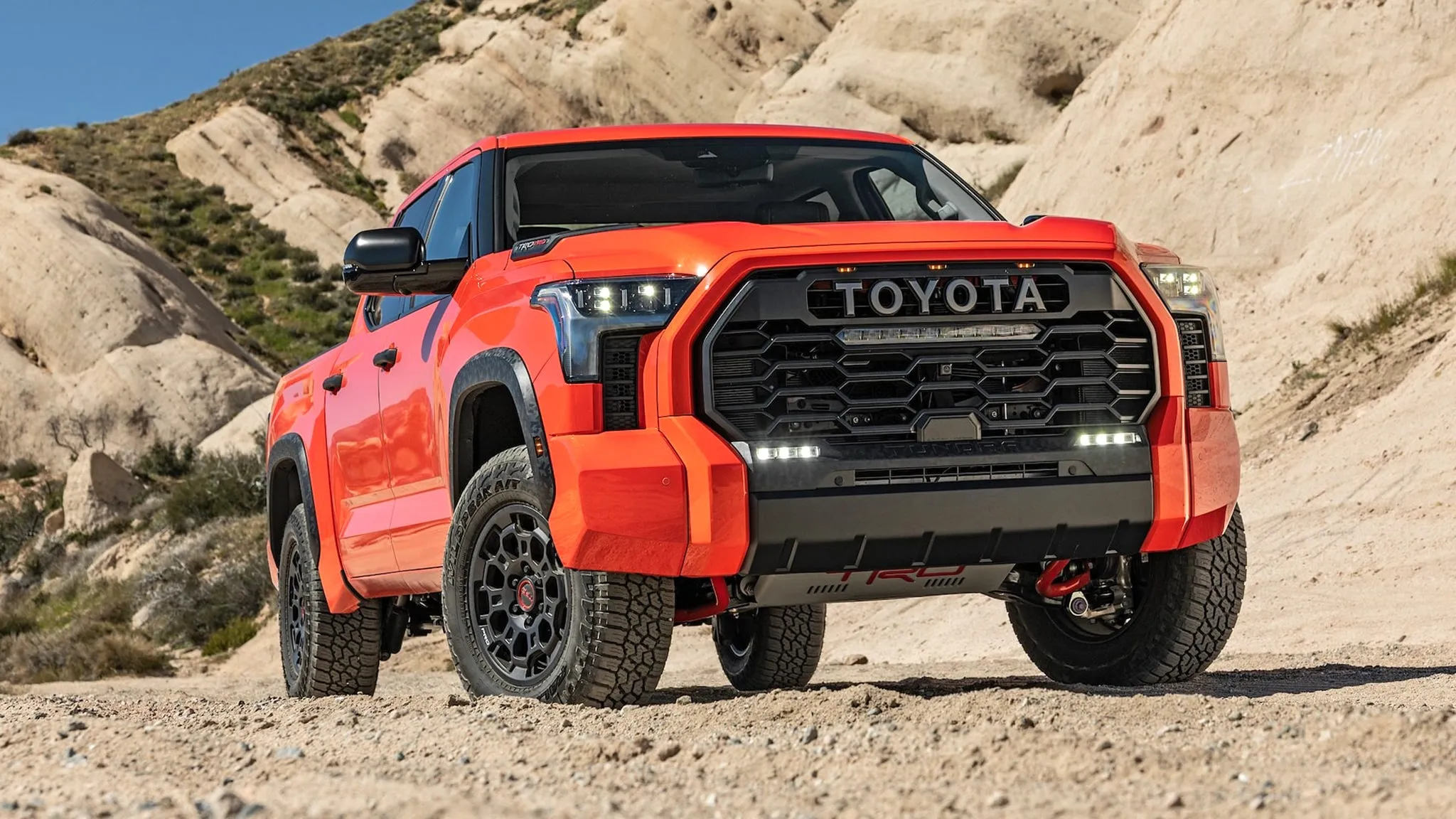
5. 2024 Toyota Tundra TRD Pro with i-FORCE MAX Hybrid
Hybrid technology enhances towing capability in the 2024 Toyota Tundra TRD Pro equipped with i-FORCE MAX powertrain. This twin-turbo V6 hybrid system produces 437 horsepower and 583 lb-ft of torque, impressive numbers that translate into confident towing rated up to 11,450 pounds.
Electric motor torque fills in gaps during turbo spool-up, creating seamless power delivery without lag. You get immediate throttle response that makes merging and passing with trailers feel controlled and predictable.
The ten-speed automatic transmission handles combined gas-electric power smoothly while maintaining durability during heavy use. Transmission temperatures stay within normal ranges during extended towing or traffic crawling because Toyota designed proper thermal management from the start.
TRD Pro suspension includes Fox shocks tuned specifically for this heavy-duty truck application. These dampers provide controlled ride quality during highway towing while absorbing bumps smoothly during urban driving.
Toyota’s reputation for reliability gives confidence that this truck will handle sustained heavy use without developing problems that plague some competitors. Hybrid system components include extensive warranty coverage protecting expensive batteries and electric motors well beyond typical ownership periods. You’re not worried about hybrid repairs because Toyota backs this technology with warranty support.
The integrated trailer brake controller works seamlessly with Toyota’s braking systems. The trailer backup guide displays the projected trailer path based on the steering angle, simplifying reverse maneuvers. The panoramic view monitor shows surroundings from multiple angles, helpful during tight parking or hooking up trailers.
5 Cars That Fail Often
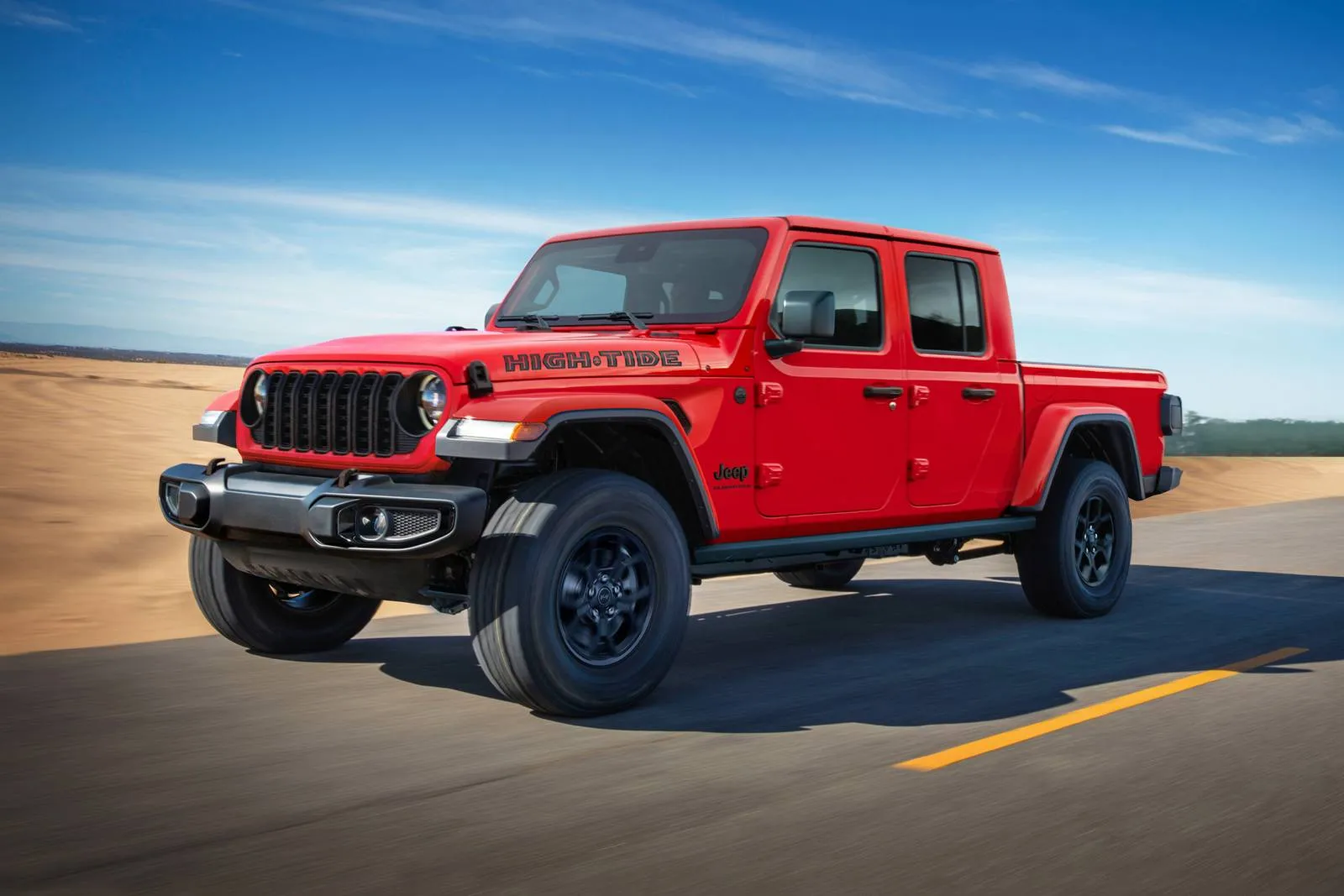
1. 2024 Jeep Gladiator Sport S
Midsize truck appeal attracts buyers seeking manageable dimensions with towing capability, but the 2024 Jeep Gladiator Sport S develops problems when subjected to regular towing and Dallas traffic conditions.
Pentastar 3.6-liter V6 engine produces adequate power on paper with 285 horsepower and 260 lb-ft of torque, but real-world towing reveals weaknesses. This engine struggles moving the Gladiator’s substantial curb weight plus trailer loads, working hard to maintain highway speeds and laboring noticeably on hills.
Eight-speed automatic transmission shows premature wear when used for regular towing. Harsh shifting develops early, particularly during towing when the transmission works hardest. Some units overheat during extended highway towing in Texas summer heat, entering protective mode that limits power and speed until temperatures drop.
Oil consumption becomes excessive during towing use, with some engines requiring additions between scheduled oil changes. This problem indicates internal wear or design issues that worsen under load.
Monitoring oil levels constantly becomes tedious, but ignoring consumption leads to engine damage. Some engines develop lifter tick noise, particularly during cold starts, suggesting lubrication problems or component wear.
Cooling system capacity struggles during combined towing and Dallas traffic situations. Engine temperatures climb toward warning zones when towing trailers through stop-and-go traffic during summer heat.
You’re nervously watching temperature gauges rather than focusing on traffic because cooling capacity proves marginal for advertised capabilities. Some vehicles experience coolant loss without visible leaks, suggesting internal consumption through head gasket issues or cracks.
Electrical problems develop frustratingly early. Batteries fail prematurely despite normal use. Start-stop systems malfunction regularly, either failing to shut off the engine or refusing to restart smoothly. Infotainment screens freeze or reboot randomly. Backup cameras display distorted images or fail to activate. These electrical gremlins suggest inadequate component quality or design flaws.
Braking performance proves inadequate for towing situations. Brakes fade during mountain descents or repeated stops with trailer weight. Rotors warp prematurely, creating vibration during braking. The integrated trailer brake controller works poorly, providing inconsistent trailer brake application that creates jerky stops.
This Gladiator Sport S demonstrates that midsize trucks require proper engineering for towing applications, something Jeep apparently didn’t prioritize adequately when developing this vehicle for mixed on-road and off-road use.
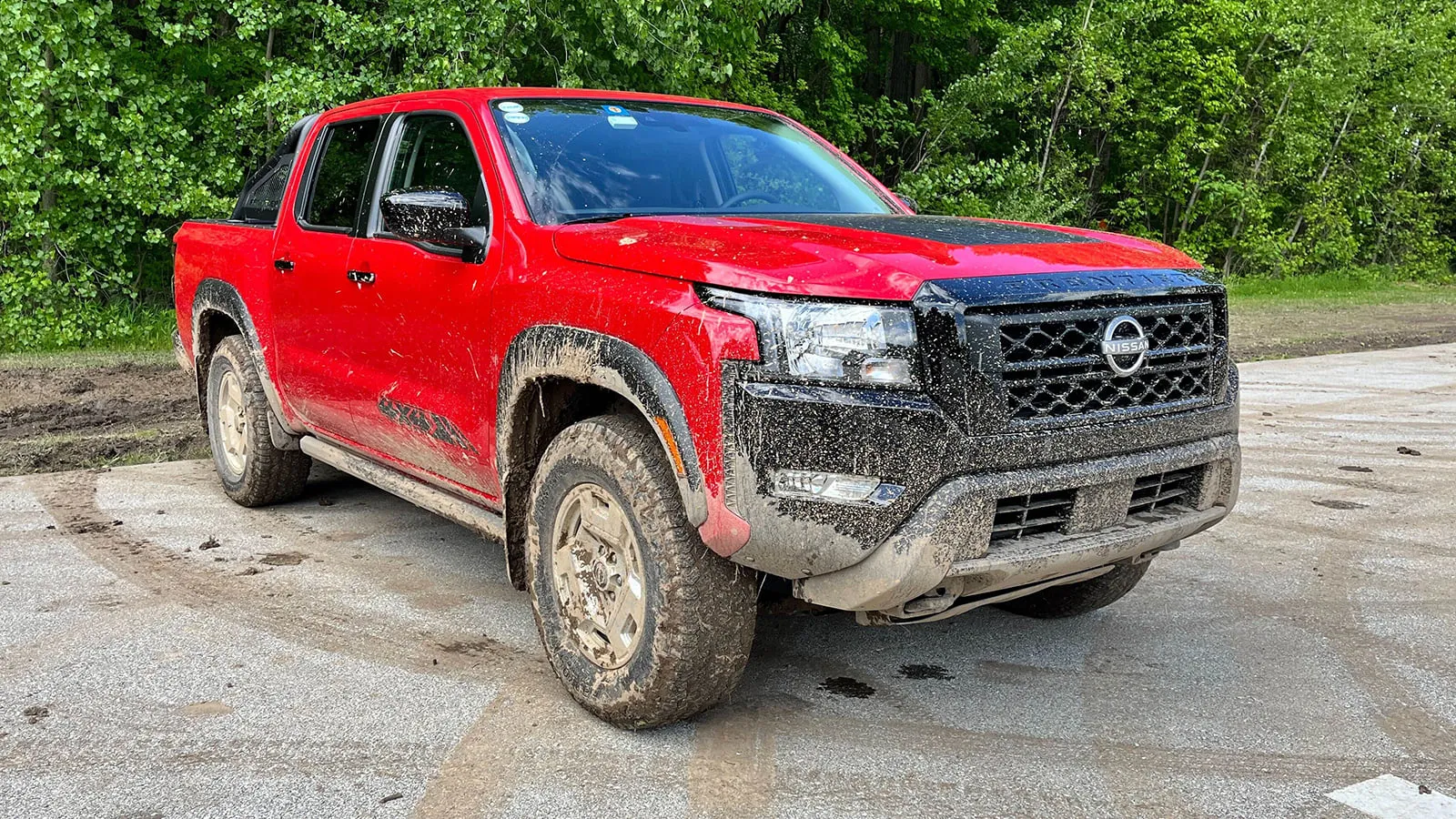
2. 2024 Nissan Frontier SV
Affordability attracts budget-conscious buyers to the 2024 Nissan Frontier SV, but mechanical problems emerge when this truck faces regular towing and traffic demands. The V6 engine produces 310 horsepower and 281 lb-ft of torque, adequate numbers that don’t translate into reliable towing performance.
The engine struggles under sustained loads, lacking the low-end torque that diesel or turbocharged engines provide. You feel the engine working hard, maintaining highway speeds with trailers, particularly on hills where revs climb, and temperatures rise.
Nine-speed automatic transmission exhibits problems that intensify during towing use. Harsh shifting occurs regularly, with transmission hunting between gears and delivering jerky power delivery. Some units develop shuddering during acceleration with trailers attached, creating vibrations throughout the vehicle.
Transmission overheating occurs during extended towing in summer heat, triggering protective modes that limit performance. These problems suggest inadequate cooling capacity or component durability for advertised towing ratings.
Oil consumption becomes excessive in many examples, requiring owners to add oil between scheduled changes. This problem worsens during towing when the engine works under sustained high loads. Some engines develop timing chain noise, indicating premature wear of critical components. These issues suggest lubrication problems or design weaknesses that Nissan hasn’t adequately addressed.
Cooling system capacity proves marginal during combined towing and traffic conditions. Engine temperatures climb excessively when towing through Dallas stop-and-go traffic during summer. You’re monitoring gauges constantly rather than focusing on driving because temperatures approach warning zones regularly. Some vehicles experience coolant leaks from the radiator end tanks that crack under pressure cycling.
The rear differential develops premature wear during towing use. Gear noise becomes audible, particularly during deceleration. Some differentials leak lubricant from seals that fail early. These problems indicate inadequate engineering for sustained towing loads despite the manufacturer’s claims about capability.
Electrical system problems frustrate owners. Batteries drain mysteriously even after short parking periods. Alternators fail prematurely, showing bearing wear or voltage regulation issues. Infotainment systems freeze, requiring hard resets. Multiple electrical accessories malfunction intermittently, suggesting wiring or connection problems.
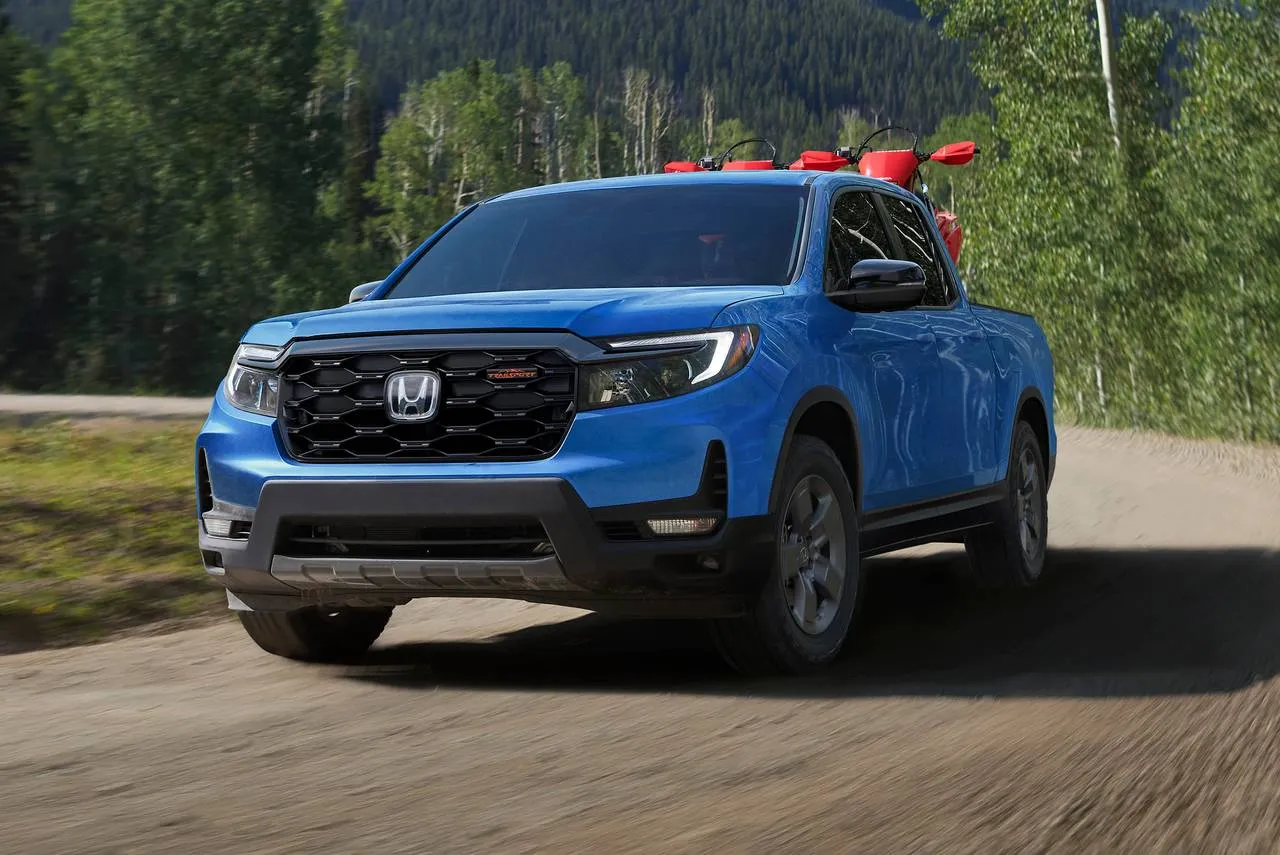
3. 2024 Honda Ridgeline RTL
Unique unibody construction differentiates the 2024 Honda Ridgeline RTL from traditional body-on-frame trucks, but this design creates limitations during towing and heavy use. The V6 engine produces 280 horsepower and 262 lb-ft of torque, adequate for daily driving but marginal for towing.
The maximum towing capacity of 5,000 pounds looks acceptable on paper, but real-world towing reveals this Honda struggling more than traditional trucks with similar ratings. Nine-speed automatic transmission exhibits problems during towing use. Harsh shifting develops when pulling trailers, particularly during grade changes or acceleration.
Some transmissions overheat during sustained towing in warm weather, entering protective modes that limit performance. Cooling capacity proves inadequate for repeated towing use despite this being marketed as truck capability.
Unibody construction limits durability during sustained heavy use. The body develops squeaks and rattles that worsen with mileage and towing stress. Some owners report visible flexing when loading heavy cargo or towing near maximum capacity, suggesting structural stiffness issues. Trailer hitch mounting to the unibody rather than a separate frame creates concerns about long-term durability.
All-wheel drive system proves less capable than four-wheel drive systems in traditional trucks. You can’t lock differentials or select low range for challenging situations. Traction control intervenes aggressively, sometimes reducing power excessively when wheels slip slightly. This system works adequately for mild conditions but lacks the capability for serious towing or off-road situations.
Suspension components wear prematurely. Struts develop leaks within the first few years. Control arm bushings deteriorate, causing alignment issues and uneven tire wear. These failures suggest suspension isn’t engineered for sustained towing stress.
Bed size limits cargo capacity compared to traditional trucks. In-bed trunk reduces usable bed length, creating compromises during cargo hauling. This Ridgeline RTL demonstrates that unibody truck construction creates limitations for serious towing and hauling applications, making it better suited for occasional light-duty use rather than regular trailer work that Dallas drivers often require.
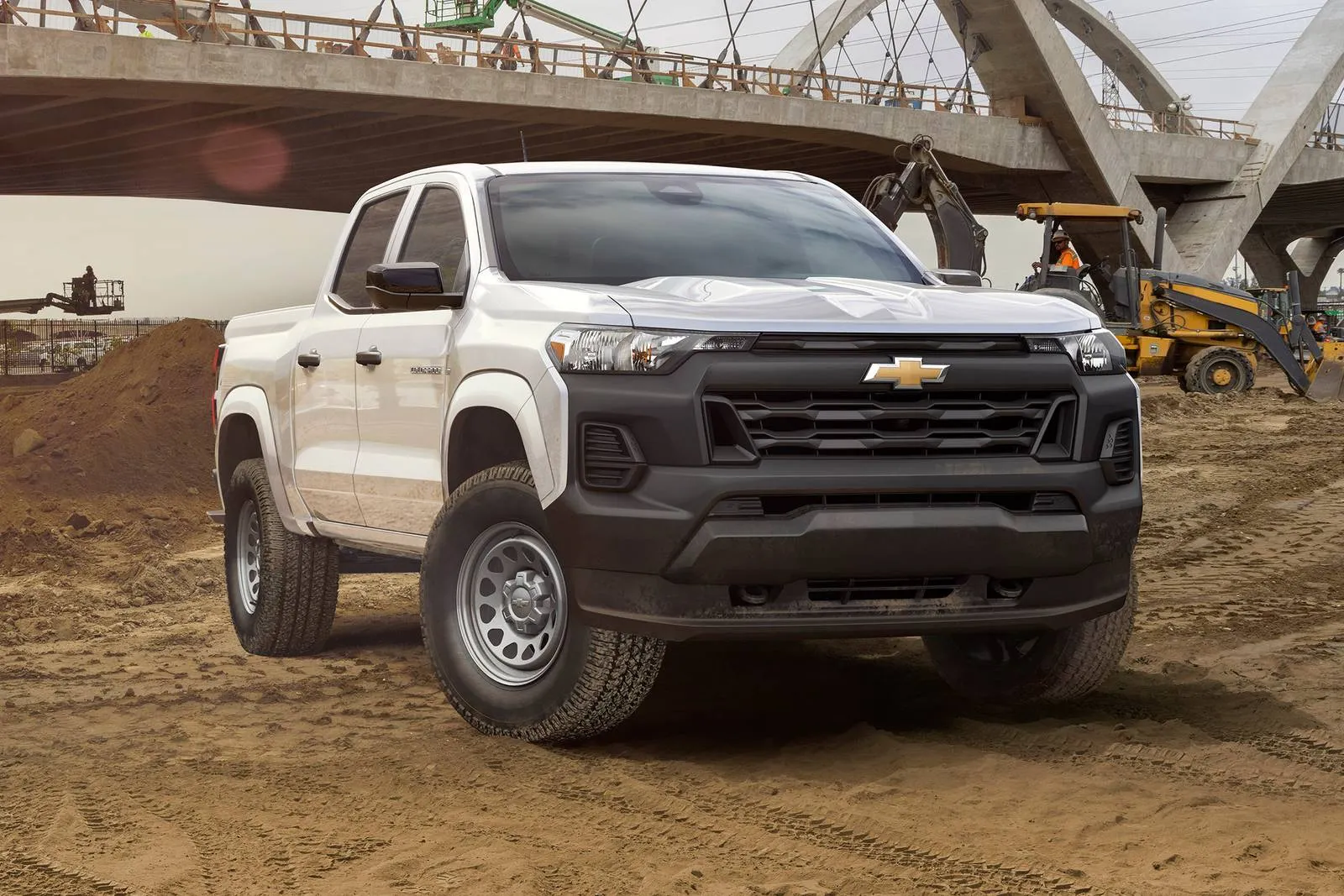
4. 2024 Chevrolet Colorado WT with 2.7L Turbo
Turbocharged efficiency promised by the 2024 Chevrolet Colorado WT equipped with a 2.7-liter four-cylinder engine doesn’t translate into reliable towing performance. This engine produces 310 horsepower and 390 lb-ft of torque, impressive numbers from a small displacement.
Real-world towing reveals problems with sustained power delivery and durability. The turbocharger works hard, maintaining power under load, creating heat and stress that leads to premature failures. Eight-speed automatic transmission exhibits harsh shifting and premature wear during towing use.
Some transmissions develop shuddering during acceleration with trailers attached. Overheating occurs during sustained towing in warm weather, triggering protective modes. Transmission cooler capacity proves inadequate for regular towing despite manufacturer ratings suggesting this truck handles 7,700 pounds.
Turbocharger reliability concerns emerge during sustained towing. Some turbos develop wastegate rattle or bearing noise, indicating premature wear. Turbo failures occur before 60,000 miles in some examples, requiring expensive replacements. These problems suggest inadequate cooling or lubrication for sustained high-load operation.
Suspension components wear prematurely during towing use. Leaf springs sag earlier than expected. Shock absorbers develop leaks. Ball joints show excessive wear. These failures create ride quality issues and safety concerns.
Brake performance proves inadequate for towing. Brakes fade during sustained use with trailers. Rotors warp prematurely. The integrated trailer brake controller provides inconsistent performance. This Colorado WT demonstrates that downsized turbocharged engines create reliability concerns during sustained towing applications, making them questionable choices for regular trailer work despite impressive paper specifications.
Also Read: 10 Six Cylinder Cars So Quick They Embarrass V8s
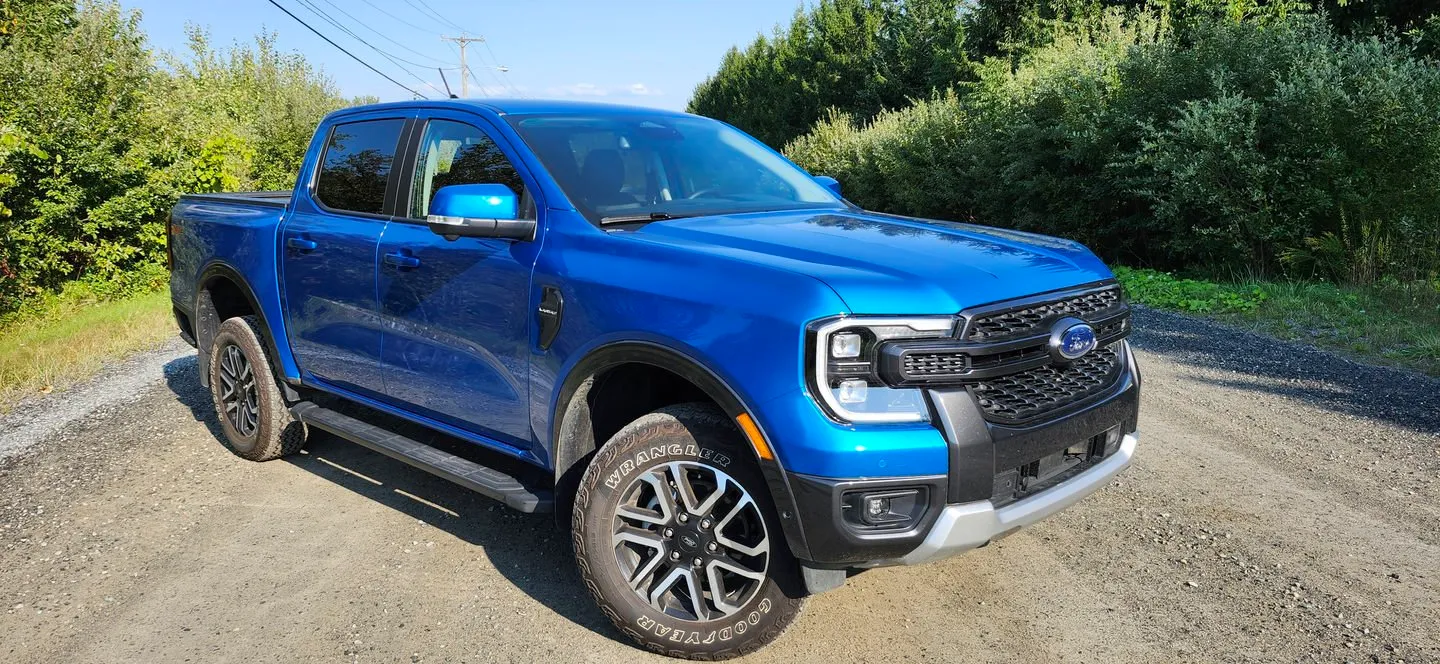
5. 2024 Ford Ranger XL with 2.3L EcoBoost
Midsize truck dimensions appeal to buyers seeking maneuverability, but the 2024 Ford Ranger XL with 2.3-liter EcoBoost develops problems during regular towing use. Turbocharged four-cylinder produces 270 horsepower and 310 lb-ft of torque, adequate for light towing but marginal for regular trailer work. The engine struggles to maintain highway speeds with trailers, particularly on hills, where the turbo works constantly trying to provide adequate power.
The ten-speed automatic transmission exhibits problems during towing. Harsh shifting occurs regularly when pulling trailers. Some transmissions overheat during sustained towing in warm weather, entering protective modes that limit performance.
Transmission programming seems confused during towing, hunting between gears, and creating jerky power delivery. Software updates attempt improvements but rarely solve underlying issues.
Some examples show bearing noise or wastegate rattle before 50,000 miles. Turbo failures require expensive replacements that often occur outside warranty coverage. These problems indicate inadequate cooling or lubrication for sustained high-load operation.
Cooling system capacity proves marginal during combined towing and traffic situations. Engine temperatures climb toward warning zones when towing through Dallas stop-and-go traffic during summer heat. You’re monitoring gauges constantly rather than focusing on driving because temperatures approach limits regularly.
Fuel economy during towing disappoints severely, often matching the consumption of larger V6 engines while towing less weight. This small engine works so hard under load that efficiency advantages disappear completely. You’re stopping for fuel as frequently as larger trucks despite towing lighter loads.
