
San Diego’s coastal beauty comes with hidden costs for your vehicle. Salt-laden ocean air doesn’t just create those gorgeous sunsets you photograph; it also attacks metal surfaces relentlessly, creating rust that spreads faster than you’d imagine.
You park near the beach for a few hours, and microscopic salt particles settle on your car. Drive along Pacific Coast Highway with windows down, and salty mist coats everything. Even living a few miles inland doesn’t protect you completely because ocean air travels farther than most people realize.
Some cars handle this environment beautifully, using protective coatings, rust-resistant materials, and designs that prevent moisture accumulation in vulnerable areas. Others begin showing rust within their first year, developing bubbling paint, corroded brake components, and structural deterioration that destroys resale value.
You’ll find surface rust on brake rotors after overnight parking, but serious rust eats through body panels, suspension components, and exhaust systems. Choosing the right vehicle for San Diego coastal living determines whether you enjoy years of trouble-free ownership or watch your investment deteriorate while repair costs mount.
Rust doesn’t just affect appearance; it compromises structural integrity and safety. Suspension components weakened by corrosion can fail during driving. Brake lines eaten through by rust can leak fluid. Body panels perforated by rust let water into interiors, damaging electrical systems and creating mold.
This guide takes a simple look at ten different cars by dividing them into two clear sets. The first group includes five models that stay strong around coastal areas and remain dependable even with constant sea breeze and moist air.
After that, attention moves to five cars that tend to develop rust faster near the coast, where salty conditions gradually damage body panels and metal parts. Many owners end up annoyed when these vehicles start showing corrosion earlier than expected, even when they try to wash and take care of them regularly.
5 Cars Tough Enough for San Diego Coastal Roads
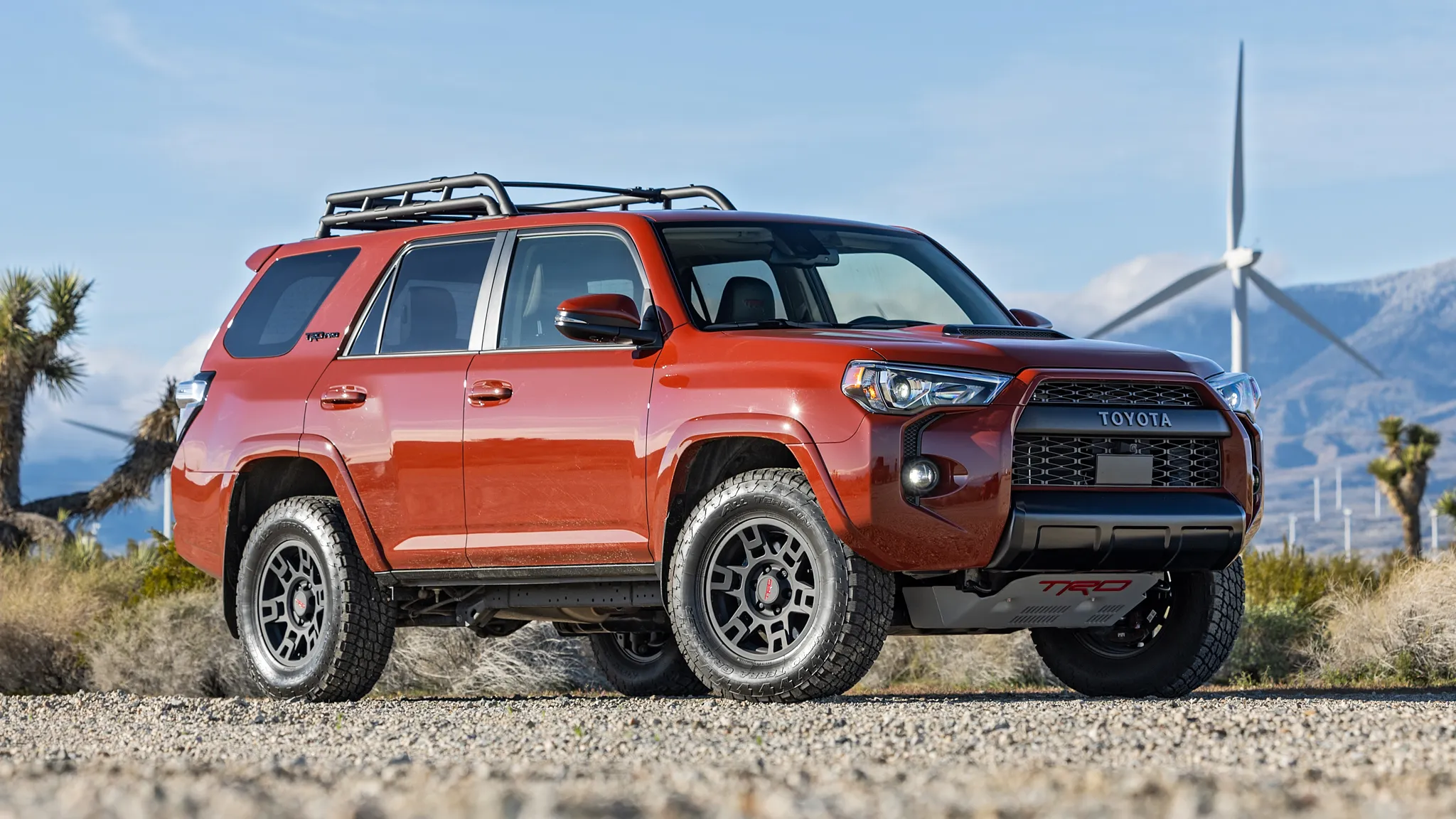
1. 2024 Toyota 4Runner TRD Off-Road Premium
Body-on-frame construction using proven materials makes the 2024 Toyota 4Runner TRD Off-Road Premium exceptionally resistant to coastal corrosion. Toyota applies extensive rustproofing during manufacturing, coating the frame and vulnerable components with protective materials that resist salt exposure.
You’re buying a vehicle engineered for durability in harsh environments, with corrosion resistance prioritized during design rather than added as an afterthought. Frame construction uses treated steel with protective coatings applied before assembly.
Toyota learned from decades of building vehicles for coastal markets, developing processes that create long-lasting protection. Owners in San Diego report 4Runners maintaining structural integrity for 15-plus years of coastal exposure, a remarkable longevity that justifies higher purchase prices through extended useful life.
Exhaust system components use stainless steel rather than mild steel, which rusts quickly in salt environments. Stainless resists corrosion far better, maintaining structural integrity and preventing perforation that creates noise and emissions problems. You’re not replacing exhaust components every few years because Toyota engineers specified appropriate materials from the start.
Suspension components receive protective coatings that resist salt exposure. Control arms, steering components, and shock mounting hardware maintain integrity despite constant coastal air exposure.
Regular undercarriage washing removes accumulated salt, but Toyota’s protective coatings provide insurance against corrosion even when maintenance lapses occur. Body panels use steel with protective coatings and paint processes that resist rust penetration.
Door edges, wheel arches, and rocker panels receive particular attention because these areas accumulate moisture and salt. Toyota’s multi-stage paint process features rust-inhibiting primers and durable topcoats that resist chipping, thereby reducing the likelihood of rust formation.
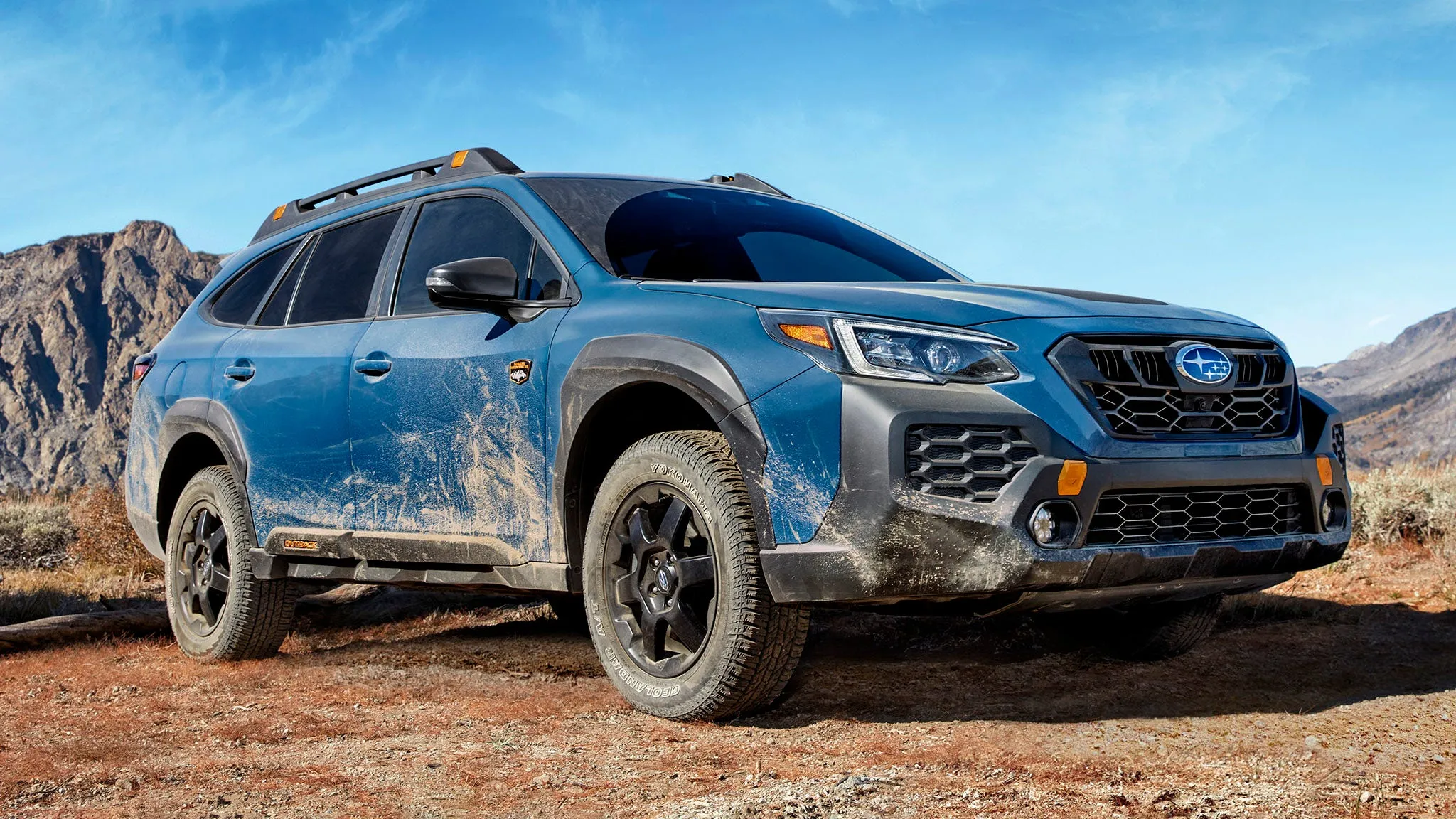
2. 2024 Subaru Outback Wilderness
All-wheel drive capability combines with corrosion resistance in the 2024 Subaru Outback Wilderness. Subaru engineers vehicles, understanding that many owners live in coastal areas with harsh winter conditions or near oceans, where constant salt exposure occurs.
Extensive rustproofing protects vulnerable components from corrosion that would quickly destroy vehicles without adequate protection. Body construction uses extensive rust-inhibiting processes, including dip coating that covers internal panels and cavities where rust often starts unseen.
Subaru applies protective wax to hidden areas, creating barriers between metal and corrosive elements. Door interiors, rocker panels, and structural cavities receive treatments that prevent moisture accumulation and salt intrusion.
Exhaust system components use materials selected for corrosion resistance. Critical sections employ stainless steel or aluminized coatings that resist rust far better than basic mild steel. You’re not replacing exhaust components prematurely because Subaru specified appropriate materials for coastal environments.
Electrical systems use sealed connectors and protective routing that minimizes corrosion risks. Battery terminals include protective coatings. Wiring harnesses receive treatments that resist moisture intrusion. You’re not dealing with electrical problems caused by corroded connections because Subaru designs for real-world conditions where moisture exposure occurs.
StarLink connected services include remote start for cabin preconditioning, vehicle location tracking useful for beach parking lots, and emergency assistance. You can start the car from the beach to cool or warm the cabin before returning.
This Outback Wilderness proves that Subaru understands the coastal vehicle requirements, engineering durability that withstands salt exposure, while providing the capability for active San Diego lifestyles.
Also Read: 10 Surprising Cars That Are Secretly Powered By Rotary Engines

3. 2024 Honda Pilot TrailSport
Family-friendly capability meets coastal durability in the 2024 Honda Pilot TrailSport. Honda applies extensive corrosion protection during manufacturing, understanding that vehicles sold in coastal markets face harsh conditions requiring robust rustproofing.
Body construction includes rust-inhibiting processes and protective coatings that shield vulnerable areas from salt exposure. Frame and structural components receive multi-stage coating processes, including e-coat primer that provides comprehensive coverage of metal surfaces.
Honda sprays protective wax into cavities and structural spaces where moisture accumulates. Door interiors, rocker panels, quarter panels, and tailgates receive treatments that prevent rust from starting in hidden areas where it progresses unnoticed until serious damage occurs.
Exhaust system uses quality materials, including stainless steel components for critical sections. You’re not replacing mufflers and pipes every few years because Honda specifies materials appropriate for coastal environments. Exhaust hangers and brackets receive protective coatings that resist corrosion, maintaining proper support throughout the system’s life.
Suspension components feature protective coatings and design choices that minimize corrosion risks. Aluminum control arms resist rust inherently. Steel components receive powder coating or other protective treatments.
Ball joints and tie rod ends use sealed designs that exclude moisture and salt. Regular washing removes accumulated salt, but Honda’s engineering provides protection even with imperfect maintenance.
Brake components resist corrosion better than many competitors. Calipers feature protective coatings. Brake lines use corrosion-resistant materials. While brake rotors develop surface rust between uses, like all vehicles, Honda’s components maintain structural integrity and don’t experience premature failure from corrosion.
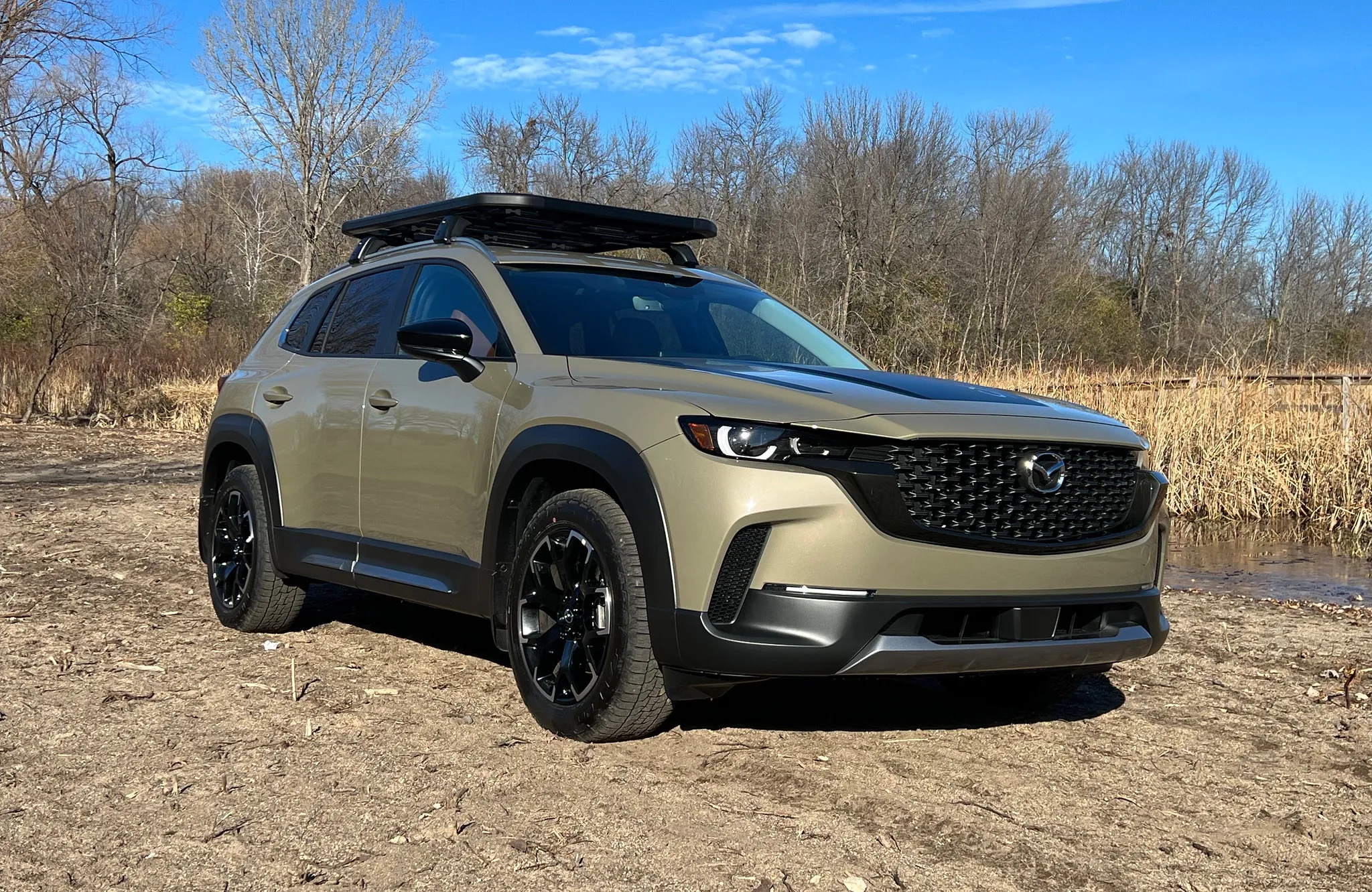
4. 2024 Mazda CX-50 Meridian Edition
Rugged design meets corrosion resistance in the 2024 Mazda CX-50 Meridian Edition. Mazda applies extensive rustproofing despite being known primarily for driving dynamics rather than off-road capability. Body construction includes comprehensive protective treatments that shield metal surfaces from salt exposure, which accelerates corrosion in coastal environments.
Body panels receive multi-stage coating processes, including zinc-rich primers that provide sacrificial protection. Even if paint chips expose metal, the zinc coating prevents rust from spreading. Mazda applies cavity wax to hidden structural areas where moisture accumulates.
Door interiors, rocker panels, and quarter panels receive treatments that prevent rust from starting in areas you can’t see until damage becomes severe. Underbody receives extensive protective coatings, including rubberized undercoating in vulnerable areas and wax treatments in structural cavities.
Mazda routes components to minimize direct salt spray exposure where possible. Drain holes prevent water accumulation in areas that would otherwise trap moisture and create rust-prone environments.
Exhaust system uses quality materials, including stainless steel for critical components. You’re not replacing exhaust parts prematurely because Mazda specifies materials appropriate for harsh environments. Exhaust routing minimizes exposure to salt spray kicked up by tires. Hangers and brackets receive protective coatings.
Electrical systems employ sealed connectors and protective routing throughout. Wiring harnesses receive moisture-resistant coatings. Connection points use dielectric grease and weatherproof designs. Battery terminals include protective coatings. You’re not dealing with electrical gremlins caused by corroded connections.
Meridian Edition includes features supporting active coastal lifestyles. Roof rails accommodate surfboard racks or cargo boxes. All-wheel drive provides traction on various surfaces, including wet roads and sandy beach access areas. Increased ground clearance compared to standard CX-50 models improves capability for rough coastal access roads.
Interior materials resist deterioration from salt air and UV exposure. Quality plastics don’t become brittle or fade quickly. Seat materials maintain appearance despite sun exposure. Soft-touch surfaces throughout the cabin resist degradation. You’re driving a vehicle that maintains interior quality despite harsh coastal conditions.
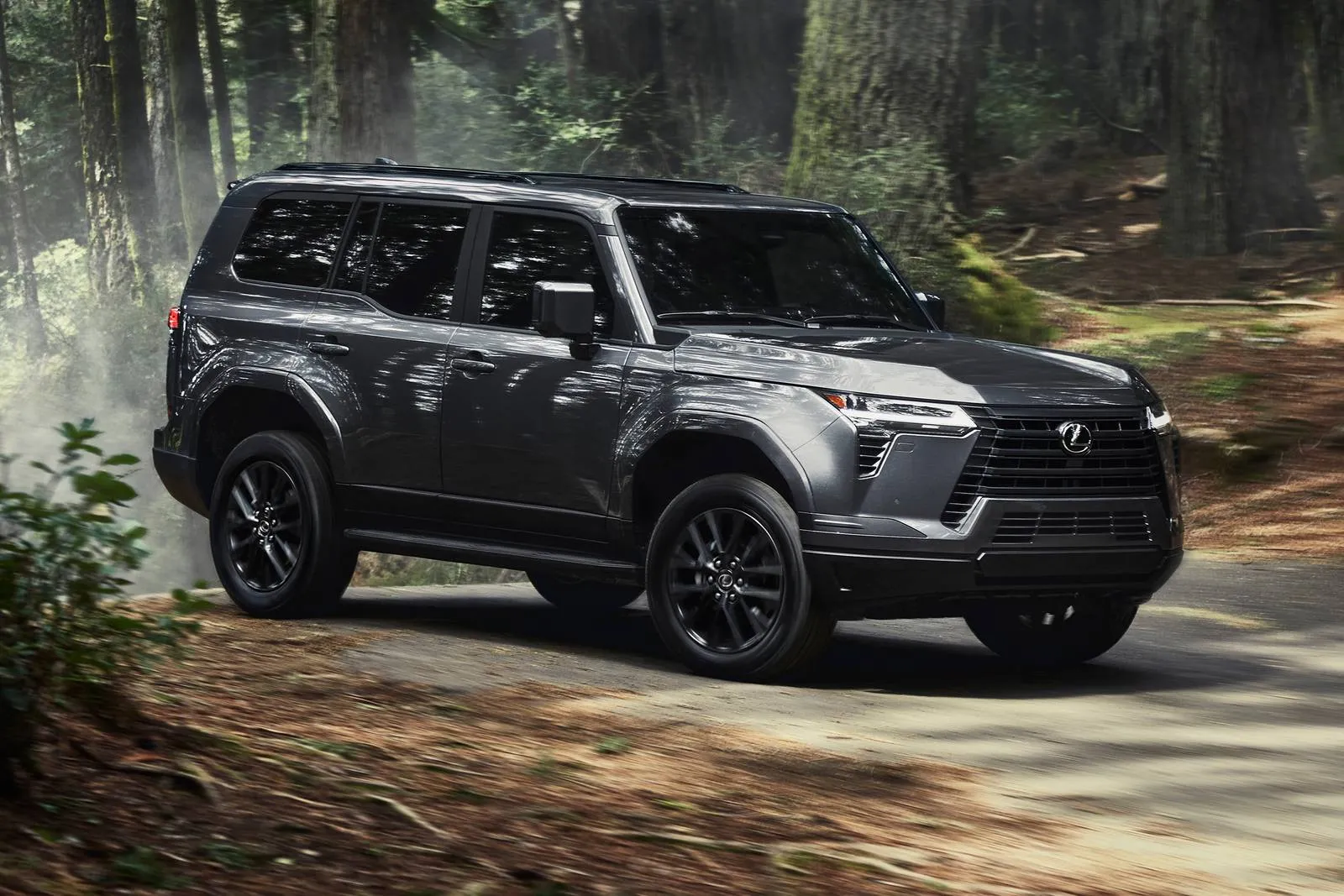
5. 2024 Lexus GX 550 Premium Plus
Luxury meets durability in the 2024 Lexus GX 550 Premium Plus. Toyota’s luxury division applies the same corrosion protection processes that make Toyota trucks legendary for longevity. Body-on-frame construction uses treated steel with extensive protective coatings that resist salt exposure effectively.
Frame receives comprehensive rust-inhibiting treatments, including e-coat primer, protective paint, and wax cavity treatments. Toyota/Lexus learned from decades of building vehicles for harsh environments, developing processes that create exceptional corrosion resistance. Owners report GX models maintaining structural integrity through 15-plus years of coastal exposure.
Exhaust system employs stainless steel extensively, resisting corrosion far better than mild steel alternatives. Critical components maintain integrity despite constant salt air exposure. You’re not replacing exhaust parts prematurely because Lexus specifies appropriate materials from the start.
Suspension components receive protective coatings and use materials selected for corrosion resistance. Aluminum components avoid rust issues. Steel parts feature protective treatments. All components are designed for long-term durability in harsh environments. Regular washing removes accumulated salt, but Lexus engineering provides insurance against corrosion even with imperfect maintenance.
Interior materials resist deterioration despite salt air and UV exposure. Semi-aniline leather maintains suppleness. Real wood trim doesn’t fade or crack. Quality plastics resist degradation. You’re surrounded by materials that maintain appearance throughout ownership despite harsh coastal conditions.
The hybrid powertrain available in GX 550 provides excellent efficiency without compromising capability. You get V6 power plus electric motor torque for strong performance with better fuel economy.
5 Cars That Rust Fast
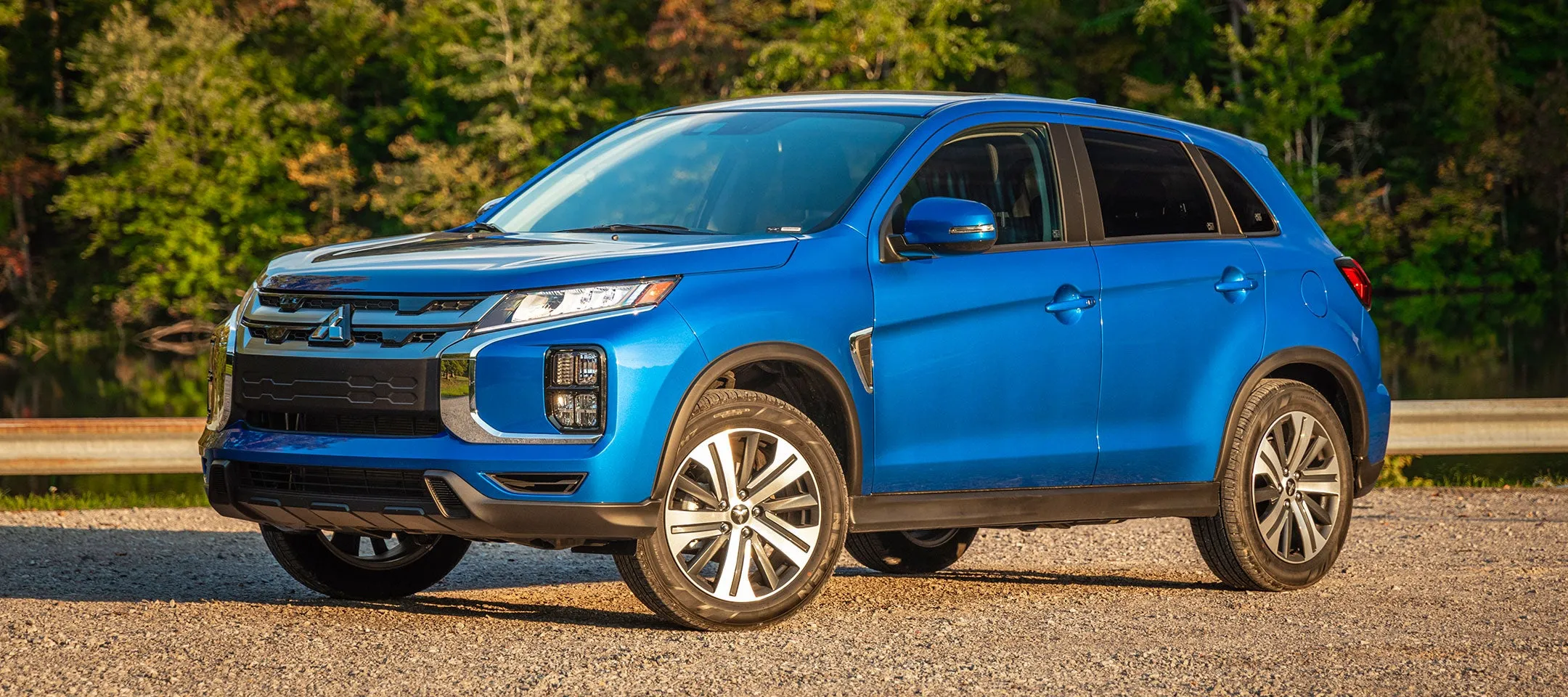
1. 2024 Mitsubishi Outlander Sport ES
Budget pricing attracts buyers to the 2024 Mitsubishi Outlander Sport ES, but inadequate corrosion protection creates problems in San Diego’s coastal environment. Body construction lacks comprehensive rustproofing processes that manufacturers committed to longevity employ. Exposed metal surfaces begin showing rust surprisingly quickly when subjected to salt air exposure that coastal living creates constantly.
Door edges and rocker panels develop rust within the first year of coastal exposure in many examples. Paint chips from minor rock impacts expose bare metal that immediately begins oxidizing. Bubbling paint appears along panel seams where moisture penetrates, and salt accumulates.
Wheel arches show rust early because road spray concentrates salt in these areas, while protective coatings prove inadequate. Exhaust system components rust through quickly. Mufflers develop holes within three years of coastal use.
Pipes show perforation at joints and bends where moisture accumulates. Exhaust hangers corrode and break, causing exhaust components to sag or drag. Mitsubishi apparently uses cheaper mild steel without adequate protective coatings, prioritizing low manufacturing costs over longevity.
Suspension components show rapid corrosion. Control arms develop surface rust that progresses to structural concerns. Coil springs rust, creating rough surfaces that accelerate shock absorber wear.
Shock absorber bodies corrode, developing leaks that require premature replacement. Mounting hardware rusts, making suspension work difficult because corroded bolts break during removal attempts.
Brake components corrode aggressively. Calipers develop rust that causes pistons to seize. Brake lines show surface rust that progresses to structural weakness. Caliper mounting brackets corrode, creating potential safety issues. While brake rotors develop surface rust on all vehicles between uses, Outlander Sport rotors corrode more severely and show pitting that creates braking vibration.
The underbody shows extensive rust development within just a few years. Unprotected steel surfaces oxidize rapidly when exposed to salt air and road spray. Structural areas accumulate rust that weakens metal and creates perforations.
Drain holes become blocked with corrosion, trapping moisture that accelerates rust progression. Lack of proper undercoating allows rust to spread unchecked. Electrical connections corrode, creating intermittent failures and malfunctions.
Unsealed connectors allow moisture intrusion. Wiring harnesses lack protective coatings. Battery terminals corrode despite cleaning. Ground connections deteriorate, causing various electrical gremlins that mechanics struggle to diagnose because problems occur intermittently.
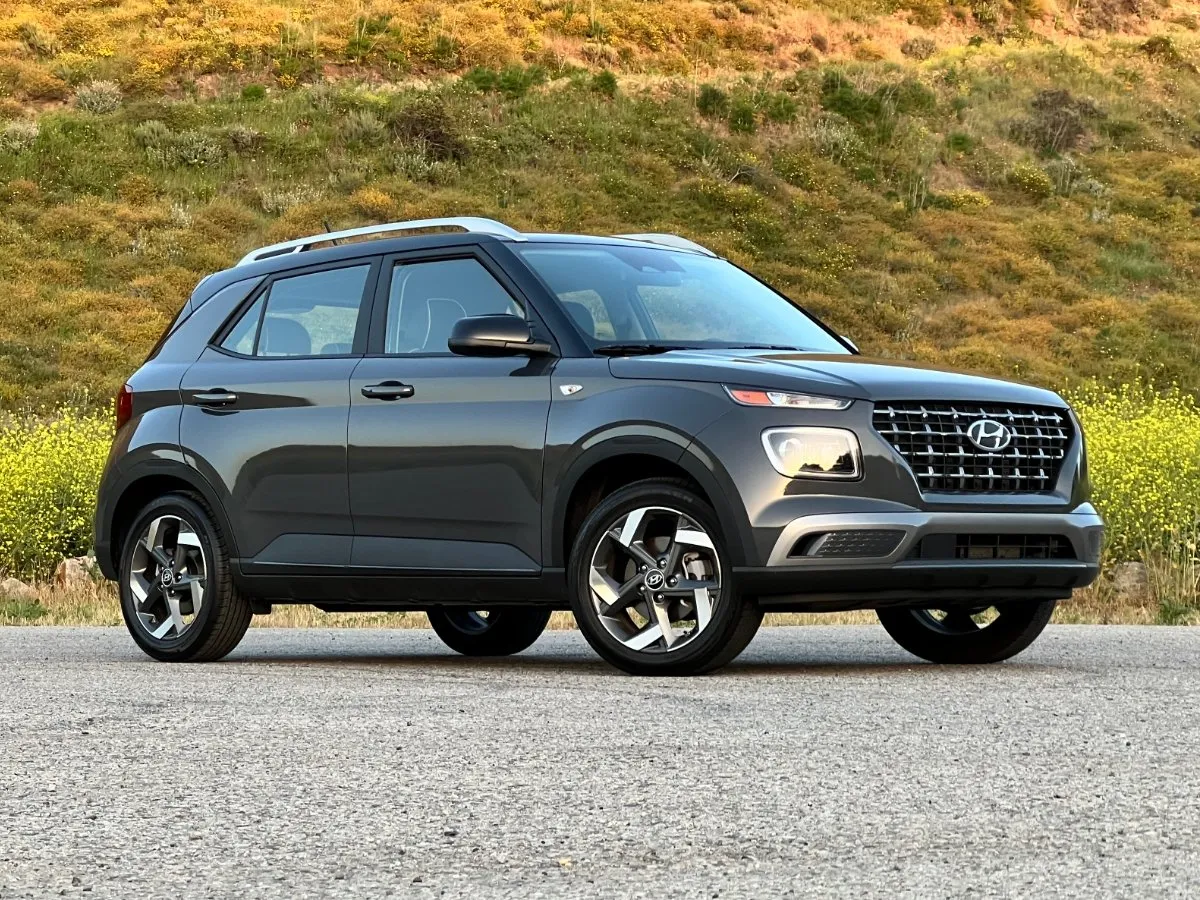
2. 2024 Hyundai Venue SEL
Subcompact dimensions and affordable pricing position the 2024 Hyundai Venue SEL as entry-level transportation, but rust resistance doesn’t match Hyundai’s reputation for value. Body construction lacks comprehensive corrosion protection processes that would extend vehicle life in coastal environments.
Rust develops disturbingly quickly when this small crossover faces constant salt air exposure. Rocker panels and door bottoms show rust within 18 months of coastal exposure. Paint quality proves inadequate, allowing moisture penetration at minor chips and scratches.
Bubbling paint appears along panel edges and seams where water accumulates. Wheel arches develop rust from road spray that concentrates salt, while inadequate protective coatings fail to prevent oxidation. The exhaust system corrodes rapidly.
A muffler develops a perforation within three years. Exhaust pipes rust through at joints and flex sections. Catalytic converter heat shields rust and rattle. Hangers corrode and fail, allowing exhaust components to sag. Hyundai apparently uses cost-effective materials without adequate corrosion resistance for coastal environments.
Suspension components show premature rust. Strut bodies corrode, developing leaks. Control arms develop surface rust that progresses to structural weakness. Coil springs rust, creating rough surfaces. Mounting hardware corrodes, making repair work difficult because bolts break during removal. Subframe shows rust penetration within five years, concerning for structural integrity.
Brake components corrode aggressively despite frequent use. Calipers rust, causing pistons to stick. Caliper mounting brackets corrode. Brake lines develop surface rust. Rotors show excessive pitting between uses. Parking brake cables rust and seize. These corrosion issues create safety concerns while requiring expensive repairs.
Underbody lacks adequate protective coatings. Exposed steel surfaces rust quickly when subjected to salt air. Structural components show corrosion within just a few years. Fuel tank straps and exhaust hangers corrode. Heat shields rust and fall off.
Floor pan shows rust penetration in severe cases, creating holes that allow moisture and exhaust fumes into the cabin. Electrical connections corrode because of inadequate sealing. Wiring harnesses lack protective coatings.
Connectors allow moisture intrusion. Ground connections deteriorate, causing electrical problems. Battery terminals corrode despite maintenance. Corroded connections create intermittent failures that frustrate owners and mechanics.
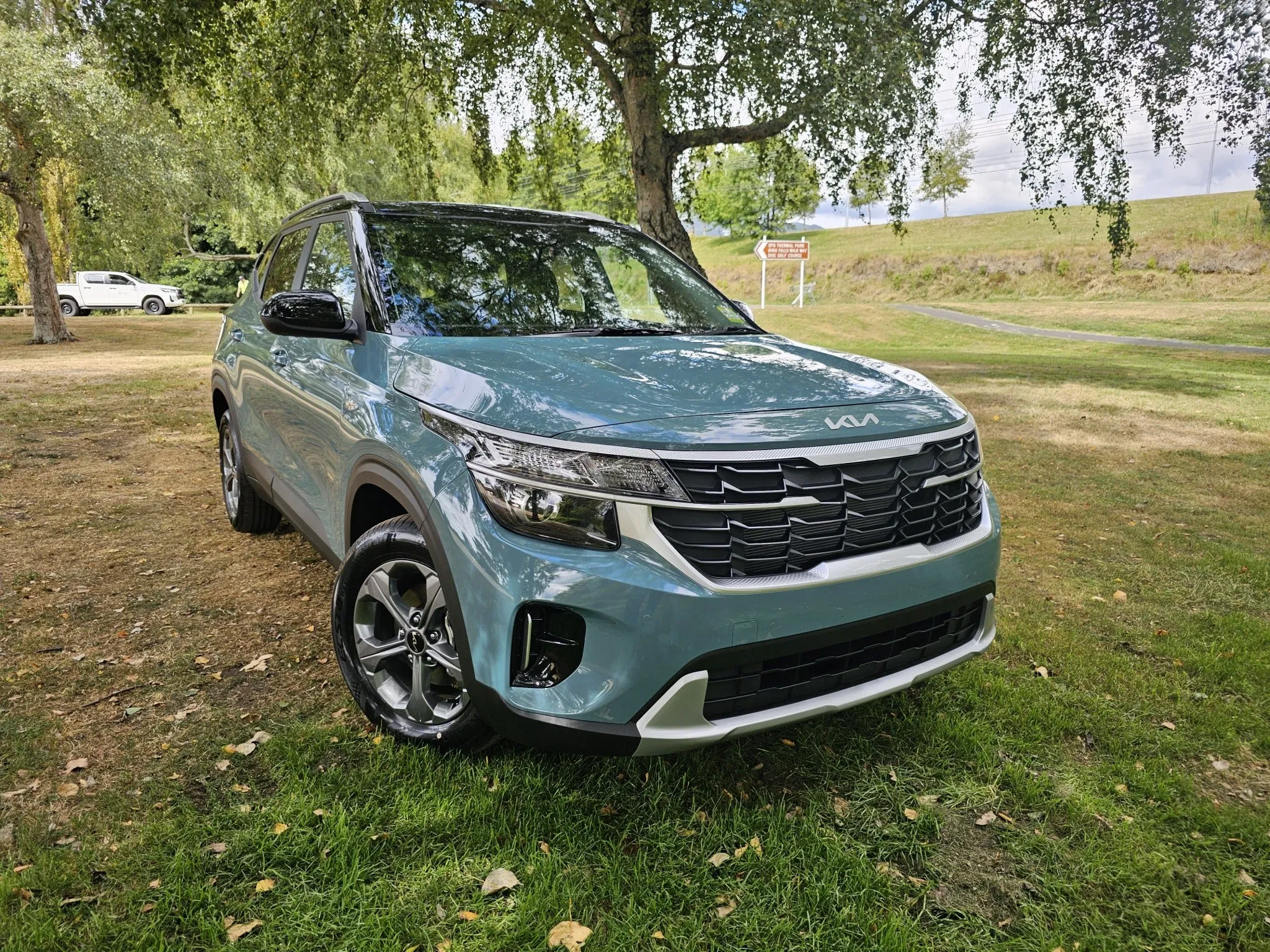
3. 2024 Kia Seltos LX
Compact crossover practicality attracts buyers to the 2024 Kia Seltos LX, but corrosion resistance disappoints in San Diego coastal conditions. While Kia has improved its quality in recent years, rustproofing on entry-level models remains inadequate for harsh environments. Body construction lacks comprehensive protective treatments that would extend vehicle life when exposed to salt air constantly.
Rocker panels develop rust within two years of coastal exposure. Door bottoms show corrosion around drain holes and seams. Paint chips from minor rock impacts expose bare metal that oxidizes quickly.
Bubbling paint appears along panel edges, indicating rust developing underneath. Wheel arches show rust from road spray that deposits salt while protective coatings prove insufficient. Exhaust system components rust prematurely. A muffler develops a perforation within three years despite moderate use. Exhaust pipes rust at joints and bends. Heat shields corrode and rattle.
Exhaust hangers rust and break. Kia apparently prioritizes cost control over longevity, using materials without adequate corrosion resistance for coastal environments. Suspension components show accelerated rust development. Struts corrode, developing leaks.
Control arm bushings deteriorate while metal arms rust. Coil springs develop surface rust that creates rough surfaces. Subframe shows rust penetration within five years, concerning for structural integrity. Mounting hardware corrodes, complicating repair work because bolts break during removal.
Brake components corrode aggressively. Calipers rust, causing pistons to seize or stick. Caliper brackets corrode. Brake lines show surface rust that progresses to structural concerns. Rotors develop excessive pitting that creates braking vibration. Parking brake mechanisms rust and fail to operate properly. These corrosion issues create safety concerns.
Underbody protection proves inadequate. Exposed steel surfaces rust quickly in salt air. Floor pan shows corrosion within a few years. Fuel tank straps corrode. Suspension mounting points rust. Structural components show oxidation that weakens the metal. Lack of proper undercoating allows rust to spread rapidly.
Electrical systems experience corrosion-related problems. Wiring harness connections corrode because of inadequate sealing. Ground connections deteriorate. Battery terminals corrode despite cleaning. Tail light housings allow moisture intrusion, causing bulb failures and corrosion. Corroded connections create intermittent electrical gremlins.
Body construction uses thinner materials that rust quickly once paint chips. Door skins show rust around handles and window frames. Hood and tailgate edges corrode. Liftgate shows rust around the license plate area and the handle. Quarter panels rust along the lower edges. This corrosion destroys resale value while creating structural concerns.
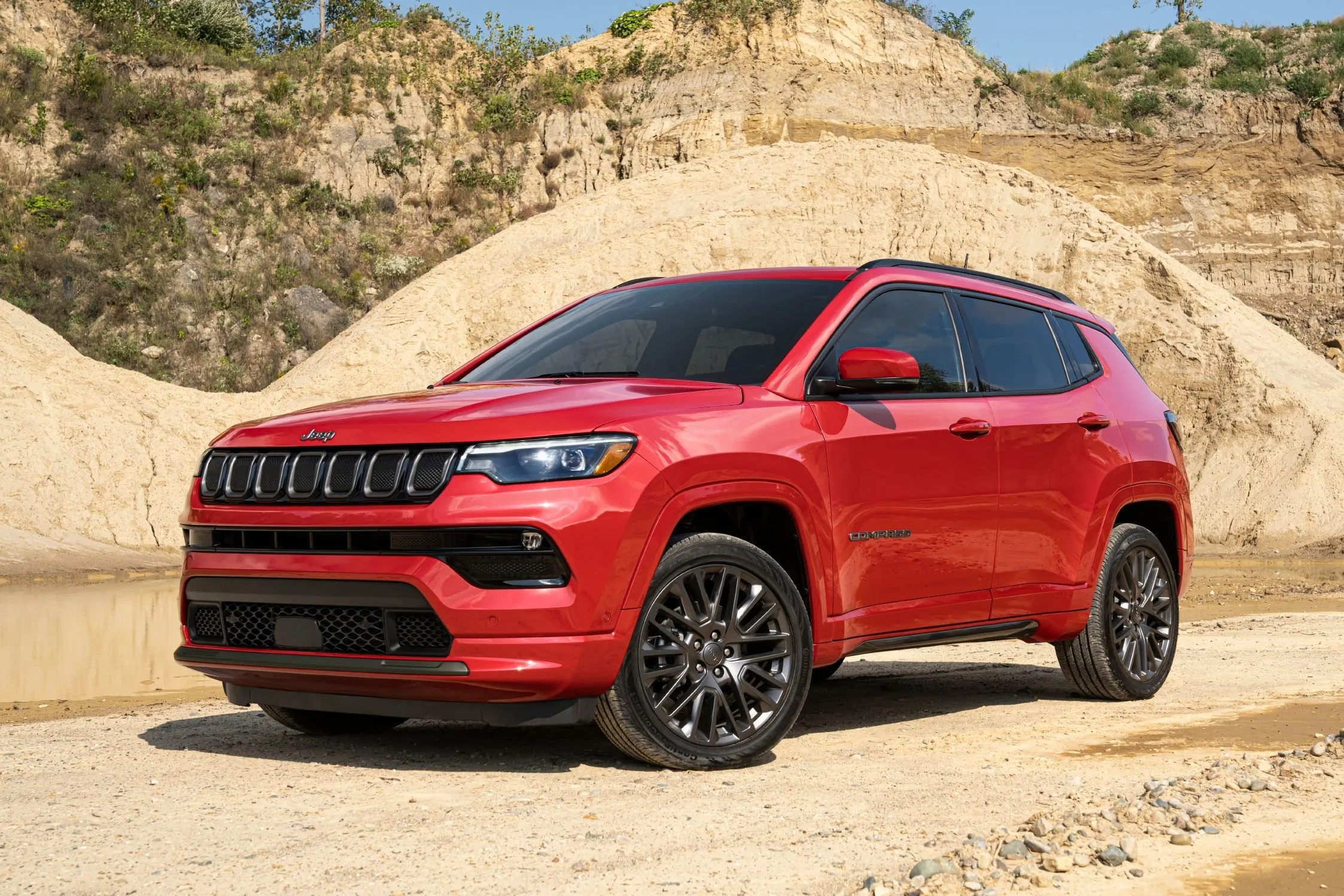
4. 2024 Jeep Compass Sport
Adventure styling attracts buyers to the 2024 Jeep Compass Sport, but rust resistance fails to match the rugged appearance. Body construction lacks adequate corrosion protection for coastal environments despite marketing that suggests off-road capability. Rust develops quickly when this compact crossover faces constant salt air exposure that San Diego coastal living creates.
Rocker panels and door bottoms rust within 18 months of coastal exposure. Paint quality proves inadequate, chipping easily, and allowing rust to start at minor damage points. Bubbling paint appears along seams and panel edges. The wheel arches show rust from road spray. Body panels use thin metal that corrodes quickly once protective coatings fail.
Exhaust system corrodes rapidly despite claims about durability. A muffler develops a perforation within three years. Exhaust pipes rust through at joints. Catalytic converter heat shields rust and create rattling noises. Exhaust hangers corrode and break. Jeep apparently uses cost-effective materials without adequate protection for harsh environments.
Suspension components show premature corrosion. Strut bodies rust and develop leaks. Control arms corrode. Coil springs rust, creating rough surfaces. Subframe shows rust penetration within five years, raising structural integrity concerns. Mounting hardware corrodes severely, making repair work difficult because fasteners break during removal attempts.
Brake components corrode aggressively. Calipers rust, causing pistons to stick. Brake lines show surface rust progressing to structural weakness. Rotors develop excessive pitting. Parking brake cables rust and seize. These corrosion issues create safety concerns while requiring expensive repairs that often exceed vehicle value.
Underbody lacks proper protective coatings. Exposed steel surfaces rust quickly in salt air. Floor pan shows corrosion. Fuel lines and brake lines corrode. Suspension mounting points rust. Structural components weaken from oxidation. Heat shields fall off after the mounting points corrode. Lack of undercoating allows rust to spread unchecked.
Electrical connections corrode because of inadequate weatherproofing. Wiring harnesses lack protective coatings. Connectors allow moisture intrusion. Ground connections deteriorate, creating electrical problems. Corroded connections cause intermittent failures, including starting problems, sensor malfunctions, and accessory failures that frustrate owners.
Also Read: Top 10 Budget-Friendly Cars Powered by V12 Engines
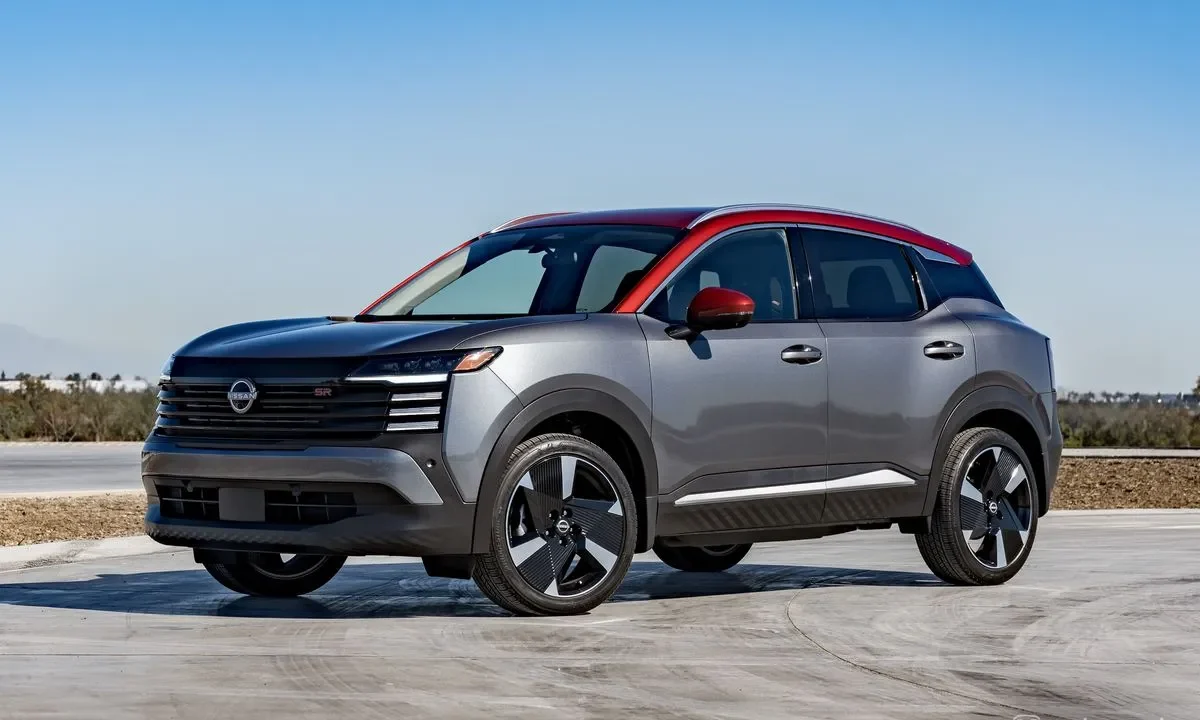
5. 2024 Nissan Kicks SV
Affordable transportation attracts budget-conscious buyers to the 2024 Nissan Kicks SV, but rust resistance proves inadequate for San Diego coastal conditions. Body construction lacks comprehensive corrosion protection that would extend vehicle life when exposed to salt air constantly. Rust appears disturbingly quickly, destroying resale value while creating potential safety concerns.
Rocker panels develop rust within the first year of coastal exposure. Door bottoms corrode around seams and drain holes. Paint chips easily from minor impacts, exposing bare metal that oxidizes rapidly.
Bubbling paint appears along panel edges and seams, indicating rust developing underneath protective coatings. Wheel arches rust from road spray, depositing salt while inadequate protection fails to prevent corrosion.
The exhaust system corrodes rapidly. A muffler develops a perforation within two to three years. Exhaust pipes rust through at joints and flex sections. Heat shields rust and rattle. Exhaust hangers corrode and fail. Nissan apparently prioritizes low manufacturing costs over longevity, using materials without adequate corrosion resistance.
Suspension components show accelerated rust. Strut bodies corrode and leak. Control arms rust while bushings deteriorate. Coil springs develop surface rust. The subframe shows rust penetration within five years. Mounting hardware corrodes severely, complicating repair work. Suspension mounting points weaken from oxidation, creating safety concerns.
Brake components corrode aggressively despite regular use, which should keep them relatively clean. Calipers rust, causing pistons to seize. Caliper brackets corrode. Brake lines develop surface rust. Rotors show excessive pitting. Parking brake cables rust and fail to release properly. These corrosion issues require expensive repairs while creating braking safety concerns.
Underbody protection proves grossly inadequate. Exposed steel surfaces rust quickly when subjected to salt air. Floor pan shows corrosion within just a few years. Fuel tank straps corrode. Suspension components rust. Structural areas show oxidation. Lack of proper undercoating allows rust to spread rapidly throughout the underbody.
Electrical systems experience corrosion-related failures. Wiring connections corrode because of inadequate sealing. Ground connections deteriorate, causing various electrical problems. Battery terminals corrode despite maintenance. Tail light housings allow moisture intrusion. Corroded connections create intermittent failures that are difficult to diagnose and repair permanently.
