
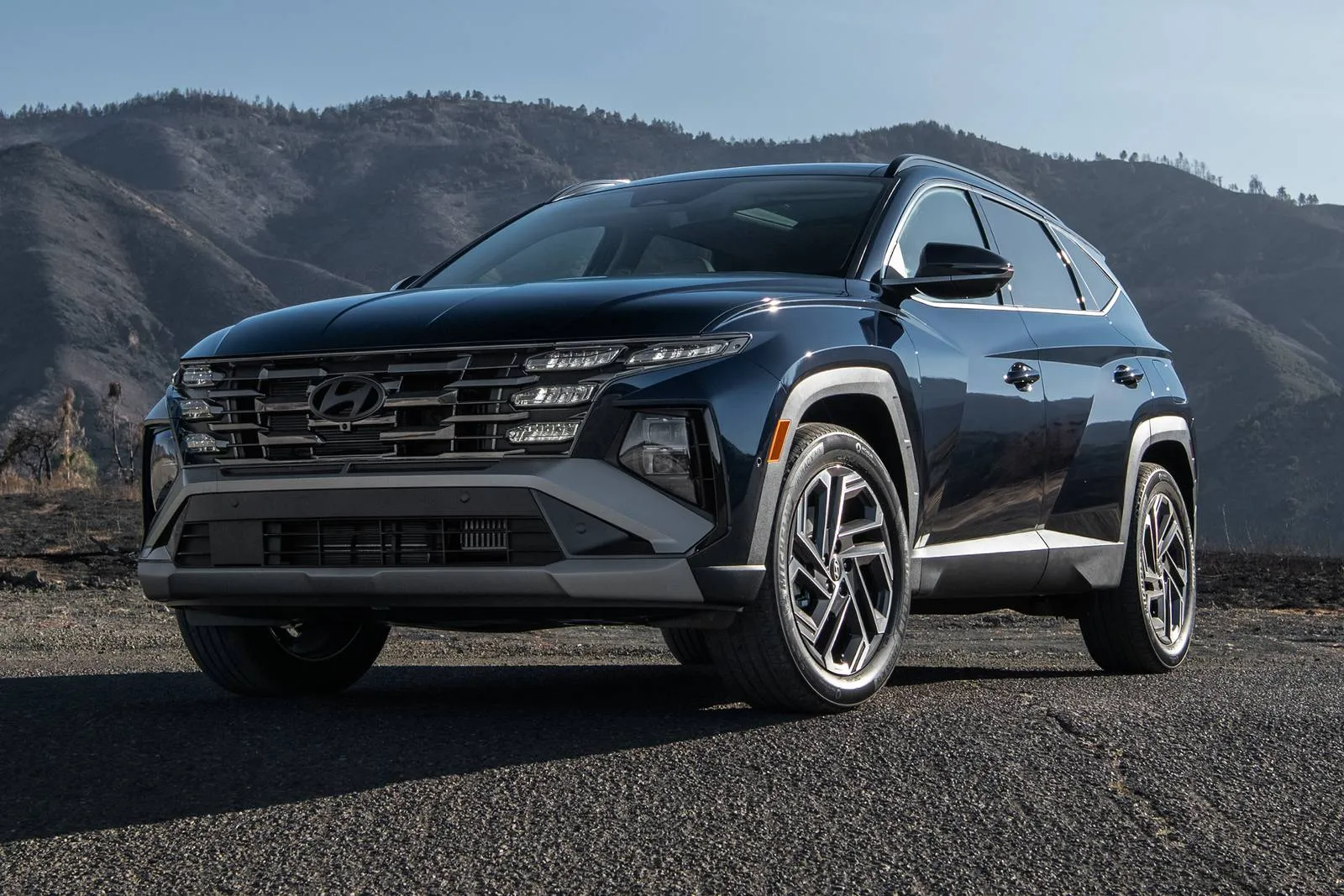
Phoenix brings a special driving challenge that often surprises newcomers, especially during those dry months when temperatures keep rising.
Someone choosing a vehicle for this type of location should consider heat tolerance, long-distance comfort, air-conditioning strength, and engine cooling efficiency.
Regular highway movement between suburbs also means drivers spend long hours behind the wheel under strong sunlight. This type of usage quickly separates dependable cars from those that begin to struggle after constant exposure to scorching conditions.
Some motorists enjoy weekend road trips to nearby cities, desert edges, or mountain routes. Others rely heavily on their vehicles for daily commuting and family activities. Every group needs something that remains comfortable even after long periods of heat exposure.
Not every vehicle offers that reliability, especially when longer journeys start stretching both engine and cooling systems. A stylish purchase might look perfect at the dealership, yet disappoint after a few months of heavy Phoenix summer.
Air conditioning performance should never be a minor point in such a climate. Strong AC, durable interior materials, and well-designed ventilation can transform long driving hours into relaxed experiences. Heat damage to electronics, cabin plastics, or engine bay components can turn ownership into a stressful journey.
Anyone planning extended drives must consider heat stability from the outset. This guide presents five models that meet these expectations with impressive results. They stand strong during heatwaves, long travels, and repeated exposure to sunlight.
After that, you will meet five that struggle and often cause discomfort or extra repair costs in a location like Phoenix. Understanding these differences helps drivers make informed choices that suit this environment and protect their budget over the years of ownership.
Cars Ideal for Phoenix Heat and Long Drives
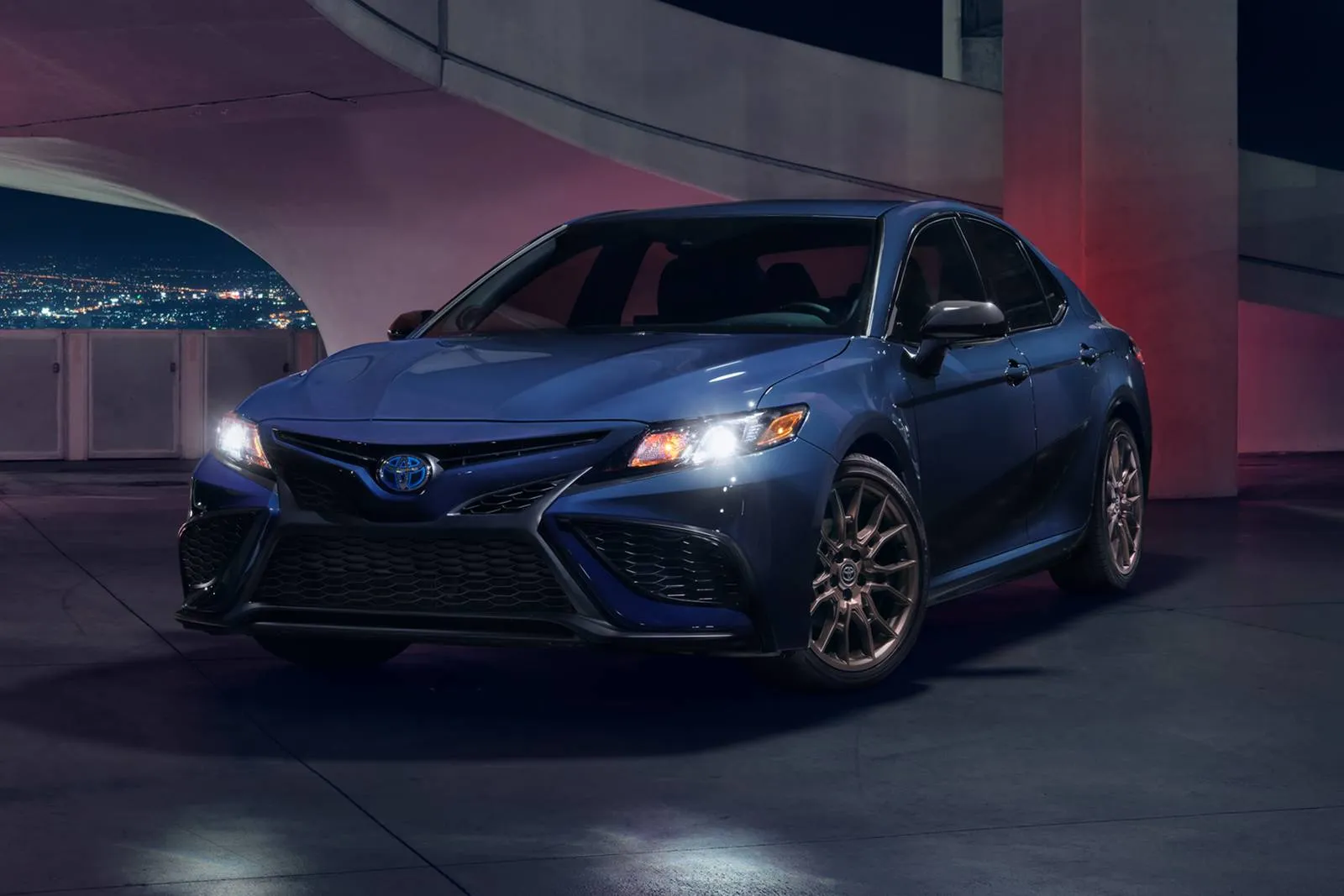
1. Toyota Camry Hybrid XLE 2024
A person searching for heat-resistant performance will appreciate the Toyota Camry Hybrid XLE 2024. Its hybrid system remains dependable even under hot temperatures, and battery cooling is designed with harsh climates in mind.
Highway trips remain smooth, and the cabin insulation keeps interior temperatures stable. Unlike some hybrid models that lose efficiency in scorching conditions, this Toyota continues to handle heat confidently without sudden performance drops.
Another attractive feature lies in its spacious seating arrangement. Passengers have plenty of leg and shoulder room which encourages comfort during long journeys beyond Phoenix boundaries.
Dual-zone climate control provides separate comfort levels for driver and passenger. Cabin airflow reaches every seating position effectively, so nobody feels left out during hot months.
Durability is strengthened through Toyota engineering that prioritises longevity. Even after several years of demanding use, Camry Hybrid XLE tends to keep running without sudden breakdowns.
Its battery health remains supported, oil system stays steady and the cooling components rarely overheat. Service requirements stay affordable, and local mechanics have wide access to spare parts. This reduces downtime and prevents long waits at service workshops.
Fuel economy feels friendly for a hybrid that performs well under heat stress. Long-distance drivers cut fuel expenses and avoid constant stops for refills.
Extra comfort rests in a smooth suspension that manages highway expansion joints comfortably. Drivers planning repeat trips across desert surroundings will appreciate how Camry Hybrid XLE handles strong sunlight without excessive cabin temperature.
Road visibility remains good, and safety equipment provides confidence during busy hours. Toyota’s assistance systems remain reliable without being too sensitive.
Drivers appreciate calm handling, a relaxed cabin, and balanced engineering. If heat reliability ranks as a leading priority, Camry Hybrid XLE positions itself as a wise companion for Phoenix conditions and extended road usage.
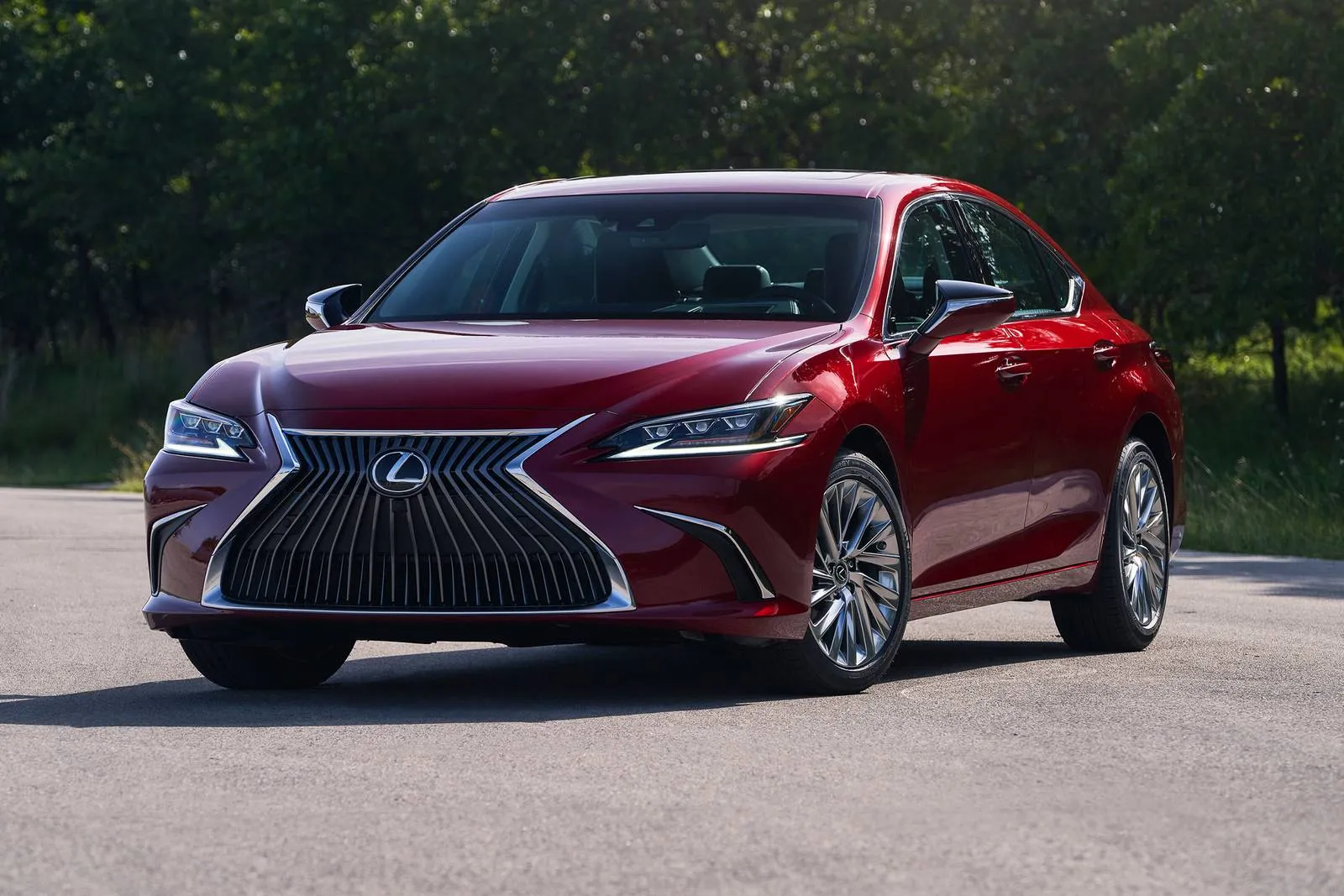
2. Lexus ES 350 Luxury 2024
Those who want refined comfort with heat endurance often choose the Lexus ES 350 Luxury 2024. Its V6 engine operates smoothly without rising temperatures affecting acceleration or cooling performance. Long drives become pleasant due to refined suspension settings and a quiet cabin.
Extended journeys through Arizona deserts suddenly feel less demanding with strong climate control that brings quick cooling even after parking under the sunlight.
Interior finishing deserves special attention. Materials resist heat damage, and soft seats maintain comfortable textures without cracking from strong UV exposure.
Infotainment screens remain clear instead of fading. Door trims and dashboard colours retain freshness instead of ageing too quickly. Many luxury interiors struggle in hot climates, yet Lexus remains surprisingly resilient in this category.
Fuel consumption feels respectable for a luxury sedan. Drivers who move constantly from one suburb to another appreciate its gentle fuel behaviour.
Phoenix traffic becomes less draining on the wallet because the engine does not require unnecessary revving to maintain movement. Whether cruising at highway speeds or driving through dense city movement, the engine stays within healthy operating temperature.
Sound insulation shields passengers from outside conditions. Heat outside stays outside. Hot gusts during lunchtime driving do not disturb those inside the cabin.
This type of comfort becomes essential for drivers covering large distances during working hours. Lexus prioritises convenience without compromising performance.
Reliability remains the strongest selling point. Breakdowns occur rarely, and service intervals follow predictable patterns.
Spare parts remain available in common workshops across Phoenix. Mechanics familiar with Lexus handle routine tasks without requesting specialist facility visits.
Owners investing long-term receive value that continues to deliver satisfaction. Lexus ES 350 Luxury presents a calm driving character that fits Phoenix life perfectly.
Also Read: 5 Cars for New Orleans Flood-Prone Areas vs 5 That Suffer Water Damage
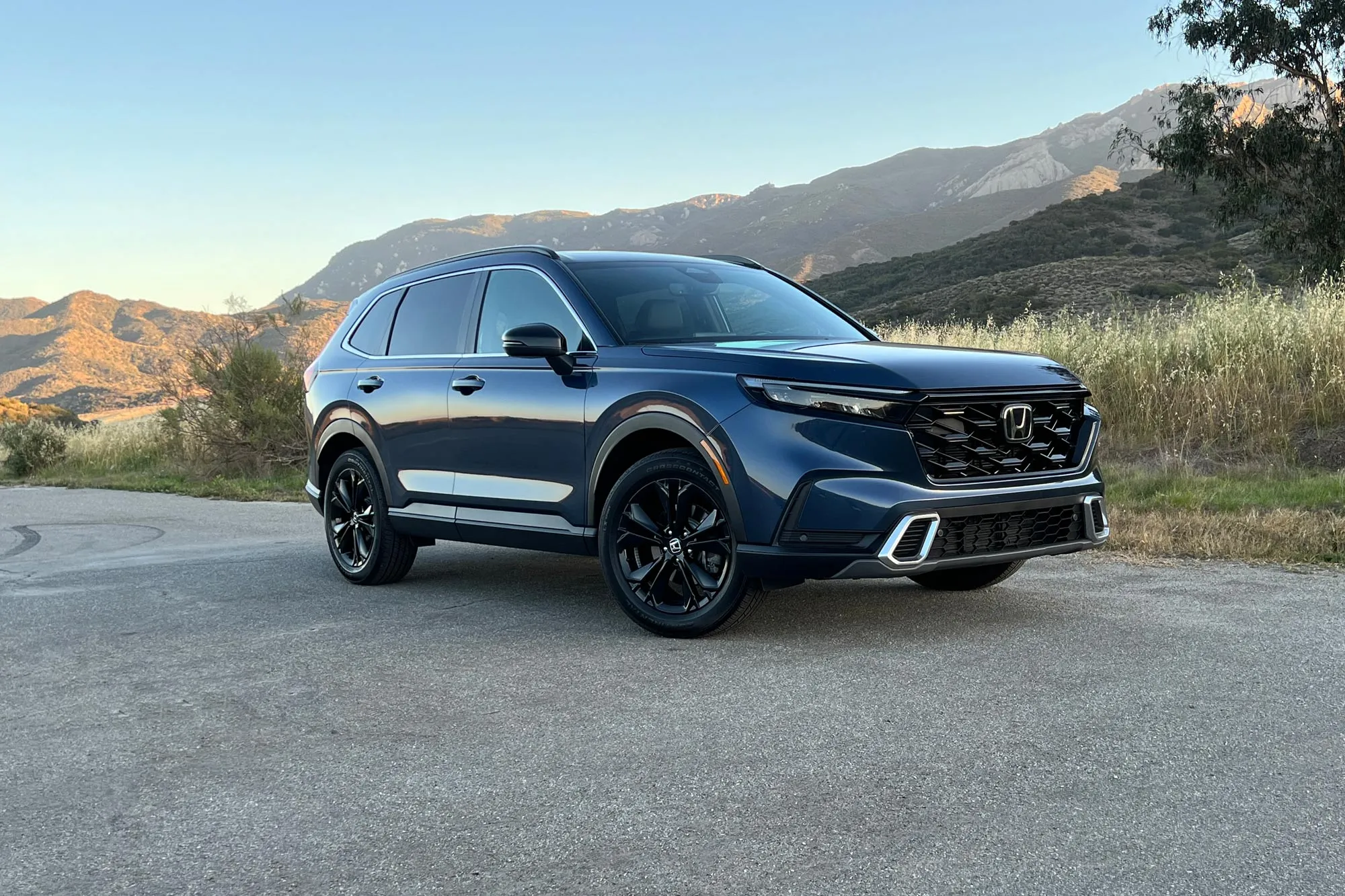
3. Honda CR-V EX Hybrid 2024
Honda CR-V EX Hybrid 2024 delivers impressive heat management thanks to an efficient cooling system that prevents battery overheating.
During strong Phoenix sunlight, hybrid batteries sometimes struggle to maintain their charge effectively. CR-V EX Hybrid manages this condition by distributing heat properly without decreasing driving power. This gives peace of mind during long city drives.
Cabin comfort receives strong marks as well. Seats provide supportive feel for both driver and passengers, helping reduce fatigue during continuous drives.
Ventilation outlets operate efficiently to circulate chilled air throughout the cabin. This proves valuable when travelling with multiple passengers who need equal comfort. Long road trips feel pleasant instead of exhausting.
Interior build quality remains durable. Plastics resist heat stress better than what many competing hybrids offer. Dashboard materials maintain texture, preventing early fading.
Electronics continue functioning normally even after prolonged cabin heat, something many Phoenix car owners worry about. Navigation maps and smartphone integration work smoothly without overheating.
Fuel savings give another reason for praise. Plenty of Phoenix drivers spend extended hours in traffic.
Hybrid performance helps lower fuel cost despite regular air-conditioning operation. The engine remains calm and predictable which lowers long-term maintenance load. Drivers who cover large weekly distances appreciate this dependable efficiency.
Suspension feels steady on long highways, improving comfort for weekend journeys. Families enjoy sufficient cargo room for travel luggage, sports equipment or grocery runs.
CR-V EX Hybrid stands out because it handles extreme sunlight without compromising performance, comfort, or fuel economy. Heat stays outside while passengers remain calm inside.
Overall fit makes CR-V EX Hybrid a smart Phoenix companion with hybrid savings and heat-resistant engineering designed for real-life climate demands.
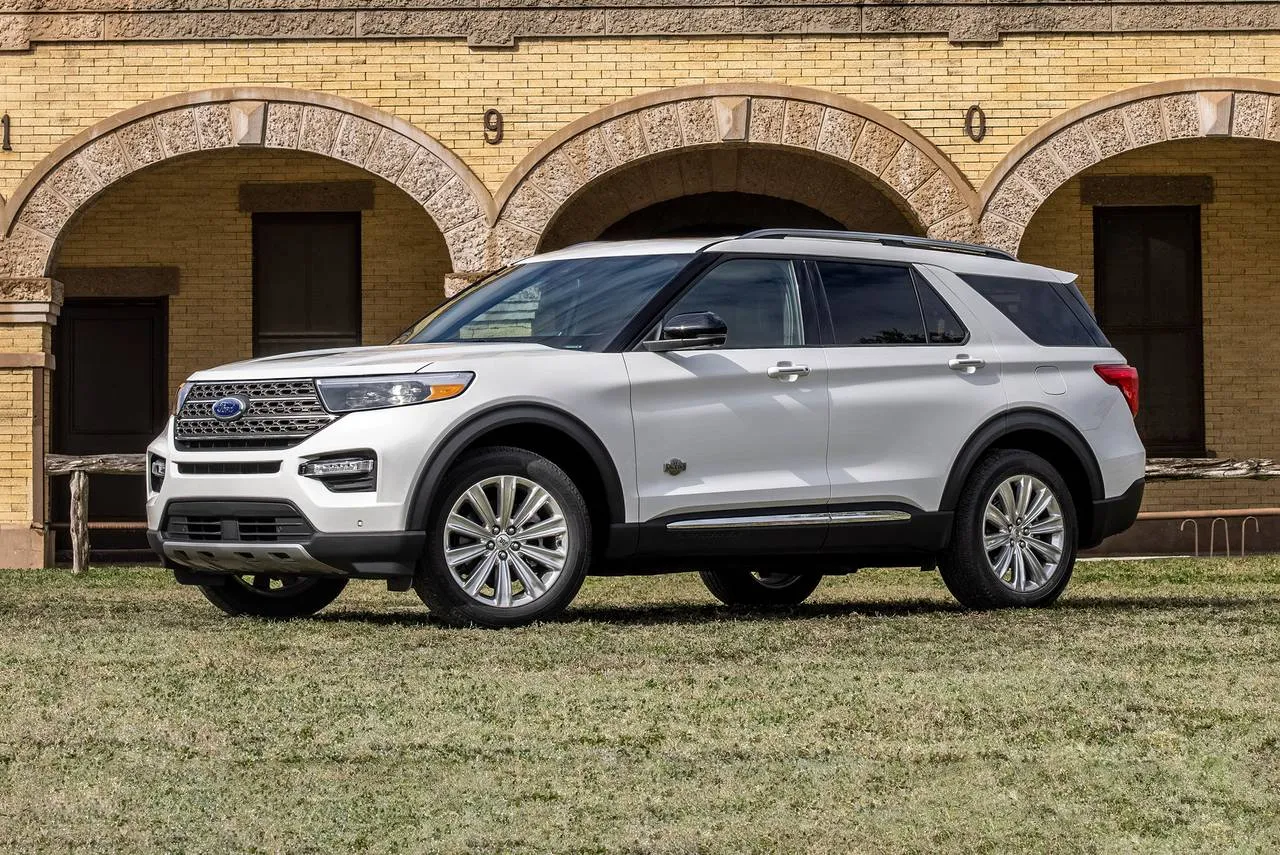
4. Ford Explorer ST-Line 2024
Different drivers look for performance blended with practicality, and that is where Ford Explorer ST-Line 2024 stands strong.
Its turbocharged engine continues to deliver good acceleration even during hot weather, avoiding power reduction that sometimes happens with high temperatures. Long highway journeys remain comfortable due to efficient cooling that keeps engine temperature stable and prevents sudden overheating.
Those planning long family trips benefit from spacious cabin dimensions. Seven passengers fit comfortably while air vents reach every row without leaving anybody uncomfortable.
Hot Phoenix afternoons can quickly cause interior discomfort, yet Explorer ST-Line offers air circulation that remains active and consistent even under harsh sunlight. Family journeys suddenly feel more relaxing.
Interior finishing receives praise for resilience. Seat materials do not crack easily, and dashboard surfaces maintain their appearance after repeated sun exposure.
Long stop times at parking lots expose vehicles to high temperatures. Explorer ST-Line survives this without losing cabin quality. Sound insulation remains strong, reducing road noise that sometimes becomes annoying during long drives.
Cargo area remains flexible for travel gear, renovations, sports equipment or business deliveries. Weekend campers appreciate space for outdoor activities.
Working professionals appreciate room for work equipment. All of this contributes to high driving practicality in Arizona highways.
Fuel consumption remains acceptable. Drivers expecting massive gas bills often feel surprised because Ford keeps consumption within reasonable limits for a large family SUV.
Although not hybrid, the efficiency rating remains manageable. Servicing stays straightforward through widely available Ford centers, reducing long wait times.
Ford Explorer ST-Line proves itself reliable during strong heat, extended desert drives, and heavy passenger load. It combines heat tolerance, cabin space and highway comfort, making it suitable for both daily routine and occasional travel adventures around Phoenix.
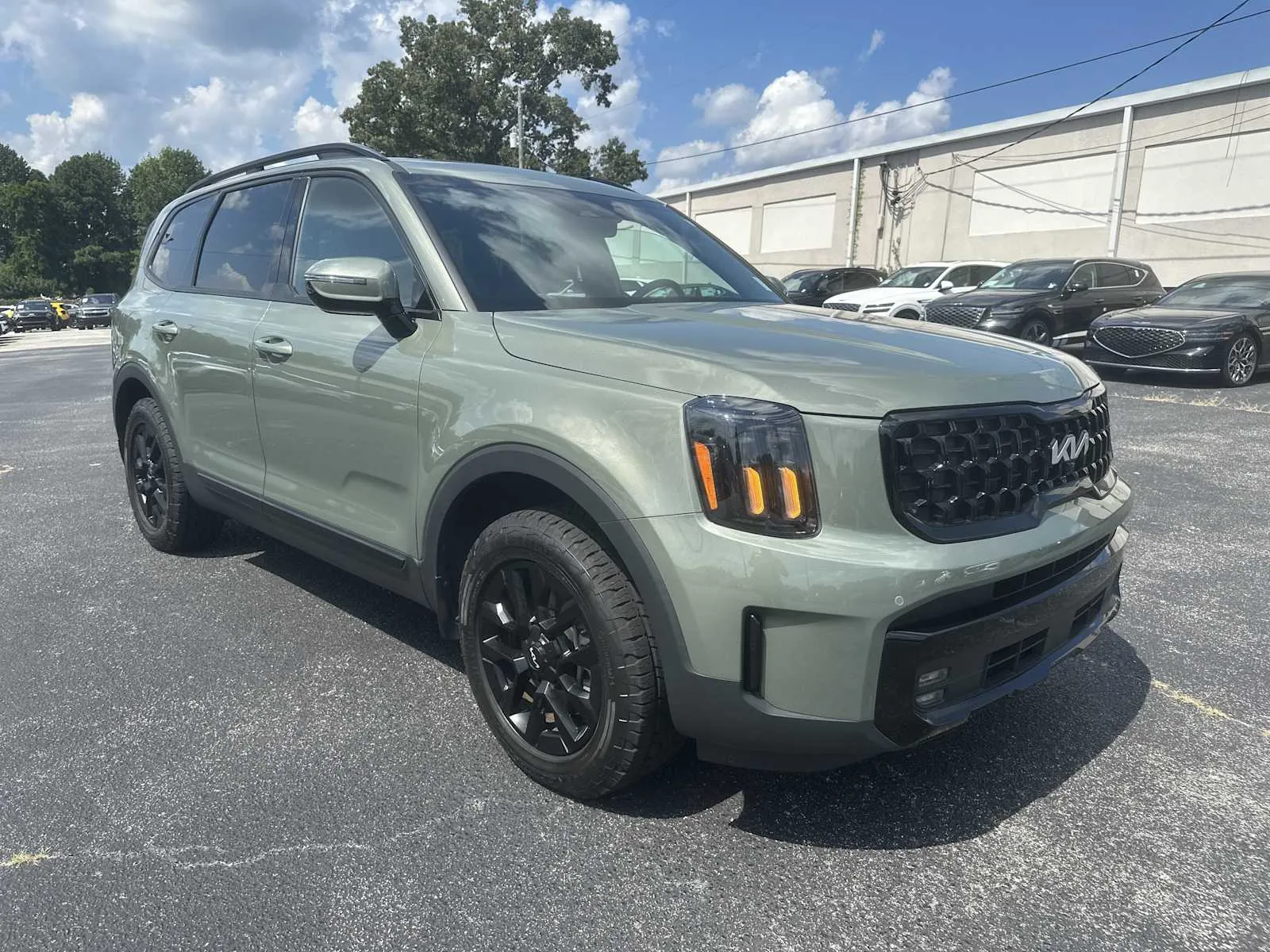
5. Kia Telluride SX Prestige 2024
Plenty of families and travellers choose Kia Telluride SX Prestige 2024 because of its strong air-conditioning performance and spacious comfort.
Heat exposure rarely affects its engine cooling system, and highway movements remain smooth even during strong sunlight. Long journeys feel easier due to quiet cabin conditions and supportive seating that reduces fatigue for drivers and passengers.
Roof insulation also performs impressively. Even when parked directly under sunlight, Telluride SX Prestige takes less time to cool the interior once the AC starts working.
This becomes important in Phoenix where drivers frequently return to vehicles that feel like ovens after just a few minutes outside. Families with children appreciate faster cooling.
Interior technology does not suffer from heat sensitivity as experienced in some modern SUVs. Screens show bright visuals without fading.
Touch controls keep working reliably without freezing. USB ports and charging outlets remain active even during hot hours. A self-confident traveller needs this type of consistent performance.
Cargo space stands among the best in this price category. Three-row seating opens up flexible arrangement possibilities.
Whether planning weekend trips, school pickups or airport runs, Telluride SX Prestige provides all kinds of room. Seats fold flat without struggle and luggage loading becomes simple.
Fuel behaviour remains friendly for such a large SUV. Although not the most efficient on paper, real-life results tend to satisfy Phoenix drivers who frequently depend on air-conditioning.
Kia also maintains affordable servicing and spare parts availability inside the US market. Mechanics understand Telluride easily without requiring specialist workshops.
Kia Telluride SX Prestige shines because it mixes premium comfort with heat tolerance. Long-distance capability, air-conditioning strength and cabin durability combine to deliver confidence for Phoenix families and frequent travellers.
5 Cars To Skip For Phoenix Heat And Long Drives
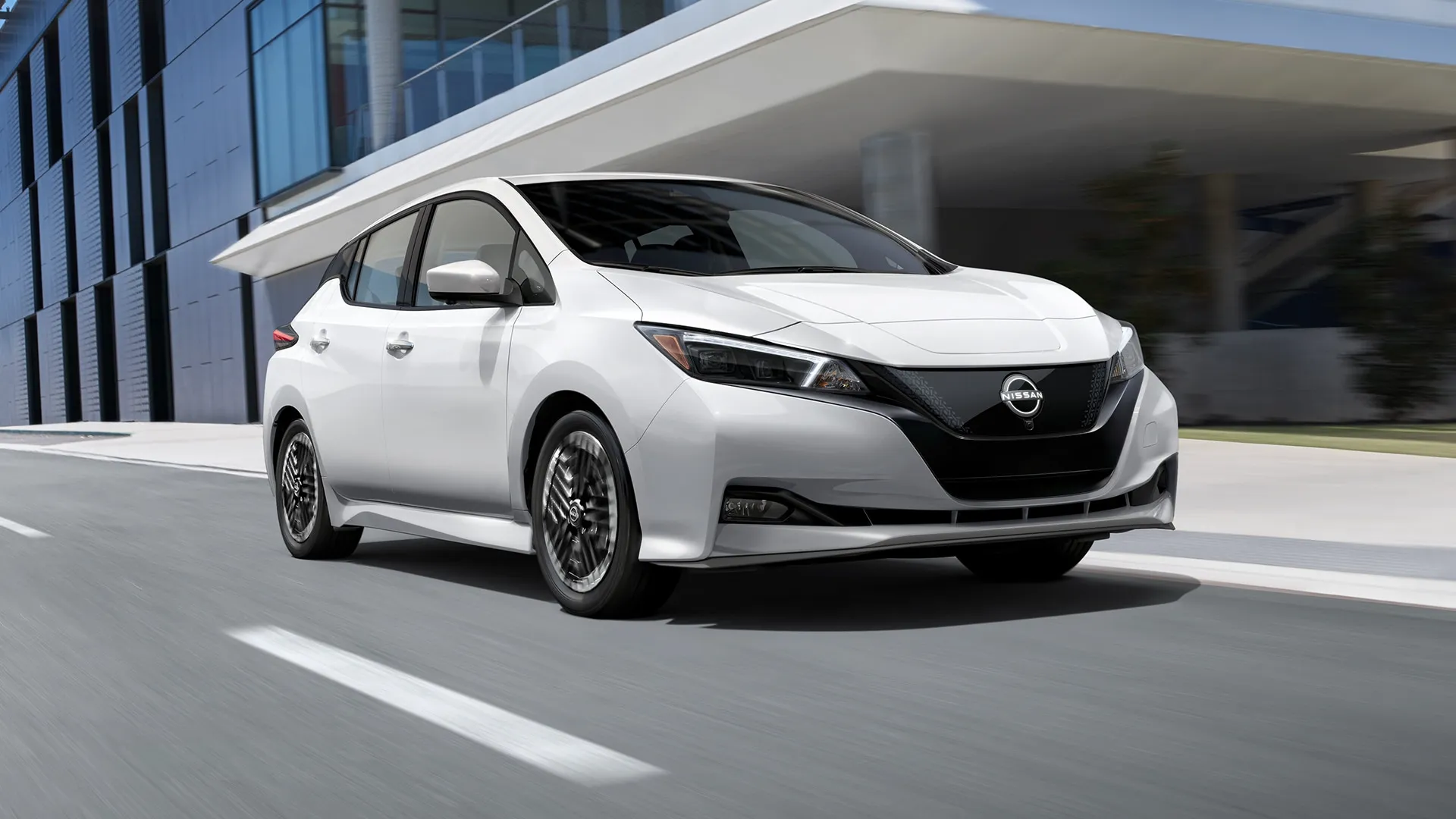
1. Nissan Leaf 2024
Plenty of drivers enjoy quiet EV driving and affordable pricing from Nissan Leaf 2024, yet Phoenix heat presents a different kind of challenge that does not favour this model.
Extreme sunshine places extra pressure on the battery pack, and range begins to fall quicker than expected during long travel. Anyone hoping to drive between Phoenix and nearby cities like Tucson without regular charging stops may feel worried once temperatures reach the hottest weeks.
Inside this EV, cooling the cabin requires more energy from the battery, which shortens range further. Charging infrastructure in Arizona continues to improve, but Leaf charging speeds remain slower compared to newer electric competitors.
That means drivers might spend longer waiting under high temperatures, especially during busy weekend travel periods or holiday trips.
Another issue arises from limited battery thermal management. Phoenix heat can shorten battery lifespan faster than cooler regions, and owners may face expensive battery replacements earlier than planned. Even with careful charging habits, heat exposure still plays a strong role in long term performance.
People who mainly drive short local journeys may still like this car. Those planning long drives on open highways will be better served choosing EVs with stronger cooling systems and higher capacity packs.
Phoenix weather demands vehicles that keep their batteries safe under relentless sunshine, and Leaf simply struggles with such conditions.
Last point worth considering relates to comfort across long distances. Seats feel fine for short errands, though long travel can leave passengers wishing for more cushioning.
Electric silence feels pleasant at first, yet wind noise starts increasing past highway speeds. Drivers intending frequent intercity drives need something sturdier and more heat resistant than this soft city EV.
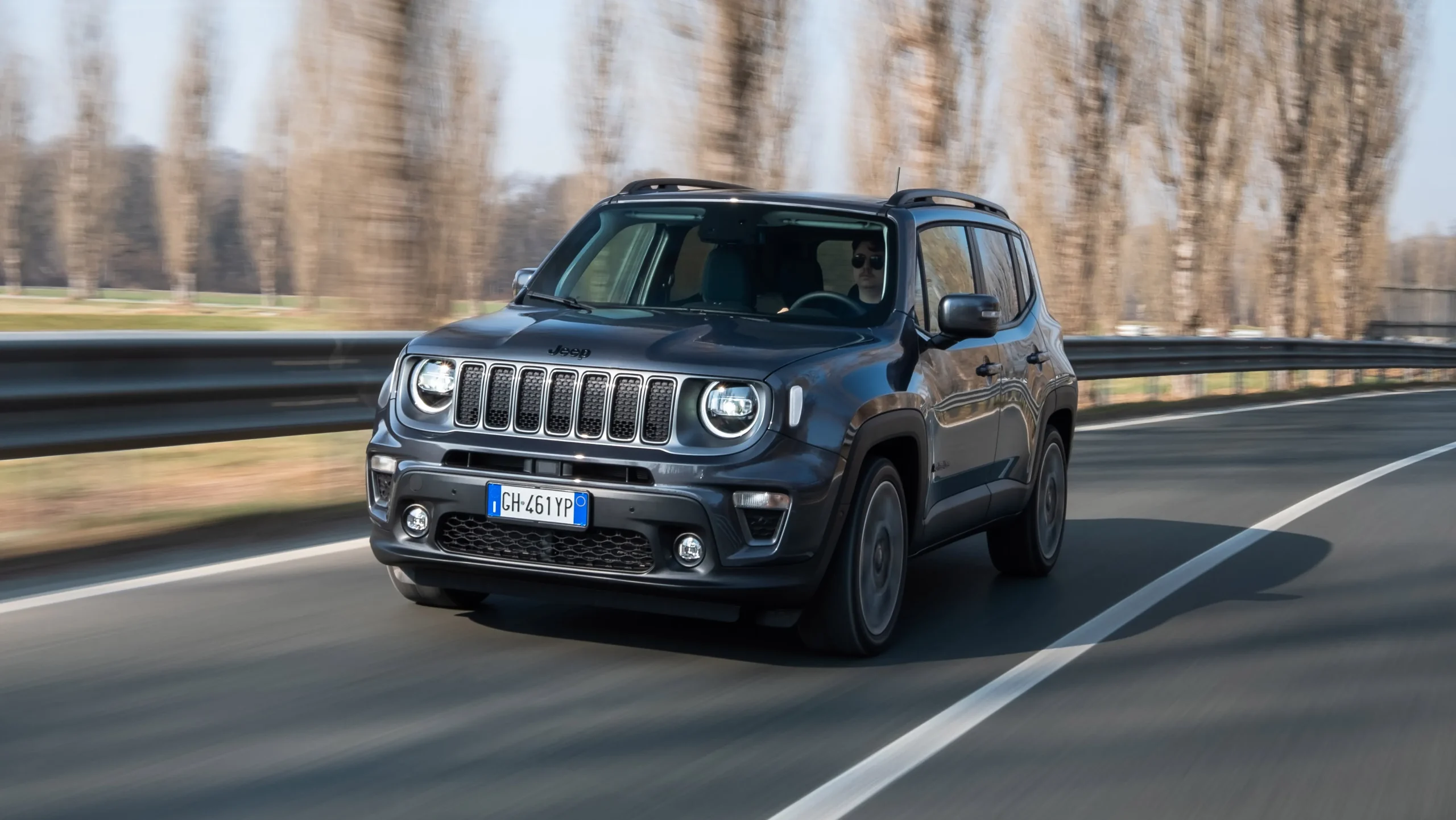
2. Jeep Renegade Sport 2024
People who love compact SUVs sometimes admire Jeep Renegade Sport 2024 because it looks adventurous and carries the Jeep name. Phoenix heat and long highway distance reveal some concerns that matter a lot for extended travel.
Fuel consumption rises whenever speed increases, meaning highway journeys become more expensive than expected. A compact SUV should deliver good economy on long drives, yet Renegade prefers short urban movement rather than hours of desert highway.
Handling also feels slightly unsettled at high speeds. Strong crosswinds on sunny open roads cause noticeable steering corrections, which can become tiring during long trips.
Suspension tuning fits city bumps and short gravel routes, though extended highway rides introduce vibration inside the cabin after some hours. Phoenix surroundings include long straight highways, and drivers need calm stability under hot side winds.
AC performance appears decent, but interior build uses plenty of dark plastics that heat up inside Arizona sun.
Cooling the cabin forces the AC to work harder, increasing fuel consumption and placing more stress on the engine during afternoon driving. Parking outdoors during daytime becomes uncomfortable whenever passengers return to a very hot cabin.
People expecting rugged Jeep ability may also feel disappointed because Renegade only offers mild off road capability despite its tough appearance.
That means highway comfort should be strong, yet the compromise between city use and light adventure results in something that never fully suits either requirement.
Those planning regular travel between Phoenix suburbs, Flagstaff and Nevada highways deserve something with stronger cooling efficiency, quieter cabin experience and more balanced fuel use. Renegade Sport remains fun in short use situations, though Phoenix heat and long distance patterns do not match its strengths.
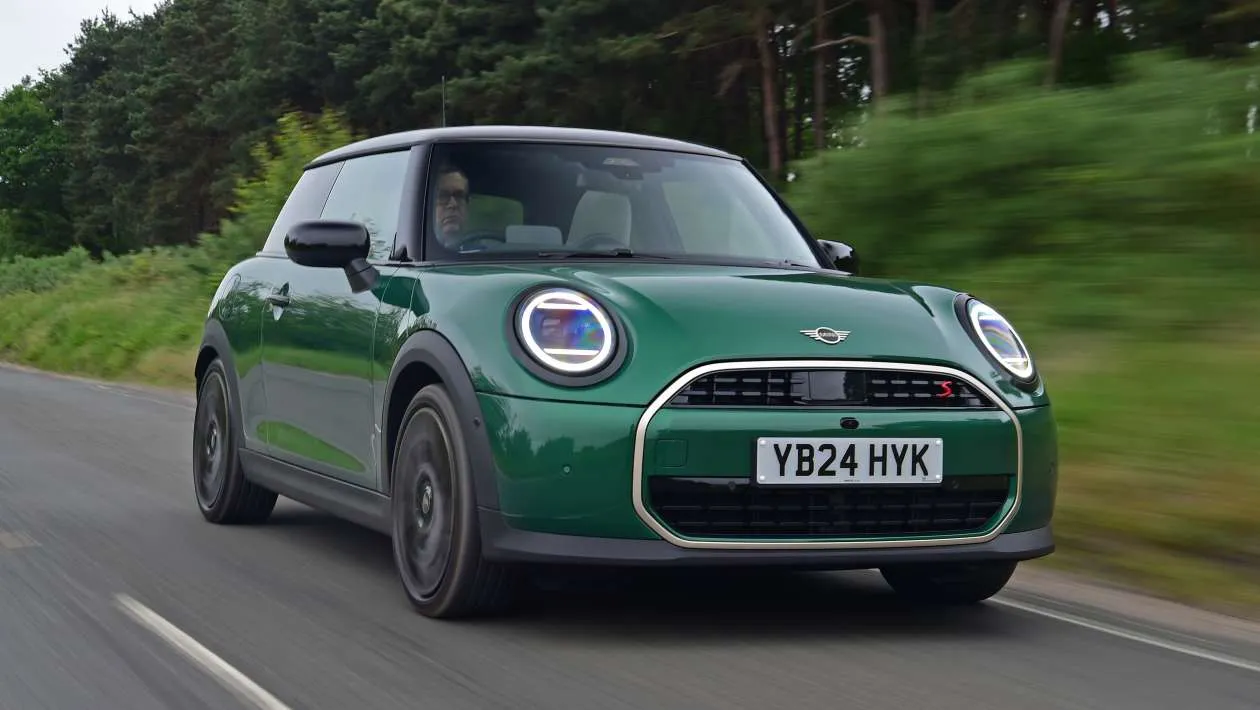
3. Mini Cooper S 2024
Quite a number of drivers admire Mini Cooper S 2024 because it looks stylish and feels sporty around town. Phoenix heat introduces concerns that make this car unsuitable for long distance journeys.
Small cabin space traps heat quickly, and passengers sometimes feel uncomfortable during the afternoon sunshine even when the AC is running strong. Long highway drives inside Arizona require vehicles with roomy interiors and effective temperature control, which Cooper S struggles to deliver consistently.
Short wheelbase design gives a lively feeling in corners, but extended straight highway travel demands smooth comfort.
Here, Mini suspension and seating design may increase fatigue after just a few hours behind the wheel. Phoenix to Los Angeles journeys can stretch across several hours, and drivers need proper support instead of stiff sport suspension.
Another challenge comes from limited cargo space. Road trips often require luggage, cooling boxes and travel essentials.
Mini design focuses on compact fun, though long drive people need something bigger. Fuel needs remain reasonable, yet premium fuel requirement increases travel costs especially during long trips across multiple states.
Heat also interacts with turbocharged engines by reducing performance during peak sunshine. Some drivers notice power drops whenever temperatures rise, which affects acceleration during highway merging. Cars designed for cooler climates feel this effect more strongly inside Phoenix temperatures.
Cooper S remains excellent for stylish city driving, though Phoenix motorists looking for extended travel under high heat conditions must think twice.
Space limitations, ride stiffness and cabin warmth combine to make this car less desirable for long Arizona journeys. Anyone seeking enjoyable road travel across hot desert roads will be happier inside a cooler, roomier and smoother sedan or crossover.
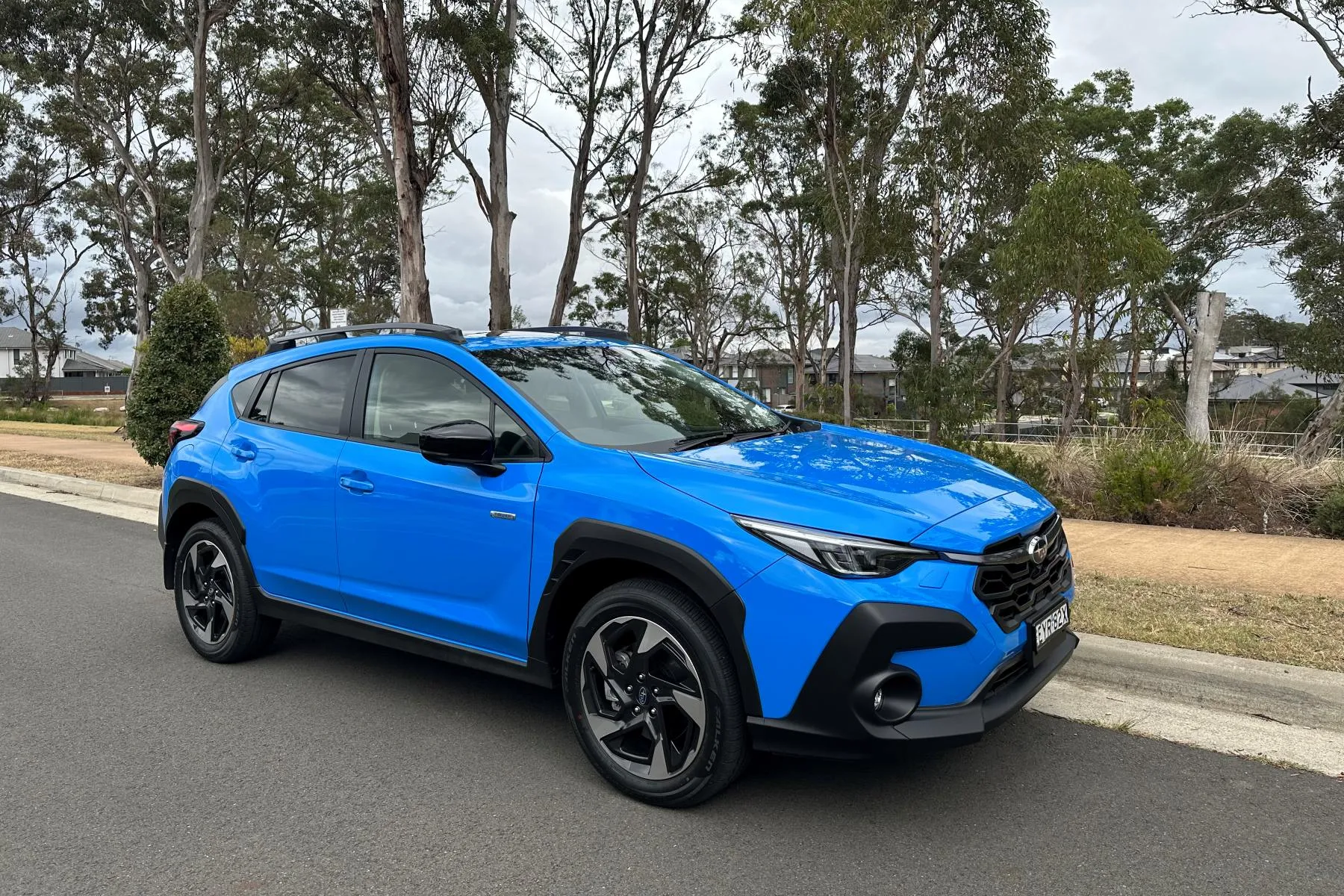
4. Subaru Crosstrek Hybrid 2024
Some people choose Subaru Crosstrek Hybrid 2024 expecting fuel savings and dependable travel. Phoenix heat brings a different story because hybrid systems rely heavily on battery assistance.
Heat shortens battery efficiency and pushes the petrol engine to work harder during extended travel. That means fuel savings disappear on long roads under high sunshine.
Practicality remains acceptable inside normal city use, though long high speed journeys demand strong AC performance. Crosstrek Hybrid AC functions fine, but battery temperature management suffers under direct heat for long hours.
Prolonged highway travel drains both fuel and electric energy faster than expected. Drivers planning regular long travel across hot desert routes will not enjoy constant refuelling.
Ride comfort feels decent on regular roads, but strong sunshine often exposes interior material heating issues. Cabin plastics and seat materials absorb heat quickly when parked outdoors, leaving returning passengers uncomfortable even before driving starts.
Acceleration feels fine under mild temperatures, though hybrid behaviour under extreme heat sometimes reduces performance when electric assistance becomes limited. Phoenix highways require confidence while merging and overtaking. Drivers may feel uncertain whenever electric boost decreases.
People who prefer weekend mountain trips may also wish for stronger cooling inside battery systems. Hot uphill journeys demand steady power, and Hybrid models generally lose power on steep highways during summer. Those concerns increase during long stretches of desert highways where cooling demands continue for hours.
The Crosstrek Hybrid is still suitable for mild climates and eco-conscious driving habits. However, the long drive lifestyle in Phoenix remains too demanding for this hybrid system.
Gasoline-powered Crosstrek models actually handle heat better, so drivers seeking long-distance endurance might prefer non-hybrid versions instead of dealing with heat-affected battery issues in Arizona’s seasons.
Also Read: 5 Cars for Memphis Delivery Routes vs 5 That Are Maintenance Nightmares
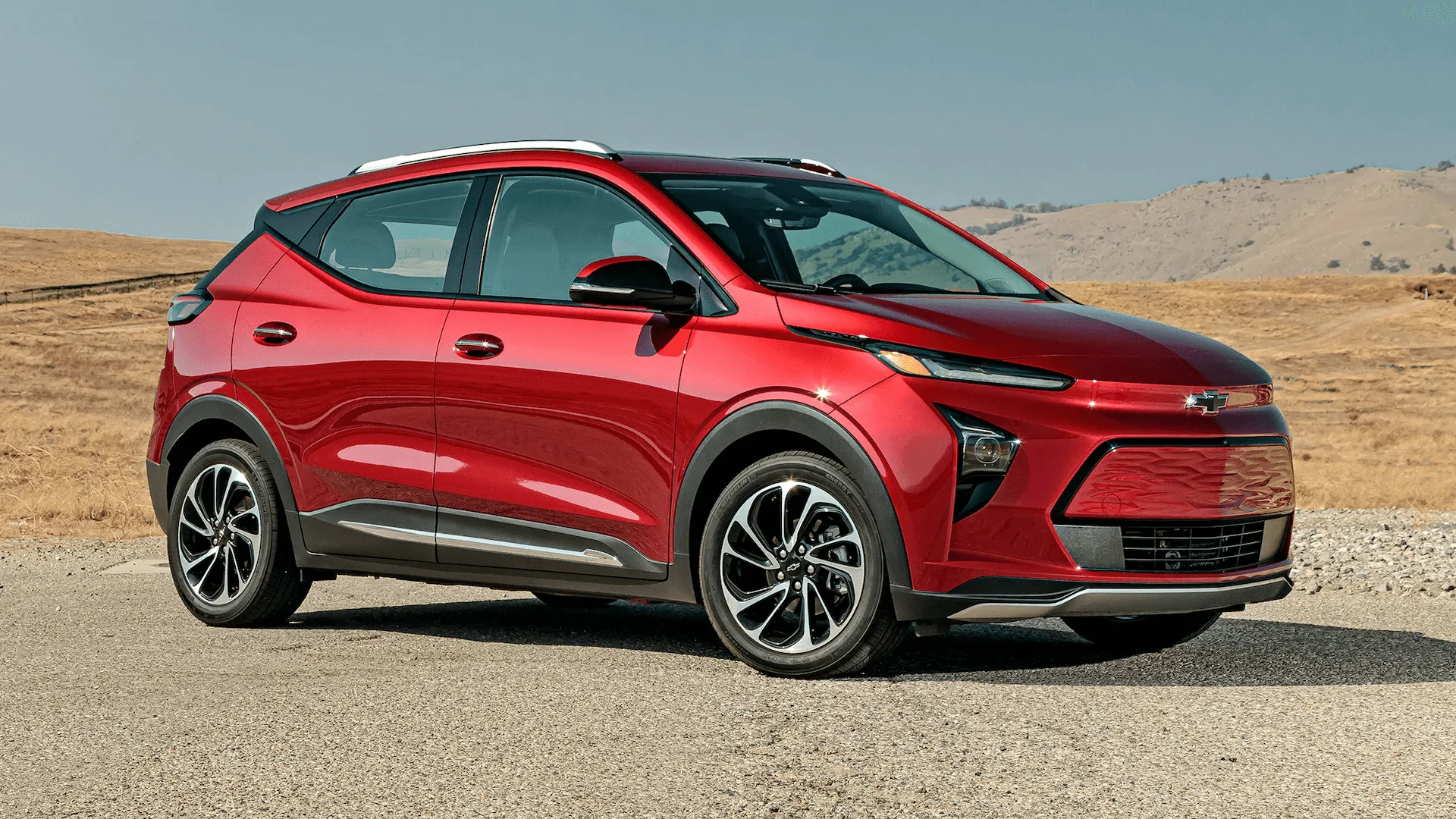
5. Chevrolet Bolt EUV 2023
Many EV shoppers like the Chevrolet Bolt EUV 2023 for its affordable price and lively electric driving experience. However, Phoenix heat, long-distance needs, and battery performance issues pose problems that drivers can’t overlook.
Hot climates force the cooling system to work constantly, reducing available range and stressing battery components. Phoenix commuters already battle extreme temperatures for several months, so frequent charging becomes an unwanted routine.
Another angle relates to charging speeds. Bolt EUV does not support fast speeds equal to newer EV rivals. Long road travel requires quick top ups at highway charging stations.
Under Arizona sunshine, waiting long periods beside a charger becomes uncomfortable. Those delays reduce travel convenience and create anxiety when travelling across long stretches of road without shade.
Cabin cooling feels strong enough during city errands, yet extended sunshine still heats interior surfaces quickly.
AC uses more energy under extreme temperatures, further shrinking driving range. When planning a long travel from Phoenix to Las Vegas or Southern California, long charging stops combined with shrinking range create stress that affects trip enjoyment.
Battery recall history also causes hesitation among buyers, although newer models have improved safety steps.
People still wonder how long-term battery health will react to intense heat, especially after several years of Phoenix exposure. Nobody enjoys thinking about expensive battery replacements during ownership.
Bolt EUV remains useful for short city driving, though Phoenix heat plus long-distance patterns demand EVs with advanced thermal systems and faster charging capability.
Drivers who depend on frequent interstate travel require something built for desert temperatures and long endurance. That makes Bolt EUV risky for long-term ownership across Arizona’s heat.
