
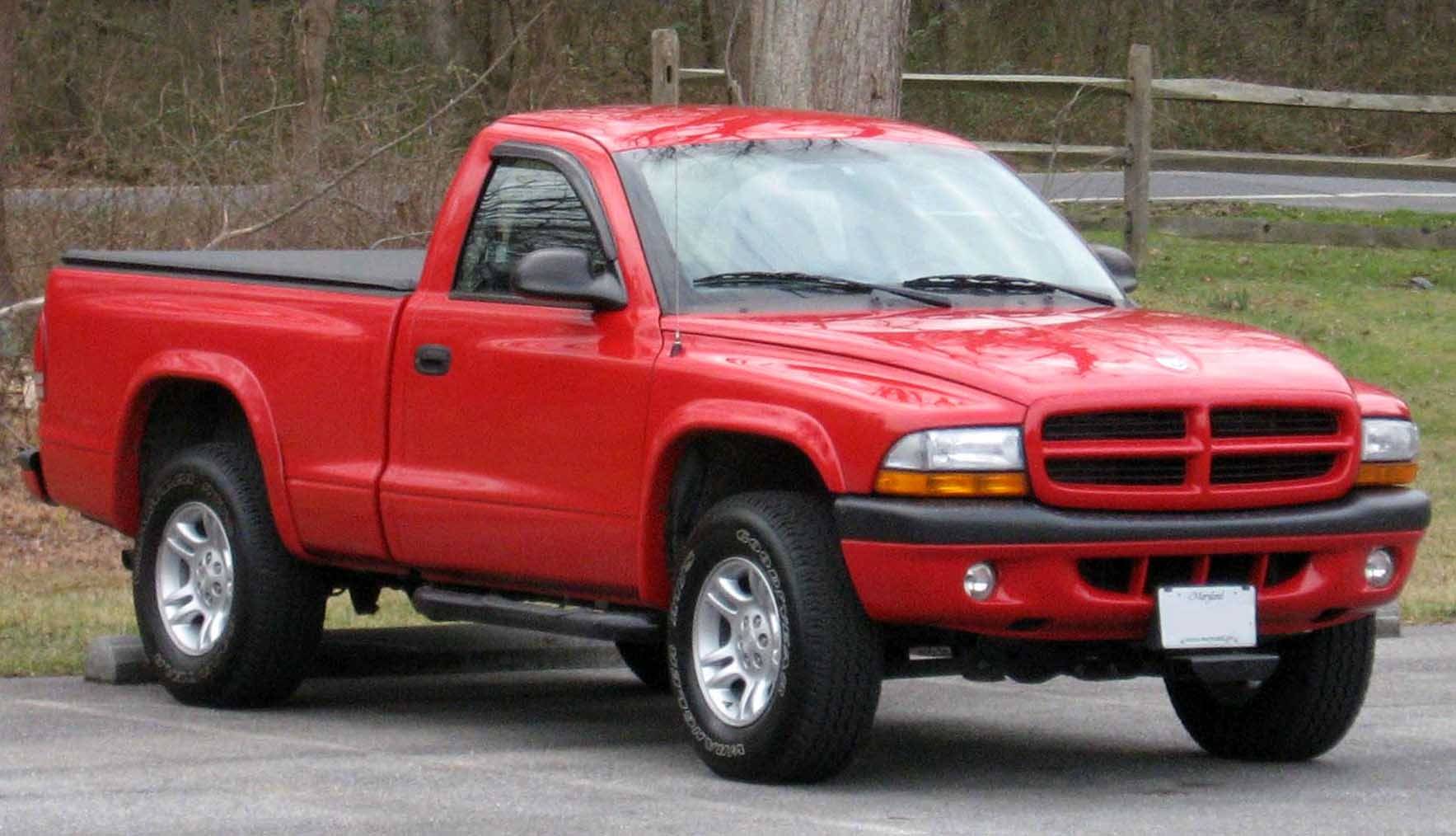
The 2000s represented a fascinating transition period in the automotive industry, particularly for pickup trucks. This decade witnessed the gradual decline of manual transmissions in the American market, making it one of the last eras when buyers could readily find affordable trucks equipped with stick shifts.
For enthusiasts, budget-conscious consumers, and those who appreciated the mechanical connection and control that manual transmissions provided, the 2000s offered a diverse selection of pickup trucks that combined practicality, affordability, and driving engagement.
During this decade, manual transmissions were still commonly available in base-model trucks, primarily because they were less expensive to manufacture and purchase than their automatic counterparts. This made them particularly attractive to commercial buyers, fleet operators, and individual consumers looking to maximize value.
The manual transmission option also appealed to those who wanted better fuel economy, as stick shifts typically offered improved mileage compared to the automatic transmissions of that era, before the advent of modern multi-speed automatics.
As we look back at this era, it’s worth noting that the manual transmission has become increasingly rare in the truck market. Today, finding a new pickup truck with a stick shift is nearly impossible in many segments, making these 2000s-era vehicles nostalgic reminders of a different time.
For those who still seek them out in the used market, these trucks represent an affordable entry point into truck ownership while providing the analog driving experience that modern vehicles have largely abandoned.
1. Ford Ranger (2000-2011)
The Ford Ranger stood as America’s best-selling compact pickup truck throughout much of the 2000s, and its availability with a manual transmission made it an exceptional value proposition for budget-minded buyers.
The Ranger’s lineage dated back to 1983, and by the 2000s, it had evolved into a refined, reliable, and highly capable small truck that perfectly balanced utility with affordability.
Throughout the decade, the Ranger was offered with multiple manual transmission options depending on the engine choice. The base 2.3-liter four-cylinder engine came paired with a five-speed manual transmission, providing adequate power for daily driving and light hauling duties while delivering impressive fuel economy that could reach the mid-20s on the highway.
For those seeking more capability, the 3.0-liter and later 4.0-liter V6 engines were also available with manual transmissions, offering significantly more power for towing and hauling while maintaining the engaging driving experience that manual transmission enthusiasts craved.
What made the Ranger particularly attractive during the 2000s was its exceptional affordability. Base models with the manual transmission could be purchased for under $15,000 when new, making it one of the most accessible entry points into truck ownership.
This pricing strategy allowed Ford to capture a wide range of buyers, from young professionals purchasing their first vehicle to small business owners looking for reliable work trucks to outdoor enthusiasts seeking affordable adventure vehicles.
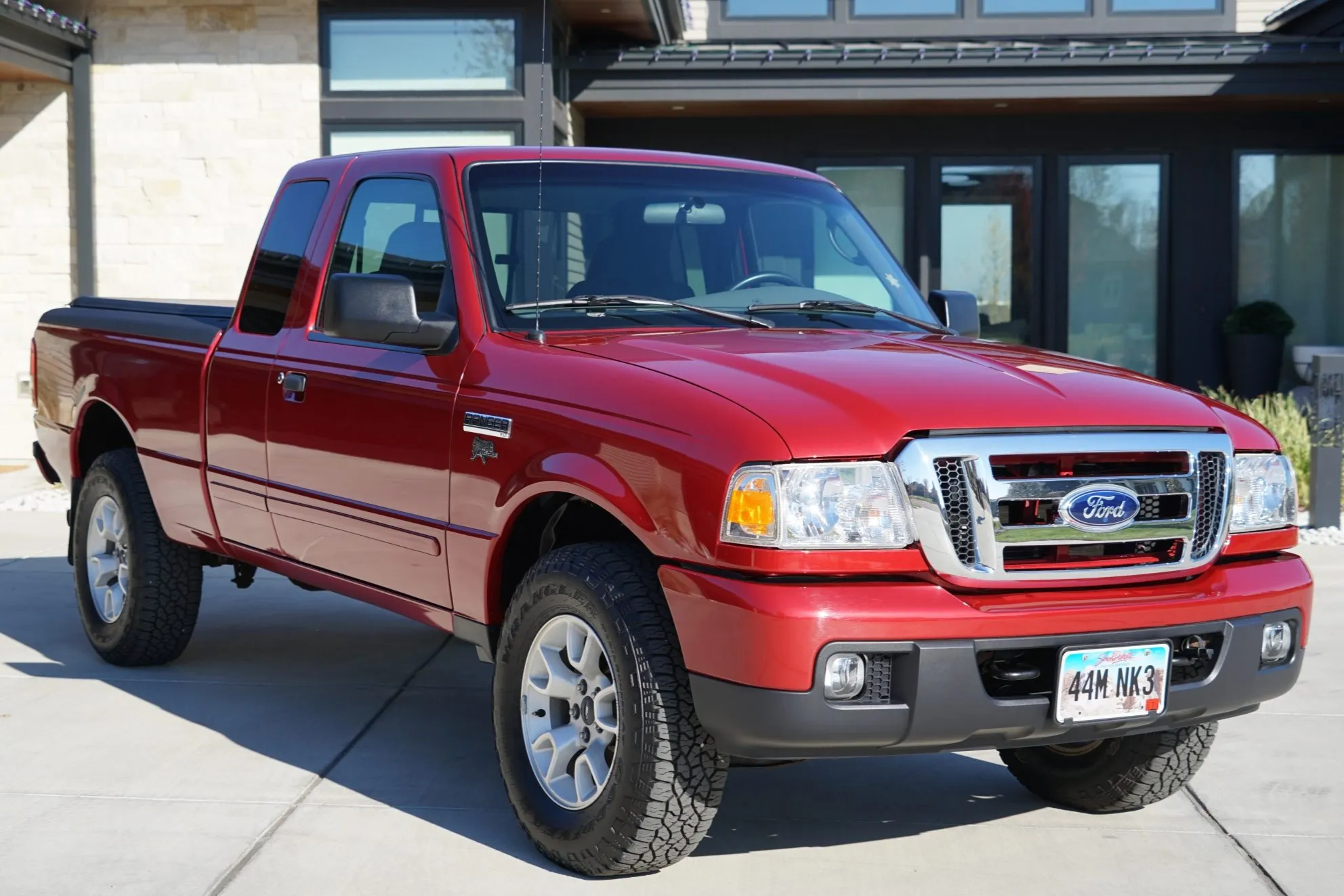
The Ranger’s compact dimensions made it remarkably practical for urban environments where full-size trucks struggled. Its tight turning radius and manageable size made parking and maneuvering through city streets effortless, while still providing genuine truck capabilities with payload capacities ranging from 1,500 to 2,000 pounds depending on configuration.
The available extended cab and crew cab configurations added versatility, allowing buyers to choose between maximizing cargo bed length or passenger capacity. The manual transmission in the Ranger was known for its robust construction and straightforward operation.
The shifter provided direct, mechanical engagement that gave drivers confidence, while the clutch pedal effort remained manageable even in stop-and-go traffic. This combination made the Ranger equally at home as a daily driver or a weekend work truck.
Off-road capability was another Ranger strength, particularly in 4×4 configurations. The available four-wheel-drive system, combined with the manual transmission’s precise control, made the Ranger a favorite among trail enthusiasts.
The FX4 Off-Road package, introduced mid-decade, added specialized suspension tuning, skid plates, and all-terrain tires, transforming the affordable compact truck into a capable off-road machine.
Reliability proved to be one of the Ranger’s greatest assets. The simple mechanical nature of the manual transmission, combined with Ford’s proven drivetrain components, resulted in trucks that could easily surpass 200,000 miles with proper maintenance.
This longevity made Rangers excellent values in the used market, where they continue to command respect for their durability and low operating costs.
2. Chevrolet S-10 / GMC Sonoma (2000-2004)
General Motors’ compact truck offerings, the Chevrolet S-10 and its GMC Sonoma twin, represented affordable alternatives to the Ford Ranger during the early 2000s.
These trucks had been staples of the American automotive world since the early 1980s, and by the 2000s, they had matured into well-rounded vehicles that offered considerable value, particularly when equipped with manual transmissions.
The S-10 and Sonoma were available with a five-speed manual transmission paired with either the base 2.2-liter four-cylinder engine or the optional 4.3-liter V6.
The four-cylinder model provided economical operation with respectable fuel economy, while the V6 variant delivered robust performance and impressive towing capacity of up to 6,000 pounds when properly equipped. This range of powertrains allowed buyers to choose the configuration that best matched their needs and budget.
Pricing was one of the S-10’s strongest selling points. Base models with the four-cylinder engine and manual transmission could be purchased for around $13,000 to $14,000 new during the early 2000s, making them among the most affordable new trucks available in America. This aggressive pricing helped GM maintain strong sales volumes in the compact truck segment, particularly among commercial buyers and cost-conscious consumers.
The manual transmission in these trucks featured a traditional H-pattern shifter with straightforward, if somewhat notchy, engagement. While not as refined as some competitors, the transmission proved durable and capable of withstanding hard use.
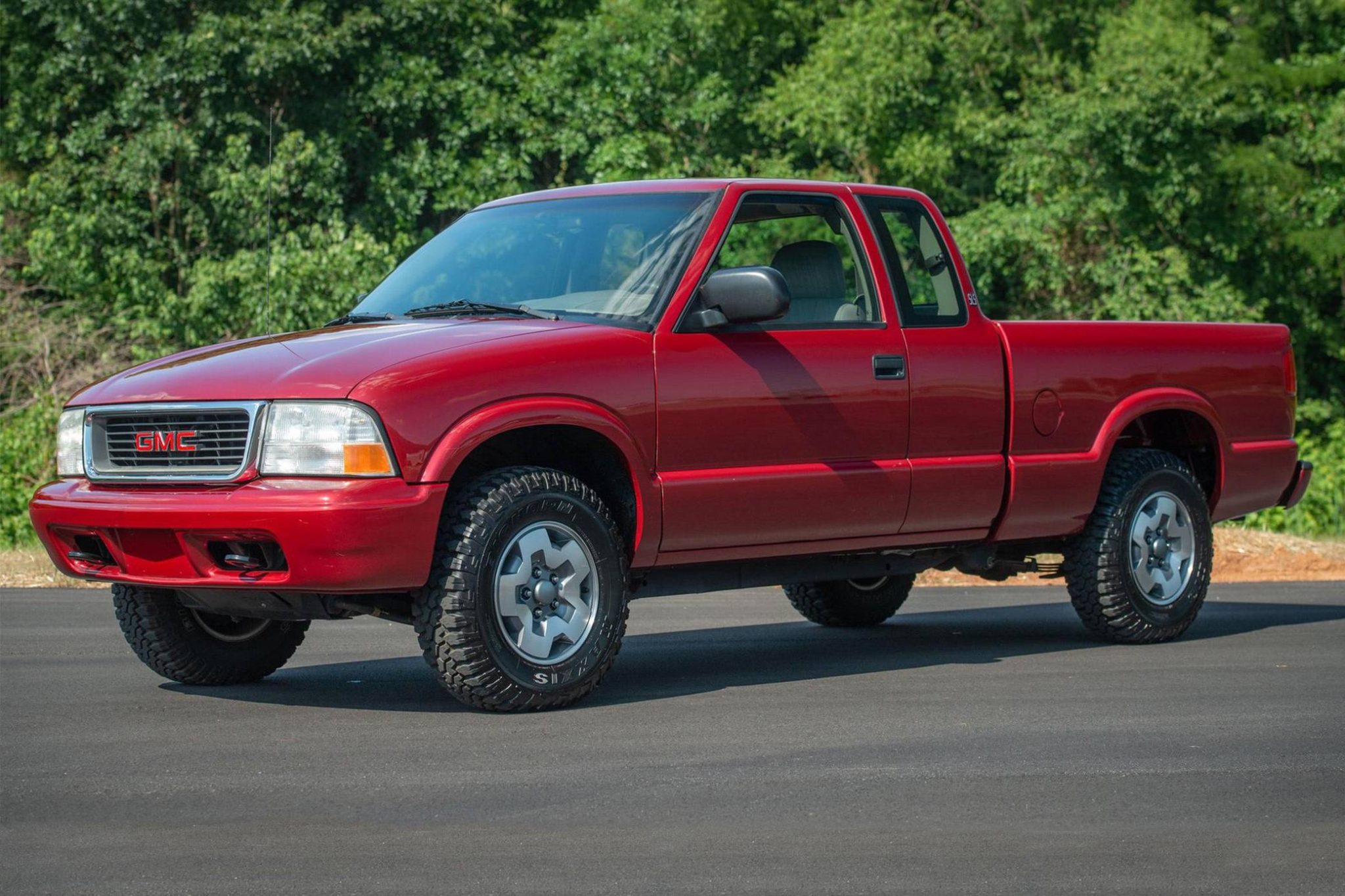
The clutch pedal effort was moderate, making the trucks manageable for daily driving without causing excessive fatigue in traffic-heavy environments.
One of the S-10’s most appealing aspects was its extensive range of configurations. Buyers could choose from regular cab, extended cab, and crew cab body styles, combined with either short or long bed options.
This flexibility allowed customers to tailor their truck precisely to their needs, whether that meant maximizing cargo capacity, passenger room, or achieving the most compact dimensions possible for urban use.
The S-10 ZR2 and Sonoma Highrider packages added off-road credibility to these compact trucks. These specialized versions featured wider track widths, enhanced suspension systems, aggressive all-terrain tires, and distinctive styling cues that set them apart from standard models.
While these packages increased the price, they remained affordable compared to mid-size and full-size truck alternatives, and they were available with manual transmissions throughout their production run.
Interior accommodations in the S-10 and Sonoma were basic but functional, reflecting their budget-oriented positioning. However, higher trim levels offered improved materials, additional features like power windows and locks, and more comfortable seating.
Even in base form, these trucks provided everything necessary for daily transportation and work duties without unnecessary frills. The discontinuation of the S-10 and Sonoma after 2004 marked the end of an era for GM’s compact truck lineup. They were replaced by the mid-size Chevrolet Colorado and GMC Canyon, which were larger, more sophisticated, and more expensive.
This transition made the final S-10 and Sonoma models particularly appealing to buyers seeking traditional compact truck dimensions at affordable prices.
3. Toyota Tacoma (2000-2015)
The Toyota Tacoma emerged during the 2000s as the gold standard for compact and mid-size pickup trucks, earning a reputation for legendary reliability, strong resale value, and exceptional capability.
The availability of manual transmissions throughout most of the decade made the Tacoma particularly appealing to enthusiasts who appreciated both Toyota’s renowned build quality and the engaging driving experience provided by a stick shift.
When the second-generation Tacoma launched in 2005, it represented a significant evolution from its predecessor, growing in size to occupy the emerging mid-size truck segment.
Throughout both generations sold during the 2000s, Toyota offered manual transmissions across multiple engine options, including the base 2.7-liter four-cylinder and the optional 4.0-liter V6.
The six-speed manual transmission introduced with the second generation was particularly praised for its smooth operation, precise shifter action, and well-weighted clutch pedal that made it enjoyable to operate in all conditions.
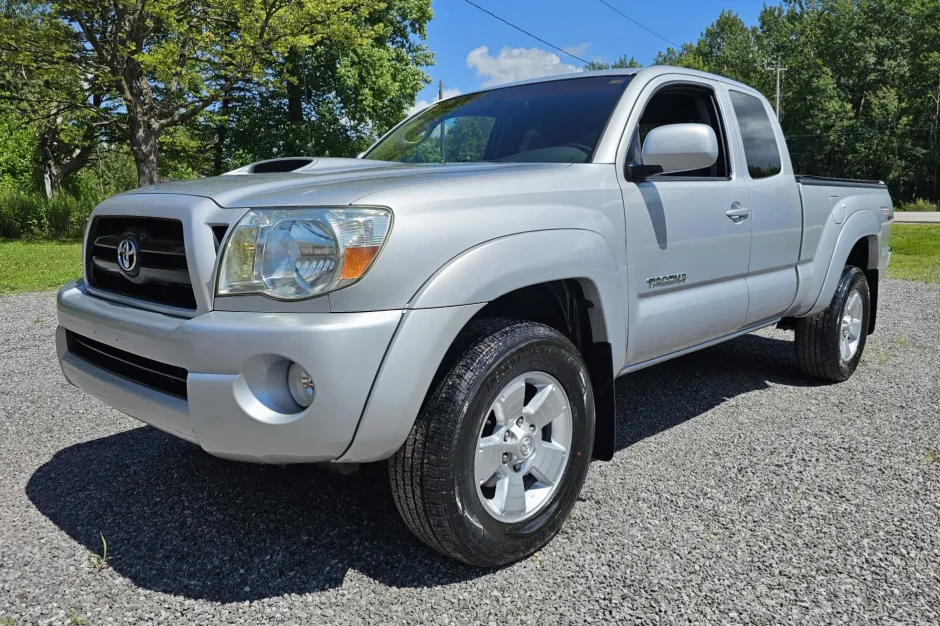
The Tacoma’s pricing positioned it slightly above some domestic competitors, with base models starting around $15,000 to $16,000 in the early 2000s and rising to the high teens by the end of the decade.
However, Toyota’s reputation for reliability and the Tacoma’s exceptional resale values meant that the total cost of ownership often proved lower than cheaper alternatives.
Many buyers willingly paid the premium knowing their Tacoma would likely outlast competitive trucks and retain significant value when it came time to sell.
The Tacoma’s cultural impact during the 2000s extended beyond simple transportation. It became synonymous with adventure and outdoor lifestyles, appearing in countless camping trips, trail runs, and overland expeditions.
The manual transmission models gained particular cult status among enthusiasts, who appreciated the added control and engagement they provided in off-road situations.
4. Nissan Frontier (2000-2021)
The Nissan Frontier represented one of the most enduring and value-focused options in the compact and mid-size truck market throughout the 2000s.
Known for its straightforward design, solid construction, and competitive pricing, the Frontier offered manual transmission options that appealed to buyers seeking simplicity, affordability, and driving engagement without sacrificing capability or reliability.
The first-generation Frontier sold during the early 2000s featured a five-speed manual transmission paired with either a 2.4-liter four-cylinder or a 3.3-liter V6 engine.
When the second-generation model launched in 2005, it grew substantially in size and capability, moving firmly into the mid-size truck category.
This new generation introduced more powerful engine options, including an excellent 4.0-liter V6 that produced 261 horsepower, paired with either a six-speed manual or five-speed automatic transmission.
The six-speed manual transmission in the second-generation Frontier proved to be one of the best-shifting boxes in the segment. It featured precise, mechanical engagement with relatively short throws between gears, making it genuinely enjoyable to operate.
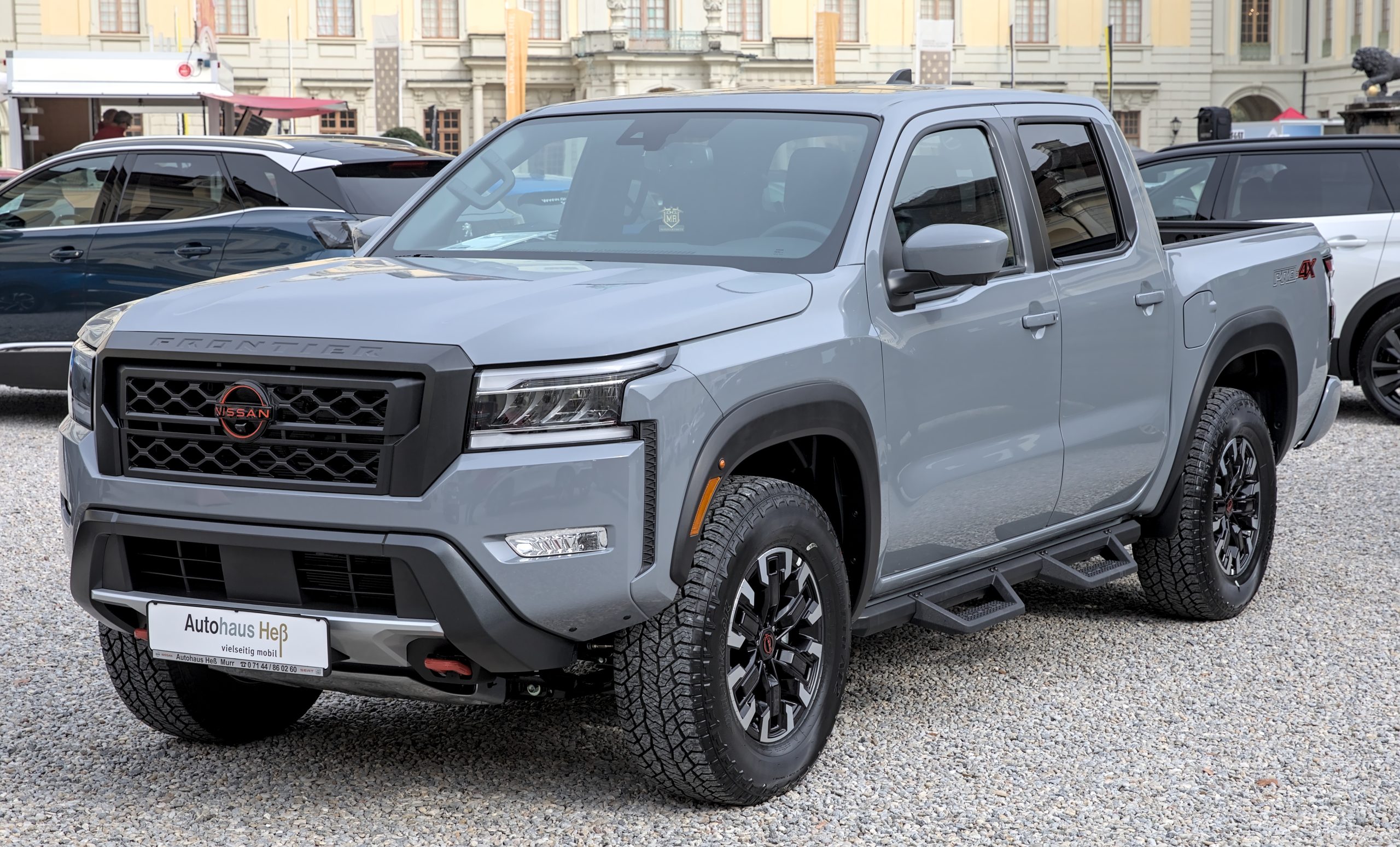
The clutch pedal effort remained moderate, avoiding the heavy, truck-like feel that characterized some competitors, while still providing adequate feedback for confident engagement. This combination made the Frontier equally suited to daily commuting and spirited driving on back roads.
Pricing represented one of the Frontier’s strongest competitive advantages. Throughout the 2000s, Nissan typically positioned the Frontier slightly below the Toyota Tacoma in price while offering similar capabilities and features.
Base models with four-cylinder engines and manual transmissions could be purchased for around $14,000 to $16,000 new in the mid-2000s, making the Frontier an exceptional value for buyers seeking truck utility without premium pricing.
Long-term reliability proved to be another Frontier strength. The simple mechanical design, proven drivetrain components, and solid construction resulted in trucks that routinely exceeded 200,000 miles with proper maintenance.
The manual transmission components were particularly durable, with many examples still operating on original clutches well past 150,000 miles.
Also Read: 9 Compact SUVs With Big, Useful Mirrors For Visibility
5. Mazda B-Series (2000-2009)
The Mazda B-Series trucks represented a unique proposition in the American market during the 2000s, offering Japanese refinement and reliability in a package that was mechanically identical to the Ford Ranger through a long-standing partnership between the two manufacturers.
This relationship allowed Mazda to offer affordable manual-transmission trucks without the massive development costs typically required, while Ford benefited from additional manufacturing volume and market coverage.
Throughout the 2000s, the B-Series was essentially a rebadged Ford Ranger with distinctive Mazda styling cues, particularly in the front fascia and interior trim.
The trucks were built in Ford’s Twin Cities Assembly Plant in Minnesota alongside Rangers, sharing engines, transmissions, chassis components, and most body panels.
Despite this mechanical commonality, Mazda dealers often priced B-Series trucks aggressively to move inventory, sometimes making them even more affordable than their Ford counterparts.
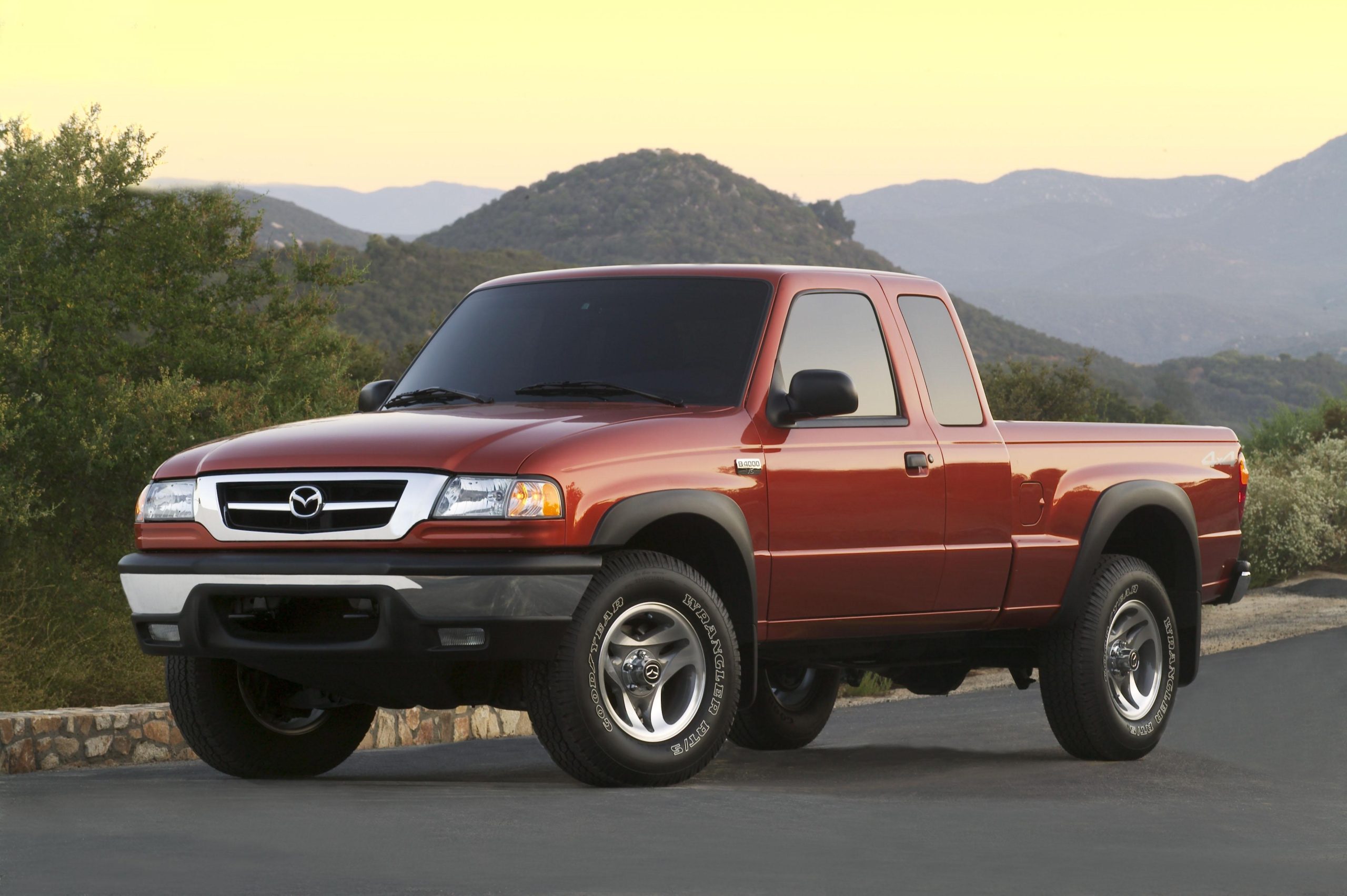
The B-Series was available with the same five-speed manual transmission options as the Ranger, paired with either the 2.3-liter four-cylinder or the 3.0-liter and later 4.0-liter V6 engines.
The manual transmission provided the same reliable operation and straightforward engagement found in the Ranger, though Mazda sometimes tuned the clutch and shifter slightly differently to provide a more refined feel that aligned with the brand’s reputation for driver engagement.
Mazda discontinued the B-Series after the 2009 model year, ending a partnership with Ford that had lasted decades. The decision reflected changing market dynamics, with Mazda focusing on its core passenger car lineup and Ford continuing with the Ranger on its own.
For buyers seeking affordable manual-transmission trucks during this period, the B-Series represented one of the best-kept secrets in the market.
6. Dodge Dakota (2000-2011)
The Dodge Dakota occupied a unique position in the truck market during the 2000s as a true mid-size pickup that split the difference between compact trucks and full-size offerings.
This positioning, combined with available manual transmissions and Chrysler’s typically aggressive pricing, made the Dakota an interesting option for buyers who needed more capability than compact trucks offered but found full-size trucks excessive for their needs.
The Dakota’s availability with manual transmissions was somewhat limited compared to smaller competitors, typically restricted to base models with four-cylinder or V6 engines in two-wheel-drive configurations.
The five-speed manual transmission paired with the 3.7-liter V6 engine provided adequate performance for most duties, though the clutch pedal effort was noticeably heavier than compact truck competitors, reflecting the Dakota’s larger size and more substantial construction.
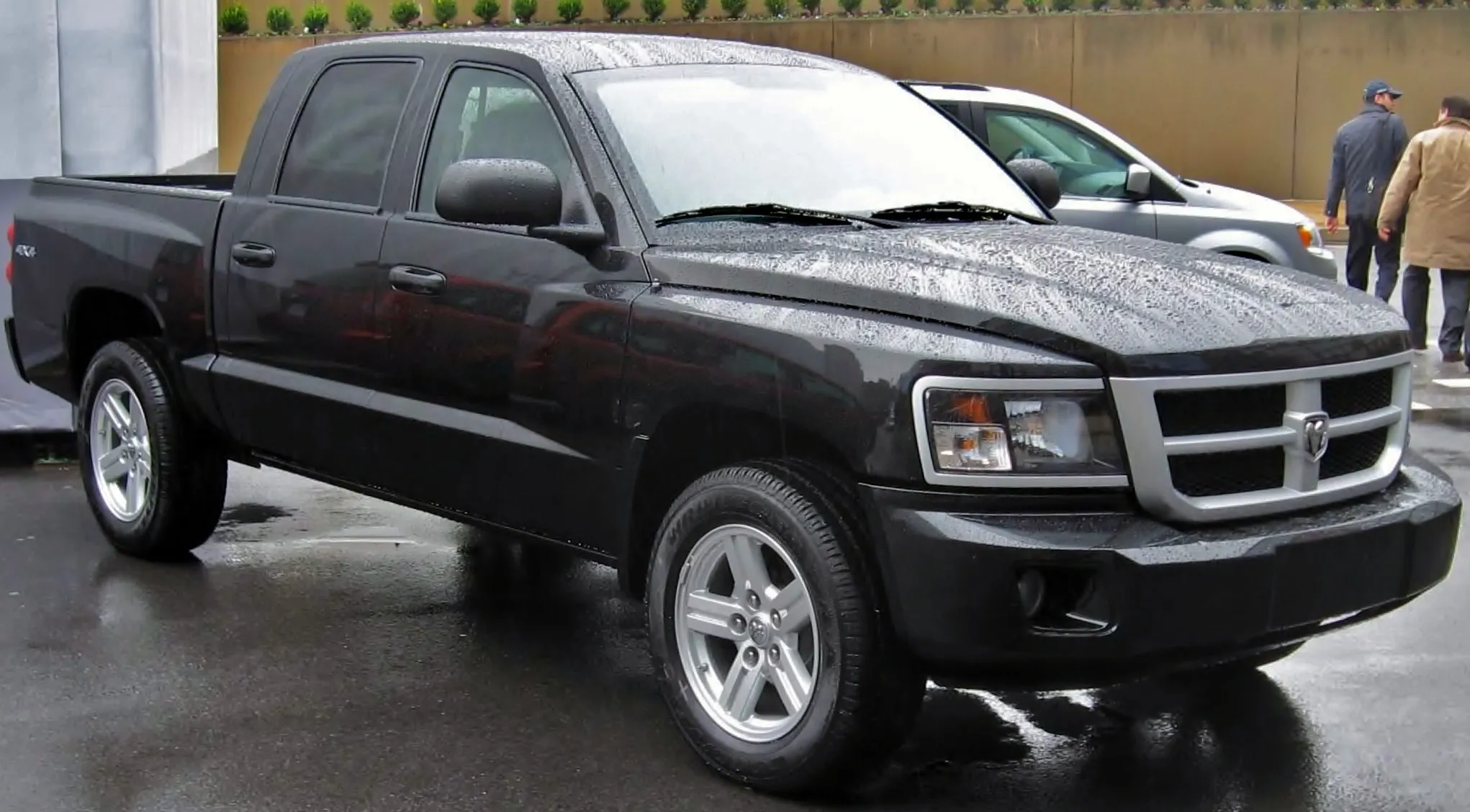
What set the Dakota apart was its towing and payload capabilities, which approached full-size truck territory. Even with the V6 engine and manual transmission, properly equipped Dakotas could tow up to 6,500 pounds and carry payloads exceeding 1,500 pounds.
This made the Dakota particularly attractive to buyers who needed genuine truck capability but wanted to avoid full-size truck pricing, fuel consumption, and parking challenges.
The Dakota’s pricing positioned it in an interesting middle ground. Base models with the manual transmission started around $16,000 to $18,000 during the mid-2000s, making them more expensive than compact trucks but significantly cheaper than full-size alternatives.
This pricing reflected the Dakota’s larger size, more substantial construction, and greater capabilities, while still representing good value for buyers who needed what it offered.
Off-road capability wasn’t the Dakota’s primary focus, though four-wheel-drive models with the available V8 engine (paired exclusively with automatic transmissions) could handle moderate trail conditions.
The manual transmission models were typically two-wheel-drive configurations focused on work duty and cost efficiency rather than adventure and recreation.
7. Ford F-150 (2000-2008)
The Ford F-150’s availability with manual transmissions during the early-to-mid 2000s represented the last gasp of stick-shift availability in America’s best-selling full-size truck.
While manual transmissions had been common in F-150s for decades, their availability steadily declined throughout this period as automatic transmissions improved and buyer preferences shifted.
By 2008, the manual transmission option was discontinued entirely, ending a long tradition in the F-Series lineup. During the years when manual transmissions remained available, they were typically restricted to base work truck configurations with the entry-level V6 or base V8 engines.
The five-speed manual transmission provided straightforward operation with a long-throw shifter and heavy clutch pedal effort that reflected the F-150’s full-size truck nature.
While not particularly refined or enjoyable for enthusiast driving, the manual transmission served commercial buyers well by offering lower purchase prices, simpler maintenance, and proven durability.
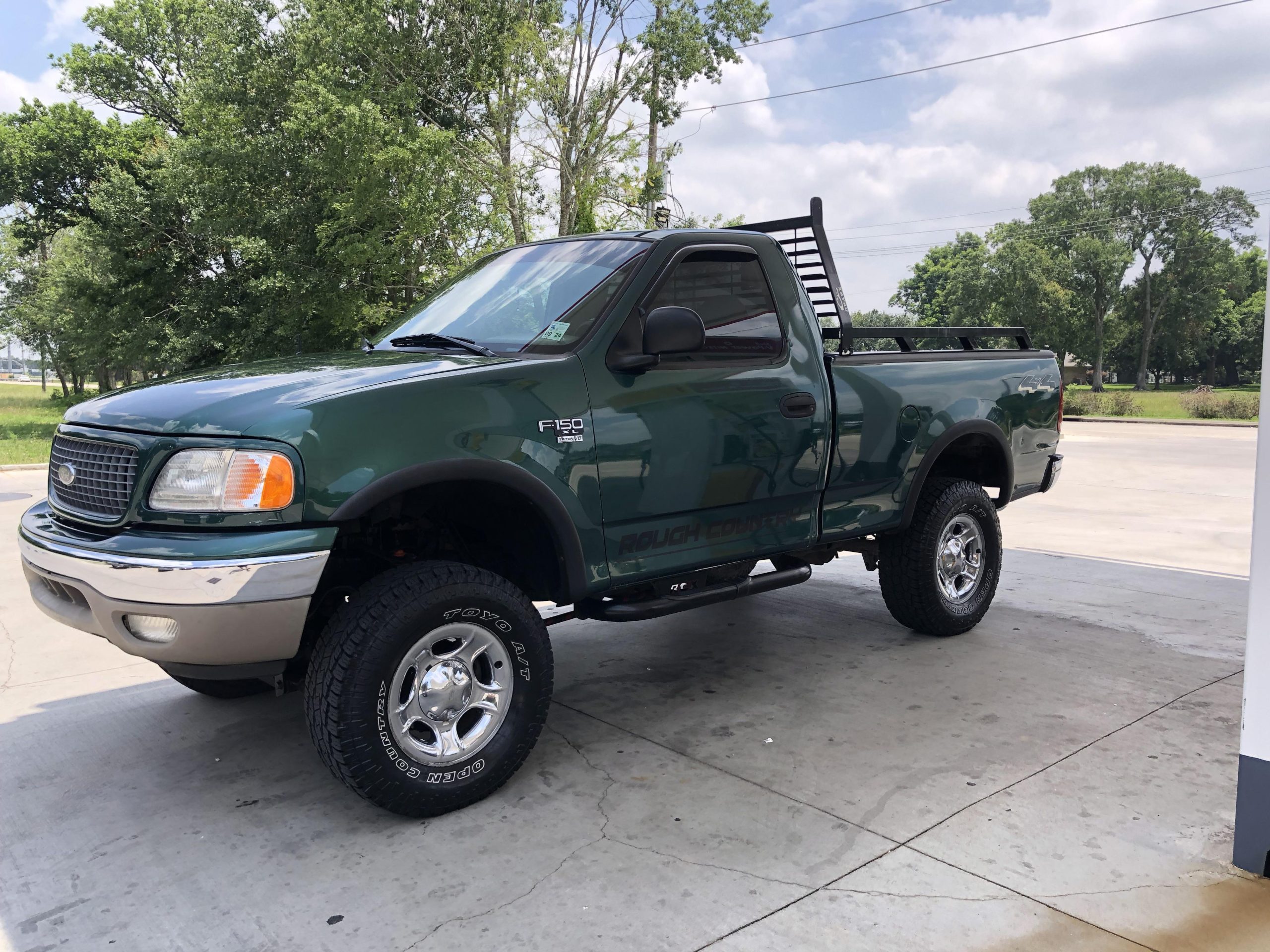
The F-150’s pricing with a manual transmission represented one of the most affordable entry points into full-size truck ownership during the early 2000s.
Base models with V6 engines, two-wheel drive, regular cab configuration, and manual transmissions could be purchased for around $17,000 to $19,000 new.
This pricing made them competitive with well-equipped compact trucks while offering significantly more capability, making them attractive to commercial buyers and cost-conscious consumers who needed serious truck capabilities.
Capability was where the F-150 truly justified its full-size status. Even base models with manual transmissions could tow 5,000 to 7,000 pounds depending on configuration, while payload capacities often exceeded 2,000 pounds.
The robust frame construction, available four-wheel drive, and proven drivetrain components meant these trucks could handle serious work duties that would overwhelm smaller competitors, making them favorites among contractors, landscapers, and other commercial users.
The discontinuation of manual transmissions in the F-150 after 2008 reflected changing market dynamics and technological advancement.
Improved automatic transmissions offered better fuel economy, easier operation, and greater towing capacity, eliminating the traditional advantages of manual transmissions for commercial buyers.
8. Chevrolet Silverado/GMC Sierra 1500 (2000-2007)
The Chevrolet Silverado and GMC Sierra represented General Motors’ entries in the highly competitive full-size truck market during the 2000s.
Like their Ford competitor, these trucks offered manual transmissions in base work truck configurations during the early part of the decade, providing affordable entry points into full-size truck ownership for buyers who preferred or required stick shifts.
The availability was limited and declined over time, ultimately disappearing entirely as automatic transmissions became universal in this segment.
Manual transmission availability in the Silverado and Sierra was restricted to the most basic work truck models with regular cab configurations, two-wheel drive, and base engine options.
The five-speed manual transmission featured a traditional long-throw shifter appropriate for a full-size truck, with clutch pedal effort that was substantial but manageable.
The mechanical engagement was straightforward and predictable, if not particularly refined, suiting the truck’s work-oriented mission. Pricing represented one of the primary reasons commercial buyers chose manual transmission Silverado and Sierra trucks.
Base models could be purchased for around $18,000 to $20,000 new during the early 2000s, making them affordable alternatives to automatic-equipped trucks while still providing full-size capability.
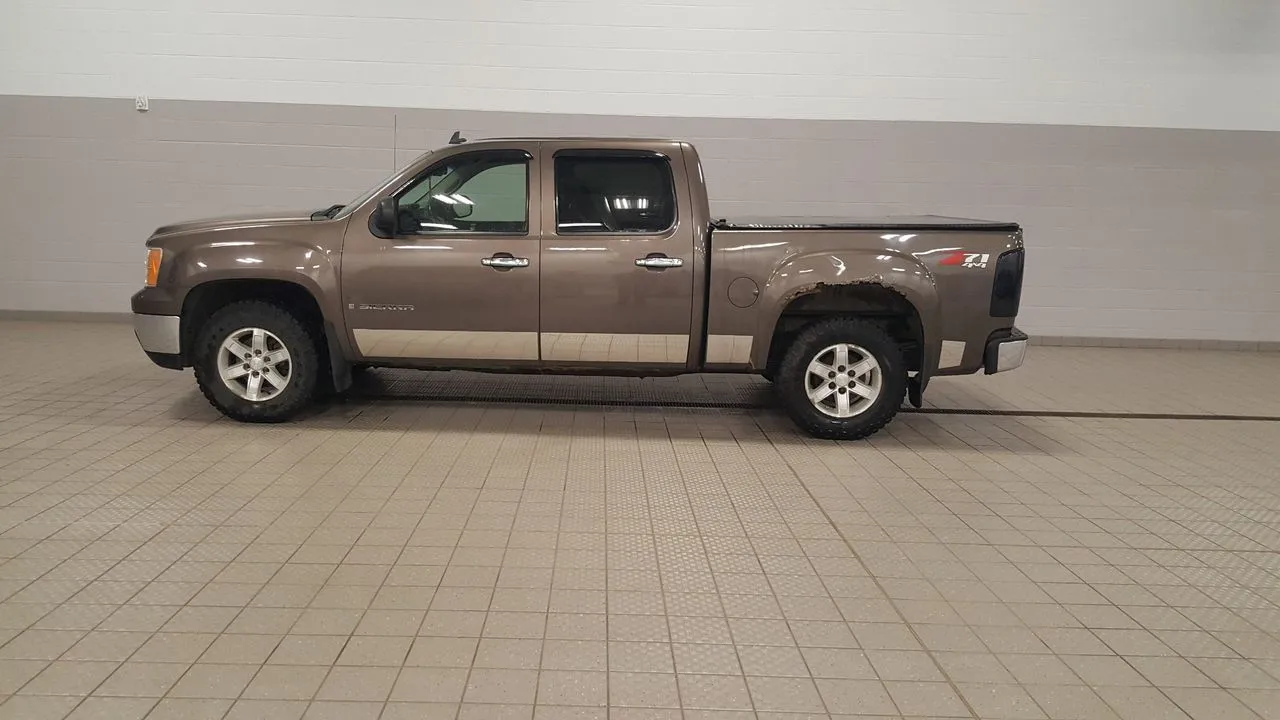
The cost savings came not just from the cheaper transmission, but also from the basic equipment levels that accompanied manual transmission availability vinyl seats, manual windows, and minimal trim.
The capability of these base Silverado and Sierra trucks was impressive despite their budget pricing. The standard 4.3-liter V6 engine provided adequate power for light-duty work, while the optional 4.8-liter V8 offered substantially more capability.
Towing capacities ranged from 5,000 to 8,000 pounds depending on engine and configuration, while payload ratings typically exceeded 1,500 pounds. This made them genuinely useful work trucks rather than merely cheap alternatives to better-equipped models.
Reliability of manual transmission GM full-size trucks during this era was generally good, with the simple mechanical drivetrain proving durable under work duty.
The clutch systems typically lasted 100,000 miles or more with proper operation, while the transmission itself often reached 200,000 miles without major issues. The widespread availability of replacement parts and the simple design made repairs relatively affordable when eventually needed.
9. Nissan Titan (2004-2015)
The Nissan Titan entered the full-size truck market in 2004 as an ambitious challenger to the American Big Three’s dominance. While the Titan was primarily marketed with automatic transmissions, it briefly offered a six-speed manual transmission option in certain markets and configurations during its early years, making it a unique proposition for buyers seeking manual transmission capability in a full-size truck from a Japanese manufacturer.
The manual transmission availability in the Titan was extremely limited, typically restricted to the base S trim level with the standard 5.6-liter V8 engine in two-wheel-drive regular cab configurations.
This limited availability meant that many buyers never knew the Titan could be purchased with a stick shift, and dealer inventory of manual transmission models was sparse.
The six-speed manual offered smooth operation with a relatively short-throw shifter for a full-size truck, reflecting Nissan’s expertise in manual transmission design from its sports car lineup.
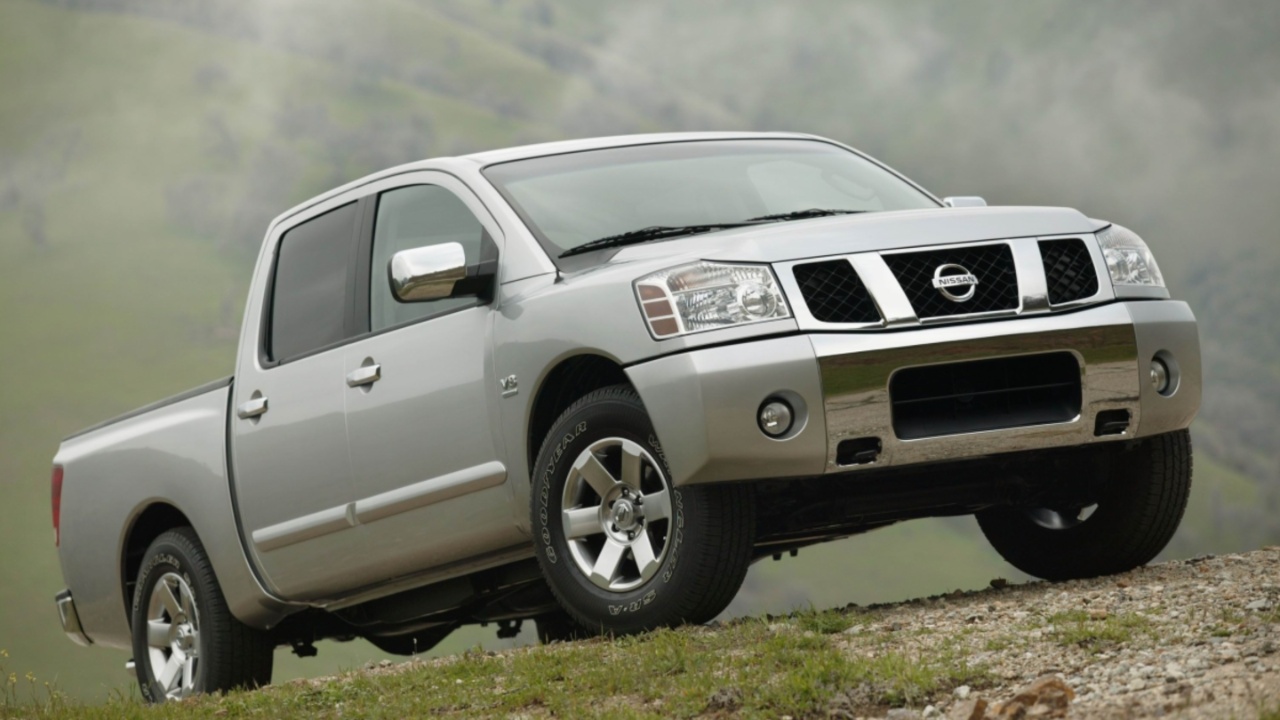
The Titan’s pricing with a manual transmission positioned it competitively against American full-size trucks, with base models starting around $19,000 to $21,000 when the option was available.
This pricing reflected Nissan’s strategy of offering compelling value to convince buyers to take a chance on a new entrant in the conservative full-size truck market.
The manual transmission option provided an additional cost savings opportunity for budget-focused buyers willing to shift their own gears.
The manual transmission option in the Titan was discontinued relatively early in the model’s production run, likely due to extremely low take rates among American buyers.
By the mid-to-late 2000s, finding a manual transmission Titan became nearly impossible, as Nissan focused on the automatic transmission variants that the vast majority of customers preferred. This short availability window makes manual transmission Titans rare and somewhat collectible today.
10. Dodge Ram 1500 (2000-2009)
The Dodge Ram 1500 completed the full-size truck segment’s offerings during the 2000s, providing another option for buyers seeking manual transmission capability in America’s traditional truck category.
Like its competitors from Ford and GM, the Ram offered manual transmissions primarily in base work truck configurations during the early part of the decade, serving commercial buyers and cost-conscious consumers who valued simplicity and affordability over refinement and features.
Manual transmission availability in the Ram 1500 followed the industry pattern of restriction to the most basic models. Regular cab configurations with two-wheel drive and base V6 or V8 engines could be equipped with a five-speed manual transmission that featured long shifter throws and substantial clutch pedal effort appropriate for a full-size truck’s work duties.
The mechanical engagement was straightforward and predictable, suiting operators who prioritized durability and reliability over driving enjoyment.
The Ram’s pricing with a manual transmission was competitive with Ford and Chevrolet alternatives, typically ranging from $17,000 to $20,000 for base models during the early 2000s.
This pricing strategy aimed to capture commercial buyers and fleet operators who purchased trucks primarily as tools rather than lifestyle vehicles.
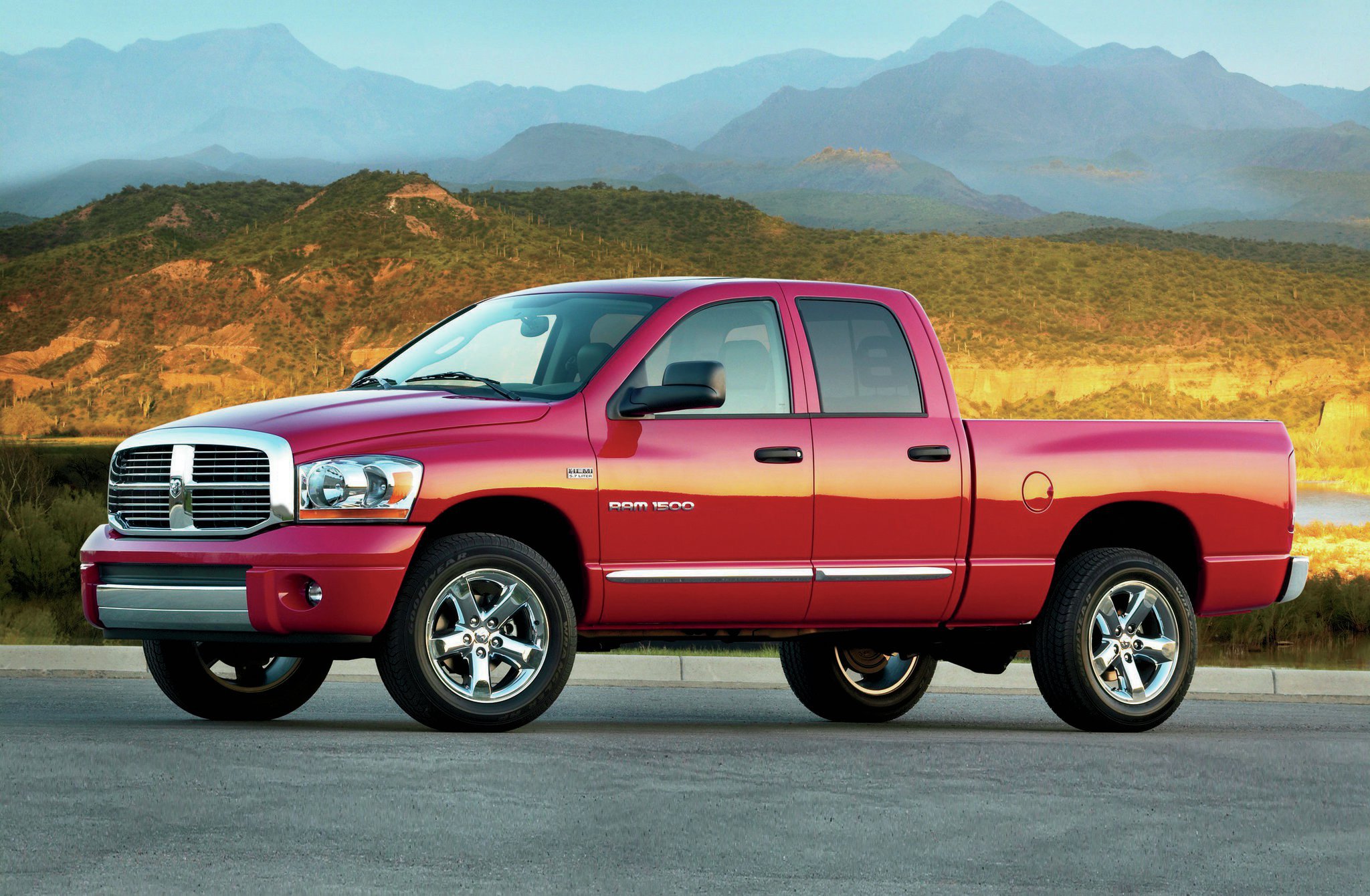
The basic equipment that accompanied manual transmission availability kept prices down while still providing the fundamental capabilities required for genuine work duty.
Dodge’s full-size truck capabilities during this era were comparable to competitors, with towing capacities ranging from 5,000 to 8,500 pounds depending on engine choice and configuration.
The standard 3.7-liter V6 provided adequate power for light-duty use, while the available 4.7-liter V8 offered substantially more capability for serious hauling and towing. Payload ratings typically exceeded 1,500 pounds, making even base models genuinely useful for commercial applications.
The Ram’s distinctive styling set it apart from competitors throughout the 2000s, with bold design elements that referenced Dodge’s truck heritage while appearing modern and aggressive.
Even base work truck models featured the Ram’s signature front end design, making them visually distinctive despite their spartan equipment levels.
This styling appeal attracted some private buyers who wanted an affordable full-size truck that still looked good, even if it lacked features and refinement.
The Ram 1500’s legacy from this era includes representing the final generation when manual transmissions remained available across all domestic full-size trucks, making it a historically significant vehicle for enthusiasts who appreciate the analog driving experience that manual transmissions provide in traditional truck applications.
Also Read: 10 Cars With Simple Phone Apps That Actually Help
