
Power and torque don’t have to come with a hefty price tag that drains your savings account. If you’ve been browsing used car listings and dreaming about getting behind the wheel of something with serious grunt, you’re in luck.
The used car market in 2025 has matured to the point where performance vehicles that once commanded premium prices have depreciated enough to fall within reach of budget-conscious enthusiasts. You can actually find legitimate performance machines that deliver thrilling acceleration and impressive pulling power without breaking the $20,000 barrier.
High torque matters more than horsepower for real-world driving enjoyment. It’s what pins you back in your seat when you stomp the gas pedal and makes merging onto highways feel effortless. Torque gets you moving from stoplights with authority and makes passing slower traffic feel confident rather than nerve-wracking.
While horsepower determines top speed, torque defines how quickly you reach that speed and how strong the acceleration feels throughout the power band. Finding these performance bargains requires knowing which models have depreciated favorably while maintaining mechanical reliability.
Some vehicles lose value rapidly due to expensive maintenance concerns, while others simply fall out of fashion despite being mechanically sound. Smart shoppers who do their research can score incredible performance deals that deliver driving thrills typically associated with cars costing twice as much.
This guide examines nine powerful, high-torque used vehicles currently available under $20,000, each offering genuine performance credentials and availability in today’s market. Let’s look at what you can actually buy right now without needing a trust fund or selling vital organs.
1. Dodge Charger R/T 2015-2017
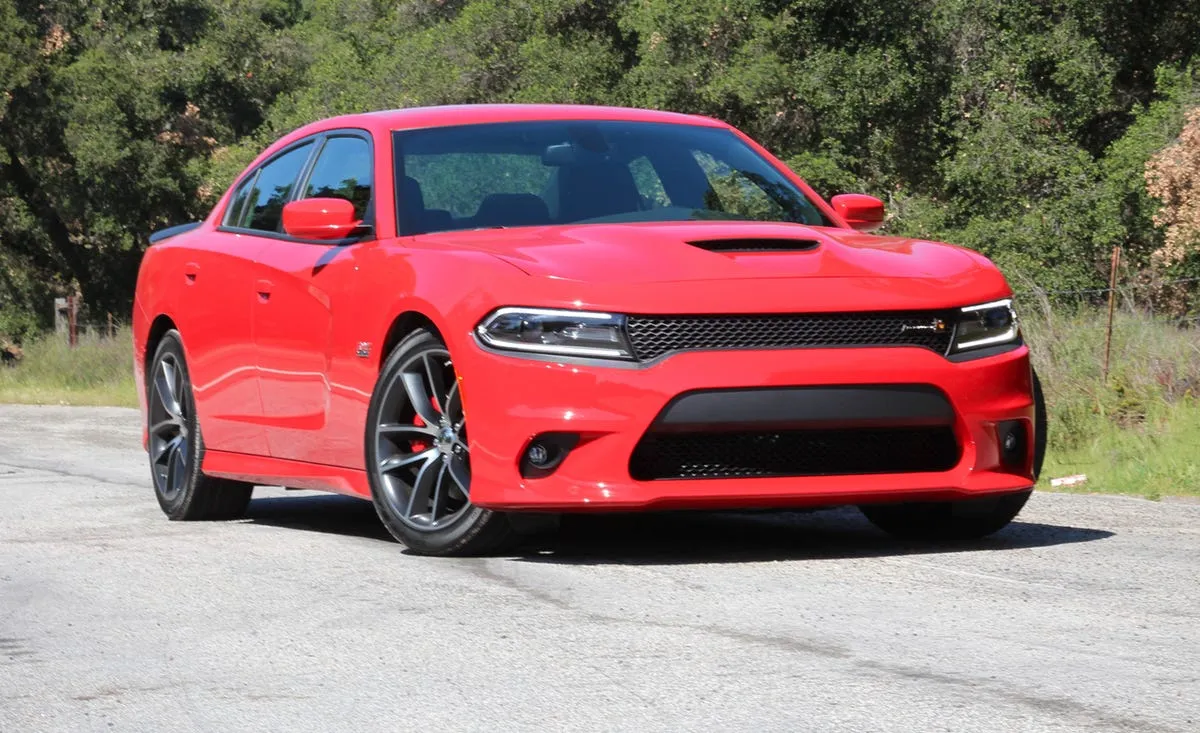
American V8 muscle delivers everything you’d expect from a modern muscle car in the 2015-2017 Dodge Charger R/T. That legendary 5.7-liter HEMI V8 produces 370 horsepower and 395 lb-ft of torque, numbers that translate into genuinely exciting acceleration.
Zero to sixty happens in around 5.2 seconds, which still feels quick even by 2025 standards. You’re not buying some relic from the past that can’t keep up with modern traffic. This Charger will absolutely embarrass plenty of newer vehicles at stoplights while seating five adults comfortably in a roomy sedan body.
Prices have dropped into the sweet spot where enthusiasts on tight budgets can actually afford them. Clean examples with reasonable mileage around 70,000-90,000 miles regularly sell between $16,000 and $19,500. You’ll find these Chargers all over the country since Dodge sold them in huge numbers to both private buyers and fleet customers.
Check listings carefully because ex-police Chargers flood the used market. Those police package cars took hard lives but cost thousands less. If you want something that wasn’t driven hard and put away wet, stick with civilian models that have full service histories.
Fuel economy sits exactly where you’d expect for a V8 sedan. EPA ratings of 16 city and 25 highway mean you’ll visit gas stations frequently if you commute daily. But honestly, anyone buying a V8 muscle sedan already knows fuel efficiency isn’t the priority here. You’re paying for that glorious exhaust note and the torque that shoves you back in your seat during acceleration.
Rear-wheel-drive layout makes these Chargers genuinely fun to drive when roads are dry and empty. Snow and ice require caution since 395 lb-ft going through the rear wheels can get sideways quickly without proper tires and careful throttle control.
Common issues include electrical gremlins that plague Chrysler products from this era. Window switches fail, dashboard displays glitch, and various sensors throw codes without actual mechanical problems. These annoyances won’t strand you, but will irritate you. HEMI engines themselves prove remarkably durable when maintained properly with regular oil changes using quality synthetic oil.
Transmission holds up well unless abused with drag racing launches. Suspension bushings wear out around 80,000 miles, causing clunking noises that sound worse than they actually are. Budget $500-$800 for bushing replacement when you hear those noises developing.
2. Infiniti Q50 3.7 AWD 2014-2015
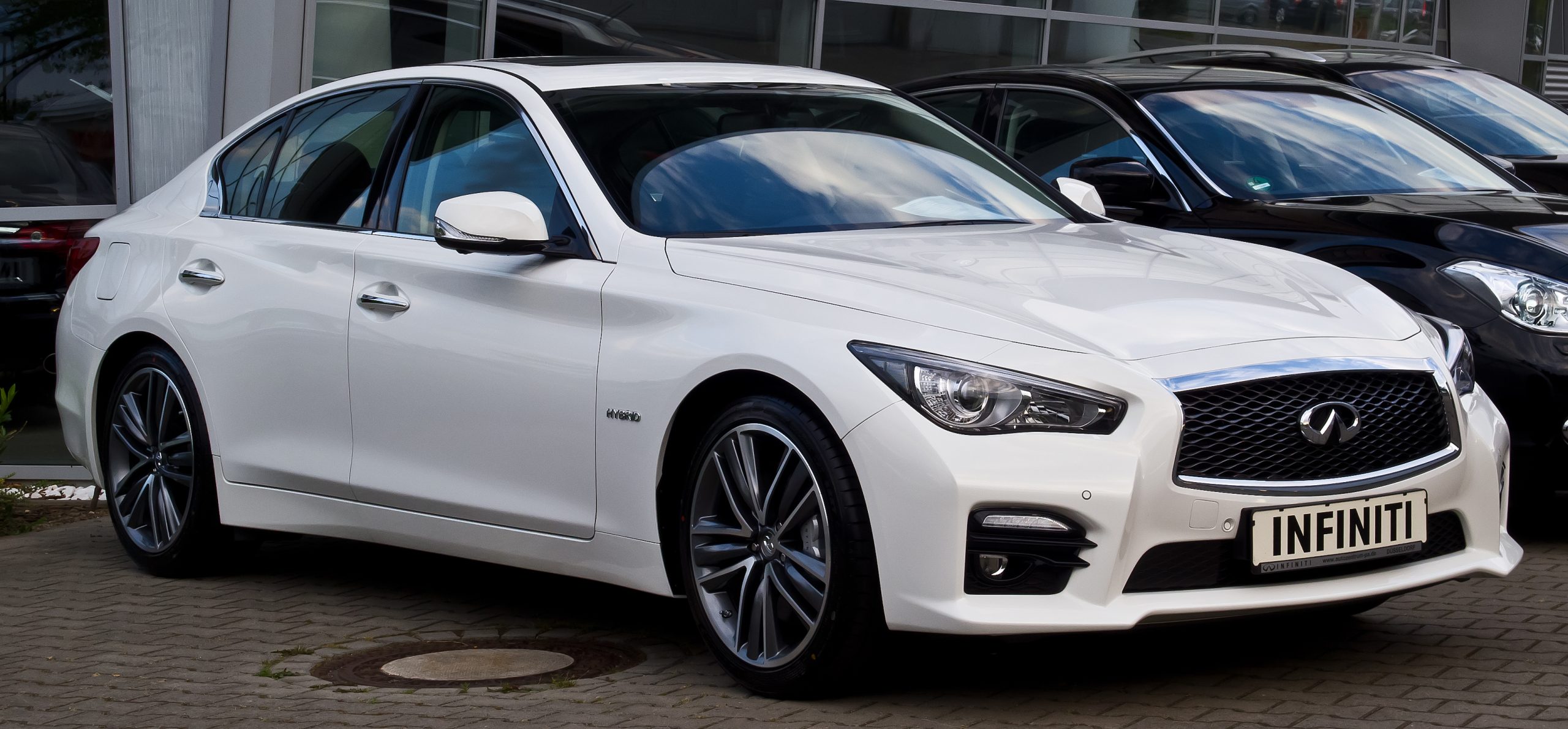
Japanese luxury meets surprising performance in the often-overlooked Infiniti Q50 3.7 AWD from 2014-2015. That 3.7-liter V6 cranks out 328 horsepower and 269 lb-ft of torque, delivered through a smooth seven-speed automatic transmission. Acceleration feels strong and refined, hitting sixty from a standstill in around 5.4 seconds.
What makes this sedan special compared to flashier muscle cars is how it delivers performance with sophistication. You get quick acceleration wrapped in genuine luxury materials and technology that still feels modern even in 2025.
Depreciation hit these Q50s hard, which works perfectly for budget performance shoppers. Clean examples with 60,000-80,000 miles sell between $14,000 and $18,000, offering tremendous value for what you’re actually getting. That all-wheel-drive system adds capability in bad weather while managing power delivery smoothly during hard acceleration.
You’re getting a legit luxury sedan with performance credentials at prices where most shoppers settle for basic economy cars. Interior quality remains impressive with leather seats, decent tech features, and build quality that feels substantial rather than cheap.
Infiniti’s reliability generally follows Nissan’s proven track record since they share corporate DNA. That 3.7-liter V6 has been used across multiple Nissan and Infiniti models for years, building a reputation for durability when maintained properly.
Change the oil every 5,000 miles with quality synthetic, and this engine will run past 200,000 miles without major drama. Transmission likewise proves reliable with regular fluid changes every 60,000 miles. All-wheel-drive system adds maintenance costs compared to rear-drive models, but provides peace of mind in winter weather that justifies the expense.
Watch for oil consumption issues that affected some 3.7-liter engines. Check for blue smoke from the exhaust during test drives and look for low oil level warnings on the dashboard. If the engine doesn’t show consumption issues by 70,000 miles, it probably won’t develop them later.
Steering-by-wire system feels weird initially if you’re used to traditional hydraulic steering. Some drivers never adjust to the artificial feel, so take extended test drives before committing. Replacement parts cost more than domestic brands but remain reasonable compared to German luxury competitors. Independent shops can service these Infinitis without dealer-only special tools, keeping maintenance costs manageable.
Also Read: 5 Cars for Nashville’s Nightlife Runs vs 5 That Cost a Fortune
3. Ford Mustang GT 2015-2017
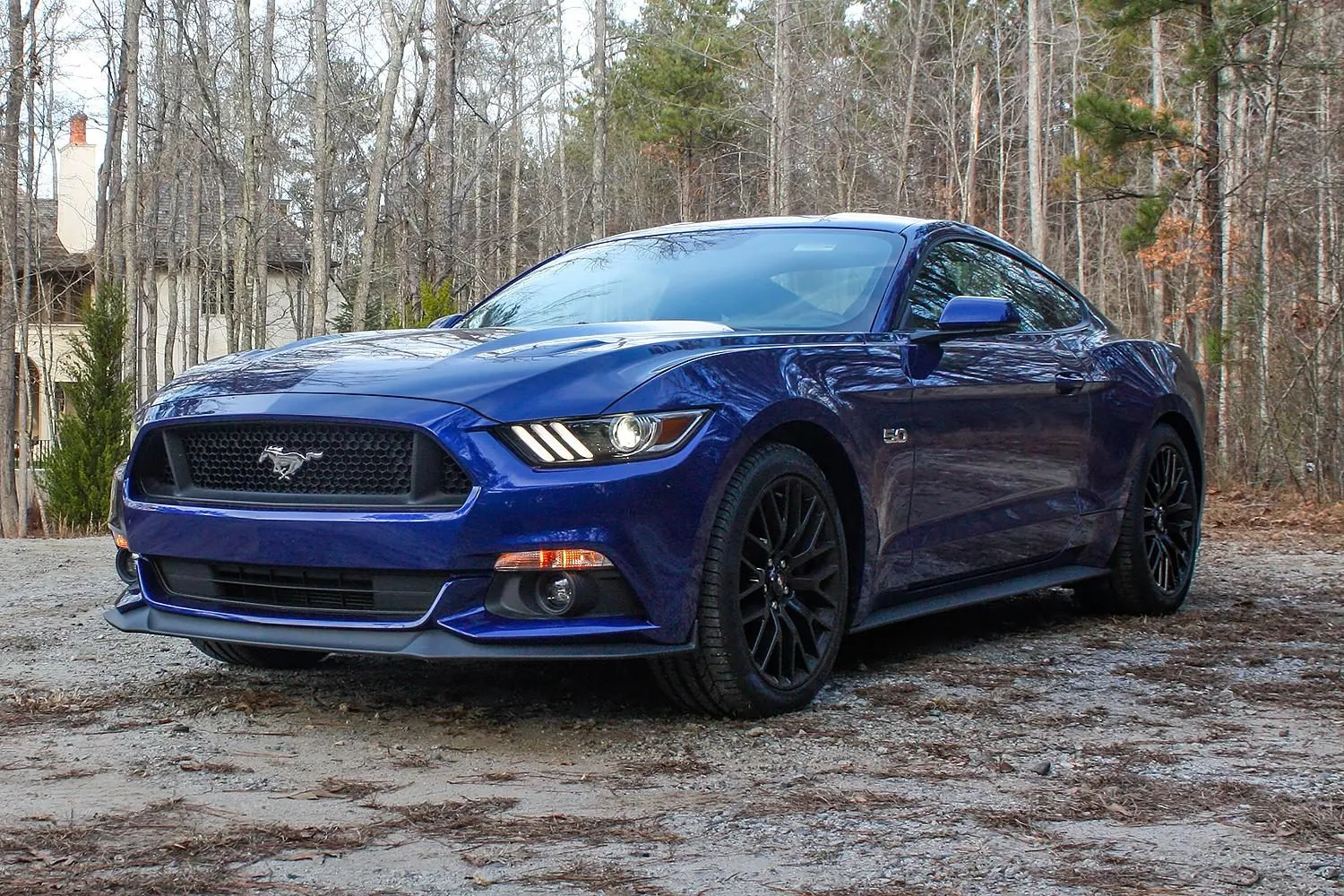
Modern muscle car dynamics arrived when Ford completely redesigned the Mustang for 2015. That 5.0-liter Coyote V8 delivers 435 horsepower and 400 lb-ft of torque, numbers that place it firmly in serious performance territory.
Acceleration feels explosive, hitting sixty in around 4.3 seconds and making this Mustang genuinely quick by any standard. Independent rear suspension replaced the ancient live axle that plagued previous Mustangs, transforming handling from scary to genuinely competent. You can actually take corners with confidence instead of white-knuckling through every curve, wondering if the back end will swap around.
Market pricing varies widely based on condition and mileage. Clean examples with 50,000-70,000 miles sell between $18,000 and $20,000, placing them at the upper end of this budget. Higher mileage cars or those with cosmetic damage drop below $18,000 easily.
Manual transmissions sell for slight premiums because enthusiasts prefer them, though the automatic actually changes quickly during hard acceleration. Convertibles command higher prices than coupes despite adding weight that hurts performance slightly. Stick with coupes if performance matters more than wind-in-your-hair cruising.
Fuel economy improves compared to older Mustang GTs thanks to modern engine technology. EPA ratings of 16 city and 25 highway mean you won’t go broke filling the tank, at least compared to expectations for V8 muscle cars.
Real-world driving typically delivers 20-22 mpg during mixed use if you can resist constantly hammering the throttle. That temptation proves difficult because this engine sounds fantastic, and the acceleration never gets old. Every stoplight becomes an opportunity to hear that V8 rumble and feel the torque surge.
Check for transmission issues with manual cars. MT-82 six-speed manual earned a poor reputation for notchy movements and occasional gear lockouts. Some owners experienced complete transmission failures requiring replacements.
Automatic transmissions prove more reliable but less engaging to drive. Suspension bushings wear out around 60,000 miles, causing clunking noises during hard acceleration or braking. Rear differential fluid needs changing every 50,000 miles to prevent premature wear.
Budget $1,000-$1,500 annually for maintenance and repairs when buying a used performance car driven by previous owners who may have abused it.
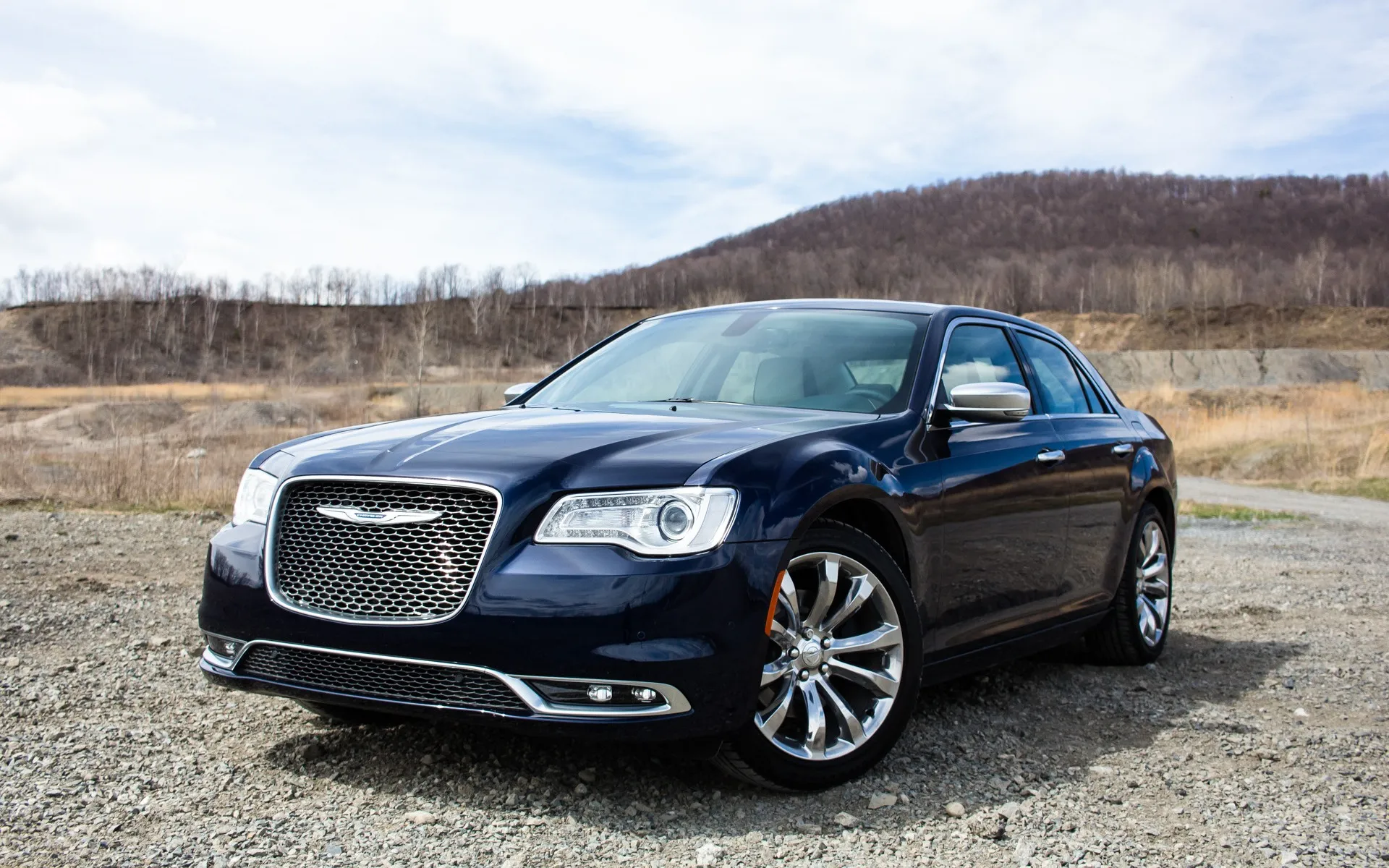
4. Chrysler 300C V8 2015-2016
Full-size American luxury sedan performance comes surprisingly affordable in the 2015-2016 Chrysler 300C V8. That same 5.7-liter HEMI producing 363 horsepower and 394 lb-ft of torque from the Charger lives under this hood, delivering identical performance in a more upscale package.
Zero to sixty happens in around 5.3 seconds, respectable for a sedan weighing over 4,000 pounds. What separates the 300C from its Charger sibling is the additional luxury appointments and slightly more mature styling that doesn’t scream “look at me” quite as loudly.
Prices undercut equivalent Charger R/Ts because the 300C appeals to narrower demographics. Clean examples with 60,000-80,000 miles sell between $15,000 and $18,000, offering genuine performance luxury sedan value. You’ll find fewer 300Cs available compared to Chargers since Chrysler sold far fewer, but patience turns up good examples regularly.
Interior quality exceeds the Charger with better materials and more sound insulation that creates quieter highway cruising. Real leather seats, a decent infotainment system, and surprisingly spacious rear seating make this a legitimate luxury sedan that happens to have serious performance.
Rear-wheel-drive layout combined with all that torque creates the same winter weather challenges as the Charger. Budget for quality winter tires if you live where snow falls regularly. Summer performance tires equipped from the factory provide excellent grip in warm weather, but become dangerous hockey pucks when temperatures drop below 40 degrees.
All-season tires represent a sensible compromise for year-round daily driving in areas with mild winters. Common problems mirror Charger issues since they share platforms and powertrains. Electrical issues crop up with various sensors and switches failing.
Water pump failures around 80,000 miles are common enough to budget $600-$800 for replacement when that mileage approaches. HEMI lifter tick develops in some engines, creating an annoying noise that doesn’t actually indicate mechanical failure.
This tick drives some owners crazy, but it doesn’t prevent the engine from running another 100,000 miles. Transmission fluid changes every 60,000 miles, extending transmission life substantially. Chrysler calls transmission fluid “lifetime,” but that’s marketing nonsense. Change it regularly, and the transmission will outlast your ownership.
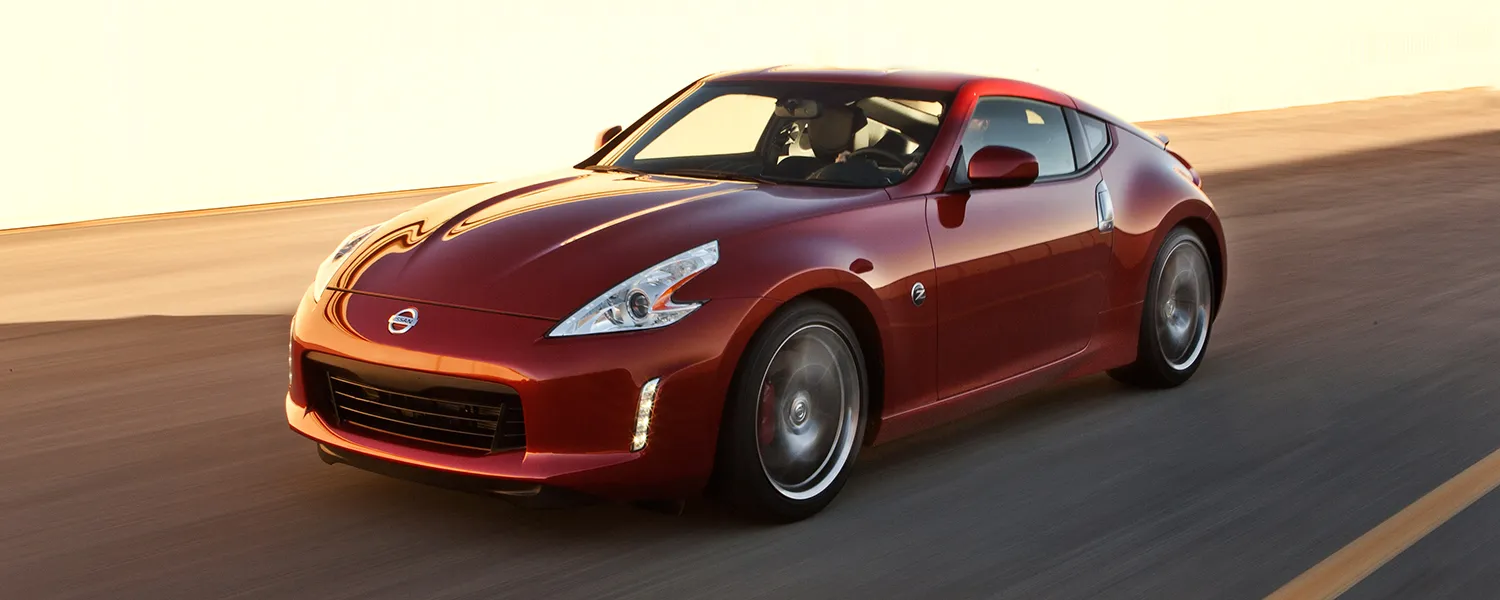
5. Nissan 370Z 2013-2016
Japanese sports car purity defines the 2013-2016 Nissan 370Z, offering 332 horsepower and 270 lb-ft of torque from its 3.7-liter V6. Acceleration feels strong, hitting sixty in around 4.9 seconds with the manual transmission. What makes the 370Z special is the driving experience it delivers. Short wheelbase creates nimble handling that makes twisty roads feel like amusement park rides.
Rear-wheel-drive layout puts power down where enthusiasts prefer, creating balanced dynamics and occasional tail-out fun when you’re feeling frisky. Hydraulic steering provides actual feedback, unlike modern electric systems that feel numb.
Pricing varies based on mileage and transmission choice. Clean manual transmission examples with 50,000-70,000 miles sell between $16,000 and $19,500. Manual cars command premiums because enthusiasts recognize them as the proper choice for sports cars.
Automatic transmissions with paddle shifters work fine, but remove some engagement that makes sports cars special. Higher mileage examples with 80,000-100,000 miles drop below $15,000, offering entry-level sports car thrills at economy car prices.
Two-seat configuration limits practicality to nearly zero. You get tiny cargo space behind the seats that barely holds two backpacks. Forget about hauling anything larger or transporting more than one passenger.
This is a pure sports car designed for driving enjoyment rather than practical transportation. If you need something for commuting with occasional weekend fun, the 370Z works. If you need to haul stuff or people regularly, look elsewhere.
Watch for oil consumption issues that plagued early 370Zs. 2013-2014 models sometimes burned oil excessively, requiring top-ups between changes. 2015-2016 models largely solved this problem, but check oil levels during test drives anyway.
Clutch replacement costs around $1,500-$2,000 on manual cars, typically needed around 80,000 miles, depending on driving style. Synchros in the manual transmission sometimes develop a notchy feel, making clean movements difficult. This isn’t a major failure but indicates worn transmission components that will eventually need addressing.
Budget $500 annually for tires since rear tires wear quickly from 270 lb-ft going through them. Rotating isn’t possible with staggered tire sizes front to rear, so rear tire replacement happens frequently.
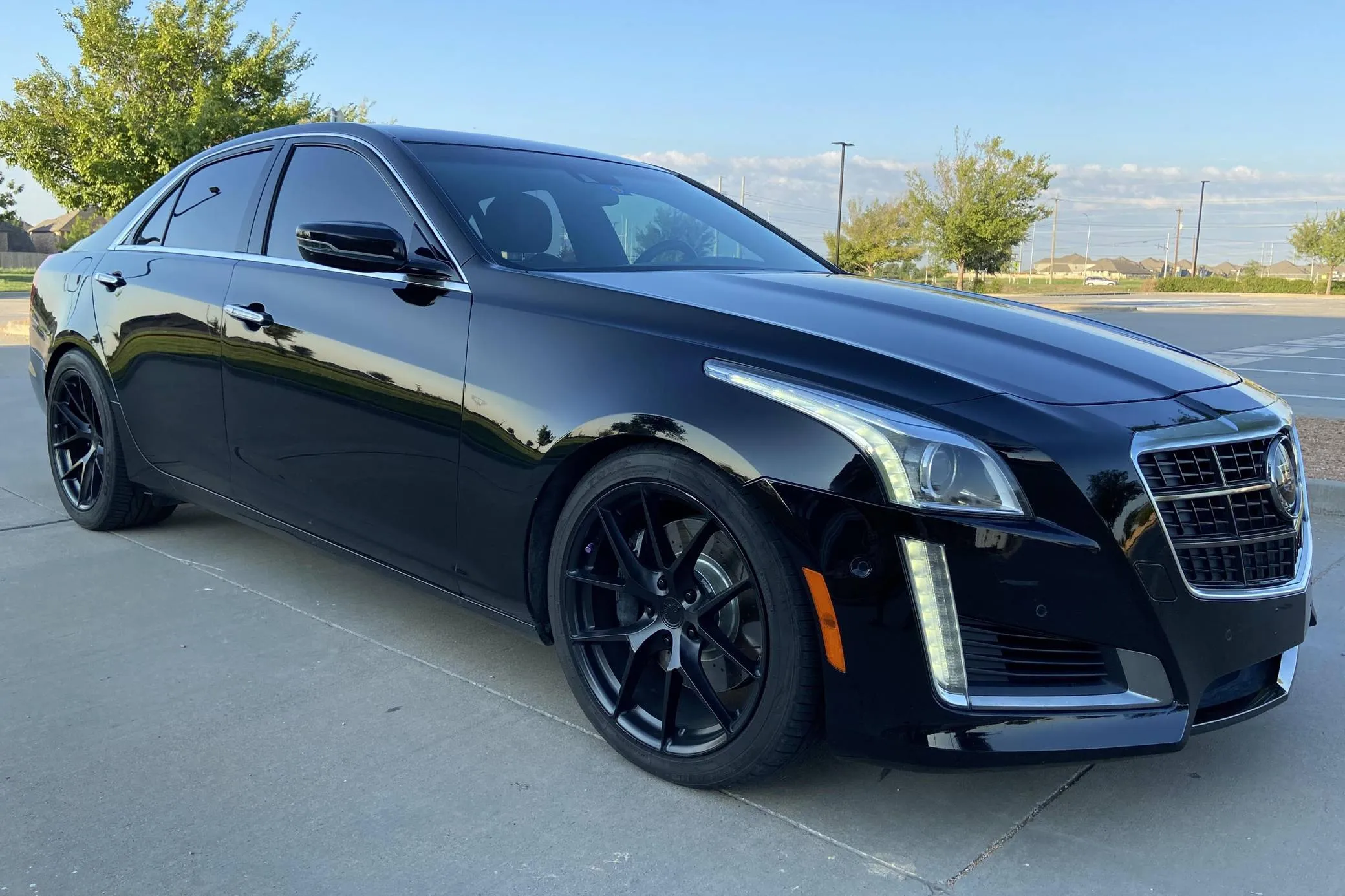
6. Cadillac CTS V-Sport 2014-2016
American luxury performance reaches impressive heights in the 2014-2016 Cadillac CTS V-Sport, packing a twin-turbocharged 3.6-liter V6 that pumps out 420 horsepower and 430 lb-ft of torque. That torque figure deserves emphasis because it matches or exceeds V8 muscle cars while delivering power across a broader RPM range.
Zero to sixty disappears in just 4.4 seconds, making this Cadillac legitimately fast by any measure. Eight-speed automatic transmission changes smoothly during normal driving, yet snaps off quick moves when you select Sport mode and start driving aggressively.
Depreciation absolutely hammered these CTS V-Sports, creating exceptional value for shoppers willing to accept higher mileage examples. Clean cars with 80,000-100,000 miles sell between $17,000 and $20,000, offering supercar performance wrapped in genuine luxury.
That mileage might sound high, but highway miles accumulate quickly on luxury sedans driven by business professionals. Highway driving actually causes less wear than city stop-and-go traffic. Check service records carefully and prioritize cars with documented maintenance over low-mileage examples with questionable histories.
Interior appointments justify the Cadillac badge with quality leather, real wood trim, and technology that still functions well in 2025. CUE infotainment system earned criticism when new for laggy responses, but software updates improved performance.
It won’t match modern systems for speed, but it works adequately for navigation, audio, and phone connectivity. Magnetic Ride Control suspension adapts instantly to road conditions, providing comfortable cruising on highways yet firming up during aggressive cornering. You genuinely get the best of both worlds rather than compromising either comfort or handling.
Twin-turbo V6 engines require meticulous maintenance to avoid expensive problems. Oil changes every 5,000 miles with premium synthetic oil are non-negotiable. Turbocharger failures cost $2,500-$3,500 per side to repair, so any smoking or unusual turbo noises during test drives should send you running.
Timing chains need inspection around 100,000 miles because failures cause catastrophic engine damage. Water pumps fail around 80,000 miles, requiring $800-$1,000 for replacement. All-wheel-drive system adds complication and maintenance costs but provides excellent traction during aggressive launches.
Budget $2,000-$2,500 annually for maintenance and repairs when owning a high-performance luxury sedan out of warranty. That might sound steep, but consider what you’re getting for your initial $18,000 investment.
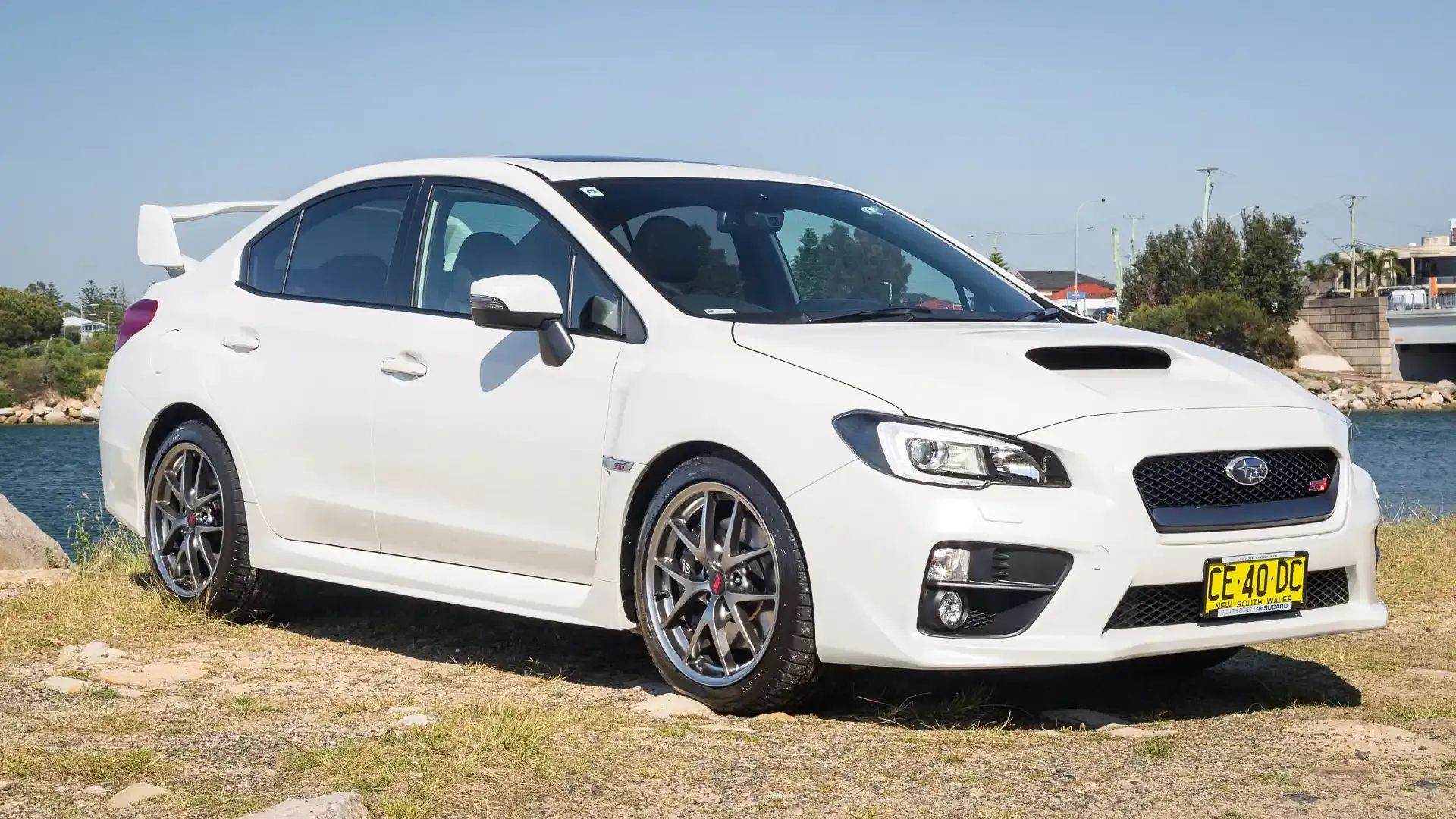
7. Subaru WRX STI 2015-2017
Rally-bred performance comes street legal in the 2015-2017 Subaru WRX STI, featuring a turbocharged 2.5-liter boxer engine producing 305 horsepower and 290 lb-ft of torque. Those numbers might seem modest compared to V8 muscle cars, but the STI’s secret weapon is its sophisticated all-wheel-drive system that puts power down with incredible efficiency.
Zero to sixty happens in around 4.9 seconds, but that number doesn’t tell the whole story. Launch the STI hard and all four wheels claw at pavement with equal ferocity, creating acceleration that feels more violent than the numbers suggest.
Finding clean STIs under $20,000 requires patience and flexibility about mileage. Examples with 80,000-100,000 miles sell between $18,000 and $20,000, placing them at the top of this budget. Lower mileage cars command premiums, pushing $25,000 or higher.
High mileage shouldn’t scare you away if service records show proper maintenance and no modifications. Stock STIs last well past 150,000 miles with proper care. Modified cars are riskier since previous owners may have abused them with aggressive tuning or track driving that shortened engine life.
Manual transmission is the only option, which enthusiasts appreciate. Six-speed gearbox feels mechanical and precise, with short throws that make rowing through gears satisfying. The clutch feels heavy compared to economy cars, but provides excellent feedback.
You’ll know exactly when engagement happens, making smooth launches easier once you adjust to the heavier effort required. All-wheel-drive system biases power rearward during hard acceleration, creating a slight oversteer tendency that experienced drivers can exploit for faster cornering.
Common problems include ringland failures that plagued EJ25 turbocharged engines. These failures cause sudden loss of power and require complete engine rebuilds costing $5,000-$8,000. Oil consumption indicates developing problems, so check oil levels during test drives and look for blue smoke from the exhaust.
Transmission synchros wear out around 100,000 miles, making clean moves into second and third gears difficult. Clutch replacement costs around $1,200-$1,500, needed every 60,000-80,000 miles, depending on driving style.
Brakes wear quickly during aggressive driving, requiring frequent pad and rotor replacements. Budget $1,500-$2,000 annually for maintenance, repairs, and consumables like tires and brakes that wear faster on performance cars driven enthusiastically.
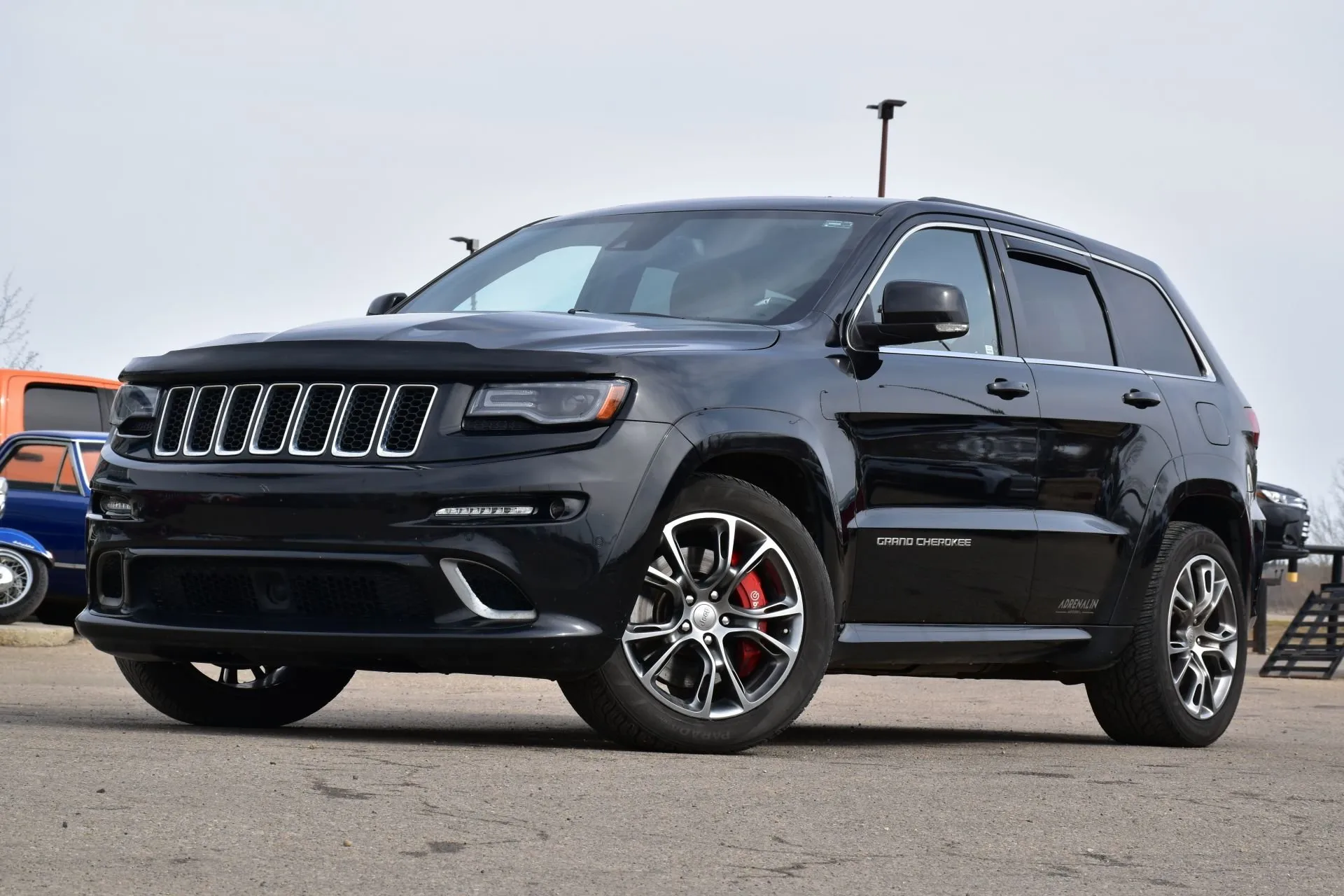
8. Jeep Grand Cherokee SRT 2014-2015
High-performance SUV madness arrives with the 2014-2015 Jeep Grand Cherokee SRT, packing a 6.4-liter HEMI V8 that produces 470 horsepower and a massive 465 lb-ft of torque. That engine shoves nearly 5,000 pounds of SUV from zero to sixty in just 4.6 seconds, numbers that embarrass sports cars costing twice as much.
Eight-speed automatic transmission manages power delivery smoothly, though the violent acceleration makes passengers question whether SUVs should accelerate this quickly. Adaptive suspension keeps this heavy SUV surprisingly composed during aggressive cornering, though physics eventually remind you that you’re driving a tall, heavy vehicle.
Prices have depreciated enough to bring SRTs into $20,000 budget range if you accept higher mileage. Examples with 90,000-110,000 miles sell between $17,000 and $20,000, offering supercar performance wrapped in family-friendly SUV packaging.
Lower-mileage cars still command $25,000 or more. That high mileage shouldn’t scare you if service records show regular maintenance. Highway miles accumulate quickly on SUVs driven for family road trips. These engines are durable when maintained properly with synthetic oil changes every 5,000 miles.
Fuel economy is predictably terrible. EPA ratings of 13 city and 19 highway mean you’ll visit gas stations constantly. Real-world driving typically delivers 15-16 mpg during mixed use, making this one of the thirstiest vehicles you can buy.
But honestly, anyone considering an SRT already knows fuel efficiency isn’t the goal. You’re paying for that glorious V8 soundtrack and acceleration that pins passengers to their seats. Premium fuel is recommended, adding another cost layer to already expensive fuel consumption.
Watch for electrical issues that plagued Chrysler products from this era. Various sensors fail, throwing dashboard warning lights without actual mechanical problems. HVAC systems develop blend door failures, causing clicking noises and poor temperature control.
Repair costs $800-$1,200 because the entire dashboard must be removed for access. Transmission holds up well despite abuse, though fluid changes every 60,000 miles extend its life substantially. Brakes wear quickly from stopping 5,000 pounds repeatedly, requiring pad and rotor replacement every 40,000-50,000 miles at costs around $1,200-$1,500.
Budget $2,500-$3,000 annually for maintenance, repairs, and consumables when owning a high-performance SUV out of warranty. That price buys you the ability to embarrass sports cars while hauling five people and their luggage comfortably.
Also Read: 5 Cars for Louisville Suburban Families vs 5 That Drain Savings
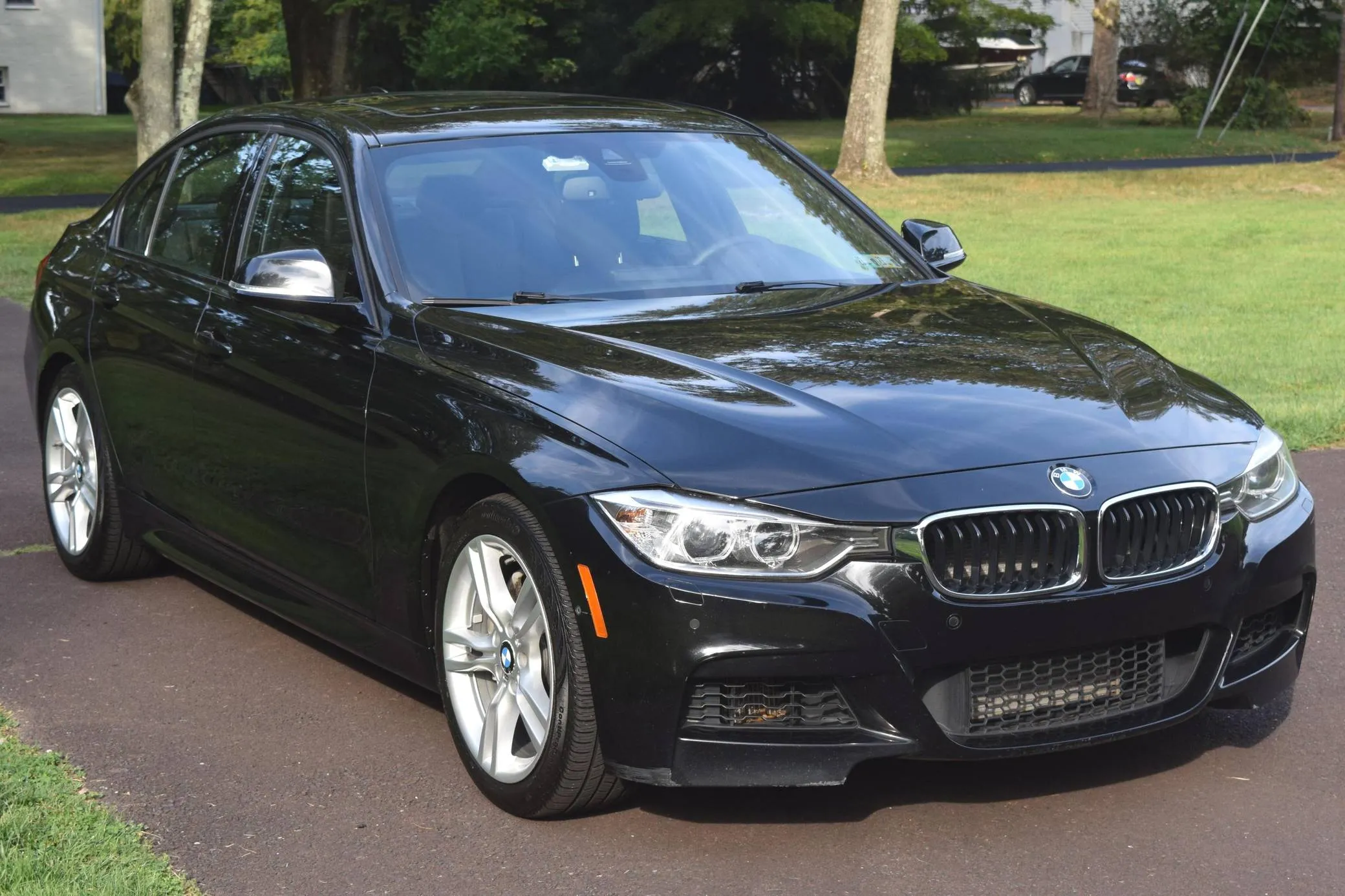
9. BMW 335i xDrive 2013-2015
German engineering excellence produces impressive performance in the 2013-2015 BMW 335i xDrive, featuring a turbocharged inline-six that generates 300 horsepower and 300 lb-ft of torque. Those numbers translate into zero to sixty runs around 4.9 seconds, but what makes this BMW special is how effortlessly it delivers power.
Turbo lag is minimal, and power arrives smoothly across the entire RPM range. Eight-speed automatic transmission moves imperceptibly during normal driving, yet responds instantly when you select Sport mode and drive aggressively. All-wheel-drive system provides excellent traction in all weather while maintaining the rear-biased balance that BMWs are famous for.
Depreciation treated these 335s harshly, creating opportunities for performance bargain hunters. Clean examples with 70,000-90,000 miles sell between $15,000 and $19,000, offering genuine BMW luxury and performance at prices where most shoppers settle for basic economy cars.
That’s a remarkable value considering what you’re getting. Interior quality remains impressive with supportive sport seats, an intuitive iDrive system, and build quality that feels substantial. You’re getting a proper luxury sports sedan at Camry prices.
N55 turbocharged inline-six engine gained a better reliability reputation than the N54 twin-turbo it replaced. Single turbo design reduced complications while maintaining strong performance. Regular oil changes every 7,500 miles with quality synthetic oil keep these engines healthy past 150,000 miles.
Timing chain issues plagued some N55 engines, causing rattling noises during cold starts. Replacement costs $2,000-$3,000, but it isn’t common if oil changes happen on schedule. Water pumps fail around 80,000 miles, requiring $600-$800 for replacement. That’s an expected maintenance item rather than a major failure.
Ownership costs run higher than domestic or Japanese competitors because German parts cost more. Independent BMW specialists offer reasonable labor rates compared to dealers, keeping maintenance affordable. Avoid dealers entirely unless warranty work is required. Transmission fluid changes every 60,000 miles to prevent premature failures.
All-wheel-drive system requires transfer case fluid changes every 50,000 miles. Budget $1,500-$2,000 annually for maintenance and repairs when owning a used German luxury performance sedan out of warranty. That investment buys you daily driver comfort combined with performance that makes every commute more enjoyable than it has any right to be.
