
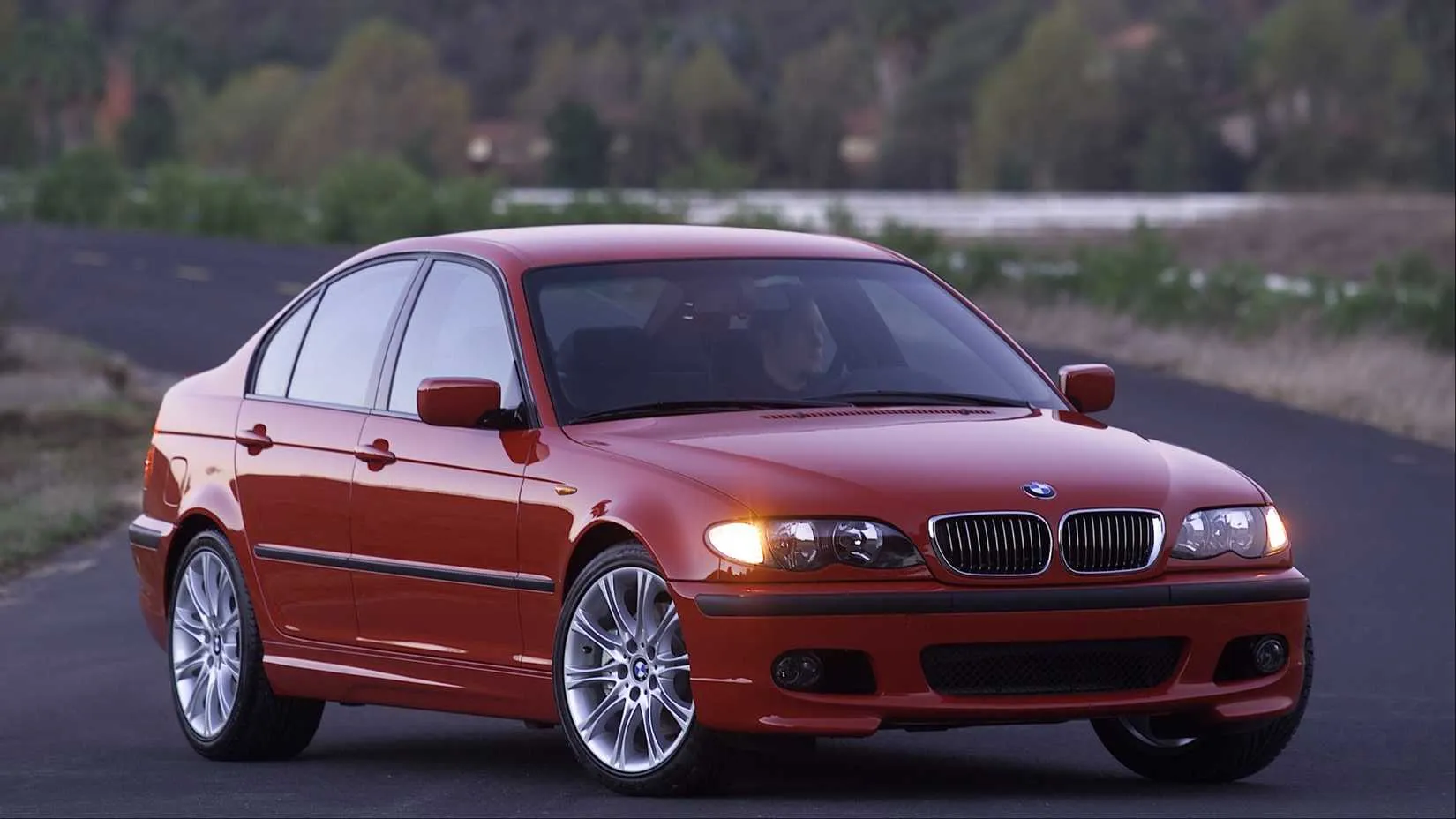
There’s something special about rowing through the gears in a BMW. That tactile connection between driver and machine, the mechanical click of a perfectly executed downshift, the satisfaction of heel-toeing into a corner, these experiences define what driving enthusiasts love about manual transmissions. BMW understood this better than most automakers, building some of the finest stick-shift cars ever to grace public roads.
Sadly, manual transmissions are vanishing from showrooms faster than you can say “dual-clutch automatic.” Even BMW, once a stalwart defender of the three-pedal layout, now offers manuals in only a handful of models.
This makes older manual BMWs increasingly valuable, not just as collector pieces but as genuinely usable vehicles that deliver driving pleasure modern automatics can’t replicate, no matter how sophisticated their programming becomes.
But here’s the catch: not all manual BMWs age equally. Some develop expensive problems that turn ownership into a financial nightmare. Others just keep running, mile after mile, year after year, proving that German engineering can indeed produce reliable vehicles when everything comes together correctly. These dependable models represent the sweet spot where BMW’s performance DNA meets old-school durability.
This guide looks at ten BMW models with manual gearboxes that people have come to trust for long-term dependability. These cars still give that fun, hands-on driving feel without falling into the serious mechanical problems some BMW owners complain about.
You’ll see plenty of straight-six engines and simple setups that are easier to service without draining your wallet. Whether someone wants a casual weekend machine or a car for everyday driving, these BMWs show that you can enjoy shifting your own gears without constantly worrying about repairs.
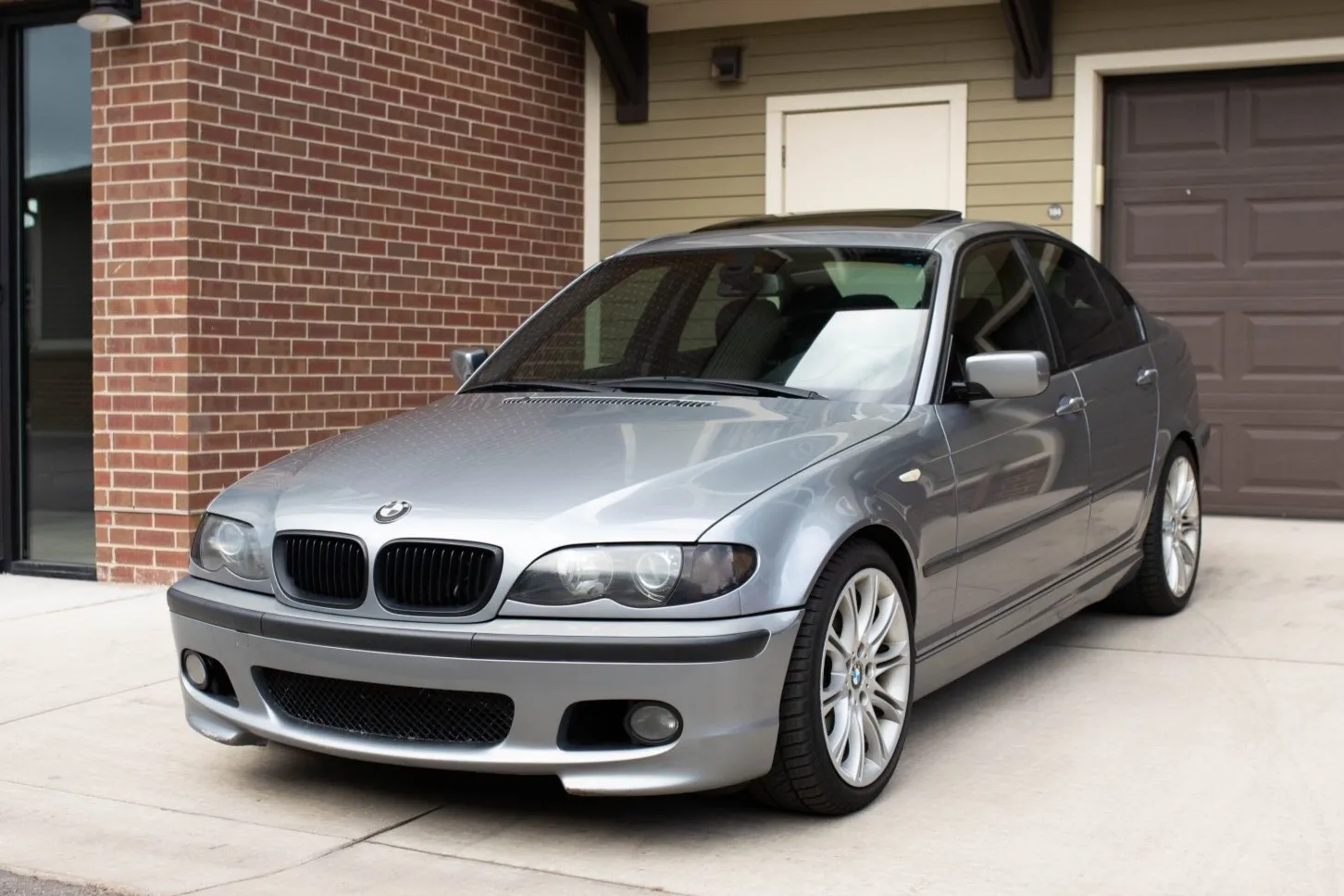
1. 1999-2005 BMW E46 330i
Ask any BMW mechanic which model they’d actually buy with their own money, and you’ll hear “E46 330i” repeatedly. This generation 3 Series hit a sweet spot that BMW hasn’t quite replicated since. You get timeless styling that still looks fresh today, a naturally aspirated inline-six that loves to rev, and build quality that actually holds up through years of use.
Under the hood sits the M54 3.0-liter inline-six producing 225 horsepower. This engine earned a reputation for durability that turbocharged motors simply can’t match. You’re not dealing with failing turbos, leaking intercoolers, or boost control issues.
Just a smooth-revving six-cylinder that pulls cleanly from 2,000 rpm to redline. Oil changes keep it happy, and the cooling system represents the biggest maintenance concern. Replace the water pump proactively, flush the coolant regularly, and this engine will run for 200,000 miles without major drama.
Handling strikes an ideal balance between sport and comfort. You can attack canyon roads with enthusiasm, trusting the chassis to communicate what’s happening at the tires. Yet this same suspension soaks up highway imperfections without beating you up. Steering provides excellent feedback, building weight naturally through corners. You feel connected to the car rather than isolated by overly assisted systems.
Common issues exist but remain manageable. Cooling system components wear out predictably around 60,000-80,000 miles. Window regulators fail, a BMW tradition. Rear subframe mounts can crack on higher-mileage examples, requiring welding reinforcements.
Control arm bushings wear, creating vague steering and clunking noises. None of these problems are catastrophic, and all can be addressed without specialized tools or dealership expertise.
Interior quality exceeded anything else in its class when new and still feels solid today. Dashboard plastics don’t crack or warp like modern cars. Seat materials hold up well. Electronics generally work reliably, a statement you can’t make about newer BMWs. You’re driving a car that feels like it was built to last rather than designed for a three-year lease cycle.
This E46 330i represents everything enthusiasts love about older BMWs. You get naturally aspirated power, manual transmission precision, hydraulic steering feel, and build quality that supports long-term ownership.
Maintenance costs remain reasonable, parts availability is excellent, and independent mechanics can handle repairs without specialized BMW training. For anyone seeking a dependable manual BMW that still delivers driving pleasure, this E46 330i sits at the top of the list.
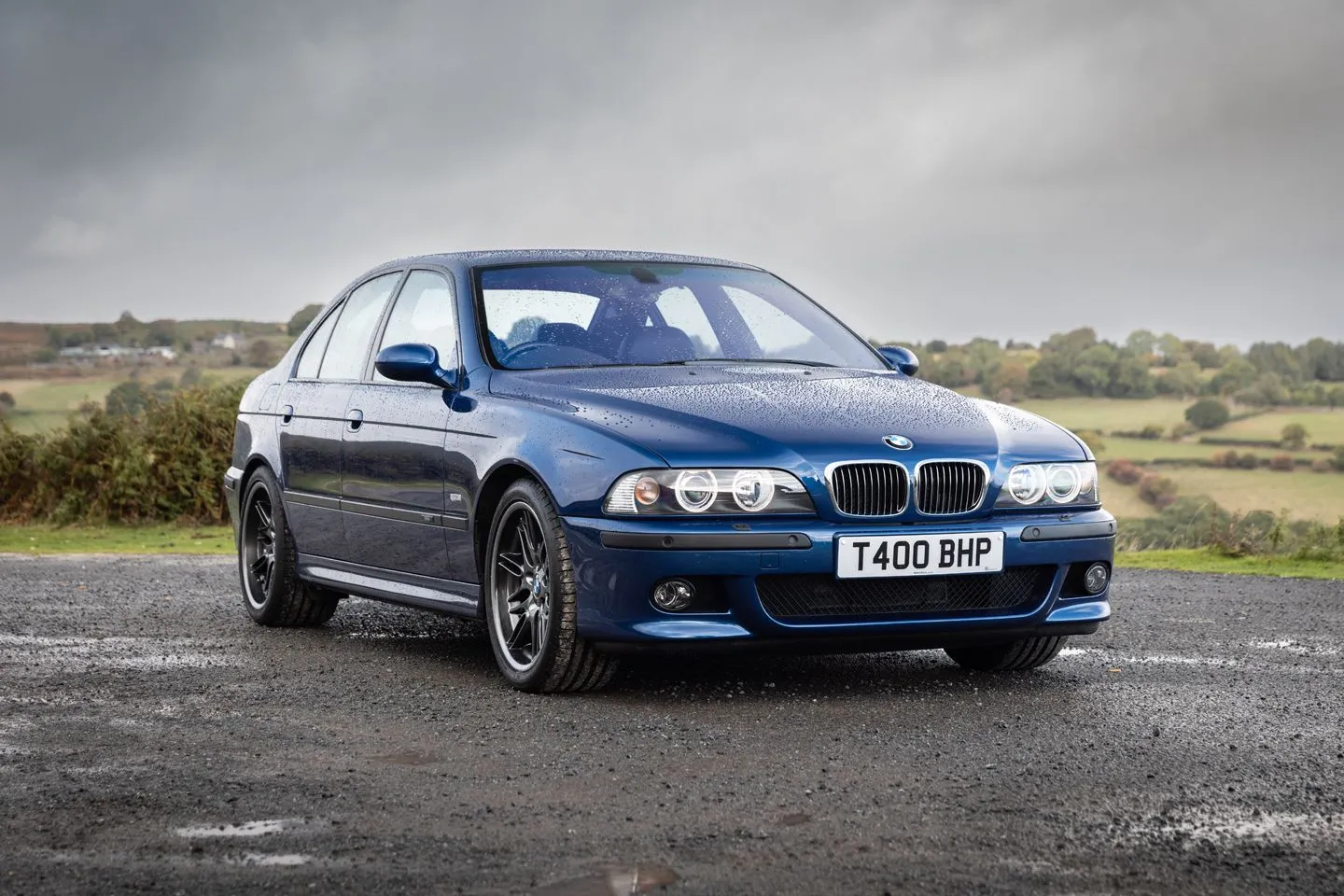
2. 2000-2006 BMW E39 M5
Yes, I’m putting the E39 M5 on a dependability list. Hear me out. This V8-powered super sedan earned a reputation for expensive repairs, but most problems trace to neglected maintenance rather than fundamental design flaws. Treat this M5 correctly, and it rewards you with reliability that surprises critics who assume all high-performance BMWs are money pits.
S62 V8 engine produces 394 horsepower from 4.9 liters, all naturally aspirated with a redline at 7,000 rpm. This motor represents BMW M’s last V8 before turbocharging took over. Power delivery feels linear and intoxicating, with a soundtrack that makes every drive special. Yes, VANOS systems can wear.
Throttle actuators sometimes fail. But these are known issues with established repair procedures, not mysterious gremlins that leave mechanics scratching their heads. Handling turns this large sedan into something that feels much smaller through corners. You can genuinely hustle this M5 on tight roads, trusting the chassis to respond predictably to inputs.
Steering communicates road surface clearly. Brakes provide strong, fade-resistant stopping power. Suspension strikes an excellent balance between control and comfort. This M5 works equally well carving canyons or cruising highways.
Here’s the key to E39 M5 reliability: maintenance records matter more than mileage. A 150,000-mile example with complete service history beats a 60,000-mile car with unknown maintenance. Look for oil changes every 5,000 miles, not the absurd 15,000-mile BMW “lifetime” intervals.
VANOS repair or replacement? Good. Rod bearing inspection or replacement? Even better. Cooling system refresh? Excellent. These proactive repairs prevent catastrophic failures. Common problems include rod bearing wear, though not every S62 engine suffers from this issue.
Preventative replacement costs around $3,000-$4,000, but prevents $15,000+ engine rebuilds. VANOS system wear creates a cold start rattle. Throttle actuators fail, causing a rough idle. SMG pump failure plagues the automated manual transmission, but you’re buying a proper manual anyway, avoiding this problem entirely.
Also Read: 5 Cars for Omaha Practical Buyers vs 5 That Cost a Lot to Maintain
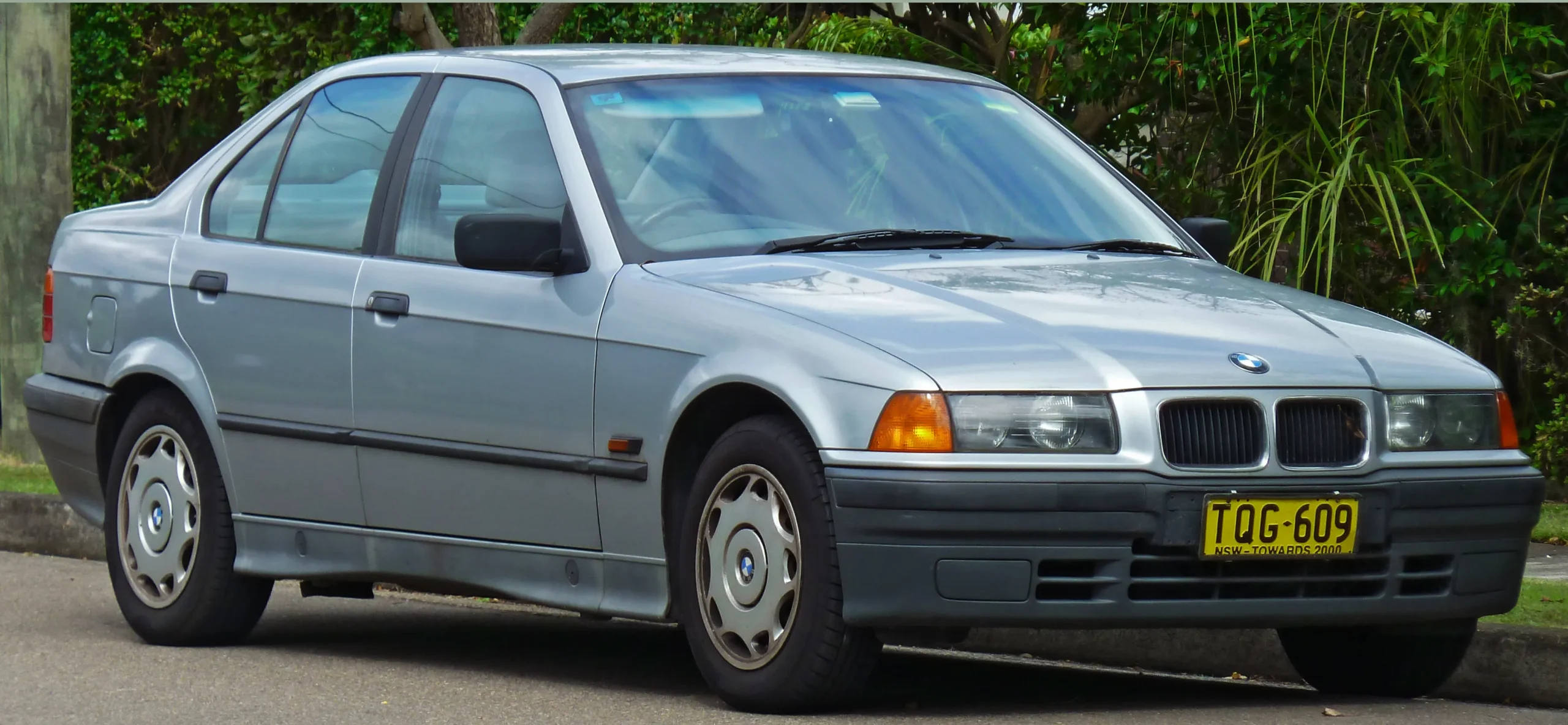
3. 1992-1998 BMW E36 325i/328i
Budget-conscious enthusiasts love the E36 3 Series for good reason. You get classic BMW driving dynamics with prices that won’t require a second mortgage. But here’s what matters more than affordability: these cars actually hold up when maintained properly. I’m lumping 325i and 328i together because they share the same M50/M52 engine family and exhibit similar reliability characteristics.
M50 and M52 inline-six engines represent some of BMW’s most durable powerplants. You’re looking at 189 horsepower in the 325i or 240 horsepower in the 328i, both delivering smooth power with that characteristic inline-six sound.
These motors don’t suffer from the cooling system nightmares that plague later models, though you still need to maintain the system properly. Oil pan gaskets leak eventually, valve cover gaskets weep, but these are maintenance items rather than catastrophic failures.
Handling dynamics defined the modern sport sedan category. This E36 carves through corners with precision that modern cars struggle to match despite electronic aids. Steering provides excellent feedback.
Chassis balance is near perfect. You can adjust your line mid-corner with confidence, trusting the car to respond predictably. Later E36 models received stiffer suspension and bigger brakes, improving an already excellent package.
Common issues are well-documented and manageable. Cooling system components fail predictably. Window regulators break. Door handle mechanisms crack. Rear shock mounts rust and tear, requiring replacement. Interior trim pieces rattle. Dashboard pixels fail on the instrument cluster. None of these problems is are show-stopper, and all have straightforward fixes.
Interior quality lags behind the E46 that replaced it. Plastics feel cheaper. Seat materials wear faster. But everything still works, which is more than you can say for many modern cars after 10 years. You’re not dealing with failed touchscreens or malfunctioning electronic modules. Just simple mechanical switches that continue functioning.
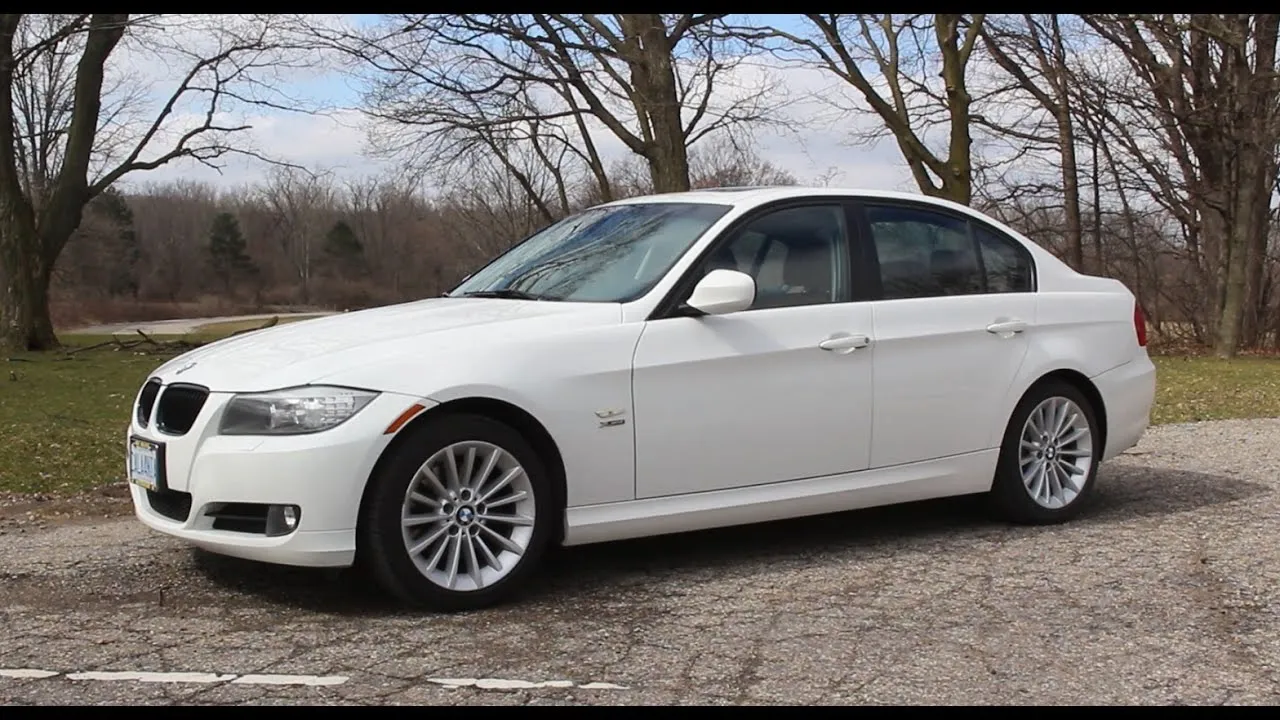
4. 2006-2013 BMW E90/E91/E92/E93 328i
I know what you’re thinking: “Didn’t you say N52 engines were reliable?” Yes, and the 328i proves it. This naturally aspirated 3.0-liter inline-six sidesteps the turbo drama that plagues 335i models while delivering adequate power for engaging driving. You get 230 horsepower, which sounds modest until you remember this engine weighs less than turbocharged alternatives and revs freely to redline.
N52 engine represents BMW’s last naturally aspirated inline-six before forced induction took over. This motor features variable valve timing, valvetronic throttle-less intake control, and a composite magnesium-aluminum block. Sounds complicated, but it’s actually quite reliable when maintained. Oil changes matter more here because of the valvetronic system. Use quality oil, change it regularly, and this engine will run for 200,000+ miles.
Driving dynamics improved from the E46 generation in some ways, while losing some of the analog feel older cars provided. Steering switched to electric assist, which reduces feedback but improves fuel economy.
Suspension tuning remains excellent, providing a great balance between comfort and control. Brakes are strong and progressive. You can drive this car hard without worrying about exceeding its limits unexpectedly.
Common problems are well-known in the BMW community. Oil filter housing gaskets leak, creating messy but not catastrophic problems. Valve cover gaskets weep oil. Water pumps fail, though less frequently than E46 generation. Electric water pumps on some models fail more often than mechanical units. High-pressure fuel pumps fail on N51 engines sold in certain states, though N52 engines avoid this issue.
E90 refers to the sedan body style, E91 is the wagon, E92 is the coupe, and E93 is the convertible. All share the same mechanical components with only minor variations. Wagons are rare and command premium prices among enthusiasts. Coupes look better but cost more. Sedans offer the best value for money.
Later models received styling updates, improving the front-end appearance. The LCI (Life Cycle Impulse) refresh brought LED headlights and minor interior improvements. Either generation works well; buy based on condition and maintenance records rather than year alone.
This E90 328i represents smart buying for enthusiasts wanting a modern manual BMW without turbo complications. You get recent technology, good fuel economy, adequate performance, and reliability that supports long-term ownership. Prices remain reasonable, parts availability is excellent, and maintenance costs are manageable for anyone comfortable working on their own cars.
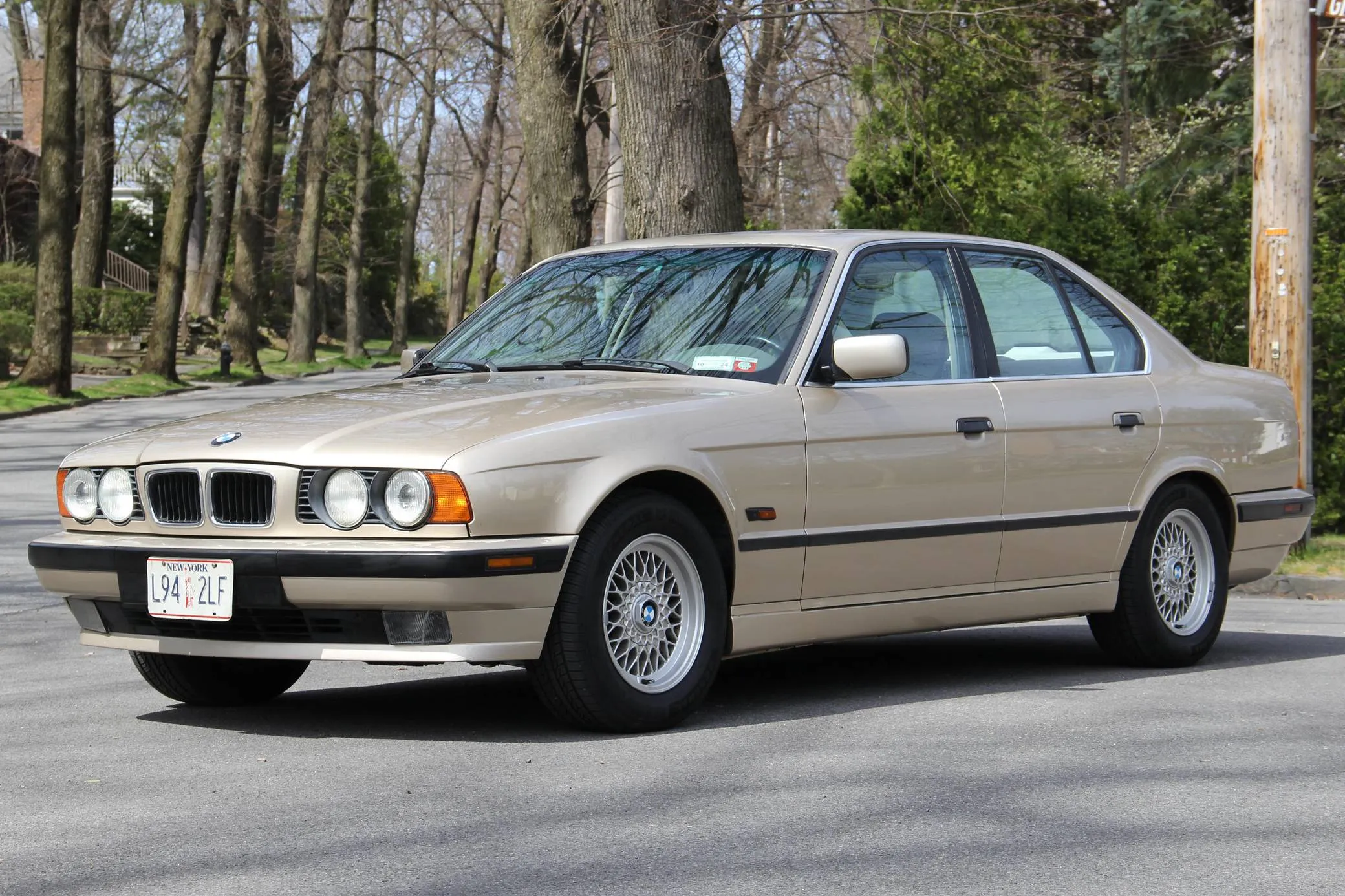
5. 1989-1995 BMW E34 525i
Looking for an old-school BMW that actually runs? This E34 525i delivers classic styling with inline-six reliability that puts newer models to shame. You’re driving a car from an era when BMW prioritized durability alongside performance, building vehicles meant to last 300,000 miles rather than three-year lease cycles.
Handling characteristics feel old-school in the best way. Steering provides excellent feedback through a large, thin-rimmed wheel. Chassis balance is excellent, allowing adjustments mid-corner. Suspension soaks up rough pavement while maintaining control through corners. You feel connected to the car in ways modern BMWs can’t replicate despite all their electronic aids.
Build quality is exceptional by any standard. Body panels are thick steel that resists minor parking lot damage. Panel gaps are tight and even. Doors close with satisfying thunks. You’re driving a car that feels substantial and over-engineered compared to modern vehicles built to minimum standards. Rust can affect these cars, particularly in snow belt states, so inspect carefully before buying.
Common issues are minimal compared to newer BMWs. Cooling systems need periodic refreshes. Timing chain tensioners wear on higher-mileage examples, though not as catastrophically as later models. Suspension bushings wear predictably. Electronics are simple enough to remain reliable. Most problems that occur are maintenance items rather than design flaws.
Interior quality depends on which trim level you find. Base models have simple but durable materials. Sport models add better seats and nicer trim. All hold up well because BMW used quality materials throughout. Instrument clusters occasionally develop pixel failures, a common BMW issue, but this is inexpensive to repair.
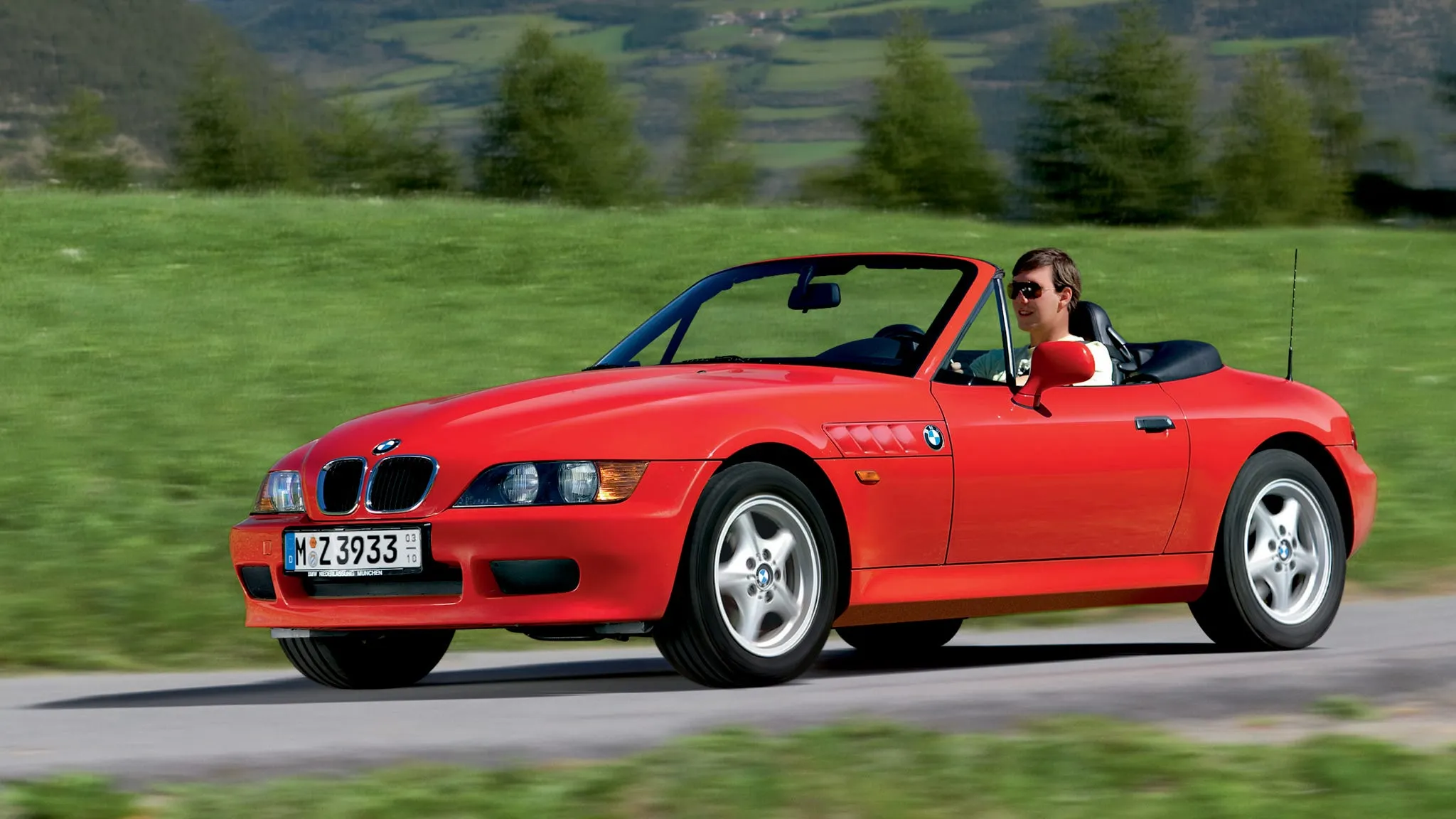
6. 1996-2002 BMW Z3 2.8/3.0
Roadsters deserve love too, and the Z3 with the larger inline-six engines delivers dependable open-air motoring that won’t drain your bank account. Skip the four-cylinder models and go straight for the 2.8-liter or 3.0-liter versions. You get adequate power, that wonderful inline-six sound, and reliability that lets you actually enjoy top-down driving without worrying about breakdowns.
Handling is where the Z3 shines. Short wheelbase creates quick turn-in response that borders on twitchy until you acclimate. Once you adjust to the steering sensitivity, this roadster carves through corners with enthusiasm. Rear-wheel drive provides proper sports car dynamics. You can balance the car on the throttle through corners, something modern electronic nannies often prevent.
Common issues are manageable. Rear shock mounts can tear, requiring reinforcement plates. Cooling systems need periodic refreshes like all BMWs from this era. Some examples experience rear subframe cracking, though it’s less common than in E46 models. Window regulators fail, door handles break, but these are inexpensive fixes compared to modern convertible problems.
Interior quality is adequate but not luxurious. Early models have particularly cheap-feeling plastics and simple trim. Later examples improved materials and design, though nothing matches the quality of contemporary coupes or sedans. You’re buying a roadster for the driving experience, not interior ambiance. Fortunately, the top-down driving pleasure compensates for interior compromises.
Rust can affect older Z3 models, particularly around the battery area and rear shock towers. Check carefully before buying, especially on cars from areas with harsh winters. Surface rust is manageable; structural corrosion is a deal-breaker. California and Southern cars generally fare better than examples from snow belt states.
Parts availability is excellent. Z3 shares many components with contemporary 3 Series models, improving availability and reducing costs. Independent shops can handle all repairs. Aftermarket support is strong, with suspension upgrades, exhaust systems, and cosmetic improvements readily available.

7. 2007-2010 BMW E92 335i with N54 Engine
Wait, didn’t I warn against turbocharged BMWs? Yes, but the early N54 twin-turbo inline-six deserves recognition despite its reputation. Here’s the thing: these engines develop problems when neglected, but they’re actually quite reliable when maintained properly.
You need to understand what you’re getting into and budget accordingly, but a well-sorted N54 delivers turbocharged thrills with surprising dependability. The N54 engine produces 300 horsepower from 3.0 liters using twin turbochargers. This motor revolutionized BMW’s approach to performance, delivering power that previously required much larger engines.
Torque arrives early and pulls hard through the rev range. You get acceleration that embarrasses vehicles costing twice as much. Tuning potential is enormous, with simple software modifications unlocking 400+ horsepower.
Here’s the catch: high-pressure fuel pumps fail. Wastegate rattle develops. Turbo oil lines can leak. Injectors occasionally stick. Water pumps fail. None of these problems is unfixable, and most have established repair procedures. BMW extended warranties on fuel pumps after widespread failures. Many of these issues were addressed under various recalls and service campaigns.
Common issues are well-documented. High-pressure fuel pump failures are the most notorious problem, causing rough running and limp mode. Replacement pumps are better than originals. Wastegate rattle affects many N54 engines, requiring turbocharger replacement. Injectors can stick or leak, causing a rough idle.
Water pumps fail more frequently than naturally aspirated models. Oil leaks from valve cover gaskets, oil filter housings, and turbo oil lines. Here’s why the N54 makes this list despite these issues: preventative maintenance prevents most problems.
Change oil every 5,000 miles with quality synthetic. Replace the fuel pump proactively around 60,000 miles. Address oil leaks promptly. Monitor for wastegate rattle and replace turbos if it develops. With these precautions, the N54 delivers reliable performance.
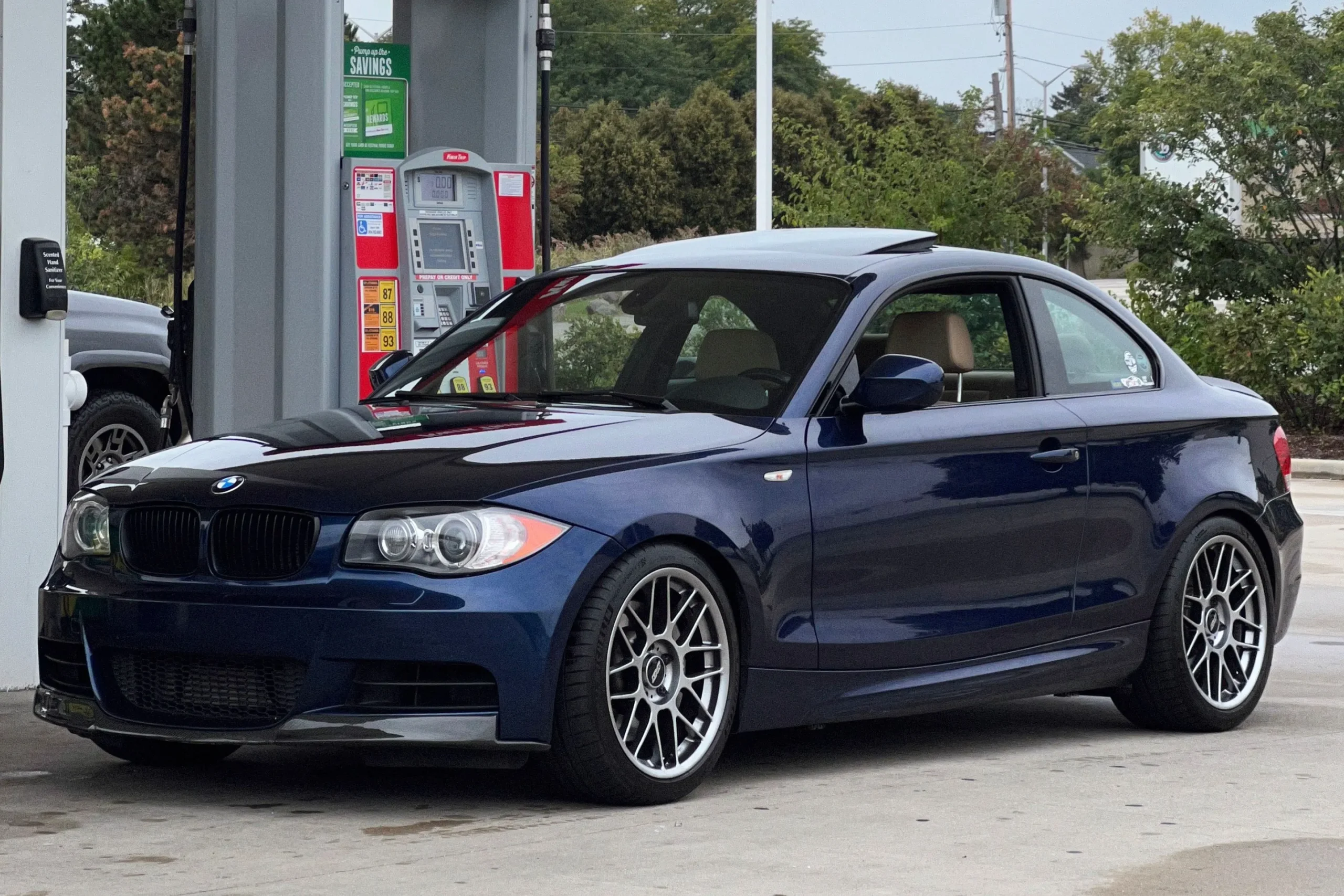
8. 2011-2016 BMW E82/E88 128i
Compact dimensions meet inline-six power in the 128i, creating what many consider the spiritual successor to the legendary 2002. You get rear-wheel drive, naturally aspirated power, a manual transmission, and dimensions that make city parking easy while canyon carving remains engaging. This combination is increasingly rare as BMWs grow larger and more complicated.
N52 engine powers the 128i with 230 horsepower from 3.0 liters. We’ve discussed this motor’s reliability in other models, and the same characteristics apply here. You get smooth, willing power with linear delivery and that wonderful inline-six sound.
This engine encourages high-rev driving without turbo lag or artificial boost delivery. Maintenance requirements are straightforward, with proper oil changes being the most important factor. Six-speed manual transmission is BMW’s excellent Getrag unit with short, precise throws.
This combination of compact chassis, rear-wheel drive, and proper manual transmission creates driving dynamics that remind you why enthusiasts love BMWs. You feel connected to the car through the controls. Shifting becomes second nature. Driving engagement is exceptional.
Handling benefits from the 1 Series’ compact dimensions. Short wheelbase creates quick steering response. Weight distribution is excellent with the inline-six mounted entirely behind the front axle.
You can genuinely toss this car into corners with confidence. Rear-wheel drive provides proper sports car dynamics with progressive breakaway characteristics. Electronic aids work well without being intrusive.
Common issues mirror other N52-equipped models. Oil filter housing gaskets leak. Valve cover gaskets weep. Water pumps can fail, though less frequently than turbocharged models. Electric power steering occasionally develops faults. These problems are well-known with established repair procedures. None are catastrophic failures that leave you stranded.
Coupe (E82) and convertible (E88) body styles are both available. Coupes look better and feel more rigid. Convertibles offer open-air driving pleasure with manual top mechanisms that are relatively simple. Both share the same excellent mechanical components. Buy based on personal preference rather than any performance differences.
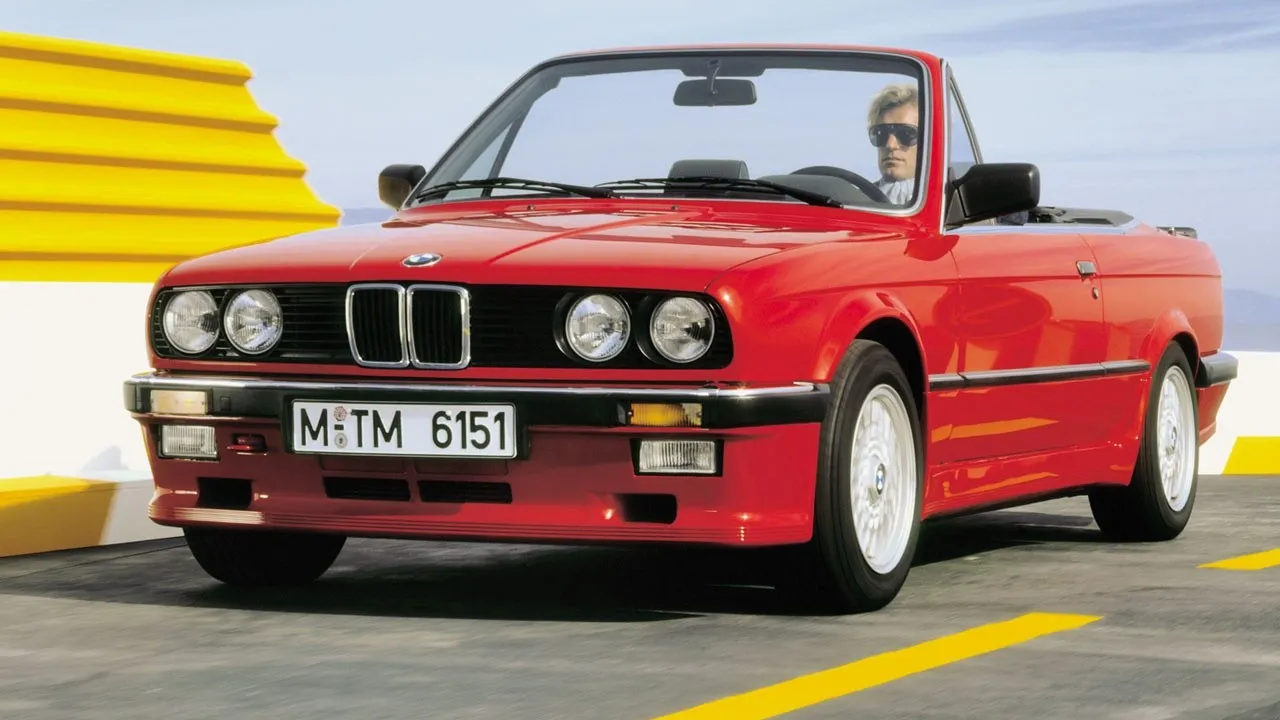
9. 1988-1991 BMW E30 325i/325is
Classic BMW ownership doesn’t require deep pockets if you choose wisely. This E30 325i represents the sweet spot where classic styling meets daily usability. You’re driving a car that looks great, drives wonderfully, and actually runs reliably when maintained properly. Values are climbing, but clean examples still exist at prices that won’t require selling a kidney.
M20 inline-six produces 168 horsepower from 2.5 liters. Power output sounds modest by modern standards, but this engine revs willingly and sounds fantastic doing it. You’re working the engine through its rev range, using momentum and proper gear selection rather than relying on torque. This style of driving connects you to the car in ways modern powerplants can’t replicate.
Handling is where the E30 truly shines. This chassis defined what sport sedans should feel like. Steering provides excellent feedback through a large, thin-rimmed wheel. Weight buildup through corners feels natural and progressive. Chassis balance is near perfect, allowing mid-corner adjustments with confidence. Suspension soaks up rough roads while maintaining control through corners.
Build quality exceeds newer BMWs in many ways. Body panels are thick steel that resists damage. Paint holds up well when maintained properly. Panel gaps are tight and even. Doors close with satisfying sounds. You’re driving a car that was over-engineered by modern standards, built during an era when BMW competed on quality rather than cost-cutting.
Interior quality depends on which model you find. Basic 325i models have simple trim. Sport models (325is) add better seats, a limited-slip differential, and sport suspension. Late-model “ix” versions offer all-wheel drive, though these are rare and command premium prices. All share excellent build quality with materials that age gracefully.
Parts availability remains good despite the car’s age. Strong enthusiast community ensures aftermarket support continues. Many parts are still available from BMW directly. Independent shops familiar with E30 models can handle all repairs. DIY is straightforward with abundant online resources and detailed guides.
Also Read: 5 Cars for Raleigh Suburban Commuters vs 5 That Need Specialist Care
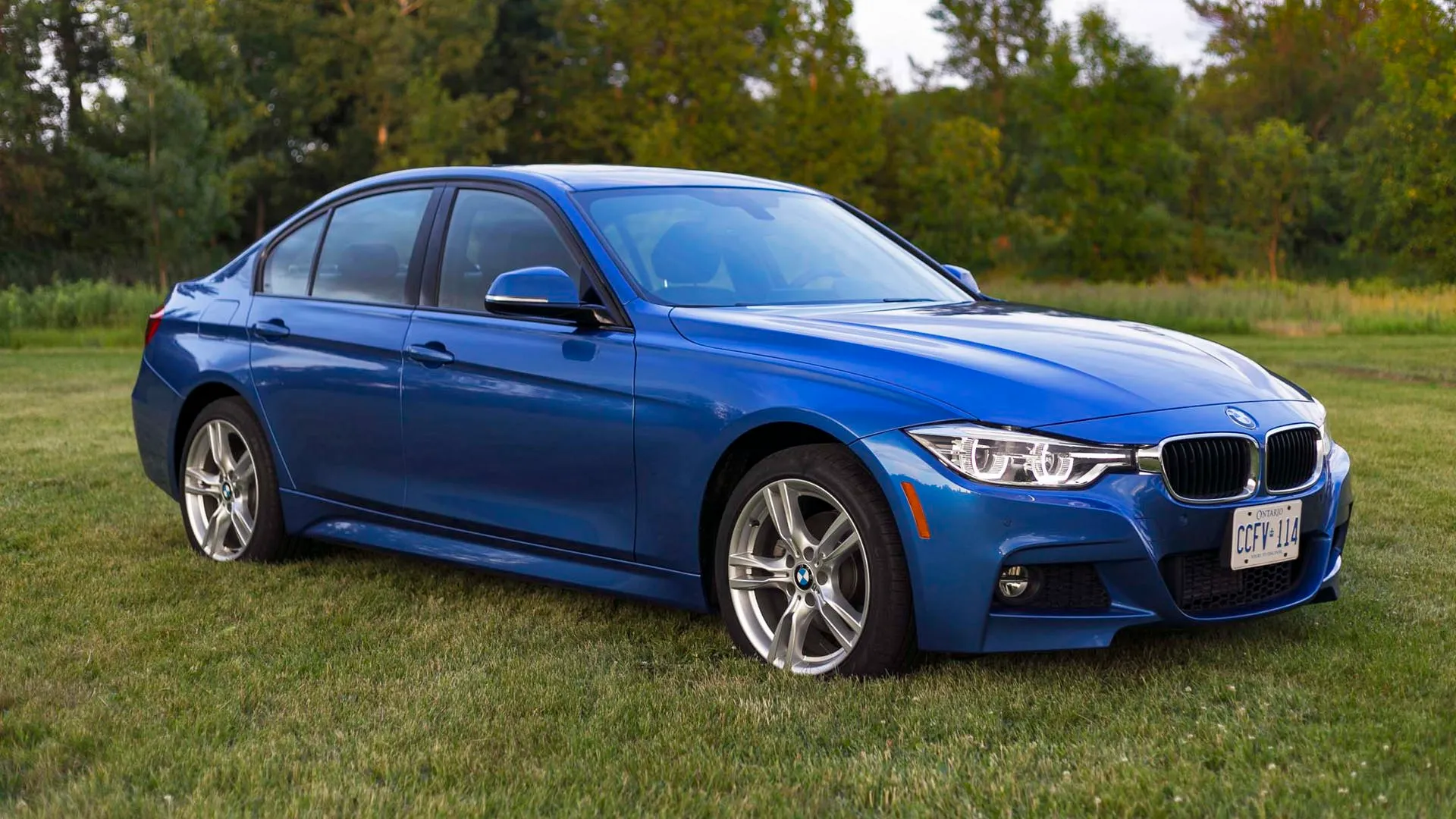
10. 2012-2018 BMW F30 328d xDrive
Diesel power with manual transmission sounds unusual, but the 328d delivers torque and efficiency that gas engines can’t match. Yes, this violates the “no forced induction” guidance, but the N47 diesel engine proves remarkably reliable when maintained properly. You get 180 horsepower with 280 lb-ft of torque, numbers that translate into real-world performance that feels stronger than they suggest.
N47 turbodiesel delivers power characteristics different from gasoline engines. Peak torque arrives at just 1,750 rpm, making acceleration feel effortless during normal driving. You’re not constantly shifting to keep the engine in its powerband.
Instead, you pull strongly from low revs with diesel torque pushing you forward confidently. Highway merging and passing are effortless despite modest horsepower figures. Six-speed manual transmission is BMW’s excellent Getrag unit with short, precise throws.
This combination works beautifully because diesel torque doesn’t require constant shifting. You can leave the car in higher gears during city driving, letting torque do the work. When roads get interesting, shifting remains a pleasure with well-defined gates and mechanical precision.
All-wheel drive (xDrive) provides confident traction in various conditions. Power is distributed dynamically between axles, sending torque where grip exists. This system works well without being intrusive, maintaining BMW’s rear-biased handling characteristics while adding security during poor weather.
Manual transmission with xDrive is increasingly rare as automakers assume enthusiasts wanting three pedals don’t care about all-weather capability.
