
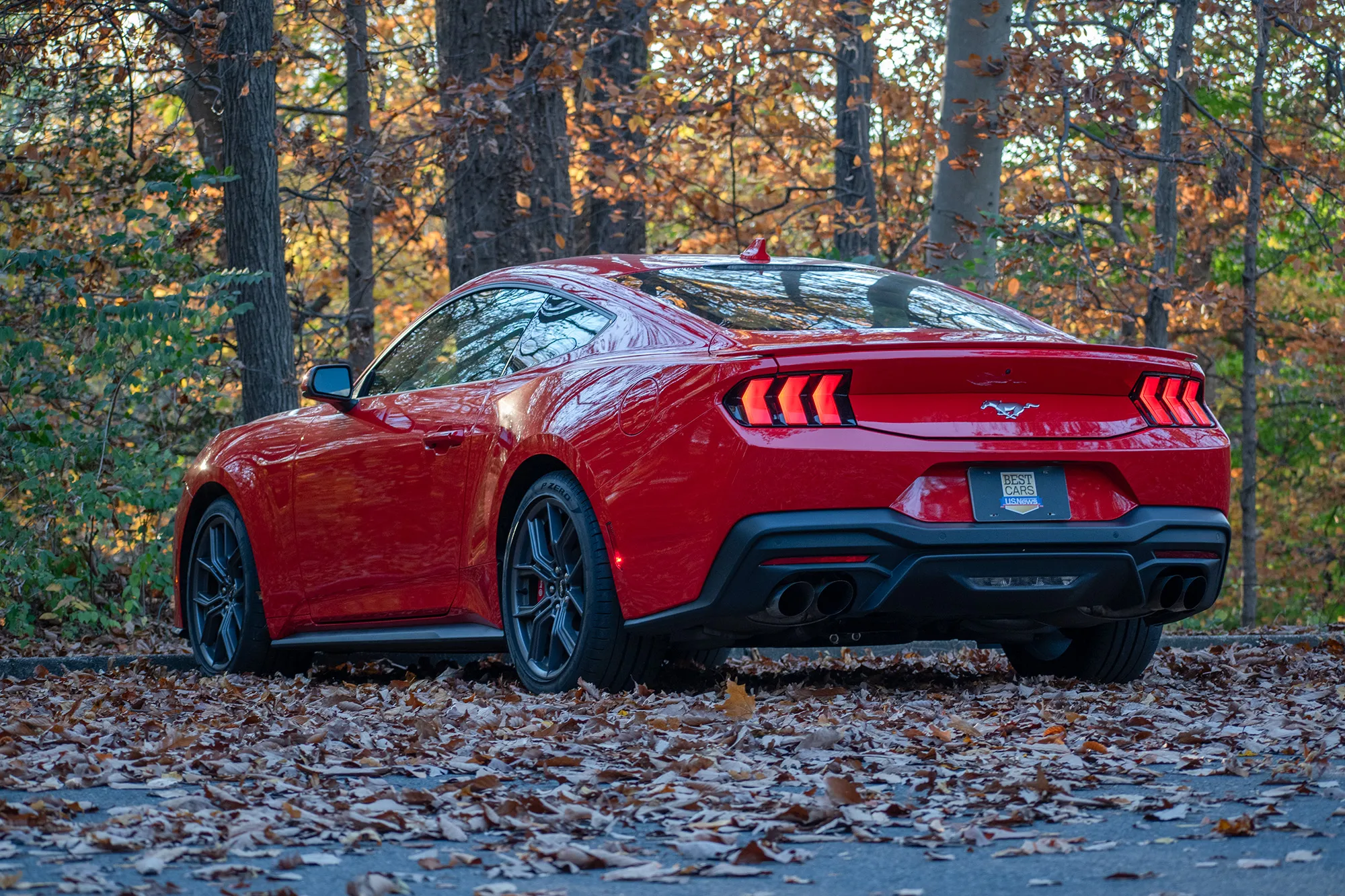
Performance cars don’t have to drain your bank account or force you to choose between paying rent and buying tires. If you’ve been scrolling through automotive forums drooling over track-ready machines that cost more than a college education, it’s time for some good news. A handful of manufacturers have cracked the code on building cars that deliver genuine performance thrills without requiring you to take out a second mortgage.
These aren’t stripped-down economy boxes with sporty badges slapped on. We’re talking about legitimate performance machines that can handle your daily commute during the week and then embarrass more expensive cars at track days on weekends.
What makes a car truly great at both road and track duty? It needs a compliant suspension that soaks up rough pavement and potholes during your morning commute, yet firms up enough to handle high-speed corners without wallowing.
Brakes must survive repeated hard stops at the track while remaining easy to modulate in traffic. Seats should support you during aggressive cornering without feeling like medieval torture devices during long highway drives.
Engines need enough power to be exciting yet reliable enough to start every morning without drama. That’s a tall order, and most manufacturers get at least one element wrong. Surprisingly, some of the best dual-purpose performers don’t come from exotic brands.
You won’t find any Italian exotics or German super sedans on this list because affordability actually matters here. We’re focusing on vehicles that real people with real budgets can actually buy and maintain without selling vital organs.
These cars prove that driving thrills don’t require luxury price tags or maintenance costs that make your accountant weep. You can have serious performance, daily drivability, and reasonable running costs all in the same package.
Let’s examine eight affordable machines that deliver genuine excitement, whether you’re stuck in rush hour traffic or chasing lap times at your local track.
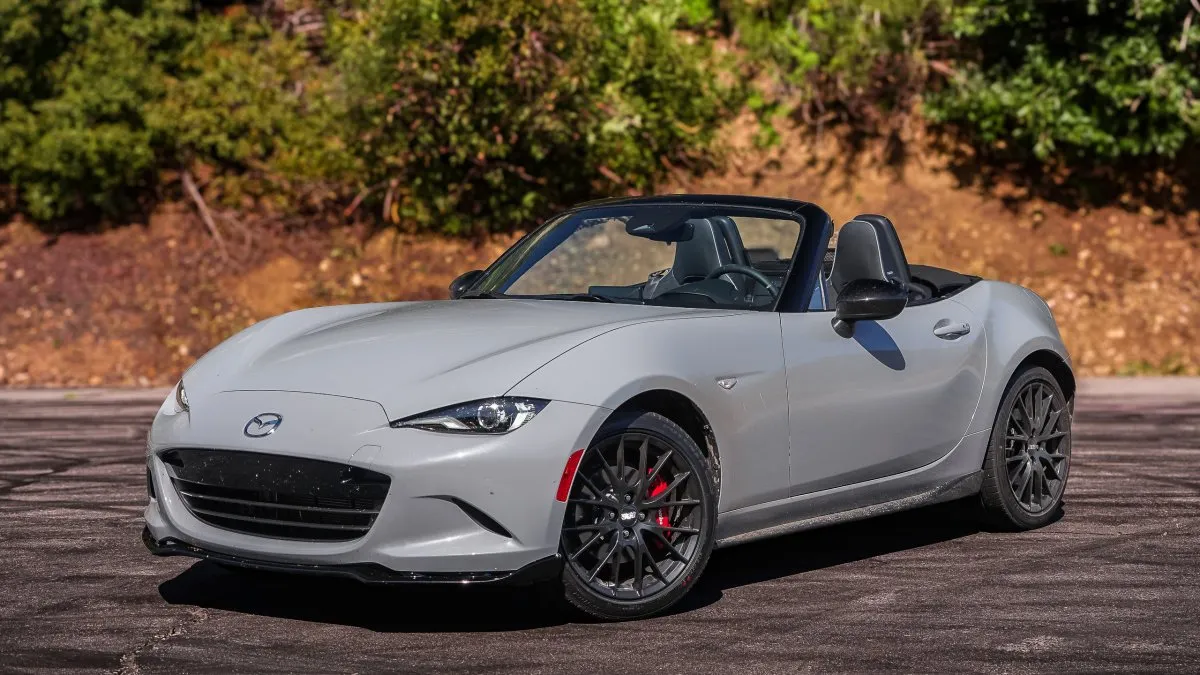
1. Mazda MX-5 Miata Club 2024
Pure driving joy arrives in a surprisingly affordable package with the 2024 Mazda MX-5 Miata Club. That naturally aspirated 2.0-liter engine produces 181 horsepower, which sounds modest until you remember this roadster weighs barely 2,300 pounds.
Power-to-weight ratio matters far more than raw horsepower numbers, and the Miata’s light weight transforms modest power into genuinely entertaining acceleration. You’ll hit 60 mph in about 5.7 seconds, which feels quicker than the numbers suggest because you’re sitting low and exposed to the elements. Every bit of speed feels amplified when you’re inches off the pavement with wind rushing past.
Daily driving comfort exceeds what you’d expect from a focused sports car. Sure, you sacrifice cargo space and weather protection, but the trade-off brings rewards. Short trips to grab groceries or commute to work become events rather than chores.
You’ll find yourself taking the long way home just to enjoy a few more minutes behind the wheel. That’s the magic of the Miata. It transforms mundane errands into driving experiences that put a smile on your face. Ride quality handles real-world roads better than track-focused alternatives that beat you senseless over expansion joints and potholes.
Track capability impresses veteran drivers who initially dismiss the Miata as too slow. Raw speed matters less than handling balance, and the Miata delivers near-perfect 50/50 weight distribution. You can trail brake deep into corners, rotate the car with throttle lifts, and power out with confidence that the chassis will communicate exactly what’s happening at each tire.
Predictable handling matters more than outright grip when you’re learning proper technique. Mistakes happen gradually rather than suddenly, giving you time to correct before spinning into barriers. Forgiveness builds confidence quickly, making you a better driver faster than more powerful cars that bite hard when you make errors.
Starting price around $33,000 makes the Miata Club accessible to enthusiasts who thought track-capable cars started at $50,000. You’re getting a car with Bilstein dampers, a limited-slip differential, and performance-oriented suspension tuning straight from the factory.
No expensive modifications needed before your first track day. Just show up, follow proper procedures for tech inspection, and start driving. Consumables like brake pads and tires cost far less than exotic alternatives.
A weekend track event won’t require taking out a loan to replace worn components. You can actually afford to drive this car hard regularly rather than babying it due to expensive maintenance concerns.
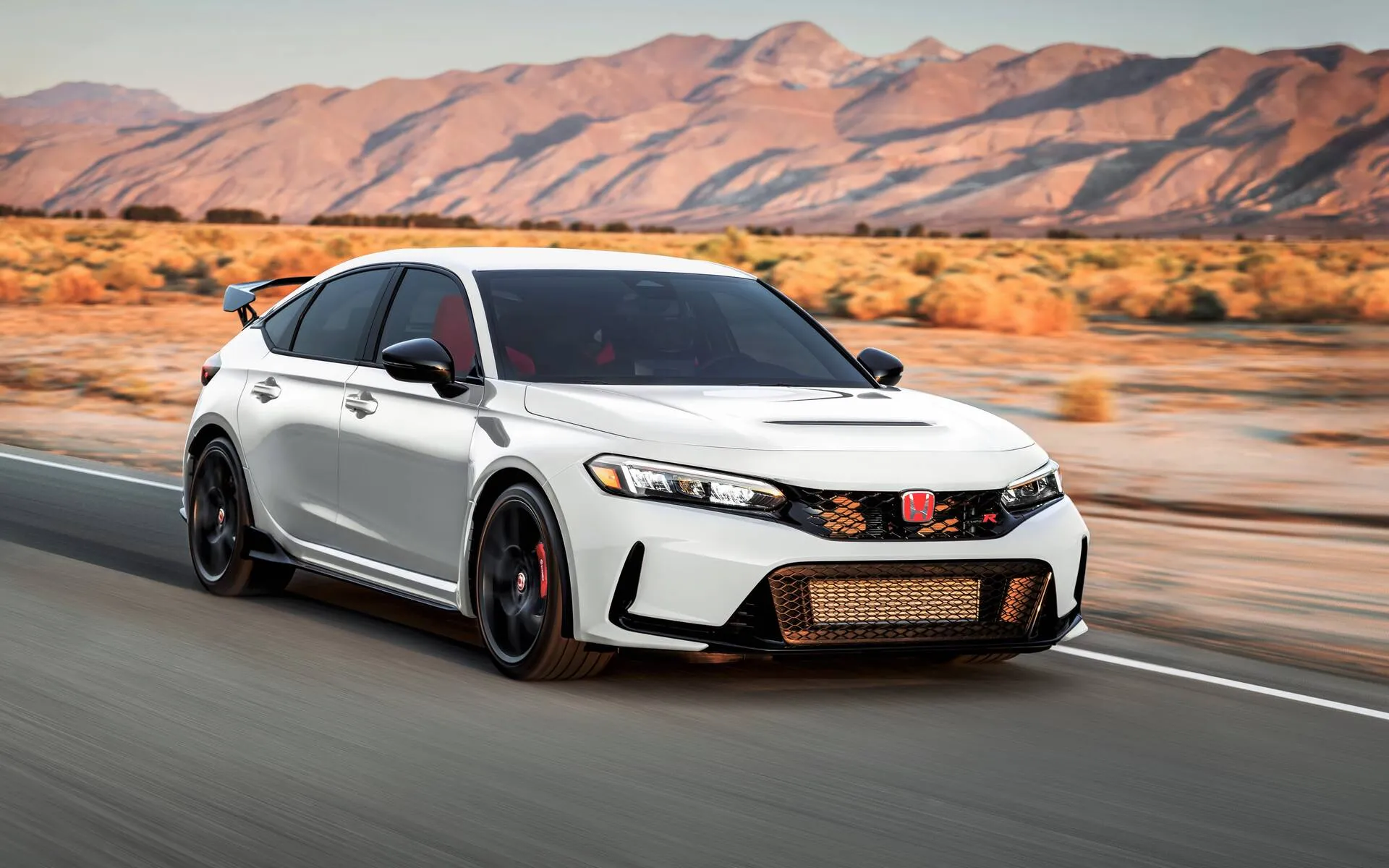
2. Honda Civic Type R 2023-2024
Front-wheel-drive hot hatch engineering reaches impressive heights in the 2023-2024 Honda Civic Type R. That turbocharged 2.0-liter four-cylinder pumps out 315 horsepower and 310 lb-ft of torque, numbers that place this Civic firmly in serious performance territory. Zero to 60 happens in around 4.9 seconds, making this one of the quickest front-drive cars ever built.
Practical daily driver capabilities exceed what you’d expect from something this focused on performance. Five-door hatchback body provides actual cargo space for groceries, luggage, or track day equipment. Rear seats accommodate real adults during carpools or longer trips, though taller passengers might complain about headroom.
You’re not sacrificing everyday usability for weekend thrills. This Type R genuinely works as the only car for enthusiasts who can’t justify owning separate vehicles for different purposes. Ride quality remains surprisingly compliant considering the performance focus. Yes, it’s firm, but it’s not the punishing harshness that makes passengers dread every pothole.
Track performance embarrasses cars costing twice as much. Adaptive dampers adjust continuously to optimize suspension settings for current conditions. Stiff chassis prevents flexing during hard cornering, maintaining precise control that inspires confidence.
Limited-slip differential manages power delivery brilliantly, putting 315 horsepower through front wheels without the torque steer and wheel spin that plagued earlier hot hatches. You can accelerate hard out of corners with minimal drama, exploiting grip that shouldn’t be possible with a front-drive layout. Huge Brembo brakes provide stopping power that survives repeated track sessions without fading.
Pricing starts around $44,000, positioning the Type R as a performance bargain when you consider what it delivers. You’re getting technology and capability that required six-figure exotic cars just decades ago.
Track times approach or match sports cars costing $70,000 or more. That value proposition proves impossible to ignore for enthusiasts working with realistic budgets. Yes, markups might push prices higher at dealers during initial launch, but patient shoppers will find cars at MSRP if they’re willing to wait or travel.
Also Read: 10 Exciting Cars You Will Finally Be Able to Import in 2026
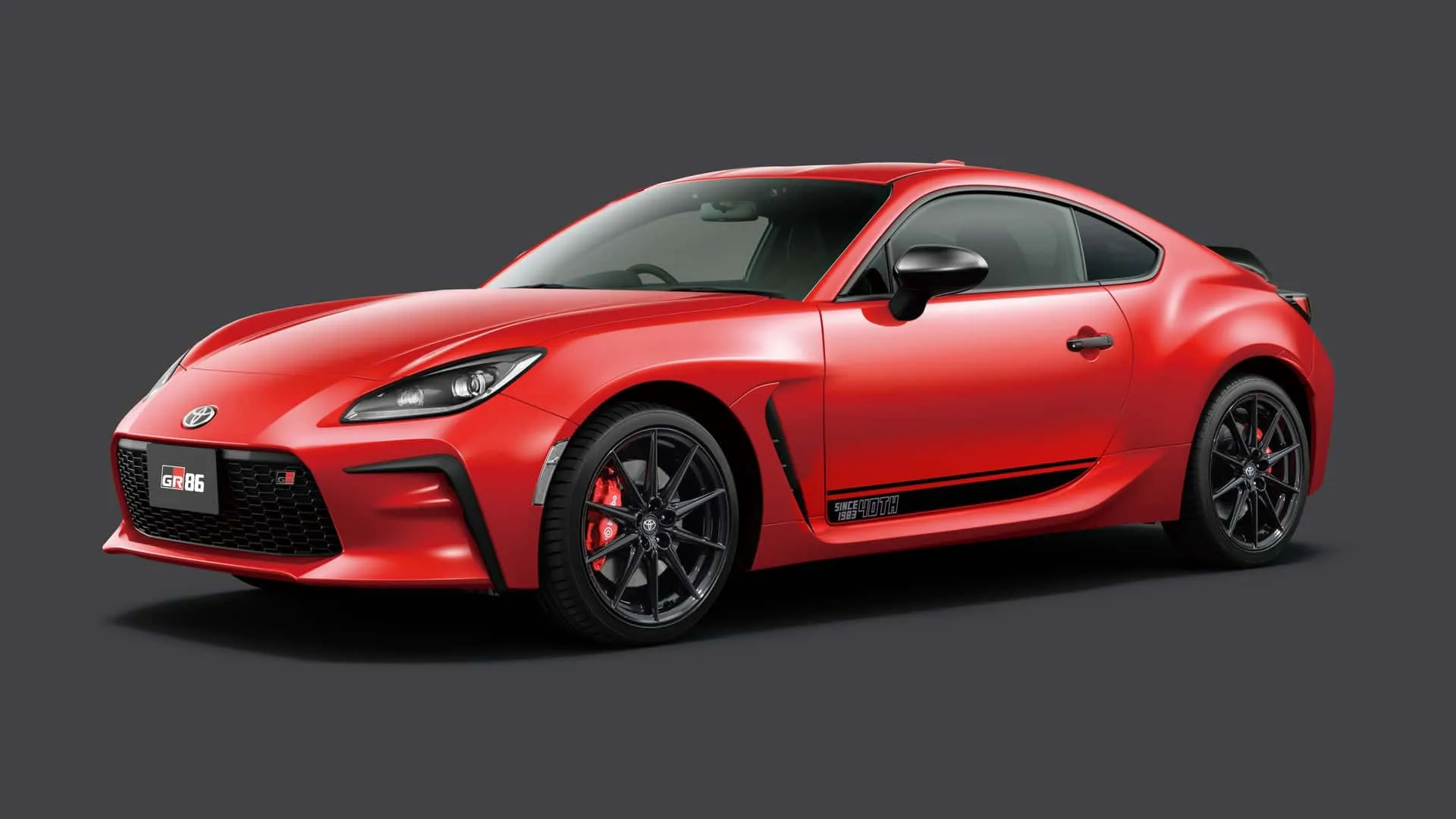
3. Toyota GR86 2024
Lightweight sports car purity defines the 2024 Toyota GR86, delivering driving thrills through simplicity rather than technology. That naturally aspirated 2.4-liter boxer engine produces 228 horsepower and 184 lb-ft of torque, modest numbers that don’t tell the whole story.
Low curb weight around 2,800 pounds transforms adequate power into genuinely entertaining acceleration. Zero to 60 takes about 6.1 seconds, quick enough to keep pace with traffic yet slow enough that you can actually use full throttle without instantly reaching illegal speeds. You’ll spend time at the top of each gear, wringing out every bit of performance rather than short-shifting to avoid speeding tickets.
Daily driving reveals this GR86’s dual personality. Comfortable seats support you during both commutes and track sessions. Visibility exceeds what many modern sports cars offer, with relatively thin pillars that don’t create massive blind spots.
You can actually see surrounding traffic without cameras and sensors compensating for poor sight lines. Small back seats provide space for bags or jackets, though calling them passenger space stretches credibility. Adults won’t fit back there comfortably, but kids or small dogs will manage short trips. It’s more practical than a two-seater while remaining focused on the driving experience above all else.
Track performance impresses despite modest power figures. Lightweight and balance matter more than horsepower when chasing lap times. You’ll carry more speed through corners than heavier, more powerful cars that must slow more for turns.
That momentum conservation adds up across entire laps, producing times that surprise people who assume power equals speed. Brake cooling receives proper attention from the factory, allowing sustained track use without fade or failure. Consumables like pads and rotors cost reasonably, making regular track days affordable rather than financially ruinous.
The starting price of around $30,000 makes the GR86 accessible to enthusiasts just starting their performance car journey. You’re getting a genuine sports car for Camry money. That value proposition proves difficult to match anywhere in the market. Yes, more expensive cars offer more power or luxury features, but few deliver pure driving engagement this effectively at this price.
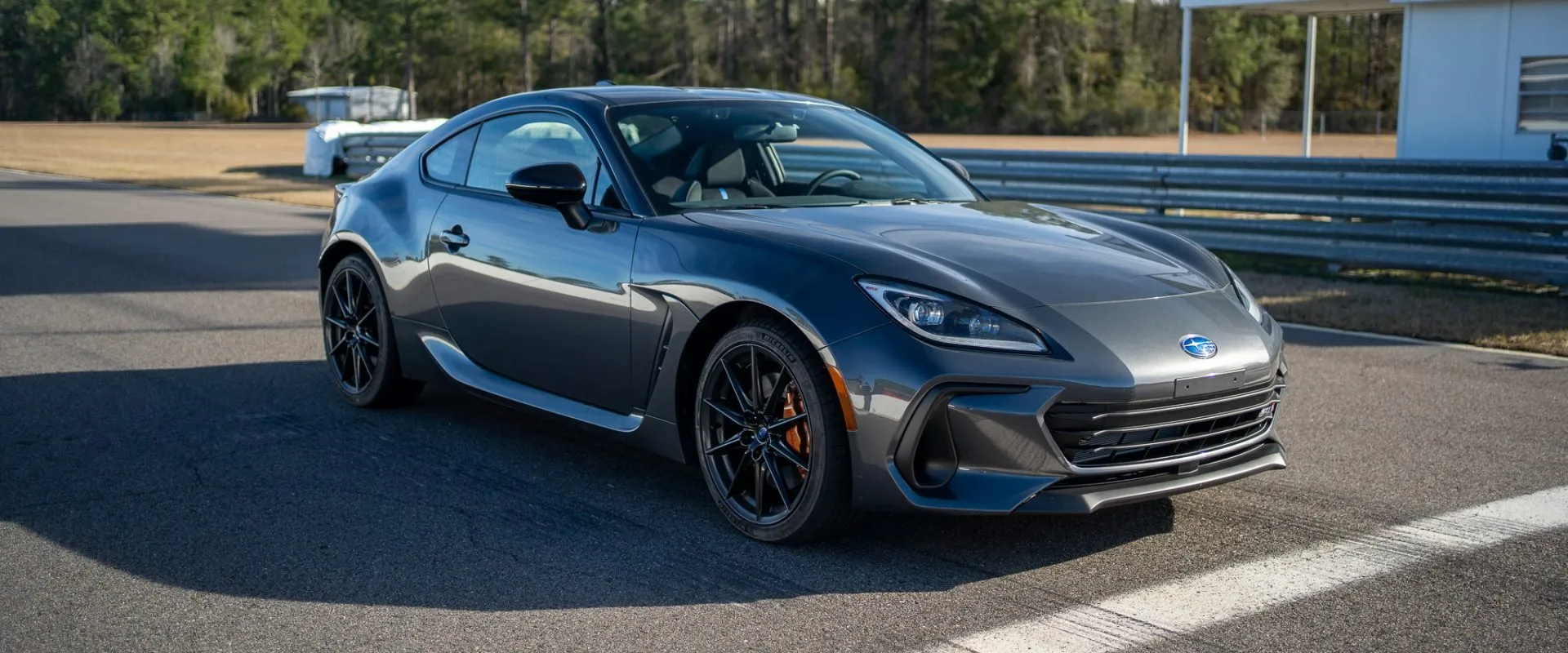
4. Subaru BRZ tS 2024
Mechanical twin to the GR86, the 2024 Subaru BRZ tS shares the same brilliant platform while adding its own character. That naturally aspirated 2.4-liter boxer four produces identical 228 horsepower and 184 lb-ft of torque. Performance figures match the GR86 precisely because they’re mechanically identical under the skin.
What separates them comes down to suspension tuning, styling details, and brand preference. Some drivers prefer Subaru’s slightly firmer damping and more aggressive front fascia. Others lean toward Toyota’s softer approach. Both deliver exceptional driving experiences that prioritize engagement over raw speed.
Daily usability matches the GR86 since they share the same body and interior layout. You get the same comfortable front seats, tiny back seats, and decent visibility that make these cars genuinely livable. Fuel economy lands around 20 city and 27 highway, respectable for sports cars that encourage spirited driving.
Real-world mpg typically runs 22-24 during mixed use, keeping fuel costs reasonable. Premium fuel is recommended, though the engine runs fine on regular with slightly reduced performance. That flexibility helps when budgets get tight, or premium isn’t available during road trips through rural areas.
Track capability benefits from Subaru’s STI tuning experience. Stiffer springs and dampers reduce body roll during aggressive cornering. Brembo brakes provide strong stopping power that survives hard track use. Limited-slip differential comes standard on tS trim, managing power delivery during corner exits.
You’ll experience less wheel spin and more controlled acceleration compared to open differential models. That makes you quicker out of turns and less likely to spin if you get aggressive with the throttle while the tires are still sliding.
Modification options mirror those available for GR86 since aftermarket companies develop parts for both platforms simultaneously. You can upgrade suspension, add a turbocharger, improve brakes, or install better seats using the same parts that fit Toyota’s version.
That shared platform creates economies of scale that keep modification costs lower than unique platforms with limited aftermarket support. Whatever direction you want to take your BRZ, parts exist at prices that enthusiast budgets can actually accommodate.
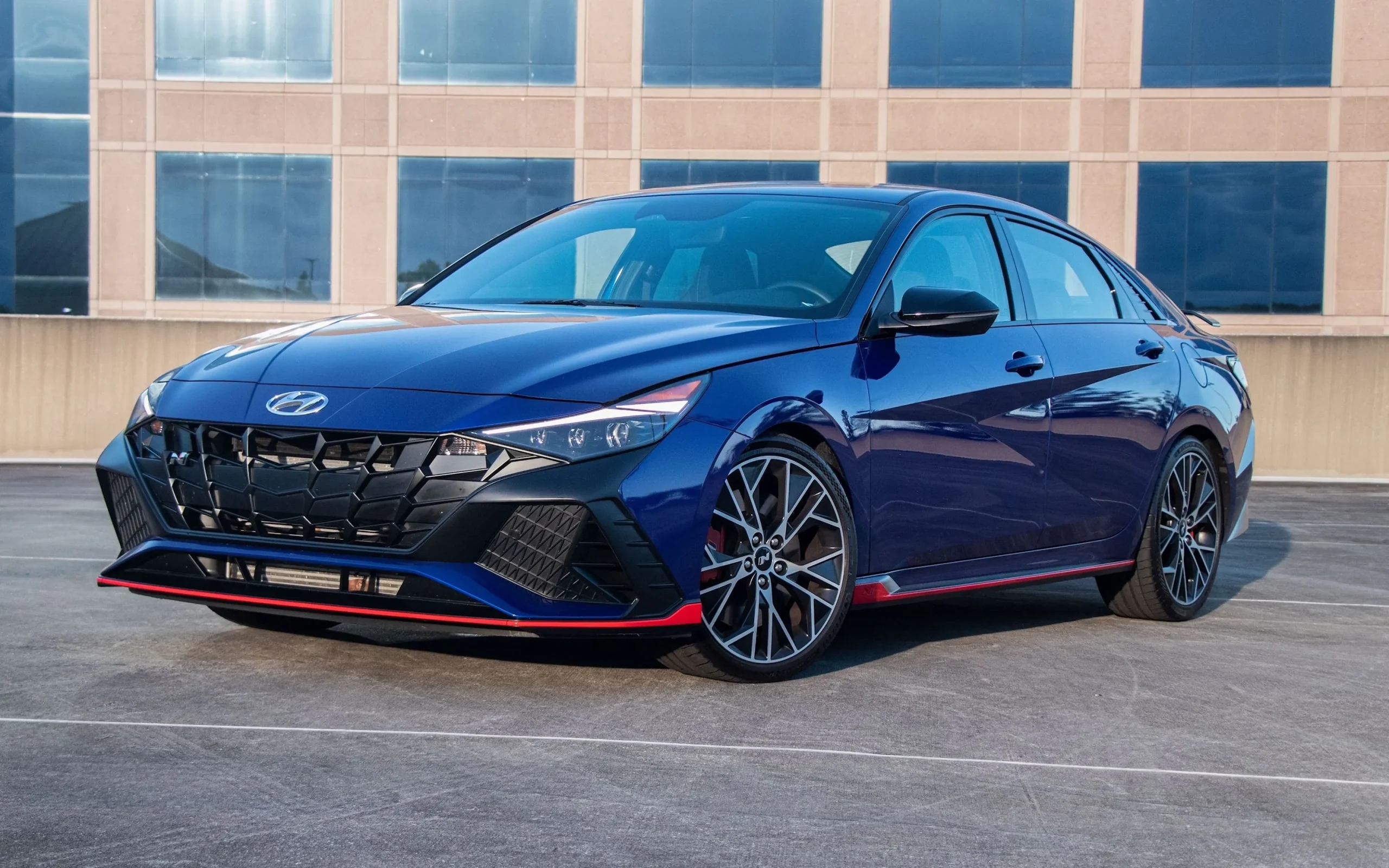
5. Hyundai Elantra N 2024
Korean performance engineering produces surprising results with the 2024 Hyundai Elantra N. That turbocharged 2.0-liter engine cranks out 276 horsepower and 289 lb-ft of torque, impressive output for a compact sedan. Zero to 60 happens in around 5.0 seconds, placing the Elantra N firmly in quick car territory.
Six-speed manual transmission comes standard, though an eight-speed dual-clutch automatic is available for those who prefer it. Manual enthusiasts will appreciate the mechanical shifter feel and proper clutch engagement.
The sedan body style provides practical advantages that two-door sports cars and hot hatches cannot match. A proper four-door layout simplifies passenger access, while the trunk offers actual cargo space separated from the cabin.
You can carry dress clothes without them smelling like track day brake dust and tire smoke. That separation matters for people using one car for everything from work commutes to weekend track sessions. Rear seats accommodate adults comfortably, making this a viable option for small families or carpools. You’re not sacrificing practicality for performance.
Daily driving reveals this Elantra N’s split personality. Comfort mode relaxes suspension and throttle mapping, creating a compliant ride that handles rough roads without beating you senseless. Exhausts quiet down, becoming almost sedate compared to the aggressive sounds in Sport mode.
You can cruise highways comfortably, arriving at destinations without fatigue from harsh suspension or excessive noise. Then N mode transforms everything. Suspension stiffens, throttle response sharpens, and exhausts open up to create an aggressive soundtrack. It’s like driving two different cars depending on which mode you select.
Starting price around $34,000 positions the Elantra N as a performance bargain that undercuts competitors while matching or exceeding their capabilities. You’re getting serious track capability wrapped in a practical sedan body for less than most hot hatches cost. That value proposition proves nearly impossible to beat.
Warranty coverage provides peace of mind that Korean brands now offer, with 5-year/60,000-mile bumper-to-bumper protection. You can track the car knowing factory warranty remains valid for normal wear items, unlike some manufacturers that void warranties at the first sign of track use.
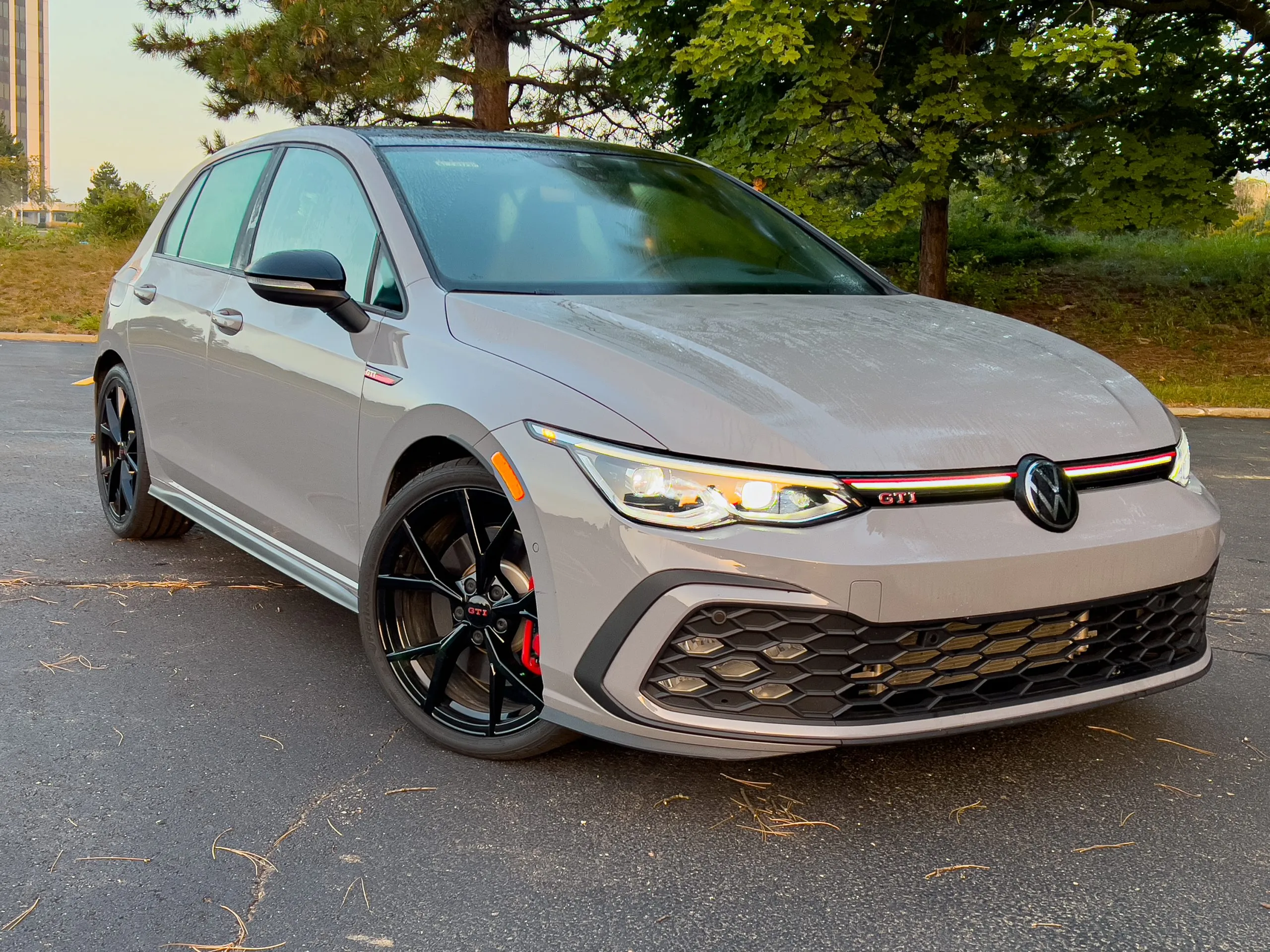
6. Volkswagen Golf GTI Autobahn 2024
Hot hatch excellence continues evolving with the 2024 Volkswagen Golf GTI Autobahn, delivering refined performance that balances daily comfort with track capability. Turbocharged 2.0-liter four-cylinder produces 241 horsepower and 273 lb-ft of torque, providing strong acceleration that feels effortless rather than frantic.
Zero to 60 happens in around 5.7 seconds, quick enough to merge confidently and embarrass unsuspecting drivers at stoplights. That broad torque curve delivers power across the entire RPM range, eliminating the need to constantly chase redline for adequate acceleration. You can short-shift during relaxed driving or wring out every gear when chasing lap times.
Interior quality separates the GTI from cheaper performance alternatives. Volkswagen uses premium materials throughout the cabin, creating an environment that feels upscale rather than economy-grade.
Supportive plaid sport seats provide both style and function, gripping you during aggressive cornering while remaining comfortable during long commutes. Digital cockpit displays essential information clearly without overwhelming you with unnecessary data.
Physical buttons and knobs control climate and audio functions, maintaining intuitive operation that touchscreens sacrifice. You can adjust settings without looking away from the road, keeping attention focused where it belongs.
Hatchback practicality makes the GTI a genuinely versatile daily driver. Fold rear seats down and cargo capacity expands dramatically, swallowing track day wheels and tires or weekend trip luggage with ease. You’re not limited to what fits in a sedan trunk or two-seater cargo area.
That flexibility proves valuable for enthusiasts who need one vehicle to handle everything life throws at them. Rear seats accommodate adults comfortably during normal use, though taller passengers might wish for more headroom. It works fine for carpools or transporting friends to track days.
Adaptive dampers optimize suspension settings for current driving conditions. Comfort mode provides compliant ride that absorbs rough pavement without harshness. Sport mode firms everything up, reducing body roll and sharpening responses during aggressive driving.
You get the best of both worlds without compromising either end of the spectrum. The electronically limited-slip differential from the factory manages power delivery through the front wheels effectively.
You can accelerate hard out of corners without excessive wheelspin or torque steer that plagued earlier front-drive performance cars. That capability transforms how confidently you can drive at track days.
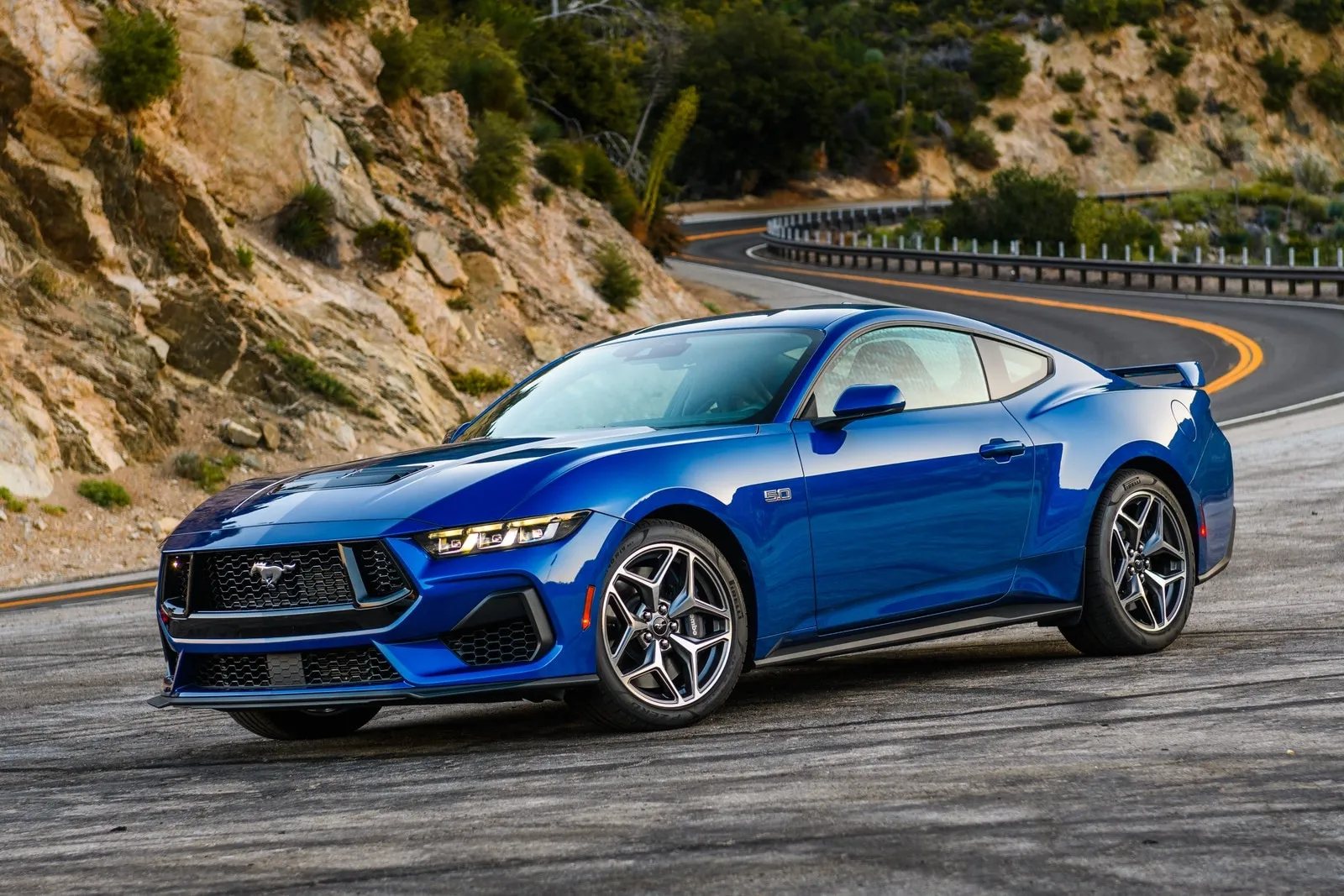
7. Ford Mustang EcoBoost Performance Package 2024
American muscle car tradition meets modern efficiency in the 2024 Ford Mustang EcoBoost Performance Package. That turbocharged 2.3-liter four-cylinder pumps out 315 horsepower and 350 lb-ft of torque, numbers that prove four-cylinders can deliver serious performance.
Zero to 60 happens in around 4.8 seconds, genuinely quick acceleration that pins you to the seat during full-throttle runs. That massive torque figure from low RPMs creates effortless acceleration that makes highway passing maneuvers stress-free. You won’t struggle to find power when you need it, unlike naturally aspirated engines that require high RPMs for adequate thrust.
Performance Package adds hardware that transforms the EcoBoost from a sporty cruiser into a legitimate track weapon. Larger front brakes provide stopping power that survives hard track use without fading. Stiffer springs and dampers reduce body roll during aggressive cornering.
The thicker rear sway bar improves rotation, helping the Mustang change direction more willingly. Torsen’s limited-slip differential manages power delivery, reducing wheelspin during corner exits. You get components from the parts bin that would cost thousands to install aftermarket, already engineered and tested to work together properly.
Daily driving comfort exceeds what older Mustangs delivered. Independent rear suspension replaced the archaic solid axle that made previous generations hop and skip over bumps during cornering. You can actually take turns confidently without white-knuckling the steering wheel.
Ride quality handles real-world roads well, absorbing expansion joints and potholes without excessive harshness. Cabin noise remains reasonable at highway speeds, allowing normal conversations without shouting. You’re getting genuine sports car performance without the compromises that made older muscle cars miserable during daily use.
Coupe and convertible body styles offer different advantages depending on your priorities. Coupe provides slightly better chassis rigidity and lower weight, translating into marginally better track performance.
Convertible adds wind-in-your-hair enjoyment during cruising, though you’ll leave the top up during track days. Both work fine for daily driving and weekend track sessions. Choose based on whether open-air driving matters enough to accept the slight performance penalty and added weight.
Fuel economy impresses for something this quick. EPA ratings of 21 city and 28 highway mean you won’t go broke commuting. Real-world driving typically delivers 24-26 mpg during mixed use, respectable efficiency that keeps fuel costs reasonable.
Premium fuel gets recommended for maximum performance, though the engine runs fine on regular with reduced power. That flexibility helps budget-conscious enthusiasts who want to save money during daily driving while running premium during track days.
Starting price around $35,000 with the Performance Package makes this Mustang a legitimate performance bargain. You’re getting serious capability for less than what many loaded economy cars cost.
Also Read: 10 Rare and Overlooked Japanese Sports Cars Most Enthusiasts Have Never Heard Of
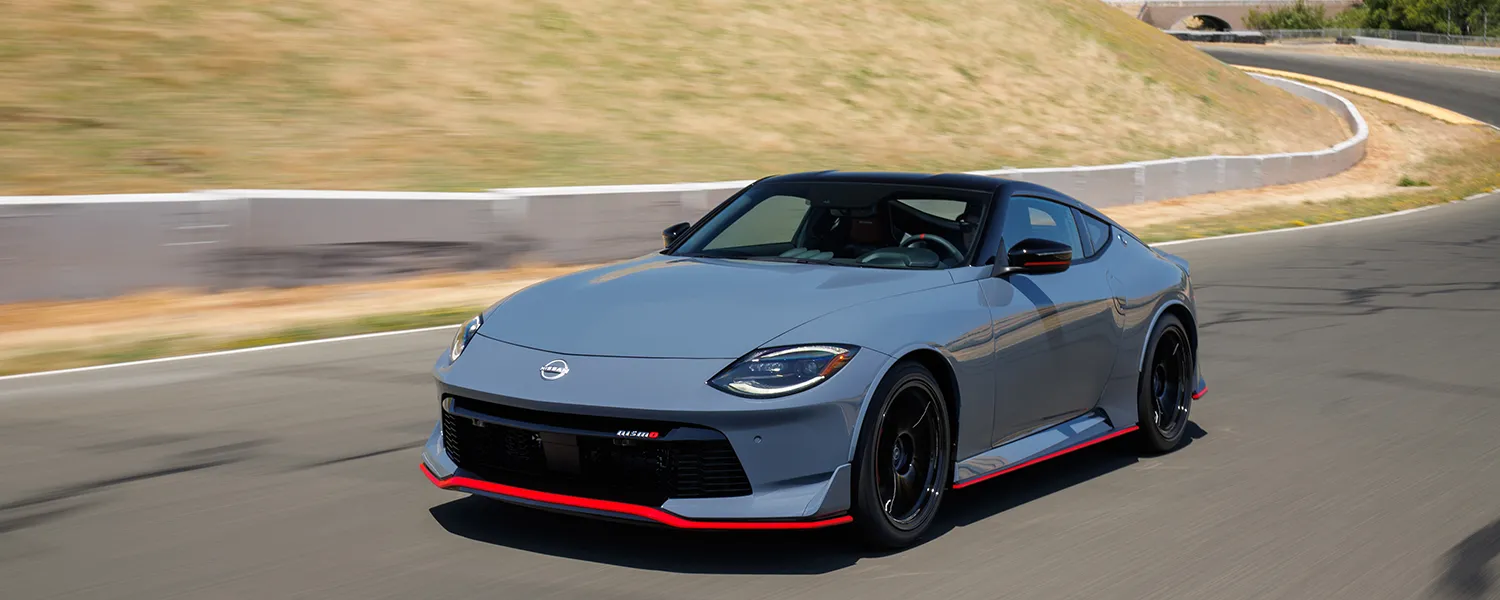
8. Nissan Z Sport 2024
Japanese sports car heritage continues with the 2024 Nissan Z Sport, delivering V6 power in a focused two-seat package. Twin-turbocharged 3.0-liter V6 produces 400 horsepower and 350 lb-ft of torque, an impressive output that places the Z firmly in serious performance territory.
Zero to 60 happens in around 4.3 seconds, genuinely quick acceleration that transforms highway merging from chore into an event. That twin-turbo setup eliminates the lag that plagued older turbocharged engines, delivering smooth power across the entire RPM range. You won’t notice abrupt transitions or flat spots, just linear thrust that builds as RPMs climb.
Daily driving reveals this Z’s practical side. Ride quality remains compliant enough to handle rough roads without beating you senseless. Yes, it’s firm, but it’s not the punishing stiffness that makes every pothole feel like hitting a brick wall.
Visibility challenges arise from thick rear pillars that create substantial blind spots during lane changes. You’ll need to rely on mirrors and shoulder checks more than in cars with better sight lines.
Cargo space behind the seats accommodates track day equipment or weekend luggage, though you won’t haul furniture or large items. It’s adequate for a two-seater sports car but nothing more.
Track capability benefits from serious engineering effort. Brakes provide strong stopping power that survives multiple hard laps before requiring cooling breaks. Chassis balance allows late braking and aggressive throttle application during corner exits without losing control.
An electronically limited-slip differential manages power delivery effectively, reducing wheelspin and allowing earlier throttle application. Stability control offers multiple modes, including full off, for experienced drivers who want complete freedom. Sport mode sharpens throttle response and transmission behavior while maintaining some safety nets. You can gradually build confidence before disabling all electronic assistance.
Starting price around $43,000 for Sport trim positions the Z as a performance value when you consider what competitors cost. You’re getting 400 horsepower and genuine sports car dynamics for less than many loaded family sedans.
Yes, you sacrifice rear seats and cargo space, but you gain driving purity that four-door compromises can never match. That trade-off works perfectly for enthusiasts who prioritize performance over practicality.
Heritage styling references classic Z cars while incorporating modern design elements that keep it current. You’re driving something that honors Nissan’s sports car legacy while delivering performance that embarrasses vehicles costing substantially more.
