
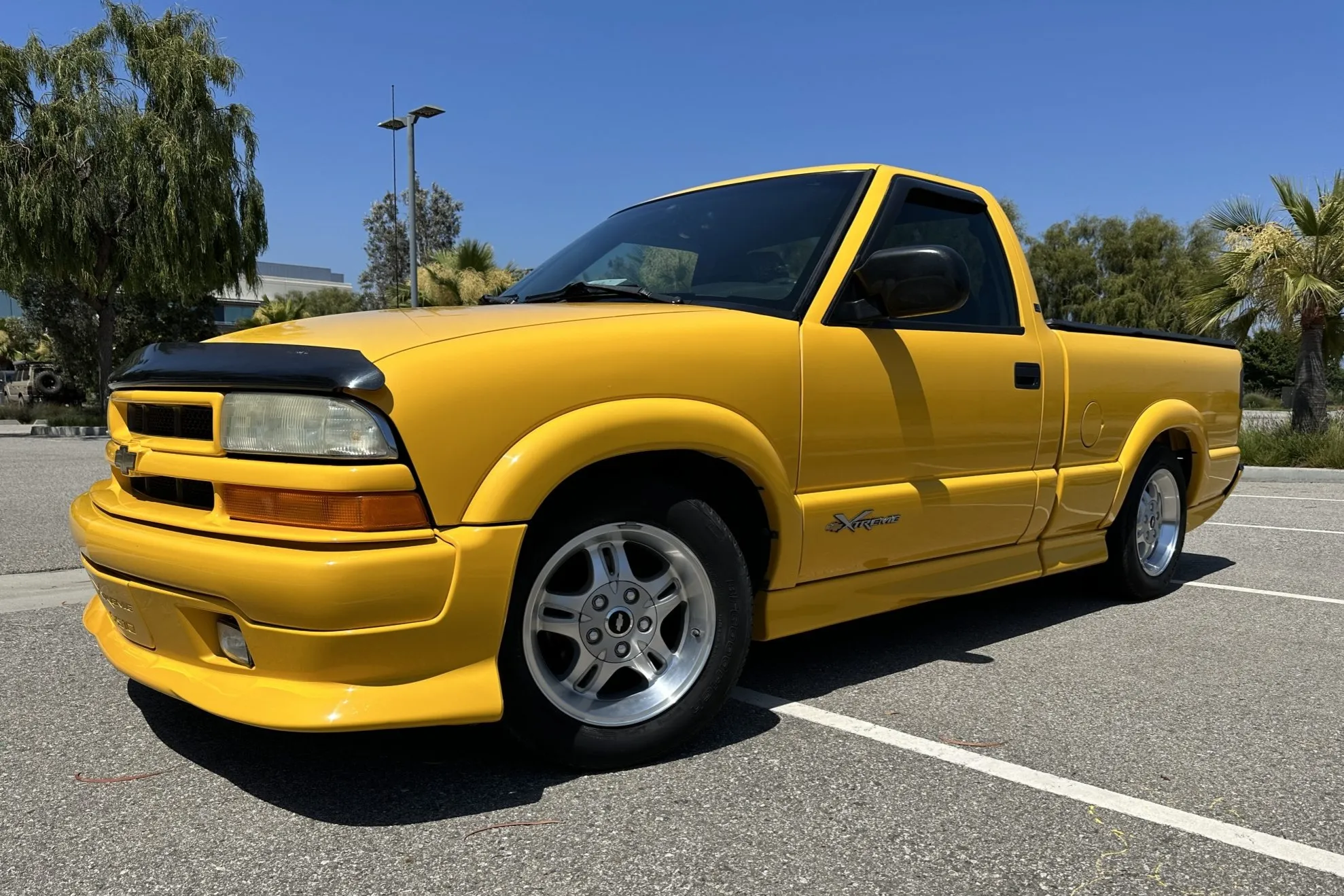
Pickup trucks have become bloated giants that dwarf compact cars and require ladders to access their beds. If you’ve walked through a dealership lately, you’ve probably noticed that even “mid-size” trucks now measure larger than full-size models from twenty years ago.
This supersizing trend has created a massive gap in the market for people who actually need functional trucks without the excess. Not everyone requires a vehicle capable of towing aircraft carriers or seating seven passengers in luxury comparable to executive sedans. Sometimes you just need something that can haul plywood from the hardware store and fit in a normal parking space.
Automotive history is filled with practical pickup trucks that served their purposes brilliantly before manufacturers decided bigger always means better. These discontinued models offered right-sized capability for tasks that didn’t require massive V8 engines or crew cabs stretching longer than studio apartments.
They delivered genuine utility without wasting resources on capabilities most owners never used. You could actually reach into the bed without requiring a step stool, and fuel economy didn’t require taking out personal loans to afford monthly gas bills.
Modern technology could transform these discontinued trucks into vehicles that perfectly address current needs. Imagine compact pickups with efficient turbocharged engines, advanced safety systems, and connectivity features that buyers expect in 2025.
Add hybrid or electric powertrains to some, and you’ve got practical work vehicles that don’t destroy the environment or your budget. These revivals wouldn’t just appeal to nostalgic buyers remembering simpler times. They’d attract young professionals, urban dwellers, small business owners, and anyone tired of current truck offerings that prioritize luxury over utility.
Let’s examine ten discontinued pickup trucks that deserve modern revivals. Each offered something special that today’s market desperately needs. These aren’t forgotten failures that nobody wanted.
They’re practical solutions that got discontinued because manufacturers chased profit margins in the full-size segment, abandoning customers who valued efficiency and maneuverability over maximum capability and luxury appointments.
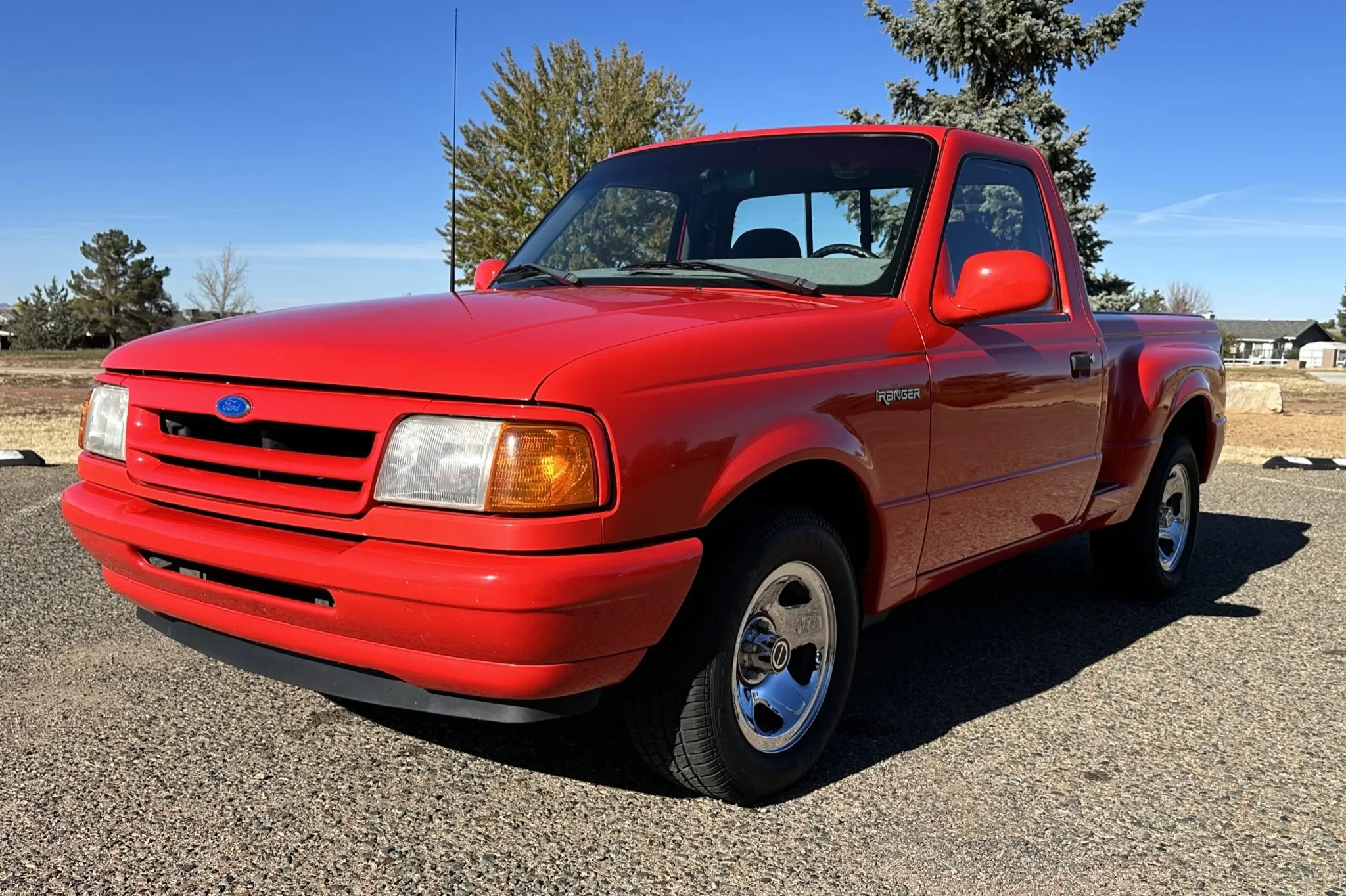
1. Ford Ranger Splash 1993-1997
Sporty compact truck styling reached its peak with the Ford Ranger Splash, delivering eye-catching looks that made practical trucks actually fun. Two-tone paint schemes, ground effects body kit, and step-side bed created a distinctive appearance that stood out in parking lots.
You weren’t driving a boring work truck. This was something that turned heads while still delivering genuine utility. Modern revival could amplify that personality with aggressive styling cues inspired by performance vehicles, creating a compact truck that appeals to enthusiasts who need utility but refuse to sacrifice style.
Compact dimensions made the Splash genuinely maneuverable in urban environments where today’s trucks struggle. You could actually park in normal spaces, squeeze through narrow alleys, and navigate crowded city streets without constant anxiety about scraping someone’s mirror or blocking intersections.
The modern version could maintain those compact proportions while adding current safety technology like blind-spot monitoring and parking cameras that compensate for any visibility compromises. You’d get genuine city-friendly dimensions enhanced by tech that makes tight maneuvering even easier.
Step-side bed design provided distinctive styling while creating convenient tie-down points and wheel well storage. Sure, you sacrificed some bed width, but you gained character that flat-sided trucks couldn’t match.
Modern materials and manufacturing techniques could create a step-side design that looks even better while maintaining structural strength. Add spray-in bedliner and LED bed lighting standard, and you’ve got a truck bed that’s both functional and stylish. Integrated bed dividers and accessory mounting points would enhance utility beyond what the original Splash offered.
EcoBoost turbocharged four-cylinder from the current Ford lineup would provide excellent power with reasonable fuel economy. Something producing 270-300 horsepower and similar torque would deliver genuinely quick acceleration while achieving 25+ mpg during highway driving.
That efficiency matters when gas prices spike, and it appeals to environmentally conscious buyers who still need truck capability occasionally. Six-speed manual transmission should remain available for enthusiasts, though most buyers would probably choose a ten-speed automatic for its smooth shifting and improved efficiency.
Pricing strategy could position modern Splash as an affordable alternative to bloated full-size trucks. Starting around $28,000 would undercut competitors while offering distinctive styling and genuine capability.
You’re not getting luxury appointments or maximum towing capacity, but you’re getting a practical truck that looks great and costs a reasonable amount to buy and operate. That value proposition would attract young buyers entering the truck market and urban professionals who need occasional hauling capability without the excess they’d never use.
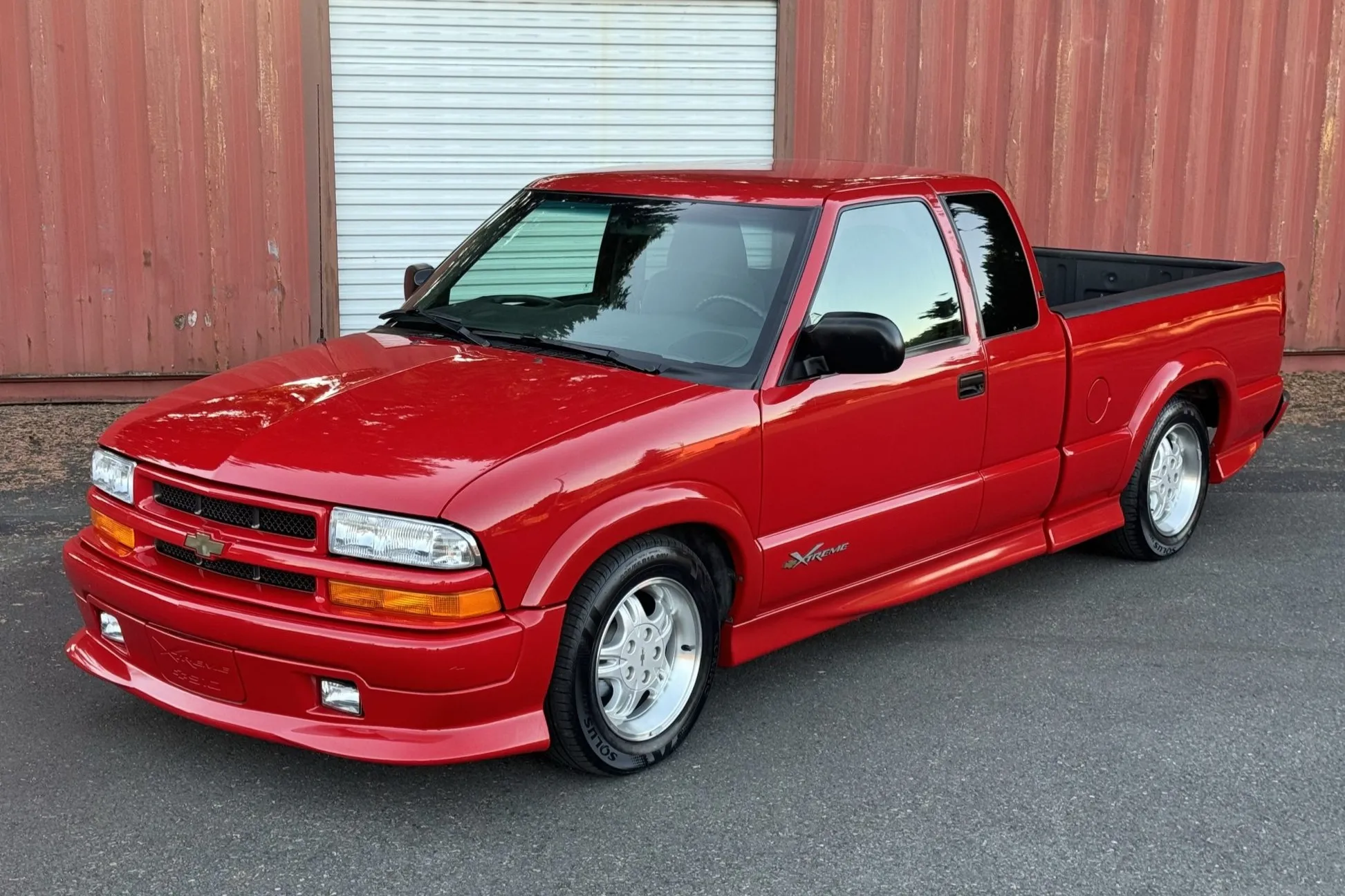
2. Chevrolet S-10 Xtreme 2001-2004
Performance truck credentials defined the Chevrolet S-10 Xtreme, bringing sporty handling and aggressive styling to the compact pickup segment. Lowered suspension, monochromatic paint schemes, and body-colored bumpers created a cohesive appearance that looked fast standing still. You weren’t buying basic transportation.
This was a statement vehicle that combined truck utility with street truck attitude. Modern revival could amplify that performance focus with a turbocharged engine producing serious power, sport-tuned suspension, and styling that references the original while looking contemporary.
Street truck culture thrived during the S-10 era, with enthusiasts customizing their trucks for shows and performance. Modern Xtreme could embrace that heritage by offering factory customization options that previously required aftermarket modifications.
Lowering kits, performance exhaust systems, upgraded brake packages, and custom wheels could all be ordered directly from the dealer. You’d get professional installation with factory warranty coverage rather than risking aftermarket work that might void warranties or create reliability issues. That factory support would attract modification enthusiasts who want to personalize their trucks without complications.
Handling dynamics separated the Xtreme from regular S-10 models, with firmer suspension and lower ride height improving cornering capability. The modern version could take that concept further with adaptive dampers that provide comfortable daily driving yet firm up during spirited driving.
Add electric power steering with sport mode programming, and you’ve got a compact truck that actually handles like a proper performance vehicle. Limited-slip differential would manage power delivery during aggressive acceleration, making the Xtreme quicker and more controlled than open-diff competitors.
Turbocharged 2.7-liter four-cylinder from GM’s current engine lineup would provide an excellent performance foundation. Something producing 310 horsepower and 350 lb-ft of torque would make the Xtreme genuinely quick while maintaining reasonable fuel economy.
Eight-speed automatic transmission would handle the power smoothly while delivering 23-26 mpg during mixed driving. That combination of performance and efficiency would attract buyers who want fun truck without constant gas station visits or environmental guilt.
Interior could blend sport and utility with bucket seats featuring aggressive bolstering, a flat-bottom steering wheel, and red accent stitching throughout the cabin. Don’t forget actual physical buttons for climate and audio controls rather than forcing everything through touchscreen menus.
You’d maintain a user-friendly operation that doesn’t require looking away from the road. Digital gauge cluster could display performance information, including boost pressure, g-forces, and lap times for track day enthusiasts. Starting price around $32,000 would position modern Xtreme as a performance bargain compared to larger trucks or sports cars.
Also Read: 5 Cars for Baltimore Commuters vs 5 with Recurring Repairs
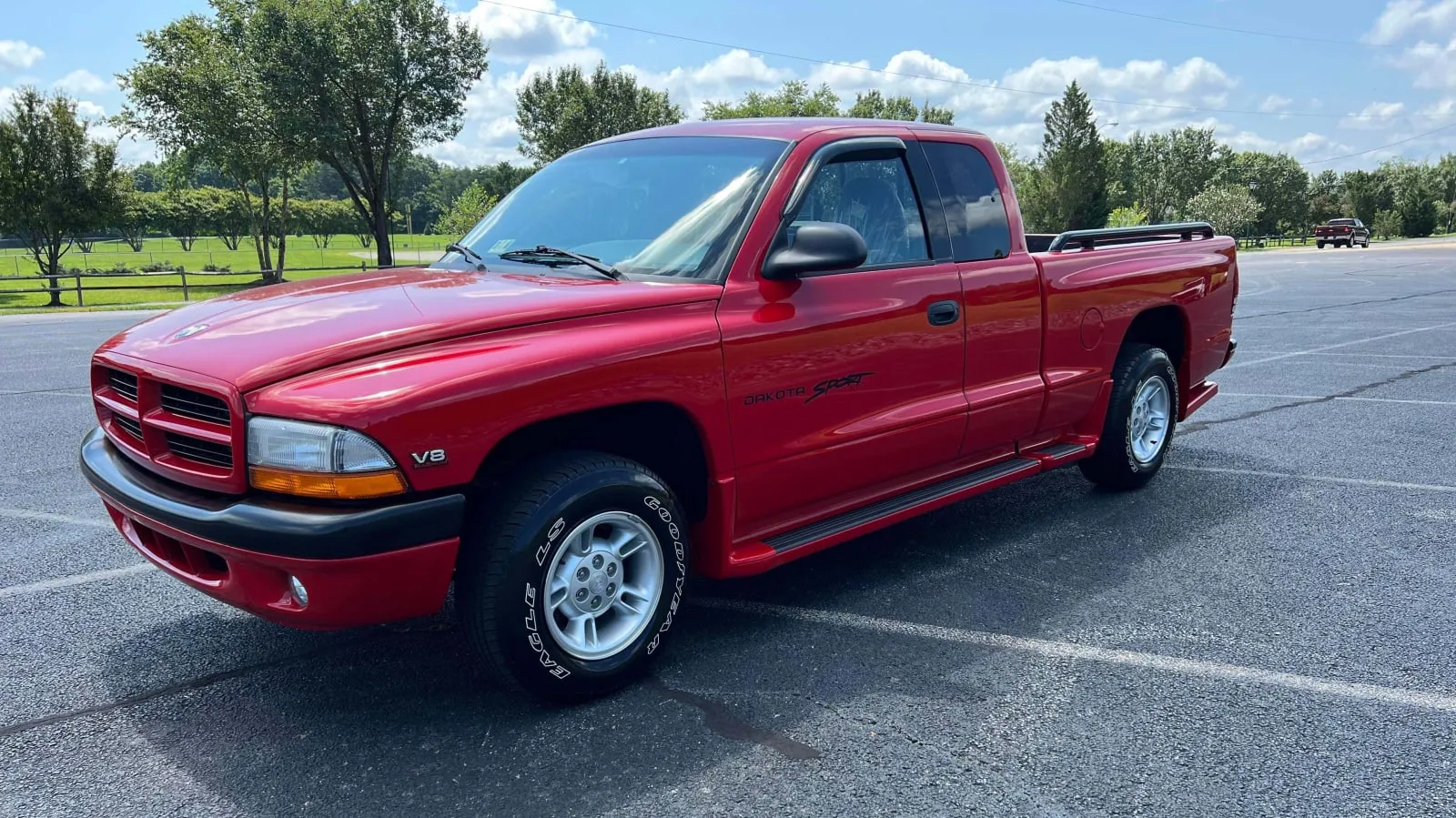
3. Dodge Dakota Sport 1997-2004
Mid-size truck versatility hit its stride with the Dodge Dakota Sport, offering genuine capability between compact and full-size segments. You’ve got real towing capacity around 6,500 pounds, something compact trucks couldn’t match, without the excessive bulk of full-size models.
That sweet spot appealed to buyers with moderate hauling needs who didn’t want to daily drive vehicles sized for commercial construction work. Modern Dakota could reclaim that middle ground with even better capability, enhanced by current technology.
V8 engine availability gave the Dakota legitimate power that compact four-cylinders and V6s couldn’t match. Modern revival could offer multiple powertrain choices addressing different needs. The base turbocharged four-cylinder would deliver efficiency for buyers prioritizing fuel economy.
An optional V6 would provide balanced performance and capability. A top-tier V8 would satisfy traditional truck buyers wanting maximum power and towing capacity. That range of options would attract a broader customer base than single-engine lineups.
Quad Cab configuration provided genuine four-door convenience in a mid-size package, something competitors struggled to match. Rear doors opened wide enough for easy access, and back seats accommodated adults comfortably during longer trips.
You weren’t forcing passengers to contort themselves through tiny openings or suffer cramped quarters. Modern Dakota could expand that practicality with a sliding rear window, rear climate controls, and charging ports for back seat passengers. Family-friendly features in a capable truck body would appeal to parents who need a utility vehicle that actually seats their kids comfortably.
Towing capacity, the modern Dakota could achieve would impress buyers cross-shopping larger trucks. With proper engineering, an 8,000-9,000-pound capacity seems achievable from a mid-size platform. That’s enough for travel trailers, boat trailers, and equipment trailers that most recreational users actually tow.
You don’t need a 12,000+ pound capacity unless you’re hauling commercial loads regularly. Trailer backup assist and integrated brake controllers would make towing easier and safer than older Dakotas ever managed.
Bed options should include 5-foot and 6.5-foot lengths, addressing different utility needs. A shorter bed improves maneuverability and parking, while a longer bed handles plywood and other building materials lying flat. In-bed storage compartments, 120-volt power outlets, and tie-down cleats throughout the bed would enhance utility.
Spray-in bedliner and LED lighting should come standard rather than requiring expensive option packages. Starting price around $35,000 would position modern Dakota as a practical alternative to $50,000+ full-size trucks that deliver capability most owners never actually need.
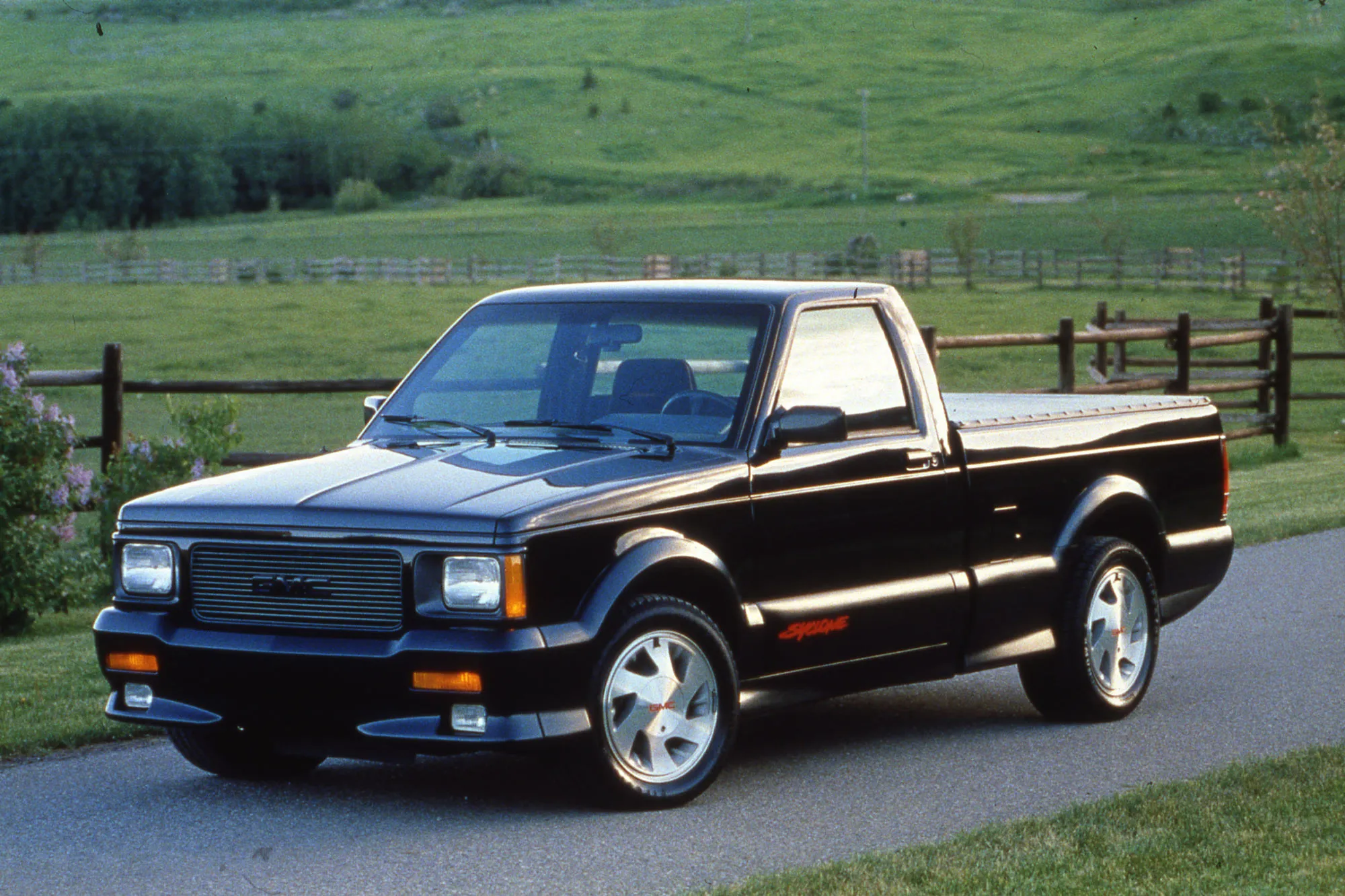
4. GMC Syclone 1991
Performance truck madness arrived when GMC launched the Syclone in 1991, creating a turbocharged all-wheel-drive compact that embarrassed sports cars. That 280-horsepower turbocharged V6 launched this little truck to 60 mph in under 5 seconds, shocking performance that nothing else in the truck world could match.
Modern revival could multiply that excitement with current turbocharger technology, creating 400+ horsepower from an efficient engine package. You’d get supercar acceleration wrapped in a practical truck body, combining ultimate performance with genuine utility.
All-wheel-drive system managed power delivery brilliantly, putting turbocharged thrust to pavement without wheelspin that plagued two-wheel-drive performance trucks. The modern version could use advanced torque-vectoring AWD that sends power where it’s needed most during acceleration and cornering.
Launch control would enable consistent 0-60 runs without requiring expert technique or risking component damage. You’d just select the mode, mash the throttle, and experience face-melting acceleration that pins you to the seat.
Handling modifications separated the Syclone from regular trucks, with lowered sport suspension and upgraded brakes that managed the performance. Modern revival could take that further with adaptive dampers, massive Brembo brakes, and sticky performance tires that enable genuine sports car handling dynamics.
You’d get a truck that carves corners confidently rather than wallowing through turns like traditional trucks. Track-capable performance in a compact truck body would create a unique vehicle that appeals to enthusiasts wanting something truly different.
Limited production would maintain the exclusivity that made the original Syclone special. Building 3,000-5,000 units annually would create collectible status while preventing the market from becoming saturated.
Buyers would know they’re driving something rare that most people will never see on the road. That exclusivity adds appeal beyond just performance numbers. You’re part of a select group rather than driving another mass-market truck that blends into traffic.
Pricing would necessarily run higher than standard trucks, given the performance hardware. Starting around $55,000 would position modern Syclone as a performance bargain compared to sports cars delivering similar acceleration.
You’d get a unique vehicle combining practicality and performance in ways nothing else matches. Interior appointments would justify the price with sport seats, premium materials, and technology features that create a special experience. This wouldn’t be a stripped-down truck with engine upgrades. It would be a complete performance package that delivers on every level.
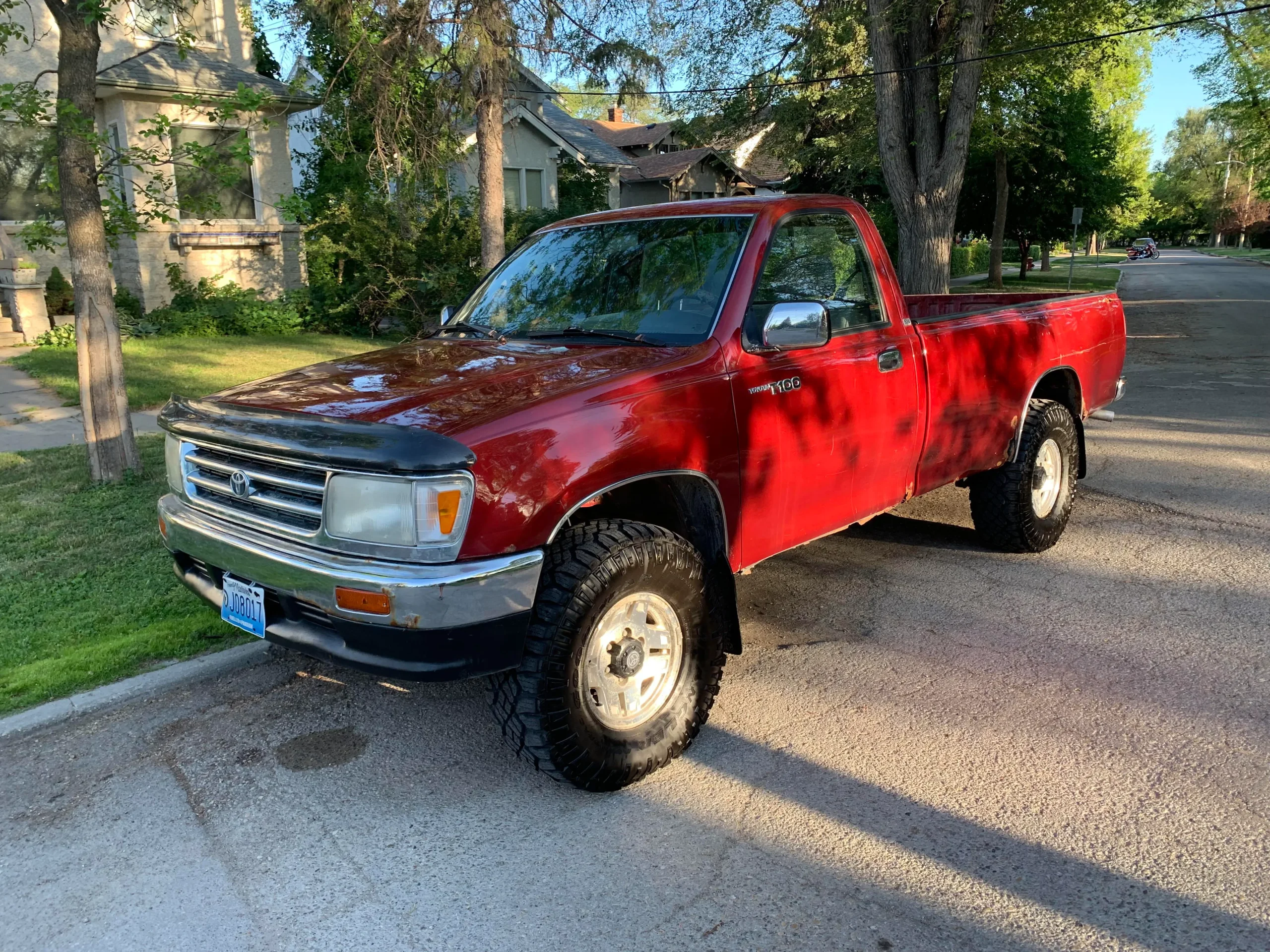
5. Toyota T100 SR5 1993-1998
Japanese reliability met American truck needs with the Toyota T100, delivering dependability in a full-size package. While not a huge sales success during its production run, the T100 established Toyota’s commitment to building genuine trucks for the American market.
Modern revival could address everything the original got wrong while maintaining the reliability that made it special. You’d get a properly sized truck with power and capability American buyers expect, backed by Toyota’s legendary durability and build quality.
Size positioned the T100 between compact and full-size segments, creating a unique option for buyers wanting more than a compact truck without full-size excess. The modern version could maintain those moderate proportions while maximizing interior and bed space through efficient packaging.
You’d get a comfortable cabin and a useful bed without the excessive bulk that makes current full-size trucks challenging to maneuver and park. That balance would appeal to buyers wanting capability without compromise in urban environments.
V8 engine option gave the T100 legitimate power after the initial four-cylinder and V6 models proved inadequate. The modern T100 should launch with a strong powertrain lineup addressing different needs. A turbocharged four-cylinder hybrid would deliver excellent efficiency for buyers prioritizing fuel economy.
V6 would provide balanced performance and towing capability. An optional V8 or turbocharged V6 would satisfy buyers wanting maximum capability. That range ensures every customer finds a powertrain matching their requirements.
The build quality improvements modern manufacturing enables would create a truck that lasts 300,000+ miles with proper maintenance. Toyota already builds vehicles that run forever. Applying that expertise to a modern mid-size truck would create an ultimate long-term value proposition.
You’d buy once and drive for decades rather than replacing every five years. That durability would offset a higher initial purchase price through reduced lifetime ownership costs. Resale values would remain strong because used buyers recognize Toyota quality.
The starting price of around $38,000 would position the modern T100 as a premium mid-size option. You’d pay more than domestic competitors but get better reliability, superior build quality, and stronger resale value. That investment pays dividends through reduced maintenance costs and higher trade-in value years later.
Interior quality would justify the premium with materials and assembly that feel substantial rather than cheap. Technology features would match current Toyota standards with intuitive operation that doesn’t require an engineering degree to understand. This would be a truck that does everything well without drama or disappointment.
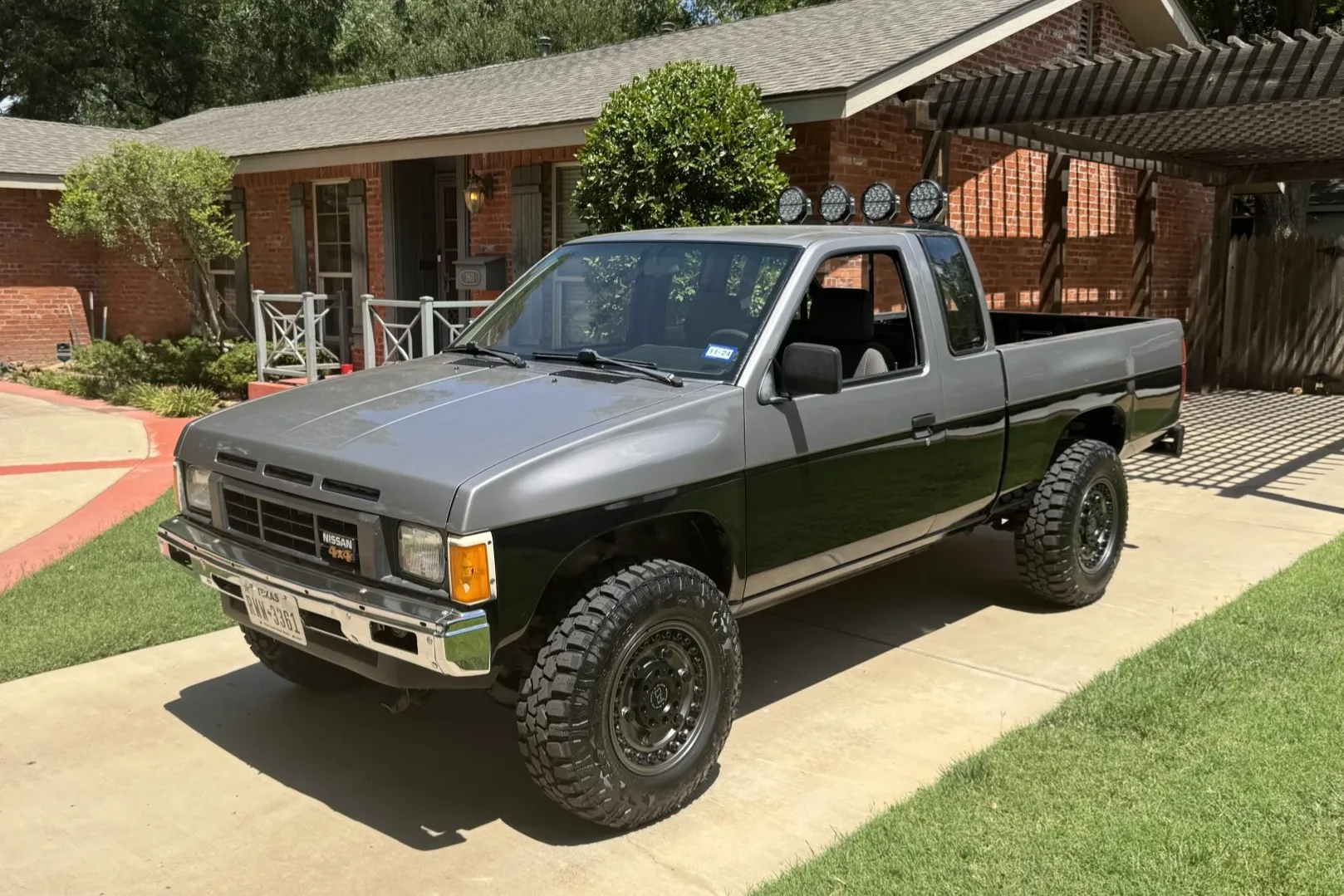
6. Nissan Hardbody 1986-1997
Compact durability earned the Nissan Hardbody legendary status among small truck buyers who valued toughness above flash. Boxy styling, stout construction, and simple mechanicals produced a truck that could handle genuine work without becoming a maintenance headache.
Modern revival could build on that reputation with rugged styling that communicates durability rather than attempting to imitate luxury. Strong character lines, functional fender flares, and practical steel bumpers would create a shape that looks ready for construction sites rather than valet parking areas.
Classic Hardbody’s reputation centered on reliability proven through decades of real-world use. Owners routinely pushed these trucks far past 200,000 miles without experiencing catastrophic problems.
Modern engineering could amplify that durability with chassis reinforcements, corrosion-resistant materials, and drivetrains designed for long service life rather than constant upgrades. Buyers looking for a dependable workhorse would appreciate a truck designed for actual use instead of promotional photos in fancy neighborhoods.
Powertrain selection could include an efficient turbocharged four-cylinder for daily work and a hybrid option for buyers wanting reduced emissions and fuel savings. That hybrid system could deliver torque useful for towing and hauling rather than focusing solely on efficiency numbers.
Quick acceleration matters less in a work truck than strong, low-rpm power that gets trailers moving without excessive engine strain. Manual transmission should remain available because some truck buyers still value mechanical control when hauling heavy loads.
Bed durability made Hardbody popular among construction workers. Steel bed, strong tie-downs, and fold-down tailgate provided features that served real work rather than styling trends.
The modern version could include composite materials resisting dents and corrosion, while integrated bed channels provide secure mounting points for toolboxes and equipment racks. Spray-in liner, LED lighting, and multiple tie-down cleats should all come standard rather than requiring expensive upgrade packages.
A pricing strategy around 30 thousand dollars would attract contractors, landscapers, and homeowners needing real utility without buying oversized full-size trucks. You get toughness, simplicity, and reliability in a package that remains affordable to purchase and operate year after year.
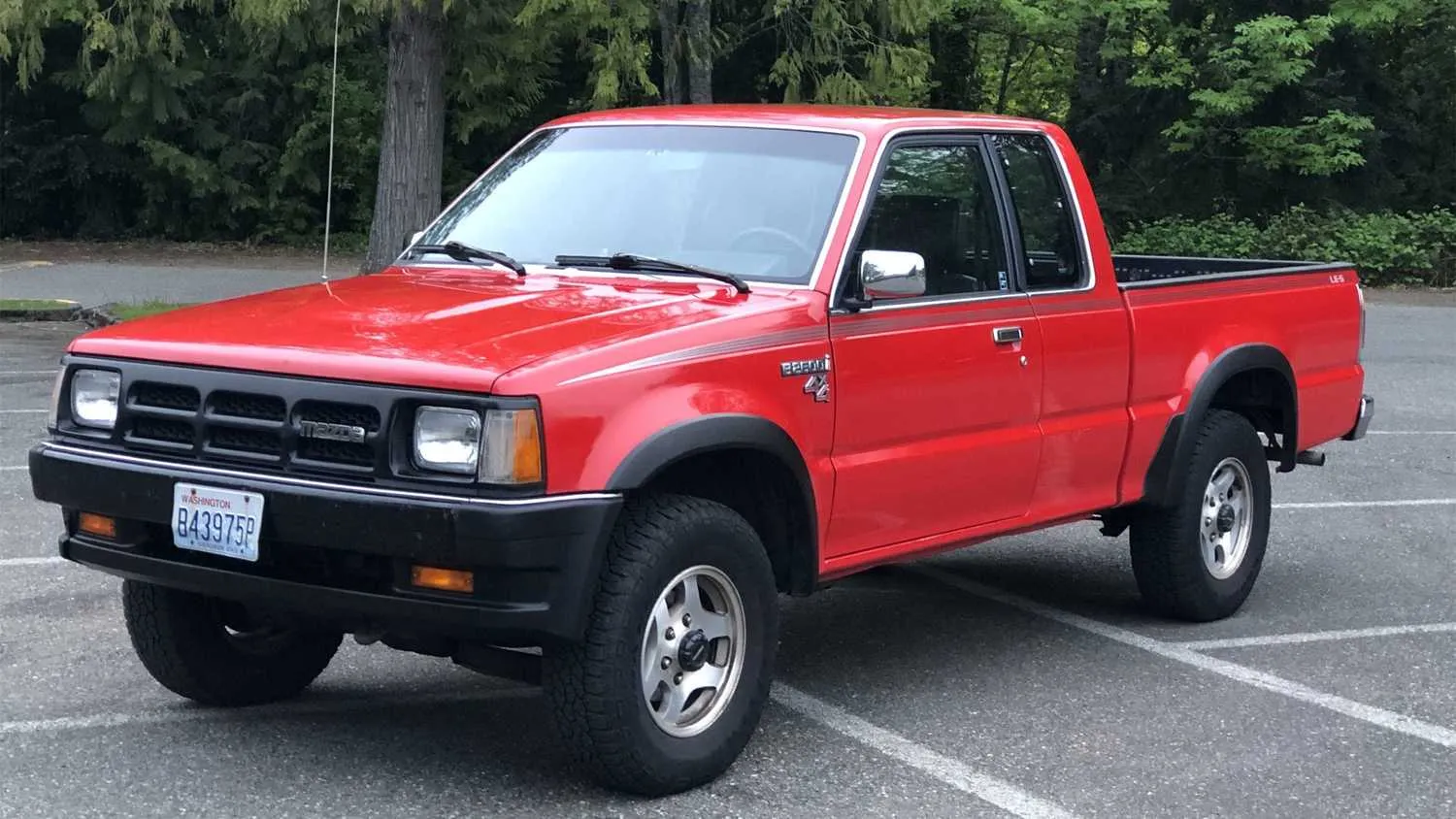
7. Mazda B-Series 1994-2009
Practical simplicity defined the Mazda B-Series, providing reliable transportation and light-duty work capability without pretending to be a full-size powerhouse. Its compact dimensions and lightweight design created a fuel-efficient truck that handled daily chores without consuming driveway space or household budget.
Modern revival could revive those values by offering a compact pickup sized for personal use instead of commercial capacity. That direction fits the current market, where many shoppers want a practical truck without a luxury price tag.
Mazda could differentiate modern B-Series through design language emphasizing sleek proportions rather than blocky styling dominant in the truck market. Smooth body panels, tapered fenders, and aerodynamic front fascia would produce a unique appearance that stands apart from boxy competitors.
Lightweight construction methods could enhance efficiency while maintaining strong payload capability. Buyers wanting a practical truck rather than an intimidating tower of sheet metal would appreciate friendlier proportions.
Powertrain options could emphasize efficiency rather than brute force. A turbocharged four-cylinder producing around 230 horsepower would deliver acceptable acceleration while achieving impressive fuel economy. Skyactiv hybrid could expand choices for buyers seeking reduced emissions without switching to a fully electric platform.
That mix of powertrains addresses growing demand for environmentally responsible transportation options. Smooth six-speed automatic or agile manual transmission would complete powertrain offerings suited for personal use.
Interior philosophy should emphasize practicality rather than luxury. Durable fabrics, intuitive controls, and abundant storage compartments create a cabin suited for real work rather than a leather-wrapped lounge.
Touchscreen infotainment with physical volume and tuning knobs avoids frustration, while smartphone connectivity provides modern convenience. Optional heated seats and premium audio satisfy buyers wanting comfort without turning their personal truck into a luxury SUV substitute.
A price around 28 thousand dollars would undercut large trucks while providing enough utility for weekend projects and occasional hauling. That value positioning could attract younger buyers purchasing their first truck and homeowners managing repair projects without needing oversized heavy-duty equipment.
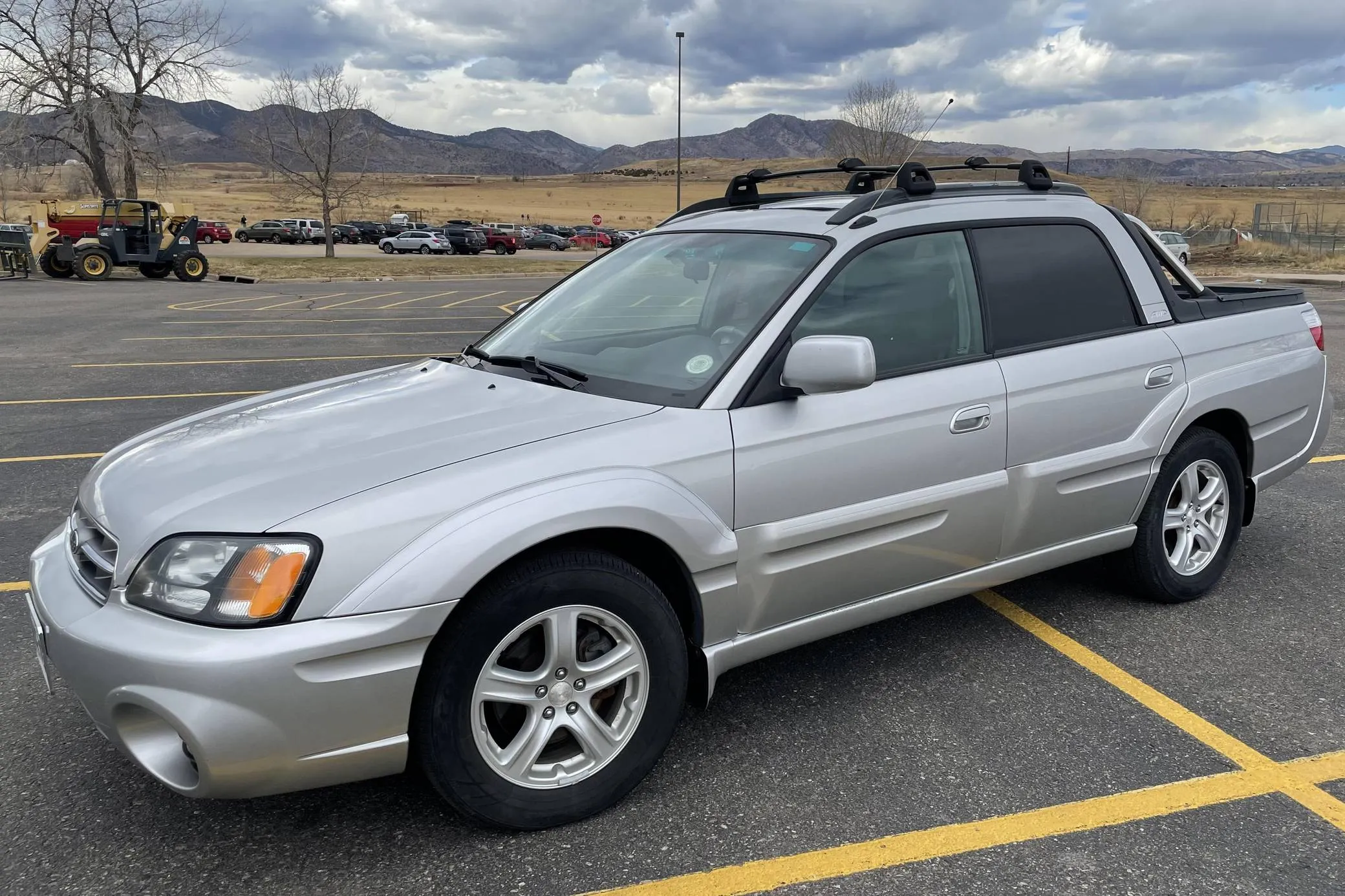
8. Subaru Baja 2003-2006
Car-based pickup experimentation reached a quirky peak with the Subaru Baja, combining wagon comfort with open bed utility. Though sales never reached mainstream success, a loyal following developed among buyers appreciating the unconventional combination of AWD capability and compact practicality. Modern revival could transform quirky experiment into a genuinely useful compact truck appealing to outdoor enthusiasts and urban dwellers.
All-wheel-drive system remains Subaru specialty, providing confident traction on snow, gravel, and muddy trails. Modern Baja could enhance that capability with advanced X-Mode road programming, hill-descent control, and trail-focused suspension components borrowed from Subaru’s wilderness lineup.
That would create an authentic adventure vehicle rather than a novelty crossover with an open cargo area. People who camp, bike, kayak, and ski could haul equipment without needing a giant truck designed for towing construction equipment.
A turbocharged boxer engine producing 260 horsepower would deliver lively performance while maintaining Subaru character through horizontally opposed design. A hybrid powertrain option could provide impressive fuel economy for buyers concerned about environmental impact.
Electric assist would also improve low-end torque, useful when hauling equipment or climbing steep trails. Subaru could deliver a unique mix of efficiency and adventure capability unmatched in the current market.
Cabin philosophy should focus on practicality. Durable materials capable of handling muddy gear, waterproof seat options, and cargo-friendly seatbacks create an interior suited for outdoor use.
Roof-mounted gear racks, bed-mounted tie-downs, and integrated crossbars should all come standard rather than requiring aftermarket installation. That equipment transforms Baja into a genuine weekend adventure machine instead of a novelty conversation piece.
A compact bed would not match the capacity of a full-size truck, but clever design could maximize utility. Sliding extension system, integrated tailgate step, and weather-resistant storage compartments would provide serious usability within a limited footprint.
That design approach addresses the actual needs of outdoor customers instead of chasing heavy-duty bragging rights. Base pricing near 33 thousand dollars positions Baja as an adventure vehicle appealing to customers tired of massive trucks unsuited for daily living.
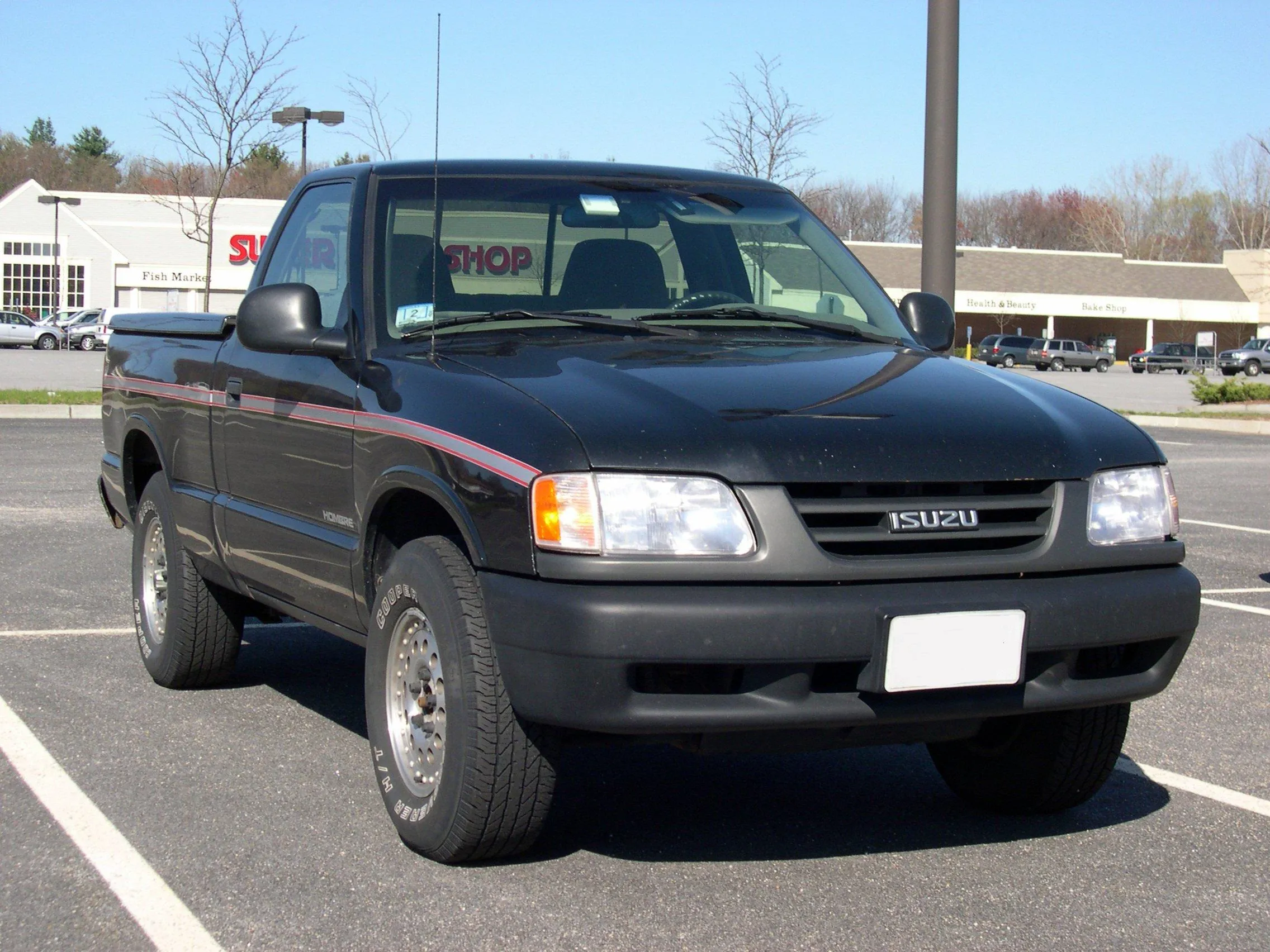
9. Isuzu Hombre 1996-2000
Practical affordability defined the Isuzu Hombre, providing basic capability at a price below competitors. Shared engineering with the Chevrolet S-10 created a reliable platform while Isuzu branding delivered a lower purchase cost, appealing to budget-minded truck buyers.
Modern revival could take a similar approach by partnering with an established manufacturer to reduce development expense and deliver a competitive truck at a lower price. Hombre revival could emphasize minimalism and practicality rather than chasing luxury appointments dominating the current truck market.
Simple cabin materials, durable bed construction, and essential technology would create a work-focused truck ideal for small businesses and homeowners. Buyers wanting an affordable workhorse rather than a showpiece would appreciate an approach prioritizing usefulness over prestige.
Powertrain choices should balance reliability and fuel economy. The base four-cylinder producing 200 horsepower provides decent acceleration for light-duty hauling. An optional turbocharged four-cylinder around 260 horsepower adds capability for buyers needing towing performance without switching to a larger truck.
The hybrid option addresses the growing demand for environmentally responsible vehicles while reducing fuel expense for business operators. The cargo bed should include a steel floor, multiple tie-down points, and a removable tailgate for accommodating long materials.
Weatherproof storage cubbies integrated into bed sides could house tools securely, eliminating the need for aftermarket toolboxes mounted on rails. LED lighting should illuminate the entire bed rather than a single weak bulb, creating shadows during night work.
Pricing deeply influences the Hombre concept. Starting around 26 thousand dollars would establish affordability unmatched in the truck market. Buyers wanting a basic work truck could avoid the large loans required for luxury-laden full-size trucks.
Small contractors, yard maintenance companies, and property managers could purchase reliable fleet vehicles without straining budgets. That low entry cost positions Hombre revival as a practical solution for customers ignored by manufacturers chasing luxury profits.
Also Read: 5 Cars for Tucson Sunbelt Life vs 5 That Need Frequent AC Work
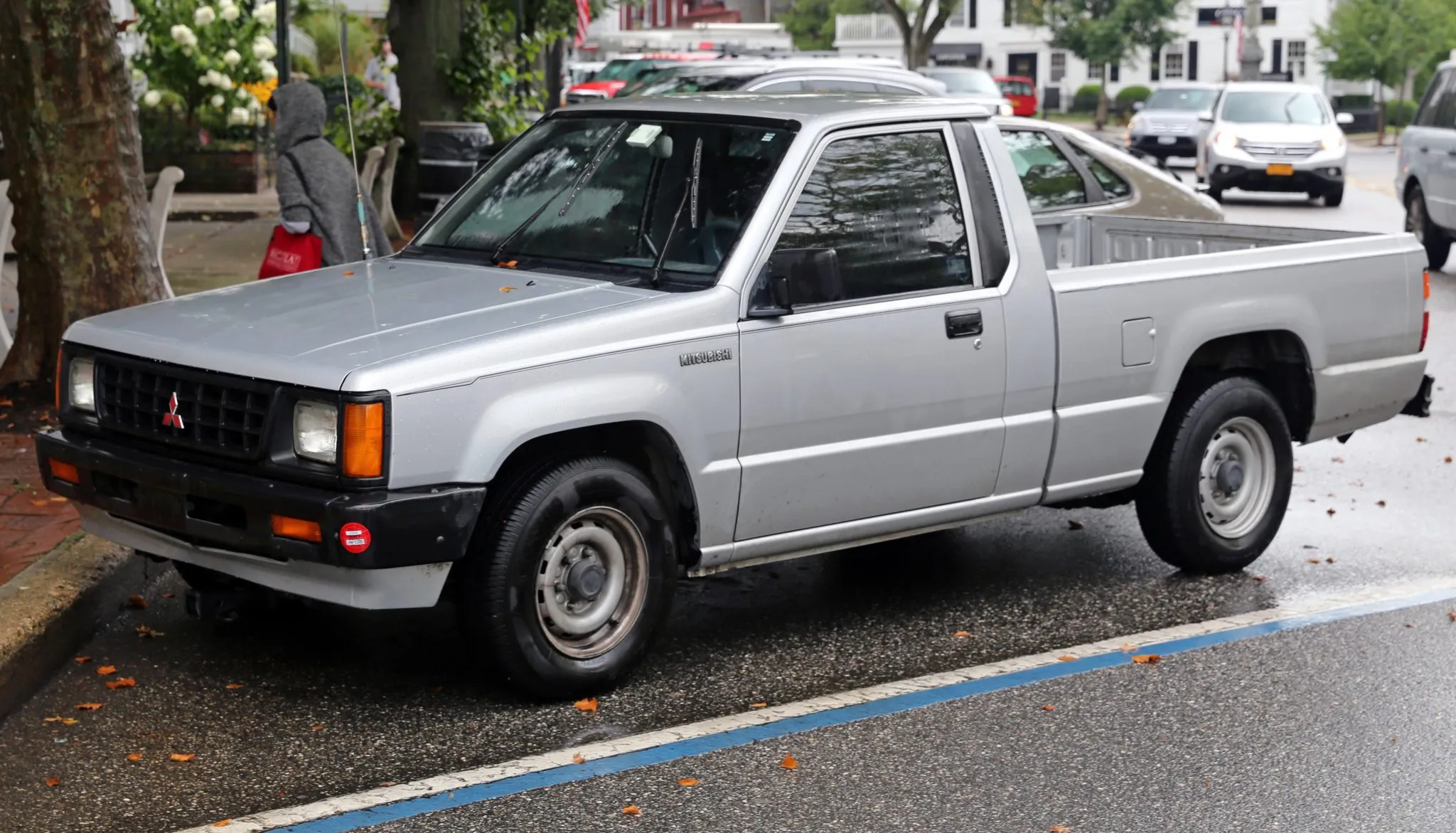
10. Mitsubishi Mighty Max 1983-1996
Japanese engineering delivered durable light-duty capability through Mitsubishi Mighty Max, providing a strong payload in a compact package. Basic construction produced a truck capable of handling daily work without expensive maintenance. Modern revival could preserve that practical spirit while incorporating technology, improving safety, and efficiency.
Lightweight design remains a crucial feature. Modern Mighty Max could weigh less than mid-size trucks through high-strength steel and aluminum components. Reduced weight improves fuel economy and increases payload capacity relative to engine size. Buyers wanting a useful truck without a massive frame would appreciate a balance between capability and efficiency.
Powertrain philosophy could emphasize practical torque rather than peak horsepower. A turbocharged 2.0-liter four-cylinder producing 225 horsepower would easily handle hauling tasks while achieving impressive fuel economy.
The hybrid version could deliver tremendous low-end torque useful for towing small trailers and hauling materials. Electric assist smoothing acceleration creates a refined driving experience uncommon in compact trucks.
Interior design focuses on easy cleaning and durability. Rubberized flooring, washable seat fabrics, and minimal electronic complications create a cabin suited for dirty tasks. Touchscreen is limited to essential functions while physical buttons control climate and audio. Buyers wanting an uncomplicated vehicle would enjoy simplicity, avoiding constant software updates.
Mitsubishi could deliver Mighty Max priced aggressively around 27 thousand dollars, creating an entry point below mid-size competition. That strategy attracts first-time truck buyers and practical users needing hauling capability without luxury options that inflate the price.
Small size, durable construction, and modern efficiency transform Mighty Max into an appealing alternative for customers tired of oversized trucks dominating the market.
