For enthusiasts in the United States, the appeal of a manual sports car goes far beyond numbers on a spec sheet.
A stick-shift machine offers immediacy, control, and a connection to the mechanical heartbeat of a vehicle something modern automatics, even the best dual-clutch units, often can’t fully replicate.
But with rising used-car prices and fewer manuals hitting the market each year, finding a genuinely fast, engaging sports car for less than $25,000 has become trickier than it once was.
The good news? There are still plenty of legitimately quick, rewarding performance cars out there that can be had for a reasonable price if you know where to look.
This list highlights eight seriously fast manual-equipped sports cars that deliver authentic performance, timeless driving engagement, and strong enthusiast support all while keeping the price tag under $25K.
These are not budget beaters or “fun but slow” commuters; they are real sports cars with real performance chops.
Each one brings something uniquely appealing, from turbocharged punch to high-rev thrills to rear-drive balance. And with the right search, all of them can be found nationwide within the target budget.
1. Ford Mustang GT (S550, 2015–2017)
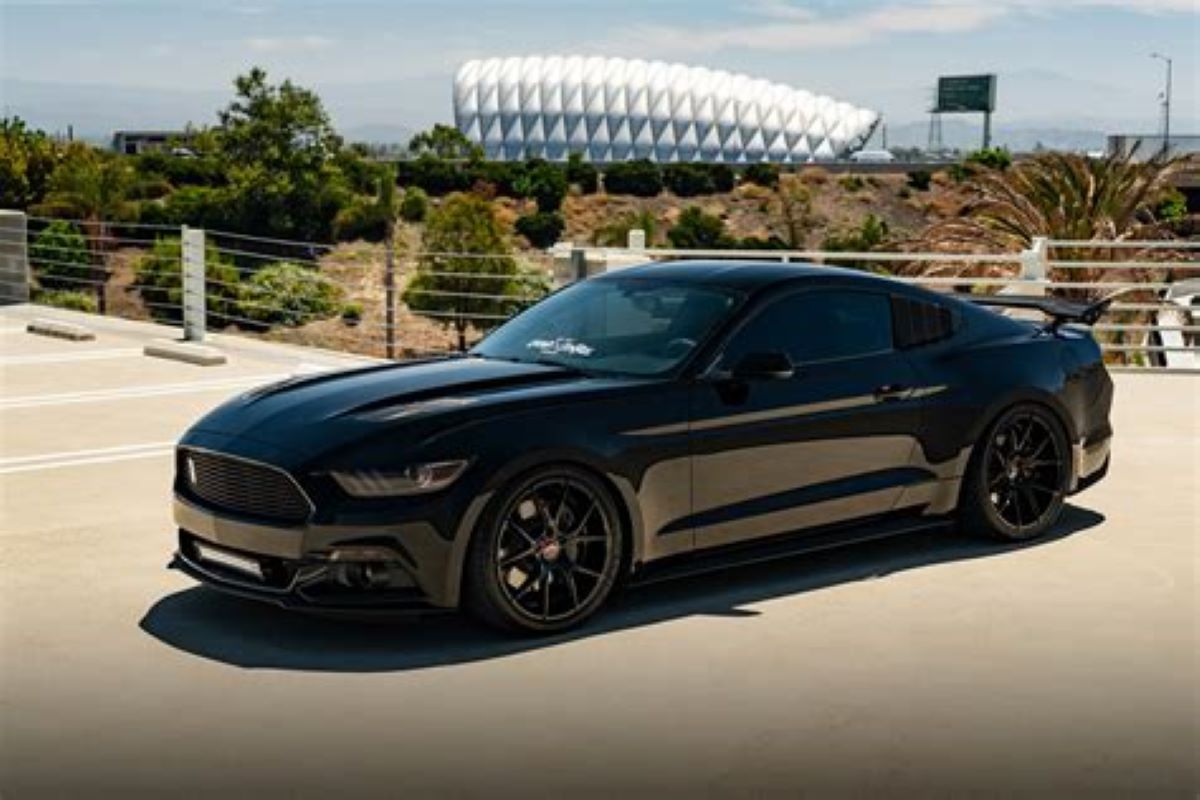
The S550-generation Ford Mustang GT remains one of the most attainable V8 performance bargains in the US market. With its 5.0-liter Coyote engine delivering 435 horsepower in stock form, the Mustang GT is genuinely quick, capable of sub-5-second 0–60 mph runs when launched well.
The six-speed manual transmission in these models is sturdy and offers a positive, mechanical feel that appeals to traditionalists. What makes this version particularly attractive is how modern it feels: independent rear suspension, usable tech, and a cabin that doesn’t feel dated.
On the used market, higher-mileage 2015–2017 models often fall under $25K, especially across the southern states where clean, rust-free examples are plentiful.
The Mustang GT is loud, unapologetic, and deeply customizable, giving buyers a platform that can grow with their performance ambitions whether it’s track days, drag racing, or simple weekend cruising.
For anyone wanting a manual V8 without overspending, this is arguably the best option in the segment.
The Mustang continued to evolve through the latter half of the 20th century, spanning five distinct generations. Some generations were stronger than others, but most adhered to the classic muscle car formula, with the 2005 model injecting a touch of retro styling.
However, it wasn’t until the introduction of the sixth-generation S550 Mustang in 2015 that the iconic pony car underwent truly significant changes.
The S550 Mustang, which debuted in 2014 for the 2015 model year, marked a major departure from the previous generation that had lasted nearly a decade (2005–2014) on the same platform. The S550 brought a completely new platform, along with fresh styling, modern features, and meaningful under-the-skin upgrades.
One of the most notable changes was the exterior design. While the prior generation leaned heavily on retro cues, the sixth-generation Mustang embraced a more contemporary look.
Though minor retro elements remain, the S550 presents a sharper, more aggressive stance, giving it a sportier, less bulky appearance. Certain iconic Mustang traits, like the rear “gas cap,” disappeared (though export models retained it), while features like the three-slat taillights persisted.
The drivetrain changes underscored the S550’s modern approach. Previous Mustangs had relied on a live rear axle, which by the 2010s was considered outdated and limited handling performance. The S550 replaced this with a fully independent rear suspension, a setup that greatly improved handling and opened the door for track-focused derivatives.
This generation also marked the first time the Mustang was officially offered in global markets, including right-hand-drive versions for the UK and Australia. The S550’s production began in 2015 and will conclude in 2023, paving the way for the S650 Mustang in the 2024 model year.
A facelift arrived for 2018, and throughout its run, the S550 was available as both a Fastback and a Convertible across several trim levels. Its primary competitors included the Chevrolet Camaro and Dodge Challenger, alongside other rear-wheel-drive performance cars like the Nissan 370Z, BMW M4, Mercedes-AMG C-Class, Toyota Supra, and select Porsche 911 models.
The powertrain lineup of the S550 Mustang generated some controversy when first introduced. For the first time since the Fox Body era of the 1980s and early 1990s, a four-cylinder engine returned to the Mustang lineup.
Contrary to instinct, this four-cylinder was not the base engine; the V6 initially held that role until its discontinuation in 2017. The S550’s 3.7-liter naturally aspirated Duratec V6, producing 300 hp and 280 lb-ft of torque, was a step up from its 4.0-liter predecessor but became a minor footnote after the V6 was dropped, leaving only the EcoBoost four-cylinder and the 5.0-liter Coyote V8.
The 2.3-liter EcoBoost engine, closely related to the Mk3 Focus RS powertrain, delivered 310 hp and 320 lb-ft of torque on pre-facelift models, and 350 lb-ft on facelift models, achieving a 0-60 mph time of just 5.1 seconds. Naturally, the most coveted option remained the 5.0-liter Coyote V8, which powered most derivatives of this generation Mustang.
Initially, it produced 435 hp and 400 lb-ft of torque pre-facelift, rising to 460 hp and 420 lb-ft for the facelift, before being slightly reduced toward the end of production to 450 hp and 410 lb-ft due to emissions regulations.
Special editions like the limited-production Bullitt increased output to 480 hp and 420 lb-ft, and the Mach 1 initially mirrored those numbers, dropping to 470 hp and 410 lb-ft after regulatory adjustments.
All S550 Mustangs are rear-wheel drive, with power sent through either a six-speed manual or a six-speed automatic in pre-facelift models; facelift versions replaced the six-speed automatic with a 10-speed automatic.
Also Read: Top 10 Budget-Friendly Cars Powered by V12 Engines
2. Subaru WRX (2015–2020)
While not a traditional rear-drive sports car, the Subaru WRX earns a place here because of its punchy turbocharged personality, row-your-own gearbox, and deep enthusiast appeal.
The 2.0-liter FA20 turbo engine offers strong mid-range torque, and when paired with the standard six-speed manual, the car feels alert and eager in nearly any driving condition. In a straight line, the WRX is no slouch, capable of reaching 60 mph in the low five-second range.
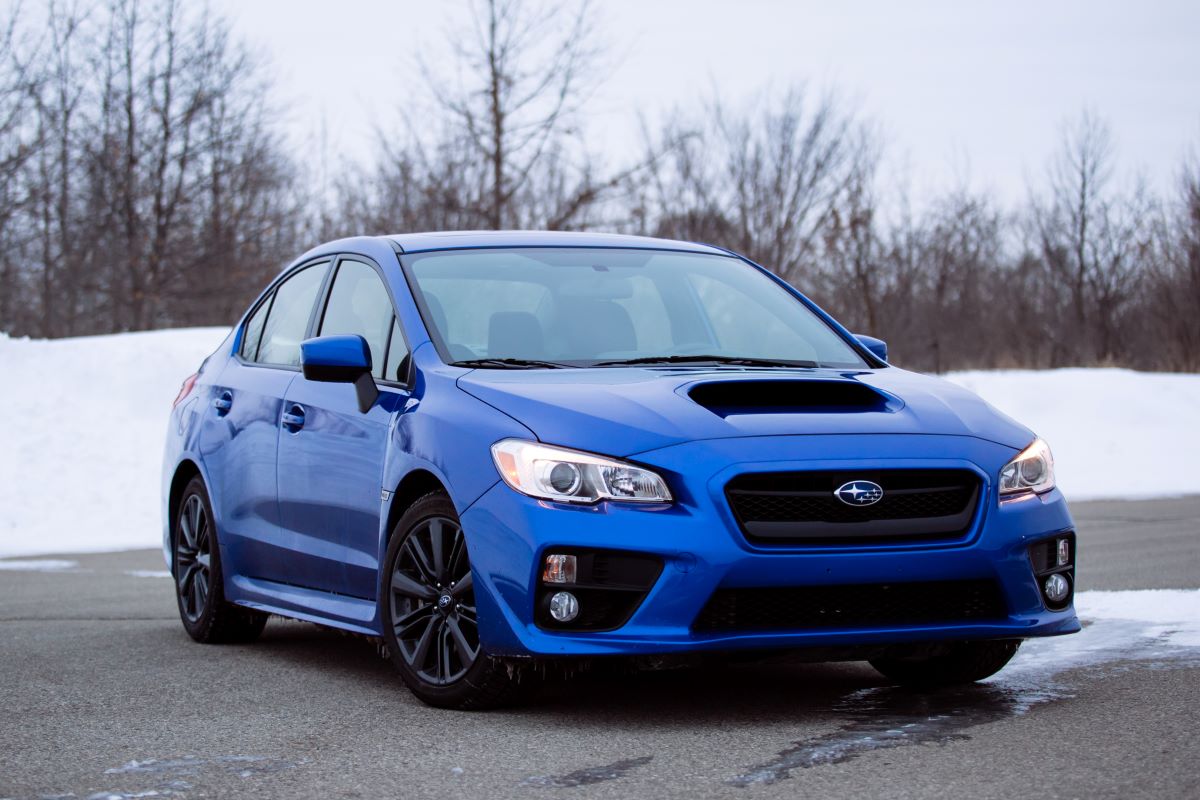
What really sells the WRX is its versatility. It works as a daily driver thanks to standard all-wheel drive and decent fuel economy, yet it’s equally at home carving back roads or attacking mountain passes.
Owners love the tuning potential, with simple bolt-ons and ECU adjustments unlocking significantly more performance.
In the US, manual WRX models are still widely available under the $25K threshold, especially 2015–2018 models. For buyers who need all-weather performance without sacrificing excitement, the WRX remains a compelling choice.
3. Chevrolet Camaro SS (2016–2018)
If the Mustang GT is the quintessential American muscle coupe, the sixth-generation Camaro SS is the precision-engineered alternative. Its 6.2-liter LT1 V8 makes 455 horsepower more than enough to deliver startling acceleration.
With the six-speed Tremec manual, the Camaro SS becomes an old-school, high-engagement performance tool capable of running with much more expensive cars. The chassis, shared with Cadillac’s Alpha platform, gives the SS a planted, sharp feel that surprises first-time drivers.
Used examples with some mileage can comfortably be found for under $25K, and unlike earlier models, the sixth-gen Camaro offers a genuinely well-tuned suspension from the factory.
The downsides? Rear visibility and cramped rear seats, but for a driver-focused sports car, many buyers accept those tradeoffs. For raw speed per dollar, few cars in this price range come close.
Considering the current Chevrolet Camaro lineup, with two body styles, four engines, three transmissions, six major and two sub-models, totaling more than 15 distinct versions, it becomes clear how the Camaro can cater to a wide range of budgets, lifestyles, and appetites for American performance.
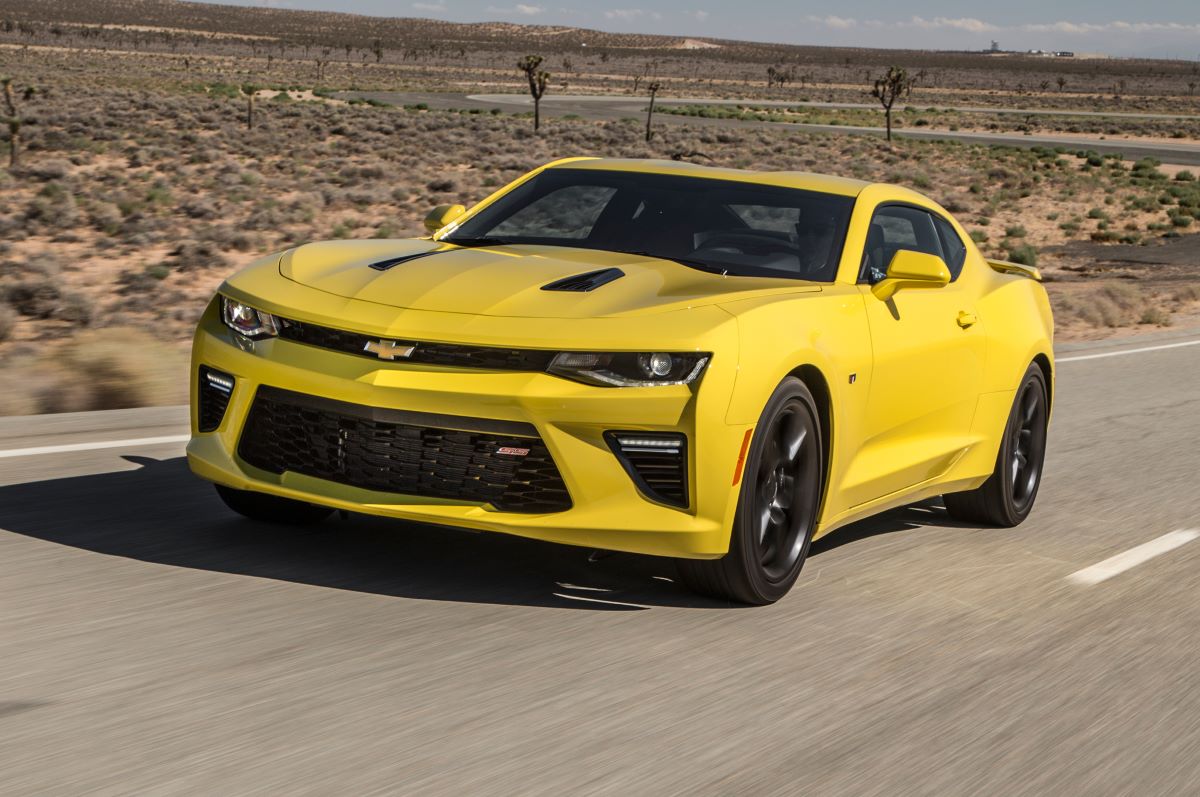
The engine dominates the driving experience. From previous years, we already knew how satisfying the direct-injected OHV 16-valve 455-hp/455-lb-ft LT1 engine could be, and pairing it with the performance exhaust system while shifting manually was the only way to fully enjoy it.
While no tank returned single-digit mileage, one did record just 10.7 mpg. Undoubtedly, the driver responsible never encountered the Camaro’s fuel-saving, forced first-to-fourth skip-shift, which engages under specific, but sometimes unpredictable, conditions.
According to the owner’s manual, these criteria are: “the engine coolant temperature is higher than 169 F; the vehicle is accelerating from a stop and going 15 to 19 mph; the vehicle is at 33 percent throttle or less.” This second-gear lockout proved not only frustrating during city driving but occasionally hazardous.
It is also worth noting that some owners reported excessive oil consumption in their Camaro SS coupes; we did not experience this issue. However, around 10,000 miles into our loan, a slight groan began emanating from the differential during low-speed maneuvers, whether cold or hot, such as parking or entering and exiting driveways.
An alert reader pointed us toward a service bulletin, which ultimately led the dealer to drain and replace the gear oil at no cost, effectively resolving the issue.
4. Mazda MX-5 Miata (ND, 2016–2019)
The ND Mazda MX-5 Miata may not look intimidating next to V8 muscle cars, but dismissing it on power alone misses the point. The Miata’s brilliance lies in its lightweight design, razor-sharp steering, and exceptionally tactile six-speed manual gearbox.
Early ND models with the 2.0-liter engine make around 155 horsepower, but thanks to the Miata’s featherweight construction, the car delivers a pure sports-car experience that feels electric on the right road.
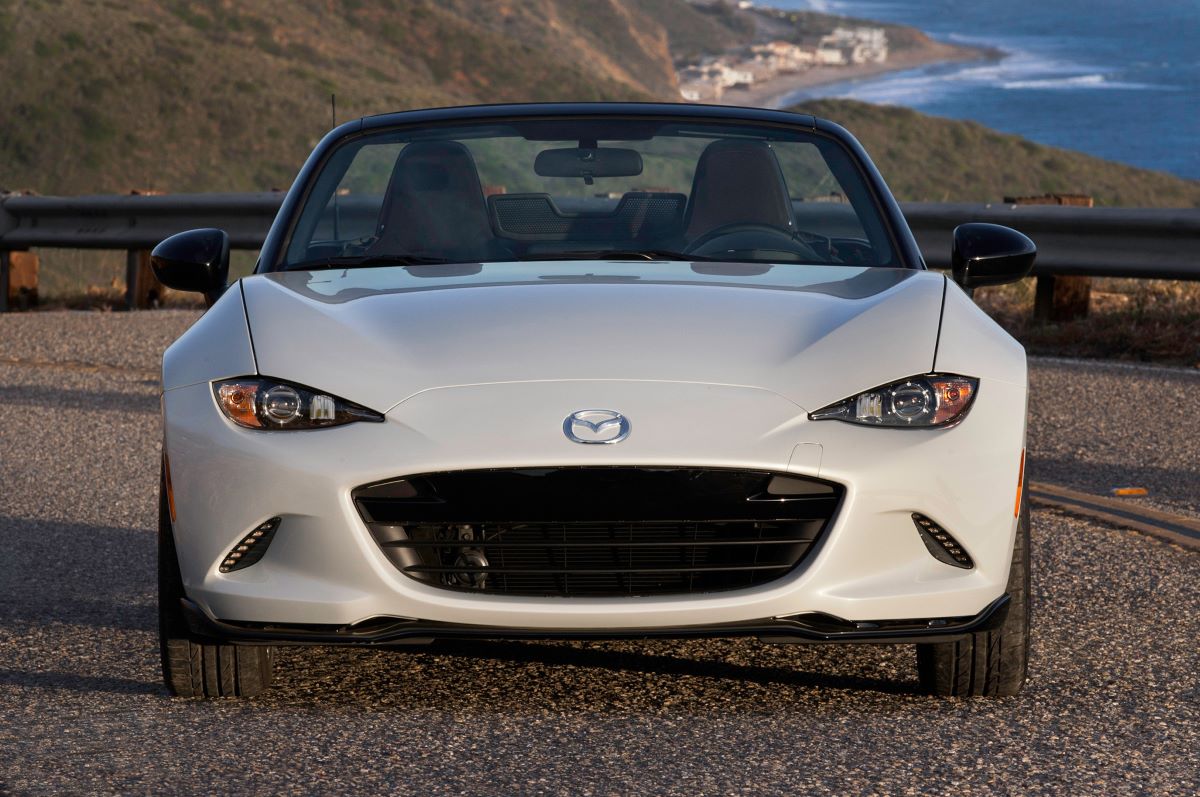
While straight-line acceleration is modest compared to bigger-engined rivals, the ND’s ability to carry speed and deliver instant feedback makes it one of the most satisfying sports cars under $25K.
Even better, the Miata has some of the lowest running costs on this list from insurance to maintenance to fuel economy. For enthusiasts who care more about driving feel than outright speed, the ND Miata remains unmatched.
5. BMW 335i / 340i (F30, 2013–2018)
The BMW 3 Series isn’t always thought of as a sports car, but the 335i and later 340i with manual transmissions deliver serious performance worthy of inclusion here.
The 335i’s N55 turbocharged inline-six offers smooth, effortless acceleration, while the B58 engine in the 340i is one of the most celebrated modern six-cylinder engines reliable, powerful, and highly tunable. Both can hit 60 mph in the low-to-mid four-second range with minimal effort.
The manual versions are rarer, but they do exist, and well-maintained examples can be found under $25K, particularly in rear-wheel-drive form. The appeal here is balance.
You get luxury, refinement, and highway comfort alongside legitimate sports-car acceleration. Enthusiasts also appreciate that these models respond exceptionally well to tuning some reaching 400+ wheel horsepower with simple modifications.
For buyers wanting European performance without European maintenance nightmares, the F30 manual six-cylinders are a great sweet spot.
The introduction of the new BMW 3 Series last year was a significant moment for the brand. While we can imagine grand parades in Germany with blue-and-white checkered flags waving from windows and men in lederhosen clinking steins of Franziskaner in celebratory revelry, in America the new 3 Series represents a reinvention not only of the country’s best-selling luxury car but also of one of the most celebrated sport sedans of all time
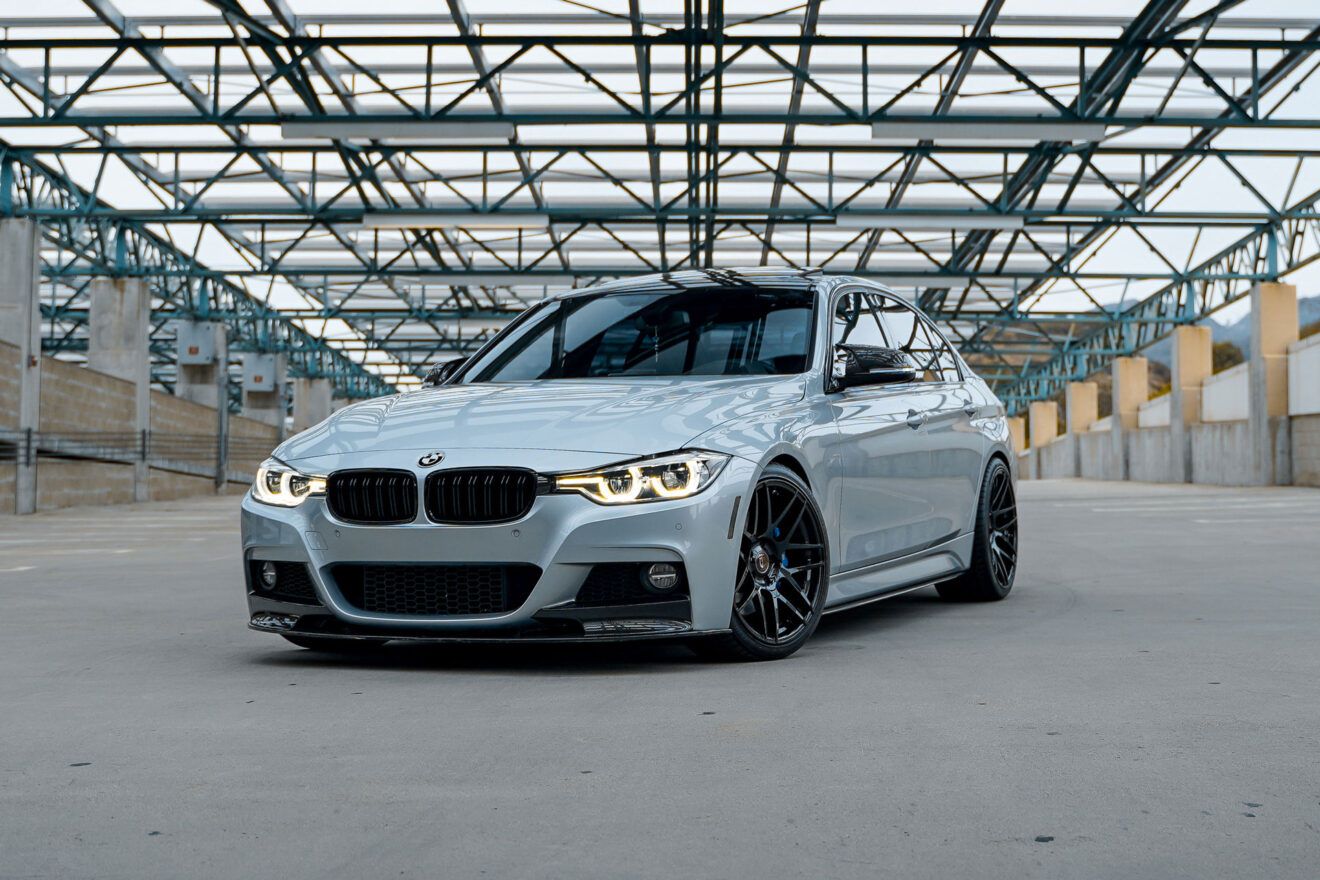
That redesign, however, applied only to the 328i and 335i sedan models. For 2013, the BMW 3 Series coupe and convertible remain unchanged, and the wagon remains on hiatus.
The most significant update to the new-generation sedan was the addition of a turbocharged four-cylinder engine that delivers more horsepower while achieving five more miles per gallon on the EPA combined cycle than the traditional naturally aspirated inline-six found in the coupe and convertible, a clear win-win.
This year, BMW has also focused on lowering the entry price of the 3 Series with the introduction of the 320i sedan, powered by a 180-horsepower version of the turbo four-cylinder. While it doesn’t offer better fuel economy than the 328i sedan, it comes in at four thousand dollars less, making it a more accessible option.
At the top of the range, the 335i sedan’s turbocharged inline-six remains unchanged across body styles and generations. It is one of the most powerful and exhilarating engines in the luxury segment, yet it consumes only slightly more fuel than the four-cylinder, making it both thrilling and efficient. Less impressive is the 2013 BMW ActiveHybrid3, which also debuts this year.
As its name suggests, the ActiveHybrid3 combines a gasoline engine with an electric motor to improve fuel economy and performance. However, given current fuel costs, it would take approximately 62 years to recover the hybrid’s price premium over a comparably equipped 328i. Performance gains are also minimal, as the hybrid is only a half-second quicker from zero to 60 mph than the turbo-four sedan, offering little bang for the buck.
Despite the questionable value of the ActiveHybrid3, every other 2013 BMW 3 Series model warrants serious consideration. Strong competitors such as the Audi A4 and A5, Cadillac ATS, Infiniti G, and Mercedes-Benz C-Class may make the choice difficult, but none offer the overwhelming variety found in the BMW 3 Series lineup.
Performance-wise, the 320i sedan features a turbocharged 2.0-liter inline-four producing 180 horsepower and 200 lb-ft of torque. Standard rear-wheel drive is paired with a six-speed manual transmission, while all-wheel drive (BMW’s xDrive) and an eight-speed automatic are optional.
The 328i sedan uses a more potent version of the same engine, delivering 240 horsepower and 255 lb-ft of torque. Both the six-speed manual and eight-speed automatic transmissions are available, with the automatic offering a “sport” upgrade including steering wheel paddle shifters. Both transmissions include an auto start-stop function to save fuel, and all-wheel drive is again optional.
Also Read: Top 10 Hybrids That Don’t Feel Sluggish on Hills
6. Hyundai Veloster N (2019–2020, early models)
The Hyundai Veloster N shocked the performance world when it arrived, proving Hyundai could build a front-drive hot hatch capable of taking on the best from Europe.
With a turbocharged 2.0-liter engine, crackling exhaust, adaptive dampers, and a six-speed manual, the Veloster N delivers a level of excitement normally reserved for cars costing far more.
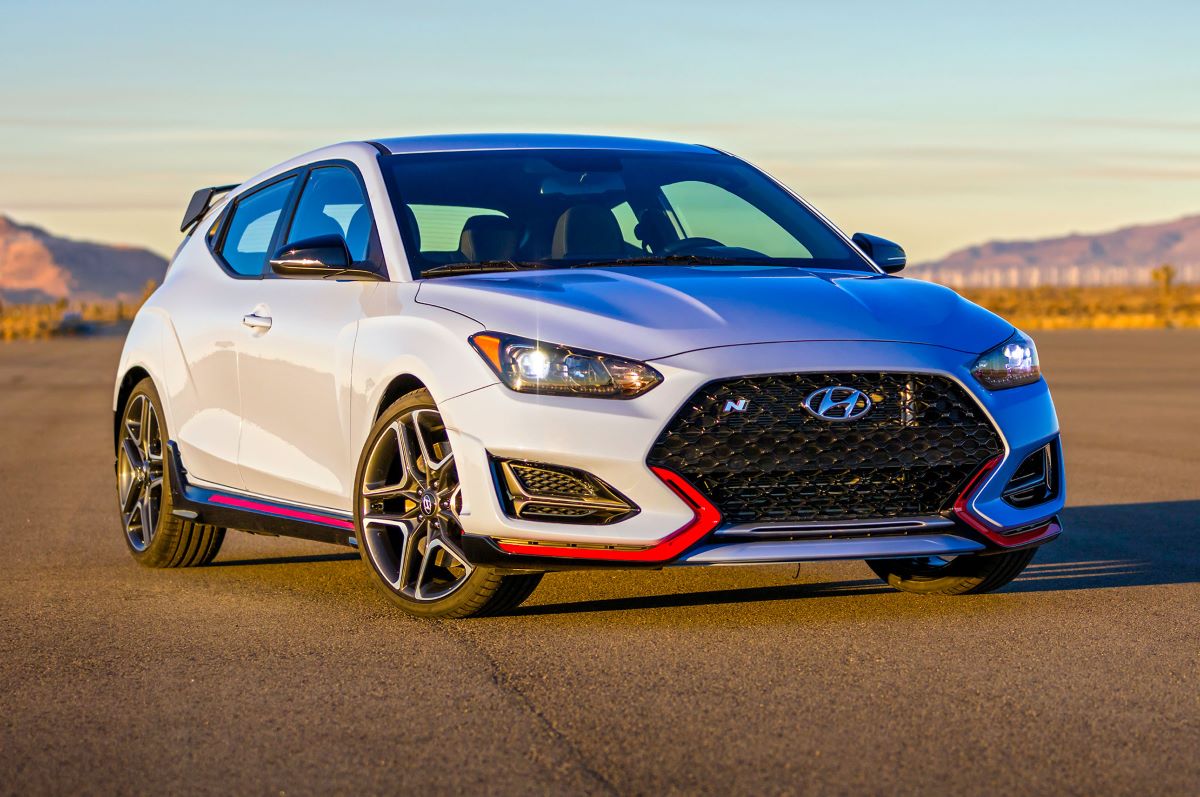
Early 2019 examples especially those without the Performance Package can dip under the $25K mark. Even the base car is extremely quick, offering strong burst acceleration and one of the most engaging manual transmissions in the segment.
What makes the Veloster N truly special is how cohesive the package feels: taut chassis tuning, communicative steering, and a personality that encourages spirited driving.
For drivers wanting a modern, warranty-friendly, manual sports car on a budget, few choices feel as fresh and playful.
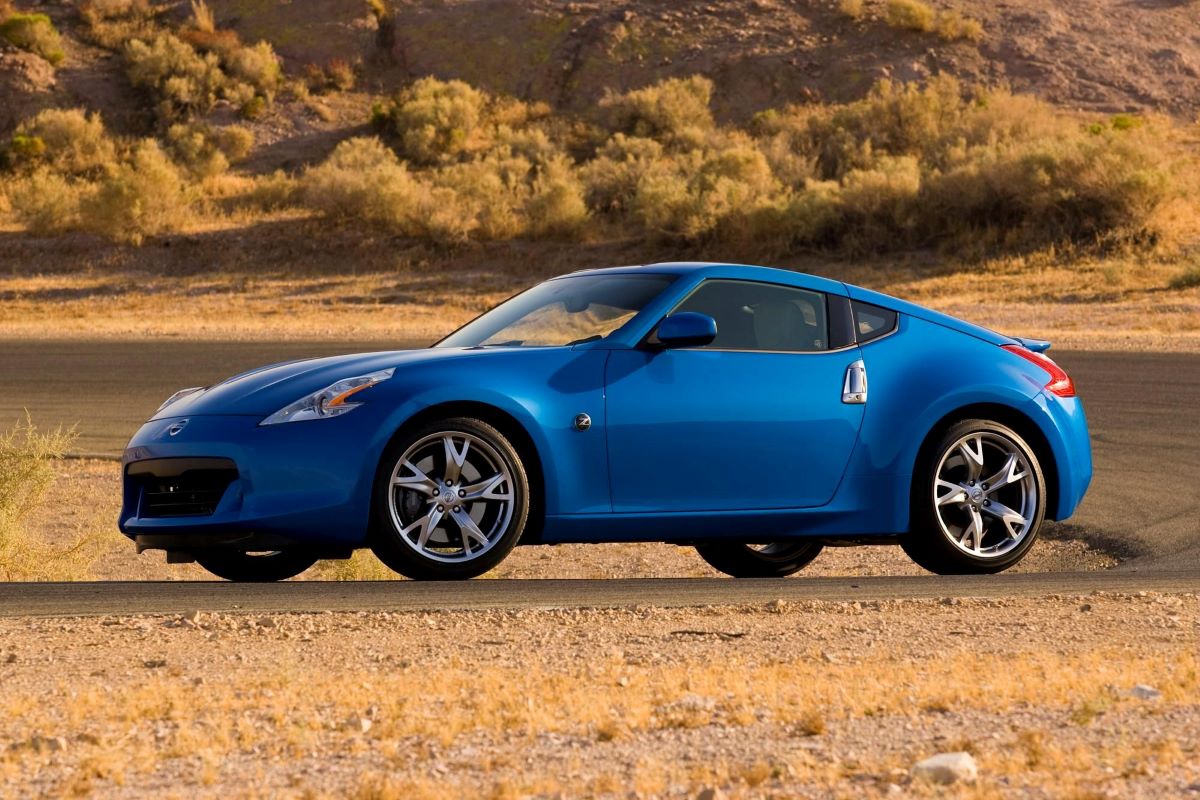
7. Nissan 370Z (2010–2020)
Although the Nissan 370Z stayed on the market for a decade without major redesigns, it still offers a ton of performance for the money. The naturally aspirated 3.7-liter V6 makes 332 horsepower in standard form, while the NISMO trim bumps that figure meaningfully higher.
Paired with a six-speed manual and optional SynchroRev Match technology, the 370Z offers an old-school sports-car recipe with modern drivability.
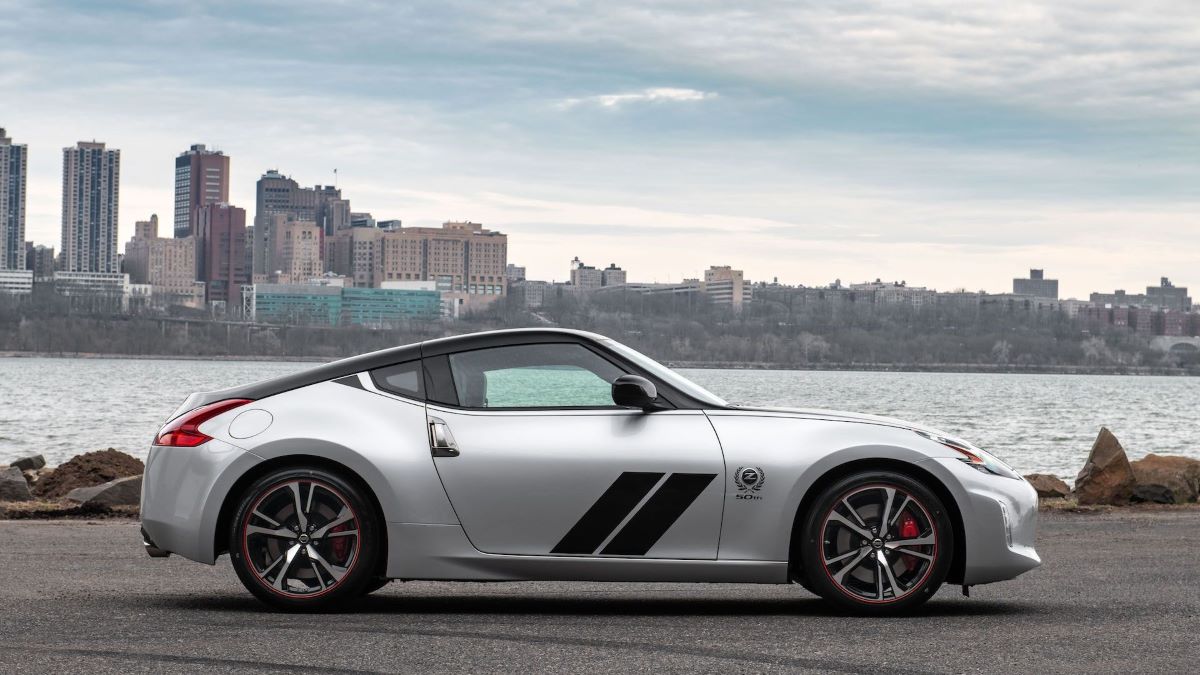
Acceleration is strong around five seconds to 60 mph and the chassis feels stout and predictable. The interior shows its age, but the mechanicals are extremely robust, making it a strong long-term used buy.
With so many years of production, plenty of examples fall below $25K in the US market. For drivers craving a traditional rear-drive sports car without unnecessary frills, the 370Z remains a solid option.
With the Nissan Z, buyers get a true two-seater sports car featuring rear-wheel drive, more than 300 horsepower, seductive styling, compact dimensions, large wheels, and a curb weight under 3,300 pounds.
The car is attractively priced as well, starting around $30,000. Naturally, as is often the case when dreams meet reality, the real-world Z isn’t flawless. Yet this latest iteration of Nissan’s iconic sports car remains highly desirable.
The redesigned 370Z coupe debuted just last year, impressing enthusiasts with performance numbers comparable to much pricier vehicles. Following its success, Nissan introduced the 370Z roadster in 2010.
Equipped with a conventional soft top, the roadster mirrors the coupe’s character closely. It shares the same drivetrain, including a high-revving 3.7-liter V6 engine paired with either a six-speed manual or a seven-speed automatic transmission. The roadster weighs roughly 200 pounds more than the coupe, and its suspension tuning is very similar, allowing it to retain much of the coupe’s agility and acceleration prowess.
However, even with its strengths, a few flaws are apparent. The V6 engine lacks an engaging exhaust note and exhibits a high-rpm harshness that diminishes the enjoyment of spirited driving.
Additionally, the Z can be quite noisy, particularly the coupe fitted with larger tires and wheels. While some might dismiss this as typical for sports cars, a performance vehicle deserves a thrilling engine soundtrack, and excessive tire noise can make long highway drives tiring.
Despite these minor drawbacks, the remainder of the 370Z package is excellent. Nissan deserves recognition for keeping the Z torch alive and well.
That said, alternatives remain worth considering, including the more refined BMW 1 Series, the capable Hyundai Genesis Coupe, the related and more polished Infiniti G37, the affordable Mazda Miata, and America’s trio of reborn pony and muscle cars. Yet for those seeking an affordable high-performance sports car, the 370Z remains one of the most compelling options.
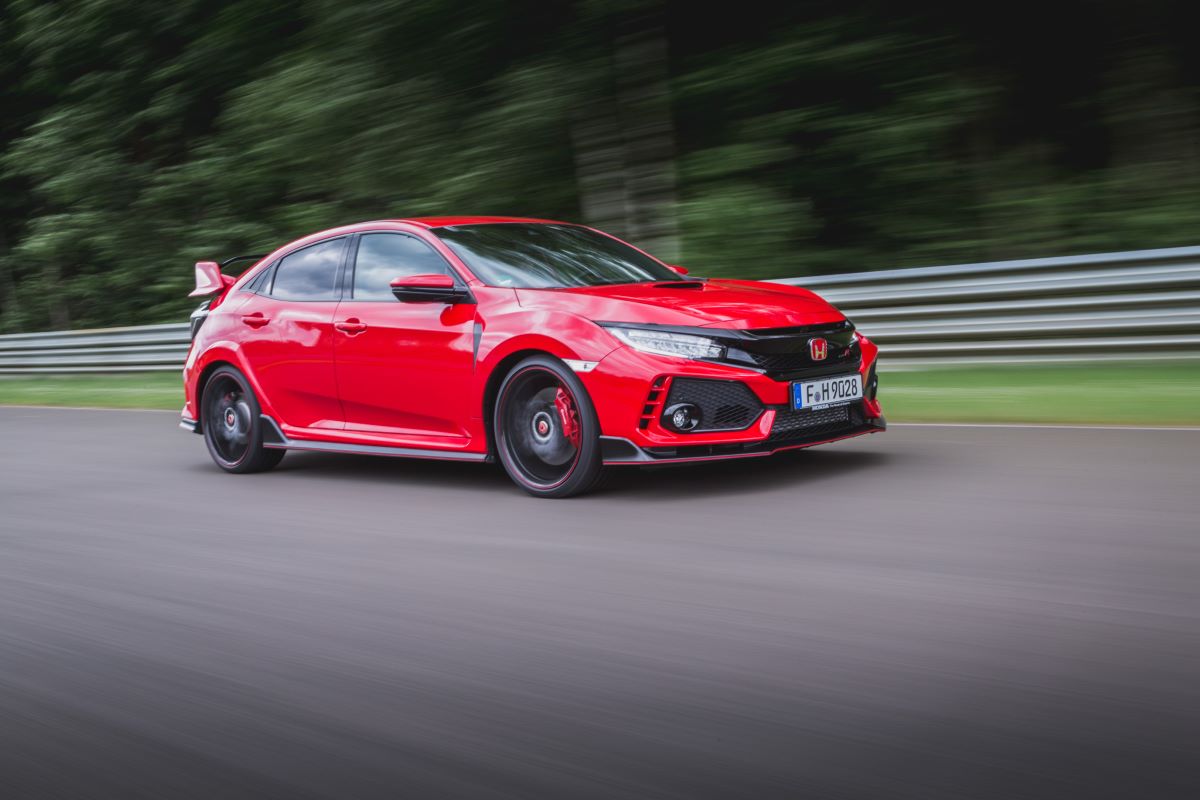
8. Honda Civic Type R (Early FK8, 2017–2018, high-mileage)
Finding a Civic Type R under $25K requires patience, but high-mileage early FK8 models are creeping into the upper $20K range. When they appear near $25K, they represent one of the best performance bargains available.
The turbocharged 2.0-liter K20C1 engine delivers 306 horsepower, and the six-speed manual is widely considered one of the best in the world precise, short-throw, and delightfully mechanical.
What sets the Type R apart is how well-rounded it is. The chassis engineering is world-class, offering stability, precision, and cornering grip that rivals much pricier sports cars.
Despite being front-wheel drive, the car has virtually no torque steer and delivers astonishing pace on track or back roads. For enthusiasts willing to shop nationwide and consider higher-mileage examples, the Type R is arguably the “dream buy” in the under-$25K manual market.
The US used-car market still offers plenty of opportunities for enthusiasts who want a genuinely fast manual sports car without blowing past the $25K mark.
Whether you want a thundering V8 muscle coupe, a balanced rear-drive two-seater, or a turbocharged hot hatch, there’s a compelling option to suit your taste.
The key is knowing what each car brings to the table power, engagement, tuning potential, reliability and how that matches your driving style.
From the raw charm of a Mustang GT to the precision of a Civic Type R, these eight choices prove you can still get serious speed and genuine driver involvement at a reasonable price.
And with manuals becoming rarer every year, now might be the perfect time to grab one before they become even harder to find.