Not every luxury or performance sedan needs twitchy, overly responsive steering to impress. For many drivers, a relaxed, composed steering feel enhances comfort, confidence, and control, whether in city traffic or on the open highway. Sedans that strike this balance allow drivers to enjoy spirited driving without fatigue or constant corrections, combining precision with serenity.
From electric powerhouses like the Tesla Model S to refined European classics such as the BMW 5 Series and Mercedes-Benz E-Class, these vehicles show that calm, reassuring steering can be just as satisfying as raw acceleration or flashy features.
This list highlights ten sedans that excel at delivering a relaxed steering experience while blending thoughtful engineering, driver-focused design, and luxury touches to make each drive smoother, more controlled, and genuinely enjoyable behind the wheel.
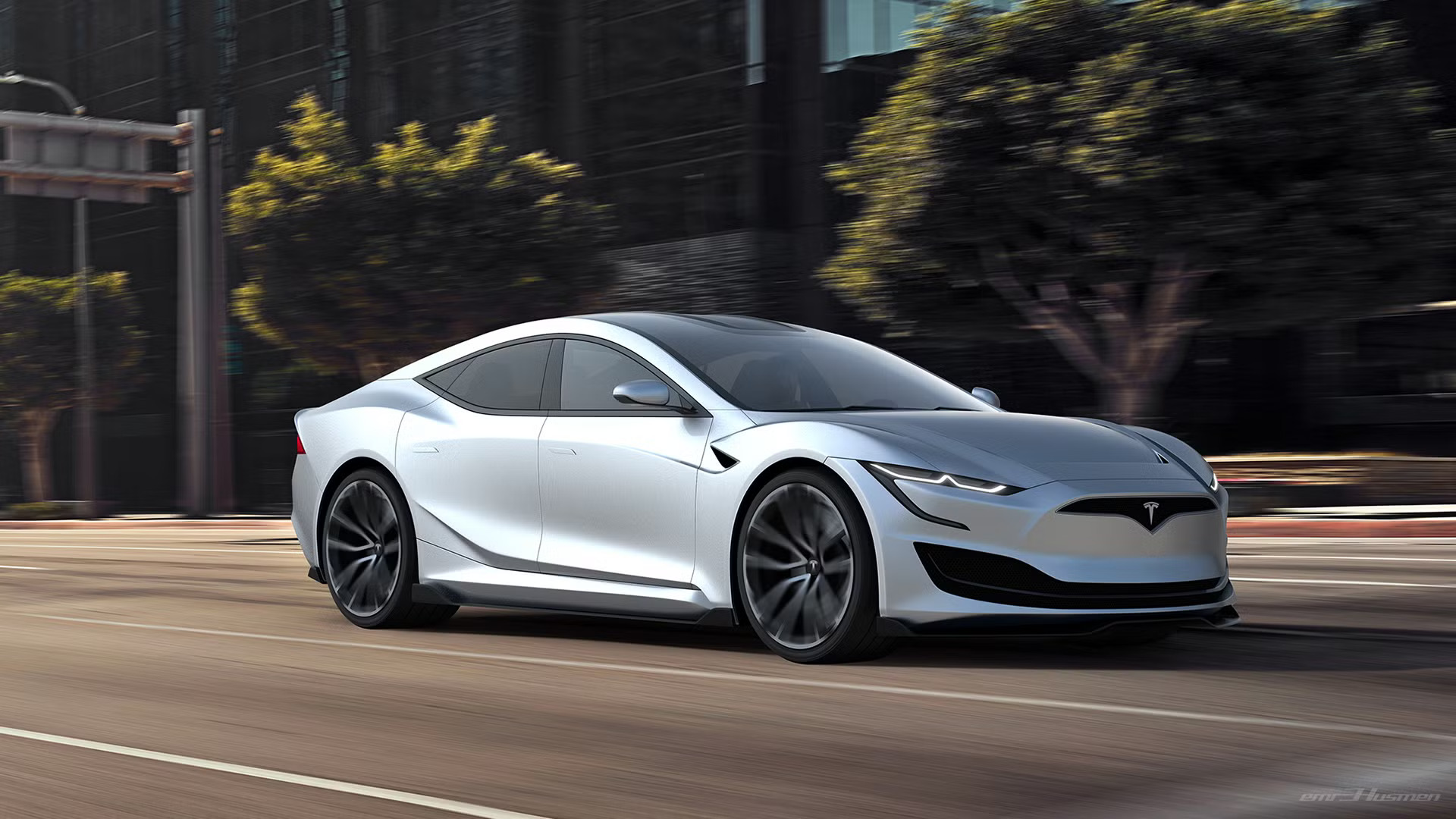
1. Tesla Model S
The Tesla Model S remains one of the most iconic electric sedans on the market, blending extreme performance with a calm, tech-forward driving experience. Often described as the original “flex” EV, it delivers eye-widening acceleration while maintaining a quiet, refined cabin that can make high speeds feel deceptively effortless.
Pricing typically ranges from around $90,000 to well over $120,000, depending on configuration, with the high-performance Plaid version sitting at the top end. Expensive as it is, the Model S still occupies a unique space where brute power meets everyday usability.
All versions of the Model S use dual electric motors to provide full-time all-wheel drive, ensuring strong traction and confident acceleration. The standard Model S is already extremely quick, capable of launching from 0–60 mph in roughly 2.4 seconds based on recent testing. The Plaid version takes performance to a near-supercar level with three electric motors, 1,020 horsepower, and a staggering 0–60 mph time of about 2.1 seconds.
While rivals have caught up in ride and handling finesse, the Model S remains impressively composed, quiet, and comfortable on long highway drives. Steering feel is adjustable but lacks strong road feedback, and the optional yoke-style steering wheel can be awkward in tight maneuvers, making the regular wheel the better choice for most drivers.
Range is another major strength. The standard Model S offers an estimated 402 miles per charge, while the Plaid delivers about 359 miles. Only a few competitors, such as the Lucid Air, exceed these figures. Efficiency is equally impressive, with MPGe ratings as high as 127 city and 116 highway for the standard model, making it a strong option for long-distance EV travel.
Inside, the Model S emphasizes minimalism and technology. A massive central touchscreen controls nearly all vehicle functions, complemented by a secondary driver display and a rear-seat control screen. While the cabin looks modern and clean, it lacks the plush luxury found in rivals like the BMW i5 or Mercedes EQE. On the plus side, practicality is excellent, thanks to a large rear liftgate and 26 cubic feet of cargo space.
Safety features include Tesla’s Autopilot system with adaptive cruise control and lane centering, plus optional Enhanced Autopilot. Full self-driving capability remains limited and still requires active driver supervision. Warranty coverage is solid, though Tesla does not include complimentary scheduled maintenance, keeping ownership costs more traditional despite the car’s futuristic appeal.

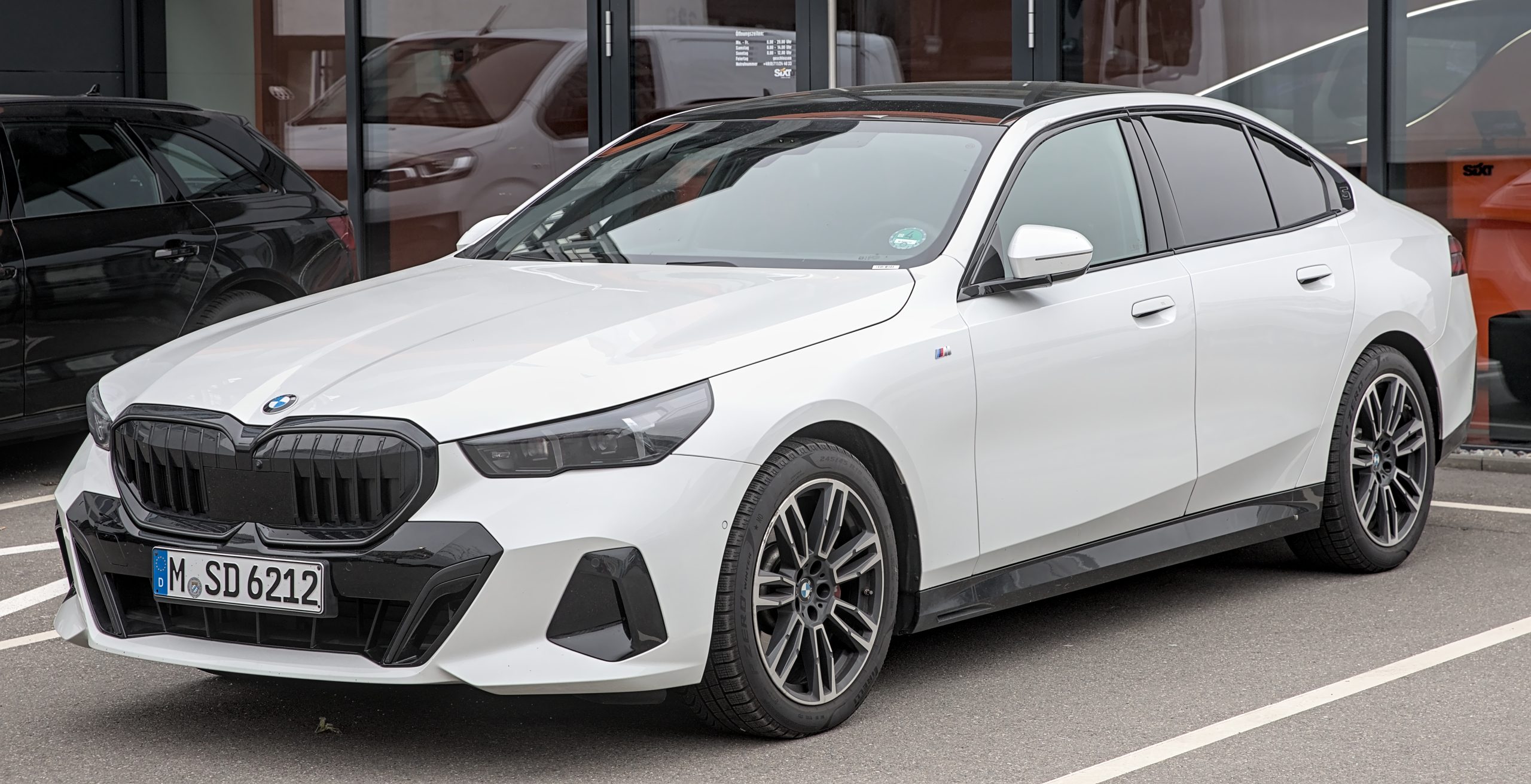
2. BMW 5 Series
The BMW 5 Series continues to define the sweet spot between luxury comfort and engaging performance, earning its reputation as a sophisticated sedan that still knows how to have fun. Positioned as a premium midsize sedan, it blends smooth power delivery, refined ride quality, and modern technology in a way that feels distinctly BMW.
Pricing typically starts around $60,000, but well-equipped models easily climb into the mid-$70,000 range or higher. Across its lineup, the 5 Series caters to buyers who want classic German engineering with a contemporary edge.
The current range includes the 530i, 540i, and the plug-in hybrid 550e. The 530i uses a 255-horsepower turbocharged four-cylinder engine paired with a 48-volt mild-hybrid system and offers either rear-wheel drive or all-wheel drive. It delivers a smooth, balanced ride with a touch of sportiness that keeps it engaging without sacrificing comfort.
Moving up, the 540i comes standard with all-wheel drive and a 375-horsepower turbocharged inline-six, also supported by mild-hybrid tech. This version leans more toward luxury than outright sport but still feels quick and confident, especially on the highway. At the top sits the 550e xDrive plug-in hybrid, combining an inline-six engine with an electric motor for a combined 483 horsepower and brisk performance.
Acceleration is strong across the range. The 530i xDrive reaches 60 mph in about 5.5 seconds, while the 540i xDrive drops that to a quick 4.0 seconds. BMW estimates a similar 0–60 mph time for the 550e hybrid. The available M Sport package enhances handling with upgraded suspension and brakes, giving the car sharper responses without compromising everyday comfort.
Inside, the 5 Series feels upscale and thoughtfully designed. Both front and rear passengers enjoy generous space, high-quality materials, and comfortable seating. Buyers can choose traditional leather or BMW’s vegan Veganza upholstery, and optional packages add features such as ventilated and massaging seats, a panoramic glass roof, and premium interior trim.
Technology is a highlight, with a curved digital display combining a 12.3-inch instrument cluster and a 14.9-inch infotainment screen. Apple CarPlay and Android Auto come standard, along with a Harman/Kardon sound system.
Safety and driver assistance features are comprehensive, with standard emergency braking and lane-keeping assist, while more advanced hands-free driving features are optional. The BMW 5 Series remains a well-rounded luxury sedan that successfully balances comfort, performance, and modern tech.
3. Mercedes-Benz E-Class
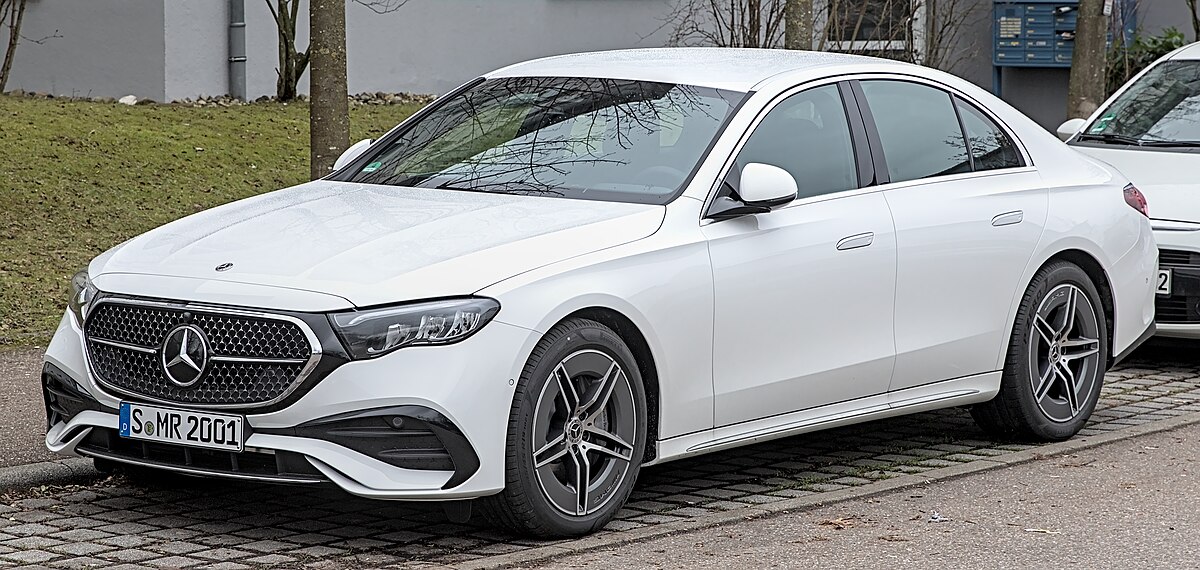
The Mercedes-Benz E-Class has long been a symbol of quiet confidence, appealing to drivers who value sophistication, comfort, and advanced technology without unnecessary flash. Positioned as a premium midsize sedan, it blends executive-level refinement with everyday ease, making it well-suited for both business use and relaxed long-distance travel.
Pricing starts at roughly $65,000 and climbs with higher trims and added technology, placing it firmly in the heart of the luxury sedan segment.
The E-Class lineup emphasizes smooth, effortless power. The E350 is powered by a turbocharged 2.0-liter four-cylinder engine paired with a mild-hybrid system that integrates a small electric motor, producing a combined 255 horsepower. All-wheel drive is optional on this model and standard on others.
The E450 steps things up with a turbocharged 3.0-liter inline-six, also supported by hybrid assistance, raising output to 375 horsepower. Both powertrains deliver their strength quietly and smoothly, with the inline-six in the E450 standing out for its refined sound and strong acceleration.
Optional features such as an adjustable air suspension and rear-wheel steering enhance ride comfort and maneuverability, though even the standard suspension setup absorbs rough roads with impressive composure.
Acceleration is confident rather than aggressive. In testing, the E350 4Matic reached 60 mph in 5.8 seconds, while the E450 accomplished the same run in a quick 4.4 seconds. Fuel efficiency remains impressive given the sedan’s size and power. The EPA estimates up to 33 mpg on the highway for the E350 4Matic, and real-world testing showed both the E350 and E450 returning about 35 mpg at highway speeds.
Inside, the E-Class cabin focuses on comfort and spaciousness. Both front and rear passengers enjoy generous legroom, with the rear seat being particularly accommodating. Interior materials are upscale, with leather upholstery and metal trim available, though many premium finishes are optional. Cargo space is relatively modest at 12.7 cubic feet, reflecting a greater emphasis on passenger comfort than storage.
Technology plays a central role, with digital displays for instrumentation and infotainment offered in standard and expanded multi-screen configurations. Augmented-reality navigation, in-car apps, and innovative display features reinforce the E-Class’s modern character.
Safety features such as automated emergency braking are standard, while more advanced driver assistance systems cost extra. Warranty coverage is competitive, though complimentary maintenance is not included.
4. Audi A6
The Audi A6 is a refined and understated luxury sedan that prioritizes composure, technology, and everyday comfort over flashy performance. It appeals to drivers who want premium quality and confident road manners without drawing too much attention. With pricing starting in the mid-$55,000 range, the A6 positions itself as a relatively accessible option in the midsize luxury class while still delivering a polished, upscale experience.
Two powertrains are offered, both paired with standard Quattro all-wheel drive and a seven-speed automatic transmission. The A6 45 models use a turbocharged 2.0-liter four-cylinder engine producing 261 horsepower, while the A6 55 upgrades to a turbocharged 3.0-liter V6 with 335 horsepower.
Both engines are supported by mild-hybrid systems that improve efficiency and smooth the stop-start function. Around town and on the highway, either setup provides more than enough power, with the V6 offering particularly effortless acceleration during passing and merging.
The suspension is tuned more for comfort than aggressive driving, delivering a smooth, absorbent ride that handles road imperfections with ease. Steering is accurate and controlled, though the A6 feels more relaxed than sporty when pushed through tight corners.
Performance figures are competitive but not class-leading. In testing, the V6-powered A6 reached 60 mph in 4.8 seconds. While that is quick, rivals like the BMW 540i and Mercedes-Benz E450 are slightly faster.
Fuel efficiency is a strong point, as the difference between the four-cylinder and V6 models is minimal. The four-cylinder earns an EPA-estimated 32 mpg on the highway, and real-world testing showed the V6 matching that figure during extended highway driving.
Inside, the A6 stands out with a clean, modern design and high-quality materials. Leather seating, wood trim, and metal accents give the cabin a premium feel. Most secondary controls are managed through a lower touchscreen beneath the main display, which provides haptic feedback and works more intuitively than expected.
Passenger space is generous, and cargo capacity is impressive for the segment. The trunk holds six carry-on suitcases, and folding the rear seats opens up a large, versatile cargo area that outperforms several rivals.
Technology is a major strength. A 10.1-inch infotainment screen, Apple CarPlay, Android Auto, Wi-Fi connectivity, and Audi’s Virtual Cockpit digital gauge display all come standard. Safety features such as automated emergency braking and lane-departure warning are included, with adaptive cruise control available. Warranty coverage is typical for the class, though it does not include complimentary scheduled maintenance.
5. Lexus ES
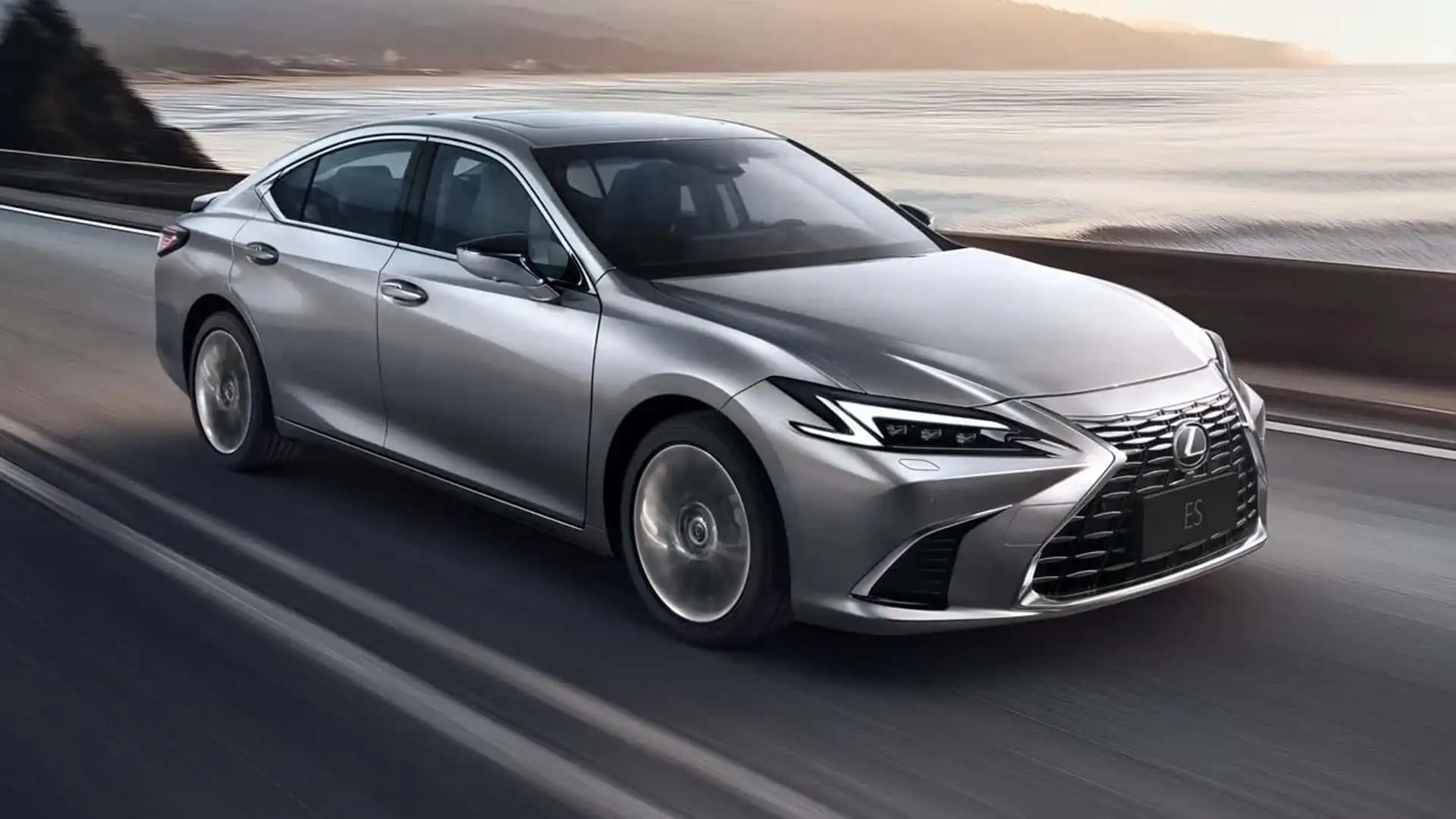
The Lexus ES is designed for drivers who value comfort, quietness, and long-term peace of mind more than outright performance. Rather than chasing sporty credentials, it focuses on delivering a calm, refined driving experience that feels effortless in daily use. With pricing that typically starts just under $50,000, the ES offers a compelling entry point into the luxury sedan segment, especially for buyers who want upscale comfort without high costs or attention.
The ES lineup includes three distinct powertrains. The ES250 features a 2.5-liter four-cylinder engine producing 203 horsepower and comes standard with all-wheel drive, making it the choice for buyers who prioritize year-round traction. The ES350 uses a 3.5-liter V6 delivering 302 horsepower through an eight-speed automatic transmission and front-wheel drive.
This version provides the strongest acceleration in the range, reaching 60 mph in about 6.1 seconds, though it remains tuned for smoothness rather than excitement. The ES300h hybrid combines a four-cylinder engine with electric assistance for a total output of 215 horsepower and uses a CVT. While slower off the line, the hybrid excels in efficiency and relaxed cruising.
Ride quality is a defining strength of the ES. The suspension is soft and forgiving, absorbing rough pavement with ease and maintaining a consistently quiet cabin even at highway speeds. Steering and handling are composed but relaxed. The available F Sport trim adds firmer suspension tuning and larger wheels, yet the ES never feels truly athletic compared to rivals such as the BMW 5 Series.
Fuel economy is another highlight. The ES350 is rated at up to 32 mpg on the highway, while real-world testing showed even better results. The ES300h hybrid is particularly impressive, earning EPA estimates of up to 44 mpg highway and returning similar numbers in extended highway driving.
Inside, the ES offers a spacious and elegant cabin with high-quality materials and a distinctive dashboard design. Both front and rear passengers enjoy generous legroom and well-cushioned seats. The cabin remains exceptionally quiet, reinforcing the car’s relaxed personality. The trunk provides 17 cubic feet of cargo space, which is generous for the class, though the lack of folding rear seats limits flexibility for larger items.
Technology features are strong, with standard Apple CarPlay, Android Auto, a touchscreen infotainment system, and a comprehensive suite of safety features included across the lineup. Backed by Lexus reliability and strong warranty coverage, the ES remains a smart choice for buyers seeking comfort, efficiency, and long-term ownership confidence.
Also Read: 10 Cars With Simple Volume Knobs and Real Buttons
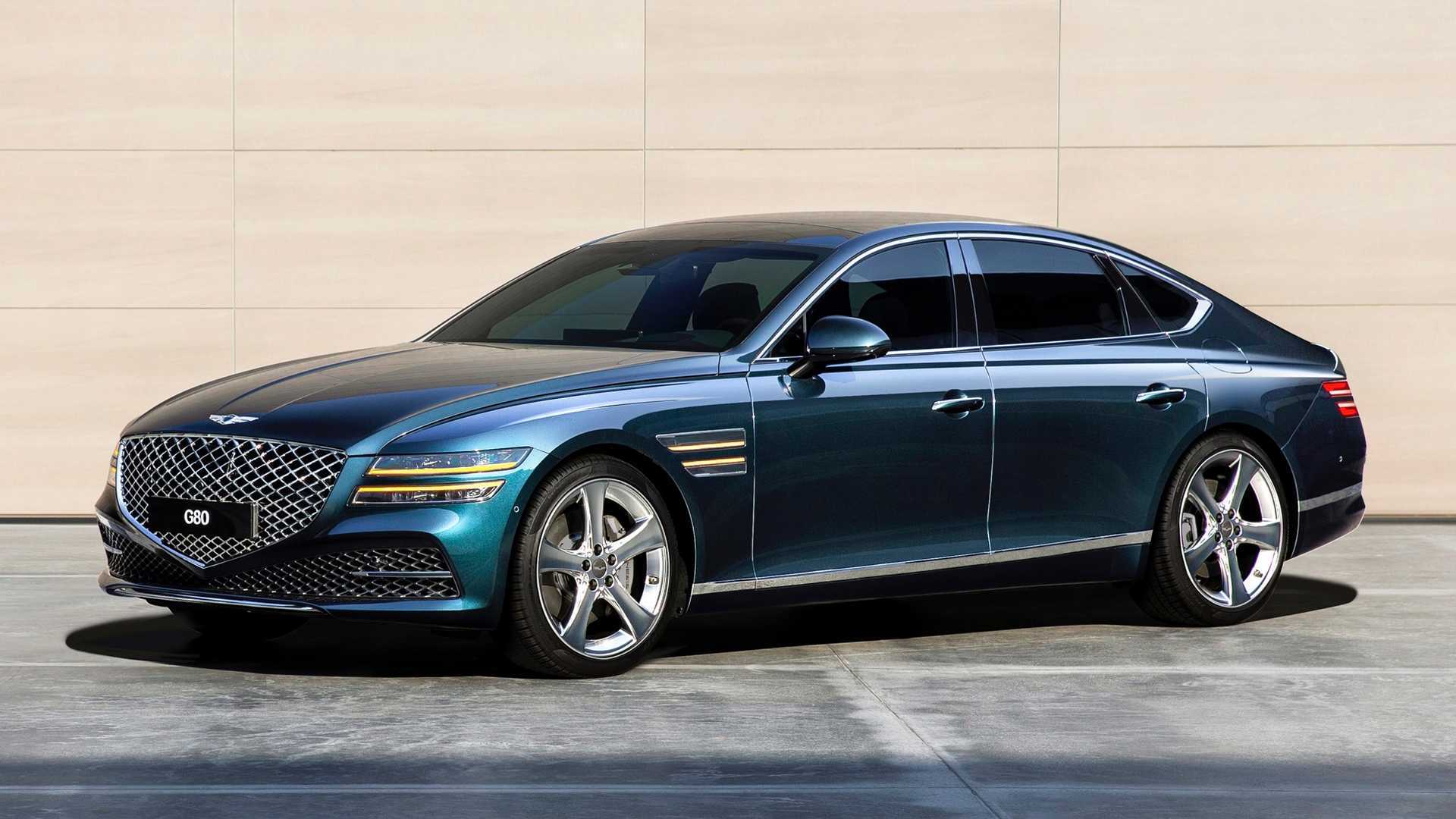
6. Genesis G80
The Genesis G80 is a luxury sedan that blends comfort, refinement, and understated performance, offering a strong alternative to European competitors. With prices between $50,000 and $65,000, it appeals to buyers seeking premium design, advanced features, and smooth power without the high-profile badge of brands like Audi or Mercedes-Benz.
Two powertrains are available, both paired with an eight-speed automatic transmission and standard all-wheel drive. The base G80 uses a turbocharged 2.5-liter four-cylinder engine producing 300 horsepower, delivering smooth acceleration and confident daily driving.
The Sport trim upgrades to a twin-turbo 3.5-liter V6 with 375 horsepower, providing stronger passing power and enhanced responsiveness while maintaining a composed, quiet ride. The G80 prioritizes comfort, with suspension tuning that absorbs road imperfections, and the Sport model adds slightly sharper handling, though it does not match the agility of the Audi A6 or Jaguar XF.
Performance testing showed the V6-powered G80 reaching 60 mph in 5.1 seconds, while earlier tests of the four-cylinder model recorded 5.7 seconds. Fuel efficiency is competitive, with the four-cylinder rated up to 30 mpg highway, and the V6 exceeding its EPA estimates with 31 mpg on a real-world highway test.
The interior emphasizes luxury and technology. The cabin features high-quality materials, soft-touch surfaces, and a streamlined dashboard. A 27-inch OLED display serves as both the gauge cluster and infotainment center, with wireless Apple CarPlay, Android Auto, and a premium Lexicon audio system.
Comfort features include heated and ventilated front and rear seats, ambient lighting, and a head-up display. Headroom and legroom are generous in the front, with the rear accommodating two adults comfortably.
Safety features include automated emergency braking, blind-spot monitoring, and adaptive cruise control with lane-centering. Genesis pairs these attributes with one of the strongest warranty programs in the segment, offering a five-year limited warranty, a 10-year powertrain warranty, and three years of complimentary maintenance.
The combination of refined performance, high-quality interior, and exceptional long-term support makes the Genesis G80 a compelling choice for buyers seeking a luxurious and reliable midsize sedan.
7. Volvo S90
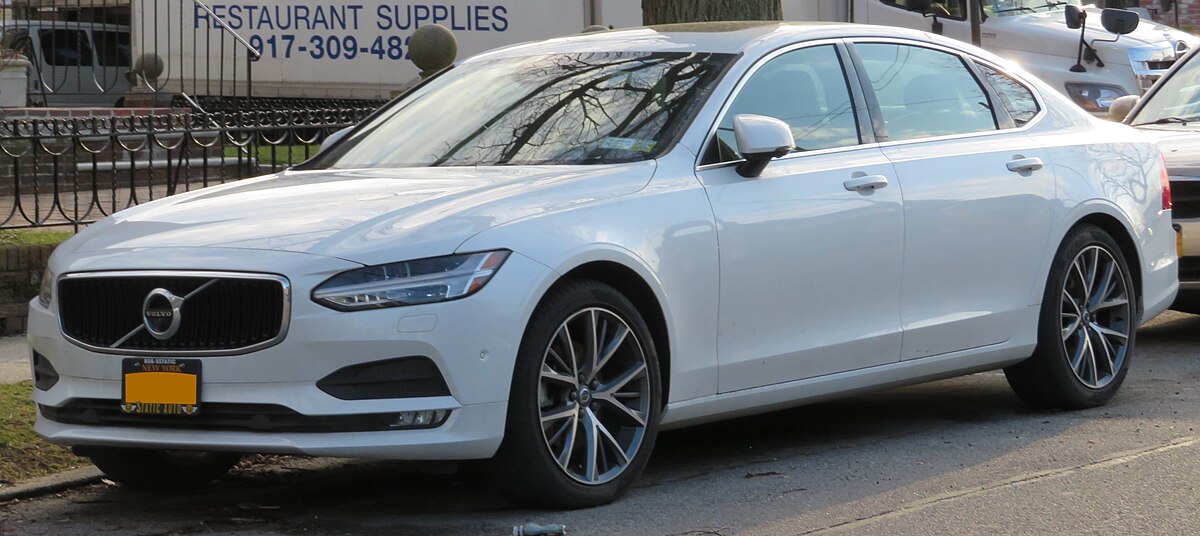
The Volvo S90 is a refined and understated luxury sedan that emphasizes comfort, safety, and a calm driving experience. Its design is elegant and Scandinavian in style, offering a serene cabin and smooth performance from turbocharged engines and hybrid powertrains. Starting around $55,000, the S90 provides a balanced combination of sophistication and daily usability for buyers seeking a relaxed, premium sedan.
Powertrain options include the B6 mild-hybrid turbocharged four-cylinder engine and the T8 plug-in hybrid. The B6 produces 295 horsepower and delivers steady, competent acceleration, reaching 60 mph in 6.4 seconds during testing. The T8 hybrid offers more power and electric-assisted torque, achieving faster acceleration of around 4.5 seconds to 60 mph.
While the S90 handles confidently and provides surefooted traction, the ride is firmer than some rivals, and the steering, though weighty and composed, lacks precision, making the sedan feel less sporty than competitors like the BMW 5 Series or Mercedes E-Class.
Fuel economy is efficient, particularly in hybrid models. The B6 earns EPA ratings of 22 mpg city and 31 mpg highway, and our real-world highway testing returned 29 mpg. The T8 plug-in hybrid can achieve up to 66 MPGe combined, providing substantial efficiency gains for longer trips or city driving. These figures, combined with Volvo’s thoughtful hybrid integration, make the S90 a practical choice for drivers seeking reduced fuel consumption without sacrificing performance.
The interior is a highlight, showcasing high-quality materials such as open-pore wood, leather, and brushed metal, arranged in a modern and cohesive cabin layout. Front seats are 14-way power-adjustable and exceptionally comfortable, while the rear provides ample space for passengers.
Cargo capacity is generous, especially with folding rear seats, though a manual steering column remains a curious omission compared with power-adjustable rivals. The cabin emphasizes refinement and tranquility, reinforcing the S90’s reputation for calm luxury.
Technology and safety are central to the S90 experience. A 9-inch infotainment touchscreen controls most vehicle functions, supporting Apple CarPlay and over-the-air software updates.
Driver-assistance features are abundant and mostly standard, including automated emergency braking, lane-keeping assist, and adaptive cruise control. Volvo backs the S90 with a four-year/50,000-mile limited warranty and three years of complimentary maintenance, offering peace of mind that complements the sedan’s composed and safety-focused character.
8. Acura TLX
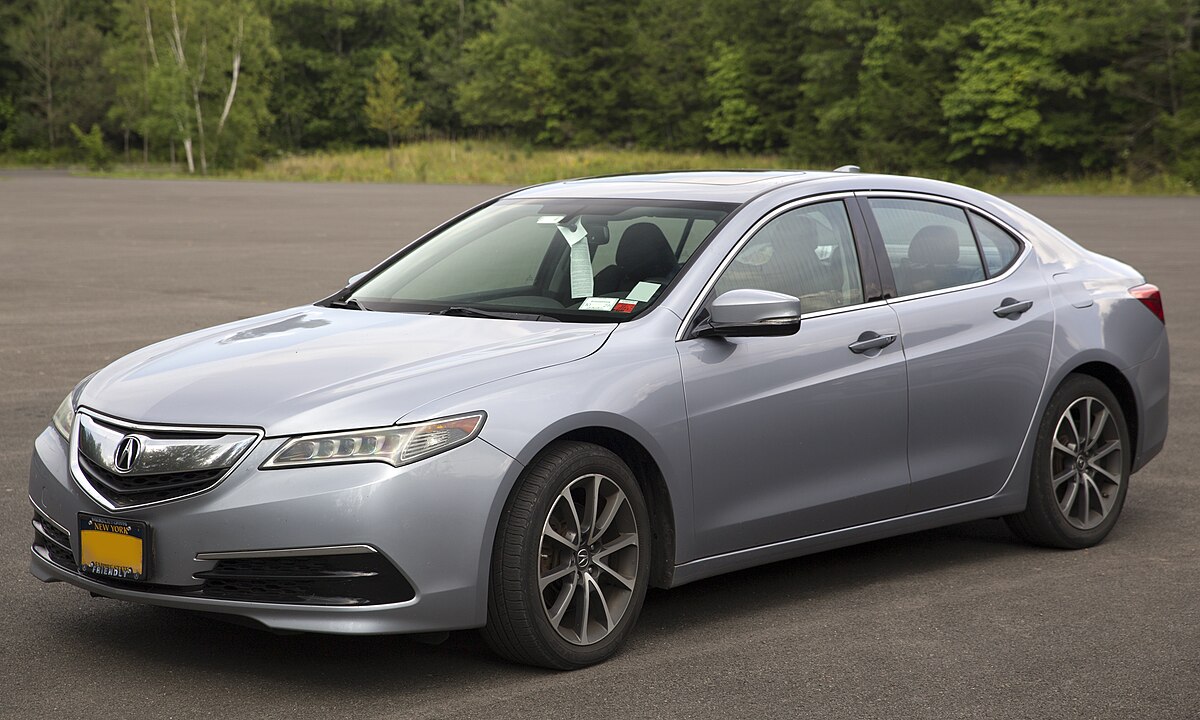
The Acura TLX is a sporty yet practical luxury sedan that offers a compelling mix of performance, comfort, and technology at a competitive price, starting in the mid-$40,000 range. It stands out as an underdog in the segment, appealing to buyers who want engaging driving dynamics without paying for a flashy badge or premium European marque.
The TLX comes with two main powertrains. The base model uses a turbocharged 2.0-liter four-cylinder engine producing 272 horsepower, paired with a 10-speed automatic transmission. Front-wheel drive is standard, while Acura’s SH-AWD all-wheel-drive system is optional.
The high-performance Type S adds a turbocharged 3.0-liter V6 generating 355 horsepower, a sport-tuned suspension, and SH-AWD. The Type S also offers stickier summer tires and 20-inch wheels for enhanced grip. Handling is precise, and steering is responsive, though the ride is firmer than some competitors. The sedan delivers strong brakes and body control, creating an engaging, yet usable, driving experience.
Performance testing shows the base TLX reaches 60 mph in 5.9 seconds, while the Type S completes the sprint in 4.6 seconds. Fuel economy varies depending on drivetrain: front-wheel-drive TLX earns 22 mpg city and 31 mpg highway, SH-AWD models return 21/29 mpg, and the Type S achieves 19/25 mpg. On a 75-mph highway test, the all-wheel-drive four-cylinder TLX delivered 30 mpg, confirming its efficiency is respectable for the segment.
Inside, the TLX cabin emphasizes sportiness and refinement. It features analog gauges, a prominent rotary drive-mode selector, and high-quality materials, including open-pore wood and real aluminum. Front seats are highly adjustable, offering excellent support and visibility, while rear seating is somewhat smaller.
Tech features include a 12.3-inch infotainment system controlled via a touchpad, standard wireless Apple CarPlay and Android Auto, a Wi-Fi hotspot, and optional ELS audio and wireless charging in the Advance package. Customizable ambient lighting and thematic design touches add to the cabin’s character.
Safety and convenience come standard with AcuraWatch, including forward-collision warning, automated emergency braking, lane-departure warning, and lane-keeping assist. Optional features include blind-spot monitoring and rear cross-traffic alert.
Warranty coverage is competitive, with a four-year/50,000-mile limited warranty, a six-year/70,000-mile powertrain warranty, and two years/24,000 miles of complimentary maintenance, providing long-term ownership peace of mind.
9. Cadillac CT5
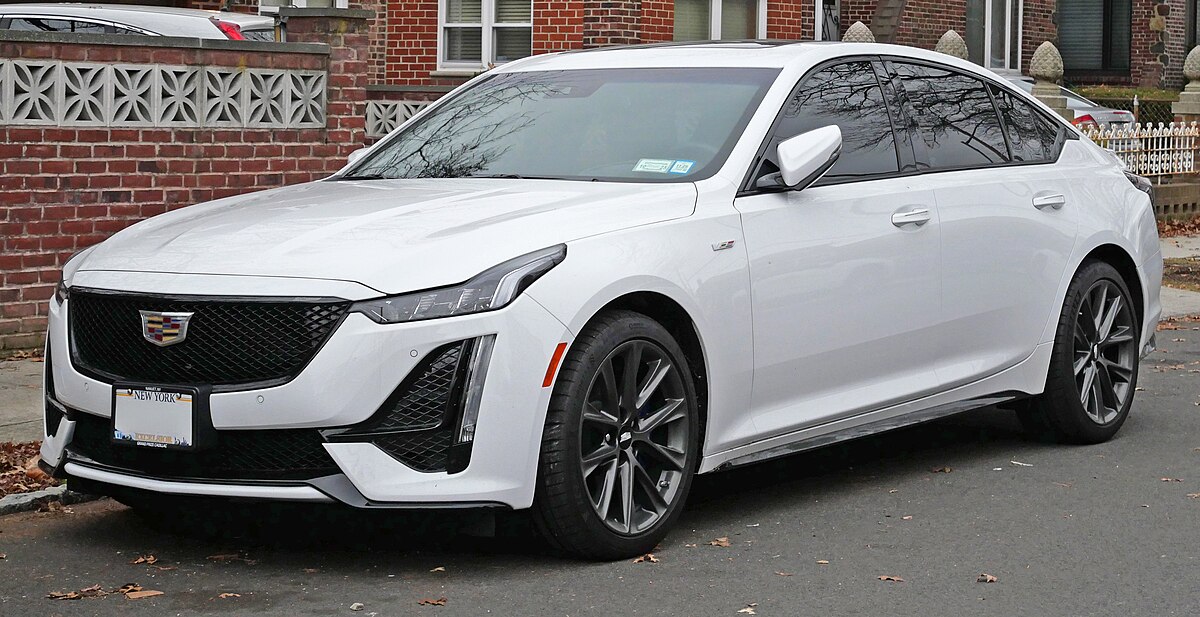
The Cadillac CT5 is a luxury sports sedan that blends American muscle with everyday comfort. It offers a stylish exterior, a spacious and reasonably comfortable cabin, and a tech setup that is user-friendly. With a starting price around $45,000, it appeals to buyers seeking performance and refinement without the premium badge cost of European rivals.
Engine options include a standard 237-hp turbocharged 2.0-liter four-cylinder and an available 335-hp twin-turbo 3.0-liter V6. The high-performance CT5-V produces 360 hp and adds adaptive dampers and an electronically controlled limited-slip differential.
All engines pair with a 10-speed automatic transmission, with rear-wheel drive standard and all-wheel drive optional. The base CT5 provides a more relaxed ride, while the CT5-V balances sharp handling, body control, and performance comparable to rivals like the BMW 3 Series and Alfa Romeo Giulia.
Performance testing shows the turbo-four CT5 reaches 60 mph in 6.6 seconds, while the CT5-V completes the sprint in 4.8 seconds. Fuel economy varies by engine: the base turbo-four is rated at 23 mpg city and 33 mpg highway, the 335-hp V6 at 19/27 mpg, and the CT5-V at 18/27 mpg. On a 75-mph highway test, the rear-drive turbo-four model achieved 31 mpg, making it reasonably efficient for the segment.
The interior combines luxury and functionality, with more spacious rear seats than its predecessor and slightly better legroom than key European competitors. The trunk accommodates five carry-on suitcases but falls short of rivals in total cargo volume.
Material quality is mixed, pairing attractive open-pore wood with less premium plastics, which slightly undermines the luxury feel. The cabin layout is improved over the CTS, making controls easier to navigate.
Technology features include a 33-inch curved touchscreen infotainment system, Apple CarPlay, Android Auto, wireless charging, a Wi-Fi hotspot, and available AKG premium audio. Safety features come standard with forward-collision alert, rear park assist, and rear cross-traffic alert, while advanced systems like GM’s Super Cruise hands-free driving are optional.
Warranty coverage is strong, with a four-year/50,000-mile limited warranty and a six-year/70,000-mile powertrain warranty, though complimentary maintenance is limited to the first visit. The CT5 provides a compelling balance of style, performance, and value in the luxury sports sedan segment.
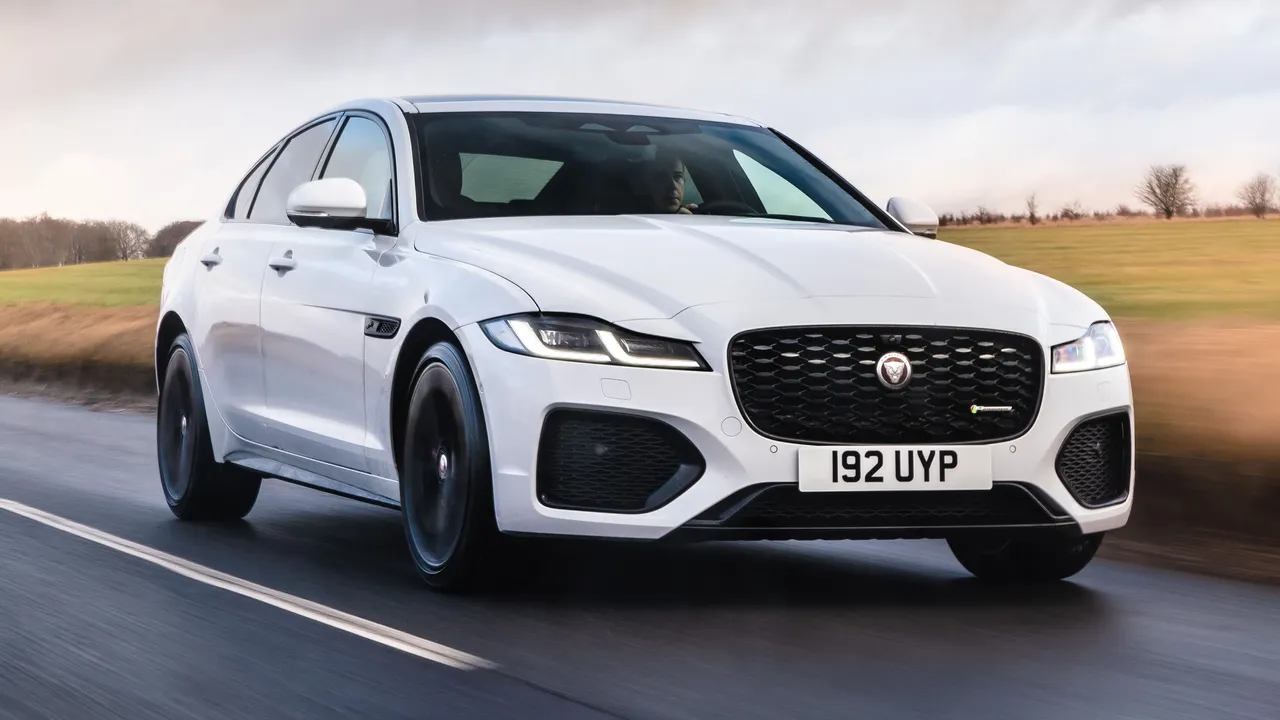
10. Jaguar XF
The Jaguar XF blends classic British elegance with modern performance and technology. Its design emphasizes refinement over outright speed, offering a smooth and deliberate driving experience. The cabin is cozy and upscale, making long journeys comfortable and serene. Pricing starts around $50,000 and can reach the mid-$60,000 range depending on trim, making it a compelling choice for buyers seeking luxury with subtle flair.
The XF offers two turbocharged 2.0-liter four-cylinder engines. The P250 produces 246 horsepower and comes exclusively with rear-wheel drive, while the P300 generates 296 horsepower and is paired with all-wheel drive. Both engines are linked to an eight-speed automatic transmission.
On the road, the XF P300 reaches 60 mph in 6.2 seconds. Its suspension is supple, providing fluid handling without compromising ride quality. Steering transitions smoothly from light effort at low speeds to heavier, more controlled feedback at higher speeds, and the soft brake pedal responds progressively, enhancing the sense of refinement.
Fuel efficiency is competitive for the segment. The rear-wheel-drive P250 is rated at 23 mpg city and 30 mpg highway, while the all-wheel-drive P300 is rated 22/30 mpg. During highway testing at 75 mph, the XF with all-wheel drive achieved 30 mpg, aligning closely with EPA estimates. This makes it efficient enough for long-distance driving without sacrificing performance.
The interior demonstrates thoughtful design and premium materials. Leather upholstery covers the seats, door panels, and dashboard, accented by metal trim. Standard features include power-adjustable heated front seats, a heated steering wheel, dual-zone automatic climate control, and a wireless smartphone charging pad.
Cargo space is practical, accommodating five carry-on suitcases in the trunk, and folding the rear seats expands capacity to 15. The layout and storage options support both luxury and utility.
Technology in the XF centers on the Pivi Pro infotainment system, which features an 11.4-inch curved touchscreen. It supports over-the-air updates and includes Apple CarPlay, Android Auto, and a 12-speaker Meridian audio system.
Safety features come standard, such as automated emergency braking, adaptive cruise control, lane-keeping assist, and automatic high beams. Jaguar provides a robust ownership package with a five-year/60,000-mile limited and powertrain warranty, along with five years of complimentary scheduled maintenance, offering reassurance and added value in the luxury sedan segment.
Choosing a sedan with steering that feels relaxed transforms the driving experience, making every journey, whether a daily commute or a long road trip, more effortless. These ten sedans show that comfort and confidence do not require twitchy, over-eager handling.
From the serene Lexus ES and Genesis G80 to the refined Jaguar XF and Audi A6, each car delivers precise yet composed steering that inspires calm and control. Thoughtful chassis tuning and steering calibration allow drivers to connect with the road without strain, providing a smoother, more serene driving experience. Relaxed steering enhances comfort, predictability, and enjoyment, proving that luxury and performance can coexist with poise and elegance.
Also Read: 5 Cars for Tucson Sunbelt Life vs 5 That Need Frequent AC Work