Detroit is a city built on hard work, long commutes, and unpredictable weather. Whether someone is heading to the auto plants in Dearborn, the hospitals in Midtown, the office parks in Southfield, or construction sites all across Wayne County, daily life in the Motor City demands a vehicle that can take a beating.
Detroit drivers often start their mornings before sunrise, rack up well over 15,000 miles per year, and deal with some of the harshest road conditions in the Midwest from frost-heaved freeways to crater-sized potholes that appear overnight.
That makes reliability, durability, and comfort non-negotiable qualities for anyone working long hours. But not every car is built to handle this lifestyle.
Some vehicles shine in longevity, while others show their weaknesses far too early for people who depend on their car to make a living.
This list looks at five cars that are proven tough for Detroit’s long-hour workforce and five that tend to fall short when pushed to Motor City extremes.
Each pick is explained in practical, real-world terms how they handle cold starts, long idles, constant stop-and-go traffic, worn roads, and high yearly mileage.
For Detroiters who rely on their car the way others rely on a time clock, this breakdown can save money, time, and future frustration.
Cars for Detroit Drivers Who Work Long Hours
For Detroit drivers who spend long hours on the road, whether commuting to the city’s sprawling suburbs or navigating traffic-packed streets, comfort and reliability are non-negotiable.
Sitting behind the wheel for hours at a time can take a toll, so choosing a car that combines supportive seating, smooth handling, and fuel efficiency is essential. In this guide, we highlight vehicles that make long drives more manageable, helping Detroit drivers stay comfortable, alert, and stress-free, even during the longest shifts.
1. Toyota Camry
The Toyota Camry continues to be the gold standard for Detroit workers needing a dependable daily machine.
This is the sedan that shrugs off freezing winters, long freeway slogs, and constant idling in traffic on I-94 with ease. Toyota’s naturally aspirated engines especially the 2.5-liter four-cylinder have a reputation for surviving well over 250,000 miles with minimal drama.
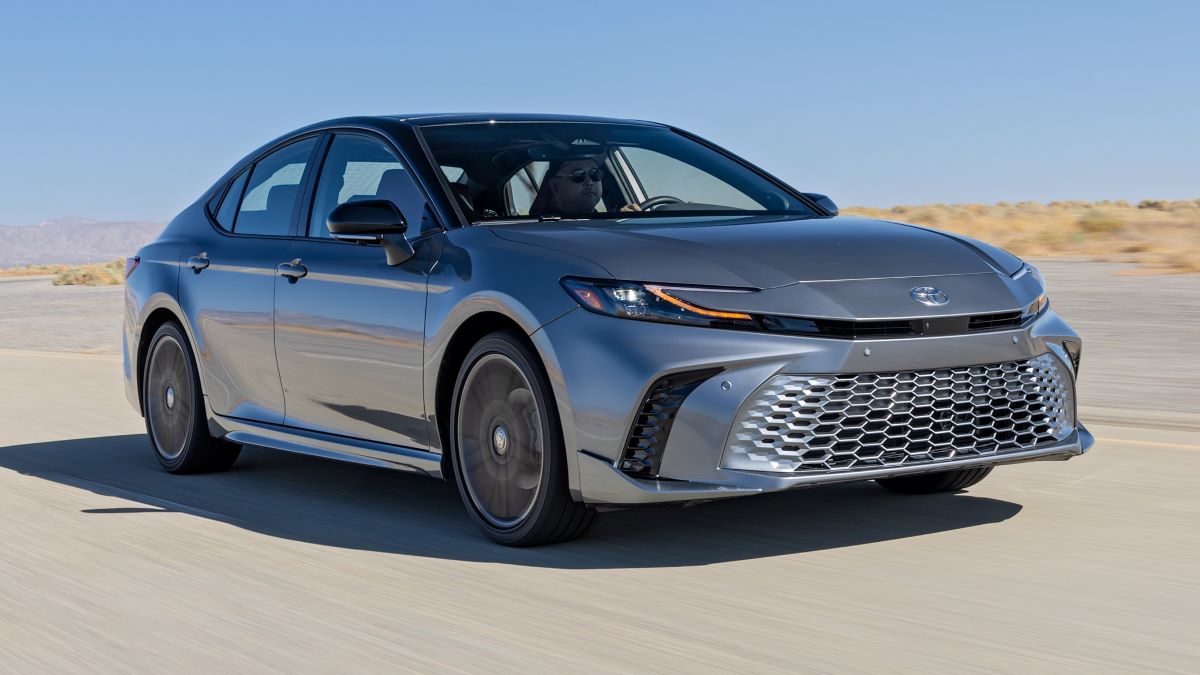
For people working long shifts, the Camry’s comfortable seating and quiet cabin make life smoother when driving home after midnight.
The suspension is well-tuned to handle rough pavement, making it surprisingly good at absorbing Detroit’s infamous potholes.
We tested the four-cylinder Camry SE. Toyota has tuned this model to prioritize fuel efficiency, but the trade-off is somewhat sluggish acceleration from a standstill. Our test car managed 0 to 60 mph in a modest 8.2 seconds, though in everyday driving it feels a touch livelier than that number suggests.
The transmission helps compensate somewhat, offering reasonably good responsiveness and quick shifts. With eight gears, there’s usually an appropriate ratio for the situation, though two-gear downshifts are common when you press the accelerator, as it works to make the most of the available engine power.
The Camry SE also benefits from a slightly sportier suspension setup, which gives it a more planted, hunkered-down feel. While it’s not designed for aggressive driving, it handles anything the typical driver is likely to encounter in daily use with ease.
The brakes are similarly user-friendly, featuring a light and responsive pedal, and the Camry’s stopping performance is about average for its class.
Also Read: 10 Best Used Sedans Under $10,000 in 2025
2. Ford Escape Hybrid
The Ford Escape Hybrid is a practical choice for Detroit-based healthcare workers, postal drivers, and rideshare operators who rack up serious mileage.
As a locally built vehicle with excellent fuel economy, Detroit workers appreciate its blend of efficiency and hometown engineering.
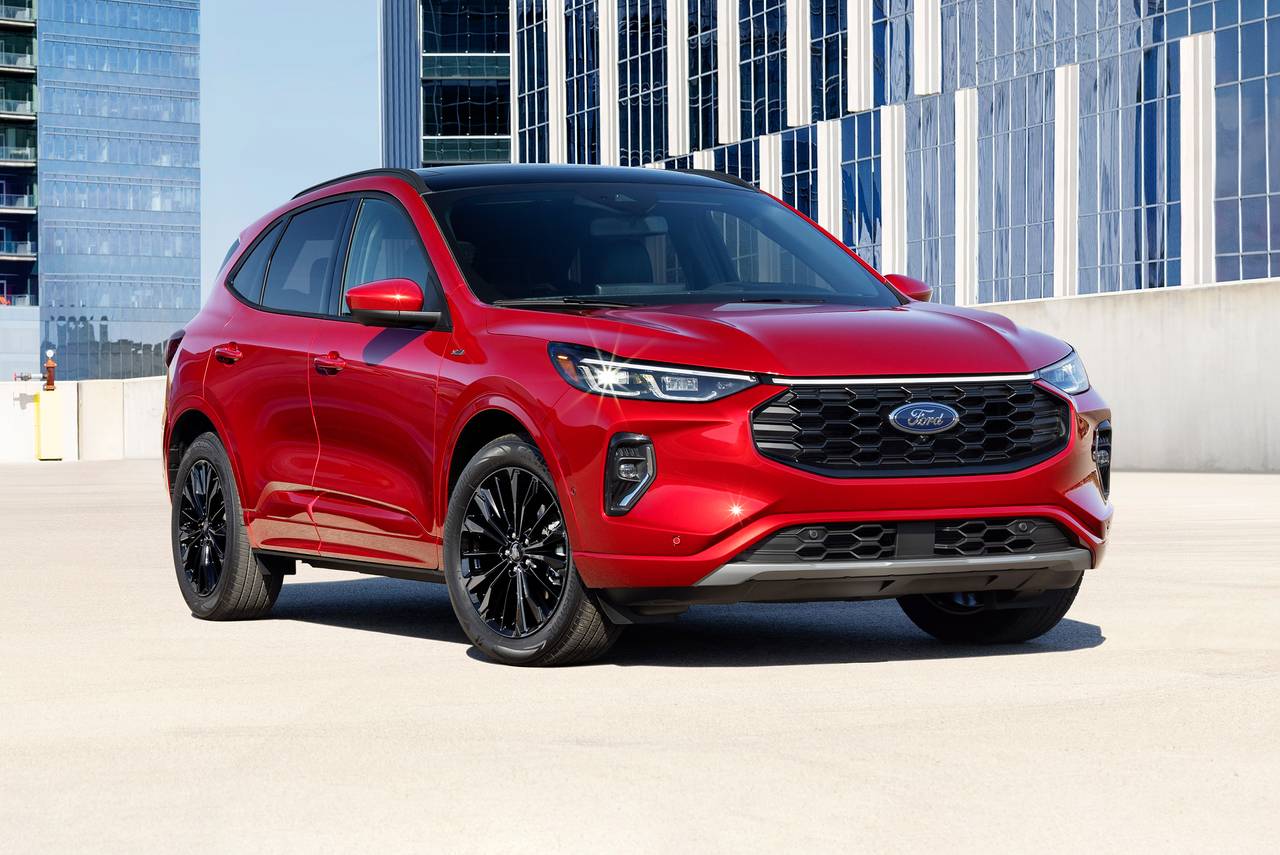
The hybrid system helps reduce wear on the engine during long periods of stop-and-go traffic, which is common near downtown and during rush hour on the Lodge Freeway.
The Escape’s heated seats, available all-wheel drive, and winter-friendly start-up behavior also make it dependable during brutal January mornings when temperatures plunge into the single digits.
3. Subaru Outback
Detroiters who split time between city roads and suburban job sites in places like Commerce Township or Ann Arbor often gravitate toward the Subaru Outback.
Its symmetrical all-wheel drive provides outstanding traction during Michigan snowstorms, while its reliable 2.5-liter engine handles long commutes without stress.
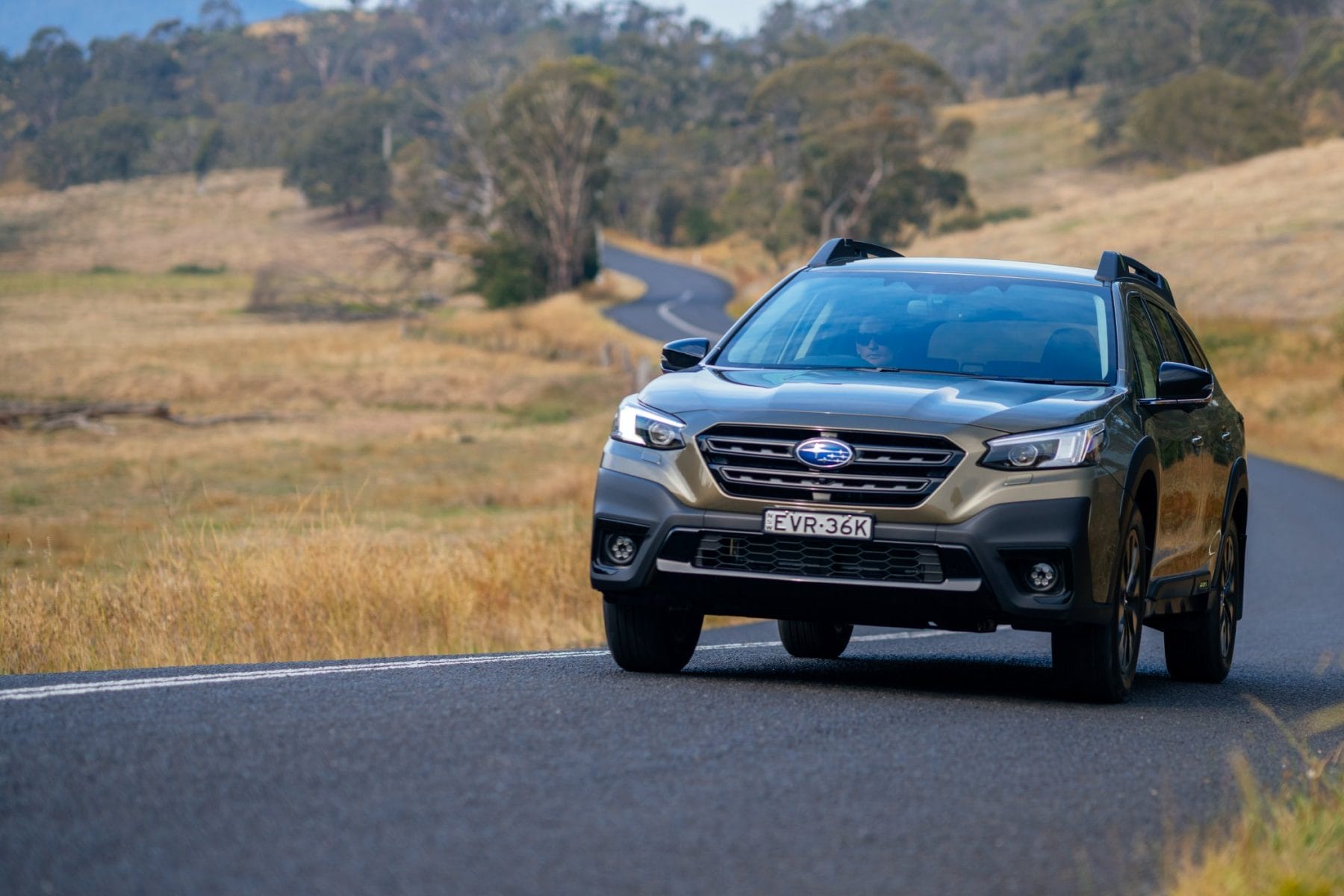
The Outback’s raised ride height helps it glide over potholes and broken pavement better than many crossovers in its class.
Its large, supportive seats and excellent visibility also help fatigued drivers stay comfortable and alert after 10- or 12-hour shifts. Long-hour workers appreciate that the Outback rarely surprises them with early repairs.
4. Honda CR-V
The Honda CR-V remains one of the strongest long-distance workhorses in the compact SUV segment. Detroit commuters value its exceptional fuel efficiency, quiet interior, and well-proven longevity.
Even with Michigan weather, the CR-V starts reliably in the cold and maintains stable handling on icy roads.
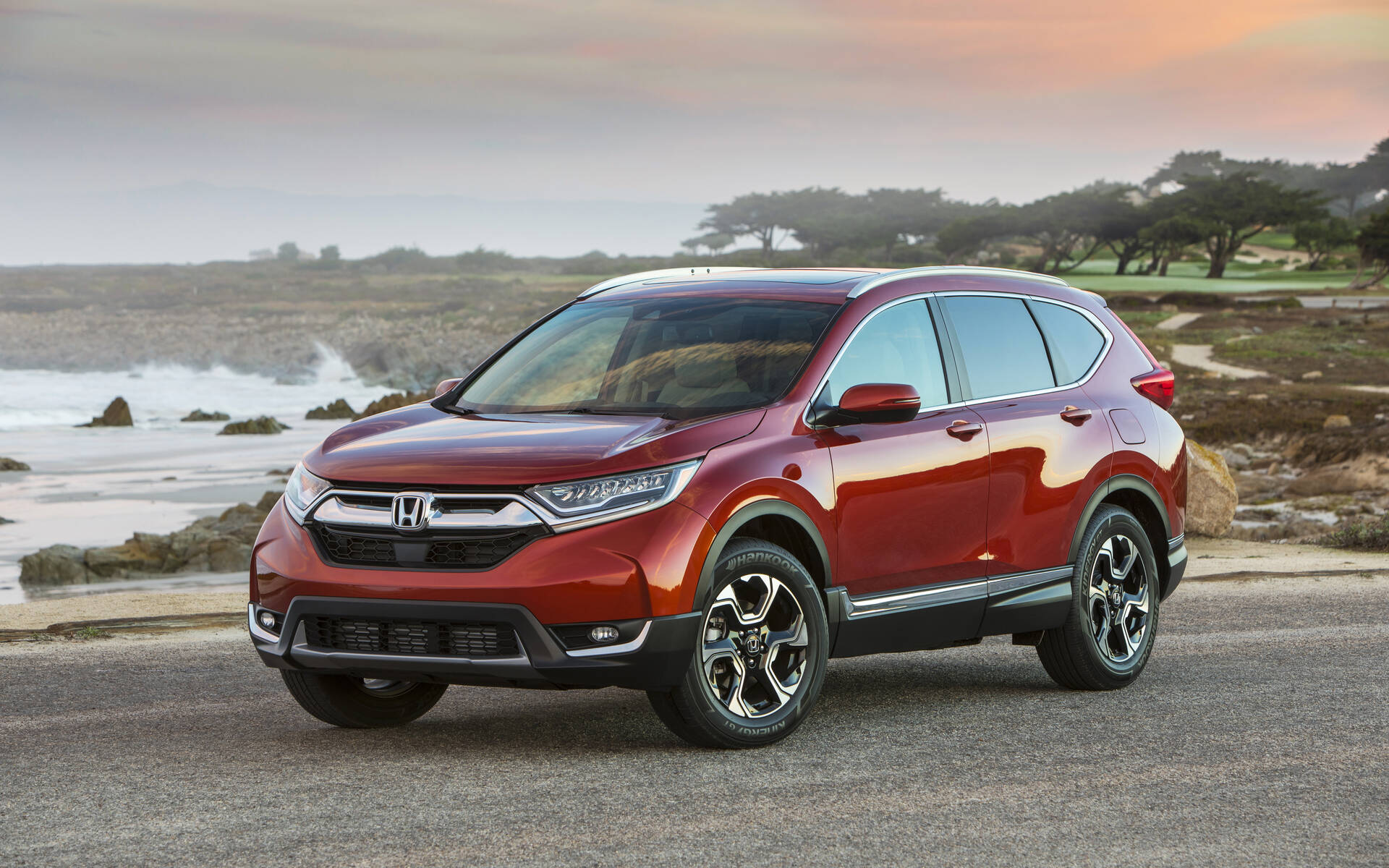
Its cabin ergonomics help reduce fatigue, especially for workers who spend hours parked in lots scrolling through dispatch apps or returning home along the lengthy I-75 corridor.
The turbocharged 1.5-liter engine, when maintained well, has shown strong durability in real-world fleet usage. The CR-V’s low maintenance costs make it a favorite for workers trying to keep long-term expenses under control.
The 2023 Honda CR-V arrives with a completely refreshed design, both inside and out, ready to compete in the highly competitive compact-SUV segment. Its cabin draws design cues from the Civic compact car, offering a modern aesthetic paired with tech features such as an available 9.0-inch touchscreen infotainment system that supports wireless Apple CarPlay and Android Auto.
Naturally, every CR-V comes equipped with a suite of standard driver-assist features, including adaptive cruise control, blind-spot monitoring, and lane-keeping assist. Power comes from a standard 190-hp turbocharged four-cylinder, while a 204-hp hybrid option is also available.
Under the CR-V’s upright grille sits the standard 190-hp turbocharged 1.5-liter four-cylinder engine, mated to a CVT and available in either front- or all-wheel-drive configurations. This powertrain comes standard on the LX, EX, and EX-L trims.
On our test track, the non-hybrid EX-L required 8.1 seconds to reach 60 mph, making it slightly sluggish for its segment and a few ticks slower than the hybrid variant. The CVT can also produce a noticeable drone under hard acceleration.
All CR-Vs are equipped with hill-descent control, which helps modulate speed during steep or slippery low-speed declines. Most models ride on 18-inch wheels. While the CR-V doesn’t deliver the handling excitement of competitors like the Mazda CX-50 or Volkswagen Tiguan, it offers a smooth ride and enough pep to keep daily driving from being dull.
5. Chevrolet Impala (Used)
Although discontinued after 2020, the Chevrolet Impala is still a Detroit favorite among budget-conscious long-hour workers.
The 3.6-liter V6 engine is legendary for its durability, and these cars can be found at reasonable prices across Michigan.
The Impala is especially good for people working night shifts or long drives between locations because of its extremely comfortable seating, wide cabin, and highway-friendly ride quality.
Even after years of use by commercial fleets, many Impalas continue delivering reliable service past 200,000 miles. In a city where many drivers need affordable but dependable transportation, the Impala continues to shine.
Although roughly 70% of sales went to fleet buyers, the Impala remained the cornerstone of Chevrolet’s lineup, and the 2014 model year continued that tradition.
It represented a significant leap forward, with styling cues reminiscent of the Impalas from the late 1960s and early 1970s, even though it was built on the extended GM Epsilon II front-wheel-drive platform. The 2014 model also shared underpinnings with the Cadillac XTS and Buick LaCrosse.
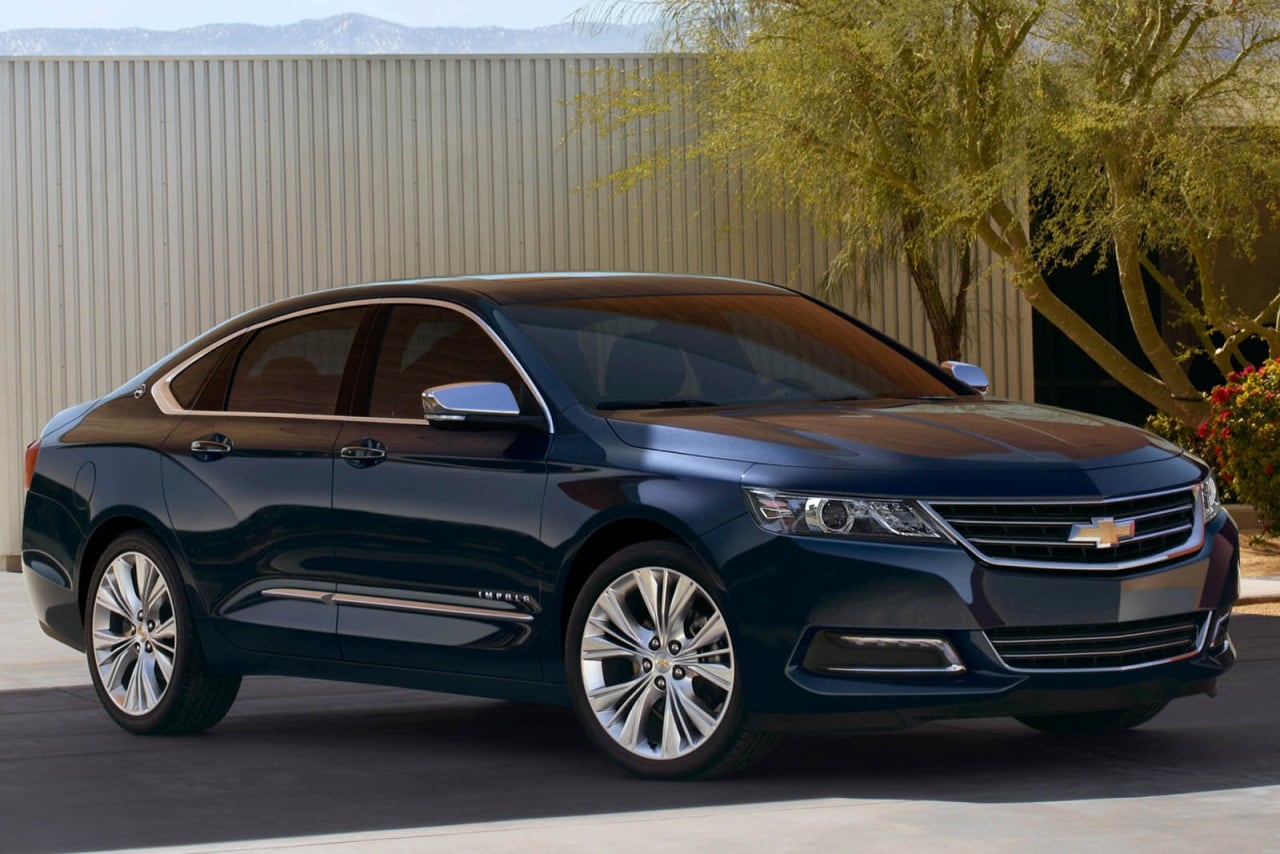
Styled during GM’s new-edge design era, the 2014 Impala featured angular headlights, with the LTZ grade offering available HID lamps. Between the headlights sat a pentagonal grille reminiscent of the Camaro, while the hood displayed a pair of power domes.
The lower portion of the wraparound plastic bumper included a center air intake flanked by a pair of scoops housing the available LED daytime running lights.
With its sweeping profile and sloped rear window, the 2014 Impala evoked the 1961 Impala Sport Coupe variant. The longitudinal crease running along the front fenders and doors drew inspiration from Bill Mitchell’s design for the third generation of the Impala. Curved, sculpted lines on the rear quarter panels paid homage to the 1965 Impala SS.
At the rear, Chevrolet adopted a new design language, with corner-mounted LED taillights featuring angular shapes. The short decklid incorporated an integrated lip spoiler, and the plastic bumper below housed either a single or dual-exhaust system with chromed rectangular tips integrated into the apron, depending on the trim level.
Inside, the 2014 Impala offered genuine full-size sedan space, convincing buyers it deserved more than fleet use. The driver faced a binocular-style instrument cluster, with large round dials for the speedometer and tachometer flanking a color display for the onboard computer.
Two smaller gauges at the top of the panel indicated fuel level and coolant temperature. Atop the center stack, Chevrolet placed a touchscreen display for the infotainment system, which could slide up to reveal a hidden storage compartment.
The bolstered front bucket seats, available with leather upholstery, were separated by a center console containing the gear selector, a pair of cupholders, and additional storage.
A folding armrest with a cubby underneath completed the front cabin. Rear passengers enjoyed ample legroom thanks to the vehicle’s long wheelbase, though the transmission tunnel running the length of the cabin limited space for the middle passenger on the 60/40 split-folding bench seat.
Under the hood, the 2014 Impala offered a choice of inline-four, V6, or hybrid powertrains, all paired with six-speed automatic transmissions with manual gear selection. While the platform could accommodate all-wheel drive, the Impala was available only in front-wheel drive. The hybrid variant provided improved fuel efficiency, making it a practical option for buyers seeking better economy.
Also Read: 10 Surprising Cars That Are Secretly Powered By Rotary Engines
Cars That Fail Early for Detroit Long-Hour Lifestyles
For Detroit drivers logging long hours behind the wheel, reliability isn’t just a convenience, it’s a necessity. Cars that struggle with durability, costly repairs, or frequent breakdowns can turn daily commutes into a headache and drain both time and money.
In this guide, we spotlight vehicles that tend to falter under the demands of long drives, helping drivers avoid models that aren’t built for endurance or the rigors of extended road time.
1. Jeep Cherokee (2014–2022)
While Jeep is a respected Detroit-area brand, the Cherokee from this era suffers from frequent transmission problems that tend to appear early sometimes before 80,000 miles.
For Detroit drivers who put heavy stress on their vehicles, the 9-speed automatic can be unpredictable, jerky, or fail altogether. Harsh winters and rough roads only accelerate wear.
For long-hour workers who require consistent reliability, the Cherokee is too risky, even though its interior comfort is solid and its AWD system handles winter fairly well.
The 2014 Jeep Cherokee marks the return of a classic Jeep nameplate. Unlike previous Cherokees, which were no-frills off-road vehicles offering little more than basic transportation on pavement, the 2014 model is a small crossover SUV that balances rugged capability with comfort.
While it retains respectable off-road ability, the new Cherokee stands out for its spacious, well-appointed interior, smooth V6 engine, and pleasant ride.
Though the 2014 Cherokee shares its basic platform with the Dodge Dart sedan, it feels considerably roomier inside, boasting one of the most accommodating rear seats in the compact-crossover segment. The trade-off for this emphasis on passenger space is a slightly reduced maximum cargo volume; with the rear seats folded, the Cherokee carries 10–15 fewer cubic feet than many competitors.
The 3.2-liter Pentastar V6, borrowed from the Grand Cherokee, produces 271 horsepower and delivers power smoothly through an all-new nine-speed automatic transmission. This nine-speed automatic also comes with the base 2.4-liter four-cylinder. While the four-cylinder produces competitive power on paper, the Cherokee’s weight makes acceleration feel sluggish in real-world conditions.
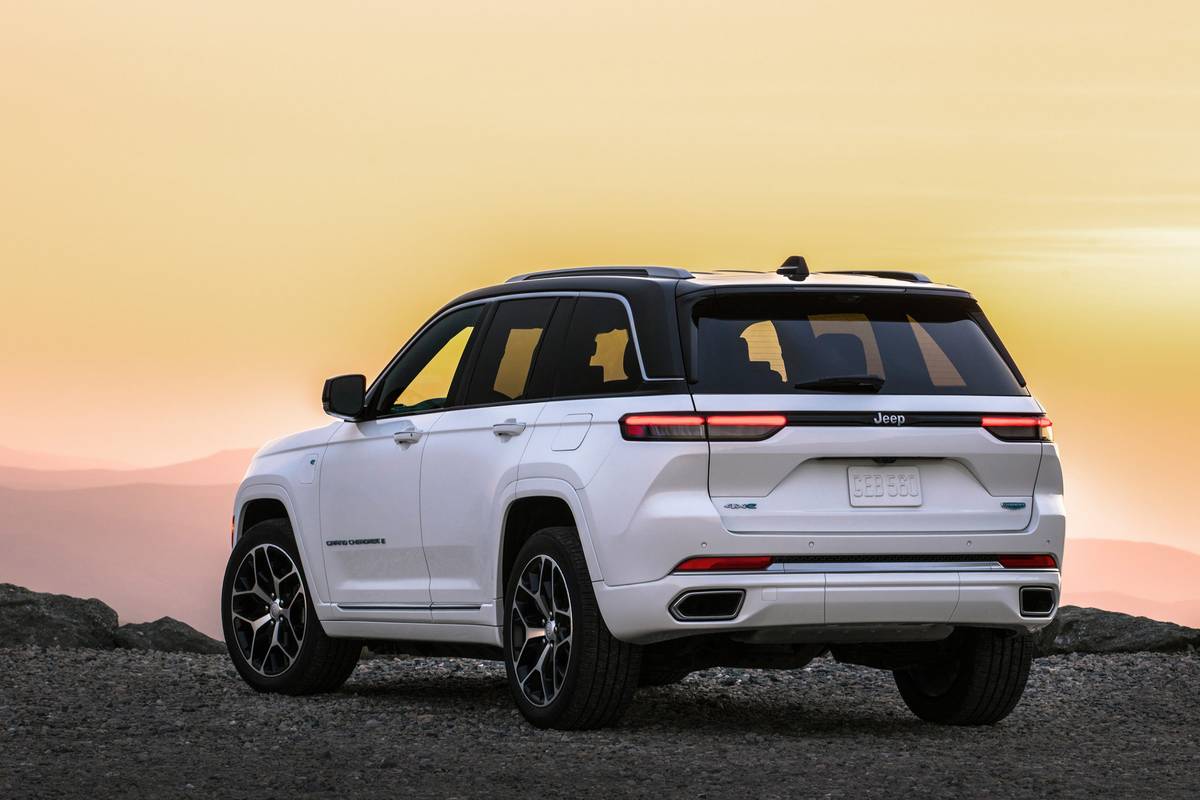
Both engines are available with front-wheel drive or four-wheel drive. Jeep offers two 4WD systems: Active Drive I is a basic light-duty system, similar to what most shoppers consider all-wheel drive, and is ideal for extra traction in winter conditions. Active Drive II adds low-range gearing for buyers who plan to venture farther off-road.
While off-road capability is a key strength, the 2014 Cherokee also includes technology that drivers are likely to use every day. The Cherokee is the first Jeep capable of self-parking, an unusual feature in this class.
For buyers prioritizing a V6, the similarly sized 2014 Kia Sorento offers more cargo space and an optional third row. For serious off-roading, vehicles like the Jeep Wrangler and Toyota FJ Cruiser provide superior ruggedness. The 2014 Cherokee is the most complete small Jeep in years and is worth considering for anyone shopping in this segment.
All 2014 Cherokees come standard with a 2.4-liter four-cylinder rated at 184 horsepower and 171 pound-feet of torque. An optional 3.2-liter V6 producing 271 hp and 239 lb-ft is available on all trims except the base Sport. Both engines use a nine-speed automatic transmission.
Front-wheel drive and four-wheel drive are offered with either engine, though Trailhawk models come exclusively with 4WD. The Active Drive I system is standard on 4WD Sport, Latitude, and Limited models and provides light-duty traction without driver input, suitable for snowy or slick conditions.
The more advanced Active Drive II system, standard on the Trailhawk and optional on other 4WD Cherokees, includes low-range gearing for enhanced off-road capability. Trailhawk models also feature a locking rear differential to aid progress over rough terrain.
2. Nissan Sentra (2013–2019)
The Sentra’s major weakness for Detroit workers is its CVT transmission. CVTs can struggle when subjected to high-mileage, long-hour usage, and the Sentra is one of the most sensitive examples.
Detroit stop-and-go traffic, long idling sessions in cold weather, and rapid temperature swings can cause premature failure.
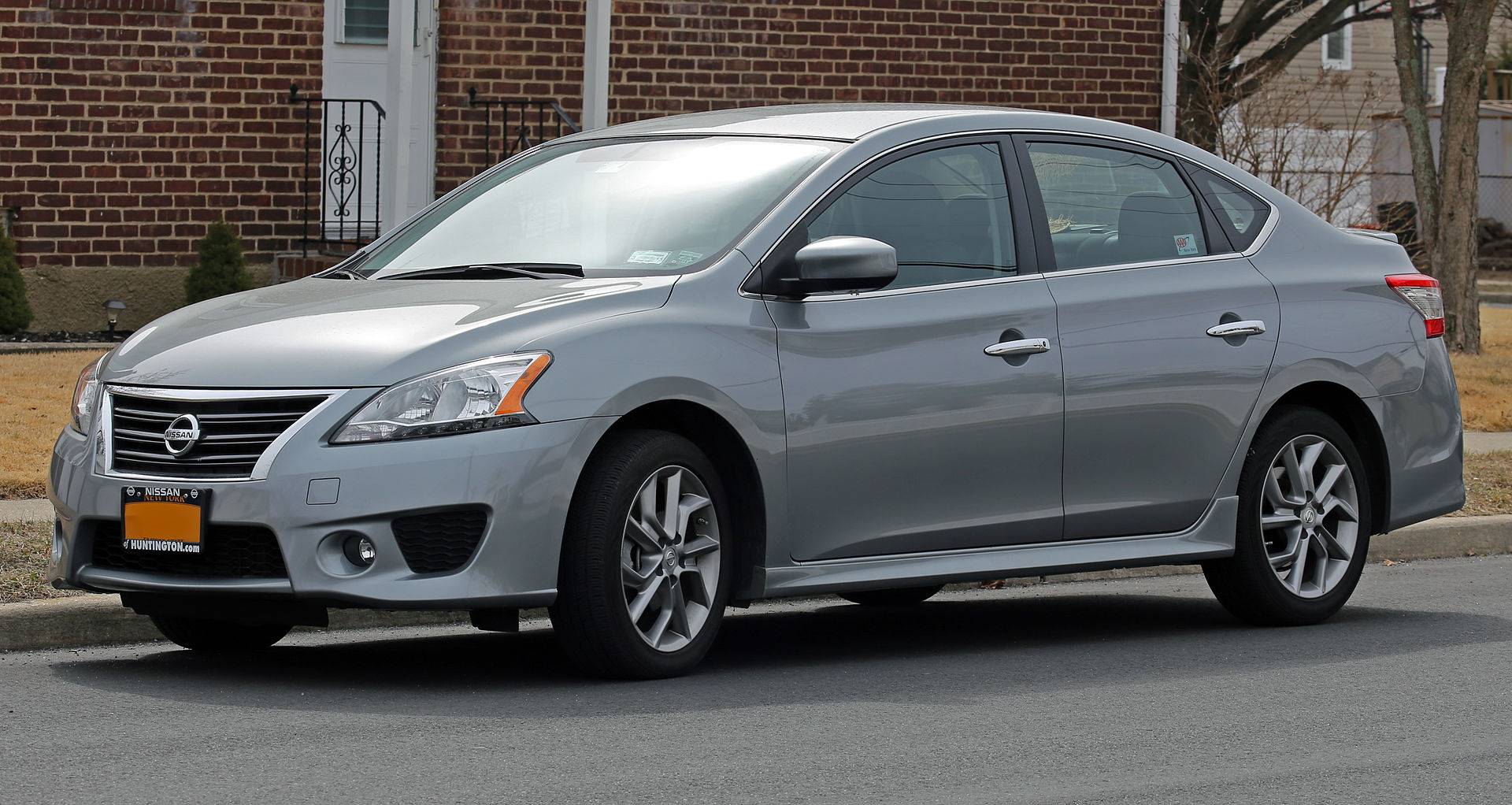
While later models improved slightly, used Sentras from this period often need costly transmission repairs that appear far too early for someone relying on their car daily for work. The vehicle’s soft suspension also doesn’t hold up well against potholes.
3. Fiat 500L
The Fiat 500L tends to struggle in Detroit’s rough, cold climate. Mechanical issues, electrical problems, and weak build quality often become evident long before 100,000 miles.
Drivers working long hours need predictability, and the 500L often demands repairs that interrupt schedules and drain budgets.
The turbocharged engine is small and strained on long commutes, and its road comfort on broken pavement is noticeably worse than competitors. For Motor City drivers who put durability first, the 500L is a poor match.
The Fiat 500L offers generous passenger space and cargo capacity, a top-notch infotainment system, and excellent outward visibility thanks to its upright stance and large windows. Unfortunately, the 500L falls short when it comes to driving enjoyment. Its lazy handling, soft, roly-poly ride, and the widespread use of inexpensive materials throughout the cabin all detract from the experience.
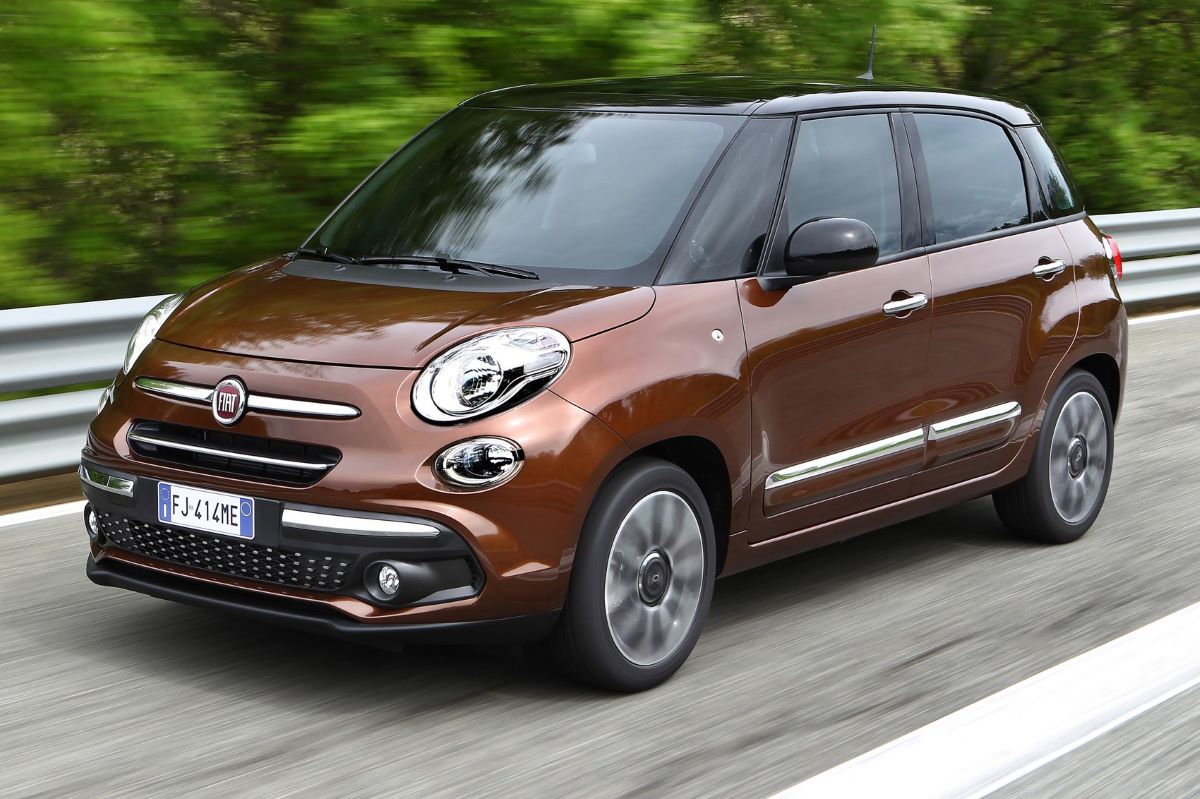
Beneath the 500L’s compact hood sits a 160-hp turbocharged 1.4-liter four-cylinder engine, paired with a six-speed automatic transmission. Offered exclusively with front-wheel drive, this powertrain might sound reasonably lively on paper.
In reality, however, straight-line acceleration is underwhelming, passing on highways requires patience, and the body leans excessively in corners, leaving drivers wishing they had opted for the more spirited 500 Abarth instead.
4. Mini Cooper (Any Pre-2015 Model)
Mini Coopers have enthusiastic styling and sharp handling, but Detroit is unforgiving to their complexity. Pre-2015 models are notorious for timing chain issues, water pump failures, and thermostat problems all of which tend to appear early, especially in harsh winter conditions.
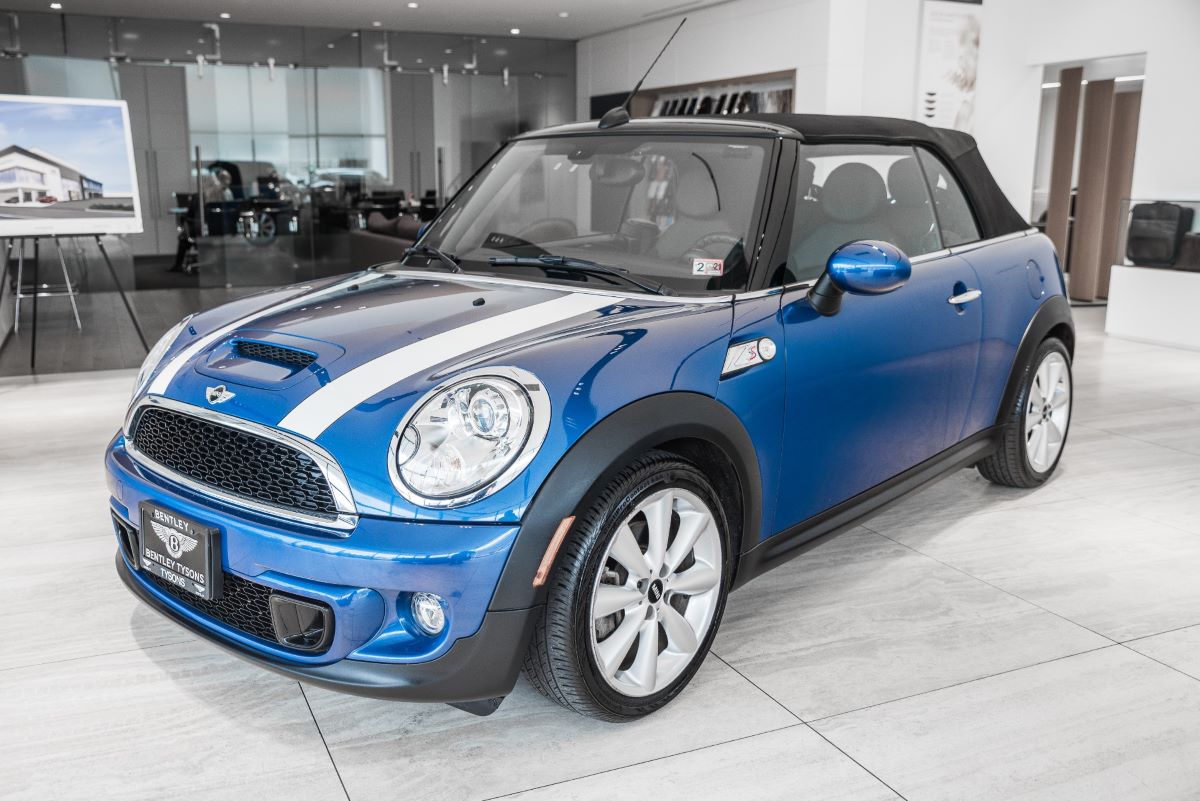
The smaller engines work hard on long highway stretches, and repairs can be surprisingly expensive. While fun to drive, Minis simply don’t align with the long-hour, heavy-use lifestyle many Detroiters lead. Even routine maintenance takes more time and money compared to mainstream choices.
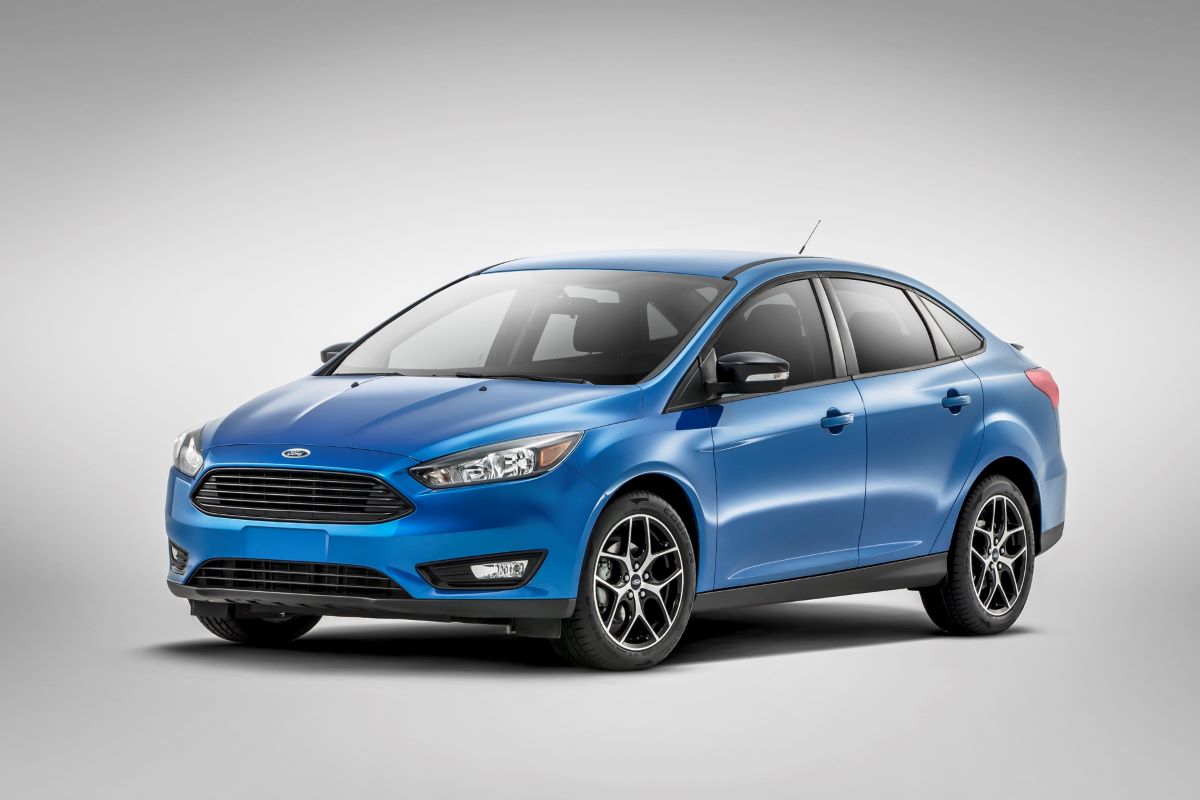
5. Ford Focus (2012–2016 Dual-Clutch Models)
Detroit drivers looking at used cars often consider the Ford Focus, but the dual-clutch PowerShift transmission in these years is a known weak point.
It can shudder, slip, hesitate, or fail outright, often well before a driver would expect. The transmission’s design just isn’t suited for long-hour usage, especially in cold weather.
For Detroiters who commute daily from places like Warren, Sterling Heights, or Allen Park, these issues can quickly lead to expensive repairs and unexpected downtime.
Even though the Focus handles well and has good fuel economy, the transmission troubles overshadow its strengths.
Detroit drivers who work long hours need more than just a fuel-efficient car they need something durable, comfortable, and capable of handling the region’s rough roads and brutal winters.
When the Ford Focus first arrived more than a decade ago, its attractive design was undermined by assembly issues. Once those problems were addressed, Ford largely neglected the model, offering only midcycle refreshes while competitors introduced increasingly superior vehicles. The debut of the 2012 Ford Focus, however, puts Ford back in contention, and this time, the car is a serious contender.
Forget what you knew about previous Focus models, the 2012 version is a substantial leap forward. Available as a four-door sedan or hatchback, the new Focus boasts eye-catching exterior styling and an interior thoughtfully designed with high-quality materials.
It also features a new four-cylinder engine that improves fuel efficiency and a suspension system that delivers both precise handling and a comfortable, refined ride.
What truly distinguishes the 2012 Focus is the impressive array of technology it offers. Features usually found only on higher-end vehicles include a rearview camera and Ford’s Automated Parking Assist, which can maneuver the car into a curbside spot without the driver ever touching the steering wheel.
The car also showcases the latest evolution of Ford’s hands-free Sync system and the new MyFord Touch interface, which replaces most buttons and knobs with a large center touchscreen and voice controls.
Technology extends even further with the all-new 2012 Ford Focus Electric. Fully electric like the Nissan Leaf, the Focus Electric is based on the standard Focus platform but is powered by a 107-kilowatt (141-horsepower) electric motor and a 23-kWh lithium-ion battery pack. Ford claims it can be recharged in just 3–4 hours using a 240-volt charger.
Through smartphone integration, owners can remotely monitor charging, and Ford is collaborating with Best Buy to make home charging stations widely available.
Vehicles like the Toyota Camry, Subaru Outback, and Ford Escape Hybrid consistently prove they’re up to the task, while models with fragile transmissions or complex systems tend to fail early under Detroit conditions.
Making the right choice can mean the difference between years of dependable service and a constant cycle of repairs.