In today’s U.S. market, manual-transmission SUVs have become nearly extinct. Over the past two decades, automakers steadily phased out stick-shift SUVs in favor of automatics and CVTs, driven by consumer convenience and ever-tightening emissions and efficiency standards.
For driving purists, that shift feels like a loss. A manual gearbox offers a type of engagement, mechanical simplicity, and control that modern automatics can’t replicate.
It’s why enthusiasts, commuters in challenging terrain, and budget-minded buyers still search for stick-shift SUVs even if that requires digging into the used market.
For buyers with a $20,000 budget, the search becomes even more specific, pushing the focus toward reliability, reasonable age, repairability, and availability in the U.S. resale market.
Fortunately, several models ranging from rugged classics to modern compact crossovers still deliver dependable performance with a manual gearbox.
The following sections highlight ten of the most reliable options you can realistically find for around $20K.
1. Jeep Wrangler
Few SUVs represent manual gearboxes better than the Jeep Wrangler. For years, Jeep offered the Wrangler with a 6-speed manual paired to traditional 4WD hardware, giving drivers direct control on trails and tough terrain.
Under $20,000, you can find a broad range of Wranglers from the mid-2000s to early 2010s, making it one of the most accessible manual SUVs still circulating in large numbers.
What makes the Wrangler so reliable in this price range is its simple, rugged design and enormous aftermarket support. Mechanical parts are widely available and relatively inexpensive, and specialists exist in nearly every region.
The caveat is that many used Wranglers have lived hard lives off-road miles, rust, suspension wear, or neglected fluids so maintenance history matters more than the nameplate.
Still, for those wanting a true stick-shift SUV experience with serious off-road ability, the Wrangler remains unmatched.
The Jeep Wrangler is off-roading distilled, refined over the years with modern conveniences like power windows, air conditioning, and even capable infotainment, while still retaining the rugged look, character, and capability that trace back to its origins as part of the WWII war effort.
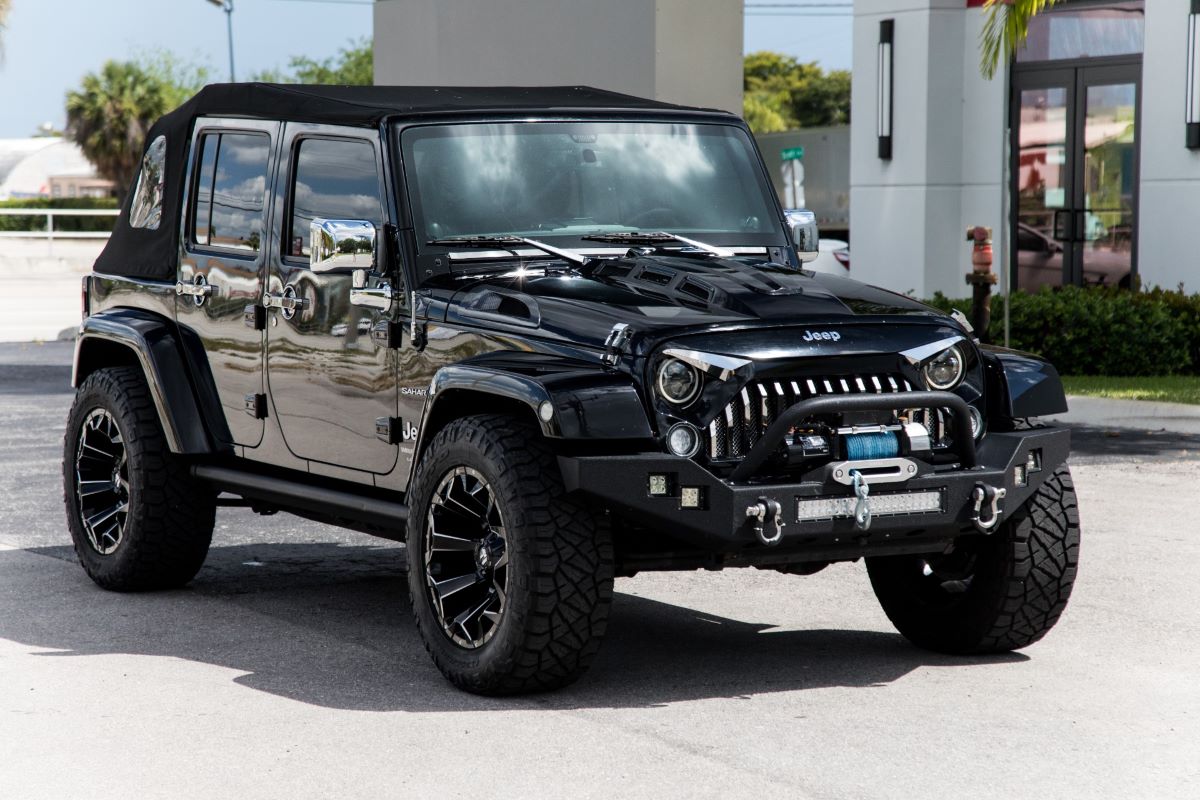
hat said, prospective buyers should be prepared for vague steering, a bumpy ride, and a cramped interior if they plan to use one as a daily driver, making a test drive essential before committing. Buy a Wrangler, and you’ll join a community of enthusiasts who greet each other with a knowing glance that says, “We’re all in this together.”
The standard powertrain is a 285-hp 3.6-liter V-6, paired with a six-speed manual or an optional eight-speed automatic, which is standard on four- and eight-cylinder models.
For those seeking more performance, the 470-hp 6.4-liter V-8 is exclusive to the Rubicon 392 Final Edition and comes with the eight-speed automatic. Other options include a 270-hp 2.0-liter turbo four and a 375-hp plug-in hybrid 4xe powertrain, which we review separately.
Wranglers are built for off-road adventures, so part-time four-wheel drive comes standard on most models. A full-time system is available on the Sport, Sahara, and Rubicon trims and standard on the 392.
While the Wrangler’s handling has improved over the years, it remains old-school and trucklike compared with today’s refined SUVs and pickups. Ride quality is generally acceptable in the four-door, but the shorter two-door model tends to buckle over larger bumps.
2. Subaru Crosstrek
For buyers wanting something more modern, fuel-efficient, and city-friendly, the Subaru Crosstrek is one of the last recent-production SUVs to pair all-wheel drive with a manual transmission.
Earlier Crosstreks offered a 5-speed manual, and many of these models now sit well within the $15,000–$20,000 range. Its reliability stems from Subaru’s proven AWD system, efficient four-cylinder engines, and practical packaging.
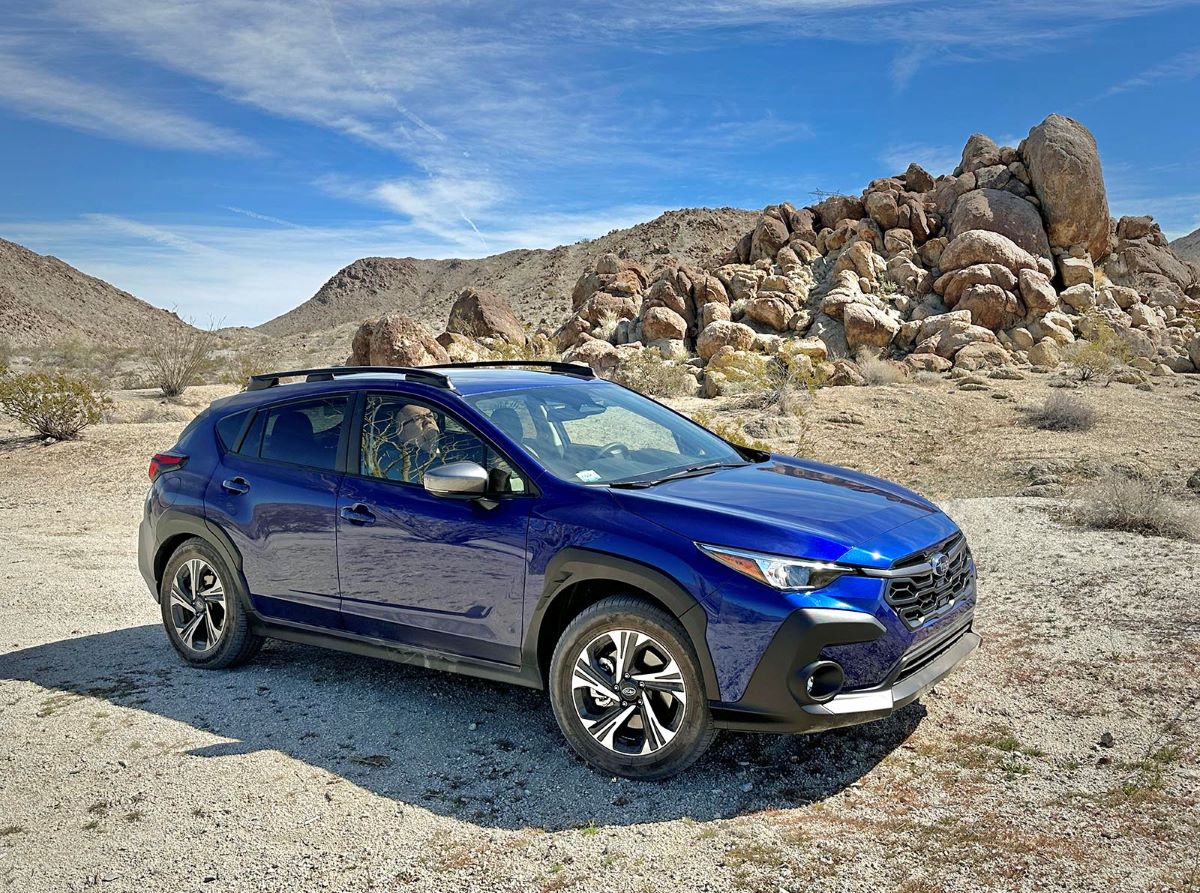
While not a hardcore off-roader, the Crosstrek performs reliably in snow, poor road conditions, and mild off-road trails making it ideal for drivers in northern or mountainous states.
Unlike older SUVs, Crosstreks retain more modern features, better safety tech for their age, and lower long-term running costs.
The only thing to watch for is typical used-Subaru concerns such as maintenance on AWD components and ensuring engine seals and gaskets are in good shape.
Also Read: Top 10 Budget-Friendly Cars Powered by V12 Engines
3. Toyota FJ Cruiser
The Toyota FJ Cruiser earned a cult following for its durability and retro-off-road styling, and manual-transmission versions are particularly sought after.
While prices for pristine FJ Cruisers have risen in recent years, higher-mileage or well-used examples still appear under $20,000, especially earlier model years.
The 6-speed manual models paired with Toyota’s stout 4×4 system make the FJ a highly capable adventure machine. Its reliable V6 engine and robust underpinnings allow it to survive decades of use.
The main limitation is that many examples have seen intense off-road use, so buyers should look for rust on frame components, suspension wear, and proper servicing of the 4WD system.
But when maintained well, the FJ Cruiser is one of the most durable manual SUVs you can buy at any price and getting one around $20K remains possible with patience.
Like the FJ40, the concept featured round headlights flanking a rectangular grille, wraparound rear windows, a vertical windshield, and a contrasting white roof. The Rugged Youth Utility was an instant hit, with its tiny overhangs, chunky tires, and impressive ground clearance promising strong off-road capability.
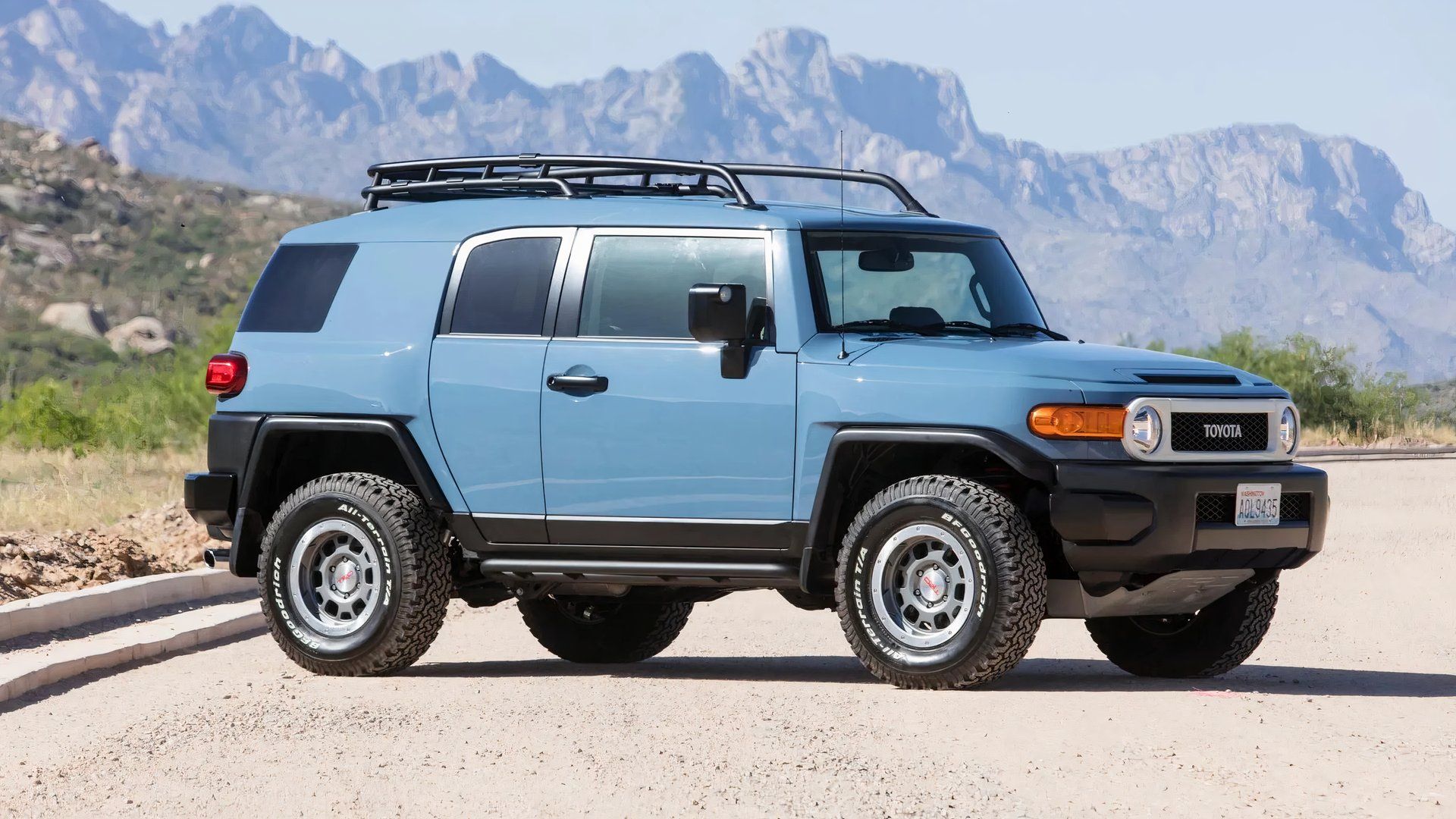
The enthusiastic response prompted Toyota to develop the concept into a production model, taking the name FJ Cruiser. A production-ready version appeared two years later at the 2005 Chicago Auto Show and went on sale in 2006 as a 2007 model.
Built on the same platform as the contemporary 4Runner and Tacoma, the FJ Cruiser was taller and narrower than the 4Runner, rode on a shorter wheelbase for improved maneuverability, and featured a steeper breakover angle.
Toyota produced the FJ Cruiser, available in both 4×2 and 4×4 configurations, for a single generation in the U.S. from 2007 to 2014, though some international markets continued to offer the rugged small SUV until 2022.
U.S. sales lagged during the financial recession of the late 2000s and early 2010s, and the model was discontinued domestically in 2014 as Toyota shifted focus to high-demand hybrids and the profitable Tacoma and Tundra pickups.
While the FJ Cruiser did not have a direct predecessor, its two-door, compact SUV format drew inspiration from both the original Land Cruiser and the first-generation 4Runner.
Toyota has not introduced a successor, though the Compact Cruiser EV concept hints at a potential small, all-electric off-road crossover. This new model could compete with vehicles like the Ford Bronco Sport while using retro styling cues to appeal to fans of the classic FJ.
4. Subaru Forester (Older Manual Trims)
Before its redesign removed the option, the Subaru Forester offered a manual transmission for many years, especially on the base 2.5i models.
These older Foresters combine everyday practicality large cargo space, upright seating, and all-weather AWD confidence with the engagement of a manual gearbox.
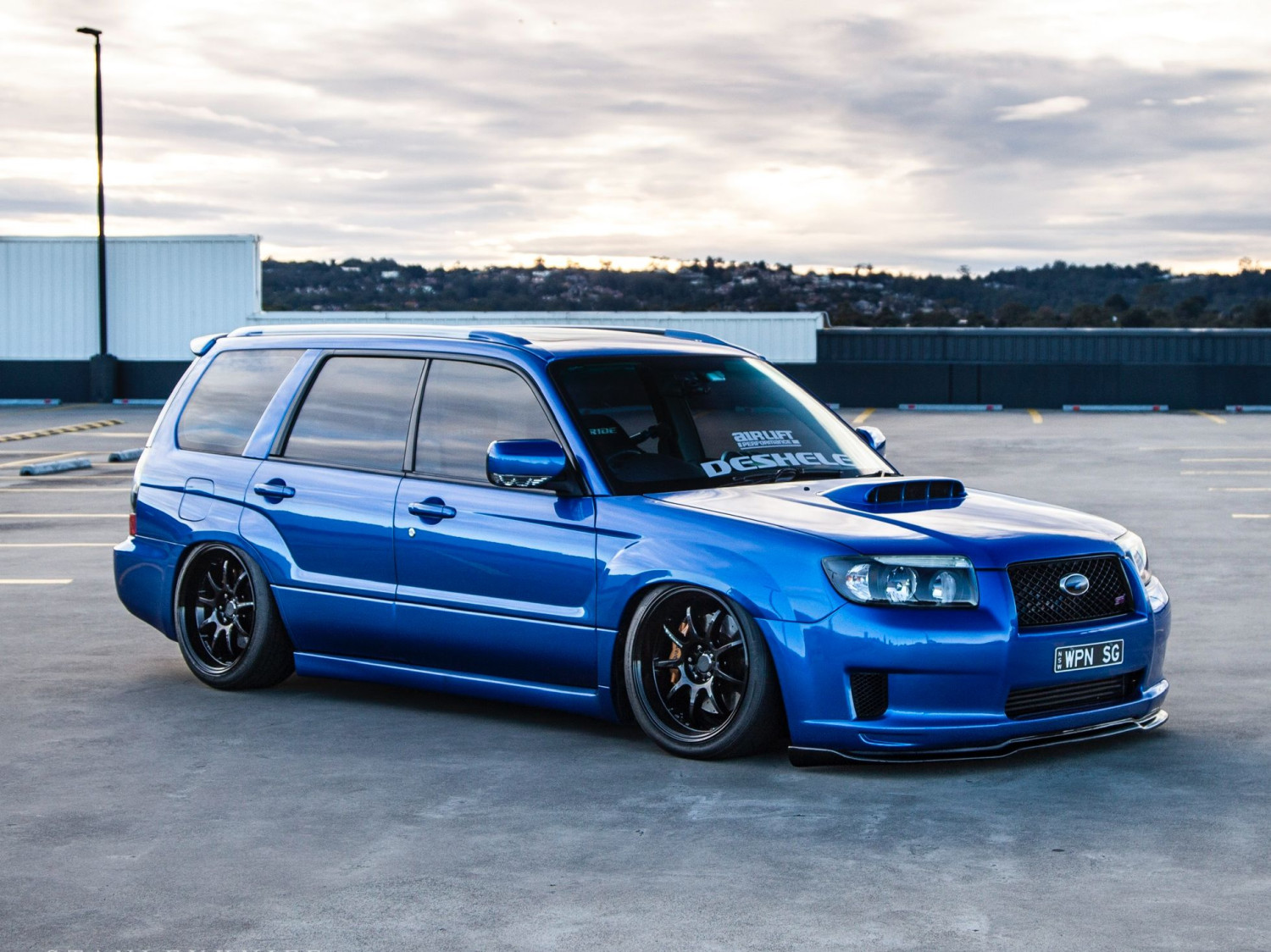
Under $20,000, buyers can find late-2000s to mid-2010s models, which still deliver strong reliability when properly maintained. As with all Subarus of the era, careful inspection is essential to ensure the head gaskets, clutch components, and AWD system were serviced correctly.
But for shoppers prioritizing year-round capability, ease of repair, and a more wagon-like feel, the Forester stands out as one of the most well-rounded choices.
5. Jeep Patriot
The Jeep Patriot is far from luxurious, but it remains one of the most affordable and accessible manual-transmission SUVs. Many Patriots were sold with a simple 5-speed manual and front-wheel drive, while some came with optional 4WD.
Reliability depends heavily on previous owners, but the Patriot’s mechanical simplicity often means fewer failures and lower repair costs compared with more complex modern SUVs.
Under $20,000, these models are plentiful, making them appealing to first-time buyers or those needing a no-frills small SUV.
While not designed for heavy off-roading, the Patriot’s compact size and straightforward drivetrain make it a solid commuter or utility vehicle for buyers who strictly want a stick-shift SUV without breaking the bank.
When Jeep aimed to create vehicles for first-time buyers, it developed the Compass and the Patriot on the same platform as the Dodge Caliber and Mitsubishi Lancer.
While the Compass was smaller and not intended for off-road adventures, the Patriot took things a step further. Jeep designed it to handle more than just muddy streets and potholes. In addition to a front-wheel-drive version, the Patriot was offered with all-wheel drive featuring a lock mode, as well as a 4×4 system with low-range gearing in the transfer case.
This gave buyers flexibility, allowing the Patriot to serve as both a capable weekend adventure vehicle and a practical daily driver. Its compact size also made it easy to maneuver into tight parking spaces.
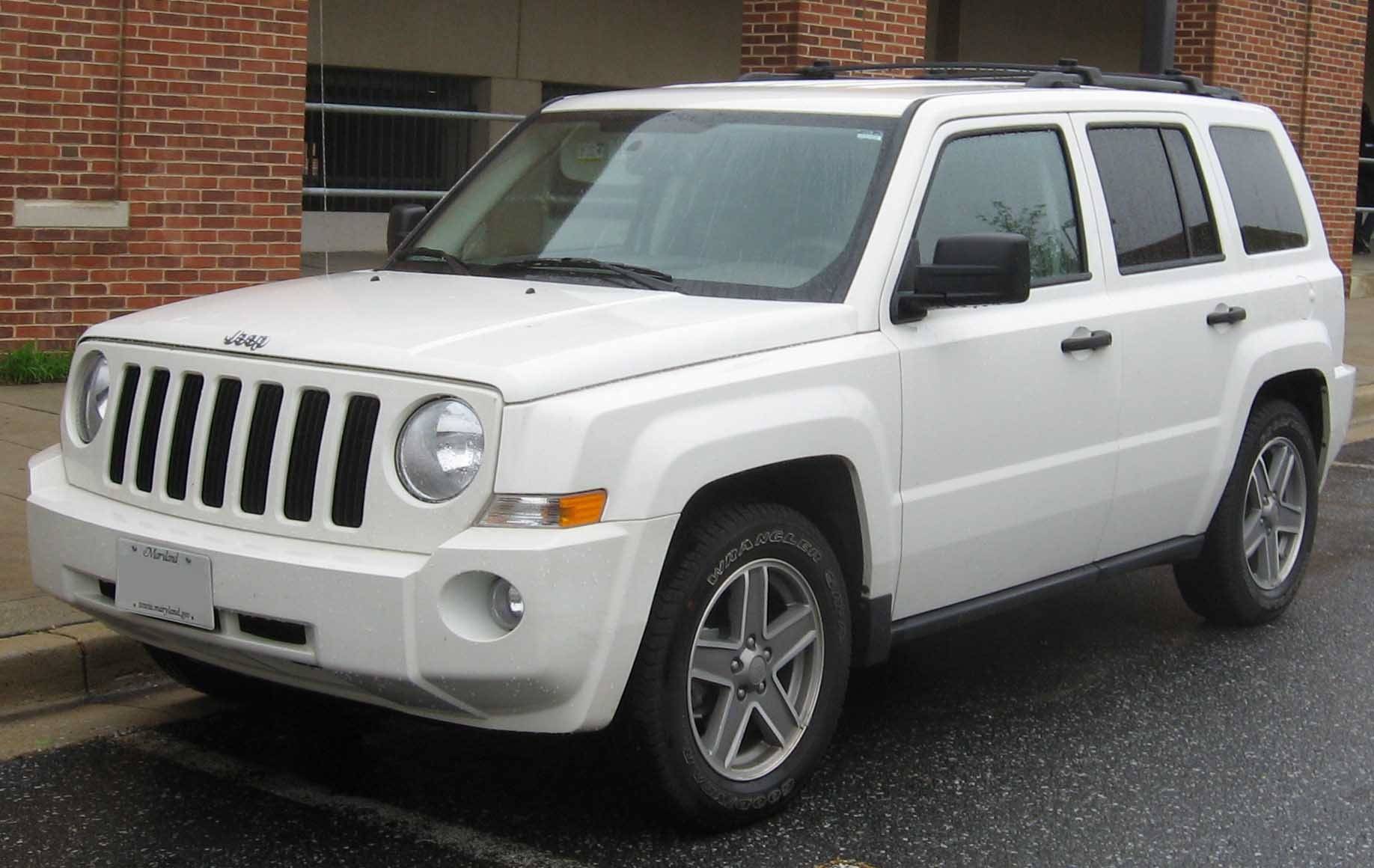
Turn signals mounted on the forward edge of the wheel arches further reinforced the Wrangler connection. Depending on trim and options, the lower bumper included two fog lamps flanking a body-colored or silver-painted midsection.
From the side, the boxy Patriot evoked the iconic 1983 Cherokee XJ. Its flat windows and slightly curved door panels featured body-colored lower moldings and black door handles and mirror caps. While it didn’t match the ground clearance of its larger siblings, the Patriot’s 9-inch (229 mm) clearance allowed it to tackle most obstacles on unpaved roads.
Jeep offered the Patriot in three trims, Sport, Latitude, and Limited, along with a High Altitude package for certain markets. The base model rode on 16-inch steel wheels, while higher trims received 17-inch alloys. At the rear, a flat vertical tailgate was framed by rectangular vertical taillights.
Inside, the cabin comfortably accommodated four adults, though five passengers could fit for shorter trips due to limited rear elbow and legroom. Up front, the cabin offered ample space for average-sized drivers and passengers.
Depending on trim, the seats came in cloth or leather upholstery. The driver faced a squared instrument cluster featuring two large dials for the speedometer and tachometer, along with gauges for fuel level and engine temperature.
The center stack housed either a standard stereo with CD player or the Uconnect infotainment system, which included a 6.5-inch touchscreen for navigation and media control.
Jeep offered the Patriot with multiple engines and transmissions depending on the market. Buyers could choose from two gasoline engines or a turbodiesel, with the diesel primarily available in Europe and sourced from Volkswagen. Transmission options included a five-speed manual, a CVT, or a six-speed automatic.
Also Read: 10 Automakers Known for Building the Best Manual Shift Sports Cars
6. Jeep Compass (Early Generation Manual Models)
Similar to the Patriot, early Jeep Compass models offered a manual transmission as part of their more basic trims.
These used manual Compasses are often available well under $20,000 and provide an accessible way to experience Jeep styling without the premium or ruggedness of a Wrangler.
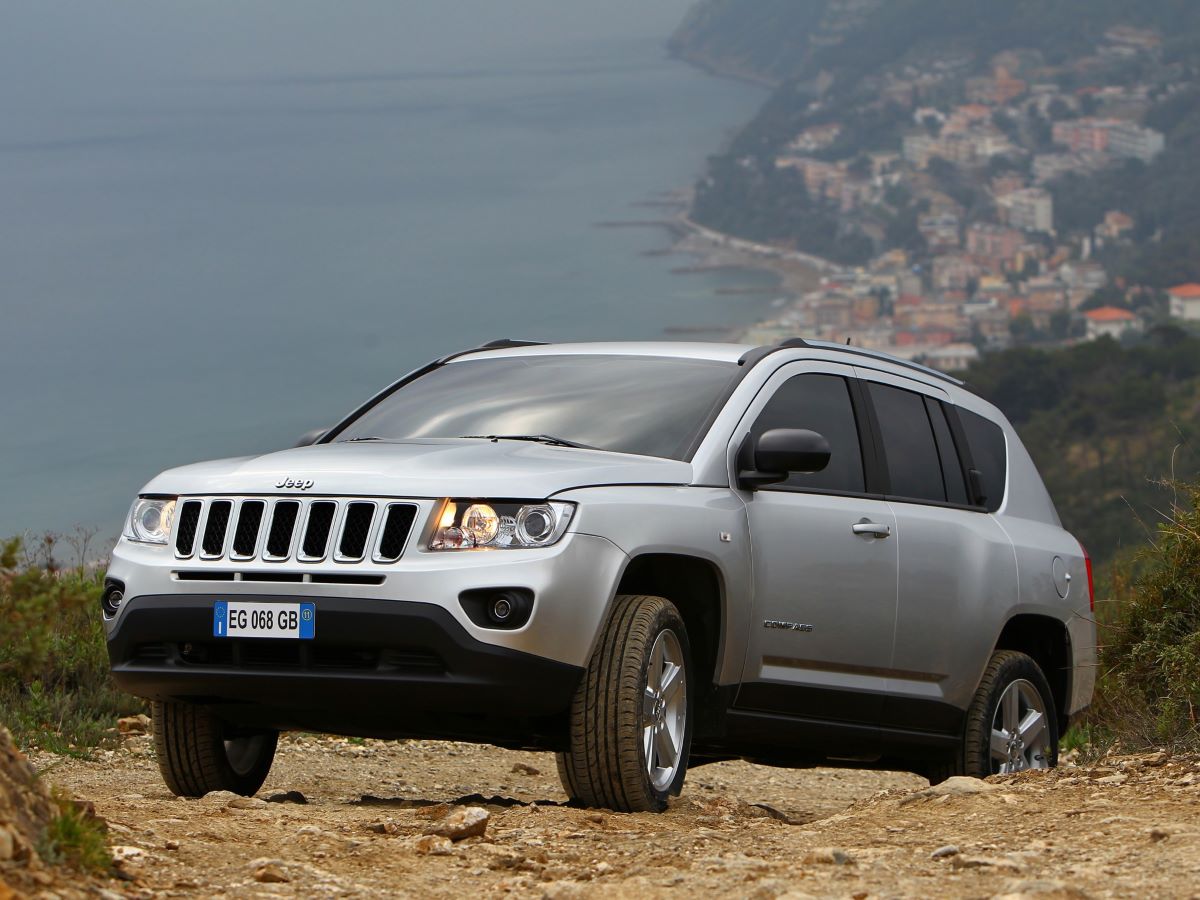
They aren’t trail machines, but for daily commuting, light dirt roads, and general small-SUV duties, they’re adequate and inexpensive to keep running.
Reliability varies, so buyers should prioritize examples with documented maintenance. Still, for those wanting a manual SUV from the 2010s that doesn’t strain the wallet, the Compass represents a sensible choice.
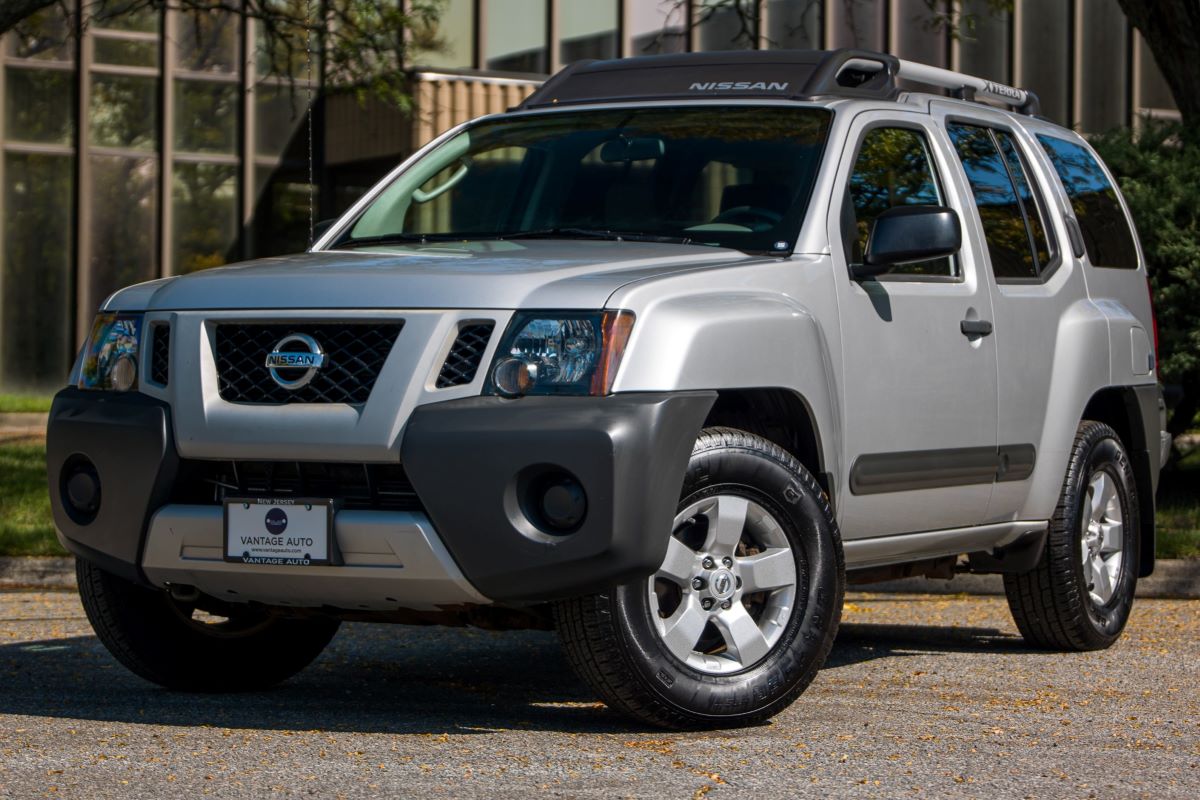
7. Nissan Xterra
The Nissan Xterra is one of the last midsize, body-on-frame SUVs to offer a manual transmission, especially in its earlier generations.
Manual Xterras combine truck-based durability with straightforward mechanicals, making them excellent for buyers wanting a more serious SUV without paying Wrangler prices.
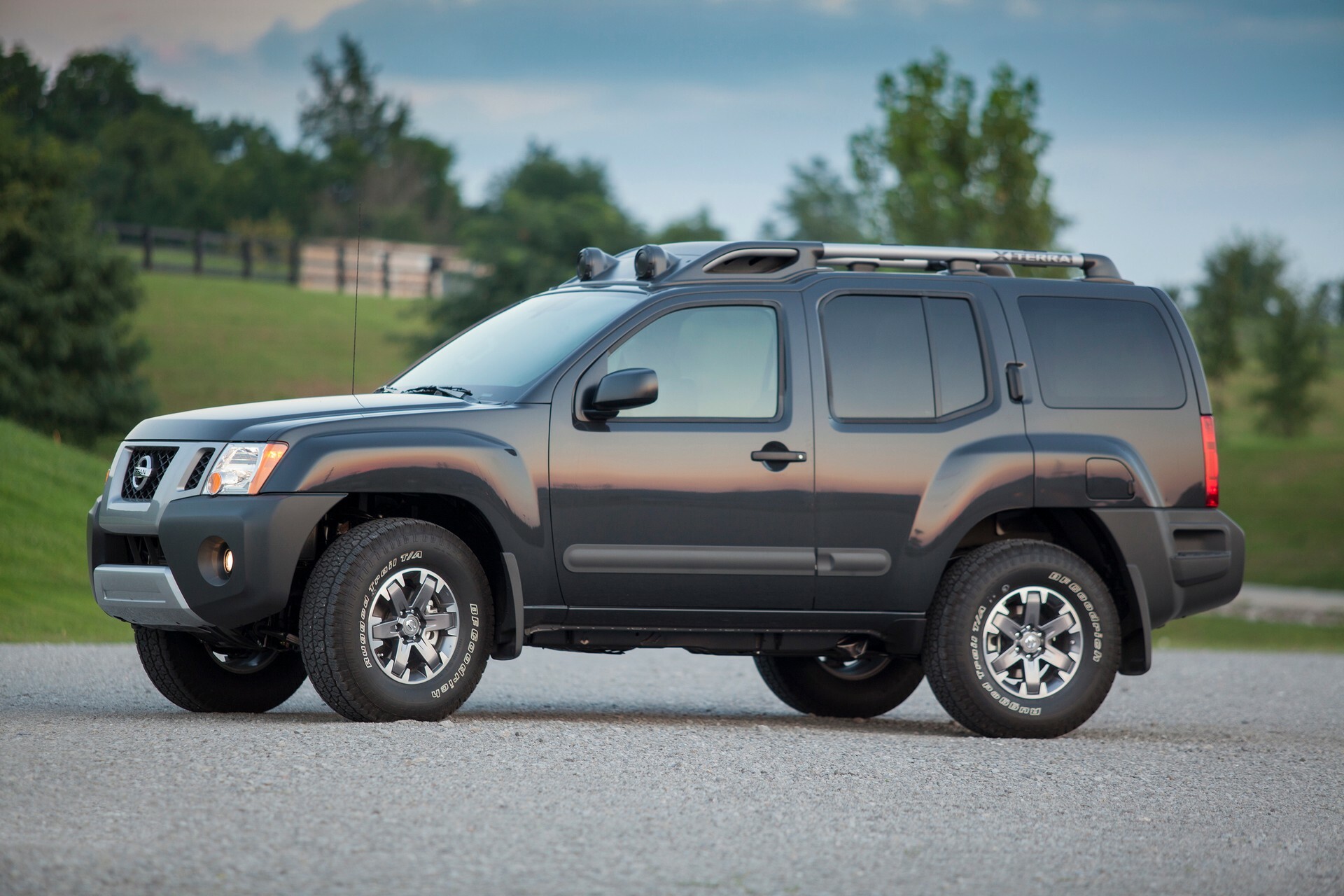
Under $20,000, older Xterras with higher mileage are common finds. Their reliability is generally solid as long as the chassis is free from rust and the drivetrain is maintained.
Xterras appeal to adventurers, campers, and drivers who need something tough enough for trails but still manageable for everyday use. Their V6 engines and manual gearboxes can last a long time with proper care, making them a dependable pick in this segment.
Following one of the oldest strategies in the SUV world, Nissan introduced the second-generation Xterra in 2005 and refreshed it in 2009.
Like most early SUVs, the Xterra was a body-on-frame vehicle, sharing its chassis with the Frontier pickup, a fact evident in the shape of the rear doors. Built to handle heavy loads, the chassis easily accommodated passengers and body panels.
However, an SUV also had to meet different expectations than a utility vehicle. That’s why Nissan updated the Xterra in 2009, though poor sales led to its discontinuation six years later.
The exterior received a new V-shaped grille, echoing the V configuration of the engine beneath it. The front bumper featured a distinctive design with two black outer sections and an aluminum shield in the center of the lower portion. Off-road models included roof-mounted lights and a roof rack. At the rear, the Xterra retained its bulky bumper with integrated side steps.
Inside, the 2009 Xterra introduced a steering wheel with four additional buttons on the right spoke to control the audio system. Bluetooth connectivity became standard across the lineup.
As with the previous generation, the front passenger seat folded flat, allowing a surfboard or other long items to slide from the cargo area to the dash. The center stack also received updated climate-control dials for improved usability.
Under the hood, Nissan retained the same engine, though it lost a few horsepower to comply with stricter emissions standards.
8. Toyota RAV4 (Early Generations with Manuals)
In its earliest generations, the Toyota RAV4 offered a manual transmission, often paired with a compact, durable four-cylinder engine. These older RAV4s are no-frills vehicles that prioritize reliability, simplicity, and light utility.
Many examples can still be found well under $15,000, and even under $10,000, depending on mileage and condition.
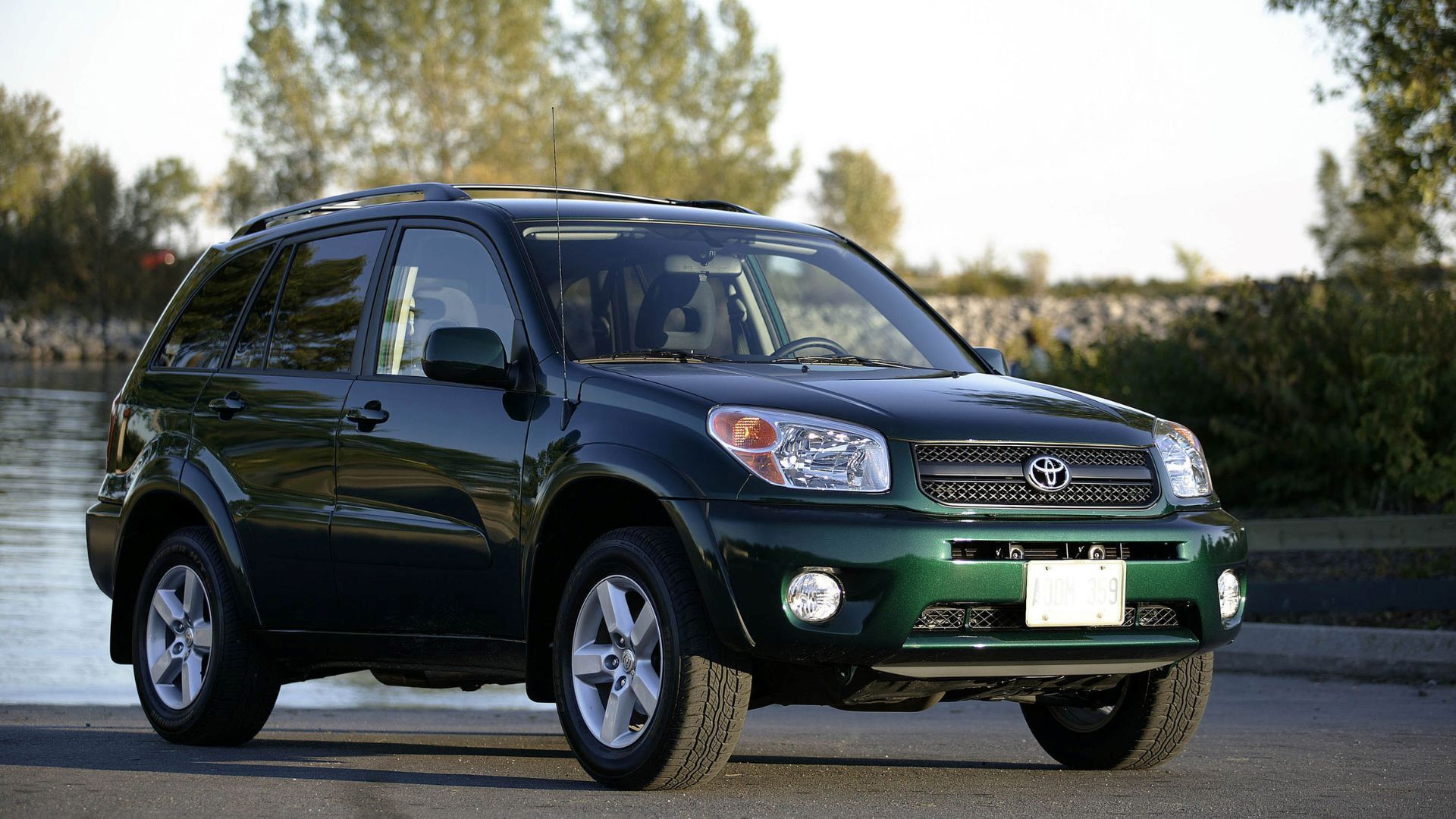
While not modern in features or safety equipment, first- and second-generation RAV4s remain popular with buyers seeking dependable, easy-to-maintain small SUVs with manual transmissions.
Their age means thorough inspection is mandatory, but Toyota’s long-established reliability makes them surprisingly resilient.
The original Toyota RAV4 helped ignite the crossover craze decades ago, and the 2019 model reinvents the small SUV with chunkier styling and a host of modern features. With a rugged appearance reminiscent of the Toyota Tacoma pickup, the 2019 RAV4 also offers a functional interior, desirable options, and extensive standard driver-assistance technology.
For buyers seeking more off-road capability, Toyota introduced a TRD Off-Road model for 2020. The 2019 RAV4 is all-new, and its more truck-like styling clearly distinguishes it from the previous generation.
Pricing for the 2019 RAV4 starts at $26,770 and climbs to $34,770, depending on trim and options. The trims include the LE ($26,770), XLE ($28,570), LE Hybrid ($28,795), XLE Premium ($30,770), Adventure ($34,170), and Limited ($34,770).
Among these, the XLE Premium is our pick, offering 19-inch wheels, a power liftgate, dual-zone automatic climate control, faux-leather upholstery, an eight-way power-adjustable driver’s seat, and a leather-wrapped steering wheel and shift lever.
All RAV4 models include Toyota’s Safety Sense suite of driver-assistance features, which provides automated emergency braking with pedestrian detection, adaptive cruise control, lane-keeping assist, and traffic-sign recognition.
Under the hood, the 2019 RAV4 uses a 203-hp 2.5-liter four-cylinder engine paired with an eight-speed automatic transmission, available with front- or all-wheel drive. Our test Adventure model featured the advanced AWD system, which can disconnect the rear axle to improve fuel economy.
On the test track, the 2019 model reached 60 mph in 8.0 seconds, slightly quicker than the 8.3 seconds recorded by the 2018 RAV4. The four-cylinder engine can be noisy during highway passing, and the transmission occasionally hesitates on downshifts. Toyota also offers a hybrid version, unique in this class, although we have not yet tested it.
Ride quality and steering feel have improved significantly, with the RAV4 feeling stable on the highway and confident in corners. While it is not as athletic as competitors like the Mazda CX-5, braking performance is solid, with our test vehicle stopping from 70 mph in 166 feet with a firm, responsive pedal.
Fuel economy is competitive, with front-wheel-drive models rated up to 35 mpg. The Adventure trim, rated at 33 mpg, delivered 32 mpg on our 200-mile highway test, matching the Honda CR-V and improving significantly over the 2018 RAV4 Adventure, which achieved 25 mpg.
The Volkswagen Tiguan remains slightly more efficient at 33 mpg. Inside, the cabin emphasizes ergonomics and smart storage, including a useful dash shelf and a large center console. Soft-touch surfaces and upgraded plastics improve the interior feel, though the base LE trim is spartan with cloth seats, a plasticky steering wheel, and single-zone manual climate control.
XLE trims add more features, and XLE Premium and higher trims include faux-leather upholstery, a leather-wrapped steering wheel and shift knob, and a stitched, padded dashboard and center-console armrest.
Every RAV4 comes with a base 7.0-inch touchscreen, with an optional 8.0-inch system offering a 4G LTE mobile hotspot and Apple CarPlay. Optional features include a JBL premium audio system, navigation, and a wireless smartphone charging pad, while Scout GPS Link allows compatible smartphones to display maps and turn-by-turn directions on the screen for models without navigation.
9. Older Classic or Niche Manual SUVs
Beyond mainstream models lies a variety of older SUVs that were once available with manual transmissions from early-2000s off-roaders to lesser-known compact SUVs.
These sometimes-overlooked choices can be excellent finds for buyers who enjoy older vehicles and don’t mind occasional mechanical attention.
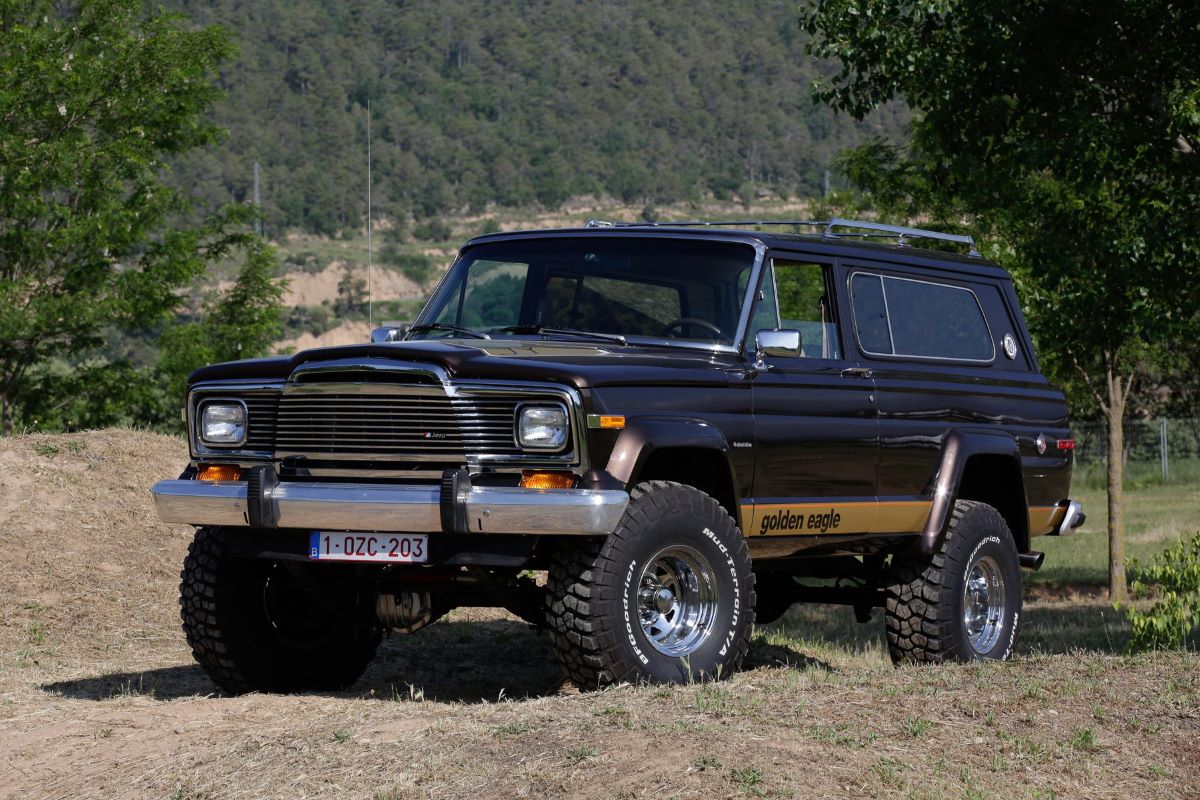
The downside is inconsistency: parts availability, age-related wear, and varying levels of rust or mechanical fatigue.
But for mechanically inclined buyers or those who enjoy classic SUV charm, these niche models can deliver exceptional value and reliability when cared for properly.
10. Budget Compact Crossovers with Manual Gearboxes
Lastly, several compact crossovers especially lesser-known or lower-trim models from the 2000s and early 2010s were offered with manual transmissions.
These vehicles emphasize practicality, lighter weight, lower repair costs, and fuel economy. While they may not deliver off-road capability, they serve as reliable daily drivers for urban and suburban buyers wanting a simple SUV with a manual gearbox.
Under $20,000, these models often represent the best balance of affordability and dependability, giving drivers an easy-to-own stick-shift SUV without oversized fuel bills or repair burdens.
Manual-transmission SUVs have become a rare breed, and finding a reliable one under $20,000 requires balancing age, maintenance history, drivetrain condition, and realistic expectations.
Models like the Jeep Wrangler, Subaru Crosstrek, Toyota FJ Cruiser, and Nissan Xterra offer durability and capability for buyers seeking adventure or utility.
Meanwhile, compact crossovers like the Forester, RAV4, Patriot, and older Compass trims provide affordable, fuel-efficient, and practical choices for everyday driving.
The key to maximizing reliability is focusing on condition over model name. A well-maintained older SUV will outperform a newer one that’s been neglected.
Always inspect the clutch, transmission, drivetrain components, and underbody for rust, especially in vehicles that may have been driven off-road or in Northeastern winters.
If you’re patient and selective, $20,000 is still a strong budget for a reliable manual-transmission SUV and one that will deliver the driving engagement that modern automatic crossovers simply can’t match.