
Police cars have always held a special place in American pop culture. Beyond their practical role in law enforcement, they’ve become symbols of authority, speed, and sometimes sheer style.
On the big and small screens, certain police vehicles have captured our imagination, becoming almost as iconic as the characters themselves. From high-octane action thrillers to classic cop dramas, the right car can elevate a story, leaving a lasting impression on viewers.
Here, we explore ten of the coolest police cars ever featured on screen, blending cultural impact, design, and pure on-screen charisma.
1. 1977 Dodge Monaco
Few police cars are as instantly recognizable as the red-and-white 1977 Dodge Monaco from Starsky & Hutch. Known affectionately as the “Striped Tomato,” this car wasn’t just a vehicle; it was a character in its own right.
The Monaco’s wide body, aggressive stance, and unique paint job made it the perfect companion for the streetwise detectives of the 1970s television series.
Even today, car enthusiasts and fans of retro cop shows regard the Monaco as a symbol of a fun, action-packed era of law enforcement storytelling.
Its ability to combine a sense of realism with bold aesthetics is why it remains iconic decades later.
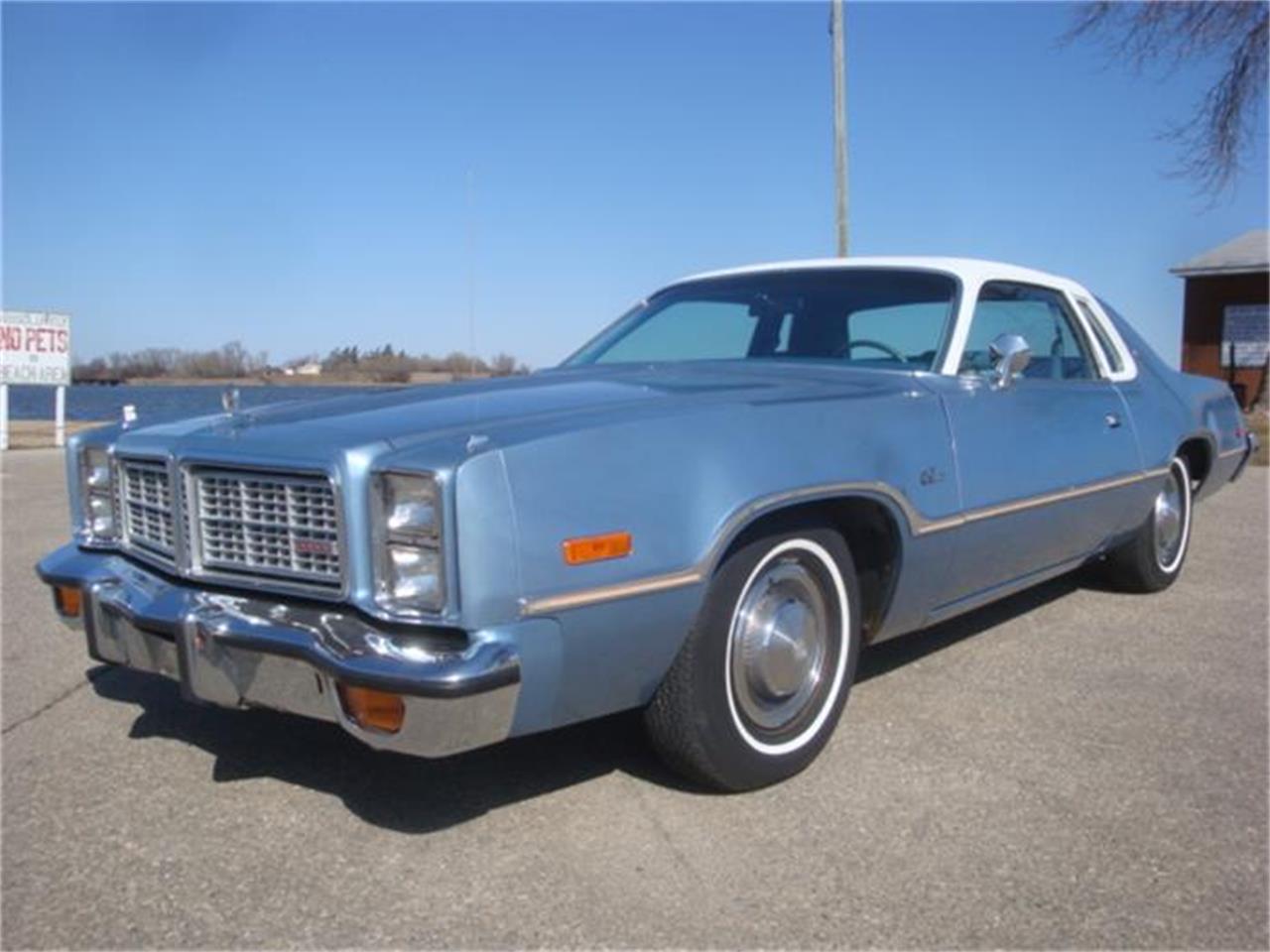
The 1977 Dodge Monaco 4-Door Sedan 225-2 (manual 3-speed) is a classic North American model built by Dodge in the United States. This rear-wheel-drive sedan is powered by a 3.7-liter (224.7-cubic-inch) gasoline engine producing 110 horsepower (112 PS) and 180 lb-ft of torque (244 Nm), paired with a three-speed manual transmission.
Measuring 218.4 inches (5,547 mm) in length, 77.7 inches (1,974 mm) in width, and riding on a 117.5-inch (2,984 mm) wheelbase, the Monaco has a base curb weight of 3,759 lbs (1,705 kg).
Performance figures indicate a top speed of 99 mph (160 km/h), with 0-60 mph acceleration taking 14.8 seconds and 0-100 km/h requiring 15.8 seconds. On the quarter-mile, the Monaco completes the run in approximately 20.4 seconds, making it a stately cruiser rather than a sprinter.
2. 1968 Ford Mustang
Steve McQueen’s Bullitt is legendary, and much of its acclaim comes from the breathtaking car chase through the streets of San Francisco.
While the focus is often on McQueen’s Mustang, the green 1968 Ford Mustang GT 390 also served as an unofficial police adversary in several sequences, showcasing how law enforcement vehicles could be thrilling cinematic tools.
The Mustang’s sleek lines, raw power, and distinctive muscle car growl gave audiences a visceral thrill, cementing its place in cinematic history.
It’s a prime example of how police-related vehicles in film can add tension and excitement to a story.
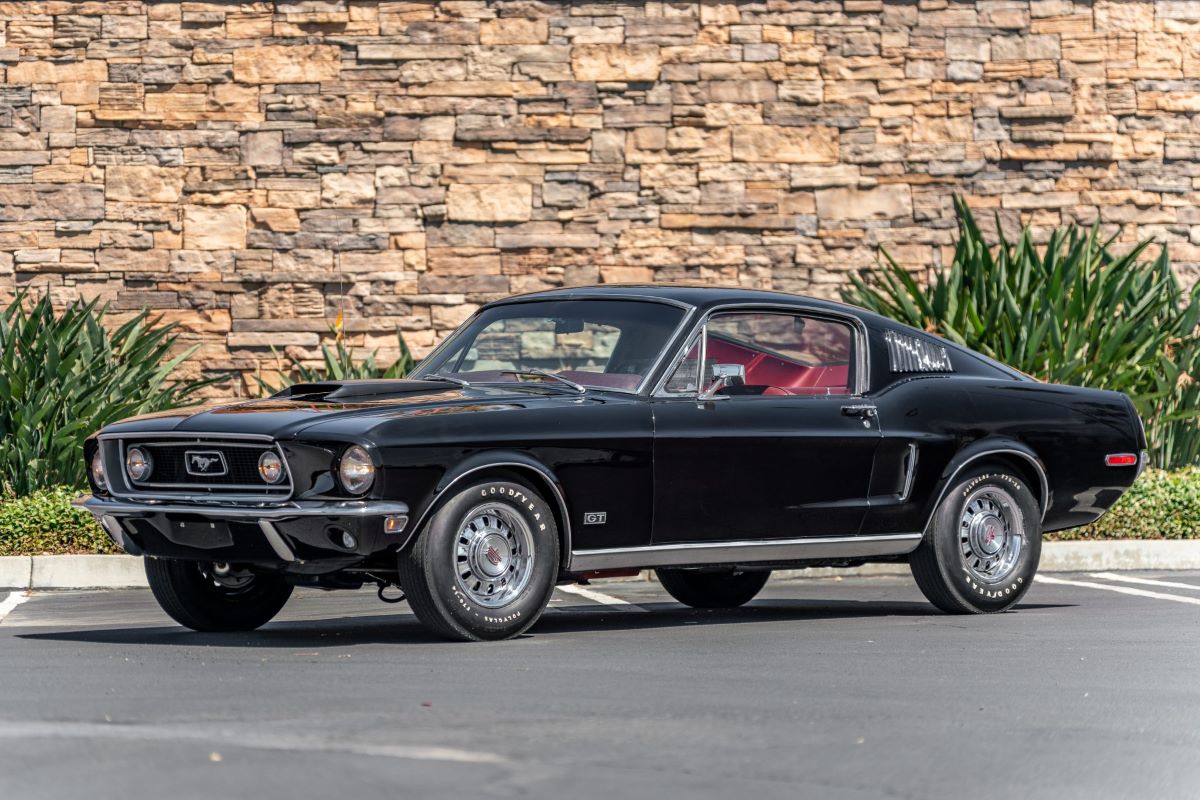
Ford delivered a significant upgrade to the Mustang in 1968, marking the year the automaker went all-in to compete with other muscle-car producers. By 1967, the muscle-car era was in full swing, with vehicles like the Pontiac GTO and Dodge Charger capturing attention on drag strips.
Ford, eager to reclaim its dominance, introduced updated models for the 1967 and 1968 model years, featuring larger engines, exterior tweaks, and interior enhancements. This version also famously starred in the iconic chase scene in Bullitt against a Dodge Charger.
On the exterior, the Mustang received side scoops and chrome side ornaments, while the grille showcased the Mustang badge without horizontal slats. The rear featured concave taillights, giving the car a sportier look than the original.
Inside, Ford made modifications to comply with new safety regulations, including seatbelts, and added a two-spoke steering wheel with an energy-absorption steering column. New interior color options for the upholstery further refreshed the cabin.
Under the hood, Ford equipped the Mustang with a big-block V8 engine, producing over 400 horsepower in the top configuration. Paired with the car’s weight and improved suspension, the 1968 Mustang regained its competitive edge on racetracks and reasserted its place in the muscle-car era.
Also Read: Top 9 Family SUVs That Retain The MPG Over Long-Haul
3. 1987 Pontiac Trans Am
Although technically a private crime-fighting vehicle, the Pontiac Trans Am KITT from Knight Rider has all the hallmarks of a futuristic police car.
Its AI-driven capabilities, turbo boost, and sleek black exterior captured the imagination of 1980s audiences, blending law enforcement with high-tech fantasy.
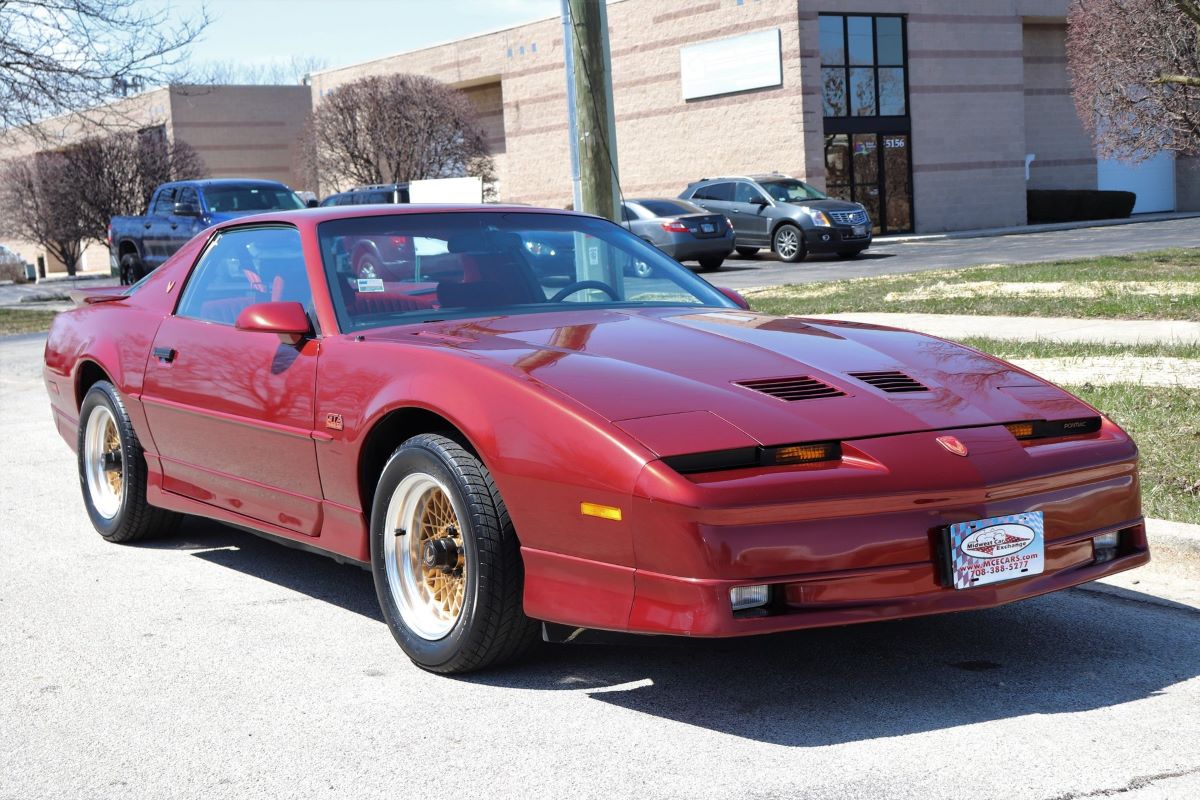
KITT wasn’t just a prop it was an intelligent partner, capable of saving lives and outsmarting criminals in ways traditional cars couldn’t.
Its cultural impact extends beyond nostalgia, influencing the portrayal of police technology in media for decades.
4. 1974 Ford Gran Torino
While the Monaco took center stage, the original Starsky & Hutch series also featured various Gran Torinos, which contributed to the show’s gritty urban feel.
With their muscular frames and dependable handling, these cars reinforced the 1970s cop show aesthetic.
For many, the Gran Torino represents an era when police vehicles weren’t just tools they were extensions of the detectives’ personalities, capable of thrilling high-speed chases that captivated audiences week after week.
Not every classic Ford from the past has earned the same level of admiration as the Mustang, and it’s unreasonable to expect them all to. Still, many Ford models hold a special place in automotive history, celebrated as leaders in design during their era.
One model that tends to fly under the radar, however, is the Ford Torino. While it never achieved the same fame as the Mustang, Falcon, or Thunderbird, the Torino deserves more recognition for its role in Ford’s rich legacy.
Designed for the North American market, the Ford Torino was produced between 1968 and 1976. At the time, it was considered a midsize muscle car, though by modern standards it’s relatively large.
The Torino was introduced to replace the Ford Fairlane, which itself had seven generations and various body styles. Its name derives from the Italian city of Turin, Torino in Italian, which was considered the “Italian Detroit.” Initially, the Torino was a subseries of the Fairlane but became a standalone model in 1970.
The Torino was available as a conventional four-door sedan and a two-door hardtop coupe, but Ford also produced high-performance versions classified as muscle cars. Some Torinos were even developed specifically for NASCAR competition.
Over the first two generations leading up to 1974, the Torino underwent numerous styling and performance changes. It gradually gained more power, wider and heavier bodies, and a variety of trims. Alongside standard six-cylinder engines, Ford introduced V8 options, lower-profile enhanced grilles, and other refinements.
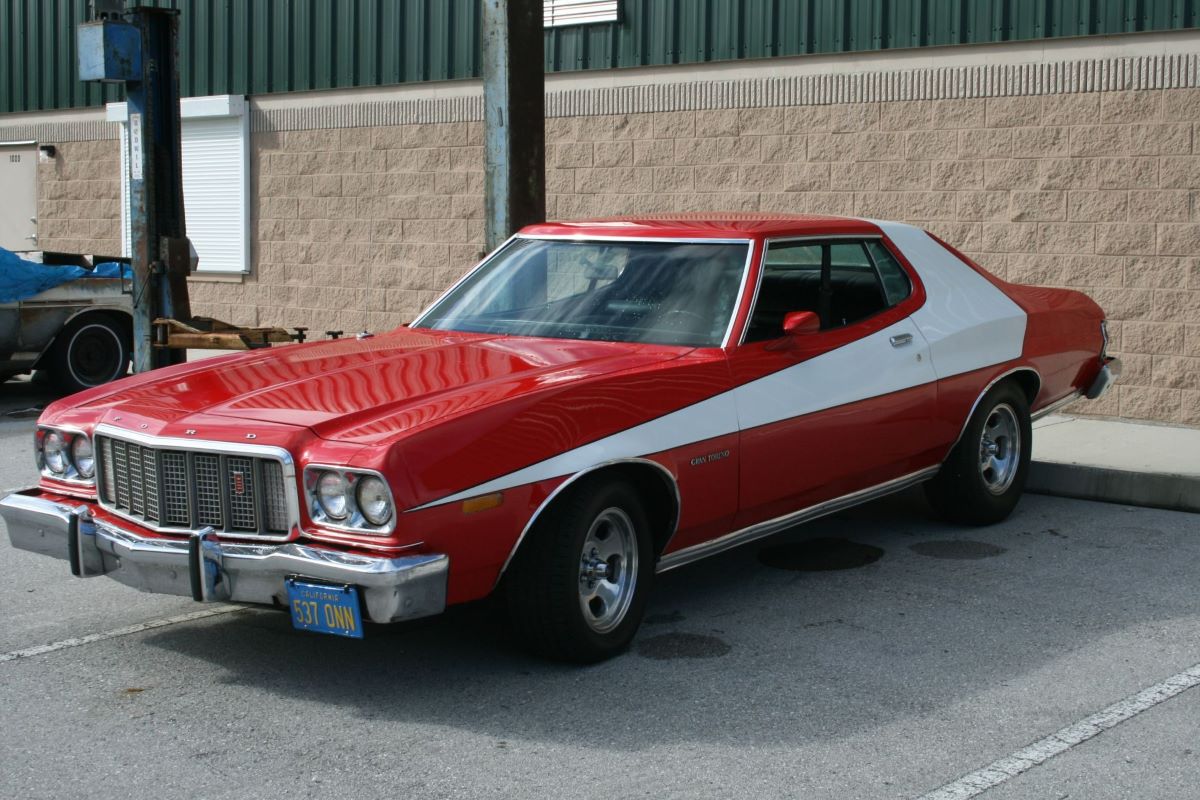
The 1974 Ford Torino marked a significant update for the model. To comply with new government regulations, Ford made several notable changes: the rear bumper became larger and squared off, tail lights were enlarged, and the front grille was divided into eight equal sections, giving the car a more distinctive appearance.
All trims received visible updates, and Ford discontinued the Gran Torino Sport with its “sports roof,” introducing the Gran Torino Elite, a two-door hardtop inspired by the Thunderbird that offered a more luxurious feel while maintaining midsize efficiency.
Inside, the 1974 Torino featured modernized amenities for its time, including a leather-wrapped steering wheel, a split-bench seat, an electric sunroof, and a seat belt-interlock system for added safety.
The larger, heavier Torino also benefitted from more powerful engines. While a few models retained six-cylinder engines, most 1974 Torinos were equipped with V8 units, producing between 140 and 260 horsepower and 230 to 380 lb-ft of torque, depending on the engine.
Today, the 1974 Ford Torino is often overlooked in favor of more celebrated Ford muscle cars, but it remains a noteworthy alternative. Prices for this model are generally accessible, ranging from $3,000 to $25,000.
Those willing to invest in some mechanical work can find a decent model for under $10,000, while well-preserved examples can cost around $20,000. Thanks to the Torino’s mass production during its era, the model is still widely available, making it a practical and affordable entry point for collectors or enthusiasts looking for a classic Ford with muscle-car appeal.
5. 2011 Dodge Charger
The modern Dodge Charger has appeared in numerous contemporary action films, particularly in The Fast and the Furious franchise.
The 2011 Charger, used as a police vehicle in high-speed chase sequences, stands out for its aggressive design, V8 power, and aerodynamic stance.
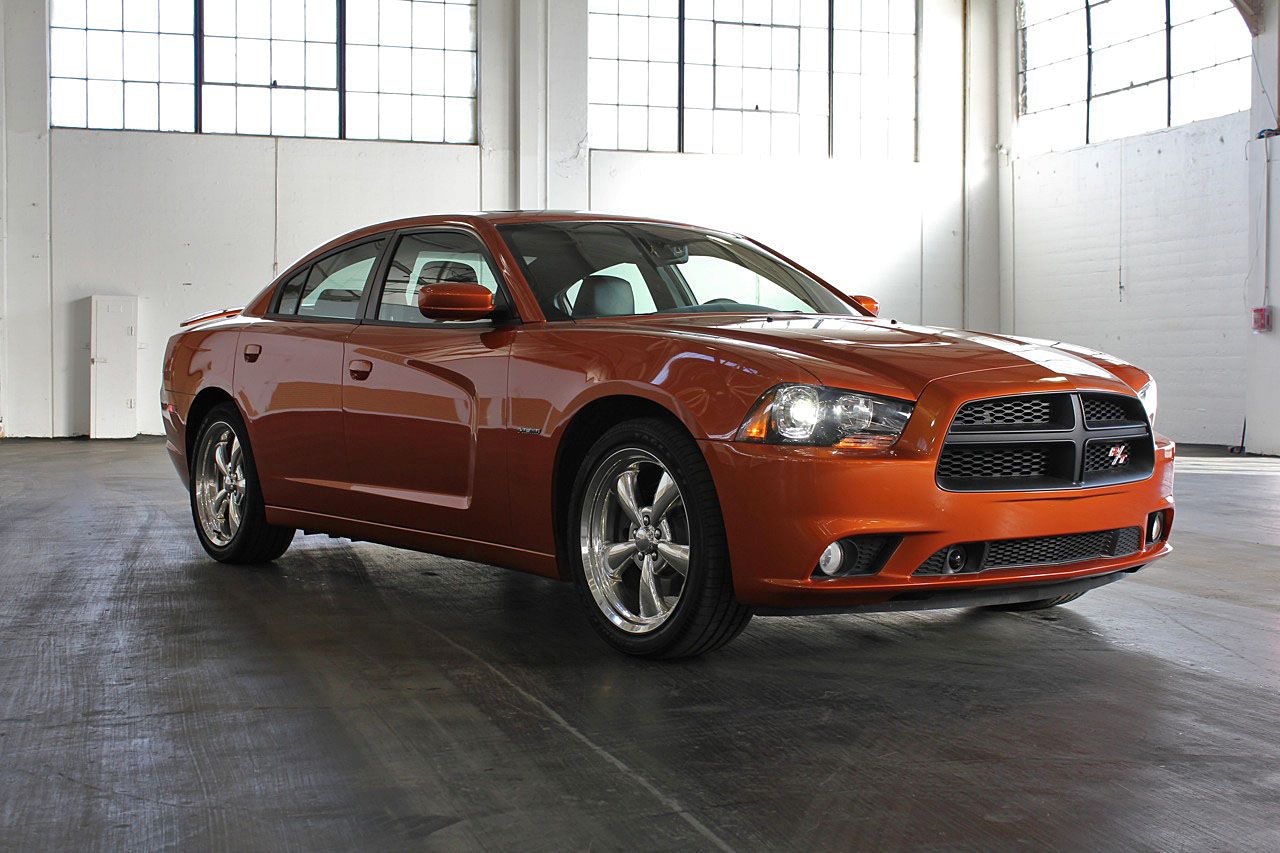
It’s a perfect example of how police cars in films today are not just functional they’re symbols of raw power, sophistication, and cinematic adrenaline.
For American audiences who appreciate muscle cars, the Charger represents a perfect blend of law enforcement authority and high-octane entertainment.
Also Read: Top 9 Family SUVs That Retain The MPG Over Long-Haul
6. 1971 Chevrolet Nova
The Rockford Files may have been a detective drama, but its use of the 1971 Chevrolet Nova added a distinctive flavor to the series.
Though not always a “police car” in the strict sense, it often functioned as the vehicle of law enforcement or pursuit. Its compact size, speed, and maneuverability made it ideal for the show’s gritty urban chases.
Unlike the flashy Monaco or Mustang, the Nova brought a grounded, realistic approach to on-screen police vehicles, resonating with viewers who appreciated authenticity over spectacle.
The 1971 Chevrolet Nova experienced a sharp decline in production compared with the previous year, dropping from over 307,000 units in 1970 to just 194,000.
Every version in the lineup saw significant decreases, with the two-door sedan remaining the most popular but still falling from 226,000 units to 143,000. The four-door sedan fared worse, accounting for only 94,000 units, nearly half of the 1970 total. Even the Super Sport models suffered, with production barely reaching 7,000 units, down from 19,558 the year before.
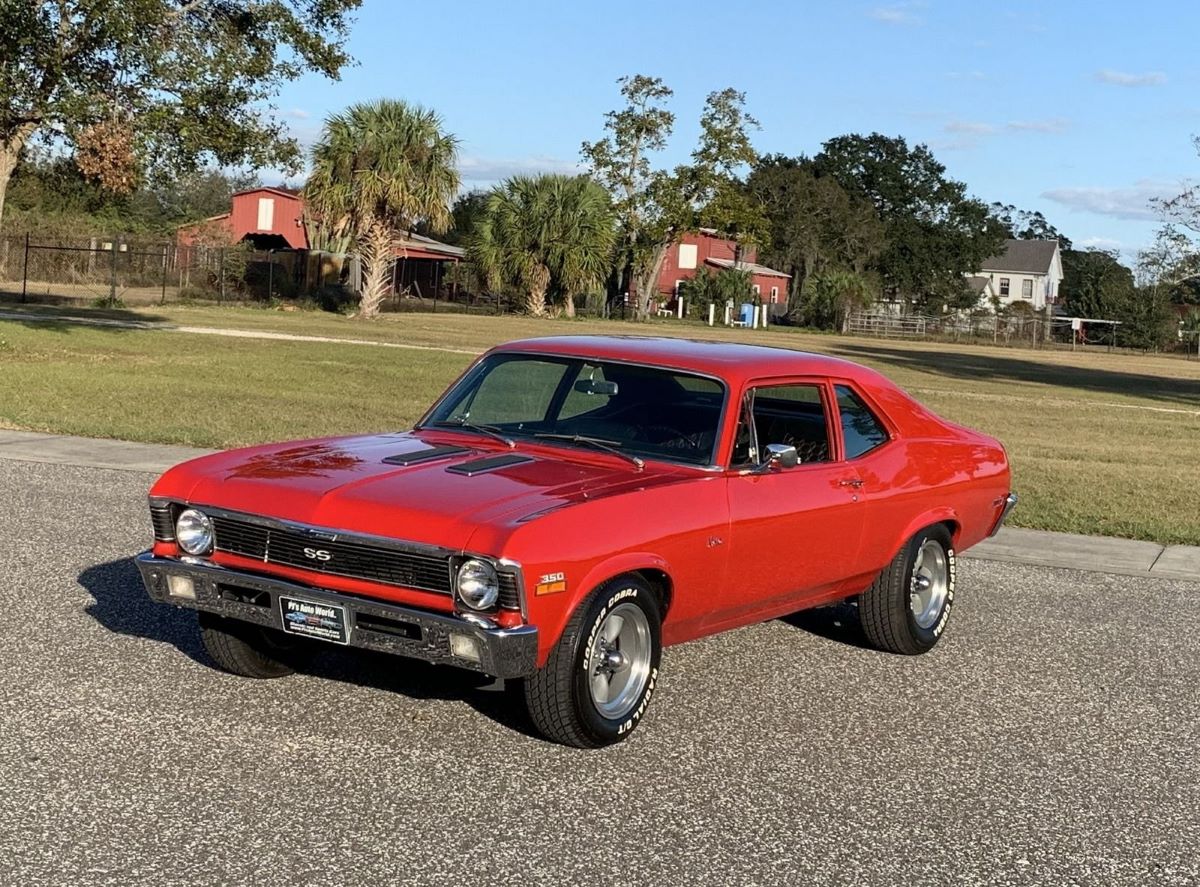
Engine options were split nearly evenly, with roughly 95,000 Novas rolling off the line with a straight-six and about 99,950 fitted with a V8. The specific Nova pictured here no longer has a drivetrain, but given its shape, the missing engine and transmission are minor issues.
The interior remains largely intact but is in poor condition; seats and the dashboard need extensive attention. On the bright side, it appears the Nova has never been used as a donor car, so it may still retain much of its original character. Verification would require a third-party inspection or an in-person evaluation.
This Nova is well-suited for a restomod project. For those who appreciate patina, simply addressing the rust and body damage could preserve a unique, aged look. A big-block engine would fit perfectly in a restomod setup, especially if you already have one on hand, avoiding additional engine expenses while bringing new life to this classic Nova.
7. 2010 Ford Crown Victoria
Few cars are as synonymous with American policing as the Ford Crown Victoria. Widely used by U.S. police departments throughout the late 20th and early 21st centuries, the Crown Victoria has made numerous appearances in film and television.
Its boxy design, robust engine, and spacious interior made it a natural choice for cinematic depictions of police work.
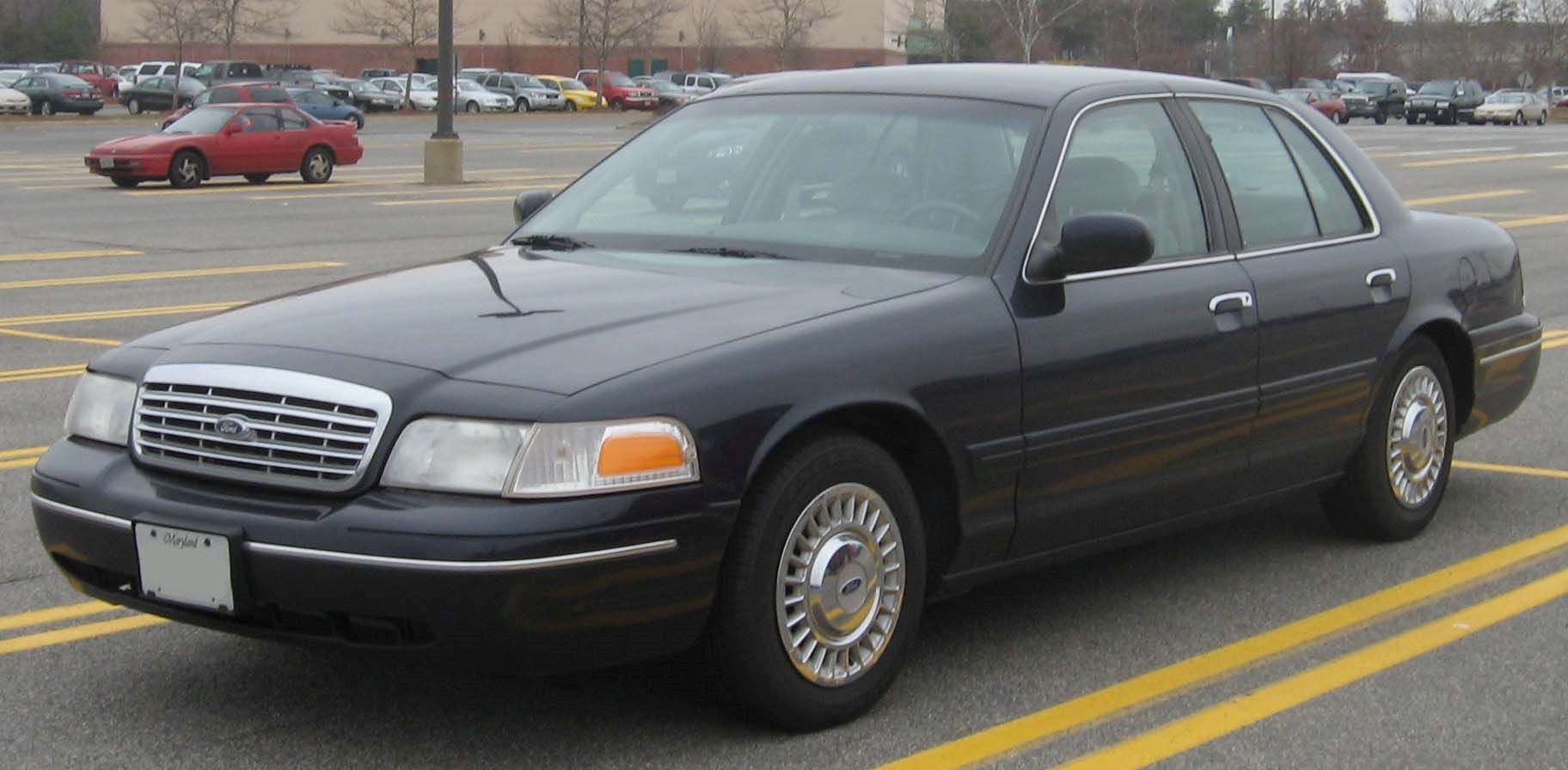
In Training Day, the Crown Victoria serves as a grim reminder of the day-to-day life of Los Angeles police officers, embodying realism and authority simultaneously. Its utilitarian appeal ensures it remains a staple in police dramas across decades.
8. 1973 Chevrolet Impala
The Impala in Supernatural is technically Dean Winchester’s car, but police versions of the Impala have also played memorable roles in the series and other shows.
The 1973 Chevrolet Impala’s long hood, stylish chrome, and classic lines make it instantly recognizable.
When used as a police vehicle, it carries both nostalgic charm and a sense of authority, bridging classic American automotive design with law enforcement functionality.
The Impala illustrates how traditional American cars can feel imposing and heroic when given a policing role on screen.
Introduced in 1958, the Chevrolet Impala saw its heyday throughout the 1960s, with nearly every model year, especially in the first half of the decade, posting substantial sales gains.
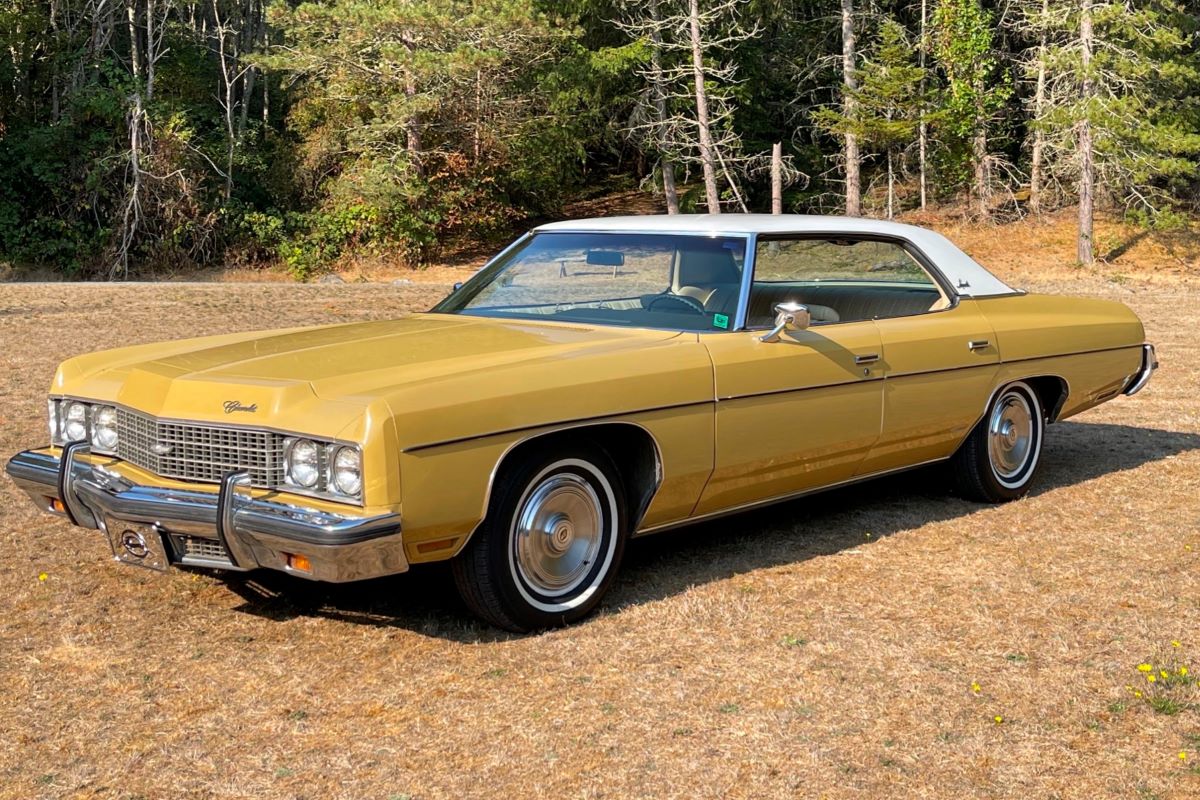
Starting in 1966, however, the Impala’s market dominance began to wane. This decline wasn’t due to a drop in customer appeal but rather changes in Chevrolet’s lineup. Notably, the Caprice was elevated to a standalone model, which effectively reduced Impala sales by roughly 100,000 units each year.
Despite this, the Impala remained an important Chevy model in the early 1970s, standing alongside other iconic nameplates like the Chevelle. Its historical significance and desirability only increase when a car retains originality and remains unrestored.
The 1973 Impala listed here partially meets those expectations, as it has never undergone restoration. That said, it is in rough condition and clearly in need of a full rebuild after likely sitting idle for an extended period.
Both the engine and transmission are missing, which theoretically gives the buyer a blank canvas to create a custom restomod, potentially resulting in a one-of-a-kind vehicle.
Bidding for the Impala is currently active, with the highest offer at $300 so far. A reserve is in place, though the seller has not disclosed the minimum needed to meet it. Given the level of work required, it may take some patience, but this classic Impala is likely to find a new home once the auction concludes.
9. 1990s BMW 5 Series
Not all iconic police vehicles are American-made. In films like Bad Boys, high-performance BMWs represent law enforcement’s sleek, cutting-edge side.
The 1990s BMW 5 Series, with its precision engineering, smooth handling, and European style, contrasted sharply with the more traditional American muscle and sedan cop cars.
It showed audiences that police cars could be elegant, fast, and capable of jaw-dropping action sequences, setting the stage for modern cop film aesthetics.
In December 1995, BMW revealed the fourth generation of the 5 Series, known as the E39, marking a significant milestone in the model’s history with major improvements across the board. The 5 Series was already highly desirable, offering a sporty driving experience uncommon among premium sedans.
It served as the ideal sports sedan for executives while remaining refined enough for everyday tasks like school runs. Unlike its predecessors, the E39 featured all-aluminum suspension links, reducing overall weight, and came with new, lightweight engines that made the car feel nimble despite its large size for the era. However, all-wheel drive was not offered on this generation.
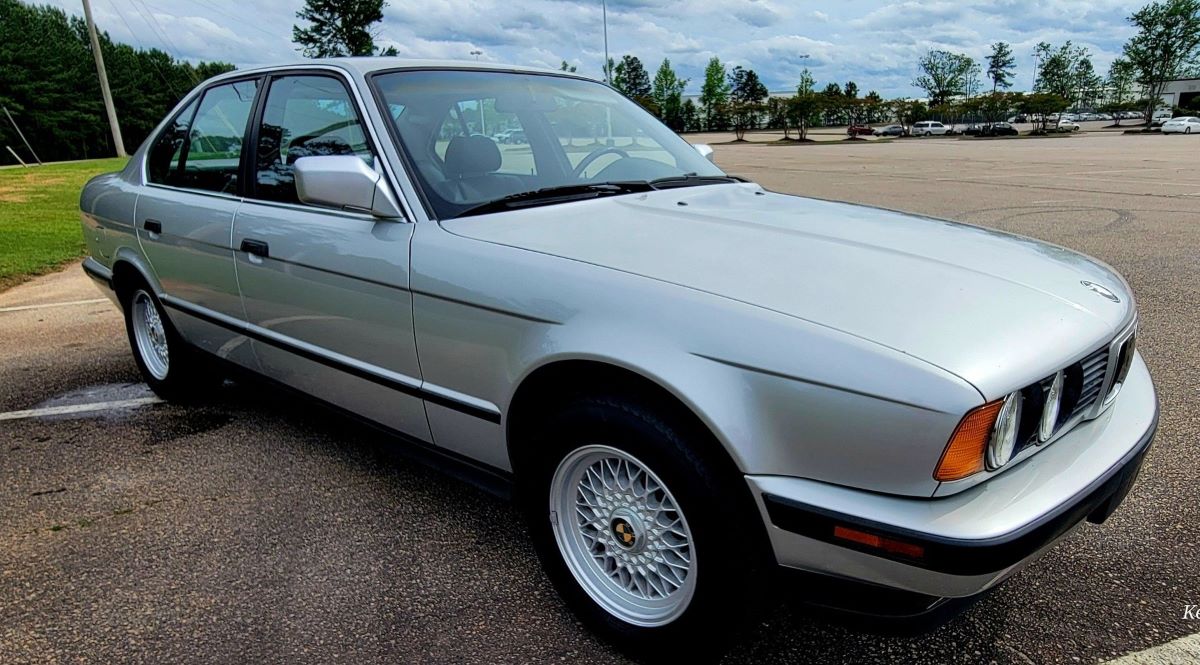
Visually, the E39 departed from the traditional four-headlight layout, instead featuring dual headlamps on each side housed under a single piece of glass with turn signals positioned on the outer edges.
An aerodynamically profiled bumper contributed to an impressive 0.27 drag coefficient. The rounded greenhouse, a hallmark of the bio-design era, was penned in 1992 by Japanese designer Joji Nagashima, and its flowing lines put the E39 ahead of its competitors.
Body-colored flush door handles and mirrors added to its smooth appearance, while pulled-out side sills protected the rear wheels from wind. At the rear, an extended bumper skirt incorporated the exhaust outlets neatly beneath it.
Inside, the E39 introduced a more modern and luxurious cabin. Customers could opt for a multifunction steering wheel with controls for audio and other systems. The bolstered front seats provided excellent support during spirited driving, while a rounded instrument cluster retained the classic four-dial layout, supplemented by an LCD display showing additional vehicle information.
The center stack housed an integrated stereo, and premium packages added wood trim and leather upholstery for a pampered feel. The rear bench accommodated three passengers, though the middle seat’s legroom was limited by the tall transmission tunnel.
Under the hood, the E39 offered engines producing over 100 horsepower, including four- and six-cylinder options, along with two V8s besides the formidable M5.
Power was delivered exclusively to the rear wheels through either a five-speed manual or a four- or five-speed automatic, depending on the engine. BMW also expanded the lineup with a wider range of turbodiesel engines, offering buyers more variety than ever before.
10. 2015 Dodge Charger Pursuit
In contemporary television, few vehicles are as ubiquitous as the 2015 Dodge Charger Pursuit used across various Law & Order series.
Designed specifically for police work, this modern Charger balances raw power, durability, and safety, all while maintaining a visually impressive presence.
Its widespread use in crime dramas reinforces its cultural significance, proving that even in an era of SUVs and high-tech patrol cars, a classic muscle car-inspired sedan still holds cinematic and policing appeal.
From classic 1970s muscle cars to modern high-tech sedans, police vehicles on screen have done more than just chase criminals they’ve defined eras, established moods, and given audiences some of the most memorable automotive moments in film and television history.
Driving a Dodge Charger Pursuit demonstrator, painted and equipped to mimic a real police car with functioning lights and sirens, can be an unusual experience. As we discovered during a previous test of a 2012 model, other drivers tend to make assumptions simply from seeing it on the road or parked at a coffee shop or gas station.
All-wheel drive has become increasingly popular among police departments. Police: The Law Enforcement Magazine notes that when Ford discontinued the rear-drive Crown Victoria,the former standard for police cruisers, fleet buyers could choose front- or all-wheel drive for the Taurus-based Police Interceptor sedan and Explorer-based P.I. Utility.
With 97 percent of sales going AWD, Ford eventually made it standard. Now, both Chevrolet with the Tahoe PPV and Dodge with the Charger are seeing rising interest in all-wheel drive.
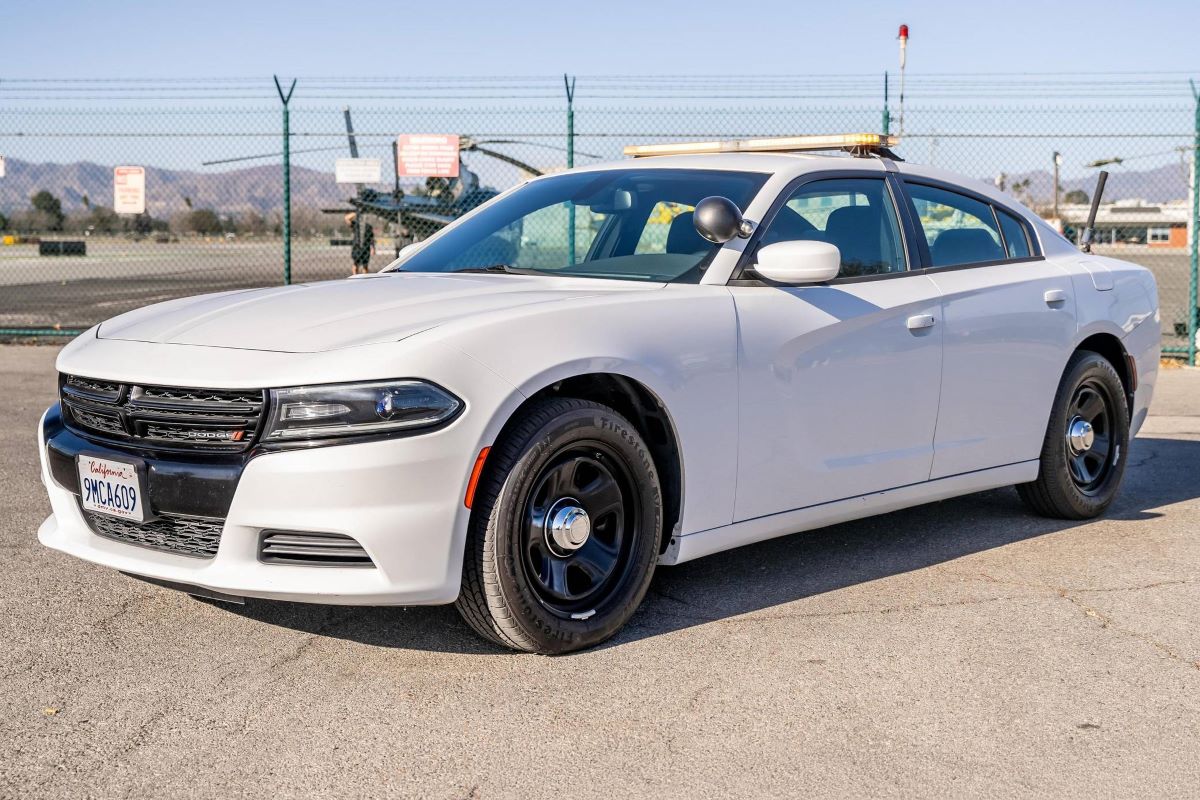
Having power sent to all four wheels helps officers apply torque more effectively and handle the vehicle safely at high speeds. While fuel economy drops and maintenance costs rise, automakers emphasize the safety, security, and all-weather capabilities of AWD—and fleet buyers are responding.
In testing, the Hemi/AWD Charger accelerated from 0-60 mph in 5.2 seconds and completed the quarter-mile in 13.8 seconds at 103 mph, comparable to the 2012 rear-drive model we tested (5.2 seconds, 13.9 at 103 mph).
Fleet versions received 2015 styling updates and hardware improvements, though the eight-speed transmission was not offered; the cop model retained the five-speed automatic, column-mounted “autostick” lever, leaving room for radios and computers between the seats. And if you’re wondering whether you could outrun it: remember “radio” and “helicopter.”
Charger Pursuit models feature heavy-duty suspension with rear load leveling, performance-tuned electrohydraulic power steering with fluid cooler, a 220-amp alternator, an 800-amp battery, police-tuned disc brakes with ABS, and severe-duty engine cooling.
The steering feels solid, brakes are responsive, and despite a curb weight of 4,579 pounds, the Charger maintained a respectable 0.85 g on the skidpad and a 174-foot stop from 70 mph using Goodyear Eagle RS-A all-season tires (225/60R-18).
Whether it’s the flashy red-and-white Dodge Monaco of Starsky & Hutch, the adrenaline-pumping Mustang of Bullitt, or the sleek modern Chargers of today, these cars embody speed, authority, and cinematic flair.
They prove that a police car isn’t just a tool it can be an icon, a symbol, and sometimes, the coolest character on the screen.
