Milwaukee winters are notorious. From early November to late March, the city experiences heavy snowfall, freezing temperatures, and relentless road salt use.
For drivers in the Milwaukee area, this means the right car can make a huge difference not just for comfort and safety, but also for longevity.
Some vehicles handle snow and salted roads remarkably well, while others are notorious for rusting quickly under these conditions. In this guide, we’ll break down five cars that thrive in Milwaukee winters and five that you might want to avoid if you’re worried about corrosion.
Cars That Excel in Milwaukee Snow & Salt
Milwaukee winters are no joke. Between heavy snowfall, icy streets, and the relentless road salt that chews through unprotected metal, only a handful of vehicles are truly built to thrive in Wisconsin’s harsh conditions.
For drivers who face months of frozen commutes, packed snow, and slushy roads, choosing the right car is more than a preference, it’s survival. In this article, we highlight the vehicles that stand up to Milwaukee’s toughest winter challenges, offering dependable traction, strong corrosion resistance, and the all-weather durability needed to conquer snow, ice, and salt season after season.
1. Subaru Outback
The Subaru Outback has long been a favorite in northern states thanks to its Symmetrical All-Wheel Drive system and high ground clearance.
Milwaukee drivers will appreciate its stability on snow-packed streets and its ability to tackle steep driveways without much struggle.
Beyond traction, Subaru has done a solid job with corrosion-resistant coatings, and regular washes to remove road salt can keep these vehicles in great shape for years.
The Outback also offers heated seats and a heated steering wheel, perks that are highly valued during bitter Wisconsin winters.
Our test Subaru Outback was equipped with the optional turbo engine, and at the test track, it accelerated from 0 to 60 mph in 6.5 seconds, a significant improvement over the slower base engine and a performance upgrade worth considering.
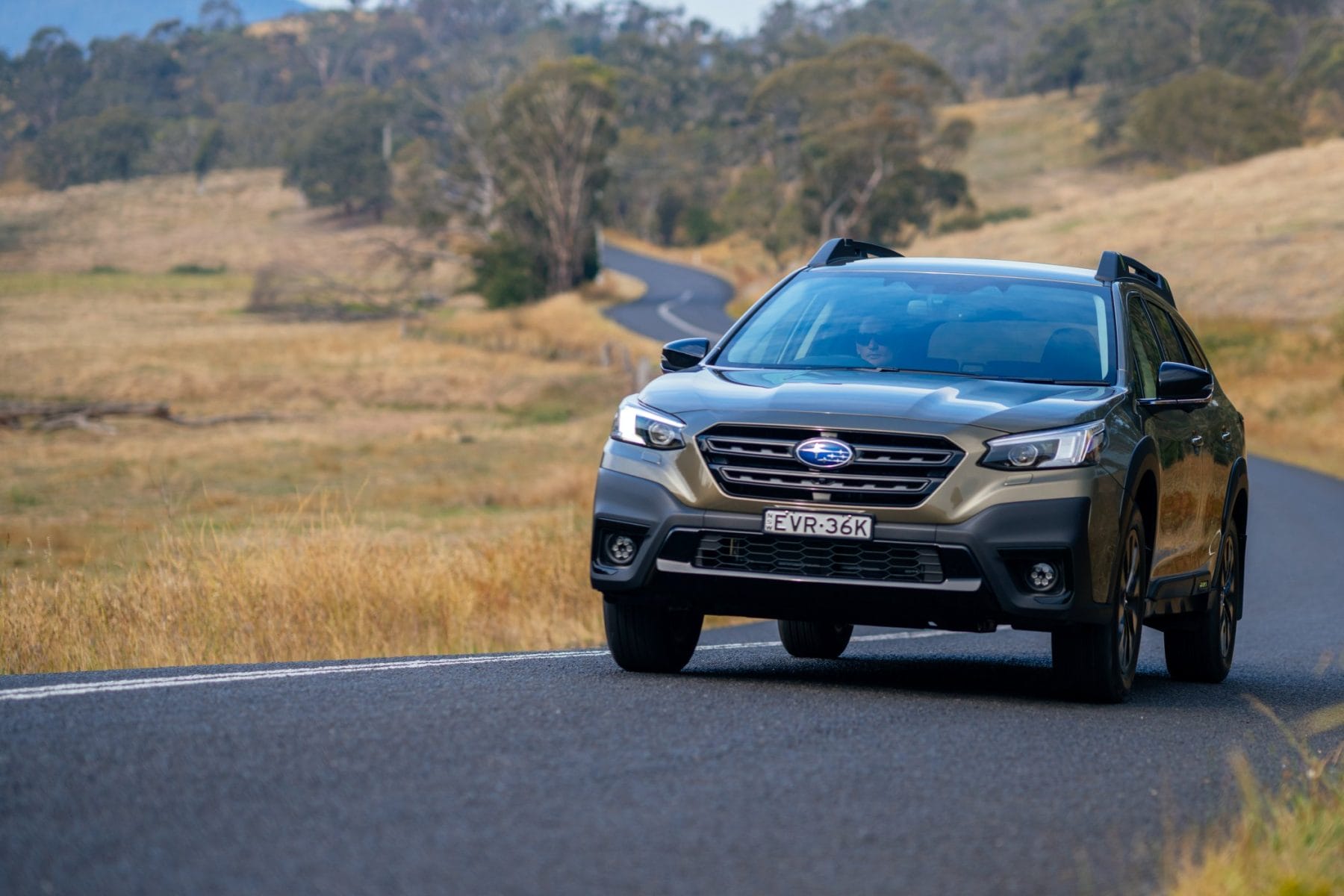
There is noticeable body roll during turns, and the steering is somewhat slow, requiring more effort than expected to navigate corners or even a parking lot. On the plus side, its 8.7 inches of standard ground clearance and all-wheel-drive system allow the Outback to tackle most terrain that competitors can handle, and even some that they can’t.
Subaru’s reputation for safety is evident in the Outback’s array of driver-assist features; however, many of these aids are poorly tuned.
Lane-keeping assistance can intervene unnecessarily, the driver attention warning may chime even when the driver is fully attentive, and automatic emergency braking occasionally mistakes objects like trash cans for pedestrians, causing abrupt and unwarranted braking. As a result, while the safety suite is extensive, it can often be frustrating and unintuitive in everyday use.
Also Read: Top 10 Budget-Friendly Cars Built for Track-Day Speed
2. Toyota 4Runner
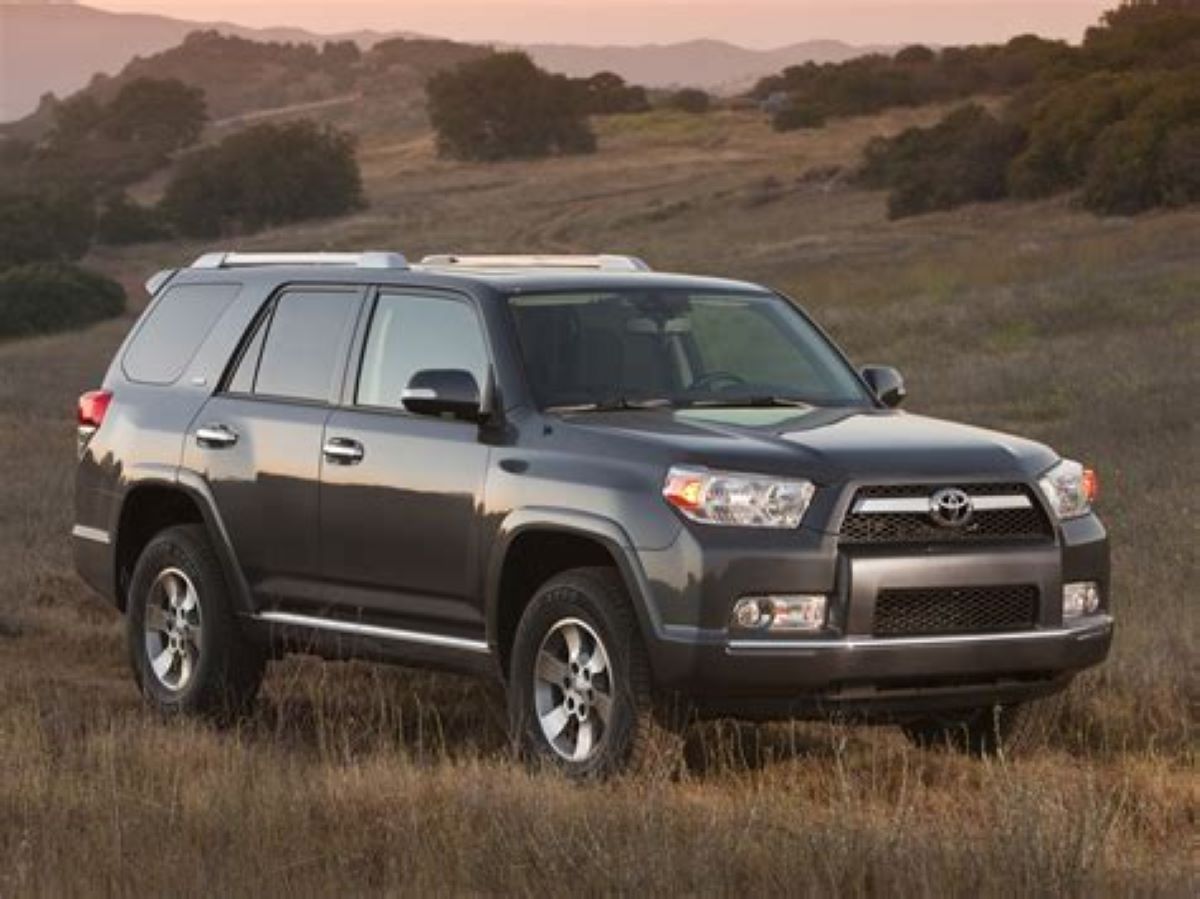
The 4Runner is a rugged, body-on-frame SUV that handles winter roads with confidence. Its rear- or four-wheel-drive options, combined with a reputation for durability, make it an excellent choice for Milwaukee winters.
Salt exposure is less of a worry here because Toyota applies robust rust-proofing, and the 4Runner’s high stance keeps critical components well above snowbanks and slush.
For those who like weekend getaways in addition to winter commutes, this SUV doubles as a winter-ready adventure vehicle. The 4Runner’s gas powertrain delivers sufficient power for city driving and highway merging, though it is slightly slower than the hybrid version, 8.2 seconds from 0 to 60 mph in our testing versus 7.7 seconds, but you won’t feel like you’re missing out on much.
The ride quality and handling, however, are less impressive, even for an off-road-focused SUV. Body roll is noticeable, the rear suspension feels busy, and the steering requires more input than expected for basic maneuvers, though it remains light to operate.
While it rides more comfortably than a Ford Bronco or Jeep Wrangler, it still lags behind rivals like the Honda Passport. On the positive side, the 4Runner comes well-equipped with standard safety features, including adaptive cruise control, lane-keeping assistance, and blind-spot monitoring.
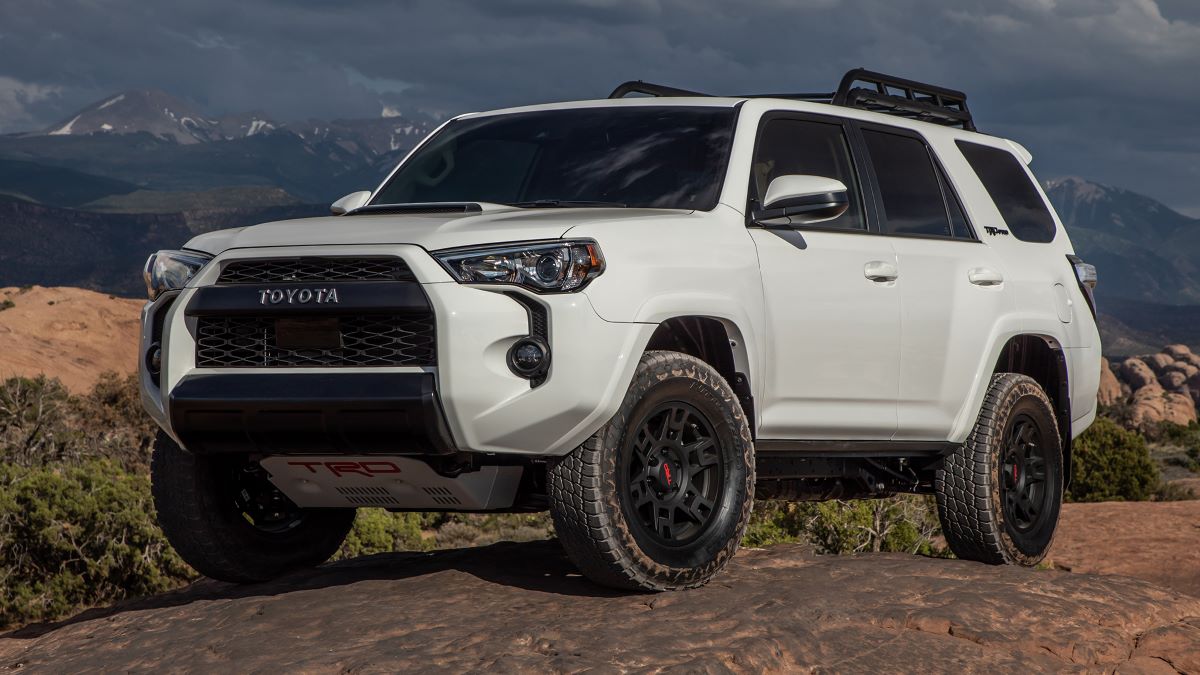
Pricing depends heavily on the trim, ranging from relatively affordable at the base level to surprisingly high for models like the TRD Pro, Trailhunter, or even the Limited without the hybrid, which can top $60,000. Build quality is solid, and even off-road, the interior remains free of rattles or squeaks, reflecting Toyota’s reputation for durability.
3. Ford F-150
Pickup trucks are a staple in snow-heavy regions, and the Ford F-150 is one of the best for Milwaukee winters. With its four-wheel-drive variants, electronic locking rear differentials, and high ground clearance, the F-150 can tackle city streets, suburban roads, and icy rural routes.
Modern F-150s come with galvanization and anti-corrosion treatments that help prevent rust from salt exposure. Regular underbody washes after snowstorms will keep this truck running and looking strong for many years.
The Ford F-150 full-size pickup has evolved into a versatile vehicle that works as comfortably on job sites as it does in more refined settings. Available in a wide range of trims, from the base XL to the luxurious Platinum Plus, the F-150 offers multiple powertrains, including a traditional V-8, two turbocharged V-6 engines, and a hybrid option.
Buyers can choose from three cab sizes, Regular, Super, and Crew, and three bed lengths, with the off-road-focused Tremor model available for rugged adventures. All trims feature a 12-inch infotainment display, bold interior styling, and plenty of storage cubbies. The F-150 excels at towing and hauling, with available onboard scales to ensure payload limits are respected.
However, it faces stiff competition from the Ram 1500 and Chevrolet Silverado; the Ram is known for its luxurious interior and smooth ride, while the Silverado offers the Super Cruise hands-free driving system, usable even while towing, a feature Ford’s Blue Cruise does not provide.
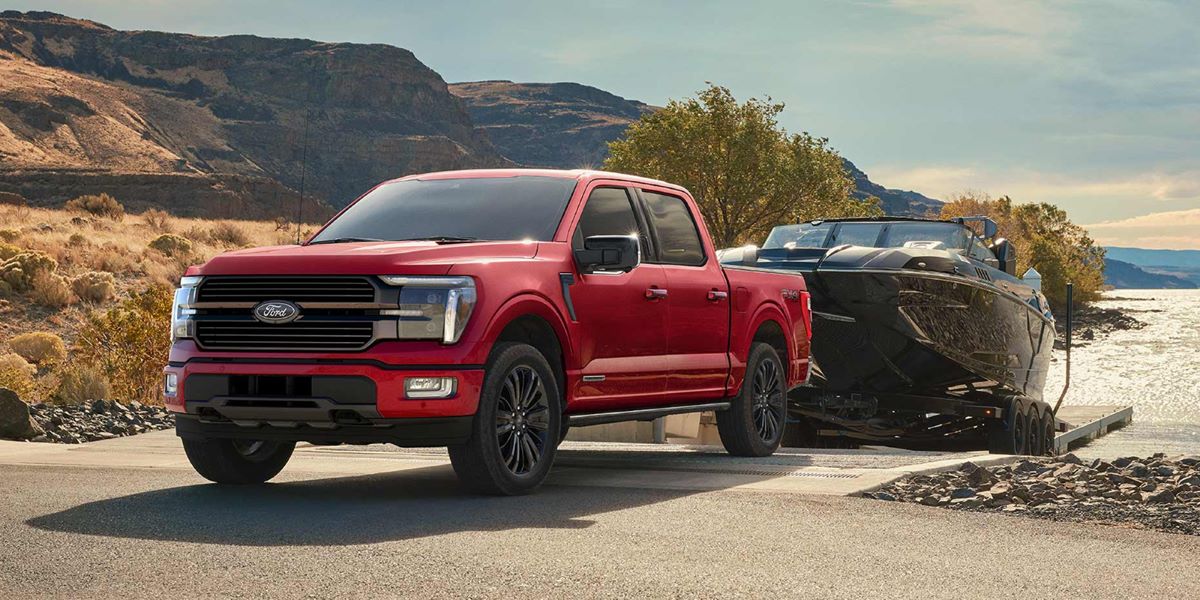
The full-size pickup segment is fiercely competitive, so prospective buyers should carefully compare options before making a purchase. Nevertheless, the F-150 remains one of the segment’s top picks and has earned a spot on our Editors’ Choice list for 2025.
For 2025, the F-150 carries over most updates from 2024, with the addition of a new Lobo trim featuring a lowered suspension, sportier bodywork, light-up grille, and unique 22-inch wheels.
Pricing ranges from $40,045 for the base XL to $74,095 for the King Ranch, with trims in between including the STX, XLT, Lobo, Lariat, Tremor, and Platinum. While the XLT adds luxuries over the basic XL, the Lariat trim is our preferred choice, offering automatic full-time four-wheel drive and the proven 5.0-liter V-8, with the twin-turbo 3.5-liter V-6 available at no extra cost. The late-arriving Platinum Plus will have full pricing announced closer to availability.
The F-150 provides a variety of engines to suit different needs, from a 325-hp twin-turbo 2.7-liter V-6 to a 400-hp 5.0-liter V-8, a 400-hp twin-turbo 3.5-liter V-6, and a 430-hp hybrid combining a twin-turbo 3.5-liter V-6 with a 47-hp electric motor. All engines are paired with a 10-speed automatic transmission, and buyers can choose rear- or four-wheel drive.
The hybrid model offers an impressive estimated driving range of up to 704 miles per tank and can even power an onboard generator for job sites or emergencies. On the road, the F-150 delivers a compliant ride and predictable handling, with high-spec trims such as the King Ranch featuring a variable-assist steering system that enhances agility at low speeds.
The Tremor trim maximizes off-road capability with 33-inch all-terrain tires, an upgraded suspension, a locking rear differential, and a four-wheel drive transfer case borrowed from the F-150 Raptor.
4. Honda CR-V AWD
The Honda CR-V’s all-wheel-drive system, compact size, and nimble handling make it ideal for navigating Milwaukee’s tight streets during snowstorms.
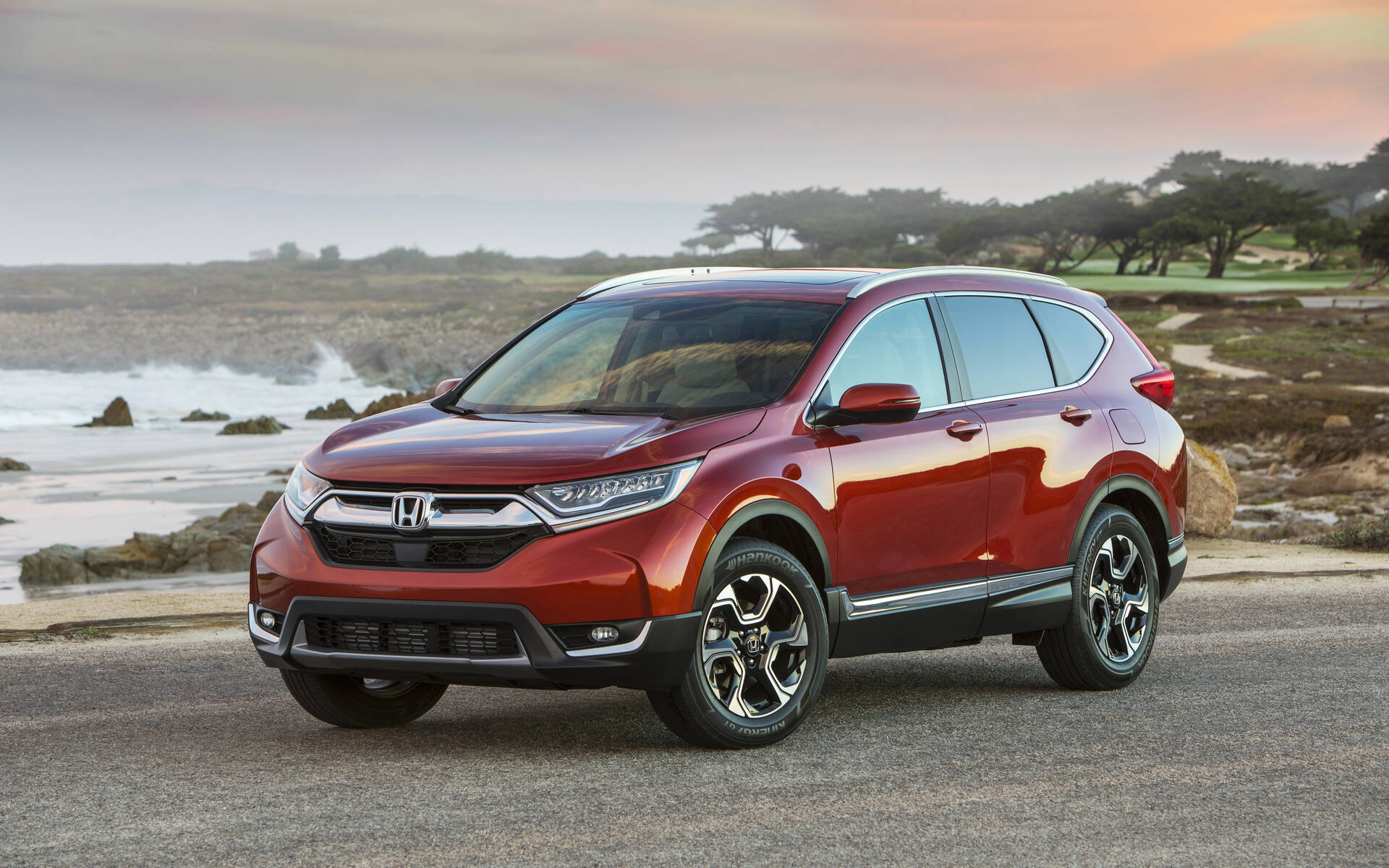
While not as rugged as the Outback or 4Runner, the CR-V’s well-engineered drivetrain and chassis make it surprisingly resilient in winter conditions. Honda also employs rust-preventive measures, particularly on newer models, which help protect against the corrosive effects of salted roads.
Also Read: 10 Best Cars With Door Pockets That Actually Fit Tablets
5. Chevrolet Tahoe
For larger families or drivers who need extra space, the Chevrolet Tahoe combines snow-ready capabilities with practicality. Its four-wheel-drive system and heavy-duty chassis allow it to plow through snow and handle slippery surfaces with ease.
Chevrolet also uses anti-corrosion coatings, especially on the frame and underbody, making it one of the more durable full-size SUVs in snowy and salty climates. Its size and weight also contribute to stability in challenging winter conditions.
The Chevrolet Tahoe has relied on V-8 power throughout its history, and the latest generation continues that tradition while adding a diesel option for the first time. The standard engine is a 355-hp 5.3-liter V-8, with an available 420-hp 6.2-liter V-8 for those seeking more performance.
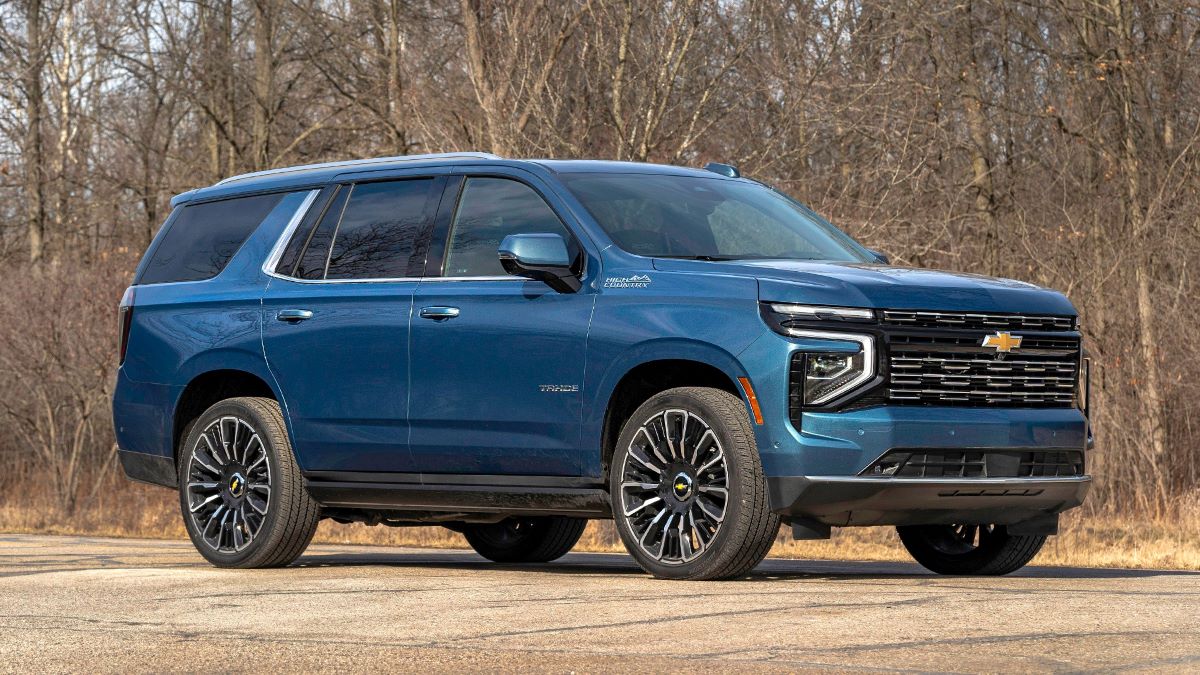
Joining these is a 3.0-liter diesel six-cylinder that, despite having the lowest horsepower of the trio, delivers 460 lb-ft of torque, matching the output of the larger V-8. All Tahoes are paired with a 10-speed automatic transmission and can be configured with either rear- or all-wheel drive.
In testing the off-road-focused Z71 model with the standard V-8, we found it well-equipped for rugged use. It features a two-speed transfer case for traditional four-wheel drive, 20-inch wheels with all-terrain tires, and underbody protection.
The Z71 also offers air springs, allowing the Tahoe’s ride height to be adjusted automatically or manually, along with adaptive dampers, features standard on the higher-end Premier and High Country trims.
These upper trims, along with the RST model, ride on stylish 22-inch wheels for a more commanding presence. On the road, the Tahoe demonstrated adequate acceleration, a firm brake pedal, and an impressively quiet cabin at highway speeds, making it capable both on- and off-road.
Cars That Rust Quickly in Milwaukee Winters
Milwaukee winters are brutal, not just on drivers, but on their cars. Between heavy snow, constant freeze-thaw cycles, and the thick layers of road salt spread across city streets, some vehicles simply can’t withstand the punishment. While many models hold up with proper protection, others are notorious for developing rust far sooner than owners expect.
In this article, we break down the cars that struggle the most in Milwaukee’s harsh winter conditions, highlighting the models known for weak corrosion resistance, vulnerable underbodies, and metalwork that quickly falls victim to salt and slush. If you want to avoid a rusty headache, these are the cars you’ll want to think twice about.
1. Jeep Wrangler (Older Models)
While Jeep Wranglers are legendary off-road vehicles, older models are prone to rust, especially around the fenders and underbody. Road salt accelerates corrosion on these vehicles, which can lead to expensive repairs if not addressed promptly.
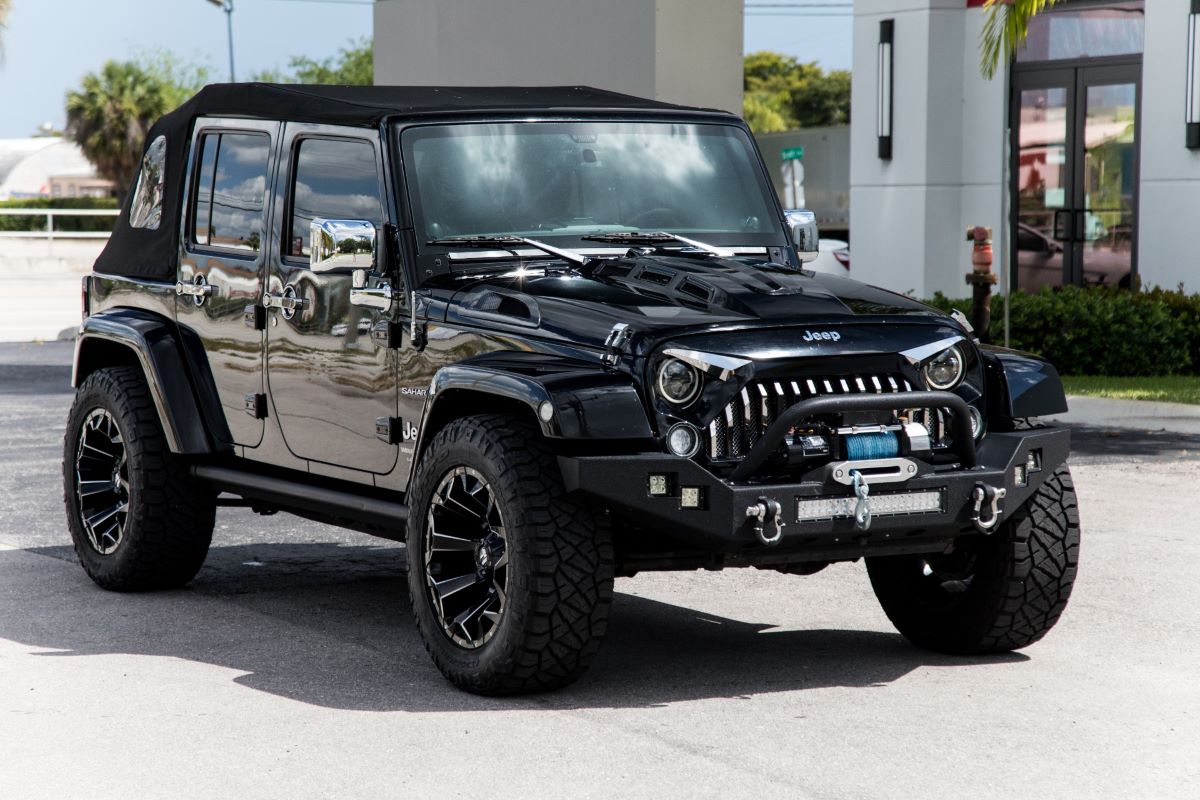
Newer Wranglers have improved rust protection, but vintage models or those without proper maintenance can be a nightmare in Milwaukee winters.
The Jeep Wrangler is celebrated for its off-road prowess, and that reputation is particularly well-earned with the Rubicon trim. Our test vehicle featured the optional Xtreme Off-Road package, which adds massive 37-inch tires and increased ground clearance, allowing it to tackle rocky trails, sand dunes, and other challenging terrain with ease. Off-road, there are very few obstacles the Wrangler can’t handle, making it a favorite among adventure enthusiasts.
On the road, however, the Wrangler’s strengths are less pronounced. While the suspension and tires do a commendable job absorbing ruts, bumps, and potholes, the ride remains firm.
Steering feels vague, requiring frequent adjustments to maintain lane position on highways, and acceleration from the V6 engine is modest, while emergency braking distances are long. The Wrangler comes with basic advanced driver aids, such as blind-spot monitoring and adaptive cruise control, but these features are often optional across most trims, limiting their availability and convenience.
2. Mini Cooper
The Mini Cooper’s fun-to-drive nature often comes with a price: vulnerability to corrosion. Older models, in particular, have issues with rust forming around wheel arches and the undercarriage.
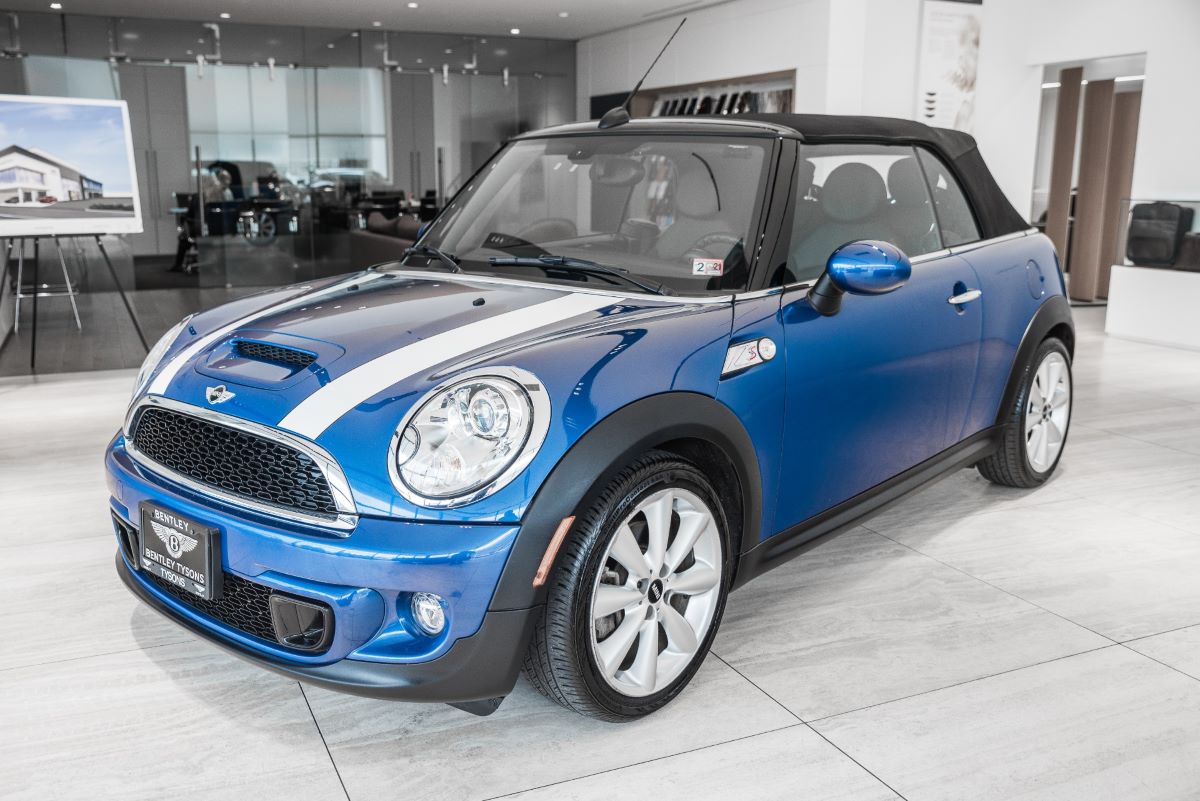
Milwaukee winters, with their combination of moisture and salt, exacerbate these problems. While Minis are excellent for city driving, their longevity in snowy, salty environments is limited without rigorous care.
The Mini Cooper boasts an iconic style and a wide array of customizable appearance options that appeal to individualists. However, the price can climb quickly if you add extras, whether you choose the standard three-door hatchback, the five-door model, or the more expensive convertible.
The base Cooper comes with a turbocharged three-cylinder engine, while the Cooper S features a punchy turbocharged four-cylinder. Both options deliver fun driving dynamics, particularly with the six-speed manual transmission, which returned for 2021 after a brief hiatus.
The standard engine is a turbocharged 134-hp 1.5-liter three-cylinder, providing ample pep for the car’s small, lightweight frame. All Minis come with front-wheel drive and responsive handling that makes them feel quick, regardless of engine choice.
The Cooper S, equipped with a turbocharged 189-hp 2.0-liter four-cylinder, proved to be just over a second quicker in our zero-to-60-mph test, achieving 6.2 seconds. While the firm suspension enhances driving enjoyment for enthusiasts, it can feel unforgiving on rough or uneven roads.
3. Mazda MX-5 Miata
The Miata is a lightweight, rear-wheel-drive sports car that handles beautifully on dry roads, but winter conditions are another story. Its low ground clearance and rear-wheel-drive layout make it challenging on snow, while its underbody is susceptible to rust.
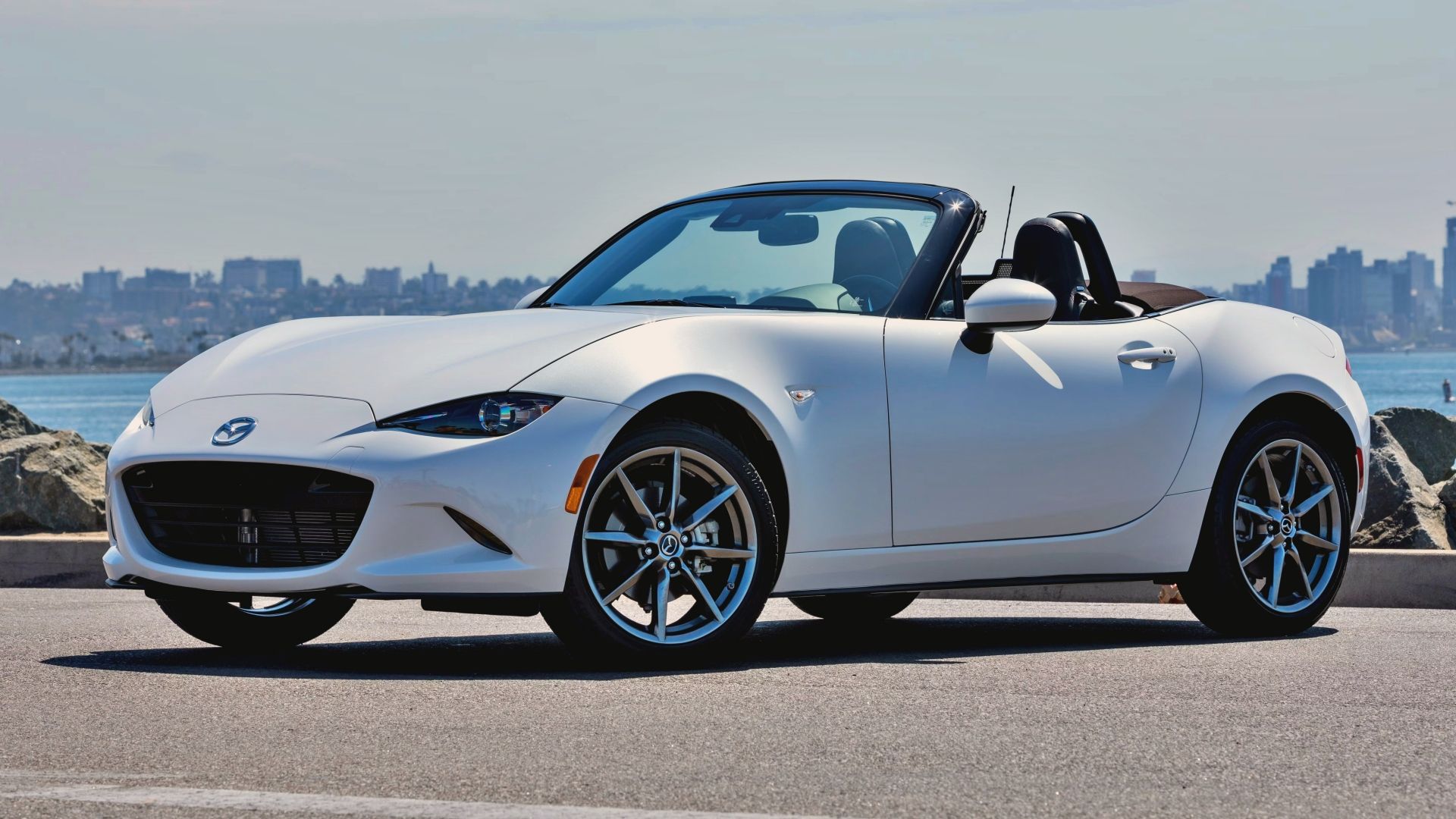
Enthusiasts in Milwaukee who want a Miata in winter conditions will need to invest in winter tires and regular rust prevention to keep it in serviceable condition.
4. Volkswagen Golf (Older Generations)
The Golf has a reputation for precision engineering, but older generations struggle with rust, particularly around wheel wells, the hatch, and underbody.
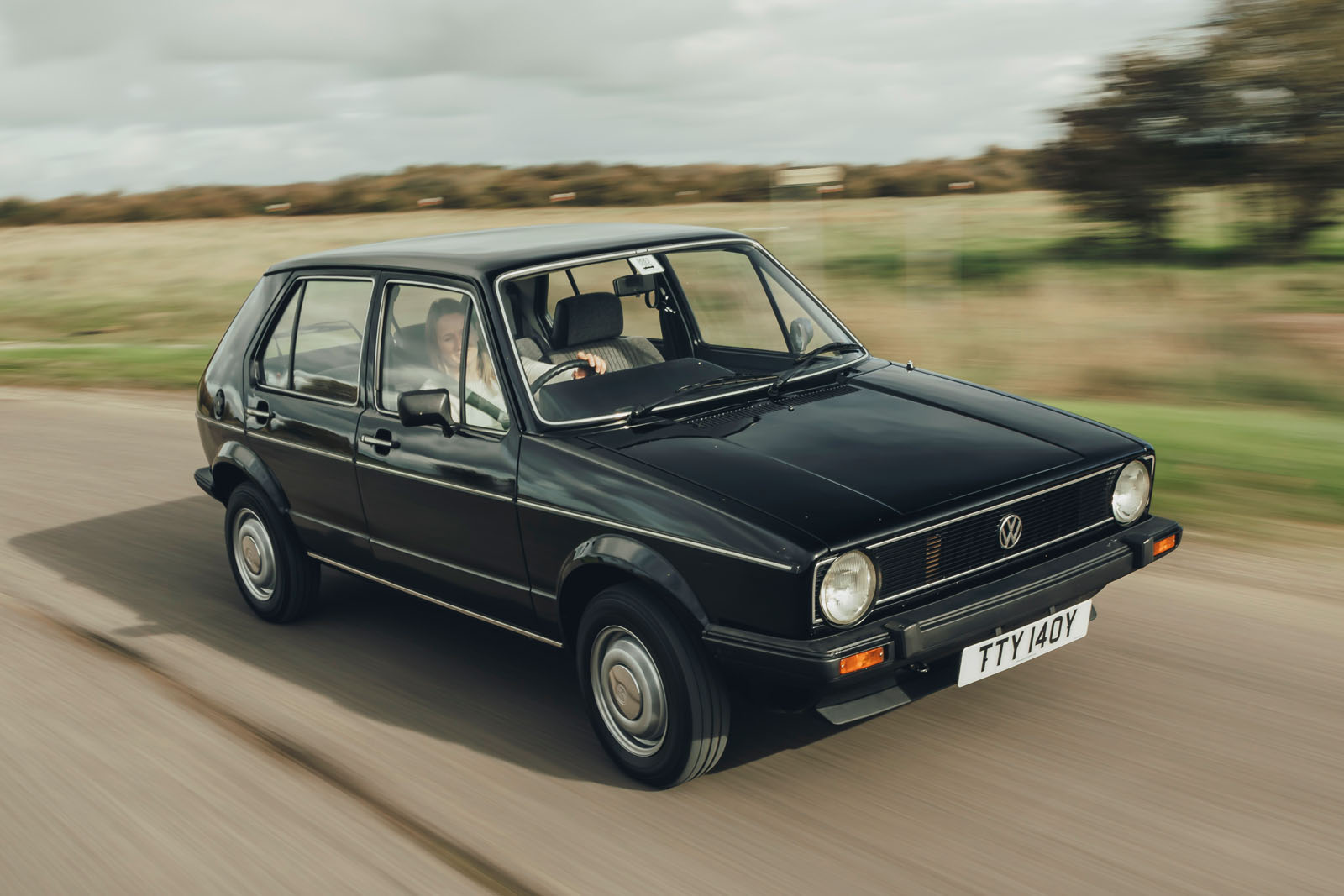
In Milwaukee, exposure to salted roads can quickly deteriorate body panels and exhaust components. Newer models have better corrosion protection, but those shopping for older Golfs need to be cautious.
A car’s greatness is often measured by how thrilling it is to drive, and the 315-hp 2023 Volkswagen Golf R excels at delivering that excitement. Sitting above the already entertaining Golf GTI, the Golf R adds all-wheel drive with a Drift mode that can send torque to one side of the rear axle, allowing for playful tail-slides.
While this dynamic feels more natural in rear-biased cars like the Ford Mustang or Chevrolet Camaro, the fact that the Golf R achieves it in a hatchback similar in size to the Honda Civic Type R is impressive.
The Golf R is also a hotter hatch than the GTI thanks to larger brakes and faster acceleration, reaching 60 mph over a second quicker. However, its higher price places it in sports-car territory comparable to the Toyota Supra.
Pricing for the Golf R starts at $45,835 and climbs slightly to $46,485 for the 20th Anniversary Edition. Since the Golf R is essentially offered as a fully loaded model, the primary choice for buyers is whether to stick with the standard six-speed manual or opt for the seven-speed dual-clutch automatic, which adds $800. Enthusiasts generally prefer the manual for a more engaging experience.
Under the hood, the Golf R houses a turbocharged 2.0-liter inline-four producing 315 horsepower and 295 lb-ft of torque (280 lb-ft with the manual), up from 288 hp and 280 lb-ft in the previous generation.
It pairs with either a six-speed manual or a seven-speed dual-clutch automatic, and the standard 4Motion all-wheel-drive system features a rear differential capable of actively distributing torque between the left and right rear wheels for enhanced handling.
Every Golf R also includes a sport exhaust, variable-ratio steering, larger front disc brakes, and rides on 19-inch wheels with summer performance tires. Our first drive in Germany highlighted the car’s quickness, responsive dual-clutch automatic, and intelligent all-wheel-drive system. The optional Performance package adds additional drive modes, including Drift mode for tail-sliding antics.
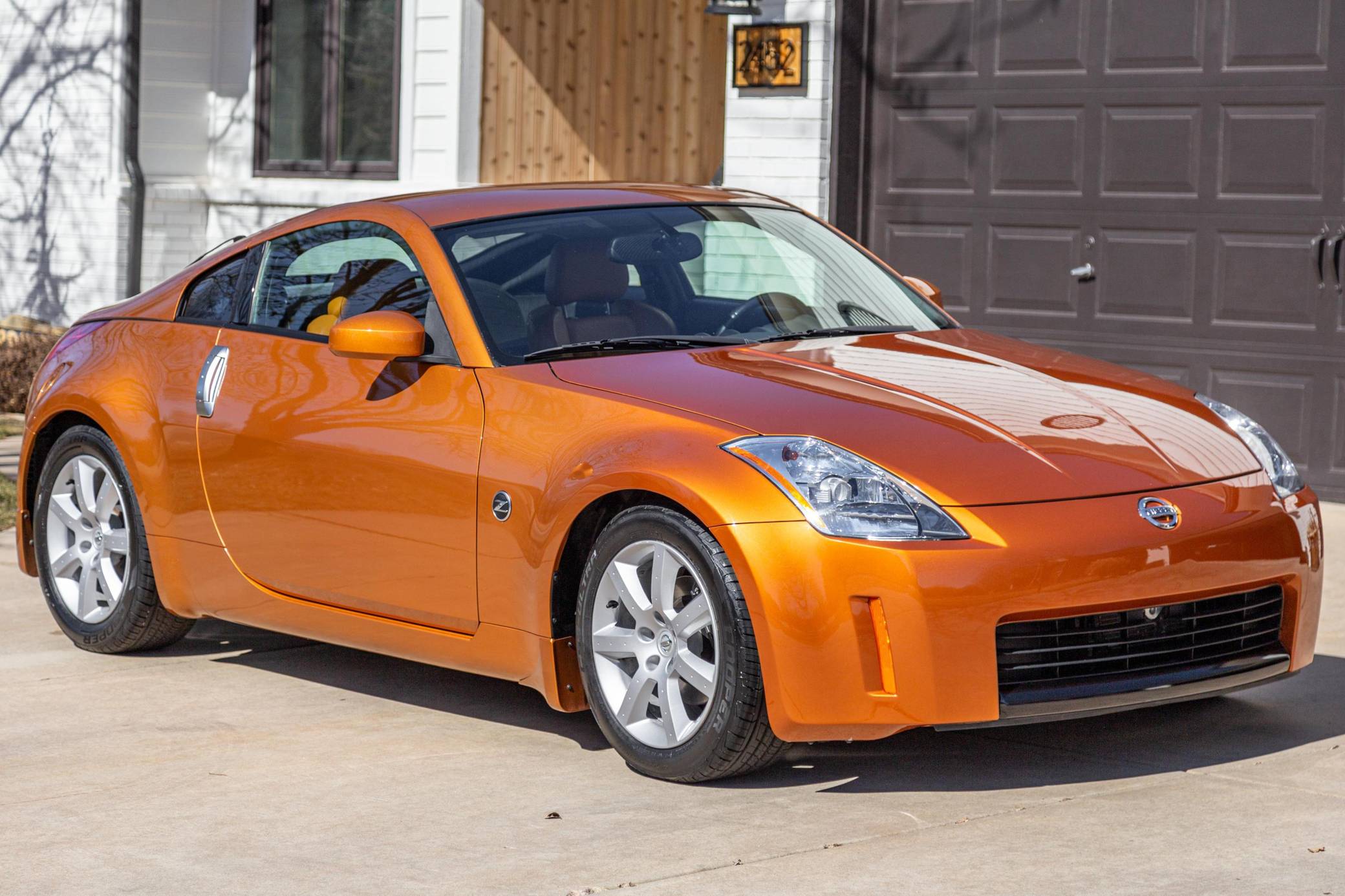
5. Nissan 350Z / 370Z
These sports coupes are built for performance, not winter durability. Rear-wheel drive, low ground clearance, and thin chassis panels make them prone to rust and difficult to drive in snow.
Road salt accelerates corrosion, and repairs can be costly. For Milwaukee drivers who need a winter car, these Z-cars are best kept as seasonal vehicles rather than daily drivers.
Choosing a winter-friendly car in Milwaukee is more than just picking an all-wheel-drive vehicle. Corrosion resistance, underbody protection, and ease of maintenance are equally important.
The 2006–2007 Nissan 350Z 3.5 V6 is a rear-wheel-drive sports coupe from the Z33 generation, equipped with a naturally aspirated 3.5-liter V6 engine producing 301 PS (297 hp / 221 kW) at 6,400 rpm and 353 Nm (260 lb-ft) of torque at 4,800 rpm. It comes with a 6-speed manual transmission and a longitudinal engine layout, delivering power to the rear wheels for a classic sports car feel.
Dimensionally, the 350Z measures 431.0 cm (169.7 in) in length, 181.5 cm (71.5 in) in width, and 132.0 cm (52 in) in height, with a 265.0 cm (104.3 in) wheelbase. Its curb weight is 1,620 kg (3,571 lbs), giving it a weight-to-power ratio of 5.4 kg per horsepower. Aerodynamically, it has a drag coefficient (Cx) of 0.29.
Performance figures are respectable, with a top speed of 250 km/h (155 mph) and a 0–100 km/h (0–62 mph) acceleration time of 5.8 seconds. Fuel consumption for the 350Z stands at 16.7 L/100 km (17 UK mpg / 14 US mpg) in the city, 8.9 L/100 km (32 UK mpg / 26 US mpg) on the highway, and 11.7 L/100 km (24 UK mpg / 20 US mpg) combined, supported by an 80-liter (21.1 US gallons) fuel tank for a range of roughly 683 km (424 miles). CO2 emissions are rated at 280 g/km.
Under the hood, the engine has a bore and stroke of 95.5 × 81.4 mm (3.76 × 3.2 in), a 10.3:1 compression ratio, and 24 valves, utilizing a multipoint fuel injection (MPI) system. The Nissan 350Z 3.5 V6 combines strong performance, classic rear-drive handling, and sporty proportions, making it a highly engaging and iconic sports coupe.
While vehicles like the Subaru Outback, Toyota 4Runner, and Ford F-150 are engineered to handle snow, ice, and salt, cars like older Jeep Wranglers, Mini Coopers, and sports coupes are far more susceptible to rust and winter damage.
Regular maintenance, including washing off salt and inspecting underbody components, can extend the life of any vehicle, but starting with a car designed for harsh winters is the smartest move for Milwaukee residents.