
Urban commuting in Oakland presents a unique set of challenges. The city’s dense traffic, hilly streets, and limited parking demand vehicles that are compact, fuel-efficient, and reliable.
Beyond performance, Oakland drivers must consider practicality: a car that can handle frequent stop-and-go traffic, tight parking spaces, and the occasional pothole is essential.
Meanwhile, the Bay Area’s unpredictable weather ranging from foggy mornings to sudden rain means that traction and handling are also key factors.
For many commuters, the ideal car strikes a balance between affordability, low maintenance, and urban agility. Unfortunately, not every vehicle fits this mold; some popular cars can become high-maintenance headaches in city conditions.
This list will explore five cars well-suited for Oakland commuters, as well as five vehicles that, despite their appeal, often cause urban drivers frequent problems.
Cars for Oakland Urban Commuters
Navigating Oakland’s busy streets, steep hills, and patchwork of tight urban neighborhoods demands a car that’s efficient, compact, and built for everyday versatility. From squeezing into narrow parking spots in Temescal to handling stop-and-go traffic around Downtown and Jack London Square, Oakland commuters need vehicles that balance comfort, fuel economy, and agility.
In this article, we highlight the cars that best fit the rhythm of Oakland’s urban lifestyle, models that make daily driving easier, safer, and far less stressful in one of the Bay Area’s most dynamic cities.
1. Honda Civic
The Honda Civic has long been a favorite among city drivers for good reason. Its compact size makes it easy to navigate narrow streets and park in tight spaces, while its reputation for reliability ensures fewer trips to the mechanic.
The Civic also delivers excellent fuel efficiency a critical factor for Oakland commuters who spend hours in traffic.
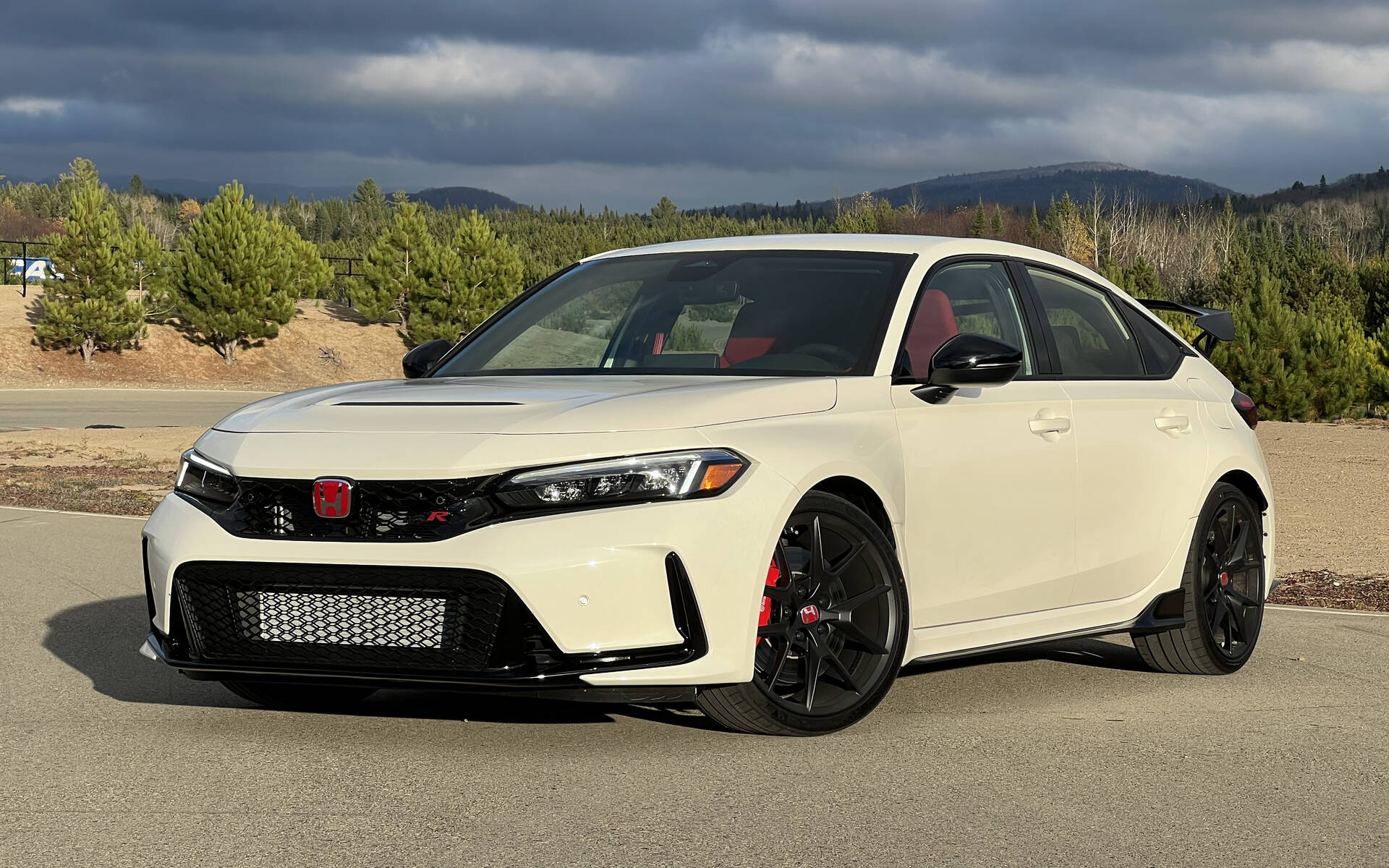
Modern Civics come with advanced safety features like lane-keeping assist and adaptive cruise control, adding peace of mind in congested traffic.
Additionally, the interior is designed for comfort on longer commutes, making the Civic a practical choice for daily city driving.
Once a simple mode of transportation, the Honda Civic has evolved into a compact car that’s both desirable and enjoyable to drive. Offered as a sedan or a practical hatchback, the Civic comes with a choice of two four-cylinder engines: a naturally aspirated 2.0-liter producing 158 hp or a turbocharged 1.5-liter generating up to 180 hp.
Honda outfits the Civic with a robust suite of standard driver-assistance features, including adaptive cruise control and lane-keeping assist, though basic infotainment lags behind, on the base LX model, a small touchscreen provides only radio functionality.
Both engines are lively, but the turbocharged 1.5-liter stands out for its eager performance, especially noticeable when accelerating from stoplights in our Civic Touring test car. While the six-speed manual offers a light, precise feel, the optional continuously variable transmission (CVT) is smooth and responsive, ranking among the best in the segment.
The Civic excels at balancing comfort and engagement, delivering a smooth ride paired with athletic handling. Steering is quick, well-weighted, and surprisingly communicative, with Sport trims offering an even sharper feel.
Braking is firm and provides good feedback, though stopping distances aren’t as strong as some competitors. The Civic blends practicality, driver enjoyment, and refinement into a well-rounded package.
2. Toyota Corolla
Another staple for urban commuters is the Toyota Corolla. Known for its bulletproof reliability, the Corolla handles Oakland’s stop-and-go traffic without complaining.
It boasts low maintenance costs and a strong resale value, which is ideal for city dwellers who may upgrade every few years.
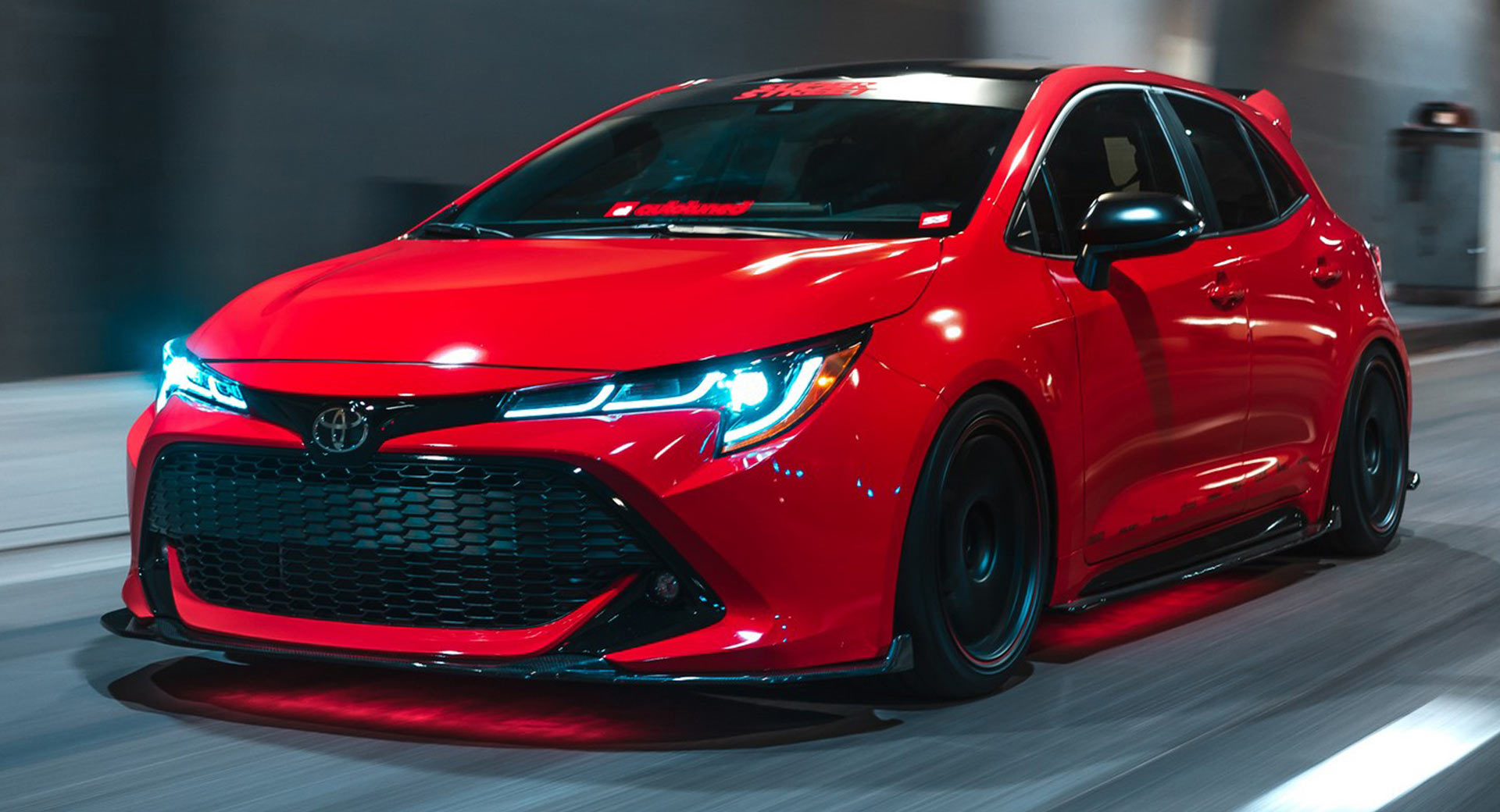
The Corolla’s efficient CVT transmission helps conserve fuel during heavy traffic, and its compact dimensions make parallel parking significantly less stressful.
Recent models also include hybrid options, allowing drivers to save even more at the pump while reducing their carbon footprint.
Performance has never been a strong suit for the Toyota Corolla, and that remains true today, especially when compared with other compact cars. Its engine hasn’t been updated since 2009, and the continuously variable transmission (CVT) often feels uncertain in its execution. For anyone seeking an engaging driving experience, there are far better options available.
Acceleration is sluggish, with the aging four-cylinder producing underwhelming power and emitting an unpleasant whine when pushed. The CVT tries to mimic gear changes but fails to do so convincingly, resulting in a 0–60 mph time of 10.1 seconds, which is slow for the class.
Braking performs better; pedal feel is smooth and consistent, and emergency stops cover 125 feet, slightly longer than average but acceptable for most daily driving scenarios.
Steering effort is light at low speeds, though it lacks a connected feel to the road. Switching to Sport mode at higher speeds improves on-center response and provides a touch of feedback through corners, making it tolerable for most drivers.
Handling is surprisingly composed given the Corolla’s non-sporting intentions. While the all-season tires offer limited grip, the car remains stable and predictable during moderately spirited driving, enough to feel lively in urban conditions.
Drivability is adequate: throttle response is decent, and the CVT, while a bit inconsistent in ratio adjustments, can simulate gear shifts occasionally. Despite the engine’s quirks and the CVT’s oddities, the Corolla still manages to be a reasonably competent and composed daily driver.
Also Read: 5 Cars Best for Austin’s Stop-and-Start Traffic vs 5 That Drain Your Wallet
3. Mazda3
The Mazda3 stands out for commuters who want a car that is both practical and enjoyable to drive. Its responsive handling is perfect for Oakland’s hilly streets, while the interior is modern, comfortable, and packed with tech features.
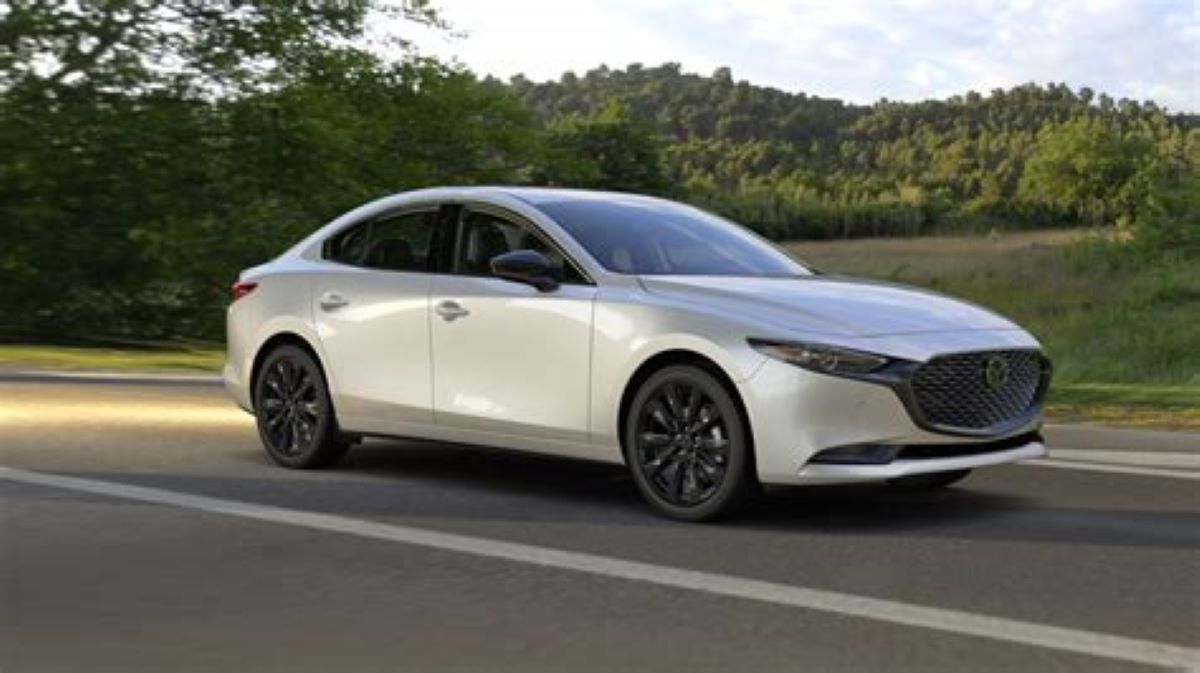
Fuel efficiency is competitive, especially in the sedan variant, and maintenance is generally predictable and affordable.
Unlike some competitors, the Mazda3 offers a level of driving enjoyment that makes daily city traffic less of a chore. Its relatively compact size also ensures it fits well in crowded urban areas.
4. Hyundai Kona
For commuters who prefer a small SUV, the Hyundai Kona is an excellent choice. Its higher ride height allows better visibility in traffic, while the compact design keeps it maneuverable in urban streets.
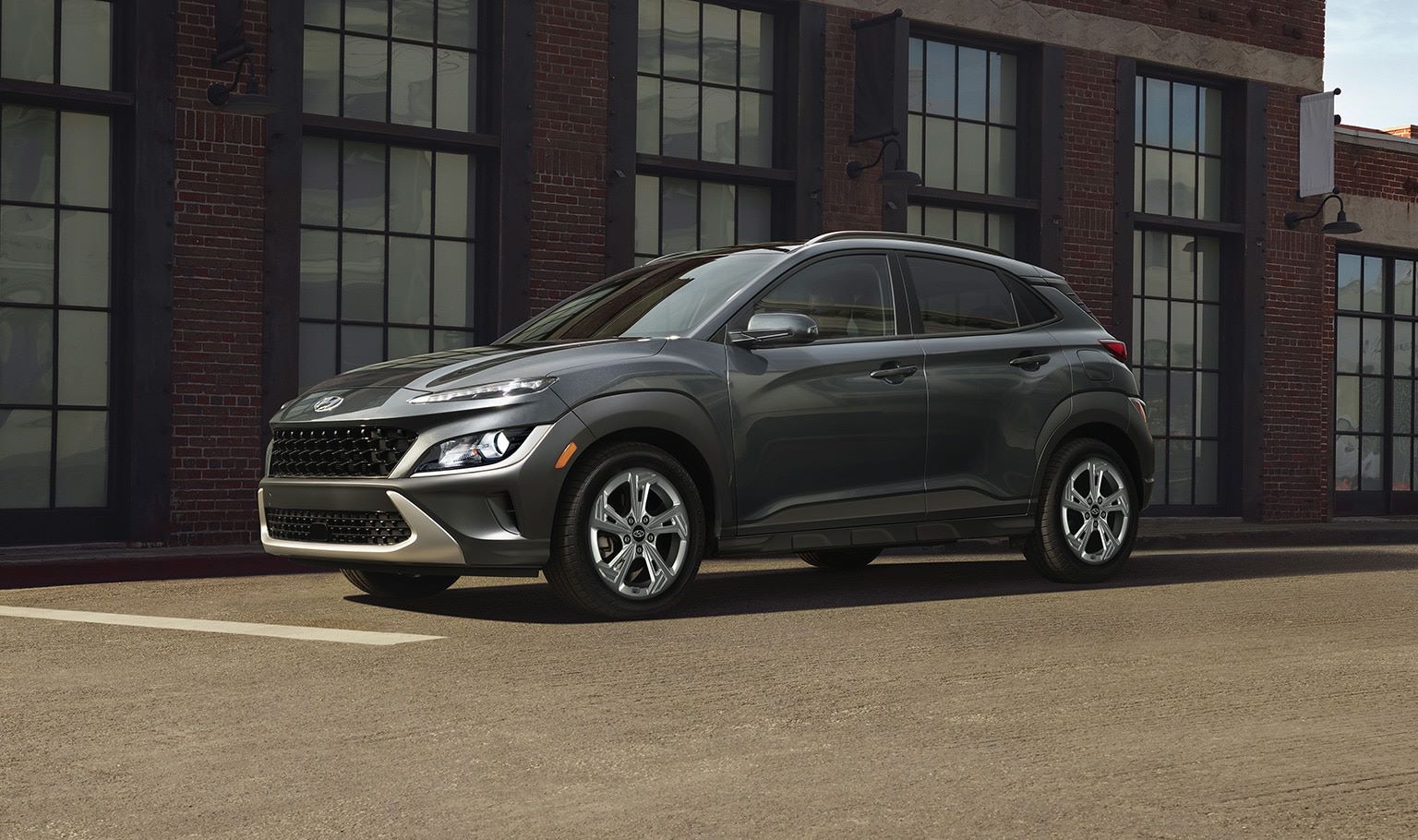
The Kona offers a surprisingly spacious interior for its size and comes with advanced safety technology, including blind-spot monitoring and rear cross-traffic alert.
Fuel economy is competitive for a crossover, and Hyundai’s warranty coverage reduces worries about unexpected repairs a reassuring factor for city drivers who rely on their car daily.
The Hyundai Kona offers two distinct powertrains. SE and SEL models are equipped with a 147-hp naturally aspirated four-cylinder paired to a six-speed automatic transmission.
This combination feels a bit underpowered; in our testing, an all-wheel-drive SEL took 9.2 seconds to reach 60 mph. Limited and Ultimate trims get the more lively 175-hp turbocharged four-cylinder mated to a seven-speed dual-clutch automatic. With this setup, the Kona accelerates from 0 to 60 mph in just 6.6 seconds, only 0.1 second behind the nimble Kia Soul Exclaim.
The seven-speed dual-clutch transmission shifts smoothly and quickly once underway, though it can be hesitant at low speeds, such as in parking lots or stop-and-go traffic, requiring extra throttle input to engage first gear reliably.
On the handling front, the Kona is surprisingly nimble and engaging, offering a fun-to-drive experience. The suspension strikes a good balance, absorbing bumps and keeping the cabin well isolated from road imperfections, so the ride isn’t harsh.
The primary drawback lies in the steering, which is uncommunicative and demands frequent adjustments on the highway despite feeling heavier than average. The Kona blends practicality with a touch of driving enjoyment, though it’s not without its quirks.
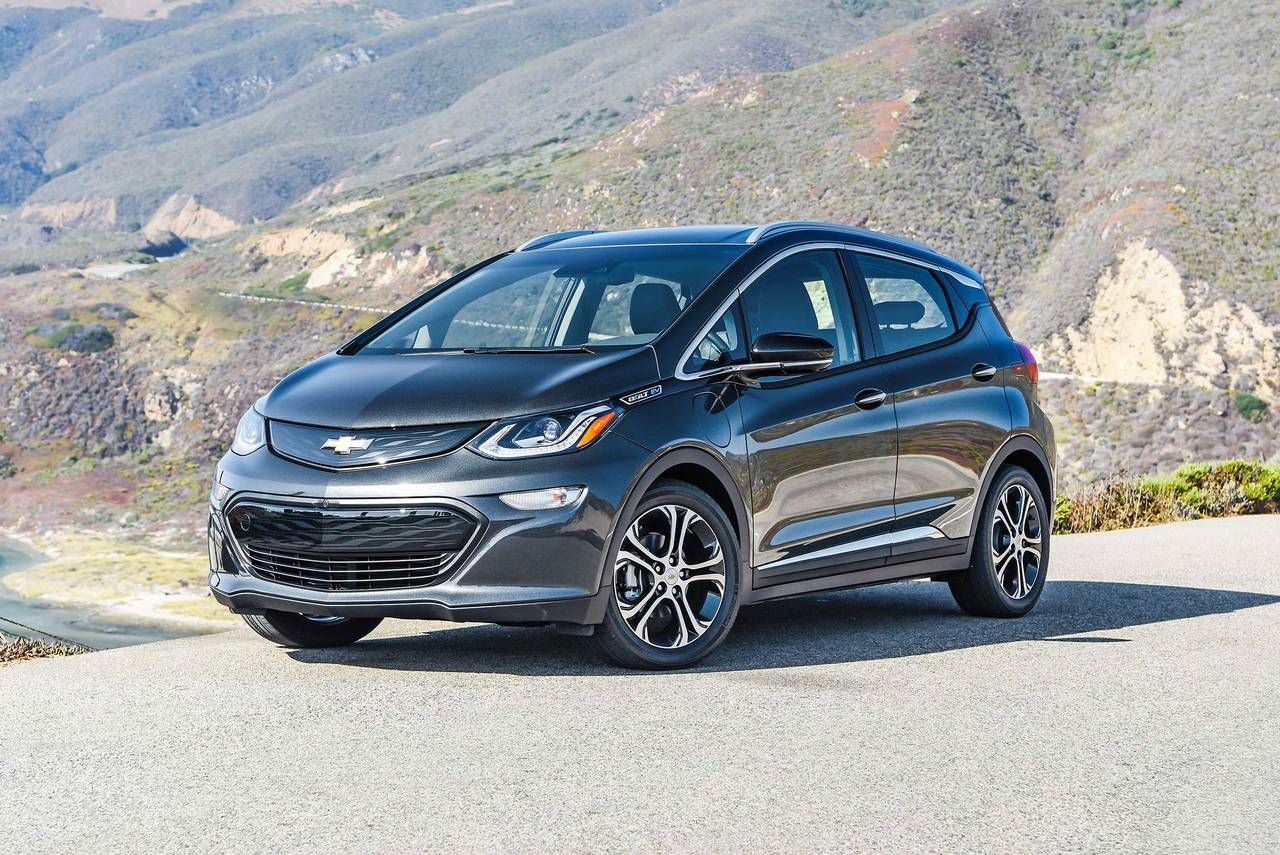
5. Chevrolet Bolt EV
For those interested in electric vehicles (EVs), the Chevrolet Bolt is ideal for Oakland commuting.
Its small footprint and quiet operation make it perfect for urban traffic, while the electric drivetrain means zero emissions an important consideration in environmentally conscious Bay Area communities.
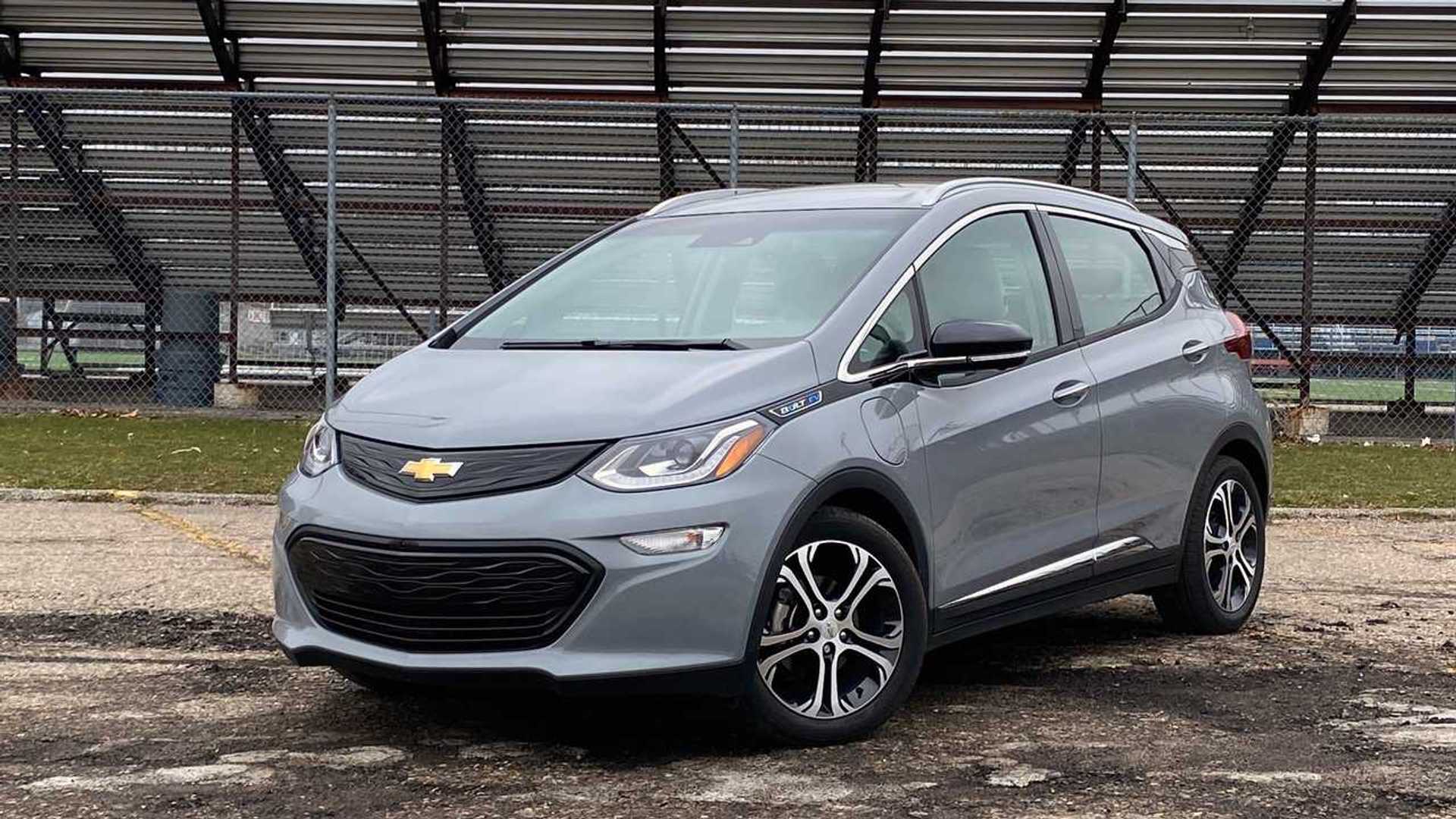
With a practical range that suits most city commutes, the Bolt avoids the need for frequent charging and requires significantly less maintenance than traditional gas-powered cars.
For city residents, especially those with access to home or workplace charging, the Bolt offers both convenience and cost savings.
Cars That Are High-Maintenance for Urban Drivers
City driving can be tough on any vehicle, but some cars demand far more attention and money than others. Frequent stop-and-go traffic, short trips, and tight parking spots can exacerbate mechanical quirks and wear, turning routine maintenance into a costly chore.
In this article, we explore the vehicles that urban drivers should approach with caution, cars that are prone to expensive repairs, finicky electronics, or frequent service visits, so you can avoid headaches and keep your city commute as smooth as possible.
Also Read: 10 Best Cars With Door Pockets That Actually Fit Tablets
1. BMW 5 Series
While the BMW 5 Series is luxurious and fun to drive, it is not ideal for city commuting in Oakland. Its complex engineering and high-performance components make maintenance expensive and frequent.
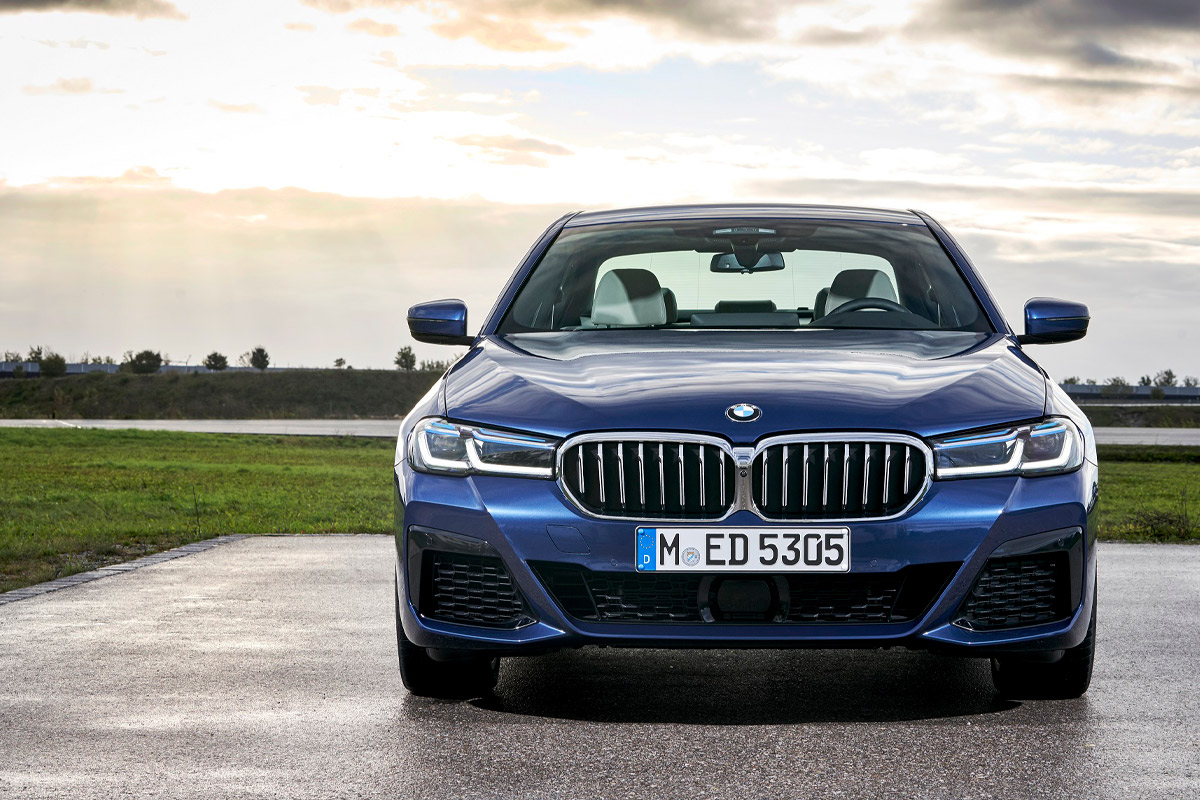
Routine services, brake replacements, and suspension repairs can become costly over time, especially in stop-and-go traffic that wears down brakes and tires more quickly.
Although the 5 Series offers a comfortable ride, its higher maintenance demands make it a poor choice for commuters seeking reliability and low operating costs.
If quiet luxury and elegant styling top your list, the 2021 BMW 5-Series sedan could be the ideal choice. Its spacious, plush cabin makes commuting a pleasant experience, while the range of available powertrains caters to drivers seeking either fuel efficiency or V-8 performance.
A 2021 facelift sharpens the exterior styling, giving the 5-Series an even more upscale look, and several tech upgrades help it remain competitive against rivals like the Audi A6, Genesis G80, and Mercedes-Benz E-Class.
Both the four-cylinder 530i and six-cylinder 540i deliver smooth, powerful, and efficient performance, paired with an eight-speed automatic transmission that shifts intuitively. The 540i gains a small boost from a 48-volt mild hybrid system, making its six-cylinder engine even more responsive and enjoyable, with a satisfying exhaust note.
For those craving the highest performance short of the M5, the M550i shines with its twin-turbo 4.4-liter V-8, sprinting to 60 mph in just 4.1 seconds, faster than the Audi S6 and Mercedes-AMG E53 in our testing. While all 5-Series models handle competently, they lack the visceral driving feel typically associated with BMW. Steering feedback is light, and even the M550i’s ride leans toward comfort rather than aggressive sportiness.
2. Land Rover Range Rover
The Range Rover is synonymous with luxury and off-road capability, but in an urban environment, it often proves burdensome.
Oakland’s narrow streets and tight parking spots are challenging for this large SUV, and its sophisticated electronics and air suspension systems can lead to frequent repairs.
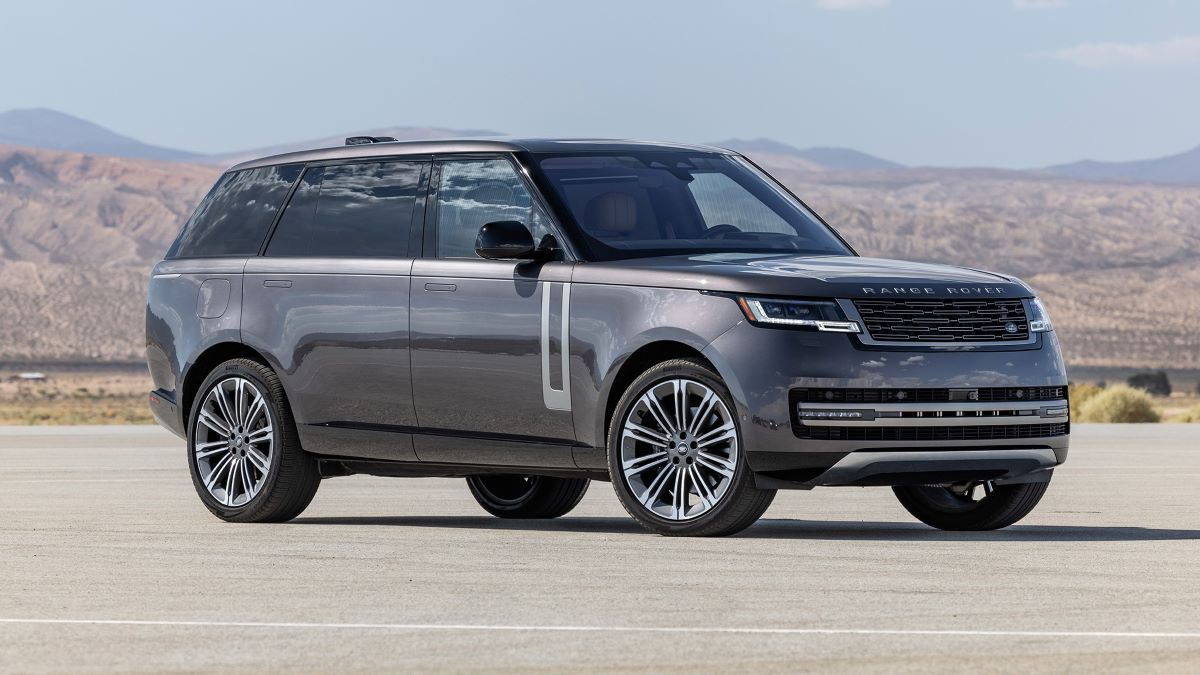
Even minor issues can be expensive to fix, and fuel efficiency is poor compared to smaller vehicles. For urban commuters, the Range Rover’s prestige may be tempting, but it comes at the cost of practicality and reliability.
3. Jaguar XF
The Jaguar XF is stylish and offers an engaging driving experience, yet it is notoriously high-maintenance. Older models in particular suffer from electrical gremlins, expensive parts, and frequent servicing requirements.
In a city commute scenario, where reliability and minimal downtime are crucial, the XF can be more trouble than it’s worth. Oakland drivers may find themselves spending more time at repair shops than on the road, making it an impractical urban choice.
Jaguar revealed the second-generation XF at the 2015 New York International Auto Show, impressing both competitors and customers with its lightweight midsize executive sedan.
The 2015 XF marked a significant leap forward for the British automaker, combining a sleek, coupe-like design with classic rear-wheel-drive dynamics, advanced aluminum construction, modern infotainment systems, and a broad range of engines.
The platform was entirely new, giving Jaguar a competitive edge against German, Swedish, and American rivals. Freed from Ford’s ownership and under Tata Motors, Jaguar sought to prove its renewed value in the premium sedan segment.
Designed by Ian Callum, the second-generation XF showcased a shark-nose grille with rounded corners, flanked by full-LED headlights, while the hood’s power bulge added elegance with a touch of menace. J-blade daytime running lights created a modern, assertive front end, complemented by a lower trapezoidal air intake and side air-curtain scoops, depending on the trim.
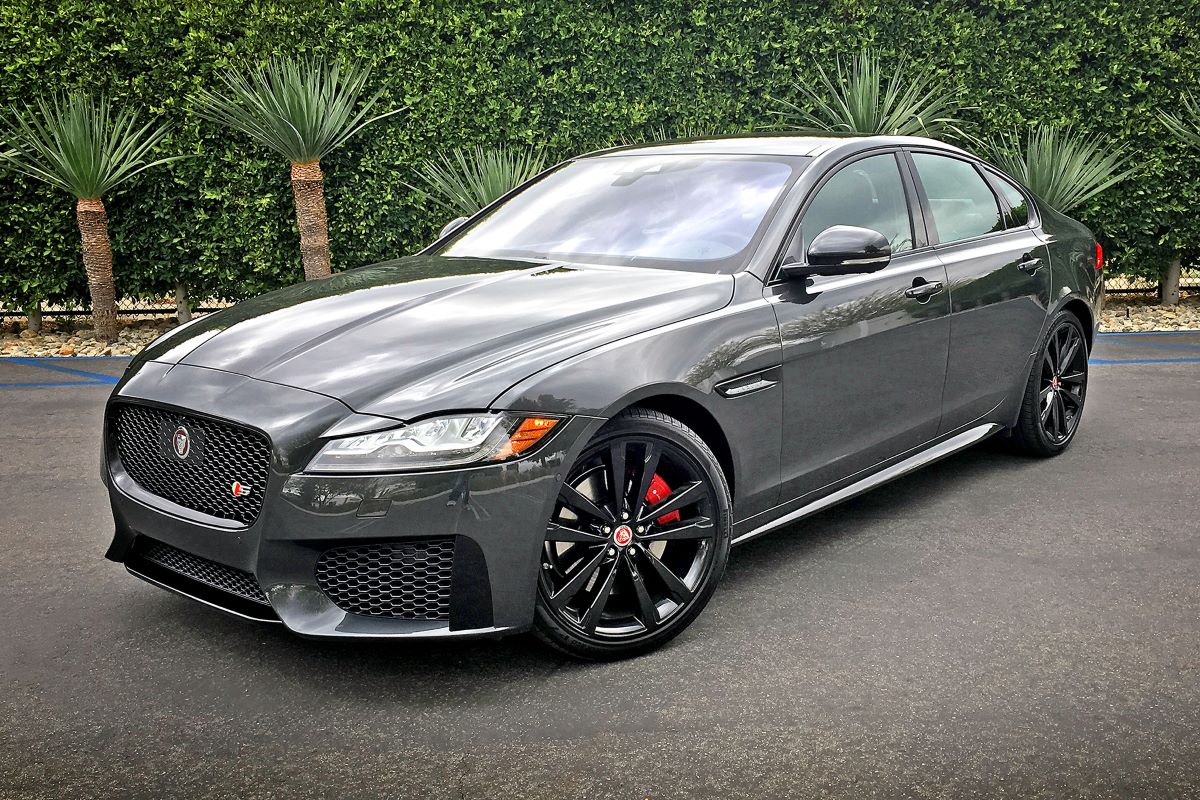
From the side, the XF revealed a coupe-like silhouette with a remarkably low drag coefficient of 0.26, emphasizing the brand’s philosophy of “grace, space, pace.” Chrome fender ornaments mimicking vents and a sloped roofline flowing into the compact rear deck enhanced the sporty profile, with an additional third set of D-pillar windows adding visual interest.
Jaguar offered the XF in a variety of trims, from the entry-level Pure and Prestige to the sportier R-Sport and the powerful XF S. At the rear, F-Type-inspired LED taillights stretched across the trunk lid, connected by a slim chrome strip, while the bumper featured cutouts for single, dual, or twin-dual exhausts depending on the variant.
Inside, the cabin blended luxury with advanced technology, featuring a layered dashboard with the “Riva Hoop” design, a 12.3-inch digital instrument cluster, and a 10.2-inch Dual View touchscreen infotainment system that allowed the driver to navigate while the front passenger watched a movie.
Audiophiles could opt for an 825W Meridian sound system with 17 speakers, and the center console housed Jaguar’s signature rotary gear selector. Rear seating accommodated two adults comfortably on longer trips, with three able to fit for shorter journeys.
Under the aluminum hood, the 2015 XF offered a range of gasoline and diesel engines from 163 PS (161 hp) to 381 PS (375 hp), with the XF S achieving 0–60 mph in just five seconds.
Most variants came with an eight-speed ZF automatic transmission, though select turbodiesels offered a six-speed manual, and buyers could choose between rear-wheel drive or all-wheel drive depending on the engine. The second-generation XF combined elegance, performance, and cutting-edge technology to redefine Jaguar’s midsize executive sedan.
4. Mini Cooper (Certain Generations)
The Mini Cooper is beloved for its charm and nimble handling, but some generations are notorious for high maintenance needs. Engine and transmission issues, especially in models from the late 2000s, can be costly and frequent.
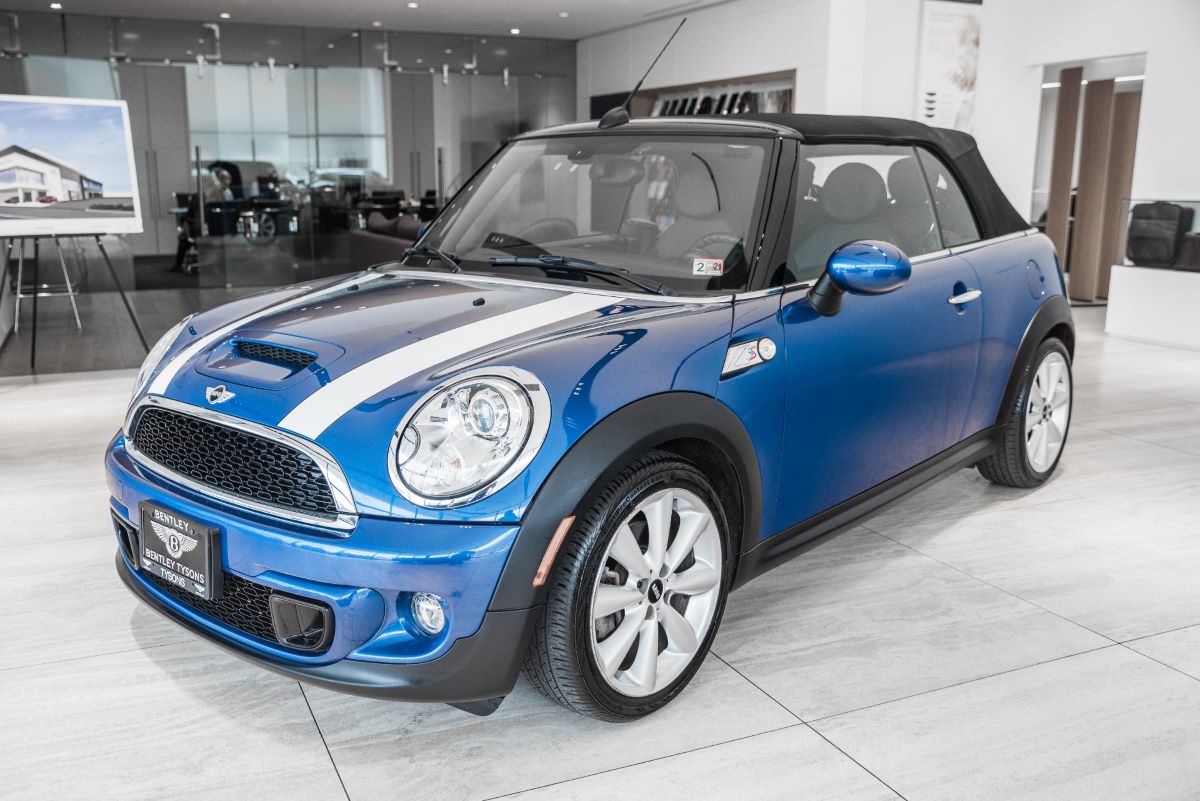
While the small size is perfect for city parking, the trade-off is often an unpredictable maintenance schedule. For commuters who want a dependable ride without surprise repair bills, certain Minis may become more stressful than satisfying.
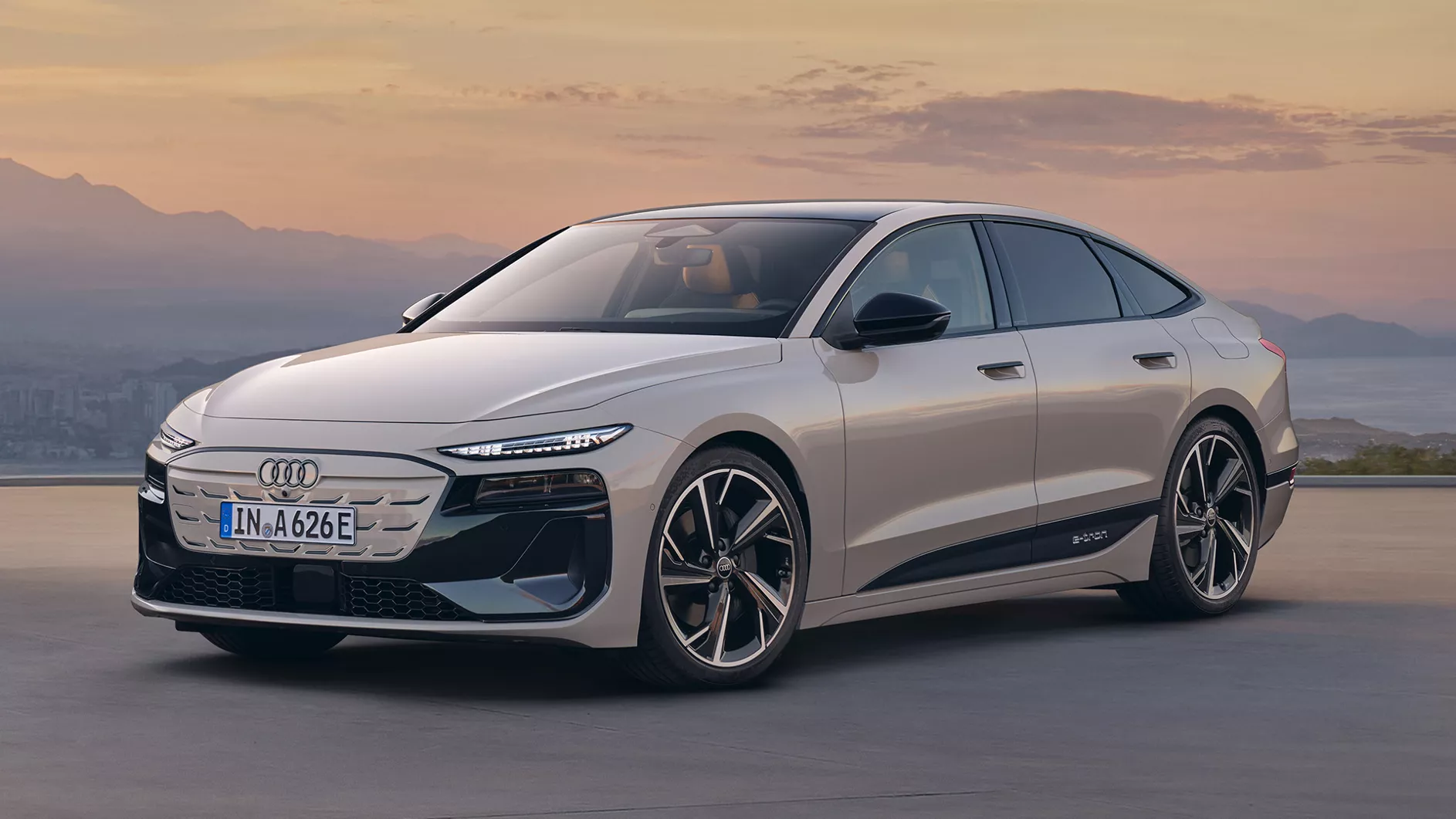
5. Audi A6
The Audi A6 blends comfort, performance, and style, but it carries a maintenance burden that can outweigh its benefits in urban environments. High-tech components like adaptive air suspension, advanced electronics, and turbocharged engines often require specialized service.
Frequent traffic and short trips common to city commuting can exacerbate wear on brakes and transmissions, leading to higher costs and downtime. While the A6 is excellent for highway cruising, its reliability in city conditions is less ideal.
For Oakland commuters, the right car can make a world of difference in daily life. Compact sedans like the Honda Civic and Toyota Corolla, sporty yet practical options like the Mazda3, small SUVs such as the Hyundai Kona, and electric options like the Chevrolet Bolt EV all offer reliability, affordability, and ease of use in urban environments.
The Audi A6 delivers a blend of performance, sophistication, and everyday usability that sets it apart in the midsize luxury sedan segment. Equipped with summer tires and, in our test car, the turbocharged V6, the A6 accelerates briskly, reaching 0 to 60 mph in just 4.8 seconds, among the quickest in its class.
Precise controls are a feature of the A6, with linear braking that stops from 60 mph in only 103 feet, and remarkable handling for a car of its size. It remains composed through long sweeping corners and quick directional changes, providing confidence and poise at higher speeds.
While performance is impressive, there are trade-offs. The lowered sport-tuned suspension combined with 21-inch wheels gives the ride a fairly stiff character and introduces noticeable road noise.
Utility scores are average: the cabin accommodates four adults comfortably, and most car seats fit without issue, but interior storage is limited. The trunk offers 13.7 cubic feet of space, relatively small for the class, but is deep enough to handle longer items, and a low liftover height aids in loading heavy objects. Center console and door storage is modest, though typical for luxury sedans.
Comfort remains strong in the front seats, and climate controls respond quickly, though small bumps are more noticeable with the sport suspension. The A6’s ride is acceptable for most daily driving situations, but those prioritizing comfort might want to skip the sport suspension and large wheels.
Inside and out, the A6 conveys understated elegance, with a cabin that feels refined and materials that impress. On the road, it balances quiet sophistication with sporty capability, offering an engaging driving experience without ever feeling loud or aggressive.
Sharp handling, luxurious appointments, and strong performance combine to make the A6 a compelling choice for buyers seeking both comfort and driving enjoyment.
These vehicles combine low maintenance costs, fuel efficiency, and maneuverability, which are critical for navigating Oakland’s streets.
On the other hand, luxury and high-performance vehicles like the BMW 5 Series, Range Rover, Jaguar XF, Mini Cooper (certain generations), and Audi A6 often prove to be high-maintenance headaches.
While they may shine on open roads or offer impressive tech and comfort, the demands of city commuting frequent stops, short trips, and tight parking can accelerate wear and escalate repair costs.
Ultimately, choosing the right urban commuter car requires balancing style, comfort, and practicality.
Oakland drivers who prioritize reliability, efficiency, and low maintenance will enjoy a smoother, less stressful commuting experience, while those drawn to prestige and performance must be prepared for a higher-maintenance reality.
By considering these factors carefully, Bay Area residents can make smarter choices that save time, money, and frustration on their daily drives.
