When most people think of sports cars, they often imagine high-octane machines with blistering performance but also eye-watering maintenance bills.
Exotic cars like the Porsche 911, Jaguar F-Type, or Mercedes-AMG models might dazzle on the road, but their upkeep can quickly become a financial burden.
Luckily, the American automotive market offers several sports cars that deliver thrilling performance, stylish design, and respectable handling without draining your bank account every time the oil needs changing or a brake pad wears out.
If you’re a driving enthusiast looking for speed, excitement, and affordability in maintenance, this list has you covered.
Below, we explore eight sports cars that balance fun and practicality, making them ideal choices for US drivers who want a spirited drive without the hidden costs.
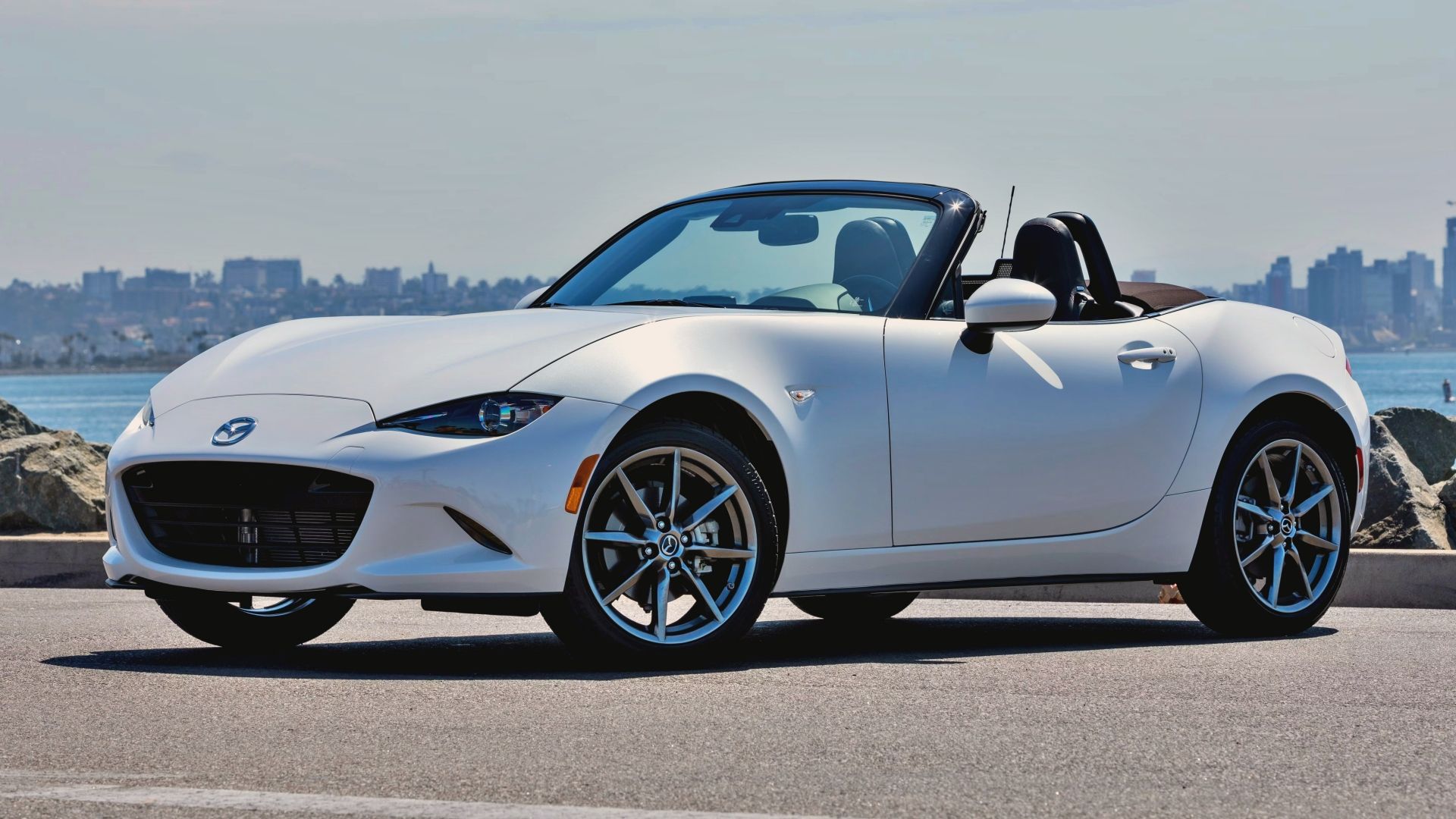
1. Mazda MX-5 Miata
The Mazda MX-5 Miata has long been a favorite among driving enthusiasts for its lightweight body, nimble handling, and responsive steering.
What makes the Miata especially attractive is how cheap it is to maintain compared to other sports cars. Routine servicing, including oil changes, brake maintenance, and tire rotations, is straightforward and affordable.
Parts are widely available, and Mazda’s engineering emphasizes reliability over complexity. Insurance rates are also reasonable, particularly for the soft-top or RF models, making it an excellent choice for younger drivers or anyone who wants pure driving enjoyment without excessive cost.
The Miata’s combination of fun-to-drive character, fuel efficiency, and low-cost ownership makes it a standout in the affordable sports car segment.
Since its debut, the Mazda MX-5 Miata has revived the idea of a pure, affordable two-seat sports car with a convertible roof. Over the decades, many automakers have tried to replicate its success, but nearly all have fallen short. Four generations and more than 30 years later, the Miata remains the benchmark for fun, lightweight roadsters.
For 2022, Mazda introduced a key engineering enhancement called Kinematic Posture Control (KPC). This brake-based system reduces body roll, sharpens steering response, and improves the effectiveness of the available limited-slip differential.
Essentially, when cornering at higher speeds, KPC lightly brakes the inner rear wheel to help the car “pull down” on that corner, making turns more controlled and enjoyable.
Another notable change is that an automatic transmission is now offered only on the top trim. All other Miatas continue to feature a six-speed manual gearbox, which many enthusiasts agree is the only way to fully enjoy the Miata experience.
The MX-5 Miata remains one of the most affordable two-seat convertibles on the market. While the redesigned Subaru BRZ and Toyota GR86 share many of its qualities and offer slightly more practicality, the Miata’s lightweight agility and open-top fun keep it in a class of its own.
2. Subaru BRZ / Toyota GR86
The Subaru BRZ and Toyota GR86 are essentially twins under the skin, offering a rear-wheel-drive layout, a naturally aspirated four-cylinder engine, and precise handling.
These cars are lightweight, easy to work on, and their mechanical simplicity contributes to low maintenance costs. Parts are inexpensive, and common wear items like clutches, brakes, and suspension components are readily available nationwide.
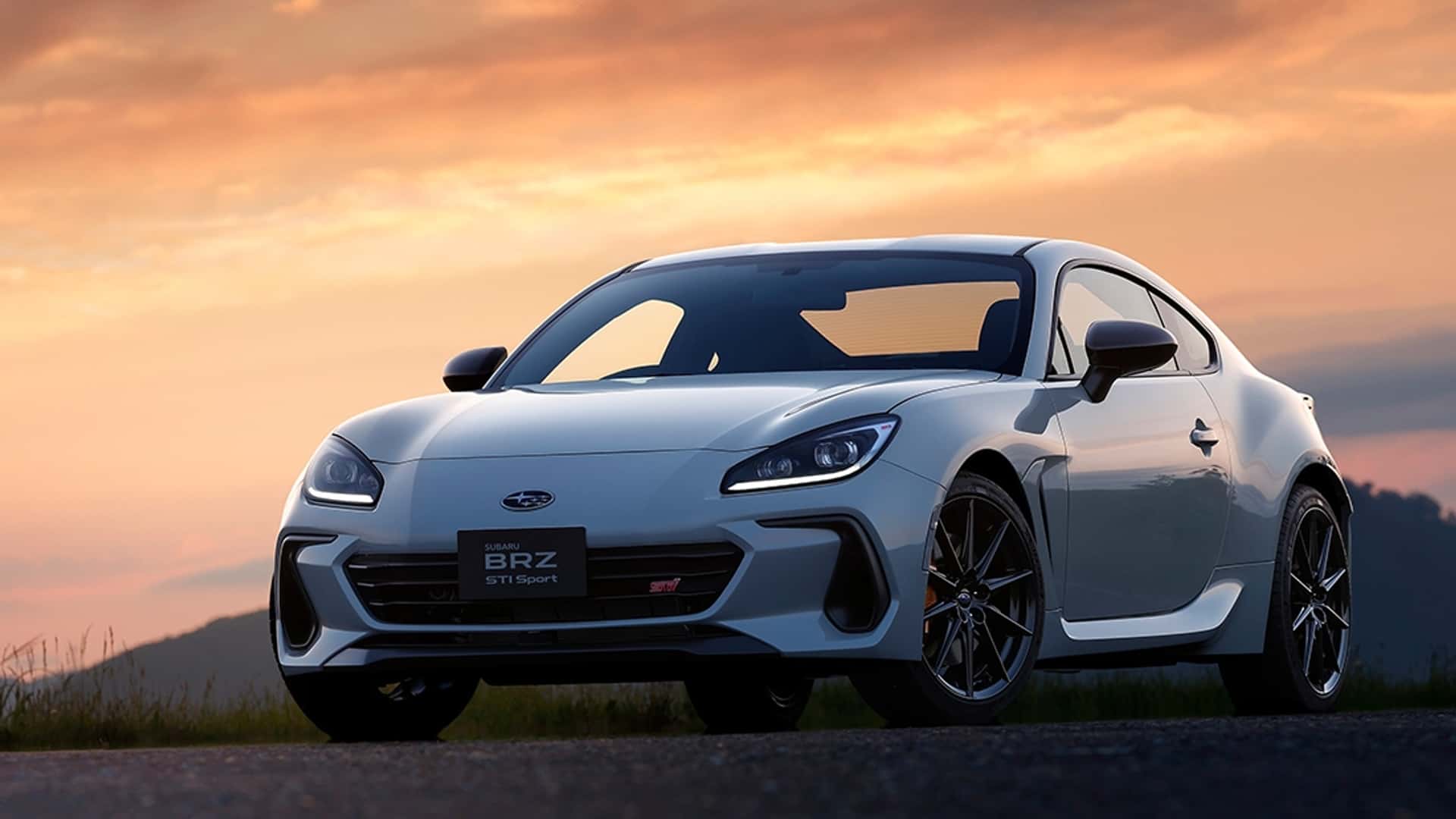
The BRZ and GR86 are particularly well-suited to US roads, providing an engaging driving experience while keeping your total cost of ownership down.
Enthusiasts also appreciate the extensive aftermarket support, which allows for customization without sacrificing reliability.
The BRZ delivers exceptional steering and handling. Its quick, precise steering allows you to place the car exactly where you want it through any turn, and the well-tuned suspension combined with the car’s balanced chassis makes it enjoyable for all kinds of driving.
The BRZ is happy to let the tail step out slightly, or you can carry a controlled drift through a corner on a track without issue. The car feels light, but not excessively so, and remains both fun and grippy when pushed.
The brakes are solid for everyday use, though track enthusiasts might prefer more aggressive pads for prolonged hard driving. Our BRZ Limited equipped with high-performance summer tires stopped from 60 mph in 106 feet, a respectable distance. The braking feel is smooth and predictable in normal city traffic as well.
The larger engine in this generation BRZ delivers power consistently from idle to redline, eliminating the midrange slump found in the previous model. On the test track, our manual-equipped BRZ Limited accelerated to 60 mph in 6.1 seconds, nearly a second faster than the previous generation and comparable to the latest Golf GTI (5.9 seconds) and Mazda MX-5 Miata (6.0 seconds).
The six-speed manual transmission offers a precise, positive feel when shifting, enhancing the engaging driving experience. Choosing the automatic results in slightly slower acceleration (6.9 seconds), but it’s easier to manage in heavy traffic and includes paddle shifters with quick downshifts in Track mode
3. Ford Mustang (EcoBoost)
The Ford Mustang is an American icon, and the EcoBoost variant combines sporty performance with fuel efficiency and surprisingly affordable maintenance.
Unlike the V8 GT models, the 4-cylinder EcoBoost engine has lower insurance costs, better fuel economy, and reduced long-term upkeep.
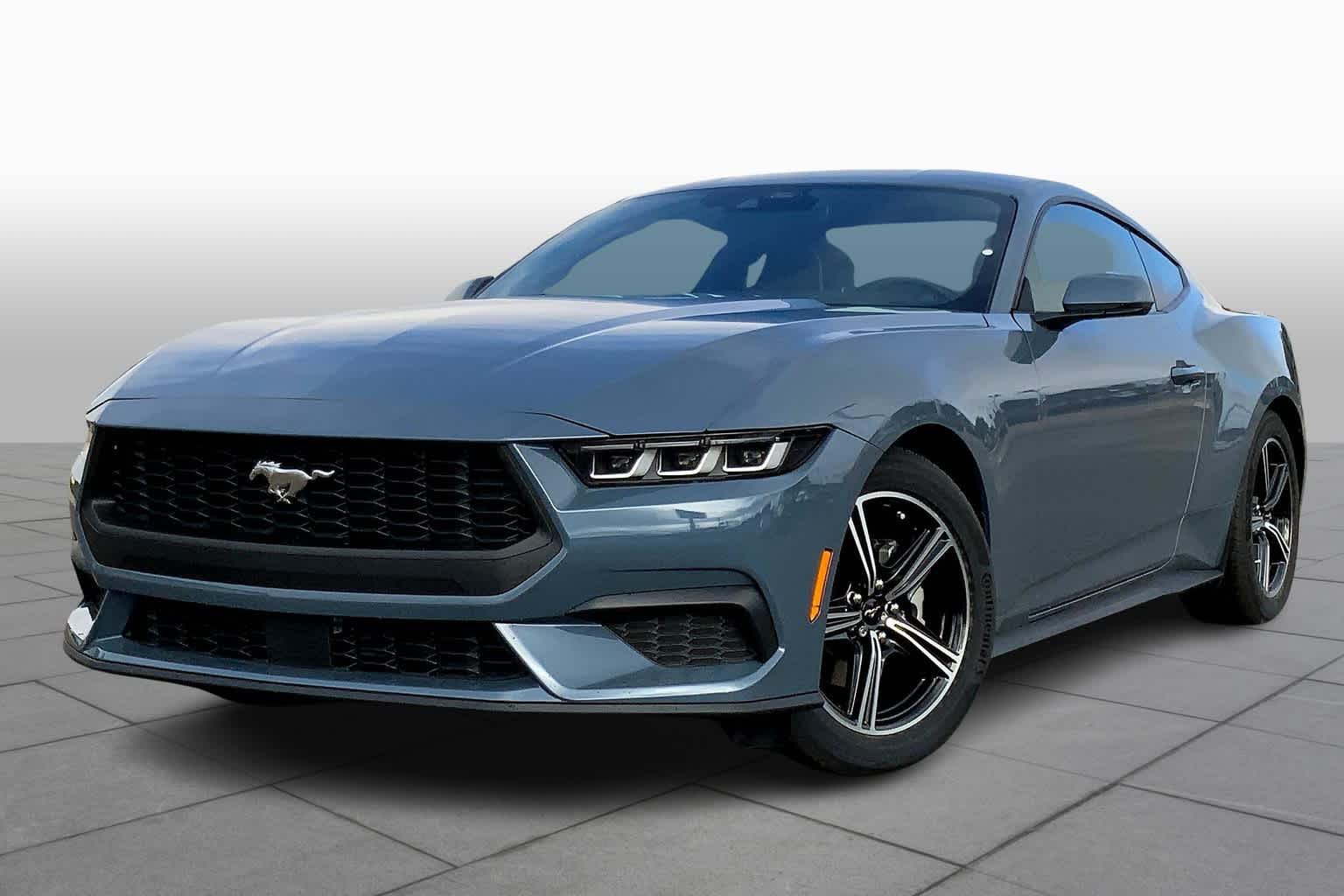
Common repairs are generally inexpensive, and parts are abundant thanks to Ford’s large dealer network.
While Mustangs have a reputation for being performance-focused, the EcoBoost strikes a balance between power and practicality, making it an ideal choice for US drivers who want the Mustang experience without the sky-high maintenance fees associated with muscle car V8s.
The Ford Mustang literally coined the term “pony car” when it debuted as a 1964 ½ model, and it has stayed true to that identity ever since. Offered in both coupe and convertible forms, the Mustang can be a grand tourer or a full-blown sports car, depending on which engine and options you choose.
Even the base 2020 Mustang impresses, producing 310 horsepower from a 2.3-liter turbocharged four-cylinder. Purists tend to gravitate toward the Mustang GT, which boasts a naturally aspirated 5.0-liter V-8 generating 460 horsepower, proudly displaying the signature 5.0 fender badges.
The crown jewel for 2020 is the Shelby GT500, packing a supercharged 5.2-liter V-8 with a staggering 760 horsepower. Over 56 years, the Mustang has managed to balance modern performance and technology with its classic heritage.
The Mustang offers a remarkable variety for a two-door, four-seat coupe. From turbocharged four-cylinders to V-8 powerhouses, coupes to convertibles, nearly every combination has been tested.
Against rivals like the Chevrolet Camaro, however, the Mustang often comes out on top in overall enjoyment. In a recent comparison, we found that “what the Mustang gives up in handling poise, it makes up for in style, space, and a wildly fun powertrain.”
The Mustang continues to surprise; during our first drive of the 2020 Shelby GT500, we noted that “this American icon pushes the limits, and the Europeans, to the edge of what we once thought possible.”
Performance-wise, the Mustang is rear-wheel drive and comes with several four-cylinder and V-8 engines paired with either a six-speed manual, seven-speed dual-clutch, or 10-speed automatic transmission.
The base 2.3-liter turbo I-4 produces 310 horsepower and 350 lb-ft of torque, with coupes rated at 21/31 mpg (manual) or 21/32 mpg (automatic) and convertibles at 20/28 mpg with either transmission. The high-performance version of the 2.3-liter turbo I-4 makes 330 horsepower and 350 lb-ft, returning 20/27 mpg with a manual and 20/28 mpg with an automatic.
Mustang GT models feature a 5.0-liter V-8 delivering 460 horsepower and 420 lb-ft, while the Bullitt variant boosts output to 480 horsepower. The Shelby GT350’s 5.2-liter V-8 produces 526 horsepower, and the supercharged 5.2-liter V-8 in the Shelby GT500 cranks out 760 horsepower and 625 lb-ft, paired with a seven-speed dual-clutch transmission.
Across the lineup, the Mustang maintains its balance of thrilling performance, style, and a connection to its heritage, making it one of the most versatile and exciting pony cars on the market.
4. Volkswagen Golf GTI
Though technically a hot hatch, the Volkswagen Golf GTI delivers sports car thrills in a compact, versatile package. Its turbocharged engine provides lively acceleration, and the chassis offers agile handling comparable to traditional sports cars.
In the US, the GTI’s maintenance costs are relatively low for a performance-oriented car. Regular servicing is straightforward, and Volkswagen parts are widely available, which keeps repair bills manageable.
Additionally, the GTI is practical for everyday use, offering more cargo space and passenger comfort than typical two-seat sports cars, making it a well-rounded choice for enthusiasts who need a daily driver.
Our test GTI sprinted from 0-60 mph in 6.1 seconds. While Volkswagen no longer offers a manual transmission, the dual-clutch automatic remains one of the best in its class. It shifts smoothly and quickly, and if you want to stay engaged, paddle shifters allow for manual-style gear changes. Around town, the GTI feels lively, with plenty of low-end torque to navigate traffic effortlessly.
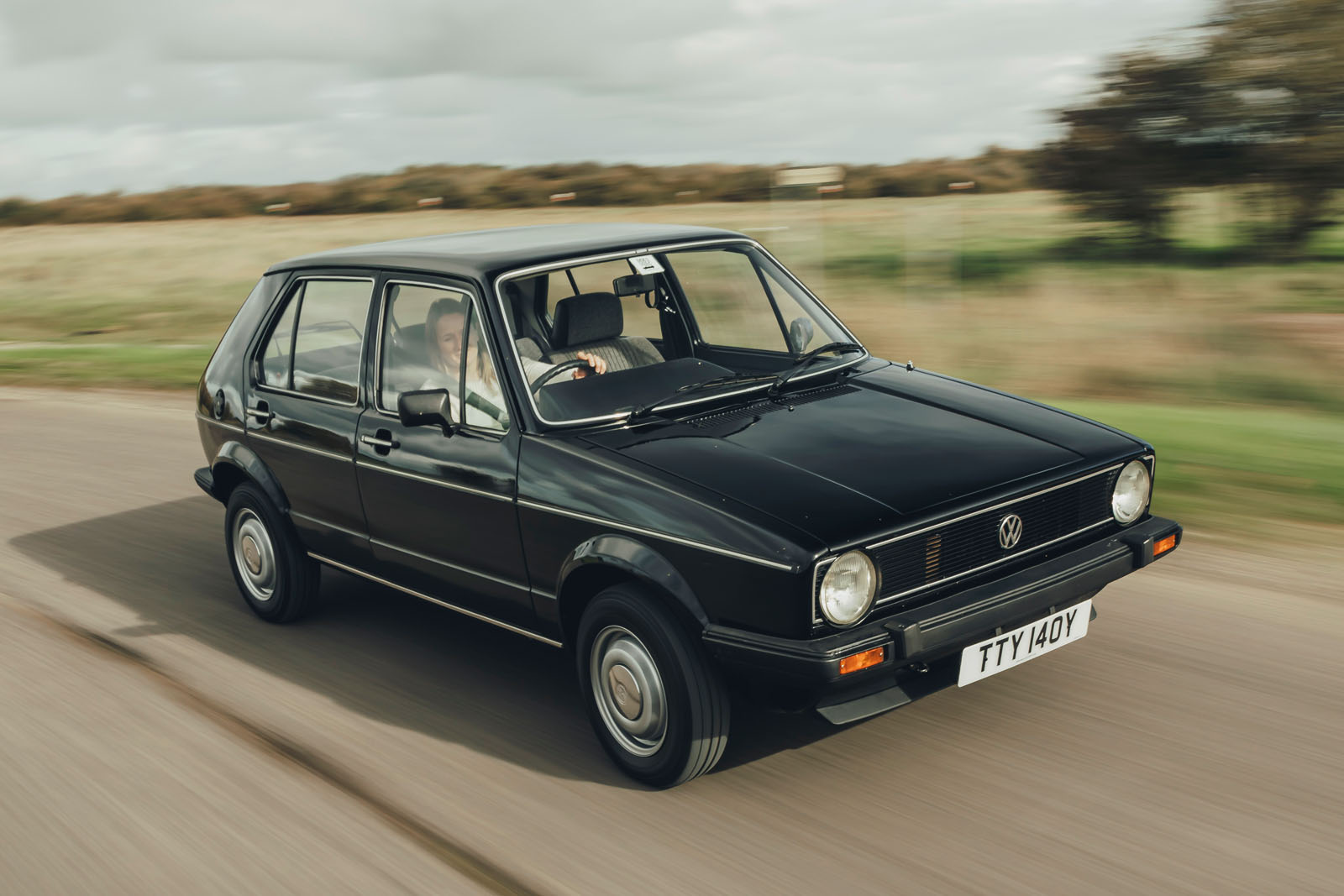
Handling is a strong suit for the GTI. This hot hatch offers impressive front-wheel-drive grip, allowing you to toss it confidently through corners, yet the suspension is forgiving enough for everyday driving. It strikes an excellent balance between performance and comfort, making it one of the most enjoyable and practical hatchbacks on the market.
The GTI’s advanced driver-assistance features are equally commendable. Adaptive cruise control maintains a smooth gap in traffic, even on inclines, while blind-spot monitoring, lane-keeping assistance, and other aids perform as expected for a vehicle in this price range.
Inside, the GTI continues to balance performance with daily usability. The seats are supportive and comfortable, ideal for longer drives. While three-zone climate control is a welcome feature, the capacitive touch controls can be frustrating.
Instead of traditional knobs or buttons, the system relies on touch-sensitive points on the dash, which are tricky to see and operate without taking your eyes off the road.
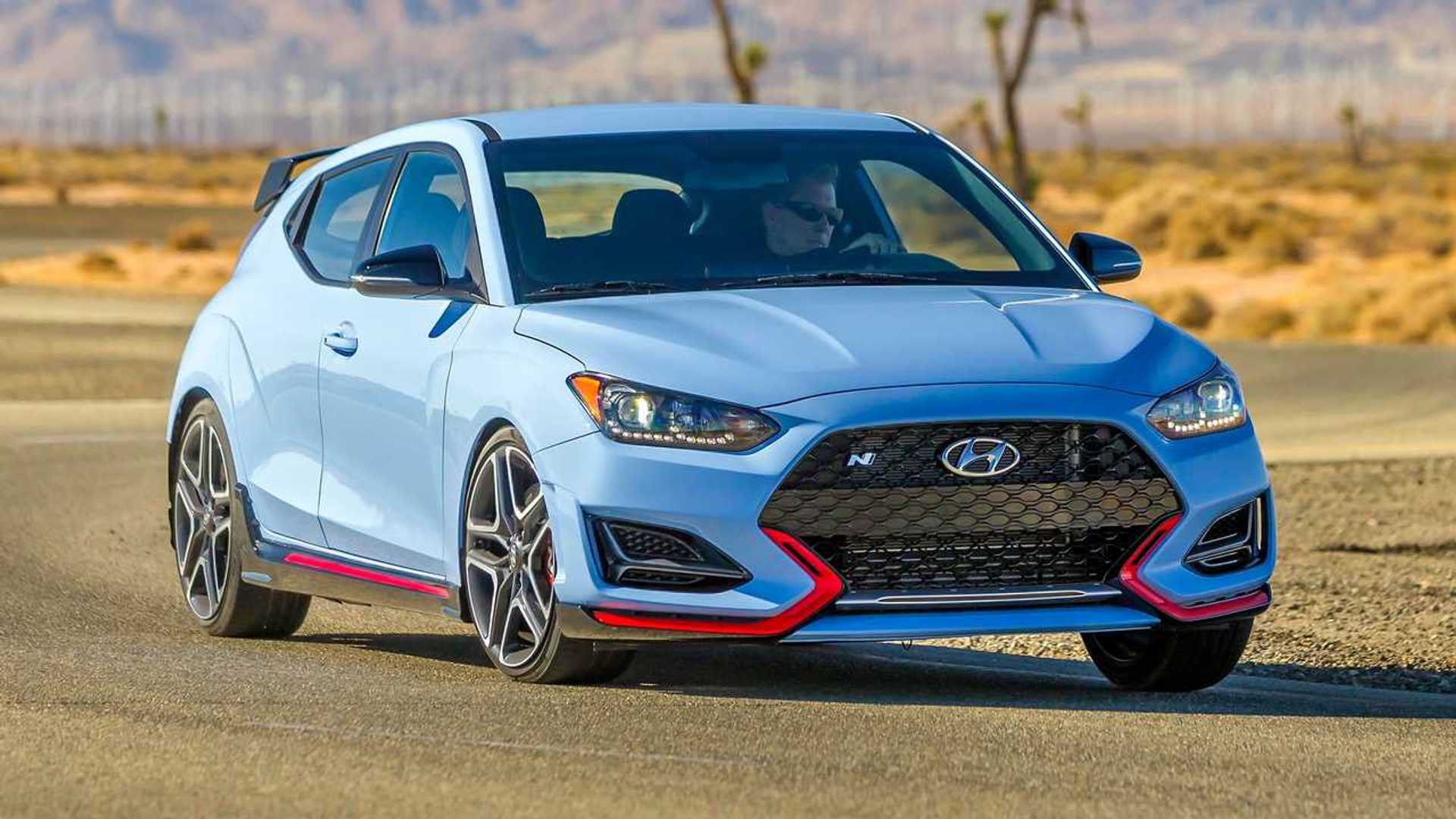
5. Hyundai Veloster N
The Hyundai Veloster N has quickly gained a reputation as an affordable, fun-to-drive hot hatch that punches above its weight.
Its turbocharged engine delivers engaging performance, while Hyundai’s warranty coverage in the US provides peace of mind for new and used buyers alike.
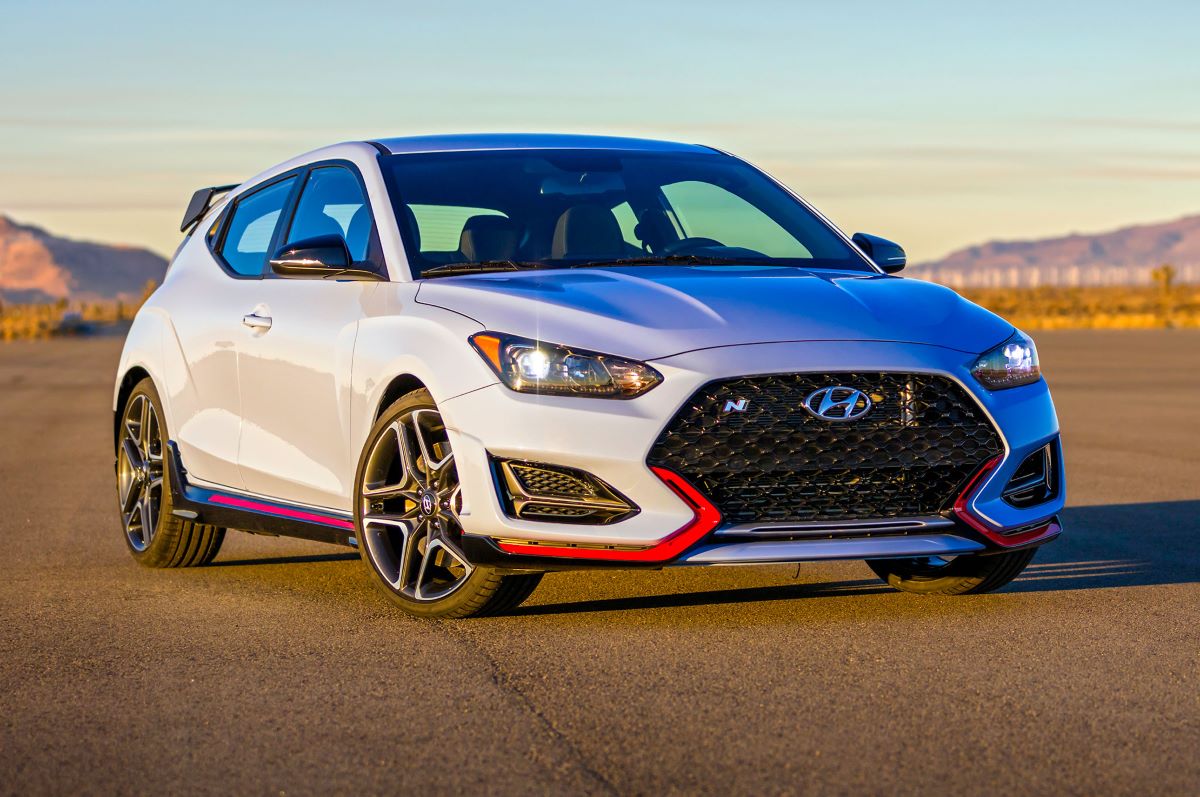
Maintenance is straightforward, and routine servicing costs are typically lower than many European or Japanese sports cars.
Brake pads, tires, and other common components are relatively inexpensive, and the car’s reliability is strong. The Veloster N proves that you don’t need to spend a fortune to enjoy a lively, sporty driving experience.
The Veloster N channels power to the front wheels through a turbocharged 2.0-liter four-cylinder engine producing 275 horsepower and 260 pound-feet of torque. A six-speed manual transmission comes standard, though opting for the available eight-speed dual-clutch automatic adds an overboost function, temporarily increasing torque from 260 to 278 pound-feet.
Every N model comes equipped with a drive-mode selector offering Eco, Normal, Sport, and N modes. The N Custom mode allows drivers to fine-tune settings for throttle response, adaptive dampers, the limited-slip differential, engine rev matching, stability control, steering weight, and the exhaust.
In our long-term test of a manual 2019 Veloster N, we found that dialing most settings up while softening the dampers and exhaust created an ideal balance for daily commutes around southeastern Michigan.
The trade-off is ride comfort, adaptive dampers make the ride firm and somewhat choppy, so leaving them at their softest default setting makes the car more agreeable for everyday use.
Performance is lively: our test Veloster N reached 60 mph in 5.1 seconds and completed the quarter-mile in 13.8 seconds at 102 mph. While we haven’t yet tested the newly available automatic version, we expect it to be slightly quicker than the manual.
6. Nissan 370Z
The Nissan 370Z might be aging in terms of design, but it remains a solid, affordable sports car option for US enthusiasts. Its V6 engine is durable and relatively cheap to maintain, and replacement parts are widely available.
While insurance and fuel costs are slightly higher than smaller four-cylinder sports cars, the 370Z is still significantly cheaper to maintain than high-end European sports cars.
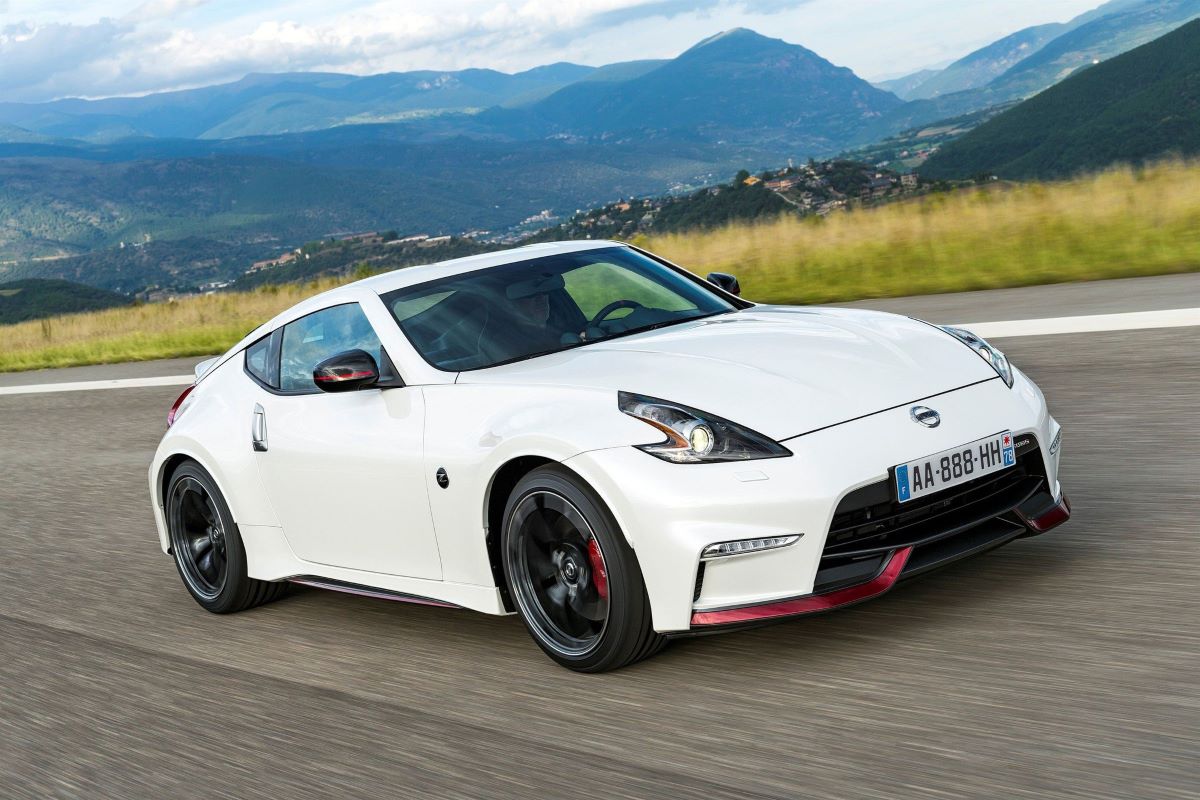
Its rear-wheel-drive layout, balanced chassis, and responsive steering ensure an engaging drive, making it a favorite among enthusiasts who want classic sports car appeal without the long-term financial headaches.
The Nissan Z aims to thrill, but it falls short of delivering the magic that defines a true sports car. While its sharp styling and potent twin-turbo V-6 are undeniable strengths, the car’s aging platform and dated dynamics are hard to ignore.
Both the six-speed manual and nine-speed automatic have their appeal, and enthusiasts who crave a classic front-engine, rear-wheel-drive setup will still find the Z appealing.
However, that’s where the excitement largely ends. The chassis feels old, the driving experience lacks refinement, and performance doesn’t fully justify the price. Even the enhancements on the NISMO model can’t fully bridge the gap compared with newer, more polished rivals.
We’re glad the Z continues to carry a storied name forward, but for pure driving enjoyment, there are more satisfying options on the market today.
7. Chevrolet Camaro (4-Cylinder Turbo)
Like the Mustang, the Chevrolet Camaro offers American muscle car excitement at a lower cost in its four-cylinder turbo configuration. The 2.0-liter turbo engine is efficient, reliable, and cheaper to service than the V6 or V8 trims.
Maintenance costs are reasonable, thanks to widespread availability of parts and a robust dealer network across the US. Additionally, the Camaro’s performance capabilities are impressive for its price point, with strong acceleration, responsive steering, and a modern chassis that handles curves well.
For those seeking the American muscle car experience on a budget, the turbo Camaro is a compelling option.
One year after a mid-cycle refresh, Chevrolet has updated the front-end styling of the 2020 Camaro SS and introduced the all-new LT1 model. The redesign moves the bowtie emblem to the top grille and paints the bar between the grilles to match the body color. The new Camaro LT1 provides the most affordable way to access V-8 power, starting $3,000 below the SS.
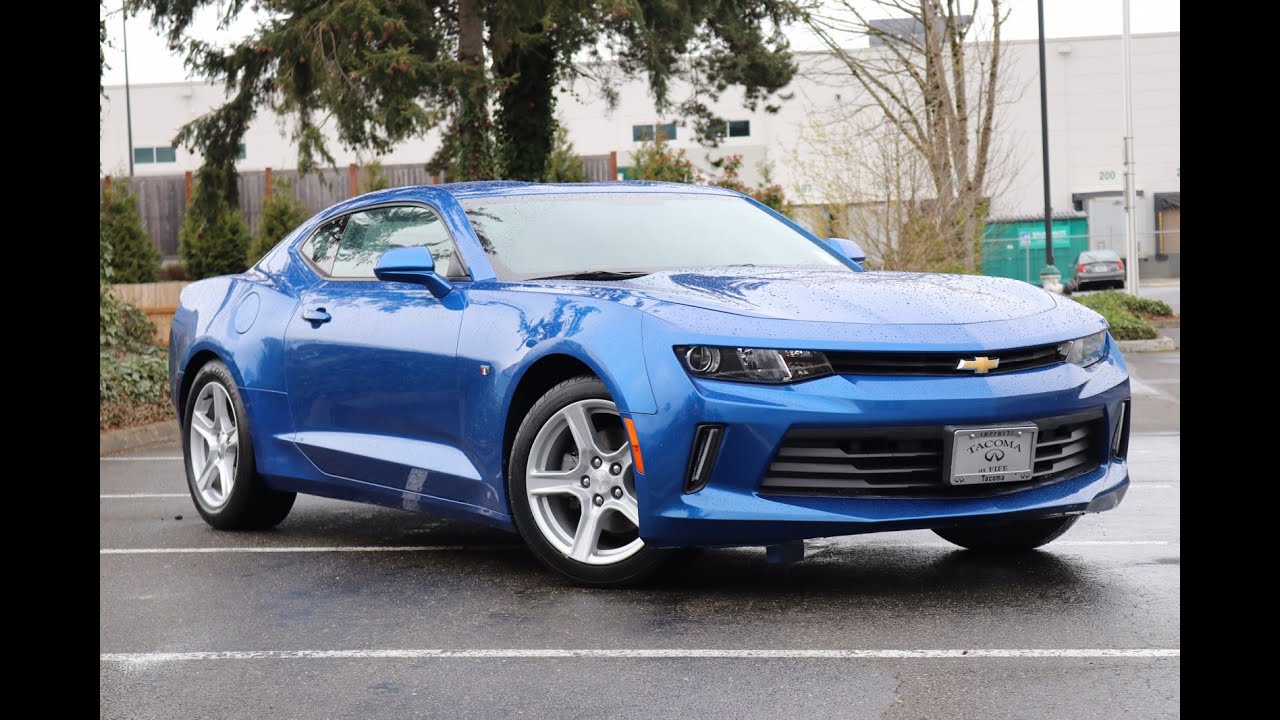
Meanwhile, the V-6 now comes paired with a 10-speed automatic, replacing the previous 8-speed. The lineup also adds a new Rally Green paint option and more personalization choices. The 2020 Camaro is set to hit dealerships early this fall.
The LT1 makes V-8 power more accessible, but for enthusiasts, we recommend the Camaro SS coupe with the standard six-speed manual. Its 455-hp V-8 delivers exhilarating performance, and the manual gearbox is both intuitive and engaging.
While the LT1 can be paired with a manual, achieving the full track-ready experience requires the SS 1LE package. Priced around $7,000, the 1LE adds adaptive dampers, Brembo front brakes, an electronic limited-slip differential, wider, stickier tires, and unique interior and exterior touches,all without compromising everyday ride quality.
The base 275-hp four-cylinder isn’t slow, it reached 60 mph in 5.1 seconds in our tests, but it suffers from uneven throttle responses and uninspiring sound. The 335-hp V-6 completely transforms the car, offering a lively character and distinctly aggressive soundtrack. The LT1 and SS models feature Chevy’s iconic small-block V-8 with 455 hp and 455 lb-ft of torque.
Power delivery is linear, and acceleration is chest-compressing, further enhanced by the optional dual-mode exhaust, which growls at startup and roars under wide-open throttle. Manual transmission purists will appreciate the six-speed, though the V-6 now offers a smooth 10-speed automatic for those who prefer convenience.
8. Toyota 86 (Older Models)
While the GR86 is the latest evolution, earlier-generation Toyota 86 models remain excellent affordable sports cars with low maintenance costs. Known for their reliability and simplicity, these cars feature a naturally aspirated boxer engine that is cheap to service and repair.
Replacement parts are abundant, and enthusiasts report few major issues, even after years of spirited driving.
The 86’s lightweight design, rear-wheel-drive layout, and low center of gravity provide a rewarding driving experience that rivals far more expensive sports cars. For budget-conscious buyers looking for a used sports car, the older 86 models are a smart choice.
For car enthusiasts in the US, these eight affordable sports cars offer a perfect balance of excitement, style, and financial practicality.
From the legendary Mazda MX-5 Miata to the turbocharged Ford Mustang and Hyundai Veloster N, these vehicles prove that you don’t need to spend a fortune to experience a thrilling drive.
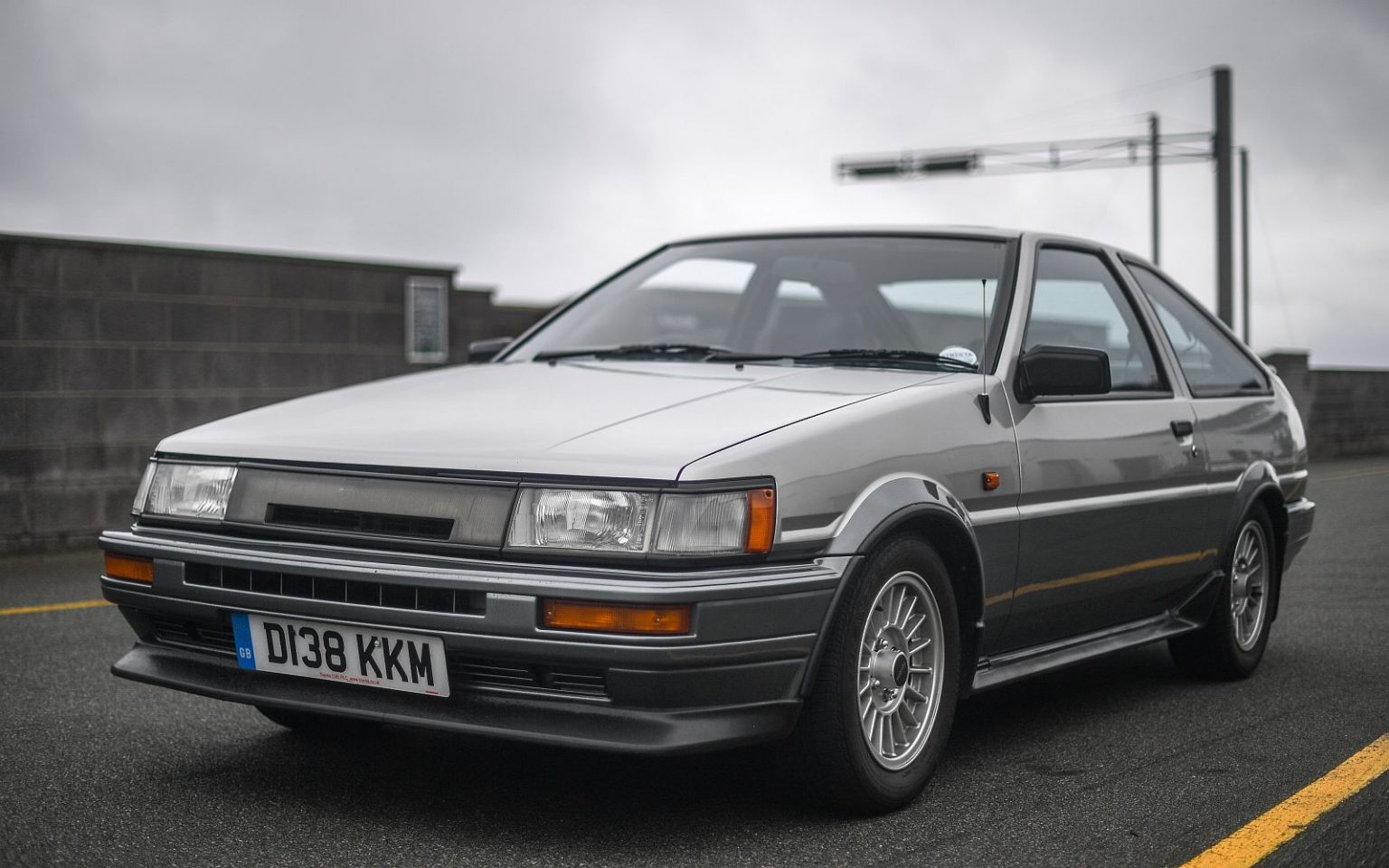
In 2012, Toyota revived the 86 nameplate, a nod to its iconic ‘80s Corolla Sprinter Trueno, with engineering support from Subaru, which sold the same car as the BRZ.
Recreating a legend like the Sprinter Trueno was no small task. That model had essentially created the drifting scene, and Toyota wasn’t aiming for a practical, family-friendly vehicle this time.
Instead, the GT86 was a pure sports car, built for enthusiasts. It featured Subaru’s flat-four engine, a new gearbox, and a chassis designed to engage drivers at every turn. Development extended beyond the drivetrain, with attention paid to bodywork, aerodynamics, and interior features.
The GT86 stood apart from other Toyotas on the market. Its low nose featured narrow, swept-back headlights that gave it an alert, almost nervous expression. The front bumper housed a large grille to cool the engine and optional side scoops for fog lamps, which appeared as stylistic elements if unused.
Along the sides, the GT86 displayed its logo behind the front wheel arches. The short cabin and sloped roofline emphasized the car’s sporty nature, while the rear quarter panels added muscular definition. At the back, a lip spoiler was either standard or optional depending on trim, and all models sported dual exhausts, one on each side.
Inside, the GT86 featured deeply bolstered sports seats to keep occupants planted during spirited driving and drifting. While the car had four seats, only the front two offered true comfort; the rear bench existed largely to comply with tax regulations in certain markets.
The driver faced a dashboard dominated by four analog dials, with the tachometer in the center, flanked by the speedometer on the left and fuel and temperature gauges on the right. A tall center console separated the driver and passenger, while the split-folding rear seatback helped expand the modest trunk space.
Under the hood, Subaru’s naturally aspirated 2.0-liter flat-four delivered a lively and responsive performance. Buyers could choose between a six-speed manual or a six-speed automatic, and all models included a limited-slip differential at the rear axle to enhance traction and cornering control.
Whether you’re a daily commuter, weekend warrior, or first-time sports car buyer, these models provide accessible ownership, easy maintenance, and genuine driving enjoyment.
By choosing a sports car with low upkeep costs, you can focus on what matters most: the joy of driving.