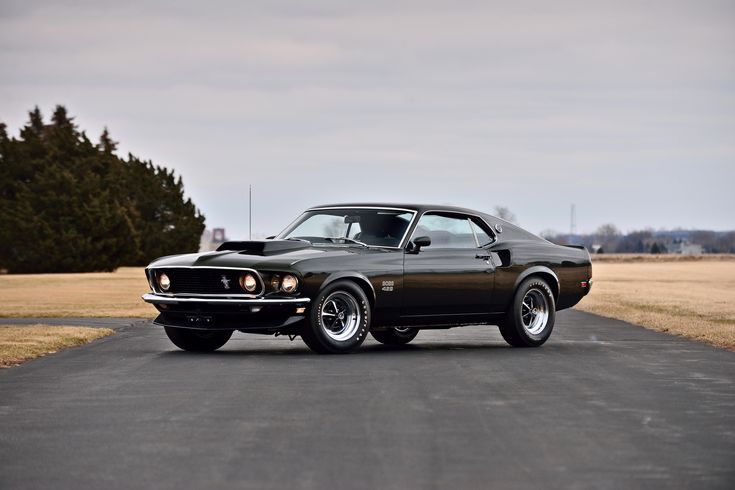
You’d think the U.S., of all places, would never be deprived of a good V8 Ford. Like come on this is the land that literally built the culture of loud engines, straight-line fun, rumbling exhausts, and people arguing at gas stations about carb tuning. But somehow, Ford has a weird habit of cooking up absolute monsters overseas and then leaving America out of the party. And honestly, it still stings.
What makes it even funnier is that Ford loves flexing its American muscle heritage. Yet some of its wildest V8 experiments didn’t even touch U.S. soil. While Americans were busy buying Mustangs and F-150s, folks in Australia, Europe, and even South Africa got cars that could’ve shaken the whole U.S. market if they were brought over. But no Ford just tossed these gems into international markets like “you deal with it.”
And here’s the thing: these weren’t small upgrades or light refreshes. These were proper V8 machines some full-blown performance sedans, some luxury barges, and some that basically looked innocent until they crushed anything nearby. Meanwhile, in the U.S., enthusiasts were stuck watching videos online and thinking, “Wow, that could’ve lived in my garage.”
Even now, with Ford pushing more SUVs and electric stuff, these forgotten V8s feel like a reminder of what the brand used to experiment with when things were a bit more fun. And yes, we can praise progress and efficiency and all that, but can anyone genuinely look at a roaring 5.0 or 5.4 engine and not feel something? Please.
So let’s talk about the eight absolute legends that the American market never got. Cars that were loud, bold, fun, a little chaotic, and honestly, kind of disrespectful because they proved Ford always had the ability to do more, but somehow didn’t bring that heat home.
8 Legendary V8 Fords the American Market Sadly Missed Out On
When people in the U.S. complain that Ford “doesn’t make cars like it used to,” they’re not entirely wrong. What they don’t know is that Ford did make them just not for America. It’s almost like Ford treated different regions as secret test labs. Australia, especially, acted like Ford’s playground, where engineers ran free and created V8 sedans that could outrun half the sports cars in the U.S.
Same story with Europe and South Africa. These places got cars stuffed with proper V8 power while the U.S. market was fed SUVs or V6 versions that just weren’t the same. Some of these non-U.S. Fords were fast enough to embarrass a Mustang. Some were built for the wild roads of Australia and could’ve survived American highways without breaking a sweat. And others were pure luxury machines that would’ve easily found fans here.
Each of these eight cars brings its own personality. Some are aggressive. Some are smooth. Some are straight-up unhinged. And somehow, the U.S. got none of them. So yeah, it’s fair to say the American market missed out big time.
Let’s break down the eight legends that should’ve made Ford enthusiasts in the U.S. way happier.
ALSO READ: 10 Best Used Sedans Under $10,000 in 2025
1. Ford Falcon GT-P
The Falcon GT-P is the kind of car that makes Americans swear under their breath when they realize they never had access to it. Imagine a four-door sedan with the heart of a full-performance coupe. Australia got it. America? Nope.
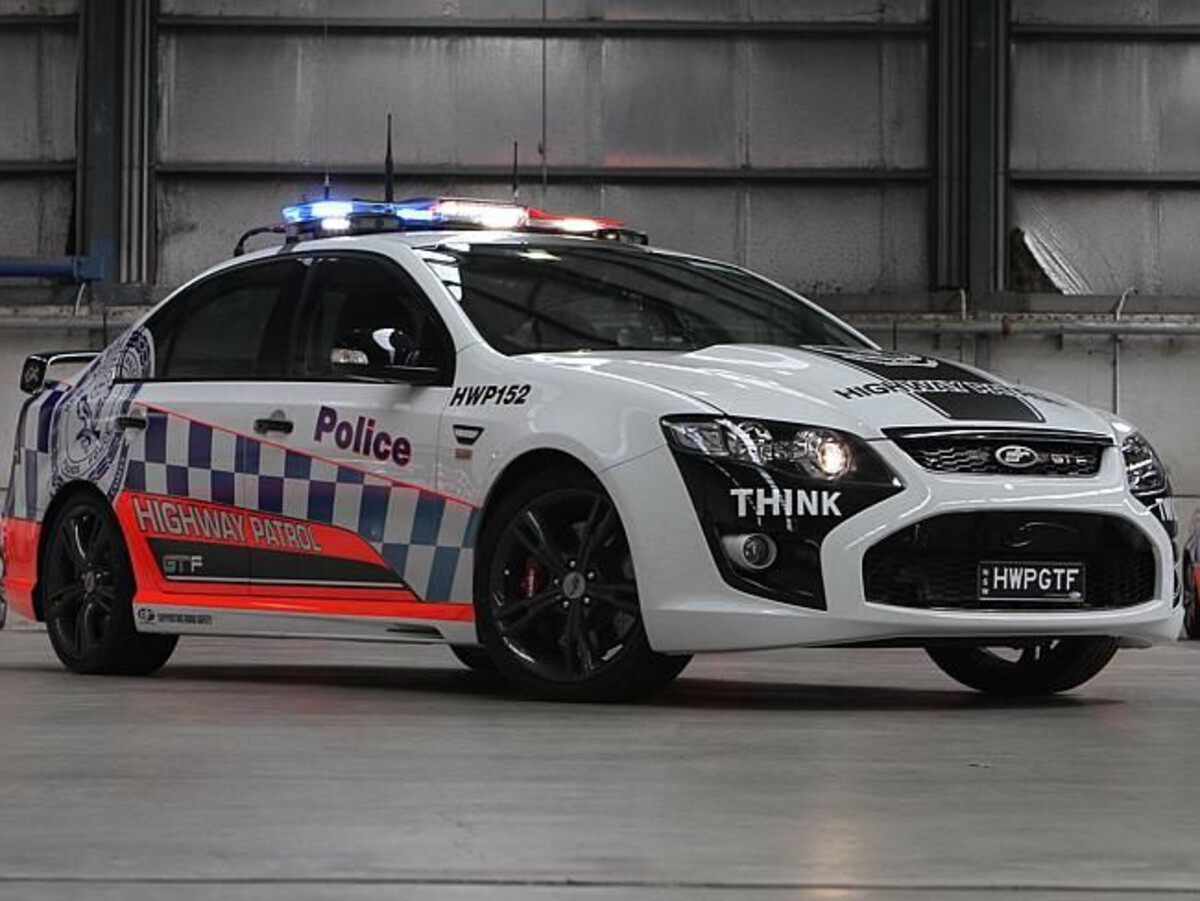
This beast came with a Boss 5.4-liter V8 that didn’t just sound good it growled. It had that deep, angry note that people in parking lots turn around to stare at. Think old-school raw muscle energy shoved into a modern shell. The GT-P wasn’t pretending to be polite. It didn’t care about being subtle. It was built to punch above its weight and surprise anyone who underestimated it.
What makes it even more irritating for Americans is that the Falcon was basically the perfect missing link. It sat between a Mustang and something like a Charger a roomy performance sedan with proper V8 strength. The U.S. market has been begging for a Ford performance sedan for years, and this thing existed the whole time…but only for Aussies.
Inside, the GT-P looked like Ford actually tried. It wasn’t ultra-luxury, but it didn’t feel cheap either. Think sporty touches, chunky steering wheel, supportive seats the basics done right. It also handled far better than you’d expect from a big sedan. Australia’s rough roads forced Ford to build cars that could take punishment without feeling floaty, and the GT-P nailed that balance.
And yes, it was quick. Not just “family car quick.” More like “you better hold on because this thing can embarrass a sports car” quick. If Ford had brought it to the U.S., it would’ve absolutely found an audience. People love V8 sedans here. Look at how obsessed everyone still is with old Crown Victorias, Chargers, and even discontinued Chevy SS sedans.
The Falcon GT-P could’ve been a game-changer. But instead, Americans just watched from afar like, “Cool, so we get crossovers and Australians get this?”
2. Ford Falcon XR8 Sprint
This one is honestly painful. The XR8 Sprint isn’t just another V8 sedan. It’s one of the best-performing Fords ever made, and that’s not an exaggeration. Australia got it as a farewell model before the Falcon lineup died, and Ford really didn’t hold back.
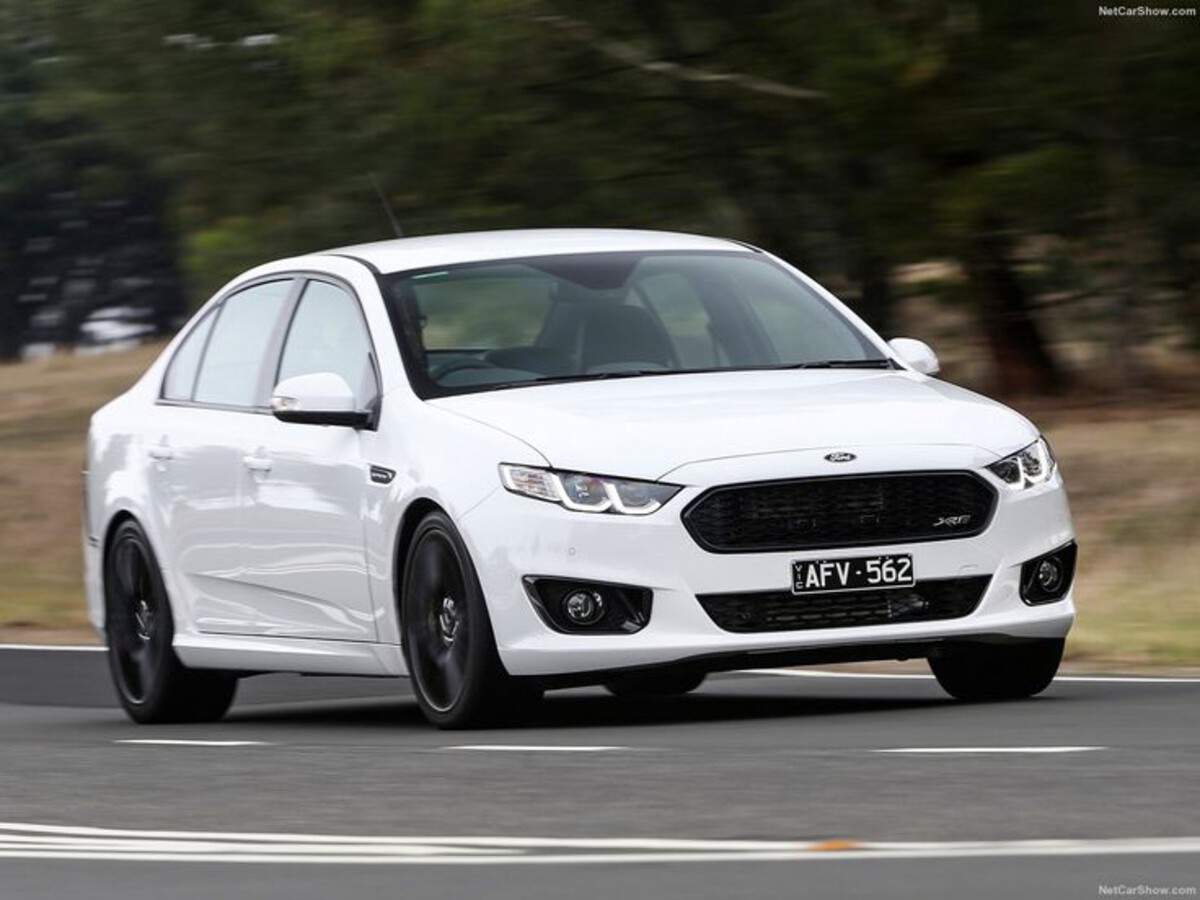
What made the XR8 Sprint extra special was its 5.0-liter supercharged V8. Not just any 5.0 this was closely related to the engine used in the early Mustang GTs, but tuned harder, meaner, and sharper. With its overboost feature, it pushed power figures that made the thing feel way more violent than it looked. It wasn’t shy. It shoved you into the seat and made you question your life decisions.
The styling was clean but aggressive. Nothing dramatic, just sharp lines, a wide stance, and that slight hint that something spicy was hiding under the hood. The Sprint badge meant business, and anyone who drove it could confirm it wasn’t playing around.
The funniest part is thinking about how well this car would’ve sold in the U.S. Americans love limited editions. They love special trims. They love anything that feels like a “final sendoff.” The XR8 Sprint was all of that packed into one monster.
Handling? Surprisingly tight for its size. The chassis tuning was one of the best things about it. It felt balanced in a way that many American sedans never did. It wasn’t boat-like. It wasn’t sloppy. It was confident, planted, and had enough grip to keep that supercharged V8 from turning the tires into dust every time.
The U.S. market missed the last and arguably greatest Falcon ever made. And the fact that Ford didn’t even release a small batch here still feels like a crime.
3. Ford Fairlane G220
If the U.S. had received the Fairlane G220, it would’ve hit that sweet spot between comfortable cruiser and hidden performance gem. It wasn’t built to be a hardcore sports sedan like the Falcons. This one was more of a sleeper the kind of car that looks like a calm executive ride but has a V8 waiting to surprise people.
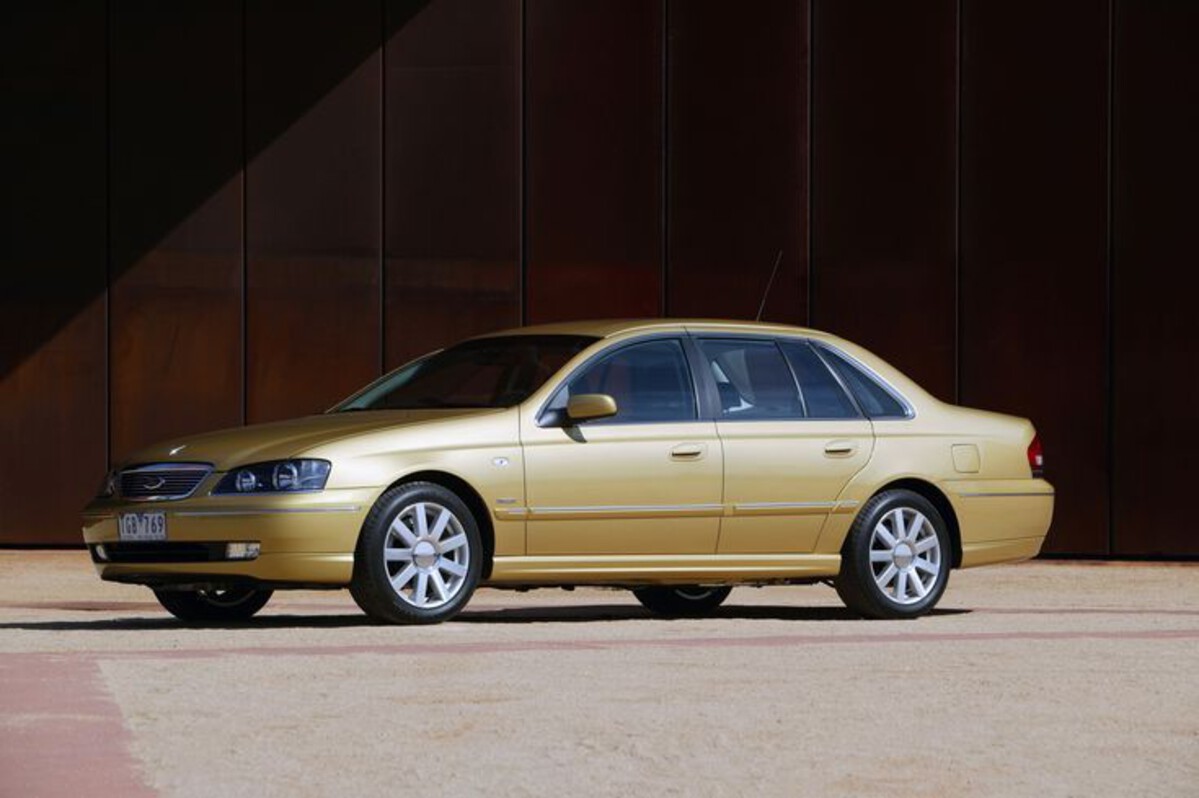
Under the hood sat a smooth 5.4-liter V8. Not outrageous, not insane, just plenty of torque and a calm, steady rumble. It had that “grown-up muscle” vibe. The type of car that didn’t need to scream about performance because it had enough power to make its point quietly.
And here’s where it gets annoying for U.S. buyers: this thing would’ve sold so well here. Americans adore full-size sedans with V8s. Even the older Crown Victorias are still worshipped. The Fairlane G220 was like a modern, more stylish, more comfortable take on that idea but again, only Australia got it.
Inside, the G220 leaned into comfort. Plush seats, wide interior space, relaxed suspension tuning it was built for long drives and smooth cruising. But whenever the driver felt like having fun, the V8 stepped up effortlessly. It didn’t handle like a sports car, but it wasn’t sloppy either. It just had that easy, predictable feel that big V8 sedans often deliver.
The biggest missed opportunity? This could’ve been Ford’s answer to cars like the Chrysler 300C. Americans were buying those things like hotcakes. Ford could’ve easily thrown the G220 into the market and captured a chunk of that crowd. Instead, it stayed overseas, cruising quietly while Americans bought SUVs that didn’t spark nearly the same excitement.
4. Ford Performance Vehicles (FPV) GT
The FPV GT was basically Australia’s way of saying, “Let’s take a normal Ford sedan and make it ridiculous.” This car had attitude written all over it. Huge stripes, bold colors, loud exhaust it was not trying to be subtle. And the U.S. definitely would’ve eaten it up.
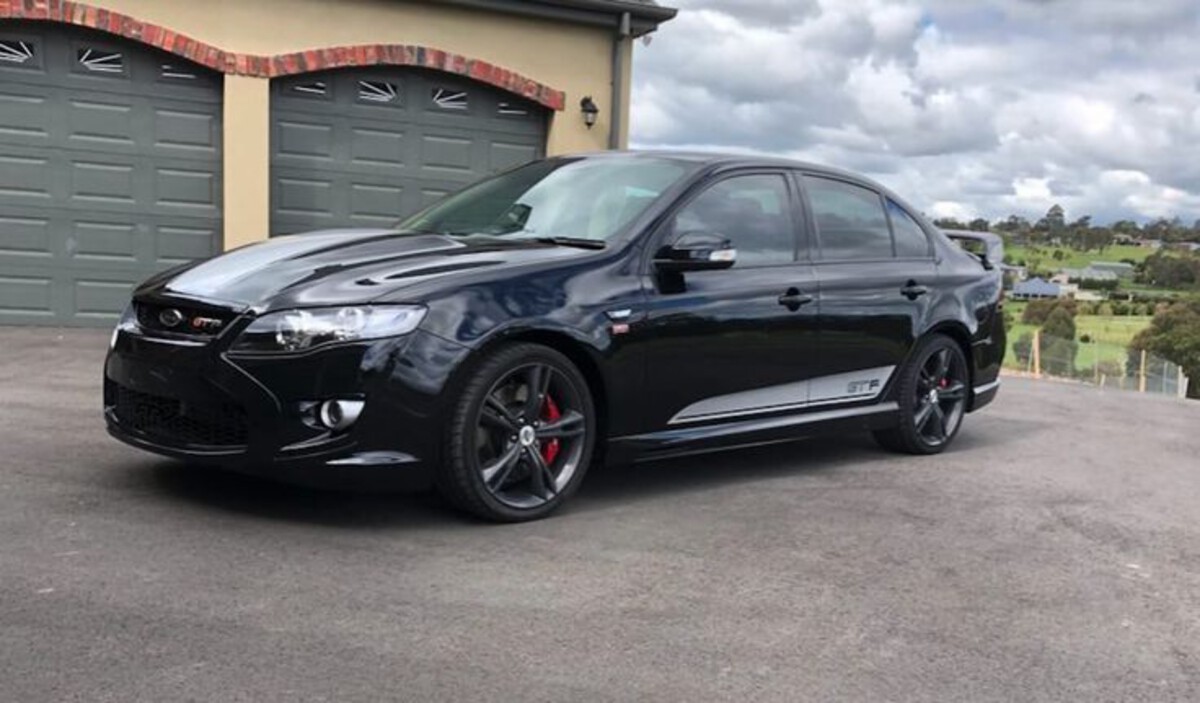
This thing carried a supercharged 5.0 V8 that produced the kind of torque figures that make tires cry. FPV didn’t hold back. They tuned the GT to deliver raw power with zero hesitation. Hit the throttle and the car didn’t gently speed up it lunged forward like it had something to prove.
The aggressive exterior design made it look like a muscle car disguised as a sedan. Fat wheels, beefy bumpers, side skirts, and that signature FPV stance. It had the visual energy of an American muscle car, yet Ford didn’t even try bringing it to the U.S. Which honestly makes no sense, because this was exactly the kind of car American buyers love flashing around.
Handling was surprisingly decent. It wasn’t perfect the power was borderline too much for the chassis at times but that’s also what made the FPV GT fun. It wasn’t trying to be delicate. It wanted to feel unfiltered and wild. In an age of cars getting tamer and more “efficient,” the FPV GT stayed loud and chaotic, and that’s why enthusiasts adored it.
If Ford had sold this in America, it would’ve instantly become a cult classic. But instead, only Australia got to enjoy this monster, and U.S. fans could only watch from afar wishing Ford would take more risks at home.
ALSO READ: 5 Hatchbacks With Huge Trunks vs 5 With Tiny Openings
5. Ford FPV Pursuit Ute
Now, this one hurts on a personal level. A V8 pickup that behaves like a muscle car? That’s basically the American dream. Yet America never got the FPV Pursuit Ute a high-performance V8 truck that Australia got to brag about.
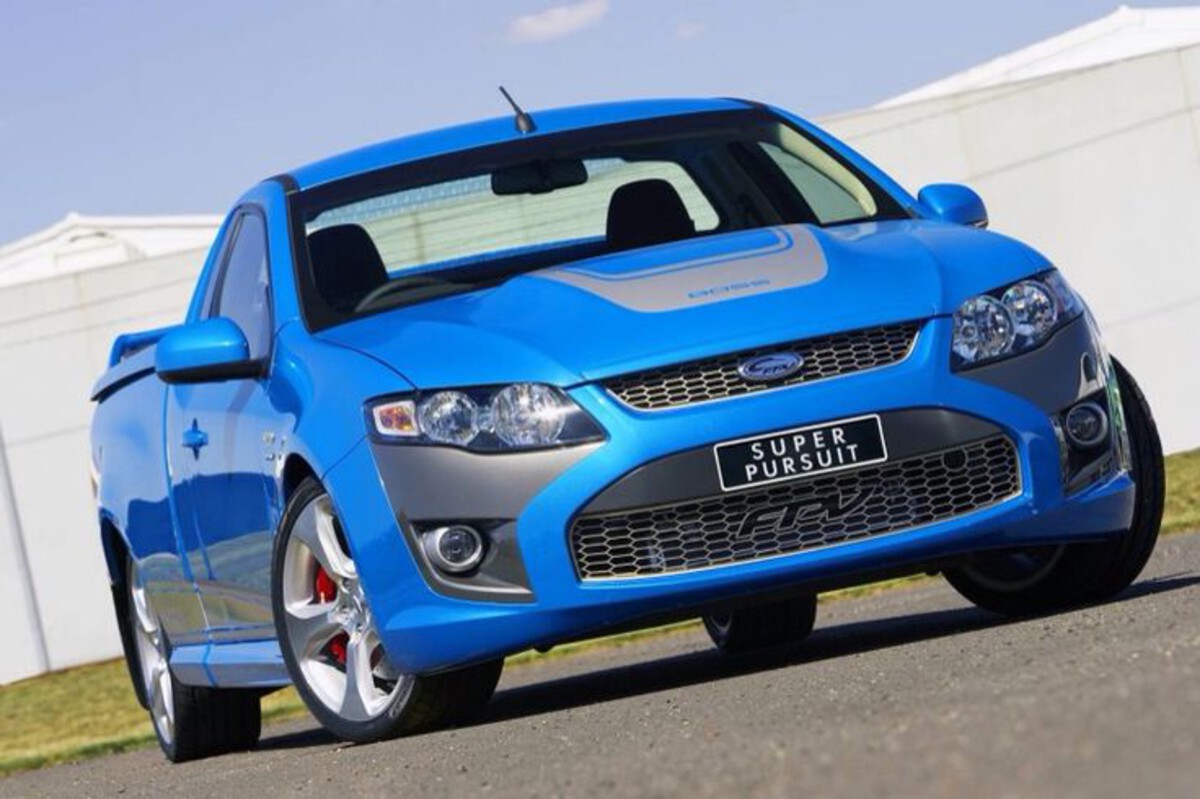
The Pursuit Ute packed a 5.4 or 5.0-liter V8, depending on the year and trim. Either way, it delivered legit muscle-car acceleration while still being a pickup. Imagine a Mustang with a truck bed. That’s the vibe. It made no logical sense, but that’s exactly why it was amazing.
Americans have been obsessed with performance trucks forever the Raptor, the Lightning, the Ram TRX. The FPV Pursuit would’ve fit right into that culture. But unlike the big aggressive off-roaders, this one was more street-focused. It sat lower, handled tighter, and moved faster than most people expected from a Ute.
The styling was classic Aussie part-work vehicle, part weekend toy. Big wheels, sporty body kit, loud exhaust note. The kind of ride that turns heads because people can’t tell if it’s meant for hauling stuff or racing someone.
And let’s be real, the U.S. market would’ve been all over this. People here buy performance trucks even when they don’t need them. A V8 Ute would’ve started a whole new craze. However, Ford kept the Ute culture locked in Australia and never even teased it for the U.S. market.
The FPV Pursuit Ute showed how fun Ford could be when it wasn’t afraid to experiment. Meanwhile, the U.S. market just kept getting bigger, with heavier trucks instead of a wild muscle-truck hybrid.
6. Ford Tickford TE50
Before FPV came along, Tickford was the tuning arm responsible for some of the coolest Australian Fords. And the TE50 is one of those gems Americans never got their hands on.
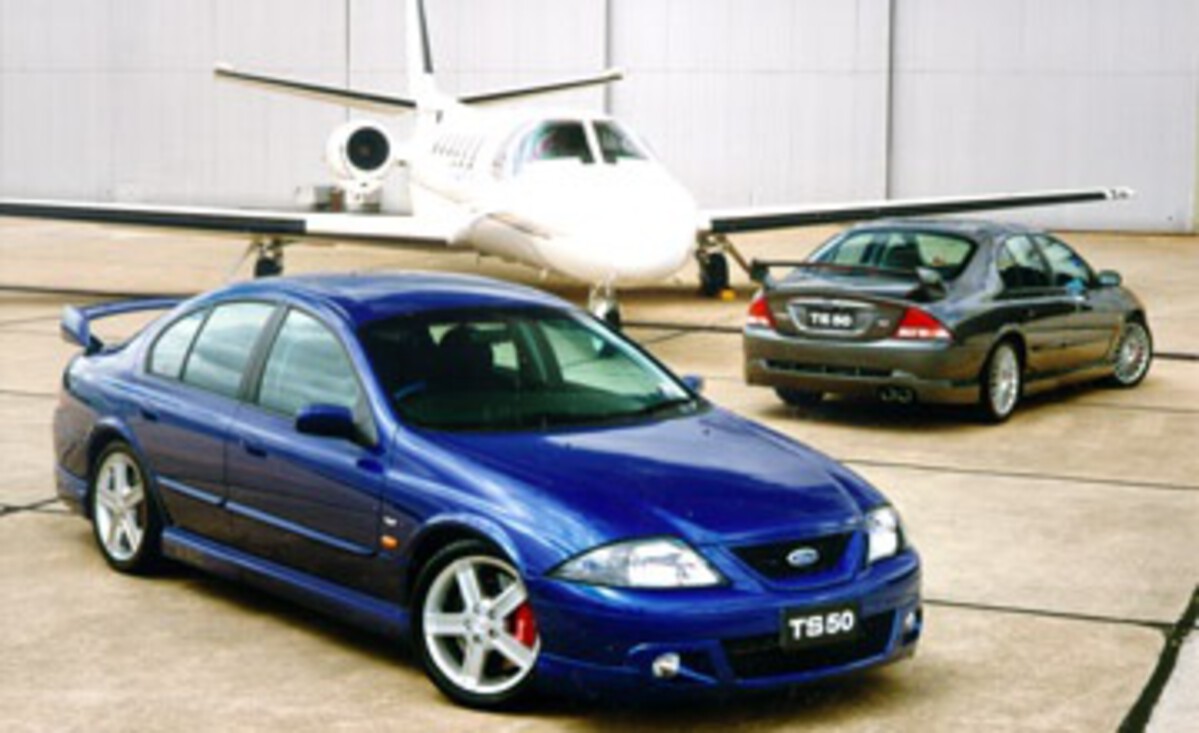
This car carried a 5.0-liter Windsor V8 not the most modern engine ever, but Tickford tuned it beautifully. It had that old-school rumble that muscle fans love, combined with the charm of a simple, honest setup. No complicated electronics telling the engine how to behave. Just raw V8 energy pushed through a sedan body.
The TE50 wasn’t overly flashy. It looked clean, composed, and almost too calm for the power it carried. That made it the perfect sleeper. You pulled up beside one thinking it’s just a regular sedan… until it launched harder than you expected.
Inside, the TE50 had that early-2000s sporty vibe leather accents, a chunky steering wheel, and everything placed where you’d want it. Not luxurious, not fancy, but comfortable enough for daily driving and fun enough for weekend blasts.
The sedan market in the U.S. absolutely would’ve appreciated this car. People loved the Mercury Marauder. They loved V8 Crown Vics. The TE50 could’ve slid right into that niche while offering better performance and a more modern feel.
But since it never made it across the ocean, it became one of those “if you know, you know” cars. Even now, enthusiasts look at it and think, “Damn, Ford could’ve built a whole legacy with this in America.”
7. Ford Sierra XR8
Now here’s a rare one: the South African-market Ford Sierra XR8. Imagine taking a compact, lightweight sedan and deciding, “Let’s shove a Mustang V8 in it.” That’s literally what Ford did.
The Sierra XR8 packed a 5.0-liter V8 into a body that was never meant to handle that kind of power. And guess what it worked. It turned the car into a tiny rocket that handled like a go-kart but sounded like a muscle car.
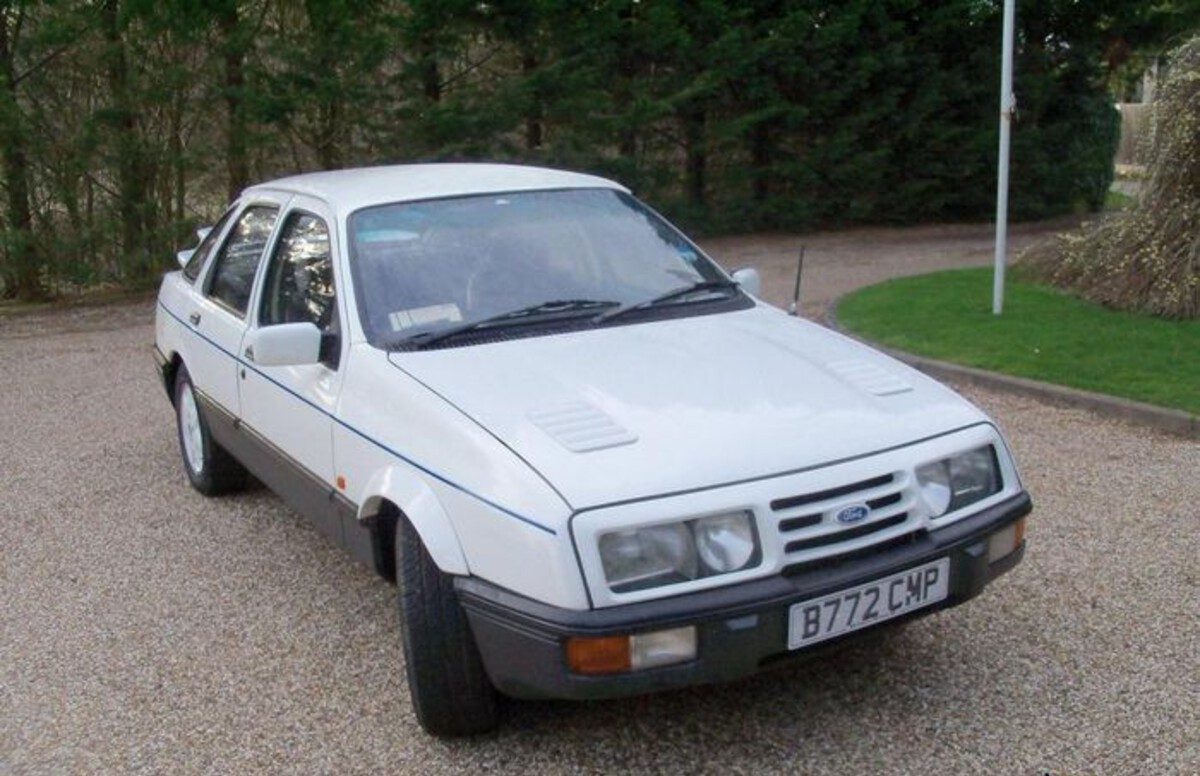
It was built for South Africa’s touring-car scene, which explains the madness. The car needed to be fast, durable, and sharp. And it delivered. The XR8 became a legend because it felt wild without being unsafe. The steering was quick, the engine pulled hard, and the rear-wheel-drive setup made it incredibly fun.
The U.S. never got anything like it. The closest thing Americans had was maybe the Merkur XR4Ti, which was fun, but nowhere near as unhinged. The Sierra XR8 would’ve been a hit with the “small car but big engine” crowd. Think Fox-body fans, old-school tuner lovers, and anyone who likes compact cars that punch above their weight.
Styling-wise, it had that distinct ‘80s boxy charm, plus a few sporty touches. Inside, it was simple nothing fancy. The focus was the engine, not the interior.
It’s one of the most unusual V8 Fords ever built, and the U.S. missing out on it feels almost unfair.
8. Ford Falcon GTHO Phase III
This one hurts the most. The Falcon GTHO Phase III is widely considered the greatest Australian muscle car ever. Some even call it the best Ford muscle car of all time which is wild, because it never set foot in the American market.
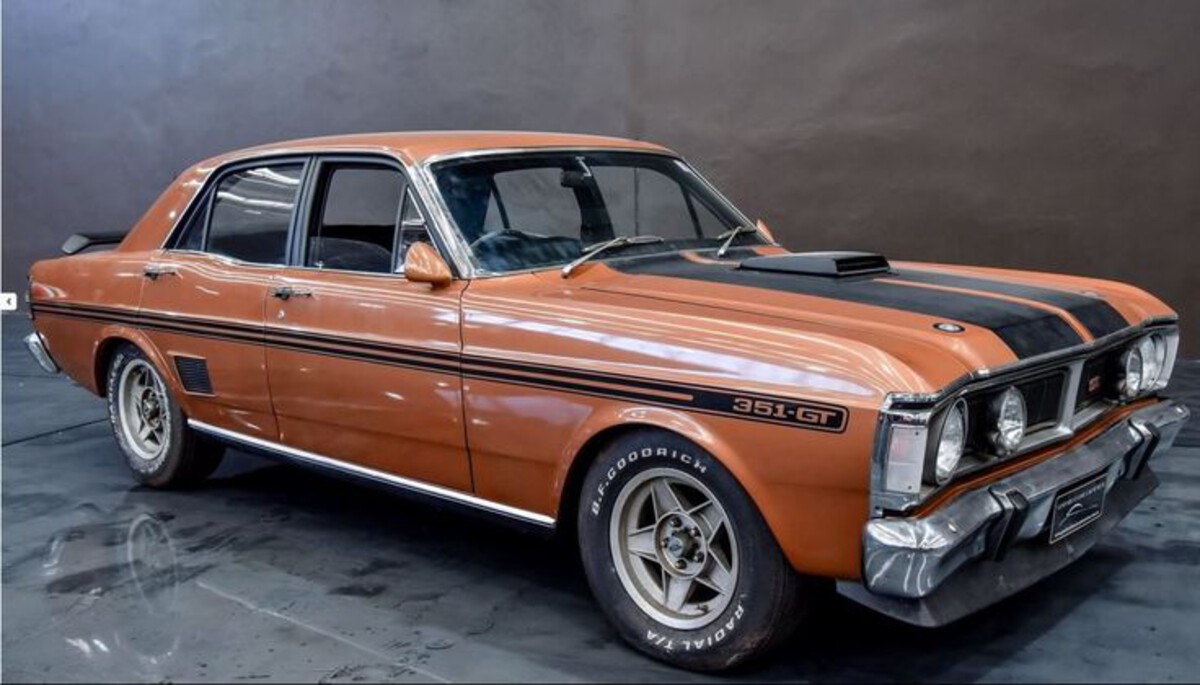
Back in the early ‘70s, Ford Australia was deep in the performance war. The Phase III came out swinging with a 351 Cleveland V8 that delivered legit muscle. This wasn’t just fast “for its era.” It was fast by any standard. It dominated race tracks and crushed pretty much everything else around it.
The styling was pure 1970s muscle energy bold stripes, tough stance, and that confident presence that made you stare. It had that same aura American muscle cars had, just with an Australian twist.
People love telling stories about the Phase III’s power. It was rumored to hit speeds that made politicians freak out. That’s how wild it was. Eventually, Ford shut down plans for a Phase IV because the car was getting too much heat. So yeah this wasn’t just a car. It was a full-blown legend.
If the U.S. had received even a small number of Phase IIIs, collectors would be fighting wars over them. It would’ve been sitting right beside Mustangs, Torinos, and Boss models in the hall of fame.
Instead, Americans were left with stories and envy.
When you look at these eight cars, it’s kind of funny and kind of tragic. Ford had all these amazing V8 machines scattered around the world, yet the country that basically worships V8s never got them. It almost feels backwards.
These cars weren’t just fun ideas. They were fully developed, road-ready models that could’ve reshaped the U.S. sedan and performance market. Imagine a world where Ford sold V8 sedans alongside Mustangs. Or where Americans drove V8 Utes instead of just watching them in videos. Or where the Phase III became a U.S. icon instead of a distant legend.
Instead, the American market got fewer options while other regions enjoyed some of Ford’s boldest engineering experiments. And today, with the industry shifting toward electric and hybrid setups, the odds of seeing new V8 sedans or quirky V8 Utes from Ford are slim.
That’s why these missed opportunities hurt a little. They prove Ford absolutely had the ability to make the U.S. V8 lineup bigger, crazier, and more fun but just didn’t.
Still, these cars live on in enthusiast circles, online videos, and the occasional overseas auction where someone in America quietly thinks, “If only Ford had sold that here.”