Road trips sound fun when you’re planning them, until you’re four hours in, shifting around in the seat, wondering why your lower back suddenly hates you. Comfort matters more than we admit.
You can have the best playlist, the best snacks, the cutest co-traveller, but if the car seat feels like a stiff classroom bench from 2009, your whole mood is done for. And honestly, some cars look great, drive great, and still manage to be absolute back-ache machines.
But then you have those rare, blessed cars that feel like someone finally understood humans weren’t designed to sit like robots. These are the ones that make long drives easy, the ones where you get out after eight hours and still feel like you can walk straight. They keep you relaxed, keep you awake without being tense, and basically carry your sanity through the trip.
So here, we’re doing a clean, no-nonsense comparison: five cars that keep your spine happy vs five cars that make your spine file a complaint. I’m not sugar-coating anything. If a car is comfy, it earns it. If a car is a torture device disguised as a vehicle, we’re calling it out.
This list isn’t about fancy features or tech overload. It’s about seats that feel good, seats that matter, seats that don’t turn your road trip into a physiotherapy session later. Whether you’re the driver or the poor soul stuck in the passenger seat, this guide helps you figure out what actually works for long hours on the highway.
Let’s be honest, not all cars are built with actual humans in mind. Some brands really take the time to get the seating right the shape, the cushioning, the angle, the support, all of it. And then you have cars that look good on the outside but somehow forget that people have spines. When you’re planning a long road trip, this difference becomes painfully obvious, literally.
So here’s the deal: this comparison isn’t about speed, horsepower, big screens, or whatever fancy feature manufacturers love to show off. This is strictly about how your body feels after sitting for hours.
The comfy ones are the cars that keep you upright, relaxed, and able to step out without wobbling around like you’re 90 years old. The back-ache makers? Yeah, those are the ones that make you stretch the second you get out and wonder why your lower back suddenly feels like it’s filing a complaint.
This breakdown helps you see which cars actually support you on a long journey and which ones pretend to. Some cars genuinely understand posture and long-distance comfort. Others, well, they make the journey feel twice as long. If you’re someone who takes road trips often or even occasionally this list gives you a clear picture of which models are worth trusting with your spine.
5 Road-Trip Cars With Comfy Seats
Long drives can be exhausting, but the right car can make hours on the highway feel effortless. When you’re settling in for a road trip, comfort matters just as much as cargo space or fuel economy, and that starts with the seats.
Supportive cushioning, thoughtful ergonomics, and the ability to stay relaxed mile after mile can transform a simple drive into a genuinely enjoyable journey. Here are five road-trip-ready cars with seats designed to keep you comfortable from the first stretch of asphalt to the last.
1. Toyota Camry
The Toyota Camry is that calm, collected friend who never raises their voice but somehow solves everyone’s problems. It doesn’t try too hard, it doesn’t scream for attention, and yet, when you sit inside one, you immediately realise why it has such a loyal fanbase. The seats are honestly the biggest selling point soft enough to feel relaxing, but not the kind of soft that traps you and ruins your posture.
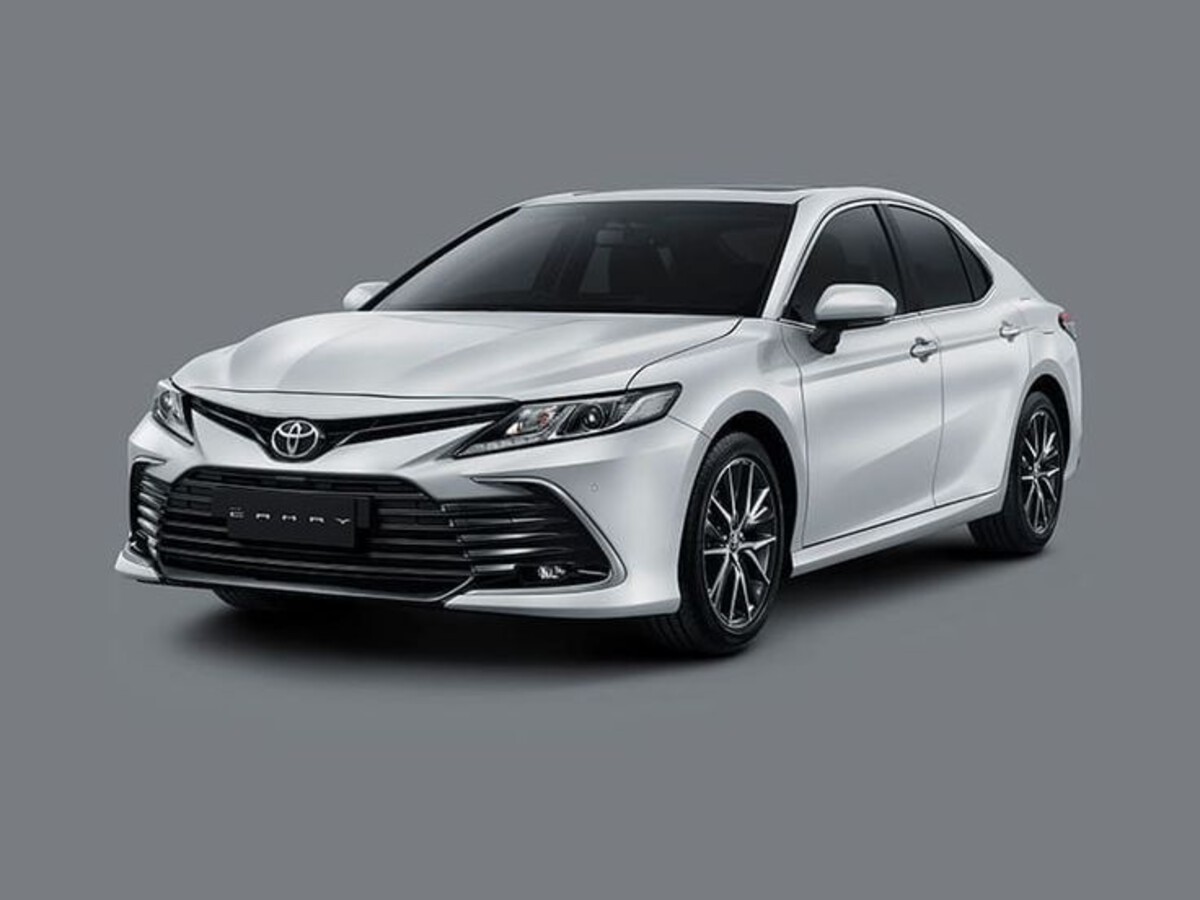
The moment you settle into the Camry, your body kind of sighs, like “finally, something designed by an adult.” The seat cushioning is balanced, the contours follow your back naturally, and the lumbar support doesn’t feel like some afterthought thrown in just to complete a brochure. You can sit for hours without fidgeting, which is a miracle considering how many modern cars force you to keep adjusting just to feel normal.
Even the passenger seats feel like they were made with intention. Some cars treat passengers like secondary characters, but the Camry keeps everyone comfortable. Combine that with the smooth ride quality and yes, the Camry is stupidly smooth and you get a perfect long-trip companion.
Another underrated thing? The seat height. You don’t feel like you’re sinking, and you don’t feel like you’re perched too high. It’s that sweet middle spot. And for drivers who get cranky mid-drive, this car keeps your mood pretty steady just by not messing with your spine.
Prevailing, the Camry earns its reputation: great ride, great comfort, no drama. If you want a car that just does the job without turning the trip into a chiropractic journey, this one is a safe, reliable pick.
ALSO READ: 5 SUVs That Still Feel New at 100K vs 5 That Feel Tired Way Too Early
2. Honda CR-V
The Honda CR-V is basically the “practical friend” in car form sensible haircut, steady job, makes good choices, tells you to stretch before you start. And somehow, that practicality translates into really thoughtful seating. The seats are wide, supportive, and clearly shaped for people who actually want to stay comfy for long durations.
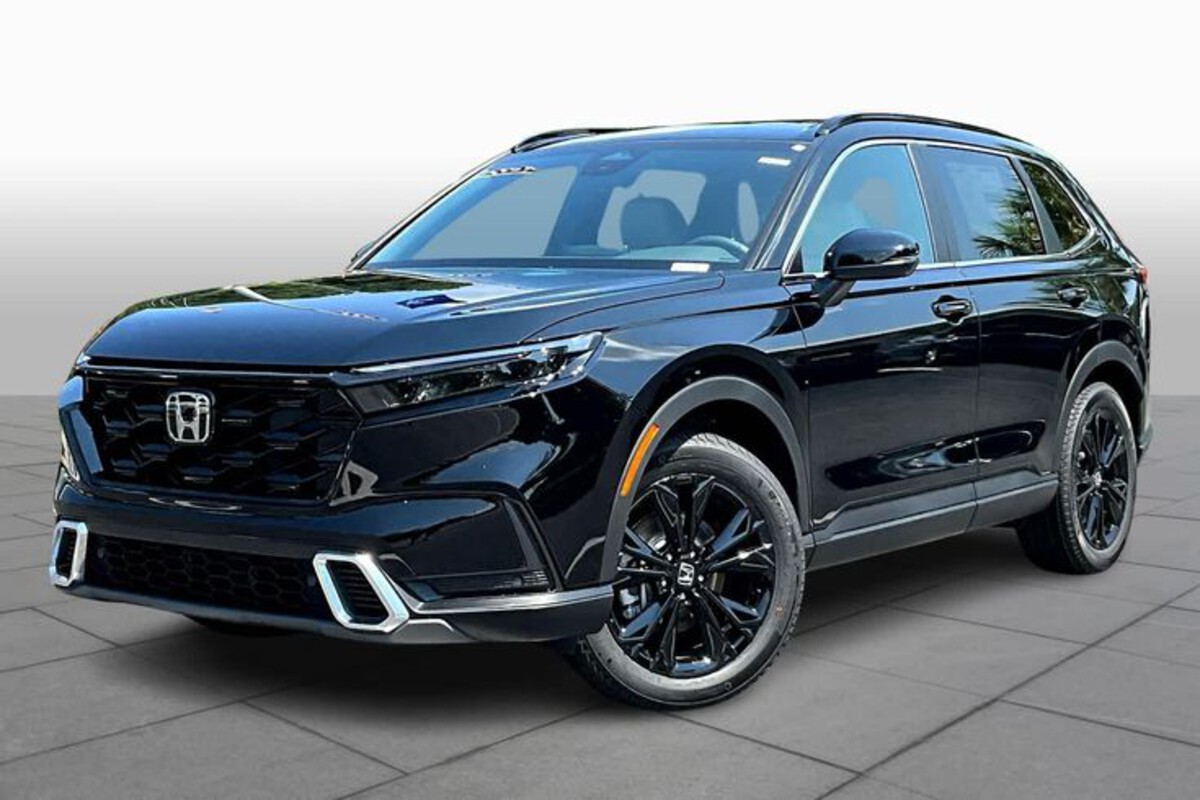
The first thing you notice is the lumbar support. It’s noticeable without being bossy, and that’s rare. You don’t feel pushed; you feel held. And the cushioning is firm in the right way your back isn’t going to sag into it, and you’re not going to bounce around like you’re sitting on memory foam that gave up.
On road trips, the CR-V shines because the seats don’t force you to keep adjusting your position every twenty minutes. You settle in, and that’s it. Even after two or three hours, you don’t get that “why am I built like this?” feeling. Long-legged folks do fine, shorter folks do fine, and somehow everyone ends up feeling evenly supported.
Also worth noting: the CR-V’s seating posture is naturally upright without feeling stiff. That posture makes a big difference on long drives because slouched seating is basically a slow death for your back. Add in the car’s quiet cabin, and your body isn’t fighting vibrations or noise the whole time.
Passengers aren’t ignored, either; the rear seats recline slightly, which is honestly a luxury for road trips. A reclining back seat sounds small, but your back will thank you.
Generally, the CR-V sits in that “no fuss, all comfort” category. It’s predictable, but in the best possible way. If you want a car that prioritises comfort without making a big scene about it, the CR-V is a very dependable yes.
3. Volvo XC60
Volvo has one personality trait: comfort. It’s an overachiever in safety and an overachiever in seat design. The XC60 is proof that someone at Volvo genuinely cares about human spines. Their seats are famously some of the best in the industry, and the XC60 keeps that tradition alive.
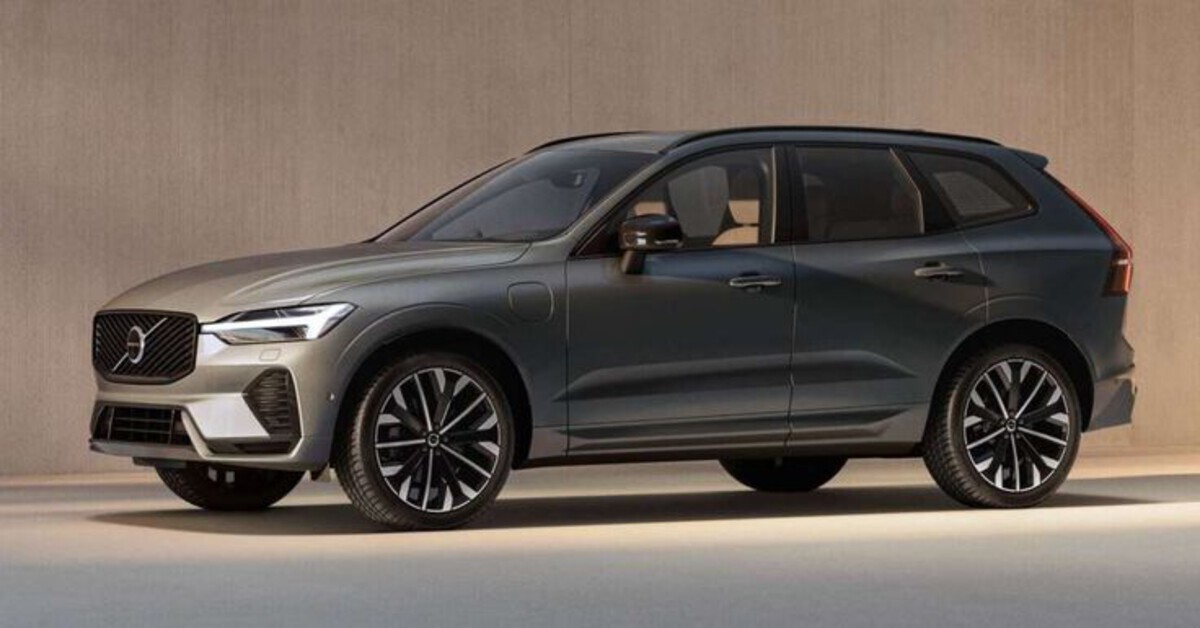
Sit down in it once and you understand why people rave about “Scandinavian ergonomics.” It’s not hype. The seats somehow manage to be firm and cushioned at the same time. They don’t collapse, they don’t poke, they don’t feel artificially plush. They’re shaped like they were molded around an actual body instead of a cardboard cutout.
Long trips in the XC60 feel… easy. Even after six hours, your back stays upright, supported, and relaxed. You don’t get that numb-hip feeling or that annoying burn between your shoulders. The headrest is soft enough not to annoy you, but supportive enough to prevent neck strain.
The seat adjustment options are wild in a good way. You can fine-tune the angles, the lumbar pressure, the bolsters… literally everything. This makes the XC60 perfect for road trips with different drivers switching around because everyone gets to personalise their setup. And once you find your settings, the seat genuinely feels like it’s custom-made for you.
The cushioning density is also balanced. Some luxury cars go overboard with soft seats that feel comfortable for ten minutes and terrible after two hours. Volvo doesn’t fall for that trap. Their firmness is intentional and helps your posture stay neutral for long durations.
Plus, the cabin is quiet and the suspension is soft, which means fewer vibrations assaulting your back. Everything feels peaceful, like your spine is on a calm holiday, even if the road is chaotic.
If your main road-trip requirement is “I don’t want to walk like a 90-year-old when I get out,” the XC60 is a top-tier choice.
4. Lexus ES
The Lexus ES is the car version of someone who always brings warm blankets and herbal tea soft, calm, and genuinely comforting. Everything inside this car is designed to relax you, especially the seats. They’re plush without being sloppy, structured without being rigid, and overall feel like a supportive hug.
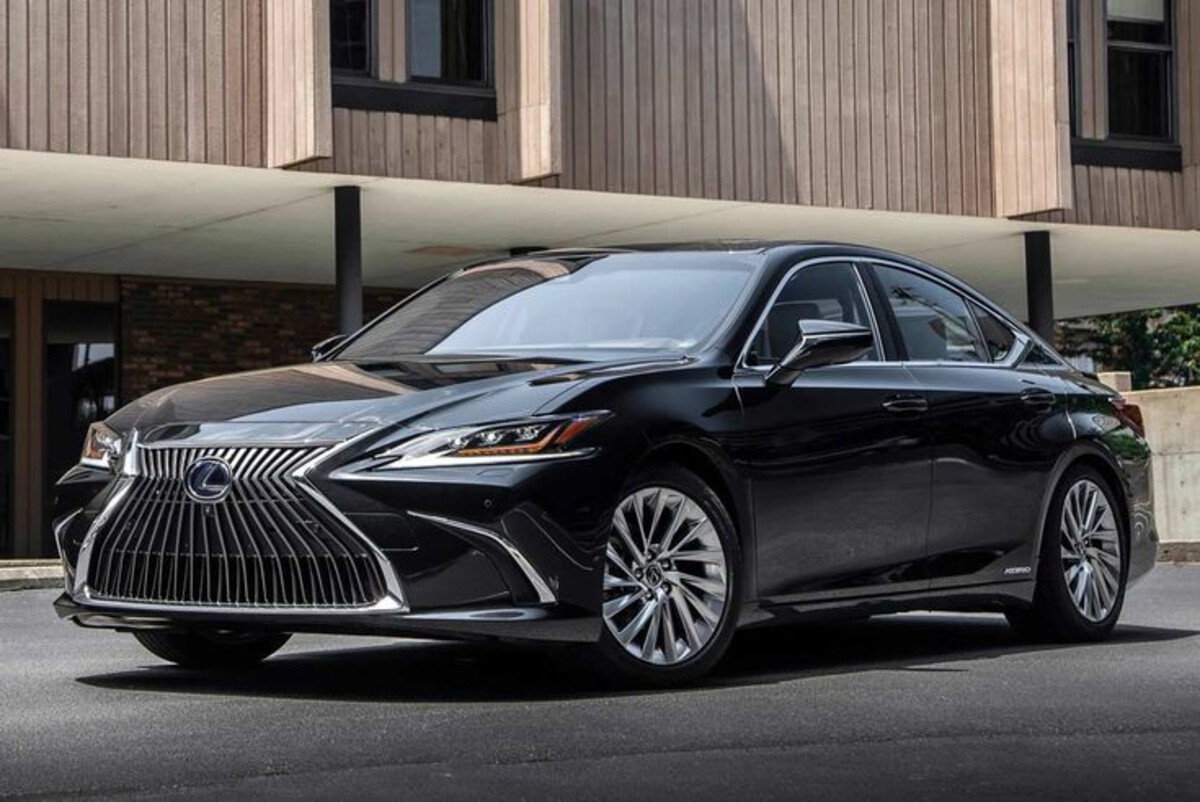
Slide into the ES and the first thing you feel is the cushioning: thick, smooth, and evenly supportive. There’s no weird pressure point poking at you, and your shoulders and lower back get equal attention. Lexus seats tend to favour gentle comfort over hard ergonomics, but the ES somehow blends both really well.
What makes the ES shine on road trips is the consistency. Some seats feel good when you first sit down and slowly ruin your life the longer you drive. The ES stays reliable. Even after four hours, you don’t feel stiff or cranky. The seat keeps your posture upright enough to avoid strain while still feeling soft enough to relax into.
The leather quality also adds to the comfort. It’s not slippery, not sticky, and doesn’t make you constantly shift around. You stay planted, supported, and steady even while the road gets bumpy.
Rear passengers also get great comfort. The seats recline a bit, legroom is generous, and the cushioning feels almost identical to the front. If you’re travelling with family or friends, no one ends up becoming the “victim in the back.”
The ES also has a really smooth ride quality, which reduces the amount of vibration reaching your spine. You’re not fighting every bump like in stiffer cars, making the whole journey feel calmer.
All-around, the Lexus ES is for people who want a peaceful, warm road-trip experience. If comfort is your top priority, this car shows up for you every single time.
5. Hyundai Tucson
The Hyundai Tucson is honestly one of the most underrated comfort champions. It doesn’t brag about it, and it doesn’t throw fancy marketing words at you it just delivers. The seats are wide, supportive, and shaped in a way that instantly feels natural when you sit down.
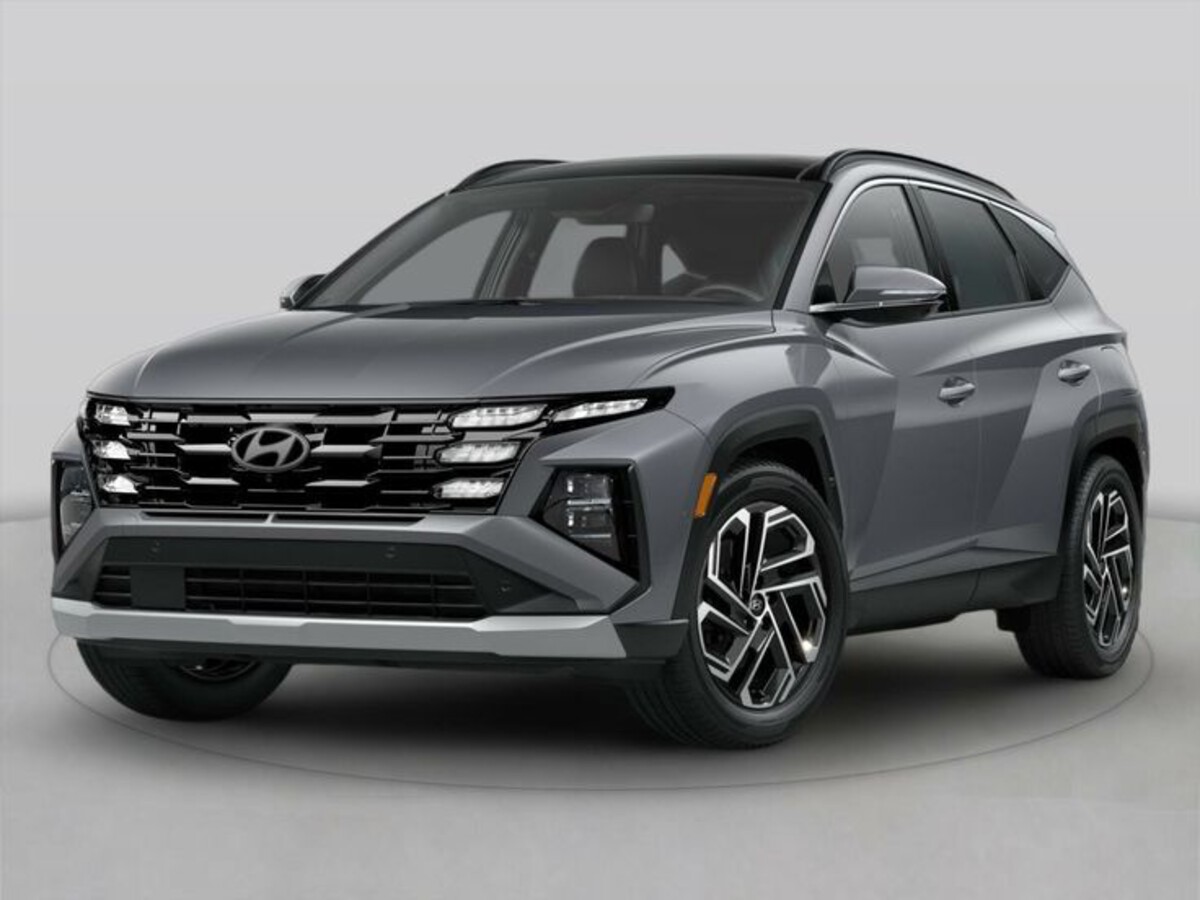
What stands out the most is the lumbar support. It’s noticeable but gentle, like the seat is reminding you to sit correctly without scolding you. That makes a massive difference on long trips because your lower back stays aligned without you constantly adjusting or slouching.
The cushioning is firm but padded well enough to keep you comfortable over long hours. It doesn’t sink, it doesn’t flatten out, and it doesn’t push your hips into weird angles. Even taller passengers tend to rave about how good the Tucson feels after long journeys.
The seating position is also great. You sit at a height that gives good visibility without making your legs dangle awkwardly. This helps reduce thigh fatigue on longer drives, which is a thing no one talks about until they suddenly can’t feel their legs.
Rear passengers also get wide, reclining seats another win for long drives. Everyone gets space, everyone gets support, and no one ends up hating the trip.
The ride quality is soft and stable, which means fewer vibrations assault your spine. Combine that with the quiet cabin, and the Tucson becomes one of those cars you can sit in for hours without even realizing how much time has passed.
Overall, the Hyundai Tucson exceeds its price range in terms of seat comfort. If you want a relaxed, easygoing road trip car without breaking your budget, this one is surprisingly perfect.
5 Back-Ache Makers
Not every car is built with comfort in mind, and some make that painfully clear, literally. Whether it’s stiff padding, awkward ergonomics, or seats that feel like they were shaped by someone who’s never sat in a car before, these models are notorious for leaving drivers sore after even short trips. If you value your spine, these are the five back-ache makers you’ll want to avoid.
1. Jeep Wrangler
The Jeep Wrangler is cool. It’s fun. It’s adventurous. And it’s also a menace to your spine. This car was clearly designed for off-road flexing and beach photoshoots not for long highway drives where comfort actually matters.
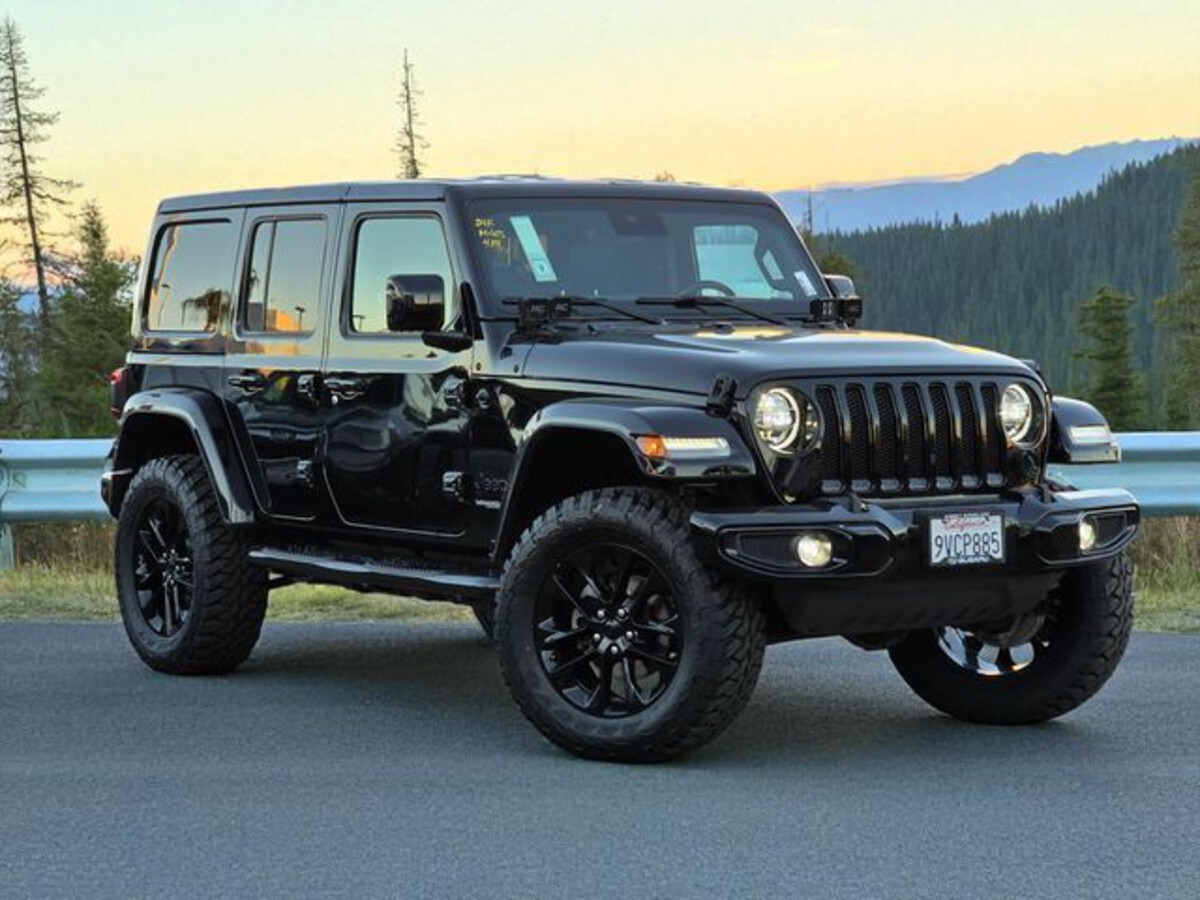
The seats are upright in a way that feels like they’re scolding you. The backrest is flat and firm, but not in a supportive way in a “good luck surviving five hours” way. After a while, your lower back starts to feel the pressure because there’s barely any lumbar support. Even the cushioning feels thin for long-distance comfort.
And since the Wrangler is built on a body-on-frame setup, the ride is stiff. Combine stiff ride + stiff seat = disaster. Every bump travels right through the seat and into your spine like a rude notification you didn’t ask for.
The seat adjustments are also basic. You can’t really personalise the seating position enough to make it feel naturally supportive. You mostly end up either sitting too upright or slightly slouched—both terrible for long drives.
Passengers don’t have it any better. The rear seats are even more upright, and the cushioning isn’t any softer. If you take a road trip with friends in a Wrangler, someone will complain. Maybe everyone will.
It’s fun for short, rugged adventures. But for long-distance journeys? Your back will demand compensation.
ALSO READ: 9 Cars With the Least Maintenance After 4 Years
2. Ford EcoSport
The Ford EcoSport tries hard to look sporty and compact, but when it comes to long-drive comfort, it falls flat. The seats look nice and feel okay at first, but the longer you sit, the more you realise something’s off.

The cushioning is firm but not in a supportive way it’s more like the seat refuses to adjust to your body. After a while, your lower back starts aching because the lumbar support is barely noticeable. You end up shifting positions constantly just to stay comfortable.
The seat base is short, which means your thighs don’t get full support. That leads to leg fatigue on longer drives, and indirectly messes with your back posture too. If your legs aren’t supported, your whole posture collapses inward.
Rear passengers have an even worse time. The backrest angle is too upright, and the cushioning isn’t thick enough to provide comfort beyond an hour. It’s okay for short city runs, but long trips? Not ideal.
Add the slightly jittery ride quality and you’ve got a recipe for discomfort. Every small bump feels exaggerated, and the seat doesn’t absorb it well. For road trips, the EcoSport simply doesn’t offer the comfort needed for hours on the highway.
3. Mahindra Thar
The Mahindra Thar is iconic, bold, and fun but definitely not built for long-drive comfort. The seats are basic and firm, with minimal ergonomic shaping. They’re designed for durability and off-road punishment, not for keeping you comfortable during a six-hour highway run.

When you sit in the Thar for long periods, the first thing that hits you is the lack of lumbar support. The backrest is flat and upright, and after some time, your lower back feels it. You find yourself adjusting constantly because no position truly feels right for long stretches.
The cushioning is firm and thins out over time, especially on the lower back and shoulder areas. Combined with the Thar’s naturally stiff ride, every vibration and bump makes its way directly into your spine.
The rear seats are even tougher. They’re more upright, less cushioned, and not designed with long trips in mind at all. If you have passengers in the back, you may hear a lot of complaining and honestly, it’s justified.
The seat adjustments are limited as well. You don’t get the finer controls needed to tailor the seat to your body shape. So, one position ends up fitting no one perfectly.
The Thar is great for adventure trips, hill climbs, beach drives, and fun weekend outings. But if you’re planning a long road trip? This car tests your patience and your posture.
4. Maruti Swift
The Maruti Swift is cute, efficient, and great in the city. But for long road trips? It struggles. The seats are slim and lightly padded, which works for short commutes but not for hours of highway driving.
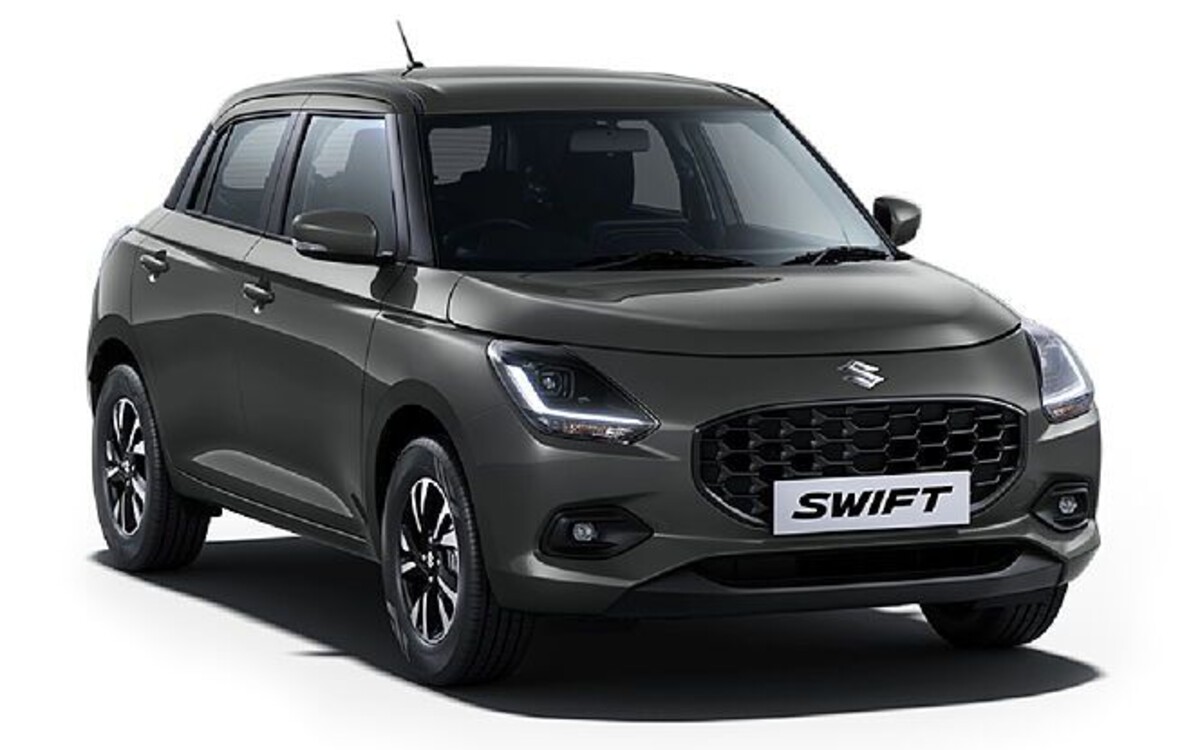
The lower-back support is minimal. After an hour or two, you start feeling that familiar ache creeping in because the seat isn’t shaped to support the natural curve of your spine. The seat base is also on the shorter side, so your thighs don’t get full support either.
The cushioning flattens out faster than it should, which means your posture slowly collapses. You slouch without even realising it, and suddenly your back, shoulders, and neck are all annoyed.
Rear passengers have an even tougher time. The backrest angle is upright, the thigh support is limited, and the cushioning is thin. It’s manageable for short trips, but for long journeys, it becomes uncomfortable pretty fast.
Add in the Swift’s light, bouncy ride, and you can imagine how every bump transfers through the cabin. There’s not much seat isolation to soften the impact.
The Swift is fantastic for everyday use it’s agile, practical, and economical. But long road trips reveal its weak spot: the seats simply aren’t built for extended comfort.
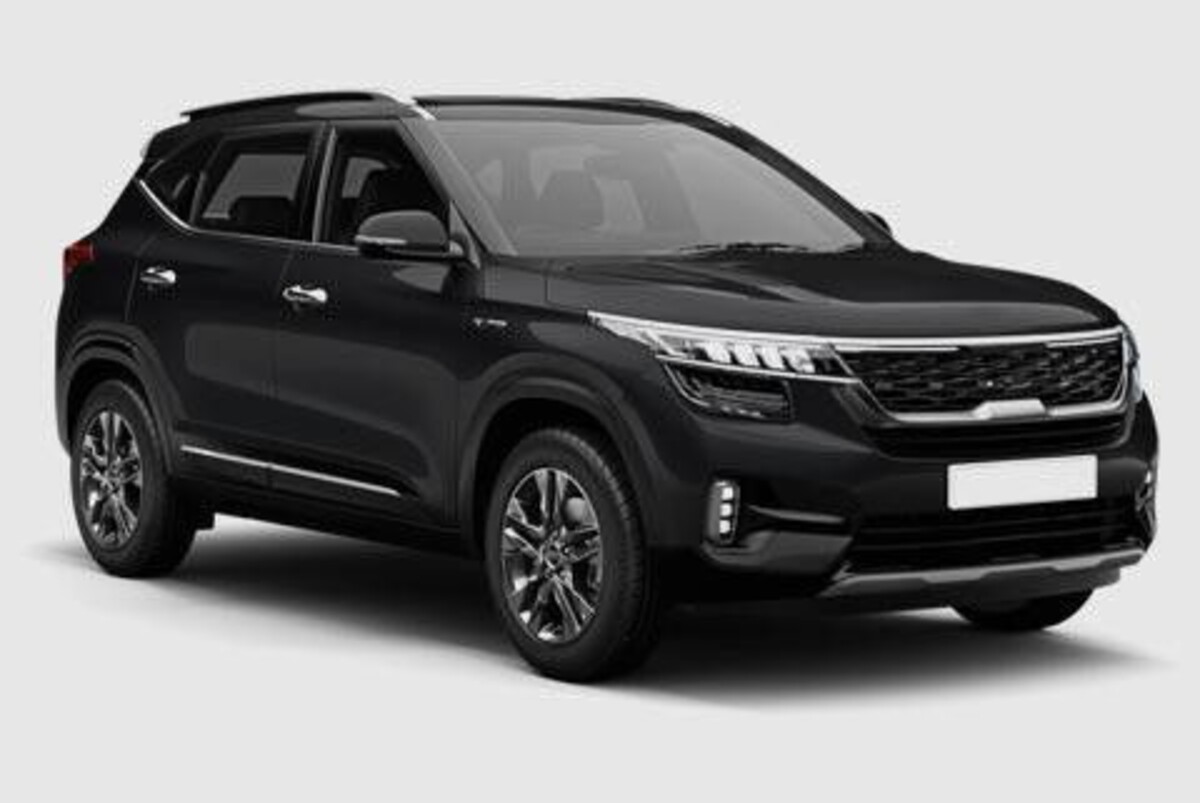
5. Kia Seltos
The Kia Seltos is stylish, modern, and loaded with features. But when it comes to long-drive seat comfort, it’s surprisingly disappointing. The seats look premium, but the cushioning is firmer than it should be for extended travel.
The lumbar support is limited and doesn’t suit everyone. After a few hours, your lower back starts feeling strained because the seat doesn’t follow your natural spine curve closely enough. You end up shifting around a lot, hunting for a comfortable position.
The seat base is also on the firmer side, and while that might feel sporty at first, it becomes tiring on long trips. Your hips and thighs start feeling the pressure, and the firmness doesn’t fade as the trip goes on.
The Seltos also has a stiffer suspension setup. So even though the car handles well, every bump and vibration gets transferred more directly into your seat. That combination firm seat + firm ride is rough on your back.
Rear passengers don’t get much relief either. The backrest angle is okay, but the seat cushioning remains quite firm, and after long hours, it becomes uncomfortable.
The Seltos is great for city driving and short runs. But for road trips, the seat comfort simply doesn’t keep up. Road trips are supposed to be fun not a slow battle with discomfort. And while every car brings something different to the table, the seat comfort really decides how enjoyable the journey turns out to be.
Some cars, like the Camry, CR-V, Volvo XC60, Lexus ES, and Tucson, genuinely feel like they’re designed with humans in mind. Their seats support you, cushion you, and let your spine survive hours of sitting without complaining.
But the others the Wrangler, EcoSport, Thar, Swift, and Seltos remind you that cool looks or big reputations don’t guarantee long-drive comfort. Their seats feel fine at first, but as the hours pass, you start counting every minute left in the trip.
At the end of the day, choosing the right car for road trips isn’t about how fancy the dashboard looks or how much horsepower you get. It’s about how your body feels after sitting for hours. You want a car that doesn’t fight your posture, doesn’t punish your lower back, and doesn’t make you regret planning the trip.
So if road trips are a regular part of your life, go for the cars that treat your back kindly. Trust me your spine will thank you long after the trip is over.