
For automotive enthusiasts, the thrill of driving a premium sports car often comes with a steep price tag, putting dream machines like the Porsche 911, Ferrari 458, or Aston Martin Vantage out of reach for many. Thankfully, there are numerous more accessible options that capture the spirit, performance, and excitement of these high-end icons without the astronomical cost.
From technologically advanced Japanese supercars like the Nissan GT-R to lightweight European exotics like the Alfa Romeo 4C, and even classic analog gems such as the Toyota MR2, these alternatives prove that you don’t need to break the bank to experience exhilarating driving.
Each car on this list combines distinctive character, dynamic handling, and impressive performance, offering enthusiasts a chance to enjoy spirited driving, track-day fun, and stylish design while remaining within a reasonable budget. These ten vehicles demonstrate that affordable sports cars can still deliver passion and excitement.
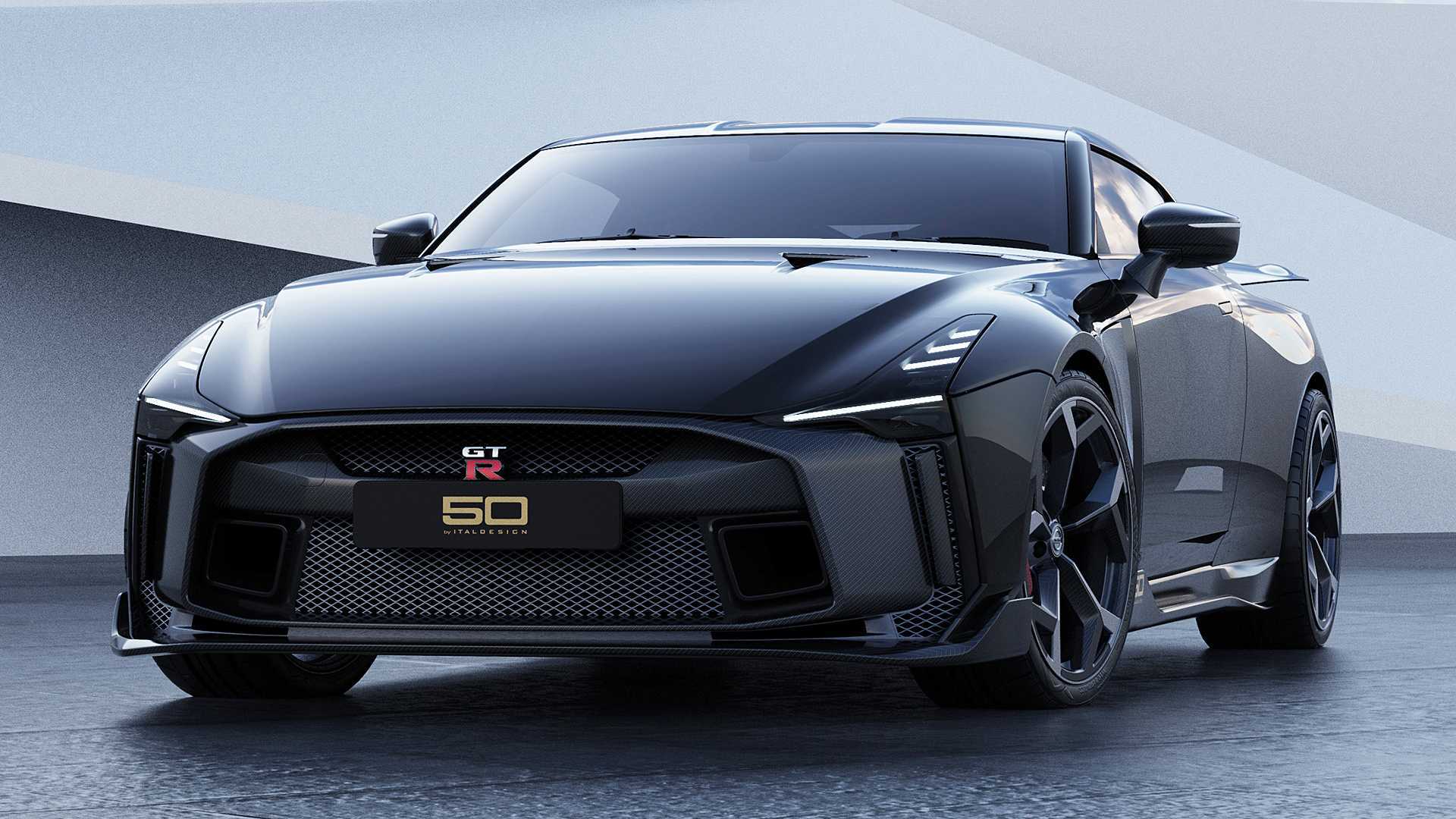
1. Nissan GT-R (R35): A High-Performance Alternative to Supercars
For enthusiasts seeking supercar-level performance without the staggering price tag of a Porsche 911 Turbo or Maserati MC20, the Nissan GT-R R35 offers a compelling alternative. Known as “Godzilla” in automotive circles, the R35 GT-R combines technological sophistication, raw power, and tunability, making it one of the most beloved sports cars worldwide.
Though recently discontinued, used models remain widely available, often at a fraction of the cost of their European rivals. The average used R35 GT-R sells for around $96,359, with some examples priced as low as $37,000–$50,000, an incredible value considering its performance capabilities.
Under the hood, the 2023 GT-R is powered by a 3.8-litre twin-turbocharged V6 producing 565 hp and 467 lb-ft of torque, paired with a six-speed automatic transmission and all-wheel drive. This setup enables blistering acceleration, with a 0–60 mph sprint in just 2.9 seconds.
The GT-R’s chassis features quick steering, a rigid structure, and an adjustable suspension, allowing even amateur drivers to enjoy a high-performance driving experience. Higher-performance trims, such as the Track Edition and NISMO, push output to 600 hp or more, delivering extreme speed and handling. The ride remains firm yet comfortable, aided by active sound cancellation that keeps highway cruising pleasant.
Inside, the GT-R prioritizes driver focus over luxury. The front seats are spacious, though the rear is suitable only for small passengers. Standard features include dual-zone climate control, leather-and-suede upholstery, heated front seats, and an 8-inch touchscreen infotainment system with Apple CarPlay and Bose audio. However, Android Auto is absent, and storage options are limited.
Fuel economy is modest, with EPA ratings of 16 mpg city and 22 mpg highway, typical for high-performance sports cars. Safety features include front and rear parking sensors, though advanced driver-assistance technologies are not offered. Warranty coverage includes a 3-year/36,000-mile limited warranty and a 5-year/60,000-mile powertrain warranty, without complimentary scheduled maintenance.
The Nissan GT-R R35 remains a unique proposition: a supercar rival that delivers extraordinary performance, strong tuning potential, and a comparatively accessible price, making it a standout choice for driving enthusiasts who want speed and excitement without the supercar cost.
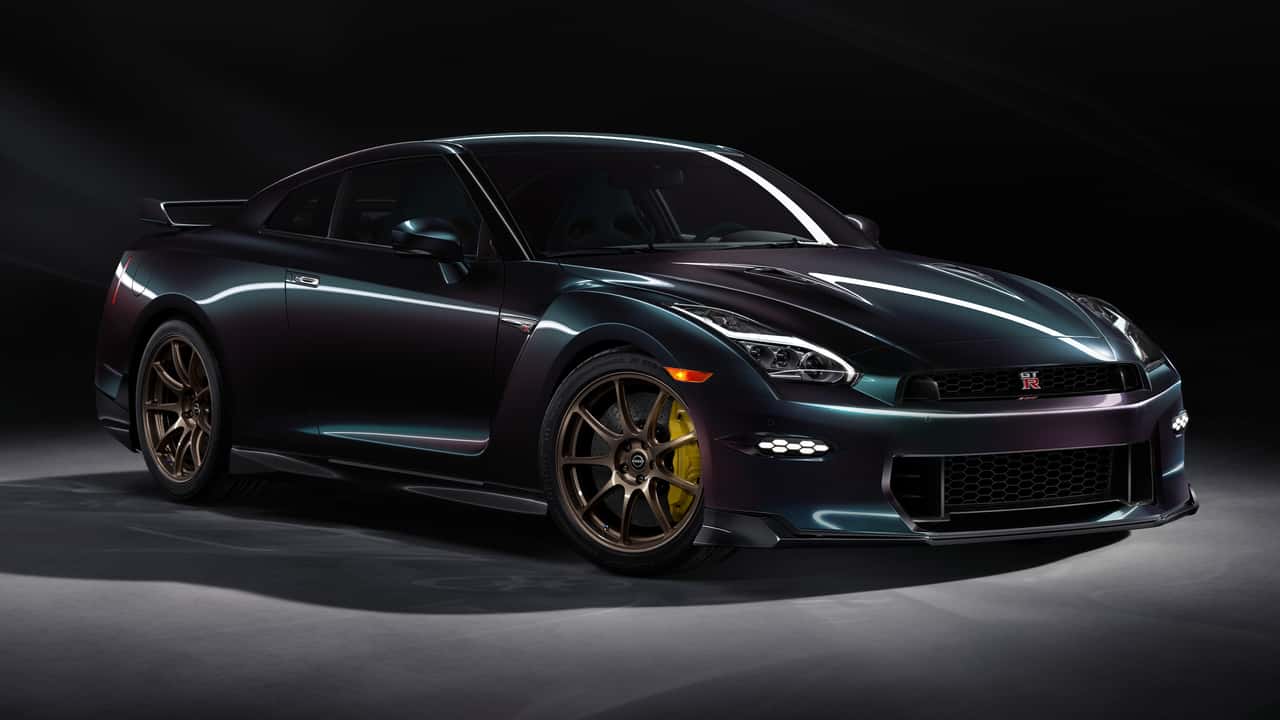
2. Alfa Romeo 4C: A Lightweight Italian Alternative to the Ferrari 458
For those who admire the Ferrari 458 but find it financially out of reach, the Alfa Romeo 4C presents a compelling, more affordable alternative. With prices ranging from $54,532 for the coupe to $70,857 for the Spider, the 4C delivers a thrilling Italian driving experience at a fraction of the cost. Built around a carbon-fibre monocoque chassis, this featherlight sports car emphasizes agility and performance over luxury, making it a true driver’s car.
Powering the 4C is a 1.7-litre turbocharged inline-four producing 237 horsepower and 258 lb-ft of torque, paired with a six-speed automatic transmission. Although modest on paper, the 4C’s lightweight construction of approximately 2,500 pounds provides an impressive power-to-weight ratio.
This enables brisk performance, with the Spider achieving 0–60 mph in just 4.2 seconds. The car’s steering is sharp and responsive, and the suspension is tuned for spirited driving on twisty roads or track use. The trade-off for this athleticism is a firm, sometimes punishing ride over uneven surfaces.
Fuel economy is respectable for a sports car, with EPA estimates of 24 mpg city, 34 mpg highway, and 28 mpg combined. This surpasses many higher-end competitors and is comparable to the Mazda MX-5 Miata.
Inside, the 4C offers a minimalist and driver-focused cabin. The interior lacks modern luxuries such as advanced infotainment, Bluetooth, or SiriusXM, but it exudes a vintage, roadster charm. Storage space is minimal and suitable only for a small backpack, and there are no rear seats. The basic audio system is functional, although the upgraded Alpine system is recommended for better sound quality.
Safety features are limited, with rear parking sensors and a backup camera as the main aids. The 4C has not undergone crash testing by NHTSA or IIHS, which is common for low-volume sports cars. Warranty coverage includes a four-year/50,000-mile bumper-to-bumper and powertrain warranty, plus one year or 10,000 miles of complimentary maintenance.
Despite its reputation as a commercial flop, the Alfa Romeo 4C remains a unique and exhilarating sports car. Its lightweight design, precise handling, and raw driving experience make it an enticing alternative to pricier supercars such as the Ferrari 458, especially for enthusiasts who value engagement and Italian flair over modern luxury and comfort.
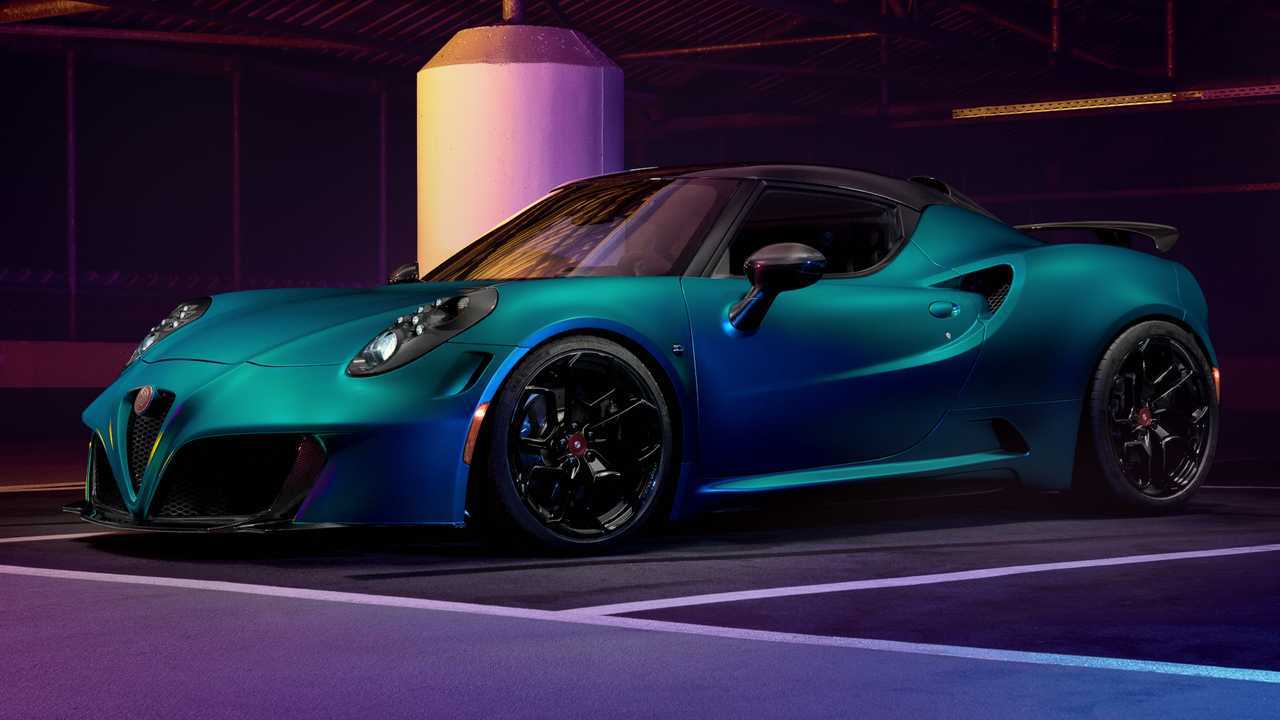
3. Jaguar F-Type R: A British V8 Alternative to the Aston Martin Vantage
The first-generation Jaguar F-Type R offers a compelling alternative to the Aston Martin Vantage for enthusiasts seeking a British sports car with a supercharged V8. With a 5.0-litre supercharged V8 producing 542 horsepower and 502 lb-ft of torque, the F-Type R delivers exhilarating performance and a soundtrack that rivals the Vantage.
Transmission options include a 6-speed manual or an 8-speed automatic, allowing drivers to choose between engagement and convenience. On the used market, a first-generation F-Type R can be found for around $47,204, making it an accessible option for those seeking a high-performance luxury sports car without the premium price of an Aston Martin.
Performance is impressive, with the F-Type R capable of accelerating from 0–60 mph in approximately 3.6 to 3.7 seconds and completing a quarter-mile in around 11.8 seconds. Handling is sharp and precise, though early models experienced oversteer under hard acceleration, a condition often referred to as Slip’n Slide handling.
Upgrading the tires from the original Pirelli P-Zeros to Michelin Pilot Super Sports dramatically improved grip, handling, and ride quality, allowing the car to handle corners with confidence and reduce the need for constant correction.
The F-Type R is visually striking, with Ian Callum’s design combining elegance and aggression, making it a head-turner whether parked or in motion. Inside, the cabin is driver-focused, providing comfort and control for spirited driving, though some minor software glitches and issues with the luggage cover and seatbelt retractors have been reported.
Jaguar’s included maintenance program and warranty coverage help offset these minor inconveniences, ensuring reliability over long-term ownership.
Compared to competitors like the Porsche 911 Carrera S, the F-Type R is significantly more affordable, though it may not hold its value as well over time. However, it compensates with style, performance, and an engaging driving experience.
Whether commuting, road-tripping, or carving up a canyon road, the F-Type R delivers both excitement and practicality. Its combination of supercharged V8 power, sharp handling, and striking British design makes it an enticing alternative to higher-priced sports cars like the Aston Martin Vantage, particularly for enthusiasts seeking a thrilling driving experience with a unique personality.
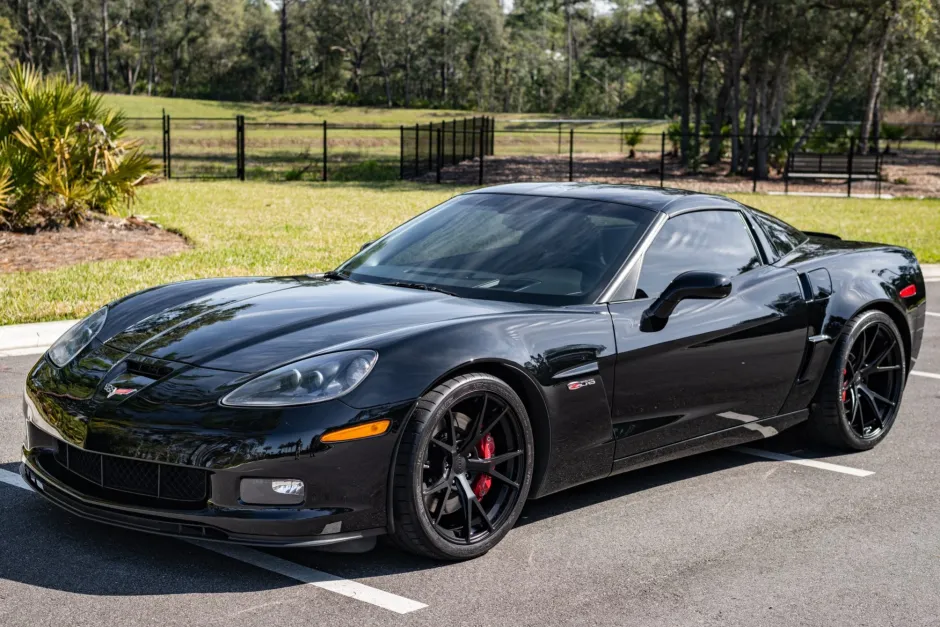
4. Chevrolet Corvette Z06 (C6): An Affordable Alternative to the C8 Z06
For enthusiasts who admire the C8-generation Corvette Z06 but find its price prohibitive, the C6-generation Corvette Z06 offers an affordable and thrilling alternative. With a naturally aspirated 7.0-litre V8 producing 505 horsepower and 470 lb-ft of torque, the C6 Z06 delivers raw, big-block performance at a fraction of the cost of its mid-engine successor.
On the used market, C6 Z06 models average around $47,100, with some examples selling for under $27,000, making it one of the most accessible high-performance sports cars in its class.
The C6 Z06 is equipped with a six-speed manual transmission and rear-wheel drive, allowing drivers to fully engage with its powerful engine. Although it lacks the flat-plane crank and extreme revs of the C8’s 5.5-liter V8, the C6’s 7.0-liter unit provides immense torque and a visceral driving experience.
On the track, the C6 Z06 achieves 0–60 mph in just over 3 seconds and completes the quarter-mile in approximately 11.8 seconds, offering explosive performance that can rival more modern sports cars. Its chassis and suspension are tuned for handling balance, and while it does not match the precision of the C8’s mid-engine layout, the experience remains rewarding and connected.
Fuel economy is typical for a large V8, with EPA ratings of 15 mpg city, 27 mpg highway, and 19 mpg combined. Real-world testing shows the C6 can achieve up to 26 mpg on the highway.
Inside, the C6 Corvette is driver-focused, with two seats, a straightforward dashboard, and sufficient space for gear. Storage is practical for a sports car, with a total of 13 cubic feet across front and rear compartments, enough to fit golf clubs or small luggage. The interior includes leather trim, optional carbon-fibre accents, and an infotainment system with Apple CarPlay, Android Auto, and a 4G LTE hotspot.
Safety features include standard automated emergency braking, lane-departure warning, and optional blind-spot monitoring and rear cross-traffic alert. Warranty coverage includes a three-year/36,000-mile limited warranty and a five-year/60,000-mile powertrain warranty, with complimentary maintenance for the first service visit.
The C6 Corvette Z06 combines high performance, engaging driving dynamics, and reasonable pricing, making it an ideal choice for enthusiasts seeking Corvette-level excitement without the expense of a modern C8 Z06. Its combination of power, handling, and classic Corvette character ensures it remains a thrilling and attainable sports car.
5. Aston Martin DB9 (VH I): A V12 Alternative to the DB12
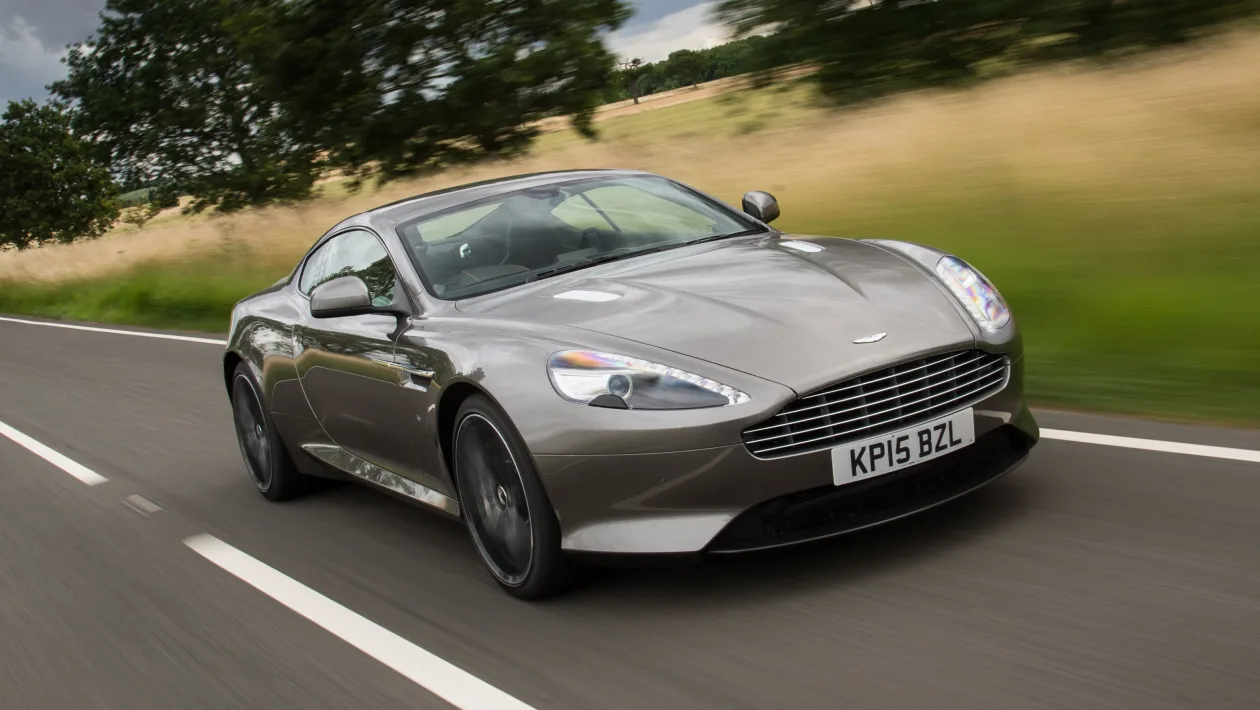
The Aston Martin DB9 VH I is a quintessential grand tourer that embodies the elegance, performance, and craftsmanship that define the British marque. Serving as a predecessor and more affordable alternative to the modern DB12, the DB9 combines a classic design by Ian Callum with a powerful 5.9-litre V12 engine producing 450 horsepower and 420 lb-ft of torque.
Buyers can choose between a six-speed manual or automatic transmission, allowing for a tailored driving experience, whether for relaxed cruising or spirited performance driving.
Prices for the first-generation VH I DB9 vary depending on specification and model. Automatic coupes start at around $40,183, while fully equipped manual Volante convertibles can reach $67,427. These values are significantly lower than the modern DB12, yet the DB9 delivers an equally impressive combination of style, performance, and comfort.
Its sleek, flowing lines have aged gracefully, making the car instantly recognizable as an Aston Martin, while the interior offers exquisite craftsmanship. Seven Bridge of Weir leather, walnut trim, and carbon-fibre accents create a luxurious, tactile environment. The 2+2 seating configuration provides adequate space for short trips with rear passengers, although long-distance comfort is best enjoyed with two adults.
Driving the DB9 is a sensory experience. The naturally aspirated V12 delivers a sonorous and thrilling soundtrack, while the engine’s torque ensures smooth yet potent acceleration. The car handles with poise on open roads and coastal routes, rewarding drivers with confidence and responsiveness. On long journeys, the DB9 offers surprising comfort for a performance-oriented GT, and the quiet cabin allows for easy enjoyment of its advanced audio system.
Despite being a lower-cost alternative to the DB12, the DB9 does not compromise on luxury or style. Its combination of timeless design, powerful V12 performance, and refined interior makes it an appealing choice for enthusiasts seeking an iconic grand tourer at a fraction of the price of a new model.
As values continue to rise and its reputation as a classic grows, the DB9 remains one of Aston Martin’s most celebrated and desirable cars. It is a vehicle that delivers both exhilarating performance and sophisticated elegance, standing out as a true testament to the brand’s heritage.
Also Read: 10 Cars With Clear, Bright Headlights for Backroads
6. Maserati GranTurismo S: A V8 Alternative to the Porsche 911
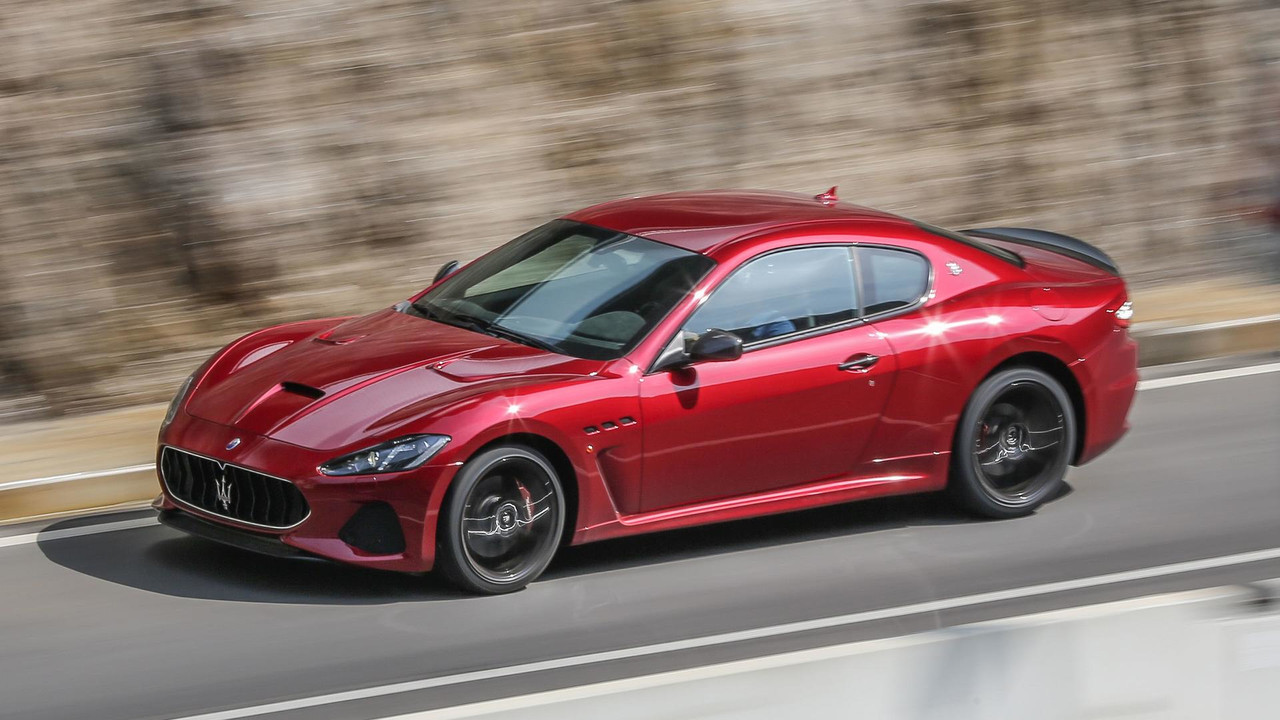
The Maserati GranTurismo S offers a compelling alternative to the Porsche 911, combining grand touring comfort with serious performance at an attractive price. Produced between 2008 and 2011, the GranTurismo S features a 4.7-litre Ferrari-derived V8 producing 434 horsepower and 361 lb-ft of torque, paired with a six-speed automated manual transmission. On the used market, it averages around $34,260, making it one of the most affordable V8 sports cars available today.
While the standard GranTurismo delivered a smooth, luxurious driving experience, Maserati engineers recognized the need for a more focused and engaging variant. The GranTurismo S addressed these shortcomings by adopting a rear-mounted sequential-shift transaxle, replacing the front-mounted ZF automatic, which improved weight distribution and enhanced driving dynamics.
This adjustment, combined with a slightly stiffer suspension, Bilstein dampers, and a thicker rear anti-roll bar, resulted in sharper turn-in, improved feedback, and a more connected feel on corners. The car sits on 20-inch wheels, further enhancing agility and road-holding capabilities.
The V8 engine is an enlarged version of the previous 4.2-litre unit, with a flatter torque curve that makes it more usable at mid-range revs. Maximum torque of 361 lb-ft arrives at 4,750 rpm, while peak power of 433 bhp comes at 7,000 rpm.
Engaging the Sport mode enhances exhaust sound, releases additional horsepower, and activates MC-Shift for quicker gear changes by overlapping clutch and gear engagement. This combination makes the GranTurismo S feel smaller, lighter, and more agile than its softer GT sibling, while retaining its grand tourer comfort.
Inside and out, the GranTurismo S balances luxury and function. Visual enhancements include blacked-out grille and headlamp nacelles, extended sills, a subtle rear lip spoiler, and trident-inspired wheels. The cabin remains a refined space with quality materials, allowing long-distance cruising in comfort. Braking performance is improved over the standard model, providing confidence on both road and track.
The Maserati GranTurismo S combines striking Italian design, exhilarating V8 performance, and improved handling dynamics, making it a compelling alternative to the Porsche 911. It delivers the excitement of a sports car while maintaining the refinement and style expected of a grand tourer, offering a distinctive and accessible entry into Maserati’s performance heritage.
7. Jaguar XKR (X150): Supercharged V8 Grand Tourer
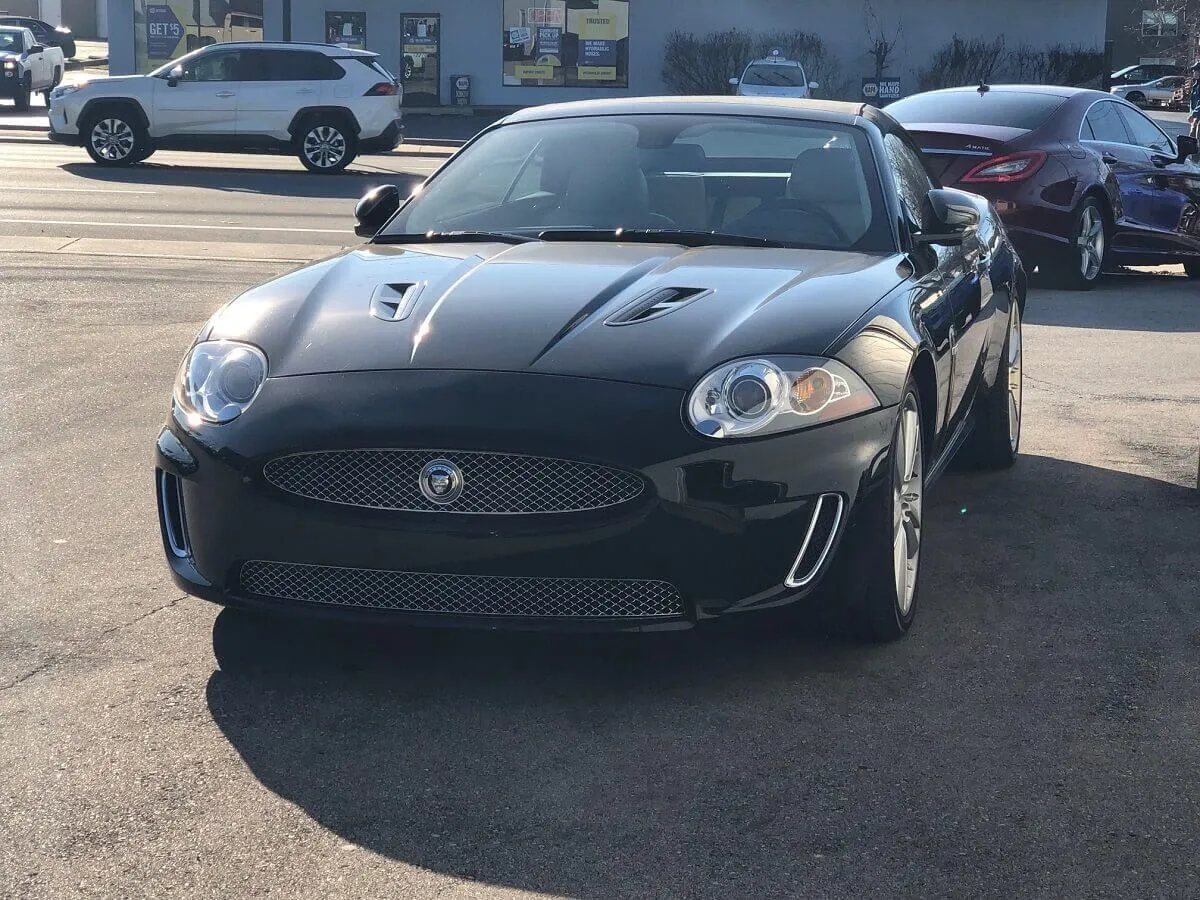
The Jaguar XKR (X150) stands out as a high-performance alternative to the Aston Martin Vantage, blending grand touring comfort with genuine sports car dynamics. Produced between 2006 and 2014, the second-generation XKR initially featured a 4.2-litre supercharged V8 producing 410 horsepower and 413 lb-ft of torque.
In 2009, Jaguar upgraded the engine to a 5.0-litre supercharged V8, increasing output to 503 horsepower and 461 lb-ft, the same unit later used in the Jaguar F-Type R. Paired with a six-speed automatic transmission, this powertrain delivers brisk acceleration and thrilling performance while maintaining refinement expected from a grand tourer.
The XKR offers remarkable value on the used market, averaging around $28,803. This makes it one of the most affordable ways to own a supercharged V8 Jaguar, significantly undercutting the Aston Martin Vantage. Beyond price, the XKR distinguishes itself from Jaguar’s XFR sedan by emphasizing a lighter, more responsive, and more playful driving experience.
Its Dynamic mode allows the rear end to move with controlled mobility, enhancing engagement and fun without compromising safety. The XKR’s power-to-weight ratio and 0–62 mph times outperform the XFR slightly, reflecting its sharper focus on performance.
Visually and internally, the XKR received ‘R’-style enhancements, including a more aggressive front bumper, LED taillights, and interior updates such as the XF-inspired rotary gear selector and a combination of dark wood and aluminum trim. These changes reinforce the XKR’s sporty yet luxurious character.
Driving the XKR delivers a visceral experience. The supercharged V8 offers astonishing torque delivery, making acceleration immediate and sustained even with light throttle inputs. The Ferrari-style active exhaust produces a gravelly, exhilarating sound, heightening the sense of performance.
Handling is taut and precise, with clean mid-corner responses and exceptional damping control. On winding roads, the XKR demonstrates fluid weight transfer and exceptional composure, making it both thrilling and confidence-inspiring.
In essence, the Jaguar XKR X150 is a refined yet aggressive grand tourer that balances luxury, style, and performance. With its supercharged V8, engaging dynamics, and relatively low cost, it offers a compelling alternative to the Aston Martin Vantage, providing the excitement of a high-end sports car while remaining a practical and desirable option for enthusiasts.
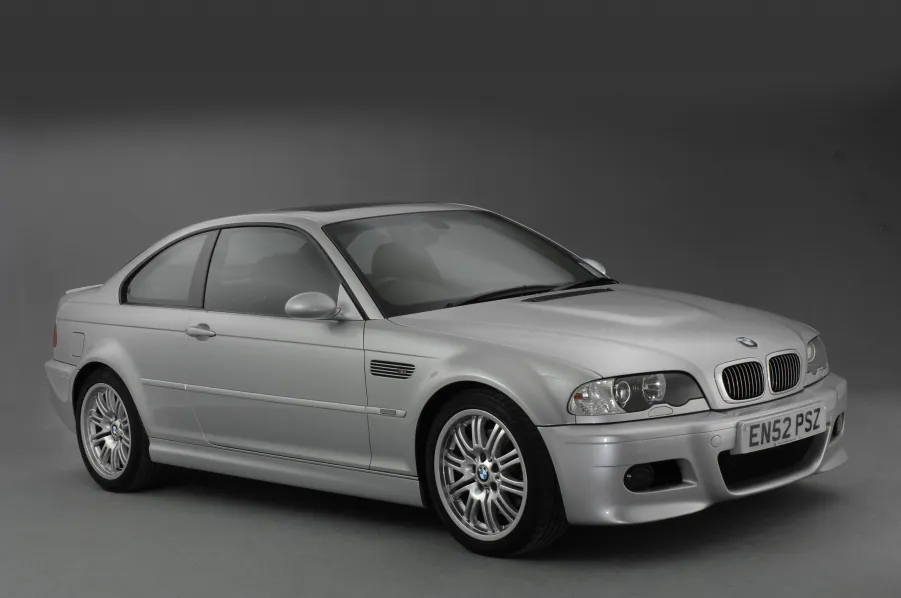
8. BMW E46 M3: Classic Inline-Six Performance
For enthusiasts seeking a purer, more old-school BMW M experience, the E46 M3 is a standout alternative to the modern G82 M4. Produced from 2000 to 2006, the E46 M3 is revered for its naturally aspirated 3.2-liter S54 inline-six engine, producing 338 horsepower and 269 lb-ft of torque.
Paired with either a 6-speed manual or a 6-speed SMG II automated manual transmission, it offers a highly engaging driving experience that emphasizes driver skill and connection with the car. Its naturally aspirated engine revs freely to 8,000 rpm, delivering a thrilling, motorsport-inspired exhaust note that remains a defining feature of the model.
The E46 M3’s design is widely praised, offering balanced proportions with pronounced front and rear fenders that give it a muscular yet elegant stance. Unlike the polarizing G82 M4, the E46 is visually appealing to a broad range of enthusiasts and maintains a timeless aesthetic.
Its near-perfect 50/50 weight distribution enhances handling, producing predictable oversteer and a balanced ride. The hydraulic steering is weighty and communicative, giving the driver precise feedback on road conditions and vehicle behavior.
Pricing for the E46 M3 varies depending on configuration. The most affordable options are SMG-equipped convertibles, starting around $22,189, while manual coupes can reach up to $33,349. Higher-end variants, such as the M3 CSL, are significantly more expensive and fall outside the scope of a cost-effective alternative. Nevertheless, even the standard E46 models deliver exceptional performance and driver engagement.
Inside, the cabin is simple and driver-focused, reflecting a time before infotainment and electronics dominated sports car interiors. Controls are logically laid out, and materials, while not ultra-luxurious, provide a tactile and satisfying experience. The car remains practical enough for regular use while still delivering the excitement of a true performance car.
The E46 M3 also carries racing heritage, exemplified by the M3 GTR and its success in motorsport. Legendary drivers, including Bill Auberlen, have praised its dynamic capabilities, highlighting its agility, responsiveness, and driver-centred engineering.
The BMW E46 M3 combines classic styling, a high-revving naturally aspirated engine, and precise handling, offering a raw and rewarding driving experience. Its affordability on the used market and enduring appeal make it an excellent alternative to the modern M4, capturing the essence of BMW’s legendary “Ultimate Driving Machine.”
9. Subaru BRZ: Affordable Rear-Wheel-Drive Fun
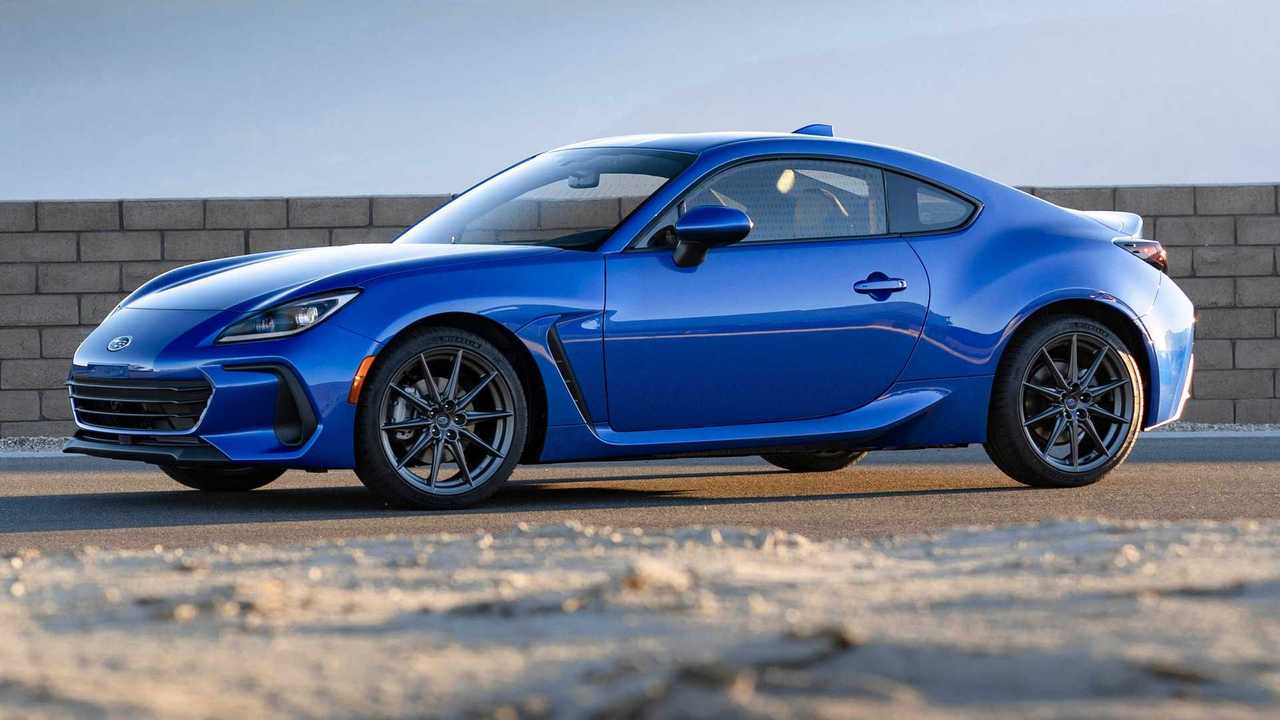
The Subaru BRZ is an excellent, budget-friendly alternative to the Porsche 718 Cayman. Designed with the classic lightweight sports car formula, the BRZ emphasizes balance, driver engagement, and precision handling rather than outright power.
Sharing its platform with the Toyota GR86, the BRZ has earned a reputation for being tunable, fun, and accessible, making it a strong choice for enthusiasts who want a rear-wheel-drive coupe without the premium price tag. Used examples of the BRZ can be found for around $20,997, with some early first-generation models selling for as low as $11,000.
The BRZ features a naturally aspirated flat-four engine, available in both 2.0-liter and 2.4-liter configurations depending on the generation. The newer 2.4-liter engine produces 228 to 232 horsepower and 184 lb-ft of torque, providing a noticeable improvement in responsiveness over the first-generation 2.0-liter engine.
Power is sent to the rear wheels through either a six-speed manual or a six-speed automatic transmission. Despite its modest power output, the BRZ’s lightweight construction, weighing just under 2,850 pounds, allows it to feel quick and agile. The 2024 BRZ tS, tested with the manual transmission, reached 60 mph in 5.5 seconds.
Handling is one of the BRZ’s standout traits, with sharp steering feedback, composed cornering, and the ability to engage in controlled oversteer. All models come standard with a limited-slip rear differential, and higher trims feature upgraded brakes, suspension, and wheels to further enhance road manners. Ride quality is firm but contributes to the car’s playful, responsive character.
Inside, the BRZ offers a driver-focused cabin with a 2+2 seating layout. The 7-inch digital gauge cluster emphasizes the tachometer, while bolstered front seats keep occupants secure during spirited driving. Cargo space is practical for its class, and the infotainment system includes an 8-inch touchscreen with Apple CarPlay, Android Auto, and SiriusXM, complemented by physical controls for ease of use.
Safety features are robust for the segment, with Subaru’s EyeSight suite standard on all models, including forward-collision warning, automated emergency braking, and lane-departure warning. Automatic models gain adaptive cruise control and rear automated braking. Warranty coverage includes three years or 36,000 miles limited and five years or 60,000 miles powertrain protection, though scheduled maintenance is not included.
The Subaru BRZ delivers a highly engaging, lightweight driving experience at an accessible price, making it one of the best affordable alternatives to the Porsche 718 Cayman. Its balance, precision, and tunability ensure it remains a favorite among enthusiasts seeking fun on a budget.
10. Toyota MR2 (W10): Affordable Mid-Engine Fun
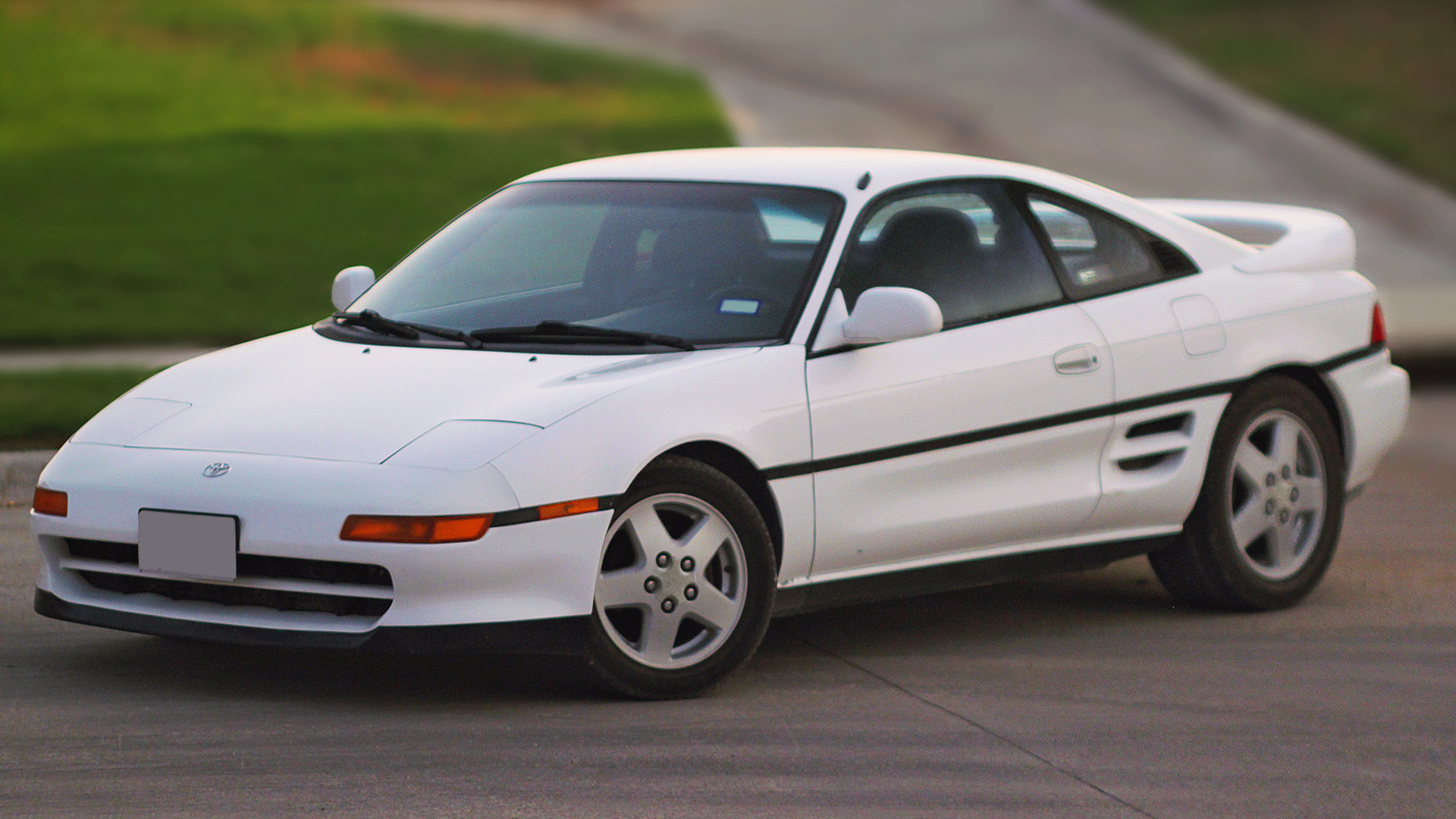
The first-generation Toyota MR2 (W10) is a rare example of an accessible, mid-engine sports car that delivers a pure, analog driving experience, making it a strong alternative to the Lotus Elise. Introduced in the 1980s, the MR2 was designed around the principle of “simplify and add lightness,” resulting in a nimble coupe that feels more like a go-kart than a conventional car.
While first-generation Lotus Elise models have become increasingly expensive due to their classic status, the W10 MR2 remains affordable, with prices ranging from $10,114 to $20,749 depending on model and specification. The top-end supercharged variant provides the most performance for enthusiasts at the higher end of this range.
The MR2’s driving dynamics are its strongest feature. Its mid-engine layout delivers excellent weight distribution and grip, creating precise handling and exceptional balance. Steering is direct and communicative, though non-power steering models require more effort at low speeds. Lift-off oversteer adds a playful edge, rewarding skillful driver input.
Supercharged versions amplify the car’s fun factor with enhanced acceleration and a distinct induction sound. The car’s lightweight frame, paired with responsive throttle and clutch control, makes twisty roads a delight, providing a connected driving experience that modern sports cars rarely replicate.
Potential drawbacks are mainly related to age and design. Rust can be an issue on older examples, particularly in structural areas, and T-bar or sunroof models are prone to water leaks that can damage interior components. The interior is simple and reflective of the 1980s, but functional and durable. The car emphasizes driving engagement over luxury, keeping the focus on tactile feedback and mechanical purity.
Reviewers praise the MR2 for its agility, nimble handling, and analog feel. It may not match modern supercars in raw speed, but the driving experience is defined by balance, responsiveness, and driver involvement. Lightweight construction and mid-engine dynamics make it a rare gem in affordable sports cars, allowing enthusiasts to experience pure driving enjoyment without breaking the bank.
The W10 Toyota MR2 remains a highly recommended choice for drivers seeking an engaging, classic, and budget-friendly mid-engine car, offering a unique blend of fun, agility, and analog connection that few modern vehicles can match.
The world of sports cars does not have to be synonymous with sky-high prices. These ten alternatives show that drivers can enjoy supercar-inspired performance, precision handling, and striking design without the financial burden of a brand-new exotic.
Whether it is the raw, analog thrill of the Toyota MR2, the high-tech power of the Nissan GT-R, or the engaging balance of the Subaru BRZ, each model offers its own unique driving personality. Affordable does not mean compromising on excitement. These cars prove that memorable driving experiences, head-turning style, and genuine enthusiast appeal are attainable today.
Also Read: 5 Cars for Omaha Practical Buyers vs 5 That Cost a Lot to Maintain
