
Small SUVs always sound like this perfect middle ground not too big, not too tiny, and supposedly the “easy to live with” kind of cars. But honestly, that label only fits some of them.
A few really are a breeze in tight parking lots, and then there are others that pretend to be compact but feel like mini-trucks the moment you try squeezing into a mall slot. And if you live in a city or deal with chaotic traffic daily, the difference hits harder than you expect.
This whole “compact SUV” segment has grown so much that almost every brand has one. But here’s the thing no one admits: size isn’t everything the shape, visibility, steering, turning circle, and even how the rear window is designed can change everything. You’d be surprised how one SUV with almost the same dimensions as another can feel twice as clumsy.
In this article, we’re putting 12 popular small SUVs into two clear groups: 6 that genuinely feel small and super manageable, and 6 that like to call themselves compact but behave like they’re on a protein-heavy diet. Think of it as a reality check, especially if you’re someone who hates playing Tetris with your parking spot.
The easy-to-park group includes SUVs that actually help you, not stress you out light steering, good visibility, short overhangs, predictable proportions, and just an overall user-friendly vibe. You hop in and instantly get that “Okay, I got this” feeling.
The bulky-feeling group isn’t necessarily bad cars they just don’t give you that nimble, squeeze-anywhere confidence. Some are wider than expected, some feel heavy through the wheel, some have awkward blind spots, and some just feel bigger than the measuring tape claims. So if you’re picky about maneuverability, this list will save you a lot of annoyance later.
Let’s dive into each one, give them equal space, and keep things straightforward. No sugar-coating, no brand worship, just honest impressions so you know which ones genuinely make life easier and which ones demand more patience than you signed up for.
6 Small SUVs That Are Actually Easy to Park
When you think of small SUVs, you expect that simple, easy control the kind where shifting into reverse doesn’t feel like prepping for a stunt. But the truth is, only a handful in this segment get that part right. These six are the kind of SUVs that won’t make you break a sweat in tight corners. They stay true to the “compact” promise.
What makes them easy? First, the steering. Light steering is everything in tight traffic or parallel parking. Second, the visibility a big rear window and thinner pillars make a huge difference. Third, turning radius.
If the car can swing a U-turn without needing a three-step dance, it gets bonus points. And finally, the way the size actually feels when you’re sitting inside. Some SUVs may look small, but the cabin layout creates awkward blind spots. The ones we’ve picked feel natural the moment you get in.
These models are perfect for city people who constantly deal with parking shortages, narrow roads, or just don’t want their daily drives to feel like battles. Whether you’re a new driver, a nervous one, or simply someone who values convenience, these six SUVs genuinely reduce the effort. They don’t fight you they help you. And that’s the whole point of buying a “small” SUV in the first place.
Let’s get into the details of each one and why they actually live up to their compact label.
ALSO READ: 8 Vintage Cars With Gorgeous Factory Wheel Design
1. Hyundai Venue
The Hyundai Venue may look like a cute box, but that shape is exactly why it’s so darn easy to park. The design is straight, the edges are clear, and you always know where the car ends. It doesn’t try to hide its proportions behind curves, which actually works in your favor when you’re squeezing into tight shopping-mall slots.
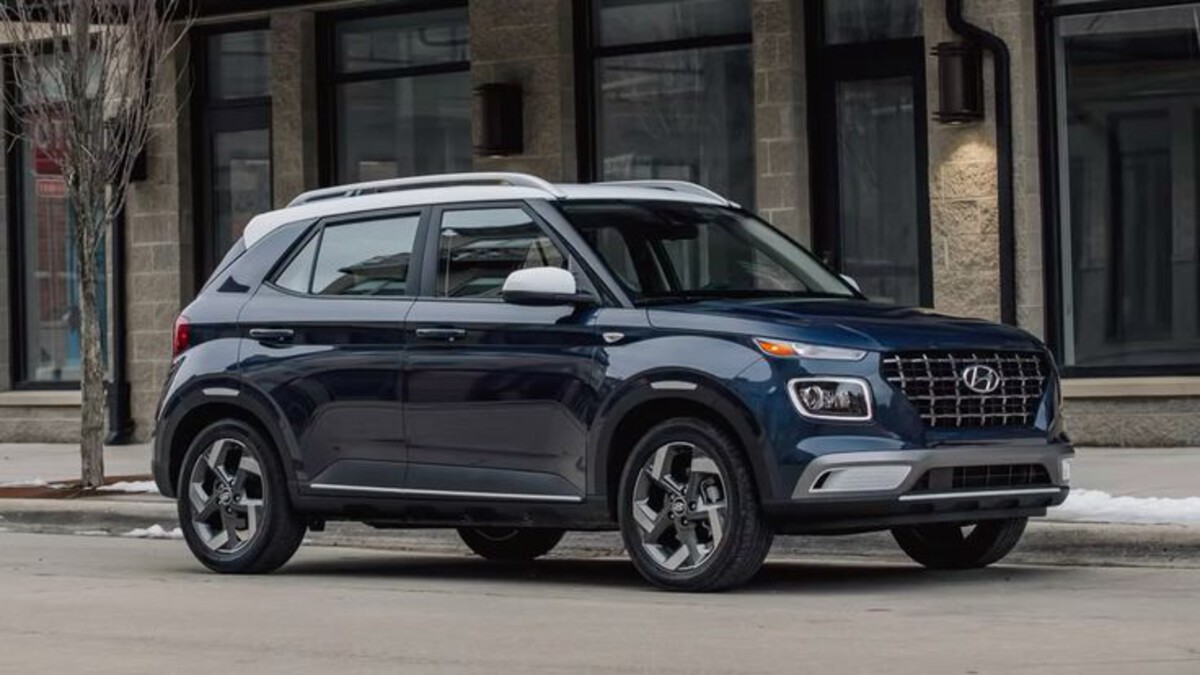
The steering is light, ridiculously light, honestly, making U-turns, reversing, and parallel parking all feel effortless. Even beginners feel confident in it. The turning radius is tighter than what you expect from an SUV, and the Venue doesn’t lean too much when you swing it in small spaces, which helps you control low-speed movements better.
Visibility is another bonus. The windows are big enough, the rear pillars aren’t too chunky, and the rear camera actually gives a clear view. Some SUVs show a fish-eye effect or weird angles, but the Venue’s camera is straightforward, and you can rely on it.
Inside, the seating position gives you that nice height advantage without feeling like you’re in a taller, heavier vehicle. That means you see more of the road and less of the hood. It’s the kind of SUV where you don’t need to estimate, you can actually see what’s happening.
Overall, the Venue is built for city life. If your everyday routine includes tight lanes, sudden gaps, and last-minute parking, this one feels like a natural extension of your arms. No drama. No awkward bulk. Just a genuinely compact SUV that behaves like one.
2. Kia Sonet
The Kia Sonet rides on a platform similar to the Venue, so naturally, it shares a lot of maneuverable traits, but it adds a bit more style without compromising practicality. The Sonet’s compact footprint is one of the main reasons it feels so easy to place on the road. Even though it looks sporty and slightly more aggressive, it never crosses into “big car” territory when you’re driving it.
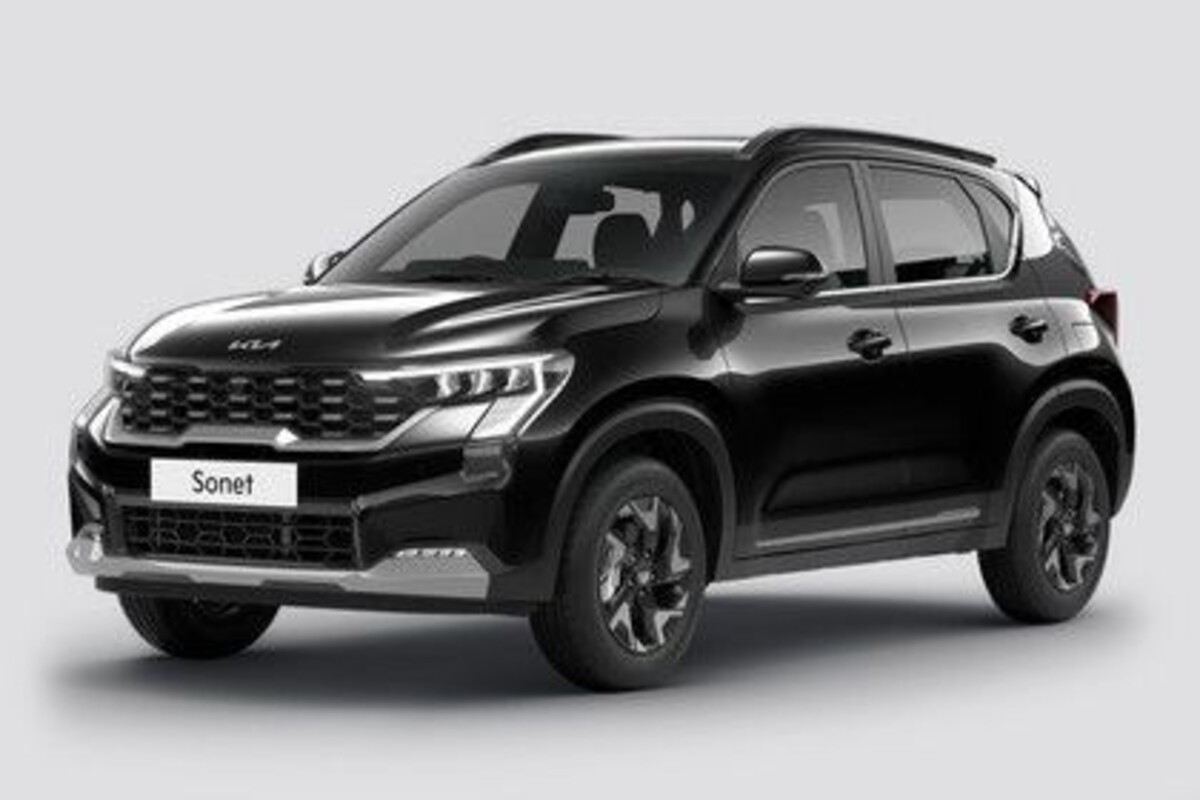
The steering is tuned lightly, especially at lower speeds, which helps during parking. The moment you start reversing into a spot, the wheel responds instantly. No heavy feel, no elbow-work. The body size works well with this, so the car doesn’t feel like it’s resisting your inputs.
Visibility up front is strong, and the bonnet doesn’t sit high. The rear window is slightly smaller than the Venue’s, but still good enough that backing up doesn’t feel risky. The camera and sensors help fill in the gaps.
One thing the Sonet does particularly well is control its width. Some SUVs are technically narrow on paper but feel wider because of how the cabin is shaped. The Sonet avoids that. It feels just right when threading between parked cars or squeezing past buses on busy roads.
It also helps that the Sonet’s upright stance gives you a confident viewpoint. You don’t feel buried in the seat like some hatchbacks, and you don’t feel like you’re piloting a heavy SUV either. It hits a sweet spot.
If you want a small SUV that gives you a balance of style, features, and stress-free city driving, the Sonet is one of the easiest recommendations.
3. Nissan Magnite
The Nissan Magnite is one of those SUVs that surprises you in the best way. You get in expecting a regular compact SUV, but instantly, you’ll notice how light and easy it feels around town. In heavy traffic, the Magnite truly shows its strengths.
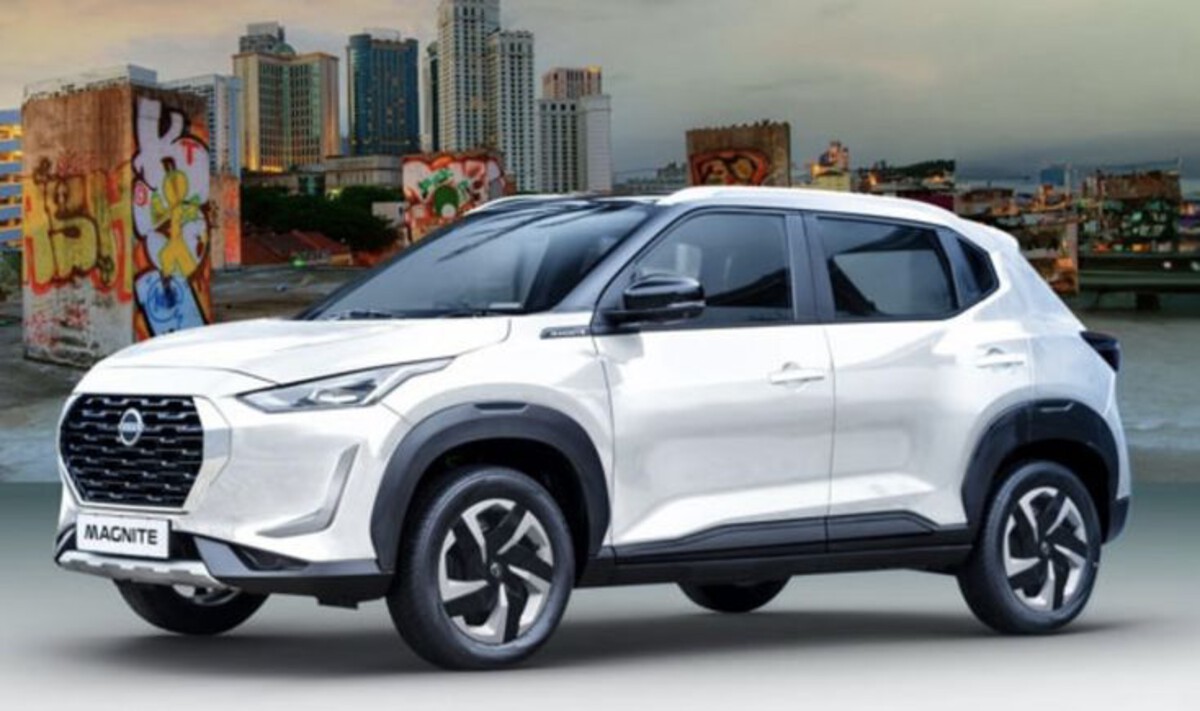
The steering is one of the easiest to handle in this segment. It practically twirls with your fingers, making tight spaces feel manageable. Turning into narrow lanes or doing U-turns is smooth and drama-free. The car also has a short wheelbase, which means it doesn’t need a giant arc to change direction.
The Magnite’s design plays a big role, too. It’s styled with sharper lines and a clean rear profile that doesn’t bulge awkwardly. When you look around from the driver’s seat, you don’t feel boxed in. The windows are reasonably sized, and the A-pillars don’t intrude too much.
Rear visibility is solid. The back window might look compact from the outside, but it gives enough coverage to reverse confidently. The Magnite doesn’t pretend to be “tough” by building unnecessary thickness into its structure everything is practical and helps the driver.
Another huge advantage is its weight. The Magnite is one of the lightest SUVs in the segment, which translates directly to easier maneuverability. You won’t feel the car dragging itself or leaning excessively at low speeds.
Thanks to these traits, the Magnite is perfect for beginners, daily work commutes, and anyone who deals with narrow parking spots. It keeps things simple, and honestly, that’s a blessing.
4. Renault Kiger
The Renault Kiger is related to the Magnite underneath, but it has its own personality and thankfully, its own ease of handling too. If you want a small SUV that feels youthful yet super manageable, the Kiger fits the bill.
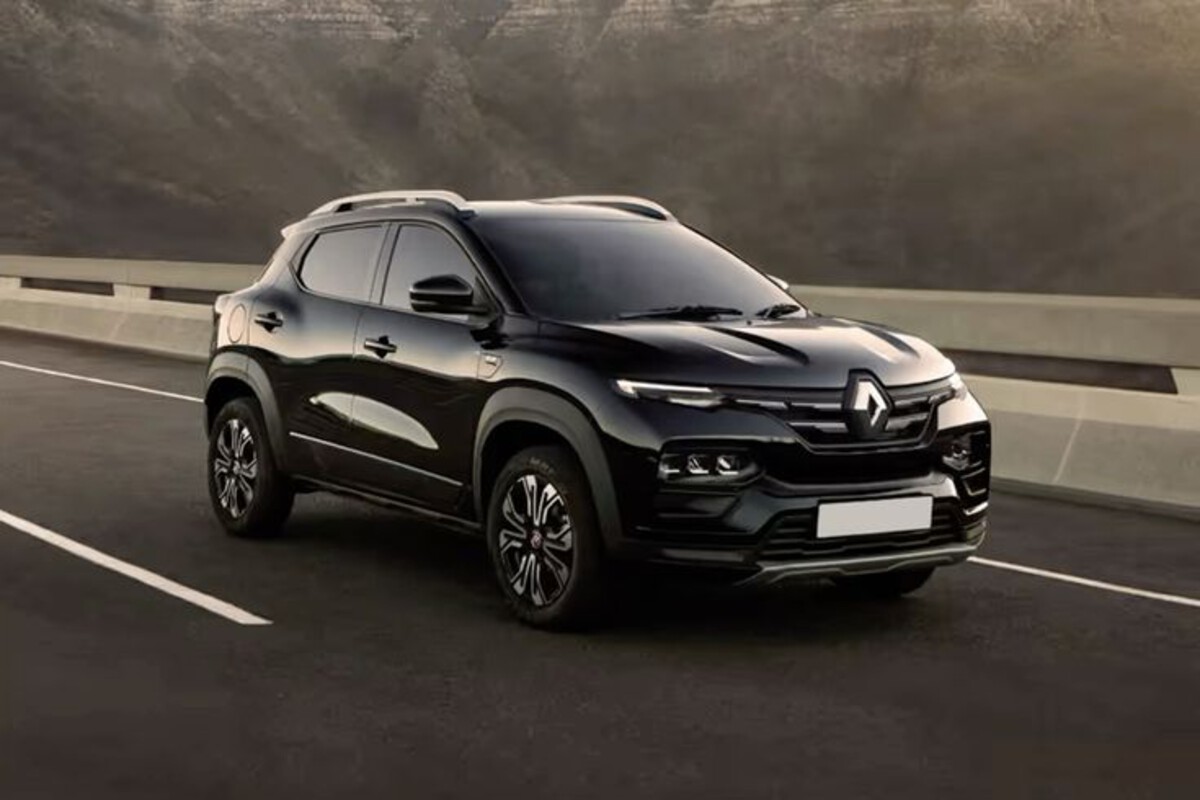
Its compact size is the first thing that helps. Even though it looks sporty and slightly rugged, the car doesn’t carry that “chunky” feel. You always know where the edges are, and the bonnet slopes enough to help you judge the front clearance.
The steering is responsive without being jittery. At low speeds, it stays light, which is exactly what you want when navigating parking areas or weaving through slow-moving traffic. It also maintains stability when you’re speeding up, which is a nice touch.
The Kiger has a wide cabin for its size, but Renault designed it smartly so it doesn’t feel wide while driving. You get decent shoulder space inside, but from behind the wheel, the car still feels narrow enough to glide through tight lanes.
Visibility is also impressive. The glass area is generous and doesn’t distort your view. The rear camera could be sharper, but it’s usable enough that reversing feels natural.
The Kiger is the kind of SUV that doesn’t pretend to be something it’s not. It knows it’s a city-friendly model, and it plays that role really well. If you want a car that stays easy to control from Day 1, the Kiger doesn’t disappoint.
5. Maruti Suzuki Fronx
The Fronx may not look like a traditional SUV because of its coupe-ish styling, but that actually works heavily in your favor when it comes to maneuverability. Maruti has always built cars that are easy to use, and the Fronx continues that trend.
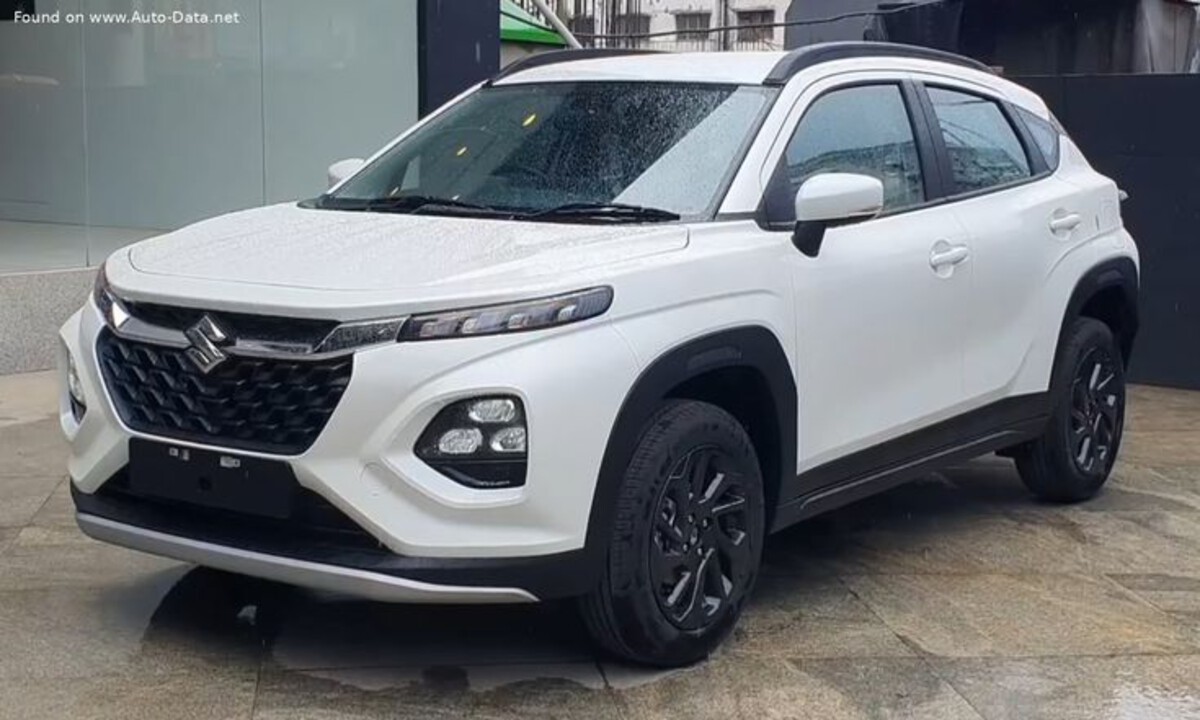
Its body is slim, clean, and lightweight, making it one of the easiest cars in traffic. When you pull into a bumper-to-bumper zone, the Fronx never feels overwhelmed. The steering stays smooth and predictable. No stiffness. No delayed reactions.
Visibility is great because the seating height is high enough to give you a clear view but not so tall that the bonnet blocks the road. The sloping rear window may look small, but Maruti positioned it well so you still see everything you need while reversing.
The turning radius is tight, and the suspension stays controlled even at low speeds. That means when you twist and turn in parking lots, the body doesn’t wobble around.
One of the biggest things that helps is the car’s weight or lack of it. It’s lighter than most competitors, so you don’t feel like you’re pushing a heavy brick. Even beginners who switch from a hatchback won’t feel intimidated.
The Fronx is practical, easy to drive, and impressively friendly for daily traffic. If you want something simple, nimble, and stress-free, the Fronx nails it.
6. Toyota Raize
The Toyota Raize, sold in several countries, is one of the most straightforward compact SUVs ever made. It’s boxy in the right way not bulky, just clean and practical. The design actually helps you place the car perfectly when navigating tight spaces.
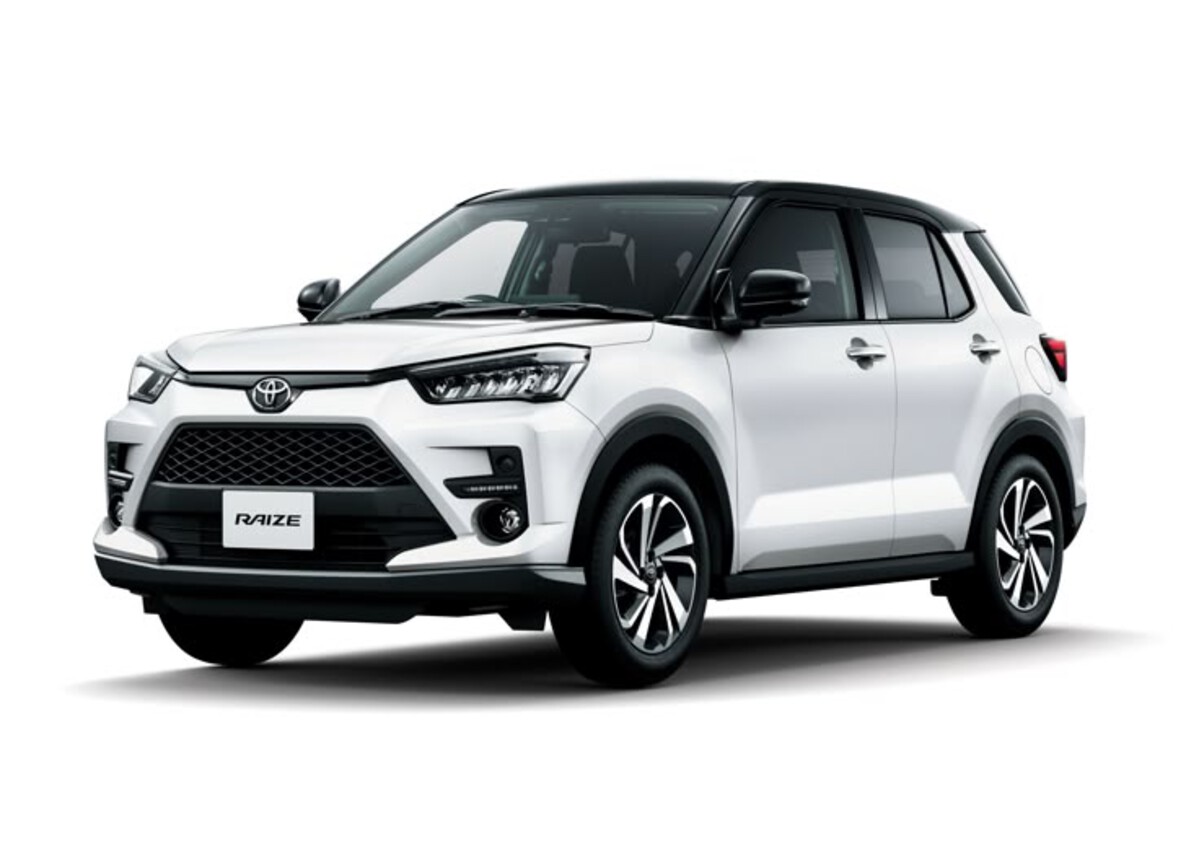
Its compact footprint is a huge win. The Raize is small but still manages to feel like a proper SUV from the seating position. You get that extra visibility boost without dealing with a big body.
The steering feels surprisingly light, especially at low speeds. The moment you’re trying to reverse into a narrow spot or squeeze between parked cars, it responds instantly. No lag, no heaviness, no guessing.
Visibility is where the Raize shines. The windows are tall and wide, the pillars don’t block too much, and you feel connected to the surroundings. Even the rear window gives you a clear path.
Another perk is that the Raize doesn’t try to be sporty or overstyled. The simple edges help you judge the perimeter of the car. When something is boxy and proportionate, your brain automatically processes the shape better which helps with tight maneuvers.
Overall, the Raize is that compact SUV that does exactly what you expect: easy, predictable, and smooth. No drama.
6 Small SUVs That Feel Bulkier Than They Look
Not every “small SUV” is actually small in real-life driving. Some models technically fit the compact category but behave like they’re half a size bigger. This isn’t always a bad thing some people like that big-car confidence but if you’re buying a compact SUV for easy parking, these might test your patience.
The bulkier-feeling models usually fall into a few categories. Some are wider than expected, which means threading through narrow spaces becomes a mental workout. Some have thick pillars that mess with visibility. Some have heavy steering at low speeds. And some simply have a cabin layout that makes the car feel bigger than it is.
These SUVs aren’t bad; they just don’t fit the “effortless city car” vibe. They demand more physical and mental effort in tight spots. If you’re someone who likes smooth in-and-out parking, or you get nervous in mall basements, these might not be the most comfortable fits.
Let’s break down six SUVs that tend to feel bulkier than their segment suggests and why.
ALSO READ: 8 Vintage Wagons That Make Great Overlanders
1. Tata Nexon
The Nexon is one of the most popular compact SUVs, but when it comes to maneuverability, it isn’t the lightest on its feet. It looks compact on paper, but the SUV has a chunky build, thick pillars, and a slightly wider body that becomes noticeable in tight parking areas.
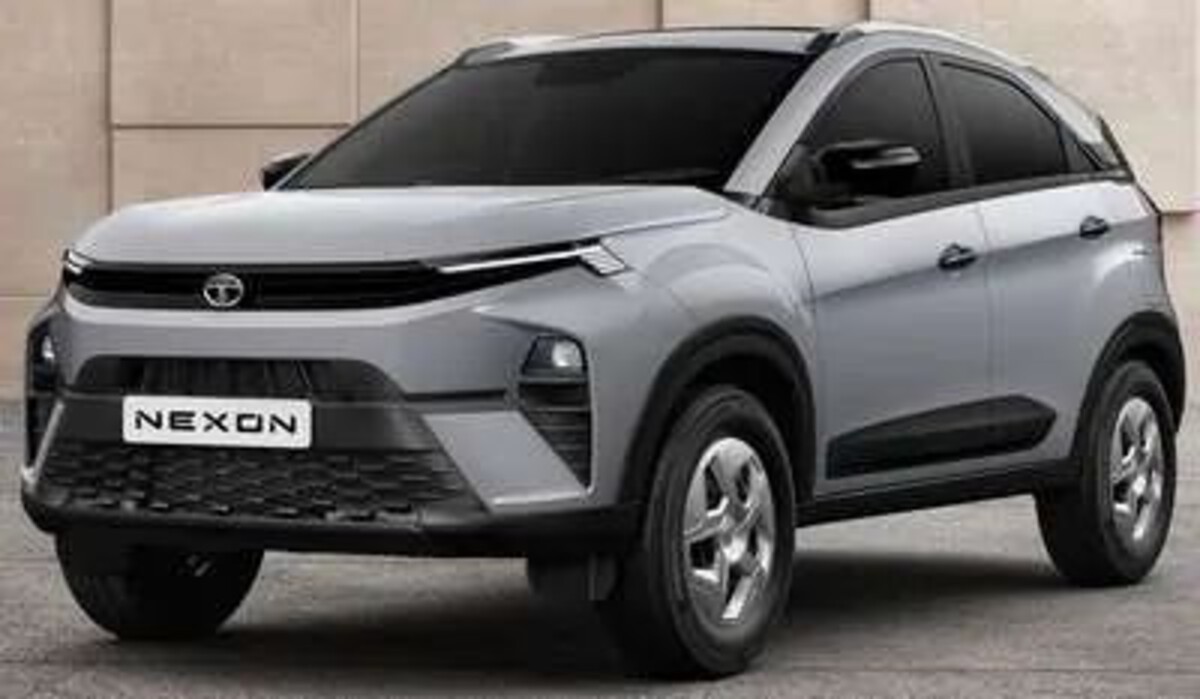
The steering, especially in earlier models, feels heavier than expected at low speeds. Even in newer versions, it doesn’t get feather-light. So, in slow-moving traffic or while reversing, you might feel like you’re putting in more effort than you should.
Visibility is a mixed bag. The front is fine, but the rear window is small and the C-pillars are thick. This creates blind spots, making parallel parking a little trickier. You naturally end up relying more on sensors and cameras.
The Nexon also has a high beltline, which means the windows feel narrower from the inside. This gives the cabin a solid, enclosed feel good for safety, not so good for ease of parking.
Prevailing, it’s not that the Nexon is too big it just feels big. And that can make the driving experience feel heavier in tight spaces.
2. Mahindra XUV300
The XUV300 is technically one of the widest compact SUVs in its class, and you can feel that the moment you enter narrow lanes. The width gives it great stability at high speeds, but in city traffic, it adds a noticeable bulk.
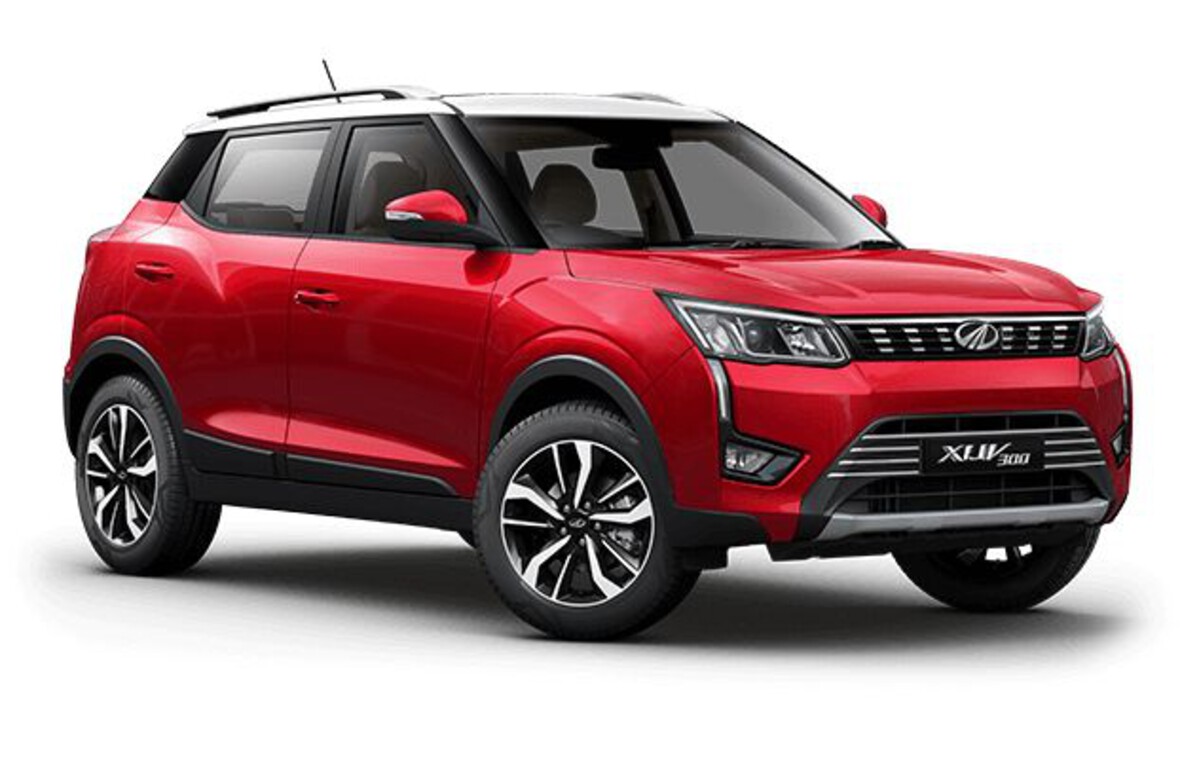
The steering is smooth but not as light as some competitors at low speeds. When you’re trying to fit into a narrow slot or navigate a cramped parking basement, the width and overall shape need more caution.
The front pillars are thick, and the dashboard sits a bit high, which slightly limits your front visibility. The rear window is also small and placed high, which again creates slight blind spots.
On open roads, the XUV300 feels planted and confident, but inside cities, especially around tight turns, you feel like you’re handling a bigger machine. This SUV is perfect for those who want a tough, sturdy feel, but not for those who prioritize parking convenience.
3. Volkswagen Taigun
The Taigun is sharp, solid, and extremely stable at high speeds, but that stiff, planted feel turns into a sense of bulk when maneuvering in crowded spaces. It has a squared, wide stance that makes it feel larger than it actually is.
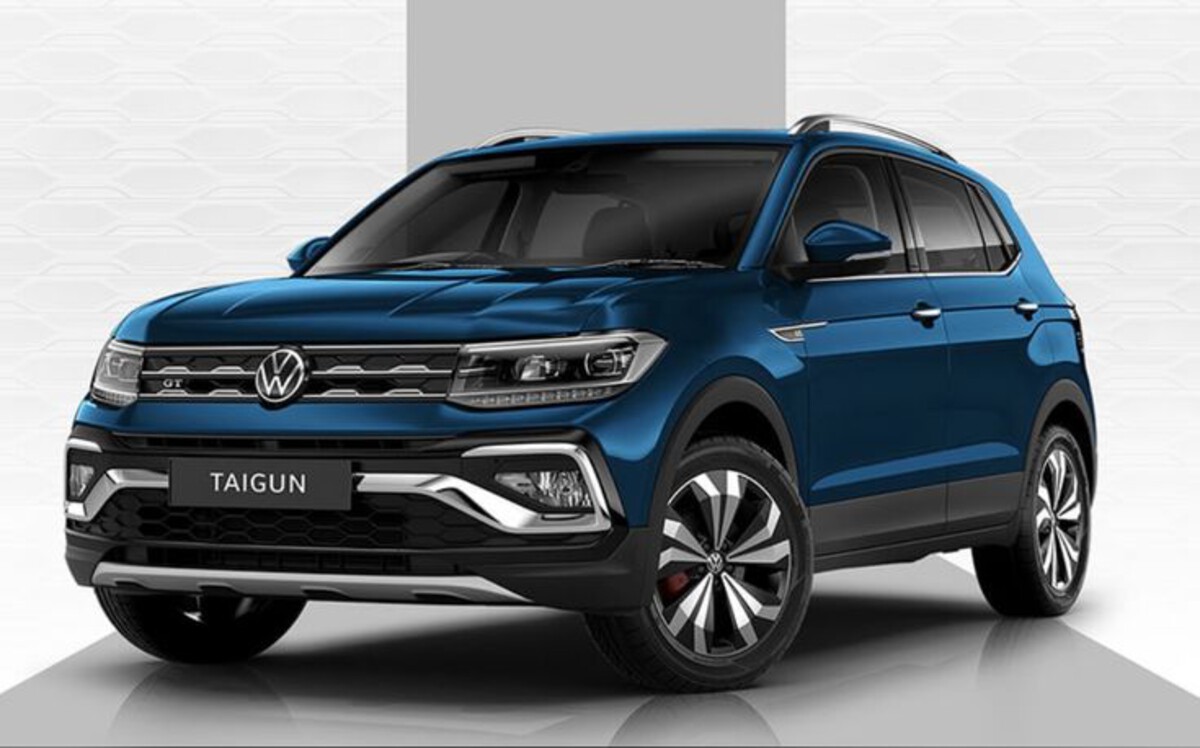
The steering is precise but not particularly light in tight spaces. You feel like you’re turning a heavier car, especially in basements or narrow turns. The boxy design helps visibility, but the overall length and width still give a slightly bigger-car impression.
The Taigun is ideal for highway lovers. But if you’re someone who does more city driving than open-road cruising, you’ll consistently be aware of the car’s presence. It’s not stressful, but it definitely doesn’t qualify as “easy to park.”
4. Skoda Kushaq
The Kushaq shares many traits with the Taigun same platform, same driving behavior. It has a strong, planted feel that’s great for confidence but not ideal for tight urban areas.
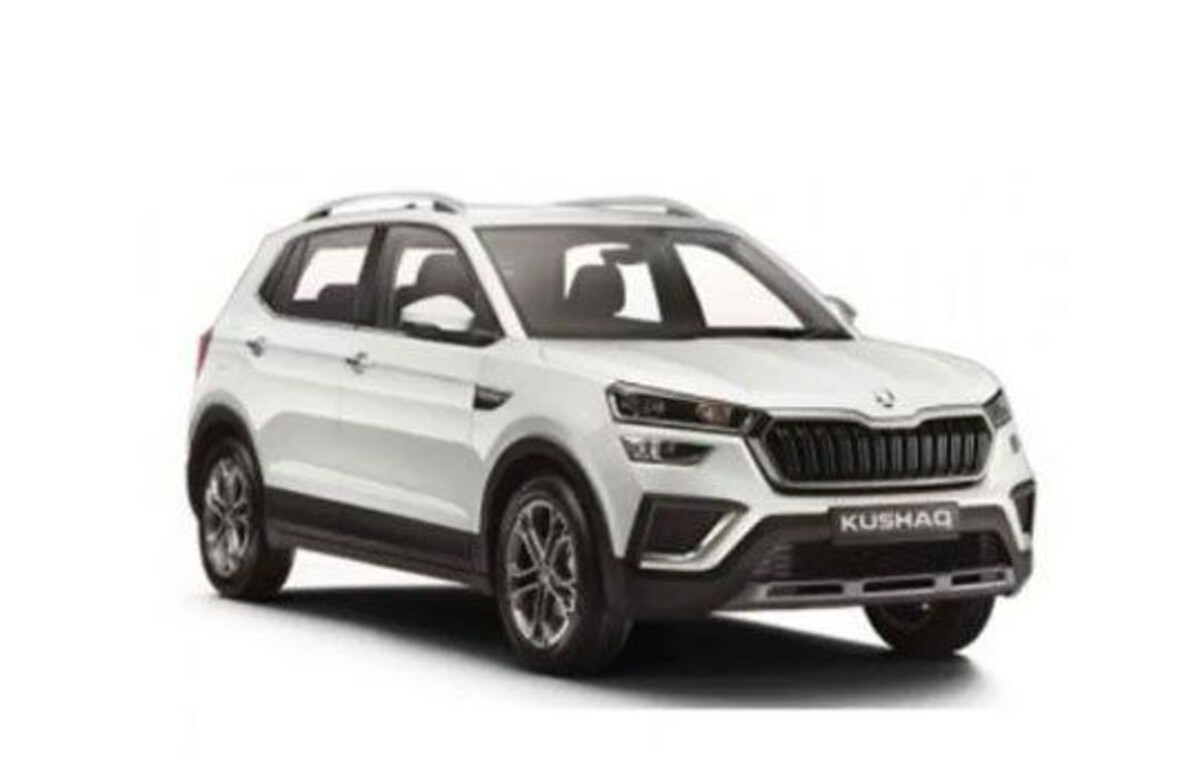
The steering is responsive but not super light. When you’re trying to reverse or make a close turn, it demands a bit more control. The front visibility is decent, but the rear feels taller and narrower than expected, making reversing angles a bit tricky.
Its stance feels more mature and grown-up than many compact SUVs, which again works well on highways but contributes to that sense of weight in crowded parking lots. If you like stability and a strong feel, you’ll love it. But if you’re looking for “easy to park,” this one doesn’t fit the category smoothly.
5. Honda HR-V
The HR-V (sold in several global markets) looks compact, but the driving feel leans toward a midsize character. The body is tall and slightly wider than some rivals, so in tight lanes, it needs extra attention.
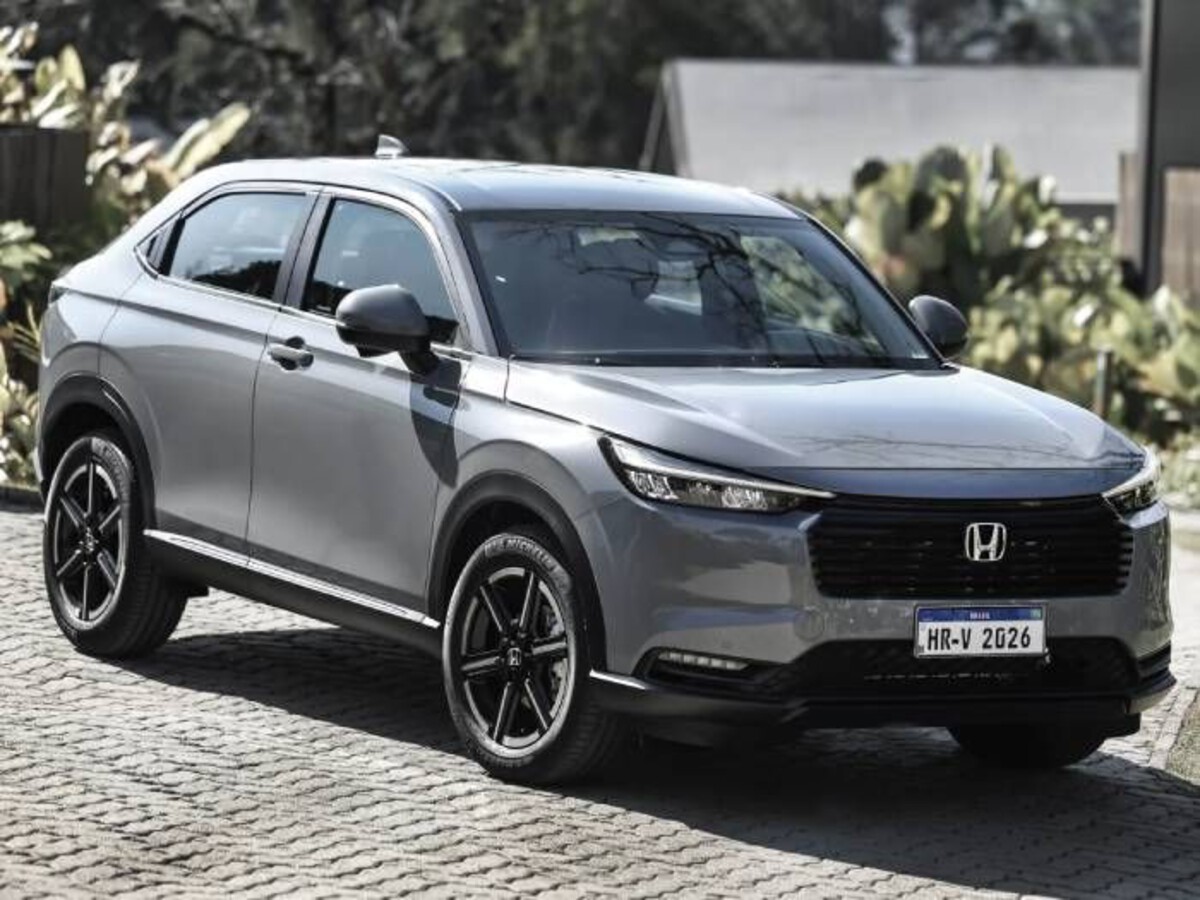
The steering stays smooth but slightly heavy during sharp maneuvers. The rear visibility isn’t the best the coupe-like rear design narrows the back window, and the pillars are thick.
Even though it’s not technically huge, the way the cabin is structured gives you the feeling that the car is bulkier, especially when reversing or parking in multilayer structures. It’s incredibly comfortable and stable, but not the best in the “easy city use” category.
6. MG Astor
The Astor is packed with features, but it’s also one of the heavier-feeling compact SUVs. The car’s width is apparent when navigating through tight gaps, and the steering isn’t as light as some rivals, especially during parking.
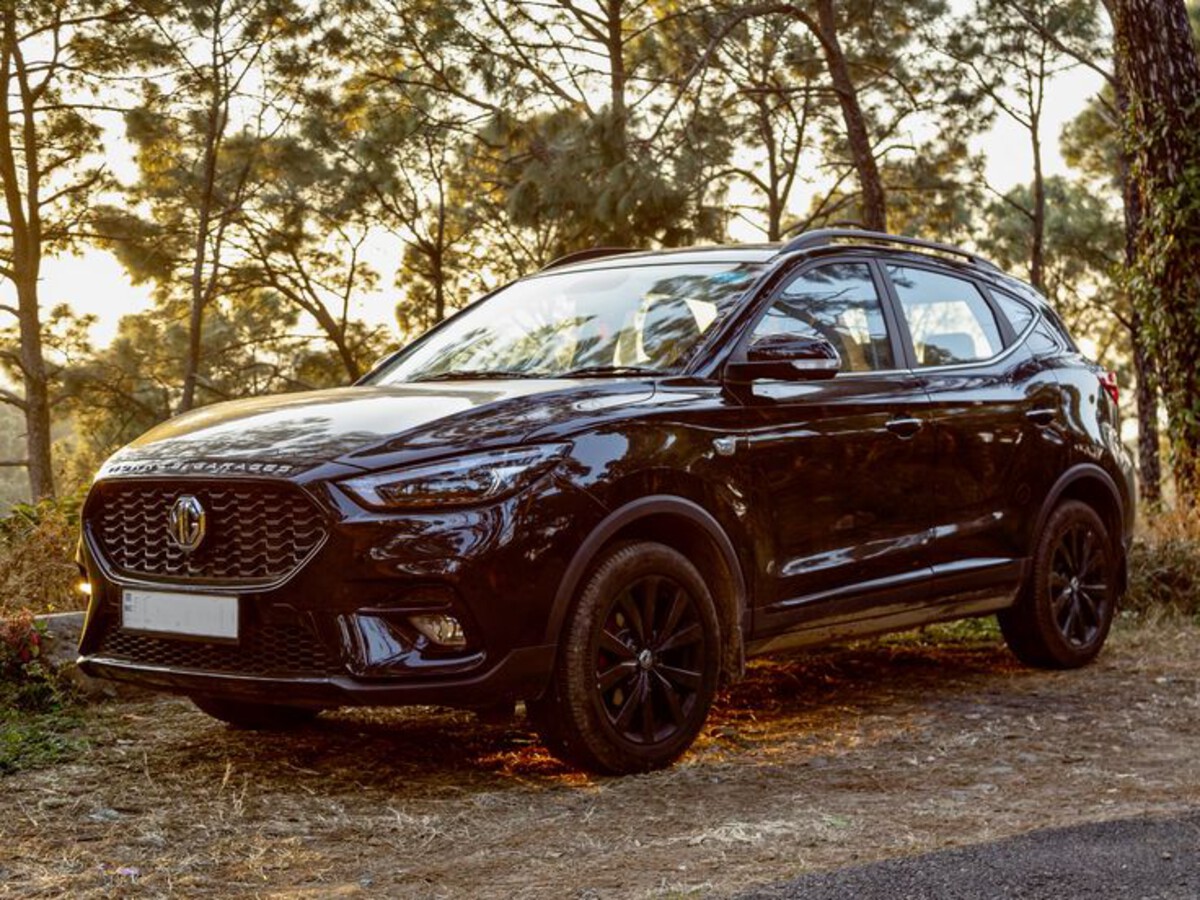
The bonnet sits a bit high, creating a slightly raised front profile. This makes it harder to judge the edges in tight turns. The rear visibility is also limited because of the sloping rear and thick pillars.
The Astor excels in comfort and premium feel, but the weight and wide stance give it that bulky-driving sensation. It’s not the type of car you can casually swing into any spot without thinking twice.