
Car history rarely follows predictable lines, and nothing proves that better than machines designed for a short run and then pulled away before the public ever really absorbed what made them special.
Surprising moments often happen in automotive manufacturing, where models arrive with excitement, hit dealership floors for a brief window, then disappear almost as quickly. Limited production periods sometimes come from difficult market conditions, internal strategy changes, or a simple desire to create something exclusive.
Whatever the reason, certain vehicles built for only one model year continue to draw curiosity every time they appear at a cars-and-coffee event or cross an auction block.
Enthusiasts occasionally talk about rare supercars, but one-year production machines come from all corners of the market. Some targeted high performance, while others intended to showcase technology.
A few carried unusual styling choices that manufacturers decided not to continue, leading to short runs and instant collector interest later.
It is fascinating how these models keep attracting attention long after they vanish from showrooms, partly because their rarity blends with strong personality traits. Drivers who enjoy standing out often appreciate anything uncommon, and these examples perfectly satisfy that desire.
Several of these one-year entries appeared during automotive periods of experimentation, especially in decades when design, performance, and safety regulations were changing rapidly. Manufacturers occasionally introduced a model as a trial balloon, only to discover that timing or internal priorities worked against broader release plans.
That sudden appearance and immediate disappearance created a legacy larger than their production numbers might suggest. Every car highlighted here shares that quality, each offering something memorable that still draws eyes today.
Anyone walking through an automotive event where uncommon performance machines appear might notice people stopping to admire something they rarely see.
These cars often provide that moment. Each entry below existed for a brief time, yet today they represent chapters of creativity worth revisiting.
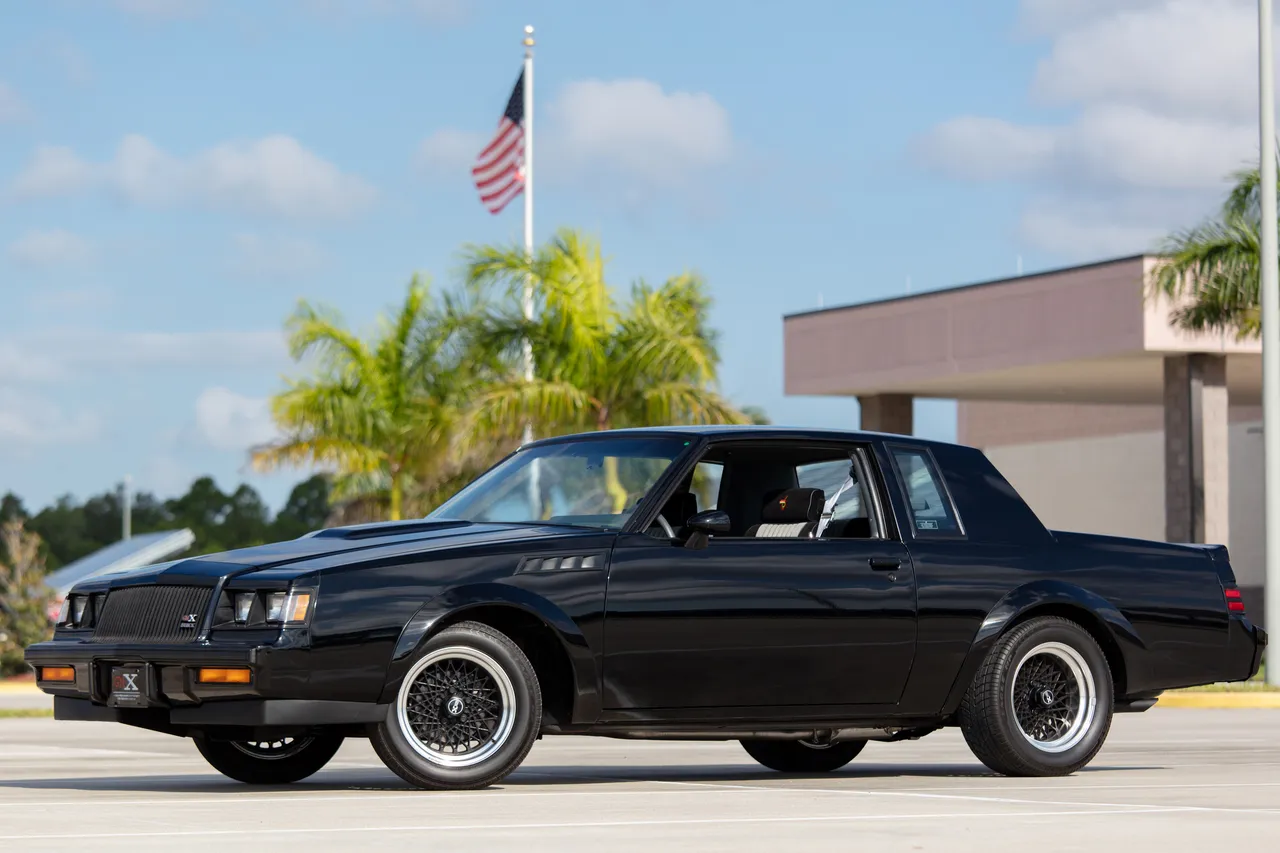
1. 1987 Buick GNX
Most performance cars from the late 1980s focused on V8 engines, yet the Buick GNX showed how turbocharged V6 engineering could embarrass many muscle machines from that period.
Produced exclusively for 1987, this upgraded version of the Buick Grand National received extensive work from McLaren ASC, transforming an already respected performance coupe into a limited-production beast that overwhelmed expectations.
Only 547 units reached customers, making original examples highly valued today among collectors seeking something truly uncommon.
Any driver who has ever watched a GNX launch knows how much torque this engine produces. Buick used a turbocharged 3.8-liter V6 paired with unique intercooling upgrades and recalibrated electronics. Test numbers recorded astonishing acceleration for its time, with quarter-mile results surprising performance brands.
People accustomed to thinking of Buick as a comfortable luxury name suddenly saw a side rarely associated with the badge. The GNX delivered an attitude that felt bold, aggressive, and unlike anything else offered in American showrooms during that era.
Interior styling stayed familiar to the regular Grand National, yet added instrumentation reminded drivers of the special engineering hiding under the hood. Subtle exterior cues, blacked-out trim, and distinctive fender vents turned heads everywhere.
Buick promoted this model as the ultimate evolution of its turbo lineup, and many buyers understood immediately that this opportunity would not return. GNX status has grown steadily over the years, supported by rarity, performance credibility, and undeniable swagger.
Collectors who track auction results see pristine examples command impressive prices, partly because they represent the final chapter of Buick’s turbocharged performance push.
People still speak about GNX acceleration figures with admiration, and anyone lucky enough to spot one on public roads usually remembers it later. Buick never repeated this combination, which helps explain why the GNX remains such a legend.
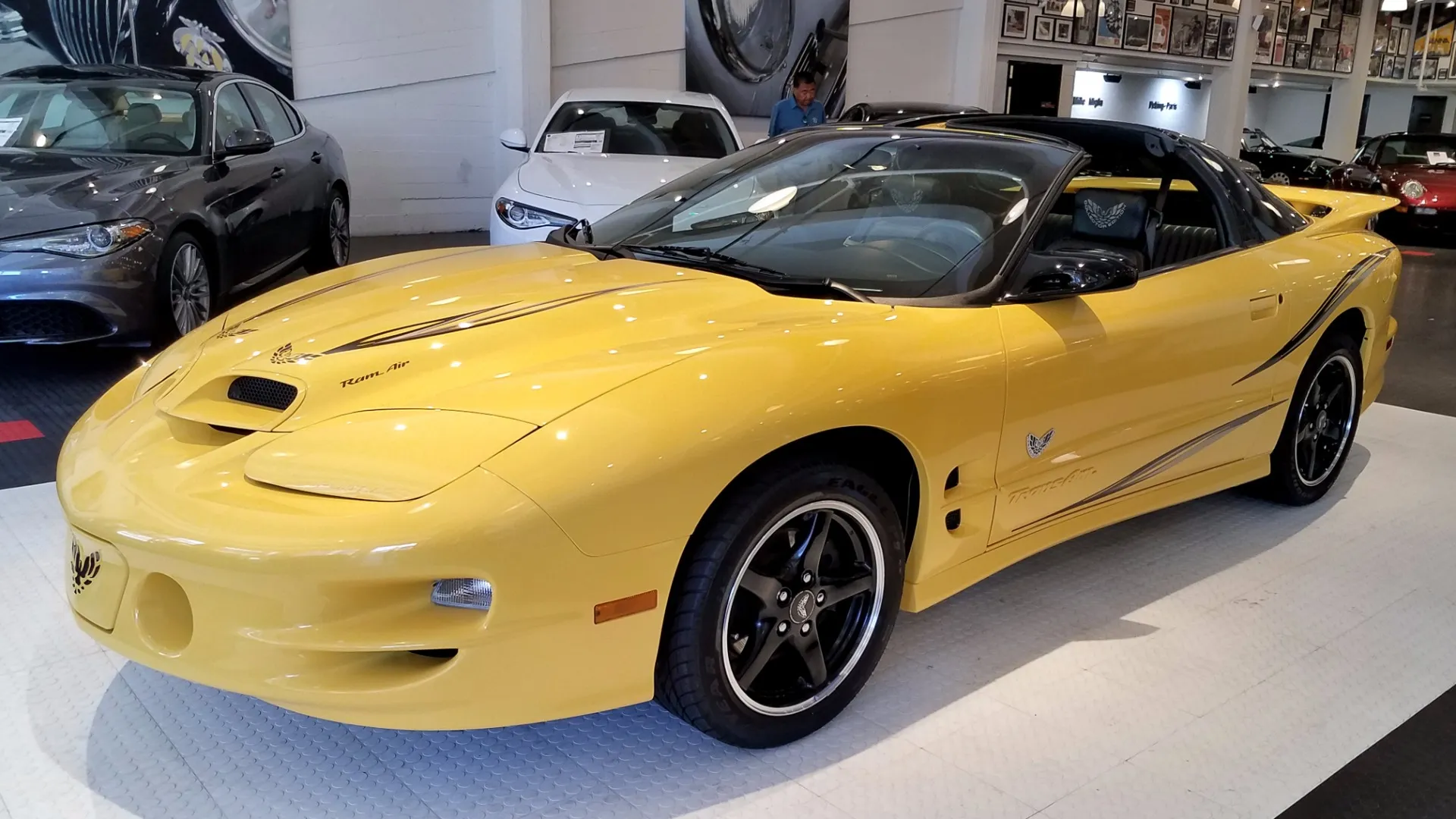
2. 2002 Pontiac Firebird Trans Am Collector Edition
Pontiac’s final year of Firebird production was in 2002, and the company marked it by releasing a special Collector Edition Trans Am with distinctive paint, graphics, and performance features. This one-year-only model served as a farewell to one of Pontiac’s most legendary sports coupes.
A bright yellow exterior with black accents created striking visuals that still draw attention at modern car meets. Even among people who never owned a Firebird, this appearance package stands out immediately.
Power came from the well-regarded LS1 V8 that many performance enthusiasts continue to appreciate today. It produced strong numbers and delivered a satisfying exhaust note that encouraged spirited driving.
Pontiac equipped this edition with handling improvements and exclusive features that separated it from regular Firebird trims. Many buyers recognized that this represented the end of an era, and the limited availability ensured future collectability.
Inside, drivers found special embroidery and detailing that reminded them they owned a final-year model. Seats offered firm support, instrumentation remained driver-focused, and a recognizable T-top configuration made sunny days memorable.
Although Pontiac as a brand no longer exists, the legacy of the Trans Am remains vibrant. The Collector Edition highlights that feeling and remains prized because few manufacturers give a performance icon such a dramatic sendoff.
Car enthusiasts often comment that Pontiac created something special by acknowledging the Firebird’s legacy in such a bold way. This model continues to appear in discussions about American muscle cars that deserved more time on the market.
Anyone looking at performance history from the early 2000s will understand why the Collector Edition continues generating appreciation every time one appears at an auction.
Also Read: 5 Cars for New Orleans Flood-Prone Areas vs 5 That Suffer Water Damage

3. 2001 Dodge Viper GTS ACR Final Edition
Automotive brands sometimes use limited runs to celebrate the closing of a generation, and Dodge took that approach with the 2001 Viper GTS ACR Final Edition. Only 360 units rolled off the line, wearing exclusive red paint with dual silver stripes.
Every example shared that distinctive appearance, which creates instant recognition among enthusiasts today. Production lasted for a single model year, marking the end of the original Viper generation that had stunned performance enthusiasts since the early 1990s.
Power remained enormous through an 8.0-liter V10 delivering huge torque. Dodge kept things analog, and many drivers appreciate that this machine relied on raw displacement rather than forced induction.
The ACR package added track-oriented suspension, lightweight wheels, and upgraded braking systems, allowing confident cornering at high speeds. Steering feel demanded attention, rewarding skilled drivers while reminding them that the Viper required respect.
Interior equipment appeared minimal by modern standards, but that simplicity felt intentional. Designers focused entirely on performance, leaving unnecessary comfort features behind. This approach delivered a brutal driving personality that continues to fascinate people today.
Anyone who drives one quickly realizes that the Viper never tried to behave like a friendly daily commuter. It projected an aggressive attitude from the moment the engine fired.
Collectors enjoy this Final Edition because it represents a true endpoint for the early Viper era. Later Vipers offered more technology, but the 2001 model preserved raw performance characteristics that made the name legendary.
Even today, these Final Edition cars appear on posters, auction catalogs, and YouTube reviews celebrating American horsepower culture. One sight of those silver stripes against red paint makes people stop for a second to look.

4. 1991 GMC Syclone
Few pickup trucks surprised performance enthusiasts as dramatically as the 1991 GMC Syclone. Turbocharging and all-wheel drive turned a compact truck into something capable of humiliating sports cars from its era.
GMC engineered the Syclone with serious acceleration in mind, and magazine testers recorded zero to sixty numbers similar to high-performance coupes. Production centered on a single model year, and although a few Strangers versions surfaced later, the Syclone remains tied firmly to 1991.
A turbocharged 4.3-liter V6 produced strong torque, and paired with its traction advantages, created performance numbers rarely associated with trucks. Syclone drivers often enjoyed surprising other motorists who underestimated its abilities.
That sleeper personality, combined with limited production, helped build a cult-like following that remains active today. Remembering that this came from GMC still surprises younger enthusiasts who discover the model’s story.
Styling leaned toward subtle aggression with dark paint, lowered suspension, and unique badging. Interior elements carried typical GM truck materials from the time period, yet gauges and controls supported the performance character.
GMC limited production to around three thousand examples, which preserved long-term rarity. Collectors continue tracking surviving units, and values have risen steadily as interest grows among younger buyers searching for distinctive performance icons.
Many observers believe the Syclone existed ahead of its time. Trucks eventually moved toward high-horsepower configurations, but this GMC demonstrated that formula long before large-brand performance trucks existed.
Anyone standing near a Syclone today might still hear questions from onlookers wanting to confirm its capabilities. Its legend comes from surprising performance statistics that remain impressive even decades later.
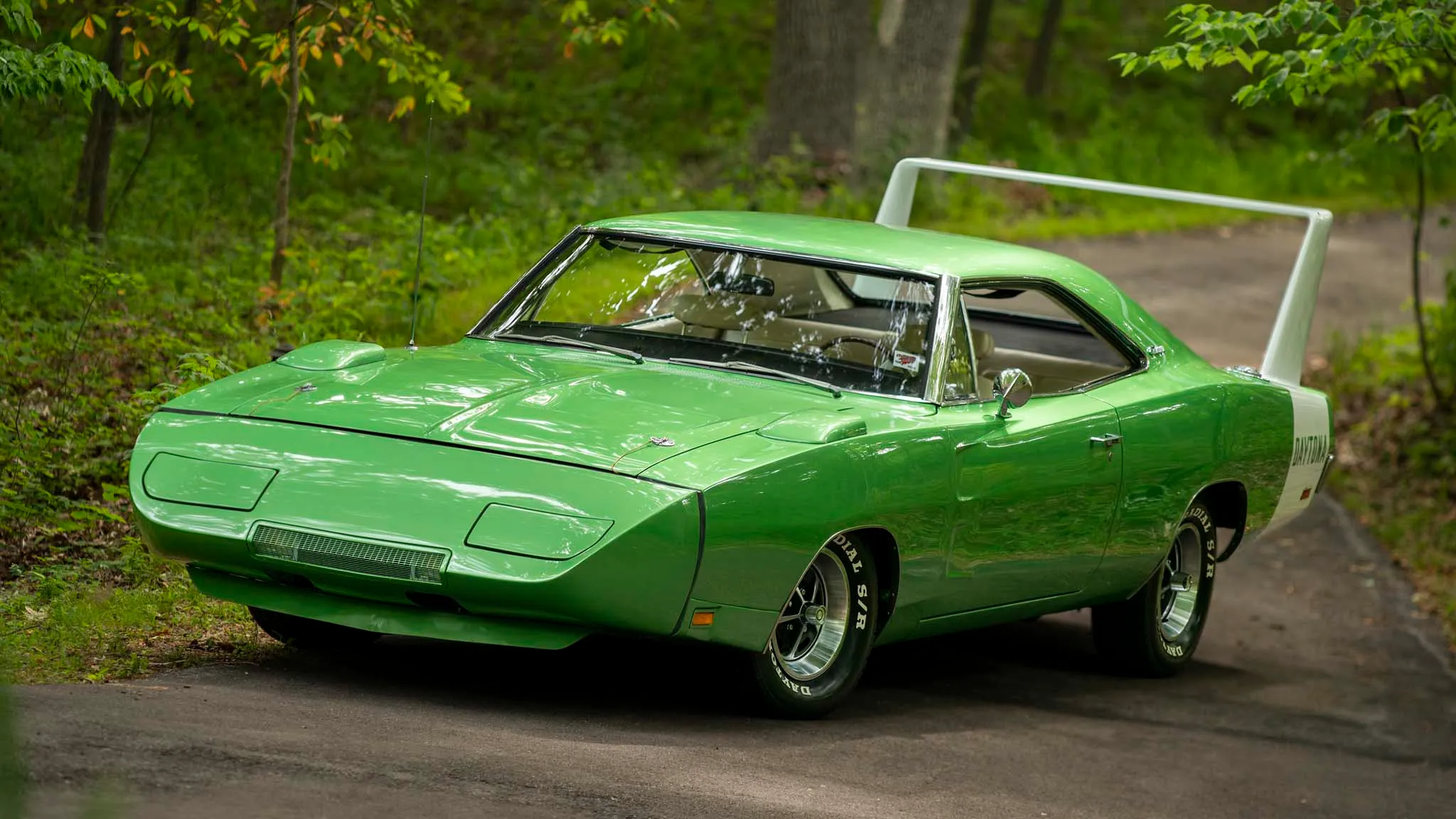
5. 1969 Dodge Charger Daytona
Racing history remembers the 1969 Dodge Charger Daytona for aerodynamic development that pushed NASCAR competition forward. Dodge built this model specifically to improve track speeds using an extended nose cone and towering rear wing.
Production numbers stayed low, partly because street customers did not always appreciate such bold styling. Only one model year received this extreme aerodynamic treatment, creating instant rarity later.
A range of powerful V8 configurations made the Daytona quick on straightaways, but the primary talking point comes from those dramatic body modifications. Engineers focused on reducing drag and increasing stability at racing velocity.
NASCAR competition soon changed rules, but not before the Daytona delivered extraordinary performance results. This achievement helped raise its status as one of the most distinctive muscle machines produced during the late 1960s.
Cabin styling followed regular Charger layouts, although Daytona badges reminded occupants that this was something special. Comfort equipment felt typical of the era, and driving dynamics leaned toward straight-line performance rather than tight cornering.
Standing near a Daytona today often draws immediate recognition from enthusiasts attracted to dramatic wings and long aerodynamic front sections. Very few cars in American history present such a radical silhouette, and this uniqueness explains the constant attention when one appears in public.
Collectors holding Daytona models cherish them as rare pieces of high-performance heritage. Values continue rising, especially for well-documented surviving examples.
Racing influence, radical styling, and one-year exclusivity combine to keep the Daytona highly desirable. Whenever a Daytona rolls through a car show, people tend to pause and appreciate something they rarely encounter.
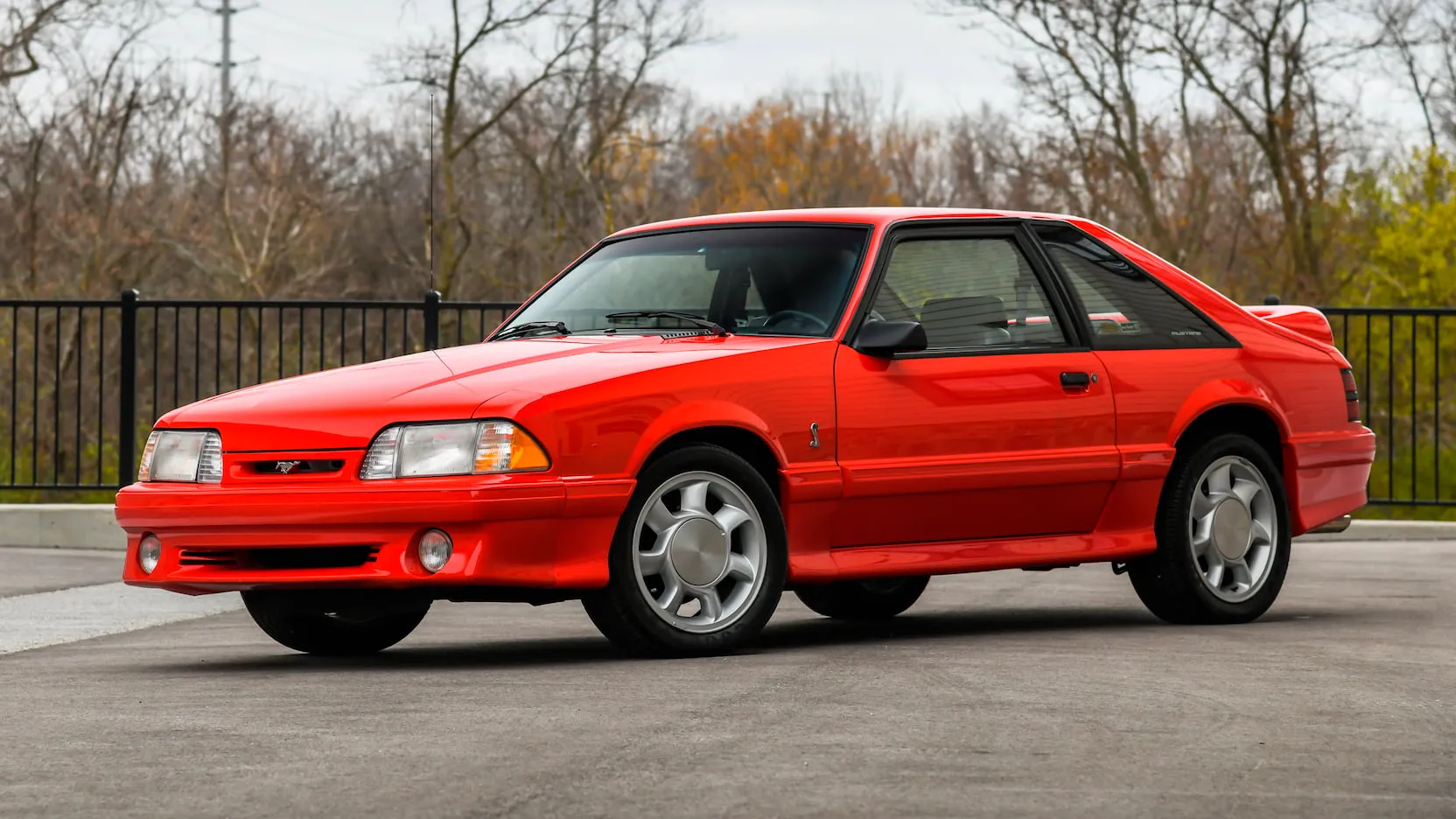
6. 1993 Ford Mustang SVT Cobra R
Ford tried something unusual in 1993 by releasing the SVT Cobra R only to buyers connected to actual racing activity or SCCA licenses. This requirement prevented casual collect-and-park purchases and kept the limited supply in the hands of drivers who would use the car as Ford intended.
Ford produced just over one hundred units, and each arrived stripped of unnecessary comfort features. Air conditioning, rear seats, and sound insulation were all removed to save weight. Horsepower came from a modified 5.0-liter V8 that delivered strong pull across the rev range.
Suspension hardware and braking systems received serious upgrades compared with the regular Mustang GT. Someone familiar with modern Mustangs might consider these numbers mild, yet at the time this configuration made the Cobra R feel extremely special.
Handling characteristics leaned toward track use, and Ford wanted this car competing rather than resting in a garage.
Exterior design kept things simple with subtle SVT badges and wheels that looked purposeful rather than flashy.
Drivers interested in attention usually choose brighter muscle machines, but the Cobra R earns respect from people who understand Mustang history. Production for that year only helped reinforce its reputation as a true factory racer that did not pretend to be anything else.
Collector interest grew steadily as years passed, especially after later Cobra R models arrived with higher performance. The 1993 version continues attracting interest because of the purity of its purpose.
Plenty of Mustang enthusiasts consider it one of the most focused factory Mustangs ever created. Whenever one shows up at a track event, it still feels exciting even today because most people have never seen one.
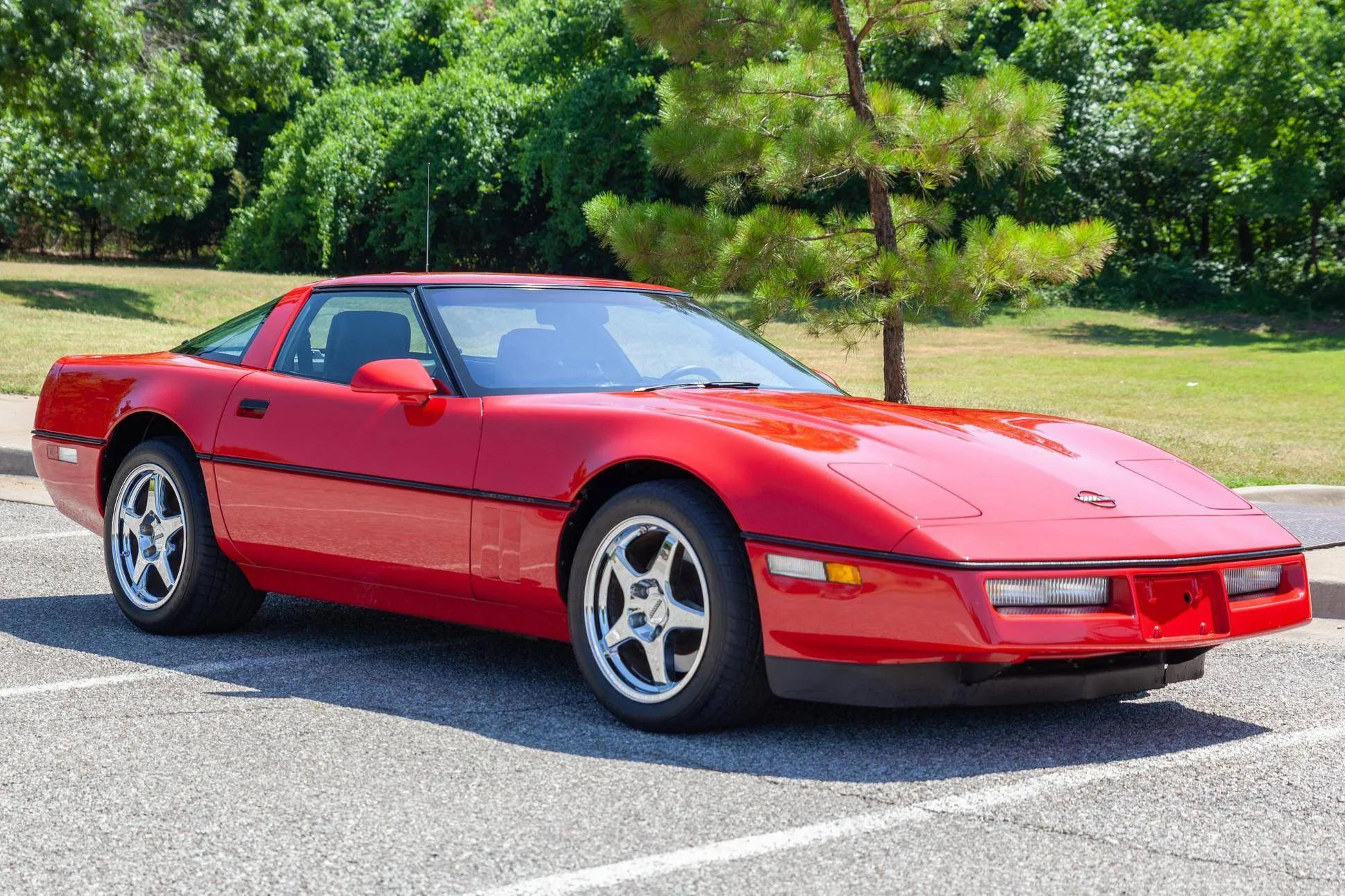
7. 1990 Chevrolet Corvette ZR-1
Chevrolet released the ZR-1 in 1990 with an exotic double-overhead-cam V8 built in partnership with Lotus. That collaboration alone keeps people curious about this car.
ZR-1 production extended into years after 1990, yet collectors treat the first model year as a special introduction because Chevrolet launched the exotic powertrain and unique wide-body styling that separated it from every other Corvette sold at the time.
Many Corvette observers often cite early ZR-1 examples as unusually charismatic because they appeared without any previous context. The 5.7-liter LT5 engine produced impressive numbers for the era, and the smooth delivery surprised drivers accustomed to pushrod V8 behavior.
Corvette engineers worked to create something different, and they succeeded. Acceleration felt effortless, while top-speed capability moved the Corvette name closer to European performance territory.
Chevrolet intended the ZR-1 to take on established supercars during highway speed runs, and magazine testers praised its ability to maintain stability at serious velocities.
Interior elements received upgrades in materials and trim, making the ZR-1 feel premium compared with base models. Chevrolet wanted owners to sense that they purchased something superior to a standard Corvette.
Even the wide rear section suggested that this car belonged in a different category. That aggressive stance remains a major attraction for collectors today.
Production continued after 1990, although the original year generates the most interest because it marked the moment Chevrolet decided to chase exotic engineering. Current market values reflect appreciation for cars that attempted bold engineering directions at a time when American sports cars usually relied on simpler technology.
Seeing an early ZR-1 today often starts conversations about Corvette innovation from the period, and people rarely walk past without at least glancing at it.
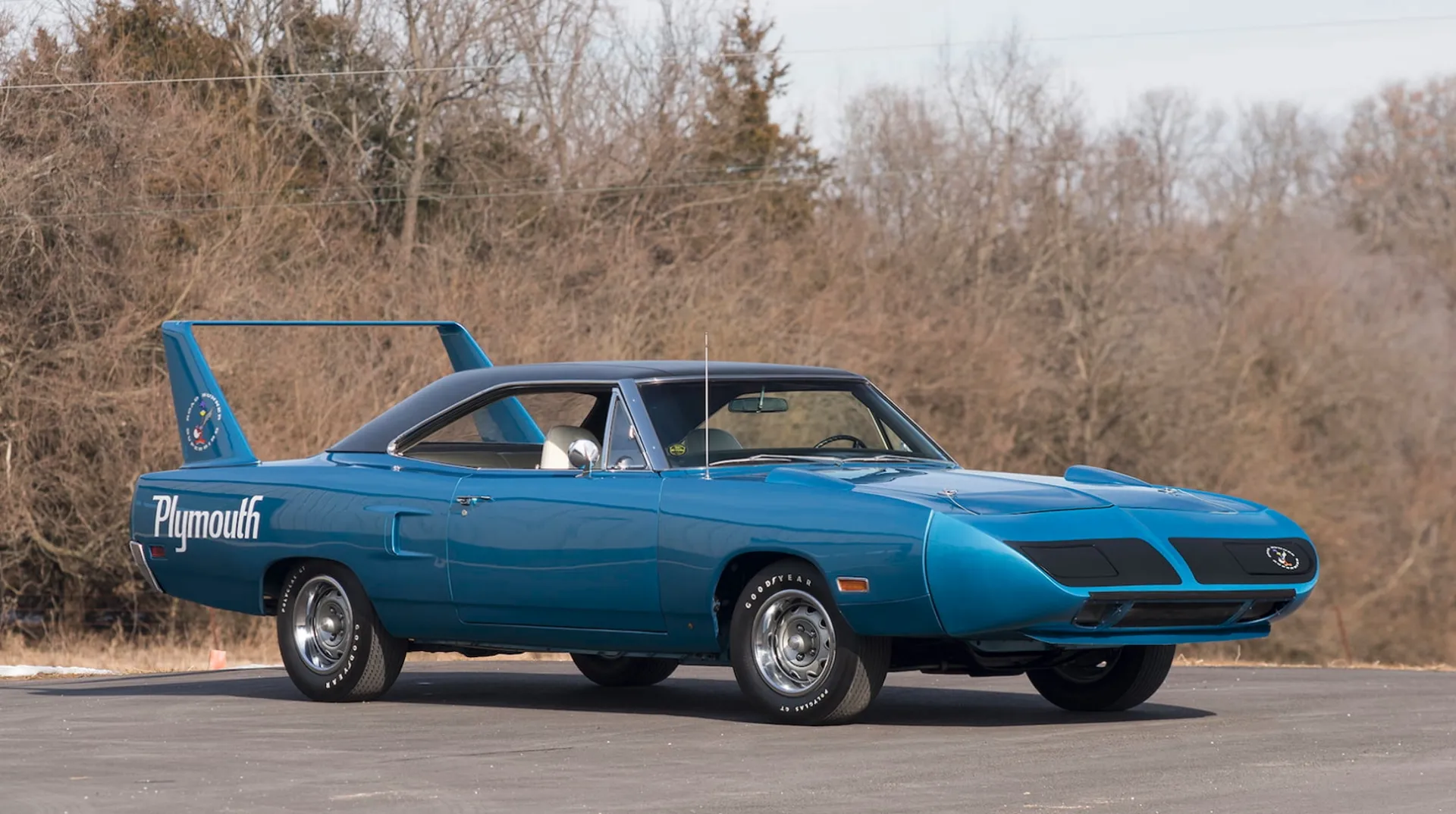
8. 1970 Plymouth Superbird
People who know NASCAR history recognize the Plymouth Superbird instantly because of its extended front end and massive rear wing. Plymouth sold it in 1970 only, although some late deliveries arrived at dealerships around that time.
That brief appearance came from racing homologation requirements that required road-going versions of the car to compete. As a result, Plymouth needed to produce a set quantity, which created a short market presence.
The aerodynamic shape served racing purposes, but regular customers sometimes struggled with styling that felt dramatic. The huge rear wing stood taller than many sedans, and the pointed nose gave the Superbird an unmistakable look.
Those features worked beautifully at racing speeds, and record books still mention performance achievements from that era. Plymouth achieved its purpose, and racing history confirmed that these extreme shapes created advantages unique to that time.
Engine options revolved around powerful big-block V8 choices that produced strong acceleration. Many buyers selected the famous 440 engine, though the street version of the legendary 426 Hemi also appeared. These choices helped cement the Superbird as a serious performance machine rather than simply a styling exercise.
Interior accommodations resembled other Plymouth muscle offerings from the period. Comfort felt secondary compared with the wild exterior.
Today, collectors gather around any Superbird, partly because of rarity and partly due to styling that still looks unusual decades later. Values have risen steadily due to limited production and historic racing involvement.
Anyone attending a muscle-car show might notice crowds forming around a Superbird whenever one arrives. People rarely forget the first time they see one, and the car’s racing heritage gives it lasting appeal. Plymouth’s decision to build it for only a single year remains one of the boldest performance moves of that era.
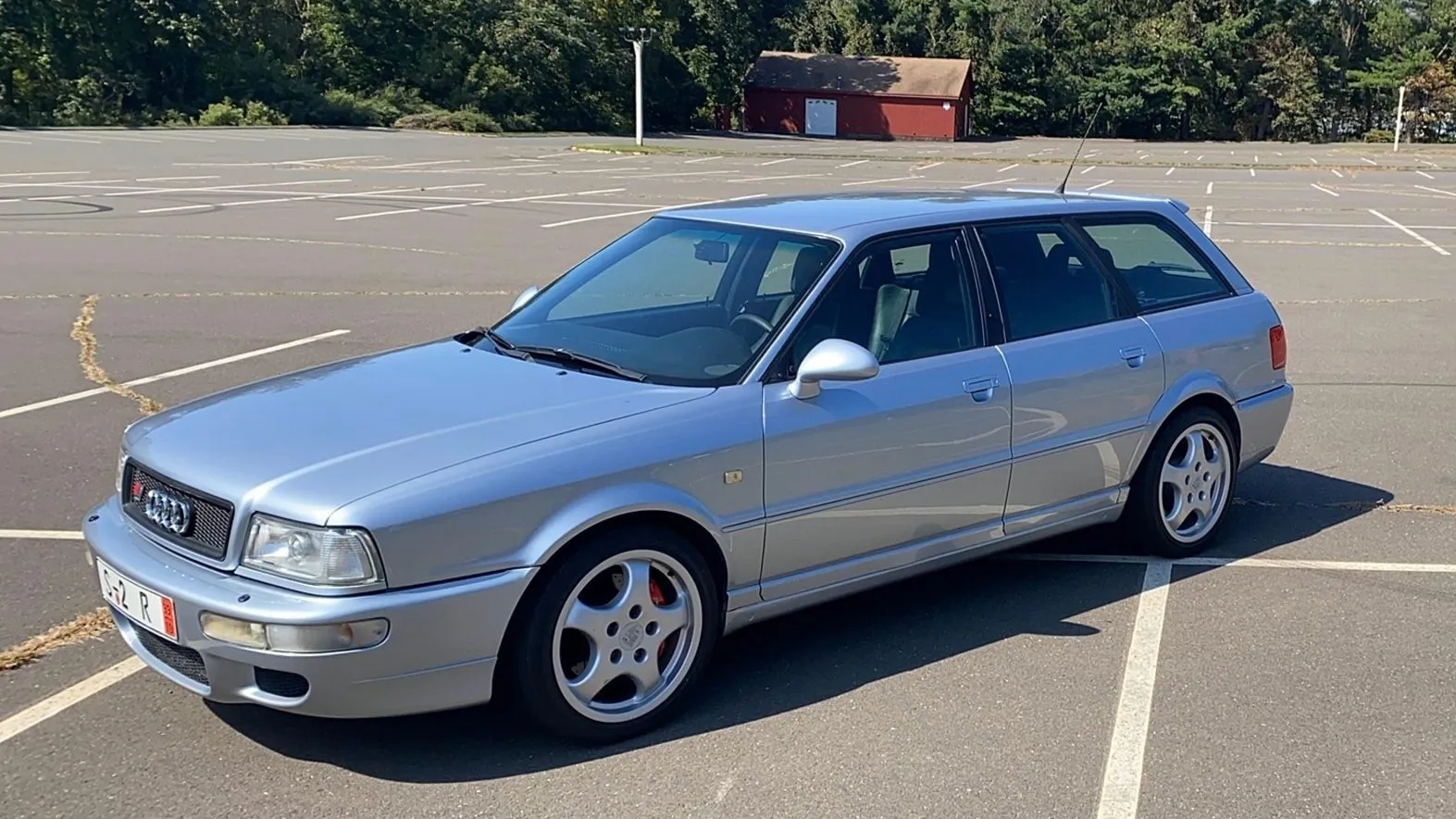
9. 1994 Audi RS2 Avant
Audi launched the RS2 Avant in 1994 as a performance wagon built with Porsche assistance. This single-year model (with a small number of deliveries flowing slightly across calendar boundaries) introduced the RS badge that Audi still uses today.
Many observers do not realize that Porsche actually assembled the RS2, adding credibility to the wagon’s performance reputation. That collaboration turned ordinary practicality into something genuinely quick and appealing to those who enjoy stealth performance.
A turbocharged five-cylinder engine produced strong horsepower and torque numbers that worked beautifully with Audi’s Quattro system. Acceleration surprised magazine testers, especially considering the wagon body shape.
The ability to launch in almost any weather created a personality that blended everyday usability with exciting driving behavior. Porsche supplied braking systems, wheels, mirrors, and several mechanical upgrades that pushed performance to surprising levels.
Exterior styling remained subtle except for larger wheels, unique paint options, and slightly wider arches. Many people still consider the RS2 a perfect sleeper, since it looks like a family hauler until acceleration tells a different story.
Audi interiors from the era featured solid build quality, supportive seats, and driver-focused ergonomics. The RS2 offered those traits while adding performance gauges and materials that reminded occupants of Porsche involvement.
Collectors admire the RS2 because it launched Audi’s modern performance division and demonstrated how practical shapes could deliver serious thrills. Production numbers were small, and international availability remained limited.
Seeing one in the United States requires import processes, which increase exclusivity even further. Anyone who experiences a ride in an RS2 usually remembers the turbo surge. Among Audi enthusiasts, the RS2 sits at the beginning of a performance lineage that continues today.
Also Read: 5 Cars for Memphis Delivery Routes vs 5 That Are Maintenance Nightmares
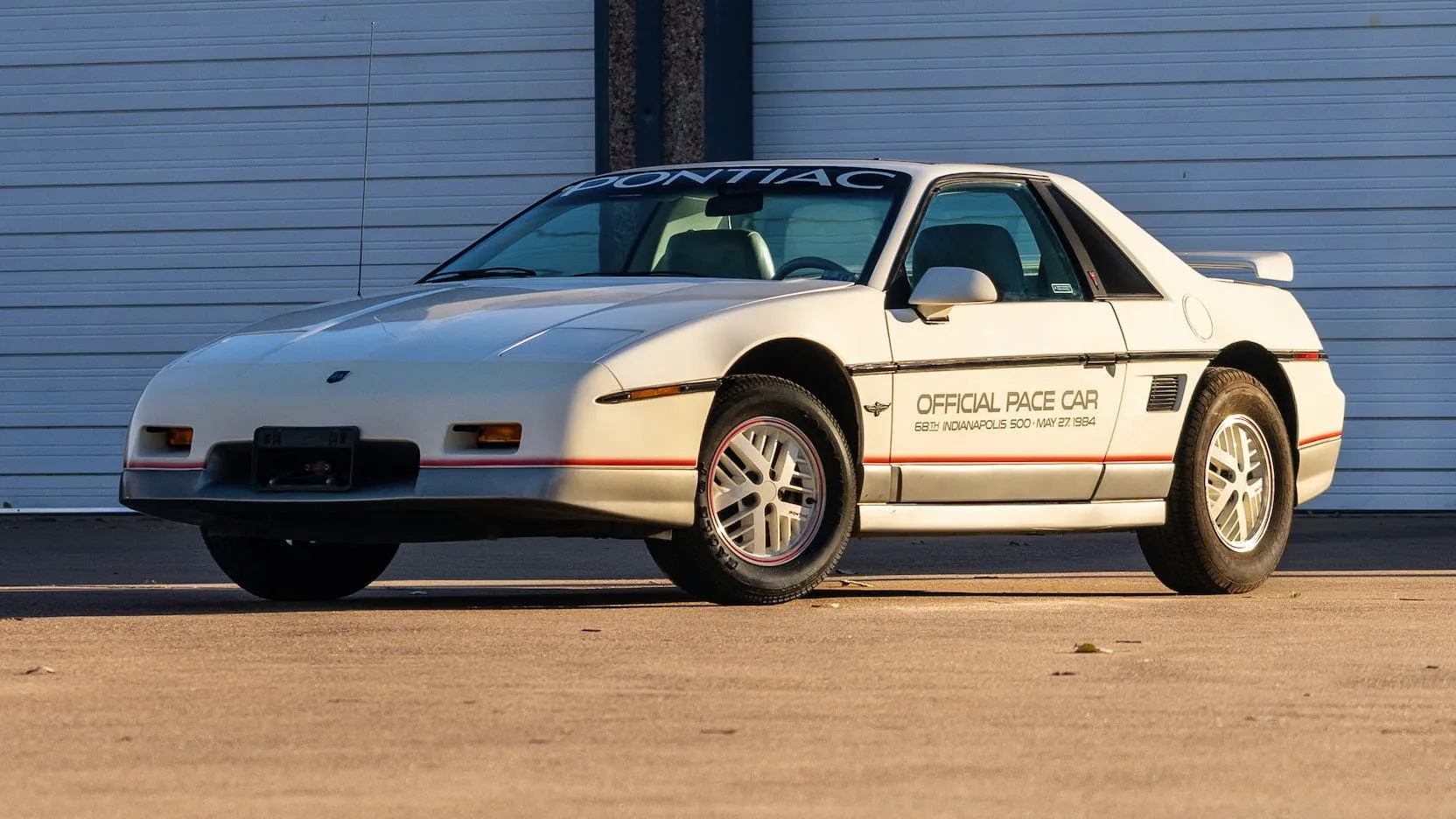
10. 1984 Pontiac Fiero Indy Pace Car Edition
Pontiac introduced the Fiero in the mid-1980s as a lightweight mid-engine commuter car, yet the 1984 Indy Pace Car Edition changed that perception briefly. This unique version honored the Fiero serving as a pace car for the Indianapolis 500, and Pontiac sold a limited number of replicas during that year only.
A special white paint scheme with red graphics attracted attention from drivers curious about Pontiac’s new direction. A 2.5-liter four-cylinder engine powered most of the Indy editions, though the actual pace-car used a modified setup for racing duties.
Pontiac intended the street version more for style and recognition rather than high horsepower. Despite modest engine output, the lightweight design made the Fiero feel agile and enjoyable on twisty roads.
Pontiac sought to prove that the brand could produce something other than traditional front-engine cars, and this special edition highlighted that ambition.
Interior trim received unique embroidery and materials linked to the Indy celebration theme. Seats offered comfortable bolstering, and the mid-engine layout created a driving feel uncommon among affordable American cars at the time.
People who remember the 1980s often think of the Fiero as a bold experiment, and the Indy Pace Car Edition represents the most eye-catching slice of that experiment. Collectors searching for rare 1980s models consider this version attractive because it appeared during a single model year with a distinctive appearance package.
Surviving examples occasionally show up at auctions, reminding everyone that Pontiac attempted an innovative direction before mechanical issues eventually adjusted Fiero plans. People standing near an Indy edition usually notice the graphics immediately and recognize a unique moment from Pontiac history.
Short-lived production sometimes creates unforgettable machines. These ten examples prove that limited availability and distinctive identity can leave a powerful impression long after showroom doors closed.
Anyone encountering one of these rare models today will probably pause out of curiosity, because each represents a special moment when a manufacturer tried something different for a brief time and then moved on. They vanished quickly, yet they continue turning heads wherever they appear.
