Cars often capture our imagination long before they hit the showroom. Concept vehicles impress with futuristic styling, bold proportions, and promises of exhilarating performance. They ignite dreams of a driving experience that combines beauty and excitement, tempting enthusiasts with a vision of automotive perfection.
Yet when production models arrive, reality can feel underwhelming. Practical compromises, cost-saving measures, and market considerations frequently remove the elements that made the concept so appealing, leaving a vehicle that looks good on paper or in photos but fails to excite those who expected more.
From sporty hatchbacks to sleek SUVs and legendary sports cars, the gap between concept and production has frustrated car lovers time and again. This list of “10 Cars That Look Stunning But Disappoint True Enthusiasts” highlights vehicles that drew attention with their initial promise but fell short in performance, interior quality, handling, or refinement, offering a clear lesson in expectation versus reality.
1. Nissan Versa Hatchback: From Concept to Reality
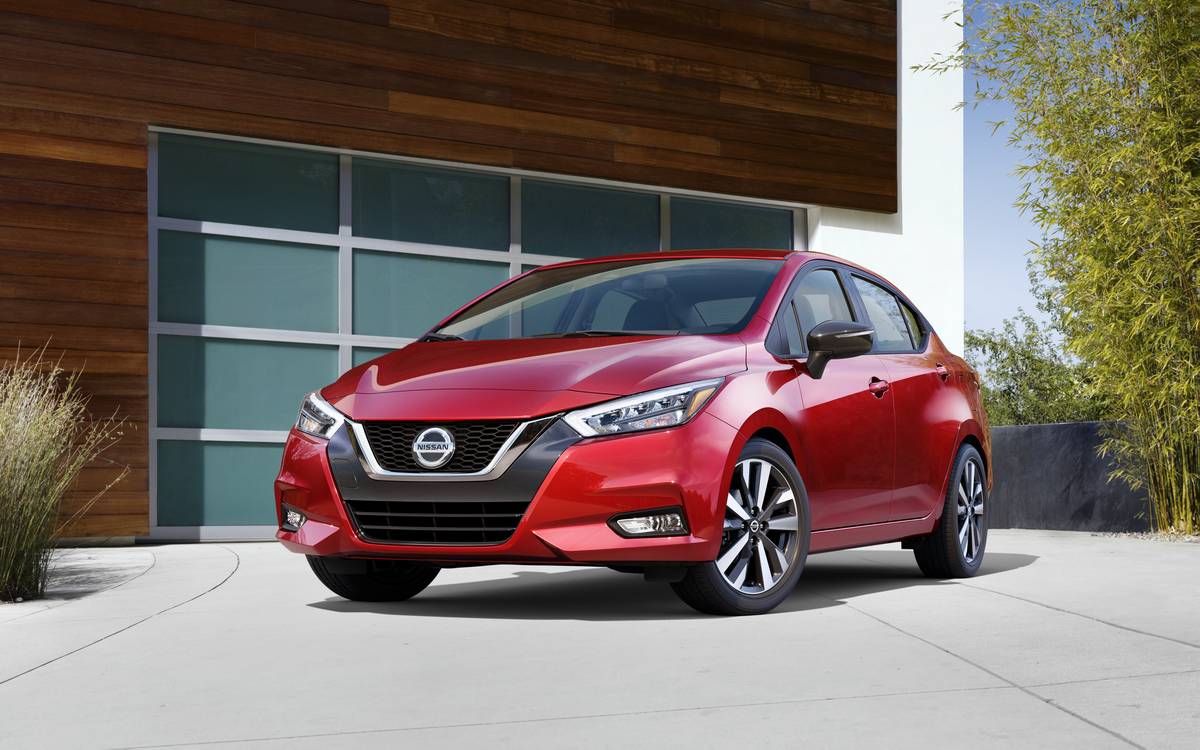
In 2005, Nissan presented the “Nissan Sport Concept” at the New York Auto Show. This three-door hatchback immediately caught attention with its 20-inch wheels, leather seats, and four-point Nismo seatbelts. Its aggressive styling and sporty features made it look like a car straight out of Need for Speed Underground. Fans imagined a production version that might capture some of that excitement, but the production model turned out to be very different.
The Nissan Versa hatchback was introduced to the public in 2006 as a practical, budget-friendly economy car. It was powered by a 1.6-liter engine producing just 110 horsepower, designed for fuel efficiency rather than speed. While it offered low running costs and a spacious interior, it disappointed drivers expecting a sporty experience.
Performance is one of the most common criticisms. The engine is often described as weak and slow, making highway merging challenging. The standard Continuously Variable Transmission (CVT) is noisy, can feel unresponsive, and struggles to maintain a steady power delivery on inclines.
The interior quality also reflects cost-saving measures. Hard plastics dominate the cabin, and many owners report rattling panels, flimsy weather stripping, and seats that provide minimal support. This makes the interior feel basic compared to competitors in the same price range.
Reliability issues are another concern, particularly with the CVT, which has a history of failing prematurely, sometimes around 70,000 miles. Driving dynamics are also basic, with numb steering, a stiff ride, and a light body that can feel unstable in windy conditions.
Even standard features are limited on many models. Older versions may lack USB ports, telescoping steering wheels, or external trunk releases. Some features require expensive optional packages, which can make the car feel less valuable to buyers.
The Nissan Versa hatchback is an affordable choice with a roomy interior and low fuel consumption. However, it sacrifices performance, comfort, and long-term durability. Drivers who prioritize reliability, driving engagement, and a higher-quality interior may find themselves wishing they had considered slightly more expensive alternatives or used models with stronger performance and features.
2. Subaru WRX: Concept vs. Production
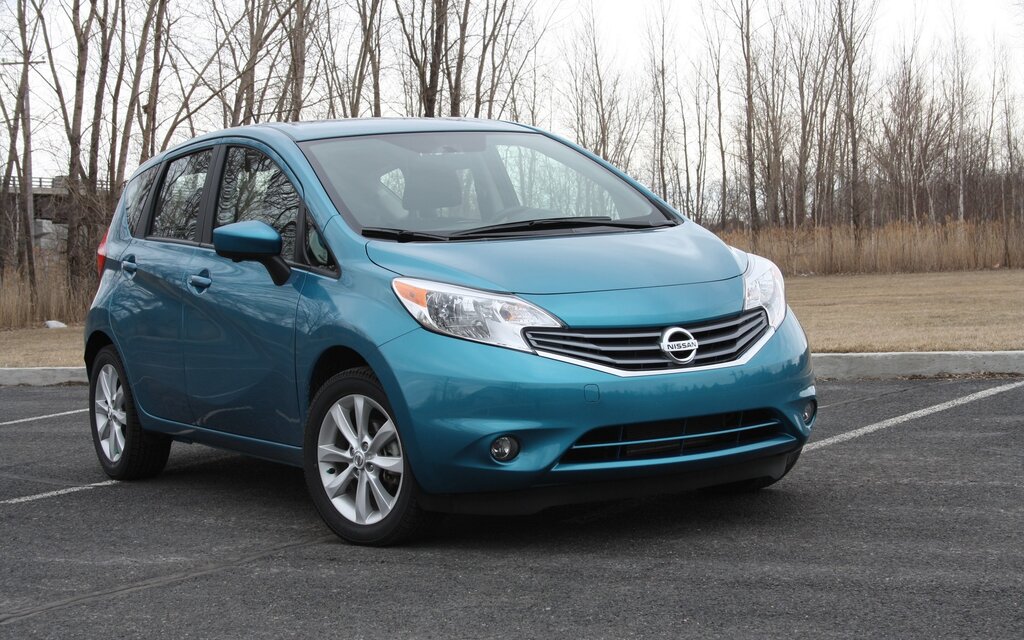
The latest generation of the Subaru WRX has impressed many fans, but it has also sparked some disappointment when compared to the 2013 concept shown at the New York Auto Show. That concept was a full-scale model designed to showcase Subaru’s new design language rather than a fully functional vehicle.
While the front of the production WRX closely resembles the concept, the rest of the design differs significantly. The concept featured a four-door coupe-like body, simple and futuristic rear taillights without a wing, and fluorescent yellow badges, none of which were carried over to the production model.
Despite its sporty reputation, some WRX owners report dissatisfaction with several aspects of the car, including styling, features, performance, and maintenance. Exterior aesthetics are a major concern, particularly the addition of black plastic cladding.
Many feel this takes away from the car’s sporty heritage and gives it a cheap or crossover-like appearance. Long-time fans are also frustrated by the absence of a new-generation WRX STI, which traditionally offered stronger performance, better suspension, and improved brakes.
Interior quality and technology are often cited as weak points. Hard plastics dominate the cabin, and the infotainment system and backup camera are considered outdated compared to competitors. Performance and driving experience depend on the transmission choice.
The manual gearbox is generally praised, but the optional Subaru Performance Transmission, which is the brand’s version of a CVT, is criticized for feeling lifeless, producing minimal engine noise, and failing to deliver the raw driving excitement expected from a WRX.
Reliability and maintenance are additional concerns. The WRX is generally reliable when maintained properly, but issues such as turbo problems, engine failures, and head gasket leaks can occur, especially on older or modified models. Maintenance costs and performance-related repairs are often high. Daily comfort is also limited. The car’s firm suspension, road noise, and heavy clutch in manual models can make city driving and long trips uncomfortable.
Some enthusiasts feel Subaru has been stagnant in performance development, with only modest horsepower increases over the years. While the WRX continues to offer rally-inspired style and capability, the compromises in design, features, and comfort leave certain buyers wishing for a more refined and performance-focused vehicle.
3. Toyota 86: Lightweight Fun Over Raw Power
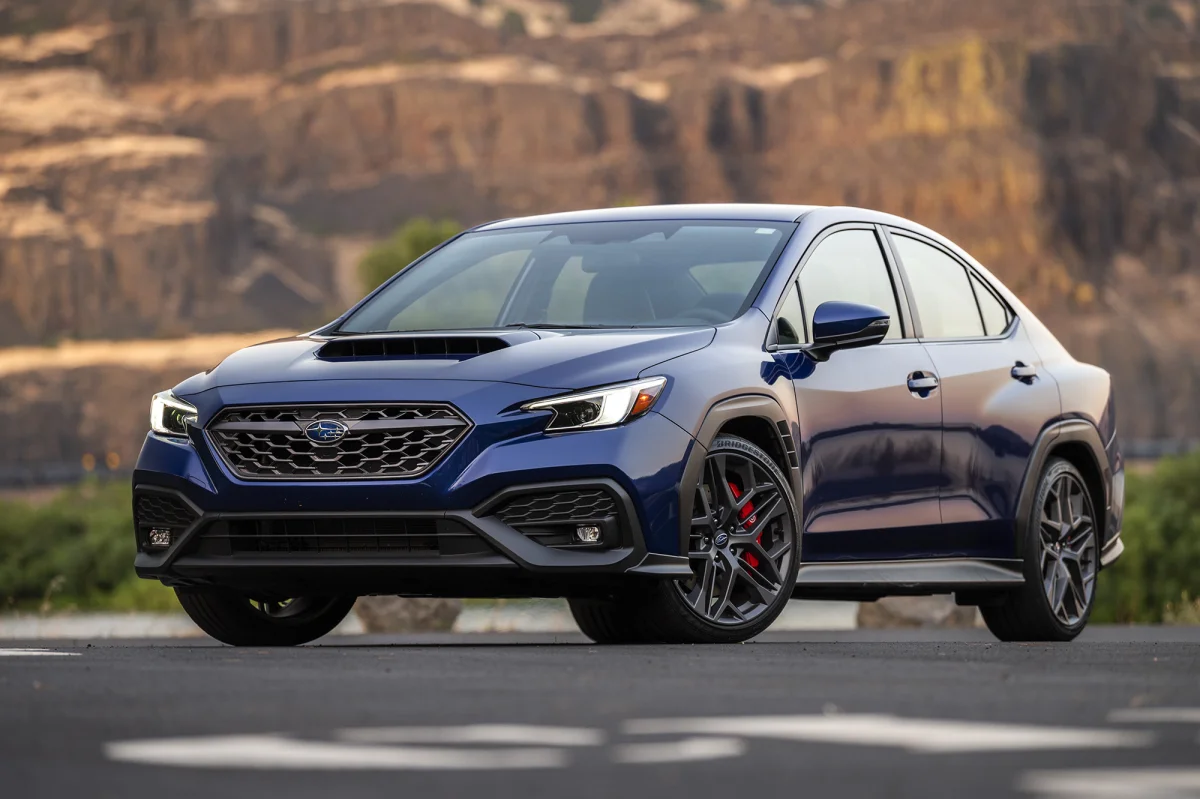
After the discontinuation of the Toyota MR2 and Celica, Toyota lacked a sporty, engaging car in its lineup. To address this, the company revived the legendary 86, also known as the “Hachi-Roku,” appealing to fans of RWD sports cars and enthusiasts inspired by Initial D. In 2009, Toyota introduced the FT-86 concept in collaboration with Subaru. True to the original AE86 spirit, it featured a front-engine, rear-wheel-drive layout paired with a manual transmission.
The production Toyota 86, released in 2012, maintained many elements of the concept but was less sleek and modern in appearance. Certain features, such as the exhaust and diffuser, were improved aesthetically, but the car did not fully match the futuristic look of the concept. Many owners expected a high-performance sports car and were surprised by the limitations of the production model.
Common reasons for disappointment include the car’s lack of power. The 2.0-liter Boxer engine, while balanced, can feel underwhelming in straight-line driving compared to competitors.
Other issues include soft paint that chips easily, stock tires that provide limited grip, and oil starvation during aggressive driving, which can require aftermarket upgrades. The interior is functional but basic, with hard plastics and minimal luxury touches, which can be disappointing for those expecting a more refined cabin.
Despite these drawbacks, the Toyota 86 is praised for its handling, balance, and driving experience. Its low center of gravity, light weight, and rear-wheel-drive setup create an engaging and accessible driving experience that rewards skill and driver input. The car also serves as an excellent platform for customization, allowing owners to add turbos, superchargers, or suspension upgrades to build a personal sports car.
The Toyota 86 excels as a lightweight, affordable, and customizable platform rather than as a muscle car or luxury coupe. For enthusiasts who understand this, it delivers pure driving enjoyment, teaches car control, and provides a fun and adaptable platform for track days, drifting, or personal modifications.
While it may not satisfy those seeking raw power or premium features, the Toyota 86 remains a compelling choice for drivers who value balance, handling, and the joy of a connected driving experience.
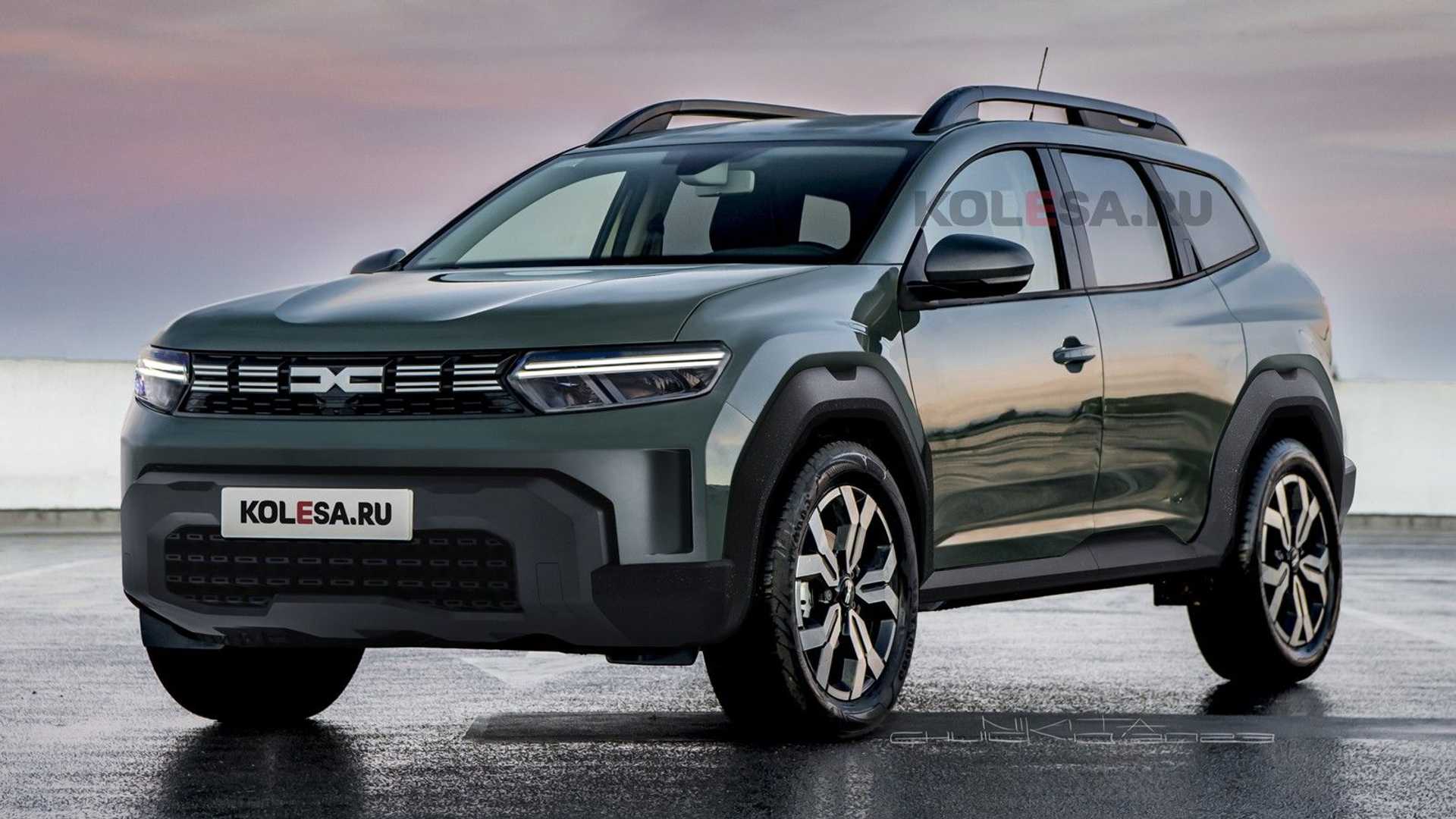
4. Dacia Duster: Budget SUV with Practical Strengths
At the 2009 Geneva Auto Show, Dacia introduced a concept for a new SUV that generated significant interest. The concept featured a unique three-door layout, with one door on the driver’s side and two on the passenger side, reminiscent of the Hyundai Veloster.
The interior was modern, spacious, and practical, with plenty of storage compartments. Externally, the SUV had sleek, futuristic styling, remarkable aerodynamics with a 0.30 drag coefficient, and eye-catching five-spoke wheels.
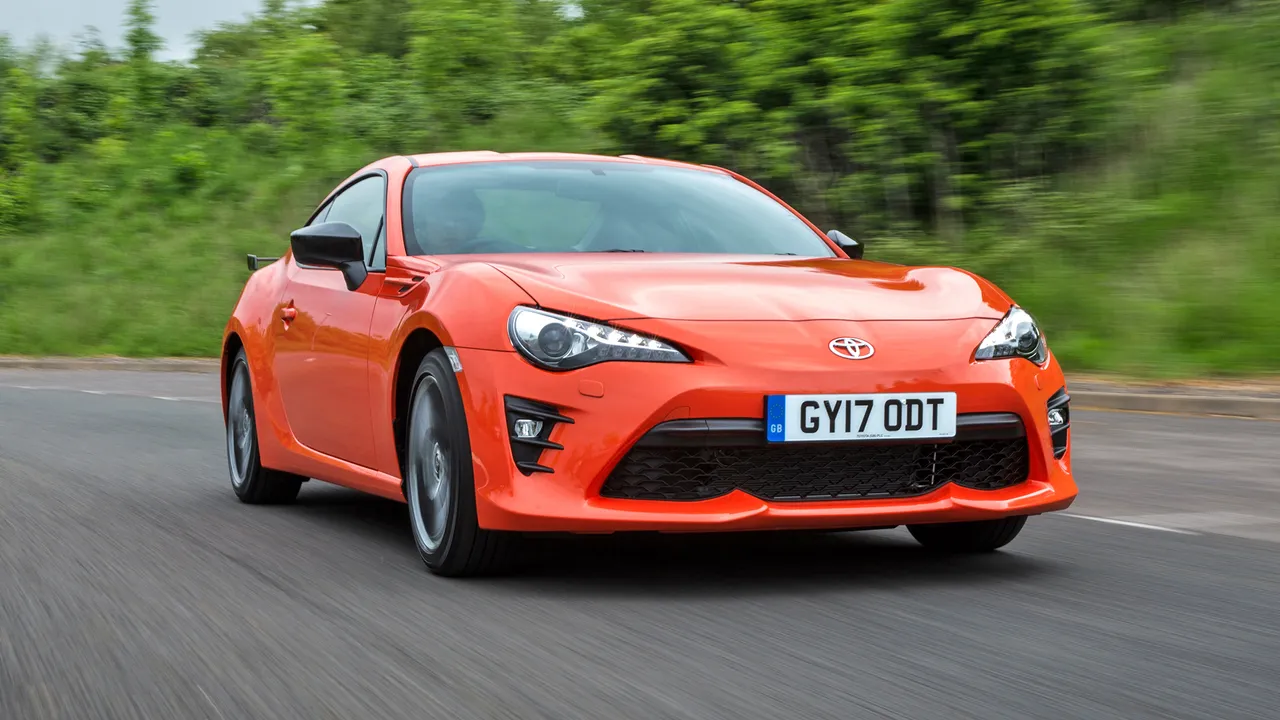
In 2010, the production Dacia Duster reached the market, and it looked very different from the concept. Instead of a sleek and modern SUV, the Duster was a budget-focused vehicle with an exterior that seemed outdated from launch and a simple, utilitarian interior. Although 4WD versions were offered, the off-road capabilities were limited, leaving some buyers disappointed.
Reasons for disappointment often include interior quality, performance, and reliability. Hard plastics dominate the cabin, making it feel basic compared to competitors. Entry-level petrol engines can feel underpowered, struggling with acceleration or uphill driving, and handling on twisty roads is often described as unrefined.
Reliability concerns exist as well, with some owners reporting electronic glitches, overheating, wiper failures, premature rust, or engine issues, particularly in older models. Noise levels are higher than expected due to limited sound insulation, and hybrid systems in newer models can have confusing battery protection modes. Safety ratings of older models are lower, typically around three stars in Euro NCAP tests, and advanced active safety features are often missing.
Despite these drawbacks, the Dacia Duster retains appeal for many buyers. Affordability is one of its strongest points, making it one of the cheapest SUVs on the market. Its rugged design, good ground clearance, and practical interior attract those who need a versatile, capable vehicle without luxury pretensions. The SUV’s light weight and chassis also allow it to handle rough terrain reasonably well, giving it acceptable off-road ability for its class.
Disappointment with the Duster usually arises when buyers expect a refined, high-tech SUV. However, for those prioritizing low cost, practicality, and a rugged look, the Duster remains a popular and capable choice that delivers value despite its budget-conscious compromises.
5. Toyota Supra: Myth, Reality, and Modern Expectations
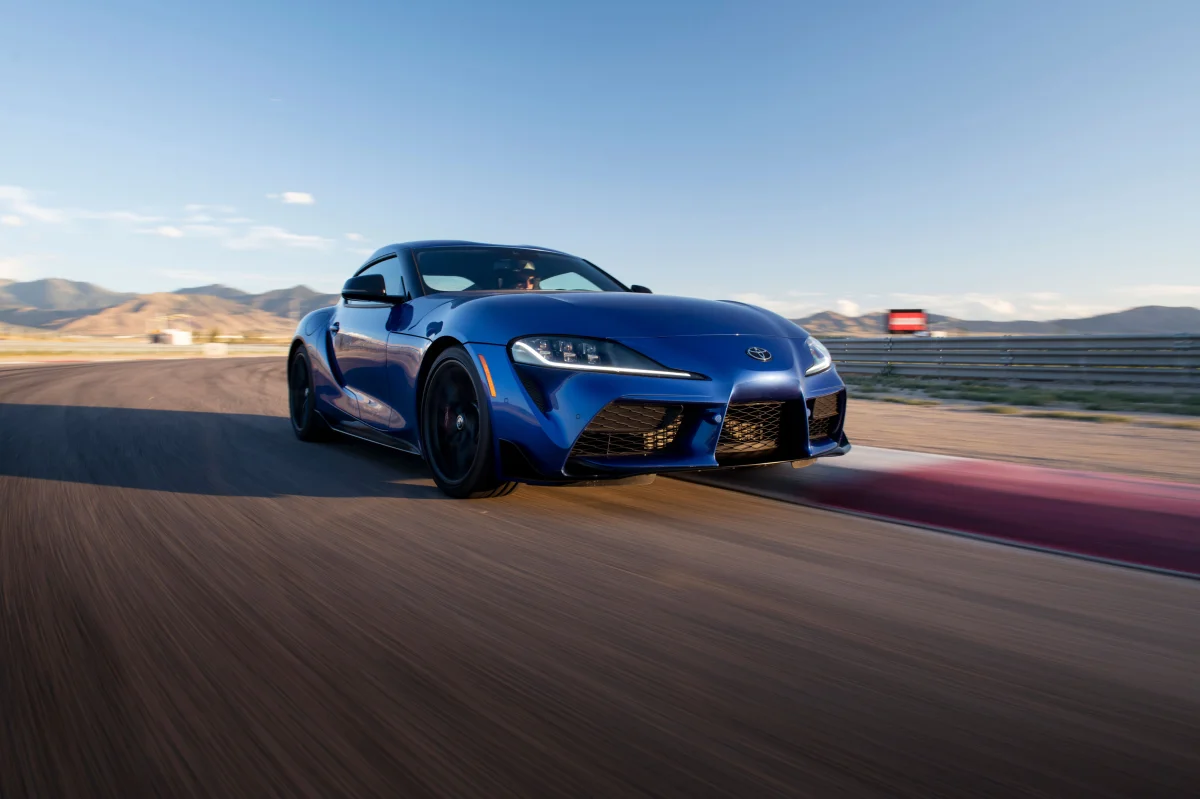
The Toyota Supra MK IV of the 1990s became a legendary sports car, earning cult status thanks to its performance, tuning potential, and appearances in pop culture such as The Fast and the Furious. When Toyota revealed the FT-1 concept in 2014, the car world was electrified.
The FT-1 was a 2+2 layout with a front-engine, rear-wheel-drive configuration, designed as a vision for the next Supra. However, when the fifth-generation Supra finally reached production in 2019, many fans were left disappointed. The Mk5 is 296 millimeters shorter, 165 millimeters narrower, and 70 millimeters taller than the FT-1 concept, changes that significantly altered the car’s visual presence and perceived spirit.
Disappointment with the Supra differs depending on whether one is discussing the Mk4 or Mk5 generation.
The Mk4’s mythic reputation often inflates expectations. Many fans assume the stock car is an instant high-horsepower monster, influenced by heavily modified examples in films and tuning culture. In reality, the stock Mk4 offered modest power compared to modern sports cars, requiring significant investment to reach the legendary performance levels.
The rising demand for JDM models has also pushed prices to extreme levels, leading some to feel that the car is overvalued for daily driving. To those unfamiliar with its history, the Mk4 can appear as just a competent sports car rather than the “world-beater” it is often imagined to be.
The fifth-generation Supra faces a different set of criticisms. Its development in partnership with BMW, sharing much of its engineering with the Z4, has disappointed purists seeking a fully in-house Toyota sports car. Performance, while competitive, does not match the disruptive impact of the original Mk4 against its contemporaries, falling short of expectations set by its predecessor.
Early models lacked a manual transmission, which alienated enthusiasts looking for a driver-focused experience, though Toyota later added this option. Some critics also take issue with the design, feeling it resembles the BMW Z4 too closely and fails to capture the visual legacy of the Mk4.
Much of the disappointment surrounding the Supra arises from the gap between the car’s idealized image in popular culture and the practical realities of a production vehicle designed for modern markets. Both generations are capable and enjoyable cars, but the legend surrounding the name sets expectations that can be difficult to satisfy.
Also Read: 10 Cars With Clear, Bright Headlights for Backroads
6. Volkswagen T-Roc: From Bold Concept to Practical City SUV
In 2014, Volkswagen introduced a striking concept to expand its SUV lineup, which at the time included the Tiguan and Touareg. The T-Roc concept was a 2-door Targa SUV powered by a 2.0-liter turbodiesel engine producing 190 horsepower, paired with 4WD and a 7-speed DSG automatic transmission.
Its design blended elements of a city car, practical SUV, off-roader, and roadster, creating an eye-catching, versatile package that captured attention for its bold styling and sporty proportions.
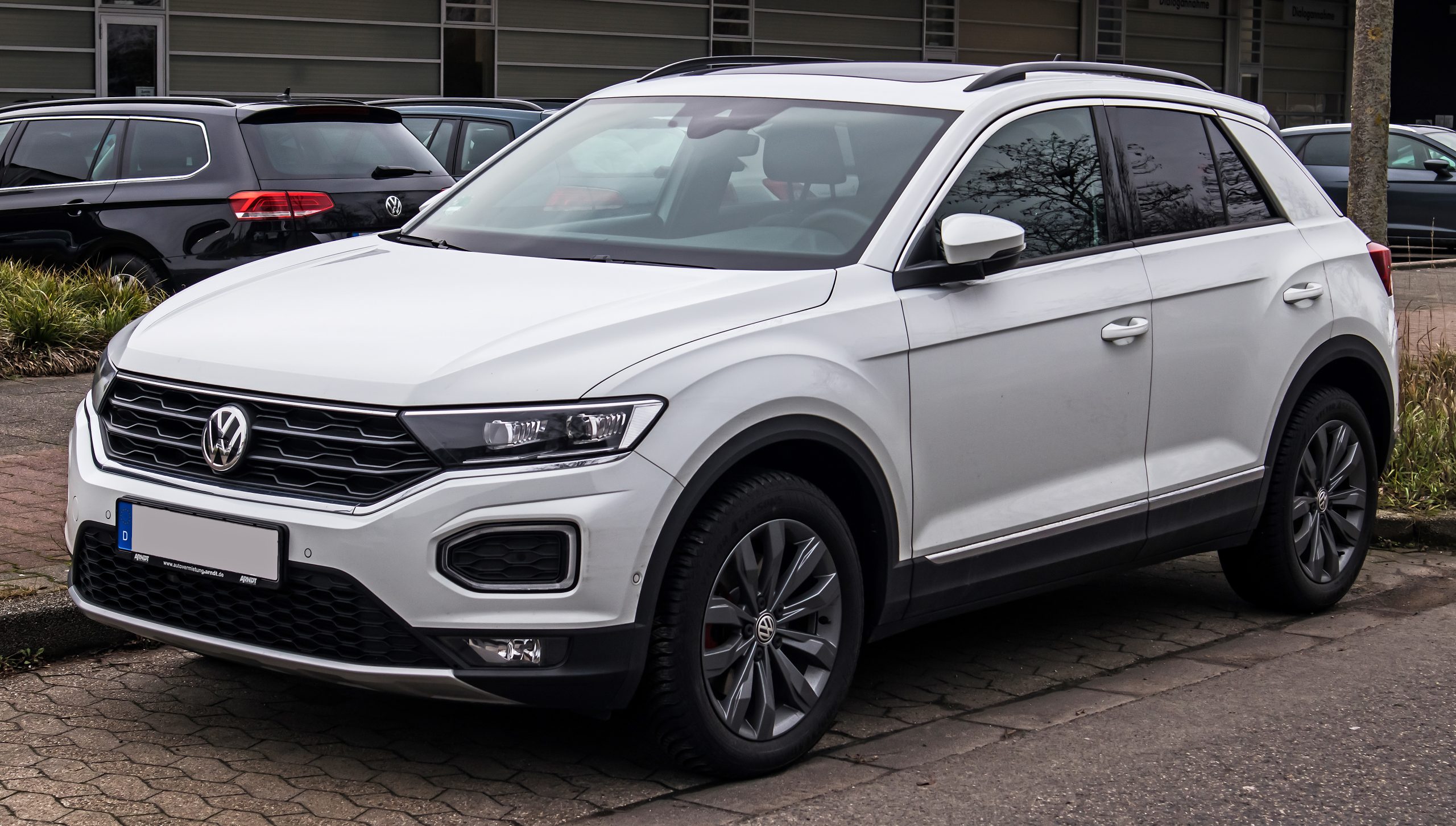
Production of the T-Roc began in 2017, and the final vehicle differed significantly from the concept. The flamboyant 2-door Targa design was abandoned, and the T-Roc became a compact SUV resembling a mini Tiguan. Volkswagen did introduce a cabriolet version in 2020, but it failed to capture the concept’s charm and was often compared unfavorably to less successful designs like the Nissan Murano cabriolet.
Owners and reviewers have highlighted several sources of disappointment. Touch-sensitive controls for climate and infotainment, which replaced traditional buttons and dials, are often described as fiddly and distracting while driving. The DSG gearbox has also drawn criticism for jerky shifts, delayed responses, and rough idling, particularly in the 1.5 TSI and 2.0 TSI engines.
Many drivers report that real-world fuel efficiency falls short of advertised figures, especially for mild-hybrid models. Reliability concerns include water pump failures, fan clutch problems, and electronic issues, leading some to feel that modern Volkswagens are not as robust as earlier models. Additionally, while the interior is stylish, some owners feel that the electronics and material quality do not match the price or the brand’s historical standards.
Despite these drawbacks, the T-Roc remains popular for its style, ride, and practicality. Its compact size and distinctive design make it appealing for city driving, and it provides a generally comfortable ride with adequate handling for daily use. The SUV also scores well in safety tests, offering reassurance for families and urban commuters.
Disappointment with the T-Roc often arises from a gap between the original concept’s bold promises and the production car’s more conventional execution, combined with challenges related to touch-heavy technology, mechanical quirks, and minor reliability concerns. For buyers prioritizing style, comfort, and safety in a city-friendly SUV, the T-Roc still delivers value and appeal.
7. Renault Captur: Trendy Looks, Compromised Driving
The Renault Captur, a European compact SUV, is often considered one of the biggest disappointments among modern SUV releases. While practical, capable, and competitively priced compared to rivals like the Peugeot 3008, Honda HR-V, and Ford EcoSport, the production model shares almost nothing with the original concept beyond its name.
The 2011 concept car featured futuristic design elements such as 22-inch wheels, a translucent dashboard, LED lighting, butterfly doors, and a heads-up display. Its powertrain was equally ambitious, with a twin-turbo diesel engine producing 160 horsepower.
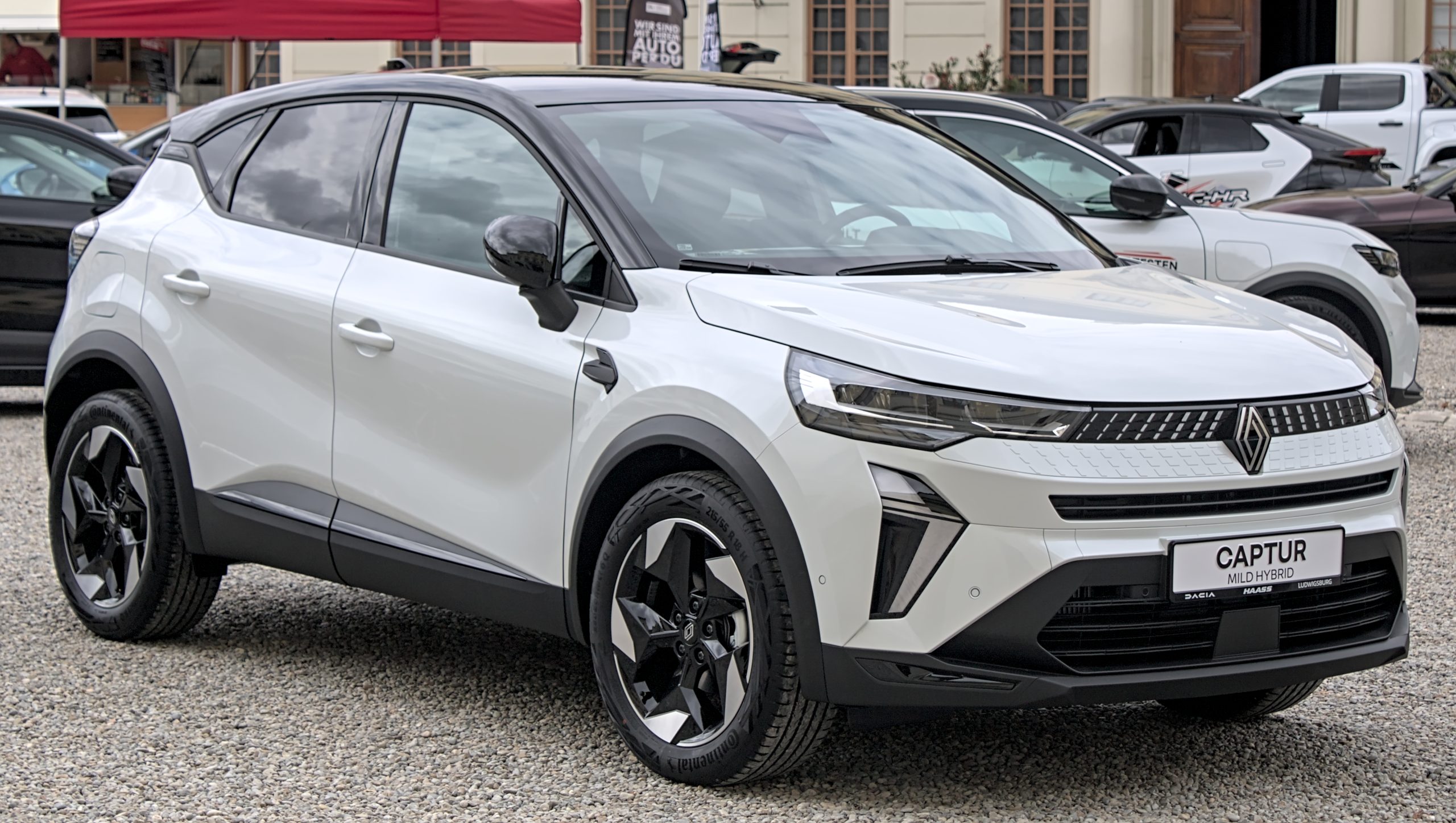
In contrast, the production Captur abandoned these bold design features and offered a maximum output of only 145 horsepower from a naturally aspirated 2.0-liter engine. Many enthusiasts expected a more innovative and performance-oriented SUV, leaving the production model underwhelming.
Disappointment with the Captur typically centers on ride, handling, performance, and refinement. The ride quality is often described as bumpy or “crashy,” with noticeable body roll through corners, giving the car less stability than expected for an SUV. Performance is limited, particularly in smaller engines, which can feel strained during acceleration or motorway driving.
Transmission issues are common with the EDC automatic gearbox, including jerky shifts and occasional hesitation. Additionally, higher-speed driving exposes significant wind and road noise, reducing comfort on longer trips. Interior quality also attracts criticism. While the cabin layout is modern and practical, many surfaces rely on hard, cheap-feeling plastics that fail to match the car’s stylish exterior.
Despite these drawbacks, the Captur has its positives. Its funky styling, clever features, and practical solutions, such as sliding rear seats and a reasonably sized boot, make it appealing for urban buyers. Diesel models deliver excellent fuel economy, further enhancing its appeal for cost-conscious drivers.
Ultimately, disappointment stems from the contrast between the Captur’s image as a stylish, futuristic SUV and the reality of its driving dynamics and refinement. While the vehicle succeeds as a practical, trendy, and affordable small SUV, its handling, engine performance, and interior feel reveal its budget-focused compromises, leaving some buyers wishing it had delivered the bold innovation promised by the concept.
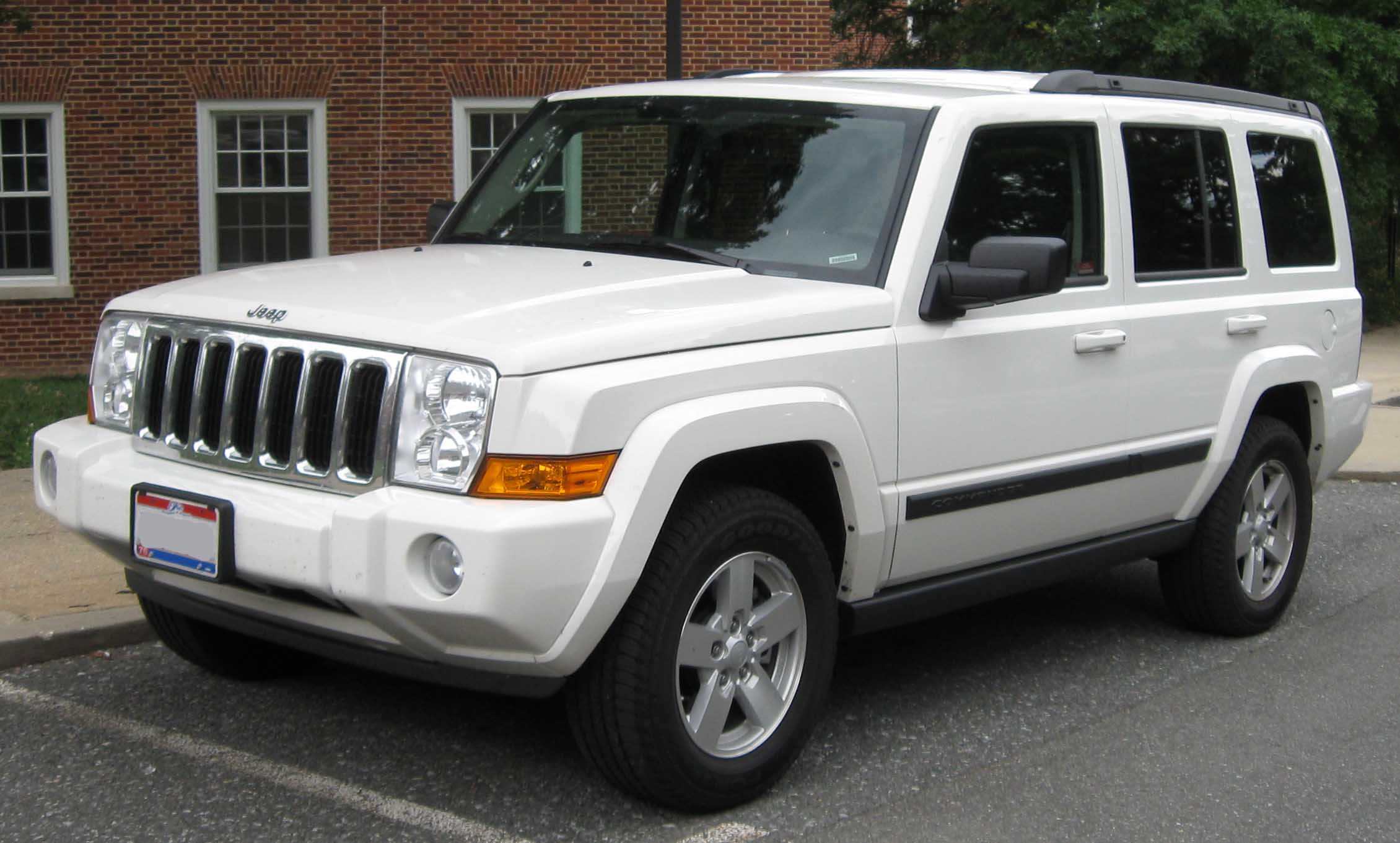
8. Jeep Commander: From Bold Concept to Frustrating Reality
In 1999, Jeep introduced the Commander as a concept SUV positioned above the Grand Cherokee. The vehicle promised innovation, featuring seven-passenger seating within a slightly larger frame than the Grand Cherokee and an experimental methanol-powered electric drivetrain. This forward-thinking design generated excitement, as it combined family-friendly practicality with a glimpse of future automotive technology.
Production of the Jeep Commander began in 2006, but the final vehicle differed significantly from the concept. The sleek, futuristic styling was replaced by a more conventional, angular design. The experimental powertrain was abandoned in favor of a 3.0-liter V6 and two V8 options.
Three-row seating was retained, but cramped dimensions and limited cargo space made the rear row less practical than anticipated. The Commander was discontinued in 2010 and replaced by the Dodge Durango.
Key sources of disappointment include mechanical reliability, electrical problems, and interior quality. The 4WD system often fails, transmissions experience issues, and even well-maintained Hemi engines can develop ticking noises or other faults. Electrical components are prone to malfunction, including power windows, door locks, airbag lights, and seatbelt alarms. Wiring and battery problems frequently require costly repairs.
The interior also falls short of expectations. Hard plastics, easily stained upholstery, and fragile door handles give a low-quality impression. Third-row seating is cramped and uncomfortable for adults, reducing cargo capacity. Poor placement of controls, such as seat memory buttons or the ignition switch, can lead to frustration or accidental operation. Visibility is limited when all seats are in use, and fuel economy is generally low, particularly in V6 and V8 models.
Despite these flaws, the Jeep Commander has strengths. Its rugged, boxy styling remains visually appealing, and the front seats are widely regarded as comfortable. When fully functional, the 4WD system provides capable off-road performance and confidence in snow or challenging terrain.
The Commander illustrates a gap between Jeep’s ambitious vision and the realities of production. It promised seven-seat utility and innovative powertrains but delivered reliability and design issues that left many owners frustrated. While distinctive and capable in certain respects, the Commander is remembered as a vehicle with great potential hindered by execution challenges.
9. Chevrolet Volt: Pioneering Plug-In Hybrid with Practical Challenges
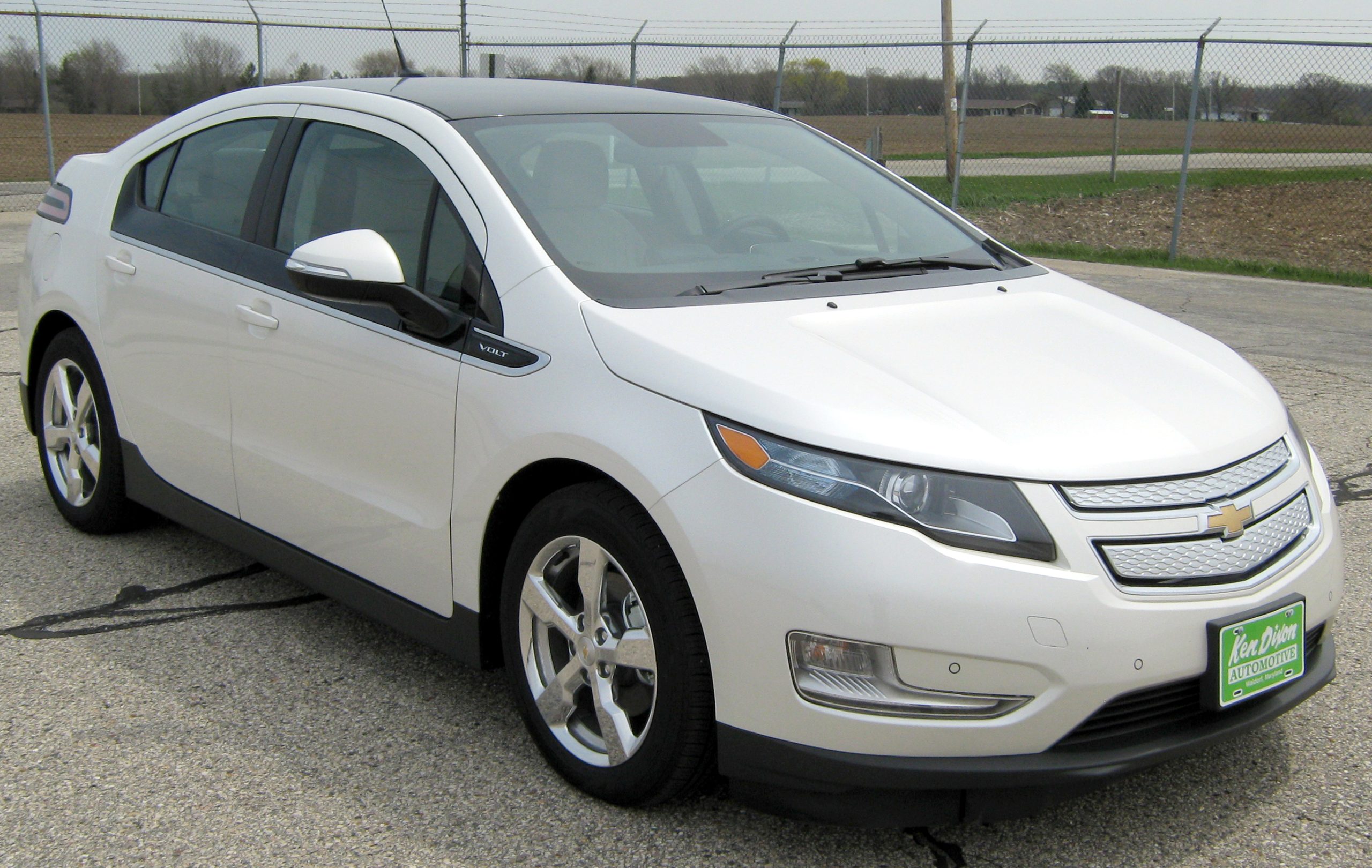
When Chevrolet introduced the Volt concept in 2007, it marked one of the first plug-in hybrid vehicles from a major manufacturer. Designed to compete with the Toyota Prius, the concept impressed with aggressive, futuristic styling, high wheels, wide fenders, and a sporty appearance despite not being performance-oriented. The design captured attention for its sharp lines and bold presence, giving the Volt a “transformer-like” appeal.
By the time the Volt reached production in 2010, many of the concept’s visual innovations were lost. The front end became more rounded and arrow-shaped to improve aerodynamics, while details like black window trim remained. The production Volt, while still attractive, resembled a conventional sedan, lacking the dramatic flair of the original concept.
Owners often expressed disappointment with the Volt’s practicality and interior layout. Rear seating was cramped due to the central battery pack, limiting the car to four passengers and reducing headroom and legroom for adults.
Cargo space was also limited compared to competitors, despite the hatchback design. The interior featured a complex, touch-sensitive control panel that could be difficult to use, particularly with gloves, and some models lacked features like power-adjustable front seats, which were expected at the Volt’s price point.
Driving and performance quirks further contributed to dissatisfaction. The regenerative braking system felt touchy and required an adjustment period, while engine noise during the transition from electric to gasoline operation could be unsettling. A low front air dam often scraped over speed bumps or driveways, and in cold weather, the all-electric range dropped significantly as the gasoline engine automatically activated to heat the battery and cabin.
Long-term ownership concerns arose after GM discontinued the Volt in 2019. Parts availability, especially for high-voltage batteries, became limited, and dealership expertise for servicing the hybrid system declined. Common mechanical issues included the Battery Energy Control Module (BECM), EGR valve, and “Shift to Park” problems, which could be costly to repair.
Despite these challenges, many owners appreciated the Volt’s extended electric range, quiet operation, and role as a transitional vehicle between traditional hybrids and full electric vehicles. It offered a unique combination of electric driving and backup gasoline support, making it a forward-thinking option for early adopters, even if some compromises were inevitable in its practicality and long-term serviceability.
10. Ford Kuga: From Iosis X Concept to Family SUV
In 2006, Ford introduced the Iosis X concept, a five-door SUV that previewed the company’s new “Kinetic” design language. The concept featured high ground clearance, all-terrain tires, a modern interior, and rear-hinged rear doors. It suggested a capable off-road vehicle with bold styling, although mechanical details were not disclosed.
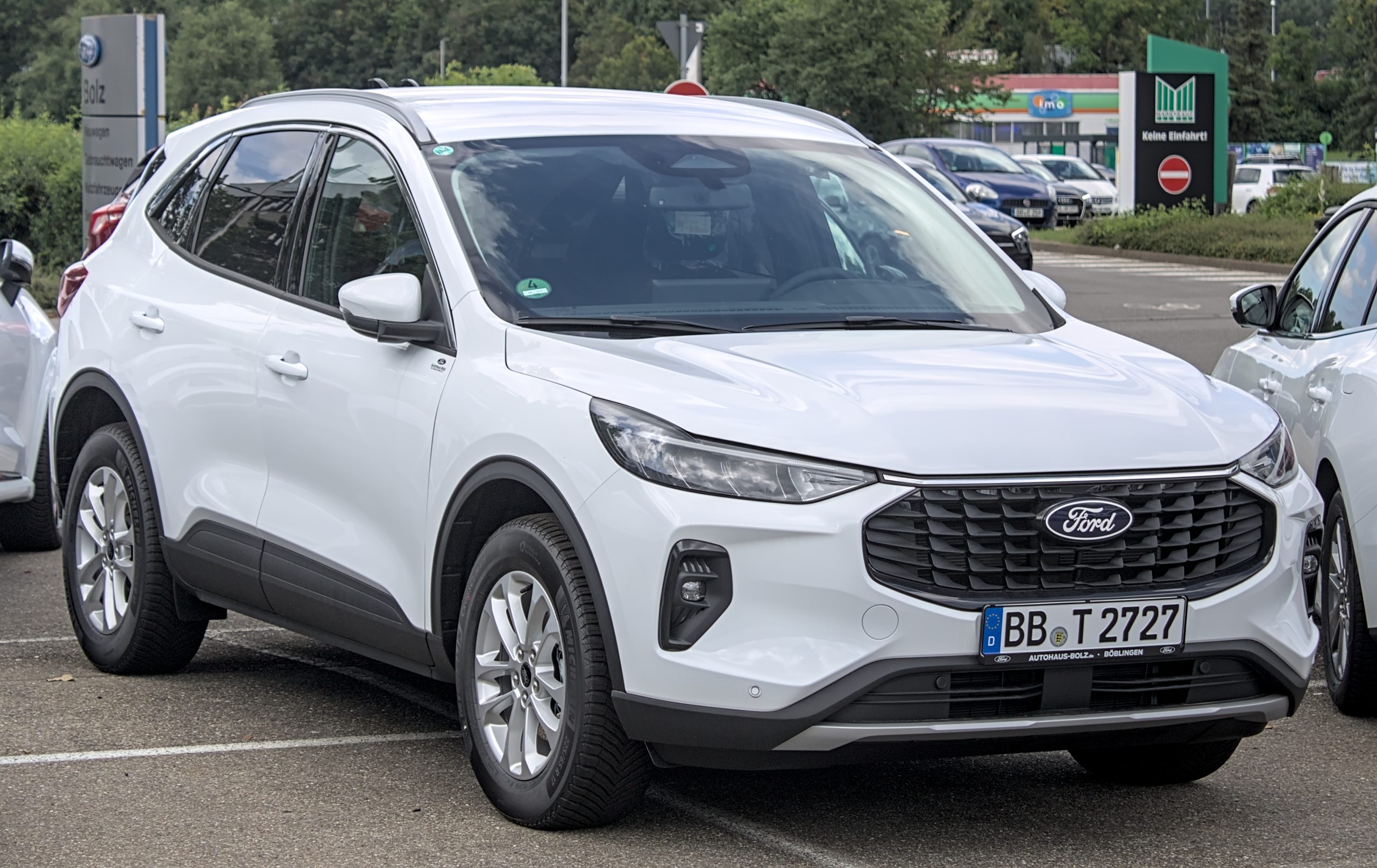
By 2008, the first-generation Ford Kuga entered production. While inspired by the Iosis X, the production Kuga appeared less modern and aggressive. It offered strong performance from its 2.5-liter turbo engine and comfortable driving for a family SUV. However, many enthusiasts wished Ford had produced a more rugged, off-road-oriented vehicle.
The Kuga generally handles well for an SUV, but some trims, particularly the ST-Line with sportier suspension, have a firm and sometimes uncomfortable ride over potholes and uneven urban roads. Steering is responsive but can lack the natural feel and feedback of competitors like the Kia Sportage. Older models equipped with the Powershift automatic gearbox are prone to jerky shifts, hesitation, and “hunting” for the right gear, causing frustration for some drivers.
The cabin often receives criticism for using hard, shiny plastics that feel less premium than rivals such as the Mazda CX-5 or Hyundai Tucson. Boot space is smaller than many competitors, reducing practicality for families. Ergonomic concerns include touchscreen-integrated climate controls, which can be distracting and harder to use compared to physical buttons.
Some engines have known issues, including overheating problems in early 1.6-liter EcoBoost petrol models, which prompted recalls. Diesel engines, especially those used for frequent stop-start city driving, are prone to blocked Diesel Particulate Filters (DPFs), leading to costly repairs. Real-world fuel economy often falls short of official figures, and Ford’s standard three-year, 60,000-mile warranty is less generous than rivals such as Kia, potentially increasing long-term running costs.
While the Kuga is praised for its practicality, spacious interior, and decent driving dynamics, it is sometimes overshadowed by material quality shortcomings, firm ride comfort in sportier trims, and a history of mechanical and electrical issues. These factors have left some owners feeling that the Kuga does not fully match the promise of its bold Iosis X concept.
The disappointment of these ten cars shows the challenges automakers face when turning visionary concepts into production vehicles. Enthusiasts are often drawn to bold design, innovative features, and spirited performance, only to find that safety regulations, cost constraints, and market priorities dilute the original vision.
While some models still offer practical benefits, affordability, or customization potential, they rarely match the promises of their concept iterations. Cars like the Nissan Versa, Subaru WRX, and Toyota Supra show the tension between visual appeal and driving satisfaction, demonstrating that a beautiful exterior does not guarantee an engaging or reliable experience.
These examples remind enthusiasts to temper expectations and recognize the compromises inherent in production vehicles. While these cars remain visually striking and in some cases fun to drive, they illustrate the enduring gap between concept-car dreams and the realities of mass-market execution.
Also Read: 5 Cars for Sacramento Commuting vs 5 That Cost More Long-Term