

Car enthusiasts in the United States have waited for years to legally bring in unique vehicles that previously couldn’t cross the border. 2025 marks a milestone for collectors and adrenaline seekers alike, as a fresh batch of foreign cars becomes eligible under U.S. import laws.
The excitement surrounding these models is about more than just rarity; it’s about engineering marvels, design ingenuity, and driving experiences you won’t find in typical domestic offerings.
The appeal of these vehicles lies in their originality. Each car carries a story from its country of origin, reflecting decades of local innovation and cultural influence on automotive design.
From the aerodynamic curves of European sports cars to the futuristic styling of Asian exotics, the range of models is remarkable.
For some, owning these cars is about making a statement; for others, it’s the thrill of mastering a rare machine with capabilities unlike anything on American roads.
Collectors often seek vehicles that combine performance with exclusivity, and the 2025 import eligibility opens doors that were long shut. Suddenly, cars once confined to overseas markets can now legally join U.S. garages, car shows, and weekend drives.
The ripple effect is exciting: enthusiasts can finally access parts, service networks, and communities previously out of reach. Car lovers can compare engineering philosophies across continents without leaving home, making this an unparalleled year for automotive exploration.
The list of eligible vehicles is eclectic, representing countries and brands with wildly different histories. Some models highlight raw speed, while others emphasize elegant engineering or quirky design elements that defy convention.
In short, 2025 is shaping up to be a landmark year for anyone who has dreamed about owning a rare foreign automobile.
The following sections highlight six exceptional vehicles that now meet U.S. import standards, each with its own distinct personality and performance profile. Buckle up as we examine what makes these cars irresistible.
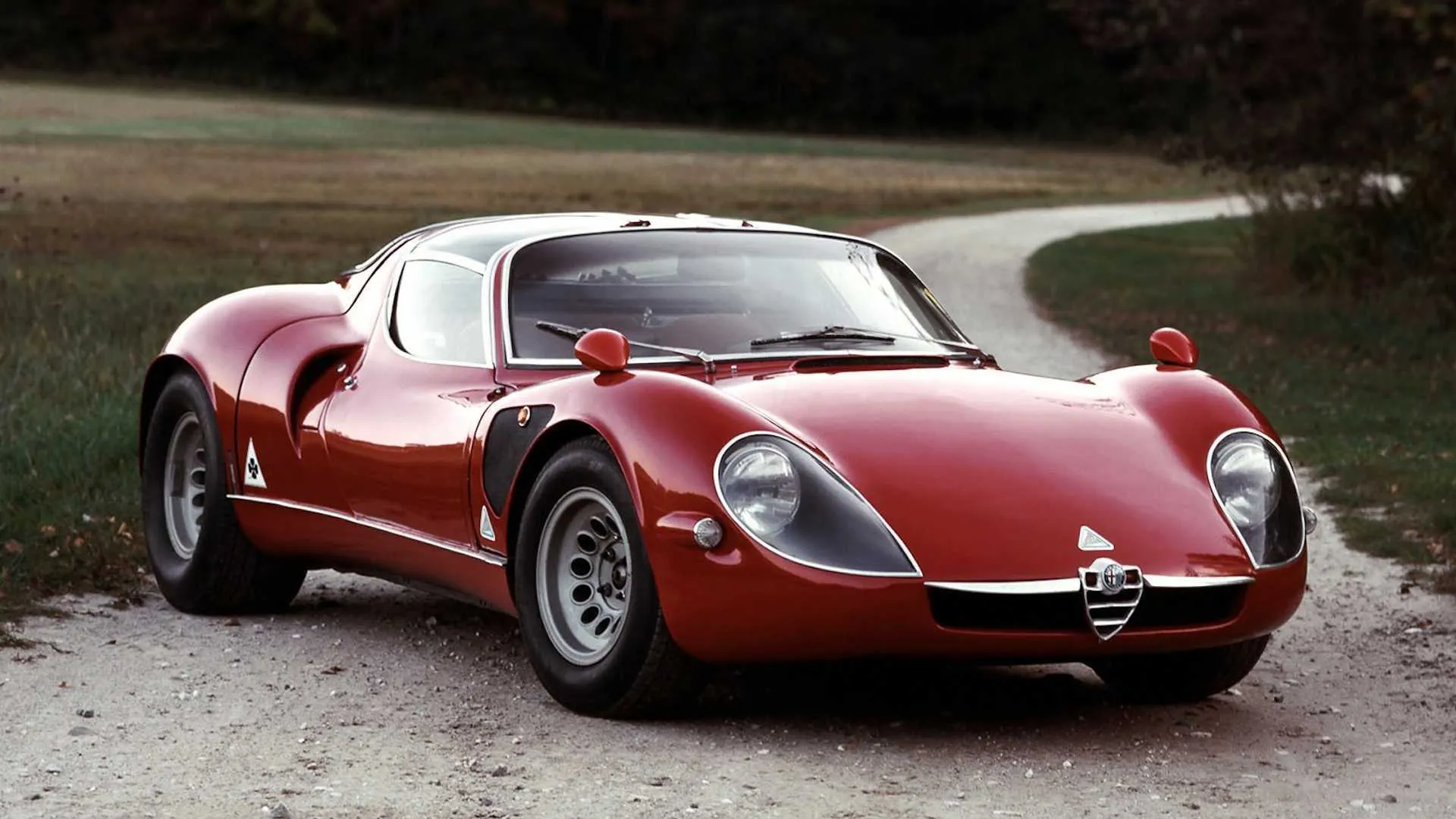
1. Alfa Romeo 33 Stradale (1967)
Italian artistry meets cutting-edge performance in the Alfa Romeo 33 Stradale. Created during a period when car makers were pushing boundaries in both engineering and aesthetics, this model is a testament to Alfa Romeo’s commitment to beauty and speed.
Its low-slung body, sculpted curves, and gullwing doors immediately distinguish it from nearly every other car on the road. Every panel, every line, serves a purpose beyond style: aerodynamics, stability, and driver engagement are paramount.
Underneath its breathtaking exterior lies a 2.0-liter V8 engine capable of producing just under 230 horsepower. While that number may not seem extraordinary by modern standards, the car’s featherlight chassis and precise handling make it feel blisteringly fast in real-world driving.
Acceleration is crisp, and every change of the manual transmission requires intention, rewarding drivers who appreciate the tactile relationship between hand and machine. Cars like the 33 Stradale demand attention not only for what they can do but also for how they feel in motion.
Ownership of a Stradale is rare even outside the U.S., with fewer than 20 units ever produced. Its scarcity translates into a compelling story of exclusivity and preservation. Collectors often note that driving one is akin to piloting a piece of Italian art that also happens to be engineered for speed.
Every detail, from the aluminum bodywork to the hand-stitched leather interior, reinforces its status as both a luxury item and a high-performance machine. The car’s legacy in motorsports further raises its importance.
While it wasn’t a dominant competitor in racing circuits, its engineering influenced later Alfa Romeo prototypes and set a standard for what sports cars could aspire to in terms of balance and responsiveness.
As a legal import in 2025, enthusiasts can now witness firsthand why this car inspired generations of designers and engineers. Owning the 33 Stradale is more than acquiring a vehicle; it’s an invitation to experience a historic fragment of automotive innovation that few have ever touched.
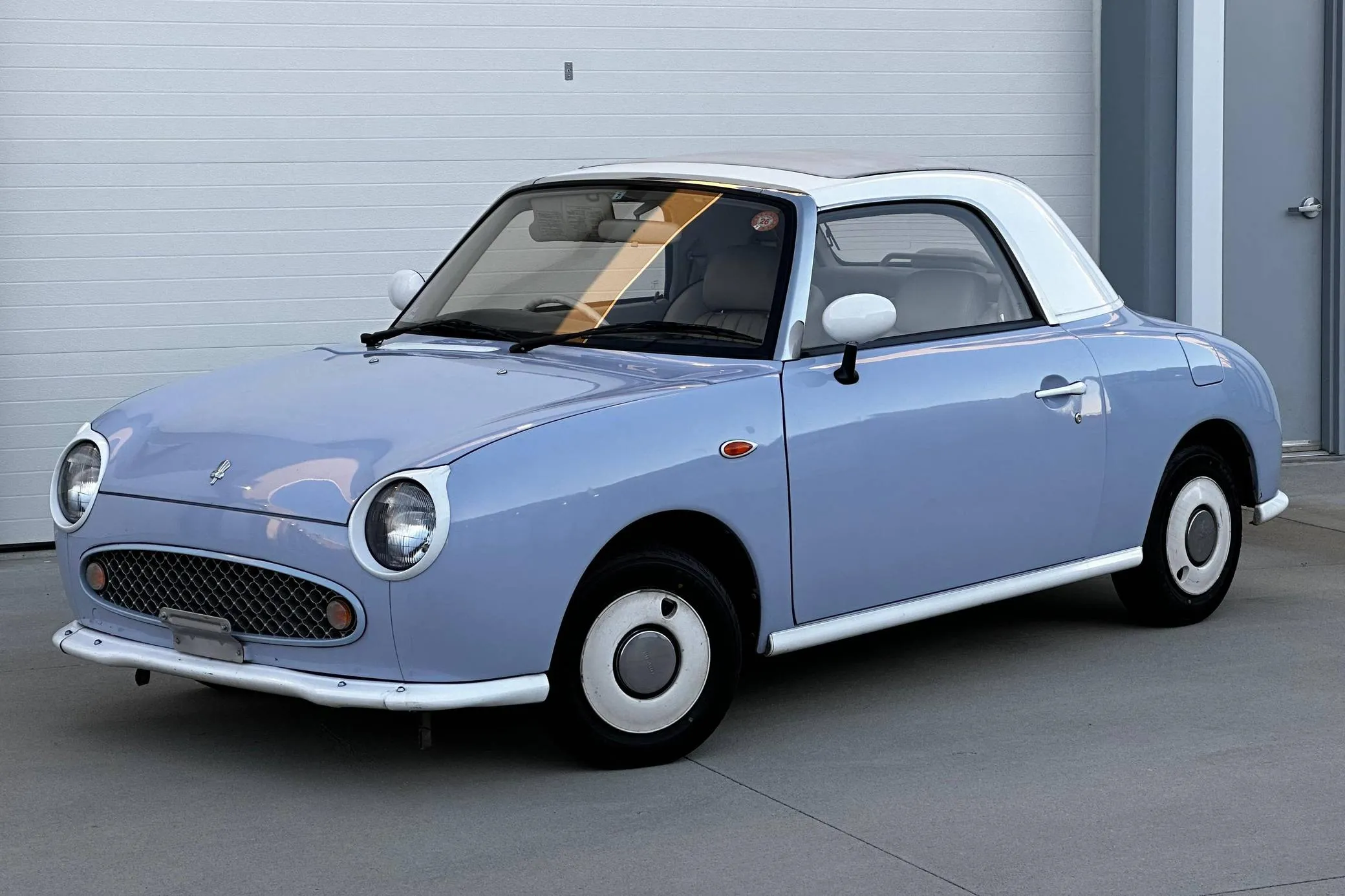
2. Nissan Figaro (1991)
Few vehicles combine charm and innovation like the Nissan Figaro. Released in limited numbers during the early 1990s, this retro-inspired compact car captured attention with its whimsical styling and distinctive circular gauges.
Nissan designed the Figaro with a nod to classic European roadsters, yet it incorporated modern conveniences for its era, including air conditioning, power steering, and a turbocharged engine. Its limited production run of just 20,000 units worldwide makes it a rare gem for collectors.
Driving a Figaro offers an experience unlike any other small car from its decade. The naturally aspirated 1.0-liter turbo engine may sound modest, but the car’s lightweight frame and nimble handling create a sense of agility rarely found in contemporary compacts.
Steering is precise, and the suspension provides a surprising balance of comfort and responsiveness. Owners often describe a pure, almost playful connection with the road, enhanced by the retro interior, which evokes nostalgia while remaining functional.
The exterior design stands out immediately, featuring a rounded, friendly silhouette and color options that evoke a sense of fun rather than seriousness. Options like mint green, topaz blue, or ivory create a personality that seems almost animated, contrasting sharply with more conventional cars of the era.
This quirky styling contributed to a devoted following in Japan and abroad, with enthusiasts forming clubs dedicated to restoration and preservation. Now legally importable in the U.S., the Figaro offers an opportunity to experience a slice of automotive history previously inaccessible.
Its rarity ensures that any owner will attract attention at shows, cruises, and casual drives alike. Enthusiasts will appreciate the balance between its nostalgic aesthetic and functional engineering, which provides both charm and an engaging drive.
The Nissan Figaro demonstrates that a car does not need to be extremely fast or powerful to leave a lasting impression; it can simply be delightful and inventive, which is exactly what makes it special.
Also Read: 12 Ultra Durable Sports Cars That Are Surprisingly Cheap to Maintain
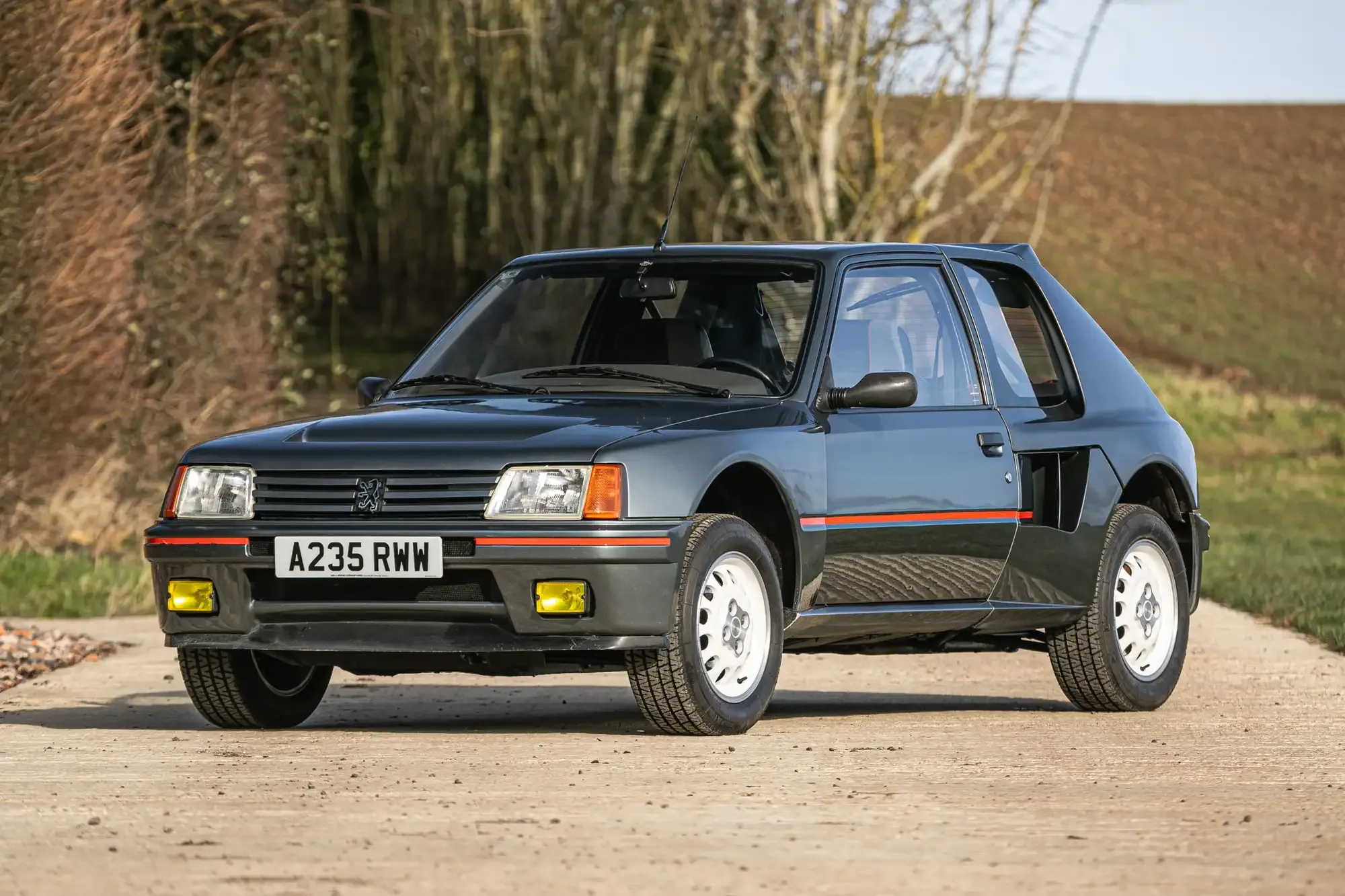
3. Peugeot 205 Turbo 16 (1984)
French engineering often leans toward creativity, and the Peugeot 205 Turbo 16 exemplifies this approach. Originally designed as a rally car, this vehicle is a compact powerhouse with a mid-engine layout that maximizes traction and balance.
Its turbocharged 1.8-liter engine produces roughly 200 horsepower, yet the car’s short wheelbase and lightweight frame allow it to accelerate and corner with extraordinary precision. Every movement feels responsive, making it a thrill to maneuver through twisty roads or tight parking lots.
Rally heritage runs deep in the 205 Turbo 16’s DNA. Peugeot intended this model to dominate Group B racing, and while it was designed for extreme conditions, the technology translated impressively to road use.
Turbo lag is present, but the surge of power when the boost kicks in provides a visceral rush that few modern vehicles can match. Drivers can sense the immediate feedback from the suspension, steering, and drivetrain, making every turn a deliberate, connected experience.
Designers gave the 205 Turbo 16 a purposeful, aggressive appearance. Wide fender flares, functional vents, and a squared-off rear wing communicate performance even at a glance. Unlike standard hatchbacks, this car was unapologetically built for speed and control, which appeals to enthusiasts who crave authenticity and engineering integrity.
Interior space is tight, as expected for a car designed with racing priorities, but the ergonomics emphasize driver engagement, placing every control within reach and promoting an intense, focused driving environment.
Importing the Peugeot 205 Turbo 16 into the U.S. opens the door to a rally legend that was previously out of reach. Its scarcity and performance make it a conversation starter, whether displayed at a collector’s show or driven for sheer enjoyment.
The combination of historical importance, raw engineering, and distinctive styling creates a vehicle that is as thrilling to appreciate as it is to operate. Owning this model allows enthusiasts to experience the spirit of European rally racing on American roads, a once-elusive dream now within reach.
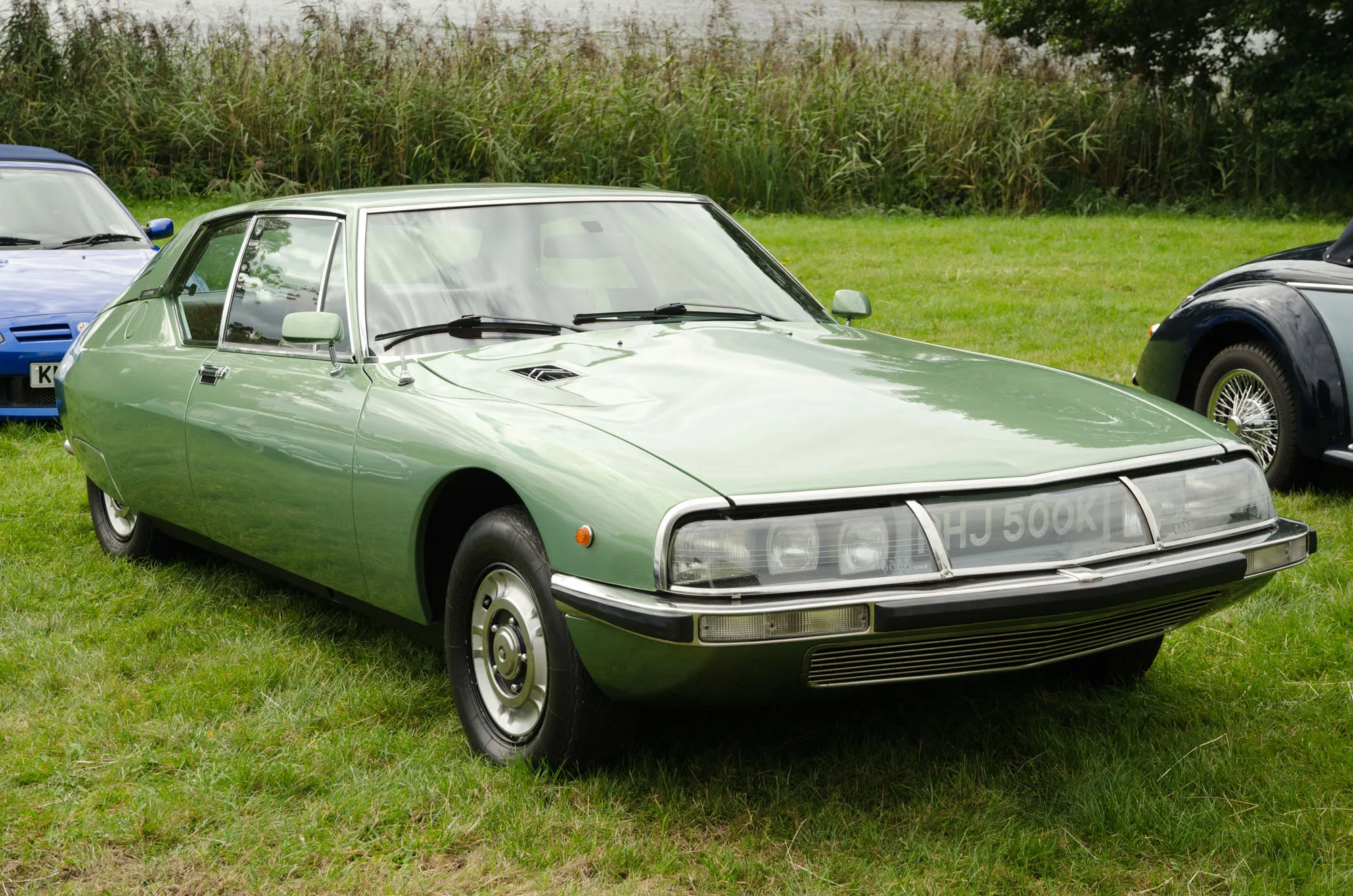
4. Citroën SM (1970)
Innovation and luxury merge in the Citroën SM, a French grand tourer that combined aerodynamic design with technological ambition. This car stood apart from its contemporaries thanks to a hydropneumatic suspension system that provided a supremely smooth ride, automatically adjusting to road conditions for optimal comfort.
Coupled with a Maserati-sourced V6 engine, the SM offered performance and refinement that few other cars of its era could match, delivering 170 horsepower in a sophisticated, precise package. What makes the SM remarkable is the attention to both form and function.
Its elongated hood, sharply sloped windshield, and flowing roofline create a dramatic, futuristic silhouette, while the interior integrates features like power-assisted steering and high-precision instrumentation.
The cockpit feels designed around the driver, offering a luxurious environment that balances elegance and utility. Citroën engineers pushed the boundaries of what a grand touring car could be, focusing on innovative suspension and aerodynamic efficiency in ways that remain impressive decades later.
Driving the SM is unlike piloting any other car from the 1970s. Its hydropneumatic suspension allows the car to glide over imperfections that would jolt other vehicles, while the engine provides ample power for confident highway cruising.
Steering feels precise yet supple, and the car’s chassis maintains composure even at higher speeds. While maintenance requires knowledge of unique systems, enthusiasts often find the engineering challenge rewarding, as understanding and preserving the car deepens appreciation for its complication and ingenuity.
Legal import into the U.S. introduces this classic to collectors and driving enthusiasts who have long admired it from afar. The SM’s combination of engineering sophistication, distinctive styling, and performance potential makes it a rare find.
For owners, it represents a harmonious blend of luxury, technology, and artistry that can be both admired in showrooms and enjoyed on scenic drives. The Citroën SM stands as a testament to a period when automakers dared to dream differently, producing vehicles that were as innovative as they were beautiful.

5. Subaru 360 (1958)
Japanese automotive history includes hidden gems like the Subaru 360. Nicknamed the “ladybug,” this compact car became an icon due to its lightweight design, economical performance, and playful aesthetic.
Measuring barely over nine feet in length, it was engineered to be an affordable and practical urban vehicle, yet it carries a distinct charm that has captured the imagination of collectors worldwide. Its air-cooled, two-cylinder engine produces just 16 horsepower, but paired with the car’s minuscule weight, it delivers a surprising sense of mobility.
Urban driving feels unique in the Subaru 360. Tight turns, narrow streets, and small parking spaces are navigated with ease, making it an ideal city car for its time. The interior is minimalistic but functional, with simple instrumentation and basic comforts, reflecting the philosophy of small, efficient design.
Drivers often remark on the car’s cheerful personality, which comes through in the responsive steering, compact handling, and quirky styling elements such as rounded fenders and a small, arched roof.
The exterior design communicates charm in a subtle yet unmistakable way. Rounded headlights, compact body panels, and a sloping rear give the 360 a friendly appearance, making it approachable and recognizable. Its diminutive size and efficiency helped establish the market for microcars in postwar Japan, influencing subsequent generations of lightweight vehicles.
U.S. import eligibility for 2025 allows enthusiasts to own a piece of automotive history that is practical, rare, and full of character. Collectors are drawn not only to the car’s historic importance but also to its playful demeanor and engineering simplicity.
Driving a Subaru 360 today evokes nostalgia while offering a tangible connection to the ingenuity of Japanese microcar design, proving that even the smallest vehicles can make a big impression.
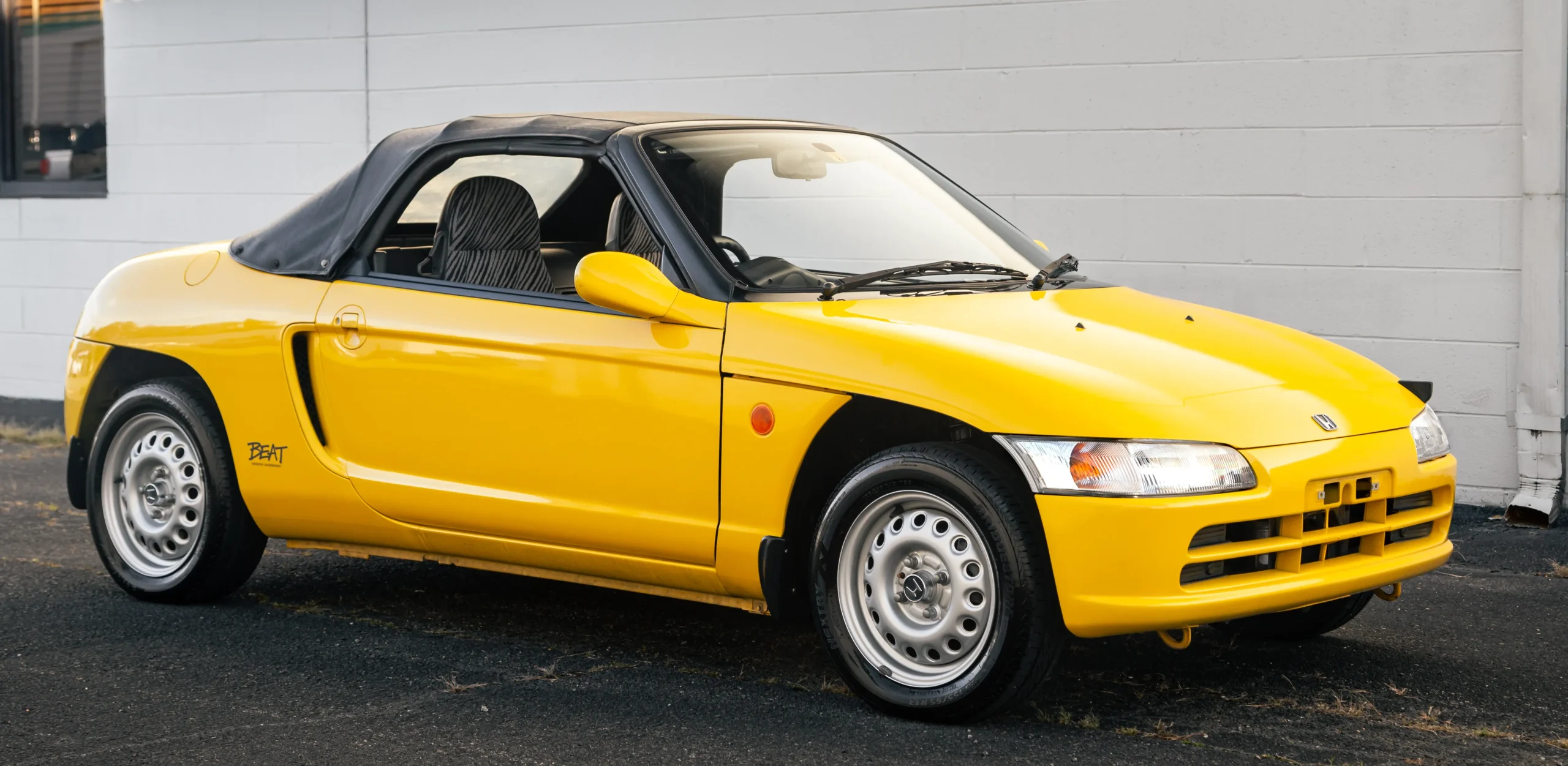
6. Honda Beat (1991)
Compact sports cars rarely combine performance and personality as seamlessly as the Honda Beat. Introduced during the early 1990s as part of Japan’s kei car segment, this tiny two-seater convertible maximized fun in a small package.
Its mid-engine layout, lightweight chassis, and 63-horsepower engine provide a driving experience that is engaging, responsive, and surprisingly spirited for its size. Despite modest power figures, the Beat’s handling is sharp, with minimal body roll and quick steering that gives drivers confidence on winding roads.
Designers embraced playful proportions, giving the Beat rounded headlights, a short overhang, and an open-top configuration that invites enjoyment of the environment. The interior complements the exterior with a minimalist approach, focusing on driver engagement and clear visibility.
Controls are straightforward, but the tactile nature of the steering and gearshift creates a sense of connection that larger sports cars often lack. The car’s rarity in the United States makes its 2025 import eligibility especially exciting. Enthusiasts can now experience a Japanese kei car that delivers a genuine sports car feeling, despite its tiny footprint.
Clubs and communities dedicated to the Honda Beat already exist overseas, celebrating its uniqueness, and these groups will likely expand in the U.S., offering owners a support network for maintenance, events, and shared enthusiasm.
Ownership of a Honda Beat represents more than nostalgia or practicality. It embodies a philosophy of maximizing driving enjoyment in a minimalistic form, encouraging creativity and appreciation for thoughtful design.
Small yet nimble, cheerful yet engineered with precision, the Beat proves that sports cars don’t need to be large or loud to be thrilling. Its arrival in U.S. garages opens the door to a fun, rare, and distinctly Japanese driving experience that car enthusiasts have long dreamed of.
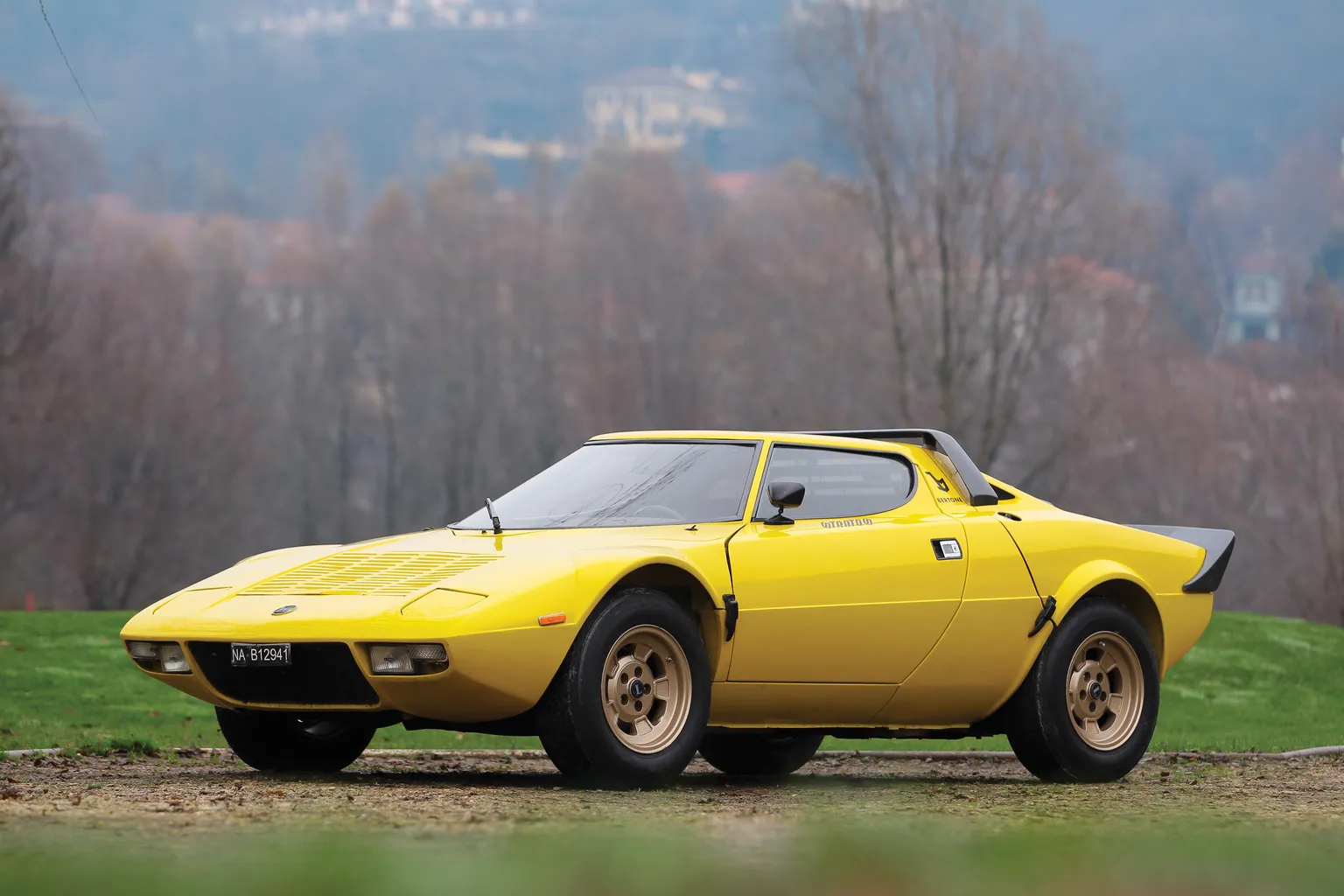
7. Lancia Stratos HF (1973)
Italian rally heritage comes alive with the Lancia Stratos HF, a car whose very name conjures images of narrow mountain roads, roaring engines, and precise cornering.
Designed from the ground up for competition, this compact wedge-shaped vehicle dominates attention even while parked. Its short wheelbase, aggressive stance, and wide fenders give it a purposeful look that mirrors its racing pedigree.
Under the hood, a Ferrari-sourced 2.4-liter V6 engine generates around 190 horsepower, which is impressive given the Stratos’ featherlight body. On twisty roads, the car rewards skillful handling with a direct, almost raw connection to the asphalt.
Drivers can sense every change in weight distribution and steering angle, making the experience immersive and highly engaging. Each turn demands concentration and precision, creating a driving environment that feels alive and unpredictable in the best way possible.
A unique feature of the Stratos is its interior. Designed with competition in mind, the cabin emphasizes functionality over luxury.
Switches, gauges, and seating are arranged to ensure driver control remains intuitive and efficient under extreme conditions. Despite its racing focus, the car retains a sense of style that elevates it beyond a mere machine, with upholstery and accents reflecting Italian craftsmanship.
Collectors have long admired the Stratos for its rarity and performance. Only a few hundred units were produced, which makes legal import into the U.S. a remarkable opportunity. Beyond the thrill of driving, owning a Stratos offers a tangible connection to the golden era of rally racing.
Its combination of aggressive engineering, aerodynamic innovation, and sheer driving joy positions it as a milestone in automotive history that enthusiasts will cherish.
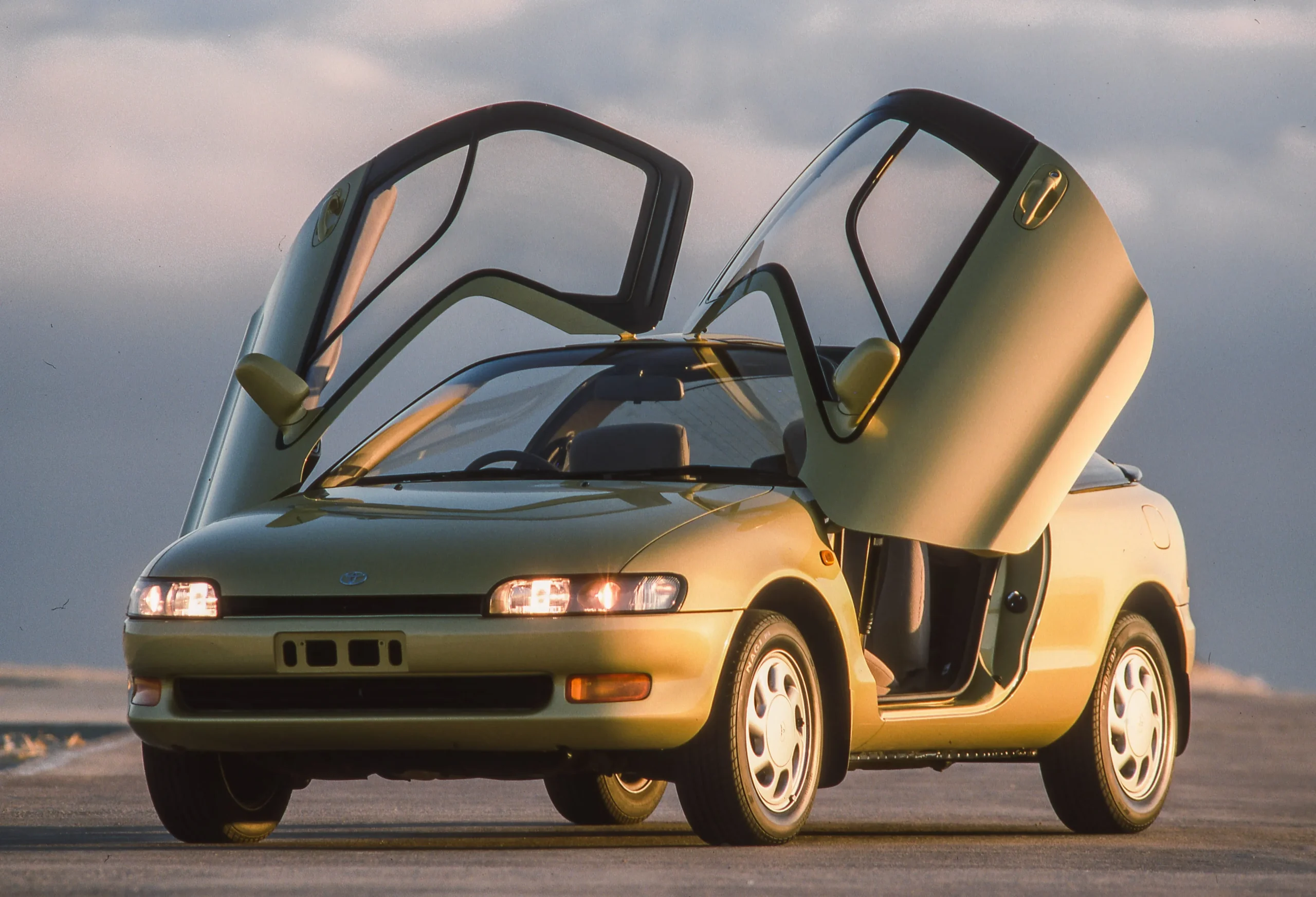
8. Toyota Sera (1990)
The Toyota Sera is a striking example of Japanese ingenuity, featuring butterfly doors and futuristic styling that make it stand out even decades after production. Compact yet innovative, the Sera reflects a design philosophy that emphasizes flair and functionality.
Its 1.5-liter engine produces a modest 110 horsepower, but the lightweight body ensures nimble handling and enjoyable acceleration. Urban streets and winding roads alike feel alive beneath the Sera’s suspension and steering, rewarding drivers who appreciate precision and style in tandem.
Inside, the cabin emphasizes both visibility and comfort. The Sera’s glass canopy provides panoramic views, creating a sense of openness uncommon in small cars. Controls are intuitive, and the interior layout combines modernity with simplicity, ensuring the driver remains focused while enjoying a unique environment.
Attention to detail, from seat stitching to ergonomically positioned gauges, highlights Toyota’s commitment to thoughtful design even in niche models. Despite limited production numbers, the Sera earned a devoted following, particularly among enthusiasts drawn to unusual or innovative vehicles.
Its butterfly doors became a signature element, not only functional but visually dramatic, creating a sense of theater whenever the car is approached. Collectors appreciate the combination of rarity, style, and engineering, making the Sera a standout candidate for legal import into the U.S.
Ownership offers more than aesthetic appeal. Driving a Sera provides a distinctive experience, blending everyday practicality with a sporty, expressive personality.
Its legal import status in 2025 allows American enthusiasts to experience firsthand why the car captured hearts overseas, adding a rare gem to the local automotive scene.
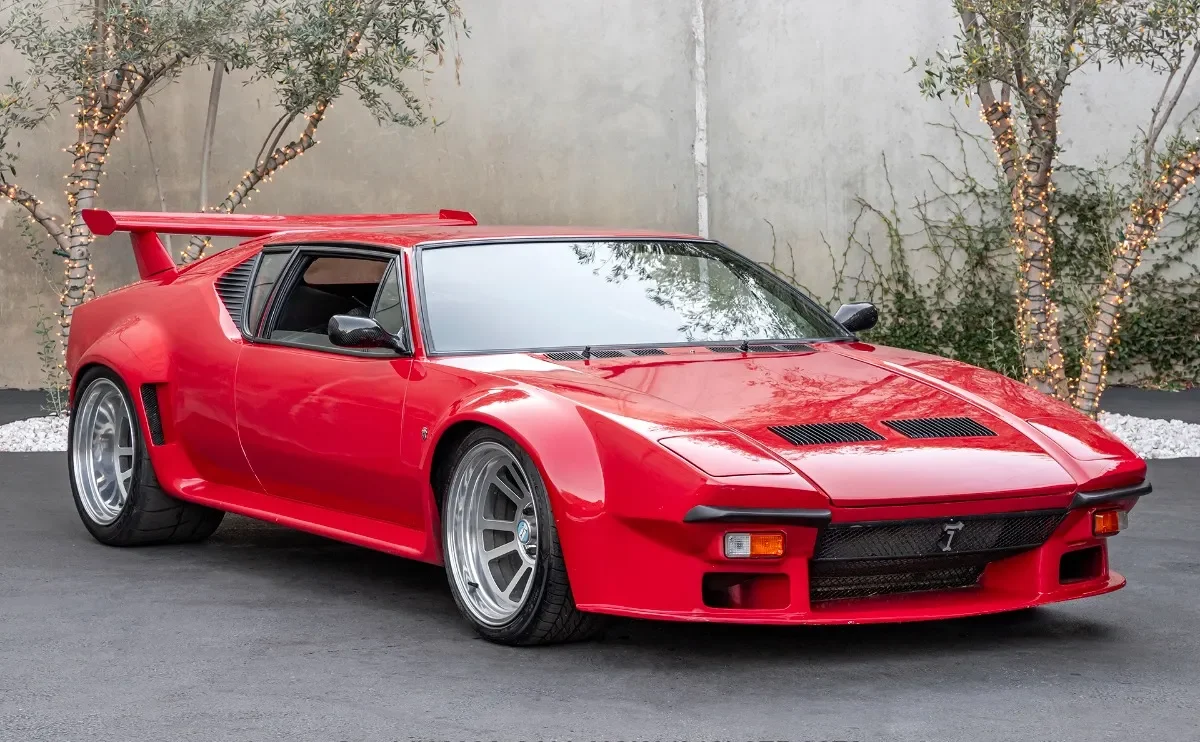
9. De Tomaso Pantera (1971)
Italian-American collaboration defines the De Tomaso Pantera, a mid-engine sports car that combines European design elegance with American V8 muscle.
Beneath its sleek body lies a 5.8-liter Ford V8 engine capable of delivering thrilling acceleration and distinctive exhaust notes. Its performance is complemented by sharp handling, a low center of gravity, and a chassis designed for responsive agility rather than sheer size.
A striking feature of the Pantera is its exterior. Clean lines, aggressive front fascia, and wide rear haunches create a visual presence that demands attention. The cabin balances comfort with driver engagement, featuring supportive seats, a driver-focused dashboard, and simple yet purposeful controls.
Every element reinforces the car’s dual identity as both a high-performance sports machine and a stylish grand tourer. Collectors often admire the Pantera for its versatility. While primarily built for speed and excitement, it also offers a level of comfort uncommon in contemporary supercars.
The driving experience emphasizes connection to the road, with feedback from steering and suspension providing a tangible sense of the car’s engineering. Limited production adds to its appeal, making legal import a rare opportunity for enthusiasts in the U.S.
Owning a Pantera is about more than horsepower. It represents a moment when designers and engineers combined transcontinental expertise to craft a vehicle with both aesthetic and performance credibility.
Now that it is eligible for U.S. import, enthusiasts can enjoy a car that stands apart from conventional sports models, delivering style, power, and an unmistakable personality on American roads.

10. Renault 5 Turbo (1980)
French ingenuity and rally-inspired design converge in the Renault 5 Turbo. Unlike the regular Renault 5, this version features a mid-engine layout and wide body panels to accommodate its performance upgrades.
Turbocharged power delivers approximately 160 horsepower, while the lightweight chassis ensures nimble handling and excellent traction. It’s a car built for speed, precision, and exhilaration, rather than daily commuting.
The Renault 5 Turbo’s aesthetic reinforces its purpose. Flared wheel arches, vented engine cover, and aerodynamic front fascia communicate performance at a glance. Its small footprint and responsive suspension make it exceptionally fun on twisty roads, where every input from the driver results in immediate feedback.
Steering is sharp, braking is precise, and the turbocharged engine responds with a surge that keeps the driving experience thrilling throughout every acceleration. Inside, the cabin is compact but focused. The seats and controls are positioned to maintain driver control, while instrumentation provides clear and immediate information.
Though minimalistic by luxury standards, the interior supports the car’s racing-inspired functionality, emphasizing performance over comfort. Enthusiasts appreciate the connection it provides between driver and machine, creating a highly engaging driving environment.
Now eligible for U.S. import, the Renault 5 Turbo allows collectors to own a piece of rally legend. Its rarity and character make it a distinctive addition to any collection, while the driving dynamics provide excitement that modern compact cars rarely offer.
Owning this model is not only about nostalgia; it’s about experiencing a vehicle designed for precision, responsiveness, and joy in motion.
11. Fiat X1/9 (1972)
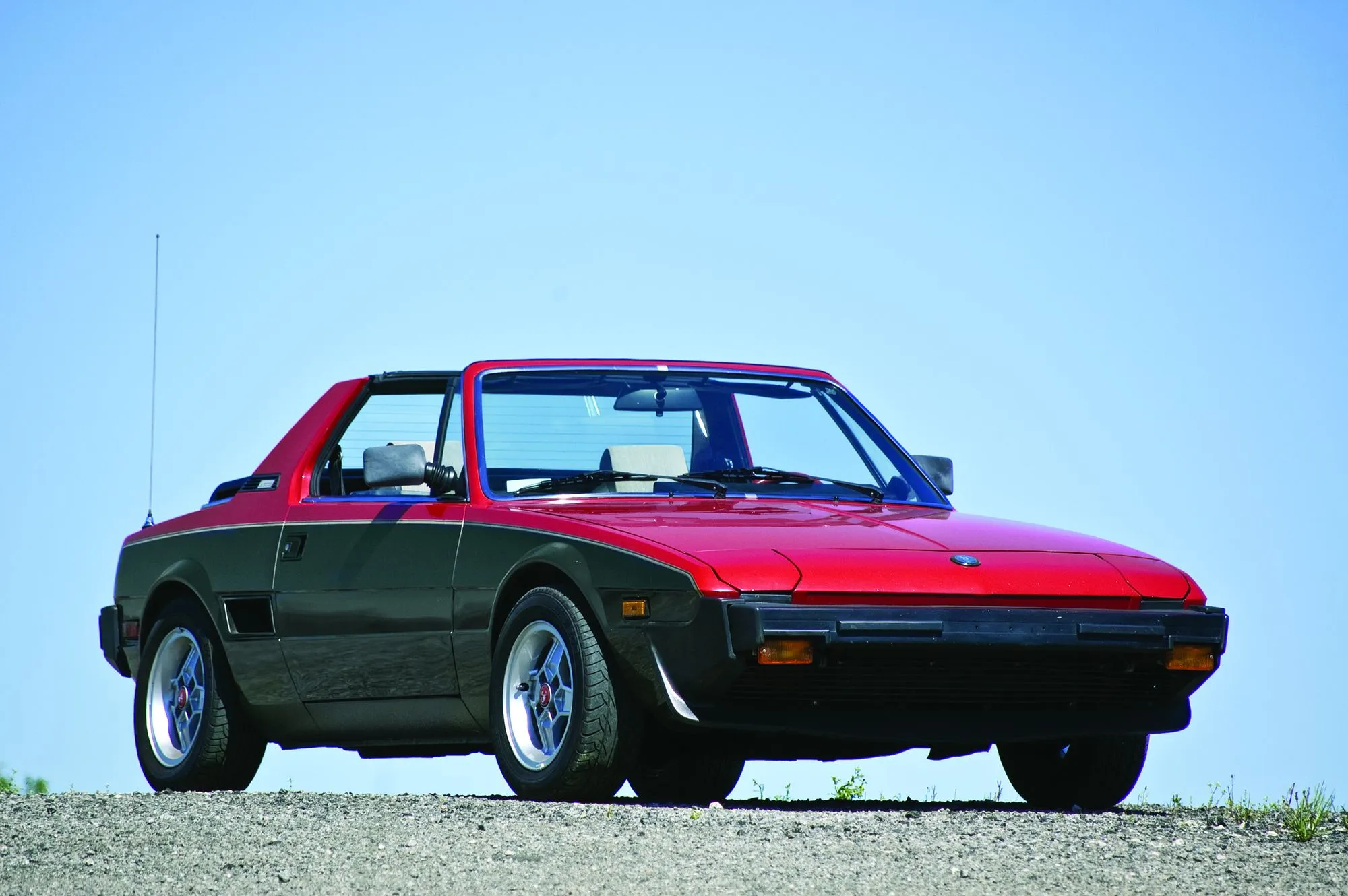
Mid-engine design meets Italian flair in the Fiat X1/9, a compact two-seater that emphasizes balance, handling, and style.
Its 1.5-liter engine produces modest power, but the car’s lightweight construction and perfect weight distribution create an experience that feels far more potent than the numbers suggest. Drivers quickly notice the nimble agility and precise steering, making cornering feel responsive and rewarding.
The X1/9’s styling is timeless, with angular lines, pop-up headlights, and a removable targa roof that adds versatility and fun. Its design reflects both aesthetics and function, offering aerodynamic efficiency and visual appeal in equal measure.
Inside, the cockpit is driver-centric, with simple controls and intuitive instrument placement. The combination of mid-engine dynamics and thoughtful interior design makes the car enjoyable both on winding roads and during casual drives.
Collectors value the X1/9 for its rarity and driving purity. Limited production, combined with Italian craftsmanship and engineering, ensures that each vehicle carries a story. Legal import into the U.S. opens opportunities for enthusiasts to experience an authentic European sports car that emphasizes handling over brute force.
Driving the X1/9 reminds owners why small, well-balanced vehicles can offer thrilling experiences without requiring enormous power or size.
Also Read: 12 Cars That Keep Rear Windows Clear of Fog
12. Mazda Autozam AZ-1 (1992)
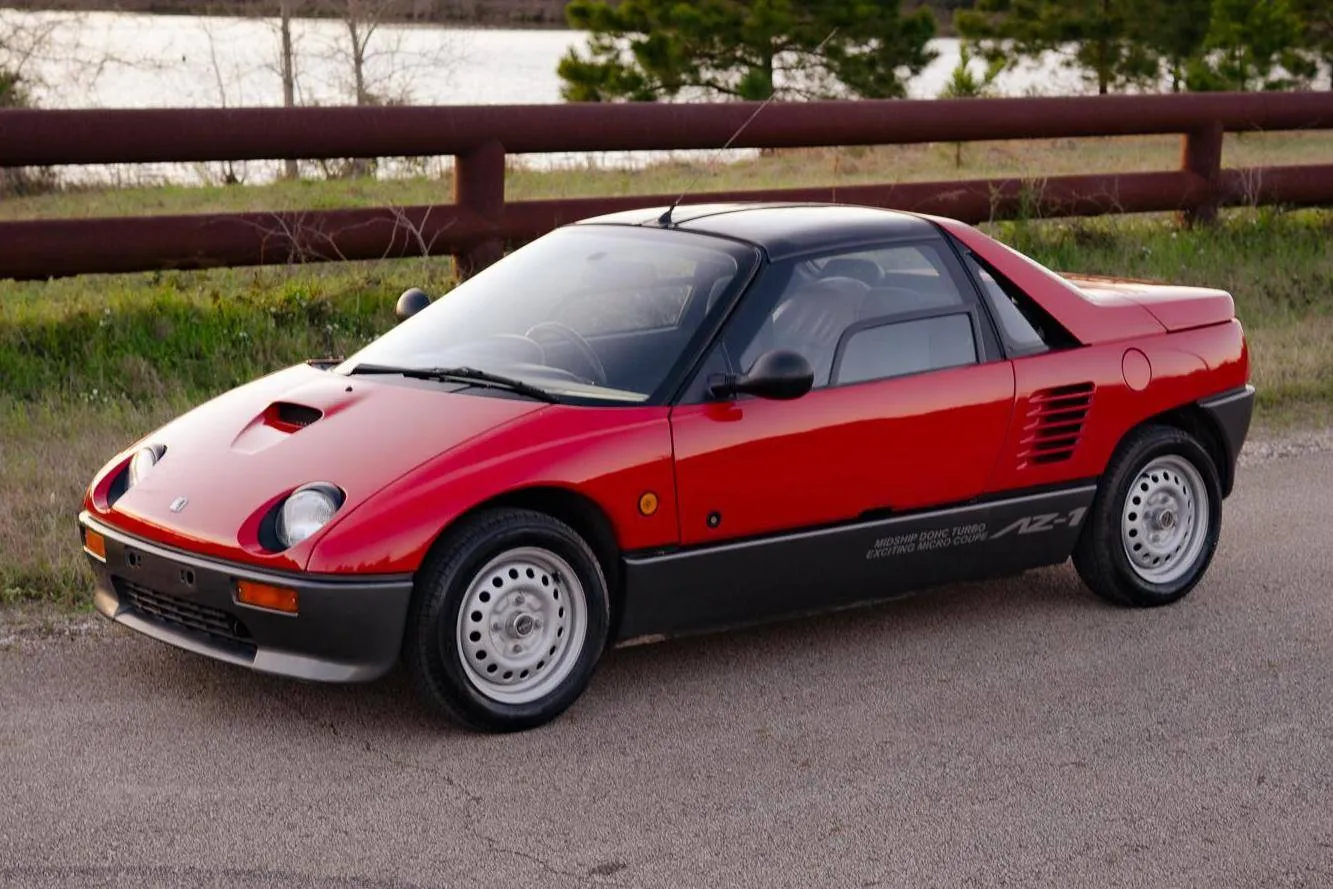
Japanese kei cars reached new heights with the Mazda Autozam AZ-1, a tiny mid-engine sports car featuring gullwing doors and playful proportions. Its turbocharged three-cylinder engine produces just under 64 horsepower, but the car’s featherweight frame and precise handling make it feel exhilarating to drive.
Despite its compact size, the AZ-1 offers an engaging experience that prioritizes driver connection and enjoyment. Exterior styling is striking, with gullwing doors, aggressive wheel arches, and sleek body lines creating a futuristic yet approachable aesthetic.
The interior remains compact, emphasizing ergonomics and functionality while maintaining a fun, sporty vibe. Every aspect of the AZ-1, from steering responsiveness to suspension tuning, contributes to a driving experience that feels larger than its physical dimensions.
Collectors prize the AZ-1 for its rarity and originality. Its eligibility for U.S. import in 2025 means enthusiasts can own a piece of automotive creativity previously limited to Japanese roads.
Driving the AZ-1 provides a hands-on appreciation for kei car engineering ingenuity and demonstrates how thoughtful design and lightweight construction can create excitement regardless of horsepower figures.
The combination of playful style, innovative engineering, and rarity cements the AZ-1’s position as a unique, highly desirable collector’s car. 2025 opens a new chapter for car enthusiasts, granting access to rare foreign vehicles that previously could only be admired from afar.
From Italian masterpieces to Japanese microcars, each of these twelve models brings a distinct story, design philosophy, and driving experience. Owning one of these vehicles is more than collecting; it is celebrating engineering, creativity, and the joy of driving in its purest form.
