Supercars have always been symbols of excess. Extreme performance, exotic design, and six-figure price tags usually go hand in hand, placing these machines far beyond the reach of most enthusiasts. Yet time has a way of reshaping the market.
Depreciation, shifting tastes, and rapid advances in technology have pushed once-unattainable icons into surprisingly affordable territory. 10 Supercars That Lost So Much Value They’re Nearly a Bargain explores vehicles that were once showroom dreams and status symbols, now trading hands for a fraction of their original prices.
These cars still offer breathtaking speed, distinctive character, and engineering pedigree, but without the intimidating price tag they once demanded. From German precision to Italian drama and American brute force, this list highlights machines that prove supercar ownership no longer has to remain a fantasy.
For buyers willing to accept a bit of age, maintenance responsibility, and personality, these heavily depreciated supercars represent some of the most exciting performance value on today’s used market.
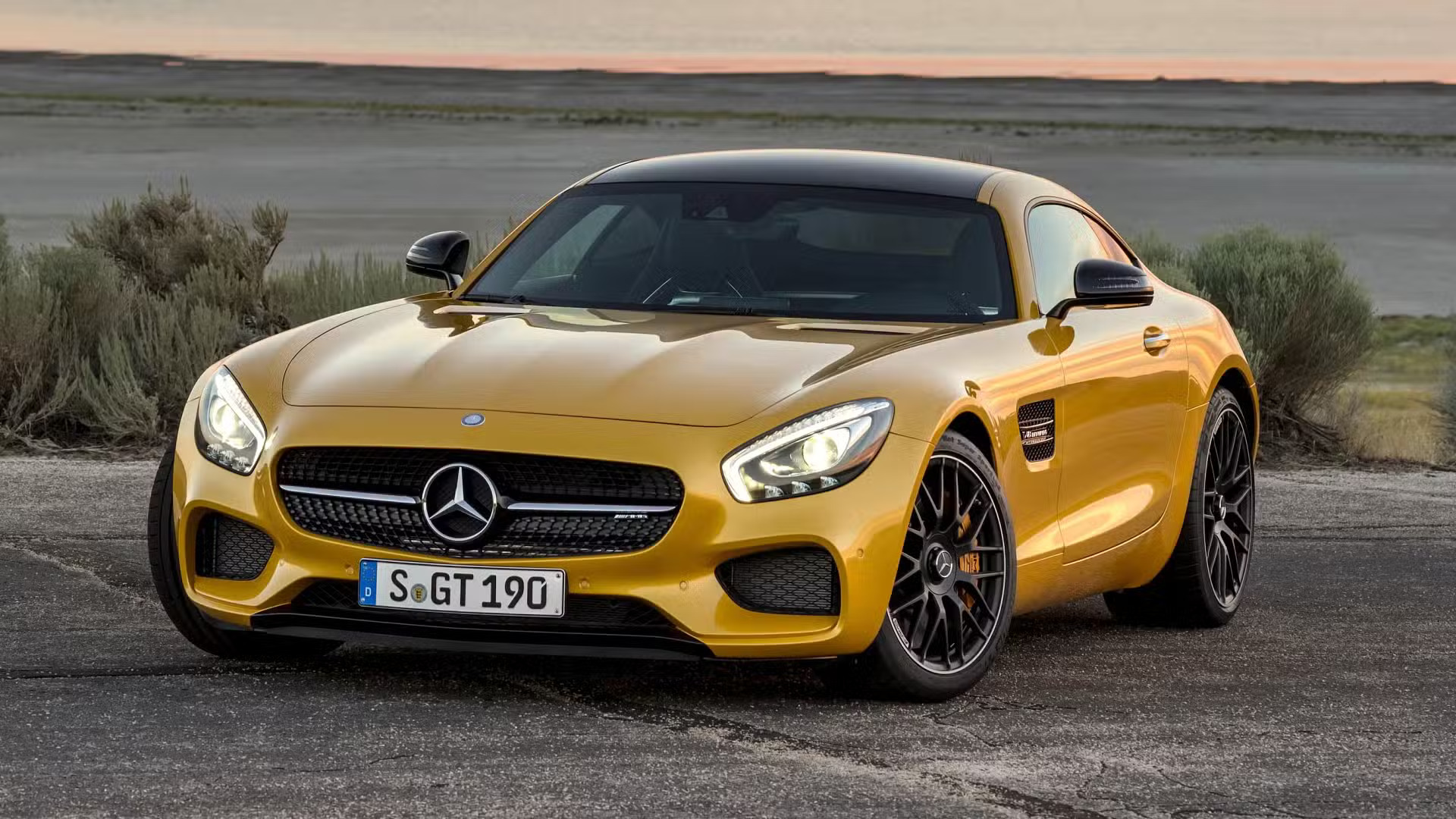
1. 2015 Mercedes-AMG GT Coupe: Style, Performance, and Everyday Usability
The 2015 Mercedes-AMG GT Coupe is a striking supercar that offers an appealing entry into high-performance driving. With an average used value of around $71,671, it represents a relative bargain compared to its original MSRP of $101,695–$139,460.
Powered by a 4.0-liter twin-turbo V8 producing 456–585 hp in the 63 variant, and up to 816 hp in the hybrid 63 S E-Performance, the AMG GT delivers thrilling acceleration and a powerful V8 soundtrack. The 7-speed automatic transmission and all-wheel drive system provide excellent traction, making the car both confidence-inspiring and approachable on twisty roads.
Design is a major highlight. The AMG GT Coupe features a long bonnet, sleek side profile, aggressive front bumper, and distinctive rear lights. The interior complements the exterior with high-quality materials, turbine-style vents, Alcantara-wrapped steering, and comfortable seats.
Some minor flaws exist, such as cheap finishes and an awkwardly placed start/stop button, but the infotainment system is responsive and clear, offering a digital instrument cluster and intuitive controls.
Practicality is notable for a supercar. The 321-liter boot (182 liters in the hybrid) is larger than many rivals, and interior storage includes armrest space, cupholders, and small door bins. The rear 2+2 seats are cramped, but ISOFIX mounting points allow for child seat installation.
On the road, the AMG GT is surprisingly easy to drive daily. Steering is precise without being cumbersome, visibility is good, and the suspension balances sportiness with comfort. On motorways, it is quiet and refined, while on twisty roads, it remains stable and confidence-inspiring thanks to all-wheel drive and adaptive drive modes. Brakes are smooth, though the pedal travel feels long compared to competitors.
Fuel economy is modest: around 12 mpg for the 63 and 34.5 mpg for the hybrid, reflecting its focus on performance. Safety features include lane-keeping assist, automatic braking, blind-spot monitoring, a 360-degree camera, and automated parking. Reliability data is limited due to low production volume, with Mercedes offering a three-year unlimited mileage warranty.
The 2015 AMG GT Coupe combines striking design, exhilarating performance, and practical usability for a supercar, making it a strong contender against rivals such as the Porsche 911, Ferrari Roma, and Aston Martin Vantage.
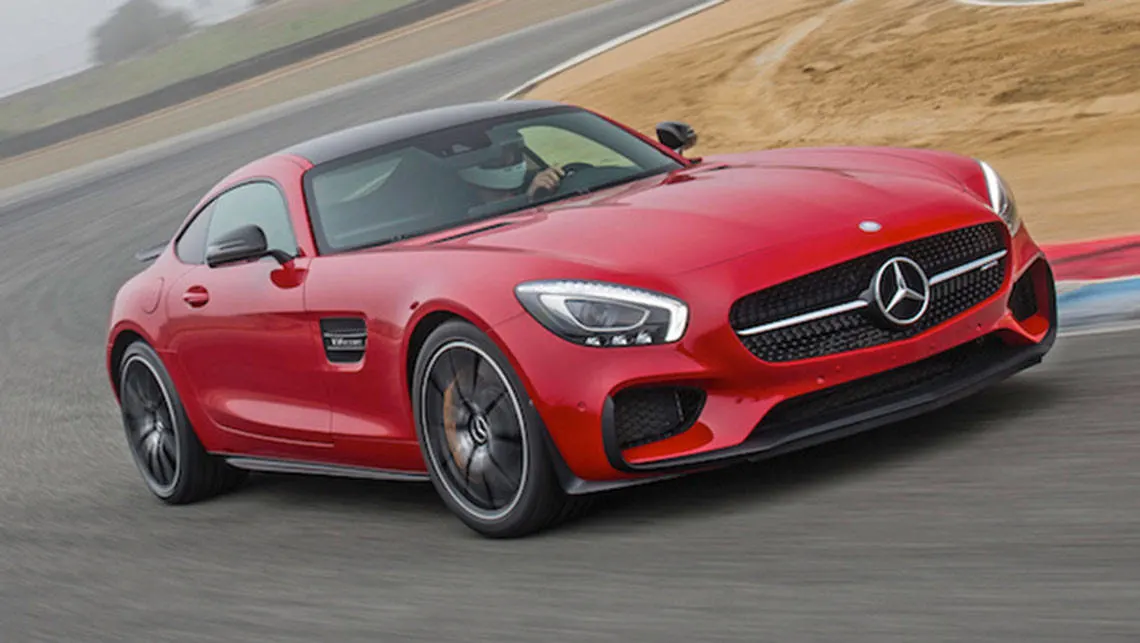
2. 2000 Ferrari 360 Modena F1: Timeless Design Meets Mid-Engine Thrills
The 2000 Ferrari 360 Modena F1 represents Ferrari’s transition into the new millennium, refining the mid-engined V8 supercar formula established by the F355. With its sleek, rounded Pininfarina styling and lightweight aluminum construction, the 360 Modena is widely praised for its aesthetics and engineering.
The 3.6-liter V8 engine produces 395–400 hp and 275 lb-ft of torque, revving to 8,500 RPM and delivering exhilarating high-rev performance with a signature Ferrari exhaust note. It accelerates from 0-60 mph in around 4.1 seconds and reaches a top speed near 190 mph.
The F1 version features a 6-speed automated manual gearbox with paddle shifters inspired by Formula 1. While this system allows rapid gear changes and a visceral driving experience, it can feel jerky at low speeds and requires precise inputs.
Steering is responsive, and the mid-engine layout combined with a lightweight chassis ensures excellent agility and grip, making the 360 Modena highly engaging on twisty roads. Brakes are effective but demand firm effort, reflecting the car’s performance-oriented setup.
Inside, the cabin is leather-lined with supportive seats, blending comfort with sporty ergonomics. Surprisingly usable luggage space exists at both the front and rear, making the car somewhat practical for a supercar. Key interior features include a driver-focused cockpit and clear visibility of the engine through the rear glass.
As a modern classic, the 360 Modena F1 remains attainable, with average used values around $71,191, though examples can be found for under $60,000. This is significantly less than its original MSRP of $141,525, partly due to the less popular F1 automated manual gearbox, whereas manual versions are increasingly desirable.
Ownership requires commitment, with annual fluid changes, belt services, and suspension maintenance particularly ball joint replacements being essential to keep the car in top condition. Despite this, the 360 Modena F1 is considered easier to live with than its predecessors, offering a rewarding driving experience that combines thrilling performance with relative day-to-day usability.
With its combination of iconic styling, lightweight engineering, and engaging V8 performance, the Ferrari 360 Modena F1 remains a compelling choice for enthusiasts seeking a high-revving, mid-engine Ferrari without entering hypercar territory.
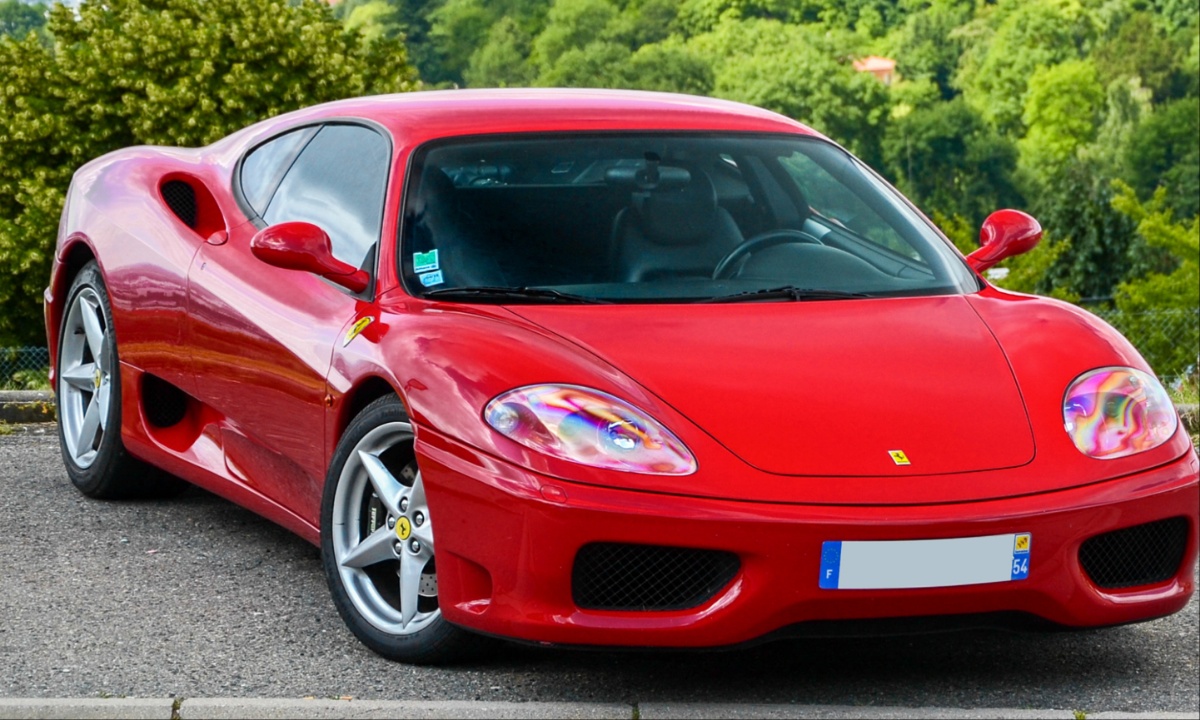
3. 2003 Porsche 911 Turbo: Everyday Usability Meets Supercar Performance
The 2003 Porsche 911 Turbo (996.2 generation) remains a benchmark for performance, blending supercar-level capability with everyday usability. With an average used value of around $66,069, these cars are an exceptional bargain considering their original MSRP of $118,265.
The 3.6-liter twin-turbo flat-six engine produces 415 hp and 415 lb-ft of torque, allowing the Turbo to accelerate from 0-62 mph in just 4.2 seconds and reach a top speed of 189 mph. For added performance, the optional X50 package increases output to 444 hp and 457 lb-ft of torque.
Drivers can choose between a six-speed manual transmission or the advanced Tiptronic S five-speed automatic. The Tiptronic S provides adaptive shift points and can be operated in full manual mode via steering wheel-mounted switches, offering a race-inspired yet accessible driving experience.
All-wheel drive, a lightweight chassis, and Porsche Stability Management (PSM) ensure excellent traction, agility, and control across all road conditions. The Turbo’s suspension features aluminum MacPherson struts at the front and a multilink setup at the rear, combined with wide, low-profile tires, resulting in neutral handling and exceptional cornering capability.
The 911 Turbo’s design balances form and function. Wider rear fenders, large intake grills, and air scoops cool the twin turbochargers and enhance aerodynamics, while a two-piece rear stabilizer wing adjusts automatically with speed. Standard 18-inch wheels and staggered tires contribute to stability and handling. The car also incorporates race-derived four-wheel vented disc brakes with one-piece calipers, ensuring strong stopping power even under hard driving.
Inside, the cabin combines luxury with practicality. Leather seats are power-adjustable, while the Bose audio system delivers high-quality sound. Standard comfort and convenience features include automatic climate control, a power sunroof, and advanced infotainment via Porsche Communication Management. Surprisingly usable luggage space and thoughtful interior layout make the Turbo more practical than many supercars.
Safety is comprehensive, with front and side airbags, reinforced structures, pretensioned seatbelts, and PSM intervention. Child seat compatibility is also available through dealer-installed systems.
The 2003 Porsche 911 Turbo stands out for its ability to deliver thrilling, race-derived performance without sacrificing comfort or daily usability. With its combination of speed, handling, and refinement, it remains one of the most accessible yet capable supercar-level machines for enthusiasts seeking both excitement and practicality.
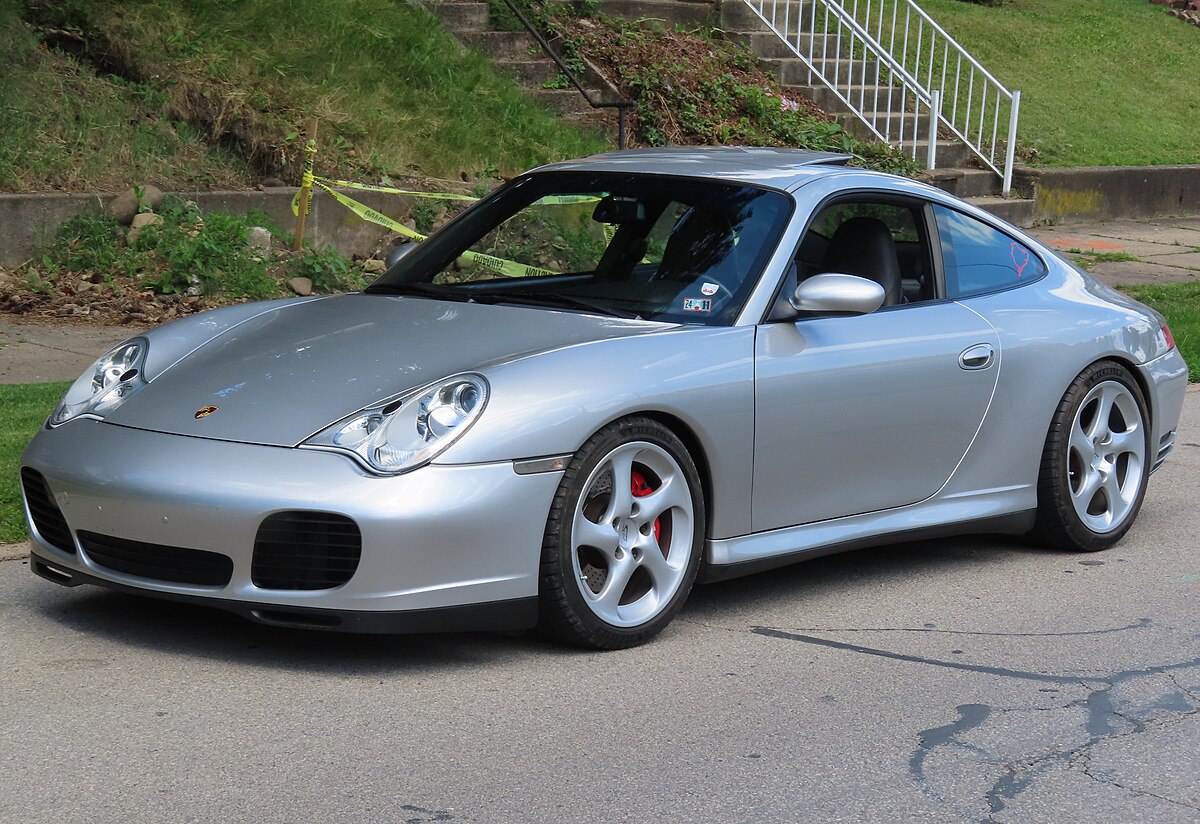
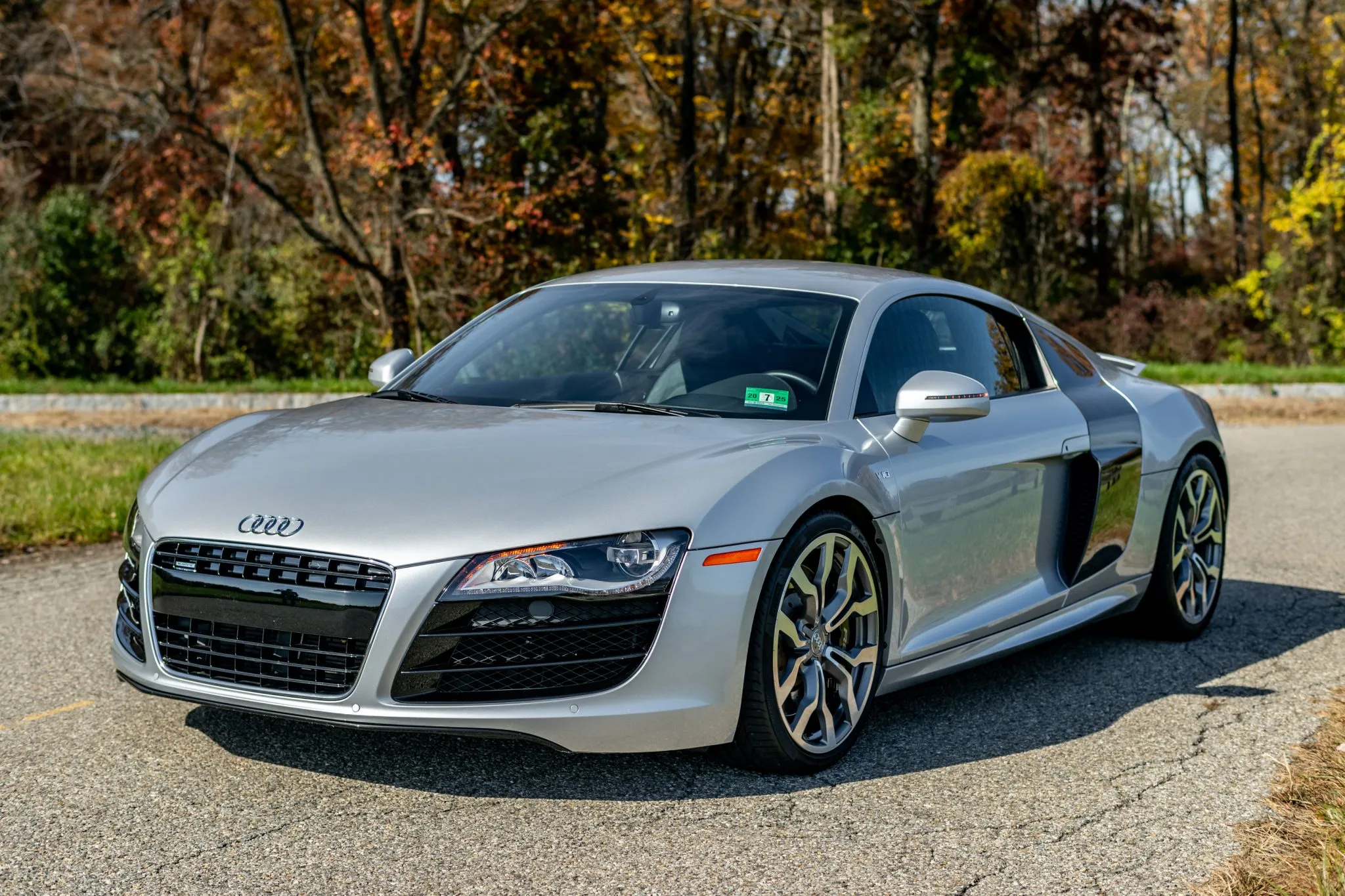
4. 2009 Audi R8 V10 Coupe: Exotic Performance at an Accessible Price
The 2009 Audi R8 V10 Coupe is a mid-engine supercar that combines exotic looks, race-derived technology, and thrilling performance, now available at significantly reduced prices. A well-maintained R8 V10 averages around $64,605 on the used market, down from its original MSRP of $114,200, offering enthusiasts a chance to own a high-performance exotic without breaking the bank.
Powering the R8 V10 is a 5.2-liter naturally aspirated V10 engine producing 518 hp and 391 lb-ft of torque. This allows the car to sprint from 0-62 mph in just 3.9 seconds, with a top speed of 196 mph.
Buyers could choose between a six-speed manual or a six-speed automated sequential gearbox, both of which deliver sharp, responsive shifts. The engine is mounted longitudinally behind the driver, visible through a transparent engine cover, emphasizing the car’s mid-engine layout.
The R8 V10’s design distinguishes it from the V8 version with all-LED headlights, larger wheels, and oval exhaust tips. Built on a lightweight aluminum space frame shared with the Lamborghini Gallardo, it incorporates advanced engineering technologies from Audi’s Le Mans racing program.
The suspension features Audi’s magnetic ride system, using fluid with magnetic particles to adjust damping instantaneously, ensuring a balance of comfort and handling precision. The low-slung stance, wide track, and aerodynamic body give the R8 a planted, road-hugging feel, making it exhilarating to drive on both highways and twisty mountain roads.
Despite its performance, the R8 has some practical compromises. Rearward visibility is limited, and luggage space is minimal, with only room for small items behind the seats. Nevertheless, the interior remains driver-focused and luxurious, reflecting Audi’s attention to detail and high-quality materials.
The 2009 Audi R8 V10 Coupe stands out as a rare combination of race-bred performance, iconic V10 sound, and usable daily driving dynamics.
Its significant depreciation from new price makes it one of the most compelling value propositions in the exotic car market, offering owners a genuine supercar experience for a fraction of its original cost. Enthusiasts looking for thrilling acceleration, a mid-engine layout, and exotic styling will find the R8 V10 hard to beat in its price range.
5. 2017 Jaguar F-Type SVR: British Power and Aggressive Styling
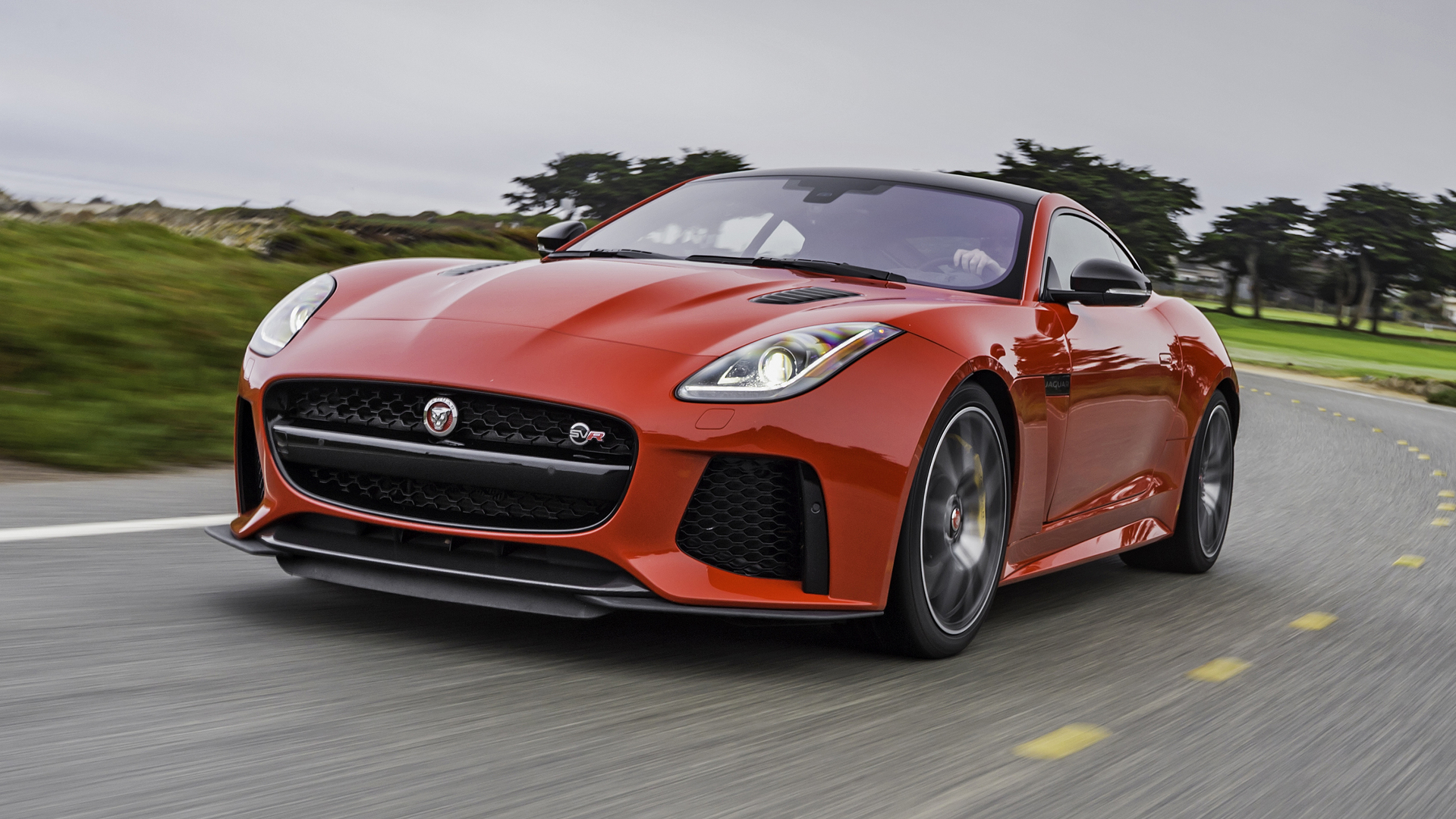
The 2017 Jaguar F-Type SVR is a high-performance variant of Jaguar’s celebrated F-Type sports car, combining a supercharged 5.0-liter V8, all-wheel drive, and aggressive styling to deliver supercar-level performance.
With 567 horsepower and 516 lb-ft of torque, the SVR accelerates from 0-60 mph in just 3.5 seconds, making it capable of keeping pace with rivals like the Mercedes-AMG GT and Aston Martin Vantage. Originally priced at $125,950 for the coupe and $128,800 for the convertible, the SVR now averages around $63,304 on the used market, representing significant value for a car of its performance caliber.
The SVR builds on the V8 F-Type R with incremental upgrades, including 25 more horsepower, 15 lb-ft more torque, and retained four-wheel drive for improved traction in wet or slippery conditions.
The chassis is largely unchanged but features strengthened suspension components and minor adjustments to improve balance and agility. Jaguar also employed lightweight, high-tech materials in the exhaust system, including titanium and Inconel, reducing weight by 35 pounds compared to the F-Type R.
Visually, the SVR is defined by large front air intakes, side gills, blocky side skirts, and a carbon-fiber rear wing. Inside, the cabin has slim, supportive seats and a new, responsive infotainment system with intuitive controls and clear graphics. While less luxurious than some rivals, it is functional and driver-focused.
On the road, the SVR’s performance is thrilling yet challenging to tame. The throttle is heavily top-loaded, and the exhaust produces an aggressive, loud soundtrack that dominates even casual driving.
Steering is fast and responsive, but combined with the powerful engine, it can be difficult to modulate precisely in tight corners. Despite this, the car’s four-wheel drive system and grippy tires maintain traction even under hard acceleration, giving drivers confidence in its capability.
The F-Type SVR represents a compelling value proposition for performance enthusiasts. Its combination of raw V8 power, striking design, and all-wheel drive performance puts it in line with premium sports cars at a fraction of their price. While not the most refined or balanced driver’s car in its class, the SVR delivers an exhilarating, visceral experience that highlights Jaguar’s commitment to bold, aggressive sports cars.
Also Read: 10 Cars That Look Stunning But Disappoint True Enthusiasts
6. 2003 Dodge Viper SRT-10: Raw American Power
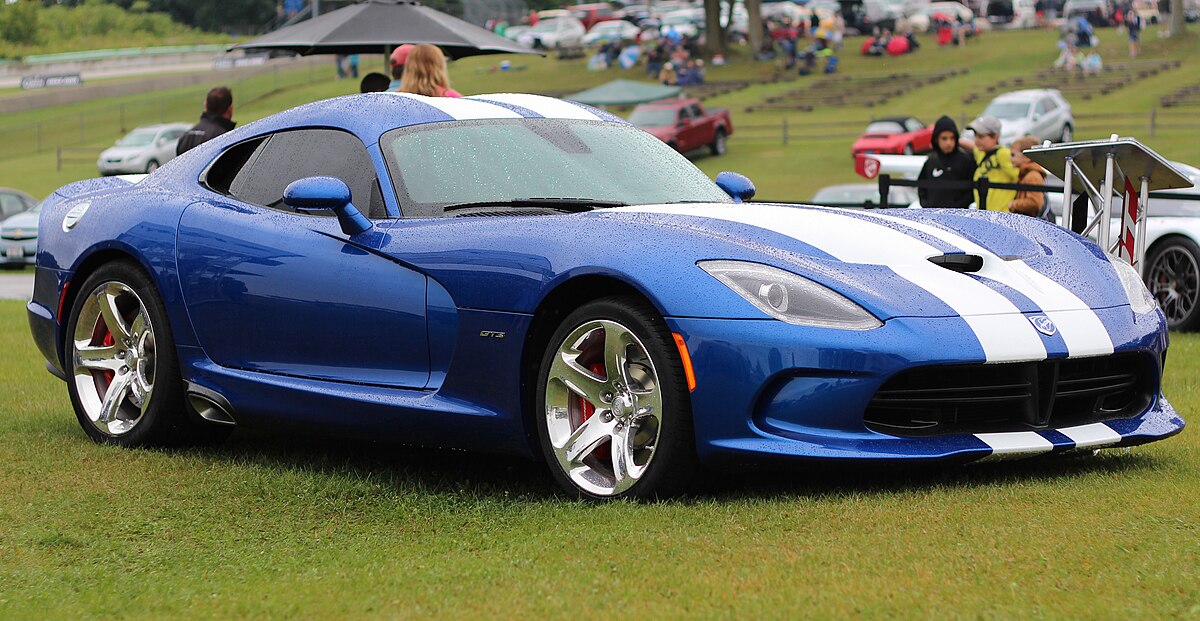
The 2003 Dodge Viper SRT-10 is a true American supercar, blending muscle-car brute force with exotic styling. Powered by an 8.3-liter V10 engine producing 500 horsepower and 525 lb-ft of torque, the SRT-10 delivers an exhilarating driving experience reminiscent of a modern-day AC Cobra.
With a six-speed manual transmission and rear-wheel drive, the Viper offers a visceral connection between driver and machine, though it demands respect due to its raw power and minimal electronic aids. On the used market, a 2003 Viper SRT-10 averages $54,694, making it a comparatively affordable entry into high-performance supercar territory, especially given its original MSRP of $79,995.
The SRT-10 improves on previous Viper generations with a longer wheelbase, sharper body lines, larger brakes, and a fully convertible roof with a glass backlight.
The interior, while spartan, benefits from more ergonomic controls, improved footroom, and better-finished materials, but retains the Viper’s signature heat from the engine and exhaust, requiring drivers to wear socks and avoid shorts on long runs. The car’s cockpit is narrow but supportive, with high bolsters and an industrial-style gear lever, emphasizing its back-to-basics, driver-focused design.
Performance is staggering: the Viper accelerates from 0-60 mph in 3.9 seconds and reaches 100 mph in 8.5 seconds. The car’s grip is immense, thanks to wide rear Michelin tires and a suspension tuned for sharp cornering, though it can be challenging on uneven surfaces.
The braking system, featuring massive 14-inch Brembo rotors, is powerful and reliable, allowing the Viper to outperform some far more expensive supercars in both stopping distance and lateral grip.
The SRT-10 is loud, aggressive, and unapologetically raw. Its V10 emits a deep, thunderous exhaust note that dominates even moderate acceleration, enhancing the sensory thrill but making it less practical for daily use.
Despite these quirks, the 2003 Dodge Viper SRT-10 delivers a unique, hand-built driving experience that combines legendary American muscle with supercar-level performance, making it a standout choice for enthusiasts seeking power, drama, and exclusivity at a fraction of the cost of European rivals.
7. 2006 Chevrolet Corvette Z06: Supercar Performance at a Bargain Price
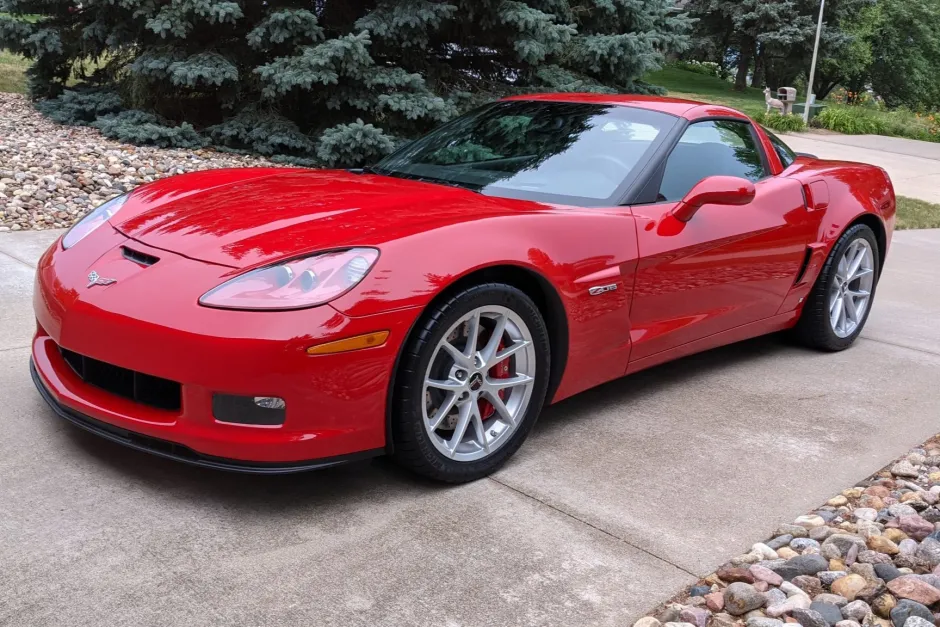
The 2006 Chevrolet Corvette Z06 represents one of the greatest performance values ever offered by an American manufacturer. Powered by a 7.0-liter naturally aspirated V8, the Z06 produces 505 horsepower and 470 lb-ft of torque, making it the most powerful naturally aspirated engine General Motors had ever built at the time.
Paired exclusively with a six-speed manual transmission, the C6 Z06 delivers a driving experience that blends track-ready performance with real-world usability. Today, average used values sit around $45,099, with some examples dipping even lower, making the Z06 one of the most affordable true supercar alternatives on the market.
From the driver’s seat, the Z06 immediately impresses with its balance and precision. The driving position is near ideal, the steering is sharp and communicative, and the ride, while firm, remains livable on public roads.
Although interior materials lack the polish of high-end European rivals, Chevrolet invested where it matters most: the engine, chassis, and braking system. The seats are comfortable for daily use but lack the lateral support required for extended track sessions, one of the few notable drawbacks.
Performance numbers reinforce the Z06’s reputation. With proper launch technique, the car can sprint through the quarter-mile in the mid-11-second range at over 122 mph, even in extreme heat.
On a road course, the Z06 delivers remarkable grip, minimal understeer, and predictable oversteer when provoked. Massive Brembo brakes allow for late, confident braking, while the car’s balance inspires trust at the limit. Lap times place it among the fastest stock production cars ever tested on tight circuits.
Despite its track dominance, the Z06 remains surprisingly civilized. The clutch is light, traffic manners are manageable, and the car can return respectable fuel economy when driven conservatively. Dual-mode exhaust valves keep the car quiet around town but unleash a thunderous roar under hard acceleration.
Lightweight construction, race-inspired engine components, and a curb weight just over 3,350 pounds give the Z06 an edge few cars can match without costing significantly more. The 2006 Corvette Z06 stands as a rare do-it-all performance machine, delivering speed, precision, and value in equal measure.
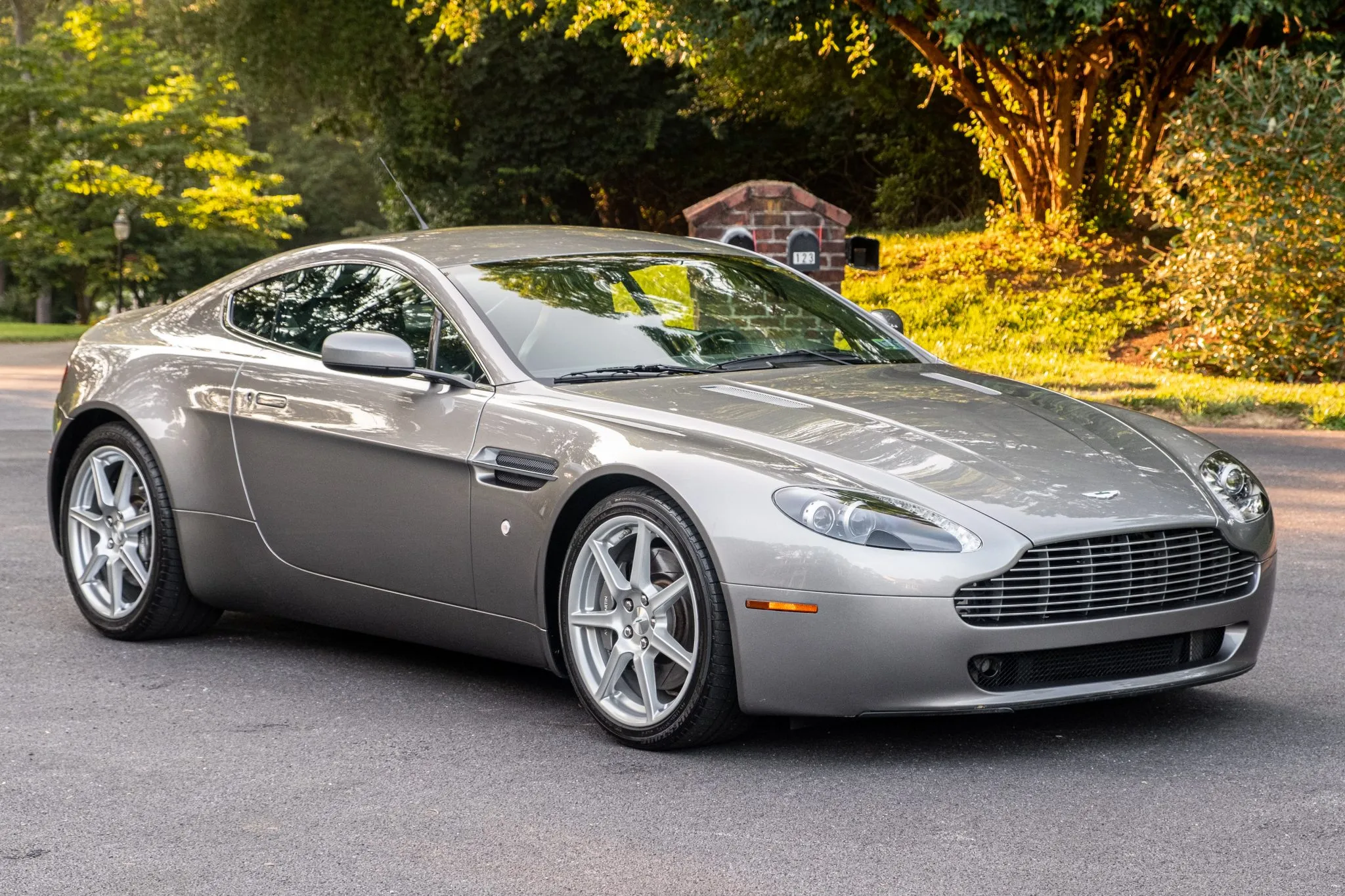
8. 2006 Aston Martin V8 Vantage: A Refined Entry Into British Performance
When the Aston Martin V8 Vantage arrived in the mid-2000s, it marked a turning point for the brand. Smaller and more focused than the DB9, the V8 Vantage was designed as a true two-seat sports car while still carrying the elegance and prestige Aston Martin is known for. Even years later, it remains one of the most recognizable and desirable modern Astons.
In today’s used market, a 2006 V8 Vantage averages around $40,520, with some examples available for less than $30,000. That represents a dramatic drop from its original $110,000 sticker price and makes it one of the most accessible ways to experience the Aston Martin brand. This steep depreciation works in favor of buyers seeking luxury and performance without a supercar-level budget.
Under the hood sits a naturally aspirated 4.3-liter V8 producing 380 horsepower and 302 lb-ft of torque. Buyers could choose between a six-speed manual or a six-speed automated manual transmission.
Performance figures remain competitive, with a 0 to 60 mph time of about 4.8 seconds and a top speed near 175 mph. The real appeal, however, lies in the engine’s character. As revs climb past 4,500 rpm, the V8 delivers a rich, aggressive sound that defines the driving experience.
Design is one of the V8 Vantage’s greatest strengths. Its long hood, compact rear, and muscular proportions give it a timeless presence. Inside, the cabin emphasizes craftsmanship with hand-stitched leather, distinctive gauges, and a driver-focused layout shared with the DB9. While a few components feel less bespoke, the interior still feels special and luxurious.
On the road, the aluminum chassis provides excellent rigidity and balanced handling. Wide tires and substantial suspension components allow the car to remain composed through corners, while the ride stays compliant enough for daily use.
Though heavier and less communicative than a Porsche 911, the V8 Vantage rewards with exclusivity, style, and unmistakable character. It remains a compelling choice for enthusiasts who value presence and emotion as much as performance.
9. 2008 Maserati GranTurismo: Style, Sound, and Serious Depreciation Value
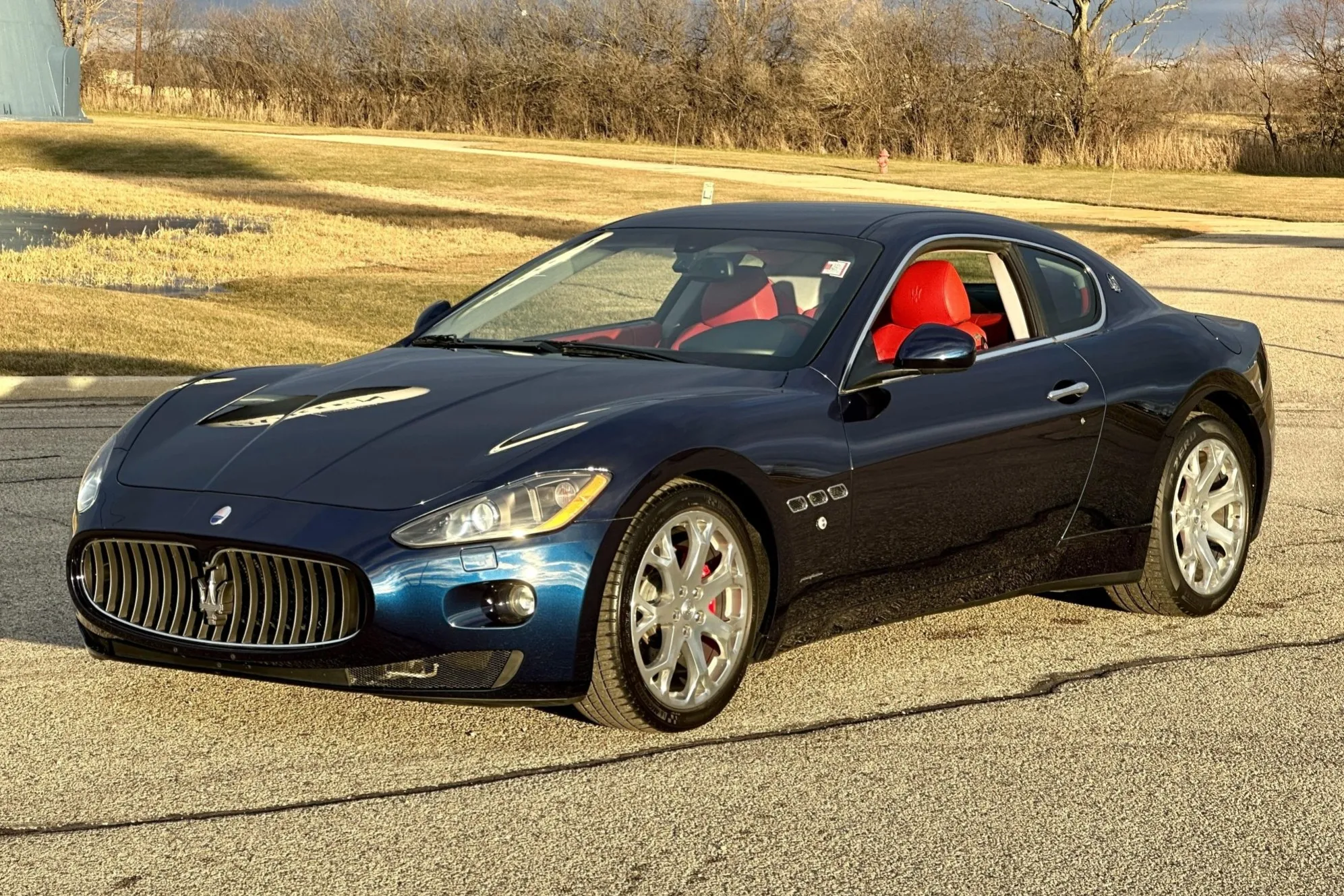
The 2008 Maserati GranTurismo occupies a unique place in the performance car world. It blends exotic Italian styling and a Ferrari-derived V8 with the comfort and size of a grand tourer, yet it never fully commits to either role. This identity crisis caused it to be overlooked when new, but years later it has become one of the most intriguing bargains in the used performance market.
Originally priced at roughly $107,000, the GranTurismo has depreciated heavily. Today, a good 2008 example averages around $27,829, with higher-mileage cars sometimes selling for far less. That dramatic value drop puts Ferrari V8 power and Maserati styling within reach of buyers who once would not have considered the brand.
Power comes from a 4.2-liter naturally aspirated V8 sourced from Ferrari, producing just under 400 horsepower and 339 lb-ft of torque. Paired exclusively with a six-speed automatic transmission, the GranTurismo delivers strong top-end performance but demands driver involvement to stay in its power band.
Downshifts are often required to unlock the engine’s best work, rewarding effort with one of the most memorable exhaust notes of its era. Few cars at any price sound as emotional when pushed.
Visually, the GranTurismo is one of Maserati’s greatest successes. Its long hood, aggressive grille, and muscular rear proportions give it lasting presence and clear Italian flair. Even years after release, it stands out in traffic in a way many newer luxury coupes fail to achieve.
Inside, the experience is more mixed. Materials and build quality are solid, but the cabin lacks the drama suggested by the exterior. Seats provide limited support for spirited driving, and some interior components feel generic rather than bespoke. As a long-distance cruiser, it is comfortable, though competitors offer more refinement and better ergonomics.
On the road, the GranTurismo favors stability over agility. Steering and suspension are tuned for sweeping roads rather than tight corners, and braking performance can feel vague under hard use. Still, when driven at pace on open roads, the car comes alive, combining sound, speed, and style in a way few rivals can match at this price point.
For buyers seeking character and theater over outright precision, the 2008 GranTurismo represents an exceptional entry into Italian performance ownership.
10. 2003 Mercedes-Benz SL55 AMG: Executive Luxury With Supercar Speed
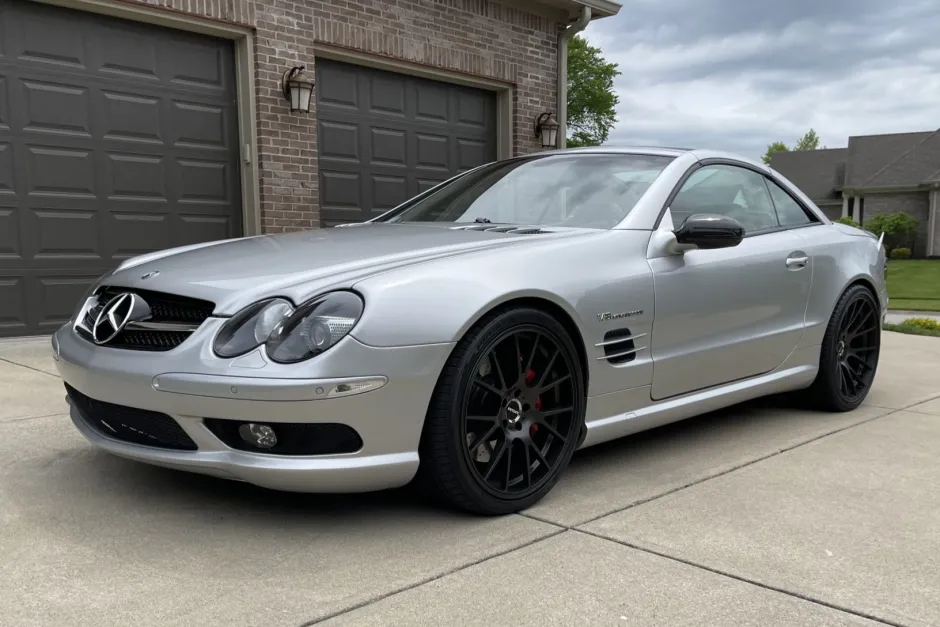
The 2003 Mercedes-Benz SL55 AMG quietly delivered performance figures that rivaled many dedicated supercars of its era. Beneath its elegant grand touring exterior sat a supercharged 5.4-liter V8 producing 510 horsepower and a massive 531 lb-ft of torque. This power output allowed the SL55 to achieve acceleration and top-speed figures that exceeded cars like the Ferrari 550 Maranello, all while offering the comfort of a luxury roadster.
When new, the SL55 AMG carried a hefty price tag of $113,250. Today, thanks to dramatic depreciation, clean examples average around $24,655. That drop of nearly $90,000 makes the SL55 one of the most attainable ways to experience early 2000s supercar-level performance wrapped in luxury.
The heart of the SL55 is its hand-assembled AMG V8, enhanced with a belt-driven Lysholm-type supercharger and air-to-water intercooling. The engine delivers immense torque across a broad rev range, meaning effortless acceleration at almost any speed. Paired with a five-speed automatic transmission featuring AMG SpeedShift controls, the SL55 prioritizes smooth yet forceful power delivery rather than razor-sharp gear changes.
Despite weighing over 4,400 pounds, the SL55 masks its mass remarkably well. Mercedes’ Active Body Control suspension works continuously to limit body roll and maintain composure through corners. While physics cannot be ignored, the system allows the car to corner with confidence and stability, particularly on sweeping roads. Steering feel is precise for a luxury convertible, and grip levels are impressive given the vehicle’s size.
Braking hardware is substantial, with large cross-drilled rotors and multi-piston calipers. Still, stopping distances reveal the challenge of managing such weight, and brake feel can soften under heavy use. This reinforces the SL55’s identity as a high-speed grand tourer rather than a track-focused machine.
Inside, the SL55 delivers classic Mercedes luxury with AMG-specific touches. Deeply bolstered leather seats, Alcantara trim, aluminum accents, and a high-end sound system create an environment built for long-distance comfort at very high speeds. The retractable hardtop adds year-round usability without sacrificing style.
The 2003 SL55 AMG stands as proof that luxury and extreme performance can coexist. It remains a compelling option for buyers seeking speed, comfort, and presence at a fraction of its original cost.
What unites these ten machines is not just performance, but opportunity. Each model on this list once commanded attention as a halo car for its brand, boasting technology, power, and presence that rivaled the best in the world. Years later, depreciation has dramatically altered the equation, transforming former six-figure exotics into attainable performance bargains.
That does not mean compromises disappear. Ownership costs, maintenance, and practicality still require careful consideration. However, the payoff is access to engines, designs, and driving experiences that modern sports cars often struggle to replicate.
Whether it is the scream of a naturally aspirated Ferrari V8, the torque of a supercharged AMG, or the precision of a Porsche Turbo, these cars deliver something special beyond raw numbers. 10 Supercars That Lost So Much Value They’re Nearly a Bargain shows that smart buying can unlock incredible performance, proving that the dream of supercar ownership is closer than many enthusiasts realize.
Also Read: 10 Cars With Trunk Handles That Don’t Pinch Fingers