
Living in Portland means embracing a climate that mixes near-constant rain, steep hills, damp winters, and roads treated with de-icing agents during the coldest months.
Local drivers need vehicles that can handle slick pavement, sharp elevation changes, and the gradual wear that moisture brings.
At the same time, many models especially those with poor rustproofing, exposed underbodies, or cheap metal coatings tend to corrode quickly in Oregon’s wet environment.
This list breaks down five cars that thrive in Portland’s rainy, hilly terrain along with five that often rust or deteriorate faster than expected.
Each entry uses real-world ownership impressions, maintenance trends, and climate-related behavior to help Portlanders choose more wisely.
Cars Built for Portland Rain & Hills
Portland’s unique blend of steep urban hills, constant drizzle, and unpredictable downpours creates one of the most demanding driving environments in the Pacific Northwest.
Locals know that navigating this region takes more than just a reliable vehicle, it requires a car engineered to handle slick pavement, tight inclines, uneven terrain, and months of wet weather that can quickly expose a model’s weaknesses.
While some vehicles thrive under these conditions with strong traction systems, balanced handling, and well-sealed components, others struggle with rapid wear, poor grip, and costly maintenance issues brought on by moisture and elevation changes.
Understanding which cars are built to excel in Portland’s climate can make a dramatic difference in everyday commuting, weekend travel, and long-term ownership costs.
In this article, we take a deep dive into the vehicles that truly shine on Portland’s hills and rain-soaked roads, along with a few that fall short when faced with the city’s demanding landscape.
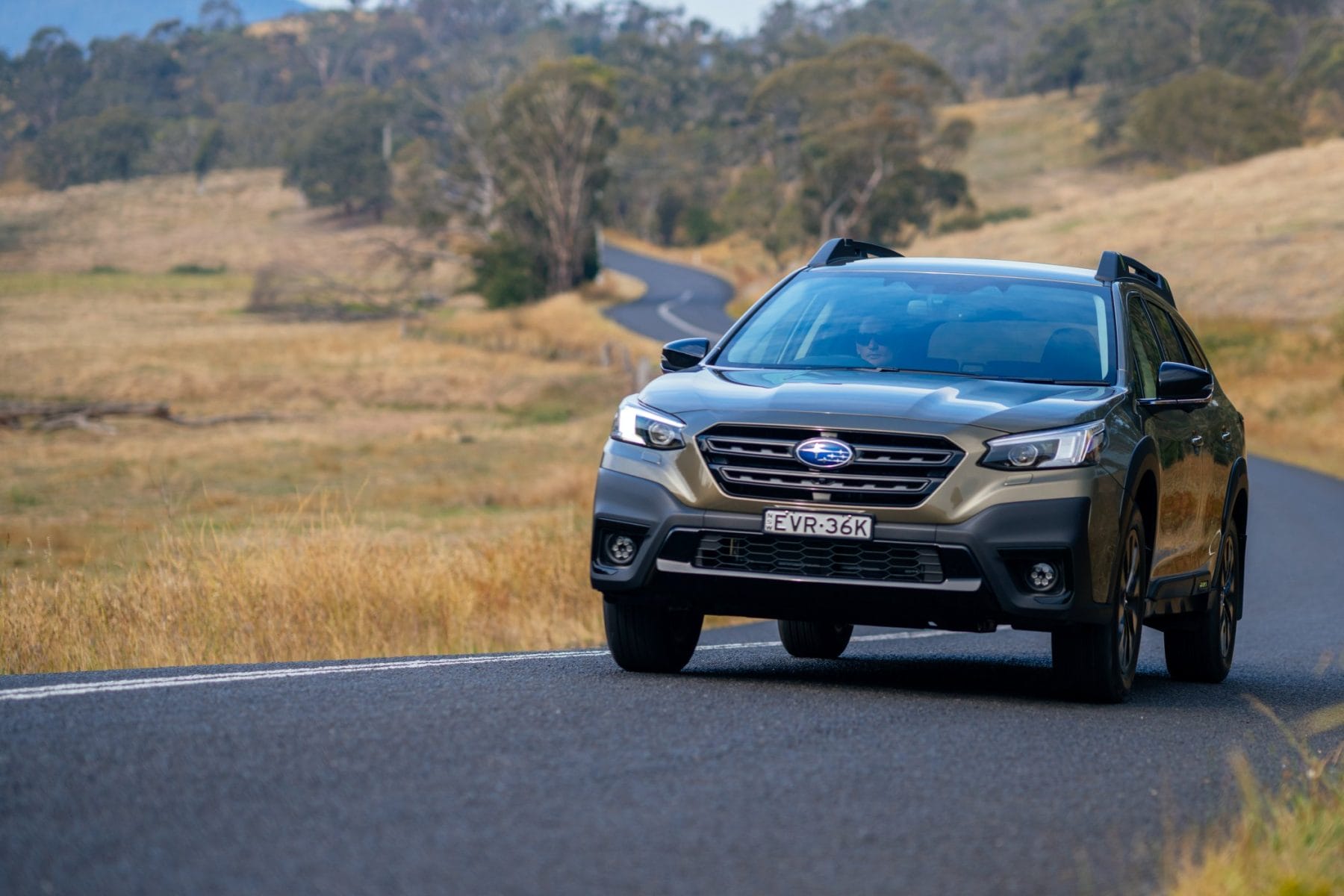
1. Subaru Outback
Portland residents already love the Subaru Outback for its practicality, and its performance in rain and on hills makes that reputation well-earned.
Subaru’s symmetrical AWD system excels on slippery pavement, allocating power evenly and predictably to prevent wheelspin on Portland’s steep residential zones like those in the West Hills.
The Outback’s ground clearance also helps during heavy rainfalls when standing water pools along downtown intersections.
Subaru’s corrosion protection is noticeably strong compared to other mainstream brands, and owners in the Pacific Northwest routinely report fewer issues with early rust, even after 10+ years. This model is almost tailor-made for Portland’s climate.
The Outback is undeniably slow, but that’s really the only drawback in this area. In our testing, an Outback Limited equipped with the standard four-cylinder engine went from 0 to 60 mph in 8.8 seconds.
Choosing the turbocharged engine is the better route if you want performance comparable to rivals like the Honda Passport and Ford Edge. On the bright side, the transmission responds quickly and shifts promptly enough to help you stay in sync with surrounding traffic.
There is some noticeable body roll when cornering, though overall the Outback remains controlled and predictable. Its steering provides solid on-center feel and communicates the road surface well.
Best of all, thanks to 8.7 inches of ground clearance and standard all-wheel drive, the Outback can reach nearly any destination its SUV competitors can, and even tackle a few places they can’t.
While most competitors offer more powerful base engines, the Outback still stands out as a strong value. The base trim does not give up any practicality, and when equipped with additional comfort and tech features, it remains less expensive than similarly outfitted rivals.
That value proposition shifts slightly if you’re considering the more powerful XT models, which are priced closer to traditional SUVs.
Subaru doesn’t provide any notable ownership benefits with this model. The warranty is typical for the class, and although the Outback feels solidly built, its interior design and material quality don’t make a distinct impression.
Also Read: 5 Cars for Albuquerque Heat & Altitude vs 5 That Lose Power
2. Toyota RAV4 Hybrid
The RAV4 Hybrid has become a top pick for Portland commuters who want capability without sacrificing fuel efficiency.
The electric rear motor in the hybrid AWD system engages instantly during rain-soaked starts, giving the RAV4 steady traction on slippery climbs like those on Terwilliger Boulevard.
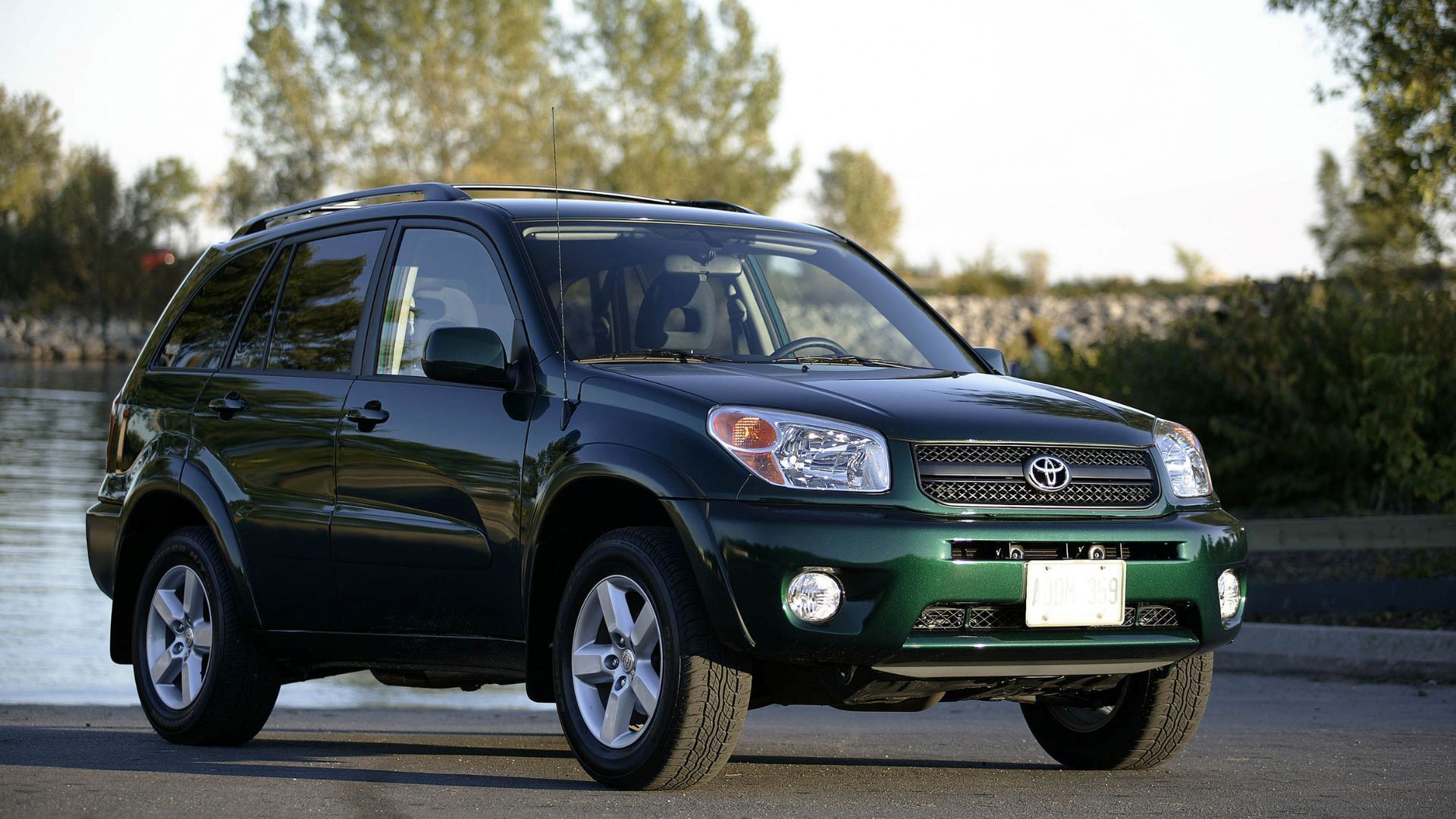
Toyota’s metal coatings and paint durability also hold up well in humid and rainy areas.
Because hybrids experience less brake wear thanks to regeneration, they tend to resist rotor corrosion longer especially valuable in a city where moisture is constant and brake components often rust prematurely.
3. Audi Q5 Quattro
For drivers seeking a luxury option that handles Portland’s wet season with ease, the Audi Q5 with Quattro AWD stands out.
Quattro’s mechanical grip distribution provides strong cornering stability on rain-slicked curves and sloping streets found in neighborhoods like Goose Hollow and the Northwest District.
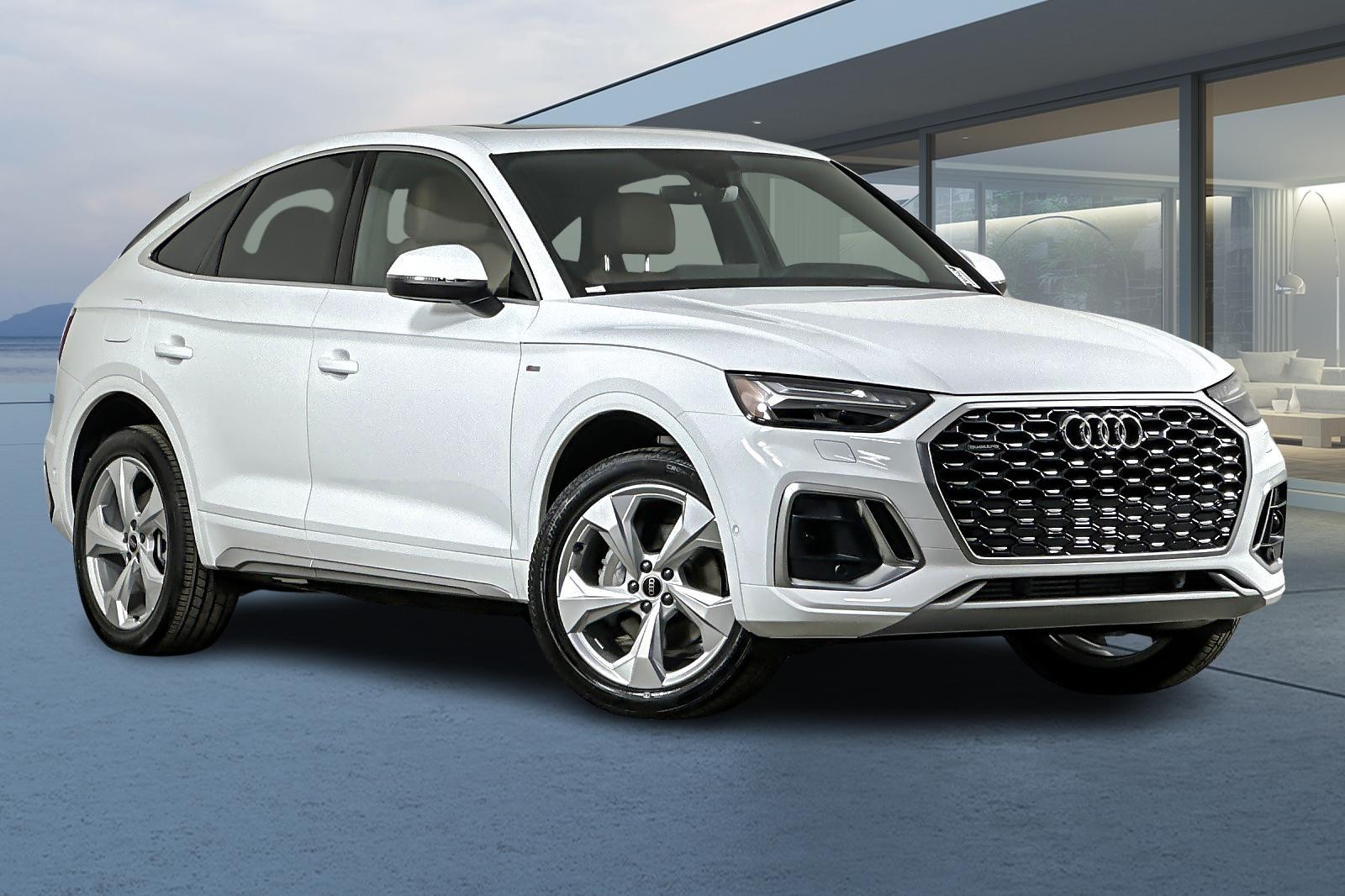
Audi’s modern models use better galvanization and engineered drainage channels that prevent trapped moisture a common cause of early rust on European cars. The Q5 gives drivers security, comfort, and resilience against Portland’s damp winters.
With its premium styling and abundance of advanced features, the 2025 Audi Q5 is a compact luxury SUV aimed squarely at tech-savvy drivers.
Although the previous-generation Q5 lineup will remain on sale for the 2025 model year, it is now accompanied by a completely redesigned version packed with even more high-tech equipment than before.
As with the outgoing model, the new Q5 continues to offer standard all-wheel drive and relies on a turbocharged four-cylinder engine, this time producing 268 horsepower. The interior layout has been updated yet still reflects Audi’s signature clean, Bauhaus-inspired design.
The dashboard is dominated by as many as three digital displays, all running software built on Google’s Android Automotive platform. If you’re not quite ready to switch to the new design, the older Q5 remains available for one final year.
The redesigned model, however, is more modern, more technology-focused, and a stronger competitor to refreshed rivals such as the BMW X3 and Mercedes-Benz GLC-class.
Every Q5 is equipped with a turbocharged four-cylinder, but the new-generation version is offered in just one configuration: a 268-horsepower turbo four paired with all-wheel drive and a seven-speed automatic transmission.
For the outgoing models, the standard Q5 40 setup delivers a 201-hp turbocharged four-cylinder connected to a seven-speed automatic and Quattro all-wheel drive. Upgrading to the 261-hp Q5 45 variant costs an additional $3400, and the added power is well worth it.
While the base engine in the 40 is sufficient, the Q5 45’s extra 60 horsepower provides a noticeably livelier driving experience that breaks up an otherwise routine daily commute.
The quickest variant of the previous-generation lineup is the 55 plug-in hybrid, which combines its gasoline engine with electric motors for a total of 362 horsepower. The suspension on the outgoing Q5 is well-tuned, offering a smooth and composed ride across a range of road conditions.
An optional adaptive suspension attempts to marry that comfort with more precise handling on smooth pavement and mostly succeeds.
During our time behind the wheel of the new Q5, we found it to be polished and enjoyable, delivering a refined powertrain and a comfortable ride.
4. Honda CR-V AWD
The Honda CR-V’s RealTime AWD system may not be as performance-focused as Subaru’s or Audi’s, but it’s outstanding for typical Portland driving quickly redirecting power to maintain grip on wet or moss-covered pavement.
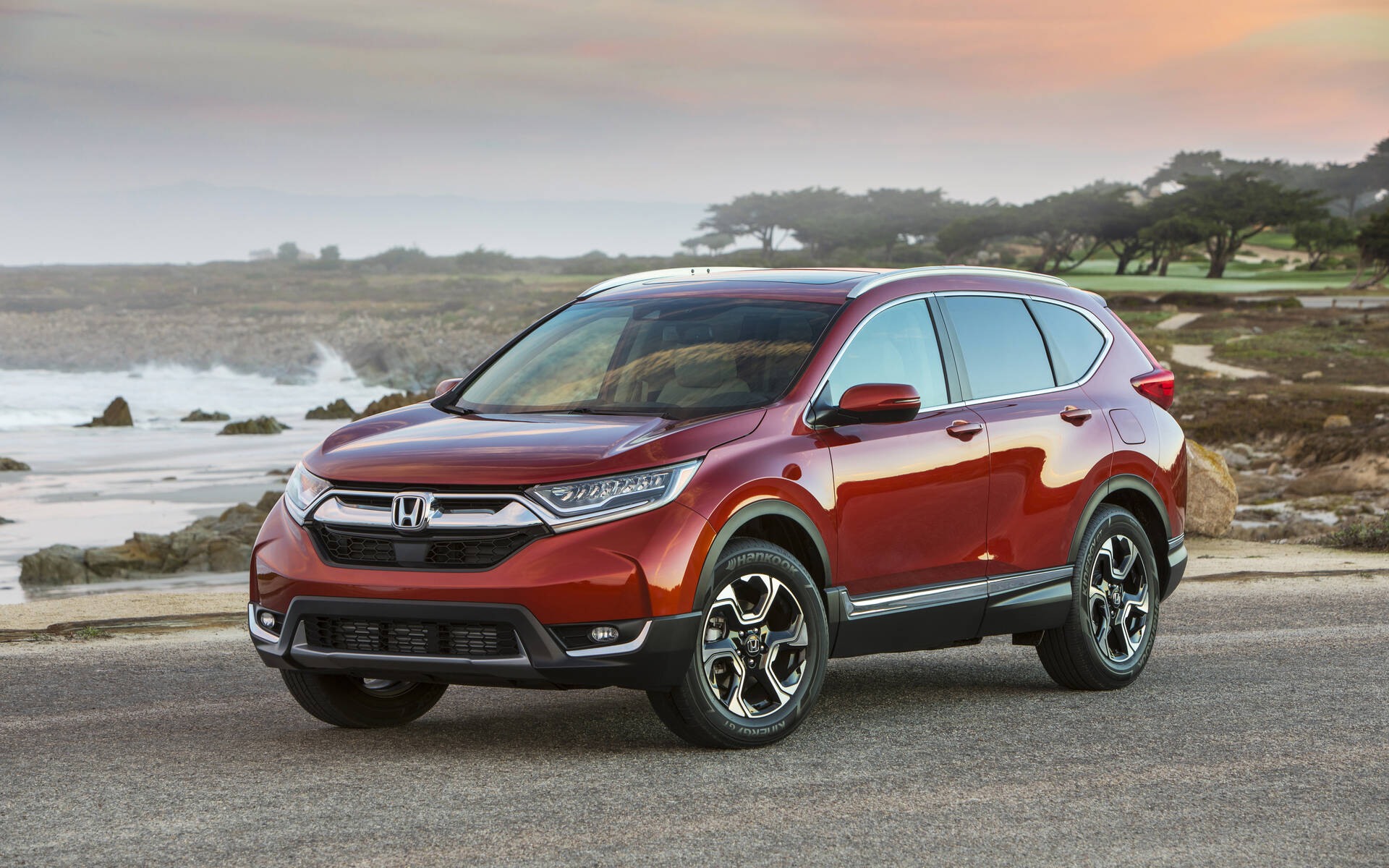
Its lightweight body and efficient turbocharged engine help reduce strain when climbing hills, and the car’s underbody components generally resist corrosion well thanks to Honda’s reliable anticorrosive treatment.
Portland drivers often keep CR-Vs for long periods, and the model’s durability in rainy climates is a key reason why.
Also Read: 10 Honda SUVs That Rarely Break In Prolonged Use
5. Volvo XC60
Volvo’s Scandinavian engineering translates directly to Portland’s rain-heavy climate. The XC60’s AWD system adapts naturally to sudden traction changes, making it ideal for misty mornings or long wet seasons.
Volvo also uses high-quality galvanized steel and protective underbody spraying, giving it above-average longevity in humid or coastal states.
The XC60’s safety systems like wet-weather braking assistance add another layer of reassurance for drivers navigating the city’s hilly terrain and sudden downpours.
Volvo is preparing to transition entirely to electric vehicles in Australia, but there’s still some time left for the petrol-powered XC60 to shine.
The XC60 and its V60 Cross Country wagon sibling remain the only models in the Volvo lineup without an electric counterpart currently available or confirmed for the near future.
Although an electric successor is certainly coming, Volvo hasn’t stopped refining the existing XC60. The model has recently benefited from the introduction of more efficient 48V mild-hybrid engines and an updated range of trims.
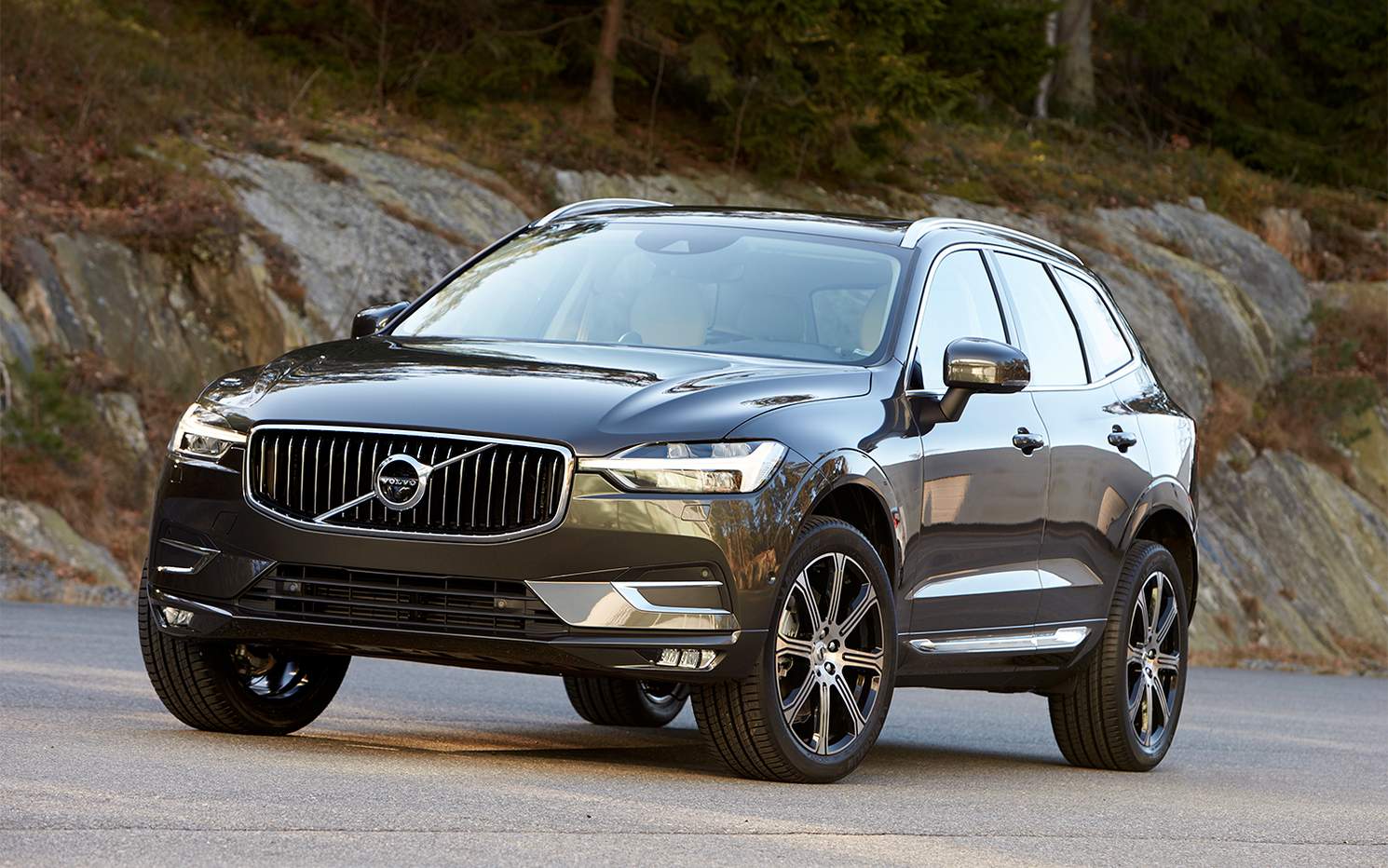
Positioned at the top, at least before stepping into the plug-in hybrid options, is the B5 Ultimate Bright variant tested here.
With an extensive list of standard equipment, it aims squarely at competitors like the BMW X3 and Audi Q5. The question now is whether this is the version of the XC60 to choose before the brand fully embraces battery power.
The Volvo XC60 competes against a wide field of luxury mid-size SUV rivals. You can see how it compares using the available comparison tool.
If comfort is what you’re after, the XC60 absolutely delivers. We had the vehicle over the Christmas break, which meant plenty of travel and a boot filled with luggage.
This is exactly the terrain where the XC60 excels. Volvo is known for crafting some of the best seats in the industry, and the XC60 continues that reputation.
The seats offer excellent support for taller drivers and strike a perfect balance between long-distance comfort and plush cushioning. In the B5 Ultimate Bright, they come heated and ventilated, and are wrapped in smooth, waxy leather.
The wood trim running across the dashboard adds a sophisticated touch, creating a pleasing contrast to the aluminum, carbon fiber, and gloss black materials often found in German rivals.
There is also a lighter leather and blonde wood option available, which enhances the Scandinavian aesthetic even further.
Whether you’re tall or short, finding a comfortable driving position is easy, and the view over the hood is confidently elevated. Visibility is excellent, helped in large part by the traditional SUV profile, there’s no sloping, coupe-style roofline compromising sightlines here.
Volvo’s transition from the Sensus infotainment system to one built on Google’s latest Android Automotive software may seem minor at first, since many of the menus and graphics look familiar.
Cars That Corrode Fast in Portland’s Rain & Moisture
Portland’s weather may be iconic, but its long stretches of rainfall and year-round humidity can be brutal on the wrong vehicle.
Constant exposure to moisture accelerates rust, weakens underbody components, and eats away at brake lines, exhaust systems, and suspension hardware far faster than drivers expect.
Add in the city’s damp mornings, misty commutes, and moss-prone environment, and you have a perfect recipe for corrosion, especially for cars that lack proper rust protection or rely heavily on exposed metal parts.
While some vehicles are engineered to withstand wet climates with galvanized panels and durable coatings, others quickly show their vulnerabilities, leading to costly repairs and rapid deterioration.
In this article, we break down the cars that struggle most in Portland’s moisture-heavy conditions and explain why they rust faster than their better-protected rivals.
1. Jeep Wrangler (Older Models)
The Jeep Wrangler is beloved for outdoor adventures, but in Portland’s rainy climate, it has one major weakness: corrosion.
Older Wranglers (and some early JL models) have frames that are vulnerable to rust, especially when moisture repeatedly accumulates in pockets along the rails.
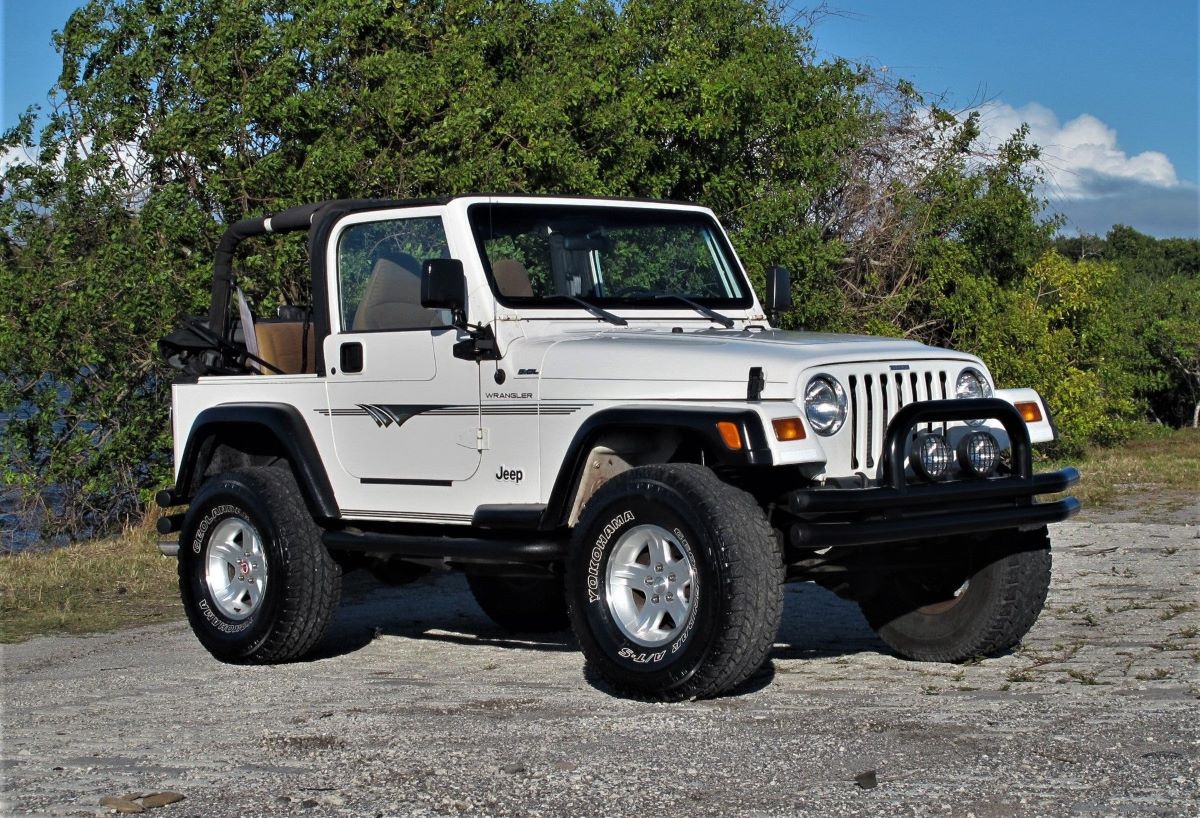
Portland’s mix of rainy weather and the occasional de-icing agents worsens the issue. Rock salt isn’t used heavily in Portland, but magnesium chloride brine commonly sprayed during cold snaps accelerates corrosion.
Without constant maintenance, Wranglers can develop rust on the frame, doors, hinges, and exhaust surprisingly quickly.
2. Ford Fiesta & Focus (2011–2019)
These Ford compact models are known to suffer from thin paint layers and weak underbody coatings, which leave the metal exposed to moisture over time.
Portland’s constant drizzle and high humidity accelerate paint bubbling, wheel well rust, and door-sill corrosion.
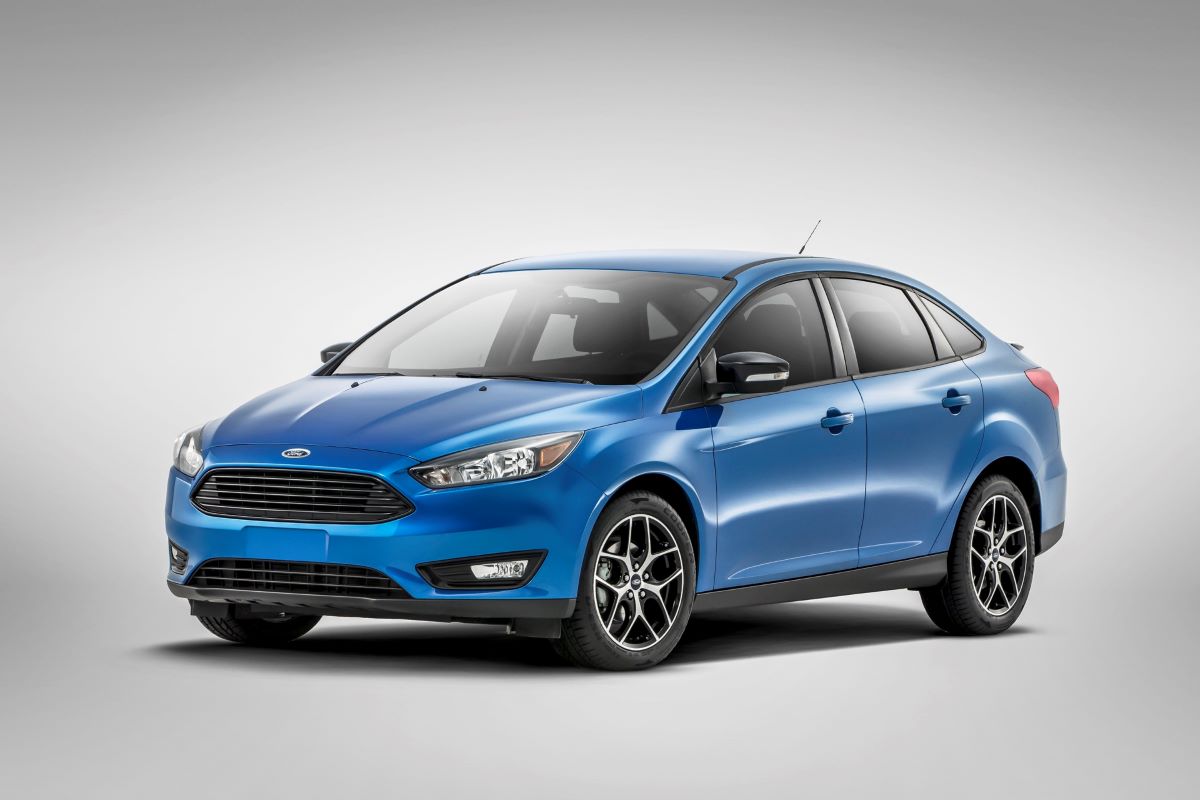
Many owners in rainy states report oxidation showing up earlier than expected sometimes within just a few years. Even though the Fiesta and Focus offer good fuel economy for city driving, their long-term durability in Portland’s climate is below average.
For decades, small economy cars from American manufacturers have carried about as much appeal as a cold hamburger.
Build quality, maintenance expenses, reliability, and long-term durability, the core priorities for this segment, were consistent shortcomings for models like the Escort, Neon, and Cavalier.
Its smooth and eager engine, well-weighted and precise steering, and nimble chassis demonstrate that owning a small, budget-friendly, practical car doesn’t mean settling for a dull driving experience.
Unlike many of its competitors, the Ford Fiesta is offered in both sedan and hatchback configurations. While the hatchback provides noticeably more cargo space, some buyers still prefer the traditional appearance of a sedan, which explains Ford’s decision to offer both body styles.
Regardless of which version you choose, the Fiesta delivers lively handling, a comfortable ride, and a quiet cabin at freeway speeds. It also comes with features rarely seen in this class, such as keyless ignition and Ford’s excellent Sync system, which enables drivers to operate audio and cell phone functions using voice commands.
There are several distinctive alternatives in this competitive segment. Among hatchbacks, the 2011 Honda Fit and 2011 Kia Soul are noteworthy choices, while the uniquely styled 2011 Nissan Cube offers a bold visual statement.
All 2011 Ford Fiesta models are equipped with a 1.6-liter inline-four engine that produces 120 horsepower and 112 pound-feet of torque. A five-speed manual transmission comes standard, while a six-speed automatic is optional.
Technically, the automatic is an automated dual-clutch manual transmission, offering quicker gear changes than a conventional torque-converter automatic. Unfortunately, it lacks a manual-shift mode.
A manual-equipped Fiesta completes the 0–60 mph run in 9.5 seconds, similar to the Honda Fit. Ford estimates fuel economy at 30 mpg city and 40 mpg highway for the automatic version, while the manual is rated at 29 mpg city and 38 mpg highway.
3. Nissan Pathfinder (2013–2018)
The fourth-generation Nissan Pathfinder is spacious and comfortable, but its undercarriage and suspension components have a reputation for developing premature rust in moist climates.
Portland’s winter moisture lingers on these exposed metal parts, and the Pathfinder’s protective coatings weren’t especially robust during these years.
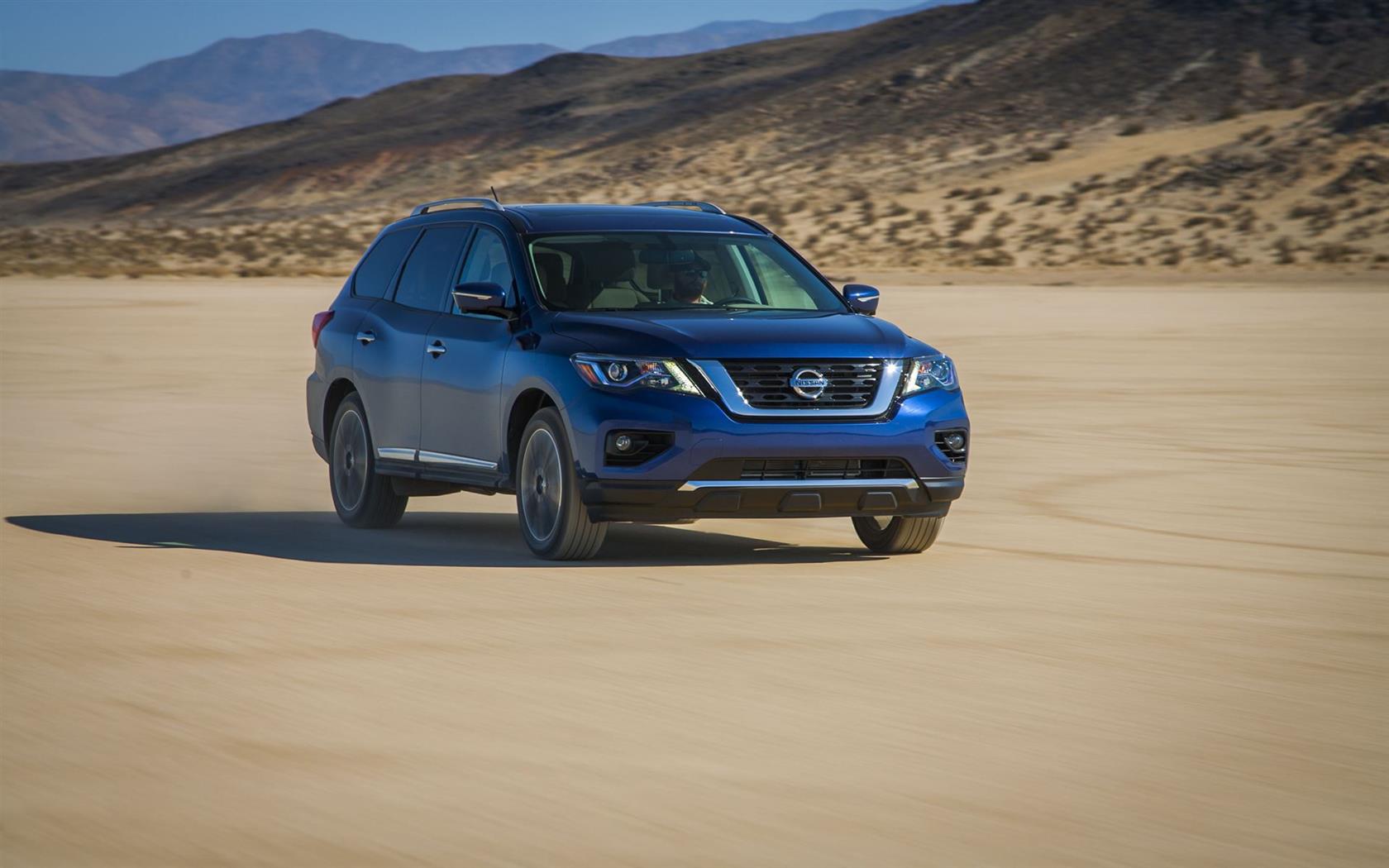
Control arm mounts, brake lines, and rear subframes are known points of concern. Although later models have improved rustproofing, these mid-2010s Pathfinders remain risky buys for Portland drivers trying to avoid corrosion issues.
The previous Nissan Pathfinder was a heavy, rugged SUV, well-suited for off-road adventures and towing tasks.
However, it came with notable drawbacks, including cramped second- and third-row seating, a truck-like driving experience, and mediocre fuel efficiency.
Nissan recognized that most buyers would likely prefer a comfortable, daily-use cabin and better fuel economy over infrequently used extreme capabilities.
As a result, the redesigned 2013 Pathfinder is built on a unibody platform shared with the all-new Infiniti JX crossover. It features a 260-horsepower 3.5-liter V6 paired with a continuously variable transmission (CVT).
The vehicle is 500 pounds lighter than its predecessor, contributing to fuel economy estimates of 20 mpg city, 26 mpg highway, and 22 mpg combined, making it one of the most fuel-efficient vehicles in a segment that includes the Ford Explorer and Honda Pilot.
While the lighter, more efficient Pathfinder sacrifices some towing capacity compared to its predecessor, it can still tow up to 5,000 pounds, a respectable figure for a midsize, seven-passenger crossover whose typical duties might include hauling a pair of jet skis or ferrying children to sports and dance practices.
Like the Infiniti JX, the Pathfinder includes a sliding second-row seat that can tilt and fold forward even with a child seat installed, making access to the adult-friendly third row much easier.
The 2013 Nissan Pathfinder offers many appealing features, including smooth performance, strong fuel economy, and a welcoming cabin. Although it is now more competitive in the seven-passenger SUV segment, it still faces stiff competition.
The 2013 Pathfinder is powered by a 3.5-liter V6 producing 260 horsepower and 240 pound-feet of torque.
Front-wheel drive and a CVT come standard, while an optional all-wheel-drive system automatically distributes power between the front and rear axles as needed or allows the driver to lock in a 50/50 ratio.
4. Mazda 3 (Older Gens)
Mazda has significantly improved its corrosion resistance in the last decade, but older Mazda 3 models particularly those built before 2014 were notorious for rusting in humid regions.
Portland’s moisture-rich climate exacerbates the problem, especially around wheel arches, rocker panels, and the underbody.
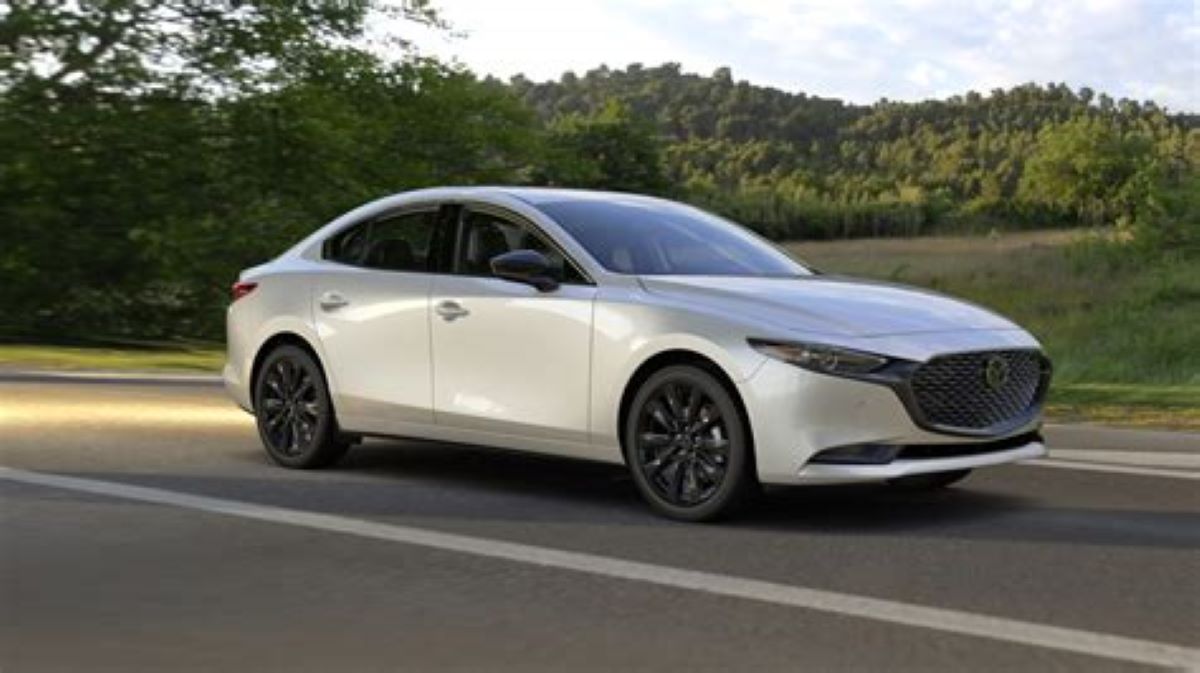
While these Mazdas are enjoyable to drive on hills and corners, the corrosion risk makes them a bad match for local drivers unless they’re ready to commit to undercoating, frequent washing, and early rust repair.
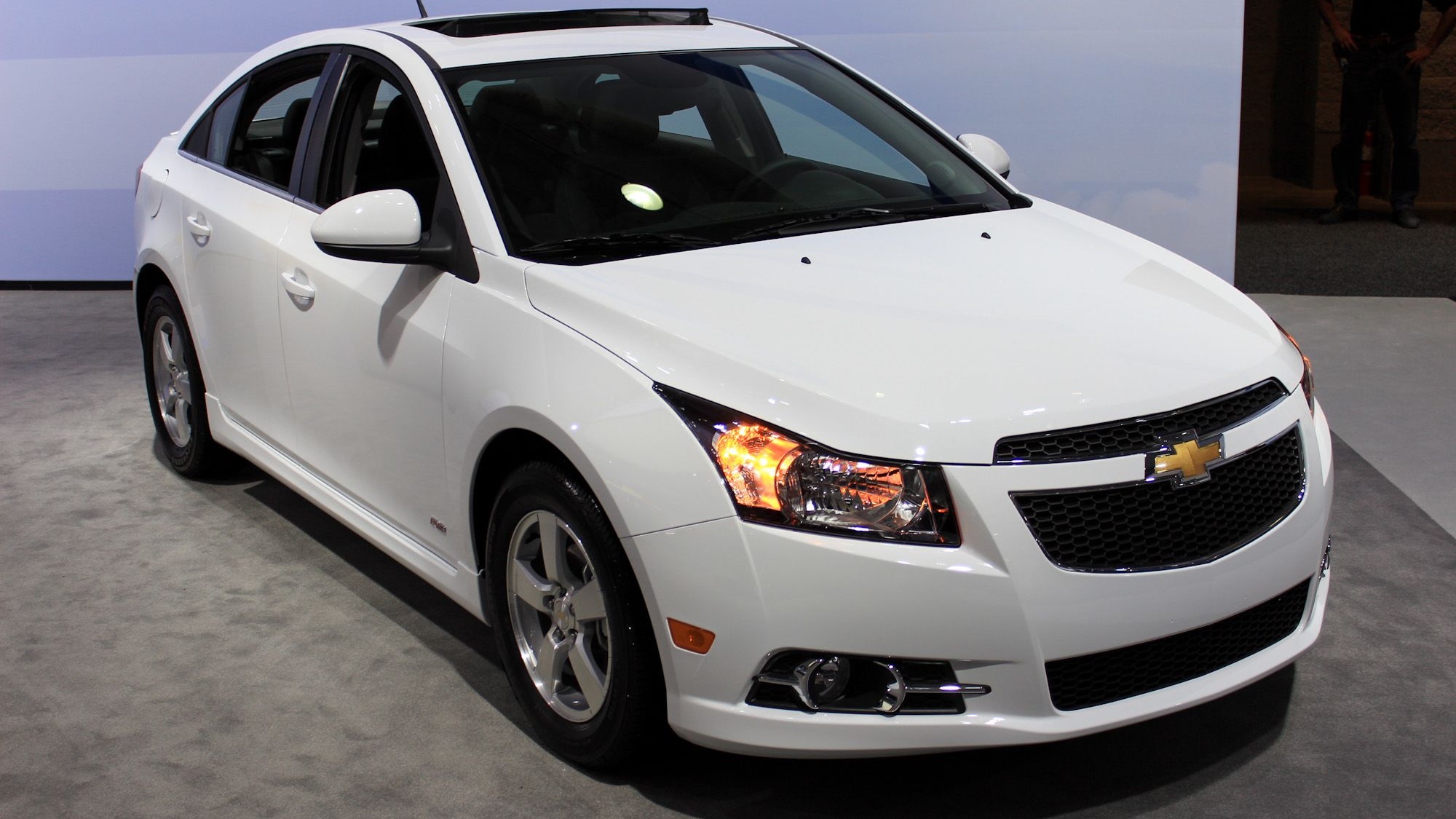
5. Chevy Cruze
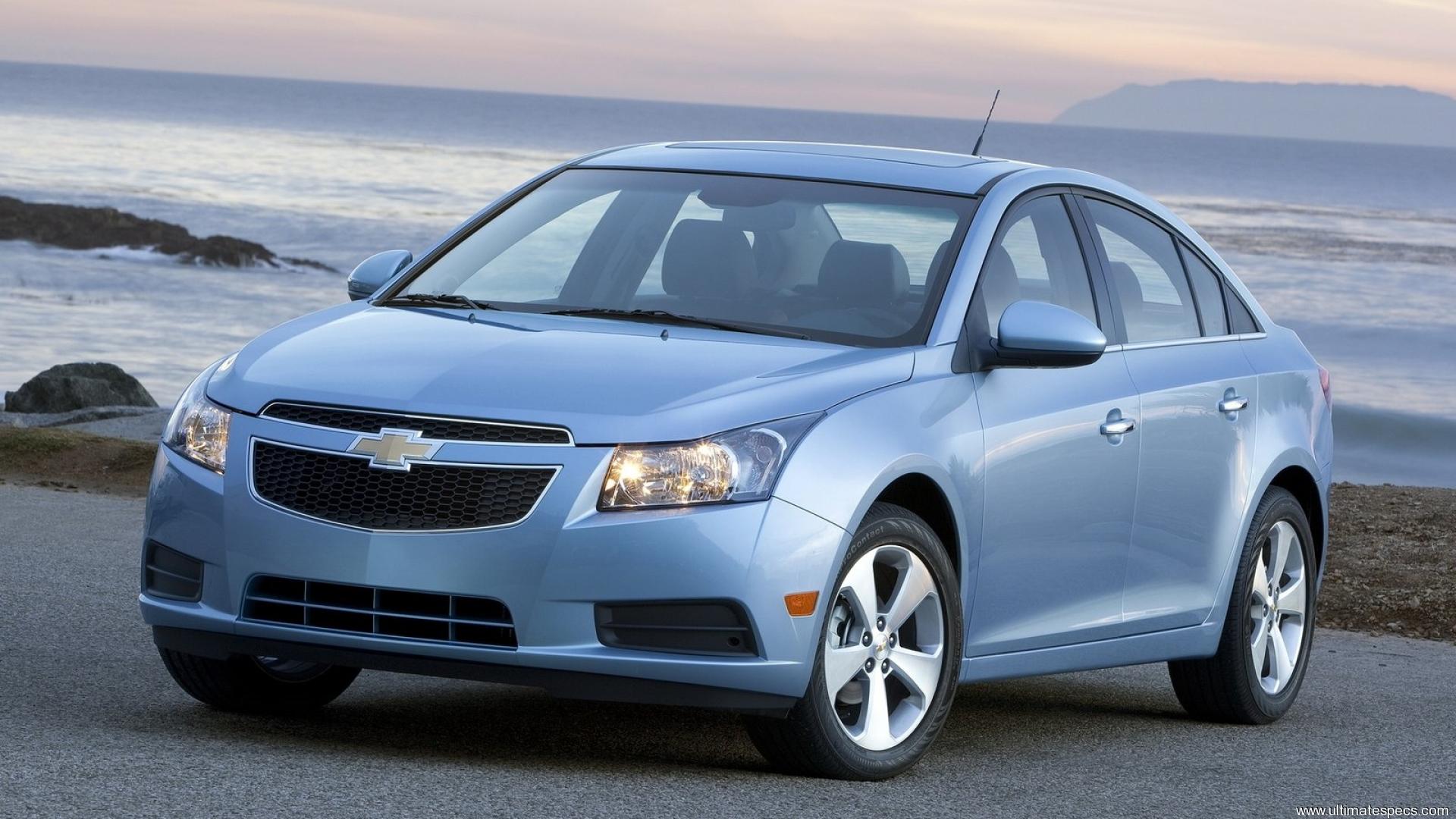
The Chevrolet Cruze offers good fuel economy and a comfortable ride, but it’s one of the more rust-prone compact sedans sold in the US. Cruzes often experience rust around the trunk hinge area, underbody seams, and the lower rear quarters.
Portland’s constant humidity accelerates these trouble spots, and once the metal begins to pit, moisture intrusion speeds up the process. While the Cruze may be affordable, it is not well-suited for drivers who park outdoors or commute daily in rainy weather.
Portland’s unique mix of rain, hills, and seasonal weather challenges makes vehicle choice far more important than many new buyers expect. The right car will handle slippery pavement confidently, resist rust for years, and navigate hilly terrain with ease.
Models like the Subaru Outback, Toyota RAV4 Hybrid, and Audi Q5 not only deliver strong wet-weather traction but also maintain structural durability in Oregon’s damp environment.
Chevrolet refreshed the second-generation Cruze for the 2019 model year, giving the compact sedan a sharper appearance and upgraded technology.
To maintain the Cruze’s competitiveness in its segment, GM made substantial improvements for 2019. The updated model received refreshed exterior styling and a modernized interior, alongside enhanced technology features designed to appeal to a younger audience.
Additionally, its low operating costs made it attractive to fleet buyers, who valued a practical vehicle with decent onboard amenities and a reasonable price—a combination that benefitted both individuals and businesses.
At the front, the 2019 Chevrolet Cruze featured a redesigned fascia and new grille layout, bringing its look closer to the Malibu and Impala.
Updated headlights and a sportier lower bumper gave the car a more commanding presence, while Premier trims gained LED signature taillamps at the rear. The changes created a cleaner, more upscale appearance, aligning the Cruze with Chevrolet’s contemporary design language.
From the side, the 2019 Cruze maintained its balanced proportions and short overhangs, with subtle contour lines running along the doors.
The RS appearance package added a more dynamic flair, including black window moldings, darkened bowtie emblems, and available 17- or 18-inch alloy wheels. The sedan’s silhouette remained sleek yet practical, striking a balance between sporty styling and everyday usability.
At the rear, updates were modest but effective. Revised taillight internals and a reshaped trunk lid gave the sedan a more mature aesthetic, while the hatchback retained its clean, functional tailgate design.
On the lower section of the bumper, sculpted areas mimicking a diffuser were added, and the exhaust was fully concealed behind the apron, completing the refreshed look.
Choosing wisely based on local weather factors can save money, reduce repairs, and ensure a safer drive year-round.
