Minneapolis winters are unlike anything most drivers experience elsewhere in the country. With sub-zero mornings, icy bridges, wind chills that sting your skin within seconds, and snow that piles up faster than plows can clear it, owning the wrong car can turn your daily commute into a survival situation.
The streets around Lake Street, Hennepin Avenue, and the I-94 corridor are frequently covered in packed snow, black ice, and slush.
Suburbs like Bloomington, Maple Grove, and Eden Prairie often see even harsher conditions, with drifts forming overnight and plows taking hours to reach residential roads.
In a climate like this, drivers need more than just all-wheel drive they need vehicles with proper insulation, strong heating systems, dependable cold starts, high ground clearance, and corrosion-resistant components to withstand constant road salt exposure.
Some cars are engineered to thrive in these environments, while others struggle significantly and can become expensive to maintain in continuous freezing weather.
Below are five vehicles that excel in Minneapolis’ brutal winters and five that tend to perform poorly as conditions worsen.
Cars That Thrive in Minneapolis’ Harsh Winters
Minneapolis winters don’t mess around. When temperatures plunge below zero, snow piles up overnight, and ice turns every commute into a test of nerves, the wrong car becomes a liability fast. This is a city where batteries die without warning, door locks freeze solid, and ground clearance actually matters. If a vehicle can’t handle brutal cold starts, slick roads, and months of salt-coated streets, it simply doesn’t belong here.
That’s why Minneapolis drivers need more than good looks or summer performance, they need cars built to survive and thrive in extreme winter conditions.
From dependable all-wheel-drive systems to cold-weather reliability and proven traction on ice and snow, the right vehicle turns winter from a daily struggle into a manageable routine. In this article, we’ll break down the cars that consistently rise to the challenge, so you can choose a vehicle that works as hard as you do, no matter how unforgiving the forecast gets.
Also Read: 5 Cars Best for Austin’s Stop-and-Start Traffic vs 5 That Drain Your Wallet
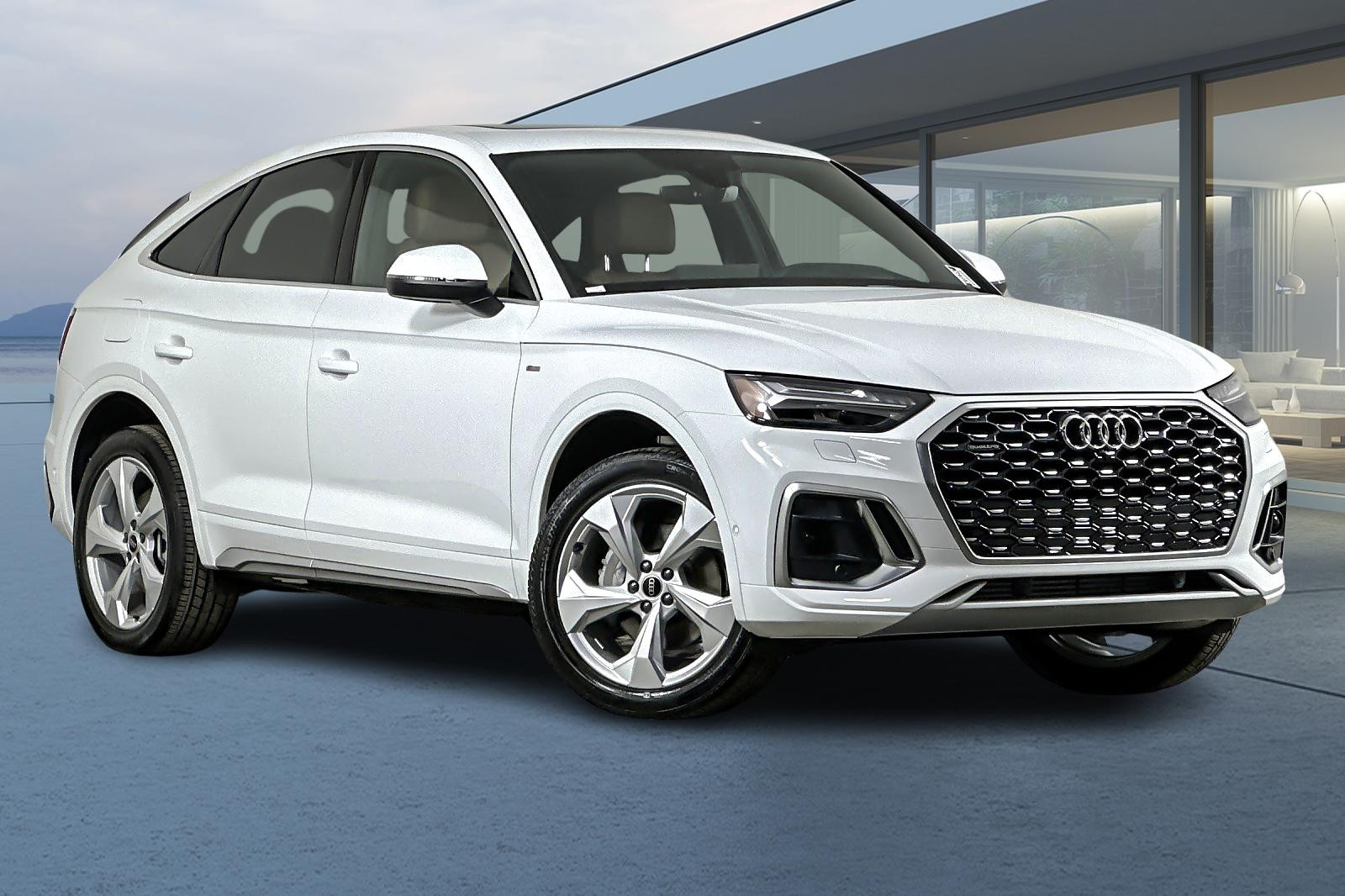
1. Audi Q5 Quattro
The Audi Q5’s Quattro all-wheel-drive system is widely considered one of the most capable on the market. For Minneapolis drivers who frequently commute between busy city streets and slightly more open freeways, the Q5 offers exceptional stability on ice and packed snow. Its traction management reacts quickly, helping you accelerate from icy intersections without slipping.
The heated seats, heated mirrors, and powerful dual-zone climate system help the cabin warm quickly even on -15°F mornings.
Ground clearance is enough for moderate snow buildup, and Audi’s high-quality paint and underbody protection resist premature rusting from Minnesota’s heavy salt use.

With its polished styling and tech-forward approach, the 2025 Audi Q5 is a compact luxury SUV aimed squarely at drivers who appreciate cutting-edge technology. For the 2025 model year, Audi is doing something unusual: the outgoing Q5 will remain on sale alongside a completely redesigned version that brings an even heavier dose of technology.
As with the previous model, the new Q5 comes standard with all-wheel drive and uses a turbocharged four-cylinder engine, now producing 268 horsepower. Inside, the cabin has been redesigned but continues to reflect Audi’s signature clean, Bauhaus-inspired aesthetic.
The dashboard is centered around as many as three digital screens, all powered by software built on Google’s Android Automotive operating system. If jumping into a fully redesigned model feels premature, there’s no pressure, this is your final chance to buy the previous-generation Q5 before it bows out.
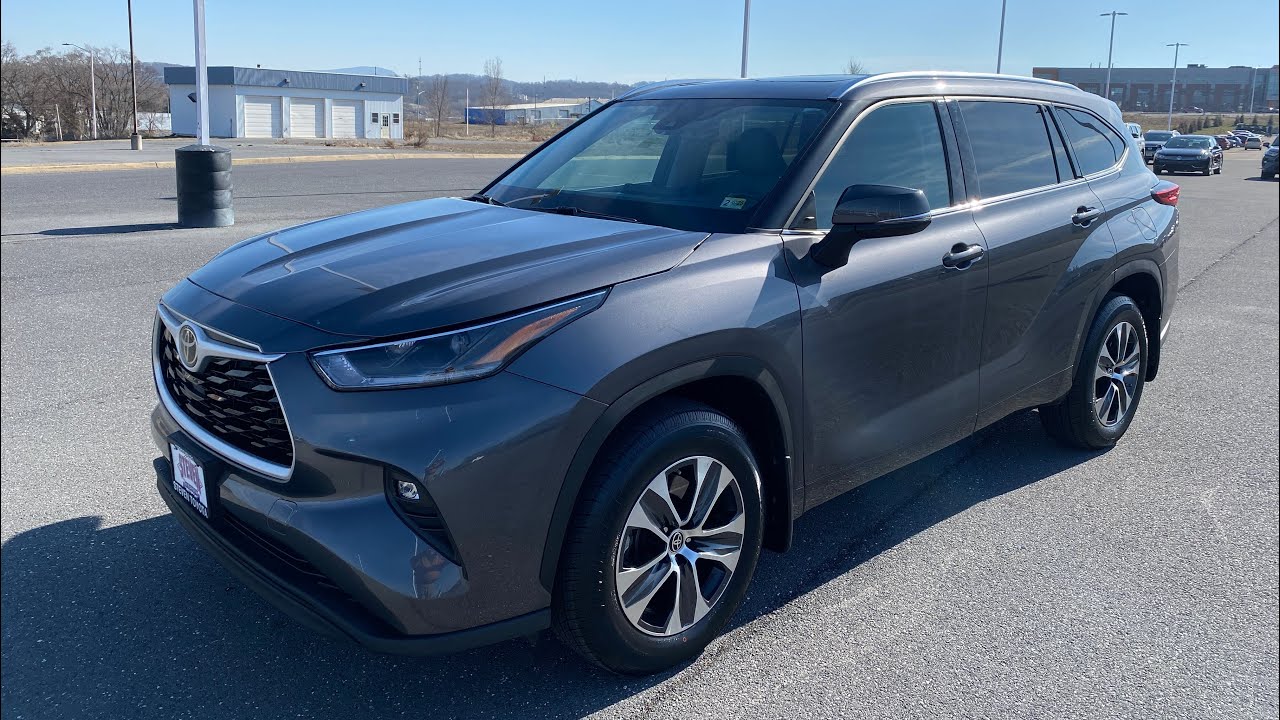
2. Toyota Highlander AWD
The Toyota Highlander is a favorite among Minneapolis families because of its size, comfort, and outstanding winter dependability.
Toyota’s AWD system does an excellent job distributing power during sudden loss of traction, and the Highlander’s weight provides stability in crosswinds that often hit Minneapolis bridges.
Its V6 engine or hybrid setup starts reliably in frigid conditions, and the vehicle’s ground clearance makes it far more capable on unplowed roads than sedans or smaller crossovers.
Toyota’s long-term durability also means you spend less time worrying about salt-related repairs.
Practical, comfortable, and easy on the eyes, the 2022 Toyota Highlander positions itself as a strong contender in the mid-size family SUV segment. This three-row vehicle delivers broad appeal thanks to a wide range of configurations designed to suit different needs.
While a V-6 engine comes standard, the Highlander stands out as one of the few three-row SUVs available with an optional hybrid powertrain (covered separately), and both setups are offered with either front-wheel or all-wheel drive.
Toyota also leans heavily into value, equipping every Highlander with a generous list of standard infotainment and driver-assistance features. Step up to one of the more upscale trims and the cabin takes on a noticeably more refined feel, nearly rivaling what you’d expect from a Lexus-badged SUV.
Where the Highlander falls short is in driver involvement. Although the ride quality is smooth and acceleration is respectable, it doesn’t deliver the same level of excitement as competitors like the Kia Telluride, Hyundai Palisade, or Mazda CX-9.
Under the hood, the Highlander is powered by a 295-horsepower 3.5-liter V-6 paired with an eight-speed automatic transmission and available in either front- or all-wheel-drive form.
In a short test drive, the V-6 proved capable of merging onto tight on-ramps without feeling overworked, and at our test track, the all-wheel-drive model reached 60 mph in a solid 6.7 seconds. The handling is predictable rather than thrilling, but stability is reassuring, and the ride quality is well-suited to everyday family-driving duties.
3. Jeep Grand Cherokee (4×4)
The Jeep Grand Cherokee’s 4×4 system is designed for rough terrain, which means it handles urban winter chaos exceptionally well.
Minneapolis drivers who frequently travel to the outer suburbs or even into rural Minnesota will appreciate the Grand Cherokee’s selectable terrain modes, which optimize traction for snow and ice.
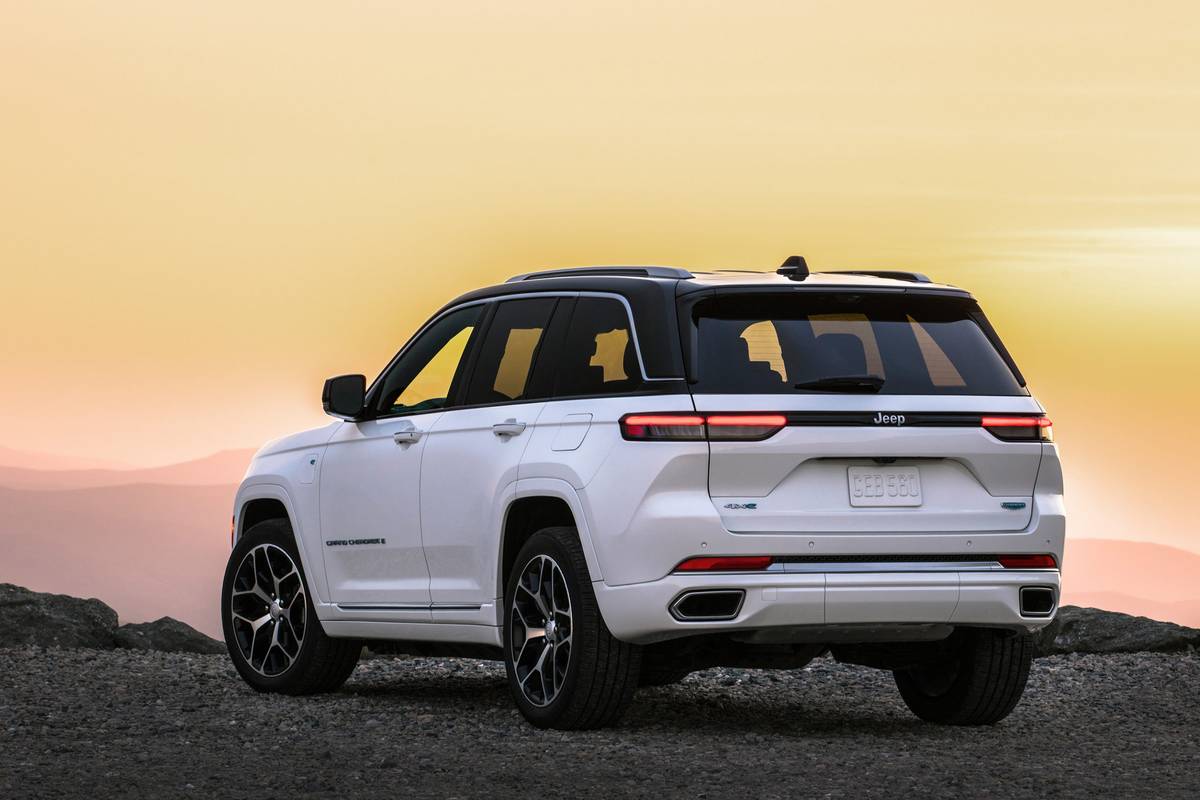
The SUV’s commanding driving position and higher clearance help drivers navigate deep snowbanks left behind after storms.
Heated steering wheels and seats are widely available, and the Grand Cherokee’s robust build quality holds up well against extreme temperature fluctuations.
4. Hyundai Tucson HTRAC AWD
The Hyundai Tucson has quietly become one of the most winter-capable crossovers in its class.
Its HTRAC AWD system helps the Tucson maintain stability on slick surfaces, and the vehicle’s weight balance makes it predictable during lane changes on snow-covered roads.
Minneapolis drivers benefit from heated front and rear seats, heated windshield features, and a strong heater that warms the cabin quickly.
Hyundai’s corrosion protection has dramatically improved in recent years, giving the Tucson impressive longevity even when exposed to heavy road salt for months on end.
When shopping for a vehicle, you’ll usually see drivetrains labeled as AWD, FWD, RWD, and similar abbreviations. These designations explain how a car, truck, or SUV delivers power to the wheels, and each setup behaves a little differently in everyday driving situations.
Hyundai, for example, offers its own advanced all-wheel-drive technology known as HTRAC (Hyundai TRACtion), which we’ll take a closer look at below.
Hyundai HTRAC AWD is an all-wheel-drive system engineered specifically for Hyundai vehicles and is available across much of the brand’s SUV lineup. The system analyzes 50 vehicle inputs more than 100 times per second to determine how much torque each wheel needs, helping maintain stability across a wide range of road conditions.
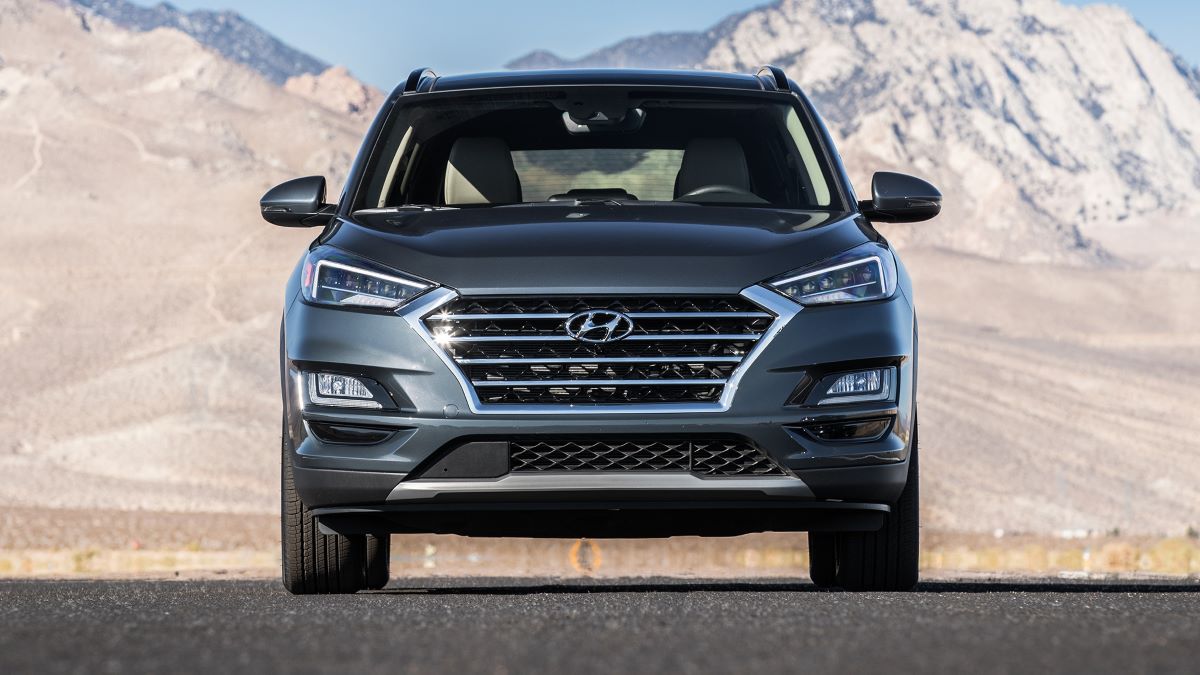
All-wheel drive is especially useful on uneven surfaces and light off-road terrain, and Hyundai’s version delivers a refined, easy-to-use take on traditional AWD. It proves particularly helpful when driving in snow, ice, rough pavement, and other challenging conditions.
Hyundai’s HTRAC AWD continuously monitors 50 different vehicle inputs at a rate of over 100 times per second, calculating the optimal torque distribution for each wheel as you drive.
When the system senses wheel slip or a loss of traction, it automatically redirects power between the front and rear axles and applies light braking to specific wheels as needed. In this way, HTRAC functions as a safety-enhancing feature on Hyundai vehicles—especially SUVs, by helping drivers stay in control during less-than-ideal driving scenarios.
Hyundai’s HTRAC all-wheel-drive system offers several clear advantages. To start, it constantly evaluates how your vehicle is interacting with the road and adjusts torque delivery and braking in response to changing conditions. HTRAC AWD can also help slow the vehicle during instances of wheel slip or steering instability, reducing the risk of losing control or leaving the roadway.
Additionally, the HTRAC system integrates seamlessly with Hyundai’s available drive modes, including Comfort, Smart, Sport, Snow, and ECO. The system adapts in the background, working smoothly and unobtrusively so you can focus on driving without even noticing it’s there.
Also Read: Top 10 Sedans Famous for Their Incredible Longevity
5. Chevrolet Tahoe 4WD
If you need a big SUV for large families or tough winter tasks, the Chevrolet Tahoe is a standout performer. Its 4WD system, combined with a hefty weight and truck-like stance, helps it remain stable during blizzards and whiteout conditions that frequently hit the Twin Cities.
The Tahoe’s higher clearance makes it ideal for neighborhoods that aren’t plowed right away.
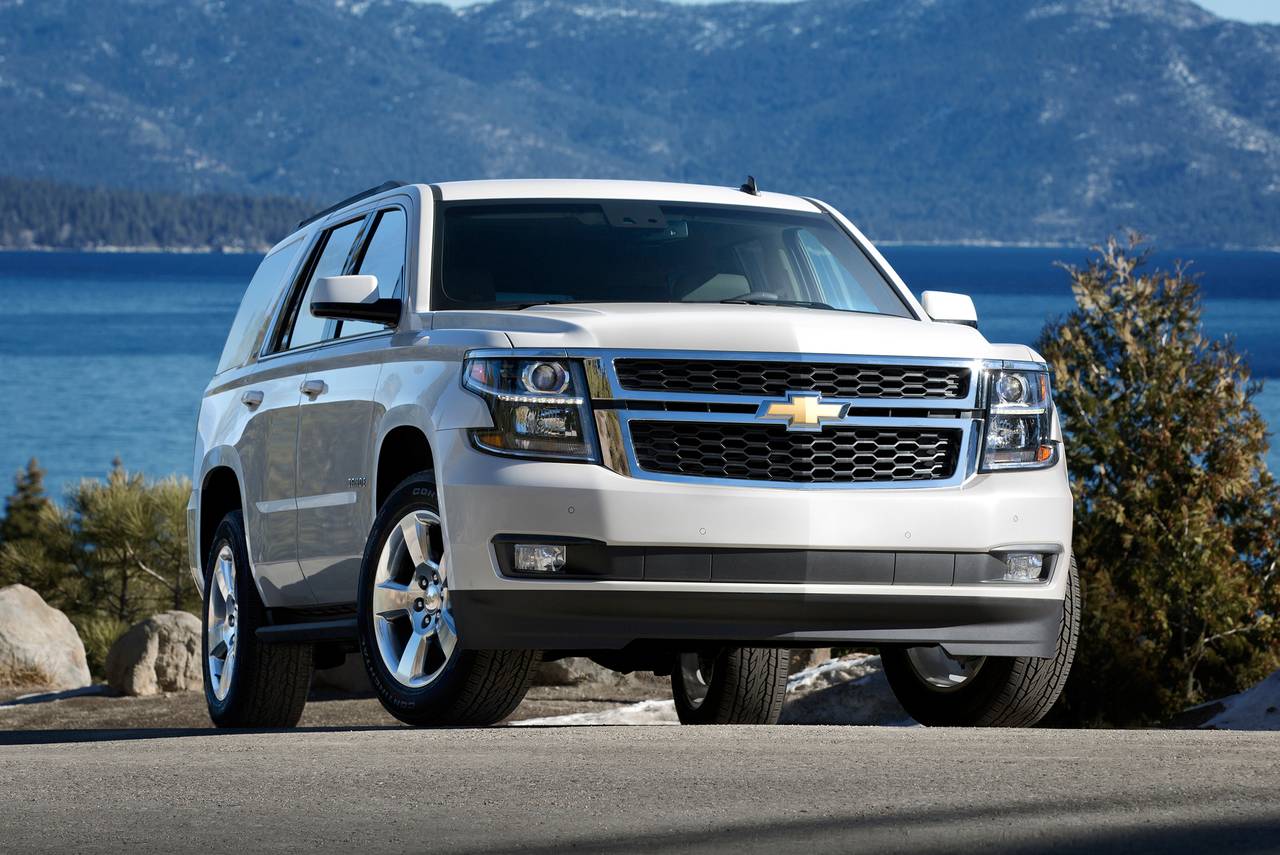
The large heating system warms the big cabin faster than expected, and modern Tahoes include rust-resistant materials that make them far more winter-friendly than earlier generations.
Contractors, large families, and those who tow equipment during winter swear by the Tahoe as a trustworthy cold-weather partner.
Cars That Don’t Hold Up Well in Minneapolis Winters
Minneapolis winters expose weak cars fast. Subzero temperatures, relentless snow, black ice, and months of road salt don’t just test your patience, they punish vehicles that aren’t built for real winter duty. When cold starts turn unreliable, traction disappears at the worst moments, and rust shows up years too early, it’s usually a sign the car was never meant for this climate.
This article takes a hard look at the cars that simply don’t hold up well in Minneapolis winters. We’re talking about models that struggle with cold-weather reliability, lack the traction or ground clearance winter demands, or age prematurely under constant exposure to salt and ice. If you live here, avoiding the wrong car matters just as much as choosing the right one, and this guide will help you steer clear of costly winter regrets.
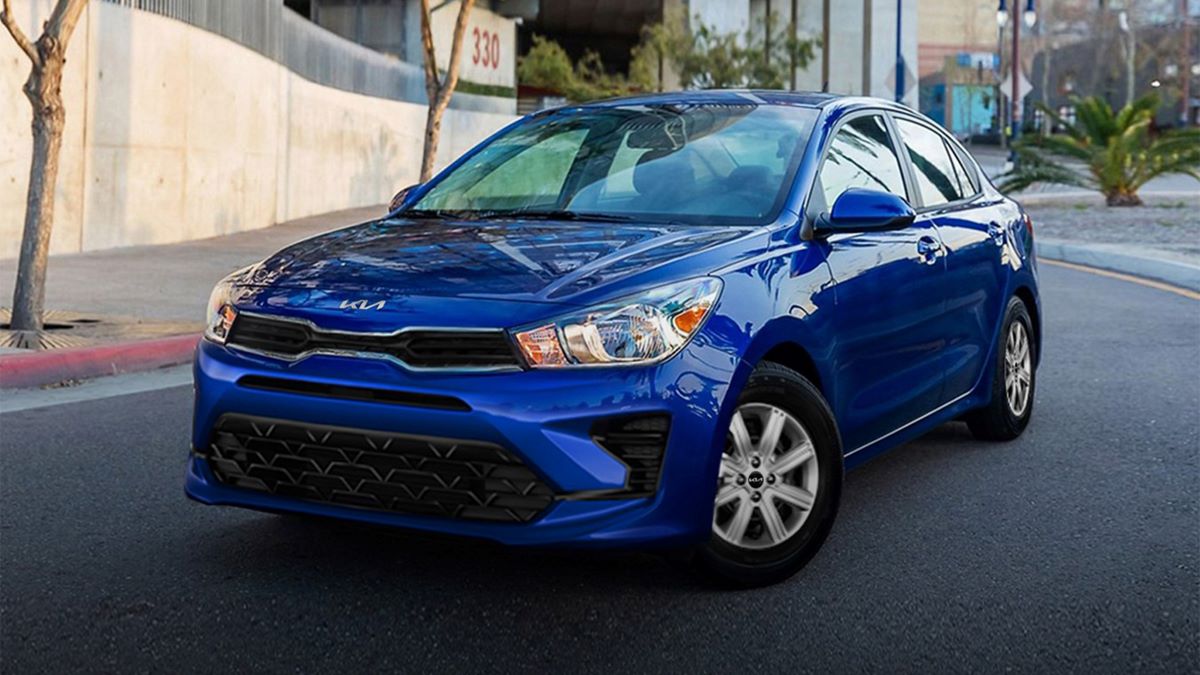
1. Kia Rio
The Kia Rio is efficient and affordable, but Minneapolis winters are simply too much for it. Lightweight sedans with low ground clearance struggle when snow accumulates, and the Rio often gets stuck at the end of driveways where plow buildup is heaviest.
Front-wheel drive only helps so much when the tires are narrow and the chassis is light.
The Rio’s smaller battery also has trouble during extremely cold mornings, making starting the car less reliable below zero. For city dwellers who park on the street, the Rio becomes especially impractical in winter.
The Kia Rio is a standout value, offering dependable transportation at an attractive price, but it won’t be on the market much longer. Available as either a four-door sedan or a five-door hatchback, the Rio delivers straightforward mobility while impressing with strong fuel efficiency in both city and highway driving.
While many of its subcompact competitors, like the Chevy Sonic, Honda Fit, and Toyota Yaris, have been phased out in favor of larger, pricier crossovers, the Rio has persisted, making it one of the best remaining options in the shrinking subcompact segment. Power comes from a 120-hp inline-four paired with a continuously variable automatic transmission.
Though it’s not a speed demon, reducing the risk of chasing down tickets, it earns points for a well-tuned suspension that handles bumps and corners admirably. As one of the most affordable cars available today, the Rio’s standard features and low price make it a highly appealing choice in the sub-$20,000 market. Kia confirmed earlier this year that 2023 will mark the end of the Rio’s production.
Under the hood, the Rio uses a 1.6-liter inline-four engine producing 120 horsepower, mated exclusively to a continuously variable automatic. Acceleration isn’t its strong suit, but during testing, a 2021 hatchback model reached 60 mph in a respectable 8.6 seconds, comparable to many subcompact crossovers.
Even more impressive is how well the Rio absorbs road imperfections for a car its size, thanks to a sturdy structure and carefully tuned suspension. It also keeps body roll in check through corners. While the steering lacks some feedback, it remains nicely weighted and precise, contributing to a composed and confident driving experience.
2. Mini Cooper (FWD Models)
The Mini Cooper’s sporty handling and fun personality fade quickly once snow and ice take over Minneapolis roads. While it is heavier than some small cars, it still suffers from traction issues because of its short wheelbase.
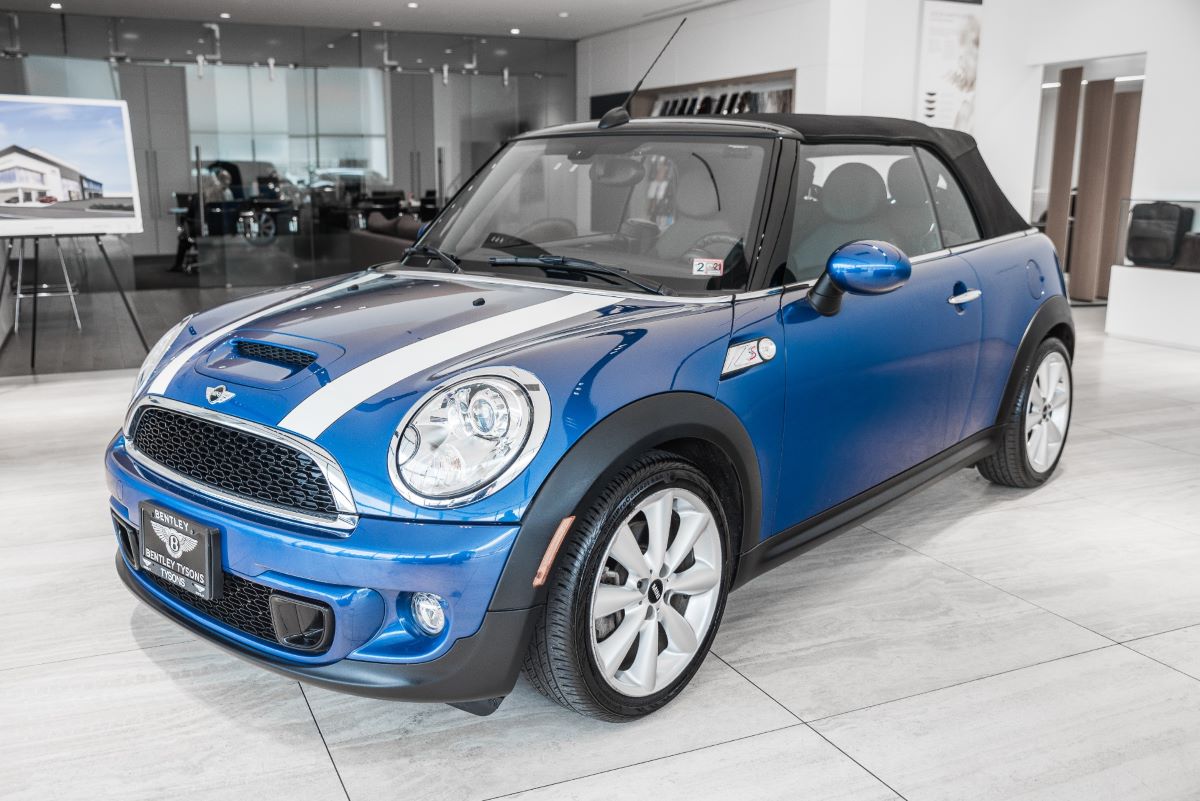
The low ride height means the Mini struggles with even moderate snow accumulation, scraping the underbody and sometimes getting stuck in residential areas after storms.
The firm suspension, great for curves, becomes uncomfortable and less predictable on icy surfaces. Road salt can also cause premature rust on older models.
3. Tesla Model S (Early Generations)
While modern Teslas are vastly improved for winter, early Model S versions (pre-2017 in particular) have notable cold-weather weaknesses.
Minneapolis temperatures routinely dipping below zero severely impact battery efficiency, resulting in major range drops that can complicate daily commutes.
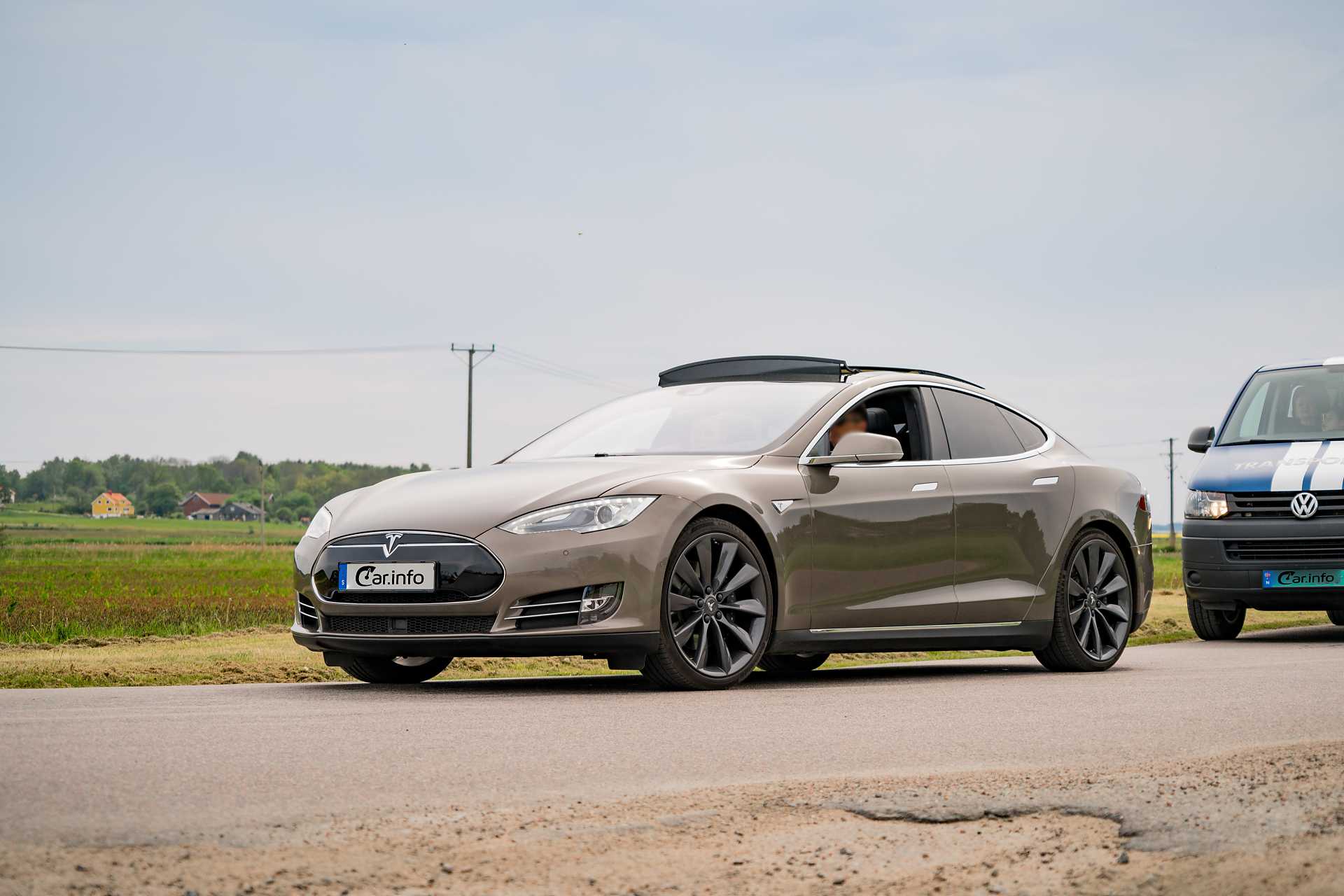
When regenerative braking is limited due to cold battery temperatures, stopping distances increase. Additionally, the Model S’s low clearance is problematic when snow piles up, and the large, sport-focused tires often struggle for grip without winter-specific replacements.
Newer Teslas with heat pumps fare better but early models remain a poor choice for harsh Minnesota winters.
We tested a Model S Plaid, the top-performing version of Tesla’s flagship sedan, and the power it delivers is simply staggering. With its tri-motor setup, this sedan rockets from 0 to 60 mph in just 2.3 seconds and covers the quarter-mile in 9.4 seconds at 150.0 mph.
That places it among the fastest vehicles we’ve ever measured, on par with the Lucid Air Sapphire (2.2 seconds and 9.2 seconds, respectively) and the Porsche Taycan Turbo GT (2.1 seconds and 9.3 seconds, respectively). Despite all that performance, the Model S remains remarkably easy to drive—like a golf cart, albeit a 1,020-horsepower one.
Delivering this level of power safely requires exceptional brakes and tires. Thankfully, the Model S Plaid we tested included the Track package, which adds sticky Goodyear Eagle F1 SuperCar 3R tires and high-performance carbon-ceramic brakes.
This setup provides the stopping power and durability necessary for drivers eager to exploit the full potential of the Plaid’s horsepower. For those who stick with a standard Model S, the stock brakes and tires are sufficient for everyday use.
We’re also excited that Tesla allows the Model S Plaid to be equipped with a conventional steering wheel instead of the ergonomically questionable yoke. The traditional wheel dramatically improves control and confidence behind the wheel.
On top of that, the Plaid’s Track mode enhances the driving experience further, offering adjustments for handling balance and tri-motor torque vectoring that make cornering feel more precise, responsive, and genuinely engaging.
4. Chrysler 200
The Chrysler 200 already had a reputation for mechanical trouble, and Minneapolis winters only make these issues more pronounced.
Many drivers report cold-start problems due to weak starters, battery drains, and transmission quirks worsened by freezing temperatures. The 200’s front-wheel-drive setup can handle light snow, but deep slush or packed snow reduces its performance significantly.
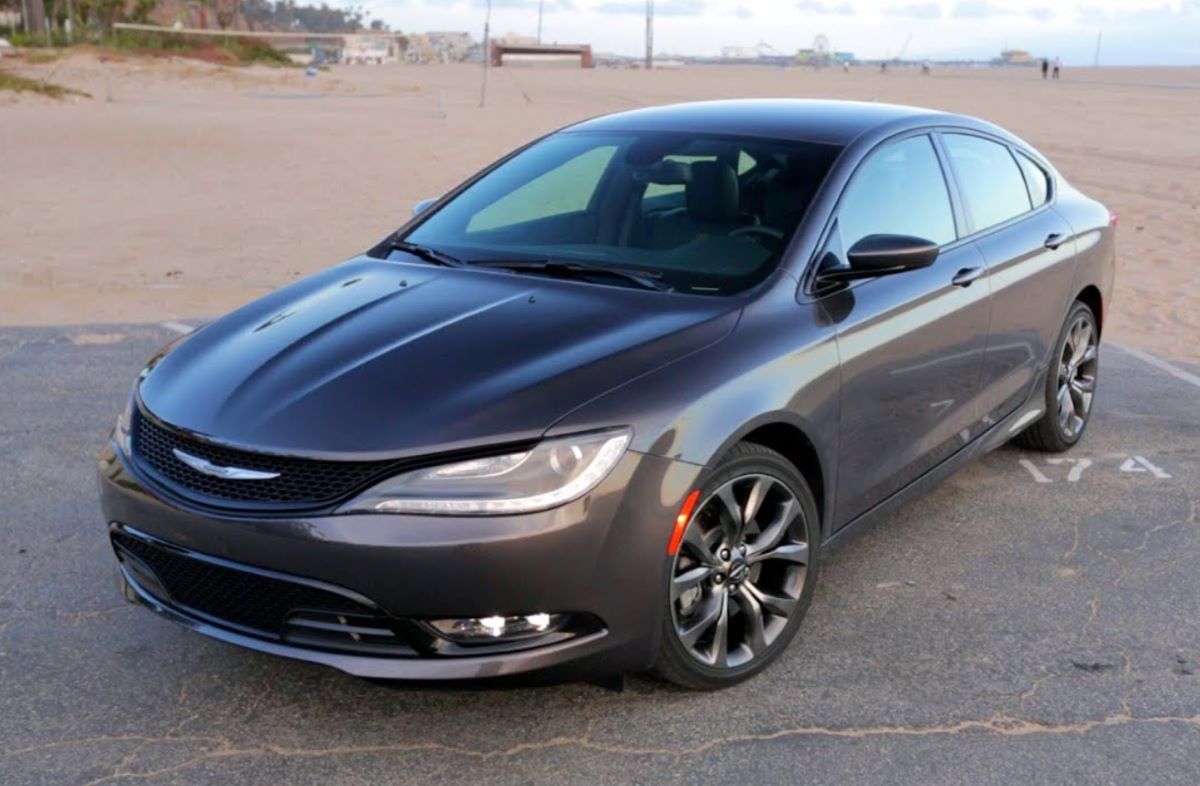
Its low profile and weaker HVAC system require longer warm-up times, which becomes frustrating when wind chills dip far below zero. The model’s widely reported reliability issues make it a risky winter choice.
The Chrysler 200 was offered in two body styles: a sedan and a convertible. The 4-door sedan came in three trim levels: LX, Touring, and Limited.
The base LX trim featured 17-inch steel wheels, heated mirrors, air conditioning, cruise control, a 4-speaker audio system with an auxiliary input and CD player, and a 60/40 split-folding rear seat.
The Touring trim added 17-inch alloy wheels, a leather-wrapped steering wheel, an upgraded 6-speaker audio system, an 8-way power driver’s seat, and automatic headlights. For this trim, a Cold Weather package was available, including heated front seats and remote ignition.
At the top of the range, the Limited trim offered a more powerful V6 engine producing 283 hp and 260 lb-ft of torque. It also added leather upholstery and an optional premium Boston Acoustics audio system.
For the lower trims, the Chrysler 200 was powered by a 2.4-liter engine generating 173 hp and 166 lb-ft of torque. In terms of safety, standard features included antilock brakes, traction and stability control, and side curtain airbags.
Perhaps the highlight of the Chrysler 200 was its interior, which featured well-finished, high-quality materials that created a comfortable and inviting environment for occupants.
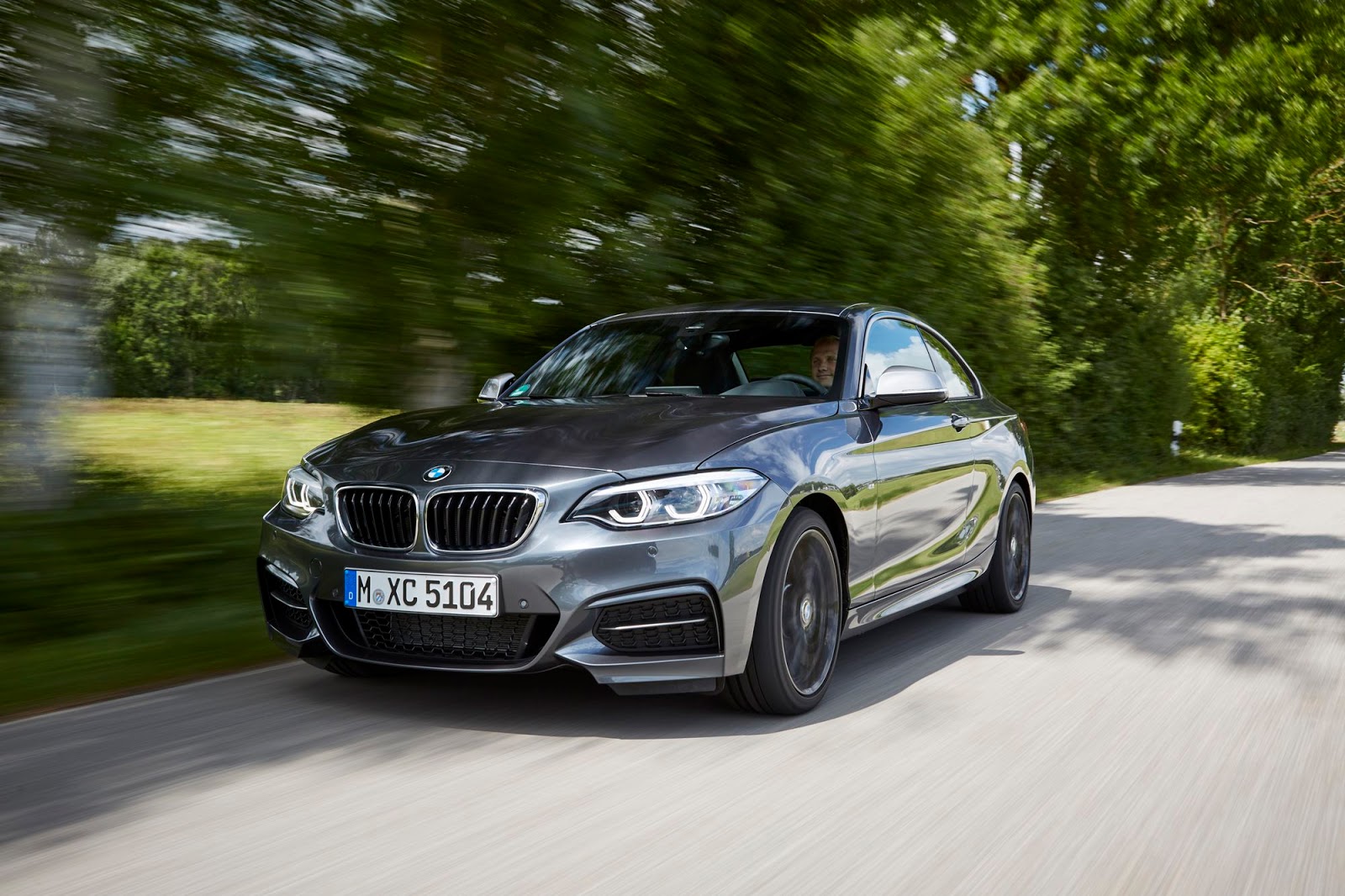
5. BMW 2 Series (RWD Models)
Like most rear-wheel-drive coupes and sporty sedans, the BMW 2 Series struggles in Minneapolis winters especially the RWD variants.
With icy hills and uneven road surfaces common throughout the city, RWD cars tend to fishtail, struggle for grip, and get stuck more often than AWD or FWD models.
The 2 Series also sits lower to the ground than many winter-ready vehicles, which makes navigating through unplowed snow much harder.
While snow tires help, they don’t fully solve the system’s traction issues. AWD “xDrive” models are much better, but pure RWD versions are not cut out for Midwestern winter extremes.
Choosing the right car in Minneapolis isn’t just about comfort it truly affects safety, mobility, and long-term ownership costs.
Winter-friendly vehicles like the Audi Q5, Toyota Highlander, and Jeep Grand Cherokee are built to handle freezing temperatures, slick pavement, and heavy snow with confidence.
On the other hand, cars like the Kia Rio, Mini Cooper, and older Tesla Model S models simply don’t offer the ground clearance, traction, or reliability needed for the harsh reality of Minnesota winters.