
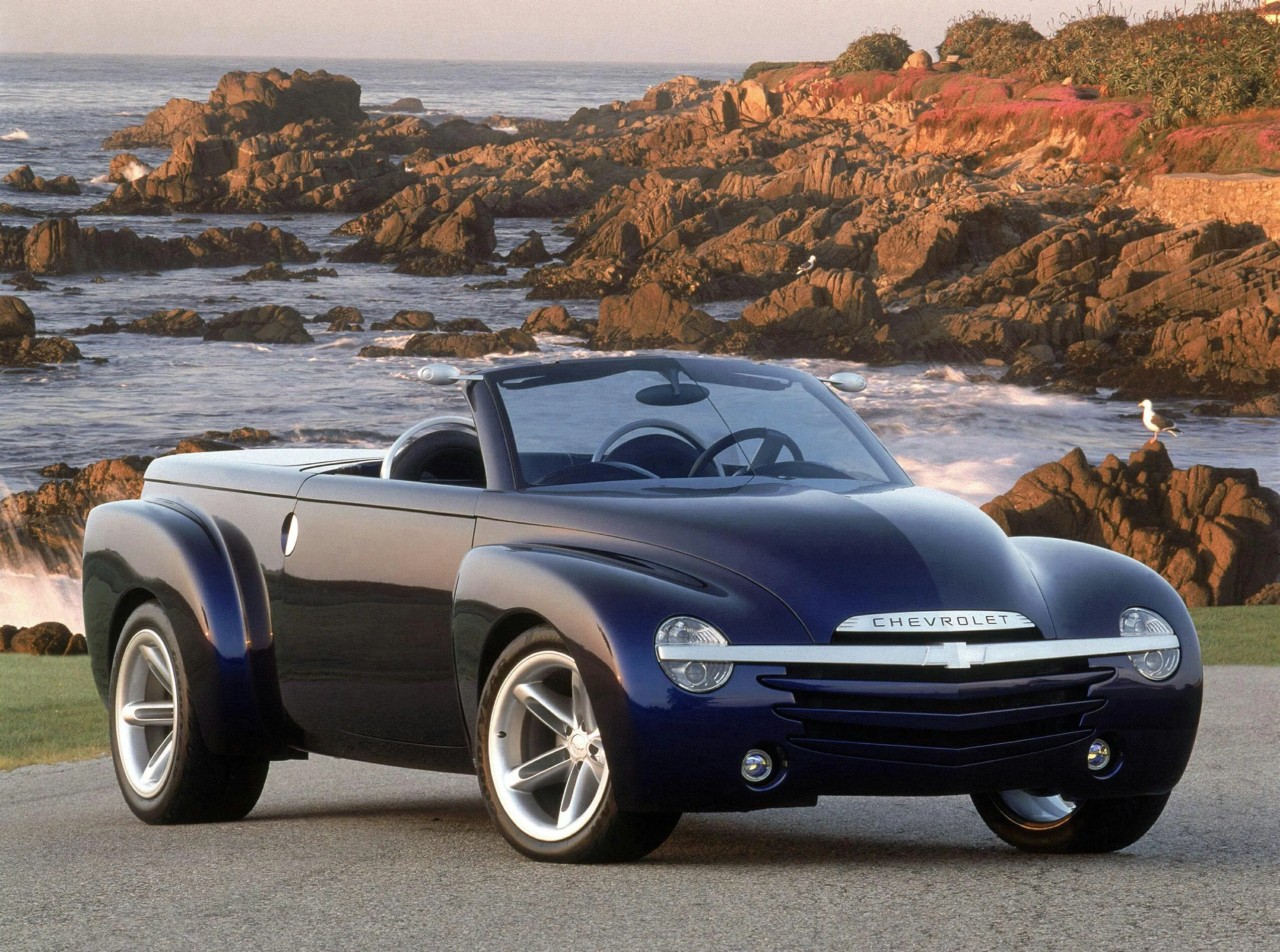
Automotive design during the 2000s stepped into a fascinating decade, partly traditional and partly experimental, with designers gradually moving toward sleeker lines, expressive surfaces, and distinctive identity cues.
Styling during earlier decades leaned heavily on boxy silhouettes or aggressive muscle character, yet the 2000s carried things in a different direction, blending aerodynamic thinking with sharper visual language.
Interest in futuristic headlights, more sculpted bodywork, and expressive grilles grew rapidly once brands recognized that identity could be expressed not only through performance, but through face recognition from a distance.
Car enthusiasts who lived through this period probably remember seeing design studios experimenting with new digital modeling tools. Computer-aided surfacing gave automakers the chance to create curvier shapes that previously required heavy clay design work.
Those tools also made concept styling more practical for real-world use. That transition still influences current models, as today’s sport sedans and crossovers carry forward many of the visual directions first sketched twenty years ago.
Automakers across every region pushed design language where designers could mix emotion with efficiency. Aerodynamic advantages, dramatic lighting shapes, and a stronger sense of brand identity gave each company a recognizable signature that continues today.
LED lighting technology, panoramic body curves, and precision character lines were beginning to appear long before they became common. Electric vehicles currently take these ideas further, yet the foundation traces back to styling trends that came alive during this period.
Something about this decade also made performance cars extremely expressive. Curved fenders, long hoods, and dramatic headlights often signaled performance long before the engine even started.
Supercar builders adopted wider profiles, while luxury companies shaped their sedans with muscular curves instead of formal upright geometry. These choices echo through modern showrooms, proving the 2000s quietly moved automotive styling toward sculpted bodywork and emotional presence that continues shaping today’s modern vehicles.

1. Audi R8 Coupe (Type 42)
Audi introduced the R8 Coupe during the late 2000s as a flagship performance model with futuristic styling and race-inspired proportions.
Angular headlights, sharp character lines, and the signature sideblade gave this car a silhouette unlike anything the company had produced before. Emphasis on precise edges rather than rounded shapes pushed European sports design toward a more sculpted form that luxury brands would later emulate.
Design studios from other companies soon referenced this car when shaping mid-engine models for the next decade.
LED daytime running lights became an unmistakable styling feature because Audi positioned them as a visual identity rather than a functional afterthought. That idea continues today as modern vehicles use lighting signatures to create instant recognition from a distance.
Engineers packaged the cabin forward, creating an aggressive supercar stance that blended motorsport heritage with premium design presence.
Cabin layout also influenced how other manufacturers approached performance ergonomics. Digital instrument displays and driver-centered consoles appeared long before they spread to mainstream sports models.
Styling accents also moved beyond visual appeal. Aerodynamic surfaces shaped airflow toward cooling inlets while maintaining a smooth exterior profile. That balance between appearance and performance helped the R8 feel both futuristic and grounded in racing, a combination that transformed expectations for modern sports design.
Interior choices leaned toward minimalist German functionality while integrating dramatic materials like carbon fiber. Today’s luxury performance vehicles still pair simplified dashboards with aggressive touches that remind drivers of motorsport heritage. Those design decisions connect directly to this model.
Brand identity gained tremendous momentum from this car. Audi performance styling shifted toward angular aggression across its lineup, influencing sedans, crossovers, and hatchbacks. Modern Audi models still carry those crisp LED patterns and carefully sculpted surfaces.
All of it traces back to bold styling choices first seen on early R8 models, which helped define the character of German supercar design for the modern era.
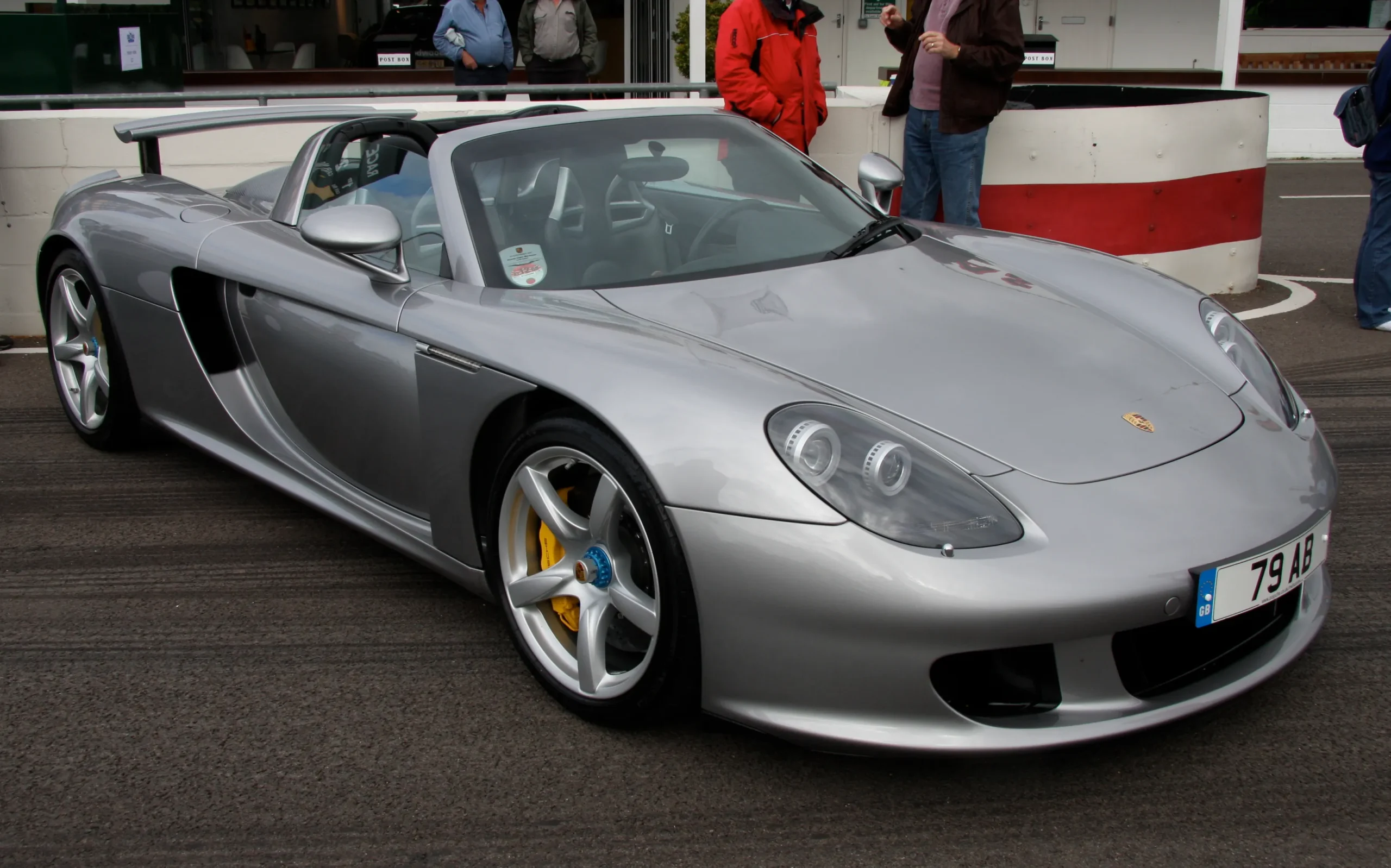
2. Porsche Carrera GT (980)
Porsche delivered the Carrera GT with breathtaking proportions and sculpted bodywork that signaled exotic design language rather than traditional German understatement.
Long, flowing lines combined with dramatic air channels created a sense of motion even when parked. That approach encouraged other performance brands to experiment with curves that felt artistic rather than purely aerodynamic.
Carbon fiber construction influenced styling almost as much as engineering. Designers allowed structural elements to shape exterior surfaces, letting functional materials appear openly instead of hiding them under decorative panels. That design attitude continues today in supercars that celebrate exposed carbon structures as part of their visual identity.
Interior shape also helped define a new era. A high central tunnel, angled controls, and purposeful driver focus shaped modern expectations for supercar ergonomics.
Elements from this layout later appeared in performance sedans and premium coupes as manufacturers searched for ways to make everyday vehicles feel more exciting.
Sound design shaped emotional presence. Engine placement near the occupant area produced dramatic resonance and theatrical acoustic character that influenced how modern manufacturers tune engine sound.
While artificial sound enhancement exists today, the original concept came from cars that used physical layout to create emotional engagement.
Exterior presence pushed Porsche styling beyond traditional heritage. Earlier models leaned heavily on classic proportions, but the Carrera GT used modern curves and contemporary sculpture, showing that Porsche design could develop without losing identity. Future models, including high-performance editions, carry design language first expressed here.
Lighting choices also inspired change. Integrated aerodynamic lighting, sculpted housings, and sleek profiles created a hidden sense of elegance across the front fascia. That idea would later influence sports designs that moved toward thinner, more expressive headlight shapes.
Hypercar producers throughout the next decade frequently referenced this Porsche in design discussions, recognizing how its curves blended racing heritage with modern artistry. Modern supercars still use many visual principles first perfected by the Carrera GT.
Also Read: 10 Pre-Owned AMG Cars That Offer Supercar Thrills for Pocket Change
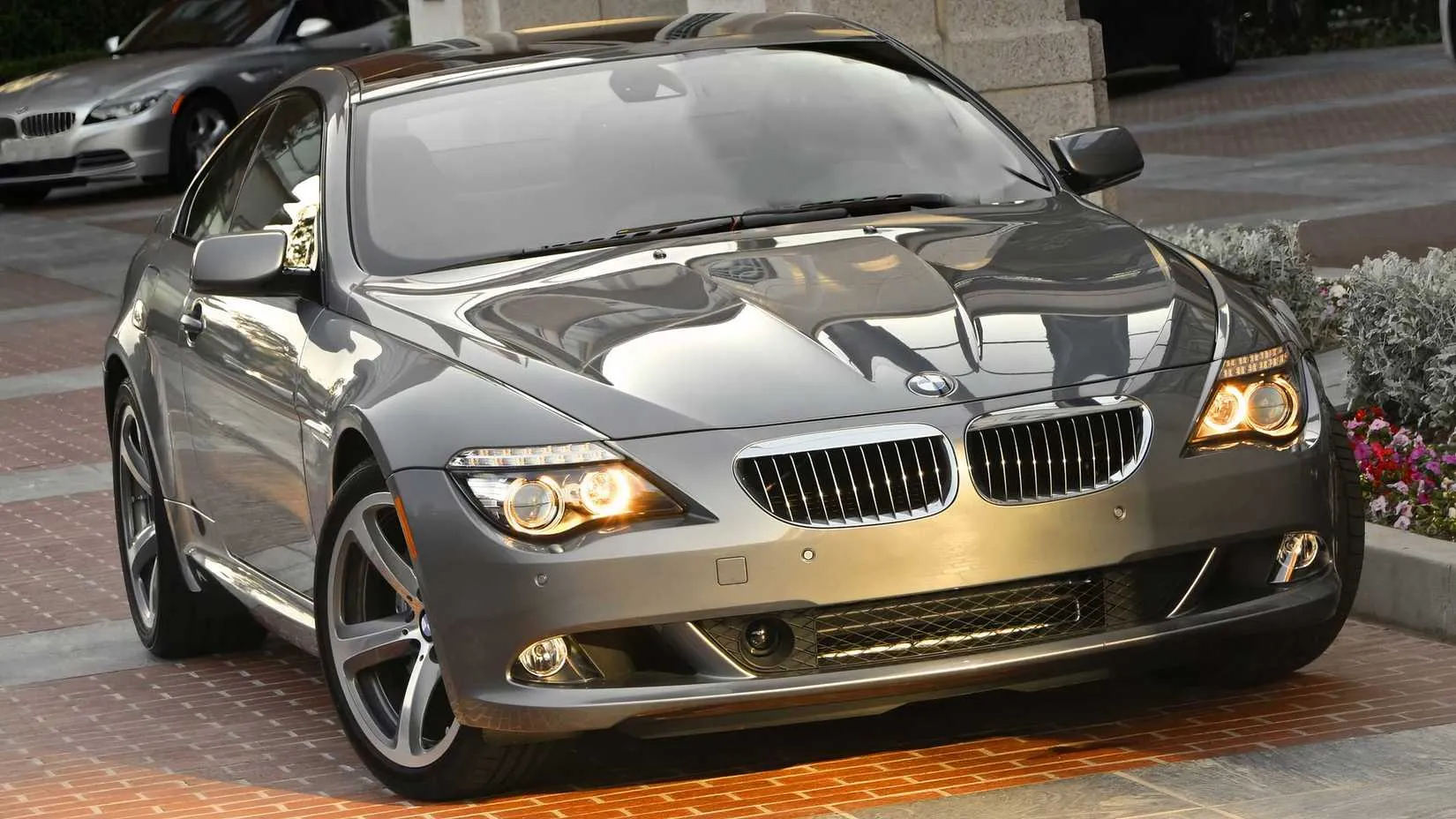
3. BMW 6 Series Coupe (E63)
BMW brought bold styling experimentation with the E63 generation, challenging traditional European luxury shapes by introducing strong surface tension and unusual proportions.
Sloped rear styling, muscular shoulder lines, and distinctive trunk shape expressed a daring departure from conservative sedan profiles. Design teams across the industry took notice, realizing luxury styling could be expressive rather than purely refined.
American buyers sometimes viewed early models as unconventional, yet the shape aged remarkably well as design preferences moved toward dramatic silhouettes.
Sloping rooflines became extremely common in performance sedans and grand touring models during the following decade. Many modern four-door coupes carry similar proportions that originated in styling discussions from this design cycle.
Interior choices also broke away from typical BMW arrangements. Curved dashboard surfaces and asymmetrical cockpit design influenced premium interiors by shifting attention toward driver control rather than a symmetrical layout. Digital integration and angled displays later emerged across performance luxury models from multiple brands.
Lighting signature introduced unique taillamp geometry, unlike traditional German styling. Sculpted housings and bold contours appeared unusual at the time but strongly influenced future BMW designs. Today’s models incorporate signature lighting that echoes forms introduced by this car.
Roofline geometry influenced aerodynamic surface flow along the side profile, giving the vehiclea grand touring character without sacrificing road presence. Many stylists later referenced its proportions when designing luxury performance coupes and crossovers that required both elegance and muscular presence.
Design conversations during this period focused heavily on surface sculpture, especially around the rear quarter area.
That styling principle developed into modern automotive surfacing, where concave and convex shapes interact visually across the body. This trend remains very common throughout luxury performance segments today.
Perception eventually changed as more buyers appreciated expressive lines that departed from conservative expectations. Retrospective evaluations now consider this era a forward-thinking moment in BMW styling history that continues influencing luxury performance silhouettes throughout the current decade.
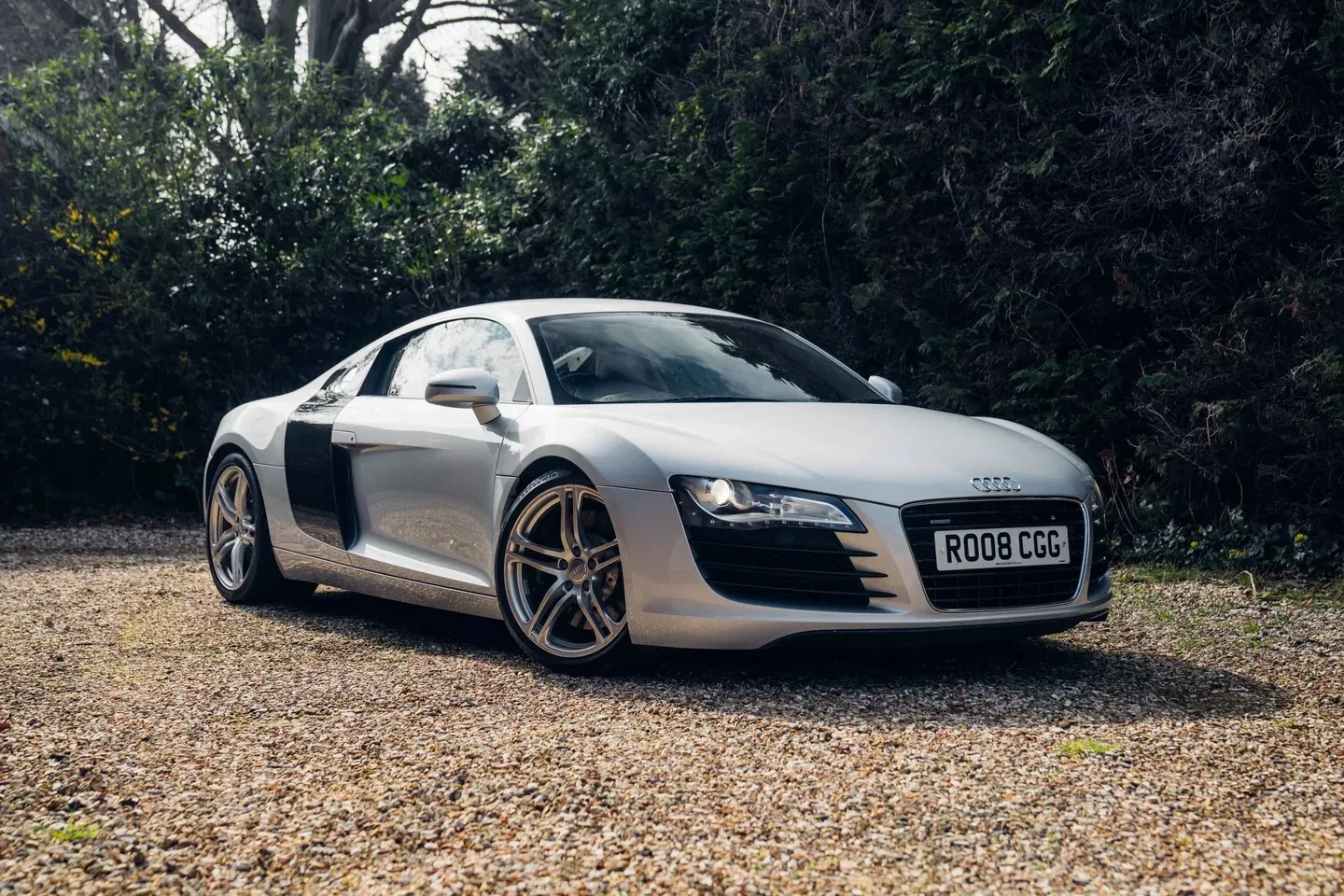
4. Audi R8 (2008)
Innovation shaped the identity of the 2008 Audi R8 from the moment it arrived, giving the car scene a fresh vision of what a mid-engine road machine could look like. Clean lines, sharp lighting signatures, and a wide stance created a style that blended exotic character with everyday usability.
Many drivers in the late 2000s felt that the R8 represented a future headed toward modern minimalism, and its balanced presence still influences styling cues seen in several brands today.
Audi placed a strong focus on symmetry, giving designers room to experiment with flowing shapes that moved smoothly from nose to rear. Distinct LED daytime running lights framed the front fascia and quickly became a detail copied by numerous automakers.
Side blades added difference and depth, creating a visual break that made the R8 instantly recognizable from a distance. Configurations varied from carbon fiber to color-matched panels, each reinforcing the futuristic design language that Audi wanted to reinforce.
Interior craftsmanship delivered a cockpit that felt both performance-oriented and approachable. Fine leather, clean stitching, and a simple gauge cluster gave drivers a focused environment without clutter.
Architects of the cabin understood that sports cars could treat comfort and precision with equal value, and that idea is reflected in countless coupes released in the following decade. Compact dimensions created a snug but inviting driving position, encouraging engagement without claustrophobia.
Performance visual cues were incorporated without exaggerated aggression. Sculpted vents, wide shoulders, and a low ride height hinted at speed while still maintaining an elegant profile.
Mechanical elements sat beneath glass panels, inviting attention to the V8 engine and clean layout. Many brands later adopted this open engine display approach, bringing motorsport presence into road cars with similar transparency.
Audi’s R8 became a reference point for blending drama with restraint, and designers noticed. Numerous modern cars now follow its formula, mixing sharp LED signatures, tight proportions, and clean geometric lines.
A few 2000s cars created such a clear template for future styling direction, which explains why the R8 still feels current even after many years.
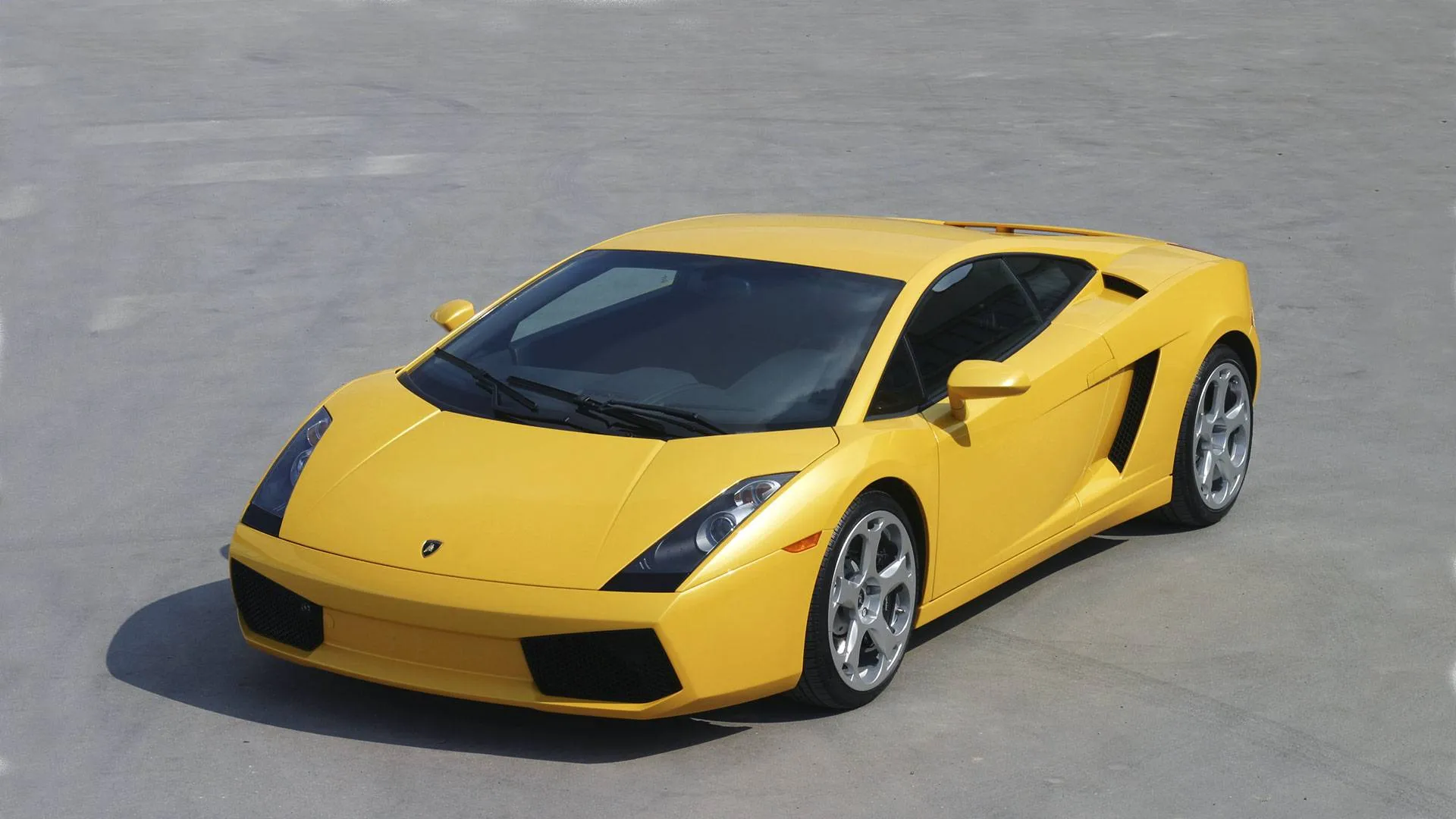
5. Lamborghini Gallardo (2003)
Bold personality defined the 2003 Lamborghini Gallardo, a car that reshaped early 2000s supercar aesthetics through angular design and compact proportions.
Energy radiated from every surface, giving the Gallardo an aggressive presence without overwhelming bulk. Sleek windows, short overhangs, and a wedge silhouette helped position it as an exotic machine that still had road-friendly size, something rare among its rivals.
Designers leaned into sharp geometry, crafting headlights with crisp edges and a low-set placement that emphasized width. Unique lines along the doors and rear haunches added depth, producing a layered appearance that visually connected each panel.
Many performance brands later adopted similar angular influence, integrating straight cuts and sharper creases in place of softer, rounded forms seen in earlier decades.
Interior design brought an equally dramatic flair. Alcantara, leather, and contrasting stitching produced a cockpit that carried Italian personality without sacrificing modern ergonomics.
Cabin layout favored a driver-centered approach, placing controls within easy reach and creating a sense of focused engagement. Several manufacturers later shifted toward this simplified, driver-first interior structure, borrowing cues first demonstrated with the Gallardo.
Aerodynamic thinking influenced exterior choices without overwhelming aesthetics. Carefully shaped vents guided airflow toward radiators and brakes while maintaining visual harmony.
Rear styling delivered a balanced mix of smooth surfaces and angular cutouts, creating an identity that would influence later Lamborghini models along with competitors aiming for a similar exotic tone.
Sound contributed to the Gallardo’s presence as much as shape. Designers and engineers collaborated to create intake and exhaust notes that matched the visual character, resulting in a unified sensory experience.
Many brands now tune exhaust systems to mirror styling, a practice that gained wider attention due to cars like this one.
Lamborghini’s Gallardo created a path for modern exotic design, blending sharp geometry, compact scale, and assertive detailing.
Many supercars following the release borrowed elements of its wedge form, LED signatures, and surface structure, cementing the Gallardo as a major reference point for 2000s styling influence.
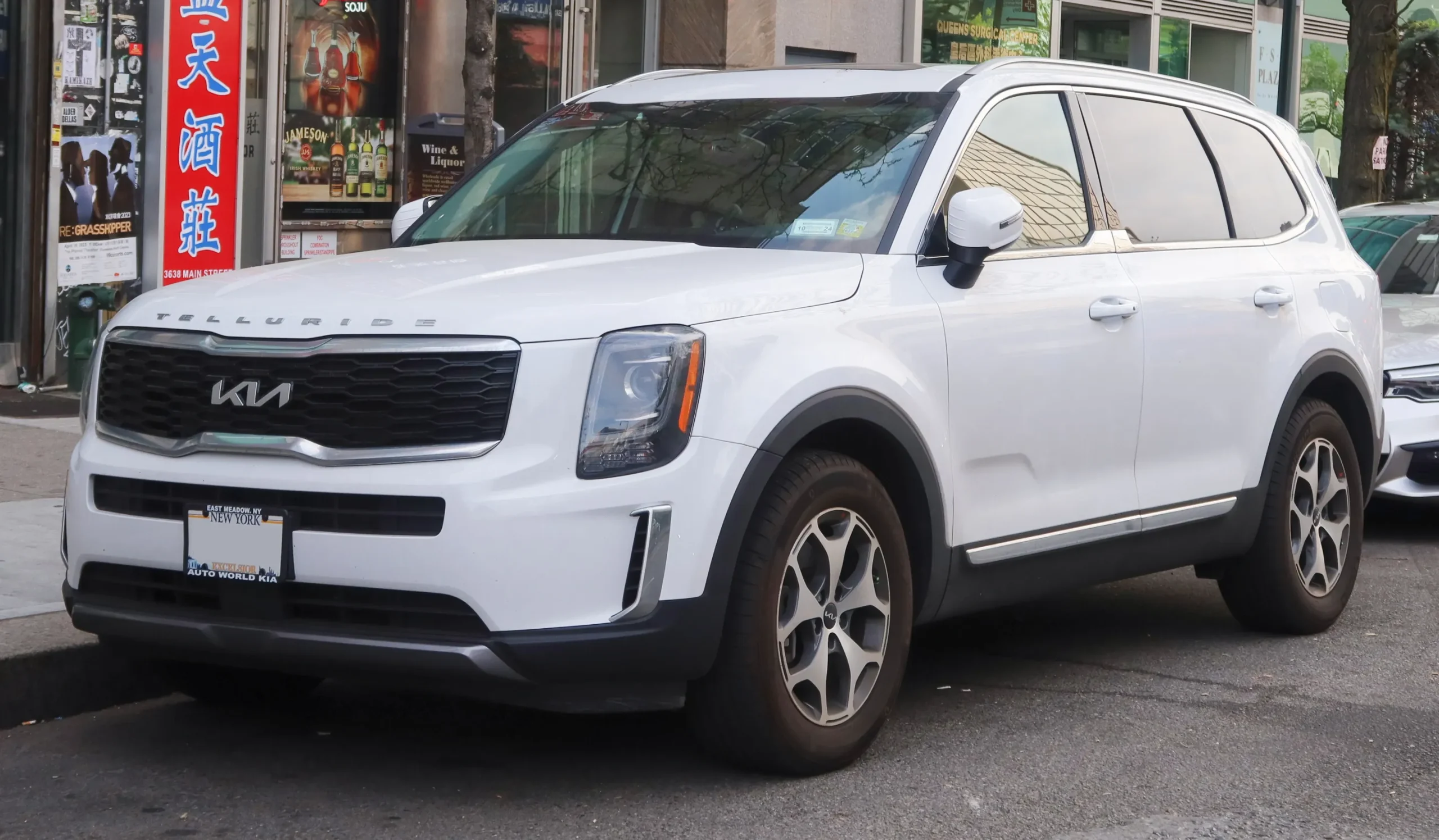
6. Kia Telluride
The Kia Telluride continues to earn its place among the most well-rounded family SUVs on the market, and its strengths become clearer the longer you see what it offers.
Kia designed the Telluride to look tough and upscale at the same time, with clean lines and a confident stance that fits nearly any setting: daily commuting, long-distance travel, or weekend errands.
The cabin’s layout is one of the key reasons the Telluride remains so popular: everything is positioned where it feels natural, and the whole sense of space makes it comfortable even for passengers in the third row.
Kia also puts a lot of attention into ride comfort. The suspension strikes a nice balance between firmness and isolation, making rough city streets feel less chaotic while keeping the SUV steady and predictable at highway speeds.
Another appealing part of the Telluride is its power delivery. The V6 engine has enough strength for merging, climbing hills, and carrying passengers without feeling strained, and it pairs smoothly with the automatic transmission. Kia also includes a generous list of technology features, even on the lower trims.
You’ll find an easy-to-use infotainment system, helpful driver-assistance tools, and plenty of charging points throughout the cabin. Cargo flexibility also stands out, especially if you frequently switch between carrying people and hauling bulky items.
When you factor in its dependability and the level of refinement Kia has built into it, the Telluride continues to feel like a great choice for families who want capability without giving up comfort or value.
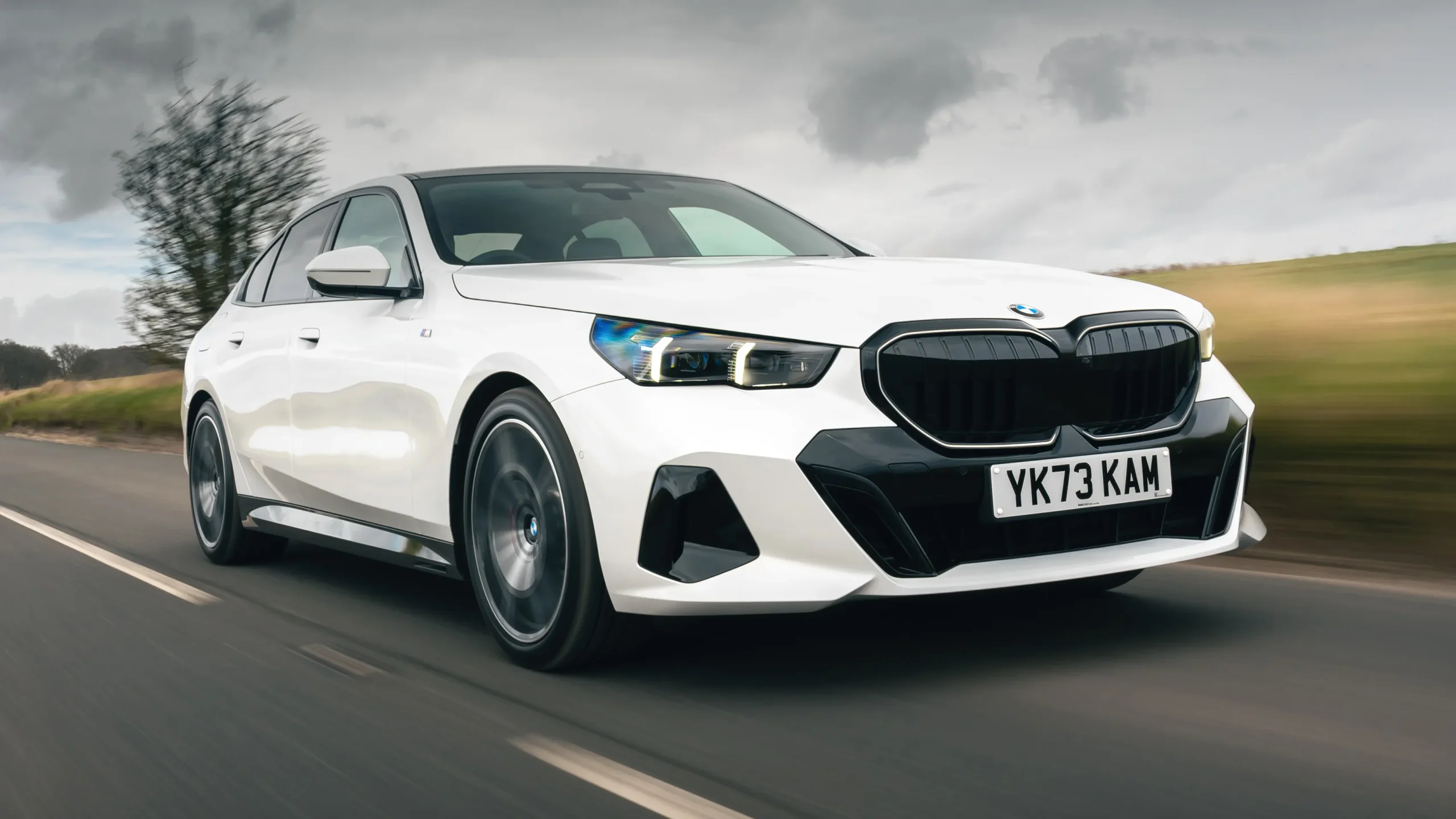
7. BMW 5 Series
The BMW 5 Series has long been recognized as one of the best midsize luxury sedans, and the current generation carries forward that reputation with a more polished approach.
BMW’s goal with the 5 Series is to create a sedan that feels athletic yet sophisticated, and that character shows up the moment you settle into the driver’s seat.
The steering feels precise without being overly heavy, and the chassis remains composed whether you’re going through tight city corners or stretching out on long freeway drives.
BMW also places a strong focus on powertrain refinement. The engines deliver smooth acceleration with a confident surge of power when needed, and the entire driving experience feels balanced and predictable.
Inside, the 5 Series emphasizes comfort with modern technology and clean design elements. High-quality materials run through the cabin, from the seat upholstery to the dashboard detailing, and the infotainment system is built to be responsive without overwhelming you with menus.
BMW also includes helpful safety features that work quietly in the background, assisting rather than intruding. The level of space in both the front and rear seats makes the car practical for daily use, and the trunk offers enough room for luggage, gear, and work essentials.
By blending handling confidence, quiet comfort, and a professional appearance, the 5 Series continues to appeal to drivers who want a sedan that feels rewarding behind the wheel while staying functional for everyday life.
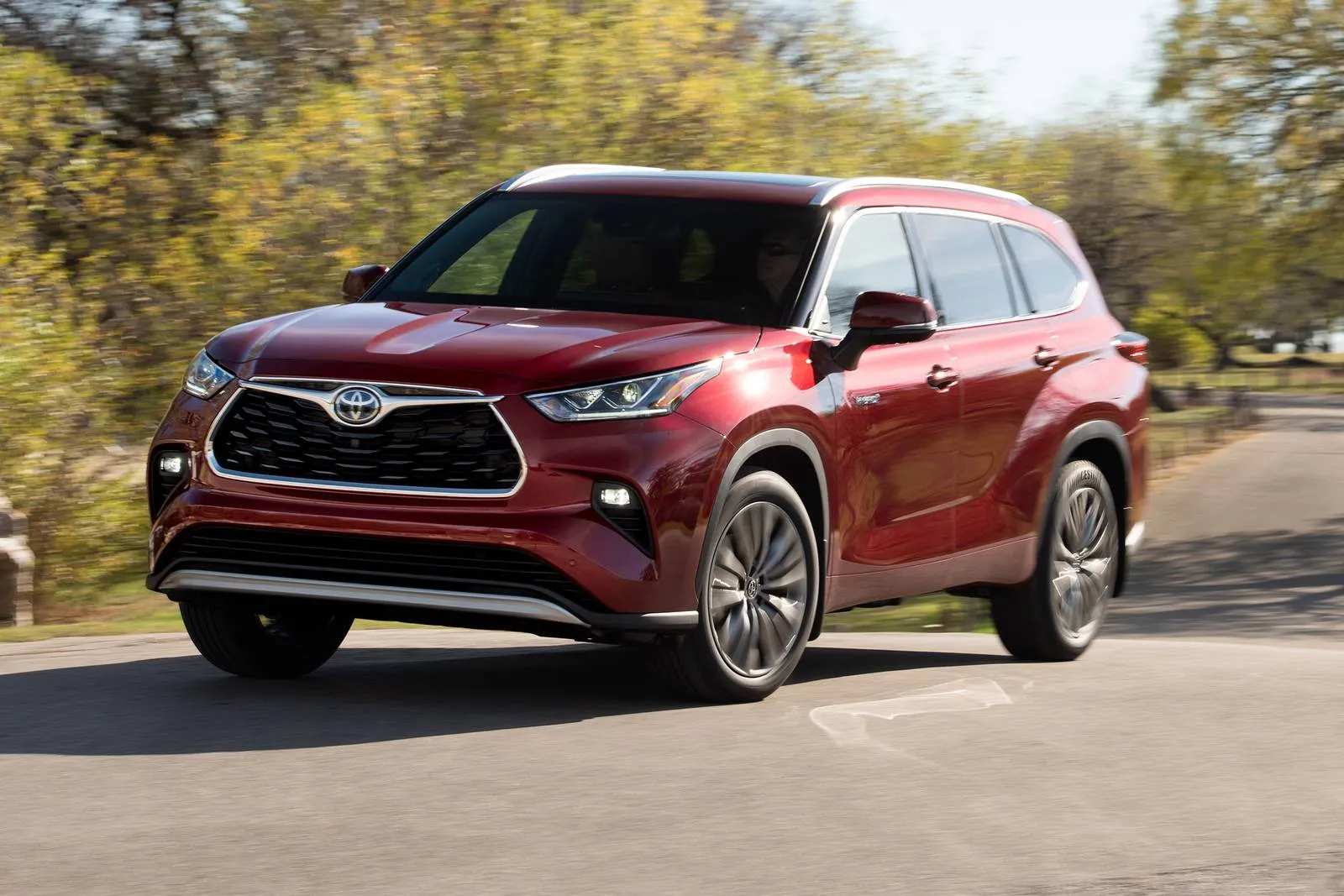
8. Toyota Highlander Hybrid
The Toyota Highlander Hybrid thrives on efficiency and practicality, making it a smart pick for drivers seeking a three-row SUV that doesn’t sacrifice fuel economy.
Toyota’s hybrid system is known for its reliability and smooth operation, and the Highlander uses that reputation to its advantage. The transitions between gas and electric power are gentle, and the SUV delivers strong mileage numbers for its size.
That kind of efficiency becomes especially helpful for families who spend a lot of time commuting or traveling long distances. Even with its hybrid setup, the Highlander still feels steady and composed on the road, handling daily driving situations without difficulty.
In the cabin, the Highlander Hybrid offers a layout that focuses on user-friendly design. The controls are easy to understand, and the materials hold up well to regular use.
There’s enough space for passengers in the first two rows, and the third row is best suited for kids or shorter trips, something typical of this class.
Toyota also provides helpful tech equipment, including a responsive infotainment screen, smartphone integration, and a group of safety features aimed at keeping both the driver and passengers secure. Storage flexibility is another strong point, with seats that fold easily to expand cargo space when needed.
Combined with Toyota’s long-term dependability, the Highlander Hybrid stands out as a practical, fuel-saving option for families who want a comfortable SUV that stays economical to run.
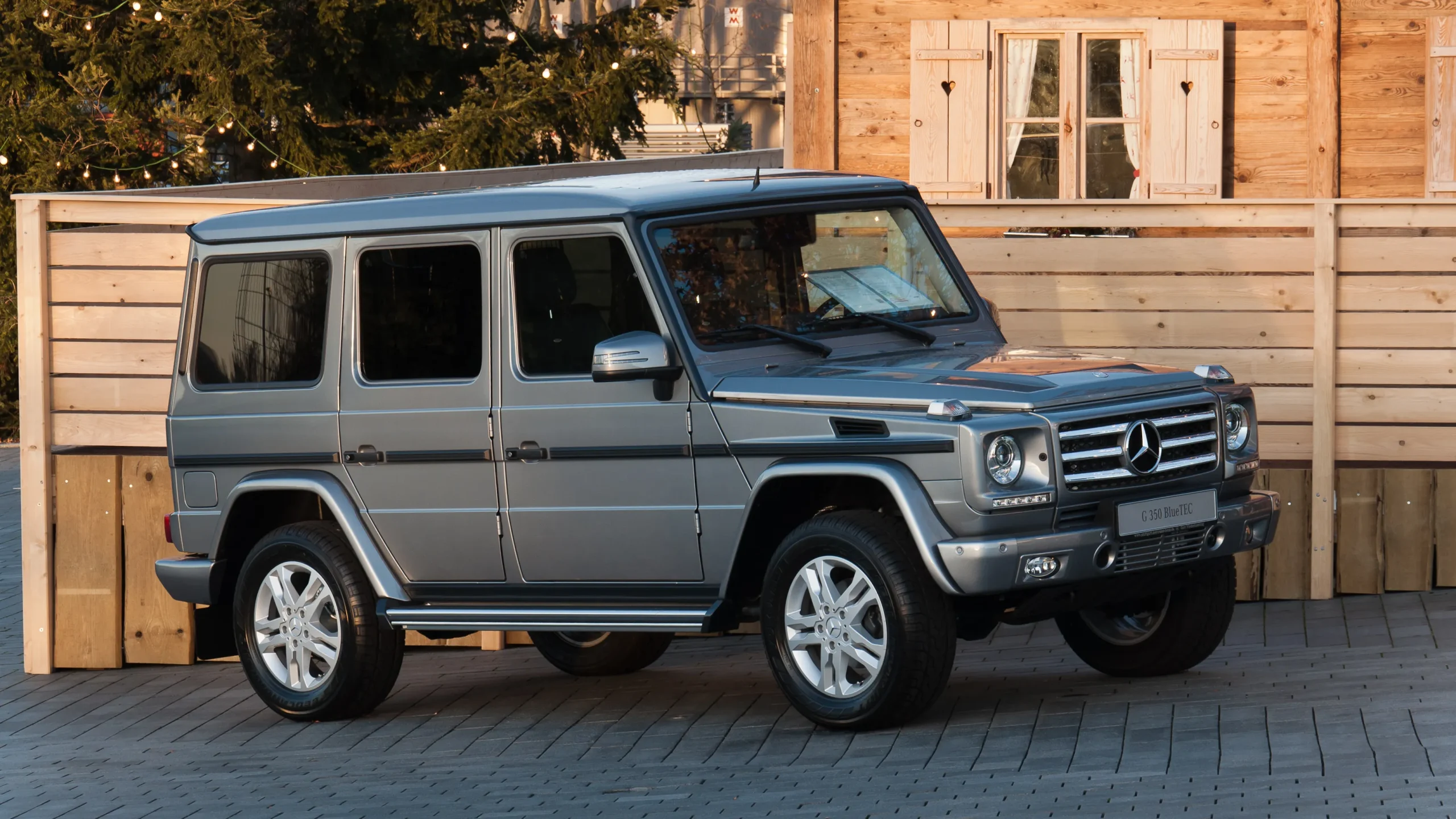
9. Mercedes-Benz G-Class (W463)
Mercedes-Benz refreshed the G-Class in the 2000s while retaining its iconic boxy shape, proving that heritage and modernity could coexist.
Designers kept the signature squared-off silhouette but refined details like LED lights, sharper grille designs, and sleeker bumpers to bring it into the 21st century. This approach allowed the G-Class to feel rugged and capable while still luxurious, a combination that influenced future SUVs across multiple brands.
Performance and styling were carefully balanced. The G-Class retained its traditional ladder-frame chassis and advanced off-road systems, giving drivers confidence on all surfaces.
Designers used flared wheel arches, subtle body cladding, and muscular lines to emphasize its strength without making it look heavy or clumsy. The proportions made the vehicle instantly recognizable, a strategy other manufacturers later adopted when creating premium SUVs with distinct identities.
Luxury elements were introduced alongside off-road capability. The interior included high-quality leather, wood or aluminum trim, and a spacious layout, blending comfort with practicality.
Engineers and designers collaborated to ensure that technology integration, like infotainment systems and climate controls, complemented the classic G-Class aesthetic rather than overwhelming it. Drivers experienced modern convenience without losing the model’s traditional appeal.
Safety and usability enhancements also contributed to styling. Modern lighting, reinforced panels, and precise body proportions allowed designers to subtly integrate engineering upgrades without breaking the visual heritage.
Exterior cues communicated both elegance and toughness, influencing a generation of rugged luxury vehicles that sought the same combination of performance and prestige.
The 2000s G-Class proved that enduring designs could adapt to modern tastes. Its careful mix of tradition and refinement helped set the tone for luxury SUVs while emphasizing identity, quality, and off-road credibility. Many modern SUVs still borrow ideas from their ability to appear both timeless and contemporary.
Also Read: 10 Coolest Police Cars Ever Featured on Screen
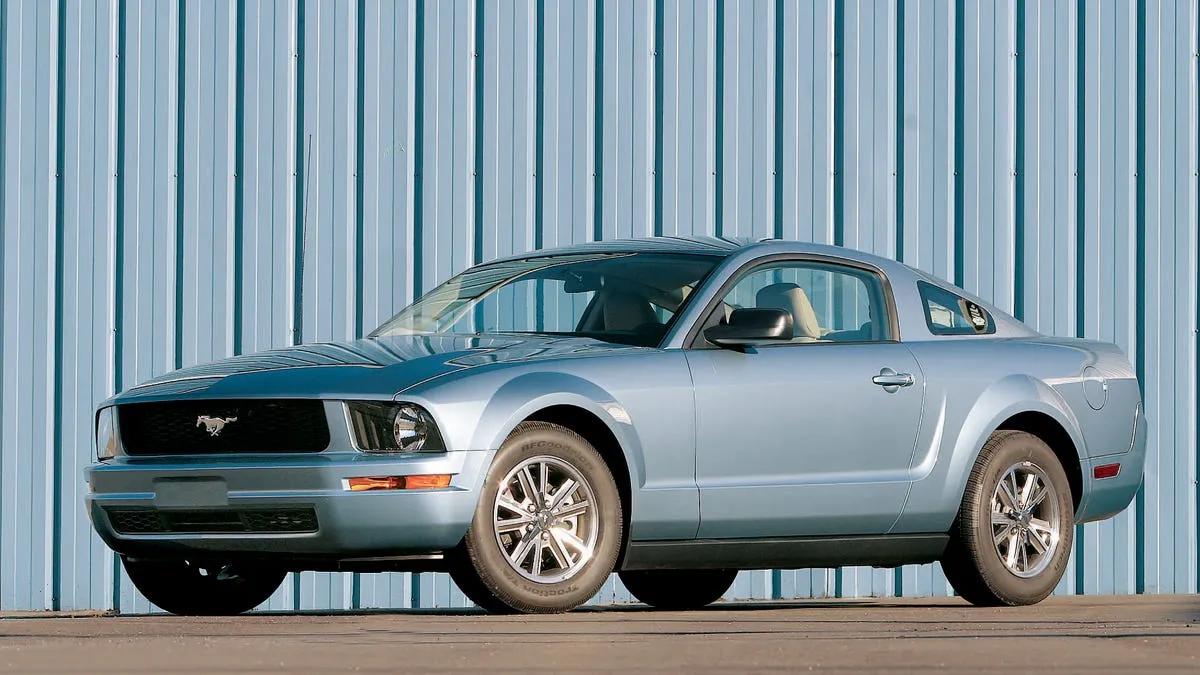
10. Ford Mustang (S197, 2005 Redesign)
Ford reinvigorated the Mustang with the 2005 redesign, blending retro inspiration with modern styling cues. Designers looked to classic Mustangs for shape inspiration while adding contemporary features like aggressive headlights, wider stances, and sculpted sides.
The result captured the spirit of the original pony car while appealing to modern drivers who expected refinement and performance. Muscular fenders and low-slung hood lines emphasized athleticism without overwhelming proportion.
Designers used precise creases along the body to create a visual sense of motion even while stationary. The front fascia became a signature element, giving the Mustang a distinctive presence in traffic. These design principles encouraged other manufacturers to rethink how to merge heritage with contemporary flair.
Inside, the cabin embraced retro cues while improving ergonomics. Round gauges, simple layouts, and driver-oriented controls created a familiar yet functional environment. Modern materials and technology integration ensured comfort and convenience without straying from Mustang identity.
Seating and control placement emphasized driving engagement, reflecting Ford’s philosophy of blending emotion with usability. Performance-inspired details extended beyond the engine. Side scoops, rear deck spoilers, and dual exhaust outlets communicated power and balance visually.
The design team focused on creating a car that looked purposeful while remaining accessible for daily driving. This approach influenced subsequent pony cars and sports coupes, showing that nostalgic styling could coexist with modern expectations. The 2005 Mustang redesign marked a turning point in American muscle styling.
Its balance of retro cues, aggressive lines, and thoughtful detailing created an influential template for modern performance vehicles. Many contemporary models, including later Mustangs, draw inspiration from its ability to respect heritage while embracing 21st-century design trends.
