Japanese sports cars have long held a special place in the hearts of car enthusiasts. Renowned for their reliability, engineering brilliance, and often surprisingly accessible prices, these vehicles combine driving excitement with everyday practicality.
While many sports cars from Europe or the U.S. can be prohibitively expensive to maintain, Japan’s automakers have consistently produced models that deliver a thrilling experience without breaking the bank.
Whether you’re a weekend track enthusiast, a daily driver looking for some fun, or a collector seeking affordable classics, these eight Japanese sports cars remain some of the best choices for U.S. buyers who want excitement and value.
1. Mazda MX-5 Miata (NA/NB/NC)
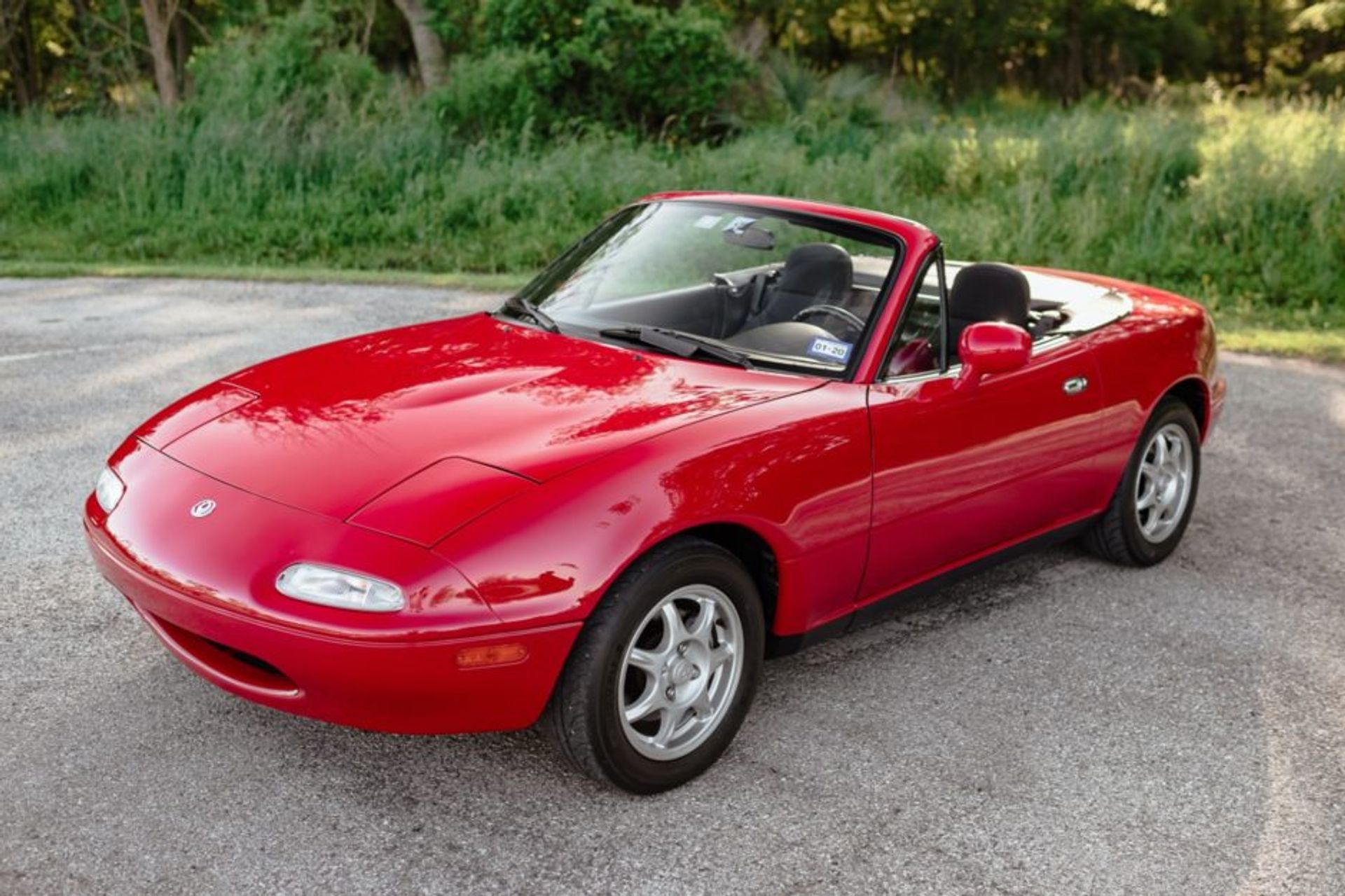
The Mazda MX-5 Miata is arguably the quintessential affordable sports car. First launched in 1989, the Miata emphasizes light weight, precise handling, and a pure driving experience.
Its simple, rear-wheel-drive layout makes it incredibly engaging for drivers of all skill levels. Early models, particularly the NA (1989–1997) and NB (1998–2005), are known for their reliability and widespread aftermarket support, making them easy to maintain and modify.
Even the NC generation (2006–2015) offers a fun driving experience with modern conveniences.
For U.S. buyers, the Miata’s combination of affordability, fuel efficiency, and timeless appeal ensures that it remains a favorite among enthusiasts seeking a fun daily driver or weekend car.
Since its debut in 1989, the MX-5 Miata has grown into one of the most beloved sports cars worldwide. This compact two-seat convertible emphasizes pure driving enjoyment, prioritizing handling and connection over practicality and creature comforts.
The current fourth-generation “ND” Miata, introduced for the 2016 model year, is available with either a folding soft top or a retractable hardtop.
While other sports cars chase bigger engines, more grip, and higher speeds, the Miata simply lets its top down and enjoys the ride. Mazda’s iconic roadster doesn’t boast headline-grabbing numbers, but that doesn’t matter, it remains one of the most engaging driver’s cars ever made.
The Miata demonstrates that driving fun doesn’t depend on massive horsepower or Autobahn-level speed. Its back-to-basics approach delivers a nearly unfiltered connection to the car, with every steering input, throttle response, and brake application offering precise, immediate feedback. The manual shifter is a particular highlight, delightfully mechanical and responsive.
Many drivers are drawn to sports cars for record-setting horsepower or racetrack accolades, but the Miata excels by providing an exuberant, joyful experience on everyday roads. It’s a perfect example of how driving a slower car fast can be far more rewarding than pushing a fast car at half pace.
The Miata comes with a 2.0-liter inline four-cylinder engine producing 181 hp and 151 lb-ft of torque, sent exclusively to the rear wheels. A six-speed manual is the preferred transmission, with an optional six-speed automatic available, but the stick shift is truly what defines the Miata experience.
A 2019 Miata Club with the manual sprinted from 0–60 mph in 5.7 seconds, while a stick-shift RF Grand Touring model managed 5.8 seconds. Fuel economy estimates are 26/34 mpg city/highway for the manual and 26/35 mpg for the automatic, making the Miata not just fun but impressively efficient for a modern roadster.
Also Read: 5 Cars Best for Austin’s Stop-and-Start Traffic vs 5 That Drain Your Wallet
2. Nissan 350Z / 370Z
Nissan’s Z-cars have been icons of Japanese sports car culture for decades, and the 350Z (2003–2009) and 370Z (2009–2020) offer strong performance at reasonable prices on the used market.
Both feature rear-wheel drive, balanced handling, and naturally aspirated V6 engines that deliver a satisfying roar and linear power delivery.
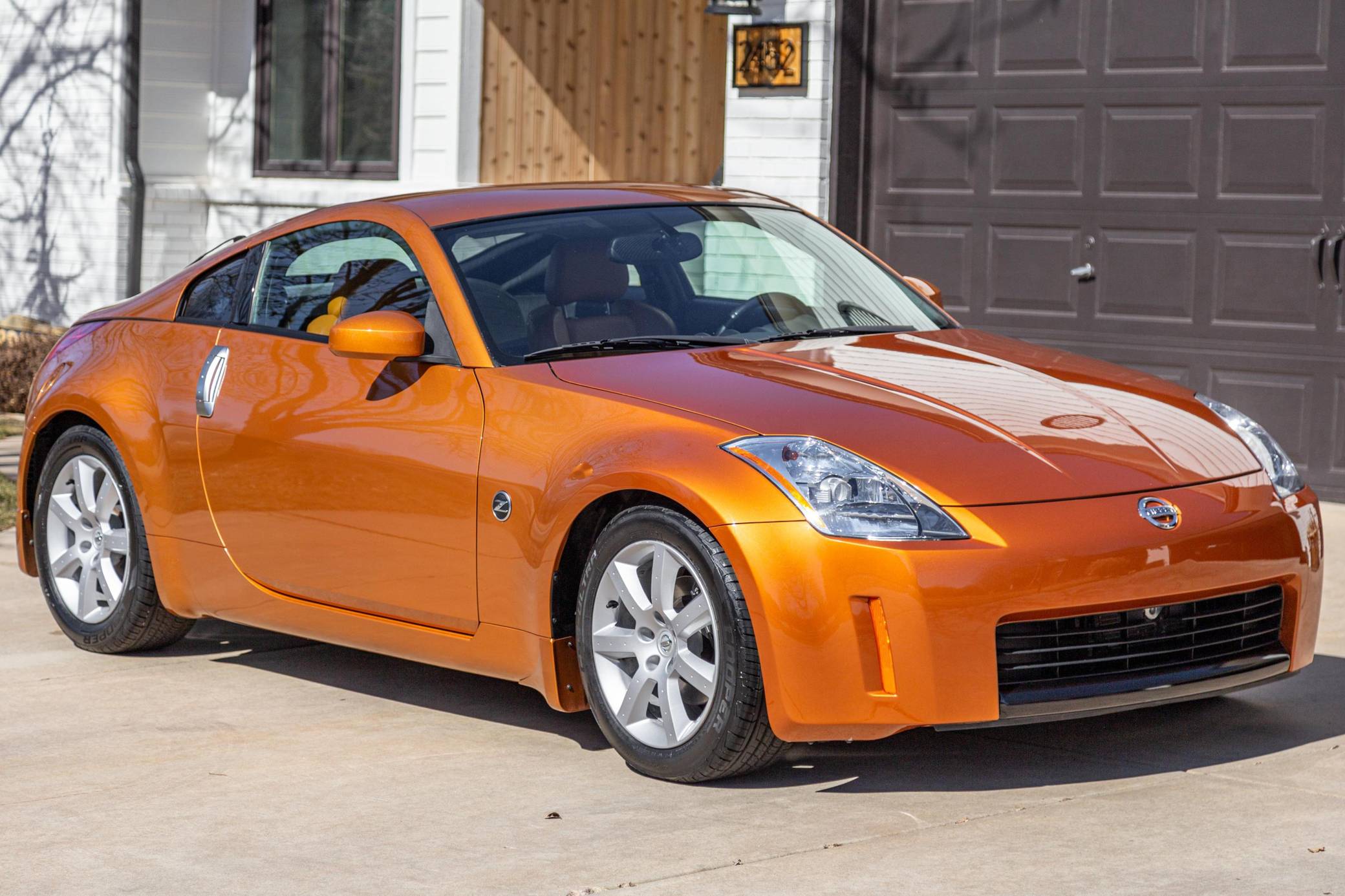
The 350Z, in particular, has become a favorite among tuners, thanks to its simple design and extensive aftermarket support.
While the 370Z offers slightly more refinement and modern features, the 350Z remains a more accessible option for enthusiasts looking for performance without the cost of higher-end European sports cars.
3. Toyota MR2 (SW20)
Toyota’s MR2, especially the second-generation SW20 (1990–1999), is a mid-engine, rear-wheel-drive sports car that punches above its weight in terms of handling and fun.
Its lightweight chassis and mid-engine layout offer excellent balance and cornering capabilities that rival much more expensive vehicles.
While earlier models (AW11) are simpler and lighter, the SW20 provides a more modern driving experience with more power and a refined design.
In the U.S., the MR2 has a dedicated following, and clean examples can often be found for surprisingly low prices. Its combination of sharp handling, unique styling, and Toyota reliability makes it a compelling choice for enthusiasts seeking a driver-focused car.
The Toyota SW20 MR2, also known as the MKII MR2, has earned its reputation as a ‘90s Japanese classic, and deservedly so. This second-generation MR2, part of Toyota’s sports car lineage that ran from 1984 to 2007, was produced between 1989 and 1999. However, U.S. buyers only had access to the 1991–1995 model years.
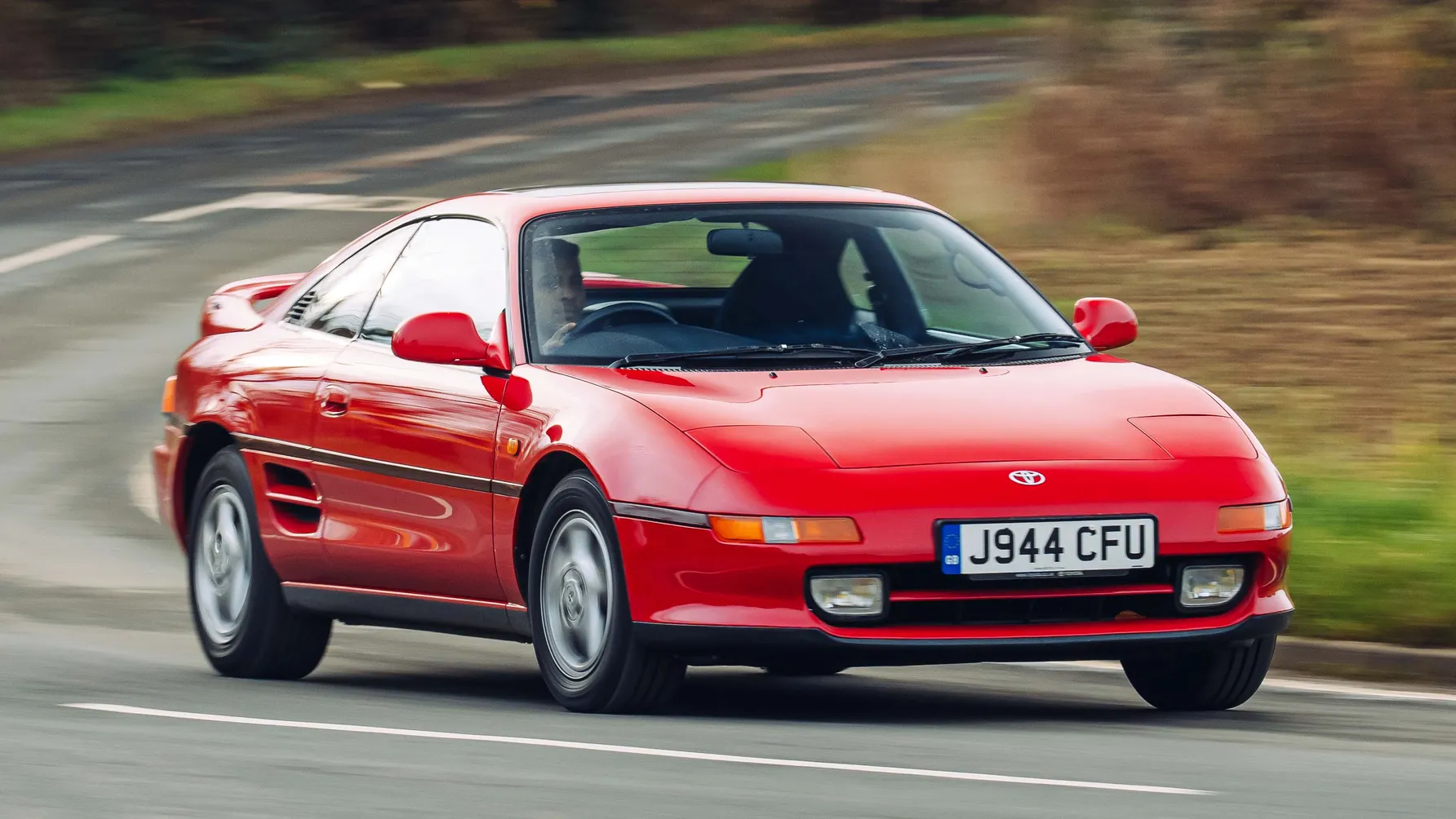
The SW20 MR2 upheld the brand’s “fun-to-drive” ethos, thanks largely to its mid-engine, rear-wheel-drive layout, which offered excellent weight distribution and sharp handling. Beyond performance, the car is praised for its practicality, solid build quality, and exotic styling cues reminiscent of the Ferrari 348.
One of the biggest draws of the SW20 MR2, though, is its engine. Turbocharged models featured the 2.0-liter 3S-GTE inline-four engine, complete with a turbocharger and intercooler, which it shared with the rare ST185 Toyota Celica GT-Four, a car that claimed three consecutive drivers’ titles from 1992 to 1994. U.S. Turbo models used the Gen 2 3S-GTE, producing 200 hp and an equal amount of torque. This allowed them to accelerate from 0 to 60 mph in a respectable 5.8 seconds, according to MotorTrend.
The base SW20 MR2, in contrast, came with a naturally aspirated 2.2-liter 5S-FE inline-four sourced from the Toyota Camry. European and Japanese markets received a 2.0-liter 3S-GE straight-four generating up to 197 hp.
The American-spec naturally aspirated model hit 60 mph in roughly 8.0 seconds, per the same MotorTrend report. Transmission options varied: Turbo models came exclusively with a five-speed manual, while the standard version offered a choice between a four-speed automatic or five-speed manual.
According to Classic.com, unmodified SW20 MR2s in very good condition with low mileage generally range from $12,000 to $29,900 in the U.S. market, covering 1991–1995 models.
Modified imports of the second-generation MR2 often fetch higher prices. For instance, Classic.com lists a 1996 Toyota MR2 with 79,000 miles for $29,500, while a 1996 MR2 GT-S Turbo with 46,000 miles, offering more performance, is priced at $35,999.
4. Honda S2000
The Honda S2000 (1999–2009) is widely regarded as one of the most thrilling Japanese roadsters ever made. Its high-revving 2.0- or 2.2-liter four-cylinder engine, rear-wheel-drive layout, and precise manual transmission make it an absolute joy to drive.
The S2000’s naturally aspirated engine produces an exhilarating top-end power band, rewarding skillful driving with pure excitement.
While prices have risen for pristine examples, older models remain attainable for U.S. buyers, offering a rare combination of reliability, fun, and iconic design. The S2000 is not just a sports car; it’s a driving experience that rewards engagement over raw power.
When most people think of Honda, images of reliable, durable family cars usually come to mind.
But Honda has a history of surprising enthusiasts with sporty, performance-oriented models, and the S2000 is a prime example. Alongside cars like the Acura and the Type R Accord, the S2000 showcased Honda’s ability to craft a true driver’s car.
The concept made its debut at the 1995 Tokyo Motor Show, and four years later, Honda launched the S2000, a two-seater designed as a bona fide performance roadster, incorporating technology derived from racing.
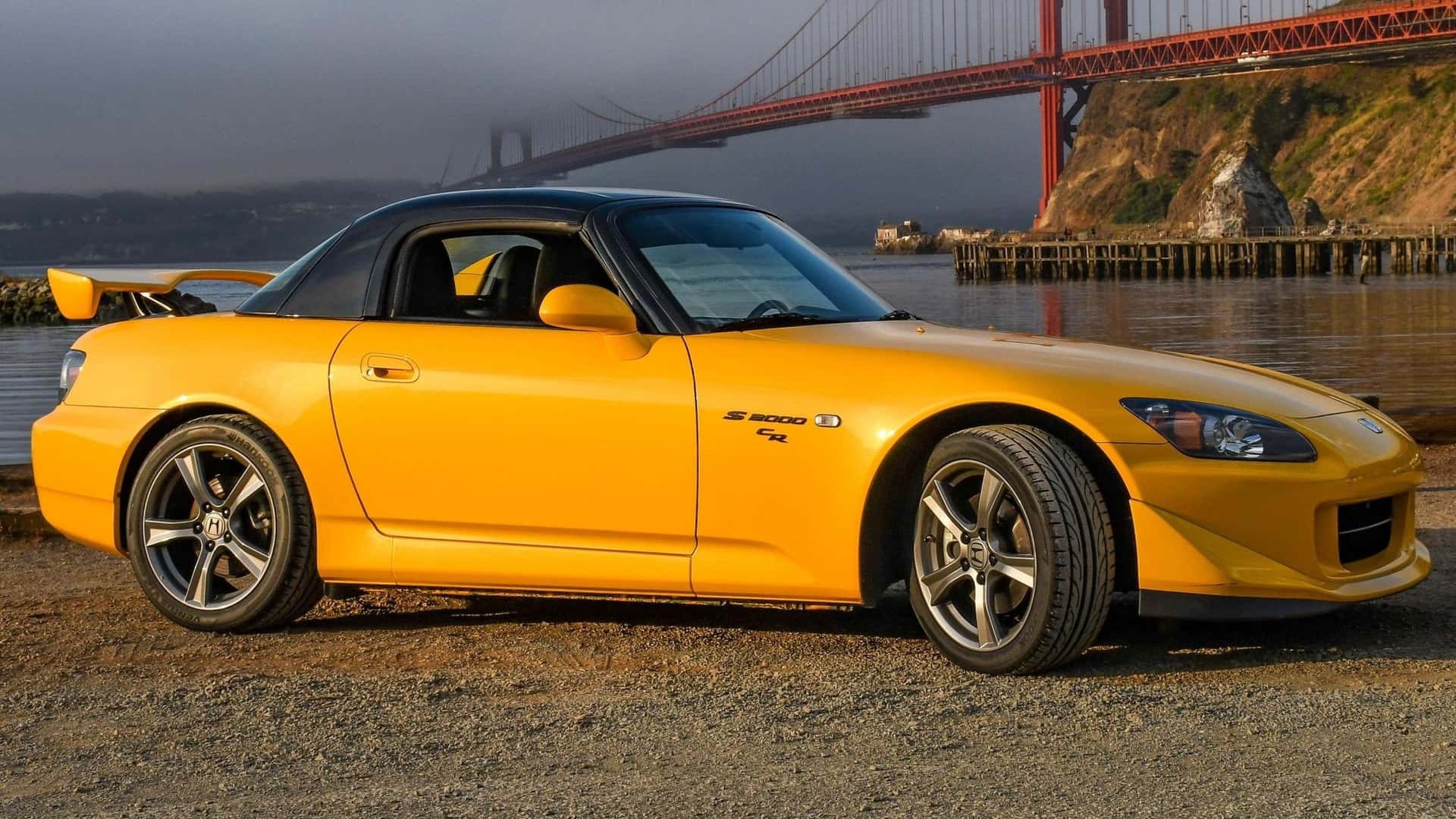
Under the hood, the S2000 featured a 2.0-liter 4-cylinder engine producing 240 hp, capable of revving all the way to 9,000 rpm. With the engine positioned behind the front axle, the car achieved an ideal 50:50 weight distribution, delivering precise handling and nimble cornering.
Power was sent to the rear wheels through a six-speed manual transmission developed specifically for the S2000, offering smooth and rapid shifts. Steering came via Honda’s next-generation electrically assisted power system, which provided excellent road feedback while minimizing energy loss.
The S2000’s suspension was a double-wishbone setup both front and rear, tuned for stiffness and stability, giving the car a planted feel on any road surface. Its body rested on a rigid X-one monocoque chassis, further enhancing responsiveness and safety.
In 1999, Honda introduced a second generation of the S2000, this time equipped with a larger 2.2-liter engine, continuing the car’s legacy as a lightweight, high-revving roadster.
Also Read: Top 10 RWD Sports Cars You’ll Actually Want to Daily Drive
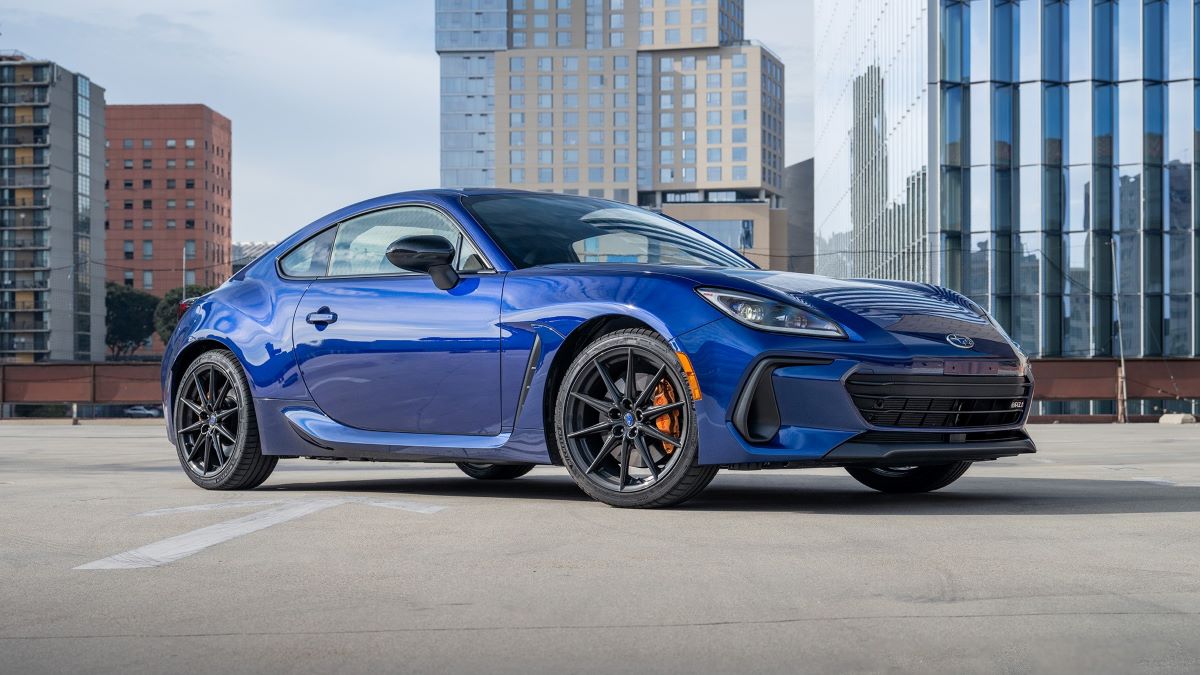
5. Subaru BRZ / Toyota 86 (FT86)
The Subaru BRZ and Toyota 86, jointly developed and introduced in 2012, represent a modern take on lightweight, driver-focused sports cars. Both feature a front-engine, rear-wheel-drive layout and a low center of gravity, courtesy of Subaru’s flat-four engine.
While modestly powered compared to some competitors, their balanced chassis, sharp steering, and accessible price make them incredibly fun to drive. U.S. enthusiasts appreciate these cars for their tunability and weekend track potential, and their maintenance costs remain reasonable.
The BRZ/86 is a modern answer to the classic Japanese sports car ethos: fun, affordable, and rewarding for drivers who value handling over straight-line speed.
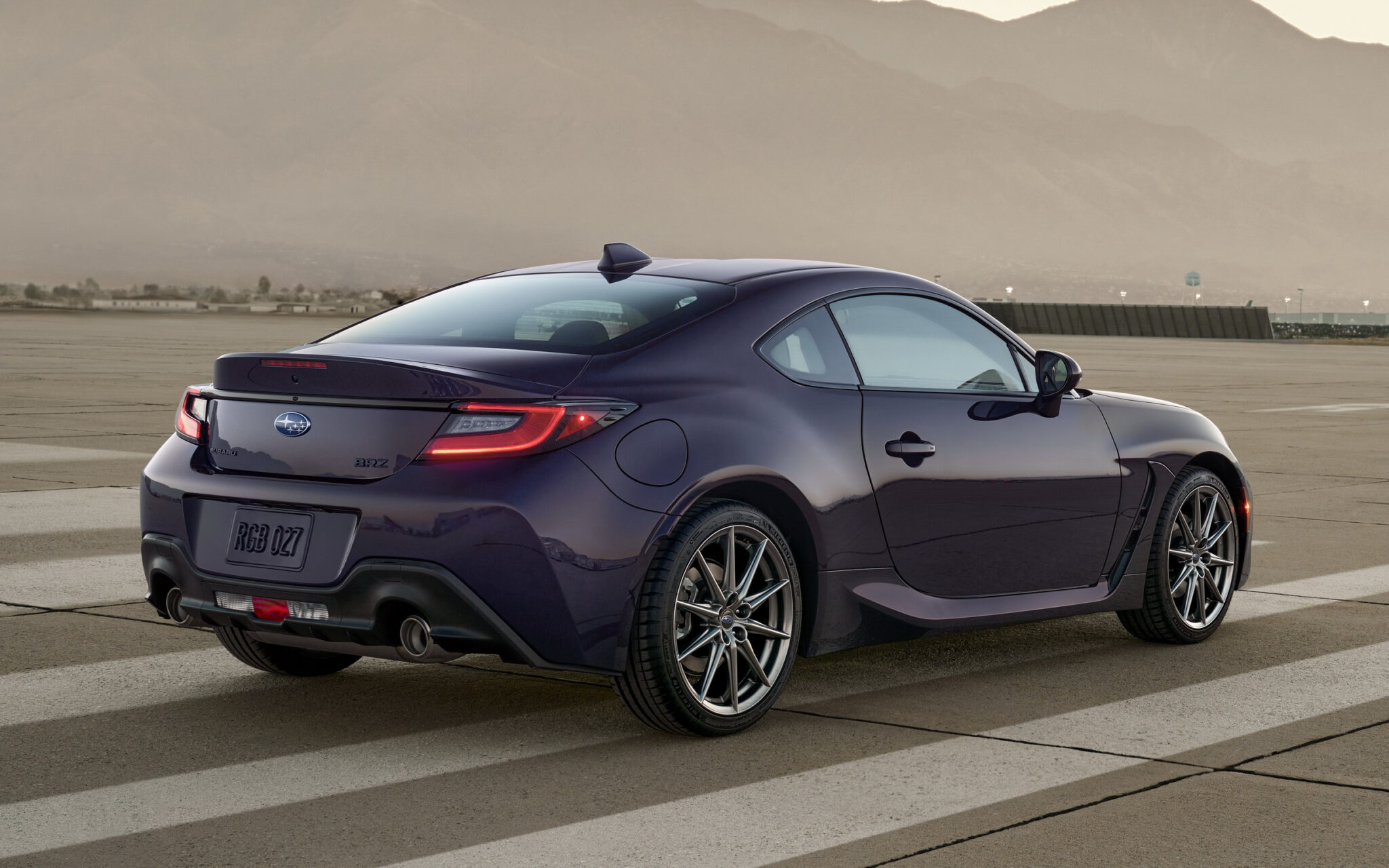
The BRZ excels in steering and handling. Its quick, highly responsive steering allows you to place the car precisely through corners, while the finely tuned suspension and balanced chassis make it adaptable to any driving situation.
Feeling adventurous and want a bit of tail-out fun? The BRZ delivers. No problem there either. The car is light without feeling fragile, and it remains both fun and grippy whenever you demand it.
The brakes perform well for everyday driving, though they could benefit from more aggressive pads for sustained hard use, such as on a track day. On our test car, a BRZ Limited fitted with high-performance summer tires, the car came to a stop from 60 mph in 106 feet, a respectable distance. They also offer smooth, predictable braking in city traffic, making them practical as well as capable.
The larger engine in this generation BRZ provides strong performance across the entire rev range. Unlike the previous generation, there’s no dip in midrange power, resulting in a more consistent and engaging drive.
On our test track, the manual-equipped BRZ Limited accelerated to 60 mph in 6.1 seconds, almost a full second quicker than the previous model and comparable to the latest Golf GTI (5.9 seconds) and Mazda Miata (6.0 seconds).
The six-speed manual transmission offers a positive, precise feel when shifting through the gates. Choosing the automatic increases 0–60 mph time to 6.9 seconds, but it’s easier to manage in stop-and-go traffic. The automatic also features paddle shifters and quick downshifts when Track mode is selected, making it more engaging than a typical automatic setup.
6. Nissan 240SX (S13/S14)
The Nissan 240SX, sold in the U.S. from 1989 to 1998, is a rear-wheel-drive sports car that has achieved legendary status among drifting and tuning communities.
While not initially recognized for high power, its lightweight chassis and balanced handling provide an excellent foundation for modifications.
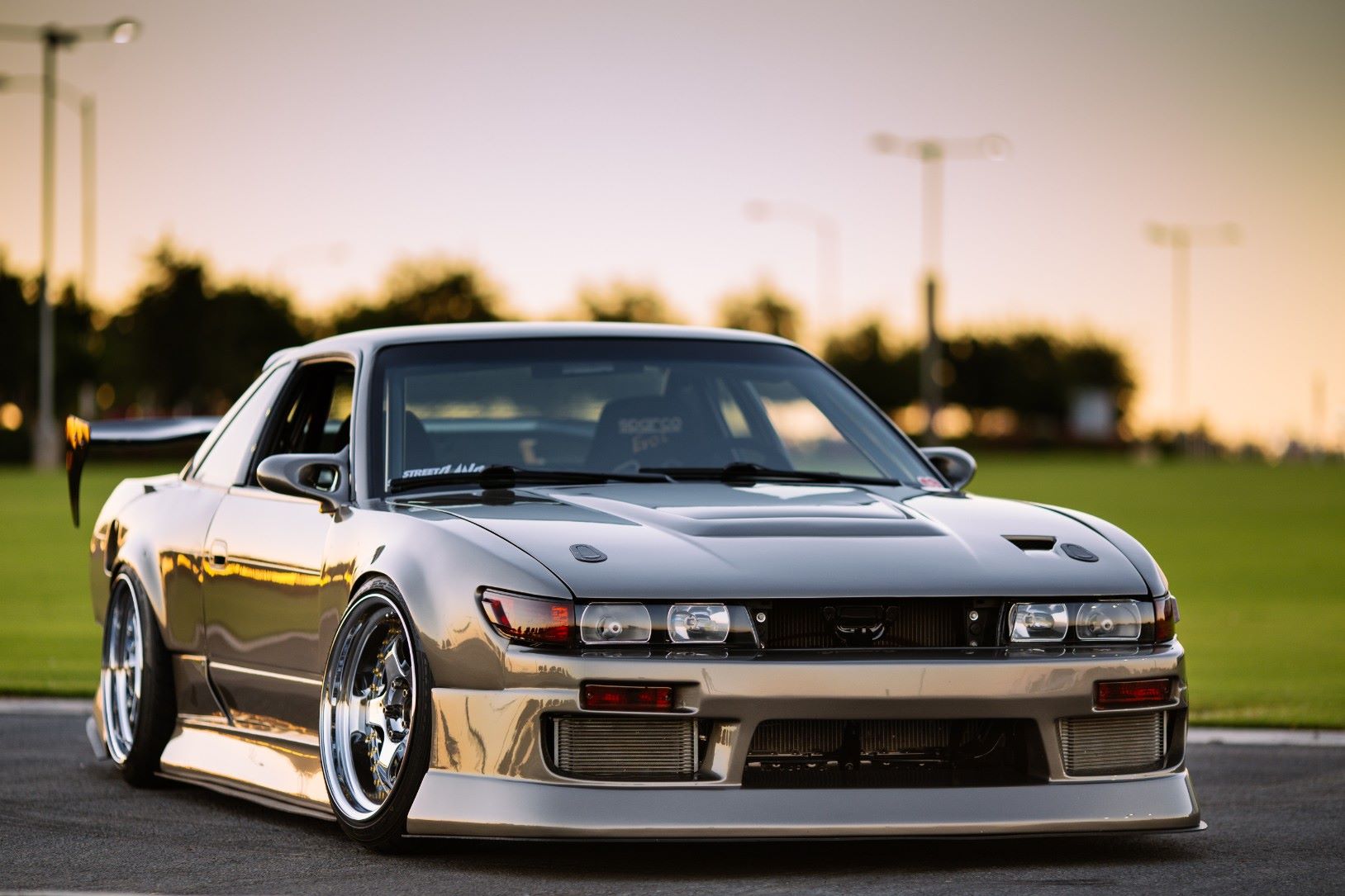
Both the S13 and S14 generations are known for durability and relative affordability on the used market. For U.S. buyers seeking a car with huge aftermarket potential, the 240SX represents one of the best entry points into Japanese sports car culture.
Even stock examples deliver rewarding handling and driver engagement at a fraction of the cost of modern sports cars.
7. Mitsubishi Eclipse GS-T / GSX (2G)
The second-generation Mitsubishi Eclipse (1995–1999) remains a popular choice for U.S. enthusiasts seeking turbocharged fun without an enormous price tag.
The GS-T and GSX variants offer turbocharged engines, all-wheel drive (GSX), and sporty handling that can rival cars costing twice as much.
While eclipses are often overlooked by collectors, they provide a fun, practical sports car experience that is accessible on a budget.
With relatively simple maintenance and widely available parts, the Eclipse continues to be a viable option for drivers looking for a spirited daily driver or a weekend performance car.
After five successful years on the market, the trio of affordable performance cars, the Eagle Talon, Mitsubishi Eclipse, and Plymouth Laser, was due for a refresh. Sticking with the winning formula of small-displacement engines paired with turbochargers on top trims, Mitsubishi and Chrysler developed a new model on a larger platform for 1995.
With a wheelbase stretched by 1.6 inches and a track widened by roughly two inches, the second generation promised improved stability and a more comfortable ride. By stiffening the chassis, suspension engineers were able to fine-tune the underpinnings, enhancing handling and road feel without compromising comfort.
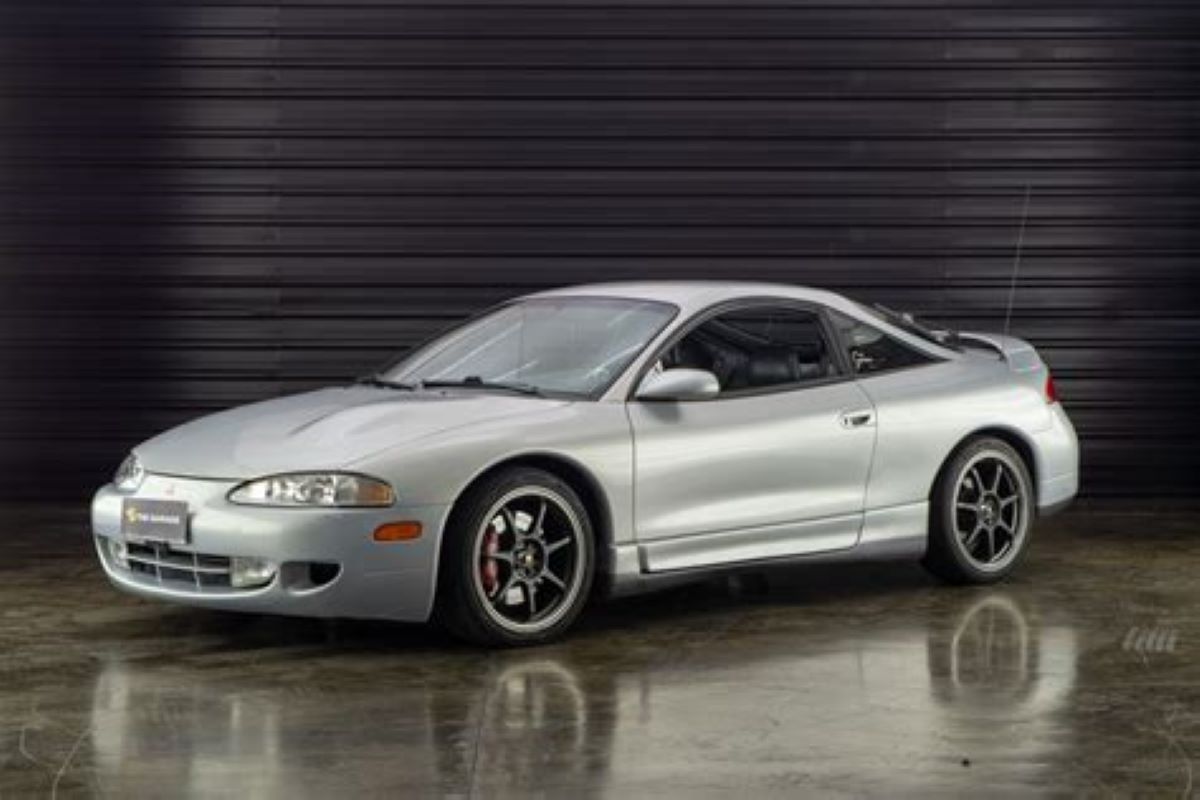
The previous MacPherson-strut front and beam-axle rear setup was replaced with more sophisticated multilink suspensions, featuring upper A-arms, lower lateral links, shocks, and anti-roll bars.
The resulting Eclipse, and Talon, as the Laser was dropped from the lineup, combined eye-catching styling, corner-carving suspension, and potent performance, all in an accessible package.
Base power came from a 2.0-liter DOHC four-cylinder producing 140 horsepower, while turbocharged versions exceeded 200 horsepower. For our evaluation, we focused on the aggressive Eclipse GS-T, ready for a thorough long-term test.
Our Durango Copper GS-T had a base price of $19,999 and came well-equipped with power windows, locks, and mirrors; an eight-speaker Mitsubishi/Infinity AM/FM/cassette stereo; cruise control; intermittent wipers; a rear spoiler; and fog lamps.
For monitoring performance, the GS-T also included gauges for tachometer, turbo boost, oil pressure, and coolant temperature. We added anti-lock brakes ($716) and a security system with keyless entry ($332) for safety, along with floor mats ($49), the leather package with power driver’s seat ($789), and a power moonroof ($731).
Only two options were left unchecked: a CD changer and the automatic transmission. The window sticker for our fully loaded Eclipse totaled $23,036, slightly above the $21,234 average paid by surveyed owners. While the GS base price started around $15,000, only 5.9 percent of Eclipse owners paid less than $19,000, highlighting how most opted for additional amenities and drivetrains.
Sifting through a year of staff notes, one phrase repeatedly appeared: “fun to drive.” This captures both the Eclipse’s mission and its standout quality. Alongside power and plenty of visual appeal, nimble handling is a major contributor to the car’s fun factor.
The new four-wheel independent suspension, combined with the widened track and grippy Goodyear Eagle RS-A 205/55HR16 tires, keeps the Eclipse sure-footed under aggressive maneuvers. But it’s the sport-tuned shocks on the front-drive GS-T and all-wheel-drive GSX that allow the car to carve corners with razor-sharp precision.
Of course, the thrill comes at a cost: the ride can be harsh on imperfect pavement. Cracked, grooved, and ripple-marked roads, like those surrounding Los Angeles, exposed this weakness on nearly every commute.
While logbook entries frequently noted this annoyance, survey results suggest owners found it an acceptable trade-off for the handling benefits, or perhaps they were fortunate enough to drive primarily on smoother roads.
8. Suzuki Cappuccino / Suzuki Swift Sport (Imported)
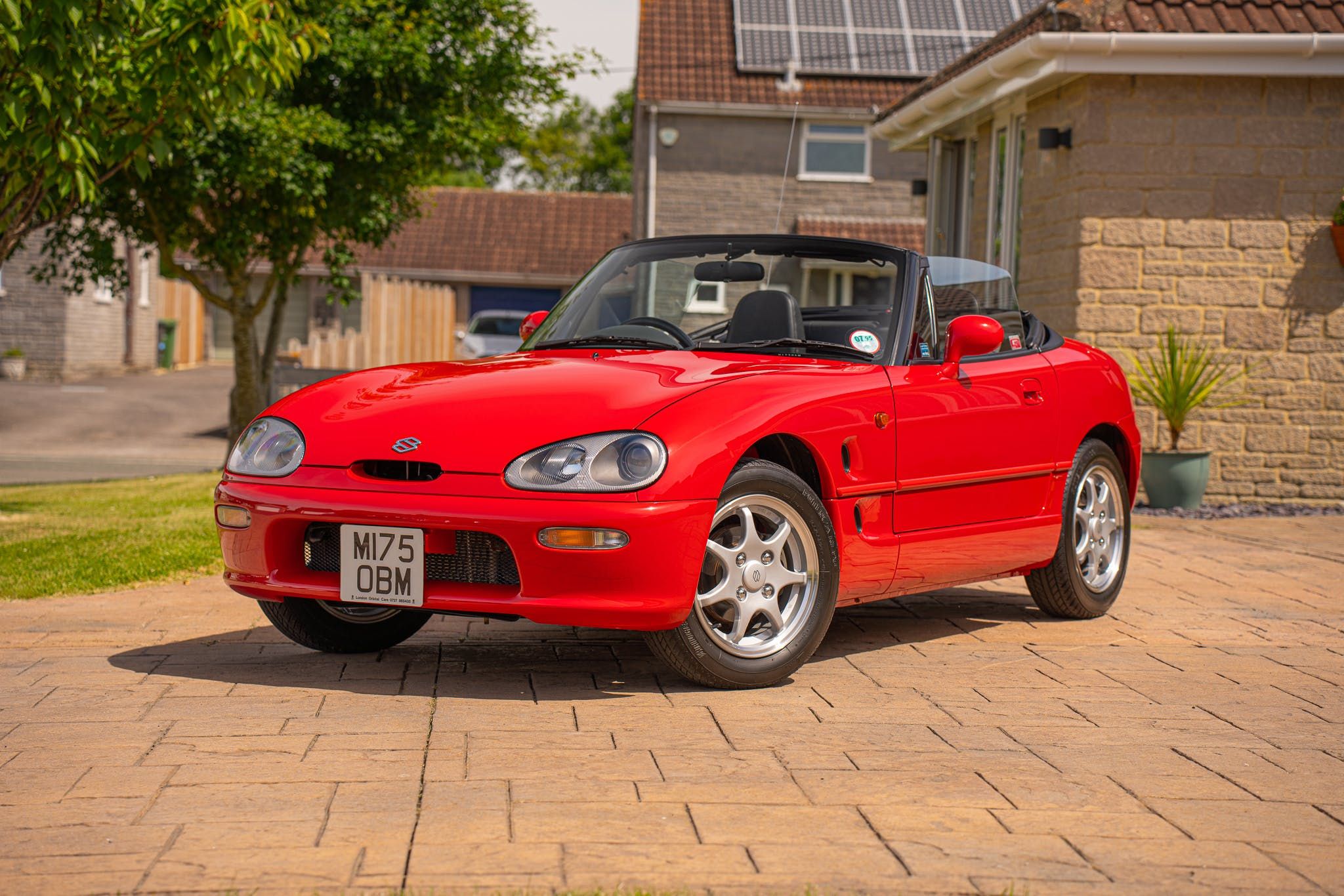
For enthusiasts seeking something truly different, small Japanese sports cars like the Suzuki Cappuccino or the imported Swift Sport offer charm and affordability.
The Cappuccino, a kei car from the early ’90s, provides a tiny, turbocharged rear-wheel-drive experience that’s light, nimble, and pure fun.
The Swift Sport, available in certain U.S. imports or markets, offers modern reliability, peppy performance, and a surprisingly engaging driving experience for its size.
While not as mainstream as the Miata or Z-cars, these compact sports cars prove that fun doesn’t always require massive engines or flashy designs.
Japanese sports cars have a unique ability to combine affordability, reliability, and driving enjoyment, making them perfect choices for enthusiasts in the U.S. Looking at the Miata, 350Z, MR2, S2000, BRZ/86, 240SX, Eclipse, and unique options like the Cappuccino, it’s clear that fun doesn’t have to come with a huge price tag.
The new Suzuki Swift is either the fourth or sixth generation, depending on how you count it. Suzuki labels it the fourth generation because it considers the 2004 model the first “global” Swift, but in the UK, two previous Swifts existed before that, starting with the 1983 Cultus-based model. Not quite the simple answer you might have expected.
It’s actually a rare find: a new supermini, not an SUV or crossover, launched in 2024 with an internal combustion engine and a manual gearbox. That’s a combination that’s increasingly uncommon these days, and it’s hard not to be happy about it.
That styling, though, it’s hard to ignore. Suzuki calls this an all-new Swift, but it sits on the same platform as the previous generation, making it effectively a heavily facelifted model. The design echoes the previous car, but if the old Swift had somehow swollen up in all the wrong places.
Suzuki describes it as “muscular,” but the front end has a cartoonish quality, with a wraparound bonnet line above the headlights designed to create a floating cabin effect and make the car appear wider. Do superminis really need that kind of width? The front end somehow suggests someone forgot to close the bonnet.
Elsewhere, buyers can choose from eight metallic paint options and an optional black or grey contrast roof. Still, from the front, the Swift has an uncanny beluga whale vibe, while from other angles it somehow evokes a house brick.
There’s only one engine option: a 1.2-liter naturally aspirated three-cylinder producing 81 bhp and 83 lb-ft of torque. Suzuki also labels it a hybrid, but that’s just a 12-volt mild hybrid setup with a tiny lithium-ion battery, an integrated starter generator (ISG), and regenerative braking.
The ISG helps a more efficient start/stop system and gives a small boost in acceleration. Suzuki says the mild hybrid only adds 7 kg, keeping the car featherweight at 949 kg in base trim with a manual gearbox.
Considering modern 2024 crash tests and equipment standards, a sub-1,000 kg supermini with half a tank of fuel is genuinely impressive. Suzuki deserves credit, and the rest of the industry should take note.
The manual is standard with five speeds, while a CVT automatic is optional. Sticking with the manual also allows a top-spec version with four-wheel drive, though if you want a proper AWD Suzuki, the Ignis or a used Jimny are better bets, especially as Suzuki is discontinuing the Ignis in 2025.
In theory, the Swift is highly efficient. Suzuki claims 64.2 mpg and 99 g/km of CO2 for the entry-level manual, while the CVT manages 60.1 mpg with 106 g/km. In real-world testing, we averaged mid-50s mpg under normal driving and over 60 mpg when driving lightly. It’s a genuinely frugal little car.
These vehicles deliver engaging driving experiences, tunability, and enduring appeal. For anyone seeking a sports car that is still cheap, exciting, and practical enough to enjoy daily, Japanese engineering offers some of the most rewarding options on the market today.
Even decades after their initial release, these cars continue to prove that you don’t need to spend six figures to enjoy a thrilling ride.