
High-performance cars are often considered unreachable for enthusiasts on a budget, but the used market can reveal surprising opportunities. Some track-focused machines, originally priced as exotic or ultra-specialized vehicles, have depreciated dramatically, leaving everyday buyers the chance to experience performance once thought exclusive.
These cars offer more than raw speed; they deliver an emotional connection, precision handling, and an adrenaline-inducing driving experience without demanding a millionaire’s bank account. Enthusiasts often overlook the used segment when seeking these track-oriented vehicles, assuming maintenance costs or scarcity make them impractical.
However, affordability combined with the inherent thrill of track-tuned engineering opens the door for a new generation of enthusiasts to enjoy rare driving experiences. In many cases, depreciation works in the buyer’s favor, presenting vehicles with fully developed platforms, refined suspensions, and proven reliability all at a fraction of their original price.
Ownership of a track-focused car provides insight into vehicle dynamics, from precise steering response to brake modulation and suspension behavior. Many modern supercars, hypercars, and even specialized sports cars borrow engineering lessons from these now-accessible vehicles.
For budget-minded thrill-seekers, the opportunity to own and drive one of these machines can be transformative. It allows them to experience not only speed but also the intricate harmony of chassis, engine, and tire dynamics finely tuned for performance environments.
The cars included here have each made a name for themselves on racetracks, in automotive media, or among enthusiast communities. They blend heritage, design, and engineering into vehicles that are still impressive today. What sets them apart is the difference between their original reputation as elite machines and the surprisingly low cost now required to enjoy them.
Going through these nine examples provides inspiration, insight, and actionable knowledge for buyers looking to maximize thrills per dollar. From nimble sports cars to mid-engine monsters, each vehicle has retained its focus on speed, precision, and driving engagement while surprisingly shedding much of its original price premium.
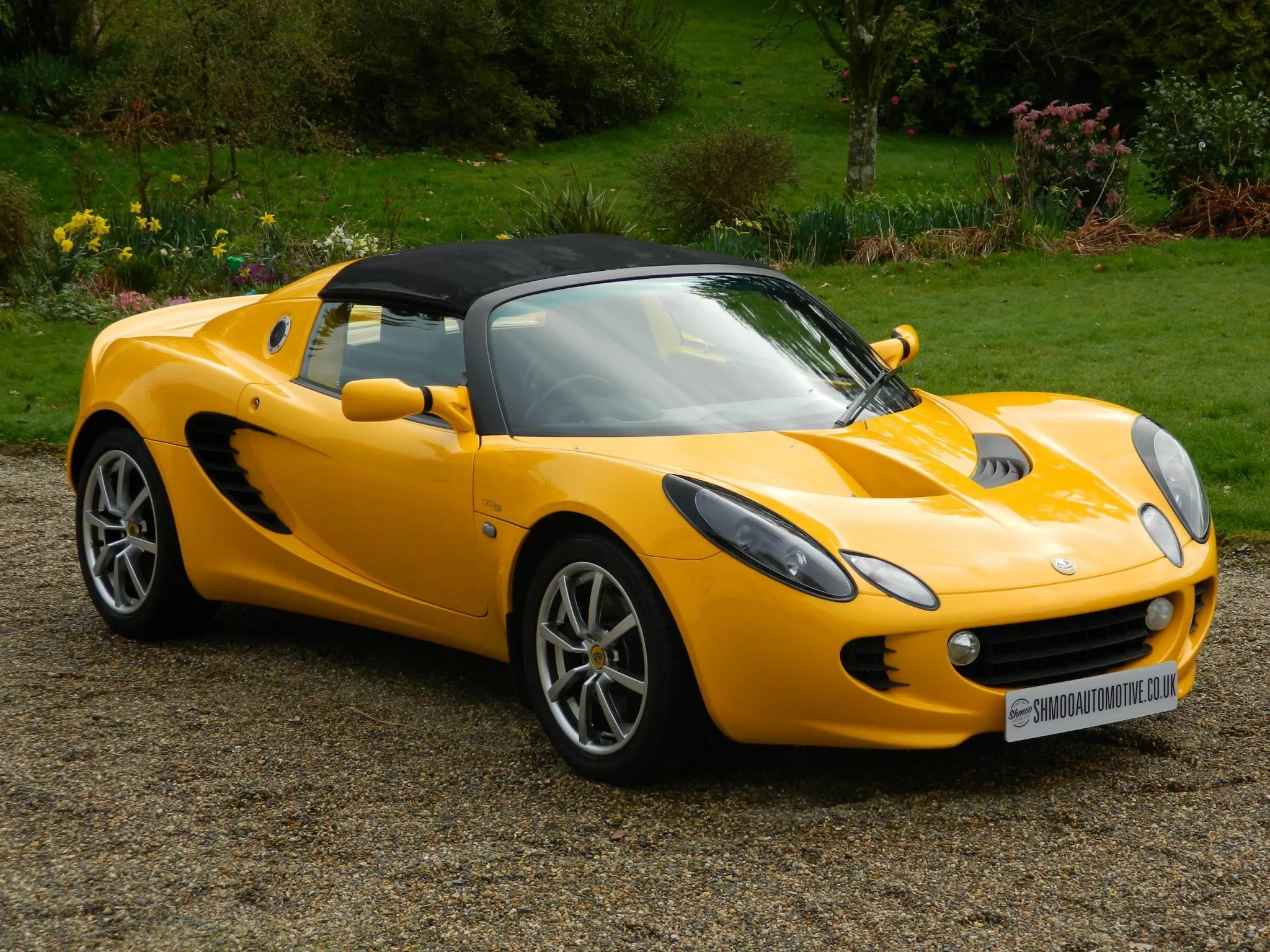
1. Lotus Elise Series 2 (111S/SC Models)
Lotus built the Elise to deliver a pure, stripped-down driving experience focused entirely on track performance. Lightweight aluminum chassis, a mid-engine layout, and precision-tuned suspension gave the car razor-sharp handling, making every corner a test of skill and reward.
The 111S and later SC versions boosted power slightly but maintained Lotus’ philosophy: less weight, more connection. Enthusiasts quickly recognized the Elise as one of the most engaging cars for both novice and advanced track drivers.
Its mechanical simplicity also contributed to depreciation. Minimal electronics, straightforward engine layouts, and durable materials allowed these vehicles to survive decades of spirited driving, but the limited comfort and sparse creature features meant they lost appeal among mainstream buyers. The resulting market for used Elise models became highly accessible, offering buyers a genuine track car without a supercar price tag.
Performance extends beyond raw horsepower. Engineers emphasized cornering balance, braking confidence, and steering feedback. Every input from the driver is immediately reflected in the car’s response, offering a level of engagement that many modern sports cars with high-tech assistance systems cannot replicate.
Driving enthusiasts often describe this as the closest experience to a go-kart scaled up for public roads, making it a unique bargain in the used market.
Lotus also focused on packaging efficiency. Despite its small footprint, the Elise offers ample driver-focused ergonomics, ensuring that cockpit controls, seating position, and pedal feel are optimized for track performance. While the cabin lacks luxury, it provides a tactile, purposeful environment that reinforces driver focus and skill development.
Accessibility now defines the Elise’s appeal. Prices for Series 2 Elise models, especially higher-performance SC variants, have settled into ranges that allow enthusiasts to own and operate a track-oriented vehicle for the cost of a modest family sedan.
Owning one delivers the satisfaction of lightweight dynamics, mid-engine balance, and precision engineering without requiring supercar resources.
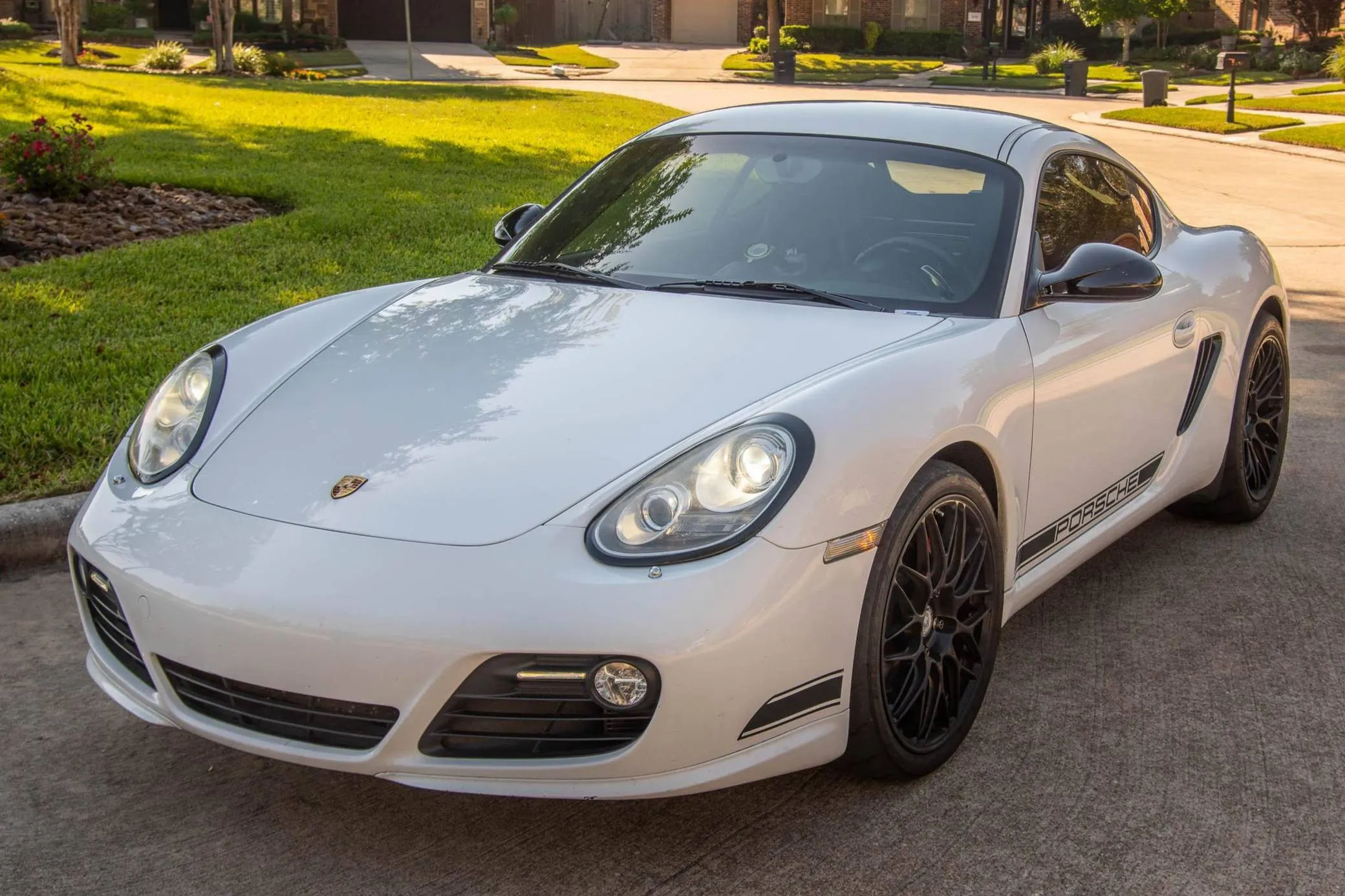
2. Porsche Cayman S (987.2, 2009-2012)
Porsche’s mid-engine Cayman S offers a balance between track competence and everyday usability that few cars in its era could match. Engine placement, chassis rigidity, and suspension tuning all contribute to handling that feels planted and communicative.
With a flat-six engine delivering linear power, the Cayman S rewards both smooth inputs and aggressive driving styles. Its combination of balance, braking performance, and precision steering makes cornering a near-effortless experience once the driver adapts to the platform.
Depreciation in this segment has been surprisingly steep. Early Cayman S models, originally considered premium sports cars, have lost value relative to their capability. Modern buyers can acquire vehicles equipped with robust engines, refined transmissions, and highly capable chassis at a fraction of the original purchase price, making it an ideal track-focused entry for enthusiasts.
Maintenance and reliability are important considerations. Porsche’s engineering ensures durable components, but service history remains critical. Vehicles that have been well cared for preserve the reliability expected from a premium German manufacturer.
Careful selection enables buyers to enjoy spirited driving with confidence, provided that proper inspections and preventative maintenance are followed. The design also contributes to its track effectiveness. Wide tracks, low center of gravity, and an intelligently placed engine improve weight distribution and responsiveness.
Optional upgrades, such as sport suspension or limited-slip differentials, enhance the driving experience without requiring major modifications. Porsche’s approach to engineering provides the driver with tools to go through vehicle limits safely.
Long-term usability also benefits from comfort. Seats are supportive yet adaptable for road use, and the cabin remains intuitive and uncluttered. Buyers gain a car that not only performs on track but can also handle weekend drives or commuting with minimal compromise.
This combination of affordability, capability, and engagement solidifies the Cayman S as a shockingly attainable high-performance vehicle.
Also Read: 10 Pre-Owned AMG Cars That Offer Supercar Thrills for Pocket Change
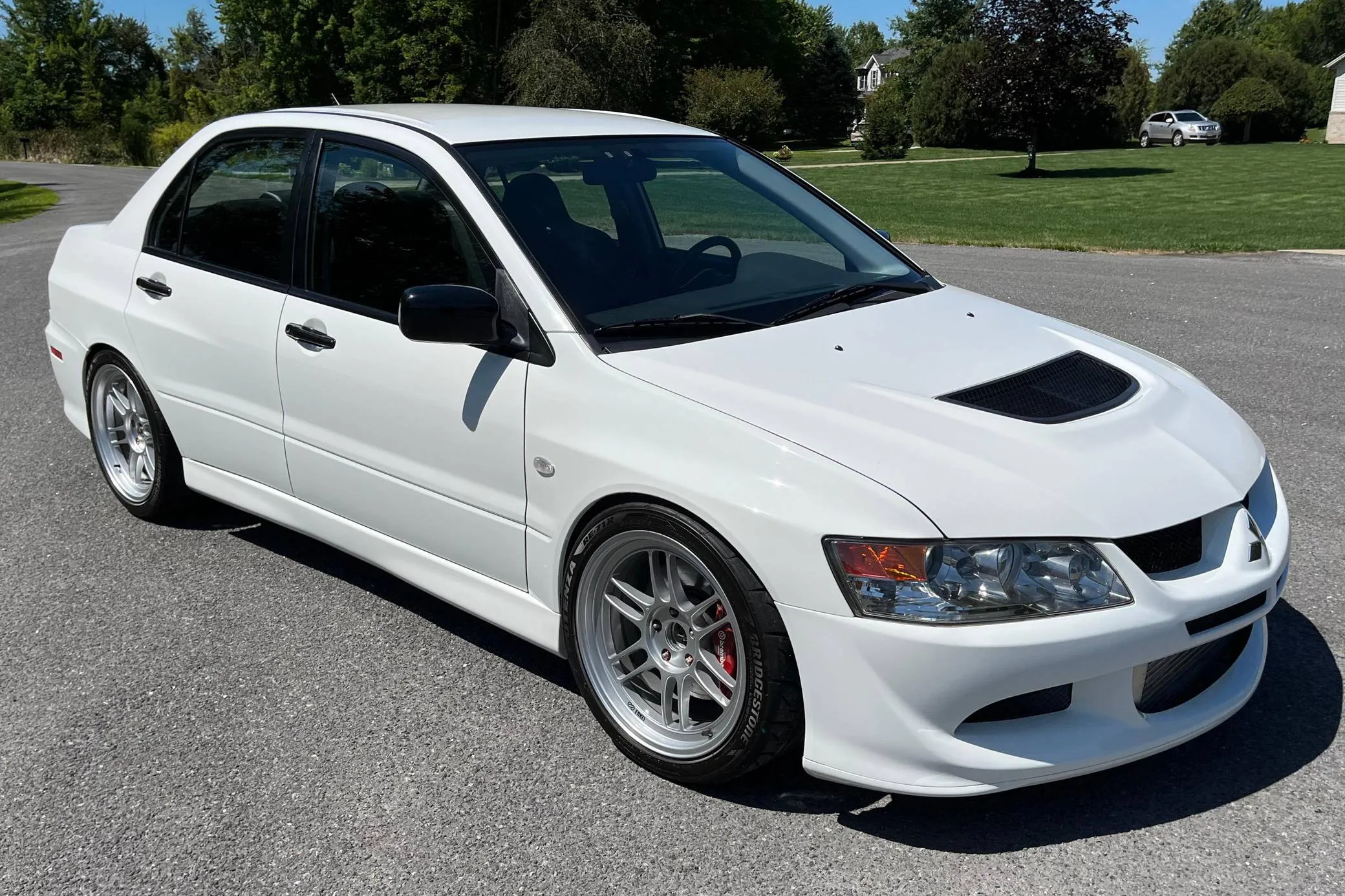
3. Mitsubishi Lancer Evolution VIII/IX
Japanese performance sedans reached new heights with the Mitsubishi Lancer Evolution series. The eighth and ninth generations combined turbocharged engines, all-wheel drive, and advanced handling technologies into vehicles capable of competing with purpose-built track cars.
Driving these Evos provides a tactile understanding of balance, power distribution, and responsiveness uncommon in vehicles at their price point, making them treasures for enthusiasts seeking affordable thrills.
Depreciation has been steep due to a combination of shifting consumer tastes, high-performance stigma, and previous owners pushing the cars to their limits. Used market examples often fall well below original MSRP, giving new buyers access to rally-bred technology for surprisingly low cost.
These cars allow ownership of a fully capable AWD platform without the cost or rarity associated with similar European competitors. Engine tuning potential contributes to appeal. The 2.0-liter turbocharged four-cylinder engine produces strong output in stock form, while aftermarket options make huge performance gains achievable.
Driver engagement remains high whether using stock components or enhanced setups, preserving the connection to the road. The Evolution’s gearbox, steering, and braking system combine to reward careful inputs with immediate feedback.
Interior space balances performance with function. Seats are supportive for spirited driving, and controls are logically arranged, enabling drivers to focus on handling rather than navigation or infotainment. Although comfort and refinement are secondary to performance, the cabin remains functional for daily use or weekend adventures.
This combination of rally-inspired engineering, low cost, and track readiness makes the Lancer Evolution VIII and IX models excellent examples of how high-performance machines can become accessible to mainstream enthusiasts.
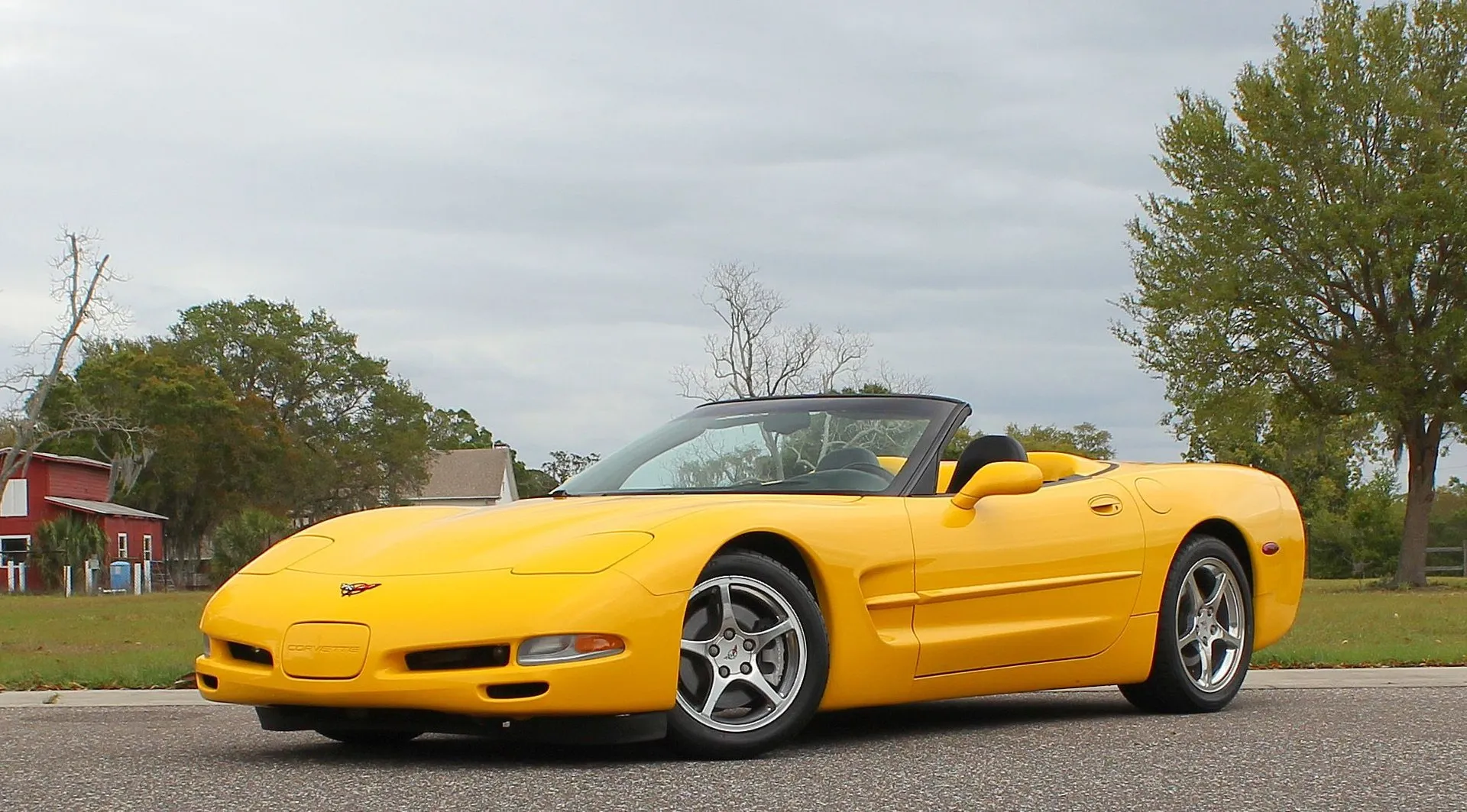
4. Chevrolet Corvette Z06 (C5, 2001-2004)
American muscle engineering achieved a new benchmark with the C5 Corvette Z06. Lightweight construction, LS6 engine power, and optimized suspension allowed track-level performance in a production car designed for enthusiasts. Braking performance, cornering balance, and aerodynamic efficiency created a package capable of challenging far more expensive vehicles in handling and acceleration.
Depreciation has rendered these vehicles approachable for buyers who value performance over badge prestige. Models that once cost upwards of $55,000 can now be obtained for a fraction of that, delivering track-ready V8 power without extraordinary investment. Owners gain access to a platform that rewards driving skill while remaining manageable for road and weekend track events.
Handling and power distribution were carefully engineered. Suspension geometry, chassis stiffness, and weight allocation produce predictably responsive behavior, giving drivers confidence when approaching limits.
The LS6 engine, with its high-revving capacity and torque, ensures strong acceleration across the speed range. Brakes are durable and designed to maintain performance under repeated high-speed usage, further supporting track applications.
The interior, while not extravagant, supports driver engagement. Controls are clearly positioned, and seating provides stability during spirited driving. Modern conveniences were minimized to save weight, reinforcing the car’s track-minded purpose while still allowing a comfortable environment for road travel.
Long-term ownership is enhanced by the Corvette’s aftermarket support and availability of replacement parts. Enthusiasts can maintain, tune, and repair these cars without extreme cost, ensuring continued access to high-performance driving. The C5 Z06 remains a compelling choice for buyers seeking shockingly affordable track-capable machinery.
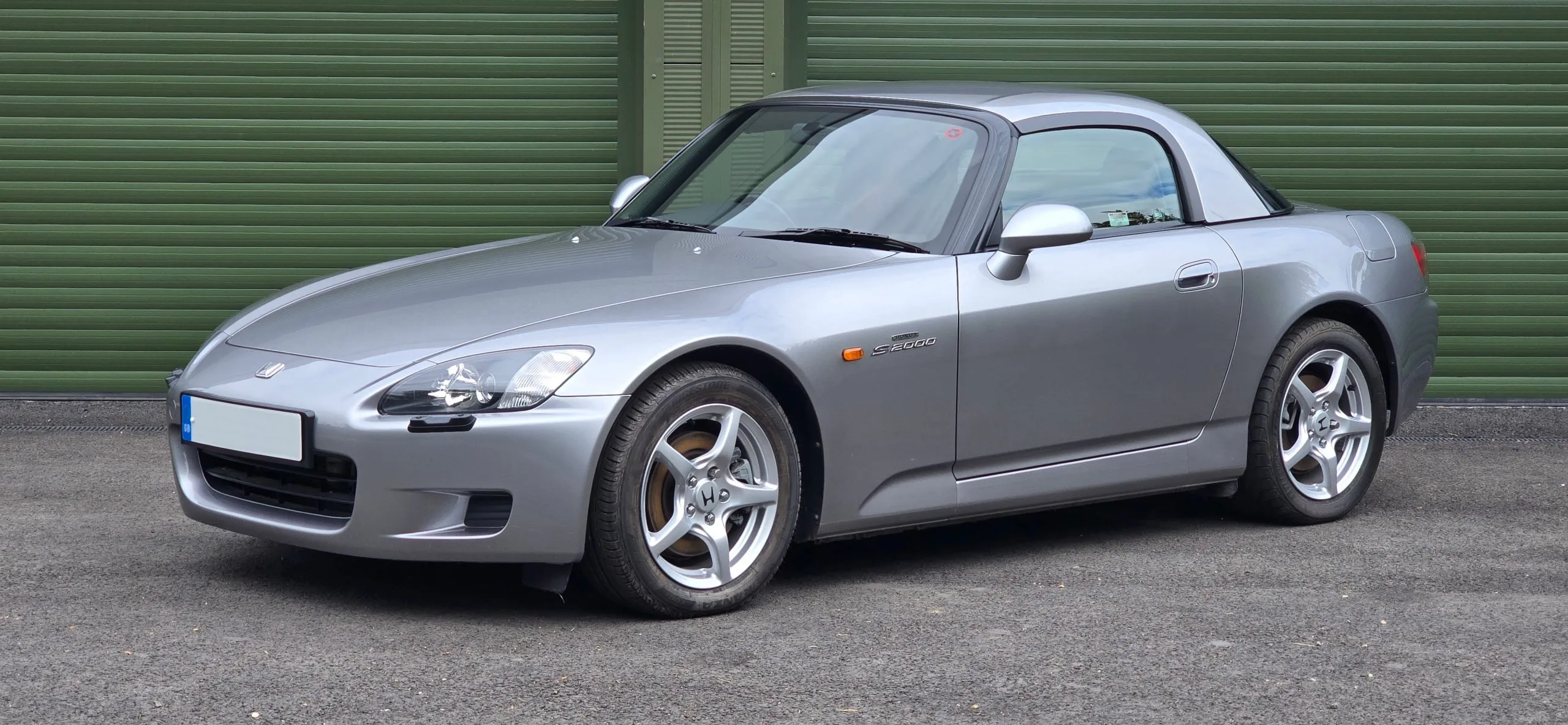
5. Honda S2000 (AP1/AP2)
Honda’s S2000 delivered one of the purest road-to-track experiences of its generation. High-revving naturally aspirated engines, precise steering, and a lightweight chassis combined to create an agile sports car that responds immediately to driver inputs. AP1 and AP2 models offered incremental refinements, with power output and handling adjustments enhancing their already sharp performance.
Depreciation made the S2000 surprisingly attainable for enthusiasts who previously could only admire the car from afar. Values fell due to limited practicality, stiff ride, and the vehicle’s hardcore focus on driving engagement. For buyers seeking a track-friendly car that rewards skill without huge financial risk, the S2000 now represents a prime opportunity.
Engine characteristics define much of the experience. High redline, smooth power delivery, and responsive throttle combine with a near-perfect weight distribution, creating an immersive driving experience. Transmission and clutch feel contribute to engagement, rewarding precise gear changes and allowing full enjoyment of the car’s performance envelope.
The exterior design hints at its capabilities without appearing ostentatious. Compact proportions, short overhangs, and clean lines suggest agility, while minimal weight encourages nimble handling. Drivers experience a machine built to communicate road conditions, encouraging skillful cornering and track-level confidence.
Interior focus emphasizes driver control. Supportive seating, clear instrumentation, and minimal distractions prioritize driving precision. Although modern conveniences are sparse, the S2000’s interior enhances rather than hinders engagement. Owning one today provides an opportunity to experience a focused sports car platform at a cost far below its original purchase price.
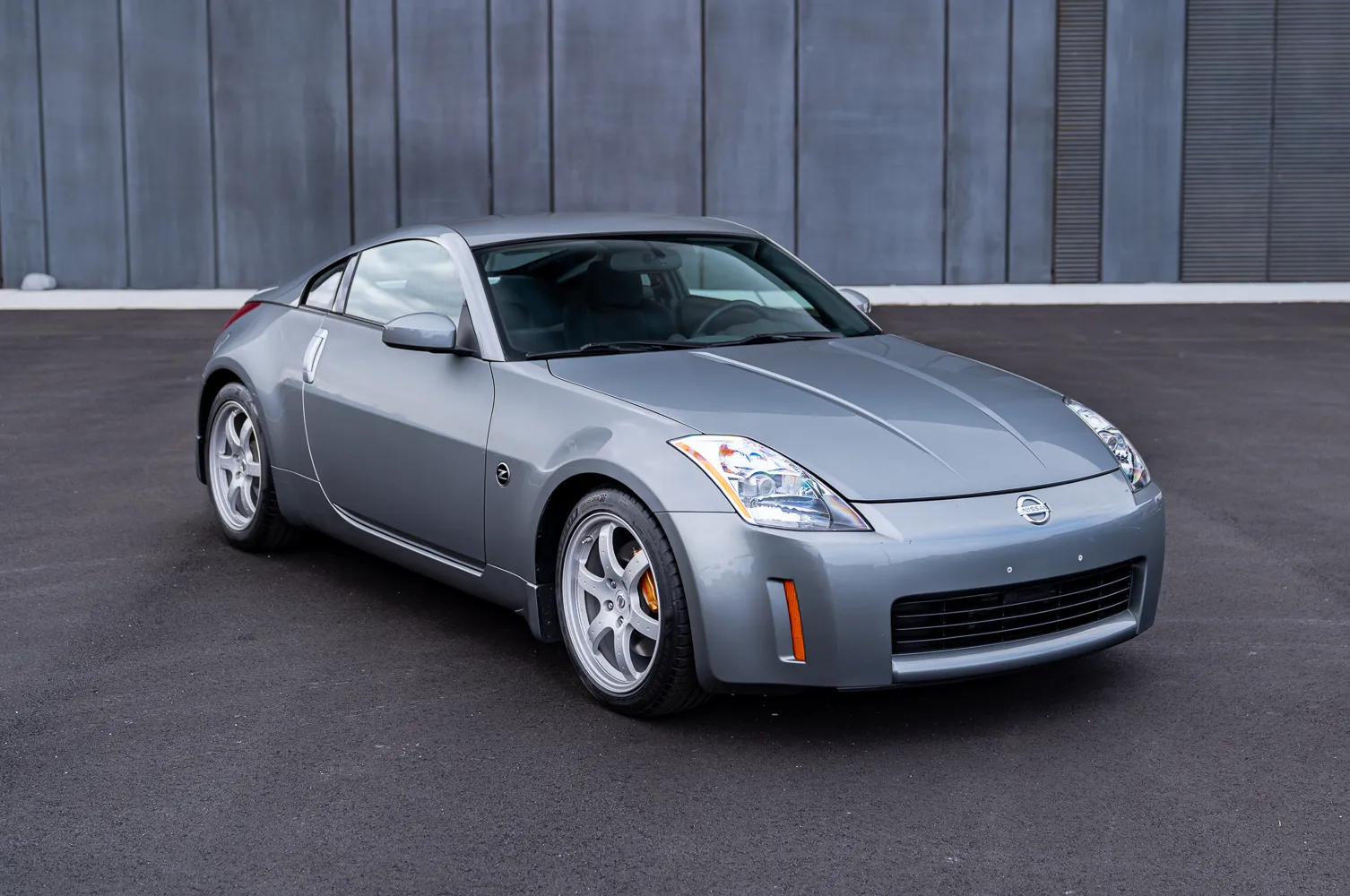
6. Nissan 350Z Track Edition/Nismo Z
Nissan’s 350Z, especially in Track Edition or Nismo variants, proved that affordable sports cars could deliver serious performance. Mid-2000s engineering focused on balance, rear-wheel-drive dynamics, and driver engagement.
The 3.5-liter V6 produced strong output, and chassis improvements in Nismo editions provided enhanced rigidity, suspension upgrades, and sharper steering calibration. These changes made cornering precise, braking predictable, and acceleration feel connected to driver intent.
Depreciation has positioned the 350Z Track Edition as an attainable entry into serious sports car ownership. Originally marketed toward enthusiasts, these cars have lost value due to their age, yet they maintain impressive capabilities for drivers willing to embrace their quirks.
The combination of a lightweight chassis and responsive drivetrain makes them ideal for track days or spirited canyon runs without a prohibitive price tag. Performance-focused modifications were factory-supported, allowing buyers to enhance the car further without requiring extensive aftermarket intervention.
Suspension tuning, brake upgrades, and aerodynamic improvements are integrated into the design, supporting high-speed stability and agility. Every mechanical element reinforces the platform’s focus on control, rather than outright horsepower numbers, creating a machine that feels communicative and alive at every turn.
Interior layout reflects the car’s driver-first philosophy. Supportive sport seats, simple controls, and a driver-oriented dashboard provide clarity and comfort without distraction. Minimal luxury components reduce weight and emphasize engagement, aligning with the vehicle’s track intentions while remaining functional for everyday driving.
Long-term ownership is aided by parts availability and aftermarket support. Enthusiasts can maintain these vehicles at a low cost while undergoing performance upgrades, ensuring the platform remains relevant for years.
The Nissan 350Z Track Edition demonstrates that well-engineered sports cars can become shockingly affordable while preserving thrilling, track-capable performance.
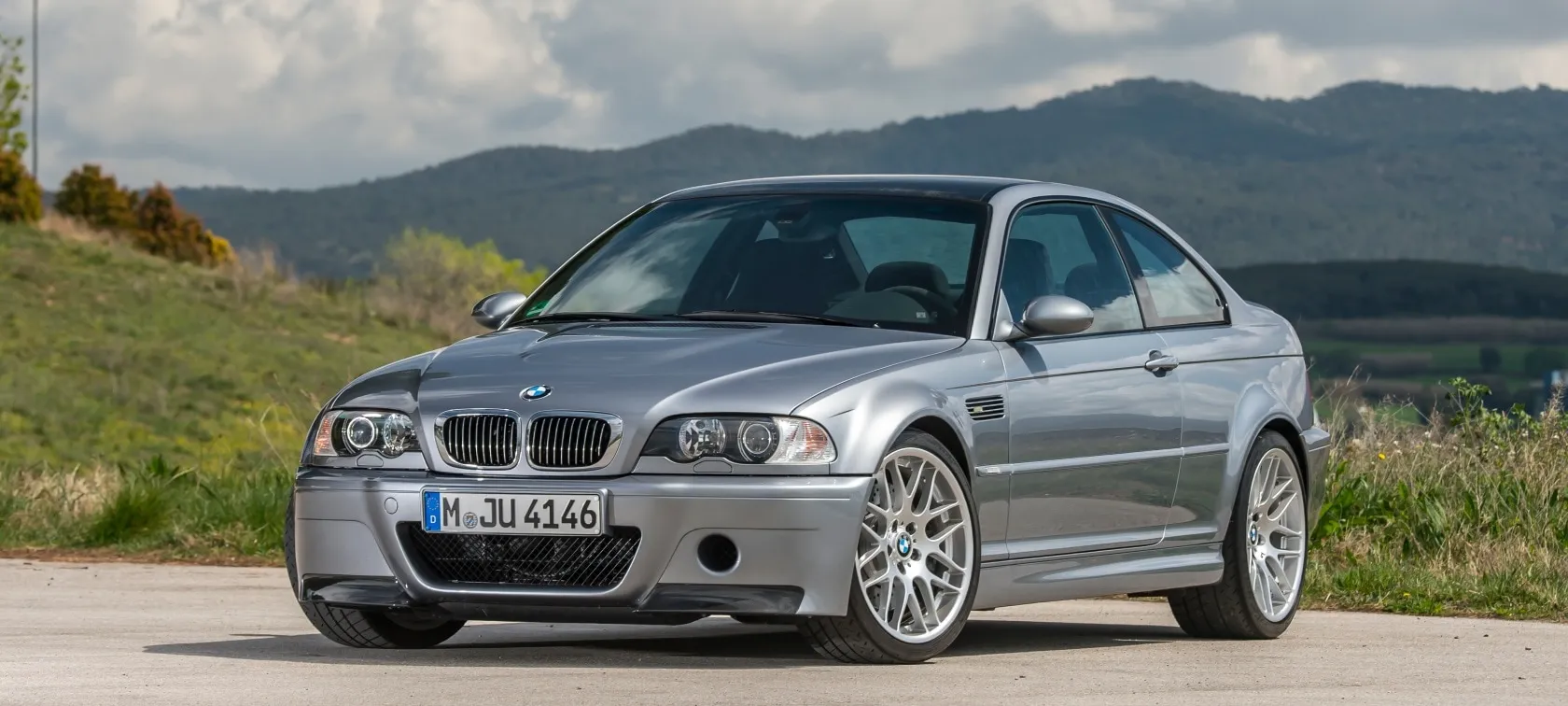
7. BMW M3 E46 CSL
BMW’s M3 E46 CSL elevated the brand’s performance pedigree by offering a lightweight, track-focused variant of an already exceptional sports car. Carbon fiber components, thinner glass, and a deliberately minimal interior reduced weight, resulting in a platform that emphasizes driver feedback above luxury.
Steering precision, suspension sharpness, and chassis responsiveness reached levels rarely matched, giving drivers a car where every input is rewarded immediately. Throttle modulation and brake feel contribute to an experience that blends excitement with mechanical clarity, ensuring each drive feels purposeful and engaging.
Depreciation has transformed the E46 CSL into an attainable option for enthusiasts who might have bypassed it when new. Limited production numbers enhance desirability, yet prices today remain within reach for buyers seeking a genuinely track-capable sports car.
Lightweight construction, coupled with race-inspired suspension tuning, allows the CSL to excel both on winding backroads and dedicated circuits, offering a rare combination of performance, usability, and mechanical purity. Owners can enjoy a car that communicates every nuance of driving while remaining approachable compared to contemporary high-cost European performance models.
Powertrain engineering emphasizes naturally aspirated performance. The 3.2-liter inline-six produces linear acceleration across the rev range, encouraging drivers to exploit high RPMs for maximum excitement. Exhaust acoustics, throttle response, and braking feedback are harmonized to deliver a fully immersive, mechanical driving experience.
The absence of excessive electronic intervention creates a tactile connection between car and driver that modern vehicles often fail to replicate. Each corner, acceleration, and braking maneuver is immediate, satisfying, and memorable, reinforcing the E46 CSL’s status as a driver-focused machine.
Chassis tuning enhances control and confidence. Reduced mass, reinforced suspension elements, and precise weight distribution result in stable cornering and sharp turn-in response. BMW engineered predictability into every dynamic aspect, rewarding skillful handling with consistent performance while still offering the thrill of pushing the car to its limits. Interior features reflect a purposeful design, with bucket-style seats, stripped-down panels, and driver-focused controls that minimize distractions.
Today, acquiring an E46 CSL provides access to a storied, track-ready platform celebrated for its balance, engagement, and driving purity. The combination of affordability, lightweight engineering, and mechanical excitement makes it one of the most rewarding used sports cars for enthusiasts seeking both performance and legacy.
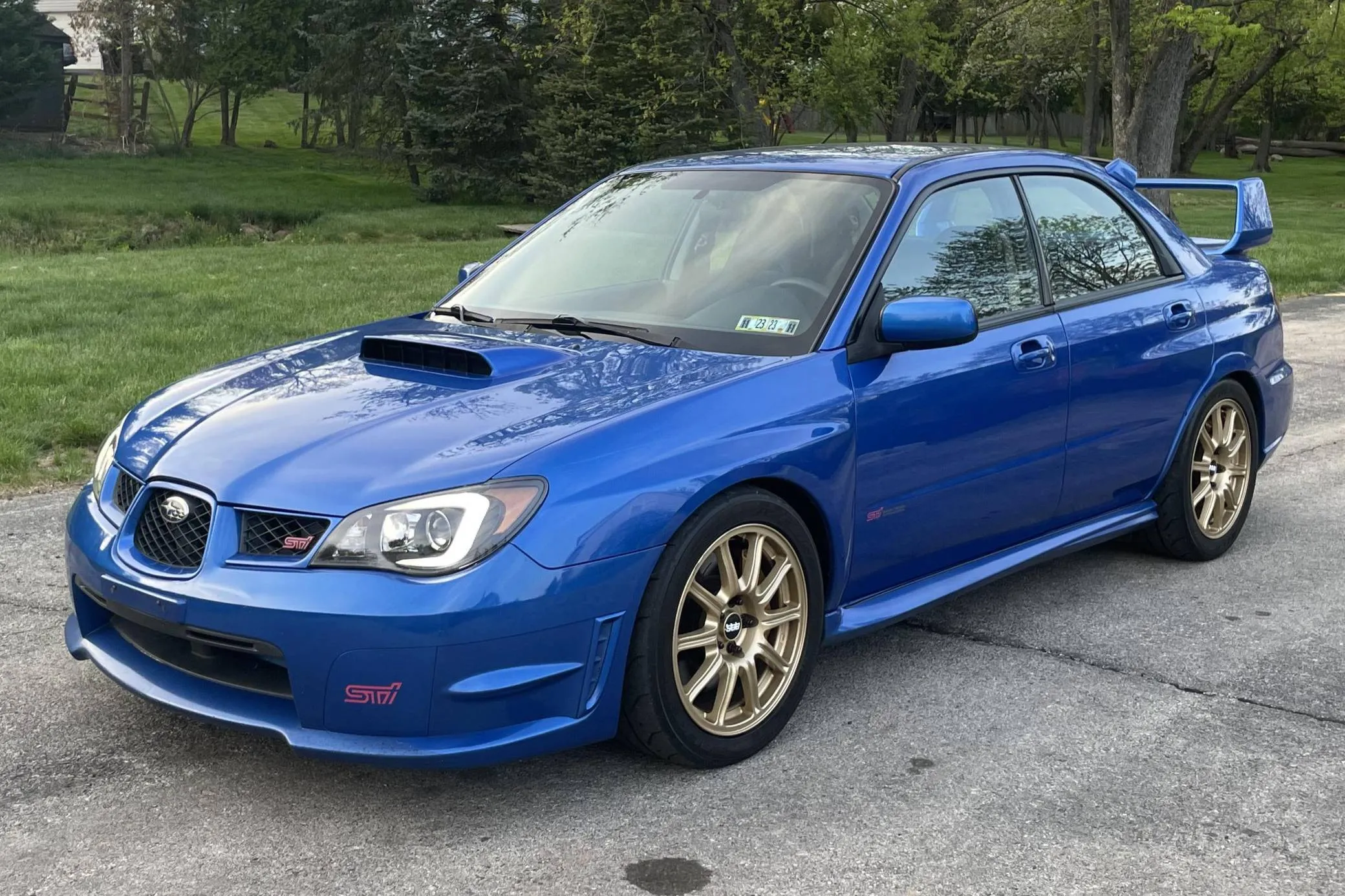
8. Subaru Impreza WRX STI (2006-2007)
Subaru’s WRX STI delivered rally-bred performance in a compact, usable package. Turbocharged engines, all-wheel-drive traction, and performance-tuned suspension created a vehicle that thrived in tight corners, sweeping bends, and high-speed straights alike.
Early 2006–2007 models offered improved turbo response, aggressive braking, and chassis rigidity designed for spirited driving, whether on track days or winding roads. Drivers instantly notice the precision in steering, the immediate delivery of power, and the confidence inspired by the all-wheel-drive system, all of which combine to make even ordinary roads engaging.
Market depreciation has transformed these vehicles into attainable platforms for enthusiasts. Cars that originally commanded high prices have become surprisingly affordable, offering AWD, turbocharged performance, and rally-inspired handling without requiring a supercar-level budget.
Owners gain a versatile car capable of thrilling acceleration, sharp cornering, and controlled high-speed maneuvers, while remaining practical enough for daily commuting or weekend driving adventures. This combination of performance and usability is part of why the WRX STI continues to attract a passionate following.
Mechanical reliability complements its performance pedigree. Subaru’s engine engineering, reinforced transmissions, and drivetrain robustness allow owners to push limits without excessive concern for failure, though diligent maintenance remains critical.
The tuning strikes a careful balance between power delivery and traction, encouraging drivers to refine their technique in dynamic situations. Suspension and braking systems respond predictably to both subtle and aggressive inputs, enhancing confidence in every turn.
Driver engagement is further enhanced by tactile feedback. Pedal response, steering weight, and suspension behavior communicate road conditions in real time, fostering a skill-based driving experience. Interior design prioritizes functionality over luxury, with supportive sport seats, logically placed controls, and excellent visibility that ensures the driver can remain focused during aggressive maneuvers.
The WRX STI continues to serve as a benchmark for accessible, all-wheel-drive performance. Its blend of rally-inspired engineering, affordability, and enthusiast-friendly dynamics creates a rare opportunity for drivers to experience high-performance thrills without high cost.
For budget-conscious enthusiasts, the 2006–2007 WRX STI provides a compelling mix of excitement, practicality, and raw driving engagement.
Also Read: 10 Coolest Police Cars Ever Featured on Screen
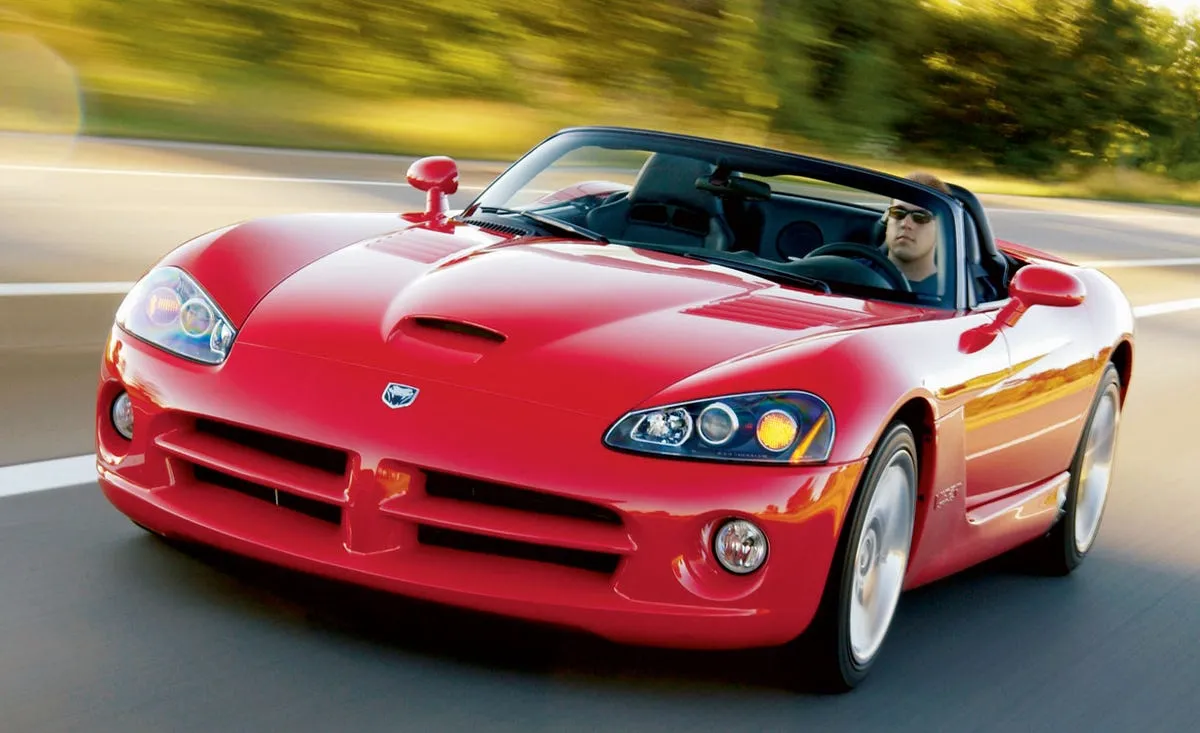
9. Dodge Viper SRT-10 (2003-2006)
The Dodge Viper SRT-10 combined brute force with aggressive styling, creating a machine that demanded respect on tracks and roads alike. Its massive 8.3-liter V10 engine, rear-wheel-drive layout, and minimal electronic aids emphasized raw performance over driver assistance.
Drivers needed precision and attentiveness, as every input translated directly into motion. Acceleration felt explosive, cornering required focus, and braking demanded timing, creating a visceral connection between man and machine that few production cars could replicate.
Depreciation in this segment has been dramatic, transforming a car that was once a costly exotic into a surprisingly attainable supercar. Vehicles from the early 2000s now reach enthusiasts with high horsepower desires at prices far below original MSRP.
This change opens the door for those who crave unfiltered driving experiences, offering a V10 powerhouse that challenges the driver and rewards skillful handling. Owning one today combines rare power with a unique automotive experience, creating a distinct thrill unmatched in modern sports cars.
Engineering precision underpins the Viper’s capabilities. Lightweight body panels, wide performance tires, and carefully calibrated suspension components provide stability while accentuating agility.
Steering feel is raw and communicative, while braking performance remains robust even under aggressive use. Throttle response is immediate, leaving no room for hesitation, and every dynamic element of the car demands engagement, cultivating a relationship between car and driver that few modern vehicles achieve.
Interior design reflects purpose-driven priorities. Sparse instrumentation, supportive racing-inspired seats, and a cockpit centered on tactile feedback ensure that drivers remain immersed in the experience.
Comfort is secondary to performance, yet ergonomic placement of controls maintains functionality during spirited driving or track sessions. Long-term ownership is supported by strong aftermarket availability, allowing enthusiasts to maintain or enhance performance without excessive expense.
Today, the Dodge Viper SRT-10 demonstrates that extreme performance does not have to remain financially out of reach. Its raw power, thrilling dynamics, and engaging nature reward drivers willing to respect its capabilities, cementing the SRT-10 as one of the most exhilarating and surprisingly affordable track-focused machines from its era.
