Reno is a beautiful place to drive, but its hot summers and higher elevation can be tough on many cars. Engines work harder in thin air, cooling systems must stay strong, and older or poorly designed models often struggle.
Some cars are built with reliable cooling systems and engines that handle heat well, while others tend to overheat, especially when pushed on long climbs.
This article explains five cars that perform well in Reno’s heat and elevation, and five that commonly struggle. The goal is to help drivers choose a vehicle that stays cool, safe, and dependable in harsh conditions.
5 Cars That Handle Reno Heat & Elevation Well
Reno, Nevada, isn’t your typical city when it comes to driving challenges. Nestled at around 4,500 feet above sea level, it combines scorching summer temperatures with thin mountain air that can sap engine performance.
For locals and road-trippers alike, having a car that can handle both the heat and elevation is more than a convenience, it’s a necessity. From city streets to winding highways and nearby mountain passes, certain vehicles are built to perform reliably under these conditions without sacrificing comfort, power, or efficiency.
In this guide, we’ll highlight five cars that thrive in Reno’s heat and high-altitude environment, ensuring you stay cool behind the wheel while enjoying responsive performance in the Sierra Nevada region.
1) Toyota 4Runner
The Toyota 4Runner has built a strong reputation as a dependable SUV that can handle tough conditions without trouble. Many drivers choose it because it performs well in heat, on steep climbs, and on long road trips. Its design focuses on strength, reliability, and long-lasting performance.
One of the main reasons the 4Runner stands out is its powerful and durable V6 engine. This engine is designed to stay cool even when pushed hard, which is important for people who drive in hot areas or at higher elevations. It rarely overheats.
The cooling system in the 4Runner is built to manage heavy workloads. The large radiator, strong water pump, and efficient airflow help the engine stay at a safe temperature. This makes the SUV more dependable when climbing mountains or driving in summer heat.
Unlike many modern crossovers, the 4Runner uses a body-on-frame design, which is similar to a truck. This gives it extra strength for off road driving and also helps the engine stay cool. The open and sturdy design allows better airflow through the engine bay.
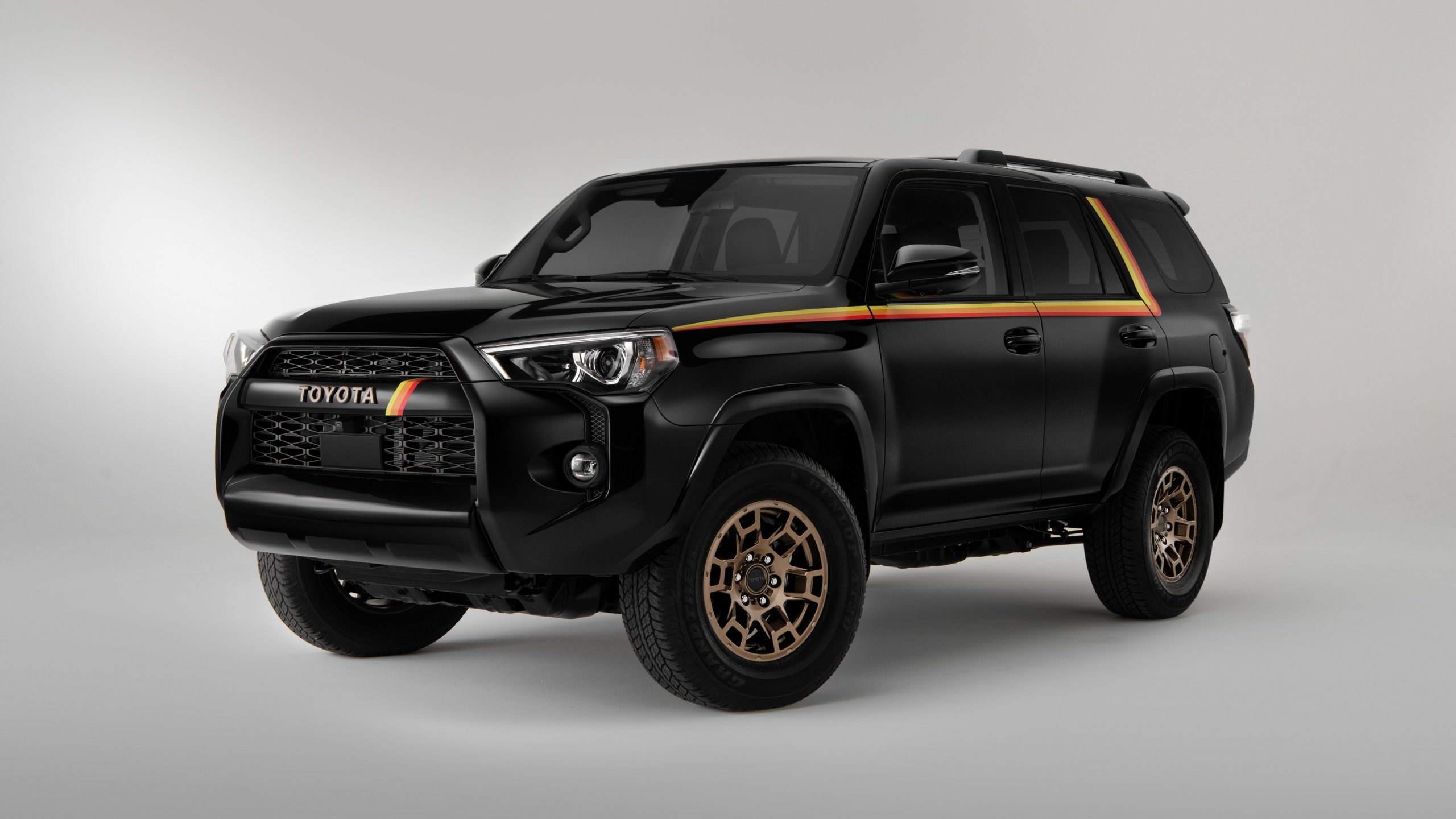
The 4Runner is also known for its smooth performance on long uphill drives. Whether you are traveling through desert heat or mountain roads, the engine maintains steady power. Drivers often say the SUV feels confident and stable even when the road becomes challenging.
Another benefit of the 4Runner is its reliability over many years. Owners often keep their vehicles for a very long time because they trust the engine and cooling system. The SUV is less likely to face sudden overheating problems compared to many other models.
Maintenance on the 4Runner is simple and easy. Basic tasks like coolant changes, filter replacements, and routine checks help the SUV stay in great condition. Because the parts are strong and long lasting, the cost of upkeep is usually reasonable for most owners.
2) Subaru Outback
The Subaru Outback is well known for its ability to handle different climates and road conditions without trouble. Many drivers choose it for mountain regions and hot areas because the engine stays steady, the cooling system works well, and the car feels confident on long climbs.
One key strength of the Outback is its balanced Boxer engine. This engine design keeps the center of gravity low and allows better airflow around the cylinders. Because of this layout, heat spreads out more evenly, reducing the chances of overheating during tough drives.
The cooling system in the Outback is built to work consistently even when the temperature rises. Subaru uses a wide radiator and strong coolant flow to keep the engine stable. This is helpful for people who drive through hot summers or climb steep roads regularly.
Another benefit of the Outback is its smooth performance at higher elevations. Thin air can make engines work harder, but the Outback adjusts its fuel and air mix automatically. This keeps the power delivery steady and prevents the engine from struggling on mountain passes.

The Outback’s standard all-wheel-drive system also plays a part in keeping the car cool. By spreading power across all four wheels, the engine does not need to work as hard. This reduces heat buildup and helps the vehicle stay calm in warm weather.
The transmission in the Outback is designed for long-distance comfort. When climbing or towing, the transmission fluid can heat up, but Subaru includes good cooling channels that maintain safe temperatures. This makes the car dependable on long trips through hilly areas.
Drivers often say the Outback handles long road trips extremely well. Even when loaded with passengers or gear, the engine maintains its temperature with ease. Its cooling parts are durable, meaning fewer issues and less risk of sudden overheating on the road.
Maintenance for the Outback is simple, and keeping the cooling system healthy is easy. Regular coolant checks, hose inspections, and timely service keep the car running smoothly for many years. Many owners praise its long-term reliability in different climates.
3) Honda CR-V
The Honda CR-V is a dependable compact SUV that performs well in different weather conditions, especially in hot areas and higher elevations. Many drivers trust it because of its stable engine temperature, strong cooling design, and smooth performance on long and steep road climbs.
One of the biggest strengths of the CR-V is its efficient four-cylinder engine. This engine runs cooler than larger engines and is designed to use fuel wisely. It does not create unnecessary heat, which helps it avoid overheating even on warm summer days.
Honda builds the CR-V with a well-designed radiator that keeps temperatures stable. The coolant moves quickly through the system, helping the engine release heat before it becomes a problem. This makes the CR-V reliable for drivers who travel through deserts or mountain regions.
Another helpful feature is the CR-V’s electric fan system. These fans respond fast when engine temperatures rise, pulling in fresh air to keep things cool. This quick reaction helps the car stay stable during slow climbs or when stuck in heavy traffic under hot sunlight.
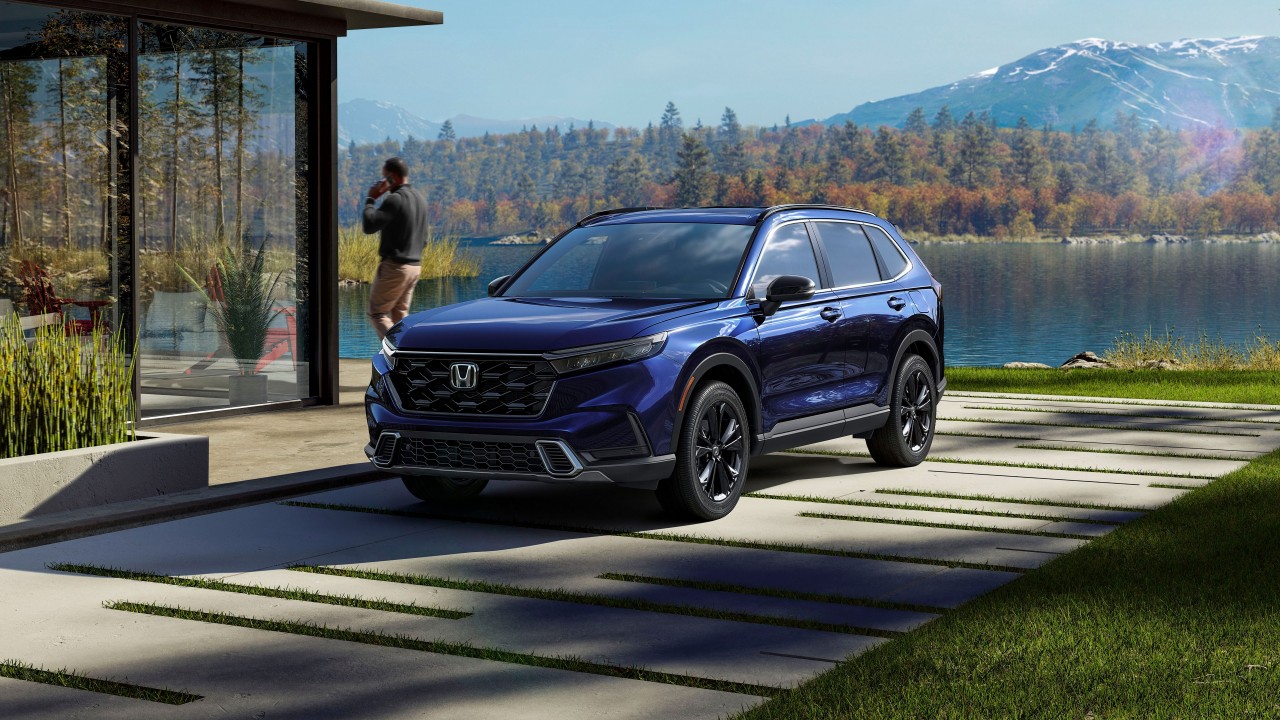
The CVT transmission found in newer CR-V models also works efficiently to manage heat. Honda uses smart cooling channels that reduce stress during long uphill drives. This prevents the transmission from warming up too much, keeping the car smooth and safe to drive.
High-elevation driving can cause engines to lose power, but the CR-V handles this well. The engine control system adjusts airflow and fuel delivery so the vehicle maintains steady performance. This helps the CR-V stay strong on mountain highways or hilly rural roads.
Drivers appreciate the CR-V for its comfort on long drives. Even with a full load of passengers or luggage, the engine maintains a normal temperature. This makes the vehicle suitable for families, commuters, and travelers who drive in different environments throughout the year.
4) Ford F-150
The Ford F-150 is one of the most trusted trucks for driving in hot climates and high elevations. It is built for hard work, long trips, and heavy towing, which means its engine and cooling system are strong enough to handle tough road conditions without overheating.
One major advantage of the F-150 is its variety of powerful engines. Whether it uses a V8 or an EcoBoost turbo engine, the truck is designed to stay cool under pressure. These engines manage heat well, even when carrying heavy loads or climbing long hills.
Ford gives the F-150 a large and efficient radiator that improves heat control. It pushes coolant through the system quickly, removing heat before it becomes a problem. This makes the truck highly dependable during summer months, desert travel, or long uphill drives.
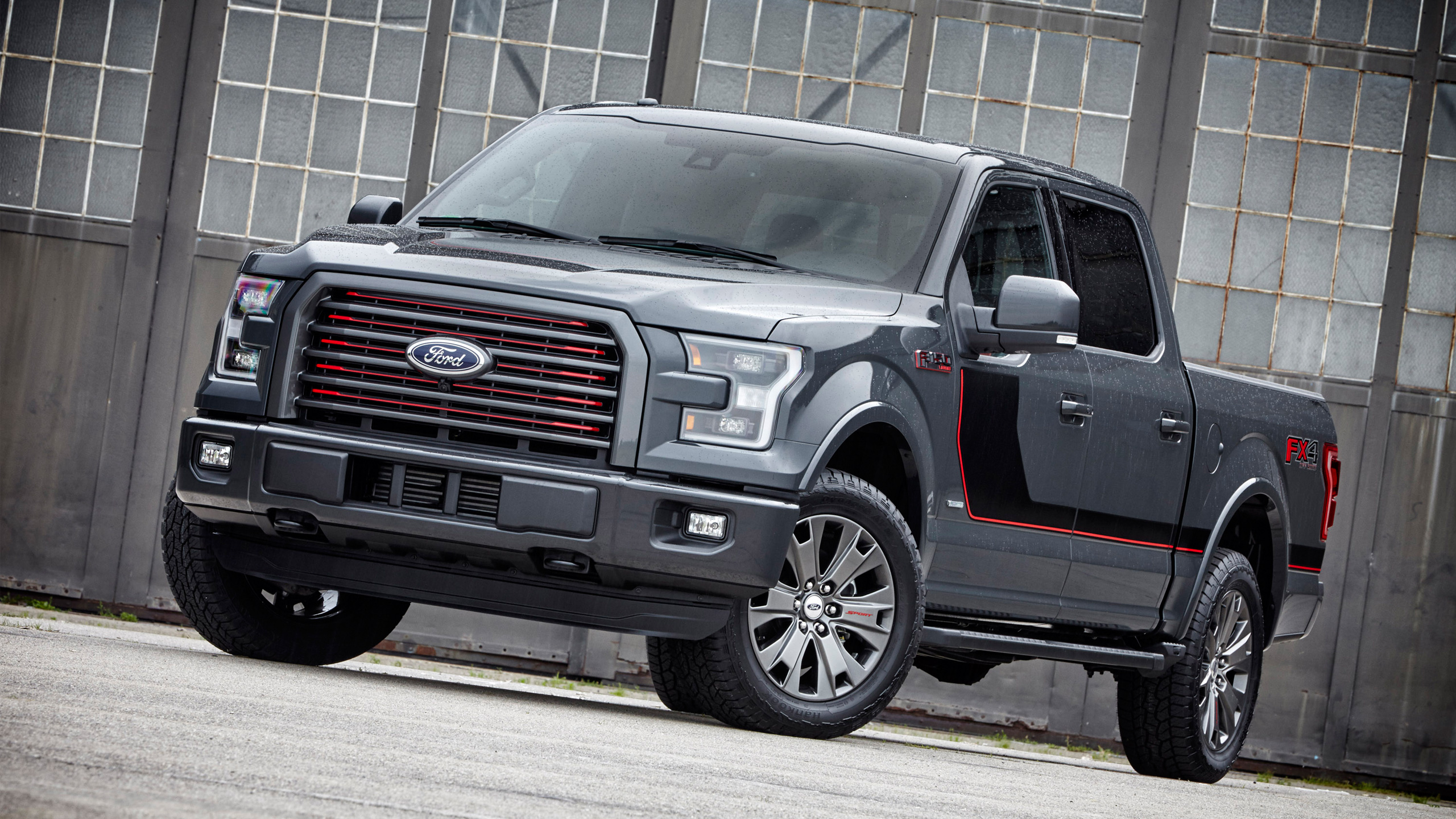
Turbocharged EcoBoost models also perform well at higher elevations. Turbos help engines breathe better in thin air, giving the truck strong power even on steep mountain roads. While many vehicles lose strength in higher places, the F-150 remains steady and responsive.
The transmission cooling system is another important strength. Towing or climbing can cause the transmission to heat up, but Ford includes strong cooling channels and external coolers in the F-150. This prevents overheating and keeps the truck performing smoothly during demanding tasks.
Drivers appreciate how stable the F-150 feels during long-distance travel. Even when pulling trailers or hauling equipment, the temperature remains controlled. This gives owners confidence that the truck will not fail in extreme heat or during long road trips through elevated regions.
The F-150 also benefits from excellent airflow. The large grille pulls in a steady stream of air, helping cool the engine, turbo, and transmission. This airflow design allows the truck to handle slow climbs, off-road conditions, and heavy traffic without rising to unsafe temperatures.
5) Toyota Camry
The Toyota Camry is one of the most dependable sedans for driving in hot climates and higher elevations. Even though it is not an SUV or truck, the Camry manages heat extremely well. Its smooth engine, efficient cooling system, and reliable design make it a trusted everyday vehicle.
One key reason the Camry performs well is its well-balanced four-cylinder and V6 engine options. Both engines are built to run cool and steady. They do not generate excessive heat, even during long highway drives, uphill climbs, or daily use in hot temperatures.
Toyota uses a highly efficient cooling system in the Camry. The wide radiator, strong coolant flow, and responsive fans help the engine stay at the right temperature. This reduces stress on the engine and prevents overheating during the warmest summer conditions.
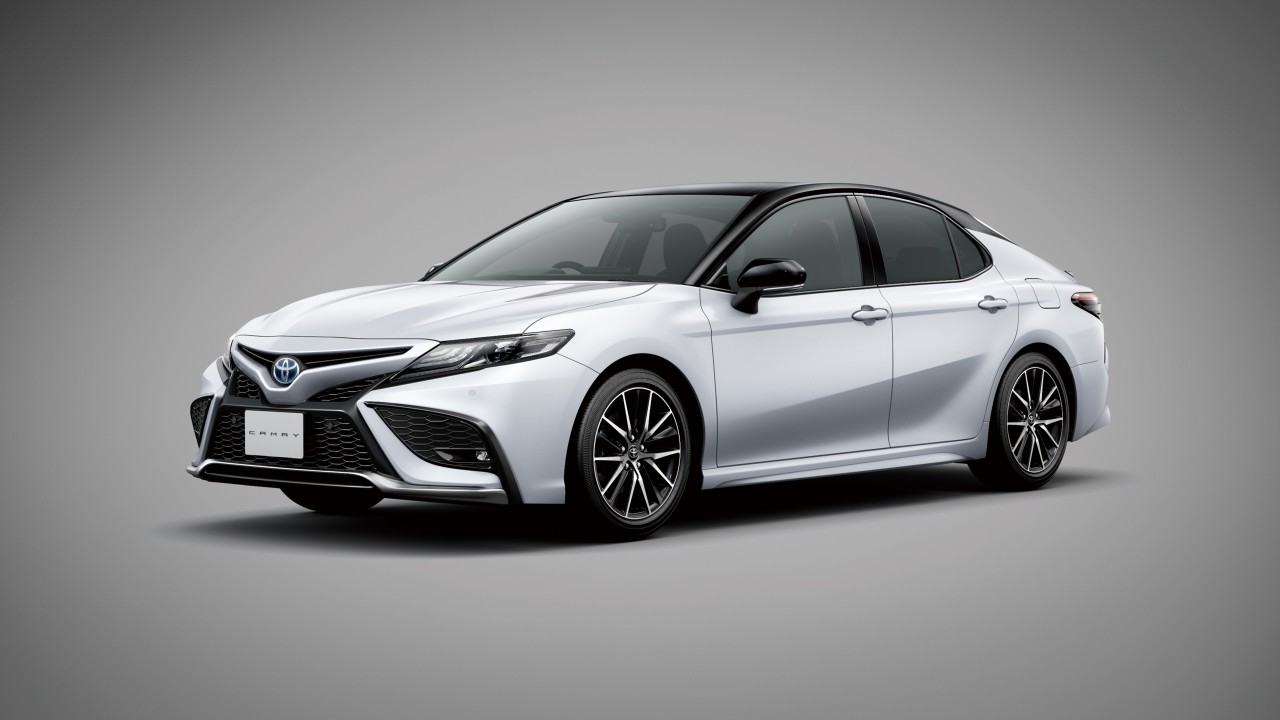
At higher elevations, the Camry adjusts smoothly to thinner air. Its engine control system changes the fuel and air mixture automatically. This allows the car to maintain power and avoid struggling on mountain roads or steep grades that test weaker engines.
The Camry’s transmission also supports steady performance in heat. Toyota designs its transmissions with cooling channels that lower heat buildup during long drives. This is especially helpful when climbing hills or traveling through hot city traffic where airflow is limited.
Drivers often appreciate the Camry for its consistent performance on long trips. Even when carrying passengers or luggage, the car keeps a stable temperature. The smooth engine operation makes the ride comfortable and reduces the chances of overheating problems on the road.
Another advantage is the Camry’s durable engine parts. Toyota uses strong materials and high-quality components that resist wear and corrosion. This allows the cooling system to stay reliable for many years, giving owners confidence during daily commutes or hot-weather travel.
5 Cars That Commonly Overheat in Reno Conditions
Some cars simply aren’t equipped to cope with thin mountain air, scorching summer heat, and long highway drives to the Sierra Nevada. Overheating engines, fading performance, and stressed cooling systems can quickly turn a pleasant drive into a roadside headache.
In this guide, we’ll look at five cars that commonly struggle under Reno’s extreme conditions, helping drivers make smarter choices when it comes to staying reliable and cool behind the wheel.
1) Jeep Wrangler
Older Jeep Wrangler models are loved for their rugged style and off-road ability, but they often struggle with heat, especially during long climbs or high temperatures. Many owners notice rising engine temperatures on hot days, making these Wranglers less dependable in harsh driving conditions.
One main reason older Wranglers overheat is their small and less efficient radiator. The radiator struggles to release heat quickly enough, especially when the engine is under stress. Steep roads, dusty trails, and slow crawling can all cause temperatures to rise quickly.
The older 4.0-liter inline-six engine, although strong and long lasting, produces a lot of heat. When combined with limited airflow, this can push the cooling system beyond its comfort zone. This becomes more noticeable during summer driving or long, slow off-road climbs.
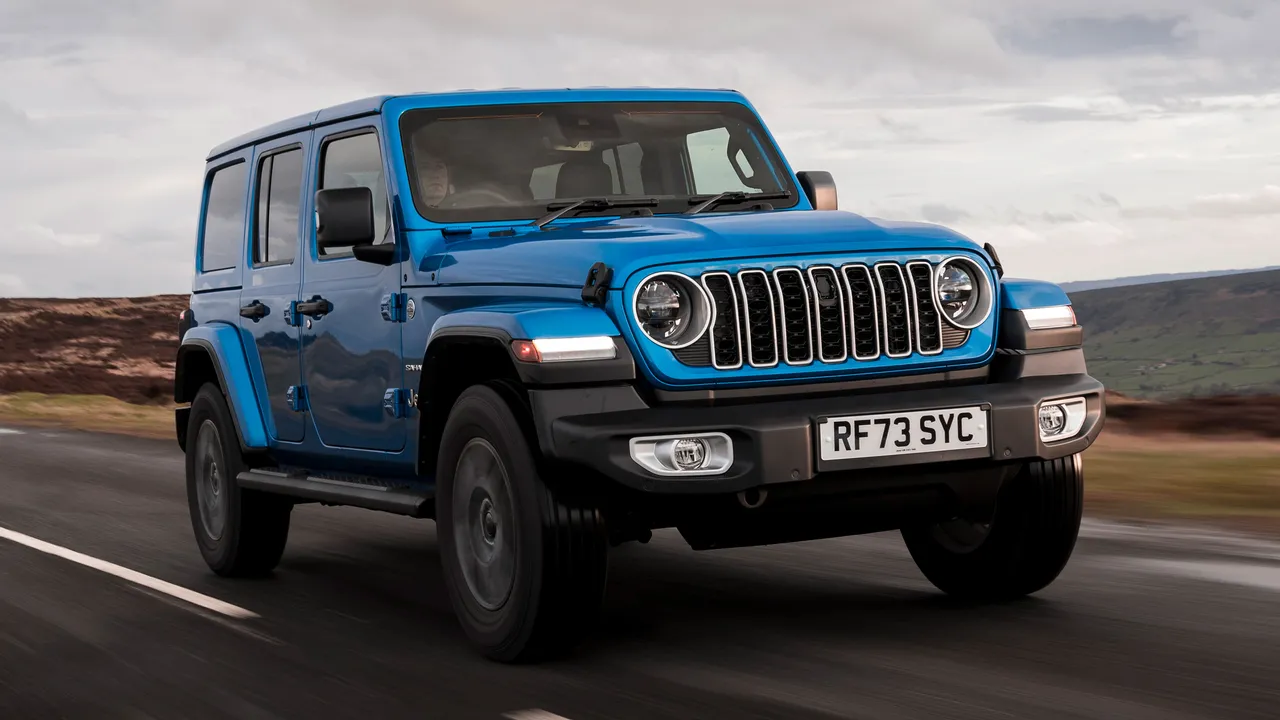
Another issue is the airflow design in older Wranglers. The narrow grille restricts the amount of cool air reaching the radiator. Off-road driving also creates slow speeds, reducing airflow even more. As a result, heat builds up faster than the system can remove it.
The cooling fan setup in older models can add to the problem. Many Wranglers from past decades used mechanical fans, which do not adjust quickly to changing temperatures. This delay makes the engine heat up during tough climbs or when the vehicle is heavily loaded.
Transmission heat is another concern, especially for automatic models. Long hill climbs or towing can warm the transmission fluid quickly. Because older Wranglers have limited cooling support for the transmission, this added heat can contribute to engine temperature problems.
Many owners try to reduce overheating by upgrading parts. Larger radiators, electric fans, and improved coolant hoses help control temperature better. However, without these upgrades, older Wranglers remain more likely to face overheating issues than many modern vehicles.
2) Mini Cooper
The Mini Cooper is popular for its small size, fun handling, and stylish design, but it is also known for overheating issues, especially in hot climates or high-elevation areas. The compact engine bay and sensitive cooling system make temperature control more challenging for this car.
One major reason the Mini Cooper struggles with heat is the tight space under the hood. The engine sits very close to other components, which reduces airflow. When airflow is limited, heat stays trapped, and this makes the engine warmer than it should be.
Another issue is the cooling system’s complexity. Many Mini Coopers rely on electric water pumps and smaller radiators. While these parts help save space, they can wear out quickly. When they do, the engine runs hotter, especially during long drives or steep climbs.
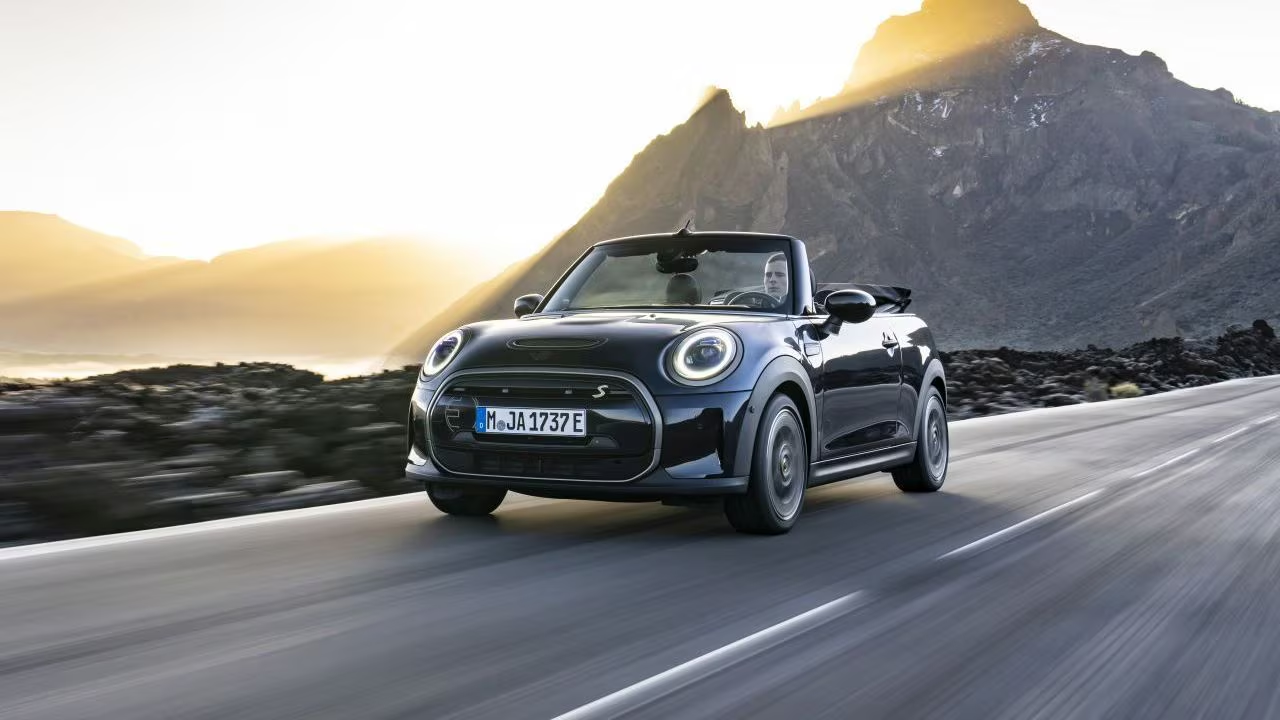
Turbocharged Mini Cooper models face even greater heat challenges. Turbos naturally create more warmth, and in a small engine bay, the temperature rises quickly. On hot summer days or during slow driving, the heat builds up and can cause the engine to overheat.
Traffic can also cause problems for Mini Coopers. Slow movement means less airflow through the grille, which reduces the radiator’s ability to cool the engine. On very hot days, this can quickly lead to rising temperature levels and warning lights for the driver.
Many owners report issues with coolant leaks, thermostat failures, and water pump breakdowns. These cooling parts tend to wear out sooner than expected. Without quick repairs, the engine becomes more vulnerable to overheating and potential long-term damage.
3) BMW 3 Series
The early 2000s BMW 3 Series is admired for its smooth handling and strong performance, but it also has a reputation for overheating problems. These models use cooling parts that wear out quickly, making them less dependable in hot weather or during long climbs at higher elevations.
A major weakness in these older BMWs is their plastic cooling components. The radiator, expansion tank, and some hoses are made from plastic that becomes brittle over time. When these parts crack or leak, the engine loses coolant and begins to overheat quickly.
Another common issue is the water pump, which often fails earlier than expected. Many early 2000s BMWs use pumps with plastic impellers. When these impellers crack, they stop circulating coolant properly, causing the engine temperature to rise, especially during warm weather.
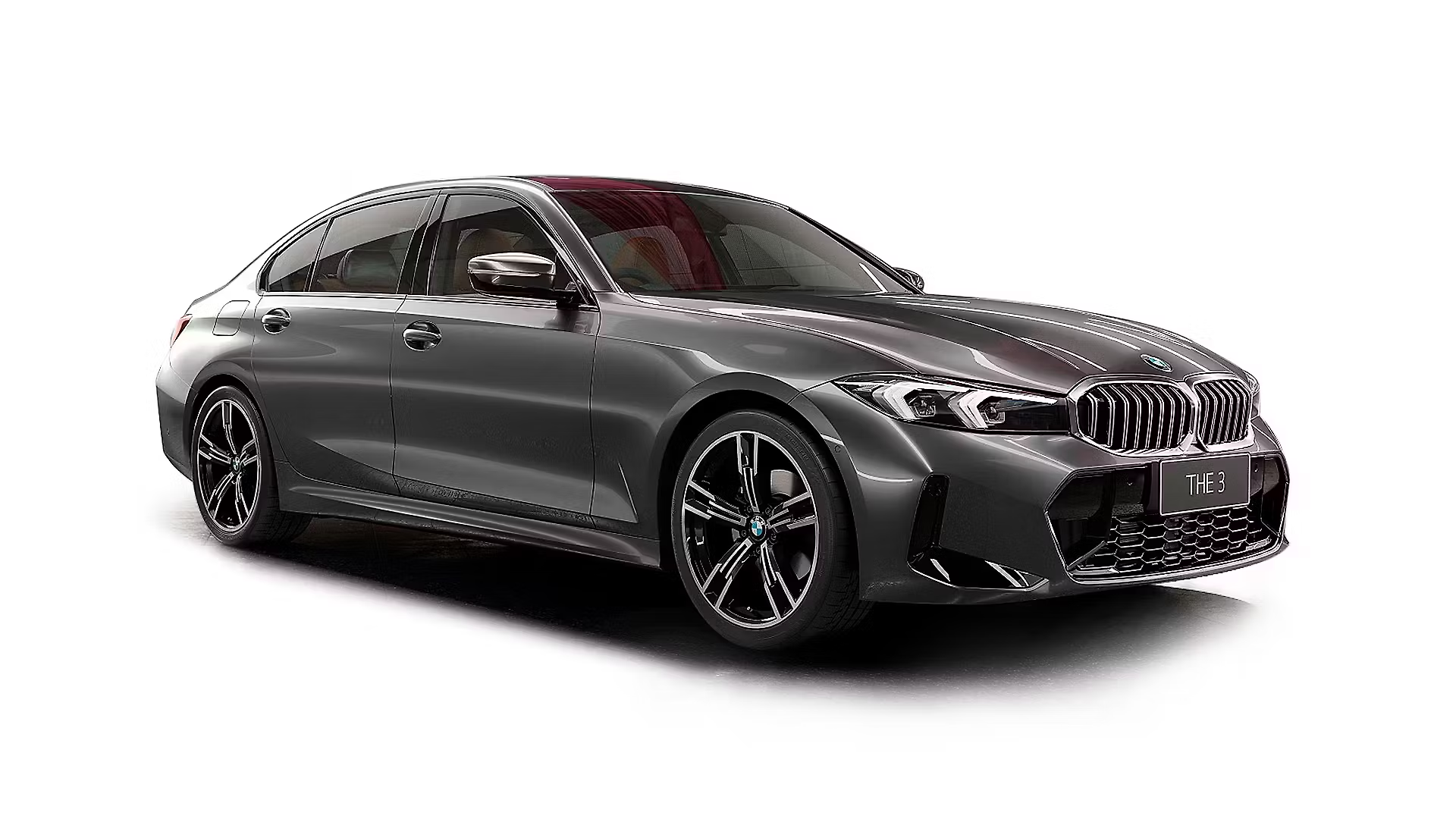
The thermostat in these models can also create problems. If the thermostat sticks closed, coolant cannot flow through the radiator. This often leads to sudden overheating, especially on long drives or steep mountain roads where the engine is working harder than usual.
These BMWs also have tight engine bays that trap heat. While the performance is excellent, the combination of strong engines and limited airflow makes temperature control difficult. Hot climates and stop-and-go traffic can push the cooling system to its limits.
Coolant leaks are another frequent problem. A small leak in the radiator, hoses, or expansion tank slowly lowers the coolant level. Even a slight drop makes these engines run hotter. Without quick repair, overheating happens easily and can lead to serious engine damage.
4) Volkswagen Passat 1.8T
The Volkswagen Passat 1.8T from older generations is well liked for its smooth ride and strong turbocharged engine, but it is also known for overheating problems. The combination of a turbo system, aging cooling parts, and tight engine space makes temperature control more difficult in hot or high-altitude areas.
One major issue is the small size of the turbocharged engine bay. The 1.8T engine produces extra heat because of the turbo, and the compact space around the engine reduces airflow. This trapped heat makes the cooling system work harder than it should.
Another common weakness is the coolant leaks that develop over time. Older Passats often experience leaks in the coolant flange, thermostat housing, or radiator. Even a small leak lowers coolant levels, and once the level drops, the engine becomes much more likely to overheat.
The water pump in these models is also known for early failure. Many older Passats used pumps with plastic impellers, which can crack or break. When this happens, coolant stops circulating properly, causing sudden temperature spikes, especially during long or steep drives.
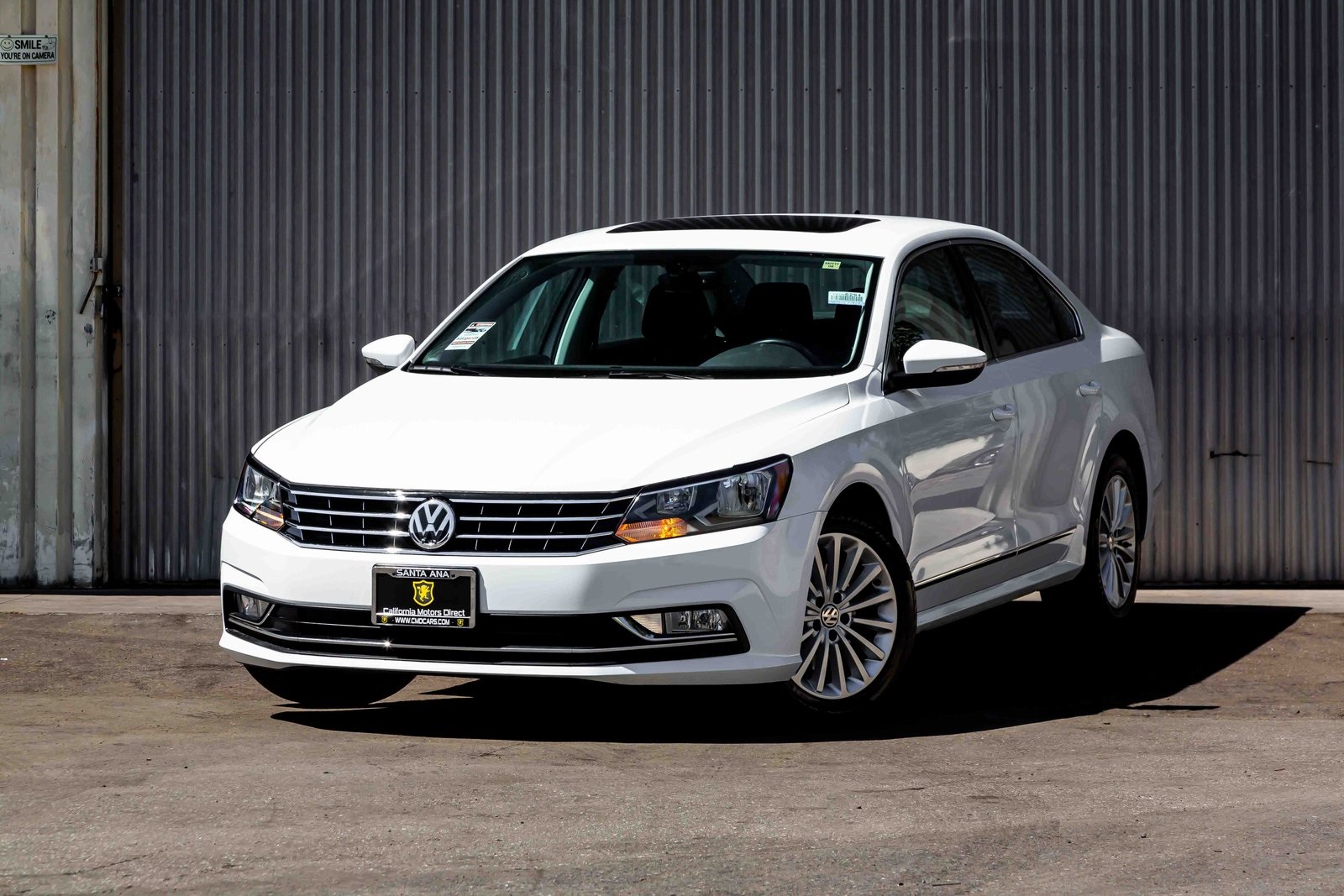
The turbocharger adds extra stress to the cooling system. Turbos run very hot, and when driving uphill or in warm weather, the temperature rises even more. Without perfect coolant flow, the engine struggles to stay cool, leading to frequent warning lights and overheating concerns.
High elevations can worsen these problems. In thin air, the engine and turbo must work harder to maintain power. This extra workload produces more heat, and the Passat’s small cooling system often cannot remove that heat effectively, especially during long mountain climbs.
5) Chrysler PT Cruiser
The Chrysler PT Cruiser is remembered for its unique shape and roomy interior, but it also became known for overheating problems, especially in hot climates or during long drives uphill. Many owners struggled with rising temperatures because the car’s design and cooling system were not very efficient.
One major issue with the PT Cruiser is the poor airflow in the engine bay. The front end is short and tightly packed, which limits the amount of air that can reach the radiator. With less air movement, the engine has a harder time staying cool.
The radiator itself is small compared to the heat the engine produces. When the car is driven in warm weather or heavy traffic, the radiator cannot release heat fast enough. This often causes temperatures to climb, especially during long summer trips or city driving.
The cooling fan assembly is another weak point. Many PT Cruisers experience fan motor failures. When the fan stops working, airflow drops sharply, and the temperature rises almost immediately. This problem is very common and often leads to sudden overheating.

The turbocharged versions of the PT Cruiser face even more heat challenges. Turbos create additional warmth, and in a cramped engine bay, this heat builds up quickly. Without strong airflow or cooling support, these models overheat faster than the non-turbo versions.
Coolant leaks are also common in aging PT Cruisers. Cracked hoses, worn-out water pumps, and failing thermostats all reduce coolant flow. Even small leaks can cause serious overheating because the system relies on steady pressure to keep temperatures stable.