Few things excite enthusiasts more than discovering cars that deliver supercar levels of acceleration without supercar prices. In a market where the Porsche 911 is often used as the benchmark for speed and prestige, it can be surprising to find a group of twin-turbo machines capable of beating it off the line while costing less than half as much.
Yet these cars exist, coming from a wide range of segments, showing that extreme performance is more accessible than ever. Some are luxury cruisers hiding immense power beneath polished interiors. Others are sharp two-door coupes or focused track specials built for drivers who crave response and intensity.
What ties them together is an ability to deliver remarkable straight-line speed backed by engineering that rewards both daily use and spirited driving. This collection highlights standout vehicles that prove thrilling acceleration no longer requires a six-figure investment.
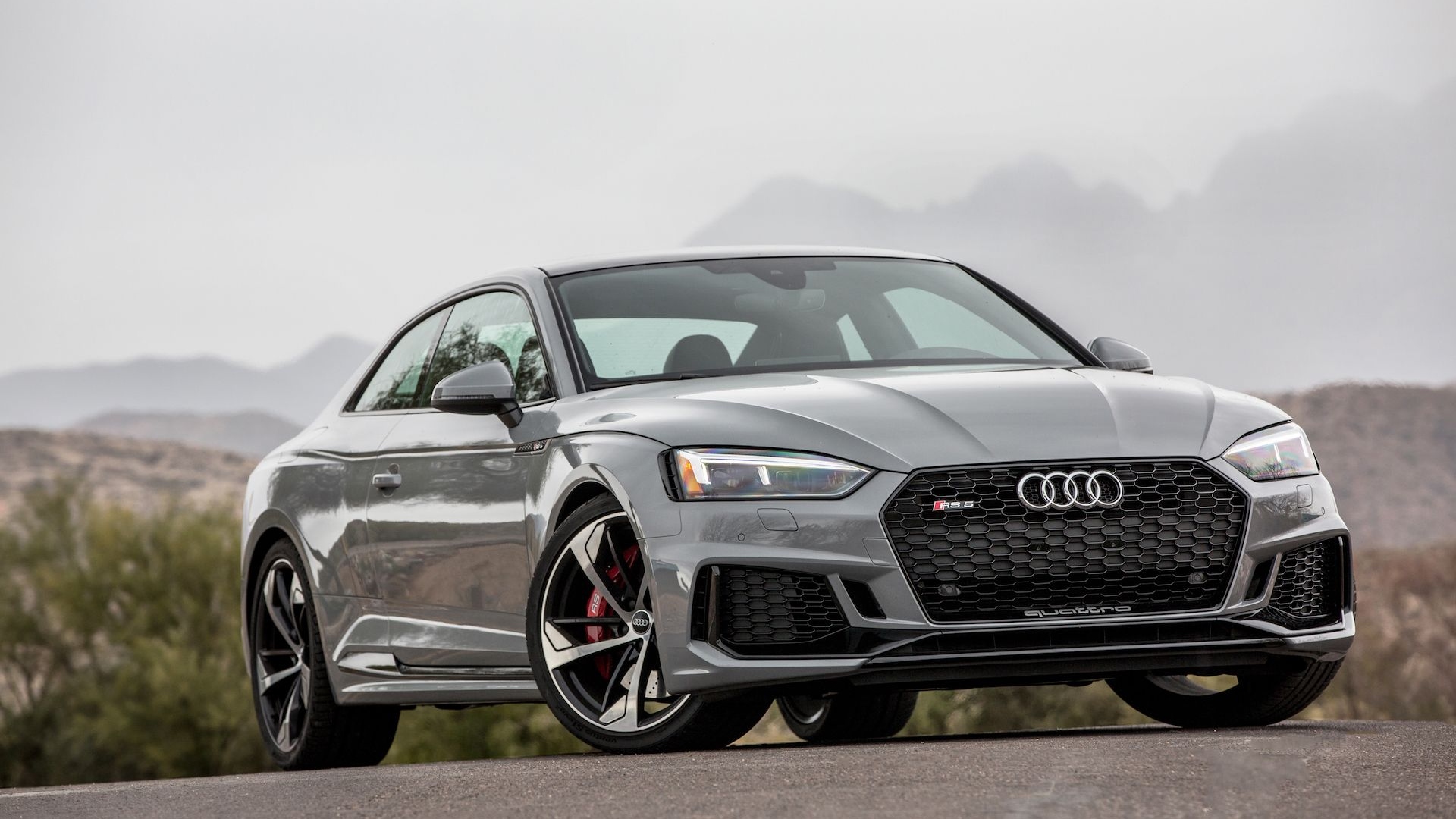
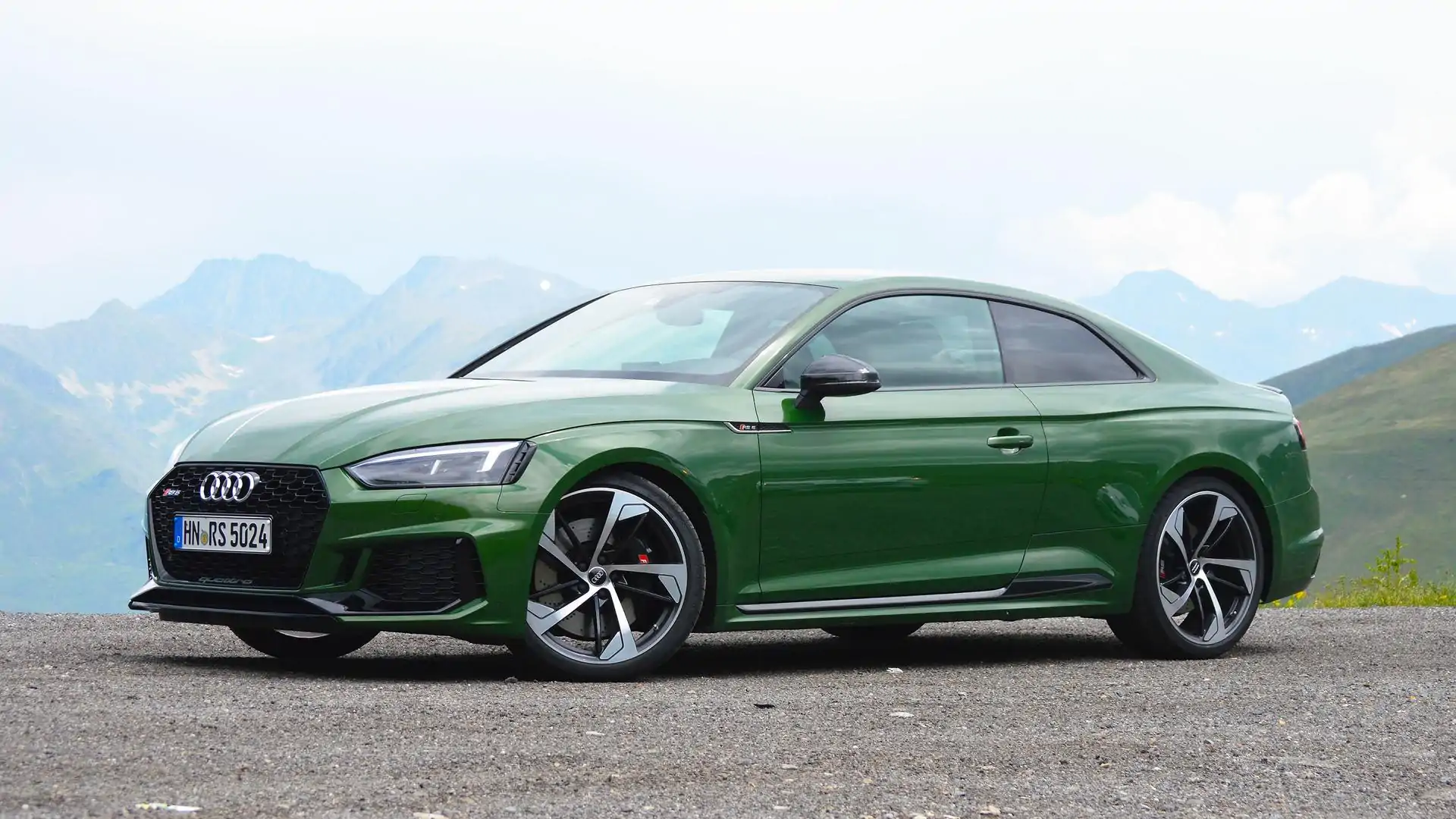
1. 2018 Audi RS 5
The 2018 Audi RS 5 is a high-performance luxury coupe that combines everyday usability with thrilling speed. Departing from the previous generation’s naturally aspirated V8, the second-generation RS 5 features a 2.9-liter twin-turbo V6 producing 444 horsepower.
This engine enables a 0-60 mph sprint in 3.4 seconds and a quarter-mile in 11.8 seconds, outperforming many sports cars in straight-line acceleration. Engine tuning can boost output by up to 100 horsepower, though Audi maintenance requirements and understeer remain factors to consider.
The RS 5 delivers remarkable acceleration, sharp steering, and substantial grip. Selectable drive modes and an adjustable suspension make it both a comfortable daily driver and a capable track car. Acceleration is aggressive, although the engine note is subdued even with the adaptive exhaust.
The braking system, whether standard or upgraded to carbon-ceramic discs, provides strong stopping power and excellent fade resistance. Dynamic Steering enhances steering precision with a sportier, more direct feel, while the suspension manages body roll in Dynamic mode, though mid-corner bumps can unsettle the car.
The RS 5 blends performance with driver comfort. Sport seats provide ample support without feeling restrictive, and the adaptive suspension in Comfort mode absorbs bumps effectively. The cabin is well-insulated from road and wind noise, though the exhaust droning in Dynamic mode can be noticeable. The climate control system is intuitive and keeps the cabin at a comfortable temperature effortlessly.
Inside, the RS 5 features a driver-focused layout with high-quality materials and easily accessible controls. Visibility is strong, and the Virtual Cockpit enhances the driving experience with customizable displays. Rear legroom is sufficient for passengers, while cargo space measures 12 cubic feet, suitable for weekend trips.
Audi equips the RS 5 with advanced technology, including a user-friendly infotainment system, customizable driver displays, and helpful driver-assistance features. The drive mode button is slightly hard to reach, but it does not hinder the car’s performance capabilities.
The 2018 Audi RS 5 is a versatile luxury coupe that delivers blistering performance, adaptable comfort, and refined technology, making it an appealing choice for enthusiasts seeking both daily usability and exhilarating driving dynamics.
2. 2021 BMW 4-Series xDrive Coupe
The 2021 BMW 4-Series xDrive Coupe is a sporty, all-wheel-drive luxury coupe that combines sharp styling with refined performance. Powered by a 3.0-liter twin-turbo inline-six, the M440i xDrive produces 473 horsepower, accelerating from 0-60 mph in 3.9 seconds and completing the quarter-mile in 12.4 seconds. Priced around $50,000, this model balances exhilarating performance with the prestige of BMW’s modern design and engineering.
The 4-Series shares engines with the 3-Series, offering both a 2.0-liter turbo four-cylinder in the 430i and the more potent 3.0-liter inline-six in the M440i. The six-cylinder is aided by a 48-volt mild hybrid system, enhancing smoothness and efficiency.
The 4-Series features a retuned suspension, wider rear track, and lower center of gravity, delivering sporty handling. While the brakes perform strongly, stopping from 70 mph in 149 feet, the steering feels soft, and the ride is more compliant than expected for a performance coupe, especially compared to the M340i sedan.
Fuel efficiency varies by engine and drivetrain. The 430i xDrive achieves 24 mpg city and 33 mpg highway, while the six-cylinder M440i is rated at 22 mpg city and 31 mpg highway. During real-world testing, the 430i xDrive delivered 34 mpg over 200 miles, demonstrating practical efficiency for a sporty coupe.
The 4-Series cabin mirrors the 3-Series sedan, with high-quality materials, a familiar dashboard layout, and intuitive controls. Reduced roofline results in a slightly tighter rear seat area, and trunk space is smaller, fitting five carry-on suitcases in the coupe model. Comfort remains high, with supportive seating and a composed ride in everyday driving.
The 4-Series comes with BMW iDrive 7 on standard 8.8-inch or optional 10.3-inch displays, offering touch and clickwheel controls. Apple CarPlay, Android Auto, and navigation are standard, with optional Wi-Fi, wireless charging, and a 12.3-inch digital gauge cluster. Safety features include automated emergency braking, lane-keeping assist, and available adaptive cruise control.
BMW provides a four-year/50,000-mile limited and powertrain warranty, plus three years/36,000 miles of complimentary maintenance, enhancing ownership convenience.
The 2021 BMW 4-Series xDrive Coupe blends strong performance, advanced technology, and daily usability, making it a compelling choice for enthusiasts seeking a refined yet thrilling luxury coupe.
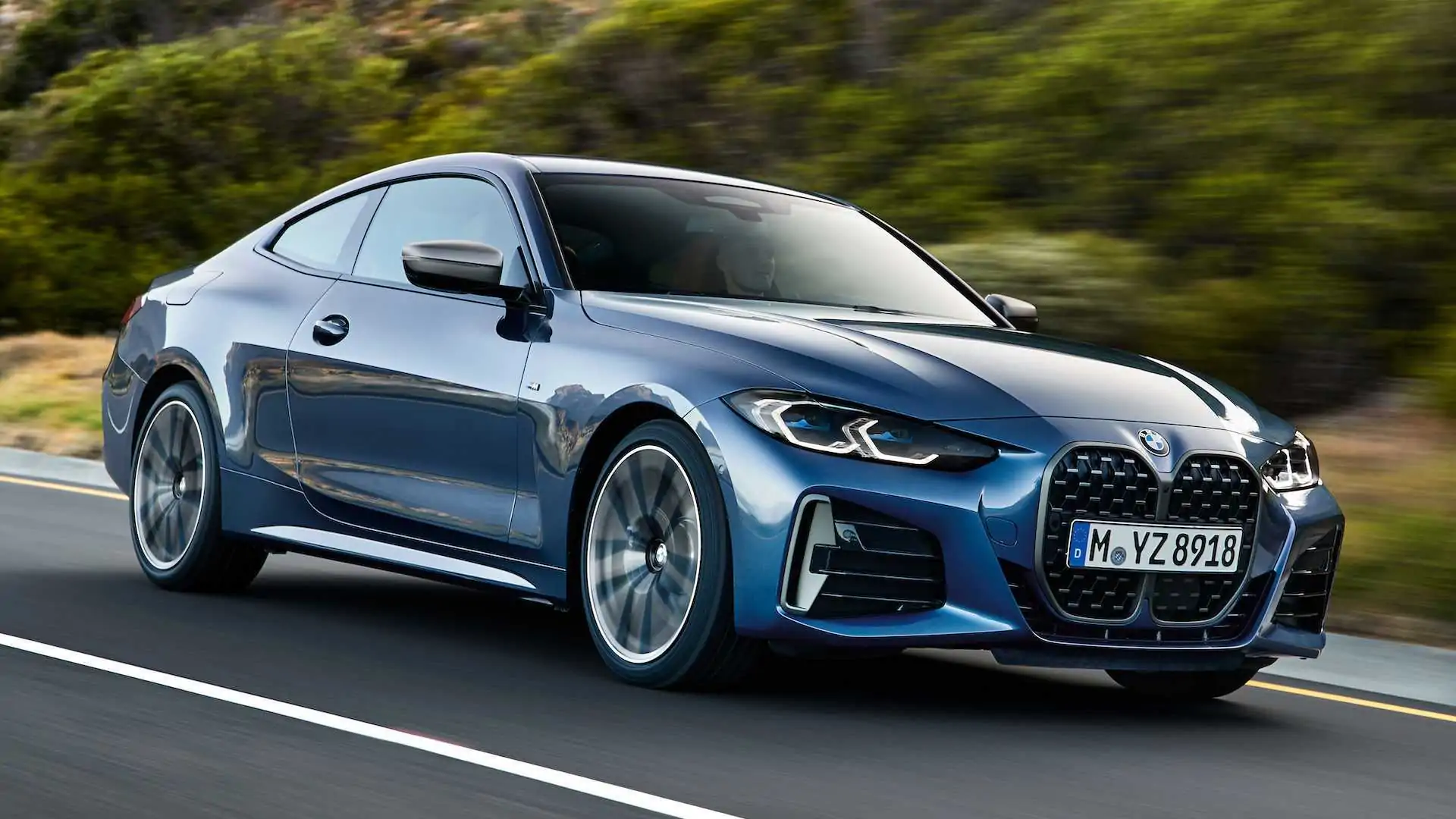
3. 2021 BMW 4-Series xDrive Coupe
The 2021 BMW 4-Series xDrive Coupe is a sporty, all-wheel-drive luxury coupe that combines sharp styling with refined performance. Powered by a 3.0-liter twin-turbo inline-six, the M440i xDrive produces 473 horsepower, accelerating from 0-60 mph in 3.9 seconds and completing the quarter-mile in 12.4 seconds. Priced around $50,000, this model balances exhilarating performance with the prestige of BMW’s modern design and engineering.
The 4-Series shares engines with the 3-Series, offering both a 2.0-liter turbo four-cylinder in the 430i and the more potent 3.0-liter inline-six in the M440i. The six-cylinder is aided by a 48-volt mild hybrid system, enhancing smoothness and efficiency.
The 4-Series features a retuned suspension, wider rear track, and lower center of gravity, delivering sporty handling. While the brakes perform strongly, stopping from 70 mph in 149 feet, the steering feels soft, and the ride is more compliant than expected for a performance coupe, especially compared to the M340i sedan.
Fuel efficiency varies by engine and drivetrain. The 430i xDrive achieves 24 mpg city and 33 mpg highway, while the six-cylinder M440i is rated at 22 mpg city and 31 mpg highway. During real-world testing, the 430i xDrive delivered 34 mpg over 200 miles, demonstrating practical efficiency for a sporty coupe.
The 4-Series cabin mirrors the 3-Series sedan, with high-quality materials, a familiar dashboard layout, and intuitive controls. Reduced roofline results in a slightly tighter rear seat area, and trunk space is smaller, fitting five carry-on suitcases in the coupe model. Comfort remains high, with supportive seating and a composed ride in everyday driving.
The 4-Series comes with BMW iDrive 7 on standard 8.8-inch or optional 10.3-inch displays, offering touch and clickwheel controls. Apple CarPlay, Android Auto, and navigation are standard, with optional Wi-Fi, wireless charging, and a 12.3-inch digital gauge cluster. Safety features include automated emergency braking, lane-keeping assist, and available adaptive cruise control.
BMW provides a four-year/50,000-mile limited and powertrain warranty, plus three years/36,000 miles of complimentary maintenance, enhancing ownership convenience.
The 2021 BMW 4-Series xDrive Coupe blends strong performance, advanced technology, and daily usability, making it a compelling choice for enthusiasts seeking a refined yet thrilling luxury coupe.
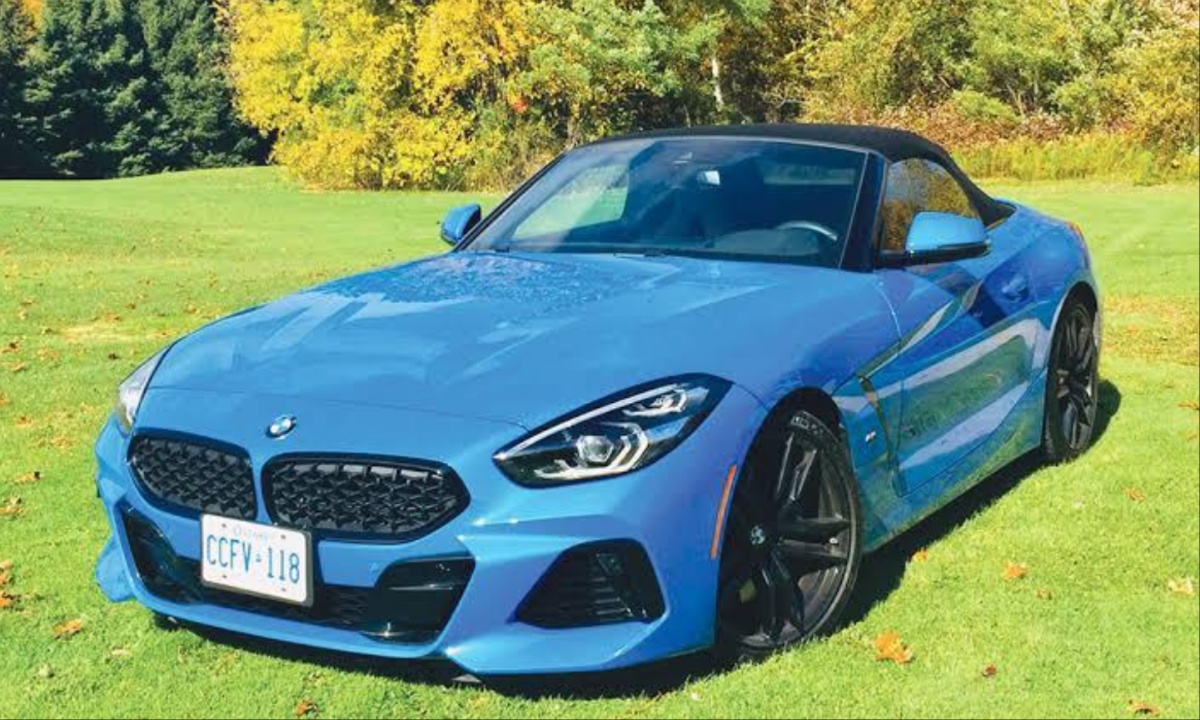
4. 2020 BMW Z4 M40i
The 2020 BMW Z4 M40i is a performance-focused luxury roadster that shares its platform with the Toyota Supra, benefiting from BMW engineering and the celebrated B58 engine.
Powered by a 3.0-liter twin-turbo inline-six producing 382 horsepower, the Z4 M40i accelerates from 0–60 mph in 3.8 seconds and completes the quarter mile in 12.3 seconds. With a clean used cost around $45,000, it offers impressive performance value, surpassing even a base Porsche 992 in straight-line acceleration.
The Z4 blends modern BMW styling with classic roadster proportions. Its sleek exterior is complemented by an elegant soft-top roof that opens or closes in about eight seconds. Inside, high-quality leather, thick steering wheel padding, and supportive sport seats create an upscale environment.
The seating position is low and adjustable, accommodating a wide range of drivers. Cabin storage is surprisingly useful for a compact roadster, with hidden cupholders, console storage, a cargo net, and a reasonably sized trunk suitable for weekend travel.
Wind noise is minimal for a convertible, and comfort is enhanced by fast-heating seats, making top-down driving enjoyable even in cooler conditions. Visibility is limited in the rear three-quarter view, but the blind-spot monitoring system compensates effectively.
The B58 engine is the centerpiece of the Z4 M40i experience, delivering smooth yet forceful power across the rev range. It produces strong torque from low RPM, creating immediate acceleration and a deep, satisfying exhaust note with the top down.
The ZF 8-speed automatic provides rapid, seamless shifts, contributing to everyday drivability and highway comfort. Fuel economy is rated at 26 mpg combined, though spirited driving tends to reduce real-world figures.
Handling is composed and enjoyable, with multilink suspension, wide Michelin Pilot Super Sports, and rear-wheel drive dynamics providing a playful yet controlled character. Ride comfort varies by mode; Comfort is compliant, while Sport Plus becomes noticeably stiff. Steering weight is well-calibrated but lacks detailed feedback. Large vented brakes offer confident stopping performance.
The 2020 BMW Z4 M40i delivers an engaging mix of power, refinement, open-air enjoyment, and grand-touring comfort. With strong performance, high build quality, and tuning potential, it stands out as a compelling modern roadster and a strong value in the performance convertible segment.
5. 2016 Cadillac ATS-V
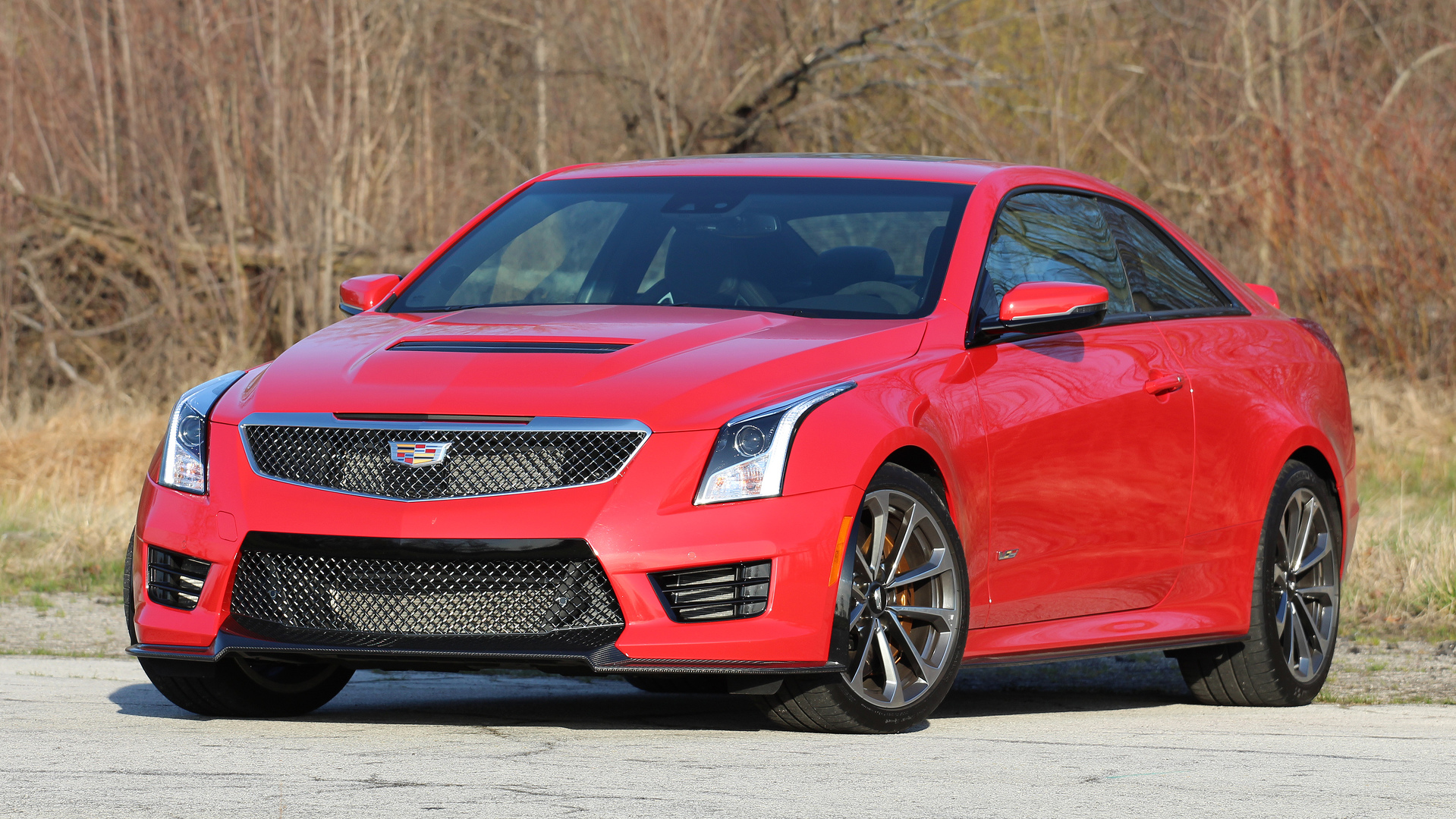
The 2016 Cadillac ATS-V stands as the lightweight fighter of Cadillac’s V-Series lineup, engineered to challenge icons like the BMW M3 and Mercedes-AMG C63. Powered by a 3.6-liter twin-turbo V6 producing 488 horsepower, it launches from 0–60 mph in 3.8 seconds and completes the quarter mile in 12.1 seconds. With clean used examples around $30,000, it delivers 911-rivaling performance at an accessible price point.
Chassis tuning is the ATS-V’s strongest attribute. The car feels planted, confident, and remarkably stable at speed, with a structure that absorbs mid-corner bumps without losing composure. Steering response is another highlight.
In Sport mode, the wheel gains satisfying weight and delivers direct, immediate feedback, helping the car feel connected and communicative. The Recaro sport seats reinforce the driver-focused experience with firm bolstering and long-distance comfort.
Despite its high performance credentials, the ATS-V behaves like a usable daily sedan when driven in relaxed settings. Ride quality softens, noise levels drop, and the car adopts a more approachable demeanor.
Although the twin-turbo V6 offers strong acceleration, many drivers note its power delivery lacks drama. The torque curve is extremely linear, creating speed without the characteristic surge expected of turbocharged performance engines. A tune could potentially restore a more exciting boost profile, especially since the engine is reputed to surpass 500 horsepower with minimal modification.
The 8-speed automatic transmission is the ATS-V’s most significant drawback. Shifts feel slower than competitors’ dual-clutch systems, creating delays that dull the car’s otherwise sharp character. Given that rival performance sedans offered quicker gearboxes at the time, the transmission limits the experience. The available manual transmission is widely considered the enthusiast’s choice.
Originally priced between $60,000 and $80,000, the ATS-V offered competitive equipment for the segment, and depreciation has made it a compelling used buy. CUE infotainment remains a weak point, and rear-seat space is limited, but the car’s handling brilliance often outweighs these flaws.
The ATS-V shines as a thrilling, confidence-inspiring driver’s car with exceptional chassis engineering. Its automatic transmission holds it back, yet the manual-equipped model remains a rewarding, budget-friendly alternative to European rivals.
Also Read: 10 Cars That Look Stunning But Disappoint True Enthusiasts
6. 2013 Nissan GT-R Premium
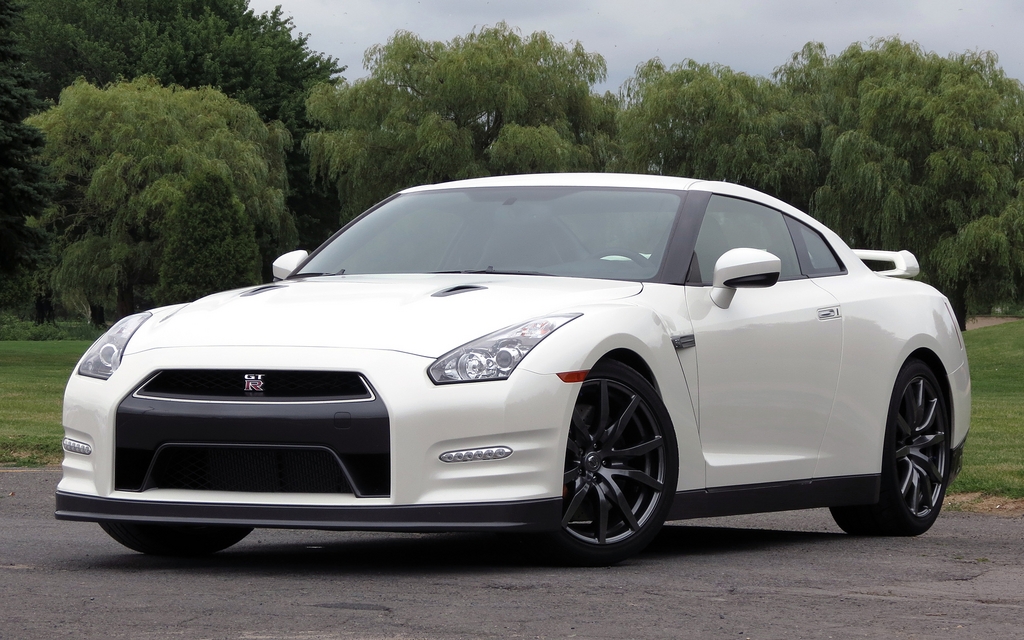
The 2013 Nissan GT-R Premium remains one of the most formidable performance machines of the past two decades. Powered by a 3.8-liter twin-turbo V6 generating 542 horsepower, it rockets from 0–60 mph in 2.9 seconds and covers the quarter mile in 11.2 seconds. With clean used examples averaging around $55,000, the early R35 GT-R continues to serve as a devastatingly quick, budget-friendly supercar alternative.
The GT-R’s styling leans heavily toward aggression, giving the car its “Godzilla” nickname. From its wide grille and sharply angled headlights to its vented hood and muscular rear haunches, the R35 projects an intimidating presence. The quad taillights, deep rear diffuser, and 20-inch forged wheels paired with massive Brembo brakes complete a look that communicates brutality even at rest. It’s a design that still turns heads and elicits admiration years after launch.
Inside, the GT-R offers a driver-focused cockpit with large steering-mounted paddle shifters and analog gauges capped by a 340 km/h speedometer. The most distinctive feature is its multifunction performance display, which provides eleven pages of telemetry ranging from boost pressure to g-force data. Though the cabin includes basic practicality, the emphasis is unmistakably on performance rather than comfort or luxury.
The GT-R is unapologetically raw. Its dual-clutch transmission, all-wheel-drive system, and “R” mode settings for suspension and drivetrain create a driving experience dominated by speed, grip, and immediacy. The ride is stiff, loud, and mechanical, with constant feedback and an eagerness to accelerate that challenges the driver.
On the road, the GT-R accelerates with ferocity thanks to its hand-built engine delivering immense thrust and relentless traction. Despite weighing nearly 4,000 pounds, it achieves supercar-level performance, earning its reputation as a “Porsche Killer.”
The GT-R continues to command admiration wherever it goes, drawing attention with its dramatic styling and unmistakable exhaust note. Originally priced above $100,000, the model now offers an accessible entry point into true supercar performance. For enthusiasts seeking a brutally capable machine with tremendous tuning potential, the 2013 GT-R remains one of the most rewarding performance buys on the used market.
7. 2024 Nissan Z NISMO
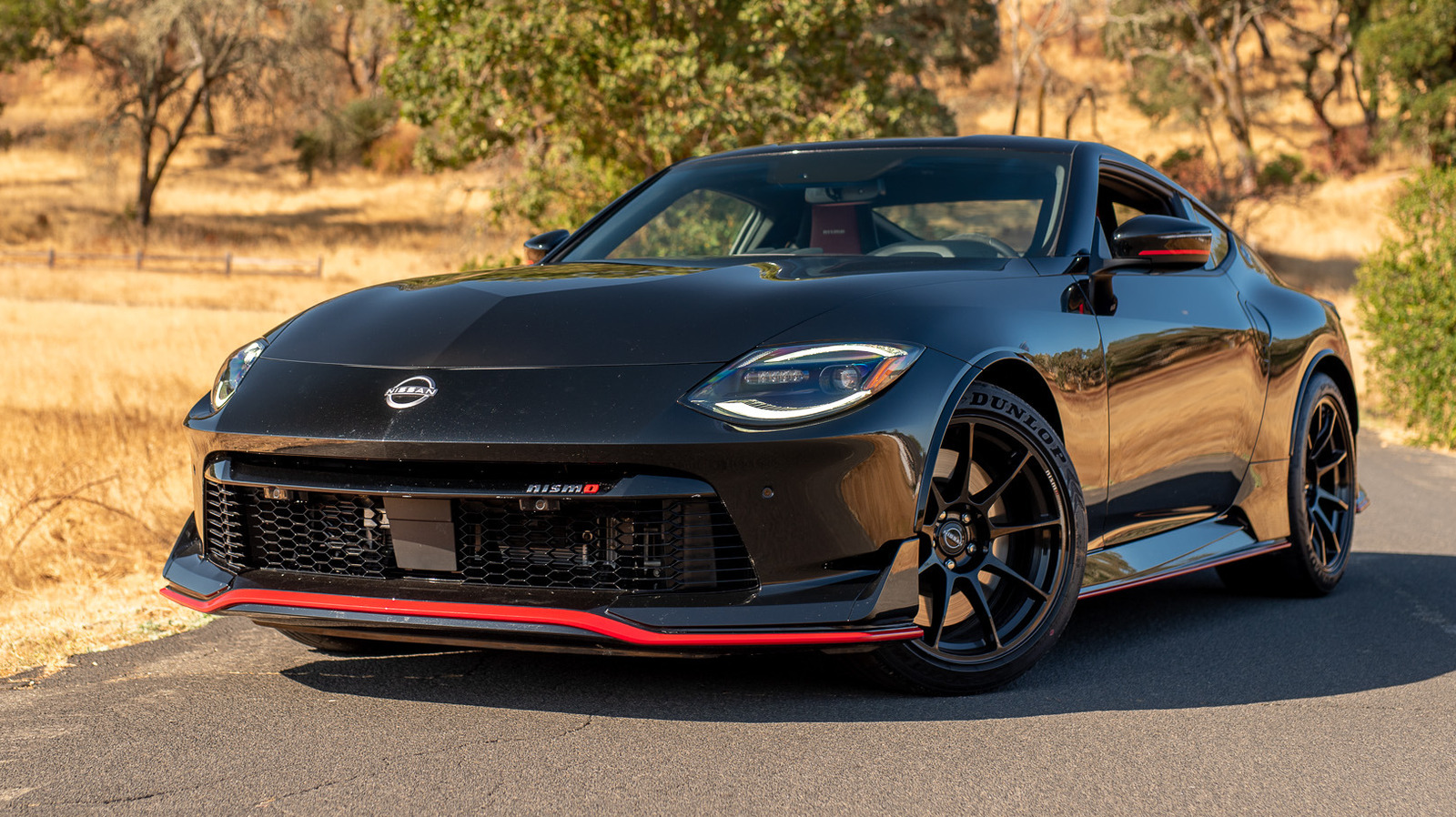
The 2024 Nissan Z NISMO arrives as the most focused version of the modern Z lineup. It features a 3.0-liter twin turbo V6 that produces 420 horsepower, reaches 60 mph in 3.9 seconds, and completes the quarter mile in 12.4 seconds. While performance is strong, early interest has been muted. Many buyers view the power increase as too small and are disappointed by the lack of a manual transmission.
This slow demand has caused used prices to fall quickly toward the 55,000 dollar range, which makes the car significantly more appealing for shoppers who want strong straight line speed and unmistakable Nissan character.
The Z NISMO can be difficult to appreciate at first. On highways in the rain, the stiff suspension and track focused Dunlop summer tires make the car tiring to drive. On damp or shaded backroads, the tires struggle to build heat, and the sharp steering combined with the eager throttle reduces confidence. During the early days with the car, these traits overshadow its strengths and create the impression that the Z NISMO is too tightly wound for everyday use.
Everything changes when the conditions are ideal. On legendary routes such as the Tail of the Dragon and the Cherohala Skyway, the Z NISMO finally reveals its best qualities. With dry pavement and warm tires, the car displays precise steering, balanced grip, and a level of agility that encourages the driver to push harder.
The nine speed automatic responds quickly to paddle inputs, the Alcantara steering wheel enhances feedback, and the twin turbo V6 delivers a strong and satisfying soundtrack. On the right roads, the Z NISMO becomes an intensely rewarding driver’s car.
Even with its capability, the Z NISMO occupies an unusual place in the performance market. It has a dated interior, no manual gearbox, and a demanding personality.
At around 65,000 dollars new, it competes with cars such as the Ford Mustang Dark Horse and BMW M2, both of which offer broader appeal and similar or better performance. For dedicated Nissan fans seeking a focused car built for spirited driving, the Z NISMO can be a thrilling choice. For most buyers, however, there are easier alternatives.
8. 2017 Porsche Panamera 4S
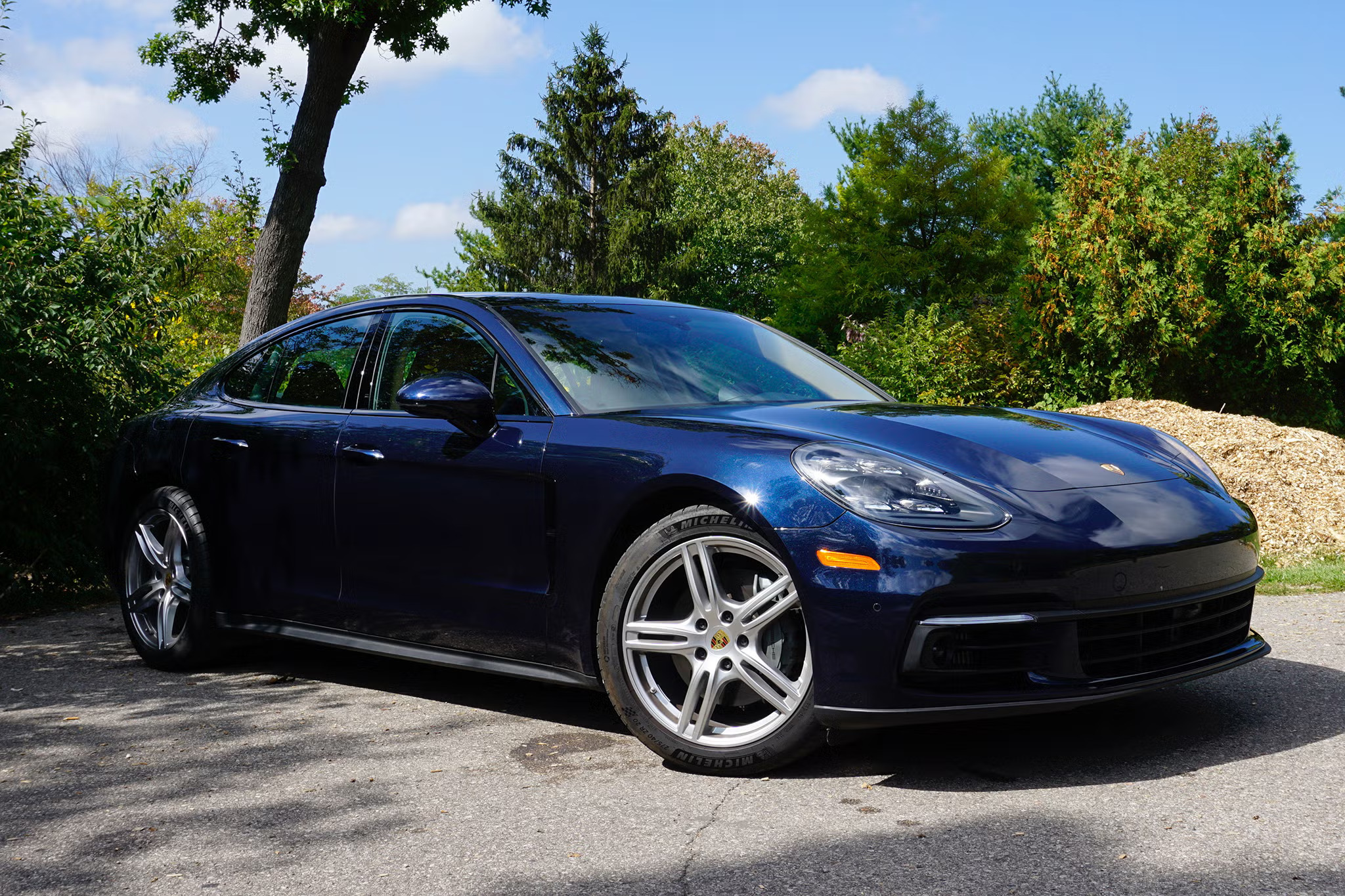
The 2017 Porsche Panamera 4S delivers strong performance in a practical four door fastback format, powered by a 2.9 liter twin turbo V6 that produces 440 horsepower. It reaches 60 mph in 3.7 seconds and covers the quarter mile in 12.2 seconds.
With used prices hovering around 53,000 dollars, it offers the appeal of a Porsche with space for passengers and luggage at a fraction of 911 pricing. While styling has long been polarizing and handling was once viewed as less than Porsche’s best, the second generation model solves many of these concerns and delivers a balanced mix of speed, grip, and comfort.
This generation Panamera 4S benefits heavily from Porsche’s extensive list of performance options. The test example highlighted in the review carried more than 24,000 dollars in upgrades, including adaptive air suspension, rear wheel steering, sport exhaust, carbon ceramic brakes, and large 21 inch wheels with high performance Continental tires.
With launch control active, the car records a 3.6 second sprint to 60 mph, nearly matching a contemporary 911 Carrera 4S despite weighing more than 4400 pounds. It completes the quarter mile in 12.1 seconds at 114 mph, which places it among the quickest luxury sedans of its time.
Handling is equally impressive when equipped with chassis upgrades like Porsche Dynamic Chassis Control Sport, active anti roll bars, torque vectoring, and an electronically controlled limited slip differential. The Panamera generates 1.03 g of lateral grip on the skidpad, outpacing even the more powerful Panamera Turbo due to its lighter weight and improved balance. Braking performance is also strong, with a 151 foot stop from 70 mph and no noticeable fade.
Despite its speed, the Panamera 4S can feel clinically precise rather than emotionally engaging. The V6 lacks the charisma of Porsche’s V8, and the combination of white paint and an all black interior contributes to a sterile impression.
The cabin offers navigation, parking assist, a panoramic sunroof, and a power liftgate, but some materials and controls feel less luxurious than expected for a car priced around 127,000 dollars when new. Touch sensitive center controls and large piano black surfaces show fingerprints easily, and base seats offer limited adjustment.
Even with these drawbacks, the Panamera 4S remains one of the quickest, most capable luxury sedans available on the used market and delivers performance that can challenge many 911 models.
9. 2021 Toyota GR Supra 3.0
The 2021 Toyota GR Supra 3.0 strengthens its identity as a compact, high performance sports car that blends Toyota durability with BMW engineering. Powered by a 3.0 liter twin turbo inline six producing 382 horsepower, it reaches 60 mph in 3.8 seconds and completes the quarter mile in 12.1 seconds. With a used price near 47,000 dollars, it remains an appealing choice for drivers who value speed, tuning potential, and brand heritage without paying European premiums.
The Supra’s return in 2020 generated significant excitement, and early buyers paid full price to secure one. For 2021, Toyota introduced key mechanical upgrades that improve performance but also risk frustrating those first year owners. The six cylinder engine gains 47 horsepower through more than simple software tuning.
It uses a redesigned cylinder head, a fully separate exhaust manifold, revised pistons that reduce the compression ratio, and a larger turbocharger that increases boost. The result matches the output of the mechanically related BMW Z4 M40i and delivers stronger high speed acceleration.
On the road, the added power does not dramatically change low speed behavior. Launch control remains capped at 2000 rpm, which causes the new model to reach 60 mph a tenth of a second slower than the previous year, although it gains speed rapidly beyond that point.
The 2021 Supra feels more mature in its exhaust note and gains tangible improvements at higher speeds, with a quicker quarter mile and higher trap speed. Steering calibration has been refined for more linear effort, and the chassis receives damper adjustments that reduce bottoming out on fast, uneven pavement. Stability under hard cornering improves, although skidpad grip decreases slightly due to added understeer.
Efficiency remains a strong point for such a quick car. The engine earns EPA ratings of 22 mpg in the city and 30 mpg on the highway, with real world testing returning up to 34 mpg on long highway drives.
While some first year owners may feel upstaged by the 2021 upgrades, Toyota suggests more changes will come in future years. Even so, the 2021 model offers an appealing mix of speed, refinement, and tuning potential for buyers who want a fast and reliable sports coupe.

10. 2016 Audi S7
The 2016 Audi S7 delivers impressive straight line speed, luxury features, and long distance comfort at a surprisingly attainable used price near 20,000 dollars. Powered by a 4.0 liter twin turbo V8 with 414 horsepower, it accelerates to 60 mph in 3.9 seconds and completes the quarter mile in 12.4 seconds.
Despite its family friendly fastback profile, this car can outrun many far more expensive sports cars, which is a major part of its appeal. The S7 also offers substantial tuning potential, although buyers must be prepared for higher maintenance costs and handling that favors stability over sharp agility.
The S7 emerged during the rise of the four door coupe trend. Audi based it on the A6 platform but gave it a sloping roofline and a cleverly integrated liftback that hides its hatchback functionality. Compared with similar designs from Mercedes and BMW, the S7 places more emphasis on cargo practicality, with a large opening and rear seats that fold nearly flat.
Interior styling, however, is shared heavily with the A6. This means it does not feel as distinctive as the BMW 6 Series Gran Coupe, although it still offers quality materials and tech features such as an updated MMI system, LTE connectivity, and a fully digital navigation display between the gauges.
Rear seating space is limited because of the roofline, and the S7 seats only four, unlike the A7. Up front, passengers enjoy good comfort and impressive build quality. Cargo versatility is one of the car’s standout advantages over traditional sedans.
Under the hood, the twin turbo V8 delivers strong performance, aided by a seven speed dual clutch transmission and standard Quattro all wheel drive. Power distribution varies depending on conditions and contributes to secure handling.
Large, square tire setups with wide front rubber give the S7 unusually strong front end grip, allowing it to outperform rivals on real world roads. Despite its weight, braking distances are excellent, and the air suspension provides a smooth ride. The system can feel floaty compared with steel springs, but it enhances comfort for daily use.
While track enthusiasts may prefer the dynamics of rear wheel drive competitors, the S7 excels as a rapid, refined everyday performance car. It offers luxury, speed, and practicality in a package that remains compelling, especially at today’s low used prices.

Looking across these machines, one thing is clear: modern twin-turbo engineering has made serious performance achievable at surprisingly reasonable prices. Each model approaches speed differently, yet all of them manage to outpace a 911 in real-world conditions while remaining far more affordable.
Some emphasize luxury and long-distance comfort, others focus on agility or raw character, but every car in this group delivers acceleration that defies its price tag. For enthusiasts, this creates an unusual opportunity to enjoy thrilling power without sacrificing practicality or draining savings.
Whether someone prefers the refinement of a grand-touring coupe, the attitude of a tuned Japanese icon, or the balance of a well-sorted sedan, these choices prove that speed is no longer exclusive to the elite. These cars stand as reminders that smart engineering, careful design, and depreciation can make true performance accessible to anyone willing to explore beyond the usual names.
Also Read: 5 Cars for Oakland Urban Commuters vs 5 That Are High-Maintenance