Turbocharged cars often carry a reputation for excitement paired with potential fragility. While some high-performance vehicles require constant maintenance and delicate care, certain models defy this stereotype, blending boosted power with remarkable durability.
These cars offer spirited driving without the anxiety of frequent breakdowns, proving that a turbo engine doesn’t have to compromise reliability. From rally-inspired sedans and hot hatches to sporty coupes, each of the ten vehicles on this list pairs performance-oriented engineering with robust platforms, resilient internals, and thoughtful design.
Owners who maintain routine servicing often see these cars endure years of spirited driving, track days, and daily commuting without major issues. This compilation highlights ten turbocharged cars known for being virtually indestructible, showcasing how enthusiasts can enjoy the thrill of turbo power while benefiting from dependable, long-lasting engineering.
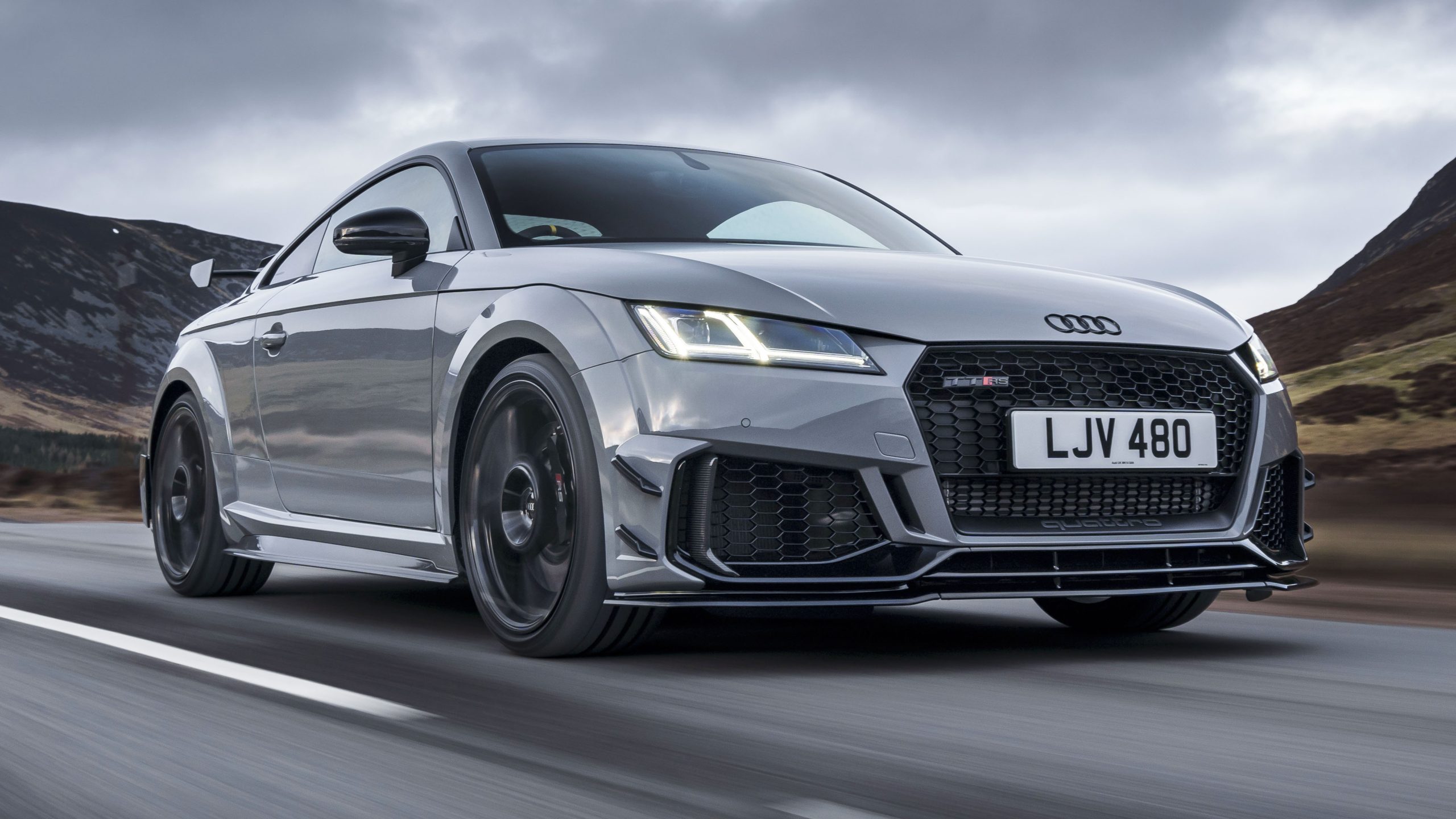
1. Audi TT Quattro: Stylish Performance with Everyday Usability
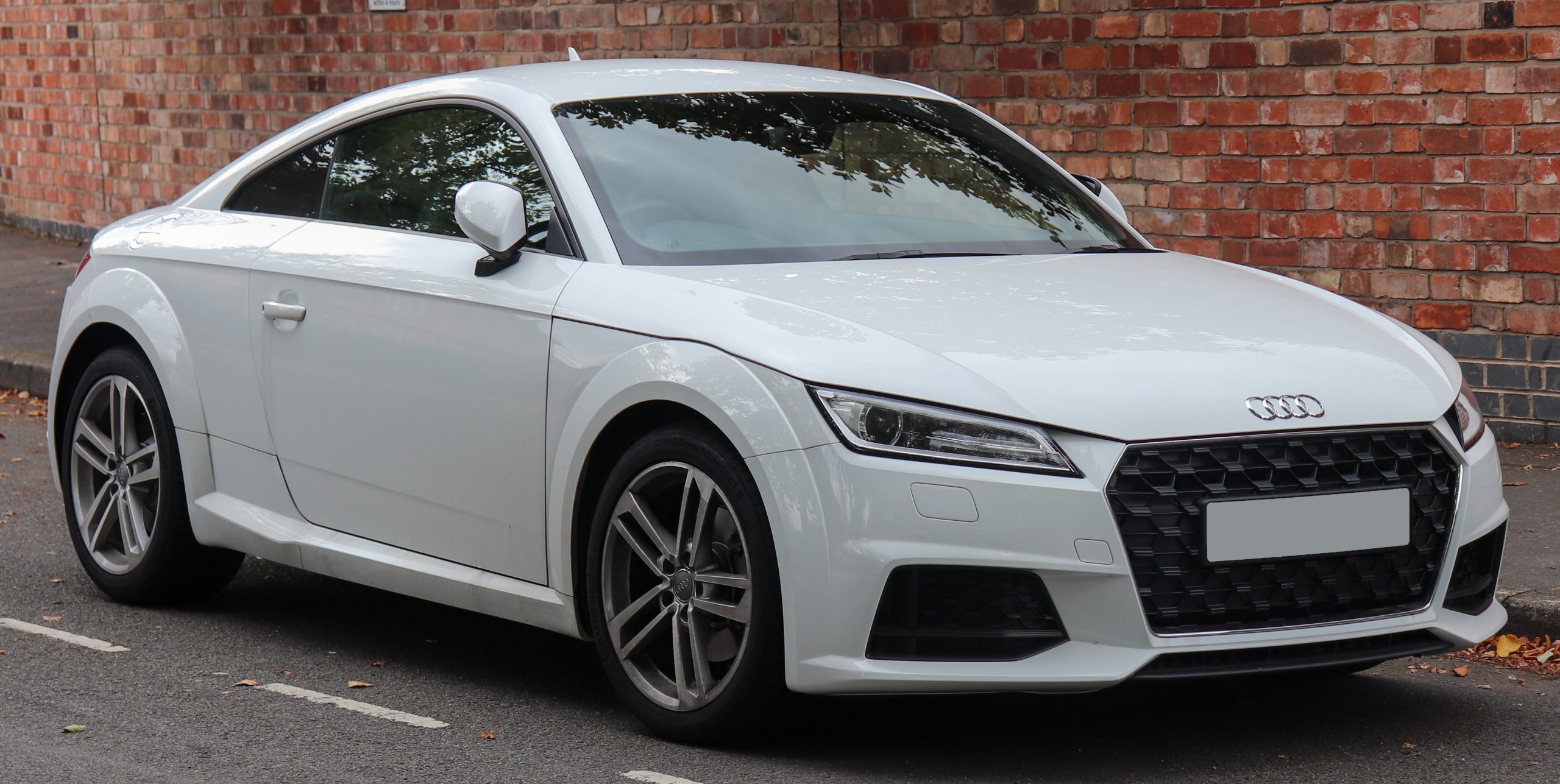
The Audi TT Quattro combines striking design with capable performance, offering a sporty driving experience without entering supercar territory. Despite its delicate-looking body, the TT shares hardware with the Golf GTI and A3, providing a reliable platform and a large parts catalog for maintenance and tuning.
RepairPal gives it a 3.0 out of 5 reliability rating, noting average annual repair costs of around $900. These costs come from the price of Audi parts and labor rather than frequent failures. Enthusiasts who maintain coil packs, timing chain tensioners, and the Haldex system often see these cars surpass 150,000 miles while remaining responsive and fun to drive.
On the road, the TT feels more dynamic than its 228-horsepower turbo-four suggests. With 258 lb-ft of torque, acceleration is lively in city driving and on highways. The all-wheel-drive system provides confident traction and stability through corners.
Braking is precise, stopping the car from 60 mph in just 103 feet. Electric-assist steering allows different settings for low-speed maneuvering or high-speed stability. The short-wheelbase chassis delivers nimble handling and poise in most driving conditions.
Comfort and usability are strong points. Optional sport seats provide excellent support for long drives, and the suspension balances firmness with ride comfort. The cabin is quiet except for engine sounds in Dynamic mode, and climate controls are simple yet effective. Audi’s Virtual Cockpit integrates gauges and infotainment into a single screen, keeping controls intuitive and driver-focused.
Practicality is limited but sufficient for a sports coupe. The coupe trunk offers 12 cubic feet of space, while the convertible has 7.5 cubic feet. The rear seats fold flat for additional cargo space, and interior stowage includes small door pockets, a covered bin, and cupholders.
The Audi TT Quattro delivers a stylish, comfortable, and capable driving experience. It balances daily usability with sporty handling, precise braking, and reliable all-weather traction, making it a strong choice for enthusiasts seeking an accessible and refined performance coupe.
2. Mini Cooper S: The Enduring Hot Hatch
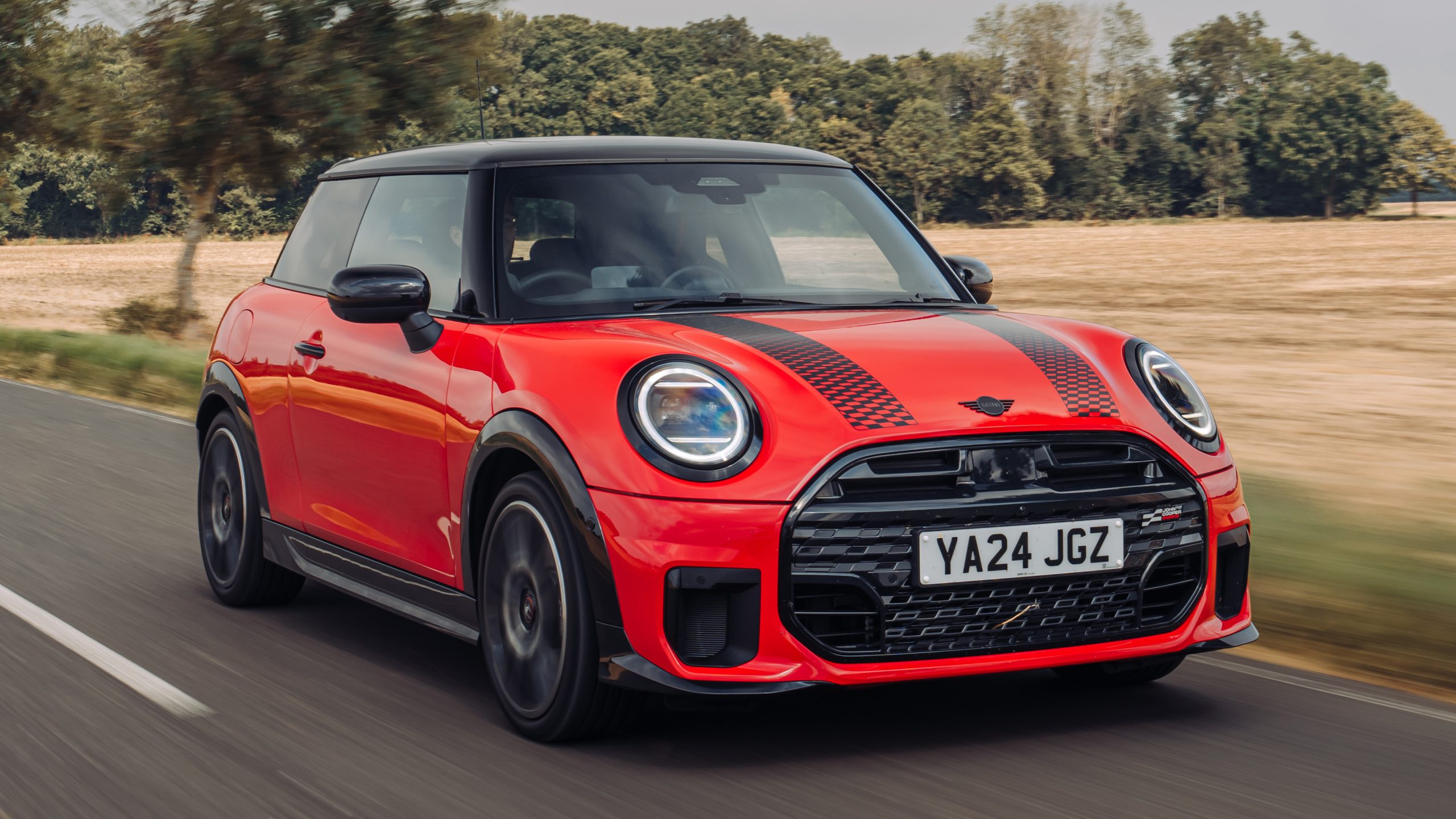
The Mini Cooper S remains a standout in the compact hot hatch segment, offering a playful driving experience that combines agility with spirited turbocharged performance. While early Mini models, especially those with supercharged engines, gained a reputation for mechanical drama, later-generation turbocharged 2.0-liter Coopers have proven more robust.
RepairPal assigns the Mini Cooper a 3.0 out of 5 reliability rating, with average annual repair costs around $846. Issues are generally linked to maintenance neglect rather than fundamental design flaws, allowing enthusiasts who keep up with oil changes, cooling checks, and carbon buildup to enjoy a responsive, long-lasting car.
Beneath its modern styling, the current Mini Cooper S retains the platform introduced in 2013, including its gearbox, suspension, brakes, and chassis. The turbocharged 2.0-liter engine produces 201 horsepower, delivering lively acceleration and nimble handling through its short wheelbase and go-kart steering feel.
The all-new interior and refreshed exterior design provide a contemporary look, while the Sport trim adds performance-oriented features such as adaptive suspension, sport seats, uprated brakes, paddleshifters, and distinctive styling elements. Optional packages introduce luxury touches, including electric seats, a head-up display, two sunroofs, and keyless access.
Despite its age, the Mini Cooper S competes well against a shrinking field of petrol hot hatches. Many rivals from Ford, VW, Renault, and Peugeot have exited the segment, leaving the Cooper S as one of the few compact performance cars still offering a lively driving experience. Pricing remains competitive, with a base 2024 model around £26,700, while Sport and option packs enhance performance and technology.
The Mini Cooper S blends classic small-car charm with modern convenience and dynamic driving capabilities. It remains engaging on back roads while offering enough comfort and equipment for everyday use, making it a rare example of a hot hatch that continues to thrive in a market where most competitors have disappeared.
Its combination of legacy design, spirited turbo performance, and carefully curated options ensures the Mini Cooper S is a compelling choice for enthusiasts seeking a compact, fun-to-drive petrol hatch.
3. Volkswagen Golf GTI: The Versatile Turbo Hatch
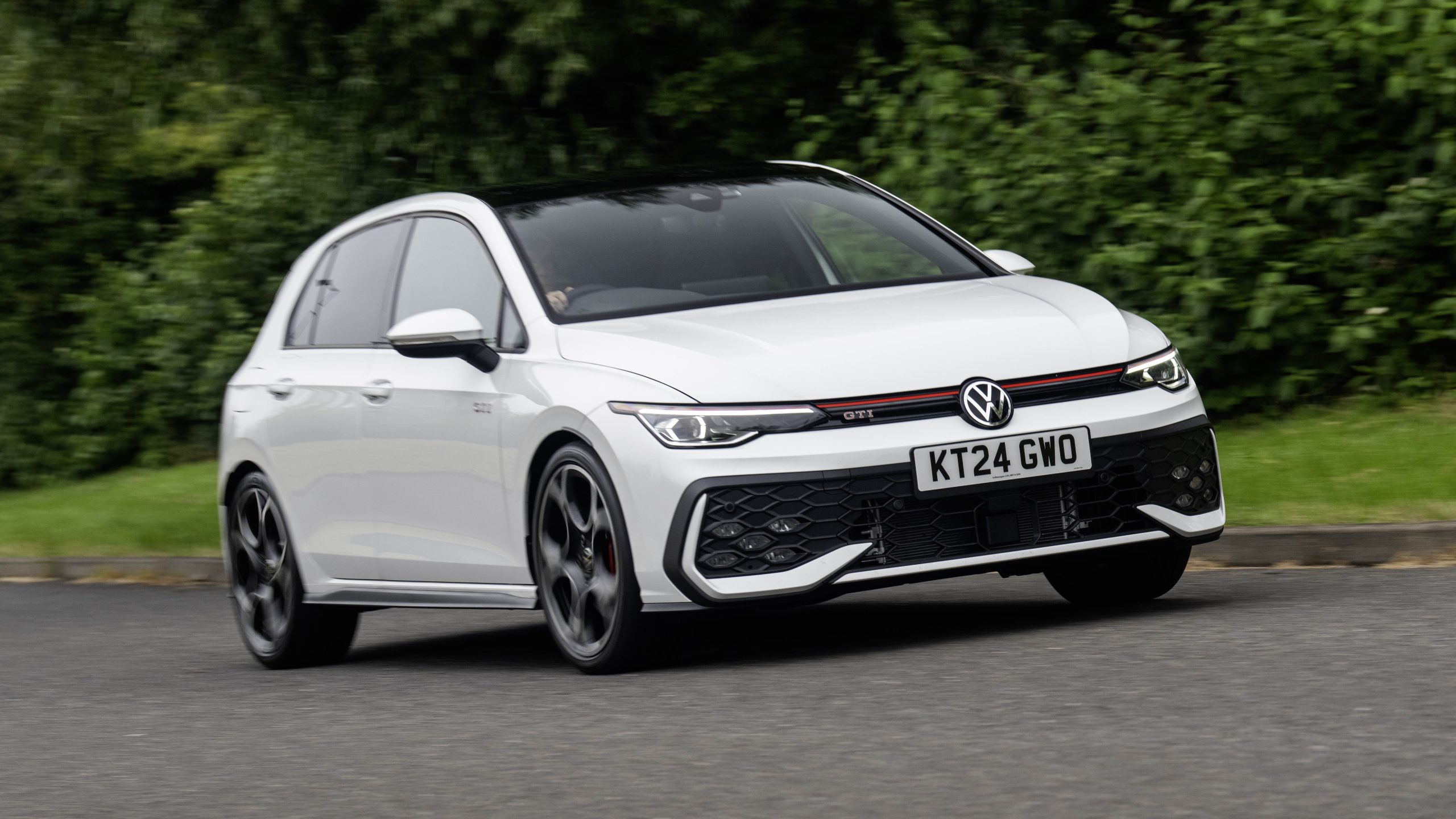
The Volkswagen Golf GTI continues to set the benchmark for turbocharged compact hatchbacks, offering a balance of everyday usability, spirited performance, and practicality. RepairPal rates the Golf GTI 3.0 out of 5 for reliability, reflecting moderate maintenance costs rather than critical failures.
Average annual repairs run about $791, primarily covering routine items such as timing chain tensioners and water pumps. Enthusiasts who keep up with oil changes, coolant service, and basic preventive maintenance often enjoy years of spirited driving without major mechanical issues.
Under the hood, the 2025 Golf GTI uses a 2.0-liter turbocharged inline-four producing 241 horsepower. Transmission options now focus on a seven-speed dual-clutch automatic, which delivers rapid shifts while providing smooth, confident acceleration. The GTI reached 60 mph in 5.6 seconds during testing, faster than many competitors in its class.
Its compact chassis and responsive suspension make cornering precise and fun, though the steering feedback could be sharper for serious track enthusiasts. Fuel economy remains practical, with EPA estimates of 24 mpg city, 32 mpg highway, and 27 mpg combined.
The interior is both modern and functional. Updates include a larger 12.9-inch infotainment touchscreen, upgraded MIB4 software, and traditional physical buttons replacing previous touch-sensitive sliders.
Front and rear seats provide ample comfort, while the hatchback layout maximizes cargo capacity. Driver-assistance features are extensive through VW’s IQ.Drive system, offering automated emergency braking, lane-keeping assist, adaptive cruise control, and Emergency Assist for added safety.
Practicality, technology, and engaging driving dynamics combine to make the Golf GTI a standout in the hot hatch segment. Its balance of performance and usability allows it to tackle daily commutes, weekend road trips, and spirited track drives with equal confidence.
The included four-year/50,000-mile limited warranty, along with two years or 20,000 miles of complimentary maintenance, adds further reassurance for owners. The Golf GTI remains a compelling choice for enthusiasts seeking a versatile, turbocharged hatch that continues to deliver performance, comfort, and convenience in one complete package.
4. Mitsubishi Lancer and Lancer Evolution: Rally-Bred Thrills in a Compact Sedan
The Mitsubishi Lancer may appear as a simple compact sedan, but its reputation is elevated by the legendary Lancer Evolution. Rated 3.5 out of 5 by RepairPal, the Lancer platform proves reliable when maintained, and the Evolution’s turbocharged engines thrive on high performance.
Annual maintenance costs remain reasonable for a high-performance platform, with most issues stemming from hard use rather than fragile engineering. A well-cared-for Evo or Ralliart can rack up significant mileage while delivering the powerful driving experience that earned the model its cult following.
The Lancer Evolution Final Edition encapsulates the essence of the Evo lineage: turbocharged 2.0-liter four-cylinder engines producing 303 horsepower, engaging five-speed gearboxes, and race-bred all-wheel-drive systems.
Drivers experience instant throttle response, precise steering, and firm, performance-oriented brakes, creating a visceral connection to the car. While the interior quality is modest, the mechanical engagement and dynamic capabilities make the shortcomings forgivable.
The Evo’s history is rooted in rallying. Introduced in 1992 by transplanting the Galant VR-4 driveline into a smaller Lancer chassis, the first Evo combined lightweight agility with turbocharged power.
Mitsubishi’s Ralliart team, led by Tommi Mäkinen, dominated the World Rally Championship in the late 1990s, cementing the Evo’s performance legacy. Over successive generations, the Evo retained its core character: a raw, analog-driving experience with high boost and responsive handling.
Later evolutions, including the Evo VIII and Evo X, refined the platform while maintaining its aggressive character. The Final Edition Evo X blends lightweight aluminum panels, Bilstein shocks, Eibach springs, and Brembo brakes for a potent package capable of 0-60 mph in 4.4 seconds. While the ride is firm and interior features minimal, the car rewards commitment with thrilling acceleration, cornering precision, and unmatched driver feedback.
The Mitsubishi Lancer Evolution represents the pinnacle of rally-inspired performance in a compact sedan. Its blend of turbocharged power, all-wheel-drive grip, and engaging chassis design delivers an analog driving experience that stands apart in a world dominated by refined electronics and comfort-biased vehicles.
Despite its limited practicality and modest interior, the Evo remains a symbol of focused performance, earning its place as one of the most celebrated tuner and rally-inspired cars of its era.
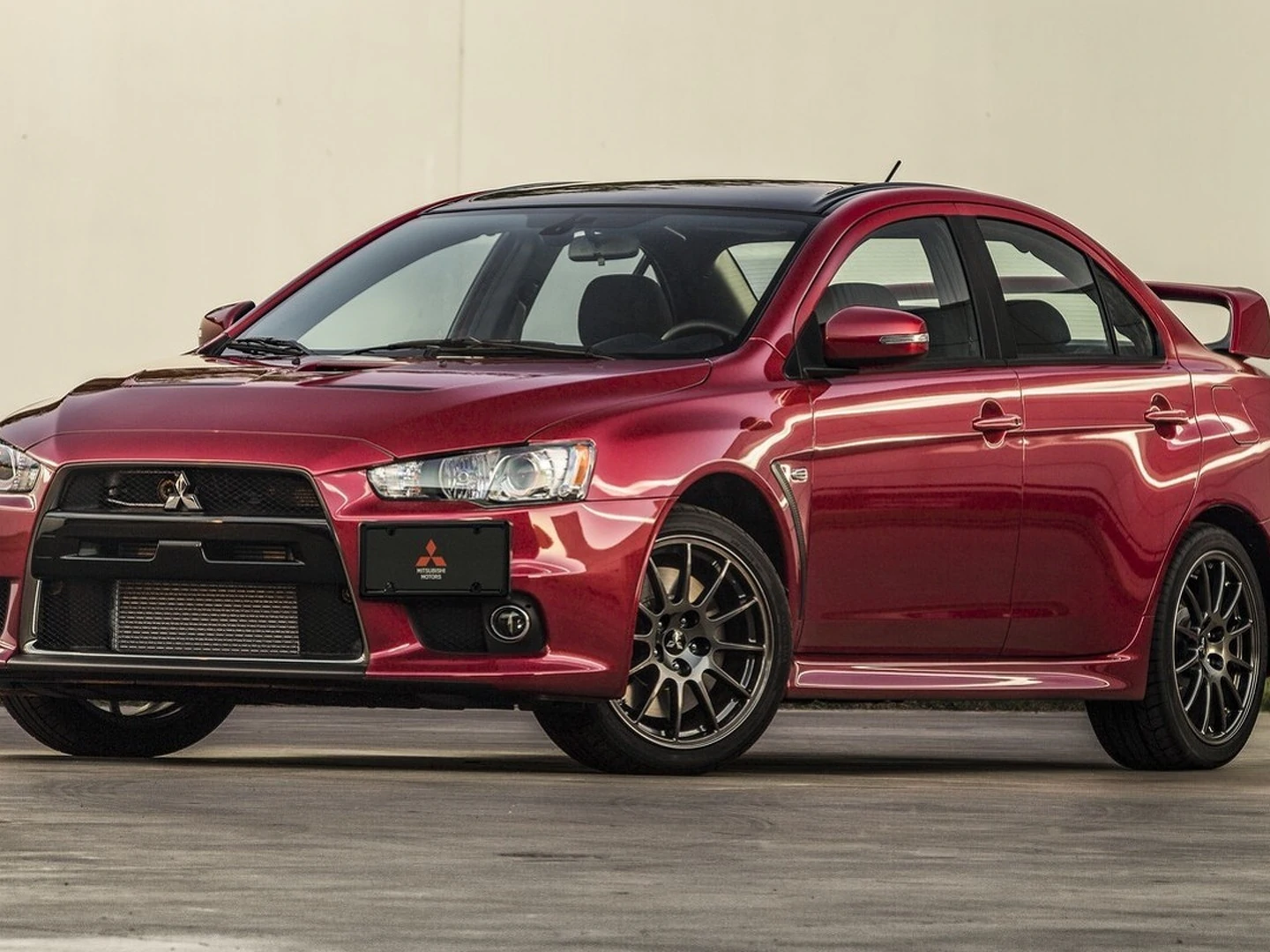
5. Subaru WRX: Rally-Bred All-Weather Performance
The Subaru WRX has earned a dual reputation as both a dependable rally-inspired sports sedan and a fragile high-performance machine when abused. RepairPal rates it 3.5 out of 5, with an average annual repair cost of around $680. Most major issues arise from neglect or extreme modifications, rather than inherent design flaws.
Properly maintained, lightly modified WRX models remain durable, capable of enduring harsh weather, spirited driving, and even occasional track use while maintaining reliability. The turbo flat-four engine, paired with a robust all-wheel-drive system, provides confidence and longevity when treated correctly.
All current WRX models feature a turbocharged 2.4-liter flat-four engine producing 271 horsepower and 258 lb-ft of torque. Buyers can choose between a six-speed manual or a continuously variable automatic transmission, depending on trim.
Performance upgrades in the tS model include adaptive dampers, beefier Brembo brakes, and 19-inch wheels, enhancing handling and resistance to brake fade. Acceleration is brisk, with 0-60 mph times ranging from 5.4 seconds with the CVT to 5.6 seconds with the manual tS, making the WRX competitive among compact performance sedans.
Fuel economy remains reasonable for a turbocharged all-wheel-drive car, with EPA estimates of 21-22 mpg combined and real-world highway performance reaching 28 mpg. This balance makes the WRX suitable for both daily commuting and spirited driving.
Inside, the WRX blends contemporary Subaru design with sport-oriented accents, including flat-bottomed steering wheels, contrast stitching, and optional Recaro seats in higher trims. A practical 60/40 split-folding rear seat and usable trunk space add everyday utility.
Infotainment includes an 11.6-inch touchscreen on most trims and a 12.3-inch digital instrument cluster in the tS, alongside Apple CarPlay and Android Auto integration. Optional features include premium audio, heated seats, and cabin enhancements for driver comfort.
Safety features are comprehensive, with standard forward-collision warning, automated emergency braking, lane-keeping assist, and adaptive cruise control. Warranty coverage includes three years or 36,000 miles of limited coverage and five years or 60,000 miles for the powertrain, although scheduled maintenance is not included.
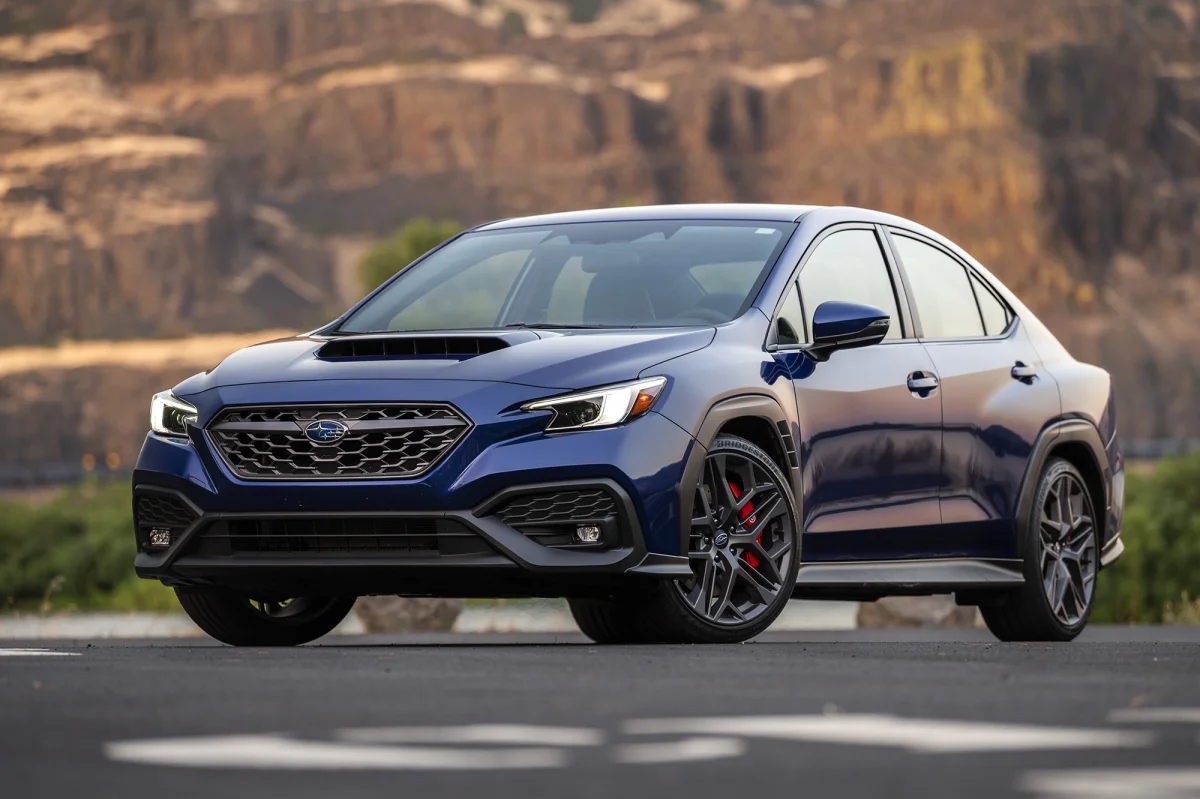
The Subaru WRX remains a compelling choice for drivers seeking a versatile, all-weather sports sedan. Its turbocharged engine, advanced all-wheel-drive system, and rally-inspired chassis deliver engaging performance, while thoughtful interior features and safety technology make it practical enough for daily use. Careful maintenance ensures that the WRX continues to provide years of spirited driving without compromising reliability.
Also Read: 5 Cars for Oakland Urban Commuters vs 5 That Are High-Maintenance
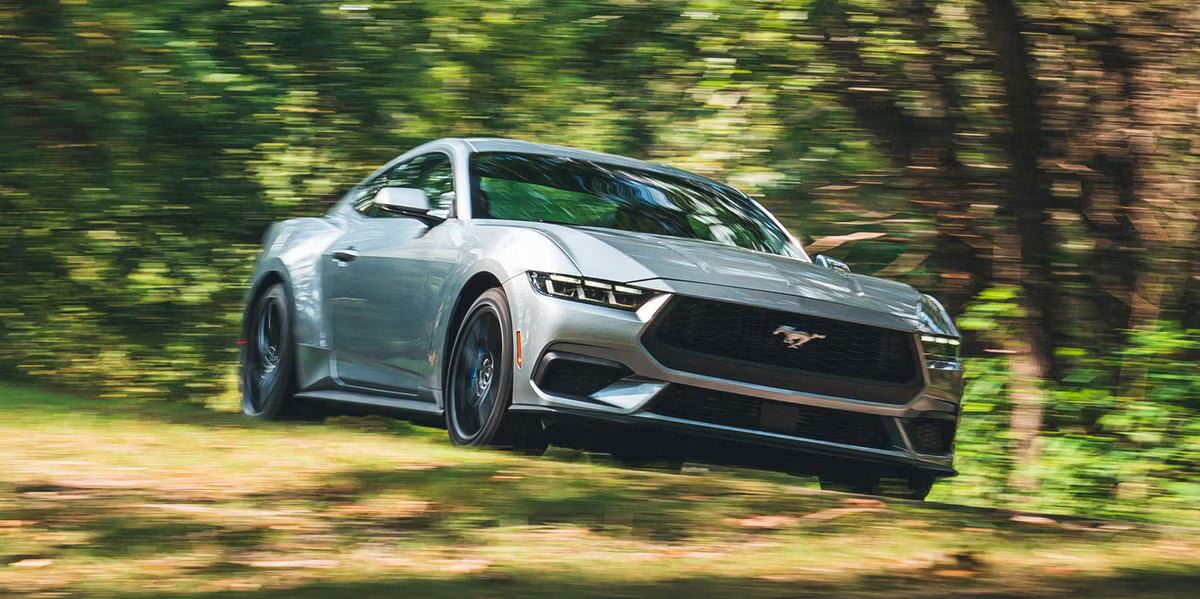
6. Ford Mustang EcoBoost: Turbo Power Meets Practicality
The Ford Mustang EcoBoost has long existed in the shadow of its V8 sibling, yet the 2.3-liter turbocharged four-cylinder engine has proven both durable and tunable. Sharing architecture with the Focus RS and some Ford trucks, the EcoBoost engine benefits from a strong bottom end and a reliable cooling system.
RepairPal rates the Mustang EcoBoost 3.5 out of 5 for reliability, with average annual repair costs around $700. Most maintenance concerns involve minor items like coil packs and sensors rather than catastrophic failures, making it a practical choice for a rear-drive coupe that can also serve as a daily driver.
The seventh-generation EcoBoost delivers 315 horsepower and 350 lb-ft of torque through a 10-speed automatic transmission. While some may miss a manual option, both the Getrag six-speed and the 10-speed automatic handle power well.
The High Performance package adds 19-inch Pirelli P Zero tires, a 3.55:1 Torsen limited-slip differential, performance-tuned suspension, Brembo brakes, and a drift-friendly electronic parking brake, enhancing track and spirited driving capabilities.
The EcoBoost Mustang accelerates from 0-60 mph in 4.5 seconds and runs a quarter-mile in 13.2 seconds at 103 mph, while the Brembos and Pirellis provide strong braking performance and cornering grip. Steering feedback is precise, and the chassis allows confident direction changes.
Despite its performance focus, the EcoBoost is surprisingly comfortable. Leather-trimmed sport seats, highway serenity, and long fuel range make it suitable for road trips. The Mustang exceeds its EPA highway rating of 29 mpg, achieving 32 mpg in real-world testing, thanks to a 16-gallon fuel tank.
The digital cluster offers five layouts, including a recreation of the classic Fox-body gauges, which improve legibility over the curving digital screen. While the infotainment and screen system feel slow and unintuitive, the remaining physical controls are functional. Some design choices, such as the oversized curving display, feel out of place compared to the otherwise competent cabin.
The Mustang EcoBoost provides an engaging, turbocharged pony car experience. Its combination of performance, drivability, and reasonable reliability makes it a compelling option for enthusiasts who want spirited driving without a V8.
Drawbacks include the lack of a manual transmission, an overly eager automatic, and a digital dash that falls short in execution. For those willing to compromise on these points, the EcoBoost remains a fun, capable, and practical modern Mustang.
7. Ford Focus ST/RS: Performance and Reliability in a Compact Package
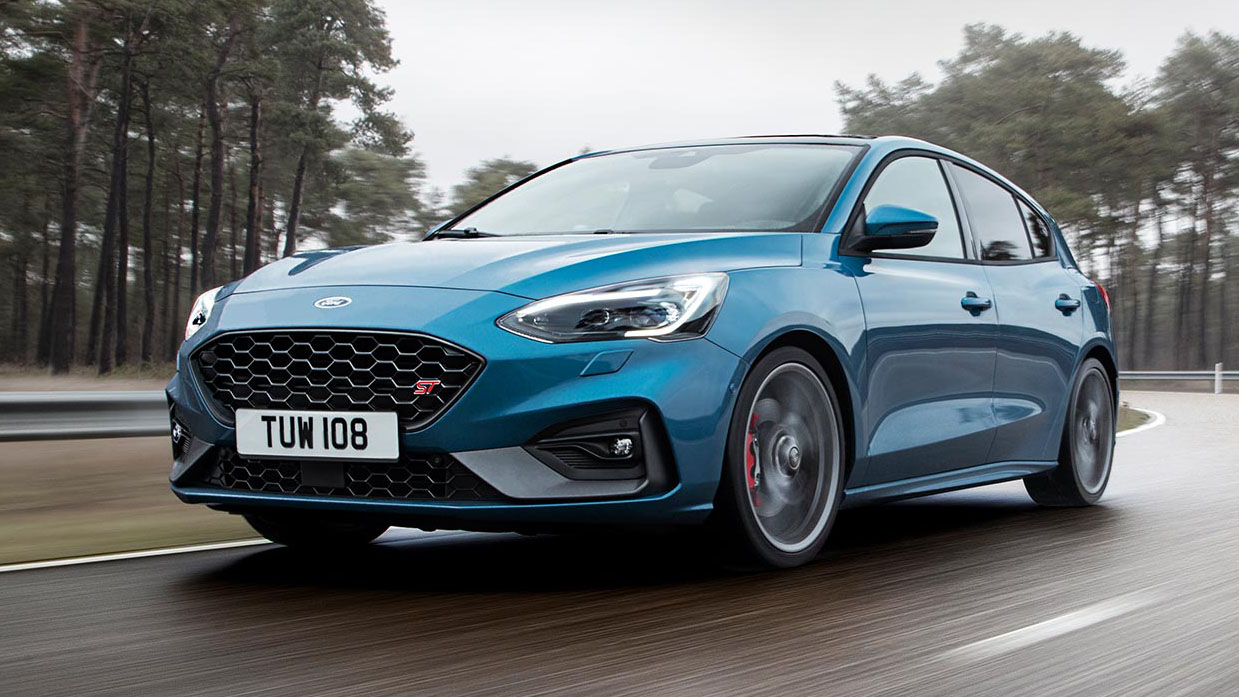
The Ford Focus ST and RS are compact hot hatches that blend strong performance with commendable reliability. RepairPal awards them a 4.0/5 rating, reflecting an average annual repair cost of $569.
The platform under both models is durable, and most maintenance concerns arise from owners pushing power levels before addressing cooling and routine upkeep. When maintained responsibly, the turbocharged engines, six-speed manual gearboxes, and chassis hardware remain robust, making either model a practical option for spirited driving and track use.
The Focus ST comes with a 2.0-liter EcoBoost four-cylinder producing 252 horsepower, while the RS features a 2.3-liter turbocharged engine delivering 350 horsepower and 350 lb-ft of torque. Both models offer a six-speed manual, with the RS adding all-wheel drive and torque vectoring for superior cornering stability.
Selectable drive modes allow drivers to adjust damper stiffness, exhaust note, stability control, engine responsiveness, and steering feel. The RS’s AWD system manages torque effectively, eliminating torque steer and offering a confidence-inspiring driving experience. The ST excels with communicative steering, crisp gearshifts, and strong brakes, making it enjoyable on back roads and daily commutes alike.
The Focus ST and RS cabins balance visual flair and functionality. The RS interior features multi-color lighting, blue stitching, and extra gauges, though material quality slightly trails rivals like the Golf R. Recaro bucket seats provide excellent lateral support, but taller or broader drivers may find them restrictive.
Rear seats have adequate headroom, though legroom is limited compared to competitors. Cargo capacity is practical for the class, with the rear seats folded offering 43.9 cubic feet in the ST and 44.8 cubic feet in the RS. Both models feature Ford’s Sync 3 infotainment system with an 8-inch touchscreen, intuitive menu layouts, and smartphone integration.
Safety features are comprehensive, including antilock brakes, stability and traction control, front side and curtain airbags, integrated blind-spot mirrors, and a rearview camera. The RS adds emergency crash notification via Sync 3 and MyKey functionality for novice drivers. The ST offers a slightly firmer ride but remains comfortable enough for daily use, combining sporty handling with practicality.
The Focus ST and RS provide a compelling mix of performance, handling, and reliability. They are tunable, durable, and capable on both streets and track. For buyers seeking a well-rounded, compact performance car with strong engine character, engaging steering, and everyday usability, the Focus ST or RS remains a top choice in the hot hatch segment.
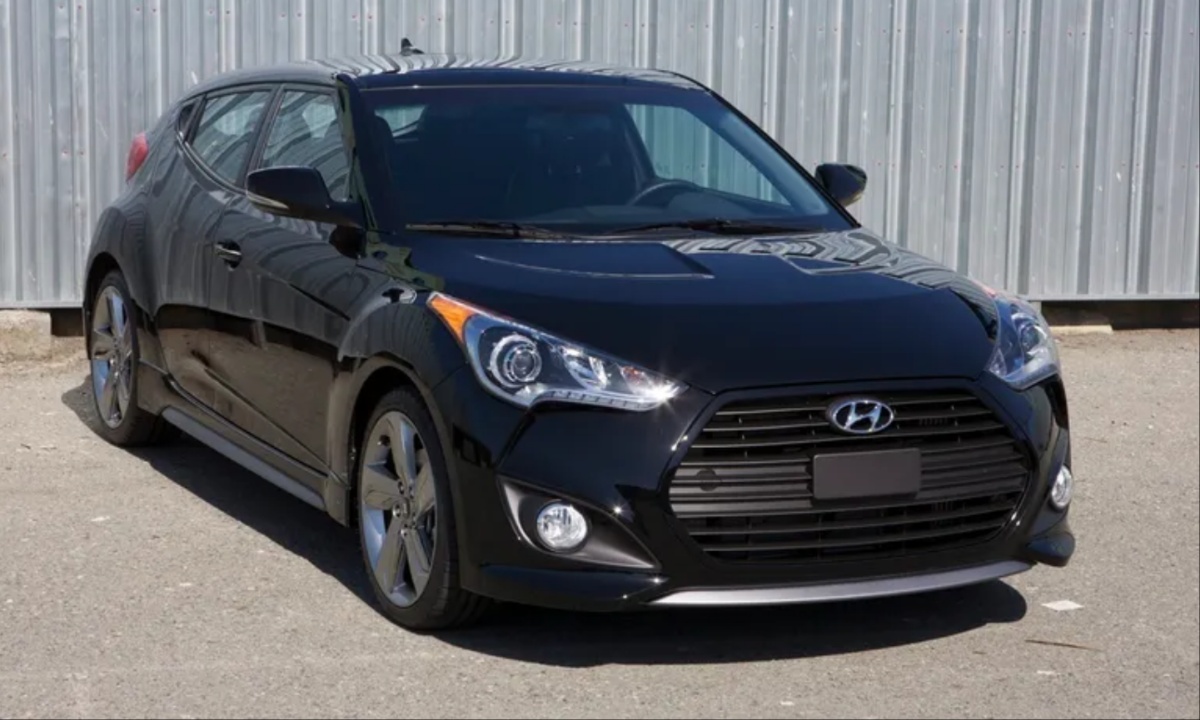
8. Hyundai Veloster Turbo and Veloster N: Affordable Hot Hatch Fun
Hyundai’s Veloster Turbo and Veloster N have emerged as surprising contenders in the hot-hatch segment, offering strong performance, reliability, and unique styling. RepairPal rates the Veloster platform 4.0/5, reflecting its durability and modest average annual repair cost of $493.
Both the 1.6-liter turbo in the Turbo model and the 2.0-liter turbo in the N benefit from robust engineering, with overbuilt components such as a strong bottom end and enhanced cooling. Owners who maintain regular oil changes and fluid service report long-lasting performance, even when these cars double as daily drivers and weekend track toys.
The Veloster Turbo caters to those seeking a spirited daily drive with solid tech and balanced handling. Its 1.6-liter turbo engine delivers adequate performance for everyday use, while the car’s sporty styling and well-integrated features make it a comfortable and efficient choice for commuting.
The ride is smoother than the N, and fuel economy is favorable for a turbocharged compact, making it a practical option for buyers prioritizing reliability and usability alongside driving enjoyment.
The Veloster N represents Hyundai’s full embrace of the performance market. With a 2.0-liter turbo producing 275 horsepower (up to 278 with overboost) and 260 lb-ft of torque, it offers strong mid-range punch and engaging acceleration.
The N’s performance-focused features include customizable drive modes accessed via dedicated N buttons, an aggressive exhaust system with pops and bangs, and an electronic limited-slip differential that virtually eliminates torque steer in front-wheel-drive configuration.
Handling is sharp and confidence-inspiring, supported by active dampers that provide a firm Sport+ mode for spirited driving or a softer Normal setting for everyday use. Transmission options include a quick and snappy eight-speed dual-clutch or a beginner-friendly manual.
While the Veloster N excels at driver engagement, it comes with trade-offs. The ride is firm, cabin noise is pronounced, and turbo lag can be noticeable at low RPMs. Seats offer limited lateral support, and comfort for daily commuting may be compromised compared with more balanced hot hatches.
The Veloster Turbo delivers a practical, fun-to-drive experience, whereas the Veloster N offers an affordable, visceral hot-hatch thrill for enthusiasts. Both models demonstrate Hyundai’s capability to compete with long-established rivals, making them top picks for buyers seeking performance, reliability, and value in a compact, distinctive package.
9. Mazda 3 Turbo and Mazdaspeed3: From Raw Thrills to Refined Performance
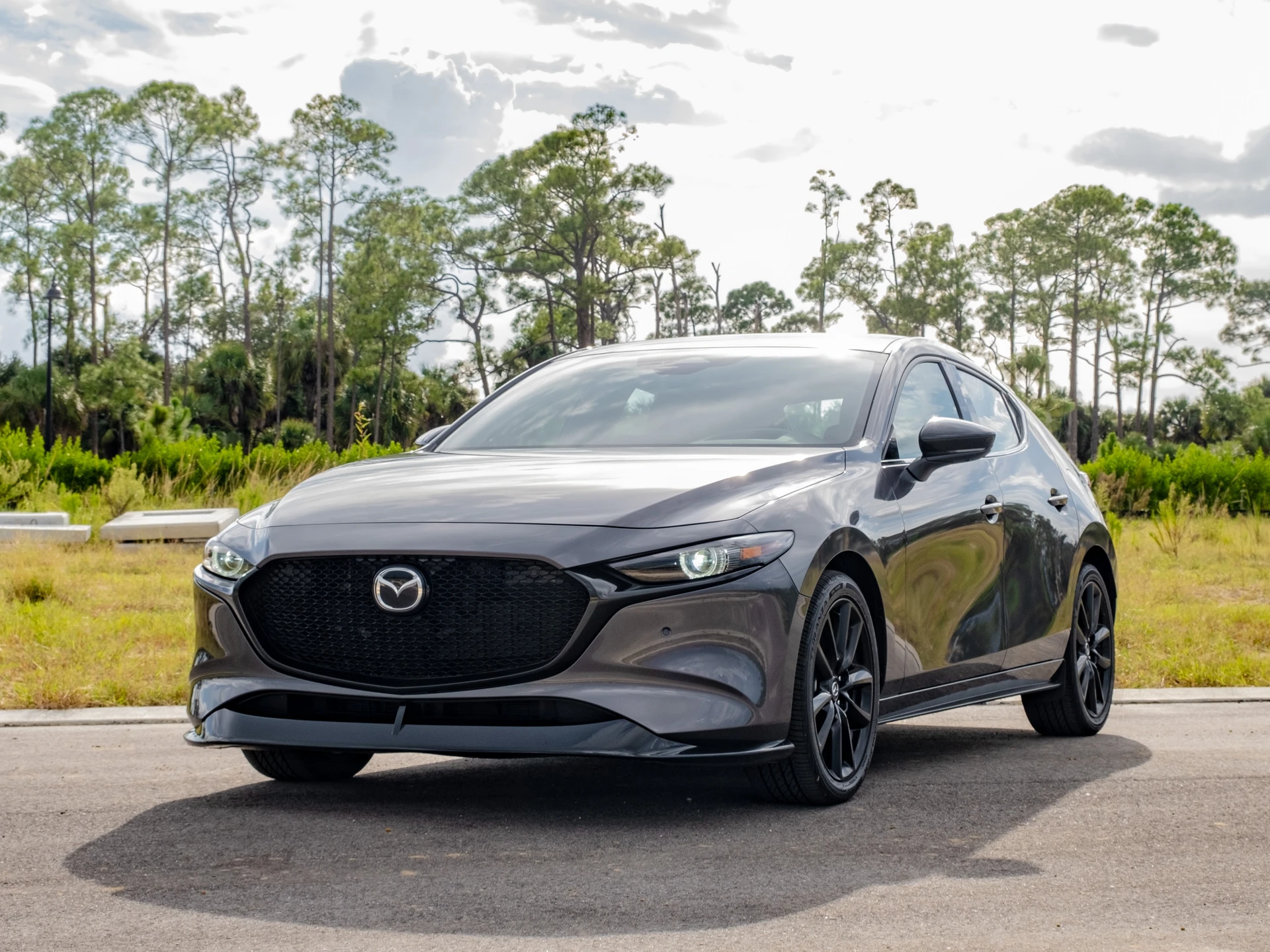
Mazda has long built cars for enthusiasts, and the Mazda 3 exemplifies that philosophy. RepairPal rates the Mazda 3 platform 4.0/5 for reliability, with average annual repair costs around $433, well below those of typical compact cars. Adding a turbo transforms it into a capable and durable performance vehicle that can be both a daily driver and a weekend thrill machine.
The older Mazdaspeed3 used a 2.3-liter DISI turbocharged engine, delivering significant torque and an aggressive front-wheel-drive experience. While the torque steer could be challenging, the engine itself was robust, handling power upgrades well when fueling and maintenance were properly managed.
The Speed3 prioritized visceral thrills, with a raw, edgy character that made it a favorite among performance enthusiasts seeking a wild, engaging drive. Its interior and features, however, were more basic, emphasizing function over refinement.
The current Mazda 3 Turbo trades some of that rawness for a more polished and usable performance experience. Equipped with a 2.5-liter Skyactiv-G turbo engine producing 250 horsepower and 320 lb-ft of torque on 93-octane fuel, the Turbo blends strong acceleration with smooth power delivery.
Standard all-wheel drive eliminates torque steer, providing excellent traction and all-weather capability. Its cabin quality rivals entry-level luxury brands, offering a comfortable and quiet ride suitable for daily commuting without sacrificing performance excitement.
Key differences between the two models highlight their distinct appeal. The Turbo focuses on refinement and usability, with AWD, a near-luxury interior, and a more controlled driving experience.
It comes with a six-speed automatic, while the Speed3 offered a manual transmission for more direct engagement. Performance-wise, the Turbo is quicker in straight-line acceleration and easier to handle, while the Speed3 delivers a dramatic, adrenaline-fueled feel that keeps drivers fully engaged.
In essence, the Mazda 3 Turbo is a mature, sophisticated performance car ideal for those seeking speed, comfort, and all-weather capability. The Mazdaspeed3 remains a raw, aggressive hot hatch that delivers unfiltered driving excitement. Both cars cater to different kinds of enthusiasts, proving that Mazda can balance refinement with pure driving fun.
10. Honda Civic Si and Type R: Reliable Performance in a Compact Package
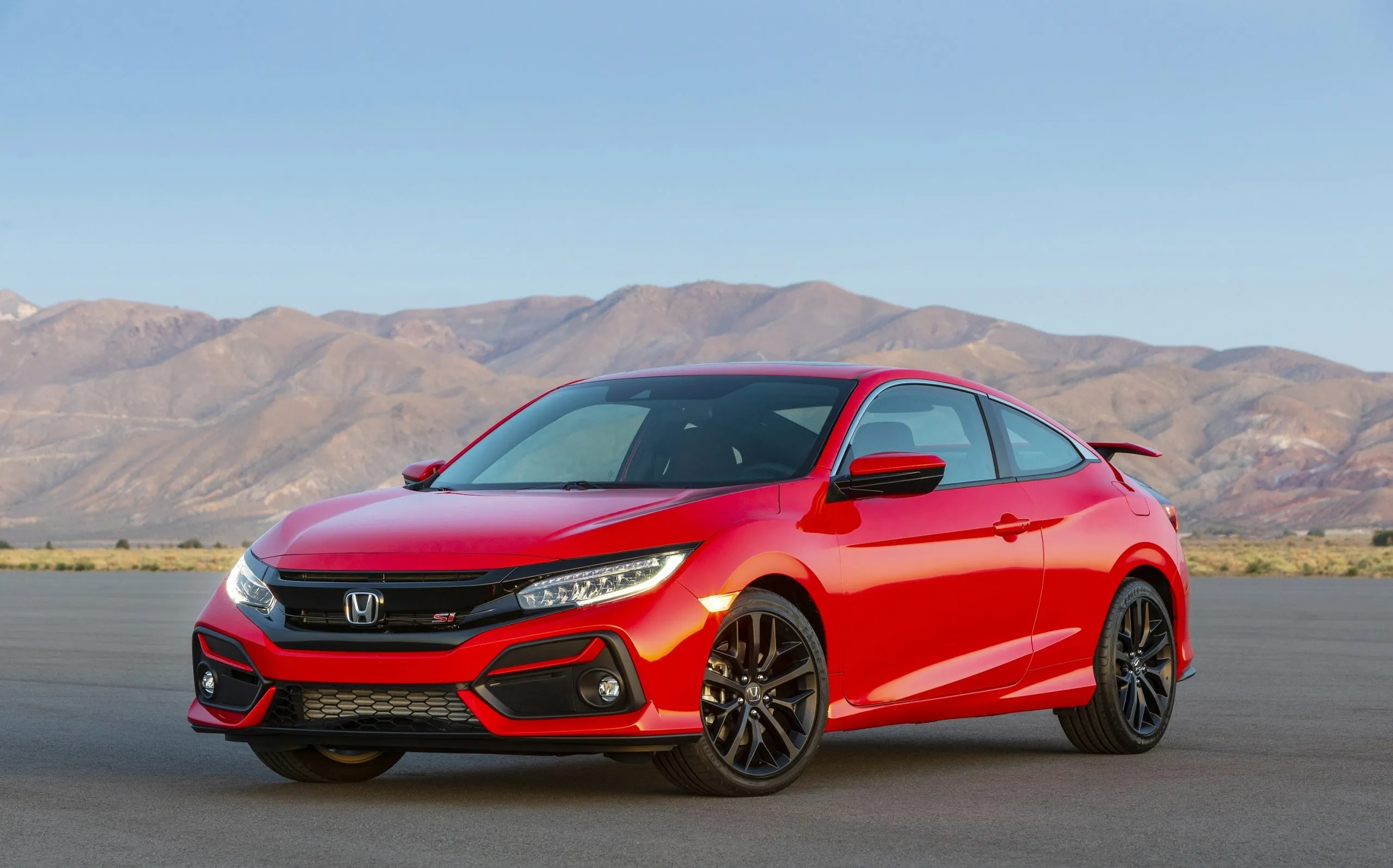
Honda continues to dominate the compact performance segment with the turbocharged Civic. RepairPal rates the Civic at 4.5/5 for reliability, with average annual repair costs around $368, placing it among the most dependable performance compacts. Both the Civic Si and Type R benefit from a base engineered to handle hundreds of thousands of miles with minimal maintenance, usually limited to fluids and brakes.
The Civic’s strength comes from its overbuilt internals, intelligent cooling, and a factory-tuned engine that leaves extra headroom for enthusiasts. The Si’s 1.5-liter turbo and the Type R’s K20C1 2.0-liter turbo can withstand track days, autocross, and spirited driving without drama.
Owners can add intercoolers, tunes, or even larger turbos while the engines remain resilient. Gearboxes are durable when maintained properly, turning what starts as an economy car into a capable performance machine. For anyone seeking a used turbo car that combines reliability with true driving excitement, both trims hit a sweet spot.
The Civic Si is a fun and engaging daily driver. Its six-speed manual provides precise shifts, excellent pedal placement for heel-toe, and responsive handling. Producing 200 horsepower, it balances spirited driving with practical usability, making it ideal for commuting, errands, or weekend drives. While it lacks the extreme performance of the Type R, it delivers strong value for enthusiasts seeking reliability and enjoyment in a compact package.
The Civic Type R is a track-focused hot hatch delivering 315 horsepower, adaptive suspension, Brembo brakes, and exceptional front-wheel-drive grip. Despite its performance focus, it retains hatchback practicality and a usable ride for daily driving.
Trade-offs include higher cost, premium fuel requirements, increased road noise, and a smaller fuel tank. The Type R suits serious enthusiasts seeking a potent FWD machine capable of track duty while remaining functional for daily life.
The Type R is more powerful, aggressive, and track-oriented, while the Si is lighter, nimble, and practical. Choose the Civic Si for daily fun and value, or the Type R for high-performance driving and a premium FWD experience when budget and intent allow.
These ten turbocharged vehicles demonstrate that performance and resilience can coexist. Each car combines durable engines, well-engineered drivetrains, and reliable components to handle high usage and spirited driving. Whether tackling daily commutes, weekend road trips, or track sessions, these cars deliver excitement while maintaining dependability.
From sporty hatches to refined coupes, they prove that turbo power need not compromise longevity. Drivers can enjoy high-octane thrills with confidence, knowing their vehicle can handle the demands of both everyday life and spirited adventures, cementing their place as icons of durability in turbocharged performance vehicles.
Also Read: 10 Cars That Look Stunning But Disappoint True Enthusiasts