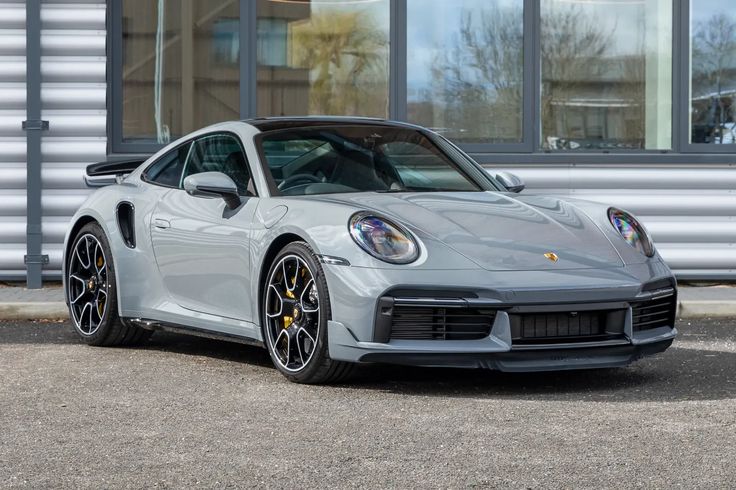
The 2000s were wild for car people. That decade flipped the whole “fast car” idea on its head. Makers weren’t just tossing big engines into heavy bodies anymore.
They were figuring out smarter ways to squeeze insane acceleration out of street-legal machines lighter materials, clever turbos, better aerodynamics, and electronic systems that didn’t constantly try to kill the driver.
You could literally watch the quarter-mile game shift year by year, like everyone was in some quiet competition to one-up each other.
Even brands that weren’t usually part of the “drag race royalty” started throwing in their own surprise hits. Europe went mad with high-revving supercars.
Japan kept doing that calm-but-deadly thing where the car looks almost reasonable until you stomp the pedal and suddenly you’re halfway down the strip.
America was still America big power, big attitude, and numbers that made everyone sit up straighter. Every country had its own flavor, but the goal was the same: shave milliseconds off that quarter-mile.
The best part is that these cars weren’t track-only toys. These were production models actual cars anyone could walk into a dealership and buy if their bank account didn’t scream in fear.
That’s what makes the 2000s list so satisfying. It’s not about one-off prototypes or tuner builds. It’s about factory machines doing things they honestly had no right to do on public roads.
And when we rank them by quarter-mile times, a few patterns show up pretty fast. Turbocharged engines gradually take over.
Gearboxes get quicker, smarter. Traction control stops being annoying and actually becomes useful. Even the “old school” supercars had to adapt or get left behind.
So here’s the lineup the 10 quickest quarter-mile production cars of the 2000s, ranked from “fast” to “why is this even allowed on the street.”
Each one has its own personality, its own quirks, and its own way of cheating physics for those 1,320 feet. And yes, some of them still feel fast even today.
The Quickest Quarter-Mile Production Cars of the 2000s
Quarter-mile rankings are simple: lowest time wins. But the story behind each car isn’t that simple. Some relied on brute horsepower. Some used turbo magic. Some used all-wheel-drive trickery to hook up instantly. Others ran rear-wheel drive and still managed to get ahead, which honestly feels like witchcraft.
The 2000s were also when electronics quietly became the real MVPs. Launch control systems started showing up in production cars, helping drivers get repeatable, drama-free starts instead of roasting tires for half the track.
Dual-clutch transmissions arrived and instantly embarrassed every slow-shifting human on the planet. And aero wasn’t just about looking cool it actually started working.
This list blends hypercars, muscle monsters, and a couple of “how did this car even exist back then” machines. I rank them based on their widely recognized manufacturer-stated or independently verified quarter-mile times during the 2000–2009 decade no later updates, no tune-shop specials, just factory legit numbers.
You’ll see some expected names near the top because, well, money can buy speed. But you’ll also see a few cars that punched way above their price bracket, which is honestly more impressive than the million-dollar exotics.
1. Bugatti Veyron 16.4
If the 2000s had a final boss, it was the Bugatti Veyron. Every other car looked like it was trying its best, and then this thing showed up like, “Cute. Anyway, here’s 1,001 horsepower.”
The Veyron wasn’t subtle. It didn’t pretend to be a corner-carving track hero. It was built for shock value, straight-line brutality, and proving a point: that a production car could do things no one thought were even remotely possible at the time.
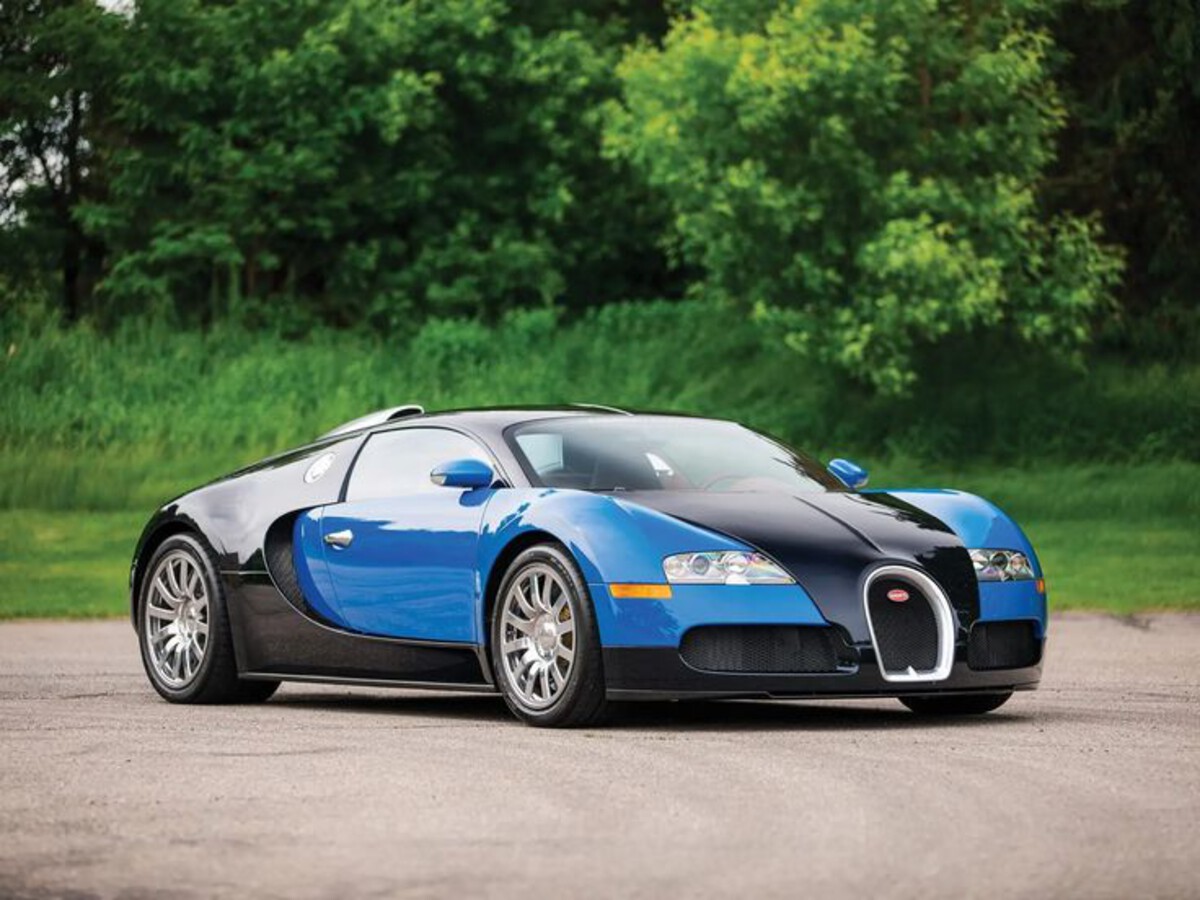
Its quarter-mile time about 10.1 seconds still feels insane when you consider the car weighed more than some compact SUVs. But that’s where the engineering flex comes in. Four turbochargers feeding a giant W16 engine.
All-wheel drive launching it like a rocket sled. A gearbox that shifted faster than anything else on the road. The Veyron didn’t care about being graceful; it cared about deleting distance.
And honestly, driving one wasn’t even that scary. That was the weird part. It was absurdly fast, but it was also calm and composed. You didn’t have to be some pro racer. You just pressed the pedal and hung on while the world blurred.
It made extreme speed feel almost too normal, which is probably why so many people still talk about it like it was the moment the modern hypercar era really started.
Sure, the Veyron was expensive enough to make billionaires flinch, but in terms of quarter-mile performance, nothing else from the 2000s really argued with it. It took the top spot and kept it. Simple as that.
2. Saleen S7 Twin Turbo
The Saleen S7 Twin Turbo was America’s “we’re not letting Europe have all the fun” moment.
Before the Veyron came crashing into the scene, this thing was the street-legal missile everyone couldn’t stop talking about. It looked like a race car because, let’s be honest, it basically was one just tamed enough (barely) to sell to the public.
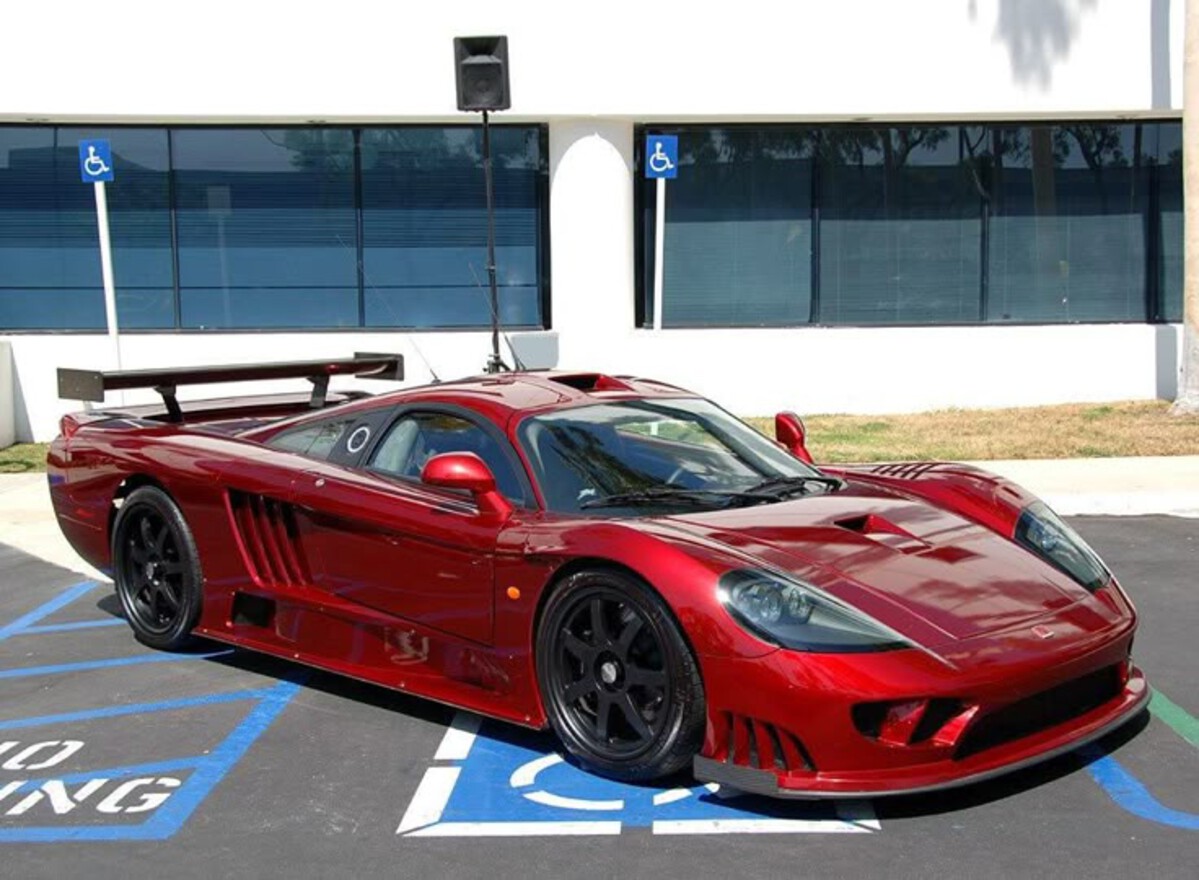
With a quarter-mile time hovering around 10.7 seconds, the S7 TT didn’t mess around. It packed a hand-built twin-turbocharged V8 that produced enough torque to make the rear tires question their life choices.
This was the kind of car you didn’t just hop into casually. It actually demanded respect. No fancy traction software babysitting you. No soft suspension trying to hide the danger. Just raw, old-school American aggression mixed with supercar engineering.
What made it interesting was how balanced it felt, despite being such a weapon. Yes, it was terrifying in the best way, but it also carved corners and carried speed like a proper exotic.
The body was all carbon fiber, the aero was functional, and the weight was surprisingly low. It was the complete opposite of something like the Veyron—lighter, sharper, more mechanical, and way more interested in reminding you that you were mortal.
People sometimes forget the S7 TT existed, probably because it didn’t have huge corporate backing or some flashy European badge.
But in the 2000s quarter-mile world, it wasn’t just competitive it was one of the kings. You can’t do a list like this without giving it proper respect.
3. Porsche 911 Turbo (997)
The 997-generation Porsche 911 Turbo was the sneaky one. It didn’t look like a drag-strip destroyer. It looked like a normal 911 in a slightly angrier mood.
But this car had one of the greatest automotive cheats ever invented: Porsche’s ridiculously effective all-wheel-drive launch and a turbocharged flat-six that delivered its power with zero drama.
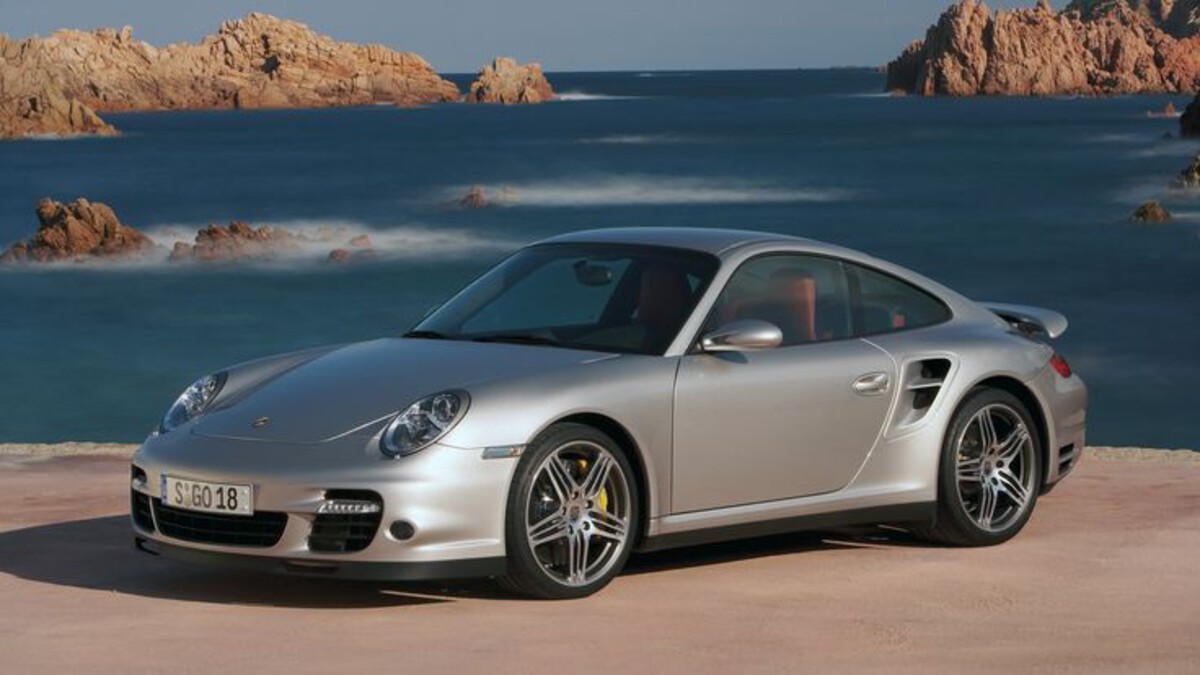
Its quarter-mile time around 11.2 seconds doesn’t look as flashy as the hypercars above, but here’s the twist: it could do those times over and over and over again. No overheating. No slipping tires. No “give me five minutes to cool down.”
If you lined up ten of these cars, they’d all run almost identical times. That consistency is honestly more impressive than one freak launch from a high-strung exotic.
The 997 Turbo also arrived right when turbo tech was leveling up. It used variable-geometry turbos, which meant almost no lag and instant punch.
You’d press the throttle, the engine would spool like it was personally offended, and the car would just go. It felt unfair, like Porsche had found some secret button no one else had discovered yet.
It was totally livable. You could daily this thing. Commute in traffic. Drive it in the rain. Take it on bad roads. Meanwhile, it would still outrun cars costing two or three times more at the strip without breaking a sweat.
That’s why the 997 Turbo deserves its spot here. It wasn’t loud about its speed. It didn’t need to be. It just showed up, did the job perfectly, and left everyone else wondering why their much fancier cars couldn’t keep up.
4. Nissan GT-R R35 (First Gen)
When the first-generation R35 GT-R dropped in 2007, it felt like the car world glitched. Here was a Japanese sports car priced way lower than European exotics running quarter-mile times around 11.2 seconds. It didn’t feel like it was struggling to reach that number. The GT-R acted like it was bored.

The launch control system was the big headline. Press a few buttons, step on the brake, pin the throttle, and the car would literally catapult itself off the line like a robot had taken over. People joked that it felt like getting hit from behind by a truck.
It was violent, but smart. The electronics worked together so well that drivers almost didn’t matter. That offended purists, but honestly, most people were too busy smiling (or screaming) to care.
The twin-turbo V6 was underrated too. On paper, the numbers didn’t look wild. But in reality, it punched way above its rating.
Nissan clearly sandbagged the official horsepower, and everybody knew it. The car pulled harder than the numbers suggested, and the transmission snapped off shifts at a speed humans couldn’t match.
Of course, the GT-R also had weight issues it was pretty heavy, but brute traction made that irrelevant in the quarter-mile world. While lighter rear-wheel-drive cars spun their tires into oblivion, the GT-R just gripped and launched ahead.
The R35 instantly became the tuning world’s favorite toy, but even in stock form, it was one of the 2000s legends. It wasn’t the fastest on this list, but it absolutely shook up the decade and forced a lot of expensive brands to rethink their DNA.
5. Ferrari Enzo
Ferrari built the Enzo to flex. Not gently, either. This was Ferrari grabbing the world by the collar and saying, “Look what we can do.”
Named after the company’s founder, the Enzo used Formula 1 tech everywhere from its carbon-fiber body to its high-revving V12 that sounded like it wanted to rip through your soul.
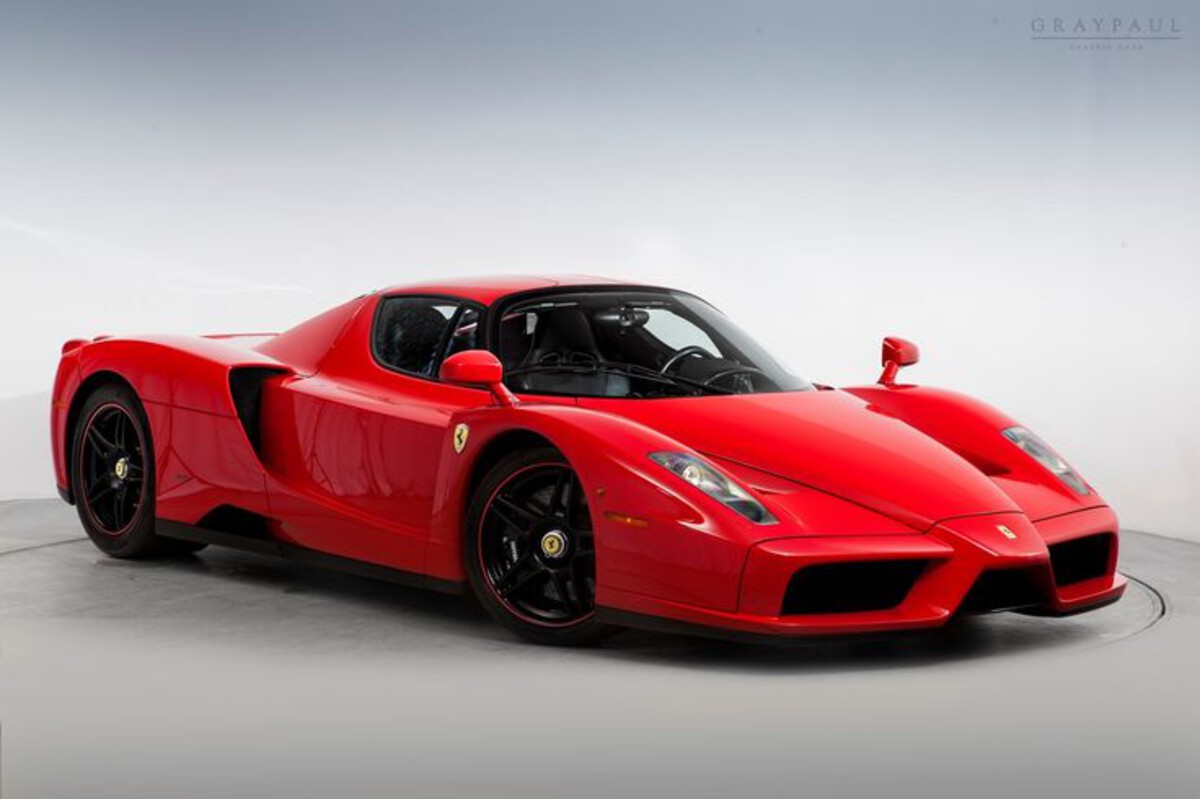
Its quarter-mile time around 11.1 seconds was impressive for a car that wasn’t really designed to be a drag racer. Ferrari cared more about lap times and cornering. Straight-line speed was just a bonus.
But that massive naturally aspirated V12 didn’t exactly hold back. It revved so quickly that the car felt constantly angry, constantly ready to go faster. No turbos, no tricks, just raw mechanical fury.
The Enzo also broke away from Ferrari’s usual elegance. It wasn’t pretty in the classic sense it looked like something built in a wind tunnel by people who didn’t care about beauty.
And that’s exactly why it stands out. It was pure purpose. Everything was sharp, aggressive, and engineered for airflow.
The transmission was still “early 2000s single-clutch weird,” but if you timed your shifts right, the car absolutely moved. You felt everything.
Every vibration. Every gear change. Every tiny weight transfer. The Enzo didn’t try to polish out the rough edges. It wanted you to feel the whole experience, even if it scared you.
This wasn’t the easiest car to drive fast, but it rewarded people who respected it. And in the 2000s, it proved that a naturally aspirated supercar could still hang in a world that was slowly being taken over by turbochargers and electronics.
6. Lamborghini Murciélago LP640
The Murciélago LP640 was what happens when Lamborghini decides subtlety is pointless. It had a massive V12, exhaust notes that set off alarms, and a body shape that made everything else on the road look boring. But quarter-mile performance? Surprisingly solid for a big, loud, dramatic machine.
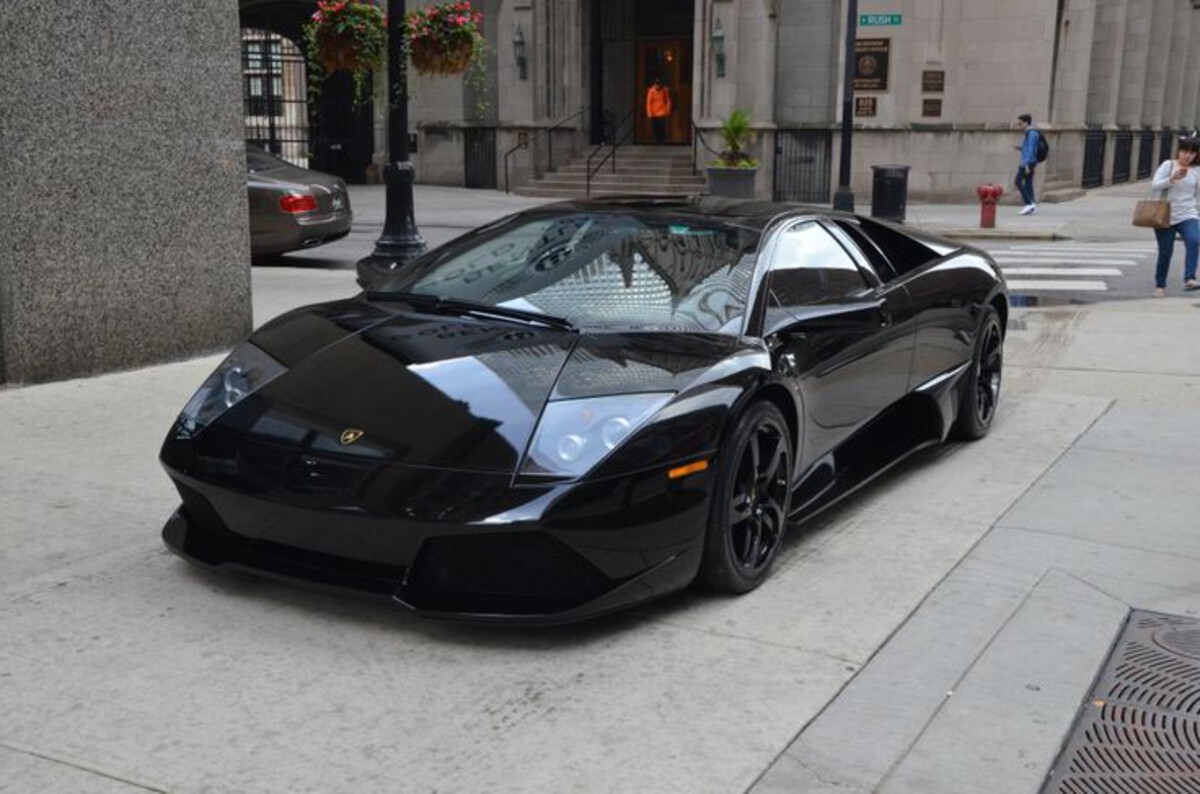
Its 11.3-second run came from a mix of heavy muscle and smart traction. The all-wheel-drive system helped this beast put power down without turning the launch into a tire-smoke festival. The engine didn’t care about finesse it delivered power the old-fashioned way, by throwing raw displacement at the problem.
The LP640 wasn’t lightweight by any stretch, but once it got moving, momentum took over. The car pulled hard through every gear, the V12 screaming in your ears like it was trying to summon thunder. It felt less like accelerating and more like being dragged forward by some unstoppable force.
Inside, it still had that slightly chaotic Lamborghini charm sharp angles, a few odd controls, and some questionable ergonomics. But honestly, no one bought this thing for comfort. They bought it because it made them feel alive. Even at idle, it sounded like it was planning something illegal.
The LP640’s quarter-mile numbers weren’t record-breaking, but they were downright impressive considering its size, weight, and drama. It was proof that Lamborghini could blend madness with real performance and not just rely on theatrics.
In the 2000s, this car added spice to the supercar world. Others were getting cleaner, smarter, more refined. The Murciélago said, “Cool. Have fun with that. I’m going to breathe fire and scare everyone instead.”
7. Mercedes-Benz SLR McLaren
The SLR McLaren was what happens when Mercedes and McLaren team up and both refuse to compromise. It ended up being a strange but fascinating mix: part long-distance cruiser, part supercar, part quarter-mile troublemaker.
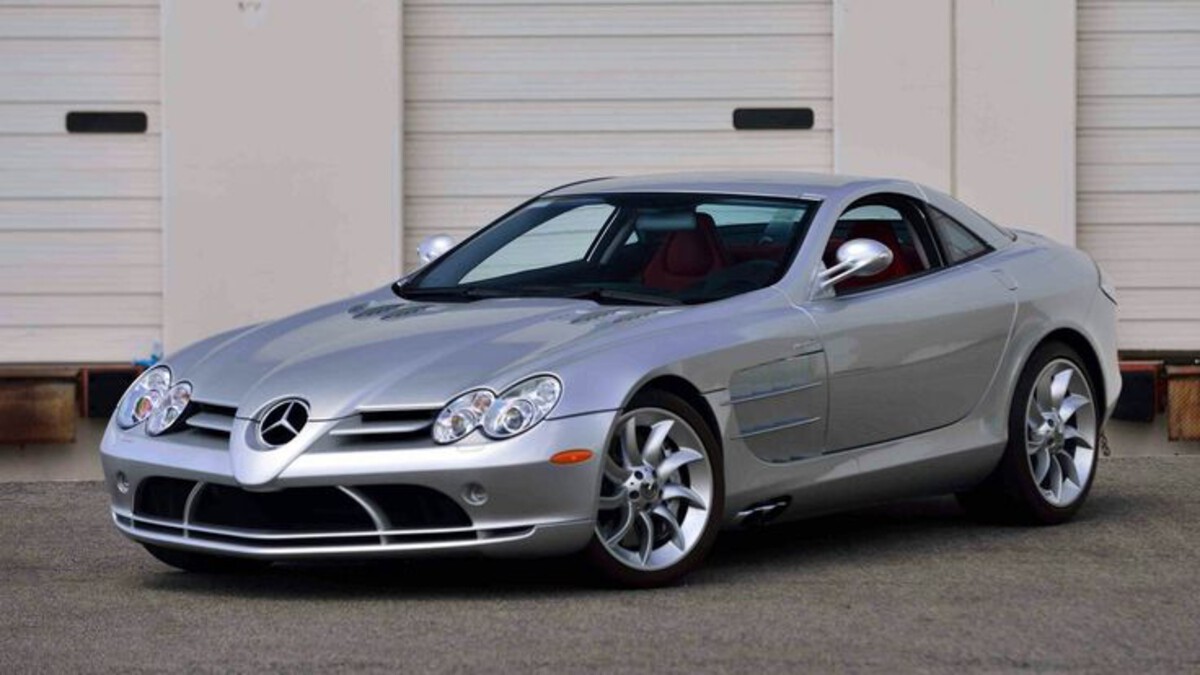
Its time around 11.1 to 11.5 seconds depending on conditions came almost entirely from the supercharged V8. This engine delivered torque instantly.
No lag, no hesitation, just immediate shove. It didn’t scream like a Ferrari or howl like a Lamborghini. It just punched you in the chest with a wall of power and kept going.
The SLR looked like a grand tourer, but its straight-line pace was anything but gentle. The rear-wheel-drive layout made launches tricky, so you had to modulate throttle instead of just flooring it.
But once it hooked up, it absolutely flew. The long gearing meant the car stayed in each gear forever, pulling hard the whole time.
The carbon-ceramic brakes were overkill for street driving, but at high speeds they made the car feel secure. And the side-exit exhaust pipes? Pure drama. They shot flames on spirited runs, which felt unnecessary but also extremely fun.
Some people never fully warmed up to the SLR because it didn’t fit neatly into any category. It wasn’t a pure supercar or a pure luxury car. It was something in between like a muscle GT built by engineers who were way too serious about their jobs.
Still, for quarter-mile performance, the SLR was a monster in disguise. It proved that superchargers still had a place in a world drifting toward turbos and hybrids. And it stayed relevant long after its debut because instant torque is a cheat code that never gets old.
8. Dodge Viper SRT-10
The Dodge Viper SRT-10 was never pretending to be civilized. It didn’t care about comfort. It didn’t care about electronics. It didn’t even care about your safety. What it cared about was shoving an absurd amount of torque through massive rear tires and hoping for the best.
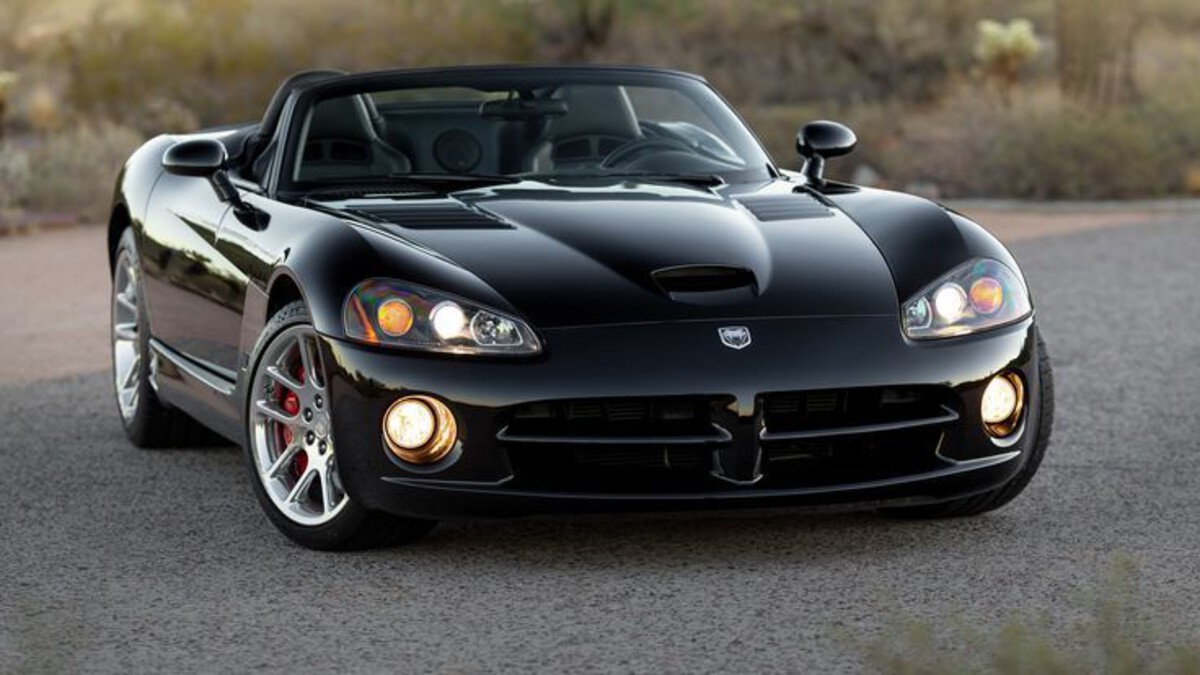
With quarter-mile times around 11.7 seconds, the SRT-10 wasn’t the quickest car in the 2000s, but it was easily one of the most intense. Everything was mechanical, loud, and heavy.
The V10 engine felt like it belonged in a pickup truck, but it somehow worked perfectly. When you launched it right, the car rewarded you with brutal acceleration. When you launched it wrong, well, you learned to respect it pretty fast.
There was no traction control to save you. No fancy computers smoothing things out. It was just you, the throttle pedal, and whatever level of bravery you could muster.
And honestly, that’s what made it special. Every run felt earned. Every tenth of a second shaved off felt like a personal achievement.
The SRT-10 also had that raw American charisma. Long hood. Exhaust pipes under the side sills. An interior that felt like it was built by people who thought comfort was a distraction. Everything about it screamed “old school,” even though it lived in a decade where supercars were getting smarter.
Sure, it wasn’t the most precise or refined machine. But when it came to raw power-to-dollar ratio, nothing else from the 2000s matched it. The Viper delivered big performance in a brutally honest package. Love it or fear it, you had to respect it.
9. Chevrolet Corvette Z06 (C6)
The C6 Corvette Z06 was the overachiever of the decade. It wasn’t outrageously priced. It didn’t have exotic materials everywhere. And it definitely didn’t rely on turbos or superchargers to make power. It just used a giant naturally aspirated V8 and a lightweight chassis to outrun cars that cost two or three times more.
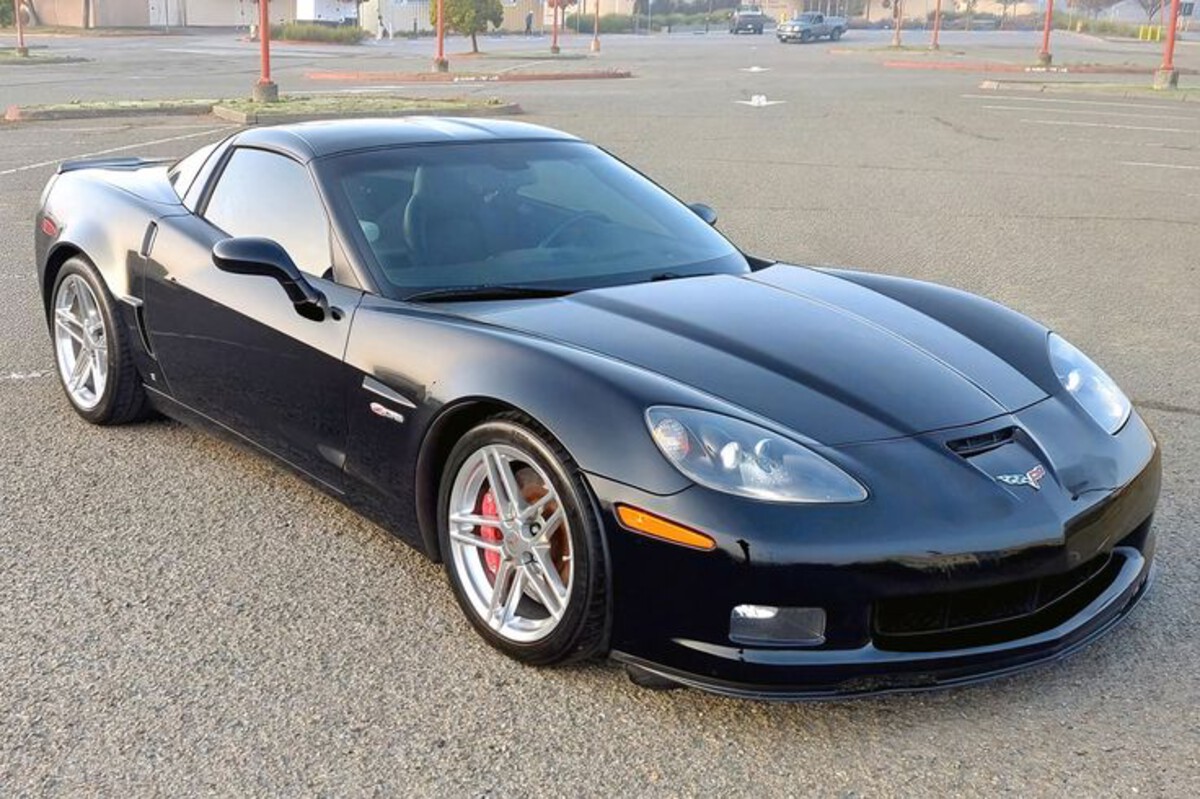
Its quarter-mile time around 11.5 seconds was the kind of number that made European brands uncomfortable. This was supposed to be the “affordable” American sports car, not something fighting with supercars.
But the Z06 didn’t play by the usual rules. The 7.0-liter LS7 engine revved high, pulled hard, and made the car feel alive. It wasn’t the most sophisticated engine in the room, but it was definitely one of the most effective.
What made the Z06 dangerous on the strip was how simple it was. No turbo lag. No complicated gearing. No heavy AWD system. Just a light body, a ton of displacement, and traction that was good enough if you treated the throttle with some respect.
The Z06 also handled surprisingly well, which meant you could actually use all of its power without feeling like you were wrestling a dinosaur. It gave drivers confidence something the Viper didn’t always manage.
Inside, the car wasn’t fancy, but that didn’t matter. People didn’t buy Z06s to stare at the dashboard. They bought them because the performance-per-dollar ratio was ridiculous.
In the 2000s, the Z06 became a quiet legend. It showed that you didn’t need exotic heritage or insane tech to post serious quarter-mile numbers. Sometimes, a big engine and a smart chassis are all you need.
10. BMW M5 (E60)
The E60 M5 was the “wait, BMW did what?” car of the decade. A luxury sedan with a screaming V10 borrowed from the team’s F1 era?
No one saw that coming. And when the numbers dropped, quarter-mile in the low 12-second range it instantly earned a spot on lists like this.

The E60 wasn’t about brute force. It was about revs. That 5.0-liter V10 spun to 8,000+ RPM and sounded like it wanted to tear the sky open. It didn’t have the low-end punch of turbo rivals, but once you got into the upper powerband, it pulled like crazy.
The seven-speed SMG transmission was controversial. Some loved the aggressive shifts. Others hated the jerky behavior at low speeds. But when you were actually going for a quick run, the SMG did exactly what you needed: fast, decisive gear changes.
The fun part is that the M5 looked like a normal executive sedan. You could show up at a business meeting in it, and no one would guess that the car could embarrass sports cars from the same decade. That sleeper personality made it even more appealing.
Sure, the maintenance costs were scary. And yes, the engine drank fuel like it was constantly dehydrated.
But when you think about the 2000s and which cars left a mark, the E60 M5 stands out. It proved that family cars didn’t have to be boring, and supercar-level engines could live in four-door bodies without feeling out of place.
Its quarter-mile time wasn’t the quickest on this list, but the fact that it ran with big names while carrying five people comfortably.
Looking back at the quickest quarter-mile cars of the 2000s, it’s pretty clear they did more than just post impressive numbers.
They set the stage for everything we see today hypercars, electric rockets, and even performance SUVs that accelerate like sports cars. The 2000s didn’t just move the goalpost; they rebooted the whole game.
Speed stopped being exclusive. Before this decade, you needed something extremely rare and extremely expensive to hit insane quarter-mile times. But the 2000s cracked that barrier.
Suddenly you had cars like the GT-R and Z06 fighting with exotics. You had Porsches doing repeatable drag times like they were built in a lab. You had sedans like the M5 sneaking into the conversation because BMW felt like experimenting with an F1 engine. It was chaos but the good kind.
Another thing the decade proved was that there’s no single “correct” way to be fast. Turbo power, natural aspiration, superchargers, AWD, RWD, lightweight builds, heavy but high-tech designs every approach worked in someone’s hands.
That kind of diversity doesn’t really happen as much today, where speed mostly comes from hybrid torque-fill or electric instant power. The 2000s still feel like the wild west by comparison.
Most importantly, these cars managed something rare: they stayed iconic long after newer machines beat their times. Sure, modern cars are quicker.
But the 2000s lineup had soul. Every car had a personality. A sound. A temper. A learning curve. You didn’t just stomp the pedal well okay, in some you did but in most, you had to actually understand how the car wanted to run.
That’s probably why people still talk about these machines almost twenty years later. They weren’t perfect, but they were memorable.
And in an era where performance numbers keep getting crazier, the 2000s remain a reminder that speed only matters if the experience sticks with you.