
The rivalry between Ford and Chevrolet trucks is one of the longest-running and most passionate battles in the automotive world.
For decades, both brands have competed fiercely for dominance in the pickup segment, constantly refining performance, durability, technology, and value.
Truck buyers today are more informed than ever, and their expectations go far beyond raw horsepower or towing figures.
Modern pickups must balance strength with comfort, reliability with innovation, and capability with long-term ownership satisfaction. This is where meaningful comparisons between Ford and Chevy trucks become essential.
Ford has built its reputation around innovation and adaptability, often introducing new materials, powertrains, and technologies before its rivals. From aluminum-body construction to turbocharged EcoBoost engines, Ford trucks frequently challenge traditional thinking in the segment.
Chevrolet, on the other hand, emphasises classic truck values, robust V8 engines, straightforward engineering, and a loyal customer base that appreciates familiarity. While both brands produce excellent trucks, certain Ford models stand out as more well-rounded, future-ready, and versatile when compared directly with their Chevrolet counterparts.
This article is not about dismissing Chevy trucks outright. Instead, it focuses on identifying specific Ford trucks that offer clearer advantages in real-world ownership such as better powertrain choices, smarter technology, stronger resale value, or broader usability.
Likewise, the Chevrolet trucks discussed later are strong in their own right but may fall short in key areas when matched against these Ford offerings.
By examining these trucks side by side, this comparison helps buyers understand where Ford currently excels and why certain Ford trucks make more sense for work, family use, or long-term reliability. The goal is clarity, not brand bias, highlighting strengths where they genuinely exist.
Also Read: 5 Affordable Luxury Sedans That Compete With 5 Older CPO Luxury Models
5 Ford Trucks
Ford’s truck lineup has consistently set benchmarks in the pickup segment by blending innovation with proven toughness. Unlike many competitors that rely heavily on tradition, Ford has repeatedly pushed the boundaries of what a modern truck can be.
From advanced engine technologies to lightweight construction and class-leading driver assistance features, Ford trucks are engineered to meet evolving buyer expectations without sacrificing capability.
One of Ford’s biggest strengths lies in its diverse powertrain options. The EcoBoost turbocharged engines deliver impressive torque while maintaining efficiency, making them ideal for both daily driving and heavy hauling.
Ford has also embraced hybrid and electric truck technology earlier and more confidently than most competitors, demonstrating a forward-thinking approach that prepares owners for future regulations and fuel trends. This willingness to innovate gives Ford trucks a distinct edge in versatility and long-term relevance.
Another key advantage is Ford’s focus on usability. Interiors are designed with work and comfort in mind, offering thoughtful storage solutions, durable materials, and intuitive technology.
Features like onboard generators, advanced trailering systems, and over-the-air software updates show that Ford understands how trucks are actually used in real life on job sites, highways, and family road trips alike.
The following five Ford trucks were selected because they represent the brand at its strongest. Each model delivers clear benefits when compared to similar Chevrolet trucks, whether through superior performance, better technology integration, or broader capability.
These trucks are not just powerful they are well-rounded machines designed to excel in demanding conditions while remaining practical for everyday ownership.
1. Ford F-150
The Ford F-150 is widely regarded as the benchmark for full-size pickup trucks, and for good reason. It combines strength, technology, and adaptability better than most competitors, including comparable Chevy models.
One of the primary reasons for writing about the F-150 is the unmatched flexibility; it caters equally well to contractors, families, and recreational users.
A major advantage of the F-150 is its extensive engine lineup. Buyers can choose from multiple EcoBoost turbocharged engines, a naturally aspirated V8, and even the PowerBoost hybrid, which delivers exceptional torque while improving fuel efficiency.
This range allows owners to select a powertrain tailored precisely to their needs, something Chevy struggles to match with the same level of balance. The hybrid variant also provides onboard power generation, turning the truck into a mobile worksite.
Ford’s use of a military-grade aluminum-alloy body reduces weight without compromising durability. This design improves handling, fuel economy, and corrosion resistance, practical benefits that matter over the years of ownership.
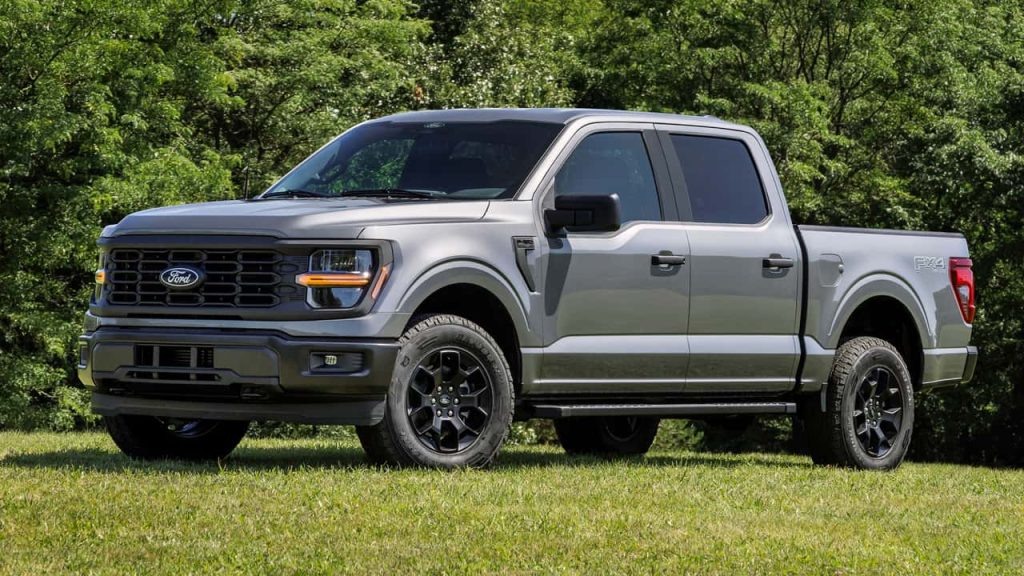
Inside, the F-150 offers one of the most functional cabins in the segment, with fold-flat work surfaces, advanced towing aids, and intuitive infotainment.
The reason the F-150 stands out is not just because it sells well, but because it consistently evolves. It reflects Ford’s commitment to improving real-world usability while maintaining legendary toughness, making it a stronger overall package than many Chevy rivals.
2. Ford Ranger
The Ford Ranger earns its place on this list by delivering a rare combination of manageable size and serious capability.
In the midsize truck segment, many buyers want strength without the bulk of a full-size pickup, and the Ranger fits that role exceptionally well. This is why it deserves attention when comparing Ford and Chevy trucks.
Powered by a turbocharged engine that produces strong low-end torque, the Ranger feels responsive both on highways and off-road trails. Its towing capacity is among the best in its class, making it ideal for small trailers, boats, or work equipment.
Ford’s suspension tuning also provides a confident ride, striking a balance between comfort and ruggedness that many midsize trucks fail to achieve.
Inside, the Ranger prioritizes durability and functionality. Controls are straightforward, materials are tough, and technology is easy to use without overwhelming the driver. Advanced safety features and driver-assistance systems further enhance everyday usability, especially for buyers who use their trucks as daily drivers.
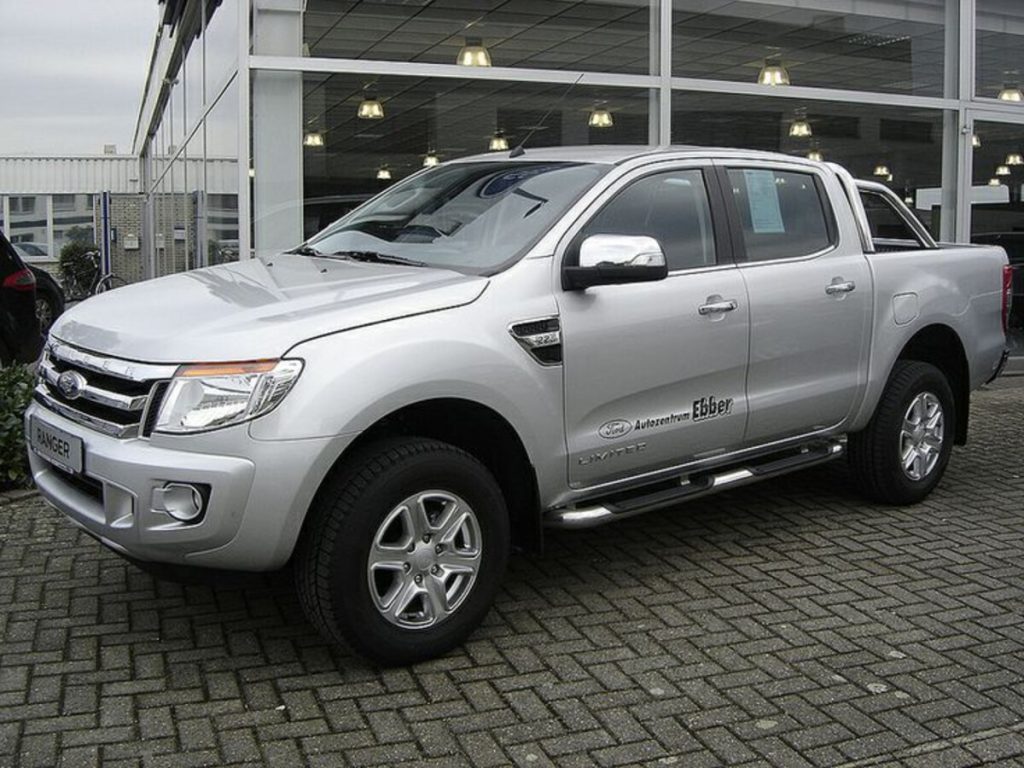
The reason for writing about the Ranger is its versatility. It appeals to urban users, weekend adventurers, and small business owners alike.
Compared to similar Chevy offerings, the Ranger feels more refined, better engineered, and more adaptable to varied lifestyles qualities that define a truly modern pickup.
3. Ford Super Duty (F-250 / F-350)
The Ford Super Duty lineup exists for buyers who need uncompromising strength, and this is exactly why it outperforms comparable Chevy heavy-duty trucks in several critical areas. Writing about the Super Duty is essential because it represents Ford’s dominance in real-world work applications, not just marketing numbers.
Ford Super Duty trucks are engineered with commercial users in mind. Their high-strength steel frames, reinforced suspension components, and best-in-class diesel torque figures make them exceptionally capable for towing large trailers, construction equipment, and agricultural loads.
Ford’s Power Stroke diesel engine, in particular, is widely respected for its durability, torque delivery, and long-term reliability under stress. These traits matter deeply to fleet owners and individual buyers who depend on their trucks for income.
Another standout advantage is Ford’s advanced trailering technology. The Super Duty offers multiple camera views, trailer backup assist, and integrated brake controllers that reduce driver fatigue and improve safety when hauling massive loads.
These features are not gimmicks; they are tools that make daily work easier and more efficient. Compared to similar Chevy HD models, Ford’s systems feel more mature and intuitive.
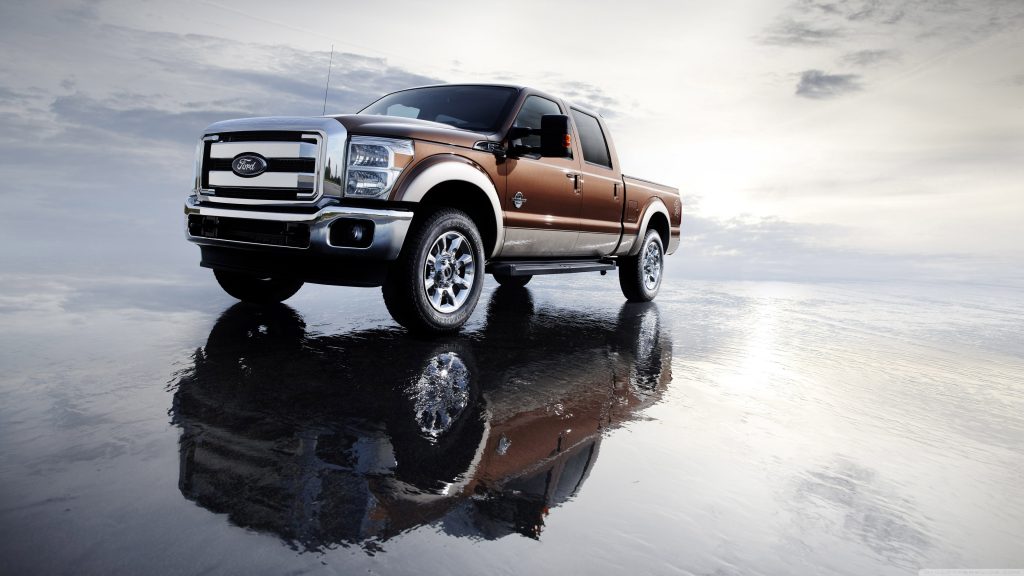
The interior also reflects Ford’s understanding of long workdays. Controls are glove-friendly, materials are built to last, and higher trims provide comfort without compromising toughness.
The reason the Super Duty belongs on this list is simple: it consistently delivers reliability, capability, and usability at a level that sets the standard for heavy-duty trucks, giving Ford a clear edge in this demanding segment.
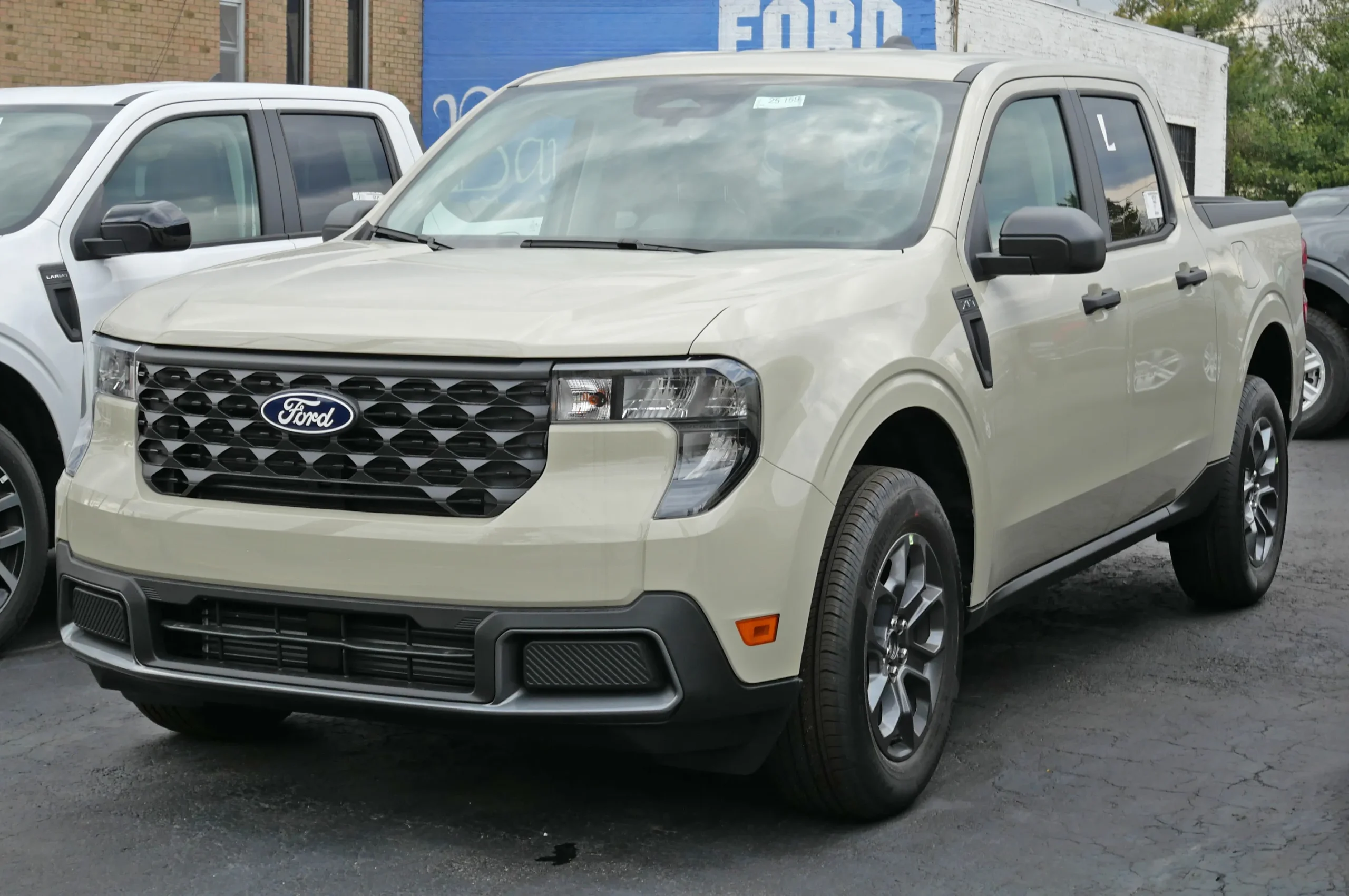
4. Ford Maverick
The Ford Maverick deserves attention because it redefined what a pickup truck can be. Unlike traditional trucks that focus solely on size and brute strength, the Maverick targets efficiency, affordability, and practicality areas where Chevy lacks a true equivalent.
Writing about the Maverick is important because it reflects Ford’s ability to identify unmet market needs.
The Maverick stands out primarily for its standard hybrid powertrain, offering fuel efficiency that rivals compact sedans while still providing the utility of an open bed.
For buyers who need light hauling capability without the cost or size of a full-size truck, this is a game-changing proposition. Ford recognized that many truck owners rarely tow heavy loads but still want versatility, and the Maverick answers that demand perfectly.
Despite its compact size, the Maverick is intelligently designed. The bed includes modular storage solutions, built-in slots for DIY accessories, and clever tie-down points.

Inside, the cabin emphasizes functionality over luxury, making it durable, affordable, and easy to maintain. This approach aligns with how most entry-level truck buyers actually use their vehicles.
The reason the Maverick outshines Chevy alternatives is that Chevy simply doesn’t offer a direct competitor with the same balance of efficiency and usability. Ford’s willingness to challenge traditional truck norms makes the Maverick a standout success and a clear example of innovation done right.
5. Ford F-150 Raptor
The Ford F-150 Raptor represents the extreme end of Ford’s truck philosophy performance without compromise. It earns its place here because it is not just an appearance package, but a fully engineered off-road machine that surpasses Chevy’s performance-oriented trucks in both capability and heritage.
The Raptor is built with high-speed desert running and aggressive off-road terrain in mind. Its advanced suspension system, wide stance, and specialized drive modes allow it to handle conditions that would overwhelm standard pickups. Unlike some competitors that focus on straight-line power, the Raptor emphasizes control, durability, and real off-road performance.
Ford’s attention to detail is evident throughout the truck. Reinforced components, skid plates, and advanced cooling systems ensure reliability even under extreme stress. Inside, the Raptor balances ruggedness with technology, offering performance data displays, terrain management systems, and supportive seating designed for aggressive driving.
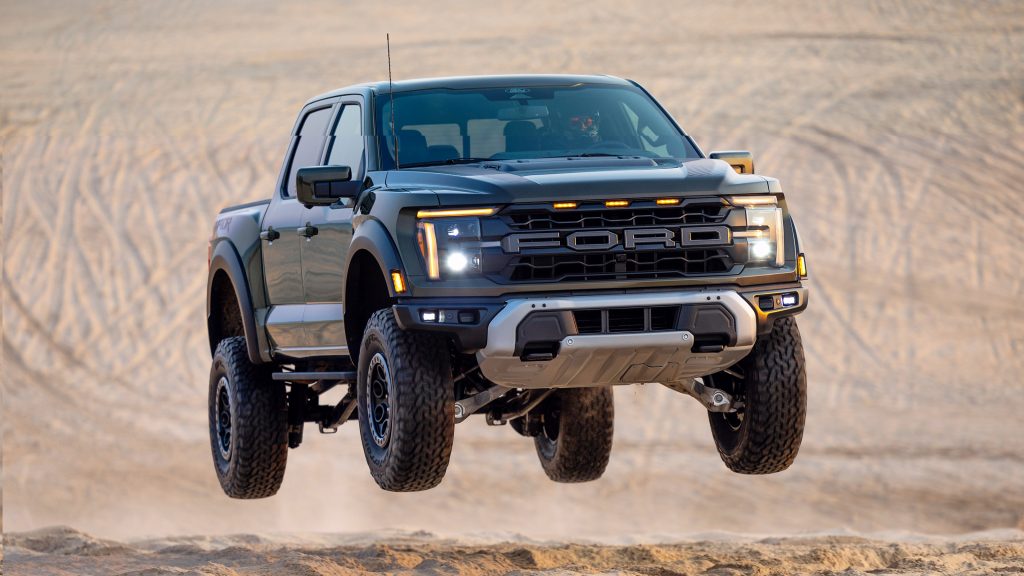
The reason for writing about the Raptor is that it represents authenticity. It is engineered for enthusiasts who actually use their trucks hard, not just for visual appeal. Compared to Chevy’s off-road offerings, the Raptor feels more purpose-built and refined, reinforcing Ford’s leadership in high-performance trucks.
5 Chevy Trucks
Chevrolet trucks have long held a respected position in the American pickup market, built on a reputation for solid engineering, powerful engines, and traditional truck values.
For many buyers, Chevy represents familiarity robust V8 performance, body-on-frame toughness, and a driving experience that feels rooted in decades of pickup heritage.
Writing about Chevy trucks is important because they remain a major force in the segment, even when compared against Ford’s increasingly innovative lineup.
Chevy’s approach to truck design often prioritizes mechanical simplicity and proven components. This philosophy appeals to buyers who value straightforward ownership, predictable maintenance, and engines that feel strong without relying heavily on turbocharging or complex systems.
The brand’s naturally aspirated V8 engines, in particular, continue to attract customers who prefer classic power delivery and a traditional truck sound and feel.
Interior quality and ride comfort have also improved significantly in recent years. Modern Chevy trucks offer refined cabins, improved infotainment systems, and better noise insulation than older generations.
These changes reflect Chevrolet’s effort to remain competitive as trucks increasingly serve dual roles as work vehicles and family transportation.
However, while Chevy trucks are undeniably capable, they sometimes lag behind Ford in areas such as powertrain variety, advanced towing technology, and forward-looking innovation.
That does not make them weak it simply places them in a different philosophical space. The following five Chevy trucks were chosen because they represent the brand at its best, even if they are ultimately outmatched by specific Ford rivals discussed earlier.
This section explains why these Chevy trucks still matter, where they excel, and why they continue to attract loyal buyers despite increasing competition.
1. Chevrolet Silverado 1500
The Chevrolet Silverado 1500 is the backbone of Chevy’s truck lineup and one of the most recognizable pickups on the road. It earns its place here because it delivers strong performance, a wide trim range, and traditional truck capability that appeals to a broad audience.
One of the Silverado’s biggest strengths is its engine selection, particularly its V8 options. These engines provide smooth, linear power delivery and are well-suited for towing and hauling without relying heavily on turbocharging. For buyers who value a classic driving feel and proven engine designs, the Silverado remains an attractive choice.
The truck’s frame and suspension are designed to handle demanding workloads, making it a reliable partner for construction, towing, and long-distance hauling. Chevy has also improved ride quality over the years, giving the Silverado a more composed feel on highways while maintaining its toughness under load.
Inside, the Silverado offers a functional and increasingly refined cabin. Higher trims provide modern infotainment, driver-assistance features, and improved material quality. While not as innovative as Ford’s interiors, the Silverado’s layout is intuitive and easy to live with, especially for long-time truck owners.
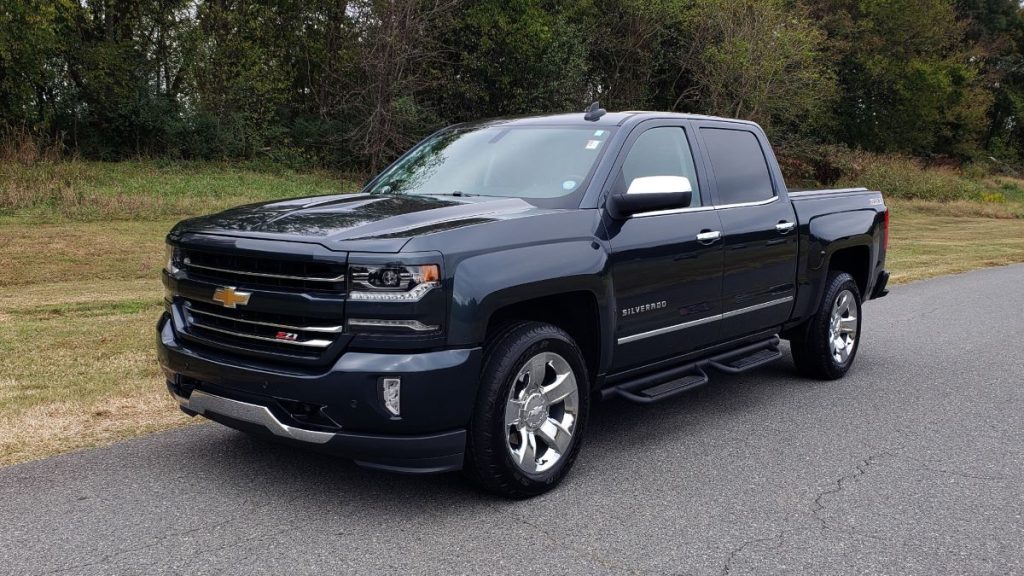
The reason for writing about the Silverado 1500 is its consistency. It may not push boundaries like some Ford trucks, but it delivers dependable performance and familiar strength. This reliability keeps it competitive, even when it falls short of Ford’s broader versatility and advanced technology.
2. Chevrolet Silverado HD (2500HD / 3500HD)
The Chevrolet Silverado HD lineup represents Chevy’s answer to buyers who need serious towing and payload capability. Writing about the Silverado HD is important because it showcases Chevrolet’s strength in traditional heavy-duty engineering, even when facing strong competition from Ford’s Super Duty trucks.
The Silverado HD is built around a rugged frame and powerful engine options, including a well-regarded diesel that delivers strong low-end torque. This makes the truck capable of handling large trailers, heavy equipment, and demanding job-site tasks.
For owners who rely on their truck for commercial use, this mechanical strength is a major selling point. Chevy’s emphasis on durability and proven components appeals to buyers who value long-term dependability over cutting-edge experimentation.
Another strength of the Silverado HD is its straightforward approach to towing. The truck feels stable under load, and its suspension is tuned to manage heavy weights without excessive body movement.
While it may not offer as many advanced trailering aids as Ford, the Silverado HD compensates with predictable handling and a sense of mechanical confidence that experienced truck owners appreciate.
Inside, the cabin focuses on function first. Controls are large, logically placed, and easy to operate even with gloves. Higher trims add comfort features that make long workdays more manageable, though the interior design still leans more conservative compared to Ford’s offerings.
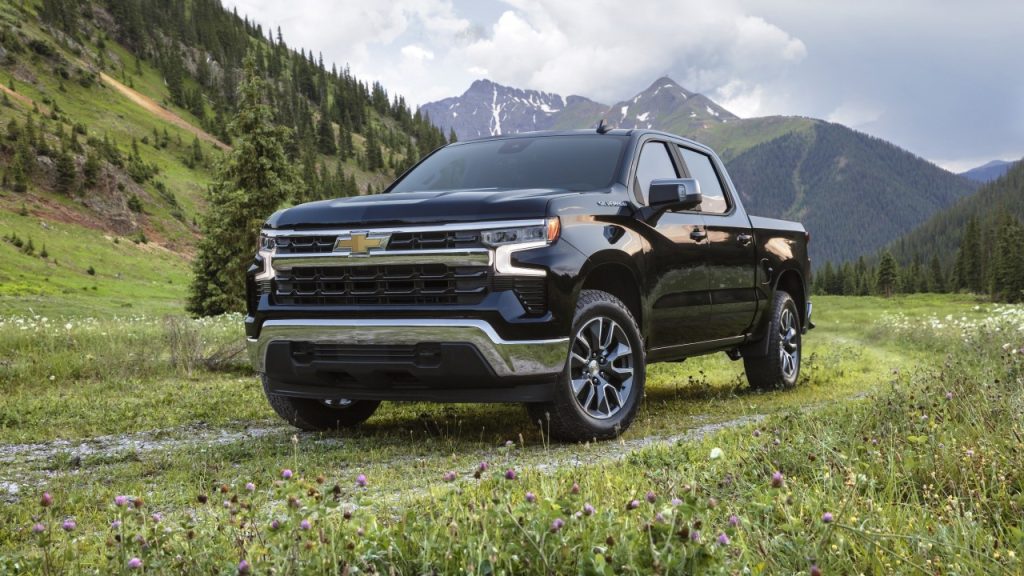
The reason this truck belongs in the comparison is its honesty. The Silverado HD does not try to reinvent the heavy-duty truck formula it refines it.
While it may be outmatched in technology and innovation by Ford Super Duty models, it remains a dependable, no-nonsense workhorse that continues to earn loyalty among buyers who prioritize traditional truck values.
3. Chevrolet Colorado
The Chevrolet Colorado plays a crucial role in Chevy’s lineup by targeting buyers who want capability without the bulk of a full-size pickup. Writing about the Colorado matters because it highlights Chevy’s presence in the competitive midsize truck segment, where versatility and daily usability are key factors.
The Colorado offers respectable towing capacity and off-road capability, especially in its more rugged trims. Its size makes it easier to maneuver in urban environments while still being capable enough for weekend hauling, light-duty work, or outdoor adventures.
This balance is why the Colorado appeals to buyers who want a truck lifestyle without full-size compromises.
Chevy’s engine tuning emphasizes smooth power delivery rather than aggressive performance. This makes the Colorado comfortable for everyday driving and long highway trips. Ride quality is generally composed, and the truck feels stable even when lightly loaded an important factor for buyers who use their truck as a daily vehicle.
Inside, the Colorado’s cabin is practical and straightforward. While it lacks some of the creative storage solutions found in Ford’s midsize offerings, it provides a clean layout and durable materials that hold up well over time. Technology features are functional, though not particularly segment-leading.
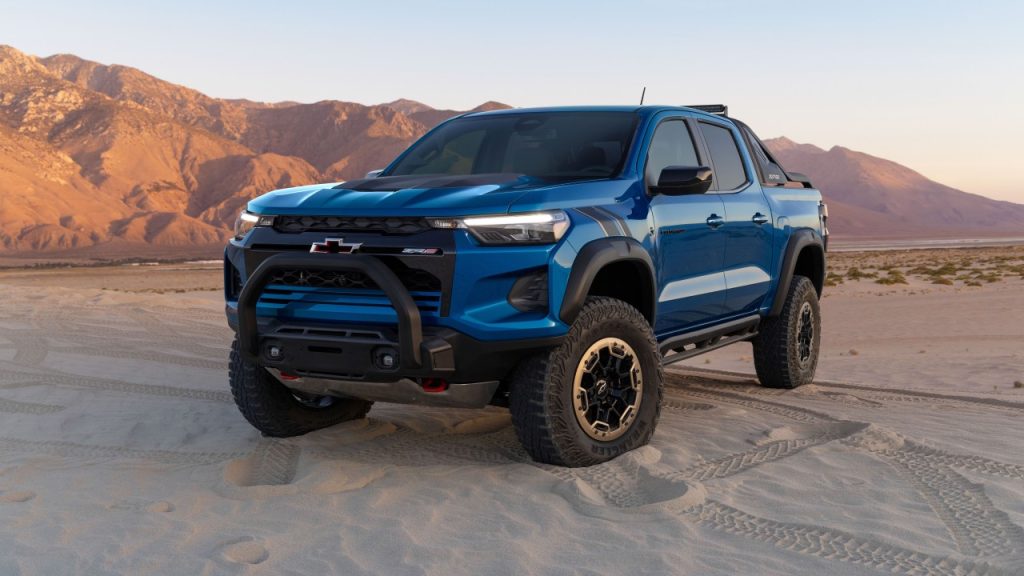
The reason for including the Colorado is that it represents Chevy’s conservative but reliable approach to midsize trucks.
While Ford’s Ranger may feel more modern and better engineered overall, the Colorado remains a solid option for buyers who prioritize simplicity, familiarity, and balanced performance over cutting-edge innovation.
4. Chevrolet Avalanche
The Chevrolet Avalanche occupies a unique place in Chevy’s truck history, and it deserves inclusion because it represented a bold attempt to blend pickup utility with SUV comfort.
Writing about the Avalanche is important because it shows Chevrolet’s willingness to experiment, even if the execution fell short of long-term success compared to Ford’s more adaptable designs.
One of the Avalanche’s most distinctive features was its midgate system, which allowed the bed to be expanded into the cabin when extra cargo space was needed.
This flexibility made it appealing to buyers who wanted occasional hauling capability without committing to a traditional long-bed truck. For lifestyle users such as outdoor enthusiasts or homeowners, the Avalanche offered convenience that many standard pickups lacked at the time.
However, the Avalanche’s design also limited its appeal. Its heavy body, integrated bed panels, and complex structure added weight and reduced efficiency.
While it offered V8 power and solid towing ability, it was never as capable or as durable under sustained heavy use as more conventional trucks. This is one area where Ford’s truck strategy proved more effective, focusing on modular strength rather than hybrid concepts.
Inside, the Avalanche emphasized comfort and passenger space, leaning closer to an SUV experience than a work truck. While this made it pleasant for daily driving, it reduced its appeal to buyers who needed a true workhorse.
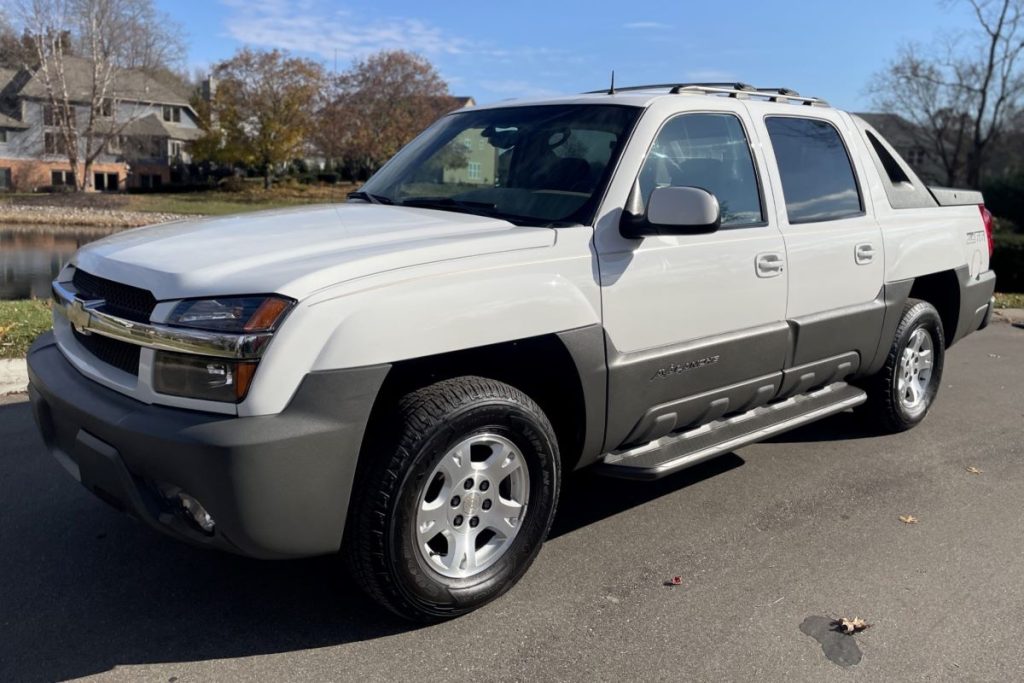
The Avalanche matters in this comparison because it highlights a philosophical difference: Chevy experimented with form, while Ford refined function. That difference ultimately shaped long-term success in the truck market.
5. Chevrolet Silverado EV
The Chevrolet Silverado EV represents Chevrolet’s vision of the future, and writing about it is essential because electric trucks are reshaping the segment. The Silverado EV is ambitious, powerful, and technologically advanced but it also illustrates how Ford gained an early advantage in electric truck adoption.
The Silverado EV offers impressive acceleration, strong towing numbers on paper, and a modern, tech-focused cabin. Its electric platform allows for innovative features such as a flat floor, large storage areas, and a futuristic driving experience.
For buyers interested in electric mobility, the Silverado EV demonstrates Chevy’s commitment to competing in this evolving space.
However, being late to market matters. Ford’s electric trucks benefited from earlier real-world testing, broader user feedback, and quicker ecosystem development.
As a result, Chevy’s electric offering feels more like a response than a leadership move. Charging infrastructure integration and worksite usability still require refinement for many truck buyers.
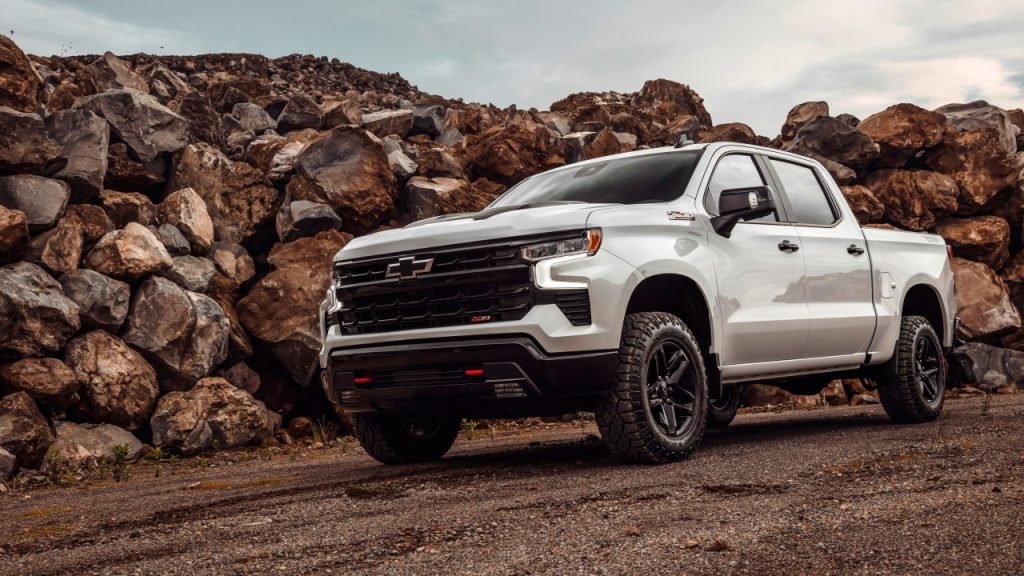
The reason for including the Silverado EV is balance. It is a strong product with significant potential, but it underscores how timing and execution influence success.
While it may mature into a formidable competitor, Ford’s electric truck strategy currently feels more complete and better aligned with real-world truck use.
This comparison between Ford and Chevrolet trucks highlights how two legendary brands approach the pickup market with distinctly different philosophies.
Ford leans heavily into innovation, adaptability, and forward-thinking design, while Chevy emphasizes tradition, mechanical simplicity, and familiarity. Neither approach is inherently wrong, but the differences become clear when specific models are examined side by side.
Ford trucks consistently stand out for their versatility. Models like the F-150 and Ranger offer a wider range of powertrains, smarter technology integration, and interiors designed around real-world usage.
Ford’s willingness to embrace hybrid and electric solutions early also gives it an advantage as regulations and buyer expectations evolve. Trucks like the Maverick prove that Ford understands emerging markets and unmet needs, not just established ones.
Chevy trucks, on the other hand, maintain strong appeal through dependable performance and classic truck characteristics. The Silverado 1500 and Silverado HD remain capable, reliable machines that deliver predictable results.
For buyers who value straightforward engineering and proven V8 power, Chevy continues to offer compelling options. However, these trucks often feel more conservative when compared to Ford’s rapidly evolving lineup.
The key takeaway is not that Chevy builds inferior trucks, but that Ford currently offers more well-rounded solutions across multiple segments. From compact and midsize pickups to heavy-duty and performance-oriented models, Ford consistently provides greater flexibility, stronger innovation, and broader appeal.
Ultimately, choosing between Ford and Chevy comes down to priorities. Buyers seeking cutting-edge technology, efficiency, and adaptability may gravitate toward Ford. Those who prefer traditional powertrains and familiar design may remain loyal to Chevy.
This comparison exists to clarify those differences helping truck buyers make informed decisions based on how they actually use their vehicles, not just brand loyalty.
Also Read: 5 Diesel Trucks That Offer Better Longevity Than 5 Gas Trucks
