

For many buyers, the line between luxury SUVs and mainstream SUVs has never been blurrier. As prices rise across the automotive market, several luxury-branded SUVs now sit comfortably under the $50,000 mark, overlapping directly with well-equipped mainstream models.
This overlap creates an important question: does it still make sense to choose a fully loaded mainstream SUV, or do entry-level luxury SUVs offer better overall value?
Mainstream SUVs are designed to appeal to the widest possible audience. They emphasize practicality, reliability, and affordability while packing in as many features as possible to remain competitive.
However, this approach often prioritizes quantity over quality more screens, more gadgets, but not always better refinement. Ride comfort, cabin materials, noise isolation, and long-term ownership satisfaction can sometimes take a back seat to aggressive pricing and feature lists.
Luxury SUVs under $50k approach the problem differently. Instead of overwhelming buyers with features, they focus on fundamentals: smoother ride quality, better seat comfort, quieter cabins, more precise handling, and higher-quality materials.
Even at entry-level trims, luxury SUVs often deliver a driving experience that feels more cohesive and refined than mainstream alternatives costing similar money.
This article compares five luxury SUVs priced under $50,000 that outperform five mainstream SUVs in real-world ownership.
The goal is not to dismiss mainstream SUVs entirely but to highlight how luxury vehicles once thought unattainable now offer superior value in comfort, refinement, and driving satisfaction at accessible prices.
By separating luxury and mainstream SUVs into distinct sections, this comparison clarifies where luxury brands genuinely justify their badge and why many buyers may be better served stepping into an entry-level luxury SUV rather than a top-trim mainstream model.
Also Read: 5 Used SUVs With Lower Maintenance Costs Than 5 New Compact SUVs
5 Luxury SUVs Under $50k
Luxury SUVs under $50,000 represent one of the most compelling segments in today’s automotive market. These vehicles deliver the core benefits of luxury ownership refined ride quality, premium interiors, advanced safety, and brand prestige without crossing into six-figure territory.
Writing about this segment is important because it challenges outdated assumptions about luxury being impractical or overpriced.
Unlike mainstream SUVs that rely heavily on optional packages to feel upscale, luxury SUVs are engineered from the ground up with refinement in mind.
Chassis tuning prioritizes comfort and stability, engines are calibrated for smooth power delivery, and interiors use higher-quality materials even in base trims. These differences may not always stand out in a short test drive, but they become very noticeable over long-term ownership.
Another key advantage is consistency. Luxury brands typically limit extreme cost-cutting measures, resulting in better noise insulation, more durable interior components, and smoother suspension behavior.
While mainstream SUVs may impress with large screens and bold styling, luxury SUVs often age better, maintaining their comfort and composure as mileage increases.
Importantly, modern entry-level luxury SUVs are no longer stripped-down compromises. Many come well-equipped with advanced driver-assistance features, premium audio options, and intuitive infotainment systems as standard. This reduces the need to climb trim levels and keeps pricing competitive with fully loaded mainstream SUVs.
The following five luxury SUVs were chosen because they deliver genuine luxury benefits under $50k. Each model demonstrates why stepping into the luxury segment can provide a superior overall experience compared to similarly priced mainstream SUVs.
1. Lexus NX
The Lexus NX earns its place at the top of this list because it exemplifies what accessible luxury should feel like. Writing about the NX is important because it shows how refinement, reliability, and comfort can coexist at a price point that overlaps directly with mainstream SUVs.
The NX’s biggest strength is its ride quality. Suspension tuning prioritizes smoothness and composure, allowing the vehicle to glide over rough pavement more comfortably than many mainstream SUVs.
Noise insulation is excellent, resulting in a quiet cabin that reduces fatigue on long drives. These qualities immediately distinguish the NX from non-luxury alternatives.
Interior quality further reinforces its luxury credentials. Materials feel premium, controls operate with satisfying precision, and seating comfort is outstanding.
Even base trims avoid the hard plastics and cost-saving shortcuts commonly found in mainstream SUVs at similar prices. Ergonomics are carefully considered, making daily use intuitive and stress-free.
Reliability is another major advantage. Lexus has a long-standing reputation for durability and low ownership costs, giving buyers confidence that the NX will remain dependable well beyond the warranty period. This contrasts with many mainstream SUVs that rely on newer, less-proven powertrain technologies.
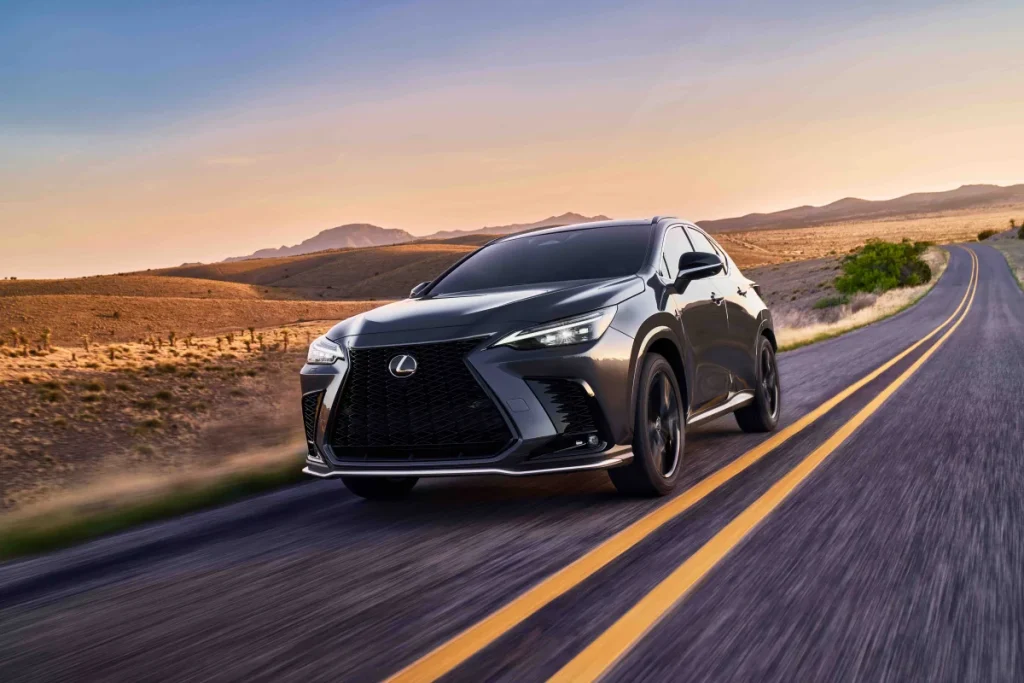
The reason the Lexus NX beats mainstream SUVs is refinement. It doesn’t overwhelm with gimmicks it delivers consistent comfort, quality, and peace of mind. For buyers seeking a premium experience without premium headaches, the NX is a clear winner.
2. Acura RDX
The Acura RDX stands out as one of the most driver-focused luxury SUVs under $50k, and it deserves inclusion because it balances performance and comfort better than most mainstream SUVs. Writing about the RDX matters because it appeals to buyers who want luxury without sacrificing driving enjoyment.
The RDX offers confident acceleration and responsive handling, making it feel composed and engaging on both highways and winding roads. Unlike many mainstream SUVs that feel soft or disconnected, the RDX delivers precise steering and controlled body movement without becoming harsh or uncomfortable.
Interior quality supports this premium experience. The cabin is spacious, well-appointed, and thoughtfully designed. Seats provide excellent support for long drives, and materials feel durable and upscale. Acura’s focus on ergonomics ensures controls remain easy to use, even while driving.
Ride comfort remains strong despite its sporty character. The suspension absorbs road imperfections effectively, striking a balance that mainstream SUVs often struggle to achieve. Noise levels are low, and the overall driving experience feels cohesive rather than compromised.
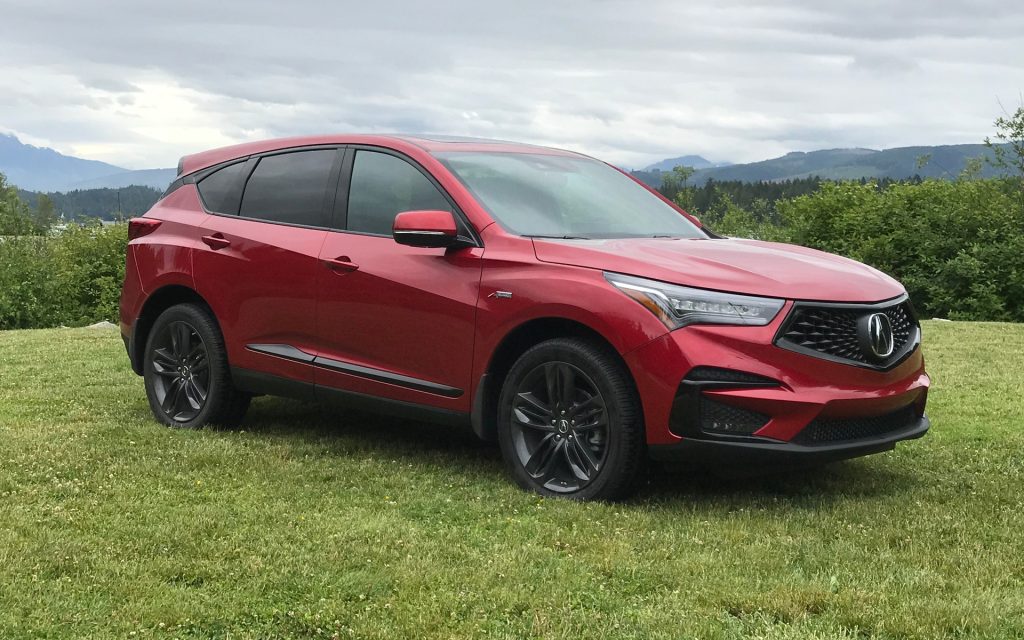
The reason the RDX outperforms mainstream SUVs is balance. It proves that luxury under $50k doesn’t mean choosing between comfort and performance you can have both in a package that feels engineered rather than assembled to a price.
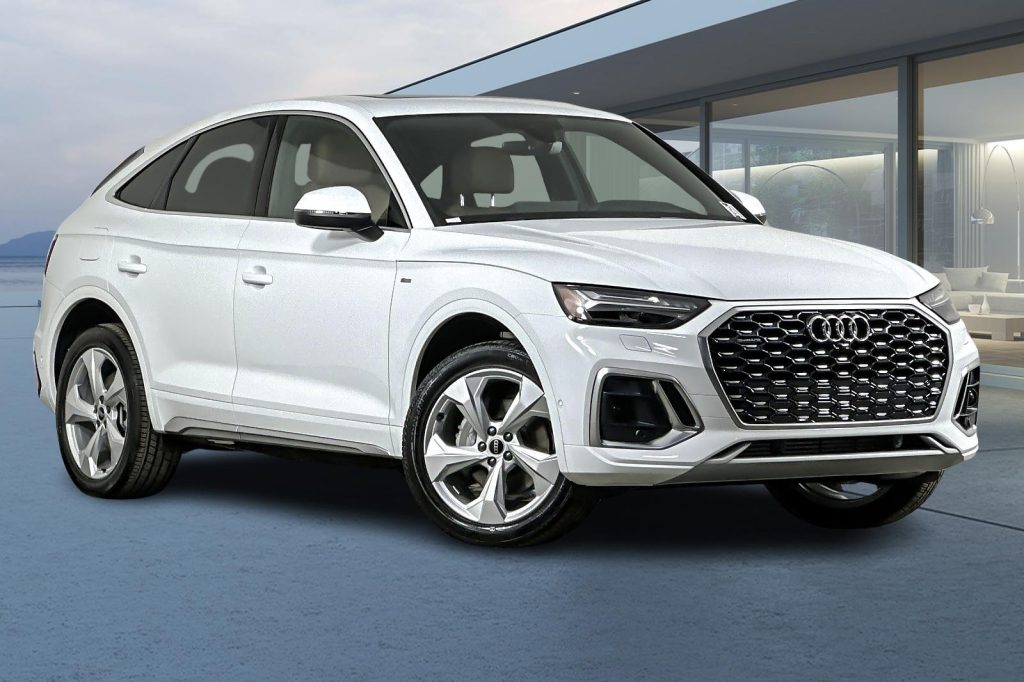
3. Audi Q5
The Audi Q5 earns its place on this list because it delivers a refined, confidence-inspiring driving experience that many mainstream SUVs struggle to match. Writing about the Q5 is important because it represents how balanced engineering rather than feature overload creates long-term satisfaction.
One of the Q5’s strongest advantages is ride composure. Audi’s suspension tuning absorbs rough pavement gracefully while maintaining stability at highway speeds. The result is a calm, planted feel that reduces fatigue on long journeys. Compared to mainstream SUVs that can feel floaty or firm depending on trim, the Q5 remains consistently comfortable.
Interior quality is another highlight. Materials feel solid and premium, controls operate with precision, and the cabin layout prioritizes clarity over clutter. Audi’s infotainment system is responsive and intuitive, avoiding the learning curve common in mainstream SUVs that rely heavily on touch-only interfaces.
Power delivery is smooth and confident, emphasizing refinement rather than aggressive tuning. Acceleration is more than adequate for daily driving and passing, yet the engine never feels strained. This contributes to a quieter cabin and better long-term drivability.
The reason the Audi Q5 beats mainstream SUVs is cohesion. Everything from ride quality to interior ergonomics feels designed to work together. It offers a premium experience that remains noticeable long after the novelty of features fades.
4. Volvo XC40
The Volvo XC40 stands out for its blend of safety, Scandinavian design, and everyday practicality. Writing about the XC40 matters because it proves that luxury under $50k can feel modern and distinctive without sacrificing comfort or usability.
Safety is the XC40’s defining strength. Volvo equips it with advanced driver-assistance features as standard, providing peace of mind that many mainstream SUVs only offer as optional upgrades. This commitment to safety enhances real-world value, especially for families.
Interior design emphasizes quality and simplicity. Materials feel durable and upscale, and the layout is clean and easy to understand. Storage solutions are cleverly integrated, making the cabin feel more functional than many mainstream competitors with larger dimensions.
Ride quality is composed and comfortable, particularly in urban environments where the XC40’s size and tuning shine. Steering is predictable, and visibility is excellent, contributing to stress-free daily driving.
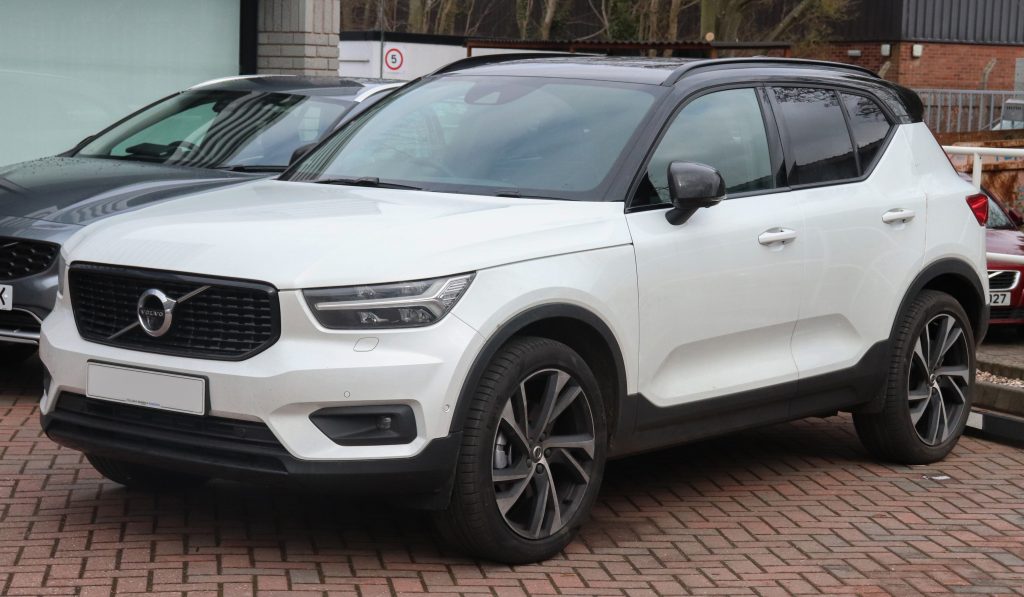
The reason the XC40 outperforms mainstream SUVs is its thoughtful design. It prioritises safety, comfort, and usability rather than sheer size or feature count, resulting in a premium experience that feels purposeful and refined.
5. BMW X1
The BMW X1 completes this list by showcasing how driving dynamics and premium engineering elevate everyday ownership. Writing about the X1 is important because it highlights how a well-tuned luxury SUV can feel more engaging and refined than larger, feature-packed mainstream alternatives.
The X1’s handling is precise and confident, offering a level of control rarely found in mainstream SUVs. Steering feedback is direct, and the chassis remains composed through corners without compromising ride comfort. This makes the X1 enjoyable to drive in ways mainstream SUVs often are not.
Interior quality supports the premium feel. Materials are high-grade, seating is supportive, and the driving position feels natural and commanding. BMW’s infotainment system balances functionality with ease of use, avoiding unnecessary complexity.
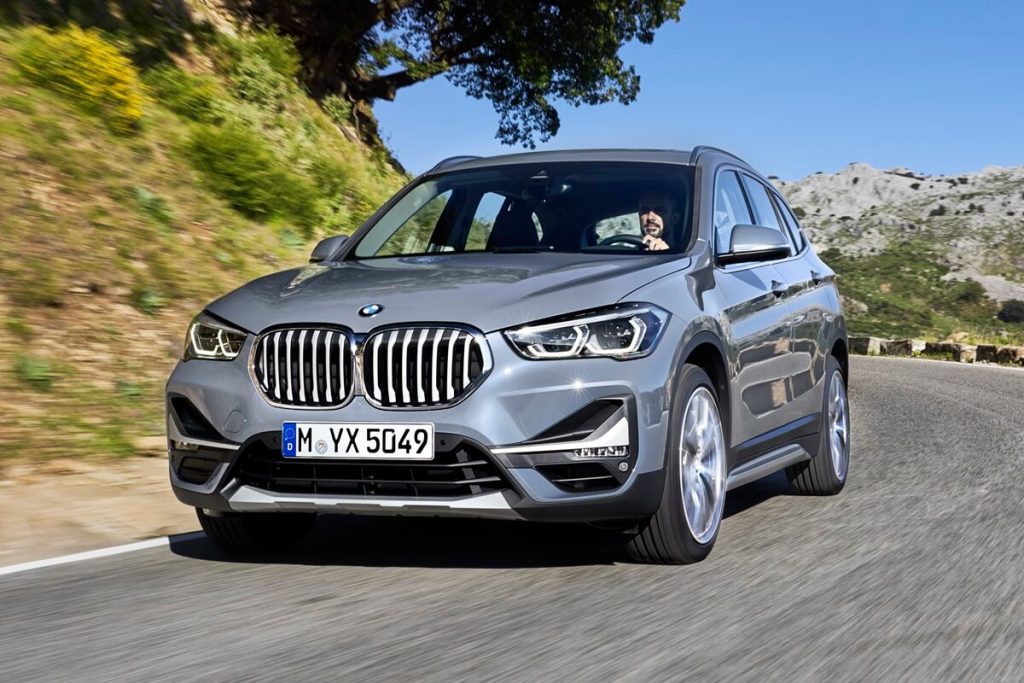
Ride quality remains comfortable even with its sporty edge. The suspension absorbs road imperfections effectively, delivering a refined experience that suits both city commuting and highway cruising.
The reason the BMW X1 beats mainstream SUVs is engagement. It transforms routine driving into a more rewarding experience while still delivering the comfort and quality expected from a luxury brand.
5 Mainstream SUVs
Mainstream SUVs dominate global sales because they are designed to meet the broadest range of needs at competitive prices.
Brands in this space emphasize practicality, affordability, fuel efficiency, and feature availability, making these vehicles appealing to families, commuters, and first-time buyers. With strong dealer networks and familiar nameplates, mainstream SUVs often feel like the “safe” choice for many shoppers.
A major strength of mainstream SUVs is value perception. Buyers typically receive generous infotainment systems, large screens, advanced safety features, and flexible interior layouts at prices that appear competitive on paper.
These vehicles are also engineered to be easy to service, with widespread parts availability and lower upfront purchase costs than luxury models.
However, mainstream SUVs often achieve this value through compromises. Cost pressures can lead to firmer ride tuning, increased cabin noise, and interior materials that prioritize durability over tactile quality.
While these trade-offs may not be obvious during a short test drive, they can become more noticeable during long-term ownership especially on rough roads or extended highway trips.
Another key distinction is refinement. Luxury SUVs under $50k often deliver smoother suspension behavior, better sound insulation, and more cohesive driving dynamics. Mainstream SUVs may offer more features per dollar, but they frequently lack the polish that defines a truly premium experience.
The following five mainstream SUVs were selected because they are among the most popular and well-regarded in their segments.
Each is a strong vehicle in its own right, yet when compared directly with similarly priced luxury SUVs, they often fall short in comfort, ride quality, and overall refinement, highlighting why stepping into the luxury segment can be a smarter decision for many buyers.
1. Toyota RAV4
The Toyota RAV4 is one of the best-selling SUVs in the world, and it earns its place here because it exemplifies the strengths and limitations of the mainstream SUV formula. Writing about the RAV4 matters because it is frequently cross-shopped against entry-level luxury SUVs priced under $50k.
The RAV4’s biggest advantage is reliability. Toyota’s reputation for durability and low maintenance costs gives buyers confidence, particularly those planning long-term ownership. Fuel efficiency is also strong, and the RAV4 performs well as a dependable daily driver for families and commuters alike.
However, when compared to luxury SUVs at similar prices, the RAV4’s limitations become clearer. Ride quality is competent but firm, especially over uneven pavement. The suspension prioritizes durability and efficiency rather than comfort, which can lead to increased road noise and vibration on longer drives.
Interior quality is functional but utilitarian. Materials are durable but lack the softness and tactile refinement found in luxury SUVs like the Lexus NX or Audi Q5. While the RAV4 offers a modern infotainment system and safety features, the cabin experience feels more practical than premium.
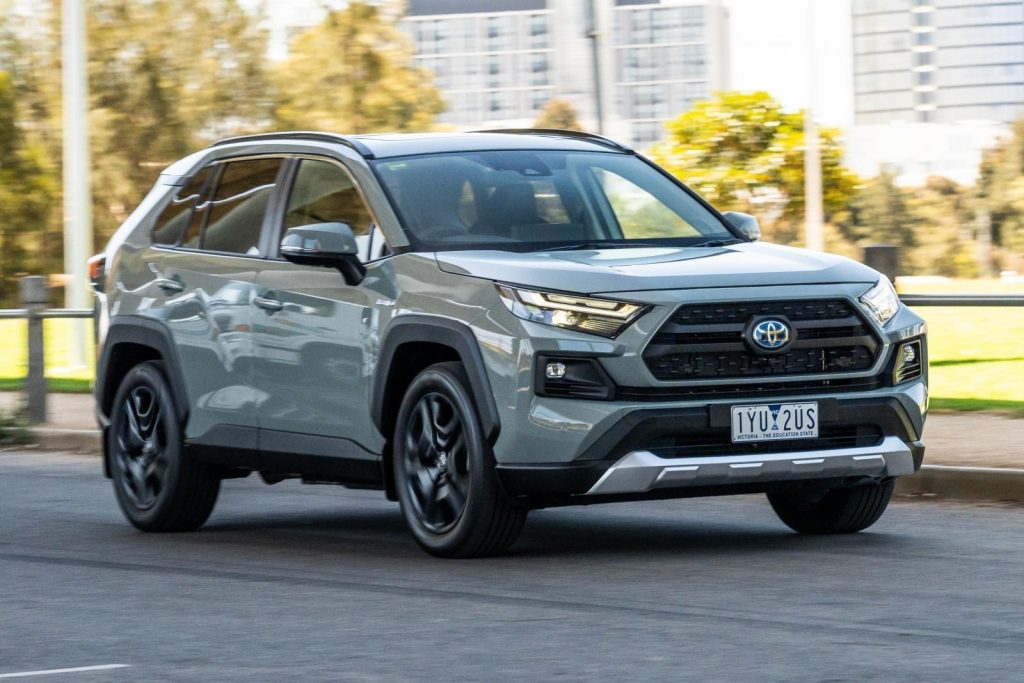
The reason the RAV4 falls behind luxury SUVs under $50k is refinement. It delivers reliability and value, but it does not match the smoother ride, quieter cabin, and higher-quality interior materials that define the luxury driving experience.
For buyers focused on comfort and long-term driving satisfaction, entry-level luxury SUVs often justify their higher badge with a noticeably superior experience.
2. Honda CR-V
The Honda CR-V is widely respected for its reliability, practicality, and strong resale value, making it one of the most trusted mainstream SUVs on the market.
Writing about the CR-V is important because it represents the ideal mainstream choice for buyers who prioritize predictability and efficiency but it also highlights where luxury SUVs under $50k begin to pull ahead.
The CR-V excels in everyday usability. Its interior is spacious, with excellent rear-seat legroom and a versatile cargo area that accommodates family needs with ease. Fuel efficiency is competitive, and the driving experience is smooth and stress-free. These qualities make the CR-V an excellent commuter and family vehicle.
However, when compared directly with entry-level luxury SUVs, the CR-V’s limitations become more apparent. Ride quality is comfortable but not particularly refined. Road noise is more noticeable at highway speeds, and the suspension lacks the composure and isolation found in luxury alternatives like the Acura RDX or Audi Q5.
Interior materials are durable but basic. While the CR-V’s cabin is thoughtfully laid out, it does not deliver the premium tactile experience of luxury SUVs. Plastics dominate areas where luxury brands use softer materials, and seat comfort, while good, does not match the long-distance support provided by luxury models.
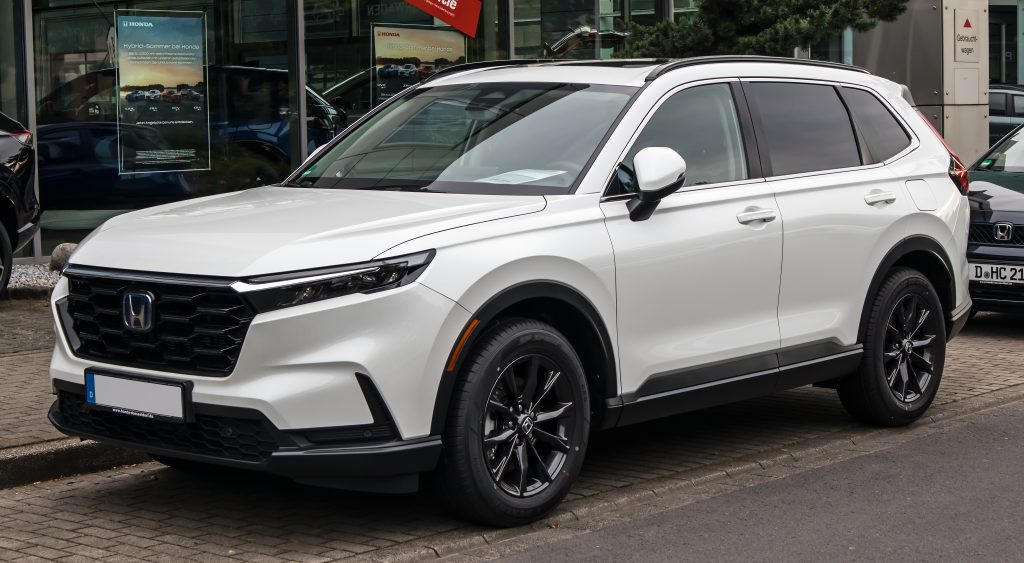
The reason the CR-V appears here is perspective. It is an excellent mainstream SUV, but luxury SUVs under $50k offer a quieter ride, better materials, and a more cohesive driving experience.
For buyers willing to spend similar money, the CR-V illustrates why stepping into the luxury segment can deliver greater comfort and refinement.
3. Hyundai Tucson
The Hyundai Tucson is one of the most stylish mainstream SUVs available today, and it earns its place here because it highlights Hyundai’s strength in design and technology. Writing about the Tucson matters because it is often chosen over luxury SUVs due to its bold appearance and feature-rich interior.
The Tucson’s exterior design is modern and distinctive, giving it strong curb appeal. Inside, Hyundai equips the Tucson with large digital displays, advanced infotainment, and a clean, tech-forward layout. For buyers who value modern aesthetics and connectivity, the Tucson makes a compelling case.
However, this focus on technology introduces compromises. Touch-heavy controls can be less intuitive in daily driving, and electronic complexity may increase long-term ownership concerns. Compared to luxury SUVs that balance technology with physical controls and ergonomic design, the Tucson can feel more gadget-focused than refined.
Ride quality is generally comfortable, but suspension tuning leans firm. On rough roads, the Tucson transmits more road imperfections into the cabin than luxury SUVs designed with comfort as a priority. Noise insulation is adequate but not exceptional.
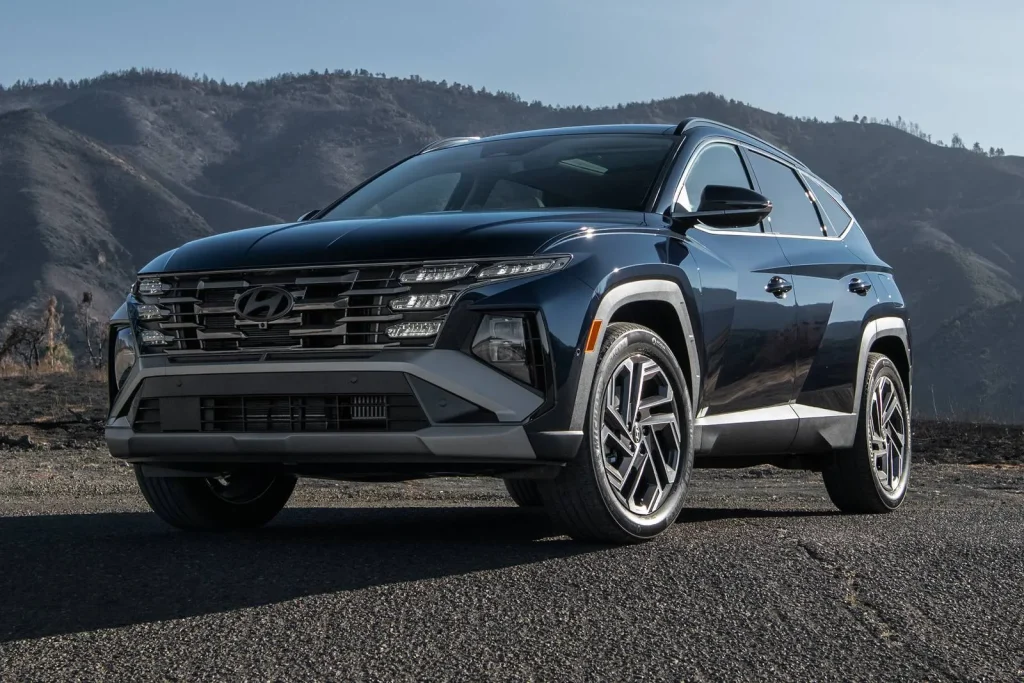
The reason Tucson falls behind luxury SUVs under $50k is execution. While it impresses initially with design and features, it lacks the ride smoothness, material quality, and long-term comfort that define a true luxury experience. Entry-level luxury SUVs often deliver a more polished and satisfying ownership experience despite similar pricing.
4. Ford Escape
The Ford Escape is a popular mainstream SUV thanks to its approachable pricing, multiple powertrain options, and easy-to-drive nature. Writing about the Escape is important because it’s often cross-shopped with entry-level luxury SUVs that sit just under the $50k mark, highlighting the value gap between mainstream and luxury offerings.
The Escape’s strengths lie in flexibility and accessibility. Buyers can choose from efficient engines and trims that prioritize fuel economy and urban drivability.
The Escape feels light on its feet, making it easy to maneuver in traffic and parking situations. For everyday commuting, it performs its role competently and without fuss.
However, when evaluated against luxury SUVs at similar prices, refinement becomes the Escape’s weak point. Ride quality is adequate but not plush; bumps and road texture are more noticeable, especially at highway speeds. Cabin noise insulation is modest, which can lead to a less relaxing experience on longer trips.
Interior materials are functional but clearly cost-conscious. Hard plastics dominate key touchpoints, and while the infotainment system is modern, overall cabin ambience lacks the premium feel delivered by luxury SUVs like the BMW X1 or Audi Q5. Seat comfort is acceptable, yet long-distance support falls short of luxury-brand standards.
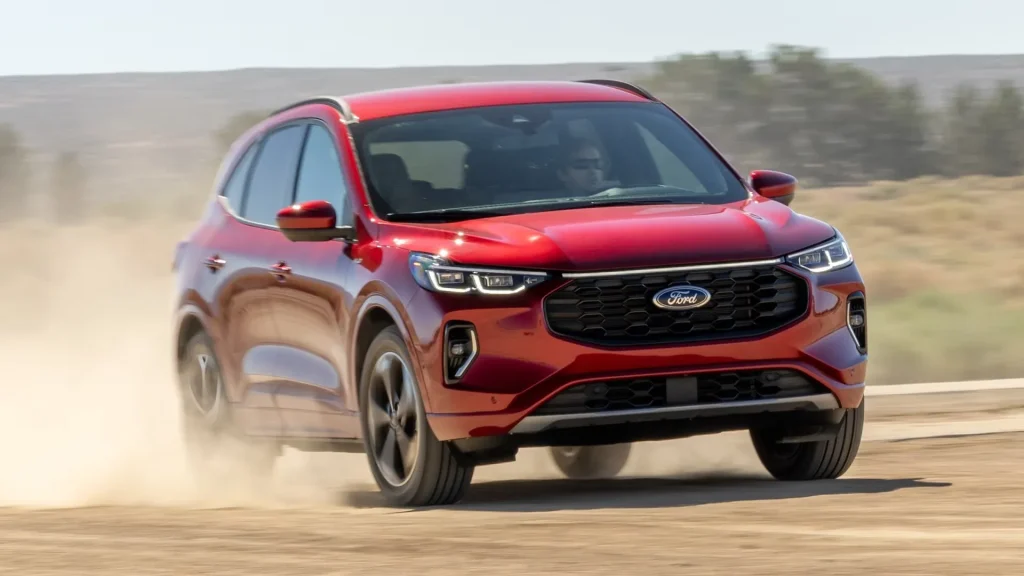
The reason the Ford Escape falls behind luxury SUVs under $50k is polish. It delivers value and versatility, but it cannot match the smoother ride, quieter cabin, and higher-quality interiors that define luxury SUVs even at entry-level trims.
5. Nissan Rogue
The Nissan Rogue rounds out this list as one of the most popular mainstream SUVs, known for its comfort-oriented tuning and practical interior. Writing about the Rogue matters because it demonstrates how close mainstream SUVs can come to luxury while still stopping short in key areas.
The Rogue offers a smooth, relaxed driving experience. Suspension tuning prioritizes comfort, and seats are supportive for daily driving. Interior space is generous, particularly in the rear, making the Rogue a strong family vehicle. Fuel efficiency is also competitive, reinforcing its appeal as a sensible daily driver.
However, refinement gaps appear when compared with luxury SUVs. While the Rogue is comfortable, it lacks the composed ride isolation found in vehicles like the Lexus NX or Acura RDX. Road noise and engine sound are more noticeable, particularly at highway speeds.
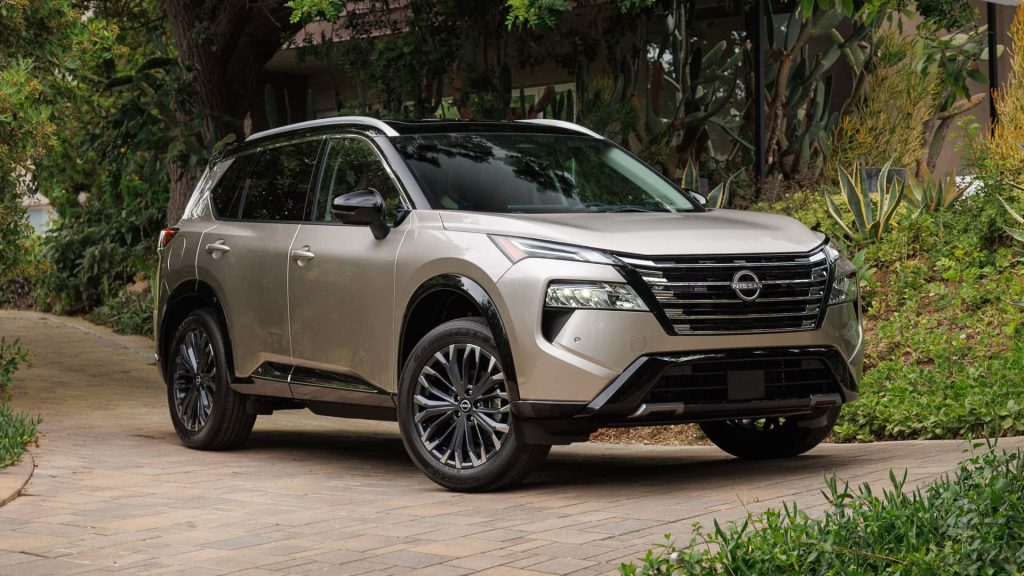
Interior materials are well-arranged but not truly premium. Soft-touch surfaces are limited, and overall build quality, while solid, does not deliver the tactile satisfaction of luxury-brand cabins. Technology is modern, yet the experience feels more utilitarian than indulgent.
The reason the Rogue is included here is proximity. It comes close to delivering a luxury-like experience, but when priced against entry-level luxury SUVs, the differences in refinement, material quality, and overall driving polish become clear. For buyers seeking maximum comfort and quietness, luxury SUVs still hold a decisive edge.
This comparison between luxury SUVs under $50k and mainstream SUVs highlights a crucial shift in today’s automotive market.
As prices rise and features become standardized, the gap between well-equipped mainstream SUVs and entry-level luxury SUVs has narrowed significantly. This overlap creates an opportunity for buyers to access true luxury benefits without exceeding traditional budget limits.
Luxury SUVs such as the Lexus NX, Acura RDX, Audi Q5, Volvo XC40, and BMW X1 demonstrate why the luxury badge still matters. These vehicles are engineered with refinement at their core.
Ride quality is smoother, cabins are quieter, materials feel more substantial, and long-distance comfort is consistently better. These advantages may not always be immediately obvious in short test drives, but they become increasingly valuable over years of ownership.
Mainstream SUVs including the Toyota RAV4, Honda CR-V, Hyundai Tucson, Ford Escape, and Nissan Rogue, remain excellent choices for practicality, reliability, and upfront value.
They offer generous space, modern technology, and strong efficiency at competitive prices. For many buyers, these vehicles meet daily needs effectively and predictably.
However, when mainstream SUVs are optioned to higher trims, pricing often overlaps with entry-level luxury SUVs. At that point, the differences in refinement become more pronounced.
Luxury SUVs provide better noise isolation, more comfortable seating, superior suspension tuning, and interiors that feel thoughtfully crafted rather than cost-managed. These qualities directly impact daily satisfaction, particularly for buyers who spend significant time driving.
The key takeaway is not that mainstream SUVs are inferior but that luxury SUVs under $50k often offer better overall value when comfort, refinement, and long-term enjoyment are considered.
Buyers who prioritize driving experience, interior quality, and a sense of calm behind the wheel may find that stepping into the luxury segment delivers more satisfaction for similar money.
Ultimately, the best choice depends on priorities. Mainstream SUVs excel at utility and efficiency. Luxury SUVs excel at comfort and polish. This comparison shows why, for many buyers with budgets approaching $50k, choosing an entry-level luxury SUV can be the smarter, more rewarding decision.
Also Read: 5 High-Mileage Cars That Outlast 5 Similar Models (500k+ Potential)
