
For many car buyers, the assumption that a new vehicle automatically means lower ownership costs is increasingly being challenged.
While new compact SUVs promise modern styling, updated technology, and warranty coverage, they often come with higher long-term maintenance and repair expenses than expected.
In contrast, many used SUVs especially those with proven reliability records can deliver lower maintenance costs, greater durability, and more predictable ownership over time.
New compact SUVs tend to rely heavily on complex electronics, downsized turbocharged engines, and cost-cutting measures that may reduce upfront pricing but increase long-term repair risk.
Features such as dual-clutch transmissions, advanced driver-assistance systems, and tightly packaged engine bays can lead to higher labor costs and more frequent servicing once the warranty period ends.
For buyers planning to keep a vehicle for many years, these factors can significantly impact total cost of ownership.
Used SUVs from reliable generations, on the other hand, often benefit from simpler engineering, naturally aspirated engines, and well-documented service histories.
Many of these vehicles were built during periods when manufacturers prioritized mechanical longevity over feature density. As a result, parts availability is better, independent repair support is stronger, and long-term reliability is more predictable.
This article compares five used SUVs known for low maintenance costs against five new compact SUVs that, despite their modern appeal, can be more expensive to maintain over time.
The goal is not to criticize new vehicles, but to highlight why buying used when done carefully can be a smarter financial decision.
By breaking down both categories separately, this comparison helps buyers understand where real ownership value exists, especially for those prioritizing reliability, serviceability, and long-term peace of mind over novelty.
Also Read: 5 Toyota Sedans That Are Better Than 5 Honda Sedans
5 Used SUVs
Used SUVs often represent the most overlooked value in the automotive market. While many buyers gravitate toward new compact SUVs for their fresh designs and updated features, well-maintained used SUVs frequently deliver superior long-term value particularly when it comes to maintenance costs.
Writing about used SUVs is important because they challenge the assumption that newer always means better or cheaper to own.
One of the biggest advantages of buying a used SUV is proven reliability. Vehicles that have already accumulated years of real-world use provide clear evidence of how their engines, transmissions, and suspension components hold up over time.
Models with strong reputations benefit from widespread parts availability, experienced mechanics, and established maintenance procedures all of which help keep service costs low.
Used SUVs also tend to feature simpler mechanical layouts. Many rely on naturally aspirated engines, conventional automatic transmissions, and fewer integrated electronic systems.
This simplicity reduces failure points and lowers labor costs during repairs. In contrast, many modern compact SUVs use complex powertrains and tightly packaged designs that can be expensive to service once warranty coverage ends.
Another key factor is depreciation. Used SUVs have already absorbed the steepest value drop, allowing buyers to access higher-quality vehicles at significantly lower prices.
This often means better materials, stronger drivetrains, and more durable construction than what’s found in entry-level new compact SUVs.
The following five used SUVs were selected because they consistently demonstrate low maintenance costs, strong reliability records, and long service life. These vehicles prove that smart used purchases can outperform newer alternatives when ownership cost not novelty is the top priority.
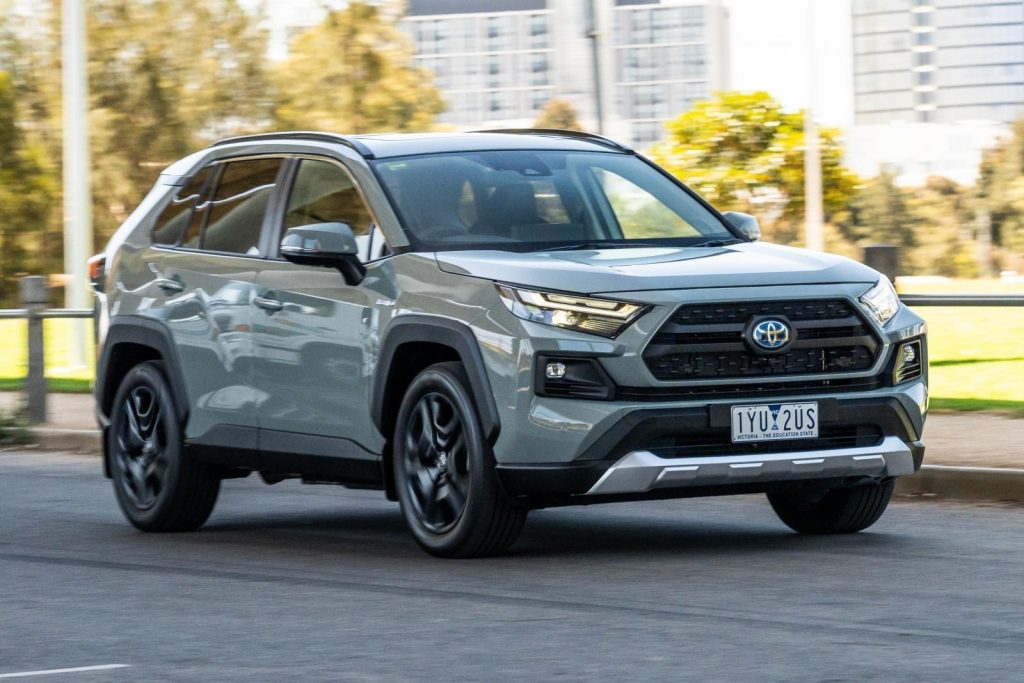
1. Toyota RAV4 (Older Generation)
The Toyota RAV4 from older, proven generations is one of the clearest examples of a used SUV that delivers lower maintenance costs than many new compact SUVs.
Writing about the RAV4 is essential because it represents Toyota’s core strength: long-term reliability through conservative engineering.
Older RAV4 models are powered by naturally aspirated engines that prioritize durability over performance. These engines are well-known for reaching high mileage with minimal issues when serviced regularly.
Transmissions are conventional and robust, avoiding the complexity and repair costs associated with newer dual-clutch or continuously evolving systems.
Maintenance costs remain low due to widespread parts availability and strong aftermarket support. Almost every independent repair shop is familiar with the RAV4, which keeps labor costs competitive and eliminates reliance on expensive dealership servicing.
Routine maintenance like oil changes, brake replacements, and suspension work is straightforward and affordable.
The interior, while not flashy, is built to last. Materials resist wear, controls remain functional over time, and electronics are minimal compared to newer vehicles.
This reduces the likelihood of costly electronic failures that often plague modern compact SUVs after a few years of ownership.
The reason the older RAV4 outperforms many new compact SUVs in maintenance costs is predictability.
Owners know what to expect, repairs are rarely complex, and long-term reliability is well-documented. It proves that a carefully chosen used SUV can be significantly cheaper to own than a new model packed with fragile technology.
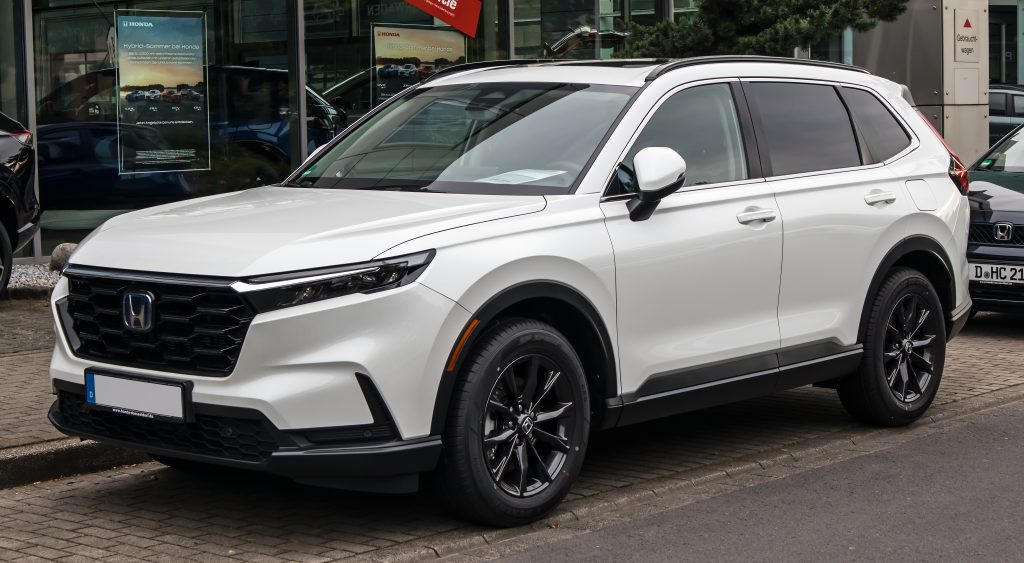
2. Honda CR-V (Pre-Turbo Models)
The Honda CR-V from pre-turbo generations is another standout example of a used SUV with exceptionally low maintenance costs. Writing about the CR-V is important because it highlights Honda’s legacy of building durable, low-stress powertrains that age gracefully.
Older CR-V models are equipped with naturally aspirated engines known for smooth operation and longevity.
These engines avoid the added heat and pressure associated with turbocharging, which helps reduce long-term wear. Paired with reliable transmissions, they offer a drivetrain that is easy to service and inexpensive to maintain.
One of the CR-V’s biggest advantages is balance. It delivers good fuel efficiency, comfortable ride quality, and practical interior space without relying on complex technology.
Suspension components, brakes, and steering systems are designed for longevity rather than aggressive performance, which further reduces maintenance frequency and cost.
Interior durability also plays a role. Controls are simple, infotainment systems are basic, and electronic complexity is limited.
This means fewer failure points as the vehicle ages. Compared to new compact SUVs that rely heavily on integrated touchscreens and advanced sensors, the older CR-V feels refreshingly straightforward.
The reason this CR-V outshines many new compact SUVs in maintenance costs is consistency. It rarely surprises owners with unexpected repairs and remains affordable to keep on the road well beyond 150,000 miles. This reliability-focused design makes it a smarter long-term financial choice than many newer alternatives.
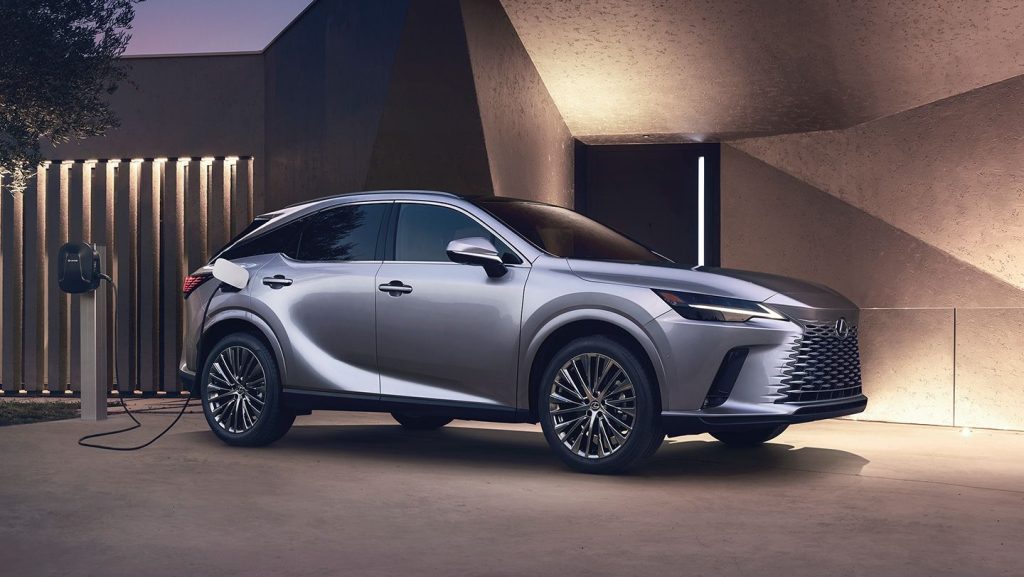
3. Lexus RX (Older Non-Turbo Models)
The Lexus RX from older, non-turbo generations is one of the most underrated choices for buyers seeking low maintenance costs in a used SUV. Writing about the RX is important because it demonstrates that luxury does not automatically translate to high ownership expenses when engineered correctly.
Older Lexus RX models benefit from Toyota’s conservative mechanical philosophy. Naturally aspirated V6 engines in these SUVs are known for exceptional longevity, often surpassing high mileage with only routine maintenance.
Unlike many modern compact SUVs that rely on turbocharged engines and tightly packaged components, the RX’s drivetrain is engineered for durability and thermal stability, which reduces long-term wear.
Maintenance costs remain surprisingly low for a luxury vehicle. Parts are widely available, and many components are shared with Toyota models, keeping replacement costs reasonable.
Additionally, Lexus reliability reduces the frequency of unexpected repairs a major advantage compared to new compact SUVs packed with complex electronics and experimental drivetrains.
The interior also contributes to lower long-term costs. Materials are high quality and resist wear better than many newer economy-focused interiors. Buttons, switches, and infotainment systems in older RX models are simple and robust, avoiding the touchscreen-heavy layouts that often fail over time.
The reason the older Lexus RX beats many new compact SUVs in maintenance costs is engineering maturity.
It was built during a period when manufacturers prioritized longevity over rapid innovation. As a result, owners enjoy luxury-level comfort with mainstream-level servicing costs making the RX a compelling used SUV for long-term ownership.
4. Toyota Highlander (Older V6 Models)
The Toyota Highlander equipped with older V6 powertrains earns its place on this list because it blends family practicality with legendary Toyota reliability. Writing about the Highlander matters because it shows how a larger, older SUV can still cost less to maintain than many brand-new compact SUVs.
Older Highlanders use naturally aspirated V6 engines that are well-proven and understressed. These engines are designed to deliver smooth power without relying on turbocharging or complex fuel-saving systems.
As a result, they experience fewer long-term mechanical issues and require less specialized maintenance.
Despite its size, the Highlander’s maintenance costs remain manageable. Suspension components, brakes, and drivetrain parts are designed for durability rather than aggressive tuning.
This reduces the frequency of replacements and keeps repair bills predictable. Compared to new compact SUVs that often use lightweight components and complex electronics to meet emissions standards, the Highlander feels mechanically honest.
Interior quality also plays a role. Older Highlander cabins are built with durability in mind, featuring robust plastics, long-lasting upholstery, and minimal electronic dependency.
This contrasts sharply with newer compact SUVs, where touchscreen failures, sensor issues, and electronic glitches can significantly increase ownership costs.
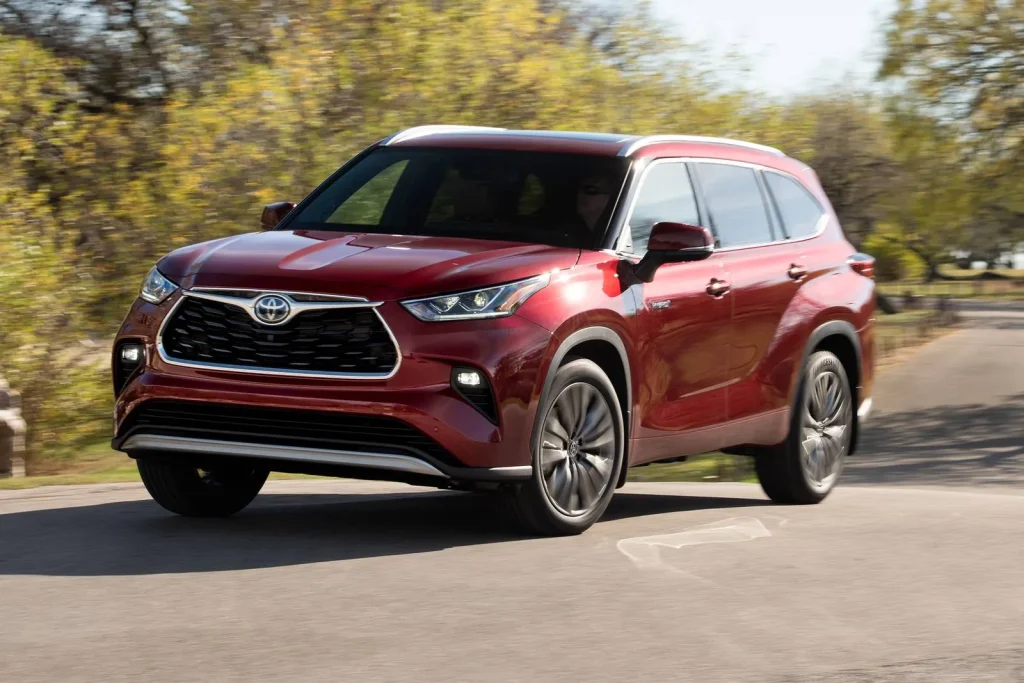
The reason the Highlander stands out is longevity. Many examples remain on the road well beyond 200,000 miles with routine care. That level of proven durability makes it a safer financial choice than many new compact SUVs that have yet to establish long-term reliability records.
5. Mazda CX-5 (Early Naturally Aspirated Models)
The Mazda CX-5 from early, naturally aspirated generations rounds out this list by offering a rare combination of reliability, driving enjoyment, and low maintenance costs. Writing about the CX-5 is important because it challenges the idea that engaging vehicles must be expensive to maintain.
Mazda’s naturally aspirated engines are well-known for mechanical simplicity and durability.
Early CX-5 models avoid turbochargers and complex drivetrain components, reducing long-term repair risk. These engines deliver smooth power while maintaining strong fuel efficiency, making them ideal for everyday use.
Maintenance costs remain low due to straightforward engineering and excellent parts availability. Mazda’s design philosophy emphasizes ease of servicing, which translates into lower labor costs and fewer major repairs over time.
Compared to new compact SUVs that use downsized turbo engines and complex transmissions, the CX-5’s mechanical layout is refreshingly simple.
Interior quality also contributes to longevity. Materials are durable, controls are intuitive, and electronic systems are limited to essentials.
This reduces the likelihood of expensive failures as the vehicle ages. The CX-5’s suspension tuning also strikes a balance between comfort and durability, minimizing wear on components.
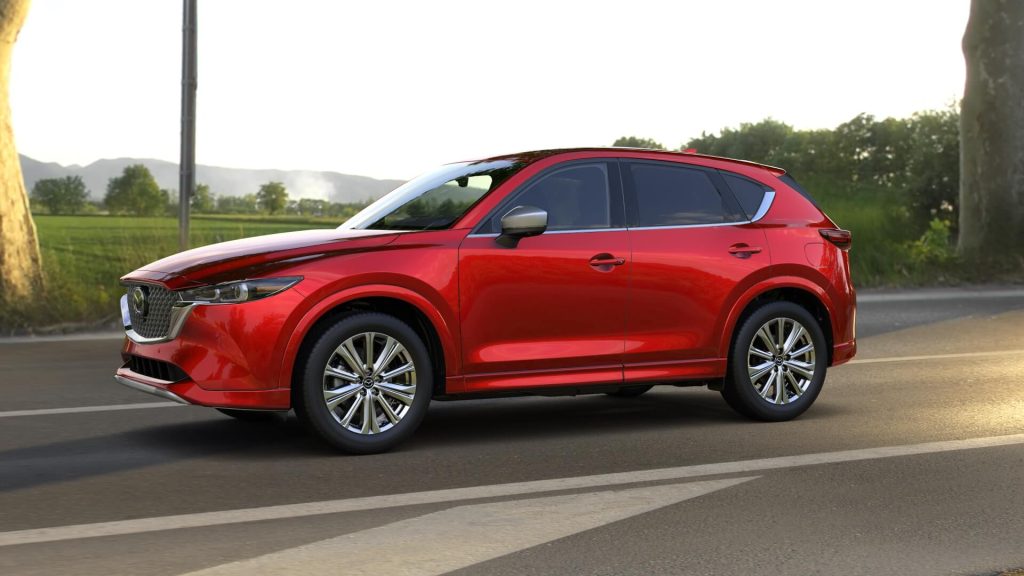
The reason the early CX-5 outperforms many new compact SUVs in maintenance costs is balance.
It offers modern design and enjoyable driving characteristics without the complexity that drives up long-term expenses. This makes it a smart used purchase for buyers who want reliability without sacrificing character.
5 New Compact SUVs
New compact SUVs dominate today’s market because they promise modern design, improved fuel efficiency, and the reassurance of factory warranties.
For many buyers, these vehicles appear to be the safest and most sensible choice, especially when compared to older used SUVs. However, while new compact SUVs offer short-term peace of mind, they often come with higher long-term maintenance costs than expected.
Modern compact SUVs rely heavily on advanced technology to meet emissions, safety, and efficiency standards. Turbocharged small-displacement engines, continuously variable transmissions, complex infotainment systems, and extensive driver-assistance hardware are now standard.
While these features improve performance and safety on paper, they also introduce more potential failure points as vehicles age. Once warranty coverage expires, repair costs can rise sharply.
Another factor is cost-cutting. To keep prices competitive, many manufacturers use lighter components, thinner materials, and tightly packaged engine bays. This can make repairs more labor-intensive and expensive.
Even routine maintenance such as replacing sensors, cooling components, or transmission parts, can cost more than expected due to limited access and specialized parts.
New compact SUVs are also still unproven in long-term ownership. Many current-generation models have not yet demonstrated how their powertrains and electronics perform after 8–10 years of real-world use.
In contrast, older used SUVs with established reliability records offer predictable maintenance costs and fewer surprises.
The following five new compact SUVs were chosen because they are popular, well-reviewed, and widely sold. However, when evaluated strictly on long-term maintenance and ownership costs, they often struggle to match the affordability and predictability of the used SUVs discussed earlier.
1. Hyundai Creta
The Hyundai Creta is one of the most popular new compact SUVs on the market, and writing about it is important because it highlights how modern features can increase long-term maintenance costs despite strong initial appeal.
The Creta offers contemporary styling, a feature-rich interior, and multiple powertrain options, including turbocharged engines.
These turbo units deliver strong performance and good fuel efficiency, but they also introduce higher operating temperatures and increased mechanical stress. Over time, this can lead to costlier maintenance compared to older naturally aspirated engines found in many used SUVs.
Electronic complexity is another concern. The Creta is equipped with large touchscreens, digital instrument clusters, and advanced driver-assistance systems.
While these features enhance comfort and safety, they significantly increase repair costs once warranty coverage ends. Sensor failures, software glitches, or display issues can be expensive to diagnose and fix.
The transmission options also contribute to higher ownership costs. Modern automatic and dual-clutch systems require specialized servicing and are less tolerant of neglect. In contrast, many older used SUVs rely on simpler, more forgiving transmissions that are cheaper to repair or rebuild.
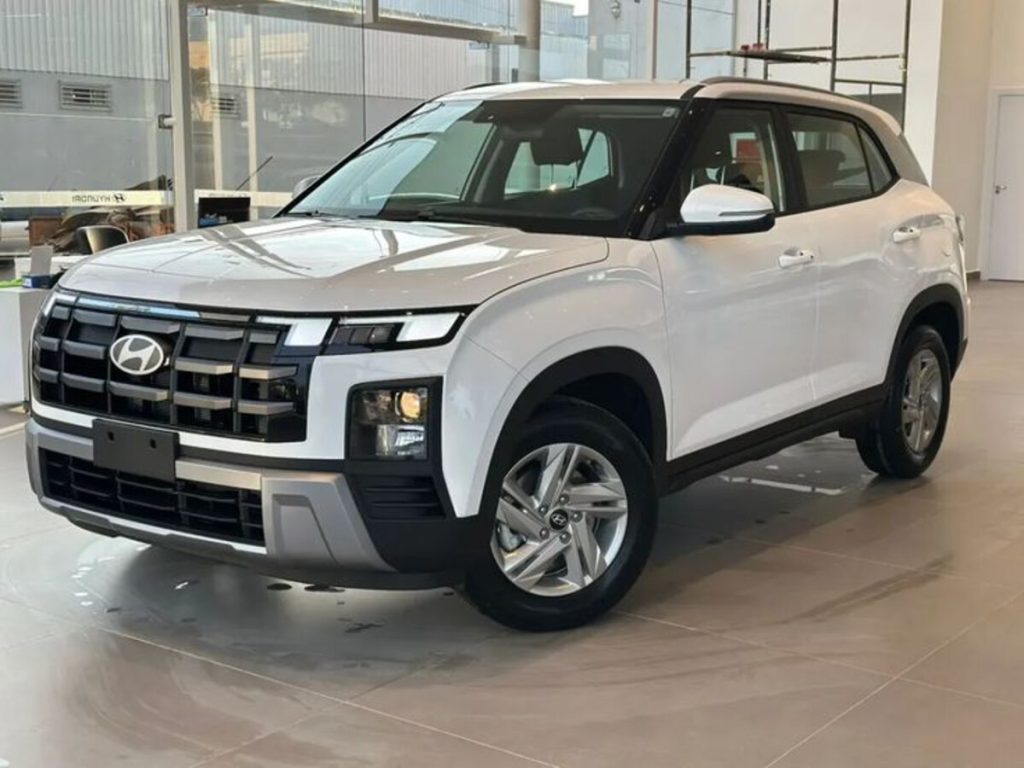
The reason the Creta is included in this comparison is contrast. It represents the modern compact SUV formula attractive, comfortable, and technologically advanced but also illustrates why newer does not always mean cheaper to own.
Compared to reliable used SUVs with simpler engineering, the Creta may demand higher maintenance spending over long-term ownership despite its strong short-term appeal.
2. Kia Seltos
The Kia Seltos is a strong seller in the compact SUV segment, largely because it blends bold styling with a long feature list at an attractive price.
Writing about the Seltos is important because it clearly illustrates how modern compact SUVs can appear cost-effective initially while carrying higher long-term maintenance risks compared to proven used SUVs.
One of the main contributors to potential maintenance costs in the Seltos is its powertrain complexity. Many variants rely on turbocharged engines paired with advanced automatic or dual-clutch transmissions.
While these combinations deliver lively performance and improved fuel efficiency, they also operate under higher thermal and mechanical stress.
Over time, components such as turbochargers, sensors, and transmission clutches may require attention, leading to higher repair expenses once warranty coverage expires.
Electronics play a major role in the Seltos experience. The vehicle features a digital instrument cluster, large infotainment screen, connected car technology, and multiple driver-assistance systems.
These features improve day-to-day comfort but significantly increase diagnostic complexity. Even minor electronic failures can involve specialized tools and costly parts, pushing maintenance costs beyond what most older used SUVs typically demand.
Suspension and steering components are tuned for comfort and urban drivability, but they are not as overbuilt as those in many older midsize SUVs.
On rough roads or with extended use, wear can occur sooner, adding to long-term ownership costs. Replacement parts for newer platforms are also often more expensive during the early years of production.
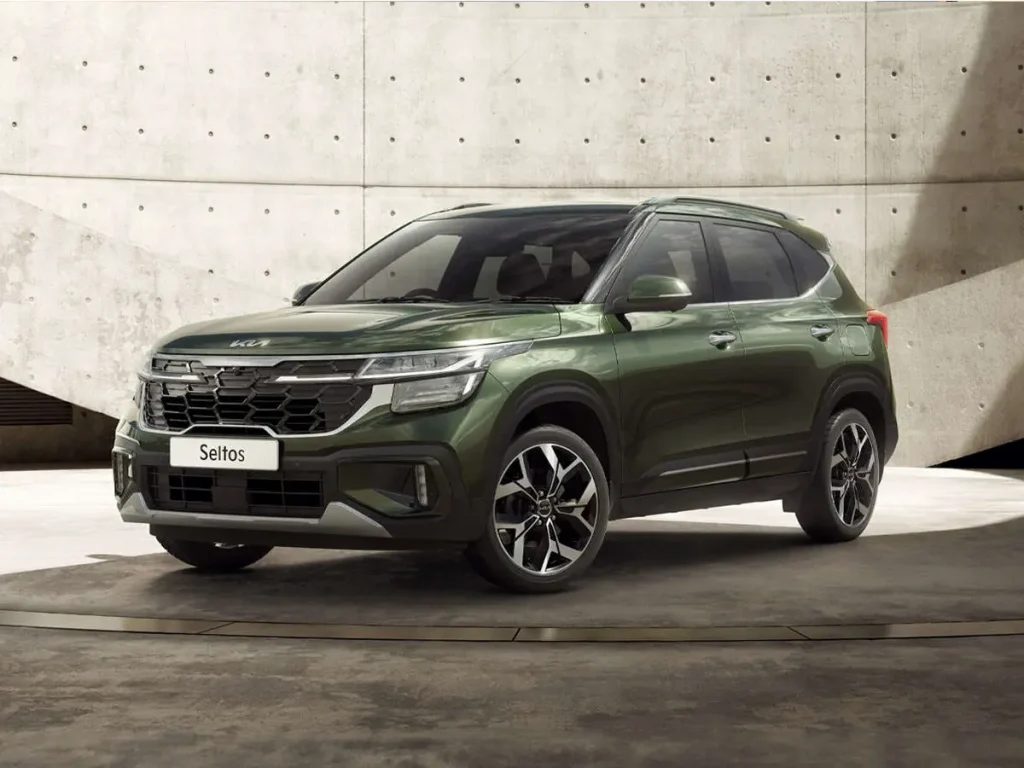
The reason the Kia Seltos is included here is not because it is unreliable, but because it represents the modern compact SUV trade-off. Buyers gain features, design, and short-term convenience but often face higher maintenance complexity over time.
When compared to mechanically simpler used SUVs with established reliability records, the Seltos can be more expensive to keep running in the long run.
3. Volkswagen Taigun
The Volkswagen Taigun stands out in the segment for its European driving character and solid build quality. Writing about the Taigun is important because it highlights how engineering sophistication can raise ownership costs when compared with simpler, older SUVs.
The Taigun’s turbocharged engines are responsive and enjoyable to drive, offering strong mid-range performance and refined road manners. However, turbocharging increases mechanical complexity and heat management demands.
Over extended ownership, this can translate into higher servicing requirements and more expensive component replacements than naturally aspirated engines found in many reliable used SUVs.
Transmission options further add to maintenance considerations. Advanced automatic gearboxes and precision-engineered components deliver smooth shifting but require strict servicing schedules.
Any deviation or long-term wear can result in costly repairs. These systems are far less forgiving than the traditional automatics used in many older SUVs that have proven their durability over decades.
Electronics and software integration are another factor. The Taigun features digital displays, integrated infotainment, and multiple safety systems that rely heavily on sensors and software.
While these systems enhance safety and driving comfort, they also increase the likelihood of electronic-related issues as the vehicle ages. Diagnostic and repair costs for such systems are typically higher than for older, less complex vehicles.
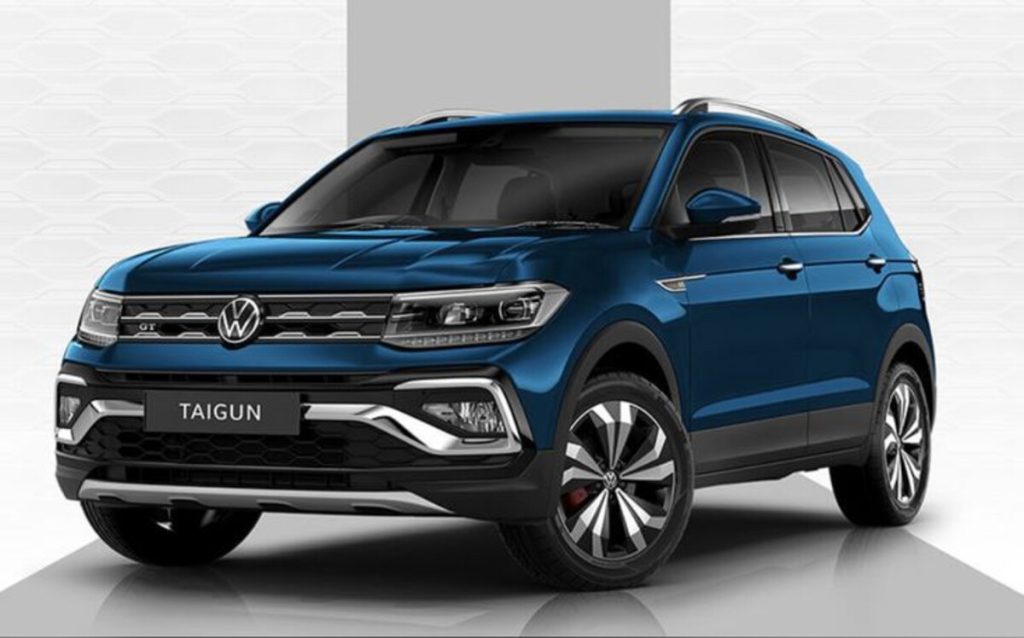
The reason the Volkswagen Taigun appears in this comparison is balance. It offers a refined and engaging driving experience, but that refinement comes at a cost.
Compared to used SUVs with simpler engineering and widely available parts, the Taigun may require higher long-term maintenance spending. It serves as a clear example of how modern compact SUVs trade mechanical simplicity for sophistication often at the expense of ownership affordability.
4. Škoda Kushaq
The Škoda Kushaq is often praised for its solid build quality and engaging driving dynamics, and it plays an important role in this comparison because it highlights how premium engineering can increase long-term maintenance costs.
Writing about the Kushaq matters because many buyers equate European build quality with durability, without fully considering ownership complexity.
The Kushaq relies heavily on turbocharged engines designed to deliver strong performance and efficiency from small displacements. While these engines feel responsive and refined, they operate under higher stress levels than naturally aspirated alternatives.
Over long-term ownership, components such as turbochargers, high-pressure fuel systems, and sensors may require more frequent attention, increasing maintenance expenses once warranty coverage ends.
Transmission complexity further adds to ownership cost considerations. Advanced automatic gearboxes deliver smooth performance but demand strict servicing schedules.
Repairs or replacements can be expensive compared to the simpler, older automatic transmissions used in many reliable used SUVs discussed earlier. These older systems have proven their durability over decades of real-world use.
The interior of the Kushaq feels modern and well-constructed, but it is heavily dependent on electronics.
Digital instrument clusters, infotainment systems, and integrated safety features improve usability but increase diagnostic complexity. Even minor electronic faults can lead to higher repair bills due to specialized parts and labor requirements.
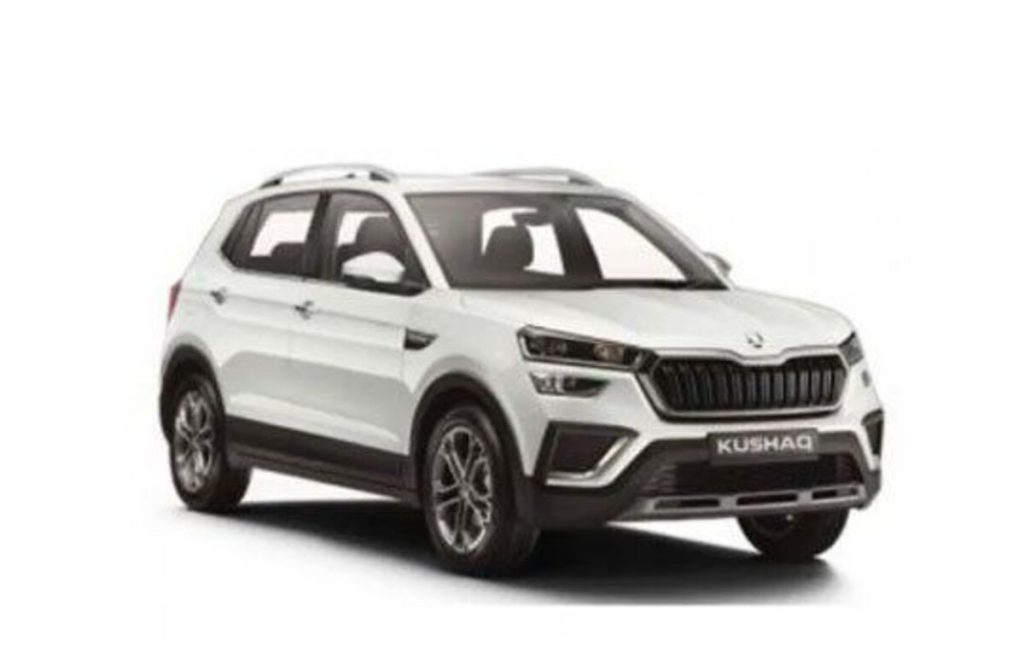
The reason the Kushaq appears here is contrast. It is enjoyable to drive and well-engineered, but that sophistication comes at a cost.
When compared to older used SUVs with simpler mechanical layouts and proven longevity, the Kushaq may demand higher maintenance spending over time. It demonstrates how modern compact SUVs often trade long-term affordability for refinement and performance.
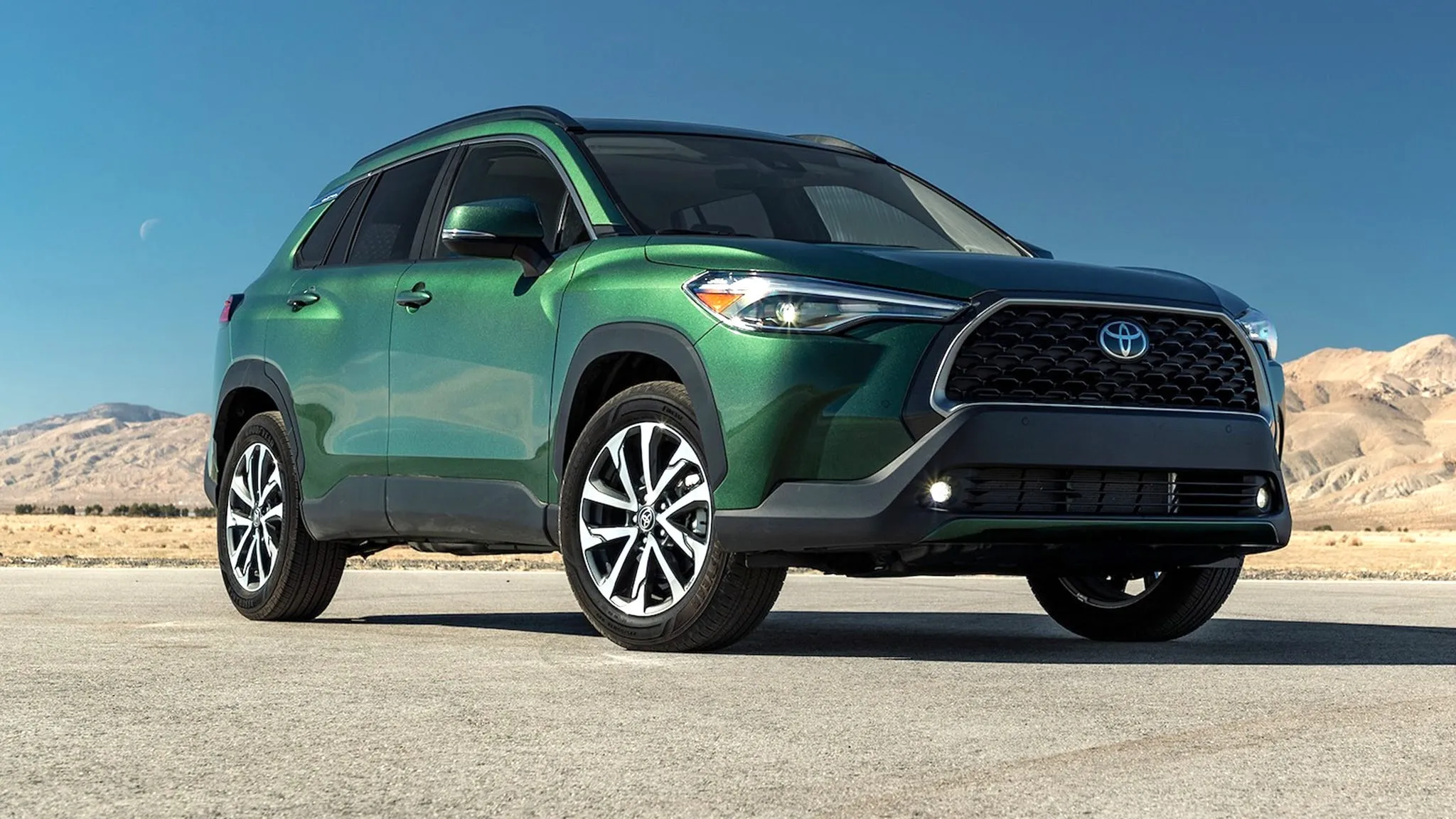
5. Toyota Corolla Cross
The Toyota Corolla Cross represents Toyota’s modern approach to compact SUVs, blending the Corolla’s reputation with contemporary SUV styling. Writing about the Corolla Cross is important because it shows that even brands known for reliability can introduce higher maintenance complexity in newer models.
The Corolla Cross often features hybrid or highly optimized modern powertrains aimed at maximizing fuel efficiency and emissions compliance. While these systems perform well and reduce fuel costs, they introduce added complexity.
Hybrid components, advanced cooling systems, and electronic control units can significantly increase repair costs once warranty coverage expires.
Suspension and chassis tuning prioritize comfort and efficiency rather than overengineering. This keeps the vehicle lightweight and economical but may result in faster wear of certain components compared to older, heavier SUVs built with durability as the primary goal.
Replacement parts for newer hybrid systems also tend to be more expensive and less widely available in the independent repair market.
Interior technology is another factor. The Corolla Cross includes modern infotainment systems, digital displays, and safety sensors that rely heavily on electronics.
While Toyota’s reliability standards remain high, the sheer number of electronic systems increases potential failure points over long-term ownership.
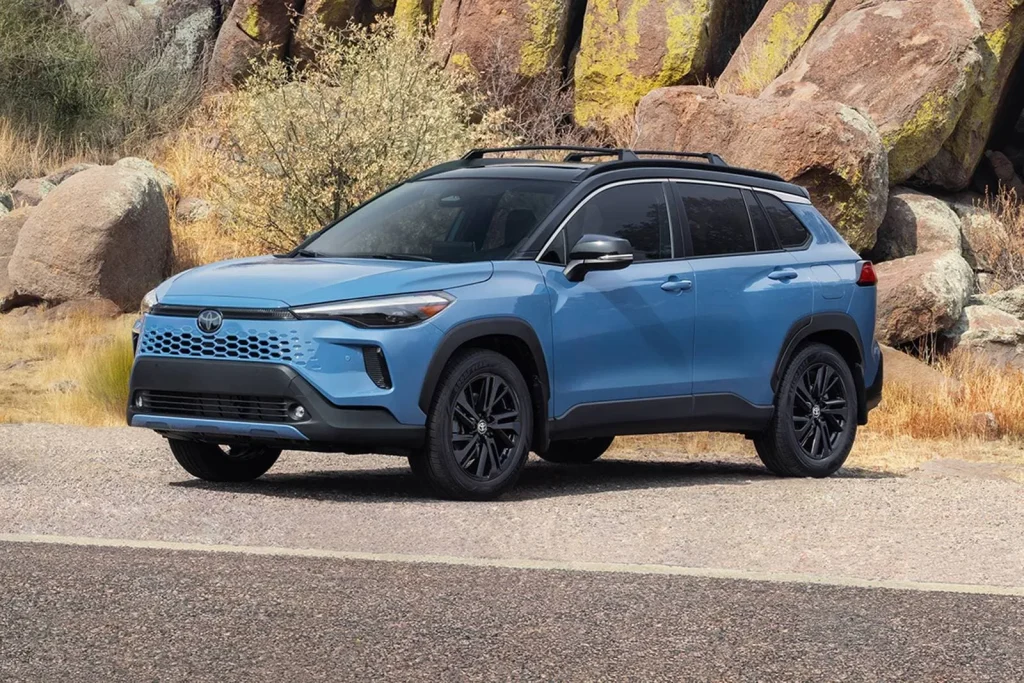
The reason the Corolla Cross is included in this comparison is evolution. It remains reliable by modern standards, but it no longer benefits from the mechanical simplicity that made older Toyota SUVs exceptionally cheap to maintain.
Compared to proven used SUVs with simpler engines and fewer electronic dependencies, the Corolla Cross can be more expensive to own over a decade of use.
This comparison between used SUVs and new compact SUVs challenges a common assumption in today’s car market that newer vehicles are always cheaper and easier to own.
While new compact SUVs offer modern styling, updated safety features, and warranty coverage, they often introduce higher long-term maintenance costs due to increased mechanical and electronic complexity.
Used SUVs with proven reliability records frequently deliver a more predictable and affordable ownership experience.
The used SUVs discussed in this article including models from Toyota, Honda, Lexus, and Mazda, share several key characteristics. They rely on naturally aspirated engines, conventional automatic transmissions, and simpler electronic systems.
These design choices reduce failure points, lower labor costs, and ensure widespread parts availability.
Many of these vehicles were engineered during periods when durability and longevity were prioritized over feature density. As a result, they often remain reliable well beyond 150,000 or even 200,000 miles with routine maintenance.
In contrast, modern compact SUVs are designed to meet stricter emissions and safety regulations while appealing to feature-hungry buyers. Turbocharged engines, hybrid systems, advanced transmissions, and extensive electronics are now standard.
While these technologies improve performance, efficiency, and safety in the short term, they also increase the likelihood of costly repairs as vehicles age. Once warranty coverage ends, owners may face higher maintenance bills than anticipated.
Another critical factor is predictability. Used SUVs with long production histories provide clear data on common issues, service intervals, and long-term reliability.
New compact SUVs lack this track record, making ownership costs less certain over a decade or more. Even brands with strong reliability reputations are not immune to the challenges introduced by modern complexity.
Ultimately, this comparison is not an argument against new vehicles. Instead, it highlights the importance of aligning purchase decisions with ownership priorities.
Buyers who value simplicity, predictability, and lower long-term costs may find greater value in a carefully selected used SUV. Those who prioritize modern features, design, and short-term convenience may still prefer a new compact SUV but should do so with realistic expectations about maintenance expenses.
The key takeaway is informed choice. Understanding how engineering philosophy affects long-term ownership costs allows buyers to make smarter decisions often revealing that an older, well-built SUV can be the more economical and dependable companion over time.
Also Read: 5 High-Mileage Cars That Outlast 5 Similar Models (500k+ Potential)
