
Electric vehicle range is one of the most misunderstood aspects of modern car buying. Manufacturers proudly advertise impressive range figures, often exceeding 300 or even 400 miles, yet many owners quickly discover that real-world driving rarely matches those numbers.
Factors such as highway speeds, climate control usage, terrain, driving style, temperature, and battery management all play a major role in how far an EV actually travels on a single charge.
This disconnect between advertised range and real-world performance has become increasingly important as EV adoption grows.
For daily commuters, long-distance travelers, and families relying on a single vehicle, predictable real-world range matters far more than optimistic laboratory testing results. An EV that consistently delivers close to its rated range is often more valuable than one with higher official numbers but larger real-world losses.
Some EV manufacturers focus on battery size alone, while others prioritize efficiency, thermal management, drivetrain tuning, and software optimization.
Vehicles that excel in real-world range usually combine moderate battery capacity with excellent efficiency, stable performance at highway speeds, and minimal range drop in extreme conditions. These design choices often make a bigger difference than simply installing a larger battery.
On the other side, several competing EVs advertise strong range figures but struggle in real driving. High weight, aggressive performance tuning, inefficient aerodynamics, or poor thermal control can significantly reduce usable range.
In daily use, these EVs require more frequent charging, longer stops, and greater planning factors that reduce convenience and increase range anxiety.
This article compares five EVs known for delivering better real-world range against five competing EVs that often fall short of expectations.
The focus is not on brand loyalty or performance claims, but on how these vehicles actually behave in everyday conditions highways, traffic, varying weather, and long-term ownership.
Also Read: 5 Cars for Glendale (AZ) Hot Summers vs 5 That Struggle
5 EVs That Deliver Better Real-World Range
Not all EVs are created equal when it comes to real-world range. While battery capacity plays a role, efficiency is the true differentiator.
EVs that perform well in real conditions are typically designed with a holistic approach balancing weight, aerodynamics, power delivery, and thermal management rather than focusing solely on peak performance or headline specifications.
One major factor is drivetrain efficiency. EVs with well-calibrated motors and power electronics consume less energy at steady highway speeds, where range losses are most noticeable.
Aerodynamic design also plays a critical role, especially above 60 mph, where drag increases exponentially. Vehicles with sleek profiles and optimized underbody airflow tend to retain more range on long trips.
Thermal management is another overlooked element. EVs that manage battery temperature efficiently maintain consistent performance in hot and cold conditions, reducing range loss from heating or cooling demands.
Software optimization further improves energy usage by intelligently managing power delivery, regenerative braking, and climate systems.
Importantly, EVs that prioritize smooth, predictable performance often outperform more aggressive competitors in daily use.
High-performance tuning may deliver faster acceleration, but it usually sacrifices efficiency. Real-world range champions tend to feel relaxed rather than extreme, focusing on usable distance rather than excitement.
The following five EVs stand out because they consistently deliver strong real-world range, often matching or exceeding expectations, making them more dependable choices for drivers who value convenience, fewer charging stops, and lower day-to-day stress.
1. Tesla Model 3 Long Range
The Tesla Model 3 Long Range is widely regarded as one of the most efficient electric vehicles ever produced, and its real-world range performance consistently supports that reputation. While many EVs advertise impressive numbers, the Model 3 Long Range is notable for how closely it matches those figures in everyday driving.
A major reason for this success is efficiency. The Model 3 combines a relatively lightweight platform with excellent aerodynamics, allowing it to consume less energy per mile than most competitors.
At highway speeds, where many EVs experience dramatic range drops, the Model 3 remains remarkably stable, making it especially effective for long-distance travel.
Battery management also plays a crucial role. Tesla’s thermal control system keeps the battery operating in an optimal temperature range, minimizing losses in both hot and cold conditions. This consistency gives drivers confidence that the displayed range closely reflects usable distance, not theoretical estimates.
Another advantage is software optimization. Energy consumption predictions are highly accurate, and regenerative braking is finely tuned to recover energy efficiently without compromising driving comfort. Over time, software updates often improve efficiency further, extending real-world range without physical changes.
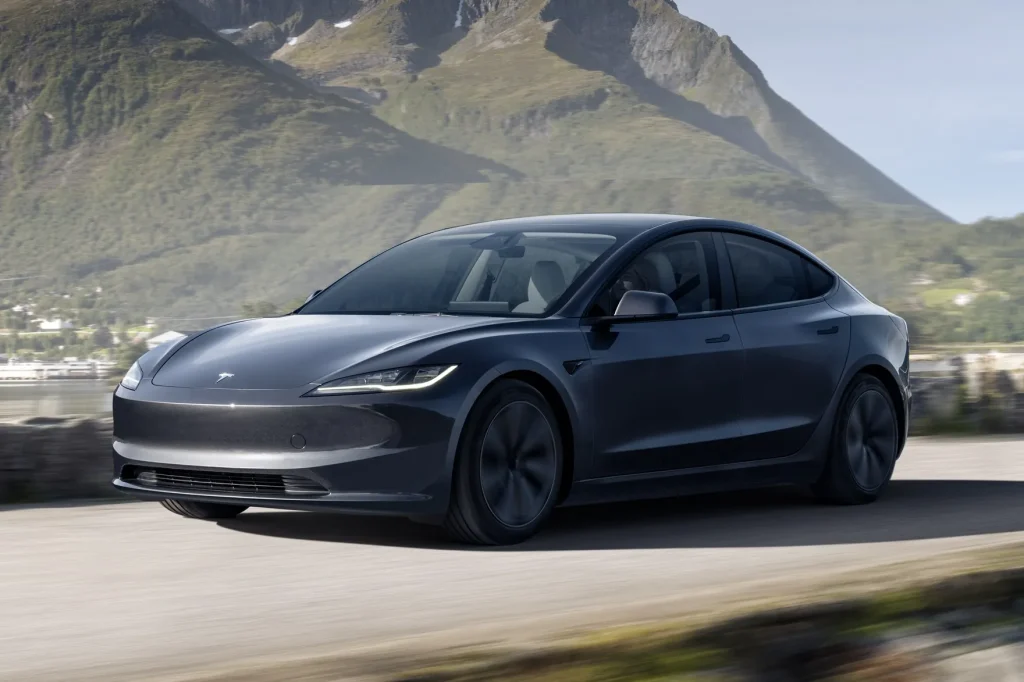
While some competing EVs rely on larger batteries to achieve similar ratings, the Model 3 Long Range proves that intelligent engineering and efficiency matter more. For drivers who prioritize dependable real-world range rather than inflated specifications, it sets a benchmark that many competitors still struggle to match.
2. Hyundai Kona Electric
The Hyundai Kona Electric has earned a reputation as one of the most honest EVs on the market when it comes to real-world range.
While its advertised range figures may not look dramatic compared to newer, larger EVs, the Kona consistently delivers close to and sometimes beyond its rated distance in everyday driving.
One of the Kona Electric’s greatest strengths is efficiency. Its relatively small size, low weight, and aerodynamic profile allow it to consume significantly less energy per mile than many larger competitors.
On highways, where many EVs lose range quickly, the Kona remains stable and predictable, making it especially reliable for commuters and long-distance drivers alike.
Battery thermal management is another key advantage. The Kona maintains battery performance well across varying temperatures, minimizing range loss in both hot and cold conditions. This reliability makes real-world planning easier, reducing the need for conservative charging buffers.
Power delivery is tuned for smoothness rather than aggressive acceleration. While it may not feel as fast as some performance-oriented EVs, this restrained tuning directly contributes to its excellent real-world efficiency. Regenerative braking is well-calibrated, recovering energy effectively without requiring constant driver adjustment.
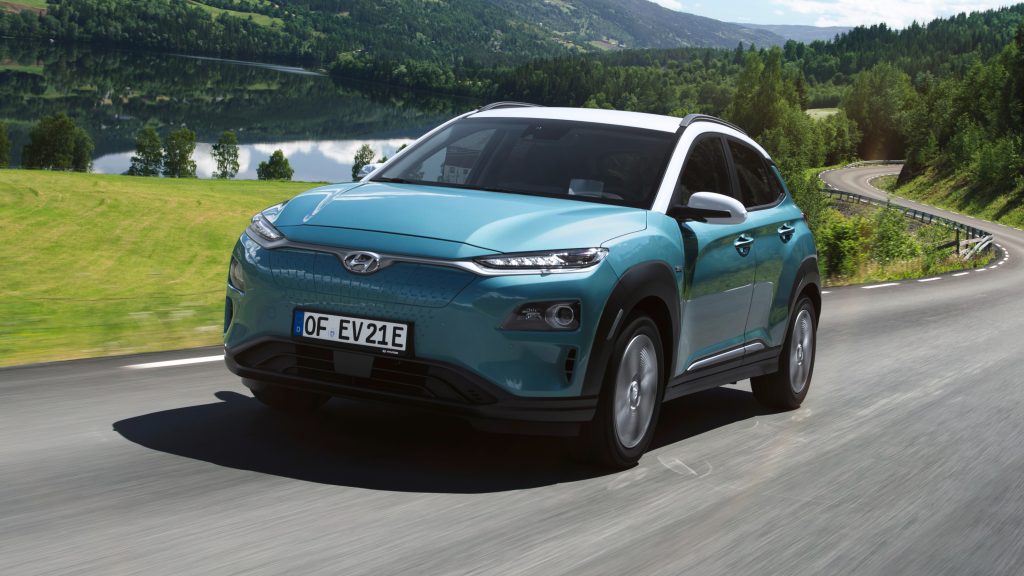
Compared to many competing EVs that rely on larger batteries but suffer efficiency losses, the Kona Electric demonstrates that intelligent design can outperform brute force. For drivers who value dependable, repeatable range over headline numbers, it remains one of the strongest real-world performers available.
3. Chevrolet Bolt EUV
The Chevrolet Bolt EUV is another EV that consistently surprises owners with how well it translates its rated range into real-world driving. While it does not feature an especially large battery, its efficiency-focused design allows it to compete with and often outperform EVs with higher advertised numbers.
The Bolt EUV benefits from a simple, lightweight architecture that minimizes energy waste. Its electric motor is tuned for efficiency rather than performance, allowing the vehicle to maintain low energy consumption even at highway speeds. This makes its real-world range highly dependable, especially for drivers who spend significant time on freeways.
Thermal control systems in the Bolt EUV are optimized for stability, preventing dramatic range drops during extended driving sessions. Climate control usage has a smaller impact on range than in many competing EVs, further improving daily usability.
Another advantage is consistency. Many EVs show impressive range in ideal conditions but fall short during real driving. The Bolt EUV, by contrast, delivers predictable results across different driving styles and environments, reducing range anxiety.
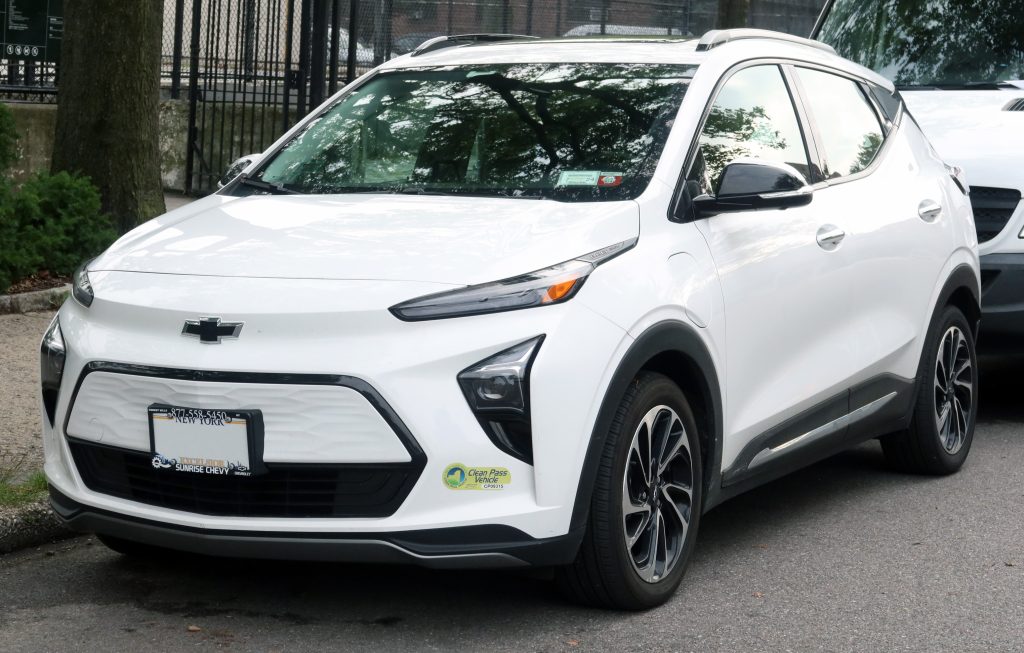
While the interior and charging speeds may not match premium competitors, the Bolt EUV excels where it matters most for everyday EV ownership: reliable distance between charges. Its real-world performance makes it a strong example of efficiency beating excess.
4. Tesla Model Y Long Range
The Tesla Model Y Long Range stands out as one of the few electric SUVs that consistently delivers strong real-world range without relying on oversized batteries. While many electric SUVs suffer significant efficiency losses due to weight and aerodynamics, the Model Y manages to balance space, performance, and efficiency unusually well.
A major reason for its real-world success is Tesla’s powertrain efficiency. Despite offering brisk acceleration and dual-motor all-wheel drive, the Model Y consumes less energy per mile than most competitors in its class.
At highway speeds where range losses are typically most severe, the Model Y retains a larger percentage of its rated range than many rival electric SUVs.
Aerodynamics also play a key role. Compared to boxier competitors, the Model Y’s shape reduces drag, helping it maintain efficiency during long-distance travel. This becomes especially noticeable on road trips, where fewer charging stops are required than expected for a vehicle of its size.
Battery thermal management is another strength. The Model Y maintains stable battery temperatures across a wide range of conditions, minimizing range degradation in both hot summers and cold winters. Climate control usage has a smaller impact on usable range than in many competing EVs.
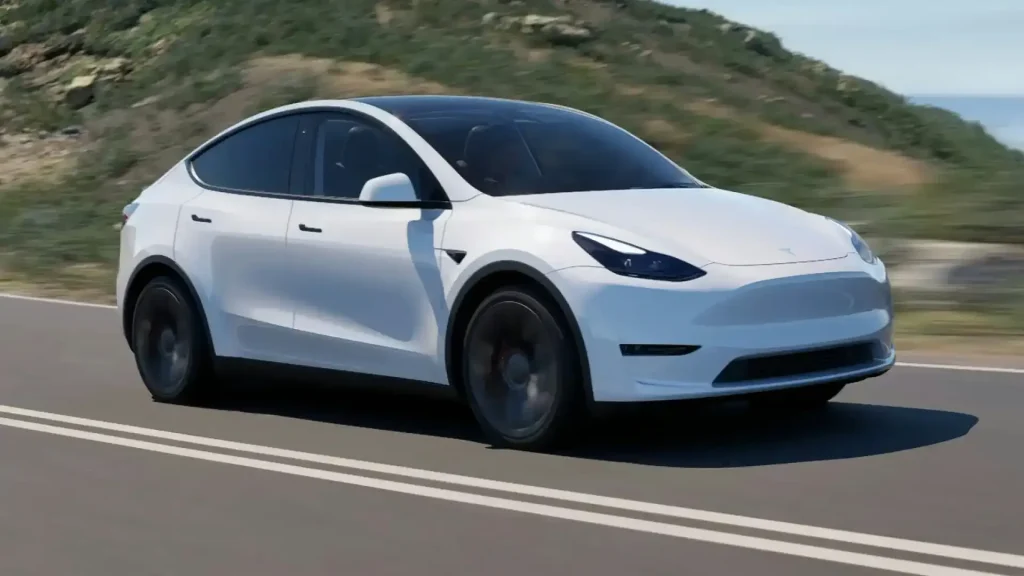
Software optimization further enhances real-world performance. Energy predictions are accurate, regenerative braking is highly efficient, and navigation-based battery planning reduces uncertainty. The result is an electric SUV that consistently goes as far as drivers expect or farther.
For buyers who want SUV practicality without sacrificing dependable range, the Model Y Long Range outperforms many competitors that look strong on paper but fall short in everyday use.
5. BMW i4 eDrive40
The BMW i4 eDrive40 is a strong example of how efficiency-focused engineering can deliver impressive real-world range without compromising driving quality. While BMW is often associated with performance, the i4 eDrive40 prioritizes balance resulting in one of the most dependable long-distance EVs in real-world conditions.
One of the i4’s biggest advantages is its efficient rear-wheel-drive layout. By avoiding the additional weight and energy consumption of dual motors, the eDrive40 maximizes usable range while still delivering smooth and responsive acceleration. This configuration proves especially effective at highway speeds, where efficiency matters most.
The vehicle’s aerodynamic sedan profile significantly reduces drag compared to many crossover-style EVs. As a result, the i4 retains more of its rated range during sustained high-speed driving, making it well-suited for long commutes and road trips.
Battery and thermal management systems are carefully calibrated to maintain efficiency across varying temperatures. The i4 shows less range drop in cold or hot conditions than many competitors, helping drivers rely on displayed range figures with confidence.
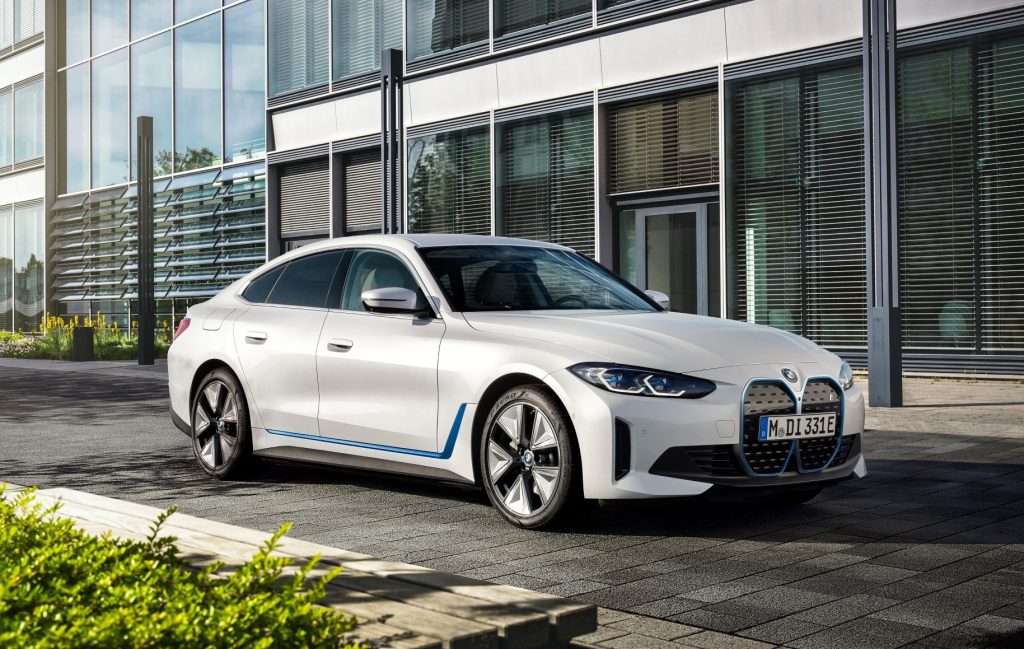
BMW’s energy management software also contributes to consistency. Power delivery is smooth rather than aggressive, regenerative braking is subtle yet effective, and energy consumption remains predictable over long distances.
While some competing EVs prioritize performance or interior tech at the expense of efficiency, the BMW i4 eDrive40 proves that thoughtful design can translate into real-world range that genuinely matches expectations.
5 Competing EVs That Often Fall Short in Real-World Range
Not all electric vehicles that look impressive on spec sheets perform equally well in daily driving. Many competing EVs advertise ambitious range figures achieved under controlled testing conditions, yet real-world use introduces variables that expose inefficiencies.
High curb weight, aggressive performance tuning, suboptimal aerodynamics, and less refined thermal management can all erode usable range far faster than buyers expect.
A common issue is prioritizing power and acceleration over efficiency. Dual-motor setups, performance-oriented software, and larger wheels increase energy consumption especially at highway speeds. While these choices deliver quick sprints and confident traction, they often come at the cost of consistent long-distance performance.
Thermal management is another differentiator. EVs that struggle to regulate battery temperature in hot or cold conditions can see steep range losses when climate control is engaged.
Similarly, less accurate energy prediction software can lead drivers to overestimate usable distance, increasing range anxiety and forcing more conservative charging habits.
Vehicle shape and weight also matter. Taller, boxier designs face higher aerodynamic drag, while heavy platforms demand more energy per mile. Even with large battery packs, these EVs may require more frequent charging stops than more efficient rivals with smaller batteries.
The following five competing EVs are capable, appealing vehicles. However, when judged specifically on real-world range consistency, they often underperform compared to the efficiency-focused models discussed earlier highlighting the gap between advertised potential and everyday reality.
1. Ford Mustang Mach-E GT
The Ford Mustang Mach-E GT emphasizes performance and style, delivering strong acceleration and sporty handling. While these traits make it exciting to drive, they also contribute to noticeable real-world range shortfalls compared to its advertised figures.
The GT’s performance-oriented tuning consumes more energy, particularly during highway driving. Dual motors and aggressive power delivery increase consumption even during moderate use, reducing usable distance between charges. Larger wheels and wider tires further add rolling resistance, compounding efficiency losses.
Aerodynamics are another factor. As a crossover with a muscular stance, the Mach-E GT experiences more drag at speed than sleeker sedans. This becomes apparent on long trips, where range drops faster than drivers anticipate.
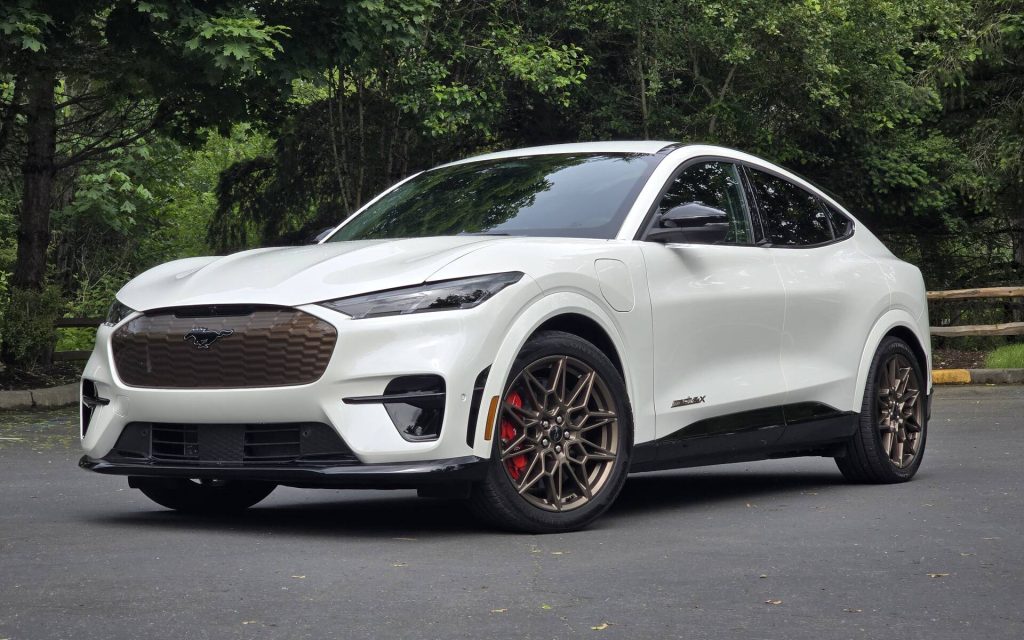
Thermal management is competent but not class-leading. Climate control usage especially heating in cold weather, has a pronounced impact on range, forcing more frequent charging stops. Software energy predictions can also be optimistic, encouraging conservative driving to avoid unexpected depletion.
The Mach-E GT delivers excitement and visual appeal, but for drivers prioritizing dependable real-world range, its performance-first approach places it behind more efficiency-focused EVs.
2. Volkswagen ID.4 AWD
The Volkswagen ID.4 AWD aims to balance practicality and comfort, yet its real-world range often underwhelms relative to its official ratings particularly in all-wheel-drive form.
The addition of a second motor increases weight and energy consumption, reducing efficiency at cruising speeds. While AWD improves traction, it exacts a noticeable range penalty during daily driving and highway travel.
The ID.4’s upright shape contributes to aerodynamic drag, and its energy use rises quickly at speeds above 65 mph. Owners frequently report real-world range falling short of expectations on longer trips, even with careful driving.
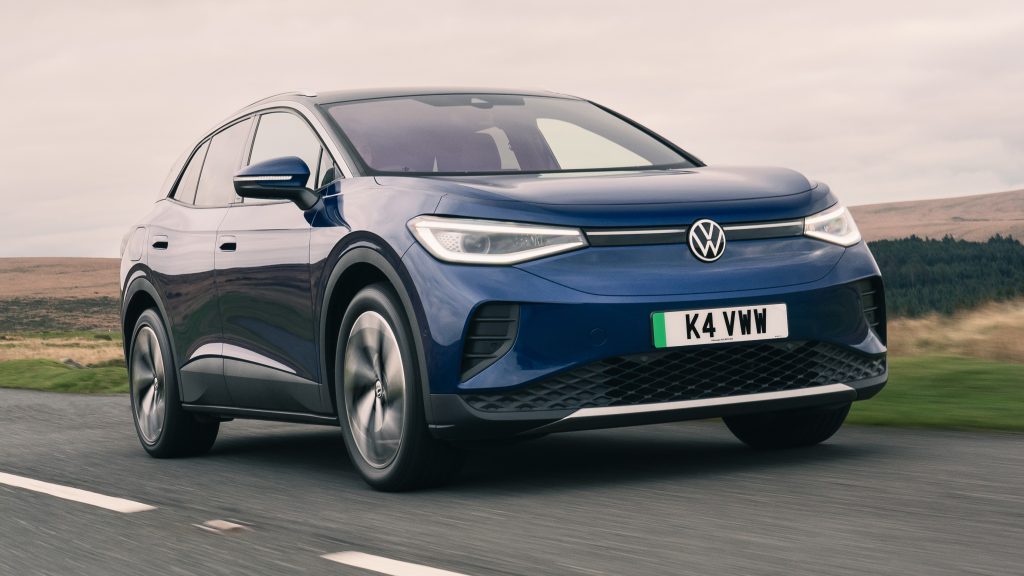
Thermal management and climate control usage also impact performance. In colder conditions, range loss can be substantial, and charging stops become more frequent. Energy prediction software tends to err on the optimistic side, making trip planning less predictable.
The ID.4 AWD is comfortable and user-friendly, but when range consistency is the priority, it struggles to match the dependable real-world performance of more efficient rivals.
3. Nissan Ariya e-4ORCE
The Nissan Ariya e-4ORCE is positioned as a refined, technology-forward electric SUV, but when evaluated on real-world range performance, it often fails to meet expectations set by its official figures. While comfortable and visually appealing, efficiency is not its strongest attribute.
One major contributor to reduced real-world range is weight. The Ariya’s dual-motor all-wheel-drive system adds significant mass, increasing energy consumption during everyday driving. This is especially noticeable at highway speeds, where range drops more sharply than drivers anticipate.
Aerodynamics also play a role. The Ariya’s tall profile and broad front end create more drag compared to sleeker EVs, further impacting efficiency on long trips. Even with conservative driving, sustained highway travel tends to reveal a substantial gap between rated and usable range.
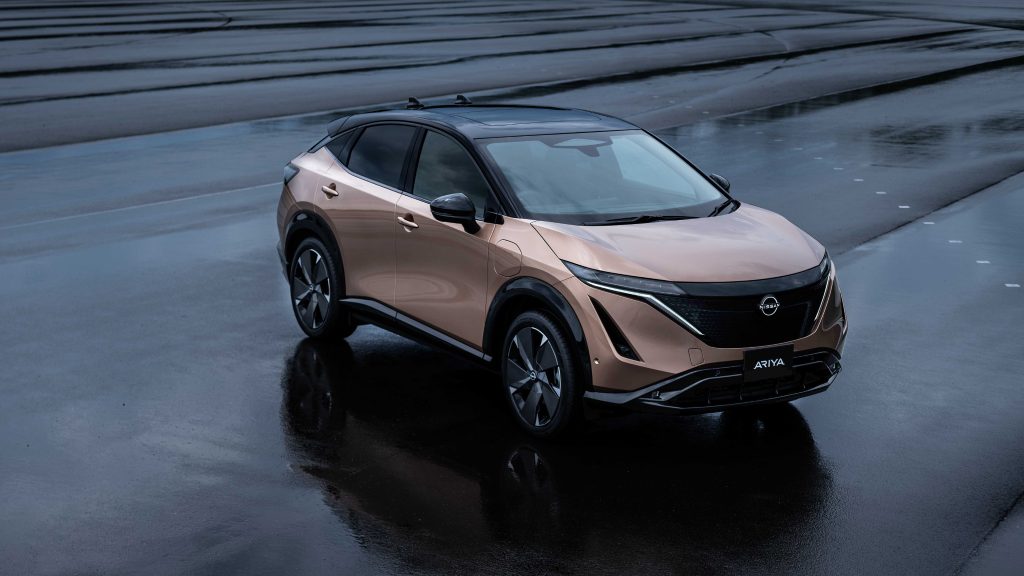
Thermal management performance is adequate but not exceptional. Climate control usage, particularly heating, has a pronounced effect on range, making winter driving less predictable. Owners often find themselves charging more frequently than planned, reducing long-distance convenience.
Power delivery is smooth but not optimized for efficiency. The system prioritizes refinement and traction over minimal energy use, which further limits range consistency. While the Ariya delivers a pleasant driving experience, it struggles to compete with more efficiency-focused EVs that consistently deliver closer to their advertised range.
4. Polestar 2 Dual Motor
The Polestar 2 Dual Motor presents itself as a premium performance-oriented EV with strong design appeal. However, its real-world range often disappoints relative to its official ratings, particularly when compared to efficiency-optimized competitors.
One of the biggest challenges for the Polestar 2 is energy consumption. The dual-motor configuration prioritizes acceleration and all-wheel-drive performance, resulting in higher power draw even during moderate driving. This leads to faster range depletion in everyday conditions.
Vehicle weight further compounds the issue. The Polestar 2 is heavier than many comparable EVs, requiring more energy per mile. At highway speeds, efficiency drops noticeably, making long trips less practical without frequent charging.
Aerodynamics are serviceable but not exceptional. Combined with wide tires and performance tuning, rolling resistance contributes to reduced real-world efficiency. Climate control usage especially in cold weather, further amplifies range loss.
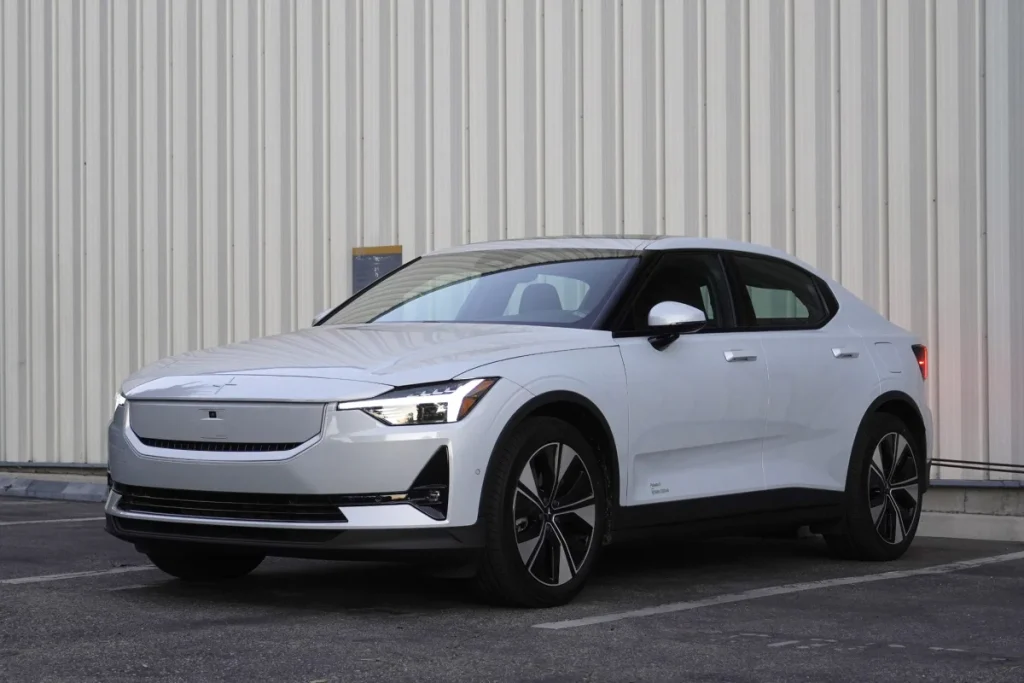
While the Polestar 2 offers strong build quality and driving dynamics, its real-world range consistency lags behind more efficiency-focused EVs. For drivers who value dependable distance over sporty character, it often falls short of expectations.
5. Kia EV6 GT
The Kia EV6 GT is a striking example of how performance-focused electric vehicles often sacrifice real-world range in pursuit of speed and excitement. While it delivers thrilling acceleration and aggressive styling, its everyday range performance falls well short of what most drivers expect from a modern EV.
The most significant factor affecting the EV6 GT’s real-world range is its performance-oriented tuning. Dual high-output motors, rapid throttle response, and sport-focused software calibration result in high energy consumption even during normal driving.
Unlike efficiency-focused EVs that moderate power delivery, the EV6 GT consistently draws more energy per mile.
Weight and wheel choice further reduce efficiency. Large wheels, wide performance tires, and a reinforced chassis increase rolling resistance and drag. At highway speeds, range drops quickly, making long-distance travel less convenient and requiring more frequent charging stops than competing efficiency-oriented EVs.
Aerodynamics also take a back seat to styling. While the standard EV6 performs reasonably well in efficiency tests, the GT’s design and added cooling requirements reduce aerodynamic effectiveness, further impacting real-world range during sustained driving.
Thermal management prioritizes performance stability rather than efficiency. Battery and drivetrain cooling systems remain active to support aggressive driving, which increases energy usage even when the vehicle is not being pushed hard. Climate control use amplifies this effect, particularly in extreme temperatures.
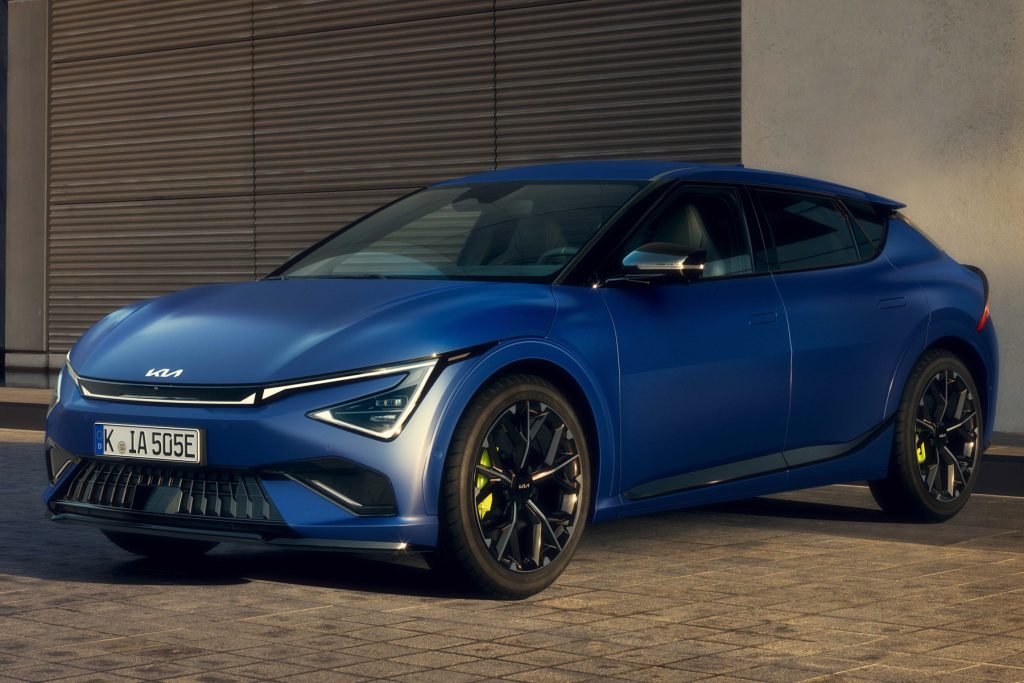
The Kia EV6 GT is an excellent performance EV and an exciting showcase of electric capability. However, for drivers who prioritize predictable, dependable real-world range over raw acceleration, it consistently underperforms compared to efficiency-focused EVs.
As a daily long-distance vehicle, it demands compromise, making it less suitable for range-conscious buyers.
Electric vehicle range has become one of the most influential factors in modern car buying, yet it remains one of the most misunderstood. While manufacturers promote impressive laboratory-tested numbers, real-world driving tells a more complex story.
This comparison highlights a critical truth: real-world range is determined less by battery size and more by efficiency, vehicle design, and software optimization.
The EVs that perform best in real-world range share several common traits. They are designed with efficiency as a priority rather than treating it as a secondary benefit.
Lightweight construction, strong aerodynamics, smooth power delivery, and advanced thermal management allow these vehicles to maintain consistent energy usage across varied driving conditions. As a result, they deliver range figures that closely match or sometimes exceed driver expectations.
Efficiency-focused EVs also tend to be more predictable. Their energy consumption remains stable at highway speeds, during stop-and-go traffic, and when climate control is in use.
This predictability reduces range anxiety, simplifies trip planning, and minimizes the need for conservative driving habits. Over time, this consistency becomes more valuable than peak range numbers that are difficult to achieve outside ideal conditions.
In contrast, many competing EVs emphasize performance, design flair, or feature density. Dual-motor systems, aggressive acceleration tuning, larger wheels, and heavier platforms can all erode efficiency.
While these vehicles may feel exciting or luxurious, they often experience significant range loss in everyday use particularly on highways or in extreme temperatures. This gap between advertised and actual range forces more frequent charging stops and increases reliance on careful planning.
Vehicle shape and weight play a major role in this disparity. Taller, boxier designs face greater aerodynamic drag, while heavier platforms demand more energy per mile. Even with large battery packs, these EVs can struggle to deliver dependable distance between charges. As a result, real-world convenience often falls short of expectations.
Thermal management and software accuracy further separate strong performers from weaker ones. EVs with refined battery temperature control maintain efficiency in both hot and cold conditions, while less optimized systems experience sharper range drops when heating or cooling is required.
Accurate energy prediction software also matters, as it builds driver confidence and reduces unexpected depletion during longer trips.
This comparison makes one point clear: real-world range is about usable distance, not theoretical potential.
EVs that prioritize efficiency tend to feel calmer, smoother, and less demanding in daily use. They require fewer compromises, integrate more seamlessly into everyday routines, and deliver a better ownership experience for drivers who rely on their vehicle regularly.
Competing EVs are not inherently flawed. Many offer excellent performance, striking design, and advanced features that appeal strongly to certain buyers. However, for drivers whose primary concern is dependable range rather than acceleration or styling, these vehicles often fall short of more efficiency-focused alternatives.
Ultimately, the best EV is not the one with the largest battery or the most aggressive performance figures, but the one that consistently delivers what it promises in real driving conditions.
As EV adoption continues to grow, buyers are becoming more informed and more demanding about real-world results. This shift favors vehicles engineered for efficiency, balance, and predictability over those built primarily to impress on paper.
For everyday drivers, long-distance commuters, and anyone seeking a stress-free EV experience, real-world range remains the most meaningful metric. And as this comparison shows, some EVs simply do a better job of turning stored energy into usable miles where it truly matters.
Also Read: 5 Honda Hatchbacks That Are Better Than 5 Toyota Hatchbacks
