
Towing performance is one of the most misunderstood aspects of SUV ownership. Many buyers assume that any vehicle with an SUV badge can comfortably handle trailers, boats, or campers.
In reality, there is a significant difference between full-size SUVs and crossovers when it comes to towing strength, durability, and long-term reliability under load. These differences are rooted in engineering, not marketing.
Full-size SUVs are built on body-on-frame platforms similar to pickup trucks. This construction allows them to handle heavy loads with less structural stress, better weight distribution, and higher thermal tolerance.
Their engines, transmissions, cooling systems, and braking components are designed to operate under sustained towing conditions.
Crossovers, on the other hand, are typically built on unibody platforms shared with sedans or compact SUVs. While they offer comfort and efficiency, they are not engineered for consistent heavy towing.
This comparison exists to clarify where towing capability truly comes from. Manufacturers often advertise towing numbers for crossovers that look impressive on paper, but those figures usually represent short-duration, ideal-condition scenarios.
In real-world use long inclines, hot climates, frequent towing, or high payload crossovers reach their limits quickly. Full-size SUVs maintain stability, braking confidence, and drivetrain durability under the same conditions.
The goal of this article is not to dismiss crossovers entirely, but to explain why full-size SUVs tow better, safer, and more reliably. By comparing five proven full-size SUVs with five popular crossovers, the focus remains on real mechanical capability rather than marketing claims.
For buyers who tow regularly or plan to keep their vehicle long term, understanding these differences can prevent costly mistakes and improve ownership satisfaction.
Also Read: 5 Cars for Topeka Practical Driving vs 5 That Require Dealer Care
5 Full-Size SUVs That Tow Better
Full-size SUVs exist for one primary reason: capability. While they offer comfort, space, and premium features, their defining strength lies in their ability to handle demanding tasks such as towing heavy trailers, boats, and campers without compromising safety or durability. Unlike crossovers, full-size SUVs are engineered from the ground up with towing in mind.
The foundation of this capability starts with body-on-frame construction. This design separates the vehicle’s structure from its body, allowing the frame to absorb towing forces directly.
This reduces flex, improves stability, and allows for higher tow ratings without overstressing the vehicle. Crossovers, with their unibody designs, must balance structural strength with weight savings, limiting their towing potential.
Powertrain design further distinguishes full-size SUVs. Larger displacement engines, stronger transmissions, and robust torque delivery allow these vehicles to maintain speed and control under load.
Cooling systems are also significantly upgraded, ensuring that engines and transmissions remain within safe operating temperatures during long towing sessions.
Braking and suspension systems are another critical factor. Full-size SUVs use heavier-duty brakes, stiffer suspension components, and longer wheelbases, all of which improve control and stopping power when towing. These elements are often absent or scaled down in crossovers.
This section highlights five full-size SUVs that demonstrate why they outperform crossovers in towing scenarios. Each example explains why these vehicles are built for towing not just how much they can tow on paper.
1. Chevrolet Tahoe
The Chevrolet Tahoe has long been considered one of the benchmarks for full-size SUV towing capability. Built on a truck-based platform, the Tahoe combines structural strength with drivetrain components specifically engineered to handle sustained towing loads.
One of the Tahoe’s greatest advantages is its robust frame. The body-on-frame construction allows towing forces to be distributed evenly across the chassis, minimizing flex and improving stability.
This is particularly important when towing heavier trailers or navigating uneven terrain, where structural rigidity directly affects control.
The Tahoe’s engine options deliver strong low-end torque, which is essential for towing. Torque allows the vehicle to pull weight smoothly from a standstill and maintain speed on inclines without excessive strain.
Crossovers often rely on smaller engines or turbocharging, which can struggle under prolonged towing conditions.
Transmission durability is another key factor. The Tahoe uses heavy-duty automatic transmissions designed to handle high torque loads repeatedly. Gear ratios are optimized for towing, reducing gear hunting and heat buildup two common issues in crossovers under load.
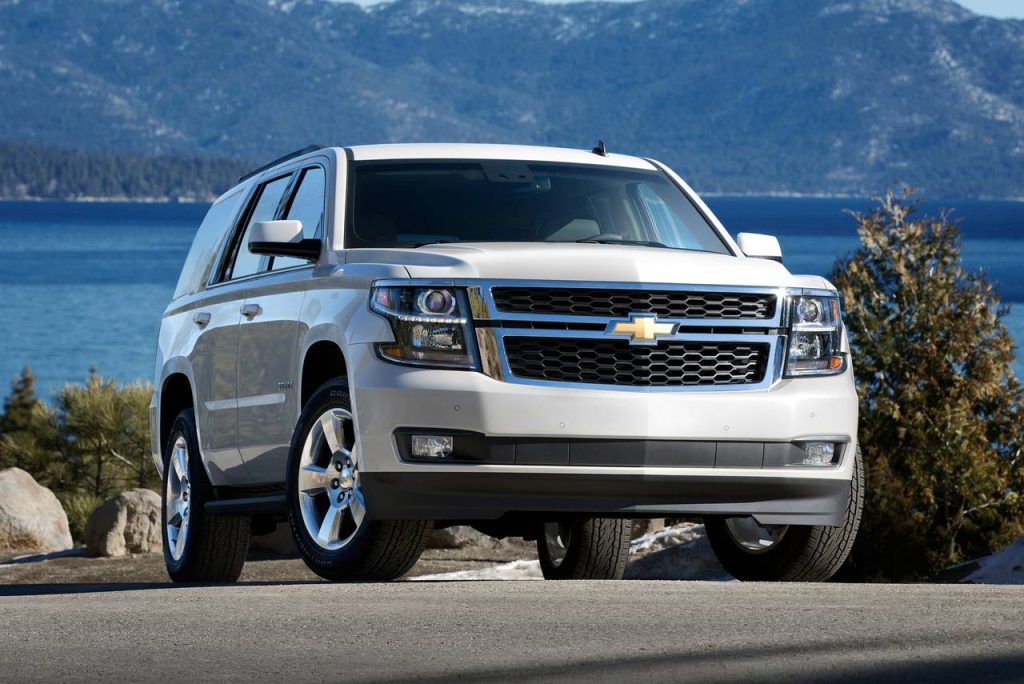
Braking performance further separates the Tahoe from crossover alternatives. Larger brakes and a longer wheelbase improve stopping power and stability, particularly when towing at highway speeds. Combined with integrated trailer-sway control systems, the Tahoe provides confidence that many crossovers simply cannot match.
For buyers who tow regularly, the Chevrolet Tahoe exemplifies why full-size SUVs are the correct tool for the job.
2. Ford Expedition
The Ford Expedition is one of the most capable towing-focused full-size SUVs on the market, and its strengths come directly from its truck-derived engineering. Designed to handle heavy loads repeatedly and reliably, the Expedition consistently outperforms crossovers when towing is a primary requirement.
A major advantage of the Expedition is its body-on-frame construction, which provides the structural rigidity necessary for towing large trailers.
This design resists chassis flex under load, maintaining straight-line stability and predictable handling especially important during crosswinds or sudden steering corrections. Crossovers, built on unibody platforms, simply cannot replicate this level of structural strength.
Power delivery is another key area where the Expedition excels. Its turbocharged engine produces strong, accessible torque across a wide rev range, allowing it to pull heavy loads without excessive strain.
This low-end torque is crucial for towing, particularly when accelerating from a stop or climbing grades. Crossovers often lack this sustained torque delivery, leading to overheating or performance drop-off under load.
The Expedition’s transmission is engineered for durability. Gear ratios are tuned to keep the engine in its optimal torque band, reducing gear hunting and minimizing heat buildup, two factors that significantly affect transmission longevity during towing.
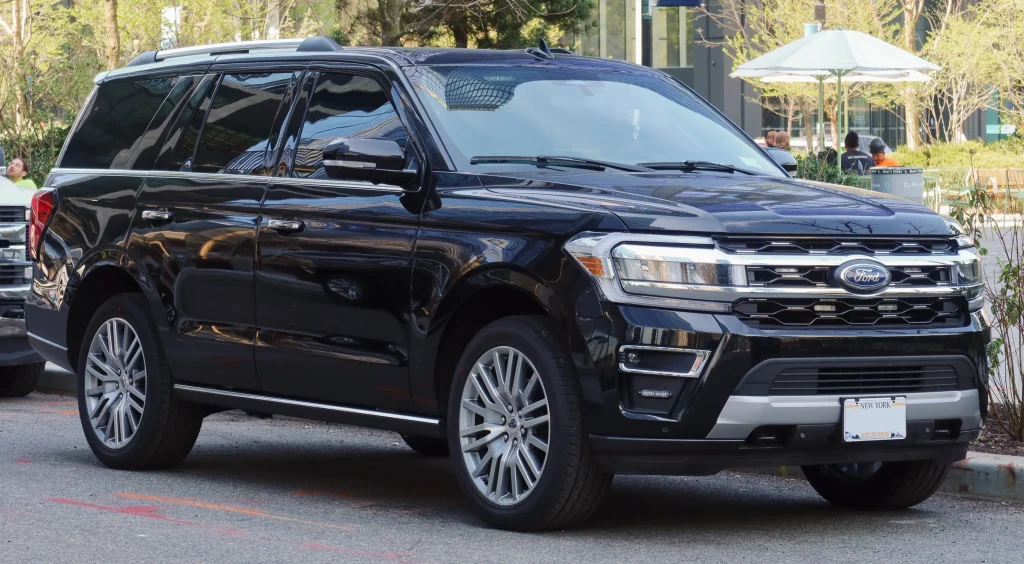
Suspension and braking systems further reinforce the Expedition’s towing superiority. Heavy-duty suspension components keep the vehicle level when loaded, while large brakes provide confident stopping power.
Integrated trailer sway control and tow-specific drive modes enhance stability, making long towing trips far less stressful than they would be in a crossover.
3. Toyota Sequoia
The Toyota Sequoia is built with durability as its defining principle, and that philosophy extends directly to its towing capability. As a full-size SUV derived from a truck platform, the Sequoia is engineered to handle sustained towing without compromising reliability an area where crossovers often fall short.
At the core of the Sequoia’s towing strength is its reinforced ladder frame, which absorbs towing forces efficiently and maintains structural integrity over time. This frame design allows the Sequoia to tow heavier loads more consistently than crossovers, which must balance towing demands with passenger-car-based construction.
Engine performance plays a critical role as well. The Sequoia’s powertrain delivers steady, predictable torque, which is far more valuable for towing than peak horsepower numbers. This allows the vehicle to maintain speed on inclines and control descents without constant downshifting or excessive engine stress.
Toyota’s focus on cooling and durability further enhances towing performance. Robust engine and transmission cooling systems help prevent overheating during extended towing sessions, particularly in hot climates or mountainous terrain. Crossovers, even those with respectable tow ratings, often struggle in these conditions.
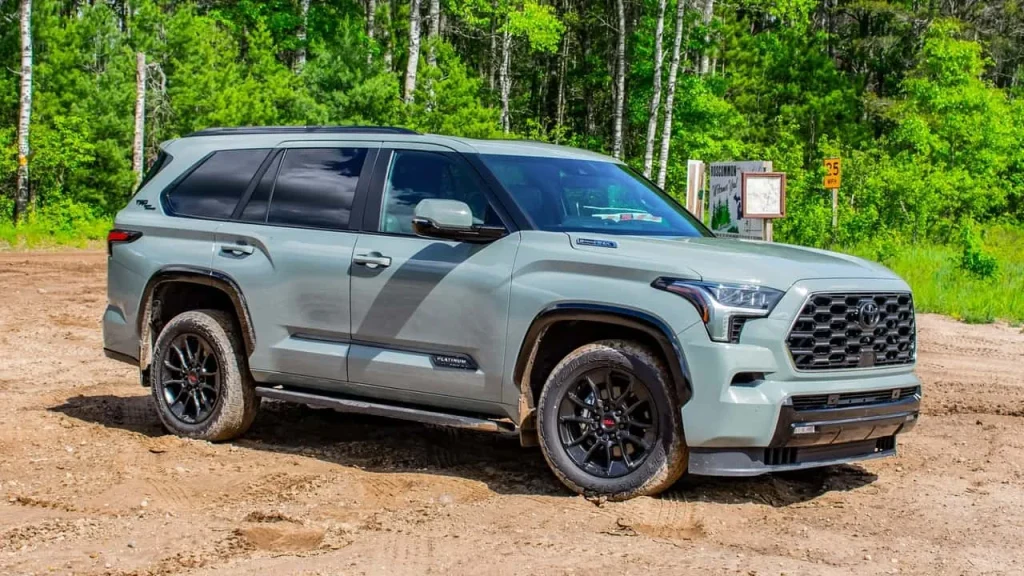
Braking and wheelbase length also work in the Sequoia’s favor. A longer wheelbase improves trailer stability, while larger brakes ensure consistent stopping power.
Combined with Toyota’s conservative engineering approach, the Sequoia offers a towing experience that is calm, controlled, and long-lasting qualities that are difficult for crossovers to match.
4. GMC Yukon
The GMC Yukon is engineered as a premium-capable full-size SUV, but beneath its upscale features lies serious towing hardware that clearly separates it from crossover-based alternatives.
Built on a body-on-frame platform shared with full-size pickup trucks, the Yukon is designed to handle heavy towing with confidence and consistency.
Structural integrity is one of the Yukon’s strongest advantages. Its truck-derived frame provides a solid foundation that resists flex when towing large trailers.
This rigidity improves steering precision and reduces trailer-induced sway, especially at highway speeds or during lane changes. Crossovers, with their unibody construction, are far more susceptible to flex and instability under similar loads.
The Yukon’s powertrain is also optimized for towing. Strong low-end torque allows the vehicle to pull heavy loads smoothly without excessive throttle input.
This reduces stress on the engine and transmission, particularly during hill climbs or stop-and-go towing scenarios. Crossovers often require high revs to compensate, which leads to heat buildup and faster component wear.
Transmission strength and cooling further enhance towing performance. The Yukon’s transmission is built to handle repeated high-load cycles, and its cooling systems are designed to manage heat effectively during long towing sessions.
This durability advantage becomes especially important for owners who tow frequently rather than occasionally.
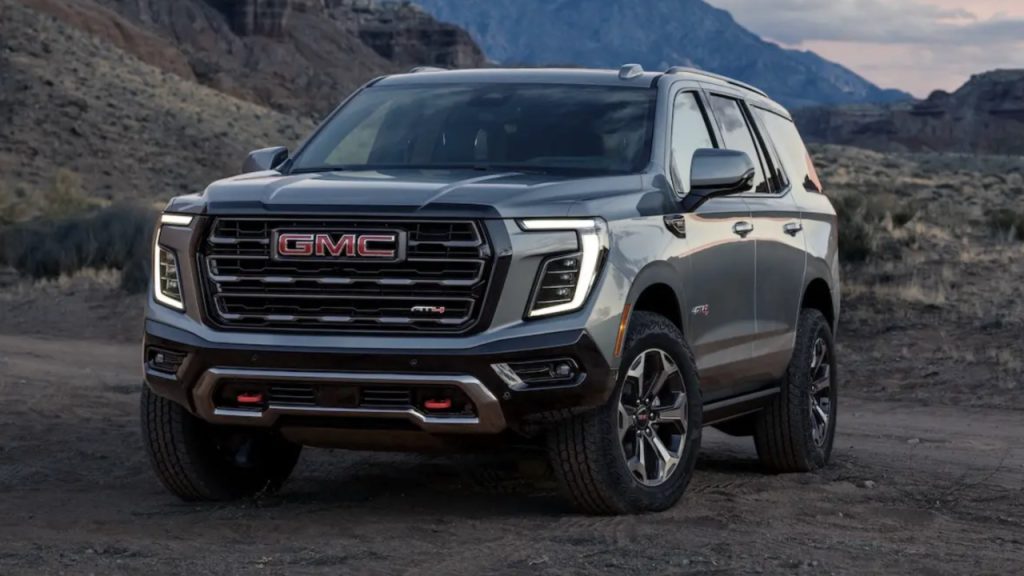
Suspension tuning and braking capacity round out the Yukon’s towing credentials. Heavy-duty suspension components help maintain ride height and control when loaded, while large brakes provide confident stopping power.
Integrated towing technologies add further stability, reinforcing why the GMC Yukon tows better and more safely than most crossovers.
5. Nissan Armada
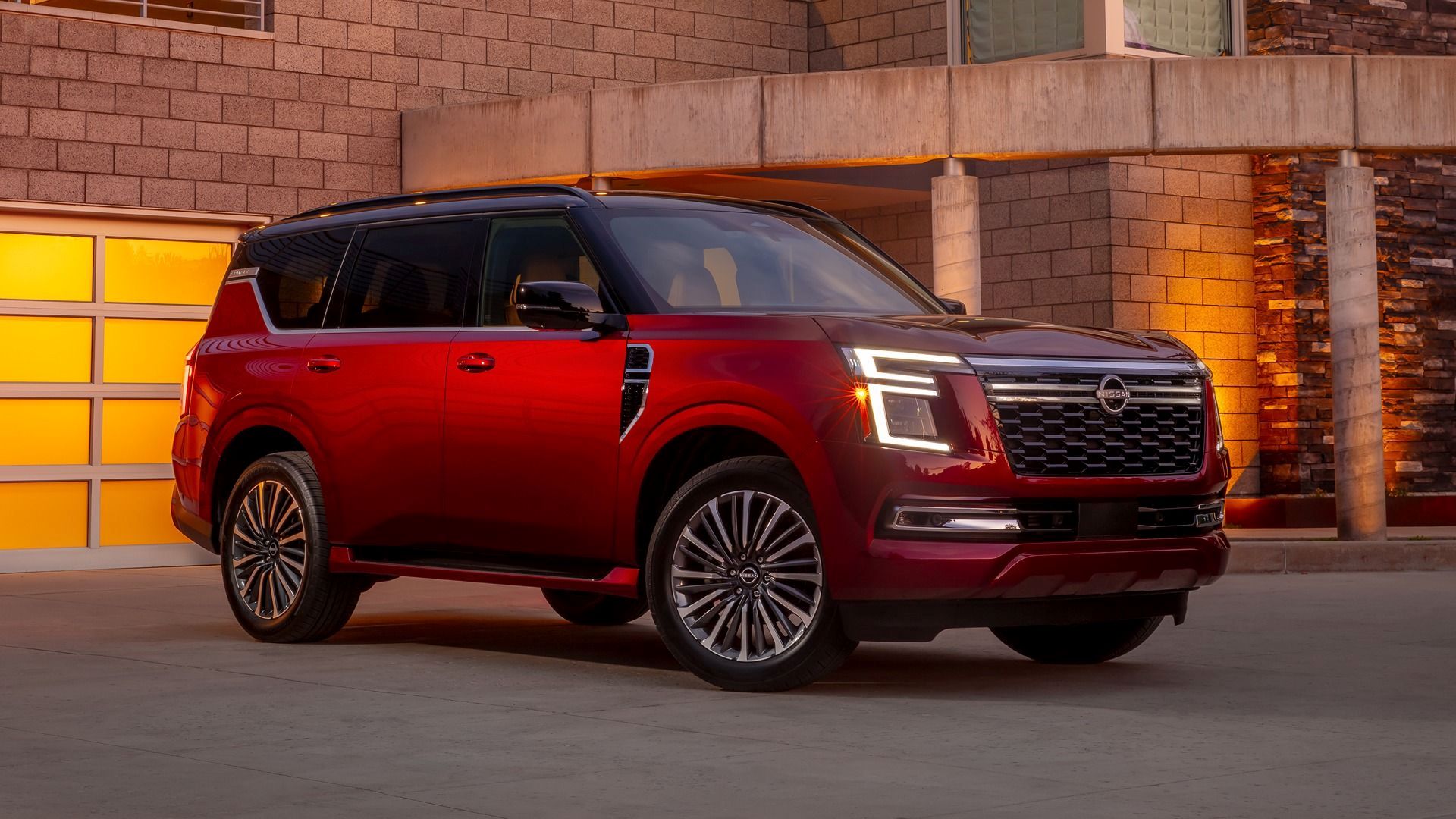
The Nissan Armada is often overlooked in towing discussions, yet it stands as one of the most capable full-size SUVs when it comes to pulling heavy loads. Built on a rugged truck platform, the Armada emphasizes strength and durability over fuel efficiency an approach that benefits towing performance significantly.
At the heart of the Armada’s capability is its body-on-frame construction, which provides exceptional resistance to towing stress.
This robust chassis allows the vehicle to maintain stability even when towing near its upper limits. Crossovers lack this structural margin, making them less suitable for sustained heavy towing.
Engine performance is another key factor. The Armada’s naturally aspirated engine delivers consistent, linear torque, which is ideal for towing. Rather than relying on turbocharged peaks, the Armada provides predictable power that helps maintain control under load, particularly on long inclines or uneven terrain.
Transmission tuning also favors towing. The Armada’s gearbox is calibrated to handle heavy loads without excessive shifting or overheating. This reduces wear and improves long-term reliability areas where crossover transmissions often struggle under towing stress.
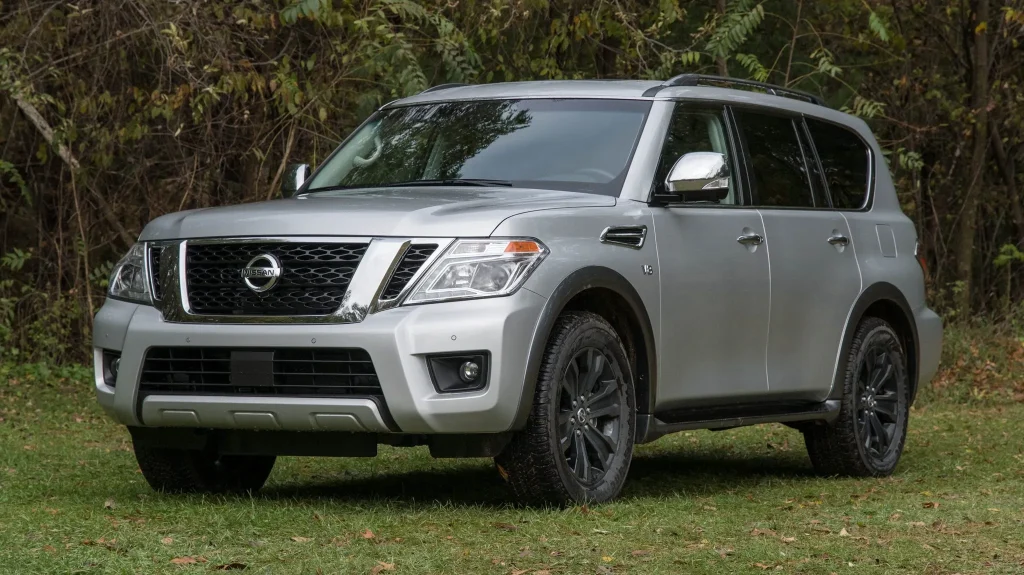
The Armada’s long wheelbase and heavy-duty suspension contribute to trailer stability, while large brakes ensure confident stopping power. These physical advantages create a towing experience that feels controlled rather than strained.
For buyers who tow regularly, the Nissan Armada demonstrates why full-size SUVs remain the superior choice over crossovers when real towing capability matters.
With the towing strengths of full-size SUVs clearly established, the focus now shifts to crossovers. The next section explains why, despite their popularity and advertised tow ratings, crossovers struggle to match the real-world towing performance of full-size SUVs.
5 Crossovers
Crossovers dominate today’s SUV market because they blend car-like comfort with SUV styling, efficiency, and everyday usability. For many buyers, they appear to be a “do-it-all” solution capable of commuting, family duties, and occasional towing.
However, when towing is examined beyond marketing claims and brochure numbers, crossovers reveal clear limitations that separate them from true full-size SUVs.
Most crossovers are built on unibody platforms derived from sedans or compact SUVs. This design prioritizes weight savings, ride comfort, and fuel efficiency, but it inherently limits how much sustained stress the vehicle can handle.
While manufacturers may advertise respectable tow ratings, these figures are often based on ideal conditions: short distances, flat terrain, light payloads, and infrequent use.
Powertrain design further constrains towing ability. Crossovers typically rely on smaller engines often turbocharged, to meet efficiency targets.
While these engines can produce impressive peak numbers, they are not designed for continuous heavy load. Prolonged towing leads to heat buildup, increased wear, and reduced reliability, especially in transmissions and cooling systems.
Braking and suspension systems also reflect crossover priorities. Components are scaled for passenger comfort rather than heavy loads, resulting in reduced stability and longer stopping distances when towing. Shorter wheelbases further compromise trailer control, particularly at highway speeds.
This section examines five popular crossovers to explain why even with advertised tow ratings, they fall short of full-size SUVs in real-world towing scenarios.
The goal is not to criticize crossovers, but to clarify their intended purpose and limitations when compared to vehicles engineered specifically for towing.
1. Toyota Highlander
The Toyota Highlander is one of the most popular crossovers on the market, praised for reliability, comfort, and family-friendly design. While it offers a moderate towing rating for its class, it clearly illustrates the limitations of crossover-based towing when compared to full-size SUVs.
The Highlander’s unibody construction is the primary constraint. While this design improves ride quality and efficiency, it lacks the structural rigidity needed for sustained towing. Under heavier loads, chassis flex becomes more noticeable, affecting stability and steering precision issues that are far less pronounced in body-on-frame full-size SUVs.
Engine performance also highlights the gap. The Highlander’s powertrain is optimized for daily driving rather than towing.
While it can manage light trailers, maintaining speed on inclines requires higher engine output, increasing heat and strain. Full-size SUVs deliver stronger low-end torque, reducing stress during towing.
Transmission durability is another concern. Crossover transmissions are designed for efficiency and smoothness, not repeated high-load operation. Prolonged towing can accelerate wear, particularly in warm climates or hilly terrain.
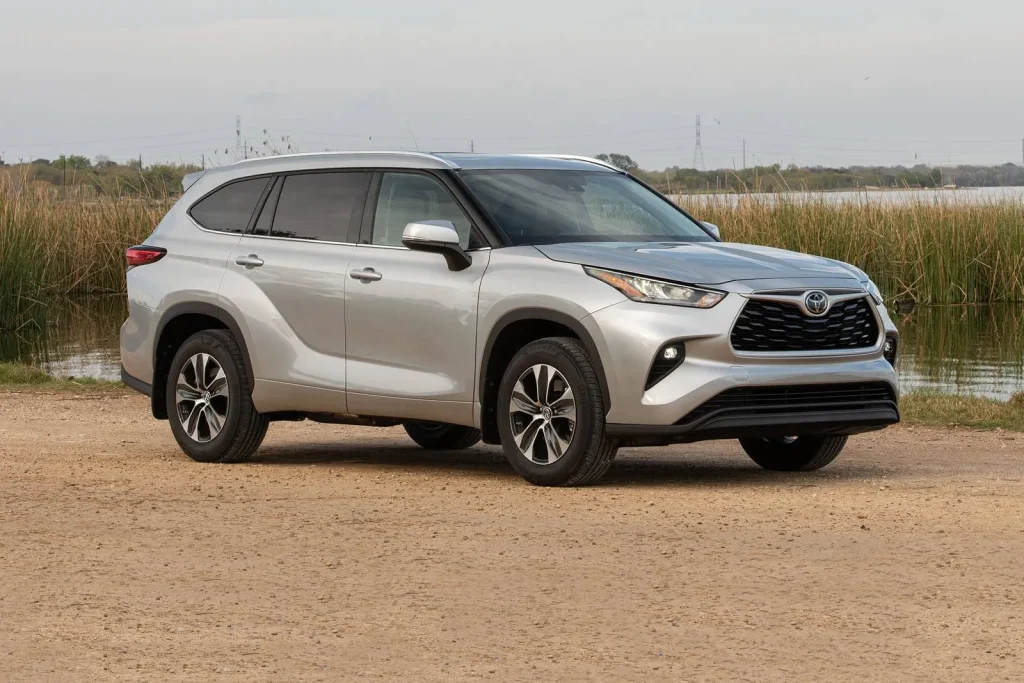
Braking and wheelbase length further limit towing confidence. The Highlander’s shorter wheelbase reduces trailer stability, and its brakes while adequate for normal driving, are not designed for frequent heavy towing.
The Toyota Highlander is an excellent family crossover, but its towing capability is best reserved for occasional, light-duty use rather than regular or demanding towing tasks.
2. Honda Pilot
The Honda Pilot is often viewed as one of the more capable crossovers, thanks to its size and available all-wheel drive. While it can tow more than smaller crossovers, it still illustrates why crossovers as a category struggle to match the real-world towing performance of full-size SUVs.
The Pilot’s unibody construction is the core limitation. Although Honda engineers have reinforced the platform to handle moderate loads, it cannot replicate the strength or stress tolerance of a body-on-frame SUV.
When towing heavier trailers, structural flex becomes more apparent, reducing stability and driver confidence especially during highway driving or crosswinds.
Power delivery is another area where the Pilot falls short. Its engine provides sufficient power for daily use, but towing pushes it toward the upper end of its operating range.
This results in frequent downshifting and higher engine speeds, which increase heat buildup and long-term wear. Full-size SUVs maintain towing performance with far less strain due to stronger torque reserves.
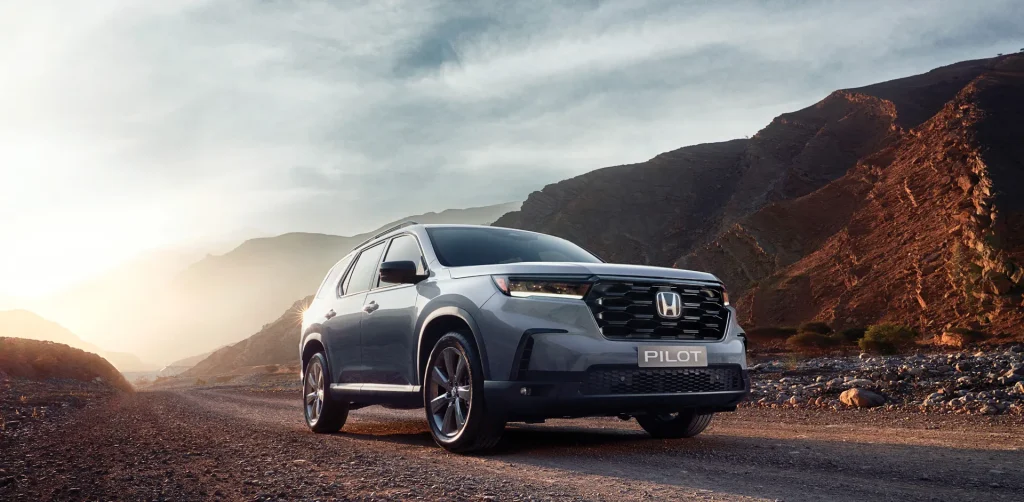
Transmission design also reflects crossover priorities. Smoothness and efficiency take precedence over durability under sustained load. While the Pilot can tow occasionally, repeated towing especially in warm or mountainous conditions, places significant stress on the transmission and cooling systems.
Suspension and braking systems further highlight the gap. The Pilot’s suspension is tuned for comfort, not heavy load control, and its brakes are not designed for repeated high-mass stopping scenarios. Compared to full-size SUVs, towing with the Pilot requires more caution and compromise.
3. Ford Explorer
The Ford Explorer straddles the line between crossover comfort and SUV capability, but its towing performance still falls short of full-size SUV standards. While capable on paper, real-world towing reveals the inherent compromises of its crossover-based design.
The Explorer’s unibody platform limits its ability to handle sustained towing stress. Although the structure is strong for normal driving, it lacks the rigidity required for heavy trailers. This becomes noticeable during lane changes, braking, and uneven road surfaces, where trailer movement is harder to control.
Engine output may seem adequate, but towing exposes the limitations of its torque delivery. Maintaining speed under load often requires aggressive throttle input, increasing engine and transmission stress. Full-size SUVs, by contrast, tow with lower engine effort and greater mechanical reserve.
Transmission behavior further differentiates the Explorer from true towing vehicles. Gear hunting under load is more common, leading to excess heat generation. Heat is a major enemy of transmission longevity, and this is where crossovers often struggle during repeated towing use.
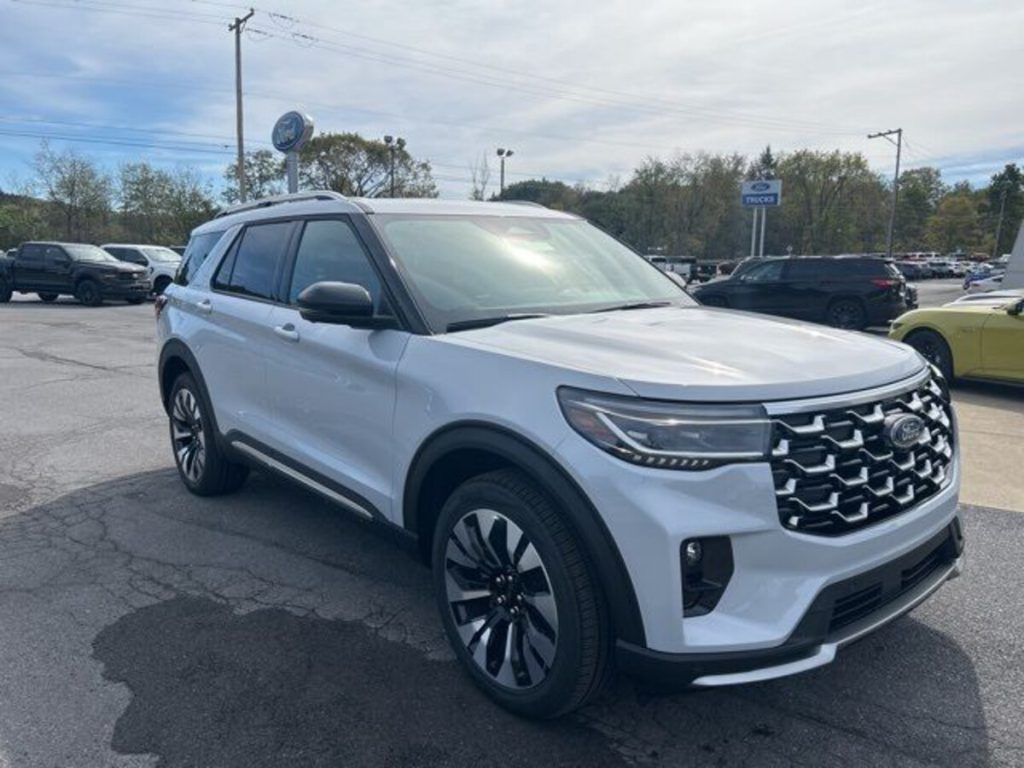
Wheelbase length and suspension tuning also impact stability. The Explorer’s shorter wheelbase compared to full-size SUVs reduces trailer control at higher speeds. While advanced electronics help, they cannot fully compensate for physical limitations.
The Explorer remains a capable family crossover, but its towing ability is best suited for occasional use rather than the sustained, heavy-duty towing that full-size SUVs handle with ease.
4. Mazda CX-9
The Mazda CX-9 is often praised for its refined driving dynamics and upscale interior, making it one of the most car-like crossovers in its class. However, those very strengths highlight why it falls short when compared to full-size SUVs in towing-focused scenarios.
The CX-9’s unibody construction prioritizes lightness and handling precision rather than brute strength. While this makes it enjoyable to drive daily, it limits the vehicle’s ability to absorb sustained towing stress.
When towing heavier loads, the structure must work harder to manage forces that a body-on-frame SUV handles more naturally.
Power delivery is another limiting factor. The CX-9’s turbocharged engine produces adequate power, but towing requires the engine to operate at higher boost levels for extended periods. This increases thermal stress and reduces long-term durability when compared to the larger-displacement engines found in full-size SUVs.
Transmission tuning further reflects crossover priorities. Smooth shifting and fuel efficiency are emphasized, but under towing load the gearbox is more prone to frequent gear changes. This not only reduces towing comfort but also accelerates wear due to heat buildup.
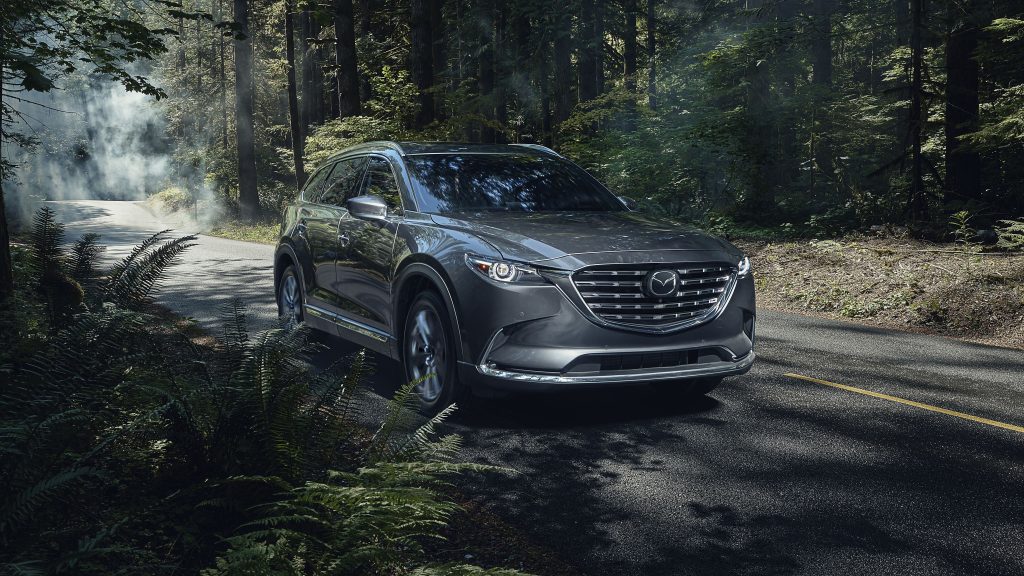
Suspension and braking systems are also tuned primarily for passenger comfort. When towing, rear suspension compression and longer stopping distances become more noticeable.
While the CX-9 can handle light, occasional towing, it lacks the mechanical margin required for regular or heavy-duty towing tasks.
5. Hyundai Palisade
The Hyundai Palisade is one of the largest and most comfortable crossovers available, often mistaken for a full-size SUV due to its size and presence. Despite this, it remains a crossover at its core and that distinction becomes clear when towing is involved.
The Palisade’s unibody platform limits how much sustained towing stress it can handle. While reinforced for strength, it cannot match the torsional rigidity of a body-on-frame full-size SUV. Under heavier towing loads, this can lead to reduced stability and increased driver workload.
Engine performance is sufficient for moderate towing, but prolonged load exposes its limits. Maintaining speed on inclines requires higher engine output, increasing heat and strain. Full-size SUVs achieve the same task with less effort due to greater torque reserves.
Transmission and cooling systems also reveal crossover compromises. Designed primarily for comfort and efficiency, they are not optimized for repeated high-load towing. Over time, this can affect reliability, particularly for owners who tow frequently.
Braking and wheelbase length further impact towing confidence. The Palisade’s shorter wheelbase compared to full-size SUVs reduces trailer stability, especially at highway speeds. While electronic aids help manage sway, they cannot replace the inherent advantages of heavier-duty hardware.
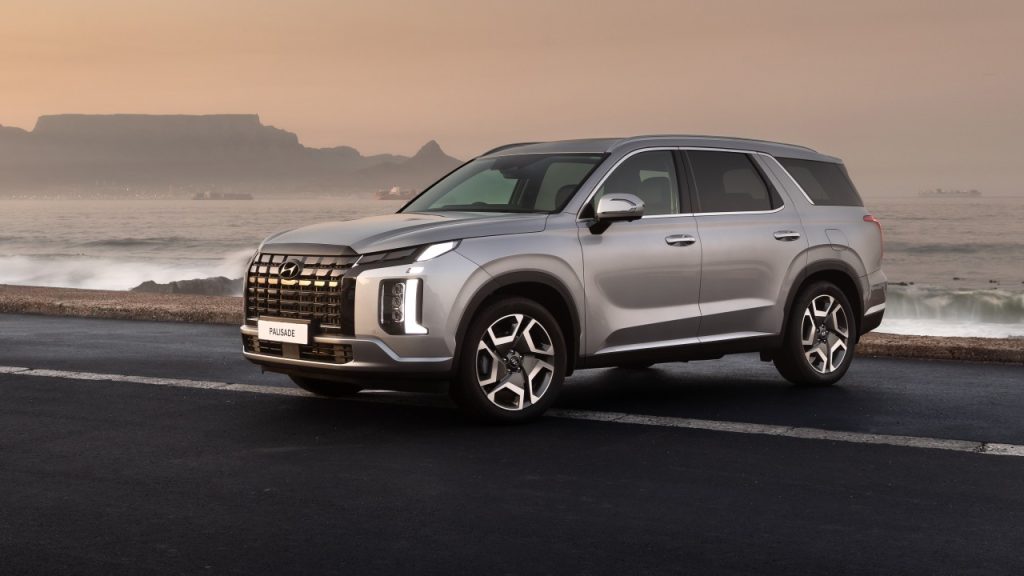
The Hyundai Palisade excels as a family-focused crossover, but its towing capability remains secondary to comfort and everyday usability.
With both full-size SUVs and crossovers fully examined, the difference in towing philosophy and real-world capability becomes unmistakable. The final summary will bring together these insights to explain why full-size SUVs remain the superior choice for anyone who tows regularly or heavily.
This comparison between five full-size SUVs and five crossovers makes one conclusion unmistakably clear: towing capability is defined by engineering, not by exterior size or marketing claims.
While many crossovers advertise respectable tow ratings, full-size SUVs consistently deliver superior towing performance, safety, and long-term durability when the task becomes demanding or frequent.
The most important distinction lies in vehicle architecture. Full-size SUVs are built on body-on-frame platforms derived from pickup trucks. This construction allows towing forces to be absorbed by a dedicated frame, minimising flex and maintaining stability under heavy load.
Crossovers rely on unibody platforms optimised for comfort and efficiency, which limits their ability to handle sustained towing stress. Even when crossovers can tow on paper, they approach their mechanical limits much sooner in real-world conditions.
Powertrain design further separates the two categories. Full-size SUVs use larger engines and heavy-duty transmissions designed to deliver strong low-end torque over long periods.
This torque is critical for pulling trailers smoothly from a stop, maintaining speed on inclines, and reducing drivetrain strain. Crossovers typically rely on smaller engines, often turbocharged, that must work harder under load, increasing heat and long-term wear.
Cooling, braking, and suspension systems reinforce this advantage. Full-size SUVs are equipped with robust cooling systems to manage the heat generated by towing, larger brakes to handle increased stopping demands, and longer wheelbases that improve trailer stability at highway speeds.
Crossovers prioritise ride comfort and fuel economy, resulting in scaled-down components that struggle under repeated towing use.
The crossovers examined, while excellent family vehicles, highlight these limitations clearly. They can manage light, occasional towing, but stability, braking confidence, and drivetrain longevity diminish quickly as loads increase. Electronic aids such as trailer sway control help, but they cannot overcome fundamental physical constraints.
In contrast, the full-size SUVs discussed are purpose-built for towing. They maintain composure under load, offer predictable handling, and preserve mechanical integrity over time.
This results not only in higher tow ratings, but in safer and less stressful towing experiences especially over long distances, steep terrain, or in hot climates.
The key takeaway is simple: occasional towing and serious towing are very different use cases. For buyers who tow boats, campers, utility trailers, or equipment regularly, full-size SUVs are the correct and responsible choice.
Crossovers excel at daily driving, comfort, and efficiency, but when towing becomes a priority, full-size SUVs remain unmatched in capability, confidence, and long-term reliability.
Also Read: 5 High-Resale Hatchbacks That Beat 5 Small Cars on Depreciation
