
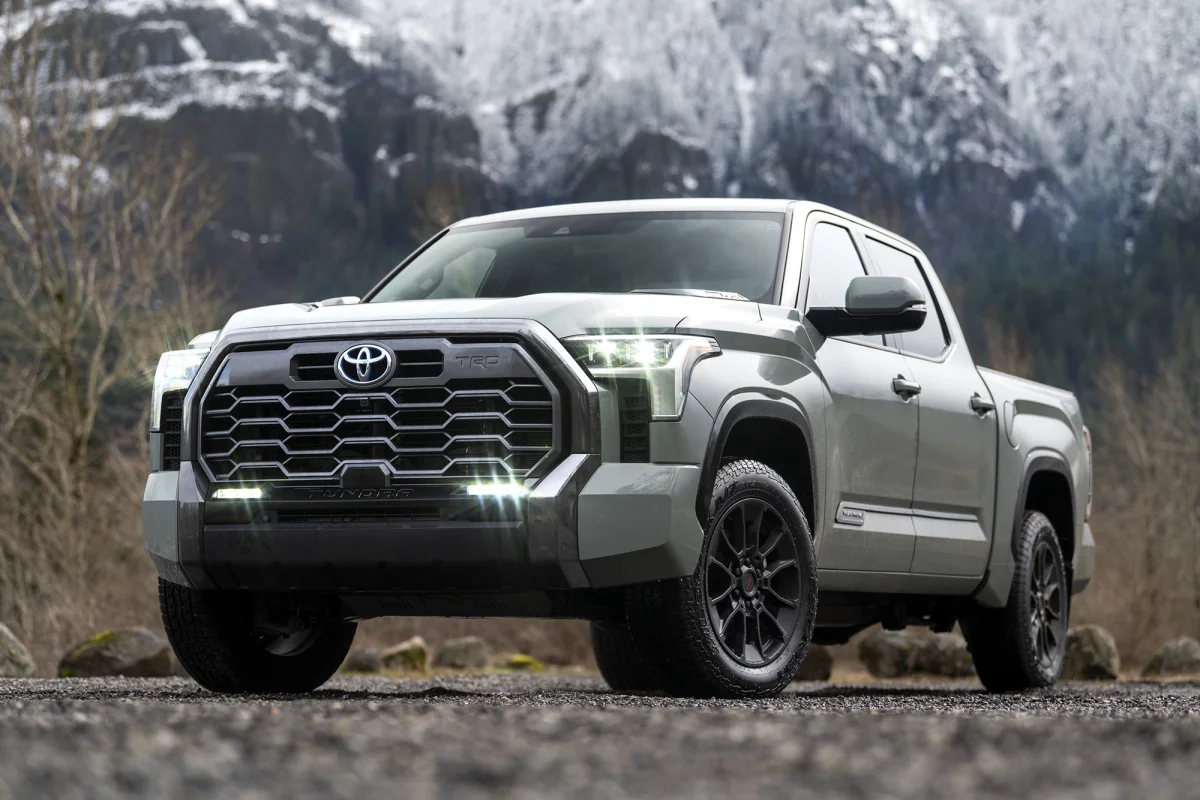
Longevity is one of the most important but often misunderstood factors in truck ownership. While many buyers focus on towing numbers, horsepower figures, or initial purchase price, the true cost and satisfaction of truck ownership are revealed over time.
This is where the long-standing debate between diesel trucks and gas trucks becomes most relevant. When trucks are kept for hundreds of thousands of kilometers, used for towing, hauling, or demanding work, durability matters more than headline specs.
Diesel trucks have historically earned a reputation for lasting longer, and that reputation is rooted in engineering rather than myth. Diesel engines are built with heavier internal components, lower operating RPMs, and higher thermal tolerance.
They are designed to work under load for extended periods, making them especially well-suited for commercial use and long-term ownership. In contrast, most gas truck engines prioritize responsiveness, lower upfront cost, and lighter construction traits that work well for casual use but can limit lifespan under sustained stress.
That said, modern gas trucks have improved significantly. Advances in materials, electronics, and engine management have narrowed the reliability gap.
For many buyers who use their trucks lightly, gas engines can provide years of dependable service. However, when trucks are pushed hard, kept long-term, or used for work rather than lifestyle image, differences in longevity become clearer.
This article exists to explain why diesel trucks consistently outlast gas trucks when all factors are considered engine design, drivetrain stress, cooling, maintenance cycles, and real-world usage patterns.
By comparing five diesel trucks known for exceptional longevity with five gas trucks that typically do not match the same lifespan, the focus remains on long-term ownership rather than short-term appeal.
For buyers planning to keep a truck for decades rather than years, understanding these differences can mean the difference between a dependable long-term asset and a costly replacement.
Also Read: 5 Cars for Topeka Practical Driving vs 5 That Require Dealer Care
5 Diesel Trucks That Offer Better Longevity
Diesel trucks are engineered with endurance as their primary objective. Unlike gas trucks that often balance performance with comfort and price, diesel trucks are built to survive sustained stress long hours, heavy loads, and high mileage.
This fundamental difference in design philosophy is the reason diesel trucks are frequently seen still operating reliably after 400,000 kilometers or more.
At the heart of diesel longevity is engine construction. Diesel engines use stronger blocks, forged internals, and higher compression components. Because diesel engines generate torque at lower RPMs, they operate under less rotational stress during daily use. Lower RPM operation translates directly into reduced wear over time, which is critical for longevity.
Cooling and lubrication systems are also more robust in diesel trucks. These systems are designed to manage heat during towing, hauling, and prolonged idling conditions that quickly accelerate wear in gas engines. Diesel transmissions and drivetrains are similarly reinforced, as manufacturers expect diesel owners to tow heavy loads regularly.
Maintenance culture further supports diesel longevity. Diesel owners tend to follow stricter service intervals because of the vehicle’s role in work or commercial use. When maintained properly, diesel engines often outlast the truck body itself.
This section focuses on five diesel trucks that exemplify long-term durability. Each is included not because it is flawless, but because its engineering, real-world track record, and ownership patterns consistently demonstrate greater lifespan than comparable gas trucks.
1. Ford Super Duty Power Stroke
The Ford Super Duty equipped with the Power Stroke diesel engine has long been regarded as one of the most durable trucks on the road. Designed from the outset for heavy-duty use, this truck is built to endure workloads that would significantly shorten the lifespan of most gas-powered alternatives.
The Power Stroke diesel engine is engineered with heavy-duty internals that allow it to operate under high torque loads for extended periods. Unlike gas engines that rely on higher RPMs to generate power, the Power Stroke delivers its strength at lower engine speeds, reducing internal friction and long-term wear.
Cooling and lubrication systems are another key factor in the Super Duty’s longevity. Large oil capacities, high-capacity radiators, and reinforced cooling components allow the truck to tow heavy loads without overheating.
Heat is one of the primary enemies of engine longevity, and this is an area where diesel trucks hold a decisive advantage over gas trucks.
The Super Duty’s transmission and drivetrain are equally overbuilt. These components are designed to handle sustained torque output without premature failure, which is critical for trucks that see frequent towing or commercial use. Gas trucks, even when rated for towing, often operate much closer to their mechanical limits.
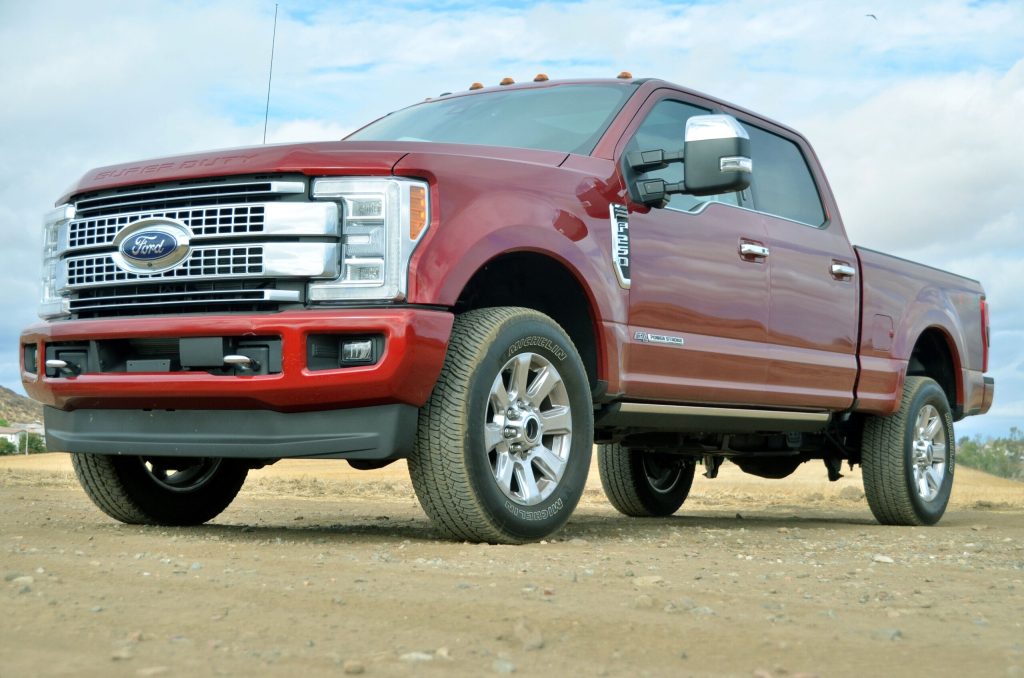
What truly sets the Power Stroke Super Duty apart is its real-world track record. Many examples remain in daily service well beyond mileage levels that typically mark the end of life for gas trucks. This makes it a benchmark for diesel longevity and a clear example of why diesel trucks often outlast their gas counterparts.
2. Ram 2500 Cummins
The Ram 2500 equipped with the Cummins diesel engine is one of the most respected long-life trucks ever produced, particularly among owners who prioritize durability over outright performance. Its reputation for longevity is rooted in conservative engineering and an engine designed from the beginning for industrial-grade use.
The Cummins inline-six diesel engine is a major reason this truck routinely surpasses extremely high mileage milestones. Inline-six layouts are naturally balanced and place less stress on internal components compared to V-configured engines.
Combined with low operating RPMs, this results in reduced wear over long ownership periods something gas truck engines struggle to replicate.
Another longevity advantage lies in simplicity. The Cummins engine is designed with durability as a priority rather than aggressive output.
Power delivery is smooth and predictable, reducing strain on internal parts, transmissions, and axles. Gas trucks often rely on higher revs and rapid throttle response, which increases long-term wear under load.
Cooling and lubrication systems in the Ram 2500 are designed for sustained heavy use. Large oil capacities and robust cooling components allow the truck to tow or haul continuously without thermal breakdown. Gas engines, even in heavy-duty trucks, are more sensitive to heat over time.
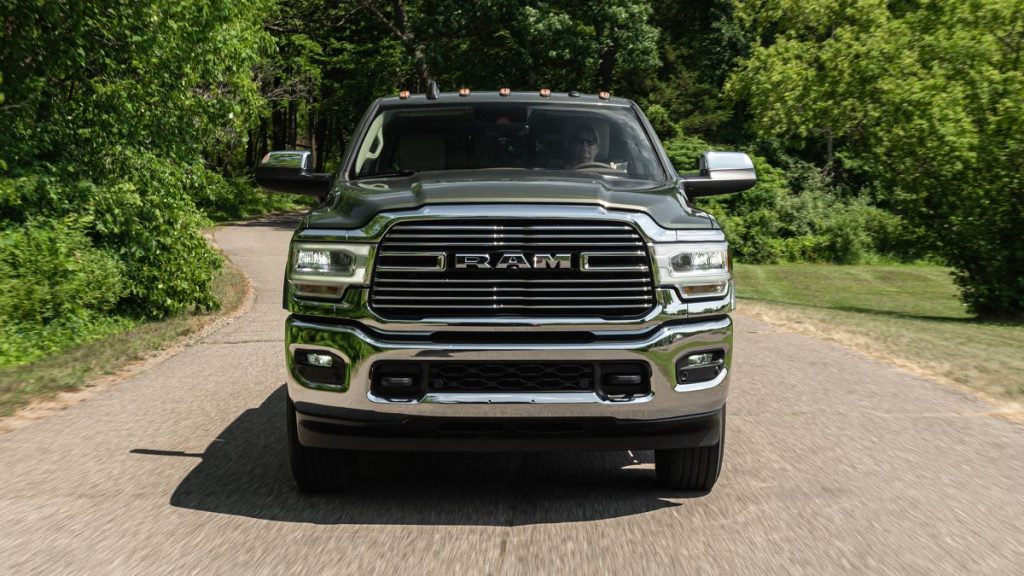
Real-world ownership data consistently shows Ram 2500 Cummins trucks remaining operational well past the lifespan of comparable gas trucks. Many are still in daily service long after gas-powered rivals have required engine rebuilds or replacements. This makes the Ram 2500 Cummins a textbook example of diesel longevity.
3. Chevrolet Silverado HD Duramax
The Chevrolet Silverado HD with the Duramax diesel engine represents a balance of modern refinement and old-school durability. While newer than some long-standing diesel platforms, the Duramax has quickly established itself as one of the most reliable and long-lasting diesel engines available in heavy-duty trucks.
One of the Duramax’s key strengths is its robust internal construction. Built to withstand high compression and continuous torque output, the engine is engineered for longevity rather than short-term performance gains. Compared to gas engines that rely on higher RPM operation, the Duramax operates more efficiently under load, reducing cumulative wear.
Transmission pairing is another important factor. The Silverado HD’s drivetrain is designed specifically to handle diesel torque over long periods. This reduces the likelihood of transmission fatigue a common failure point in gas trucks used for towing or heavy hauling.
The Duramax diesel also benefits from advanced thermal management. Cooling systems are designed to handle sustained towing in hot climates, preventing overheating-related degradation. Gas engines often struggle in these conditions, especially when operated near their towing limits.

Longevity is further reinforced by usage patterns. Silverado HD diesel trucks are frequently used in commercial fleets, where reliability is critical. The fact that fleet operators continue to choose Duramax-powered trucks speaks volumes about their durability.
When compared directly with gas-powered heavy-duty trucks, the Silverado HD Duramax consistently demonstrates longer service life, fewer catastrophic failures, and greater suitability for long-term ownership.
4. GMC Sierra HD Duramax
The GMC Sierra HD equipped with the Duramax diesel engine is widely regarded as one of the most durable heavy-duty trucks available, particularly for owners who demand long-term reliability under continuous stress.
While closely related to its Chevrolet counterpart, the Sierra HD emphasizes refinement without compromising the core durability that defines diesel longevity.
At the heart of its long service life is the Duramax diesel engine, which is engineered to deliver high torque at low RPM.
This operating characteristic significantly reduces internal wear compared to gas engines that must rev higher to achieve similar output. Over hundreds of thousands of kilometers, this lower rotational stress translates directly into longer engine life.
The Sierra HD’s drivetrain is purpose-built for endurance. Transmissions, axles, and differentials are designed to withstand constant torque loads, making the truck well suited for towing and hauling on a daily basis.
Gas trucks operating in similar conditions often approach their mechanical limits, accelerating wear and increasing the likelihood of major repairs.
Thermal control is another major contributor to longevity. The Sierra HD features large-capacity cooling systems designed for prolonged heavy use. Heat is one of the most destructive forces in any powertrain, and diesel trucks like the Sierra HD are engineered specifically to manage it effectively.
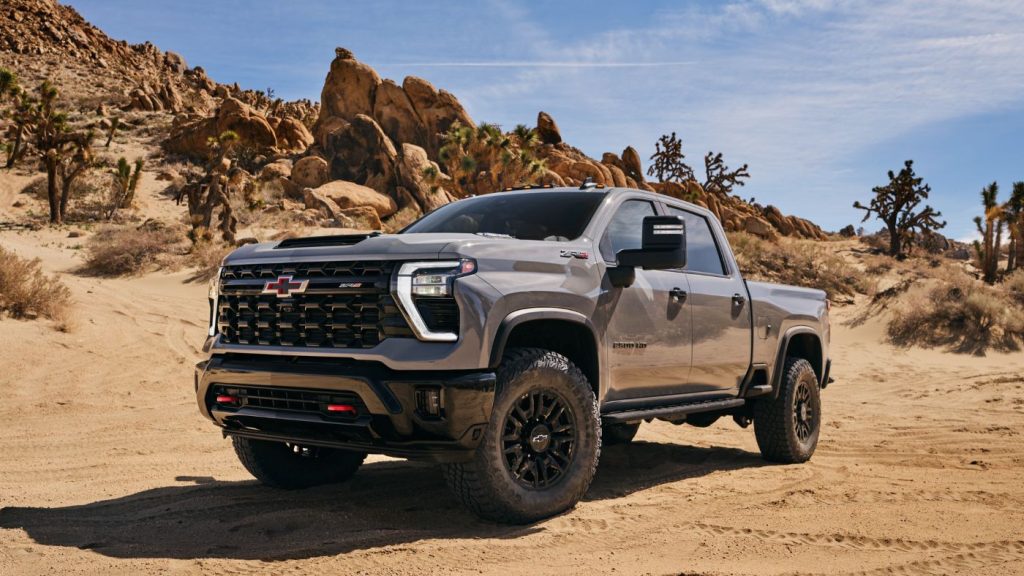
From a real-world perspective, the Sierra HD’s longevity is proven by its popularity in commercial and industrial applications.
Fleet operators value predictability and lifespan above all else, and the continued use of Duramax-powered GMC trucks in demanding environments reinforces their reputation for long-term durability.
5. Toyota Land Cruiser Diesel
The Toyota Land Cruiser equipped with a diesel engine represents one of the most enduring vehicles ever built, and its longevity is legendary worldwide. While not always marketed as a traditional pickup truck, the Land Cruiser’s diesel variants are engineered to survive conditions that would quickly end the service life of most gas trucks.
The diesel engines used in Land Cruiser models are designed with extreme durability as their primary goal. These engines operate at low RPM, produce consistent torque, and are built with heavy-duty components that prioritize longevity over performance metrics. In many regions, diesel Land Cruisers regularly exceed mileage levels that gas trucks rarely reach.
Chassis and drivetrain strength further reinforce this durability. The Land Cruiser’s frame, axles, and suspension components are built for harsh terrain and continuous load, making them far more robust than those found in most gas-powered trucks. This overengineering allows the vehicle to remain structurally sound for decades.
Cooling, filtration, and lubrication systems are also designed for environments where maintenance access may be limited. This resilience is a key reason diesel Land Cruisers are trusted in remote and industrial settings worldwide.

What sets the Land Cruiser diesel apart is its proven global track record. These vehicles are often passed down through generations, still operating reliably long after comparable gas trucks have been retired. It is one of the clearest demonstrations of how diesel engineering delivers unmatched longevity.
With the five diesel trucks clearly established as long-life champions, the focus now shifts to gas trucks. The next section explains why even though modern gas trucks are capable and improved, they generally struggle to match diesel trucks in long-term durability when subjected to heavy use and high mileage.
5 Gas Trucks
Gas trucks have become the dominant choice for many buyers due to lower upfront cost, quieter operation, and simpler ownership for light-duty use.
Modern gas engines are more powerful and efficient than ever, and for daily driving or occasional hauling, they perform well. However, when trucks are evaluated strictly on long-term longevity, gas-powered models generally face limitations that diesel trucks are engineered to overcome.
The primary challenge for gas trucks lies in engine operating characteristics. Gas engines generate power at higher RPMs, which increases internal friction and long-term wear.
While this design delivers responsive acceleration and smooth driving, it also means gas engines experience more cumulative stress over hundreds of thousands of kilometres especially when used for towing or heavy loads.
Thermal stress is another critical factor. Gas engines are more sensitive to heat buildup during sustained work. Prolonged towing, high ambient temperatures, and long highway runs place additional strain on cooling systems.
Over time, this heat accelerates gasket wear, valve train fatigue, and transmission degradation. Diesel trucks, by contrast, are designed to manage heat as a core requirement.
Drivetrain durability also differs. Gas truck transmissions are often optimized for comfort and fuel economy rather than sustained torque output.
When pushed regularly, this can shorten service life. While modern gas trucks are reliable for normal use, they are typically not expected to reach the same extreme mileage milestones as diesel trucks without major repairs.
This section examines five gas trucks that, despite being capable and popular, generally do not match diesel trucks in long-term durability under heavy or prolonged use.
The goal is not to label them as poor vehicles, but to explain why their design priorities lead to shorter lifespans compared to diesel counterparts when ownership stretches into very high mileage territory.
1. Ford F-150 Gas
The Ford F-150 in its gas-powered configurations is one of the most popular trucks in the world, valued for versatility, comfort, and performance. However, when longevity is examined through the lens of extreme mileage and heavy use, the gas-powered F-150 highlights the inherent limits of gasoline truck engineering compared to diesel alternatives.
Gas F-150 engines are designed for responsiveness and everyday drivability. They deliver strong performance, but they do so by operating at higher RPMs than diesel engines. Over time, this higher rotational speed leads to increased internal wear, particularly in components such as valve trains, timing systems, and bearings. Diesel engines avoid much of this wear by producing torque at lower engine speeds.
Thermal stress further impacts longevity. When used for towing or hauling regularly, gas F-150 engines generate significant heat.
While cooling systems are adequate for normal use, sustained heavy workloads accelerate wear on gaskets, seals, and transmissions. Diesel trucks are engineered specifically to manage these conditions for long periods.
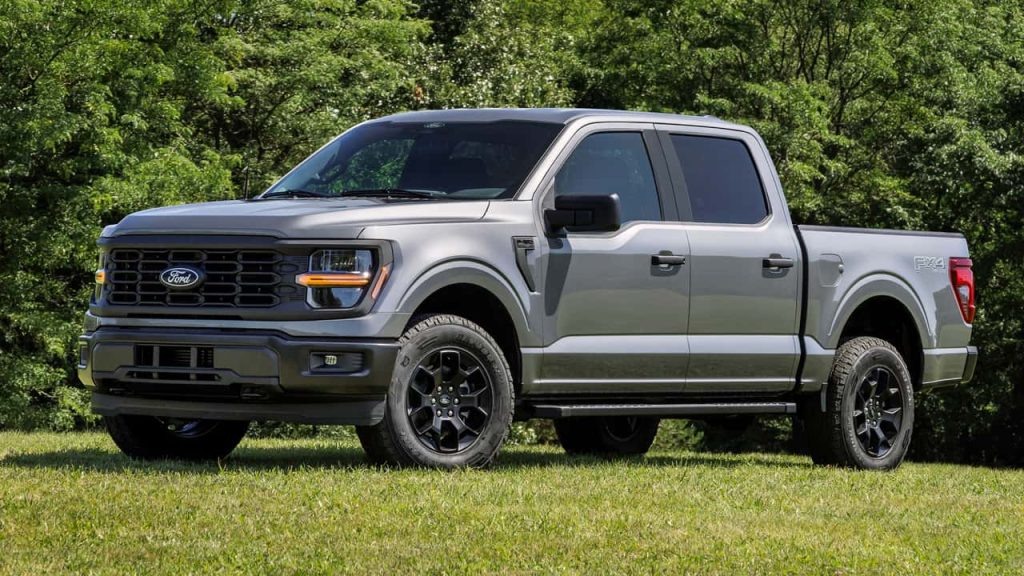
Transmission longevity is another differentiator. Gas F-150 transmissions are tuned for smooth shifting and fuel efficiency, not continuous high-torque operation. Over-extended ownership especially beyond warranty periods, this can lead to costly repairs that diesel drivetrains are better equipped to avoid.
The F-150 remains an excellent truck for light-duty and mixed-use ownership. However, when pushed hard and kept for very high mileage, gas-powered versions typically require major mechanical work sooner than diesel trucks. This makes it a clear example of why gas trucks, despite their popularity, often fall short of diesel longevity.
2. Chevrolet Silverado 1500 Gas
The Chevrolet Silverado 1500 in gas-powered form is a capable and comfortable full-size truck, designed to appeal to a broad range of buyers. While it performs well for daily driving and occasional work, its long-term durability profile highlights why gas trucks generally do not match diesel counterparts in extreme longevity.
Gasoline engines in the Silverado 1500 are tuned for smoothness and accessible power rather than endurance under sustained load.
They rely on higher RPM operation to generate torque, which increases internal friction and cumulative wear over time. When subjected to frequent towing or hauling, this operating style accelerates fatigue in components such as valve trains, timing systems, and bearings.
Heat management is another area where limitations emerge. Gas engines generate more heat under load, and while the Silverado’s cooling systems are sufficient for typical use, prolonged heavy work increases thermal stress.
Over years of ownership, this can contribute to gasket wear, cooling system failures, and transmission degradation issues diesel trucks are specifically engineered to resist.
Transmission longevity also differs. Gas-powered Silverados use transmissions optimized for comfort and fuel economy.
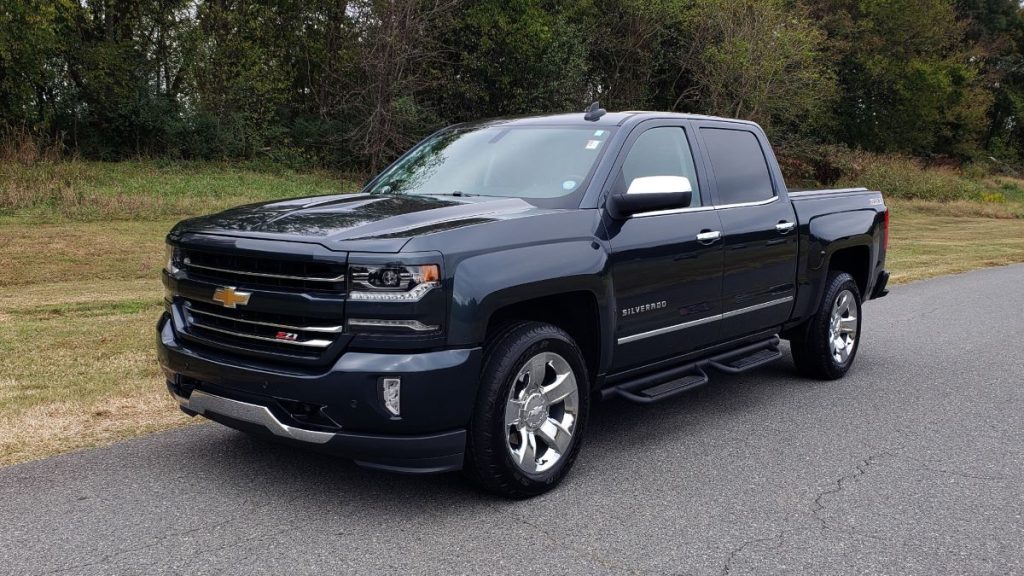
Under sustained torque loads, these gearboxes operate closer to their limits, increasing the likelihood of wear or failure as mileage accumulates. Diesel trucks pair stronger transmissions with lower-RPM torque delivery, improving long-term survivability.
The Silverado 1500 Gas remains an excellent choice for light-duty ownership, but when compared directly with diesel trucks over very high mileage, it typically requires more frequent and costly mechanical intervention. This makes it a clear contrast to diesel models engineered for extended service life.
3. Ram 1500 Gas
The Ram 1500 gas-powered truck is widely praised for ride comfort, interior quality, and everyday usability. However, its design priorities also reveal why it generally falls short of diesel trucks in terms of long-term longevity under heavy use.
Ram’s gas engines deliver strong performance and refinement, but they achieve this through higher engine speeds and more aggressive throttle response. Over time, this operating pattern increases wear on internal components, particularly when the truck is used for towing or hauling beyond casual duty cycles.
Transmission tuning further emphasizes comfort over durability. Smooth shifting and fuel efficiency take precedence, but under sustained heavy load, the transmission experiences higher stress. As mileage increases, this can lead to slipping, heat-related wear, and eventual repair or replacement outcomes diesel drivetrains are better equipped to avoid.
Chassis and suspension components in the Ram 1500 are also optimized for ride quality. While this improves daily comfort, it can reduce long-term durability when the truck is consistently loaded. Diesel trucks typically use heavier-duty suspension and axles designed for constant stress.

The Ram 1500 Gas excels as a lifestyle and commuter-friendly truck, but when ownership extends into very high mileage with demanding use, it often requires significant mechanical attention sooner than diesel alternatives. This highlights the fundamental trade-off between comfort-focused design and endurance-focused engineering.
4. Toyota Tundra Gas
The Toyota Tundra gas-powered truck has a strong reputation for reliability compared to many other gasoline trucks, yet when evaluated strictly on extreme longevity, it still illustrates the structural limits of gas-powered design when compared to diesel trucks.
The Tundra’s naturally aspirated gas engines are known for durability, but they rely on higher operating RPMs to generate torque.
Over very long ownership periods, this constant rotational speed contributes to internal wear that diesel engines largely avoid by operating at lower RPMs. While the Tundra can last a long time by gas-truck standards, it rarely matches the mileage milestones commonly reached by diesel trucks used in similar conditions.
Heat management is another factor. Gas engines generate significant thermal load during towing and hauling.
Although Toyota engineers its cooling systems conservatively, sustained heavy use accelerates wear on seals, gaskets, and transmission components. Diesel trucks are built specifically to operate under these conditions for extended durations.
Transmission longevity further highlights the difference. Gas Tundra transmissions are reliable but optimized for everyday drivability. When subjected to frequent heavy loads, they approach their mechanical limits faster than diesel transmissions engineered for continuous torque output.
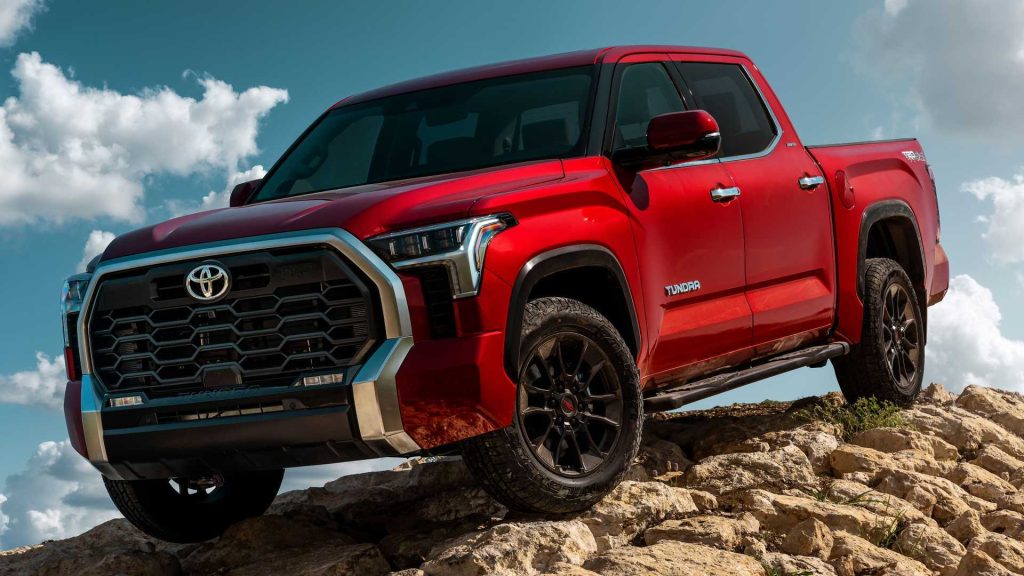
The Tundra remains one of the most durable gas trucks available, but it still illustrates a key point: even the best gas-powered trucks generally do not achieve the same extreme service life as diesel trucks built for endurance.
5. Nissan Titan Gas
The Nissan Titan gas-powered truck is designed to deliver strong performance and comfort at a competitive price point. While capable for light- to moderate-duty use, its long-term durability profile further underscores why gas trucks often fall short of diesel longevity under sustained stress.
The Titan’s gas engine delivers smooth power and responsive acceleration, but it relies on higher RPM operation to achieve this performance. Over long ownership periods, this results in increased internal wear compared to diesel engines that generate torque at lower speeds.
Thermal stress is another limiting factor. When towing or hauling regularly, gas Titans generate heat that accelerates wear in cooling systems, transmissions, and engine components. Diesel trucks are specifically engineered to manage prolonged heat loads, giving them a clear advantage in longevity.
Chassis and drivetrain components are also optimized for everyday use rather than industrial endurance. While the Titan handles normal workloads well, repeated heavy-duty use pushes these systems closer to their limits over time.
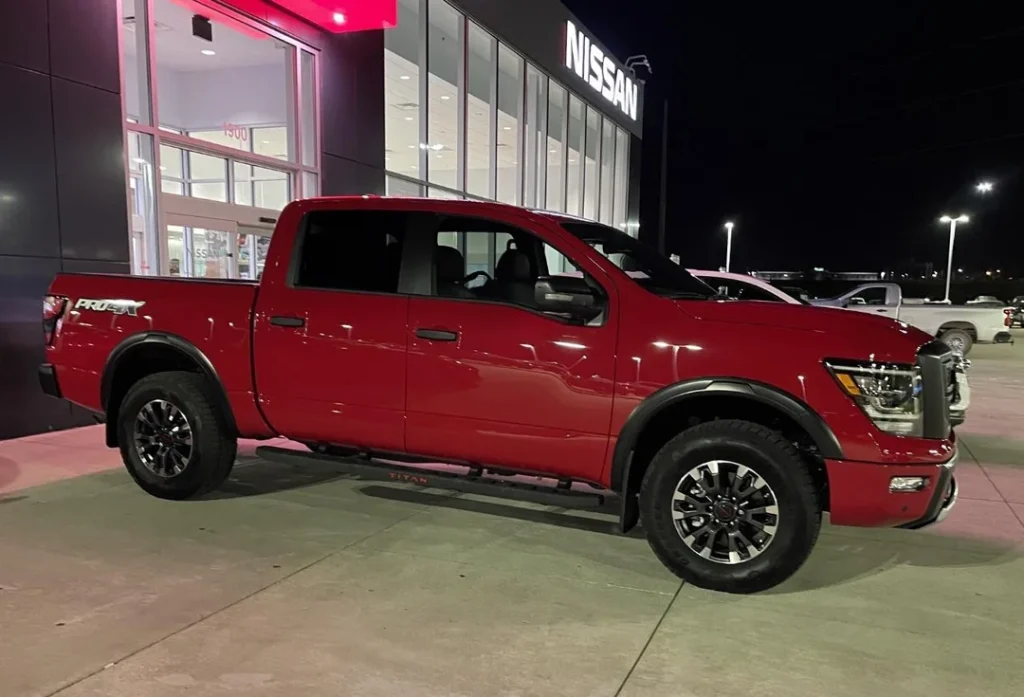
The Nissan Titan Gas is a solid everyday truck, but when evaluated for extreme longevity and heavy use, it illustrates why gas trucks generally require major mechanical intervention sooner than diesel alternatives.
With both diesel trucks and gas trucks fully examined, the contrast in long-term durability becomes unmistakable. The final summary will bring together these insights to explain why diesel trucks consistently deliver greater longevity for owners who demand extended service life.
This comparison between diesel trucks and gas trucks clearly shows that diesel trucks are engineered to last longer under demanding use. The advantage is not based on brand perception, but on fundamental mechanical design.
Diesel engines operate at lower RPMs, generate torque more efficiently, and are built with heavier internal components. This results in significantly reduced wear over long ownership periods, especially when trucks are used for towing, hauling, or commercial work.
Diesel trucks also benefit from stronger supporting systems. Transmissions, axles, cooling systems, and lubrication setups are designed to handle sustained stress and heat two factors that most commonly shorten engine and drivetrain life. As a result, diesel trucks routinely achieve extremely high mileage with original major components intact.
Gas trucks, while greatly improved and highly reliable for everyday use, are optimized for comfort, responsiveness, and lower upfront cost.
Their engines operate at higher RPMs and generate more heat under load, which accelerates wear during prolonged heavy use. Over very high mileage, gas trucks are more likely to require major mechanical repairs.
The key takeaway is simple: gas trucks are ideal for light-duty and mixed use, while diesel trucks are built for endurance. For owners who plan to keep their truck long term or rely on it for heavy work, diesel remains the superior choice for longevity.
Also Read: 5 High-Resale Hatchbacks That Beat 5 Small Cars on Depreciation
