
Luxury used to be defined by badges and price tags. Today it’s defined by the experience: fit and finish, tech that keeps up, ownership convenience, and value over time.
That raises a practical question many buyers ask: should you buy a brand-new, affordable luxury sedan that gives you modern safety, warranty protection, and current infotainment or an older Certified Pre-Owned (CPO) luxury model that carries prestige and potentially richer features for the money? Both paths promise “luxury,” but they deliver it differently.
Affordable new luxury sedans emphasize total ownership value. Manufacturers have learned to bring premium materials, strong standard equipment, and generous warranties into lower price tiers to capture buyers who want luxury without sticker shock.
New models also ship with current driver-assist suites, smartphone integration, and the assurance of a full factory warranty important if you plan to keep the car long term.
Older CPO luxury models appeal to buyers chasing higher specification and badge cachet at a reduced price. A CPO program typically adds dealer-backed inspection, limited warranty extension, and roadside assistance, closing the gap between used-car risk and new-car peace of mind.
But CPOs can require higher maintenance after warranty periods, may lack the latest safety tech, and often come with uncertain ownership history beyond the certified inspection.
This article compares five affordable new luxury sedans against five older CPO luxury models, not to declare an absolute winner but to help buyers match priorities warranty and up-to-date tech vs. badge and features and to show which option makes more sense for different ownership goals.
Also Read: 5 Electric Crossovers That Beat 5 Gas Crossovers on Total Cost of Ownership
5 Affordable Luxury Sedans
The market now offers several sedans that deliver a genuine luxury feel without the premium price tag. These cars are important because they democratize features that used to be exclusive to high-end models: refined interiors, active safety systems, large, fast infotainment displays, and comfortable, quiet rides.
But beyond creature comforts, they also deliver strong value propositions: new-car warranties, predictable maintenance, up-front financing incentives, and modern connectivity all appealing to pragmatic luxury buyers.
Affordable luxury sedans matter because they solve a common tradeoff. Buyers who can’t or don’t want to spend on a top-tier badge still want refined materials, confident chassis tuning, and up-to-date driver aids.
These sedans are engineered to provide that experience while keeping ownership costs reasonable. Manufacturers target this segment by offering well-appointed base trims, extensive standard safety suites, and powertrains that balance efficiency with adequate performance.
From a buyer’s perspective, the advantages are clear: zero-mileage ownership, longer periods before major repairs, access to the newest ADAS calibrations, and the ability to choose factory options rather than inheriting previous owner choices.
Compared to older CPO luxury cars, they reduce uncertainty about previous use, potential aftermarket modifications, or deferred maintenance.
The next section profiles five affordable luxury sedans that punch above their price class. Each profile explains why that model is compelling today and why it competes directly with older CPO luxury alternatives when total cost of ownership, technology, and ownership peace of mind are considered.
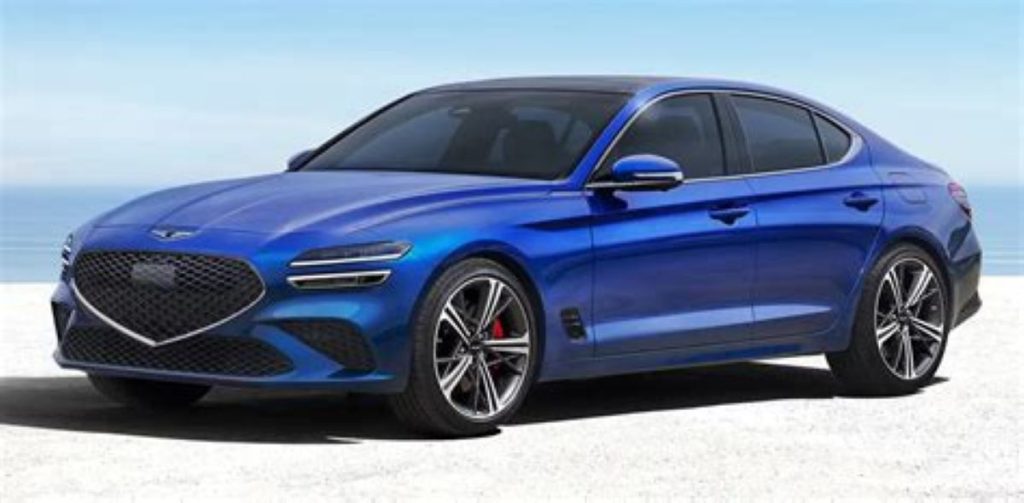
1. Genesis G70
The Genesis G70 is the archetype of a new affordable luxury sedan that offers a level of refinement and equipment that used to cost much more.
From the outset, Genesis positioned the G70 to compete with established German rivals, but its value proposition is built on delivering premium materials, sharp chassis tuning, and an ownership package that includes strong warranty coverage a critical advantage over older CPO options.
Interior quality is the first headline: the G70’s cabin uses tactile materials, supportive seats, and a clean design that reads more expensive than its price. Soft-touch surfaces, well-finished panels, and available leather options make daily life pleasant.
More importantly, this quality is new there are no unknowns about wear, past damage, or replacement parts that plague older CPO cars.
Technology and safety are another area where the G70 shines. Standard and available driver-assist systems are modern in calibration and scope, covering adaptive cruise, lane-keeping, automated emergency braking, and more.
The infotainment system is current, responsive, and benefits from the fact it’s the latest software generation something older CPO cars often lack or require dealer updates to match.
Performance is a balance of engagement and usability. The G70’s chassis is sport-oriented, offering sharper steering and composed handling that rivals more expensive sedans while remaining comfortable for daily driving. Powertrain choices provide punch without demanding premium maintenance from the outset.
Finally, warranty and ownership peace of mind are major differentiators. A new-car warranty and included roadside assistance reduce the ownership risk that persists even with CPO programs.
For buyers who want modern tech, predictable costs, and a no-surprises ownership experience, the Genesis G70 frequently outcompetes older CPO luxury sedans on total value especially when factoring in remaining warranty life and the cost of potential repairs on older, higher-mileage vehicles.
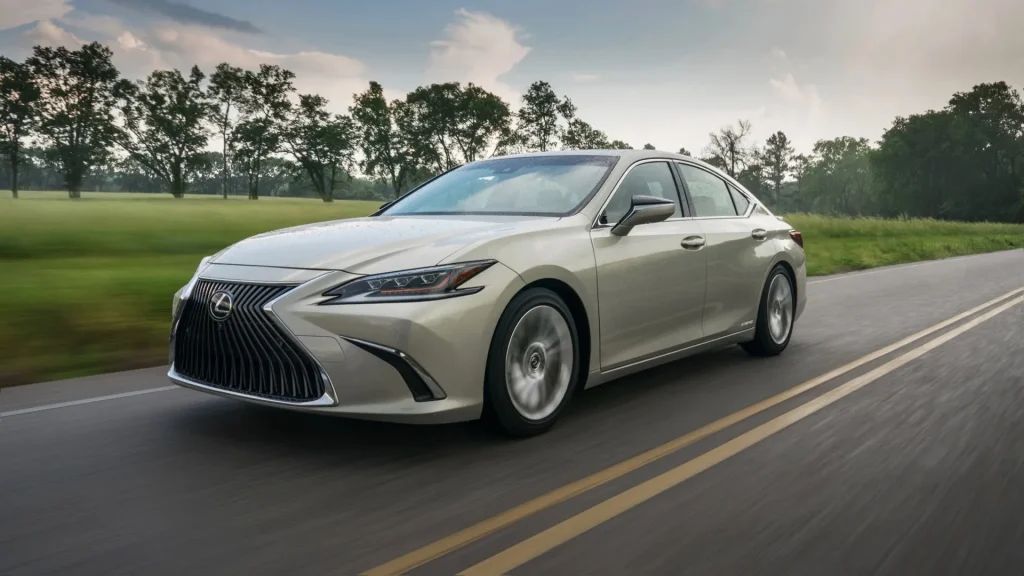
2. Lexus ES
The Lexus ES represents a different interpretation of affordable luxury compared to sport-oriented rivals, and that is precisely why it competes so effectively with older CPO luxury sedans.
Instead of emphasizing aggressive performance, the ES focuses on comfort, refinement, and long-term ownership satisfaction areas where newer models often outperform older premium alternatives.
One of the ES’s greatest strengths is ride quality. The suspension is tuned for smoothness and isolation, allowing the car to remain quiet and composed even on imperfect roads.
Over time, this matters more than outright sportiness, especially for buyers who prioritize daily comfort. Older CPO luxury sedans, particularly performance-focused ones, often feel firmer and show suspension wear more quickly.
Interior execution also contributes to the ES’s appeal. Materials are selected for durability and tactile comfort rather than visual drama alone.
Seats are supportive and plush, controls are intuitive, and cabin noise is exceptionally well managed. Because the vehicle is new, buyers avoid the gradual interior degradation that can already be present in older CPO cars.
Technology is another key differentiator. Newer ES models benefit from up-to-date safety systems, refined driver assistance calibration, and modern infotainment responsiveness. Many older CPO luxury sedans lack these improvements or offer earlier-generation systems that feel dated by comparison.
Perhaps most importantly, the Lexus ES competes strongly on ownership confidence. Its reputation for reliability, combined with new-vehicle warranty coverage, reduces long-term financial uncertainty.
While older CPO sedans may offer more badge prestige or performance per dollar, the ES often delivers a more relaxed, dependable luxury experience, making it a compelling alternative for buyers who value longevity and peace of mind over maximum brand cachet.
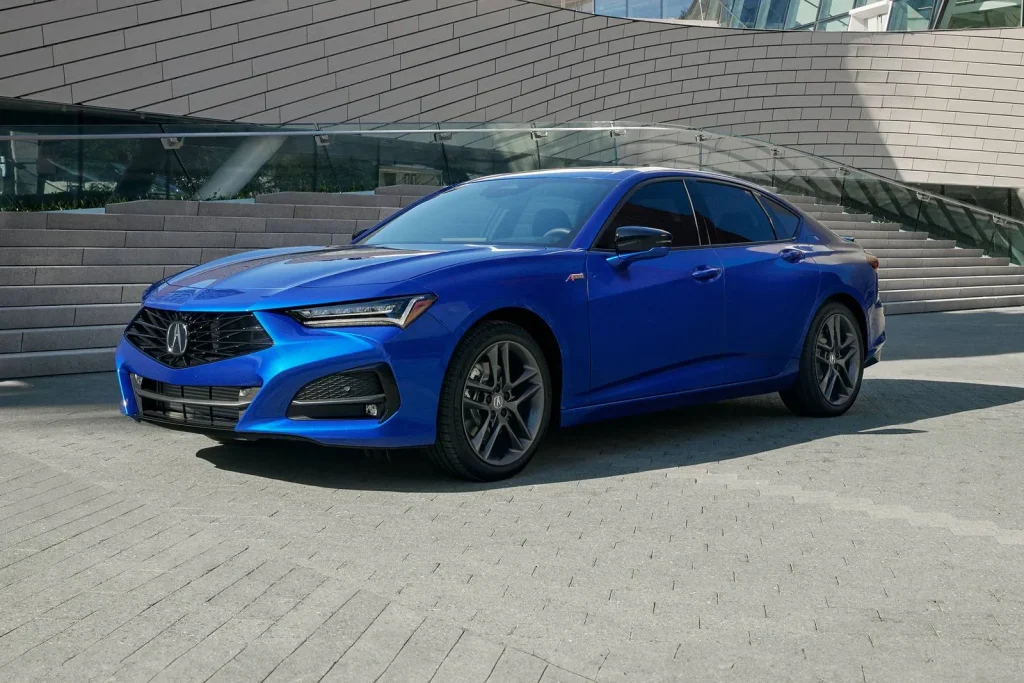
3. Acura TLX
The Acura TLX bridges the gap between sporty luxury and practical ownership, positioning itself as a strong new alternative to older CPO luxury sedans.
It appeals to buyers who want sharp design, engaging handling, and modern technology without stepping into the higher ownership risk that often accompanies aging premium models.
Structurally, the TLX feels solid and well engineered. Its chassis provides a planted, confidence-inspiring driving experience, particularly at highway speeds. This sense of rigidity and control is something buyers may not always find in older CPO sedans that have accumulated mileage or endured aggressive driving.
Interior quality is another competitive advantage. The TLX cabin blends modern styling with durable materials, ensuring the interior feels upscale while also aging well. Because the vehicle is new, there are no concerns about worn bolsters, faded trim, or outdated control layouts issues commonly encountered in older luxury sedans.
Technology is where the TLX clearly competes with CPO alternatives. Current-generation driver-assistance systems, digital displays, and connectivity features provide a more future-proof ownership experience. Older CPO models often rely on first-generation systems that lack the refinement and responsiveness buyers now expect.
Performance also plays a role in the TLX’s competitiveness. It delivers engaging handling and confident acceleration without demanding the higher maintenance or repair costs associated with older performance-oriented luxury sedans.
Combined with a new-car warranty and predictable ownership costs, the Acura TLX presents a compelling case for buyers who want modern luxury and driving engagement without the compromises that come with older CPO vehicles.
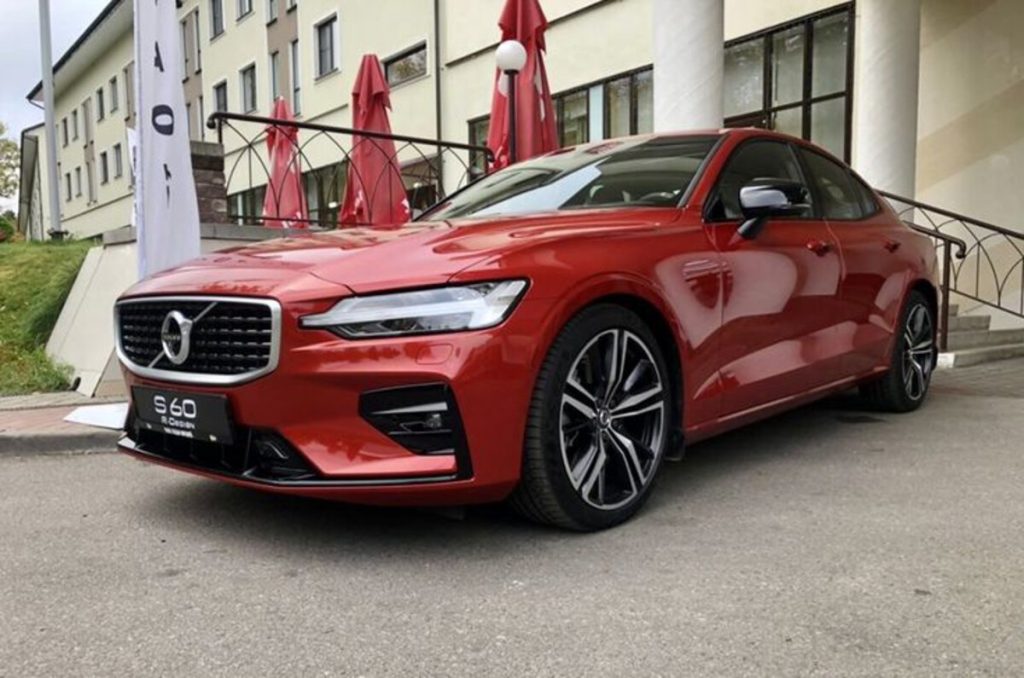
4. Volvo S60
The Volvo S60 stands out in the affordable luxury sedan space by prioritizing safety, understated elegance, and long-term usability qualities that allow it to compete strongly with older CPO luxury sedans.
Rather than chasing aggressive styling or outright sportiness, the S60 focuses on delivering a calm, well-rounded premium experience that ages gracefully.
Interior design is one of the S60’s strongest advantages. Volvo’s minimalist approach emphasizes clean lines, high-quality materials, and intuitive layouts. Soft-touch surfaces, supportive seats, and excellent ergonomics create a cabin that feels modern and premium without being overwhelming.
Compared to older CPO luxury sedans, which may show interior wear or dated design language, the S60’s fresh cabin provides immediate reassurance.
Safety technology is a defining pillar of the S60’s value. Modern driver-assistance systems, collision avoidance features, and lane support technologies are standard or widely available.
These systems are more advanced and better calibrated than those found in many older CPO luxury models, making the S60 especially attractive to buyers prioritizing peace of mind.
Ride comfort further strengthens its appeal. The S60 balances composure and refinement, delivering a smooth driving experience that remains comfortable over long distances. Older CPO sedans especially those with sport-tuned suspensions, can feel harsher or less refined as components age.
Ownership confidence also plays a major role. A new-car warranty, modern powertrain engineering, and predictable maintenance costs reduce uncertainty.
For buyers who value safety, modern design, and long-term reliability, the Volvo S60 competes extremely well against older CPO luxury sedans that may carry more brand prestige but also greater ownership risk.
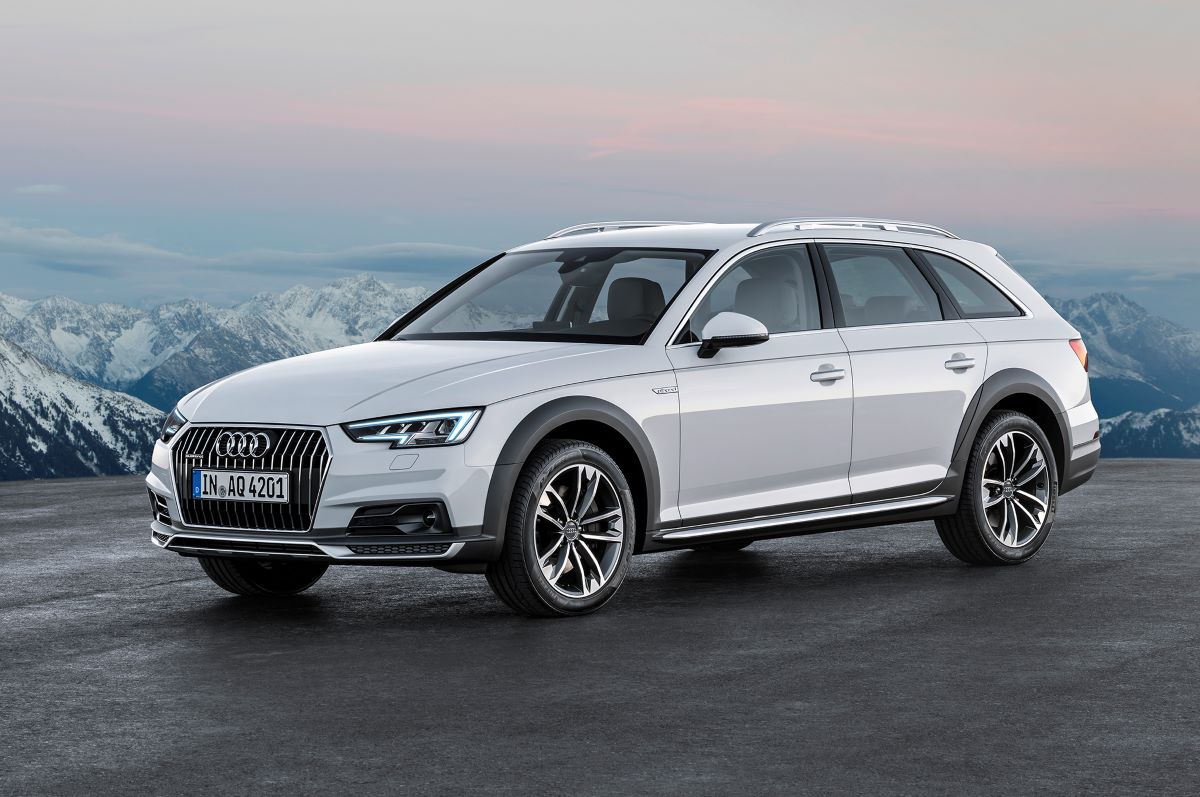
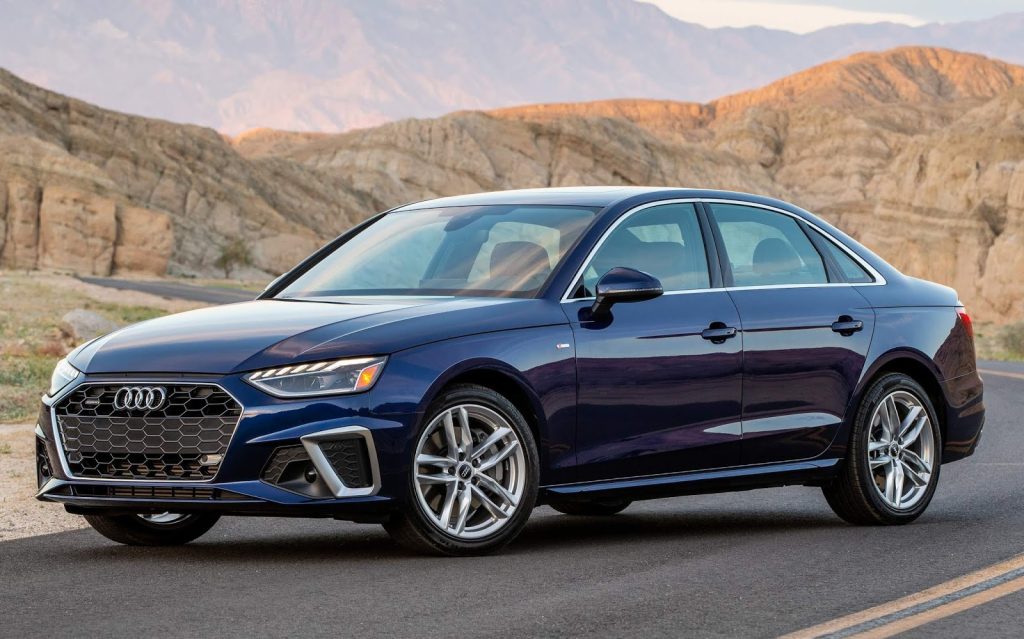
5. Audi A4
The Audi A4 represents a compelling bridge between affordable new luxury sedans and traditional premium branding. As a new vehicle, it offers modern technology and warranty protection while still delivering the prestige and refinement buyers often seek in older CPO luxury sedans.
The A4’s interior is a standout feature. Audi is known for its precision fit and finish, and the A4 delivers a cabin that feels cohesive and high quality throughout. Digital displays, refined materials, and intuitive controls create an environment that rivals or exceeds what many older CPO luxury sedans offer even those that were significantly more expensive when new.
Technology integration is another area where the A4 competes strongly. Current-generation infotainment, digital instrument clusters, and driver-assistance systems provide a far more modern experience than older CPO alternatives running previous software generations. This future-proofing is a major advantage for buyers planning to keep the car for several years.
Driving dynamics also contribute to its appeal. The A4 delivers confident handling and composed road manners without demanding the maintenance intensity of older high-performance luxury sedans. It feels engaging without being punishing, making it suitable for daily use.
Finally, ownership predictability sets the new A4 apart. A factory warranty and zero-mileage starting point eliminate many of the unknowns associated with older CPO cars. For buyers who want brand prestige paired with modern tech and lower risk, the Audi A4 is a strong competitor to aging CPO luxury sedans.
With the five affordable luxury sedans clearly established as strong modern alternatives, the focus now shifts to older CPO luxury models. The next section explores why these vehicles remain appealing and where their advantages and compromises begin to show against newer, more affordable luxury sedans.
5 Older CPO Luxury Models
Older Certified Pre-Owned (CPO) luxury sedans continue to attract buyers because they offer something emotionally powerful: prestige and perceived value.
These vehicles often carried much higher price tags when new, and even after depreciation, they still deliver a sense of brand heritage, performance pedigree, and premium positioning that newer affordable luxury sedans may not fully replicate.
CPO programs reduce much of the fear associated with buying used luxury vehicles. Manufacturer-backed inspections, limited extended warranties, roadside assistance, and reconditioning standards provide a safety net that standard used cars lack.
For many buyers, this makes stepping into a previously expensive luxury sedan feel like a smart financial upgrade rather than a risky decision.
However, age changes the equation. Even with certification, older luxury sedans come with realities that new affordable luxury cars avoid.
Technology may be one or two generations behind, driver-assistance systems may lack modern calibration, and infotainment responsiveness often feels dated. Wear-and-tear item suspension components, brakes, electronics, and interior materials may already be partway through their lifecycle.
Maintenance costs are another defining factor. Luxury engineering often means complexity, and as mileage increases, ownership expenses can rise quickly once CPO coverage expires. This is where newer affordable luxury sedans challenge the CPO value proposition by offering modern features, warranties, and predictable ownership costs.
This section explores five older CPO luxury sedans that buyers frequently cross-shop against new affordable luxury models. Each remains desirable, but each also highlights the trade-offs between badge-driven appeal and long-term ownership practicality.
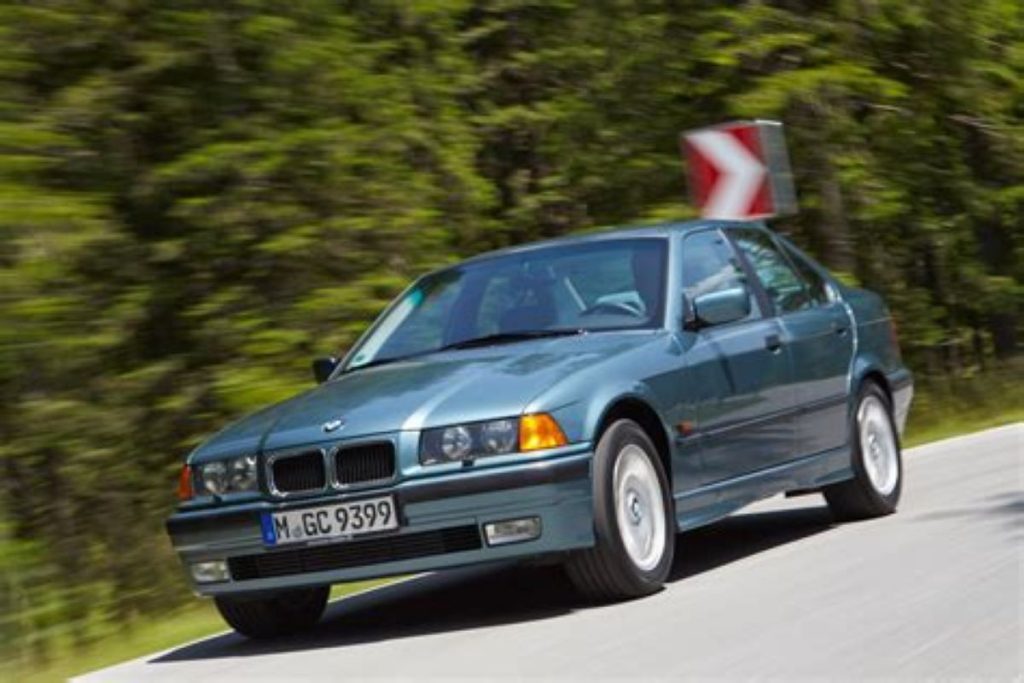
1. BMW 3 Series
The BMW 3 Series is one of the most commonly purchased CPO luxury sedans, and for good reason. It has long been considered the benchmark for sport-sedan dynamics, offering precise steering, balanced handling, and a driver-focused experience that still appeals years after initial purchase.
As a CPO option, the 3 Series delivers strong performance value. Buyers gain access to premium engineering and brand prestige at a significantly reduced price compared to new. Acceleration, chassis control, and road feel often surpass what many affordable new luxury sedans offer, making it especially attractive to driving enthusiasts.
However, age introduces compromises. Older 3 Series models often run earlier-generation infotainment systems that feel slow or limited by modern standards. Driver-assistance features may exist, but they lack the refinement, coverage, and calibration of newer systems found in current affordable luxury sedans.
Interior wear is another factor. While BMW cabins are well-built, bolsters, trim, and electronics can show usage depending on the previous owner. Unlike a new car, the experience is not a blank slate.
Ownership costs also deserve consideration. Maintenance and repair expenses typically rise once CPO coverage ends, particularly for suspension components and electronic systems. While the BMW 3 Series remains rewarding to drive, it competes with new affordable luxury sedans by offering emotional appeal rather than lower-risk ownership.
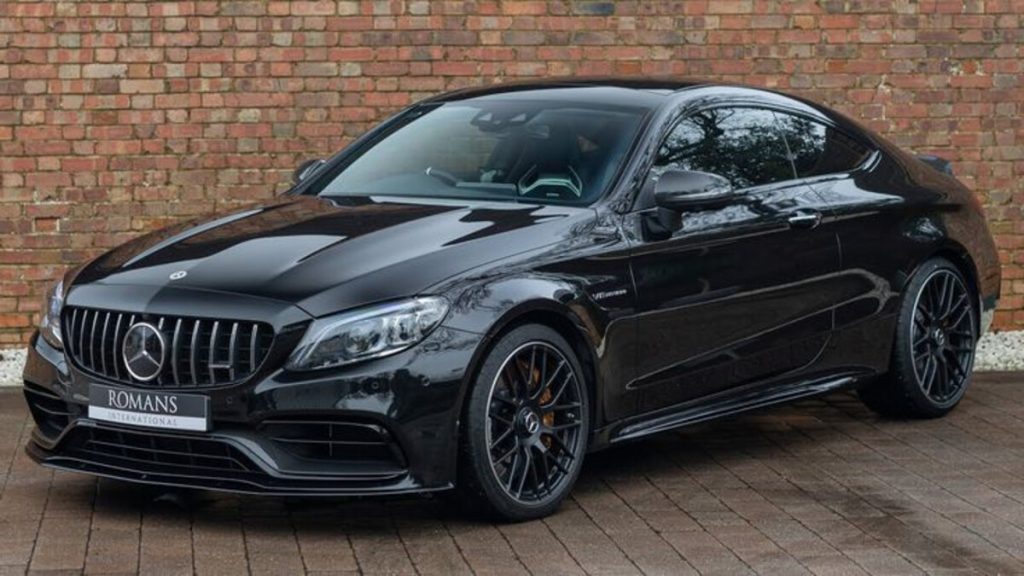
2. Mercedes-Benz C-Class
The Mercedes-Benz C-Class remains one of the most desirable older CPO luxury sedans because it delivers a strong sense of prestige and comfort at a reduced price point. For buyers stepping into luxury for the first time, the three-pointed star still carries emotional weight that newer affordable luxury sedans may struggle to match.
As a CPO vehicle, the C-Class offers a refined ride, excellent cabin isolation, and a traditionally luxurious interior layout. Materials feel upscale, seats are comfortable for long drives, and the overall experience still feels premium even years after production. These qualities allow it to compete effectively with new affordable luxury sedans on perceived luxury.
However, age introduces meaningful trade-offs. Infotainment systems in older C-Class models often feel dated in responsiveness and interface design. Touch input, smartphone integration, and driver-assistance calibration lag behind what newer affordable luxury sedans provide as standard.
Maintenance and ownership costs are another consideration. While CPO coverage reduces short-term risk, long-term ownership can become expensive once warranties expire. Electronics, suspension components, and transmission servicing can add up quickly compared to newer luxury sedans with full factory warranties.
The C-Class remains an attractive option for buyers who prioritize brand prestige and ride comfort. Yet when compared to newer affordable luxury sedans, it competes more on emotional appeal than on technology freshness or ownership predictability.
3. Jaguar XE
The Jaguar XE is a CPO luxury sedan chosen largely for its character and driving feel rather than pure practicality. It offers distinctive styling, engaging handling, and a sense of exclusivity that many buyers find appealing when shopping in the CPO market.
From behind the wheel, the XE delivers sharp steering and balanced chassis dynamics. Even older models feel agile and connected, often surpassing newer affordable luxury sedans in outright driver engagement. This makes the XE particularly attractive to enthusiasts who value how a car feels more than how it looks on a spec sheet.
Interior quality, while premium in design, can be inconsistent with age. Some materials and infotainment elements do not age as gracefully, and earlier systems can feel behind modern standards for responsiveness and connectivity.
Reliability and ownership costs are the biggest caveats. While CPO programs help initially, Jaguar ownership historically carries higher long-term maintenance risk compared to newer affordable luxury sedans with simpler, newer platforms and longer warranties.

The Jaguar XE competes with new affordable luxury sedans by offering personality and driving enjoyment. However, buyers must accept increased ownership uncertainty in exchange for that emotional appeal.
4. Audi A6
The Audi A6 is one of the most appealing older CPO luxury sedans for buyers who want a larger, more prestigious executive-class vehicle at a reduced price. When new, the A6 sat a full tier above many affordable luxury sedans in size, materials, and road presence advantages that still carry weight in the CPO market.
Interior space and refinement are major strengths. The A6 offers a quiet, well-insulated cabin with high-quality materials and a commanding driving position. For buyers stepping out of a compact or midsize car, the sense of solidity and upscale ambiance can feel like a significant upgrade over new affordable luxury sedans.
However, technology age becomes noticeable. Older A6 models often use earlier infotainment systems with slower processing and less intuitive interfaces. Driver-assistance features may exist but lack the sophistication and smooth calibration found in newer affordable luxury sedans.
Maintenance costs are also an important consideration. As a larger luxury sedan with complex systems, long-term ownership can be expensive once CPO coverage ends. Suspension components, electronics, and drivetrain servicing often cost more than maintaining a newer, simpler luxury sedan.
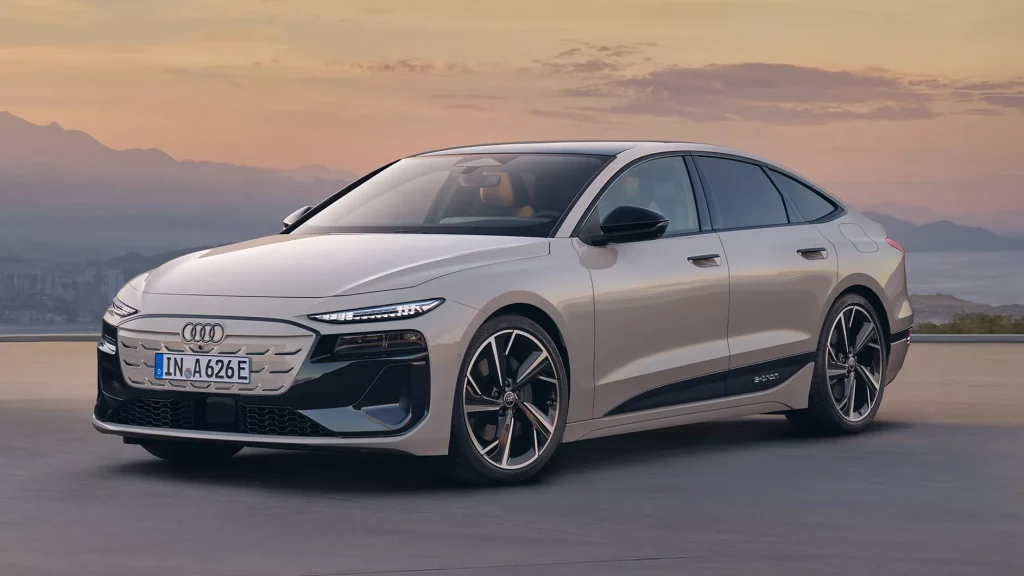
The Audi A6 competes with affordable new luxury sedans by offering size, presence, and executive appeal but it does so at the expense of newer technology and ownership predictability.
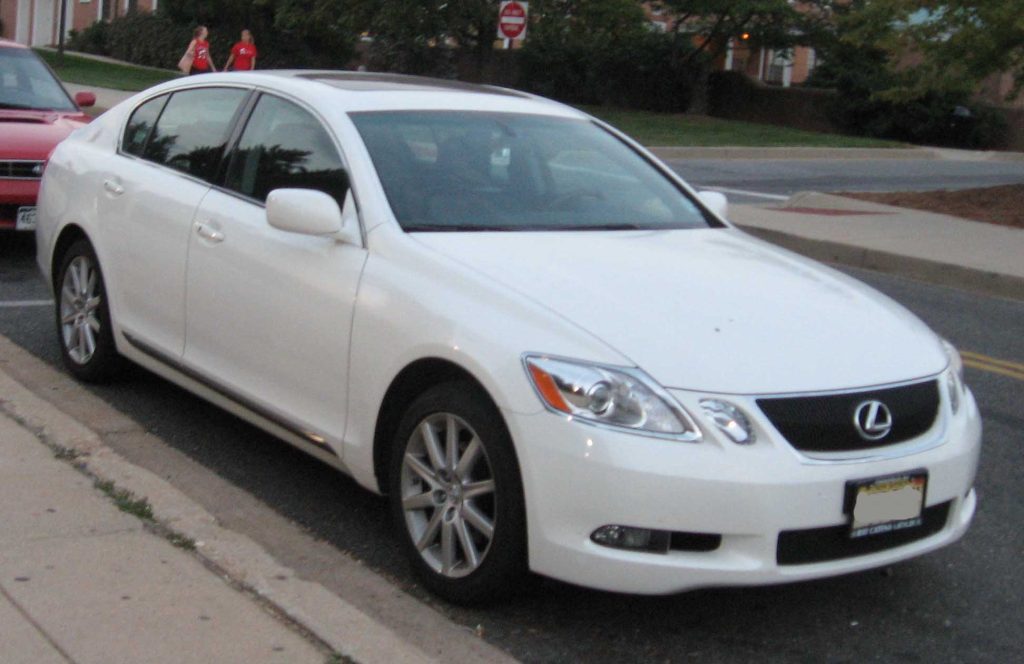
5. Lexus GS
The Lexus GS occupies a unique position among older CPO luxury sedans. Unlike many European rivals, it blends traditional luxury with a strong reputation for reliability, making it one of the safest long-term bets in the CPO market.
Ride comfort and build quality remain standout strengths. The GS delivers a composed, refined driving experience with materials that age gracefully. Interiors often show less wear than similarly aged European luxury sedans, giving buyers greater confidence in long-term ownership.
Performance is smooth rather than aggressive, favoring balance and durability over sharp sportiness. This makes the GS less exciting than some rivals but far easier to live with as mileage accumulates.
Technology is the GS’s main weakness when compared to newer affordable luxury sedans. Infotainment systems and driver-assistance features often feel dated, lacking the responsiveness and integration buyers now expect.
Still, among older CPO luxury sedans, the Lexus GS offers one of the best compromises between prestige and dependability. It competes with new affordable luxury sedans not through cutting-edge tech, but through long-term reliability and comfort.
With both affordable new luxury sedans and older CPO luxury models fully examined, the contrast between modern value-driven luxury and prestige-driven used luxury becomes clear. The final summary will bring together these insights to help buyers decide which path best suits their priorities.
This comparison between five affordable new luxury sedans and five older CPO luxury models highlights a fundamental shift in what luxury means today. Buyers are no longer choosing solely between prestige badges and lower prices; they are choosing between modern ownership confidence and traditional brand appeal.
Affordable new luxury sedans such as the Genesis G70, Lexus ES, Acura TLX, Volvo S60, and Audi A4 demonstrate how far entry-level luxury has evolved.
These cars offer fresh interiors, current-generation safety technology, responsive infotainment systems, and most importantly, full factory warranties. Because they are new, buyers avoid concerns about prior wear, outdated software, or looming maintenance costs. For many owners, predictable expenses and up-to-date technology matter more than badge hierarchy.
Older CPO luxury models like the BMW 3 Series, Mercedes-Benz C-Class, Jaguar XE, Audi A6, and Lexus GS still hold strong emotional appeal. They provide access to higher original price segments, richer materials, and established luxury identities at significantly reduced prices.
CPO programs add inspection standards and limited warranty protection, making them less risky than ordinary used cars.
However, age introduces compromises: older infotainment systems, less advanced driver-assistance features, and higher long-term maintenance costs once CPO coverage expires.
The key trade-off comes down to certainty versus character. New affordable luxury sedans excel in technology freshness, safety calibration, and ownership peace of mind. Older CPO luxury sedans excel in prestige, driving feel, and the satisfaction of owning a formerly expensive vehicle for less.
For buyers planning long-term ownership, daily commuting, and low-stress maintenance, new affordable luxury sedans often deliver better overall value. For buyers who prioritize brand heritage, driving engagement, or executive-class presence and accept higher ownership risk, older CPO luxury models remain compelling.
Ultimately, neither choice is universally better. The smarter decision depends on whether a buyer values modern reliability and warranty security or legacy luxury and badge-driven appeal more in their ownership experience.
Also Read: 5 Affordable EVs That Deliver Better Tech Than 5 Premium Hybrids
