
Pickup trucks are no longer reserved solely for rural areas or job sites. In modern cities, trucks are increasingly used as daily drivers, balancing work needs with commuting, parking, and maneuverability. However, not all trucks are equally suited to urban environments.
As cities become more congested and parking spaces tighter, the difference between small trucks and mid-size trucks becomes far more significant than many buyers initially expect.
Mid-size trucks are often marketed as the perfect compromise larger than compact pickups but more manageable than full-size trucks. Yet in dense urban settings, their length, width, and turning radius can still feel excessive.
Tight streets, multi-level parking garages, and stop-and-go traffic expose their drawbacks quickly. Fuel consumption, visibility issues, and limited parking compatibility further reduce their appeal for city-focused drivers.
Small trucks, on the other hand, are experiencing a quiet resurgence. Designed with compact footprints, lighter weight, and car-like driving dynamics, they excel where cities demand efficiency.
These trucks offer enough utility for light hauling, weekend projects, and lifestyle needs without overwhelming the driver in everyday situations. Their lower ride height, tighter turning circles, and better fuel economy make them far easier to live with in urban conditions.
This article exists to highlight why small trucks often make more sense than mid-size trucks for city use. By comparing five small trucks against five mid-size alternatives, the goal is to shift the conversation away from size-based assumptions and toward practical usability.
In cities, convenience, efficiency, and ease of ownership matter more than raw capability and that is where small trucks consistently shine.
Also Read: 5 Cars for Allentown PA Driving vs 5 That Are High-Maintenance
5 Small Trucks
Small trucks are purpose-built for environments where space is limited and efficiency matters. Unlike mid-size trucks that attempt to balance off-road capability with daily drivability, small trucks prioritize maneuverability, comfort, and ease of use. This makes them ideal for urban dwellers who want truck utility without the compromises that come with larger dimensions.
In city driving, a truck’s footprint matters more than its payload rating. Narrow streets, compact parking lots, and heavy traffic reward vehicles that are easy to steer, park, and control.
Small trucks typically offer shorter wheelbases, tighter turning radii, and better outward visibility, making them far less stressful to drive in dense environments. These advantages may seem minor at first, but they compound over years of ownership.
Fuel efficiency is another major reason small trucks thrive in cities. Frequent stops, short trips, and idling traffic punish heavier mid-size trucks.
Small trucks, with lighter curb weights and smaller engines, deliver better real-world fuel economy, reducing running costs over time. Maintenance and tire costs are also generally lower.
This section focuses on five small trucks that represent the best balance between utility and urban usability.
Each was chosen for its manageable size, driving comfort, and practical capabilities. The goal is not to claim these trucks can replace mid-size models in every scenario, but to demonstrate why they are better suited for city-based lifestyles.
1. Ford Maverick
The Ford Maverick has redefined what a modern small truck can be, especially for city use. Designed on a compact, car-based platform, the Maverick offers the utility of a pickup without the bulk and intimidation factor of a traditional truck.
Its manageable size makes it exceptionally well-suited for urban driving, where space and efficiency are constant concerns.
One of the Maverick’s biggest strengths is its footprint. It is significantly shorter and narrower than mid-size trucks, allowing it to navigate tight streets and fit comfortably into standard parking spaces.
This alone gives it a major advantage in cities, where mid-size trucks often feel oversized and cumbersome. The Maverick’s low ride height and excellent visibility further enhance driver confidence in traffic.
Fuel efficiency is another area where the Maverick outperforms mid-size trucks. Its available hybrid powertrain delivers outstanding city mileage, making it one of the most economical trucks ever sold.
For urban drivers who spend most of their time in stop-and-go traffic, this efficiency translates into meaningful cost savings and reduced environmental impact.

Despite its compact size, the Maverick remains practical. Its bed is capable of handling home improvement supplies, bicycles, and weekend gear with ease. Clever storage solutions and a comfortable cabin make it suitable as a daily commuter as well as a light-duty work vehicle.
The Maverick exists because many drivers simply do not need the size or capability of a mid-size truck. For city use, its combination of efficiency, maneuverability, and practicality makes it a clear example of why small trucks often outperform larger alternatives.
2. Hyundai Santa Cruz
The Hyundai Santa Cruz occupies a unique space between traditional pickups and crossovers, making it especially effective for city use.
While some purists hesitate to call it a true truck, its design priorities align perfectly with urban needs comfort, maneuverability, and versatility without excessive size. In a city environment, these qualities matter far more than extreme towing or off-road capability.
The Santa Cruz’s compact dimensions are its greatest advantage. Compared to mid-size trucks, it feels far easier to drive through narrow streets and congested traffic.
Its car-like platform provides a smooth, composed ride that reduces fatigue during daily commutes. Parking is also significantly less stressful, as the Santa Cruz fits into spaces that would challenge larger trucks.
Fuel efficiency further strengthens its case for urban use. Smaller engines and a lighter curb weight help reduce fuel consumption in stop-and-go traffic. This makes the Santa Cruz more economical for city residents who use their vehicles primarily for commuting and errands rather than heavy hauling.

Practicality is still present, despite its smaller bed. The Santa Cruz can comfortably handle gardening supplies, small furniture, or weekend adventure gear. Its lockable bed cover and clever storage compartments add security and convenience rarely found in traditional mid-size trucks.
For drivers who want the flexibility of a truck without sacrificing urban comfort, the Hyundai Santa Cruz demonstrates why small trucks can be a better fit for city life. It delivers utility in a package that feels approachable, modern, and easy to live with every day.
3. Chevrolet Montana
The Chevrolet Montana represents the global small-truck philosophy that prioritizes efficiency and practicality over sheer size. Designed for urban and suburban environments, it showcases how a compact pickup can handle daily utility tasks without becoming a burden in city traffic.
The Montana’s small footprint makes it exceptionally maneuverable. Navigating tight streets, crowded markets, or underground parking structures is far easier than with a mid-size truck. Its lighter weight and tighter turning radius give drivers more control in dense urban settings, reducing stress and improving safety.
Fuel efficiency is another key advantage. With smaller-displacement engines and reduced mass, the Montana performs far better in city driving conditions than heavier trucks. For drivers facing rising fuel prices and frequent congestion, this efficiency becomes a significant long-term benefit.
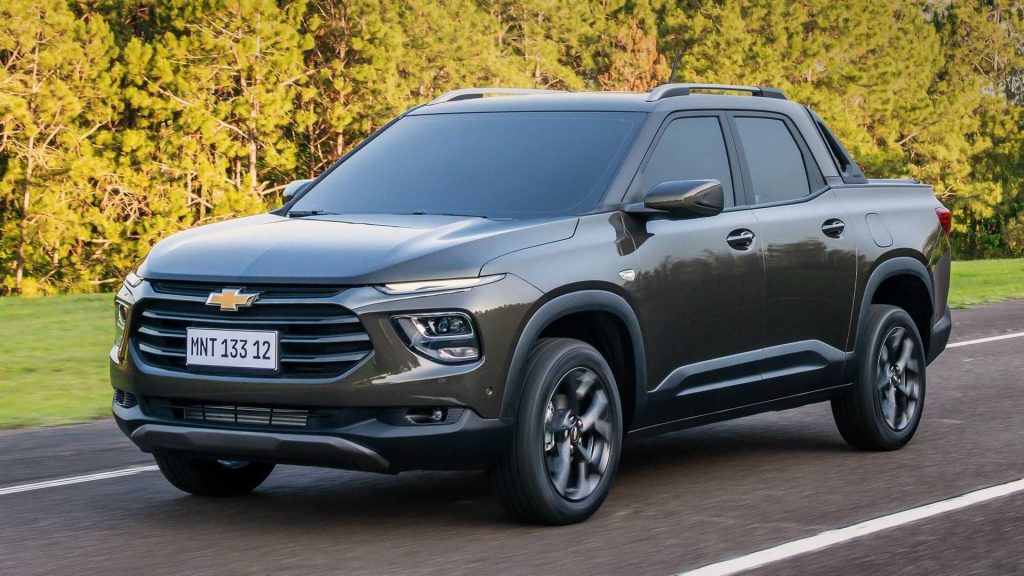
Despite its size, the Montana remains a capable utility vehicle. Its bed is sufficient for everyday hauling tasks such as transporting tools, appliances, or business supplies. The cabin is designed for comfort rather than ruggedness, aligning with the needs of city-based owners.
The Montana highlights a key truth often overlooked in truck marketing: most urban drivers do not require the size or capability of a mid-size pickup. For city-focused use, its compact design and efficient operation make it far more practical than larger trucks that struggle in tight environments.
4. Toyota Hilux Champ
The Toyota Hilux Champ represents a return to the fundamentals of compact truck design, focusing on utility and efficiency rather than excess size. While it is positioned as a work-oriented vehicle, its compact dimensions and straightforward engineering make it surprisingly well-suited for city environments where practicality outweighs performance.
One of the Hilux Champ’s biggest strengths is its size. Compared to mid-size trucks, it is easier to maneuver through narrow streets and crowded urban areas.
Its shorter wheelbase and lighter construction allow drivers to navigate traffic and tight corners with confidence. For city users who frequently operate in dense environments, this agility is invaluable.
The Hilux Champ also benefits from simplified mechanical systems, which contribute to lower running and maintenance costs.
Smaller engines and reduced curb weight improve fuel efficiency in stop-and-go traffic, making it more economical for daily urban use. These attributes are especially appealing for small business owners and tradespeople operating within city limits.
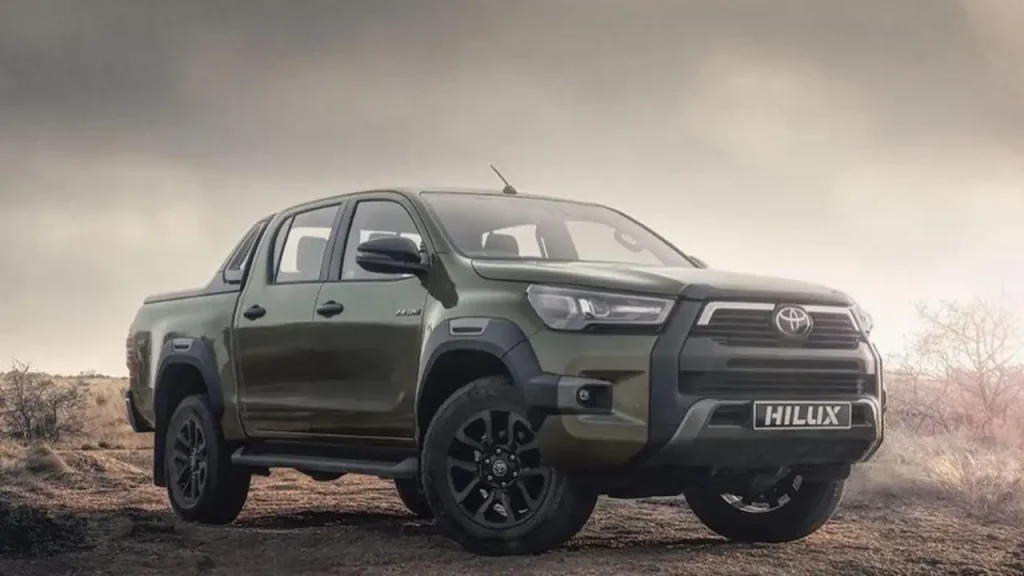
In terms of practicality, the Hilux Champ offers a functional cargo bed suitable for transporting tools, materials, and everyday supplies. While it lacks the luxury features found in some modern pickups, its straightforward design enhances reliability and ease of use.
The Hilux Champ proves that a truck does not need to be large or heavily equipped to be effective. For city-based users who prioritize efficiency, maneuverability, and low ownership costs, it stands as a strong argument in favor of small trucks over mid-size alternatives.
5. Isuzu D-Max S-Cab
The Isuzu D-Max S-Cab occupies a niche that blends compact dimensions with proven durability. Designed for utility rather than lifestyle branding, it delivers the kind of straightforward functionality that urban users often need but rarely get from larger trucks.
The S-Cab’s reduced length compared to full double-cab mid-size trucks makes it easier to park and maneuver in city conditions. Its tighter turning radius and narrower body allow it to navigate congested streets and loading zones with relative ease. These advantages are especially important in urban commercial use.
Fuel efficiency and reliability are key strengths of the D-Max S-Cab. Isuzu’s reputation for durable engines and simple engineering results in lower downtime and predictable maintenance costs. In city driving, where frequent stops strain heavier vehicles, the D-Max’s efficiency stands out.
Cargo capacity remains practical for daily tasks, including deliveries, equipment transport, and small-scale construction needs. The interior prioritizes function over luxury, aligning well with urban professionals who value durability and ease of maintenance.
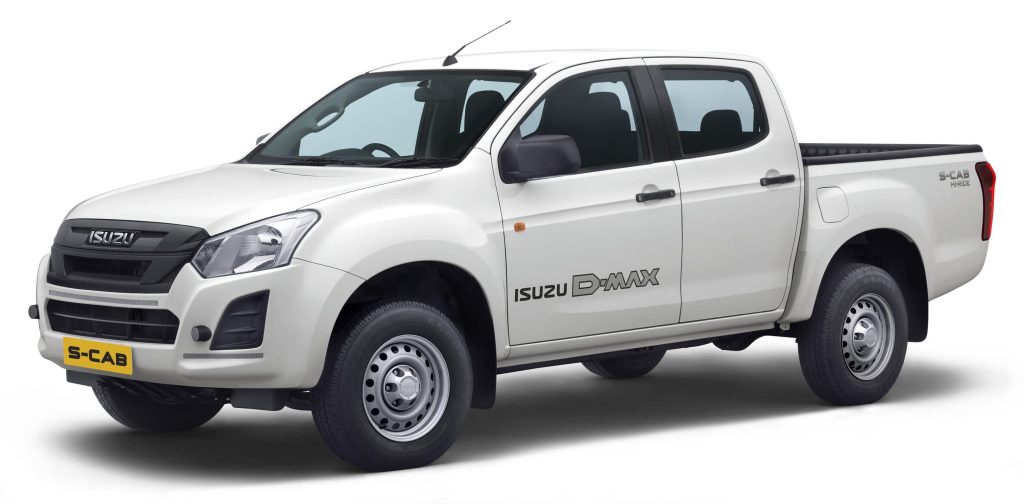
The Isuzu D-Max S-Cab reinforces the idea that compact, purpose-driven trucks are often better suited for city environments than larger mid-size models built for versatility rather than specialization.
With the five small trucks established as efficient and city-friendly, the focus now shifts to mid-size trucks. The next section examines why popular mid-size pickups, despite their capability and appeal, often struggle to match the convenience and efficiency small trucks offer in urban settings.
5 Mid-Size Trucks for City Use
Mid-size trucks are often promoted as the most versatile pickup option, positioned between compact trucks and full-size workhorses. They promise the strength and presence of traditional trucks while remaining manageable enough for daily driving.
However, when placed in dense urban environments, many of these advantages become less relevant, and their limitations become more apparent.
In cities, mid-size trucks face challenges tied directly to their dimensions. Longer wheelbases, wider bodies, and larger turning circles make navigating narrow streets and crowded intersections more stressful.
Parking garages, parallel parking zones, and tight residential areas frequently expose how oversized these trucks can feel in daily use. What works well on highways or trails often becomes inconvenient in urban settings.
Fuel consumption is another drawback. Mid-size trucks are heavier and typically powered by larger engines, which struggle to deliver efficiency in stop-and-go traffic.
Over time, this leads to higher fuel expenses compared to small trucks that are better optimized for urban driving conditions. Maintenance and tire replacement costs also tend to be higher.
This section is included not to discredit mid-size trucks, but to illustrate why they are often mismatched with city-centric lifestyles.
The five trucks highlighted here are among the most popular and capable in their segment, yet each demonstrates how mid-size proportions introduce compromises when used primarily in urban environments.
By examining these trucks individually, it becomes clear why many city dwellers would be better served by smaller alternatives that prioritize maneuverability, efficiency, and ease of ownership over raw capability.
1. Toyota Tacoma
The Toyota Tacoma is one of the most respected mid-size trucks in the world, renowned for its durability, off-road capability, and strong resale value. However, these strengths are not always aligned with the needs of city-based drivers. In urban environments, the Tacoma often feels larger and less convenient than its reputation suggests.
One of the Tacoma’s biggest challenges in the city is its size. Its long wheelbase and wide stance make tight streets and narrow parking spaces difficult to manage. Parallel parking can be particularly frustrating, and multi-level parking garages often feel restrictive. Compared to small trucks, the Tacoma demands more space and attention from the driver.
Ride comfort is another concern. The Tacoma’s suspension is tuned for durability and off-road performance rather than urban smoothness. On uneven city roads, this can result in a firmer, less refined ride than what smaller, car-based trucks deliver. Stop-and-go traffic further highlights this stiffness.
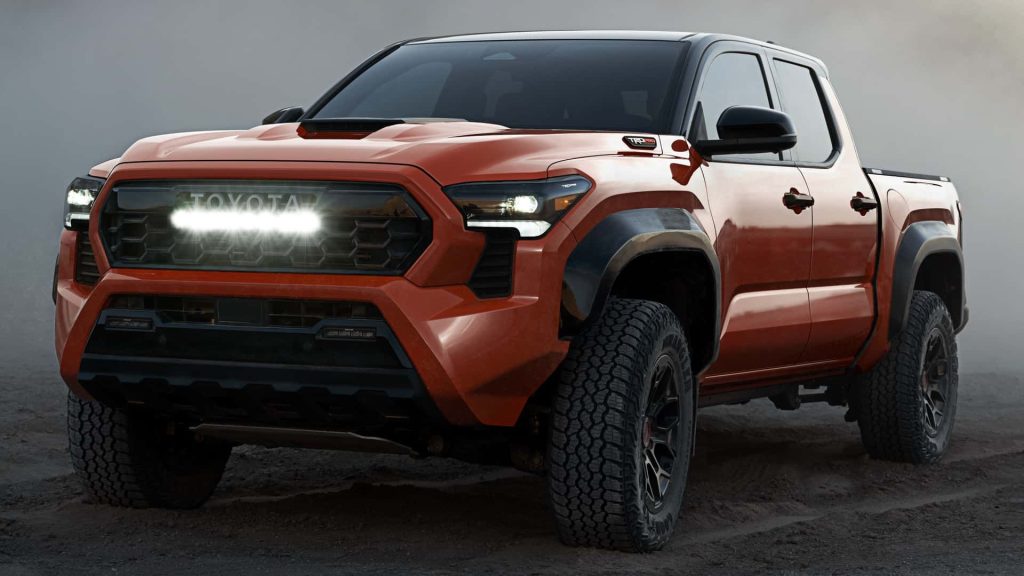
Fuel efficiency is also a limiting factor. In city driving, the Tacoma’s heavier build and larger engine result in higher fuel consumption than compact trucks. For drivers who spend most of their time commuting or running errands, this becomes a recurring cost disadvantage.
The Tacoma remains an excellent choice for buyers who regularly venture off-road or require rugged capability. However, for city-focused use, it clearly demonstrates why mid-size trucks often feel excessive compared to smaller, more efficient alternatives.
2. Ford Ranger
The Ford Ranger is a globally popular mid-size truck known for its strong engines and versatile capability. While it performs well in a variety of environments, city driving exposes several compromises that make it less suitable for urban-focused owners compared to smaller trucks.
The Ranger’s physical dimensions are its primary drawback in cities. Its length and width make maneuvering through tight streets and crowded intersections more demanding.
Parking can be challenging, particularly in older urban areas not designed for modern trucks. These issues contrast sharply with the ease of use offered by compact pickups.
Ride quality in urban settings is another concern. The Ranger’s suspension is designed to handle payloads and off-road terrain, which can result in a firmer ride over potholes and uneven pavement. Daily commutes in stop-and-go traffic feel less refined than in smaller, car-based trucks.
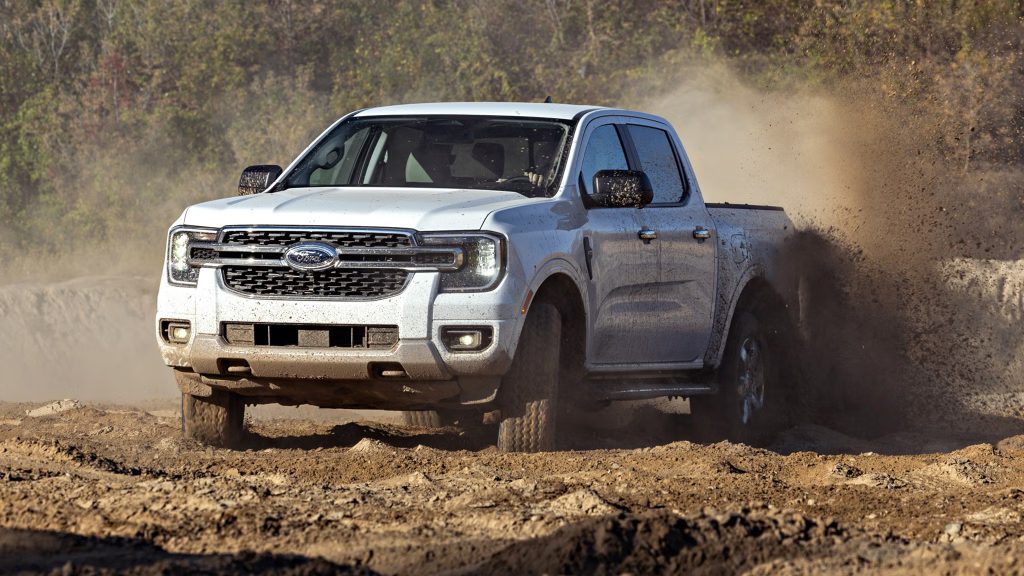
Fuel efficiency further limits the Ranger’s appeal for city use. Larger engines and heavier curb weight result in higher fuel consumption during frequent stops and low-speed driving. Over time, these costs add up, making the Ranger more expensive to operate than compact alternatives.
While the Ranger excels for drivers who need towing capability or frequent highway use, it highlights why mid-size trucks often struggle in urban environments. Its strengths simply do not align with the priorities of city-based driving.
3. Chevrolet Colorado
The Chevrolet Colorado offers a balance of performance and comfort within the mid-size truck segment, yet it still carries many of the same urban drawbacks common to its class. Designed to handle work and recreation, it can feel oversized and inefficient when used primarily in city conditions.
Navigating narrow streets and tight parking areas is one of the Colorado’s biggest challenges. Its length and turning radius make quick maneuvers more difficult, particularly in dense traffic. Compared to smaller trucks, it demands greater spatial awareness and patience from the driver.
The Colorado’s suspension setup, while capable, is less forgiving on city roads. Bumps, speed breakers, and uneven pavement are felt more distinctly, reducing comfort during daily commutes. This contrasts with the smoother, more compliant ride of compact trucks.
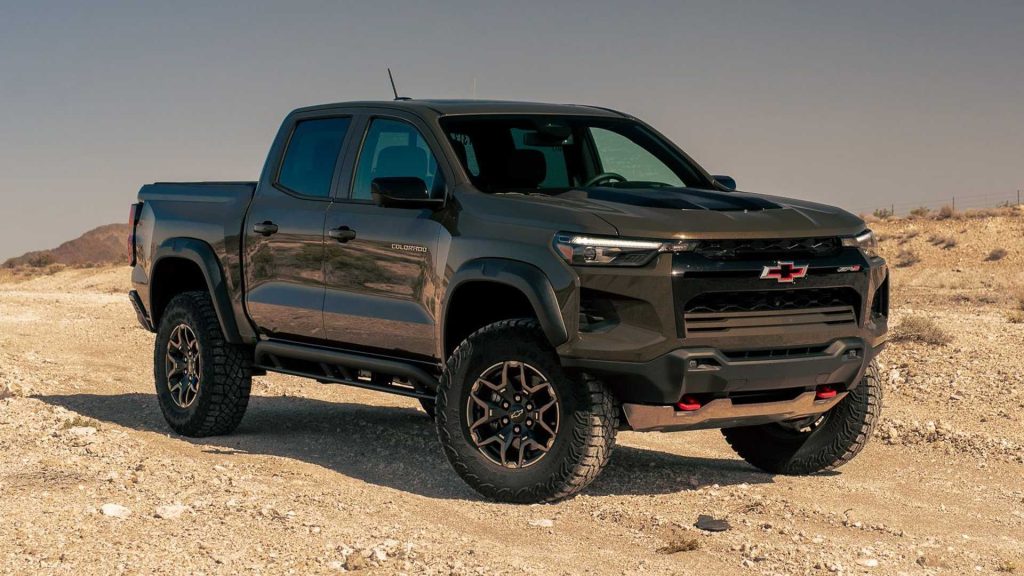
Fuel economy is another concern. In stop-and-go traffic, the Colorado consumes more fuel than smaller pickups, increasing operating costs. For city dwellers who drive short distances frequently, this inefficiency becomes a noticeable disadvantage.
The Colorado is well-suited for buyers who require versatility beyond urban use. However, as a daily city vehicle, it reinforces why mid-size trucks often represent more compromise than convenience compared to smaller, more efficient pickups.
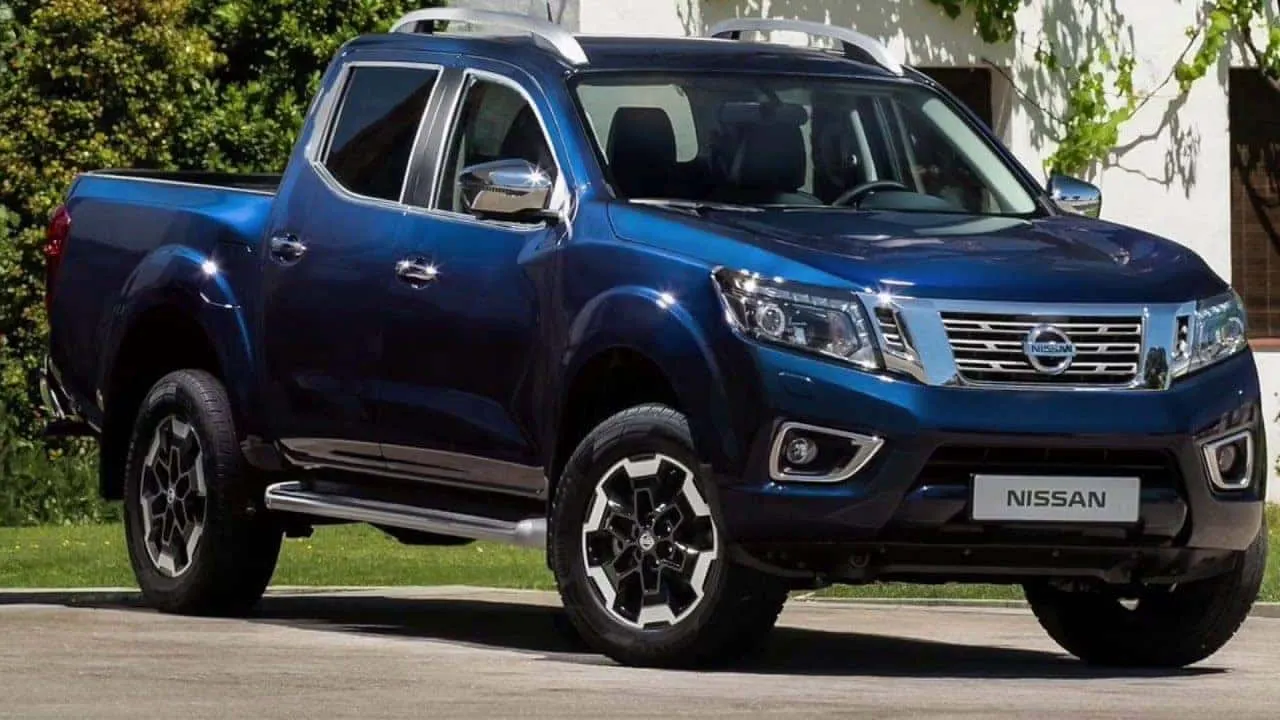
4. Nissan Frontier
The Nissan Frontier is often praised for its straightforward design and proven reliability, yet its traditional mid-size truck proportions present clear challenges in urban environments. While durable and capable, the Frontier’s strengths are better suited to open roads and work sites than congested city streets.
One of the Frontier’s primary drawbacks for city use is its size. Its wide body and relatively long wheelbase make navigating narrow lanes and crowded intersections more stressful than in compact trucks. Parking in urban areas, especially parallel or garage parking, often requires extra effort and space.
Ride comfort further limits its appeal. The Frontier’s suspension prioritizes toughness over refinement, resulting in a firmer ride on uneven city roads. Daily exposure to potholes and speed breakers can make commutes less comfortable compared to smaller, more car-like trucks.
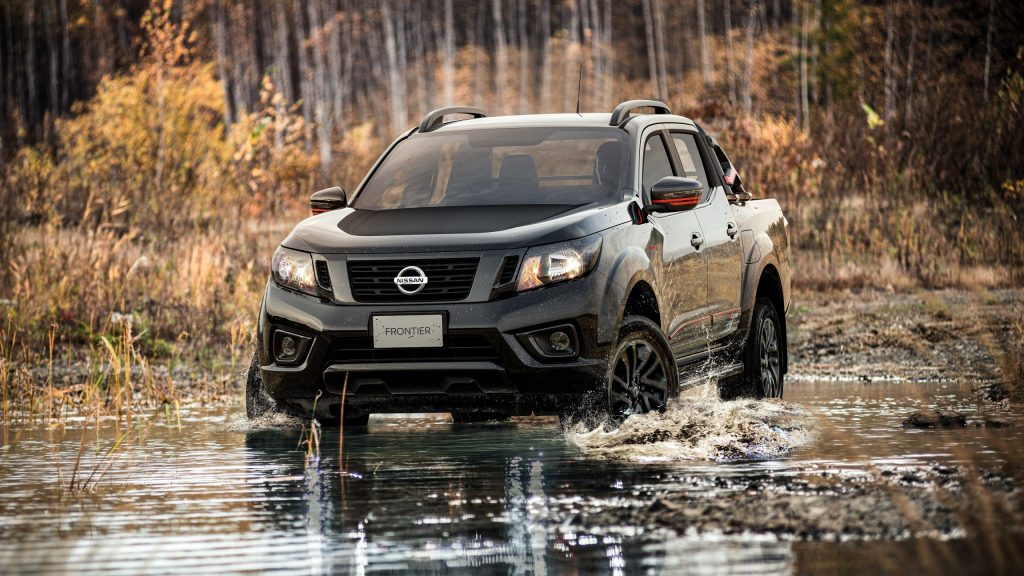
Fuel efficiency is another disadvantage. In stop-and-go traffic, the Frontier’s heavier build and larger engine consume more fuel than compact alternatives. Over time, these higher operating costs can outweigh the benefits of its durability.
The Frontier remains a dependable choice for buyers who need a simple, rugged truck. However, for city-focused drivers, it underscores why mid-size trucks often introduce unnecessary compromises in maneuverability and efficiency.
5. Jeep Gladiator
The Jeep Gladiator is one of the most distinctive mid-size trucks on the market, combining pickup utility with iconic off-road capability. While this makes it appealing to enthusiasts, it also makes the Gladiator one of the least city-friendly options in its class.
Its size and shape are immediate challenges in urban environments. The Gladiator’s long wheelbase, boxy design, and wide turning radius make tight streets and parking spaces difficult to manage. Maneuvering through congested traffic often feels cumbersome compared to compact trucks.
Ride quality in the city is another issue. Designed primarily for off-road use, the Gladiator’s suspension and solid axles transmit road imperfections more directly into the cabin. Daily commuting on rough city roads can quickly become tiring.
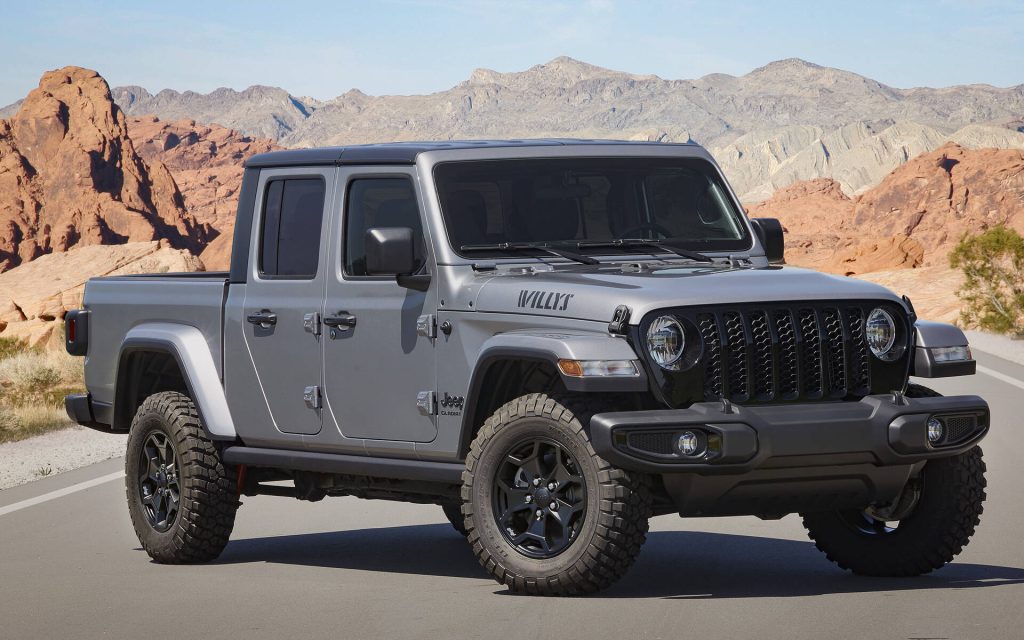
Fuel efficiency is also poor relative to small trucks. The Gladiator’s weight, aerodynamics, and drivetrain contribute to higher fuel consumption in stop-and-go traffic, increasing ownership costs for urban drivers.
While the Gladiator excels off-road and offers unmatched character, its design priorities clash with city demands. It serves as a clear example of how mid-size trucks can sacrifice everyday usability in favor of niche capabilities.
With both small trucks and mid-size trucks thoroughly examined, the differences in urban usability are clear. The final summary brings together these insights to explain why small trucks are often the smarter choice for city-based drivers.
This comparison between five small trucks and five mid-size trucks highlights a fundamental truth about urban vehicle ownership: bigger does not always mean better.
While mid-size trucks are often marketed as versatile, do-everything vehicles, their strengths are frequently misaligned with the realities of city driving. In contrast, small trucks are designed around efficiency, maneuverability, and ease of use qualities that matter far more in dense urban environments.
Small trucks such as the Ford Maverick, Hyundai Santa Cruz, Chevrolet Montana, Toyota Hilux Champ, and Isuzu D-Max S-Cab demonstrate how compact dimensions dramatically improve daily usability.
Their shorter lengths, narrower widths, and tighter turning circles make navigating narrow streets and congested traffic significantly easier. Parking one of the most common stress points for city drivers becomes far less frustrating when a vehicle fits naturally into standard spaces and garages.
Fuel efficiency is another decisive advantage. City driving involves constant stops, low speeds, and idling, all of which punish heavier mid-size trucks. Small trucks, with lighter curb weights and smaller engines, deliver better real-world fuel economy.
Over years of ownership, this translates into meaningful cost savings, especially in cities where fuel expenses and emissions regulations continue to rise.
Maintenance and ownership costs further favor small trucks. Tires, brakes, and general servicing are typically less expensive, and simpler mechanical layouts reduce long-term complexity.
For urban professionals, small business owners, and daily commuters, these savings add up quickly and contribute to a more stress-free ownership experience.
Mid-size trucks like the Toyota Tacoma, Ford Ranger, Chevrolet Colorado, Nissan Frontier, and Jeep Gladiator remain highly capable vehicles but their strengths often go underutilized in cities.
Their larger dimensions make them harder to maneuver and park, while their suspension tuning prioritizes durability or off-road performance over urban comfort. Fuel consumption is noticeably higher in stop-and-go traffic, and ride quality can suffer on uneven city roads.
Importantly, this comparison does not suggest that mid-size trucks lack value. For drivers who frequently tow, travel off-road, or drive long highway distances, they can be excellent choices. However, for owners whose driving is primarily urban, these capabilities often represent unnecessary trade-offs rather than benefits.
Ultimately, the key takeaway is alignment. Vehicles perform best when their design matches their environment.
In cities, where space is limited and efficiency is critical, small trucks consistently outperform mid-size trucks in real-world practicality. They deliver enough utility for everyday tasks without burdening the driver with excess size, cost, or inconvenience.
For city dwellers who want the flexibility of a truck without sacrificing comfort and efficiency, small trucks are not a compromise they are the smarter, more purposeful choice.
Also Read: 5 Cars for Gilbert Daily Runs vs 5 That Need Dealer Service
