
Sporty two-door cars split drivers into two camps: those who prize the focused dynamics, roof rigidity, and everyday versatility of a coupe, and those who chase the visceral, wind-in-your-hair thrill of a convertible.
But “value” doesn’t always mean lowest price it can mean bang-for-buck performance, usability in daily life, long-term ownership costs, emotional satisfaction per rupee, and the kind of driving experience that keeps you smiling on the commute.
This article compares two complementary lists: five sports coupes that deliver more overall value than many convertible alternatives, and five convertibles that remain compelling for buyers who prioritize open-air life.
Together they show how different design priorities structure vs. exposure, weight vs. glamour, and practicality vs. theater shape ownership outcomes.
Coupes often win on chassis stiffness, lower center of gravity, and superior handling for the money. Their fixed roofs reduce complexity and weight, which lets engineers tune suspension and structure for sharper responses; that means more performance for each rupee spent.
Convertibles deliver a singular emotional payoff: open-air freedom, dramatic presence, and a sensory immediacy that a coupe can’t match.
But convertibles usually carry structural reinforcements, complexity (retractable roofs, seals), and, at times, reduced performance or less interior space all of which factor into long-term value.
This piece is practical rather than pretentious: it aims to help people decide where to spend limited automotive budget to get the most driving satisfaction over ownership.
First we’ll explore five sports coupes that blend performance, day-to-day usability, and ownership value so well they outperform many convertibles when you account for total package.
After that, we’ll profile five convertibles that remain excellent choices for buyers who value open-air motoring despite the trade-offs. Each car gets a focused, roughly 300-word analysis explaining why it belongs on the list and what value it delivers compared with near rivals.
Also Read: 5 Cars for Ann Arbor Students & Commuters vs 5 That Are High-Maintenance
5 Sports Coupes That Offer More Value
Sports coupes occupy a special place in the performance-car world because they focus on the fundamentals of driving rather than spectacle alone.
With a fixed-roof design, two doors, and performance-oriented engineering, sports coupes are built to maximize structural rigidity, balance, and responsiveness.
This inherent design advantage allows manufacturers to invest more of the car’s budget into chassis tuning, suspension geometry, steering feel, and power delivery elements that directly affect how a car feels behind the wheel.
As a result, sports coupes often deliver a purer and more rewarding driving experience than other body styles at similar price points.
From a value perspective, sports coupes frequently outperform their alternatives by offering better performance per unit of cost.
The absence of complex roof mechanisms keeps weight lower and mechanical complexity in check, which improves acceleration, braking, and handling while also reducing long-term maintenance concerns.
Buyers benefit not only from sharper driving dynamics but also from improved reliability and lower ownership costs over time. This balance of excitement and practicality makes sports coupes appealing to enthusiasts who want a car they can truly enjoy without excessive compromises.
Another reason sports coupes stand out is their versatility. While they are undeniably focused on performance, most modern sports coupes are refined enough for daily use.
Comfortable seating, usable boot space, and advanced safety and infotainment features allow them to function as everyday cars while still delivering weekend thrills. This dual-purpose nature adds to their overall value, especially for buyers who want one car to meet multiple needs.
In this section, the focus is on five sports coupes that exemplify these strengths. Each model has been chosen for how effectively it combines performance, driving engagement, practicality, and long-term ownership value.
Together, they show why sports coupes remain one of the smartest and most rewarding choices for drivers who prioritize real-world performance and lasting satisfaction.
1. Toyota GR86 – Lightweight balance that teaches you to drive
The Toyota GR86 is a masterclass in value through simplicity. Built as a driver’s car rather than an all-out street rocket, it trades expensive horsepower for chassis balance, low weight, and a rev-happy naturally aspirated boxer engine.
That combination delivers a level of engagement many higher-powered convertibles struggle to match because raw horsepower isn’t the only measure of fun. The GR86’s strength lies in how it translates limited power into actionable fun: sharp turn-in, communicative steering, and a neutral handling balance that rewards small inputs and improves driver skill.
For buyers who want a rewarding weekend car that’s also tame enough for weekday driving, the GR86’s predictable limits are a feature, not a compromise.
From a value perspective the GR86 keeps ownership costs sensible. Simpler mechanicals and Toyota’s engineering philosophy reduce long-term headaches. Insurance costs and maintenance bills are typically lower than for exotic convertibles that demand premium servicing.
The interior is pared back but functional; you get the essentials without costly flashy gadgets that depreciate quickly. Also, the fixed roof brings better torsional rigidity at low weight, so you get sharper handling without paying a structural tax for a foldaway top.
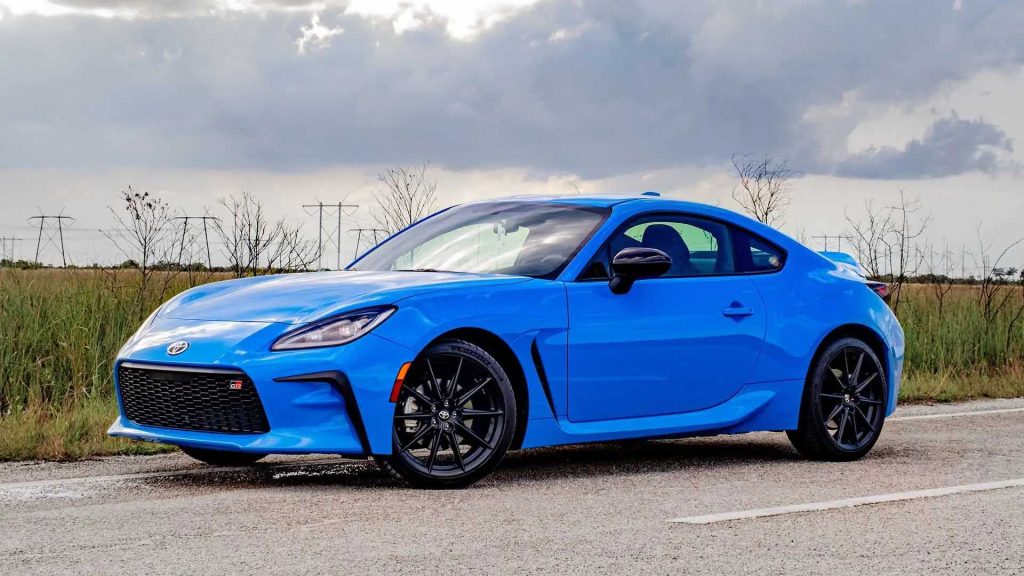
That makes track days and canyon runs less about chasing horsepower and more about finesse, which many owners find more rewarding and more economical in the long run.
Finally, the GR86 holds appeal for younger drivers and enthusiasts who prioritize teaching themselves to corner before chasing the next horsepower number.
If you want lots of smiles per kilometre without a wallet-draining ownership equation, the GR86 is hard to beat among affordable sports coupes.
2. BMW M2 – Compact muscle, surgical handling
The BMW M2 sits in an enviable niche: compact coupe aggression combined with engineering polish from BMW’s M division. Unlike many convertibles that trade body rigidity for open-air thrills, the M2’s fixed-roof architecture allows BMW to tune a chassis that feels surgical at pace.
The M2’s punchy engine, short wheelbase, and rear-wheel-drive layout produce an engaging platform that is both confidence-inspiring and thrilling and crucially, it delivers a lot of performance per rupee when compared to more expensive convertible rivals offering similar straight-line speed but less dynamic purity.
Value arrives in several forms. First, the M2’s packaging is efficiently engineered: its smaller dimensions make it easy to live with in city settings, and it generally costs less to insure and maintain than larger, flashier convertibles.
Second, BMW’s long-standing aftermarket and enthusiast ecosystem means parts, tuning, and resale demand are robust a helpful factor for long-term value. Third, because the M2 is focused on chassis and drivability, owners often find they extract more usable performance in real-world driving than cars with bigger power numbers but unwieldy footprints.
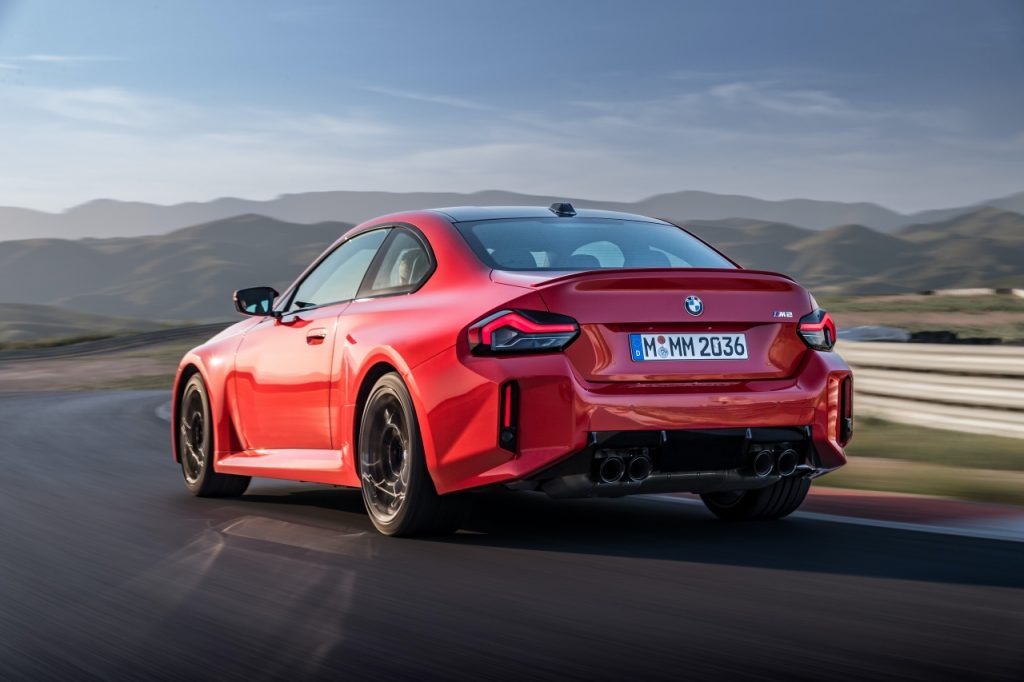
The M2 is also a pragmatic choice for those who want a dual-role car: serious weekend performance and daily-drivable refinement. Interiors in M2 models are well-finished and include modern connectivity, so the car avoids feeling like a track-obsessed one-trick pony.
When you stack up the M2 against convertible alternatives with similar headline speeds, the M2’s sharper handling, long-term desirability, and balanced ownership profile make it a strong value proposition for drivers who prioritize driving purity over open-air drama.
3. Porsche 718 Cayman – Mid-engine clarity and enduring resale
The Porsche 718 Cayman leverages a mid-engine layout to deliver a driving feel that’s brutally honest and inherently balanced.
That mechanical symmetry translates to confidence on backroads: the steering feel, predictable weight transfer, and planted behaviour through corners give drivers a tactile connection that few front- or rear-heavy convertibles can match.
Porsche’s engineering philosophy emphasizes mechanical precision and driver feedback traits that not only make the Cayman engaging to drive but also help it retain value over years of ownership.
Value for Cayman owners appears across three axes. First, dynamic competence: because the Cayman’s entire architecture is optimized around handling, a relatively modest power figure out of a flat-four (or flat-six in higher trims) still results in lap times and cornering speeds that eclipse many heavier convertibles.
Second, longevity and resale: Porsches historically hold their value well when compared with most other sporty cars, and the Cayman’s reputation for build quality and driving purity supports stronger residuals.
Third, ownership experience: while maintenance costs are higher than mainstream cars, Porsche’s strong brand cachet and the Cayman’s desirability mean owners often recoup more on resale, softening the ownership arithmetic.
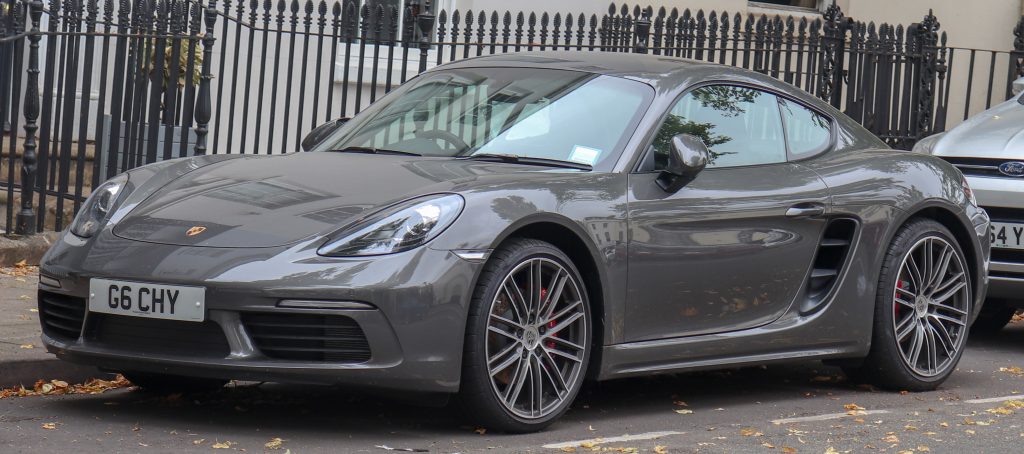
The Cayman is also practical enough to be used frequently: it has decent day-to-day ergonomics and a pair of luggage compartments (front and rear) that make it more useful than people assume.
If your priority is the best driving dynamics per rupee and an asset that ages gracefully, the 718 Cayman is a rational and emotionally satisfying choice among sports coupes.
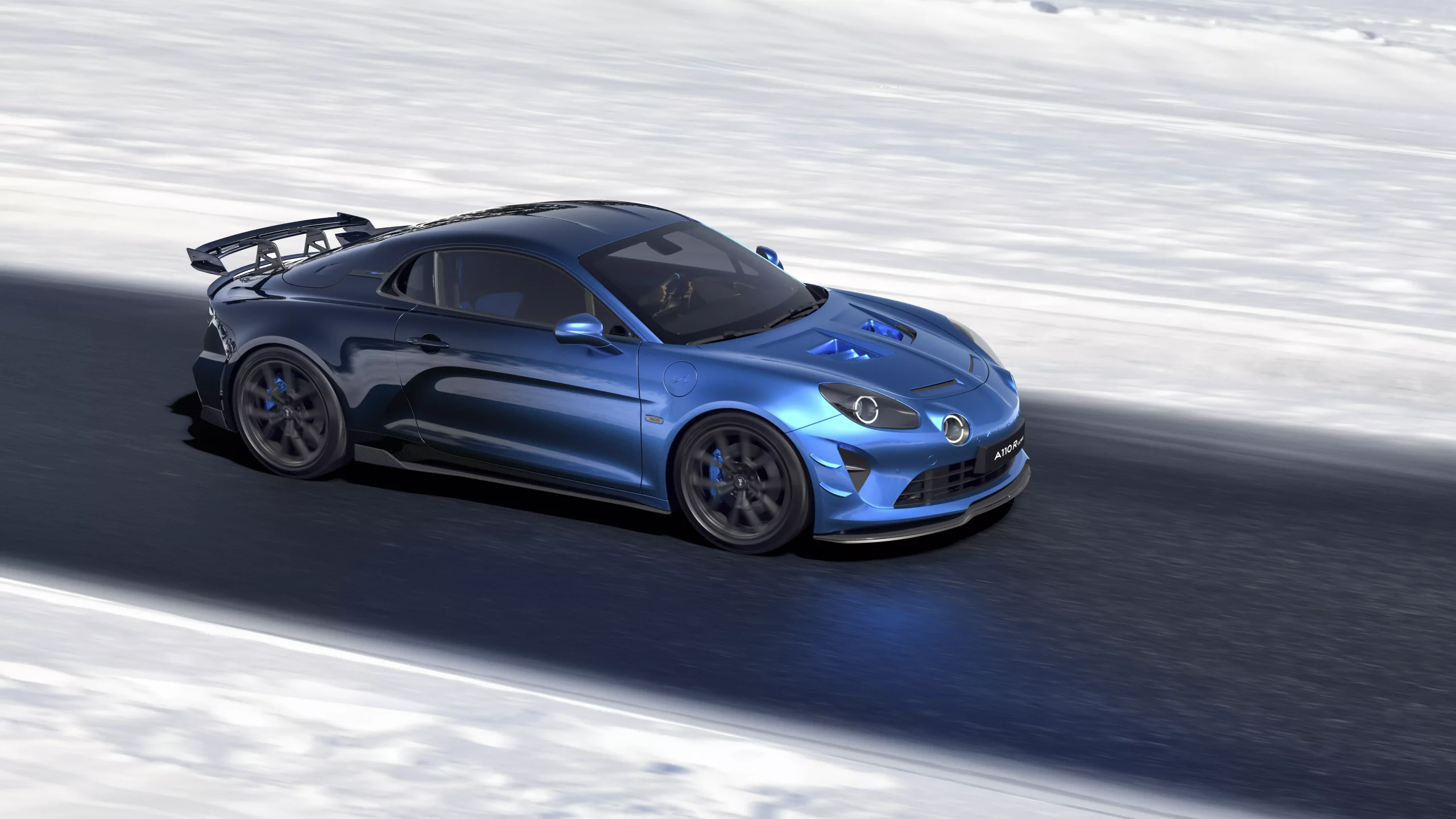
4. Alpine A110 – Featherweight finesse and boutique value
The Alpine A110 approaches sports-car design through a very different lens: extreme lightness and chassis cleverness rather than brute power.
Built around a bonded-aluminium structure and a compact turbocharged engine, the A110 is astonishingly light, which accentuates agility and responsiveness.
This philosophy yields a purity of experience that make each cornering moment feel telegraphed and precise something that many heavier, roofless cars struggle to replicate because convertibles often pack structural reinforcements that blunt this sort of nimbleness.
Value here is subtle but tangible. Lightweight engineering means the A110 achieves impressive performance without spending heavily on large engines, which keeps running costs and weight-related wear down.
The car is engineered for smiles rather than headline numbers; you don’t need to escalate horsepower to get thrilling on-road performance. As a boutique product, the A110 also generates a distinct ownership feel: exclusivity, a focused community, and a car that stands out from more common convertibles.
For buyers who want a special driver’s car that won’t cost a premium-priced exotic to run, the A110’s balance of engineering, low mass, and charm represents smart value.
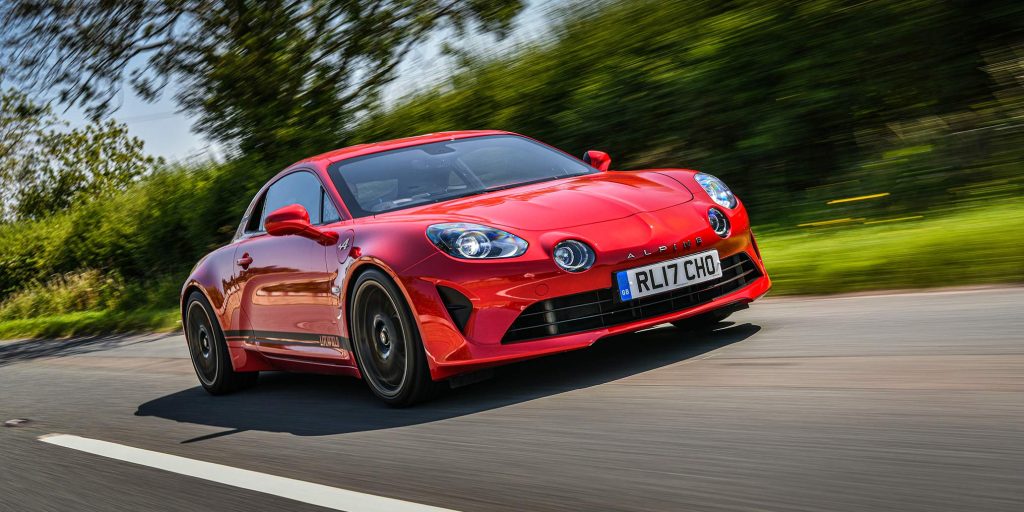
Moreover, the A110’s dynamics reward technique small adjustments produce big results, and the car’s predictable nature is forgiving for drivers developing skills.
If you value an analog, light-footed driving experience over theatrical open-top pizzazz, the Alpine A110 is a compelling and efficient way to get those sensations without paying exorbitant ownership costs.
5. Nissan Z – Modern simplicity, classic thrills
The Nissan Z brings decades of heritage into a modern, reasonably priced package. With a front-mid engine layout, rear-wheel drive, and a punchy twin-turbo V6 in recent generations, the Z offers an attractive mix of straight-line pace and cornering capability.
Unlike many convertibles that compromise handling for roof mechanics, the coupe Z preserves structural rigidity, allowing engineers to tune suspension and steering to achieve balanced dynamics that are enjoyable on both B-roads and highways.
From a value standpoint the Z is compelling for several reasons. It delivers a lot of performance for the money: strong engine output, manual-gearbox availability in some trims, and a chassis tuned for engagement.
Maintenance and parts cost are typically lower than for European rivals, which keeps long-term ownership economical. The interior and infotainment have improved dramatically, meaning buyers get modern convenience without the premium pricing that some convertibles command.
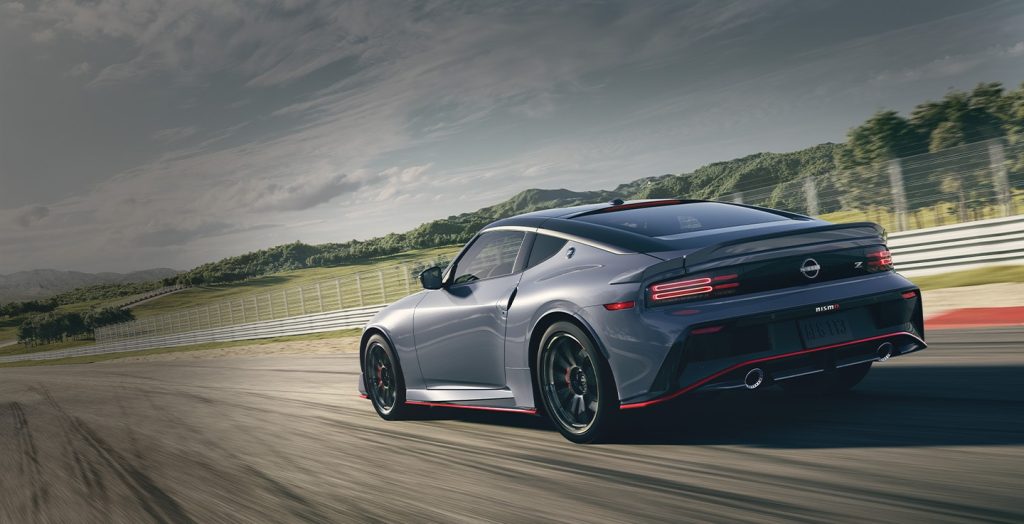
Resale and enthusiast demand are other positives: the Z nameplate has a loyal following that tends to support healthy used-car values, particularly for well-specified manual examples.
For drivers seeking a coupe that can be a lively daily and a capable weekend car, the Nissan Z represents a practical path to strong driving thrills without the ownership compromises intel of many convertible competitors. Its combination of performance, simplicity, and emotional appeal makes it a high-value coupe for diverse buyers.
5 Convertible Alternatives
Convertibles represent the emotional side of performance motoring. Where sports coupes focus on structure, balance, and efficiency, convertibles emphasize experience the sound of the engine unobstructed by a roof, the rush of air at speed, and the feeling of being fully connected to your surroundings.
For many buyers, this open-top sensation is not a feature but the entire point of ownership. Even if convertibles carry compromises in rigidity, weight, and cost, they deliver something a fixed-roof car simply cannot replicate.
From a value standpoint, convertibles offer a different kind of return. Their worth is measured less in lap times and more in lifestyle enrichment. A convertible transforms ordinary drives into memorable events, whether it’s a relaxed coastal cruise, a scenic mountain road, or a calm evening drive after work.
For owners who prioritize emotion, visibility, and sensory involvement, the trade-offs in performance or practicality are often easily justified. In fact, many buyers are willing to accept higher maintenance costs or slightly reduced handling precision because the emotional payoff is constant and tangible.
Modern convertibles have also improved significantly. Advances in chassis engineering, lightweight materials, and folding-roof technology have narrowed the gap between coupes and convertibles.
Many contemporary models now offer impressive performance, strong safety credentials, and refined interiors, making them more usable as daily drivers than earlier generations. As a result, convertibles are no longer purely indulgent toys; they can function as legitimate primary cars for the right owner.
In this section, the focus shifts to five convertible alternatives that remain compelling despite the strengths of sports coupes.
Each model has been selected for how well it delivers open-top enjoyment, brand appeal, and real-world usability. These cars demonstrate why convertibles continue to hold strong emotional and lifestyle value in the sports-car market.
1. Mazda MX-5 Miata – Pure joy, roof down
The Mazda MX-5 Miata is often considered the benchmark for affordable open-top driving pleasure. Rather than chasing power figures, the Miata focuses on light weight, balance, and driver involvement principles that align closely with classic sports-car philosophy.
With the roof down, every drive becomes immersive: steering inputs feel immediate, engine sounds are more vivid, and even modest speeds feel engaging. This sense of connection is the Miata’s greatest strength and the reason it continues to attract enthusiasts across generations.
In terms of value, the Miata excels by keeping things simple. Its lightweight construction means it doesn’t require a large engine to feel quick or fun, which helps control fuel consumption and maintenance costs.
Reliability has long been a Mazda strong point, and the Miata benefits from proven mechanicals that are generally inexpensive to service compared with more complex performance convertibles. Insurance costs are also relatively reasonable, making it accessible to a wide range of buyers.
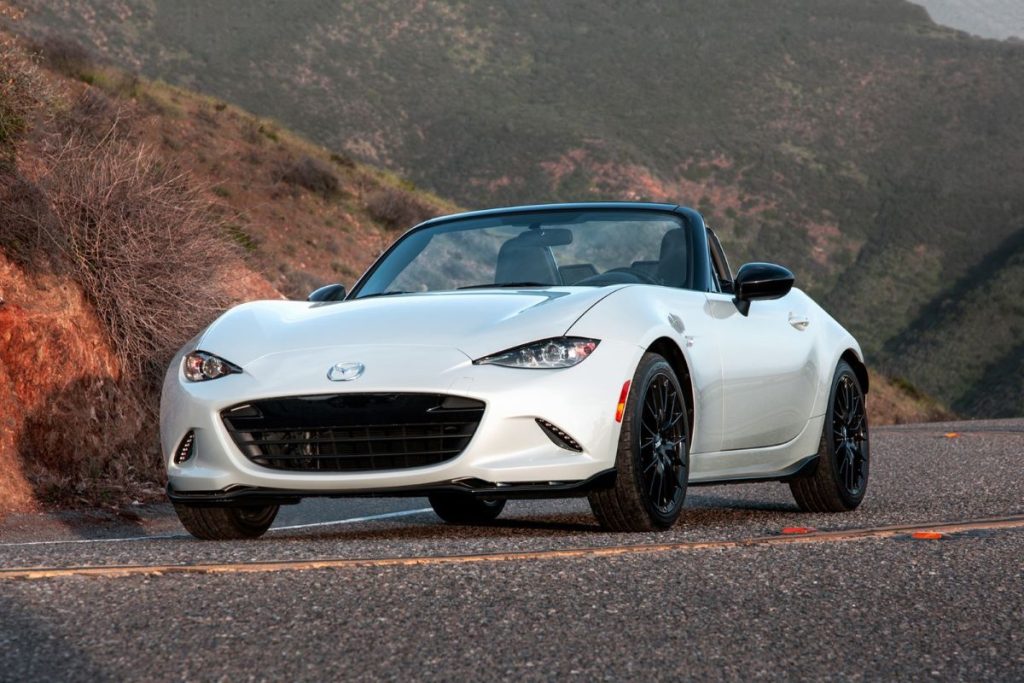
While the Miata cannot match the outright grip or refinement of higher-end sports coupes, it counters with honesty and charm. Interior space is limited, and practicality takes a back seat, but owners typically accept these compromises because the emotional reward is so consistent.
For drivers who value open-air fun over brute performance, the MX-5 Miata offers exceptional experiential value and remains one of the most satisfying convertibles money can buy.
2. BMW Z4 – Open-top performance with everyday comfort
The BMW Z4 bridges the gap between hardcore sports cars and luxury cruisers. Designed as a premium roadster, it delivers open-top enjoyment while maintaining the comfort, technology, and refinement expected from a modern BMW.
With a powerful engine lineup and rear-wheel-drive layout, the Z4 offers strong straight-line performance and confident handling, especially for drivers who want speed without sacrificing daily usability.
Value in the Z4 comes from its versatility. Unlike minimalist convertibles, it can comfortably serve as a daily driver thanks to supportive seats, a well-insulated cabin when the roof is up, and a high-quality infotainment system.
The retractable roof allows owners to switch between coupe-like refinement and open-air excitement in seconds, effectively giving two driving personalities in one car. For buyers who want a blend of luxury and performance rather than raw edge, this dual nature is a major advantage.
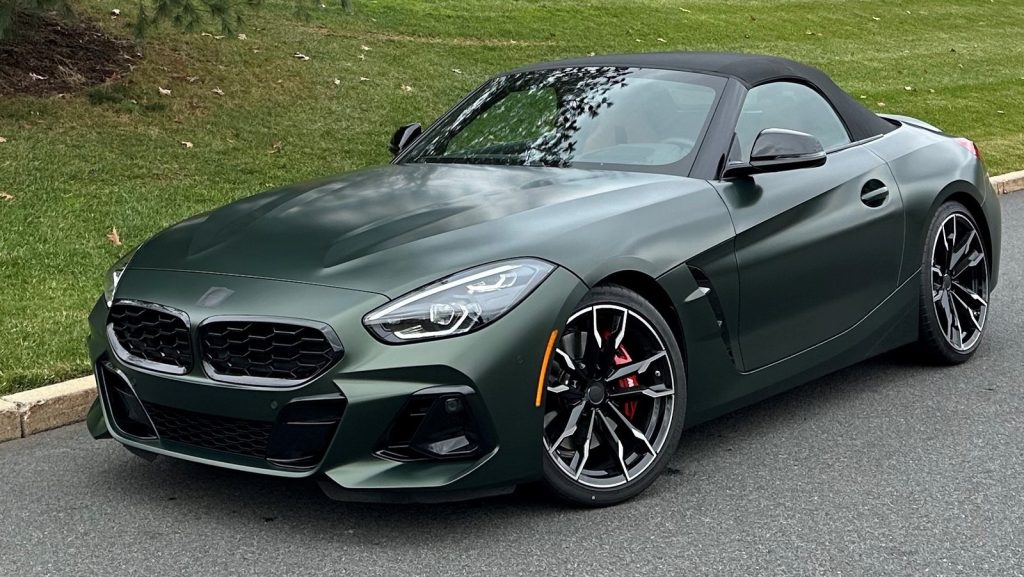
While the Z4 is heavier and less sharply focused than many sports coupes, its appeal lies in balance. It delivers enough performance to feel genuinely quick while offering a level of comfort and brand prestige that enhances ownership satisfaction.
For drivers who prioritize open-top style, premium feel, and strong all-round ability, the BMW Z4 represents a convertible that justifies its compromises with everyday usability and emotional appeal.
3. Porsche 911 Cabriolet – Iconic performance with open-air drama
The Porsche 911 Cabriolet proves that choosing a convertible does not always mean sacrificing serious performance.
Built on one of the most respected sports-car platforms in the world, the 911 Cabriolet delivers open-top driving while retaining much of the coupe’s legendary balance and capability.
Porsche’s engineering expertise allows the car to maintain impressive structural rigidity, ensuring that steering precision and cornering confidence remain strong even without a fixed roof.
From a value perspective, the 911 Cabriolet stands out because of its longevity and brand strength. Few sports cars retain desirability and resale value like a 911, regardless of body style. Buyers are not just purchasing a convertible; they are investing in a globally recognized performance icon.
This enduring appeal helps offset the higher upfront price and maintenance costs typically associated with premium convertibles. The 911’s usability further enhances its value it can be driven daily, taken on long tours, or enjoyed spiritedly on twisty roads without feeling out of place.
Emotionally, the 911 Cabriolet offers something special. The rear-mounted engine soundtrack becomes more immersive with the roof down, enhancing the sense of speed and engagement.
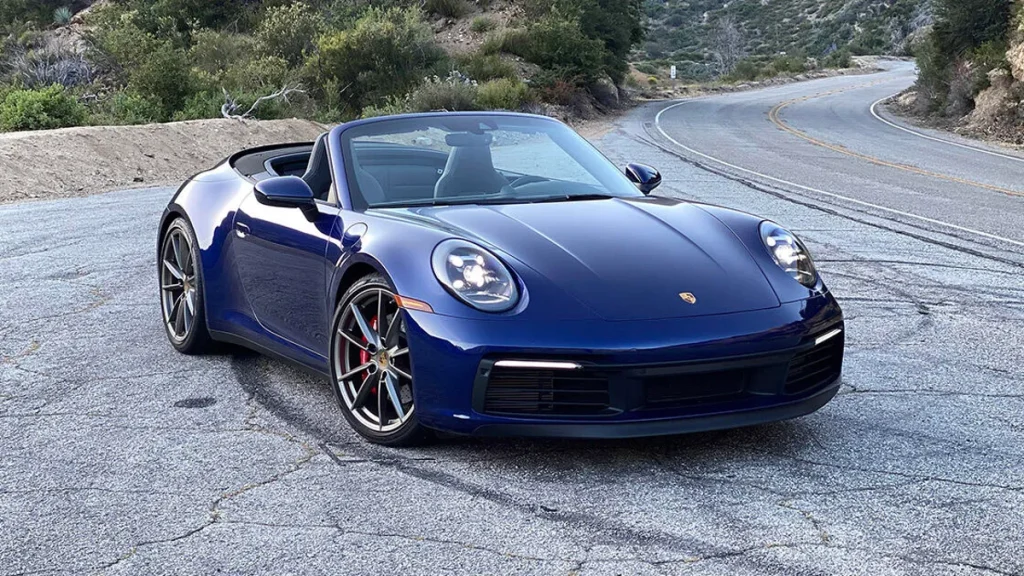
For enthusiasts who want open-air excitement without abandoning high-performance credentials, the 911 Cabriolet is a rare success story.
It demonstrates that a convertible can still feel like a true driver’s car, making it a compelling alternative for those who want both prestige and performance.
4. Ford Mustang Convertible – Muscle-car freedom and character
The Ford Mustang Convertible brings classic American muscle into the open-air arena. Unlike lightweight roadsters, the Mustang focuses on presence, sound, and straight-line excitement.
Dropping the roof amplifies the drama of the engine note, turning even short drives into theatrical experiences. This sense of character is the Mustang’s strongest asset and a major reason it continues to attract buyers worldwide.
In terms of value, the Mustang Convertible offers an accessible path to performance and style. It provides strong engine options, recognizable design, and everyday usability at a price that undercuts many European performance convertibles.
Maintenance and parts availability are generally more affordable, especially in markets where the Mustang has an established presence. The interior is spacious enough for longer drives, and the boot remains usable despite the folding roof mechanism.
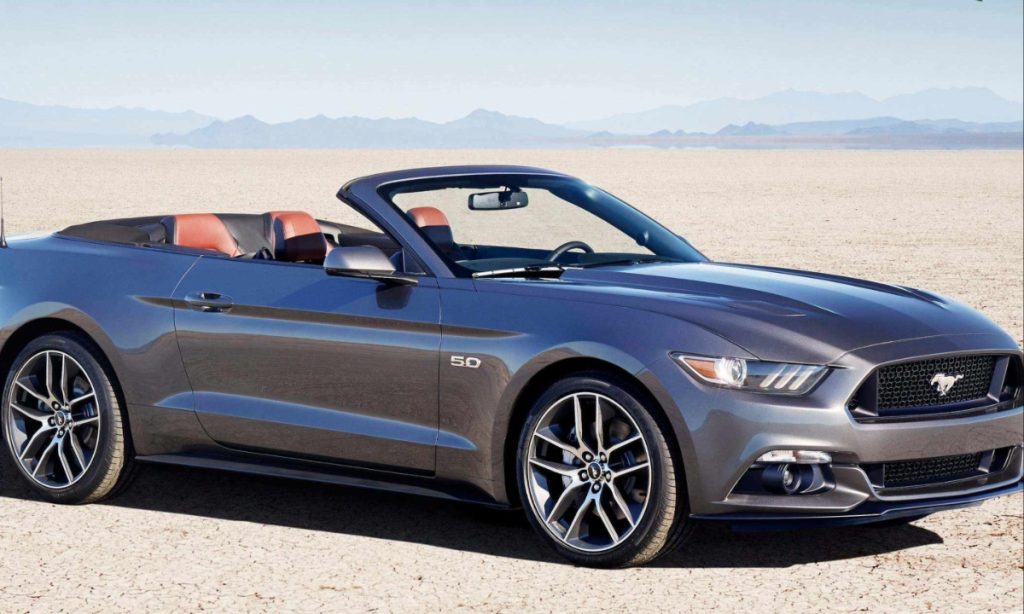
While it may not match the razor-sharp handling of a dedicated sports coupe, the Mustang Convertible compensates with emotional appeal and comfort. It is well-suited for relaxed cruising, highway driving, and social outings, making it a lifestyle car rather than a track-focused tool.
For buyers who value sound, style, and open-top enjoyment over ultimate precision, the Mustang Convertible delivers strong experiential value and unmistakable personality.
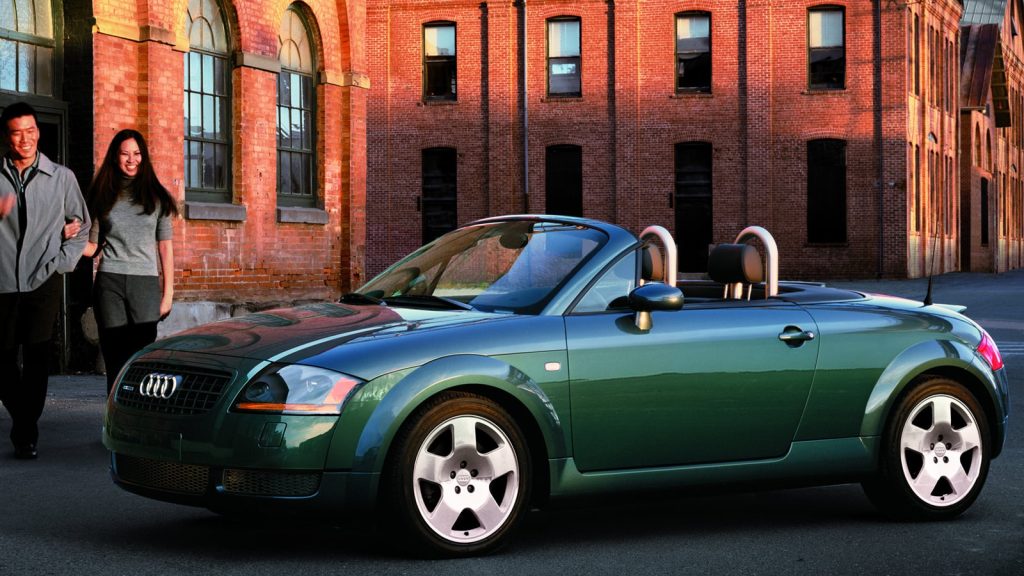
5. Audi TT Roadster – Style, confidence, and all-weather usability
The Audi TT Roadster blends distinctive design with approachable performance, making it one of the most user-friendly convertibles in its class.
With its compact dimensions, refined interior, and secure handling, the TT Roadster appeals to drivers who want open-top driving without the intimidation of a high-powered sports car. Audi’s focus on quality and technology ensures that the car feels premium and well-integrated in everyday use.
Value in the TT Roadster comes from its all-round competence. The cabin is beautifully finished, with intuitive digital displays and high-quality materials that enhance ownership satisfaction.
The roof mechanism is quick and well-insulated, allowing the car to feel composed even in less-than-ideal weather. In regions with varied climates, this usability becomes a significant advantage. Additionally, Audi’s reputation for build quality contributes to confidence in long-term ownership.
Although the TT Roadster prioritizes stability and comfort over raw excitement, it excels as a stylish daily driver with open-air capability. It may not challenge hardcore sports coupes on a racetrack, but it offers a refined, confidence-inspiring experience that many owners prefer.
For drivers seeking a convertible that balances design, technology, and ease of use, the Audi TT Roadster represents a sensible and attractive alternative.
Sports coupes and convertibles represent two different interpretations of driving pleasure, and this comparison highlights how each body style delivers value in its own way. Sports coupes consistently emerge as the more rational choice for buyers who prioritize performance efficiency, structural integrity, and long-term ownership benefits.
With fixed roofs and lighter overall construction, coupes are inherently stiffer, allowing manufacturers to focus on suspension tuning, steering precision, and balanced handling. This translates into sharper cornering, better braking confidence, and a more connected driving feel, often at a lower cost than comparable convertibles.
Over time, this simplicity also benefits owners through reduced maintenance complexity, improved reliability, and stronger performance consistency.
The five sports coupes discussed demonstrate how value extends beyond price alone. Cars like these deliver high levels of engagement without excessive horsepower, making them enjoyable in real-world driving rather than only on paper.
Their dual-purpose nature allows them to serve as exciting weekend machines while remaining practical enough for daily use. Better fuel efficiency, usable luggage space, and stronger resale demand further enhance their appeal.
For drivers who enjoy developing skill behind the wheel and want maximum performance per rupee, sports coupes often provide the most complete and financially sensible ownership experience.
Convertible alternatives, on the other hand, justify their compromises through emotion and lifestyle appeal. While added weight and reduced rigidity can limit outright performance, convertibles offer a sensory connection that fixed-roof cars cannot replicate.
Open-top driving transforms routine journeys into memorable experiences, amplifying engine sound, speed perception, and environmental engagement. For many owners, this emotional return outweighs the drawbacks of higher costs or reduced practicality.
The convertibles highlighted in this article show that modern engineering has narrowed the gap between coupes and open-top cars. Improved chassis design, advanced roof mechanisms, and refined interiors have made today’s convertibles more usable and capable than ever.
Some even retain strong resale value and daily-driving comfort, making them viable primary vehicles rather than occasional indulgences.
Ultimately, the choice between a sports coupe and a convertible comes down to priorities. If value is defined by performance, precision, and long-term ownership logic, sports coupes clearly lead.
If value is measured in emotional impact, lifestyle expression, and unforgettable open-air moments, convertibles remain unmatched. Both paths offer distinct rewards, and the best choice is the one that aligns most closely with how and why you love to drive.
Also Read: 5 Cars for Peoria (AZ) Sunbelt Driving vs 5 That Overheat
