
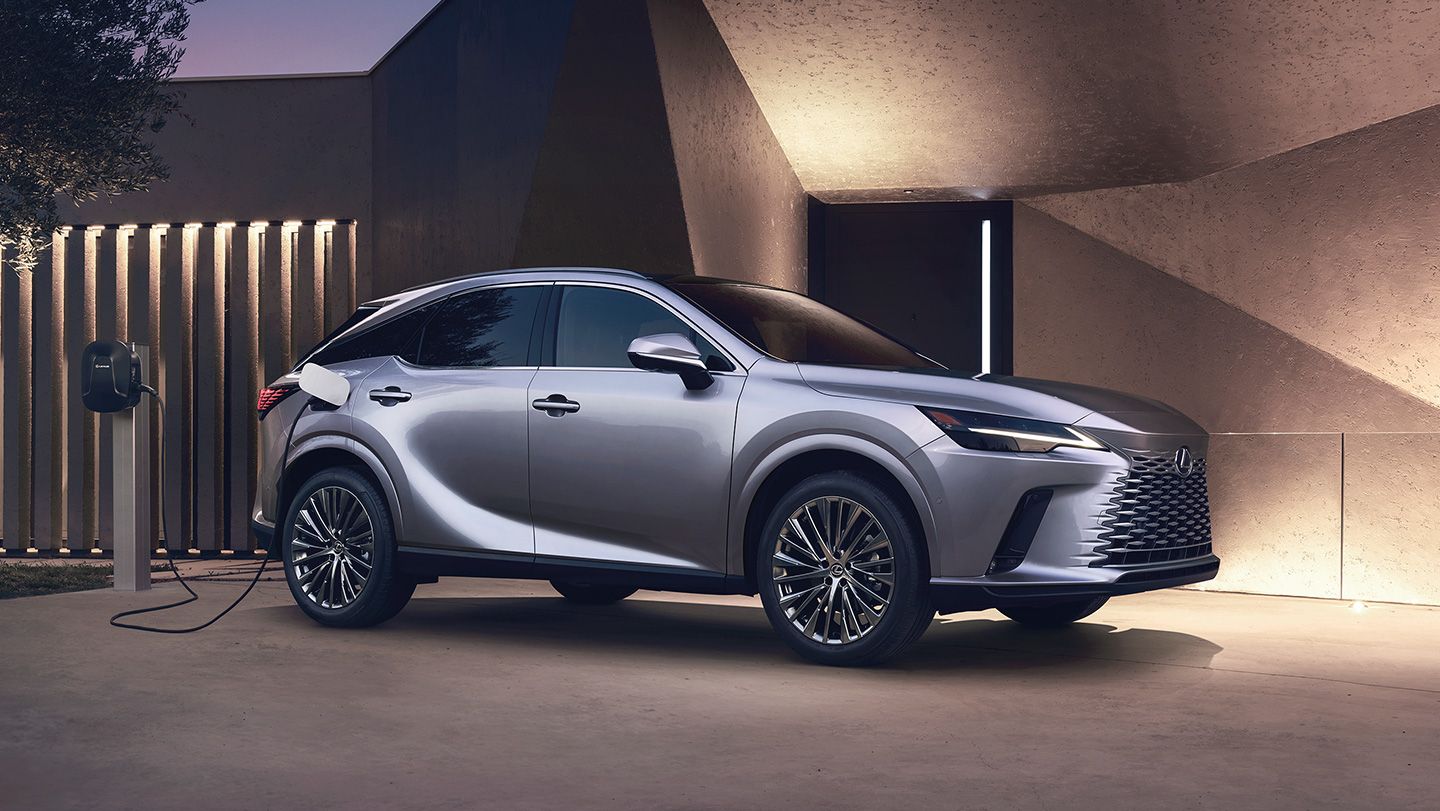
When buying an SUV, most consumers focus on design, features, fuel economy, and safety ratings. However, one of the most critical and expensive factors is often overlooked: transmission reliability.
A transmission is among the most complex and costly components in any vehicle, and when it fails, repair or replacement costs can rival a car’s resale value. This makes long-term transmission durability a defining factor in real ownership satisfaction.
SUVs, in particular, place heavy demands on transmissions. Higher vehicle weight, frequent stop-and-go driving, towing loads, and all-wheel-drive systems all increase stress on gearboxes.
Some manufacturers have invested heavily in conservative, proven transmission designs, while others have experimented with complex or poorly calibrated systems that have led to widespread reliability complaints.
This article exists to separate perception from reality. Rather than focusing on brand popularity or marketing claims, it compares five SUVs known for fewer transmission issues with five rival SUVs that have developed reputations for gearbox-related concerns.
The goal is not to label vehicles as “bad,” but to explain why certain transmission designs and engineering philosophies lead to better long-term outcomes.
Transmission issues don’t always appear early. Many problems surface after warranties expire, making them especially costly for owners. Slipping gears, delayed shifts, overheating, torque converter failures, and CVT breakdowns are among the most common complaints.
Understanding which SUVs are less prone to these problems can save buyers years of frustration and thousands in repair bills.
By examining engineering choices, transmission types, service history trends, and long-term reliability patterns, this article highlights why some SUVs consistently outperform rivals in transmission durability.
For buyers who value peace of mind and ownership longevity, this comparison is far more important than horsepower numbers or touchscreen size.
Also Read: 5 Hatchbacks Cars for Billings Montana Life vs 5 That Require Dealer Work
5 SUVs With Fewer Transmission Issues
SUVs that demonstrate strong transmission reliability typically share a few important characteristics: conservative engineering, proven gearbox designs, and careful calibration. Rather than chasing cutting-edge complexity, these manufacturers prioritize durability, smooth operation, and thermal management key factors in long-term transmission health.
Traditional torque-converter automatic transmissions, when properly engineered, remain among the most reliable options for SUVs.
Some manufacturers also excel with well-developed CVTs or dual-clutch systems, but only when paired with disciplined tuning and strict maintenance standards.
Problems arise when transmissions are pushed beyond their design limits or paired with engines that generate excessive torque without adequate cooling or reinforcement.
Another factor influencing transmission reliability is corporate philosophy. Brands with strong reliability reputations often delay introducing new transmission technologies until they are thoroughly tested.
This cautious approach reduces early failures and widespread recalls. In contrast, rivals that rush innovation frequently expose owners to long-term durability risks.
This section focuses on five SUVs that have earned reputations for fewer transmission-related complaints over extended ownership periods.
These vehicles were selected based on long-term ownership feedback, engineering consistency, and the use of well-proven transmission systems. Each example explains why its transmission holds up better than competitors not just that it does.
The intent is not to suggest these SUVs are flawless, but to show how smart engineering decisions reduce risk. For buyers planning to keep their vehicle beyond warranty coverage, these models represent safer bets in a segment where transmission failure can be financially devastating.
1. Toyota RAV4
The Toyota RAV4 stands as one of the most reliable SUVs on the road, particularly when it comes to transmission durability.
Toyota’s conservative engineering philosophy plays a major role in this reputation. Rather than pursuing experimental gearbox designs, Toyota relies on extensively tested automatic transmissions that prioritize longevity over aggressive performance.
One of the RAV4’s biggest strengths is transmission calibration. Shift timing is deliberately smooth, avoiding harsh gear changes that accelerate wear. The transmission is also well-matched to the engine’s output, ensuring internal components are not overstressed during everyday driving or light towing.
Thermal management further enhances durability. Proper cooling is critical for transmission longevity, and Toyota has consistently engineered systems that manage heat effectively even in stop-and-go traffic and warm climates. Overheating is one of the leading causes of transmission failure, and the RAV4’s design minimizes this risk.
Toyota’s maintenance philosophy also contributes to reliability. Clear service intervals and widely available parts encourage proper upkeep, reducing long-term degradation. In contrast, many rival SUVs suffer from unclear service guidelines or “sealed” transmissions that discourage fluid changes, leading to premature wear.
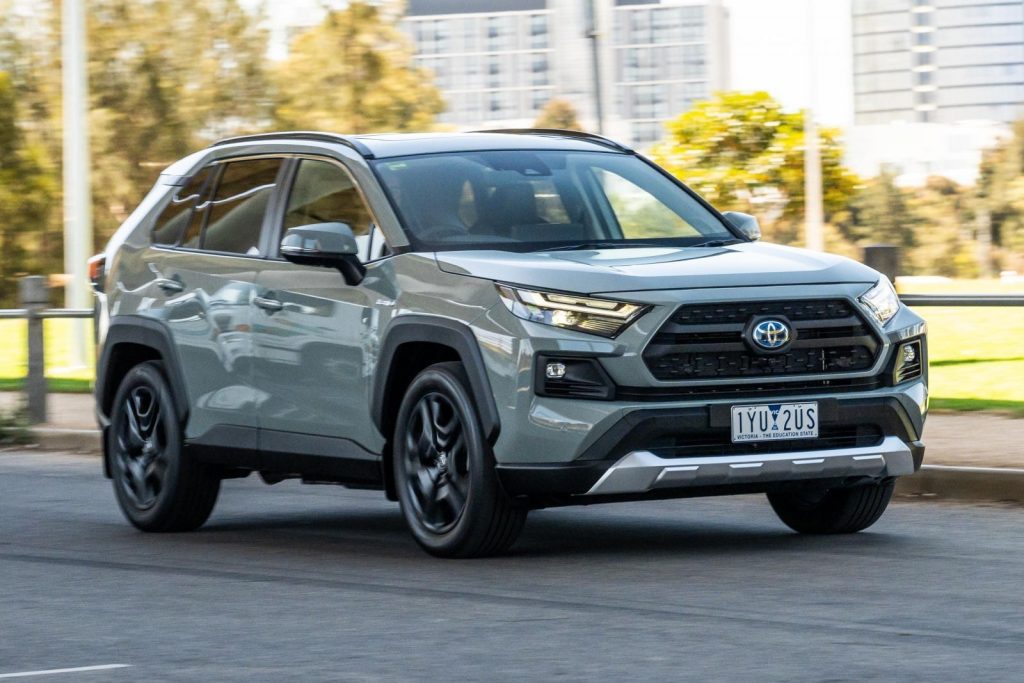
While no vehicle is immune to mechanical issues, the Toyota RAV4’s transmission track record demonstrates how disciplined engineering and conservative design choices result in fewer failures. For buyers prioritizing long-term dependability, it sets a benchmark many rivals struggle to match.
2. Honda CR-V
The Honda CR-V has built a strong reputation for overall reliability, and its transmission performance plays a significant role in that perception.
Unlike some rivals that introduced poorly developed gearboxes, Honda has taken a measured approach to transmission engineering in the CR-V, prioritizing smooth operation and durability over aggressive performance tuning.
In recent generations, Honda refined its continuously variable transmission (CVT) to address early industry-wide concerns about CVT longevity.
The CR-V’s CVT is designed with reinforced internal components and conservative torque handling, reducing strain during acceleration and sustained highway driving. Proper calibration ensures the transmission operates within safe limits rather than chasing rapid throttle response.
Thermal control is another key strength. Excessive heat is a common cause of CVT failure, but Honda’s system incorporates effective cooling strategies to maintain stable operating temperatures. This helps prevent belt slippage, fluid degradation, and internal wear issues that have plagued rival SUVs using less robust CVT designs.
The CR-V also benefits from predictable power delivery. The engine-transmission pairing avoids sudden torque spikes, which are known to accelerate transmission wear. This balanced setup contributes to long-term reliability, particularly for owners who keep their vehicles well beyond warranty coverage.
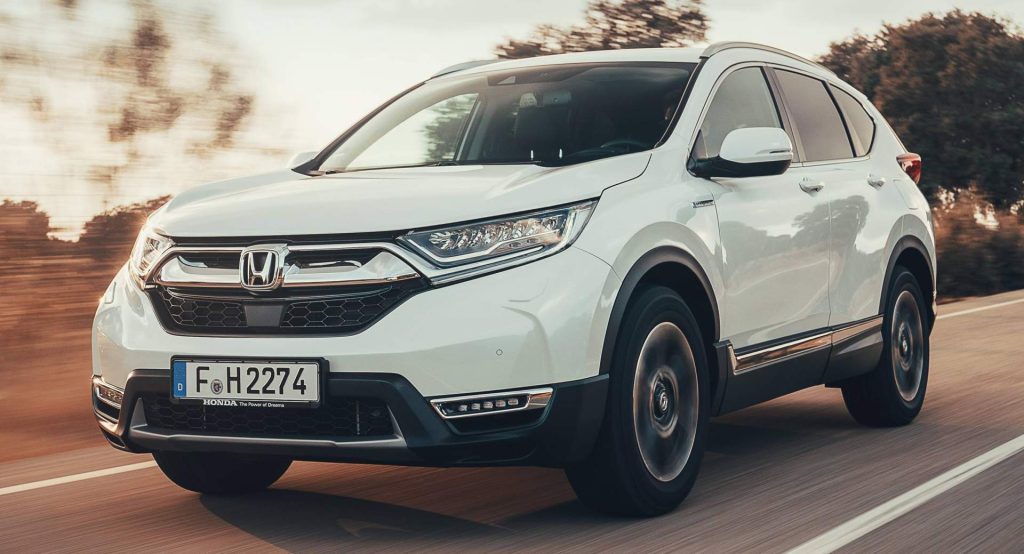
While Honda CVTs require proper maintenance, their failure rate in the CR-V remains lower than many rival SUVs that rushed CVT adoption without sufficient testing. As a result, the Honda CR-V continues to be a safer choice for buyers concerned about transmission longevity.
3. Lexus RX
The Lexus RX exemplifies how premium engineering and conservative design can deliver exceptional transmission reliability. Despite being positioned as a luxury SUV, the RX avoids experimental gearboxes in favor of proven automatic transmissions refined over multiple generations.
One of the RX’s greatest strengths is its traditional torque-converter automatic transmission. This design is inherently robust and well-suited for heavier vehicles like SUVs. Lexus focuses heavily on smoothness and longevity rather than aggressive shift behavior, reducing mechanical stress over time.
Transmission cooling and lubrication are meticulously engineered. Lexus employs high-quality materials and fluid management strategies that minimize internal wear. These systems are designed to perform consistently in a wide range of climates and driving conditions, including heavy traffic and long-distance cruising.
Another advantage lies in Lexus’ stringent quality control standards. Components undergo extensive testing before production, significantly reducing early-life failures. Many RX owners report trouble-free transmission performance well past 200,000 kilometers, reinforcing the model’s reputation for durability.
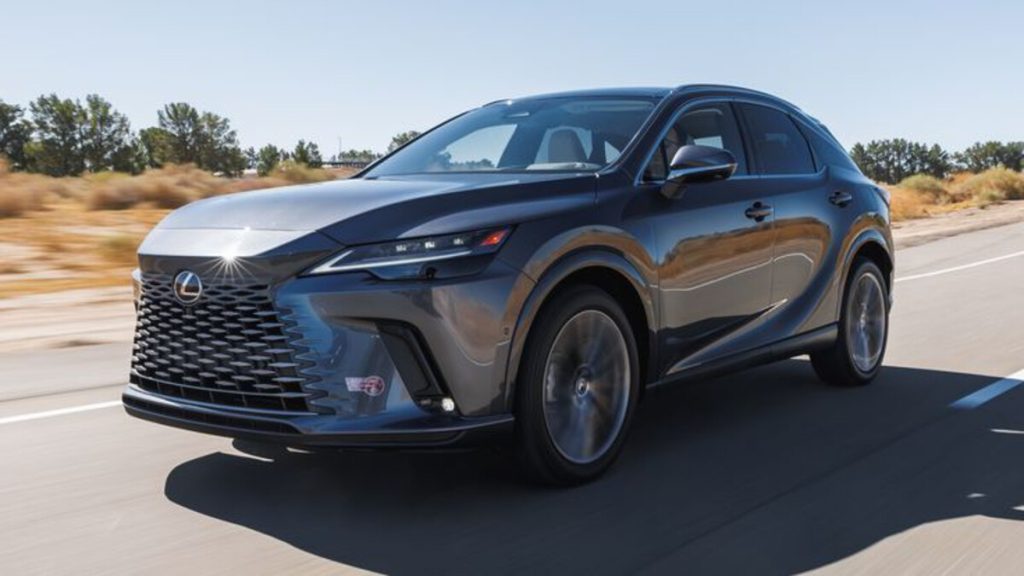
Unlike some rivals that integrate complex dual-clutch or multi-speed gearboxes, the Lexus RX sticks to a proven formula. This conservative approach may not generate headlines, but it consistently delivers fewer transmission-related complaints.
For buyers seeking peace of mind and long-term ownership stability, the RX remains one of the safest choices in the SUV segment.
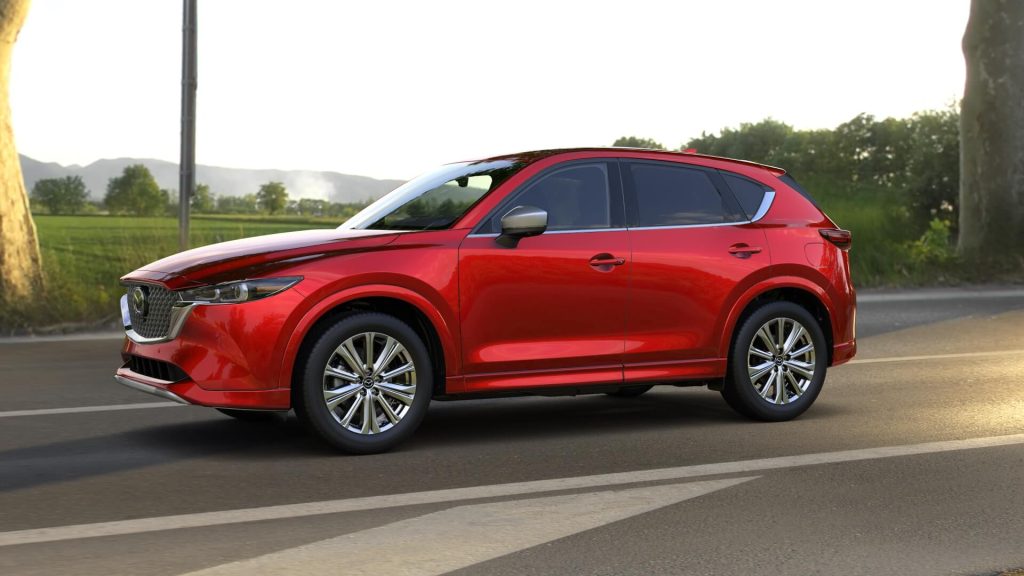
4. Mazda CX-5
The Mazda CX-5 has earned a reputation for reliability that extends well beyond styling and driving dynamics, particularly in the area of transmission durability. Mazda’s engineering philosophy favors simplicity and proven mechanical solutions, which plays a major role in the CX-5’s low incidence of transmission problems compared to many rivals.
A key advantage of the CX-5 is its use of a conventional torque-converter automatic transmission rather than a CVT or dual-clutch setup.
Mazda has refined this transmission over multiple generations, focusing on smooth, predictable shifts that reduce internal stress. By avoiding overly aggressive shift patterns, the transmission experiences less wear over time.
Mazda also places strong emphasis on engine-transmission harmony. The CX-5’s power output is well matched to the gearbox’s capacity, preventing torque overloads that can accelerate failure. This balance is especially important in everyday driving scenarios such as city traffic and highway cruising.
Cooling and fluid management further enhance reliability. Mazda’s transmission cooling systems are designed to maintain stable temperatures even in demanding conditions, reducing the risk of overheating and fluid breakdown. Many rival SUVs struggle in this area, particularly during prolonged stop-and-go driving.
Long-term ownership feedback consistently shows fewer major transmission repairs in the CX-5 compared to competitors that rely on more complex or less-tested designs. For buyers seeking a well-rounded SUV with dependable transmission performance, the Mazda CX-5 represents a strong and sensible choice.
5. Subaru Forester
The Subaru Forester stands out for combining all-wheel-drive capability with a relatively strong transmission reliability record. While Subaru primarily uses CVTs, its approach to engineering and calibration in the Forester has resulted in fewer widespread transmission failures compared to many rival SUVs.
One reason for this reliability is Subaru’s conservative tuning. The Forester’s CVT is designed to handle power delivery smoothly rather than aggressively. By limiting torque spikes and maintaining steady power flow, Subaru reduces stress on internal components a critical factor in CVT longevity.
Subaru also emphasizes thermal control. Effective cooling helps prevent overheating, one of the most common causes of CVT failure. This is particularly important in all-wheel-drive vehicles, where drivetrain components experience additional load.
Another contributing factor is Subaru’s consistency. Rather than frequently changing transmission designs, Subaru refines its CVT incrementally. This evolutionary approach allows known weaknesses to be addressed without introducing entirely new failure points.
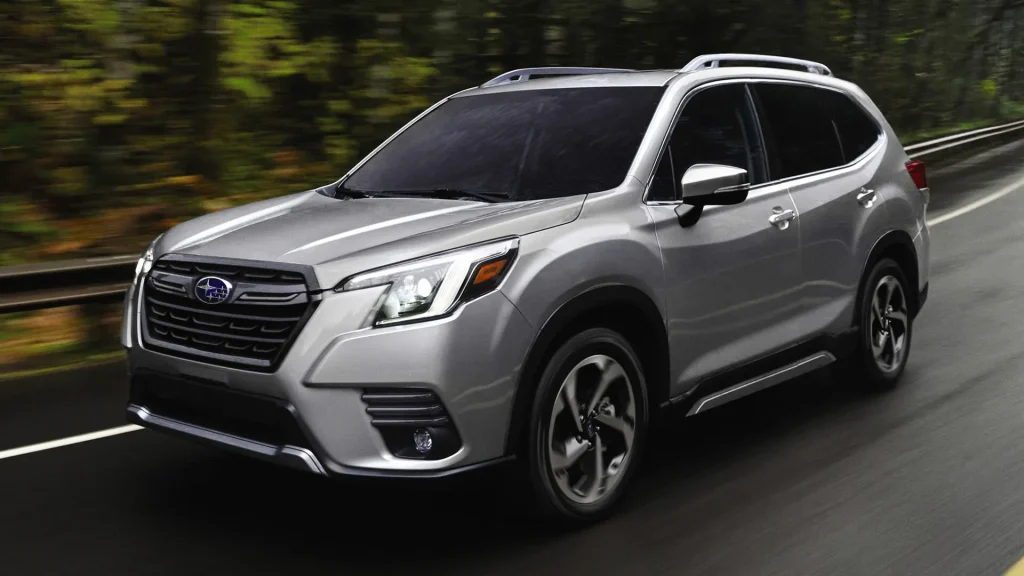
While no CVT is immune to issues, the Forester’s track record demonstrates that careful engineering and disciplined calibration can produce reliable results. Compared to rival SUVs that adopted CVTs without sufficient development, the Forester has proven to be a safer bet for transmission longevity.
With the five SUVs known for fewer transmission issues clearly established, the focus now shifts to rival SUVs that have developed reputations for transmission-related concerns. The next section examines why certain design choices and rushed innovations have led to higher failure rates.
5 Rival SUVs
Rival SUVs in this comparison are not inherently poor vehicles, nor are they unsafe or unusable. Many of them sell extremely well and offer attractive styling, strong performance, and advanced features.
However, where these models frequently fall short is in long-term transmission reliability. In many cases, ambitious engineering choices, aggressive tuning, or rushed adoption of new gearbox technologies have resulted in higher rates of transmission-related complaints.
Modern SUVs place enormous strain on transmissions. Increased vehicle weight, turbocharged engines with high torque output, and complex all-wheel-drive systems push gearboxes close to their mechanical limits.
When manufacturers prioritize responsiveness, fuel economy targets, or innovation over durability, transmissions often become the weak link.
A common issue among rival SUVs is the use of early-generation CVTs, dual-clutch transmissions, or overly complex multi-speed automatics without sufficient real-world validation.
While these systems may perform well when new, they can suffer from overheating, premature wear, software faults, and torque converter failures as mileage accumulates.
Another contributing factor is maintenance philosophy. Some rivals advertise “sealed for life” transmissions or vague service intervals, discouraging timely fluid changes. Over time, degraded transmission fluid leads to slipping, harsh shifting, and eventual failure often after warranty coverage has expired.
This section examines five rival SUVs that, while popular and capable in many respects, have developed higher-than-average transmission issue histories.
The goal is not to discredit these vehicles entirely, but to explain why their transmission designs and calibration choices make them riskier long-term ownership propositions compared to the SUVs discussed earlier.
1. Nissan Rogue
The Nissan Rogue is one of the best-selling compact SUVs in many markets, but it has also become one of the most frequently cited examples of transmission reliability concerns largely due to its long-standing use of continuously variable transmissions.
Nissan was an early and aggressive adopter of CVT technology, pairing it with engines that often produced more torque than early CVT designs could comfortably handle.
As a result, many Rogue owners have reported issues such as delayed acceleration, shuddering, overheating, and premature transmission failure sometimes well before high mileage.
One of the core problems lies in thermal management. CVTs are highly sensitive to heat, and early Rogue models struggled to maintain stable operating temperatures, especially in stop-and-go traffic or warm climates. Overheating accelerates fluid breakdown, which leads to belt slippage and internal wear.
Software calibration has also been a recurring concern. Abrupt throttle response and inconsistent shift logic place additional strain on CVT components. While later software updates improved drivability, they could not fully eliminate long-term wear patterns.
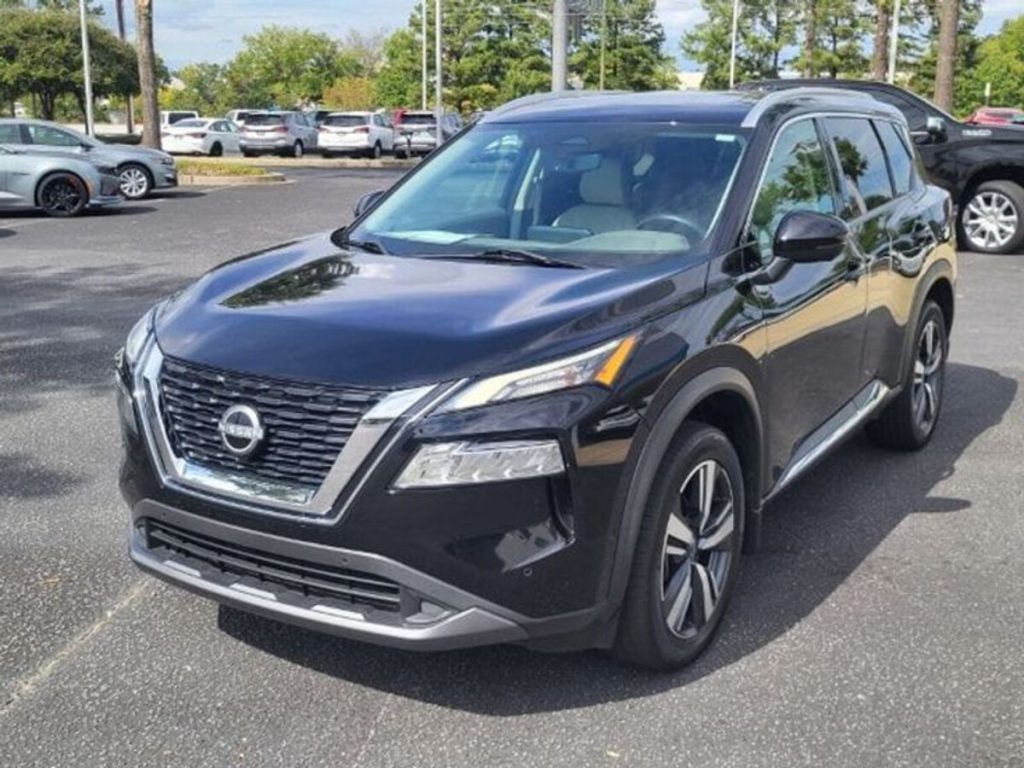
Although Nissan has made improvements in more recent iterations, the Rogue’s historical transmission reputation continues to affect buyer confidence.
Compared to SUVs using traditional automatic transmissions or conservatively tuned CVTs, the Rogue illustrates how early adoption and aggressive tuning can significantly impact long-term transmission reliability.
2. Ford Escape
The Ford Escape has gone through multiple generations and drivetrain strategies, but transmission reliability has remained one of its most persistent weaknesses.
While the Escape offers good driving dynamics and modern features, several of its transmission choices have resulted in higher-than-average long-term issues compared to more conservatively engineered rivals.
One major concern has been Ford’s use of complex automatic transmissions paired with turbocharged engines. In certain generations, aggressive shift programming prioritized fuel efficiency and responsiveness, leading to harsh gear changes and increased internal wear. Over time, this behavior accelerates clutch and torque converter degradation.
Software-related transmission issues have also been common. Owners have reported erratic shifting, hesitation during acceleration, and delayed gear engagement. While software updates addressed some symptoms, they often did not fully resolve the underlying mechanical stress being placed on transmission components.
Thermal management has further contributed to problems. Compact SUVs like the Escape are frequently driven in urban conditions, where stop-and-go traffic generates heat. Insufficient cooling in some Escape variants has led to overheating, which degrades transmission fluid and shortens service life.
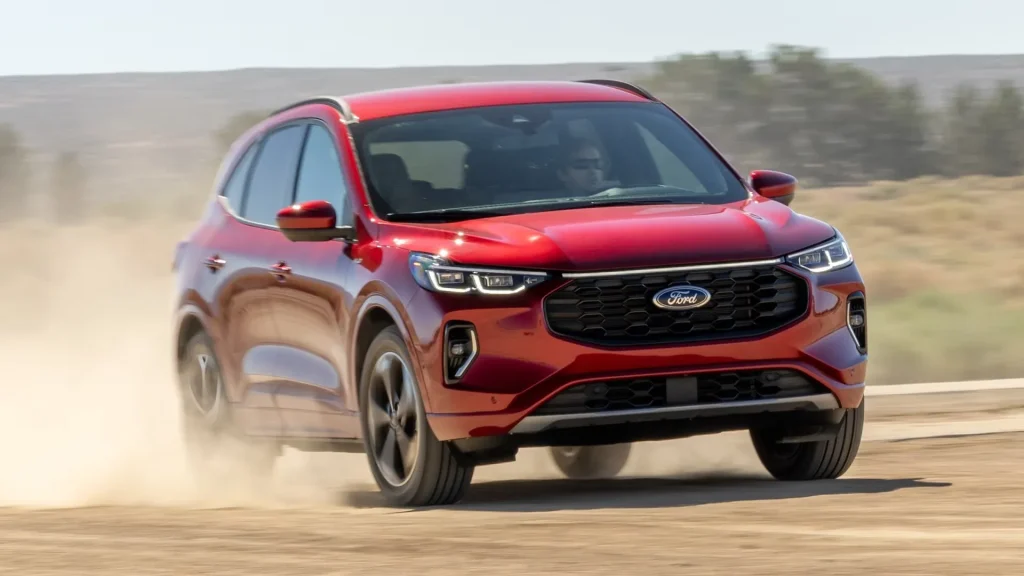
Ford has made improvements in recent models, but the Escape’s historical transmission concerns continue to affect long-term reliability perceptions.
When compared to SUVs that rely on simpler, well-tested automatic transmissions, the Escape demonstrates how complexity and aggressive tuning can increase the risk of costly transmission repairs.
3. Jeep Compass
The Jeep Compass appeals to buyers seeking rugged styling and brand identity, but its transmission reliability record has been inconsistent. Over multiple generations, the Compass has used a mix of manual, automatic, and CVT gearboxes some of which have struggled under real-world driving conditions.
A recurring issue has been the pairing of underpowered engines with transmissions that are forced to work harder than intended. This mismatch often leads to excessive shifting, heat buildup, and accelerated wear. In city driving, where frequent gear changes are required, these weaknesses become especially apparent.
CVT-equipped Compass models have drawn criticism for sluggish response, shuddering, and premature wear. As with many early CVT applications, heat management and torque handling proved challenging. Owners have reported loss of smoothness and reliability as mileage accumulates.
Even traditional automatic versions have not been immune to problems. Rough shifting, delayed engagement, and electronic control issues have been reported, often requiring costly repairs outside warranty coverage.
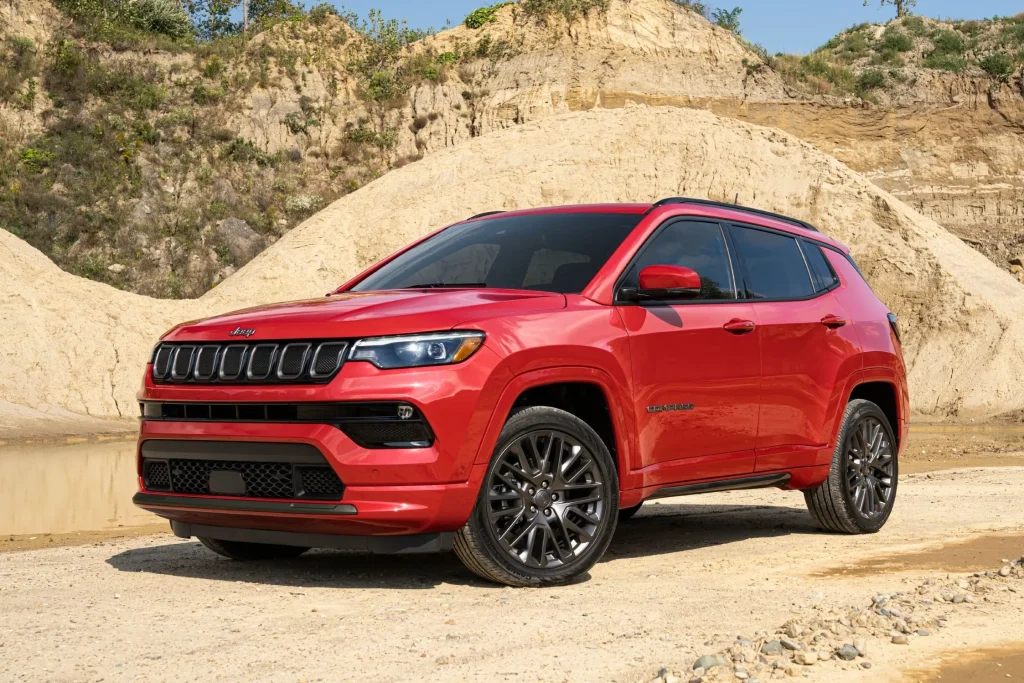
While the Compass delivers visual appeal and off-road branding, its transmission history illustrates how inconsistent engineering and drivetrain pairing can undermine long-term dependability. Compared to SUVs with proven, conservatively tuned transmissions, the Compass remains a riskier ownership proposition.
4. Chevrolet Equinox
The Chevrolet Equinox has been a strong seller in the compact SUV segment, offering comfort, technology, and competitive pricing. However, its transmission reliability record has been mixed, particularly in models equipped with more complex automatic gearbox setups.
Over time, these issues have placed the Equinox at a disadvantage compared to rivals using simpler, more proven transmission designs.
One of the Equinox’s main challenges has been inconsistent shift quality. Owners have reported hesitation, harsh gear changes, and delayed engagement symptoms often tied to aggressive fuel-economy-focused programming. While these calibrations may improve efficiency on paper, they increase stress on internal components during everyday driving.
Torque converter issues have also surfaced in some Equinox models. Shuddering at low speeds and vibration under light acceleration are common complaints, often requiring costly repairs or full transmission replacements once warranties expire. These problems tend to worsen over time as fluid degrades and internal wear accumulates.
Thermal management further contributes to long-term concerns. In urban driving, where frequent stop-and-go traffic is common, inadequate cooling can cause overheating. Heat accelerates fluid breakdown and compromises internal seals and clutches, reducing transmission lifespan.
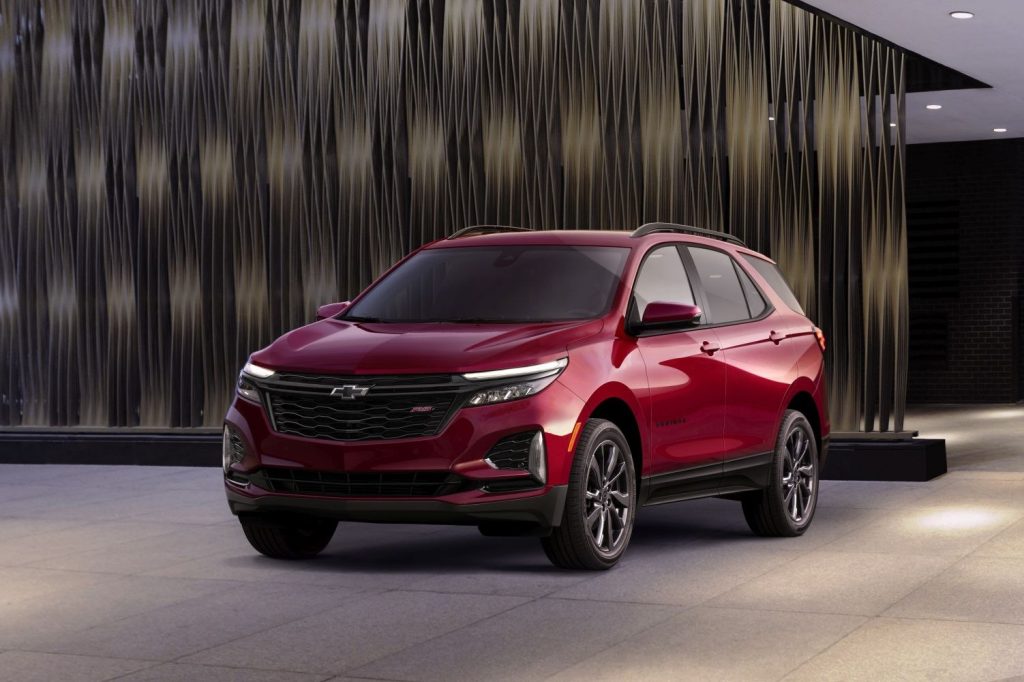
Although Chevrolet has addressed some issues in newer models through software updates and revised components, the Equinox’s transmission history continues to impact owner confidence.
Compared to SUVs engineered with conservative transmission strategies, the Equinox represents a higher-risk option for long-term ownership.
5. Volkswagen Tiguan
The Volkswagen Tiguan offers a refined driving experience and European design appeal, but its transmission reliability has been a recurring concern particularly due to its use of dual-clutch transmission technology in certain markets. While dual-clutch systems can deliver quick shifts and efficiency, they are far less forgiving in everyday SUV use.
One of the Tiguan’s primary issues is low-speed drivability. Dual-clutch transmissions are prone to hesitation, jerky engagement, and excessive clutch wear in stop-and-go traffic. SUVs like the Tiguan, which are frequently driven in urban conditions, expose these weaknesses more quickly than lighter vehicles.
Heat buildup is another major concern. Dual-clutch systems rely on precise thermal management, and sustained low-speed driving generates excess heat. Over time, this leads to premature clutch degradation and electronic control issues often resulting in expensive repairs.
Software complexity further compounds reliability risks. The Tiguan’s transmission relies heavily on electronic control units to manage clutch engagement and gear selection. When software calibration is imperfect, it accelerates mechanical wear and reduces long-term durability.
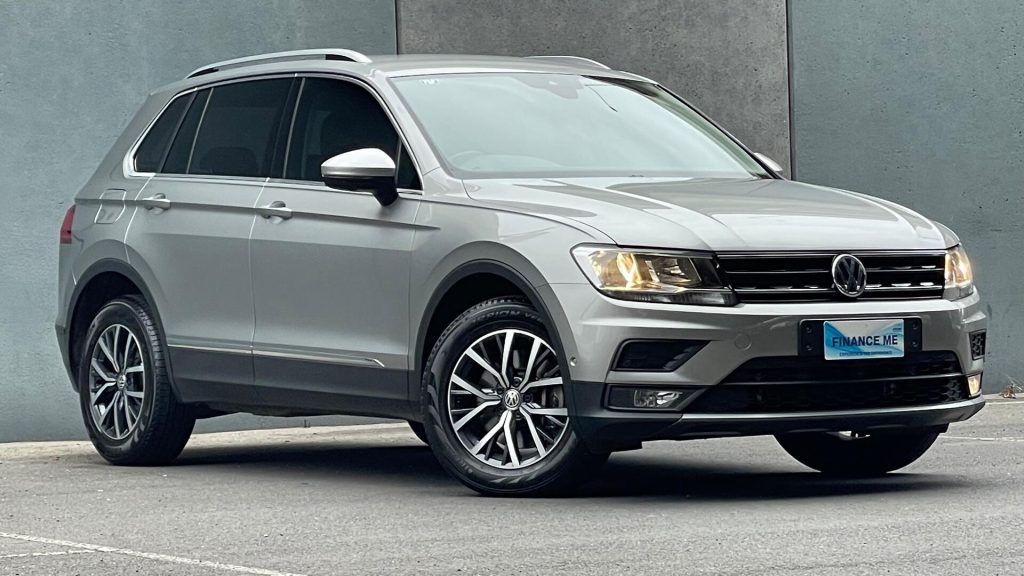
While the Tiguan delivers strong on-road performance and refinement, its transmission design prioritizes responsiveness over longevity. Compared to SUVs using traditional torque-converter automatics or conservatively tuned CVTs, the Tiguan presents higher long-term transmission risk for owners planning extended ownership.
With both sets of SUVs fully examined, the contrast in transmission reliability philosophies becomes clear. The final summary brings together these insights to explain why conservative engineering and proven gearbox designs consistently outperform experimental or aggressively tuned alternatives.
This comparison between five SUVs with fewer transmission issues and five rival SUVs highlights a crucial truth about long-term vehicle ownership: transmission reliability is largely determined by engineering philosophy, not brand popularity or feature count.
While many SUVs appear similar on the surface, the choices manufacturers make beneath the bodywork have a dramatic impact on durability and ownership costs.
SUVs such as the Toyota RAV4, Honda CR-V, Lexus RX, Mazda CX-5, and Subaru Forester benefit from conservative, well-tested transmission strategies. These vehicles rely on proven torque-converter automatics or carefully tuned CVTs that operate well within their mechanical limits.
Rather than chasing aggressive performance or marginal efficiency gains, these manufacturers focus on smooth power delivery, effective cooling, and long-term stability. As a result, owners experience fewer issues like slipping, overheating, delayed shifts, or premature failures even at higher mileages.
In contrast, rival SUVs such as the Nissan Rogue, Ford Escape, Jeep Compass, Chevrolet Equinox, and Volkswagen Tiguan illustrate the risks of ambitious transmission design.
Early adoption of underdeveloped CVTs, complex dual-clutch systems, or aggressively programmed automatics often led to increased heat buildup, inconsistent shift behavior, and accelerated wear.
Many of these problems appear only after warranty coverage expires, turning what initially seems like a minor issue into a major financial burden.
Another recurring theme is maintenance philosophy. Reliable SUVs typically encourage clear service intervals and manageable fluid maintenance, helping preserve transmission health over time.
Rivals that promote “sealed” transmissions or rely heavily on software fixes often mask underlying mechanical stress, allowing wear to progress unnoticed until failure occurs.
Importantly, this comparison does not suggest that rival SUVs are unusable or poorly built overall. Many offer strong performance, modern technology, and appealing design.
However, for buyers planning to keep their vehicles long-term, transmission reliability becomes a decisive factor that outweighs short-term advantages like acceleration or infotainment features.
The key takeaway is simple: durability favors restraint. SUVs engineered with proven components, conservative calibration, and robust cooling systems consistently outperform rivals that prioritize innovation over longevity.
For consumers seeking peace of mind, predictable ownership costs, and vehicles that age gracefully, choosing an SUV with a strong transmission track record is one of the smartest long-term decisions they can make.
In a segment where transmission failure can cost thousands, understanding these differences is not just helpful it’s essential.
Also Read: 5 Minivans That Are More Practical Than 5 Three-Row Crossovers
