
For years, premium hybrids have been marketed as the smartest blend of innovation and efficiency combining electric assistance with the familiarity of gasoline engines while offering upscale interiors and advanced features.
At the same time, affordable electric vehicles were often dismissed as compromises: limited range, basic cabins, and technology that lagged behind more expensive alternatives. That narrative, however, is rapidly becoming outdated.
As electric vehicle development accelerates, technology has become one of the areas where affordable EVs now excel. Software-driven platforms, over-the-air updates, digital dashboards, advanced driver-assistance systems, and seamless smartphone integration are increasingly standard in budget-friendly EVs.
Meanwhile, many premium hybrids remain anchored to legacy vehicle architectures that limit how modern their technology can truly be.
The core reason for this shift lies in design philosophy. EVs are built around centralized computing systems that control infotainment, safety features, battery management, and even vehicle behavior through software.
This allows manufacturers to update features remotely, improve performance over time, and integrate digital ecosystems far more deeply. Premium hybrids, despite higher price tags, often rely on fragmented systems stitched onto traditional platforms originally designed for internal combustion engines.
This article exists to highlight that price no longer dictates technological leadership. By comparing five affordable electric vehicles with five premium hybrids, the focus shifts from luxury branding to actual user-facing technology.
The comparison is not about build quality or driving feel alone, but about screens, software intelligence, connectivity, driver aids, and how future-ready each vehicle truly is.
For buyers who value technology, whether that means intuitive infotainment, smart safety systems, or continuous updates, this distinction matters. In many cases, affordable EVs now deliver more advanced, cohesive tech experiences than premium hybrids costing significantly more.
Also Read: 5 Cars for Athens (GA) College & City Life vs 5 Students Should Avoid
5 Affordable EVs That Deliver Better Tech
Affordable electric vehicles have become some of the most technology-forward cars on the road, not despite their lower prices, but because of how they are engineered.
Unlike hybrids that must accommodate both electric and combustion systems, EVs are designed from the ground up around digital control. This allows manufacturers to prioritize software, connectivity, and user experience in ways hybrids often cannot.
One of the most important advantages affordable EVs offer is software integration. Centralized operating systems control everything from infotainment and navigation to energy management and driver assistance. These systems are frequently updated over the air, meaning features improve over time without dealership visits. Premium hybrids, by contrast, often rely on static software that ages quickly.
Display technology is another area where EVs shine. Large touchscreens, customizable digital instrument clusters, and responsive interfaces are now common even in lower-priced EVs. Voice assistants, cloud-based navigation, and real-time energy data give drivers a level of insight rarely matched by hybrid systems.
Advanced driver-assistance technology has also become more accessible in EVs. Features such as adaptive cruise control, lane centering, automated parking, and traffic-aware navigation are often standard or well-integrated, rather than optional add-ons.
This section focuses on five affordable EVs that demonstrate how technology leadership has shifted. Each example explains why these vehicles deliver superior tech experiences compared to many premium hybrids highlighting software design, digital features, and long-term upgradability rather than luxury branding.
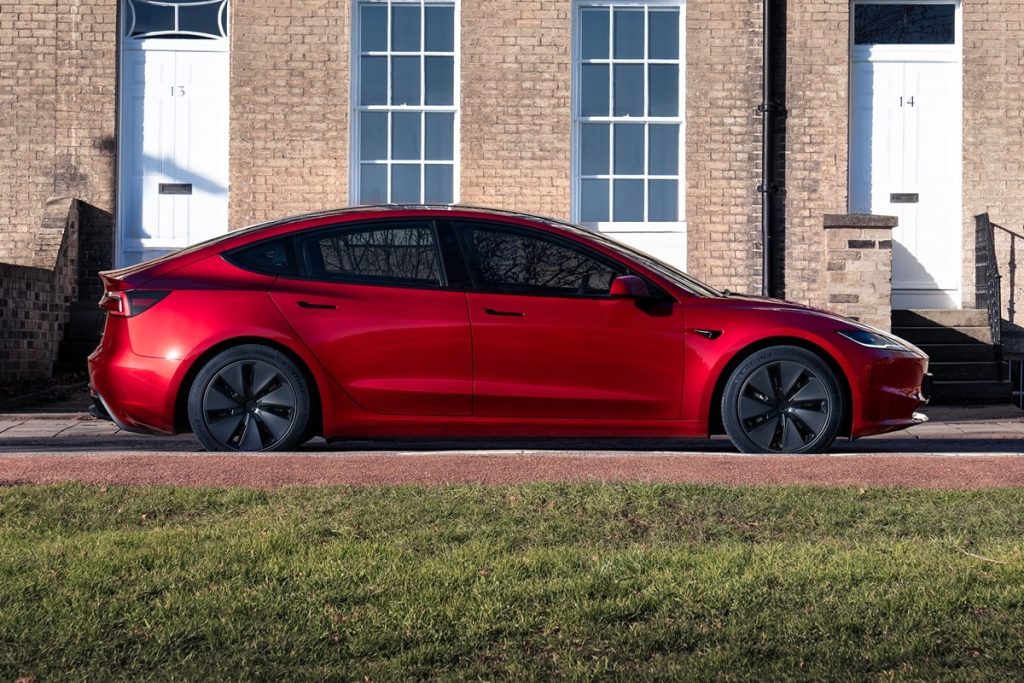
1. Tesla Model 3
The Tesla Model 3 is often cited as the benchmark for modern automotive technology, and its influence extends far beyond its price category. Despite being positioned as one of the most affordable EVs in its segment, it delivers a level of digital integration and software intelligence that many premium hybrids simply cannot match.
At the core of the Model 3’s tech advantage is its centralized software architecture. Nearly all vehicle functions navigation, climate control, driver assistance, energy management, and entertainment, are controlled through a unified operating system.
This results in a seamless user experience where features work together rather than feeling fragmented. Premium hybrids, built on older platforms, often struggle to achieve this level of cohesion.
Over-the-air updates are another defining strength. Tesla routinely improves functionality long after purchase, adding features, refining driver assistance, and optimizing efficiency. This makes the Model 3 feel current years into ownership, while many premium hybrids become technologically stagnant soon after launch.
The infotainment system itself is fast, intuitive, and highly responsive. A large touchscreen replaces traditional buttons, offering real-time traffic-aware navigation, streaming services, gaming, and smartphone integration without relying heavily on external devices.
Driver-assistance technology is deeply integrated rather than bolted on. Adaptive cruise control, lane centering, and traffic-aware systems operate smoothly within the broader software ecosystem, creating a more natural driving experience.
When compared directly with premium hybrids that emphasize materials over digital intelligence, the Tesla Model 3 shows how an affordable EV can deliver a more advanced, future-proof technology experience.
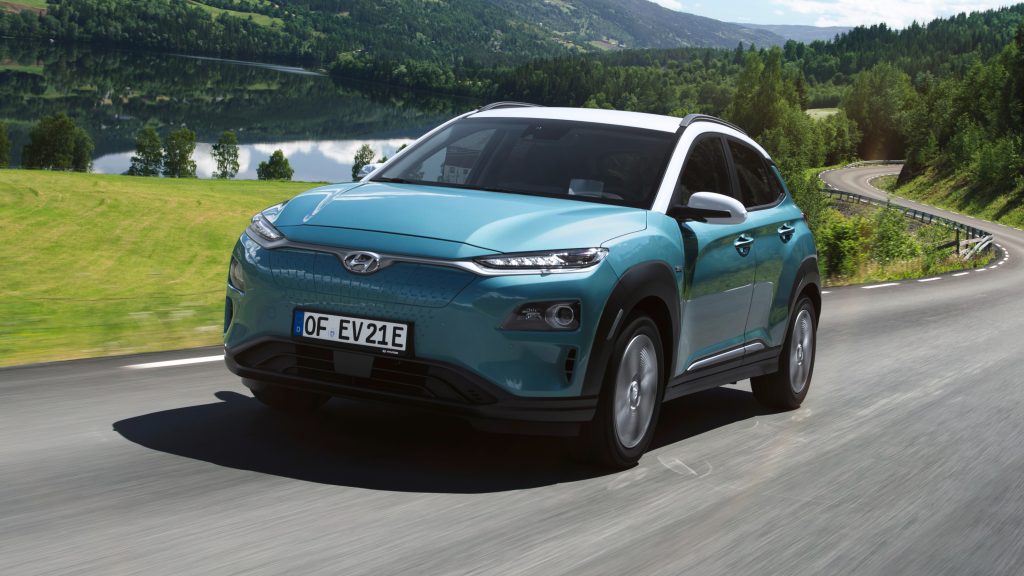
2. Hyundai Kona Electric
The Hyundai Kona Electric proves that advanced automotive technology does not require a luxury badge or a premium price tag. Positioned as an affordable EV, it delivers a surprisingly comprehensive and polished tech experience that often surpasses what many premium hybrids offer.
One of the Kona Electric’s strongest advantages lies in its digital cockpit. Unlike premium hybrids that may still rely on partially analog clusters, the Kona Electric features a fully digital instrument display paired with a high-resolution infotainment touchscreen.
The system presents real-time energy usage, range prediction, regenerative braking status, and navigation data in a clear and customizable format, giving drivers deeper insight into vehicle operation.
Hyundai’s infotainment software is another highlight. The interface is intuitive, responsive, and well-integrated with smartphone ecosystems. Wireless connectivity, voice commands, and cloud-based navigation updates ensure the system remains modern over time.
Premium hybrids often feature more complex menus layered over older software foundations, resulting in slower response times and less cohesive user experiences.
Advanced driver-assistance systems are also well executed. Adaptive cruise control, lane-following assist, blind-spot monitoring, and forward collision avoidance work seamlessly together. These systems feel predictive rather than reactive, a result of careful calibration and strong sensor integration.
Remote vehicle management further strengthens the Kona Electric’s tech appeal. Owners can monitor charging status, pre-condition the cabin, and manage vehicle settings through mobile apps features that are often limited or less refined in premium hybrids.
By prioritizing software, connectivity, and usability, the Hyundai Kona Electric demonstrates how an affordable EV can deliver a more modern and intuitive tech experience than many higher-priced hybrid rivals.
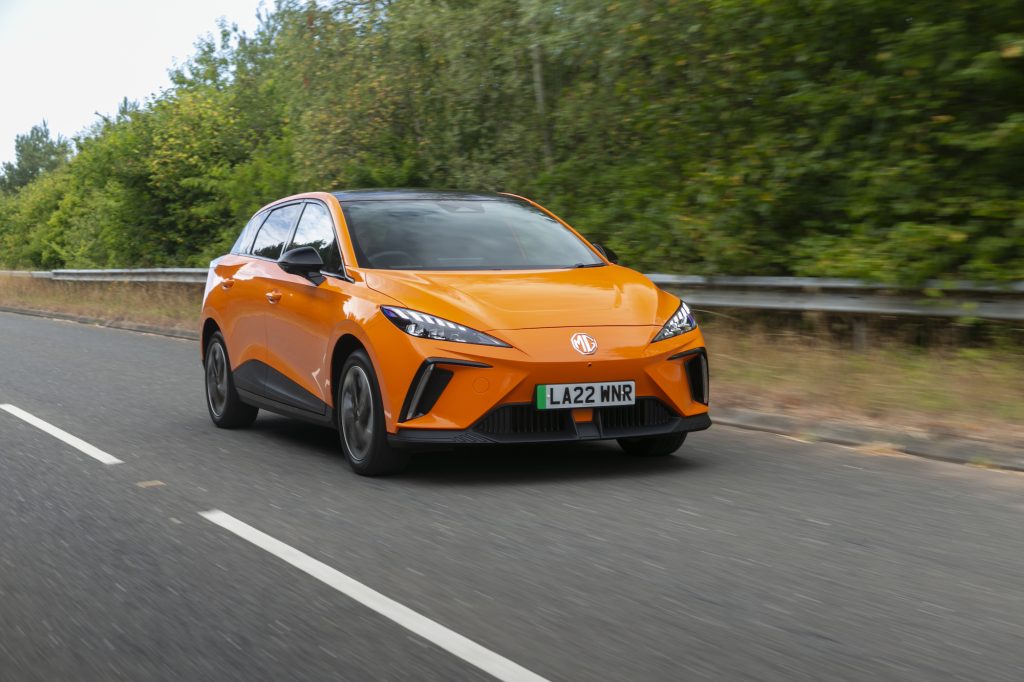
3. MG4 EV
The MG4 EV represents a new generation of affordable electric vehicles that place technology at the center of the ownership experience. Despite its competitive pricing, the MG4 delivers a digital and connected interface that challenges and often exceeds the tech offerings found in premium hybrids.
One of the MG4’s standout features is its dual-screen layout, combining a digital driver display with a large central infotainment touchscreen.
The system emphasizes clarity and speed, presenting essential driving and energy information without unnecessary complexity. Premium hybrids frequently rely on legacy layouts that mix analog and digital elements, resulting in less cohesive interfaces.
Software integration is another area where the MG4 excels. Navigation, vehicle settings, energy management, and driver-assistance features are unified under a single operating system. This allows for smoother interaction between systems, reducing lag and improving responsiveness compared to hybrid platforms built around combustion-era electronics.
The MG4 also supports over-the-air software updates, ensuring that performance improvements and feature enhancements can be delivered remotely. This capability is still rare among premium hybrids, many of which require dealership visits for even minor updates.
Driver-assistance technology is impressively comprehensive for the price. Lane centering, adaptive cruise control, traffic sign recognition, and collision avoidance systems work together to create a semi-automated driving experience that feels current and confidence-inspiring.
The MG4 EV illustrates how affordable EVs can leapfrog premium hybrids by embracing modern software-first design, delivering a tech experience that feels genuinely future-ready rather than adapted from older vehicle architectures.
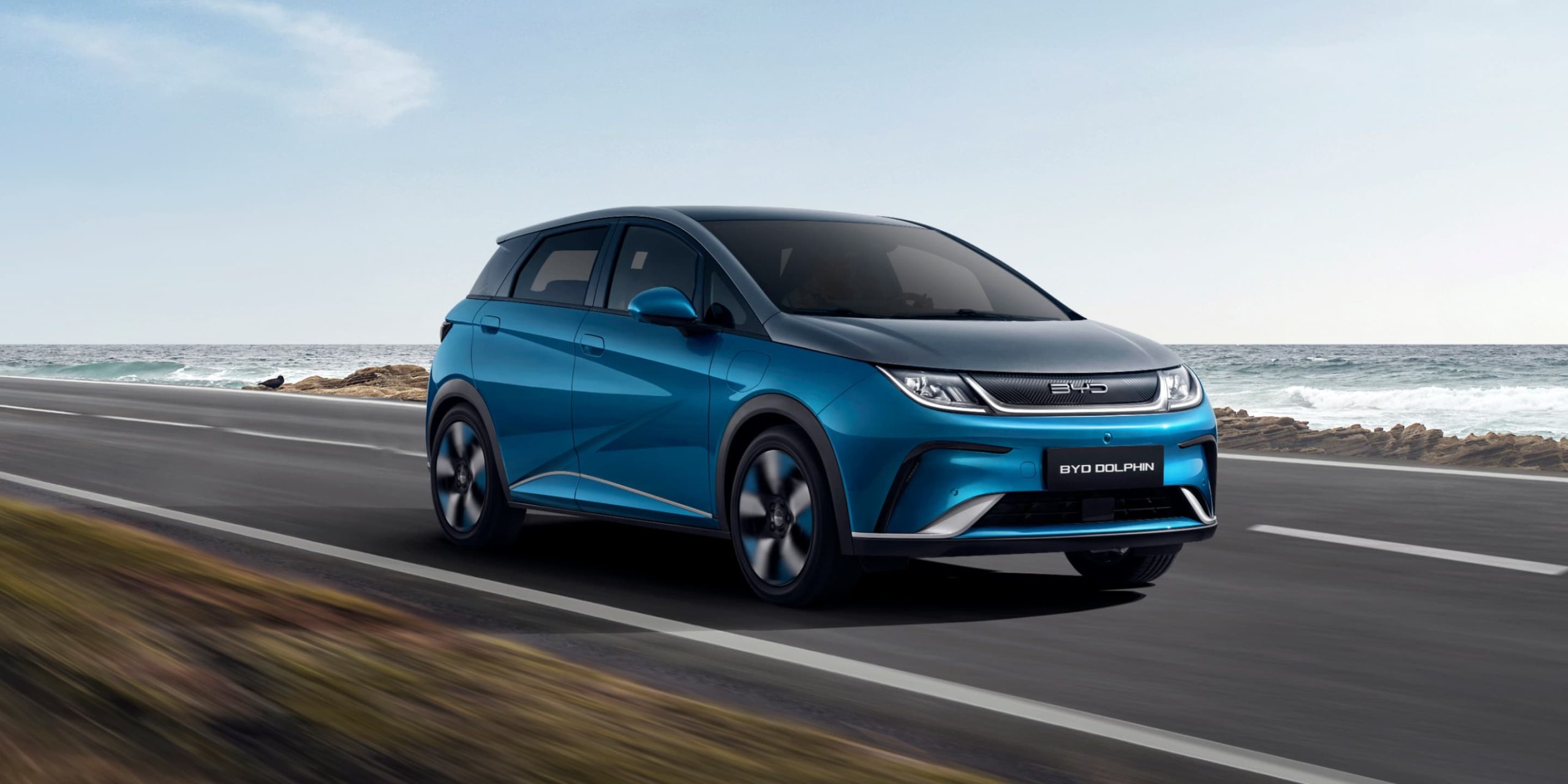
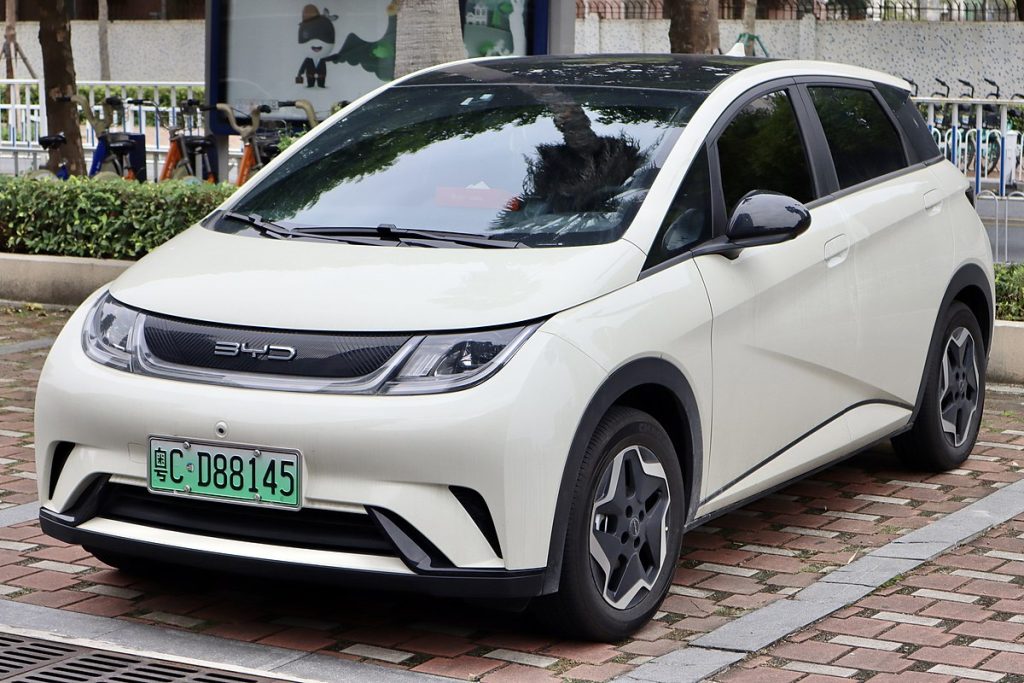
4. BYD Dolphin
The BYD Dolphin is a clear example of how affordable EVs are redefining what buyers should expect from in-car technology. Despite its accessible pricing, the Dolphin delivers a tech-forward experience that often outclasses premium hybrids still tied to older electrical and software architectures.
One of the Dolphin’s most notable features is its rotating infotainment display, which allows drivers to switch between landscape and portrait orientations.
This flexibility enhances usability for navigation, media, and vehicle settings, offering a level of interface customization rarely seen in hybrids, regardless of price. The screen itself is sharp, responsive, and designed around touch-first interaction.
BYD’s software ecosystem is deeply integrated. Vehicle settings, battery management, driver assistance, and infotainment are controlled through a unified interface rather than fragmented menus.
This results in smoother operation and faster response times compared to premium hybrids that often rely on multiple suppliers and legacy systems.
The digital instrument cluster complements the central display with real-time energy data, range predictions, and driver-assistance visuals. This level of transparency gives drivers a clearer understanding of vehicle behavior something many hybrids still fail to deliver cleanly.
Advanced driver-assistance systems are also well implemented. Adaptive cruise control, lane-keeping assist, and intelligent speed recognition work cohesively rather than independently. These systems are tuned for everyday usability, not just compliance with feature checklists.
By emphasizing screen quality, software cohesion, and future-ready design, the BYD Dolphin proves that advanced vehicle technology is no longer exclusive to premium pricing tiers.
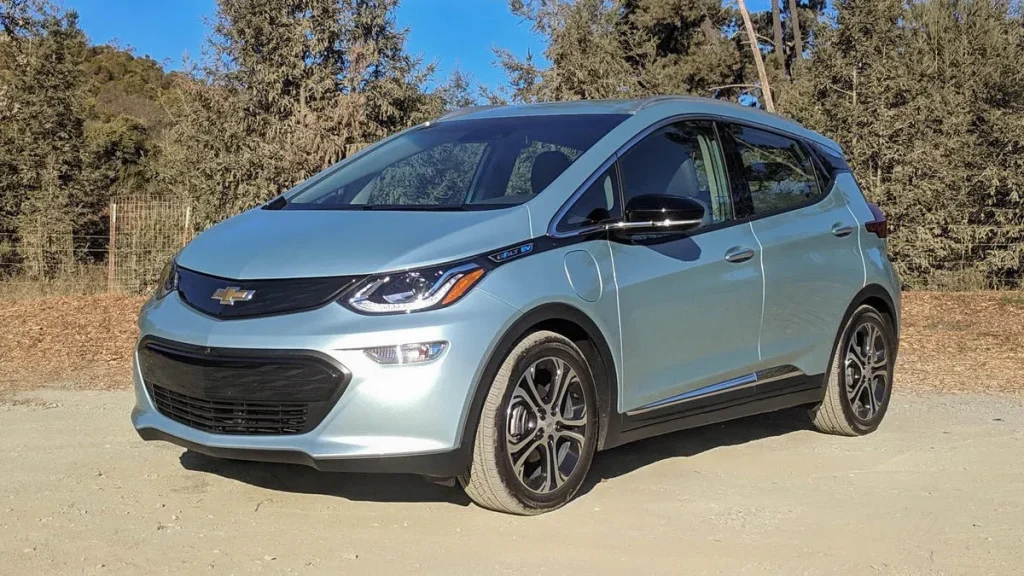
5. Chevrolet Bolt EV
The Chevrolet Bolt EV remains one of the most technologically efficient affordable EVs, especially when viewed through the lens of user-focused software and digital functionality. While its design may be understated, its tech execution consistently exceeds what many premium hybrids offer.
At the core of the Bolt EV’s appeal is its clear, data-rich digital interface. The infotainment system provides real-time energy consumption, charging analytics, and route-based range estimates in a way that is easy to understand and genuinely useful. Premium hybrids often obscure this information or distribute it across multiple menus.
Smartphone integration is another area where the Bolt EV excels. Wireless connectivity, responsive touch controls, and voice command support create a seamless digital experience. Unlike many hybrids that rely heavily on physical buttons and outdated menus, the Bolt’s interface feels modern and intuitive.
Driver-assistance features are well integrated rather than superficial. Adaptive cruise control, lane departure warnings, and automatic emergency braking work smoothly together, reinforcing safety without overwhelming the driver. These systems feel purpose-built rather than retrofitted.
Remote vehicle features add further tech value. Owners can monitor charging, schedule climate pre-conditioning, and check vehicle status through mobile apps capabilities that remain inconsistent or limited in many premium hybrids.
The Chevrolet Bolt EV demonstrates that meaningful technology is not about luxury branding, but about how effectively software, displays, and systems work together. In this regard, it often surpasses premium hybrids that cost significantly more.
With the five affordable EVs clearly established as leaders in technology integration, the focus now shifts to premium hybrids. The next section explains why, despite their higher prices and luxury positioning, many hybrids struggle to match the software sophistication and future-readiness of modern EVs.
5 Premium Hybrids
Premium hybrids are often positioned as the technological middle ground offering electric efficiency without the compromises of full electrification, wrapped in upscale materials and brand prestige.
Buyers are frequently led to believe that higher prices automatically translate into superior technology. In reality, many premium hybrids struggle to deliver truly modern tech experiences because they are built on legacy internal-combustion platforms that limit software integration.
The core challenge premium hybrids face is architectural. Hybrid systems must coordinate engines, electric motors, batteries, and transmissions simultaneously. This complexity often forces manufacturers to prioritize mechanical harmony over digital innovation.
As a result, infotainment systems, driver assistance, and connectivity are frequently added as separate layers rather than integrated into a unified software ecosystem.
Another limitation is update capability. While affordable EVs increasingly rely on over-the-air updates to improve features and performance, many premium hybrids still depend on dealership visits for software revisions if updates are offered at all. This means technology ages quickly, even in vehicles with high purchase prices.
Display design is also revealing. Many premium hybrids still use smaller screens, outdated graphics, and slow interfaces because their electrical systems were not originally designed to support high-bandwidth digital environments. In contrast, EVs are built around screens and software from day one.
This section focuses on five premium hybrids that, despite their refinement and pricing, illustrate why technology leadership has shifted toward electric vehicles.
These models are not included because they are poor vehicles, but because they demonstrate how hybrid complexity and legacy design prevent them from matching the cohesive, future-ready tech found in affordable EVs.
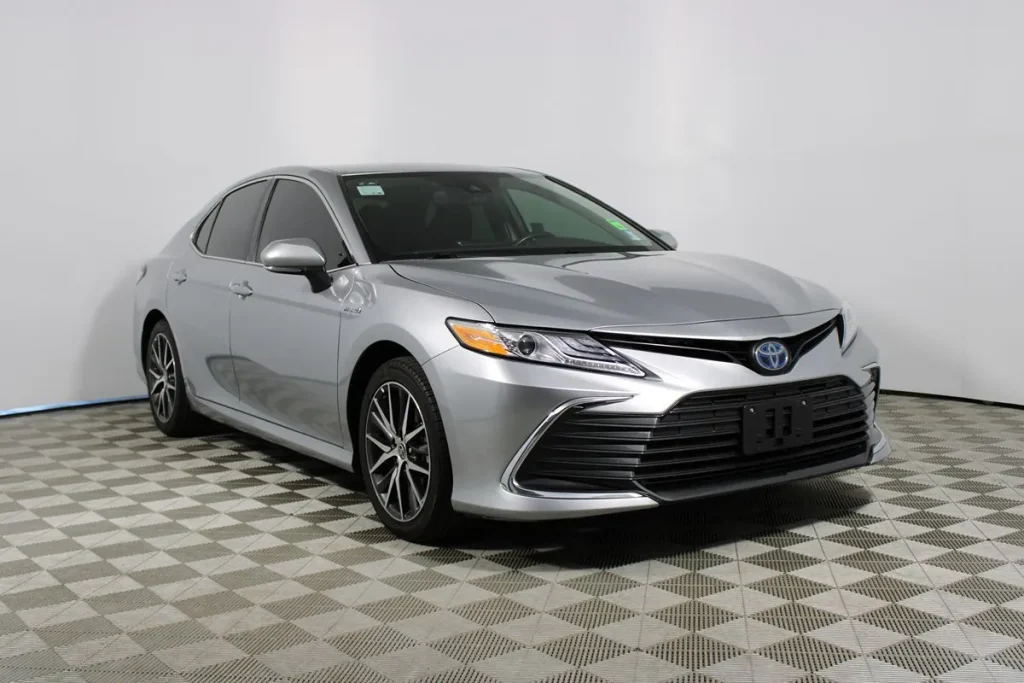
1. Toyota Camry Hybrid
The Toyota Camry Hybrid is widely respected for its efficiency, comfort, and long-term reliability. However, when evaluated purely on technology, it highlights how premium hybrids can fall behind affordable EVs in digital capability and future readiness.
The Camry Hybrid’s infotainment system is functional but conservative. Screen size, interface speed, and menu structure feel dated compared to modern EV platforms. While the system handles navigation and media adequately, it lacks the fluid responsiveness and deep integration seen in EVs built around centralized software.
Driver-assistance features are present, but they operate more as standalone safety layers than as part of a cohesive digital ecosystem. Adaptive cruise control and lane assistance function reliably, yet they lack the smooth, predictive behavior delivered by EV-based systems that continuously learn and update.
Software updates are another limitation. Improvements typically require dealership visits, and feature expansion over time is minimal. In contrast, affordable EVs regularly gain enhancements remotely, extending the technological lifespan of the vehicle.
The hybrid powertrain itself adds complexity that restricts digital transparency. Energy flow information is often simplified or buried within menus, preventing drivers from fully understanding or optimizing vehicle behavior.
While the Camry Hybrid excels in dependability and efficiency, it demonstrates how premium hybrids can feel technologically static compared to affordable EVs that evolve continuously through software.
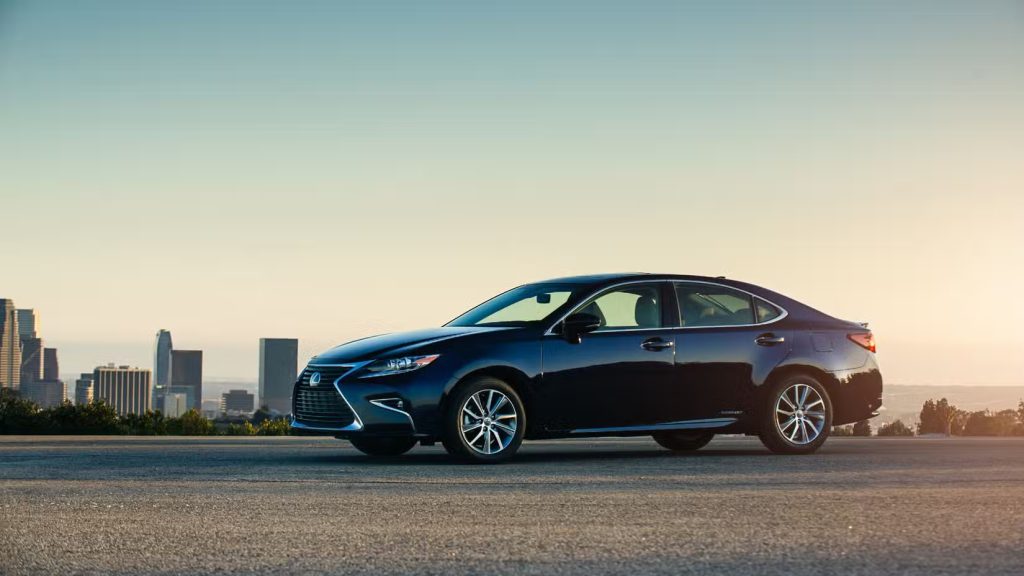
2. Lexus ES Hybrid
The Lexus ES Hybrid represents the luxury side of hybrid technology, offering refinement, comfort, and brand prestige. However, when technology is examined beyond materials and ride quality, the ES Hybrid illustrates why premium hybrids often struggle to match the digital sophistication of affordable EVs.
The infotainment system is a key weakness. Despite its upscale positioning, the ES Hybrid relies on an interface that feels overly complex and slow to respond.
Menu navigation can be unintuitive, and the system lacks the fluid, touch-first design found in modern EV platforms. Affordable EVs prioritize software responsiveness, while the ES Hybrid still reflects legacy control philosophies.
Digital integration is also limited. While the vehicle offers a digital instrument cluster, customization is restricted, and real-time energy data is simplified rather than deeply informative. EVs provide drivers with detailed insights into efficiency, charging behavior, and energy usage features that remain underdeveloped in the ES Hybrid.
Driver-assistance systems are competent but conservative. Adaptive cruise control and lane guidance function reliably, yet they lack the smooth predictive behavior and continuous improvement enabled by software-driven EV systems. These features feel static rather than evolving.
Over-the-air update capability is minimal. Any system improvements typically require dealer involvement, meaning the vehicle’s technology remains largely unchanged throughout ownership. In contrast, affordable EVs gain new features and refinements remotely.
The Lexus ES Hybrid excels in comfort and build quality, but from a technology standpoint, it demonstrates how premium pricing does not guarantee digital leadership in today’s market.
3. Volvo XC60 Recharge
The Volvo XC60 Recharge combines Scandinavian design with hybrid efficiency, positioning itself as a tech-forward premium SUV. However, its hybrid foundation limits how seamlessly technology is integrated compared to software-first electric vehicles.
While the XC60 Recharge features a modern touchscreen, responsiveness and system cohesion can lag behind EV standards. Hybrid system management, infotainment, and driver-assistance functions often feel compartmentalized rather than unified under a single software ecosystem.
The vehicle’s reliance on multiple control modules introduces complexity. Updates are slower to deploy, and improvements are incremental rather than transformative. Affordable EVs benefit from centralized computing systems that allow for faster, broader software enhancements.
Driver-assistance technology is present and well-intentioned, but calibration can feel cautious. Systems intervene conservatively, sometimes abruptly, rather than smoothly adapting to traffic conditions. EV-based platforms often deliver more natural assistance due to tighter software integration.

Energy monitoring also lacks depth. While the XC60 Recharge provides basic hybrid performance data, it does not offer the level of real-time analytics and customization found in affordable EVs that place energy transparency at the center of the user experience.
The XC60 Recharge remains an appealing luxury vehicle, but it highlights how hybrid complexity can prevent premium models from achieving the cohesive, future-ready technology experiences delivered by many affordable EVs.
4. BMW 330e
The BMW 330e plug-in hybrid blends performance with electrification, appealing to buyers who want driving engagement alongside efficiency.
However, when technology is evaluated from a user-experience and future-readiness perspective, the 330e demonstrates why many premium hybrids struggle to keep pace with affordable EVs.
BMW’s infotainment system is visually polished, but its complexity works against it. Menus are layered and feature-dense, making simple tasks require more interaction than necessary. Affordable EVs often prioritize simplicity and speed, resulting in more intuitive interfaces that feel modern rather than overwhelming.
Software integration is another limitation. The 330e must coordinate combustion, electric drive, battery management, and performance systems simultaneously. This leads to compartmentalized digital experiences, where vehicle settings, energy data, and driver assistance operate in separate silos rather than as a cohesive whole.
Over-the-air updates are available, but their scope is limited. Most updates focus on minor refinements rather than adding meaningful new functionality. In contrast, affordable EVs frequently receive feature upgrades, interface improvements, and performance optimizations remotely.
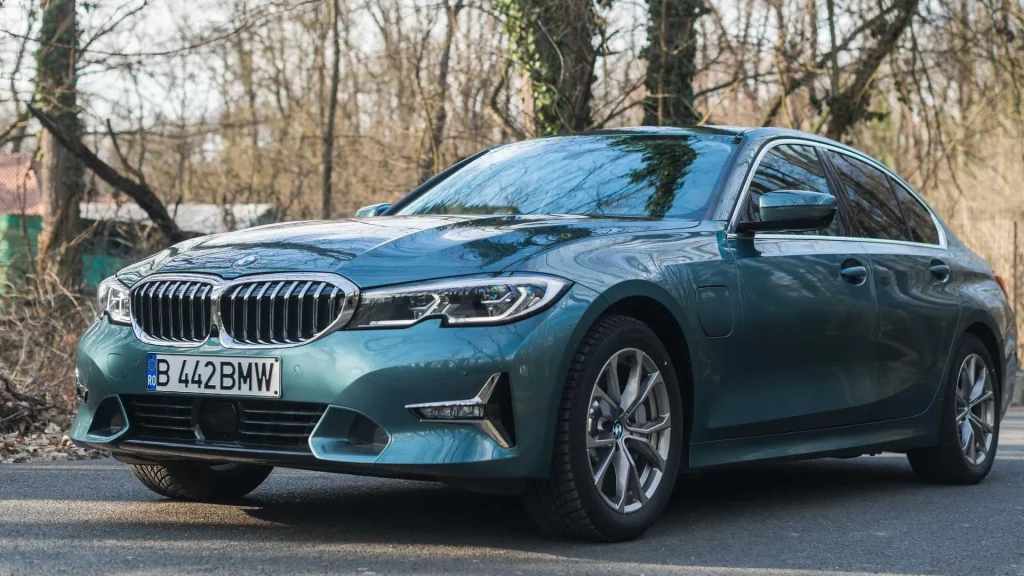
Driver-assistance features are capable but conservative. Systems work well individually, yet they lack the seamless coordination and predictive behavior common in EV-first platforms. The experience feels fixed in time rather than continuously evolving.
The BMW 330e excels in driving dynamics, but its technology reflects the constraints of hybrid architecture highlighting how affordable EVs often deliver more advanced and future-proof digital ecosystems.
5. Toyota RAV4 Hybrid
The Toyota RAV4 Hybrid is one of the most popular premium hybrids, valued for reliability, efficiency, and practicality. However, its technology execution underscores why higher pricing does not always equate to a superior tech experience.
The infotainment system is functional but conservative. Screen resolution, interface responsiveness, and visual design lag behind modern EV standards. While the system performs basic tasks reliably, it lacks the fluidity and customization found in affordable EVs built around digital-first design.
Driver-assistance technology is dependable but static. Adaptive cruise control and lane guidance operate within narrow parameters and receive limited post-purchase enhancements. Affordable EVs, by contrast, benefit from continuous software improvement that refines these systems over time.
Energy management transparency is also limited. The RAV4 Hybrid simplifies power flow data, offering less insight into efficiency optimization. EVs provide detailed, real-time analytics that empower drivers to actively engage with energy usage.
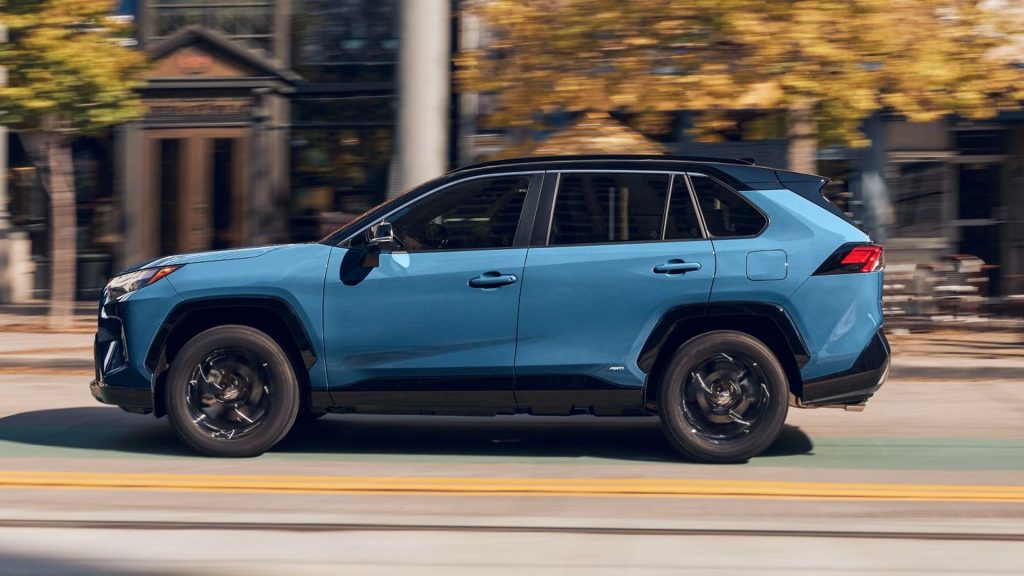
Software update capability remains constrained. Most improvements require dealership visits, and feature expansion is rare. This contrasts sharply with affordable EVs that evolve digitally throughout ownership.
The RAV4 Hybrid remains a sensible and dependable choice, but from a technology standpoint, it illustrates how hybrid platforms struggle to match the cohesive, software-driven experiences now common in affordable EVs.
With both affordable EVs and premium hybrids fully examined, the contrast in technological philosophy becomes unmistakable. The final summary will bring together these insights to explain why electric vehicles regardless of price, are increasingly leading the automotive technology race.
