
In recent years, budget SUVs have surged in popularity, often marketed as safer alternatives to traditional sedans simply because they sit higher off the ground. For many buyers, especially families, this perception has become a deciding factor.
However, when safety is evaluated using real-world data, crash dynamics, and engineering fundamentals, the reality is far more nuanced.
Vehicle height alone does not guarantee protection, and in many cases, well-engineered family sedans outperform budget SUVs in critical safety areas.
Family sedans benefit from a lower center of gravity, better weight distribution, and more predictable handling. These characteristics significantly reduce rollover risk, which remains one of the most dangerous types of crashes.
Budget SUVs, particularly entry-level models built to meet aggressive price targets, often sacrifice structural rigidity, tire quality, and advanced safety calibration to keep costs low. As a result, their higher ride height can actually increase instability during emergency maneuvers.
Another key factor is safety technology. Family sedans in the mid-range segment frequently receive advanced driver-assistance systems earlier than budget SUVs.
Features such as automatic emergency braking, lane-keeping assistance, blind-spot monitoring, and adaptive cruise control are often standard or better optimized in sedans designed for daily commuting and highway use. Budget SUVs may advertise these features, but implementation quality varies widely.
This article exists to challenge assumptions. Rather than relying on body style stereotypes, it compares five proven family sedans with five popular budget SUVs to highlight where true safety advantages lie.
The focus is not on dismissing SUVs altogether but on demonstrating how often-overlooked sedans consistently deliver superior crash protection, stability, and driver confidence for families who prioritise safety over trends.
Also Read: 5 Cars for Athens (GA) College & City Life vs 5 Students Should Avoid
5 Family Sedans That Are Safer
Family sedans are engineered with stability, predictability, and crash protection at their core. Unlike budget SUVs that must balance height, weight, and affordability, sedans benefit from decades of refinement focused on keeping occupants secure during real-world driving scenarios.
Their lower ride height, wider stance, and balanced chassis design allow safety systems to operate more effectively, especially during sudden braking or evasive maneuvers.
One of the most significant safety advantages sedans offer is a reduced risk of rollover. Rollover crashes are disproportionately deadly, and vehicles with higher centers of gravity, such as SUVs are more susceptible.
Family sedans maintain consistent tire contact with the road, improving traction and control when drivers must react quickly to hazards.
Structural design also plays a crucial role. Family sedans often feature stronger passenger safety cells, optimized crumple zones, and lower-impact points aligned with other vehicles on the road. Budget SUVs, particularly those built on cost-optimized platforms, may lack the same level of structural refinement due to weight and pricing constraints.
Additionally, safety technology tends to mature faster in sedans. Since sedans dominate commuter and highway driving, manufacturers often tune driver-assistance systems more precisely for these conditions. This leads to smoother, more reliable intervention from features like automatic braking and lane centering.
The following five family sedans were selected because they consistently demonstrate superior safety performance through design, handling, and technology.
Each example explains why sedans can be safer choices than budget SUVs not just in tests, but in everyday driving situations where safety truly matters.
1. Toyota Camry
The Toyota Camry has long been a benchmark for family transportation, and its reputation for safety is built on more than just brand trust. The Camry’s engineering prioritizes stability, predictable handling, and occupant protection areas where it frequently outperforms budget SUVs in real-world driving scenarios.
One of the Camry’s strongest safety advantages is its low center of gravity. This design dramatically reduces the likelihood of rollovers, a risk that budget SUVs face more often due to their taller profiles. During emergency maneuvers such as sudden lane changes or obstacle avoidance, the Camry remains composed and planted, allowing the driver to maintain control.
The Camry’s structure is engineered around a rigid passenger safety cell surrounded by carefully designed crumple zones.
In frontal and side impacts, this helps absorb and redirect crash forces away from occupants. Budget SUVs, especially those built to hit low price points, may lack the same level of structural refinement or material quality.
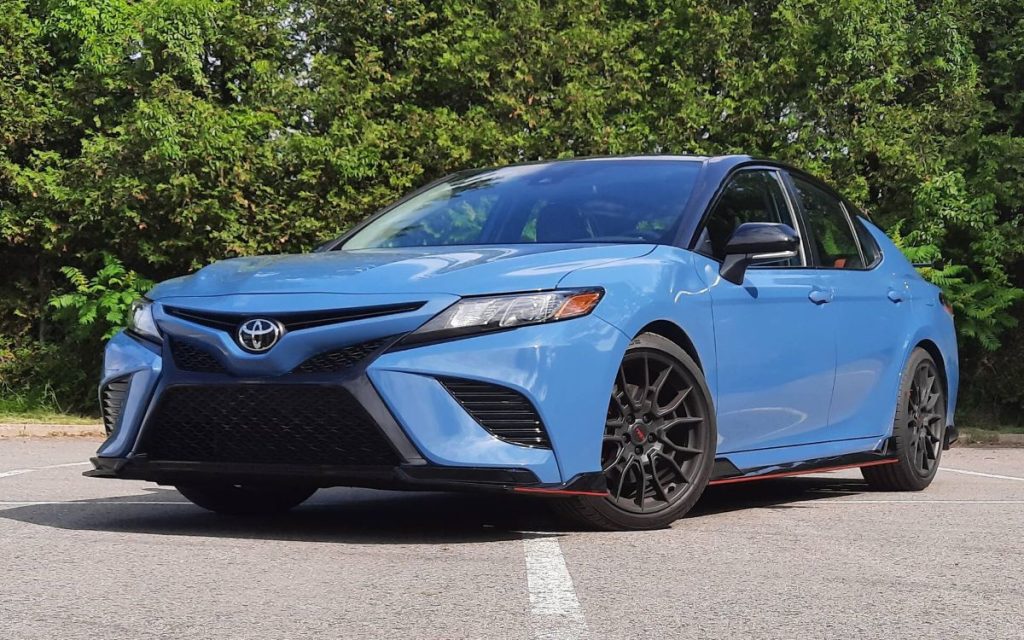
Advanced safety technology is another reason the Camry stands out. Toyota equips it with a comprehensive suite of driver-assistance features as standard, including collision avoidance, lane guidance, and adaptive cruise control. These systems are finely tuned for highway and urban driving, where families spend most of their time.
By combining stability-focused design, proven structural integrity, and well-integrated safety technology, the Toyota Camry demonstrates why a well-engineered family sedan can be safer than many budget SUVs that rely more on perceived safety than actual performance.
2. Honda Accord
The Honda Accord has earned its reputation as one of the safest family sedans through a combination of intelligent engineering, excellent handling, and consistently strong crash performance. While budget SUVs often rely on ride height to convey safety, the Accord delivers protection through balance, control, and structural integrity.
A major safety advantage of the Accord is its exceptional stability at speed. Its low center of gravity and wide track allow it to maintain composure during sudden braking or evasive steering inputs.
In real-world scenarios such as highway merging or avoiding obstacles, this stability plays a critical role in preventing accidents altogether. Budget SUVs, with taller bodies and softer suspension tuning, are more prone to body roll and loss of traction in similar situations.
The Accord’s structural design further enhances occupant protection. Honda uses high-strength steel in key areas to create a rigid safety cell, while optimized crumple zones manage crash energy efficiently. This approach helps reduce the forces transmitted to passengers during impacts, particularly in frontal and side collisions.
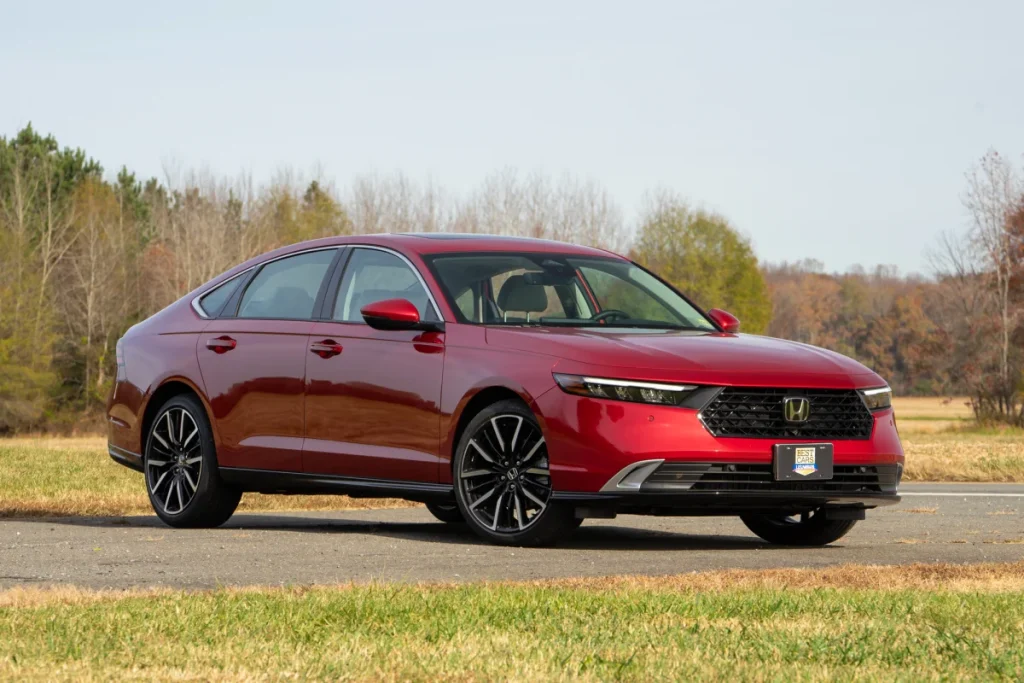
Advanced driver-assistance systems are another area where the Accord excels. Features such as collision mitigation braking, lane-keeping assist, and road departure mitigation are typically standard. These systems are finely calibrated for daily driving conditions, offering consistent and predictable intervention rather than abrupt or intrusive corrections.
By focusing on accident avoidance as much as crash protection, the Honda Accord demonstrates why family sedans often deliver superior real-world safety compared to budget SUVs that prioritize styling and perceived toughness over balanced engineering.
3. Subaru Legacy
The Subaru Legacy stands out among family sedans for its comprehensive approach to safety, blending stability-focused design with advanced technology. Unlike many budget SUVs that offer all-wheel drive as an optional feature, the Legacy includes it as standard, enhancing traction without sacrificing sedan-level stability.
One of the Legacy’s most significant safety strengths is its symmetrical all-wheel-drive system paired with a low center of gravity.
This combination improves grip in poor weather conditions while maintaining predictable handling. Budget SUVs may offer AWD, but their taller profiles often reduce the effectiveness of stability systems during emergency maneuvers.
Subaru’s structural philosophy further enhances the Legacy’s safety credentials. The car is built around a reinforced passenger compartment designed to absorb and redirect crash energy. This approach is particularly effective in side impacts, where lower vehicle height and stronger door structures improve occupant protection.
The Legacy is also known for its advanced driver-assistance technology. Subaru’s safety suite includes features such as pre-collision braking, lane centering, adaptive cruise control, and driver monitoring. These systems work cohesively to reduce driver fatigue and prevent accidents before they occur.
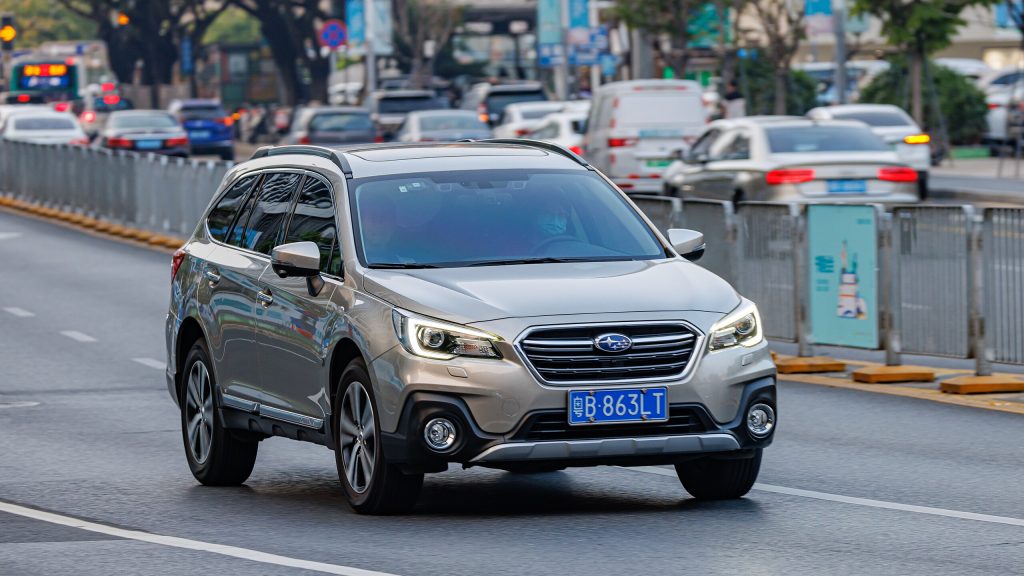
By combining standard all-wheel drive with sedan-level stability and advanced safety technology, the Subaru Legacy proves that family sedans can offer superior protection without resorting to SUV height or bulk. It is a strong example of safety achieved through engineering rather than perception.
4. Hyundai Sonata
The Hyundai Sonata has evolved into one of the most safety-focused family sedans in its segment, offering a combination of strong structural engineering and advanced safety technology that often exceeds what is found in budget SUVs.
Rather than relying on size or height for protection, the Sonata prioritizes accident prevention and occupant safety through intelligent design.
One of the Sonata’s key safety advantages is its balanced chassis and low center of gravity. This allows for confident handling during sudden maneuvers, reducing the likelihood of loss of control.
Budget SUVs, especially entry-level models, often exhibit more body roll and slower responses during emergency steering, increasing accident risk.
Hyundai’s use of high-strength steel in the Sonata’s structure improves crash performance by creating a rigid safety cage around occupants. Carefully designed crumple zones absorb impact energy efficiently, particularly in frontal and side collisions.
This level of structural refinement is not always present in cost-focused SUVs, where materials may be compromised to meet pricing targets.
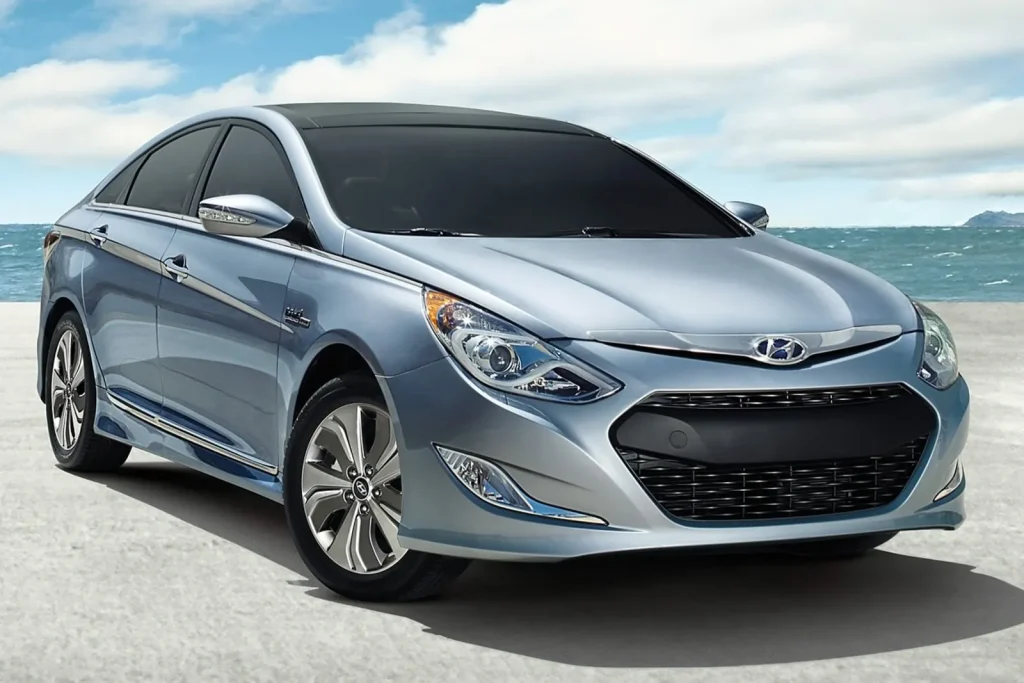
Advanced driver-assistance features are another area where the Sonata excels. Systems such as forward collision avoidance, lane-keeping assist, blind-spot monitoring, and safe exit warning are widely available and well-integrated. These technologies help prevent accidents before they happen, a critical factor in real-world safety.
The Hyundai Sonata demonstrates how modern family sedans can deliver high levels of safety through stability, structure, and technology often outperforming budget SUVs that rely more on perceived security than actual protective capability.
5. Mazda6
The Mazda6 represents a more driver-focused approach to family sedan safety, emphasizing precise handling and driver engagement as key components of accident avoidance. While budget SUVs may appear safer due to their size, the Mazda6 shows how control and responsiveness play a greater role in real-world protection.
One of the Mazda6’s strongest safety attributes is its exceptional steering and chassis tuning. The vehicle responds quickly and predictably to driver inputs, allowing for smooth corrections during sudden braking or evasive maneuvers. Budget SUVs, with their taller suspension setups, often feel less controlled in similar situations.
Structural safety is another strength. Mazda engineers the Mazda6 with a reinforced passenger compartment and strategically placed impact-absorbing materials. This design helps protect occupants during collisions while maintaining a lighter overall structure that benefits handling and braking.
Safety technology in the Mazda6 is thoughtfully implemented rather than overwhelming. Features such as automatic emergency braking, lane departure warning, adaptive cruise control, and driver attention monitoring work seamlessly in the background, supporting the driver without distraction.
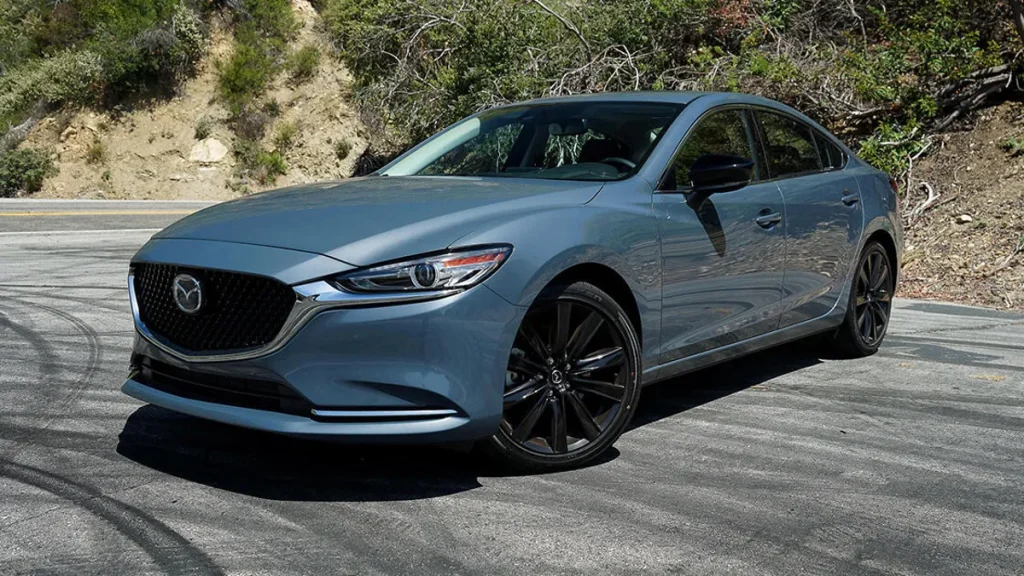
By prioritizing driver control, structural integrity, and intelligent safety systems, the Mazda6 reinforces why family sedans remain safer choices than many budget SUVs particularly for families who value stability and predictable behavior in everyday driving.
With the safety strengths of family sedans clearly established, the focus now shifts to budget SUVs. The next section explains why, despite their popularity and perceived toughness, many entry-level SUVs fall short of sedans in critical safety areas.
5 Budget SUVs
Budget SUVs have become increasingly popular due to their elevated seating position, rugged styling, and marketing that emphasizes safety through size. For many families, the idea of sitting higher above the road creates a sense of confidence and protection.
However, when safety is evaluated objectively through vehicle dynamics, crash physics, and real-world accident scenarios, budget SUVs often reveal important shortcomings.
A key issue with many entry-level SUVs is their high center of gravity. While height improves visibility, it also increases rollover risk, particularly during sudden steering inputs or collision avoidance maneuvers.
Rollovers remain among the most severe and deadly types of crashes, and vehicles with taller profiles are inherently more vulnerable. Family sedans, by contrast, maintain stability through lower ride heights and wider stances.
Cost constraints further impact safety. Budget SUVs are often built to meet aggressive price targets, which can limit the use of advanced materials, sophisticated suspension tuning, and high-quality tires.
As a result, braking performance, crash energy management, and electronic stability systems may not perform as effectively as those in well-engineered sedans.
Safety technology availability is another concern. While many budget SUVs advertise advanced features, these systems are often optional or less refined. Calibration quality matters, and poorly tuned driver-assistance systems can be inconsistent or overly intrusive, reducing driver trust.
This section examines five popular budget SUVs not to dismiss their usefulness, but to explain why their design priorities often place them at a safety disadvantage compared to family sedans. Understanding these limitations helps buyers make decisions based on actual protection rather than perceived security.
1. Hyundai Creta
The Hyundai Creta is one of the most popular budget SUVs in many markets, valued for its compact size, modern styling, and accessible pricing. While it serves well as a practical urban vehicle, its safety profile reveals several compromises when compared to well-engineered family sedans.
One of the Creta’s primary safety limitations is its elevated center of gravity. Although not tall by SUV standards, it is still significantly higher than a sedan, increasing susceptibility to body roll during emergency maneuvers. In sudden lane changes or obstacle avoidance scenarios, this can reduce stability and driver control.
Structural considerations also play a role. Budget SUVs like the Creta are designed to meet cost targets, which can affect material choices and structural reinforcement.
While they meet regulatory requirements, they may lack the robust crash energy management found in mid-range family sedans that prioritize occupant protection.
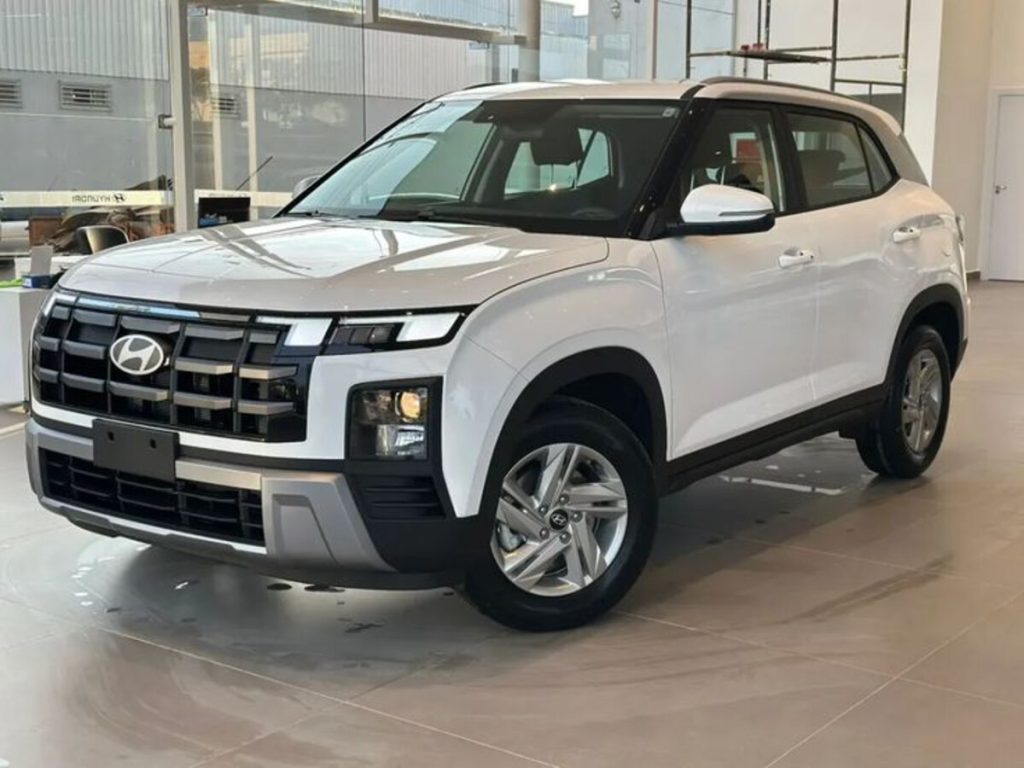
Braking performance is another area where sedans often hold an advantage. Heavier weight combined with higher ride height can result in longer stopping distances compared to lighter, lower sedans. In real-world driving, this difference can be critical in avoiding collisions.
The Creta offers safety features such as electronic stability control and driver aids, but these systems cannot fully compensate for the physical limitations imposed by vehicle height and weight distribution. This makes the Creta a clear example of why budget SUVs often provide a false sense of safety when compared to properly engineered family sedans.
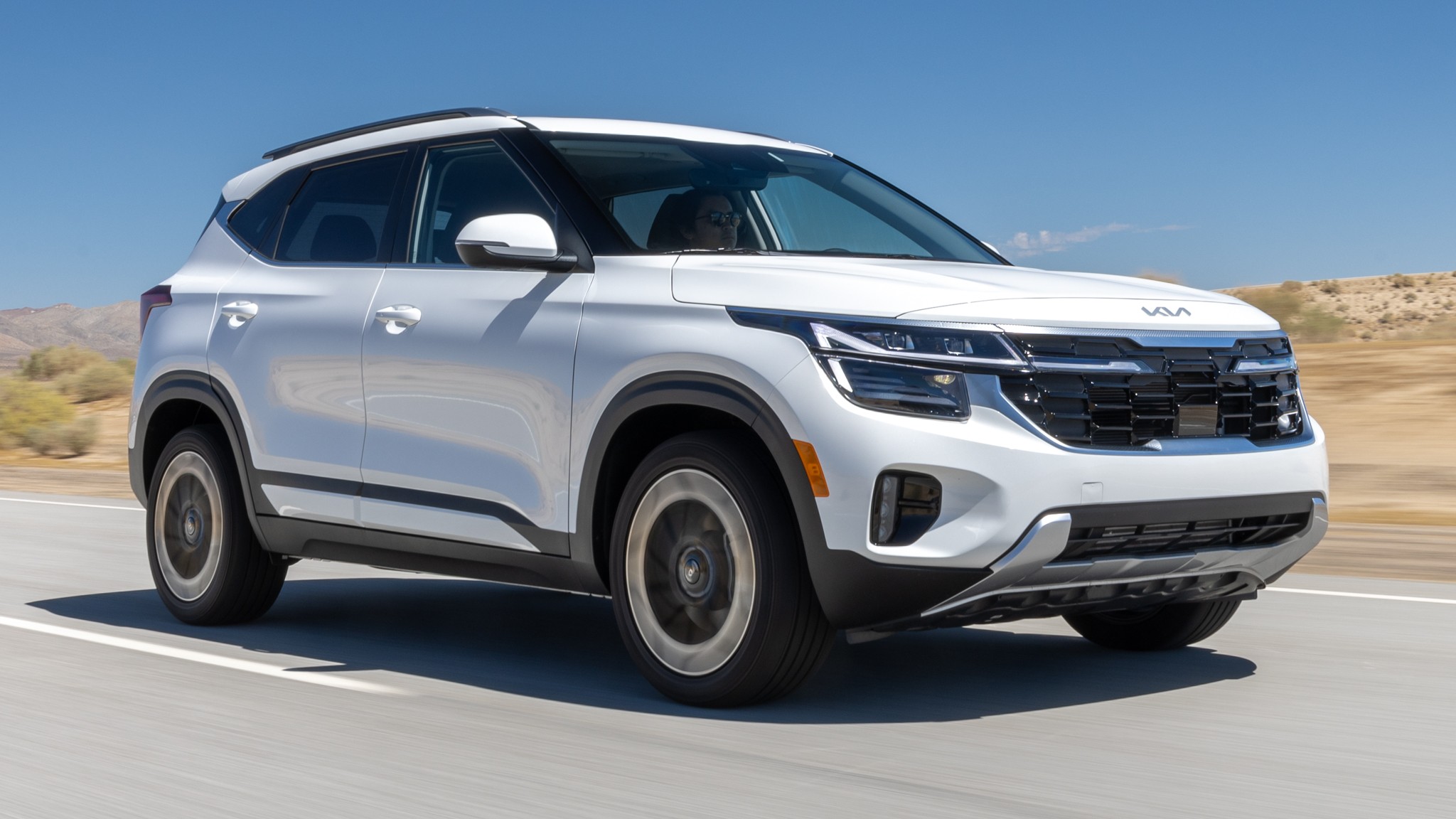
2. Kia Seltos
The Kia Seltos is often praised for its bold styling, feature-rich cabin, and competitive pricing, making it an attractive choice in the budget SUV segment.
However, when evaluated strictly from a safety perspective, the Seltos highlights several disadvantages commonly associated with entry-level SUVs especially when compared to family sedans.
One of the main safety concerns with the Seltos is its tall stance relative to its narrow footprint. This design increases body roll during sharp cornering and emergency steering inputs.
While electronic stability control works to mitigate these effects, it cannot fully overcome the physical limitations of a higher center of gravity. Family sedans, by contrast, maintain better composure during sudden maneuvers, reducing accident risk.
Weight distribution is another issue. The Seltos carries more mass higher off the ground, which negatively affects braking stability.
In panic braking situations, sedans typically stop in shorter distances due to lower weight transfer and better tire contact with the road. For families, this difference can be critical in real-world safety scenarios.
Structural compromises also play a role. As a budget-focused SUV, the Seltos is engineered to meet affordability targets.
While it complies with safety regulations, it often lacks the extensive use of high-strength materials found in well-developed family sedans. This can affect how impact forces are absorbed and managed during collisions.
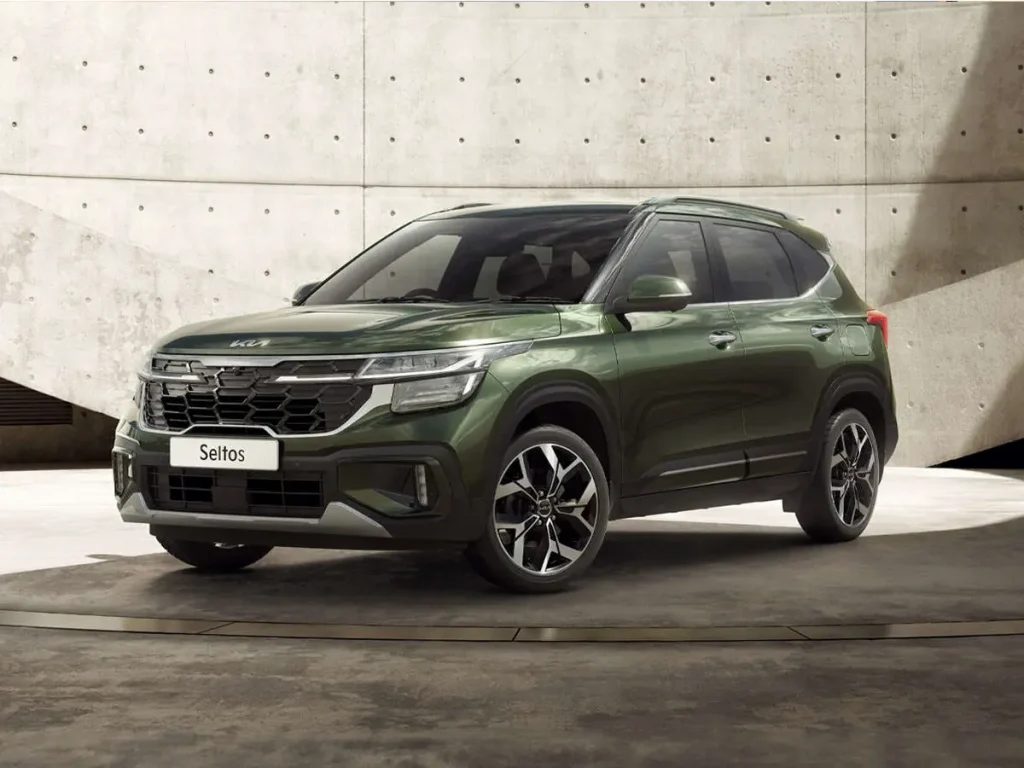
The Seltos includes modern driver-assistance features, but these systems are most effective when paired with stable vehicle dynamics.
Without the inherent balance of a sedan, their ability to prevent accidents is reduced. As a result, the Seltos exemplifies how budget SUVs may look safe but often fall short in actual protective capability.
3. Nissan Kicks
The Nissan Kicks is positioned as an affordable, city-friendly SUV, appealing to first-time buyers and small families. While it offers practicality and efficiency, its safety limitations become more evident when compared to traditional family sedans designed with protection as a priority.
The Kicks’ lightweight construction helps fuel economy but works against safety in certain scenarios. Lighter vehicles tend to provide less impact resistance in collisions with larger vehicles. Family sedans often strike a better balance between weight and structural rigidity, improving crash energy management.
Its elevated seating position contributes to increased rollover risk, particularly during abrupt steering corrections.
Although the Kicks includes stability control, its narrow track and tall profile reduce overall stability. Sedans, with their wider stance and lower height, maintain better road contact during emergencies.
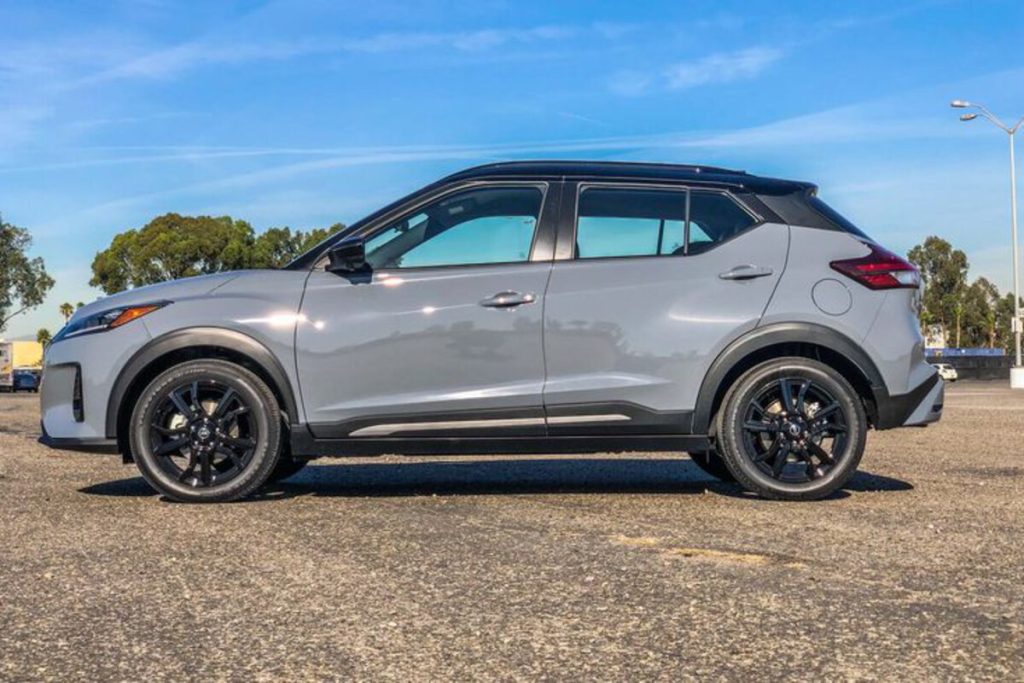
Braking performance is another area where the Kicks struggles relative to sedans. Smaller tires and a lighter braking system can result in longer stopping distances. In real-world driving, especially in crowded urban environments, this can increase collision risk.
The Nissan Kicks includes basic safety technology, but advanced systems are often limited or optional. Combined with its physical limitations, this makes it less capable of preventing accidents compared to family sedans that integrate safety more comprehensively.
4. Renault Kiger
The Renault Kiger is positioned as an entry-level SUV designed to maximize affordability and visual appeal. While it offers good value and urban practicality, its safety characteristics reveal the compromises that often accompany budget-focused SUV designs especially when compared to well-engineered family sedans.
One of the Kiger’s primary safety limitations is its tall, narrow profile. This design increases susceptibility to body roll during emergency maneuvers.
Sudden lane changes or obstacle avoidance can feel less controlled, particularly at higher speeds. Family sedans, with their lower centers of gravity, remain more stable and predictable in such situations.
Structural integrity is another concern. To meet aggressive pricing targets, budget SUVs like the Kiger often rely on lighter construction and fewer reinforcements.
While they meet regulatory standards, they may lack the advanced crash energy management systems found in family sedans, which are engineered with higher material quality and more refined crumple zones.
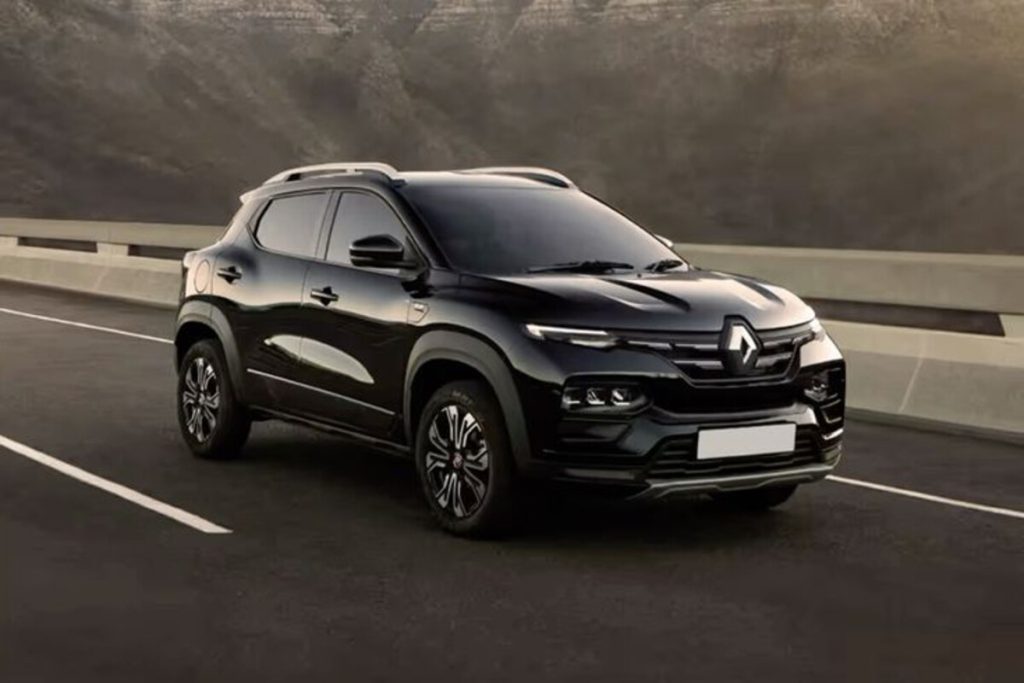
Braking performance also tends to lag behind sedans. The Kiger’s higher ride height and lighter braking setup can result in longer stopping distances. In emergencies, even small differences in braking efficiency can significantly impact safety outcomes.
The Kiger includes essential safety features, but these systems cannot fully compensate for the physical limitations of its design. As a result, it highlights why budget SUVs often provide perceived safety rather than actual, physics-based protection when compared to family sedans.
5. Tata Nexon
The Tata Nexon is frequently praised for its strong build quality and emphasis on safety within the budget SUV segment. While it performs better than many peers, it still faces inherent challenges that place it at a disadvantage compared to family sedans from a safety perspective.
The Nexon’s higher center of gravity increases rollover risk, particularly during sudden directional changes.
While its suspension is tuned for stability, physics still favors lower vehicles when it comes to maintaining control during emergency maneuvers. Family sedans maintain better tire contact with the road in these scenarios.
Weight distribution also affects braking and handling. The Nexon’s elevated mass contributes to longer stopping distances compared to lighter, lower sedans. In congested driving conditions, this can reduce the driver’s margin for error.
Although the Nexon includes modern safety features and strong structural elements for its class, its SUV proportions limit how effectively these systems can operate. Advanced safety technology works best when paired with stable vehicle dynamics, an area where sedans maintain an advantage.
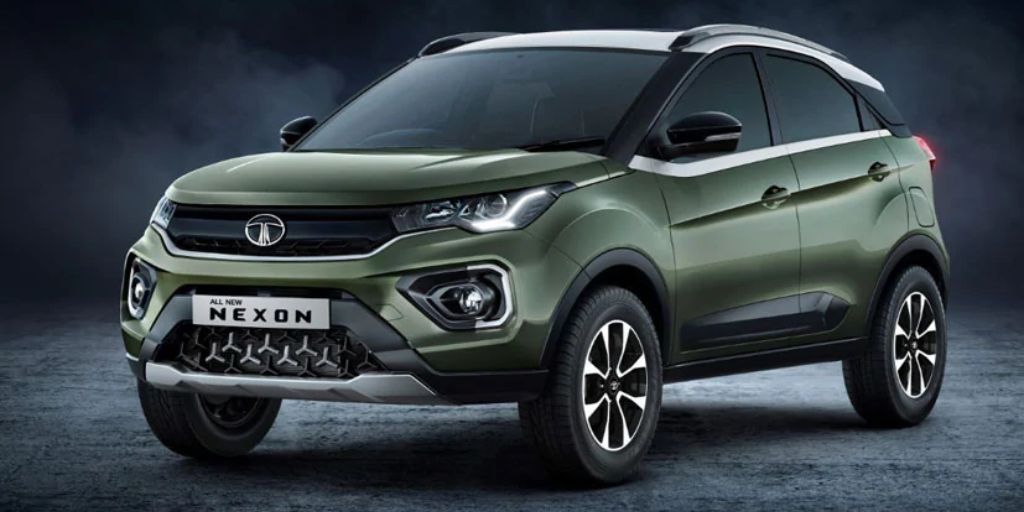
The Tata Nexon represents one of the safer budget SUVs available, yet it still underscores a key point of this comparison: even well-built budget SUVs struggle to match the inherent safety benefits of family sedans designed around stability and balanced engineering.
With both family sedans and budget SUVs fully examined, the differences in safety philosophy and real-world protection become clear. The final summary brings together these insights to explain why family sedans often remain the safer choice for everyday driving.
This comparison between five family sedans and five budget SUVs highlights an important reality that is often overshadowed by marketing and popular perception: vehicle safety is determined more by engineering and physics than by size or ride height.
While budget SUVs are frequently viewed as safer simply because they sit higher, family sedans consistently demonstrate stronger real-world safety advantages in stability, accident avoidance, and occupant protection.
Family sedans such as the Toyota Camry, Honda Accord, Subaru Legacy, Hyundai Sonata, and Mazda6 are engineered around balance and predictability. Their lower centers of gravity significantly reduce rollover risk one of the most dangerous and fatal types of accidents.
In emergency maneuvers such as sudden braking or lane changes, sedans maintain better tire contact with the road, allowing drivers to retain control and avoid crashes altogether. This accident-avoidance capability is one of the most critical aspects of real-world safety.
Structural design further strengthens the case for sedans. These vehicles typically feature rigid passenger safety cells and well-developed crumple zones designed to manage crash forces efficiently.
Because sedans sit lower, their impact points often align better with other cars on the road, improving crash compatibility. Budget SUVs, especially those built to strict cost limits, may meet safety regulations but often lack the same level of structural refinement.
Advanced safety technology also tends to work more effectively in sedans. Systems such as automatic emergency braking, lane-keeping assistance, and adaptive cruise control rely on predictable vehicle dynamics to function optimally.
Sedans provide that stability. In contrast, taller budget SUVs with more body roll and weight transfer can limit how precisely these systems intervene during critical moments.
Budget SUVs like the Hyundai Creta, Kia Seltos, Nissan Kicks, Renault Kiger, and Tata Nexon certainly offer practicality and road presence, and some perform better than others within their segment.
However, they face unavoidable physical limitations. Higher centers of gravity increase rollover risk, braking distances are often longer, and emergency handling is less composed. These drawbacks become especially important in highway driving and sudden avoidance situations.
The key takeaway from this article is not that SUVs are inherently unsafe, but that perceived safety does not always equal actual safety. Family sedans achieve protection through stability, strong structures, and refined safety systems rather than height or bulk.
For families who prioritize predictable handling, lower accident risk, and consistent protection in everyday driving, sedans often remain the safer and smarter choice.
In an era dominated by SUV trends, this comparison serves as a reminder to look beyond appearances and focus on engineering fundamentals because when it comes to safety, balance and control matter more than size.
Also Read: 5 Comfortable Cars for Fort Myers Florida Life vs 5 That Overheat Frequently
