
When businesses invest in vehicles, purchase price is only one part of the equation. Long-term value how well a vehicle holds its worth over time, often matters more than initial savings. This is where the comparison between work trucks and fleet vans becomes especially interesting.
While fleet vans are commonly chosen for their cargo capacity and operational efficiency, work trucks frequently outperform them when it comes to resale value, demand, and long-term financial return.
Work trucks are built to serve multiple roles. They function as jobsite tools, tow vehicles, and even personal transportation. This versatility keeps demand high in both commercial and private markets, which directly supports stronger resale values.
Used work trucks appeal not only to businesses, but also to individual buyers looking for capability and durability. As a result, depreciation tends to be slower and more predictable.
Fleet vans, by contrast, are often purchased in bulk and used intensively. While highly effective during their service life, they typically enter the resale market with high mileage, visible wear, and limited appeal outside commercial buyers.
Their specialized nature narrows the pool of secondhand buyers, which can reduce resale value even if the vans are mechanically sound.
This article explores five work trucks that consistently hold their value better than five fleet vans. By examining demand, durability, versatility, and market perception, the comparison highlights why certain trucks retain financial strength long after their initial purchase.
We’ll first focus on work trucks that demonstrate exceptional resale performance, then examine fleet vans that, despite their usefulness, struggle to maintain long-term value. The goal is to help buyers and businesses understand which vehicle types protect investment value more effectively over time.
Also Read: 5 Cars for Stockton Central Valley Heat vs 5 That Overheat
Work Trucks
Work trucks have long been valued not just for their capability, but for their financial resilience. These vehicles are designed to perform demanding tasks while remaining desirable long after their first ownership cycle.
Their ability to retain value is driven by a combination of durability, versatility, and broad market appeal. Unlike specialized vehicles, work trucks rarely become obsolete in function.
One of the primary reasons work trucks hold their value is demand diversity. Contractors, farmers, fleet operators, and private owners all compete in the used market for capable trucks.
This wide buyer base keeps prices strong even as mileage increases. A well-maintained work truck can transition seamlessly from professional use to personal or secondary-duty ownership.
Another factor is engineering longevity. Work trucks are typically built with reinforced frames, heavy-duty suspensions, and proven drivetrains designed to last under stress.
These characteristics reassure secondhand buyers that the vehicle still has usable life remaining. In contrast, vehicles designed for single-purpose commercial use often appear “used up” once their fleet service ends.
Brand reputation also plays a role. Certain trucks are known for reliability and long-term durability, which strengthens resale confidence. Accessories such as tow packages and four-wheel drive further enhance desirability in the used market.
The following five work trucks consistently demonstrate strong resale performance. Each example illustrates why these trucks protect owner investment better than many fleet vans, even after years of hard use.
1. Toyota Tacoma
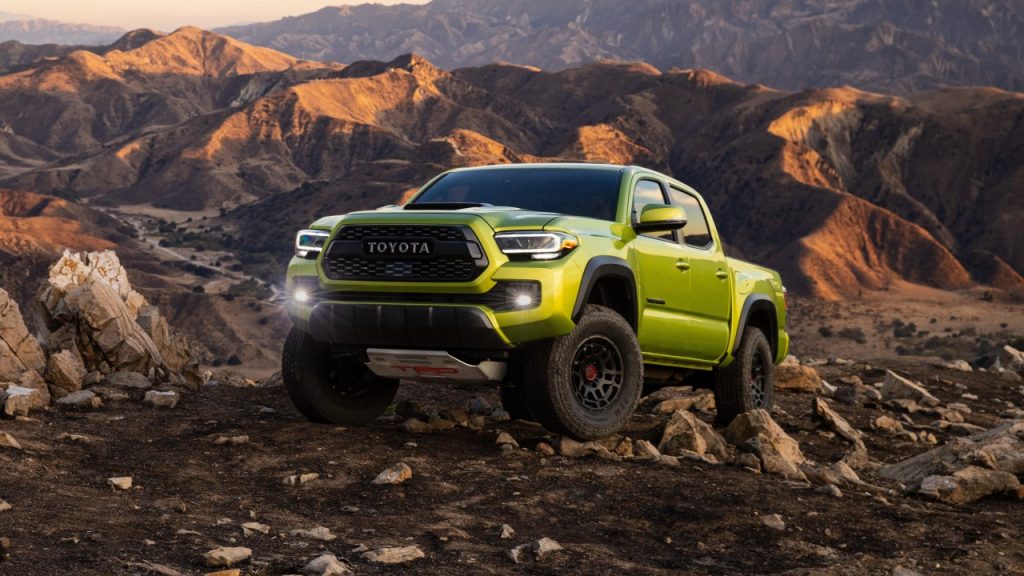
The Toyota Tacoma is one of the strongest examples of a work truck that retains exceptional long-term value. Its reputation for reliability, durability, and off-road capability has created sustained demand in both commercial and private markets.
Even high-mileage Tacomas routinely command strong resale prices, making them a standout choice for buyers concerned with depreciation.
One major reason the Tacoma holds its value is Toyota’s reputation for long-term engineering reliability. Buyers trust that a used Tacoma still has many years of service left, even after heavy use.
This perception significantly boosts demand in the secondhand market. Contractors, landscapers, and outdoor-focused buyers all view the Tacoma as a dependable tool rather than a disposable asset.
The Tacoma’s versatility also supports resale value. It functions effectively as a work vehicle during the week and a recreational truck on weekends. Four-wheel-drive availability, strong aftermarket support, and a durable frame make it appealing to a broad range of buyers. This wide appeal keeps resale prices strong regardless of market conditions.
Additionally, Tacomas age gracefully. Their interiors and mechanical components are designed to withstand wear without appearing overly fatigued. In contrast, fleet vans often show visible wear quickly, which can negatively affect resale perception.
Because of its reputation, versatility, and proven longevity, the Toyota Tacoma consistently outperforms fleet vans in retained value. It remains one of the safest long-term investments in the work vehicle market.
2. Ford F-150
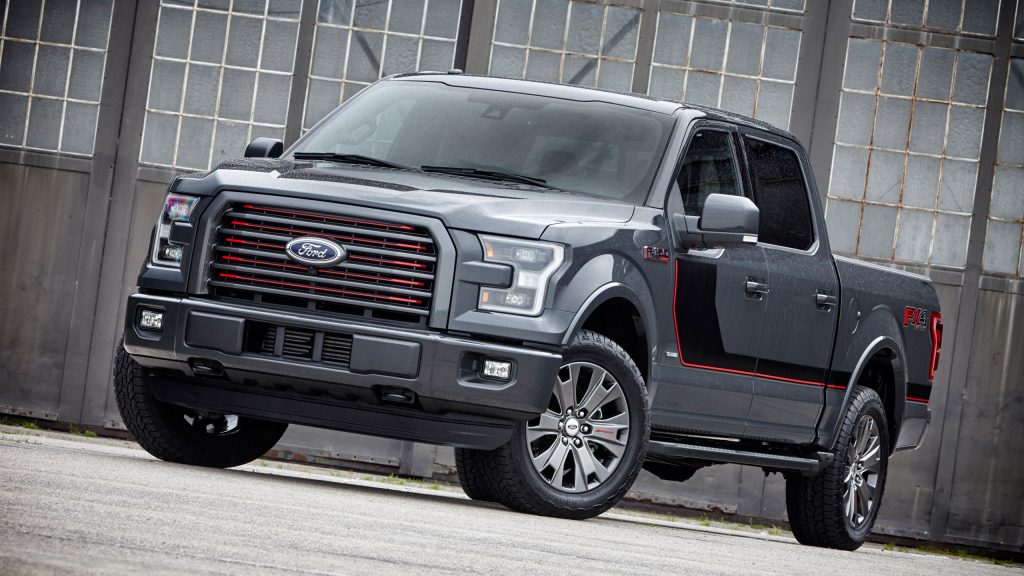
The Ford F-150 is one of the best-selling trucks in the world, and its dominance directly contributes to its strong resale value.
As a work truck, it benefits from widespread demand, extensive parts availability, and a reputation for capability across industries. These factors make used F-150s highly desirable long after their initial purchase.
One reason the F-150 holds value so well is its adaptability. It serves construction crews, towing operations, small businesses, and private owners equally well. This broad appeal ensures that used models attract buyers from multiple segments, unlike fleet vans that are often limited to commercial resale channels.
The F-150’s durability also supports long-term value. Its frame and drivetrain options are designed to handle consistent workloads, and buyers trust that even older models remain capable. Maintenance familiarity among mechanics further increases buyer confidence in used examples.
Another factor is market perception. The F-150 is seen as a benchmark work truck, which strengthens resale pricing. Features such as four-wheel drive, extended cabs, and tow packages increase desirability in the used market, helping owners recover more value when selling.
Compared to fleet vans, which often enter resale markets with high mileage and limited appeal, the Ford F-150 maintains strong financial performance. Its combination of reliability, versatility, and market demand makes it one of the best value-retaining work trucks available.
3. Chevrolet Silverado 2500HD
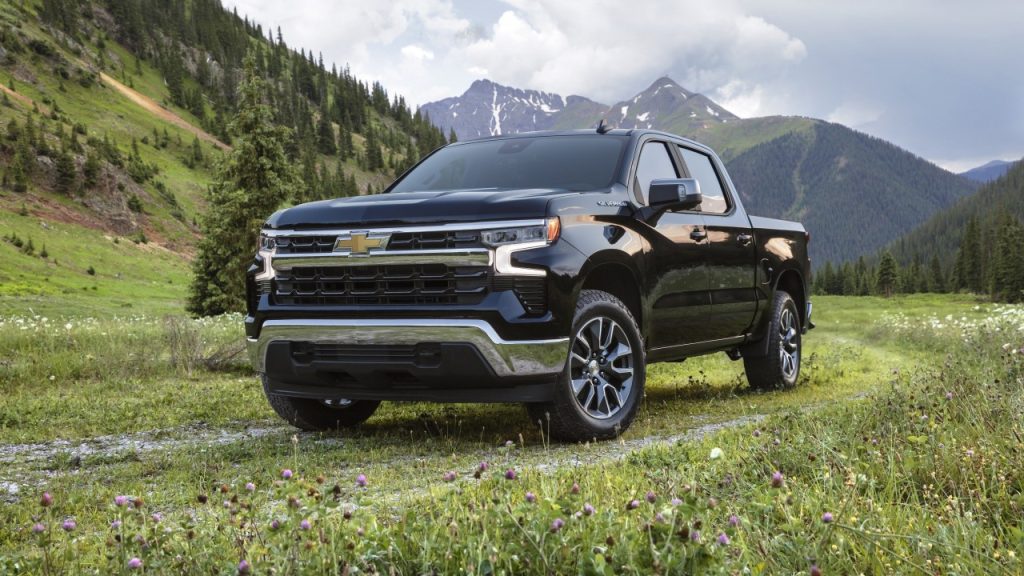
The Chevrolet Silverado 2500HD stands out as a work truck that holds its value exceptionally well due to its heavy-duty construction and long-term usability.
Designed for demanding workloads, this truck appeals strongly to contractors, towing professionals, and industrial operators, all of whom value durability over aesthetics. That consistent demand translates directly into strong resale performance.
One of the key reasons the Silverado 2500HD retains value is its reputation for strength. Its reinforced frame, heavy-duty suspension, and robust drivetrain reassure secondhand buyers that the truck is still capable even after years of hard use.
Unlike lighter-duty vehicles that may feel worn after fleet service, the Silverado 2500HD is expected to endure stress, which boosts buyer confidence.
The truck’s specialization actually helps resale value. While fleet vans are often seen as single-purpose tools, the Silverado 2500HD is desirable for towing, hauling, and agricultural work. This gives it relevance in multiple resale markets, including private owners who need serious capability but prefer used pricing.
Another advantage is familiarity. The Silverado nameplate is well understood by mechanics and buyers alike, reducing perceived ownership risk. Parts availability and service knowledge remain strong even as the truck ages, further supporting resale demand.
Compared to fleet vans, which are often sold off after intensive use with limited appeal outside commercial buyers, the Silverado 2500HD remains attractive and valuable. Its ability to continue working reliably long after its first owner makes it a strong example of a truck that protects long-term investment.
4. Ram 2500
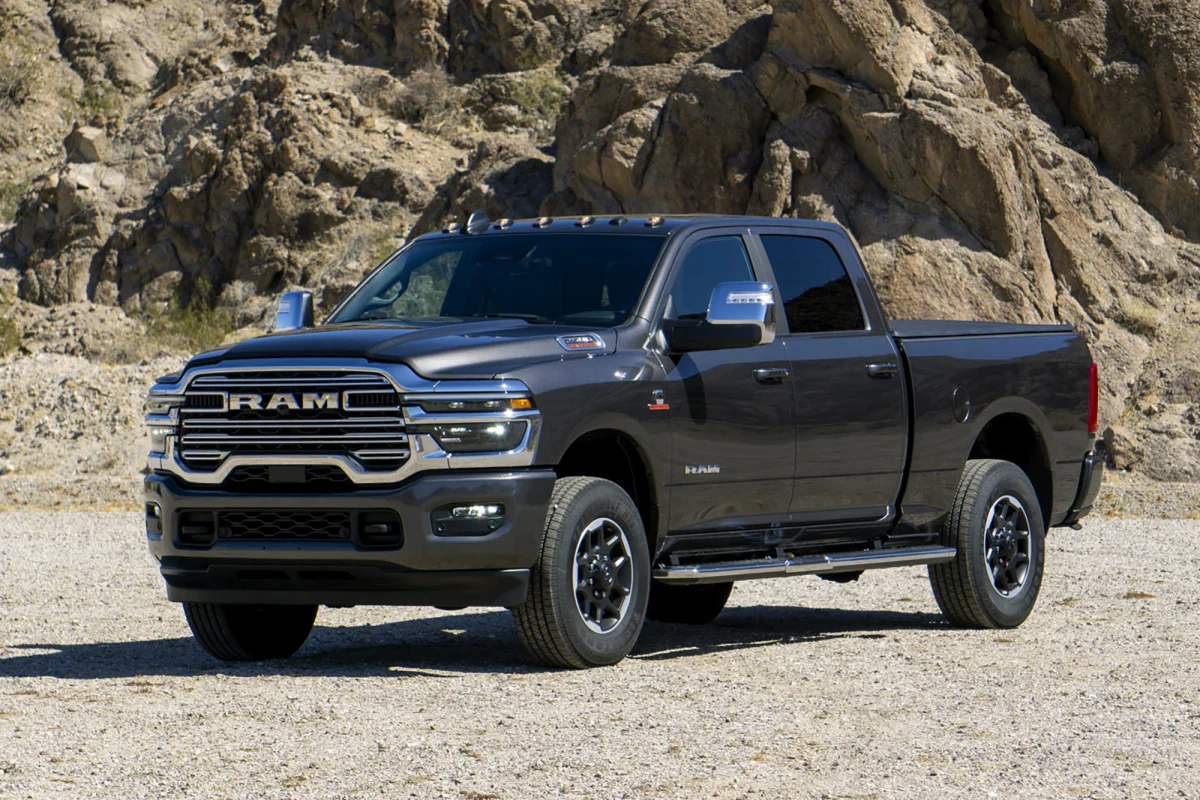
The Ram 2500 has built a reputation as a rugged and capable work truck that maintains strong resale value thanks to its durability and sustained demand. Frequently used in construction, agriculture, and heavy towing applications, the Ram 2500 is viewed as a long-term asset rather than a short-term tool.
A major factor behind its value retention is its ability to handle heavy loads consistently. Buyers in the used market look for trucks that can continue performing under stress, and the Ram 2500’s reinforced chassis and suspension deliver that confidence. Even with high mileage, these trucks are often considered “work-ready,” which supports higher resale prices.
The Ram 2500 also benefits from versatility. It appeals to professional users as well as private buyers who need serious capability for trailers, equipment, or rural use.
This broad demand base helps keep used prices stable. In contrast, fleet vans are often sold in large numbers after service, which can flood the market and depress values.

Interior durability also plays a role. While not luxury-focused, the Ram 2500’s cabin materials are designed to withstand work environments, aging better than van interiors that often show heavy wear. Buyers tend to perceive used trucks as more acceptable with cosmetic wear than used vans, further supporting resale strength.
Overall, the Ram 2500’s durability, versatility, and strong market perception allow it to outperform fleet vans in retained value. It remains a solid investment for buyers who care about long-term financial return.
5. GMC Sierra 1500
The GMC Sierra 1500 combines work-ready capability with a level of refinement that broadens its resale appeal. While fully capable of handling jobsite tasks, it also attracts private buyers looking for a dependable used truck, which significantly strengthens its long-term value retention.
One reason the Sierra 1500 holds value well is its balanced identity. It is tough enough for work use but refined enough for daily driving. This dual-purpose appeal expands its resale audience beyond strictly commercial buyers. Fleet vans, by comparison, rarely transition into private ownership easily.
Durability is another key factor. The Sierra 1500’s frame, drivetrain options, and suspension are engineered for consistent workloads. Buyers trust that even used examples can continue performing reliably. This perception supports stronger resale prices even as mileage accumulates.
Brand perception also matters. GMC positions the Sierra as a professional-grade truck, and that branding resonates in the used market. Features such as four-wheel drive, crew cab layouts, and towing packages remain highly desirable, helping used models retain value.
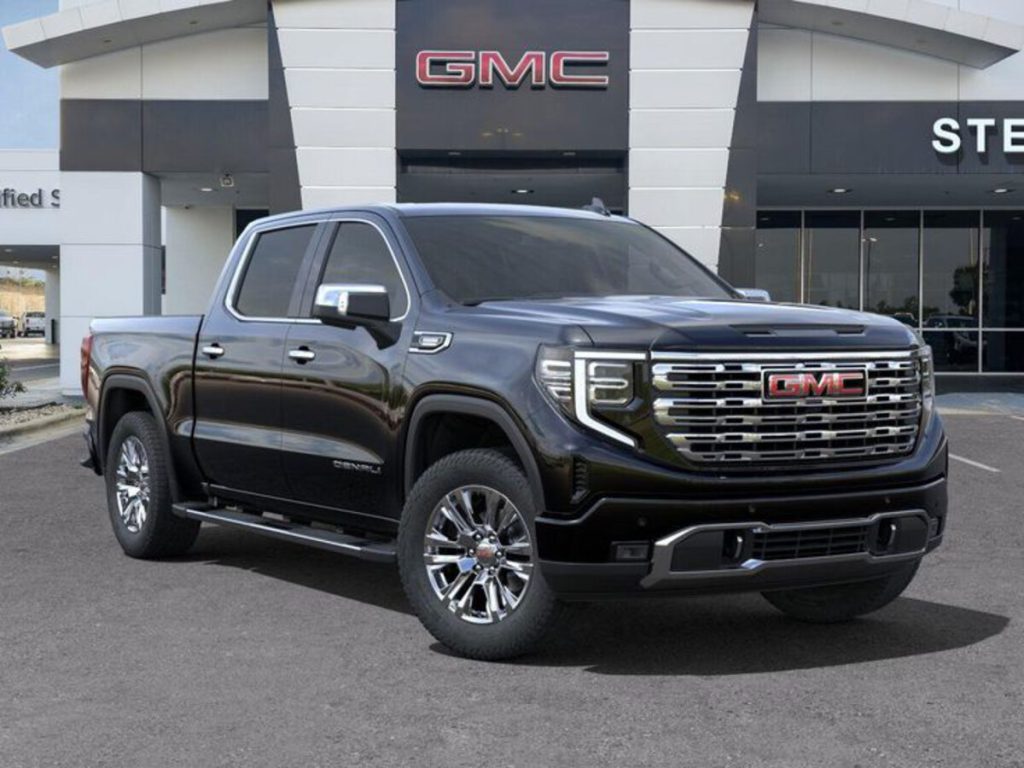
Compared to fleet vans that often exit service with high mileage and visible wear, the Sierra 1500 remains attractive and versatile. Its ability to serve both professional and personal roles makes it one of the strongest value-holding work trucks in the resale market.
Fleet Vans
Fleet vans play a crucial role in modern business operations. They are designed to maximize cargo space, streamline deliveries, and support service-based industries such as logistics, utilities, and maintenance.
For many companies, vans are the most efficient tools for day-to-day operations. However, when the conversation shifts from operational efficiency to long-term value retention, fleet vans face significant disadvantages compared to work trucks.
One of the biggest challenges fleet vans encounter in the resale market is perception. Vans are commonly associated with intensive commercial use, high mileage, and visible wear.
Even when mechanically sound, they are often assumed to have lived a hard life. This perception narrows the pool of secondhand buyers, limiting resale demand mostly to other businesses rather than private individuals.
Another factor affecting resale value is specialization. Fleet vans are purpose-built for cargo hauling or service work.
Once their commercial life ends, they lack the flexibility to transition into personal use. Work trucks, by contrast, easily move from jobsite duty to recreational or household use, keeping demand high. Vans rarely enjoy that versatility.
Market saturation also plays a role. Fleet vans are often sold in bulk after lease cycles end, flooding the used market with similar vehicles. This oversupply depresses prices regardless of condition. Trucks, however, are sold more gradually and appeal to a wider audience, helping them retain value.
The following fleet vans are effective work tools, but despite their utility, they struggle to hold value at the same level as work trucks. Each example highlights why resale performance remains a challenge for vans once their fleet service concludes.
1. Ford Transit
The Ford Transit is one of the most widely used fleet vans in the commercial vehicle market. Its popularity stems from excellent cargo capacity, multiple configurations, and adaptability for delivery services, trades, and passenger transport.
From an operational standpoint, the Transit is extremely effective. However, when it comes to long-term value retention, it faces challenges that work trucks typically avoid.
A major factor affecting the Transit’s resale value is usage intensity. Most Transits are purchased by fleets and used daily for deliveries or service work.
By the time they reach the secondary market, they often carry high mileage and visible wear. Even well-maintained examples are perceived as “worked hard,” which lowers buyer willingness to pay premium prices.
Another issue is market saturation. Because large fleets cycle Transits out in batches, used listings often flood the market at the same time. This oversupply reduces resale prices regardless of demand. In contrast, work trucks enter the used market more gradually and appeal to a broader range of buyers.
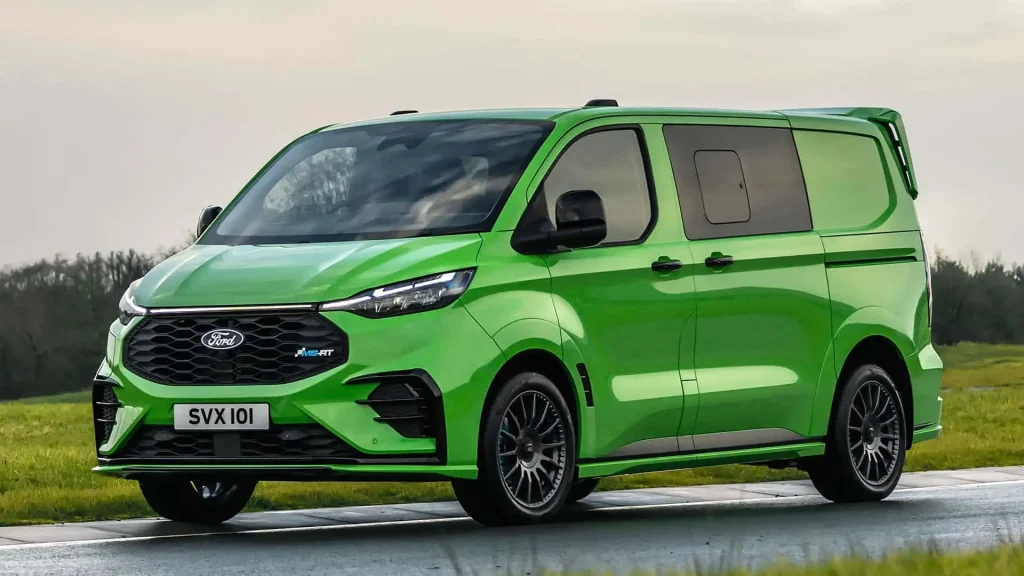
The Transit’s specialization also limits resale appeal. While excellent for cargo hauling, it offers little incentive for private buyers who don’t need a van. Trucks can be repurposed for towing, recreation, or personal transport, but vans remain narrowly functional.
While the Ford Transit remains an outstanding fleet tool, its heavy commercial association and limited versatility restrict its resale strength. Compared to work trucks like pickups, which maintain demand across multiple buyer segments, the Transit consistently depreciates faster once its fleet service ends.
2. Mercedes-Benz Sprinter
The Mercedes-Benz Sprinter occupies a premium position in the fleet van market, known for its advanced engineering, high roof options, and strong brand reputation. It is widely used for delivery services, luxury shuttles, and specialty conversions. Despite its higher initial cost, the Sprinter still struggles to match work trucks in long-term value retention.
One reason is cost perception. When new, the Sprinter commands a premium price, but in the used market, buyers are often cautious. High repair and maintenance costs associated with luxury-branded commercial vehicles can deter secondhand buyers. This reduces demand and puts downward pressure on resale values.
Like other fleet vans, Sprinters often accumulate high mileage quickly. Delivery routes and long operating hours accelerate wear, and even well-maintained examples are assumed to have endured heavy usage.
This perception contrasts sharply with work trucks, which are often seen as durable long-term assets even with similar mileage.
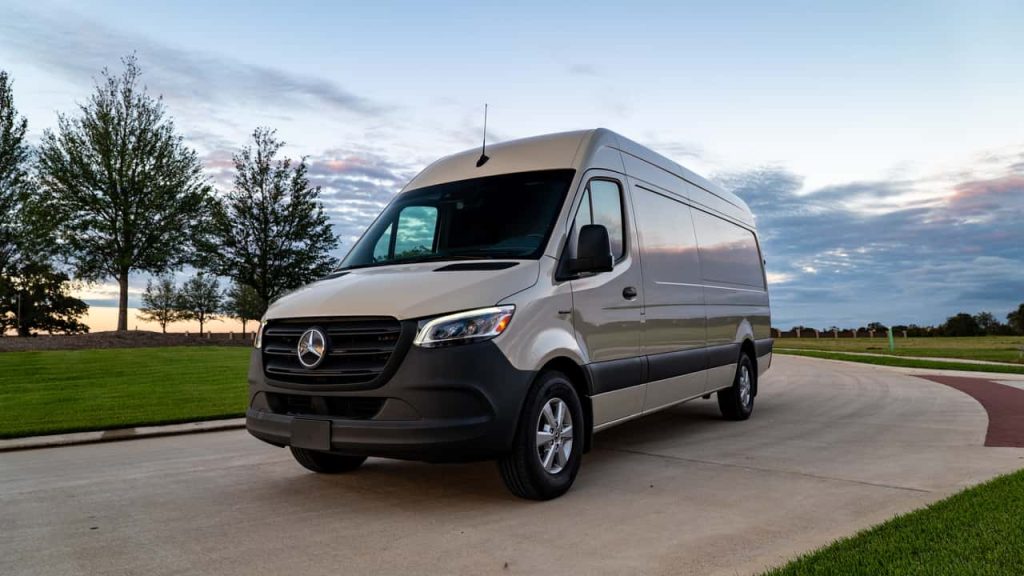
The Sprinter’s specialization further limits its resale audience. While popular for niche conversions, the average private buyer rarely seeks a large commercial van. Trucks, by comparison, appeal to homeowners, hobbyists, and small businesses alike.
Although the Sprinter offers exceptional functionality during its service life, its resale value is constrained by usage patterns, buyer perception, and market limitations. As a result, it consistently depreciates more sharply than work trucks that retain broader appeal beyond their initial role.
3. Ram ProMaster
The Ram ProMaster is a common sight in delivery fleets and service operations due to its boxy cargo area, low load floor, and urban-friendly maneuverability.
From a functional standpoint, it is highly effective, especially for last-mile delivery and trades that require frequent stops. However, when evaluated through the lens of long-term value retention, the ProMaster struggles to compete with work trucks.
One major factor affecting the ProMaster’s resale value is its narrow buyer audience. Most used buyers looking at ProMasters are businesses seeking affordable cargo capacity.
Private buyers rarely consider it, which sharply limits demand in the secondary market. Work trucks, by contrast, attract contractors, farmers, hobbyists, and everyday drivers alike.
Usage intensity further impacts resale. ProMasters are often subjected to constant stop-and-go driving, heavy payloads, and dense urban routes.
This accelerates wear on drivetrains, suspensions, and interiors. Even when properly maintained, used ProMasters are often perceived as being near the end of their most productive life, which suppresses resale pricing.
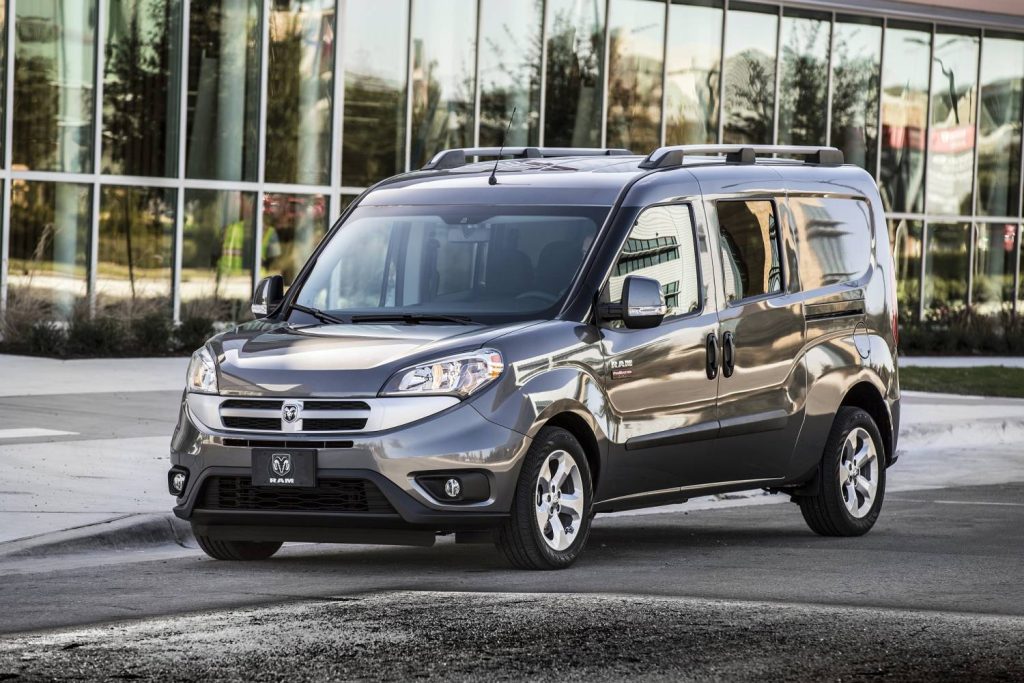
Interior condition also plays a role. Cargo vans like the ProMaster tend to show wear quickly scratched panels, dented floors, and stripped interiors are common after fleet service. Trucks tolerate cosmetic wear better in buyer perception, while vans are judged more harshly for the same condition.
Despite its operational efficiency, the Ram ProMaster depreciates rapidly once it exits fleet duty. Its specialization, heavy-use reputation, and limited resale audience make it far less effective at holding value than versatile work trucks.
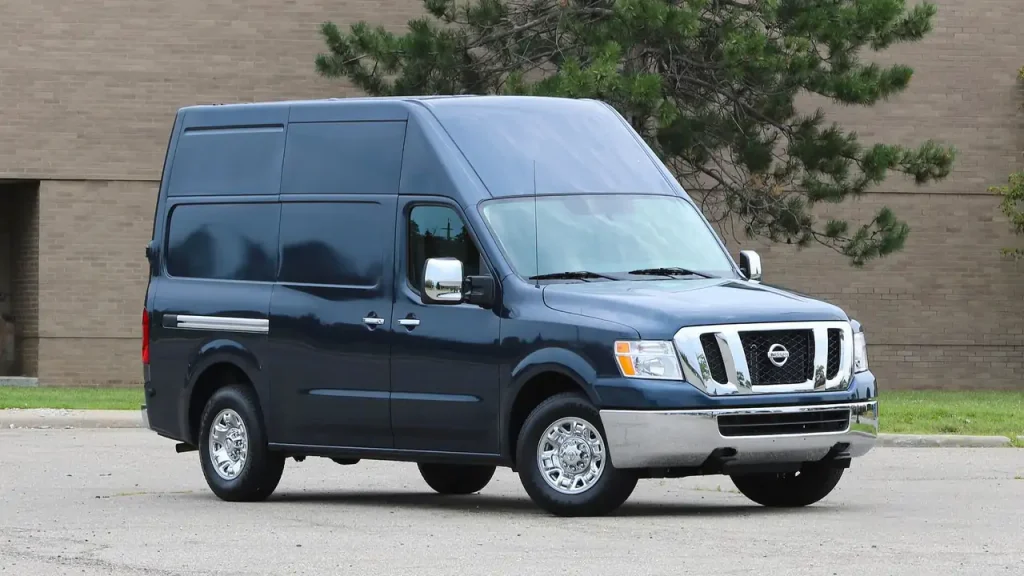
4. Nissan NV Cargo
The Nissan NV Cargo van was designed as a durable, straightforward fleet vehicle, prioritizing strength and simplicity over refinement.
During its service life, it performs reliably in commercial roles such as construction support and equipment transport. However, like most fleet vans, the NV Cargo faces significant challenges in maintaining resale value.
A primary issue is market perception. The NV Cargo is almost exclusively associated with fleet use, and most used buyers assume extensive wear regardless of actual condition.
This assumption limits pricing flexibility when these vans enter the resale market. Work trucks, even when heavily used, are often viewed as still valuable tools rather than depreciated assets.
Another challenge is demand concentration. The NV Cargo appeals almost entirely to business buyers. Unlike pickups, which transition easily into personal ownership, the NV has little crossover appeal. This restricted buyer pool weakens resale pricing, especially when multiple vans are sold simultaneously from fleet retirements.
Interior design further affects resale. The NV’s utilitarian cabin and cargo area often show visible wear after service use. Trucks are more forgiving in resale value when interiors show age, while vans are penalized more heavily for cosmetic degradation.
Although the Nissan NV Cargo offers dependable service during its operational life, it lacks the versatility and broad appeal required to retain value long-term. Compared to work trucks that maintain demand across multiple markets, the NV Cargo depreciates more quickly and predictably.
5. Chevrolet Express
The Chevrolet Express is one of the longest-running fleet vans on the market, valued for its simplicity, durability, and widespread service support. It has served delivery fleets, contractors, and shuttle services for decades. Despite its proven reliability, the Express struggles to retain value when compared to work trucks.
One factor impacting resale value is design age. While durability is a strength, outdated styling and interior design reduce appeal to secondhand buyers. Trucks, even older ones, tend to age more gracefully in the eyes of consumers, while vans are expected to feel modern to justify higher resale prices.
Fleet usage patterns also affect the Express. Many units accumulate extremely high mileage over relatively short periods. When sold used, buyers often see these vans as nearing the end of their productive life, regardless of mechanical condition. This perception reduces pricing power.
Another limitation is versatility. The Express excels in commercial hauling but offers little incentive for personal ownership. Work trucks, by contrast, are frequently repurposed for recreation, towing, or household projects, which sustains demand and resale strength.

Although the Chevrolet Express is dependable and cost-effective during fleet service, it lacks the market flexibility to hold value after retirement. Its specialized role and heavy-use reputation place it at a disadvantage compared to work trucks that remain desirable long after their initial use.
When businesses and individual buyers evaluate vehicles, long-term value retention is often just as important as upfront cost or daily usefulness. This article compares five work trucks with five fleet vans to explain why work trucks consistently hold their value better over time.
While both vehicle types are essential in commercial operations, their resale performance differs significantly due to design purpose, market demand, and buyer perception.
Work trucks benefit from versatility, which is the single biggest factor behind their strong resale value. Trucks are not limited to one role; they can serve as jobsite vehicles, towing platforms, agricultural tools, or personal transportation.
This flexibility keeps demand high in both commercial and private markets. Buyers view used trucks as assets that still have meaningful service life remaining, even with higher mileage.
Proven durability, reinforced frames, and heavy-duty components further strengthen confidence in used work trucks, allowing them to command higher resale prices.
Brand reputation and familiarity also support truck values. Well-known work trucks are easy to service, parts are widely available, and mechanics understand them well. These factors reduce perceived ownership risk in the used market.
Additionally, cosmetic wear is often more acceptable on trucks, as buyers expect signs of use and still consider them functional tools rather than worn-out vehicles.
Fleet vans, by contrast, face structural disadvantages in resale markets. They are typically purchased in large numbers and used intensively for delivery or service work, which leads to high mileage and visible wear by the time they are sold.
Even well-maintained vans are assumed to have lived hard lives, which lowers buyer confidence and pricing. Their specialized design limits their appeal almost entirely to business buyers, shrinking the resale audience compared to trucks that attract a broad range of users.
Market saturation further weakens van resale values. Fleet vehicles are often sold off in batches, flooding the used market and driving prices down. Vans also age less favorably in perception, as outdated interiors and visible cargo-area wear negatively affect resale appeal more than similar wear would on a truck.
Overall, the comparison shows that while fleet vans are efficient and valuable during their service life, work trucks offer superior long-term financial returns. For buyers who prioritize resale strength and investment protection, work trucks remain the smarter choice.
Also Read: 5 Cars for Jersey City Urban Life vs 5 That Are Pricey to Maintain
